
A Modern Rite of Passage for Mind, Body, and Spirit
In today’s comfort-saturated world, we often forget what we’re capable of. We live behind screens, within routines, and beneath our potential. But what if, once a year, you did something so challenging, so outrageous that it forced you to face your limits and break through them? That’s the spirit of “Misogi.”
What Is Misogi?
Misogi is an ancient Shinto purification ritual originating in Japan. Traditionally performed under icy waterfalls or in natural bodies of water, it involves cold-water immersion, breath control, and chanting to wash away impurities, not just physical dirt, but emotional, mental, and spiritual stagnation. It’s about cleansing the soul, aligning with nature, and stepping into renewed awareness.
“Misogi is not about strength; it’s about sincerity.” – Japanese proverb

From Ritual to Challenge: The Modern Misogi
In recent years, Misogi has evolved beyond religious rituals into a deliberate act of voluntary hardship. Misogi is a physical and mental challenge that reclaims the spirit of transformation. Spearheaded by thinkers like Dr. Marcus Elliott, the modern Misogi is a once-a-year event so difficult that there’s a 50% chance of failure.
The Rules of Modern Misogi:
- It should be physically and/or mentally extreme.
- There should be a real risk of not finishing.
- No audience. This is not for social media likes.
- It should change one’s perspective on the way you see the rest of their life.
Holistic Health Benefits of Misogi
From a holistic wellness standpoint, the Misogi Challenge is more than a test of will, it’s a full-spectrum recalibration:
Mental Fortitude
Pushing beyond perceived limits activates the prefrontal cortex, engages deep concentration, and can restructure your relationship with fear and discomfort (Tse et al., 2007).
Physical Resilience
Strenuous, unfamiliar tasks force the body to adapt, strengthen, and detoxify, stimulating lymphatic flow, cardiovascular function, and musculoskeletal balance (Nieman, 2003).
Energetic Alignment
Like cold plunges in Taoist and Ayurvedic cleansing rituals, Misogi resets energetic flow (Qi or prana), breaking through stagnation that can lead to disease (Larre et al., 1996).
Spiritual Renewal
Letting go of the ego, expectations, and habitual comforts creates space for inner clarity and reconnection to purpose. It becomes a form of sacred self-inquiry.
Designing a Misogi Challenge for Different Wellness Levels
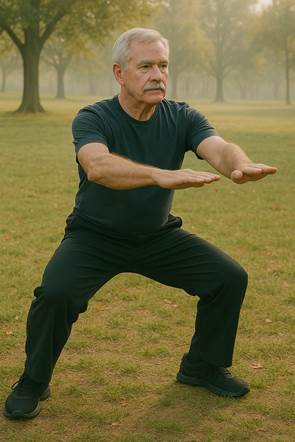
Seniors or Holistic Wellness Groups
- Challenge: 12-hour digital fast with 6-hour silent walking meditation
- Why: Encourages mindfulness, self-awareness, and reconnection with breath and body
- Modify with: Journaling and gentle breathwork (e.g., qigong or walking tai chi)
Moderate Fitness Level
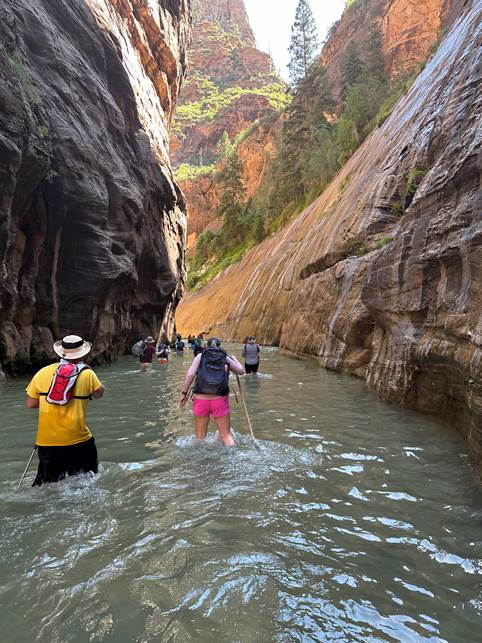
- Challenge: 20-mile nature hike with water-only fasting
- Why: Combines physical exertion, solitude, and environmental reconnection
- Modify with: Breaks for seated meditation or breath practice every 5 miles
Advanced Practitioners or Athletes
- Challenge: Carrying a heavy object (rock, sandbag) across natural terrain for 2–3 hours in silence
- Why: Deeply tests body and mind under primal conditions
- Modify with: Incorporate chants, breath pacing, or visualization

Integration Is Key
A true Misogi doesn’t end when the task is complete. The reflection period is just as important:
- Journal about what arose emotionally and physically
- Meditate on what you let go of and what you discovered
- Ask yourself: Who was I before this, and who am I now?
Misogi in the Modern World
While Misogi may sound extreme, it addresses a modern spiritual hunger or the need for voluntary adversity (strategic trauma) that leads to inner growth. We lack rites of passage in our society, and so our transformation remains stunted. Misogi reclaims this space and offers a framework for regeneration, not just resilience.
In the end, Misogi isn’t about conquest. It’s about coming clean with your body, your breath, your fears, and your forgotten strength. Misogi is less about proving you can finish and more about remembering what’s possible when you try.
Even once a year, stepping into something so bold, uncomfortable, and transformative can reset your relationship with fear, complacency, and the stories you tell yourself. Misogi is a sacred dare to become fully alive.
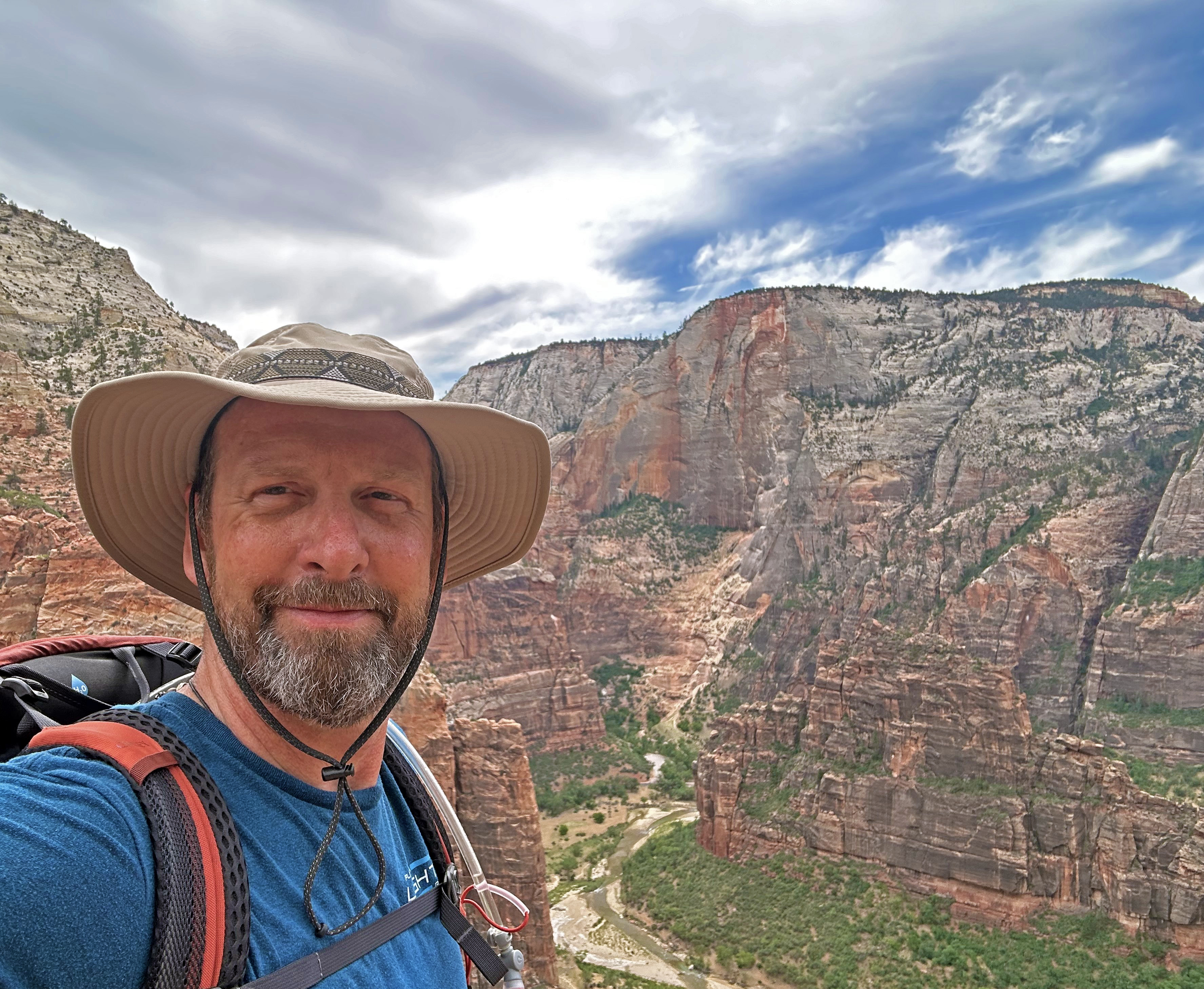
Last year, I committed to a 3-month rigorous physical training regimen to prepare for a 10-day hiking expedition across Utah’s Mighty Five national parks. A journey that demanded not only endurance but also mental clarity and emotional resilience. In many ways, it became my own version of a Misogi Challenge.
Drawing from decades of experience in Tai Chi, Qigong, and other time-tested fitness and wellness systems, I developed a holistic training protocol that addressed balance, breath, posture, flexibility, and mindset. This integrative approach not only strengthened my body for the miles ahead but also deepened my presence and appreciation for the journey itself.
I now help others design their own Misogi-style challenges, whether it’s a hiking goal, a fitness milestone, or a personal rite of passage, using adaptable practices rooted in Eastern movement arts and modern wellness science. You don’t need to be an elite athlete; you only need the willingness to step beyond comfort and toward transformation.
References
Larre, C., de la Vallée, E., & Rochat de la Vallée, E. (1996). The Eight Extraordinary Meridians: Spirit of the Vessels. Monkey Press.
Nieman, D. C. (2003). Current perspective on exercise immunology. Current Sports Medicine Reports, 2(5), 239–242. https://doi.org/10.1249/00149619-200310000-00001
Tse, D., Langston, R. F., Kakeyama, M., Bethus, I., Spooner, P. A., Wood, E. R., … & Morris, R. G. (2007). Schemas and memory consolidation. Science, 316(5821), 76-82. https://doi.org/10.1126/science.1135935


 United Martial Arts Association