
No Amount of Wealth, Status, or Celebrity Can Take the Place of a Neglected Mind and Body
In an age where wealth, fame, and social standing are glorified as the pinnacle of success, it is easy to forget that the most valuable assets we possess are not in our bank accounts or in our résumés. Rather they are the state of our minds and the vitality of our bodies. Material fortune and public recognition can buy influence, open doors, and offer fleeting pleasures, but they cannot reverse years of physical neglect or restore a mind dulled by stress, apathy, or overindulgence. The truth is simple: when the mind and body are compromised, the currency of wealth and the applause of the crowd lose their meaning.
The Illusion of Substitution
Society often promotes the illusion that money, influence, or fame can make up for a lack of health. We see celebrities celebrated despite visible physical decline, business leaders pushing themselves past the brink of exhaustion, and influencers curating glamorous online lives while privately battling anxiety, burnout, and chronic illness. This image of “success” hides a grim reality. No amount of financial or social power can purchase a new nervous system, undo the damage of decades of poor lifestyle habits, or replace the inner peace that comes from a well-cared-for mind.
Wealth can buy advanced medical treatment, but it cannot buy resilience built from consistent exercise, balanced nutrition, and quality rest. It can hire therapists and coaches, but it cannot magically instill mental clarity, discipline, or emotional stability in a person unwilling to nurture them. It can provide luxury and comfort, but it cannot offer the satisfaction of living in a body and mind that are strong, agile, and alert.
The Human Cost of Neglect
Neglect of the body often begins subtly. Skipped workouts, poor sleep, diets based on convenience rather than nutrition and other issues emerge as seemingly harmless lapses. Over time, this neglect compounds where muscles and bones weaken, cardiovascular endurance drops, weight accumulates, and chronic conditions take root. The body, once ignored, demands attention in ways that money alone cannot silence. Arthritis cannot be bribed. A failing heart cannot be impressed by prestige. The slow erosion of mobility and vitality spares no one.
Similarly, the neglected mind suffers in ways that wealth cannot mend. Without continuous learning, mental challenges, and emotional self-regulation, the mind becomes less adaptable. Stress becomes more overwhelming, decision-making more erratic, and creativity more stagnant. Intellectual and emotional atrophy often occur long before physical decline becomes visible, robbing life of richness and depth.
Real Wealth: Mind-Body Integrity
The most enduring form of success comes from balance: a mind that remains curious, clear, and resilient, and a body that can carry us through life’s challenges with strength and endurance. This integrity cannot be purchased, but rather it must be cultivated through daily choices. Physical exercise strengthens not just the body but also mental health, reducing anxiety and improving cognitive function. Mindful practices such as meditation, reflection, and deliberate learning sharpen awareness and emotional stability. Proper nutrition fuels both the brain and the muscles, enabling them to function at their best.
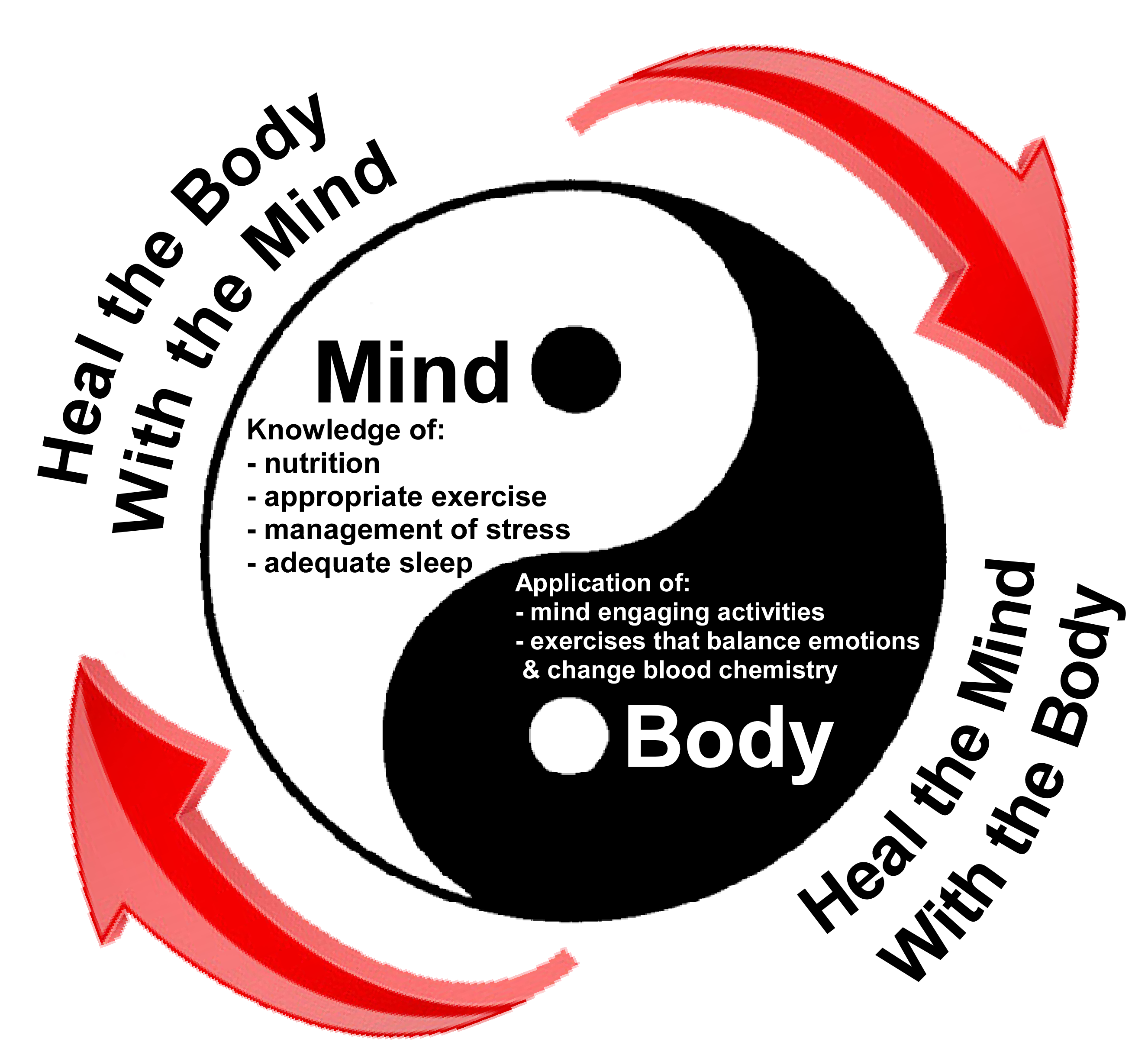
True prestige comes from being able to meet each day’s demands with clarity of thought, steadiness of emotion, and physical capability. A billionaire confined by illness envies the healthy freedom of someone who can walk without pain. A public figure struggling with depression or mental exhaustion would trade their followers for peace of mind. In the end, health is the foundation upon which all other forms of success are built.
Good Health is Wealth.
Lessons from History and Life
History offers countless examples of individuals whose material success could not shield them from the consequences of neglect. Famous industrialists, politicians, and entertainers have succumbed to preventable diseases, addictions, and burnout. Some reached the heights of their careers only to spend their later years consumed by medical treatments or emotional turmoil. On the other hand, there are those of modest means who lived into old age with vibrant energy and mental clarity, not because they had wealth or fame, but because they respected and maintained their inner and outer well-being.
Conclusion: The Non-Negotiable Priority
In the end, the message is clear: a neglected mind and body will undermine every other achievement. Wealth and status are fleeting. The body and mind are the constant companions that shape every moment of experience. Taking care of them is not an optional luxury. A strong and healthy mind, as well as physical body are the foundation for a life well-lived. The most successful person is not necessarily the one with the most accolades or the largest bank account, but the one who can wake each day with the energy to act, the clarity to think, and the inner peace to enjoy the journey.
No title, no fortune, no spotlight can take the place of that.


 United Martial Arts Association