
The Path of Renewed Vitality and the Reality of Aging
In Korean martial arts and traditional language, expressions often carry layered meanings. One such expression is “Sae Hwalgi,” which literally translates to “new vitality” or “renewed energy.” At first glance, the phrase appears simple, but within martial instruction and holistic health contexts, it reflects both the natural vitality of youth and the inevitable decline of the body with age.
Linguistic Foundations
The phrase can be broken down into two key parts: Sae, meaning new or fresh, and hwalgi, meaning energy, vigor, or vitality (WordHippo, n.d.; Collins Dictionary, n.d.). In Korean everyday usage, hwalgi refers to liveliness and robustness, the spark of vigor that animates one’s daily life. In martial culture, however, the term also resonates with deeper energetic qualities, similar to the concept of qi (ki, or gi) – the life force that sustains movement and resilience.
Martial Perspective
For martial artists, aging creates a paradox. With experience comes wisdom, but with age comes loss of flexibility and suppleness. In youth, sae hwalgi manifests as hydrated tissues, supple joints, and rapid recovery. With age, however, connective tissues lose hydration, collagen stiffens, and movements that were once effortless become labored.
Research in connective tissue physiology supports this traditional observation. Studies have shown that aging reduces elastic fibers and hyaluronan content in muscles, while collagen type I increases, creating stiffness and functional decline (Fede et al., 2022). Martial masters may describe this process metaphorically as the loss of hwalgi, reminding practitioners that vitality is not permanent but must be cultivated.
The Science of Aging Tissues
From a biomedical perspective, hwalgi correlates with measurable changes in the body. Collagen loss, a systemic process associated with cellular aging, directly impacts tissue elasticity and hydration (Collagen loss, 2025). Fascia, the web of connective tissue supporting movement, is also profoundly affected by aging. Maintaining fascia through elastic training, hydration, and mobility work is crucial for sustaining vitality (Petersen, 2015).
These physical realities mirror what martial language describes: the transition from supple vitality (sae hwalgi) to diminished energy and rigidity as time passes.
Holistic Dimension
The decline of vitality is not purely physical. In holistic traditions, vitality depends on the balance of body, mind, and spirit. A calm, focused mind preserves energy, while a scattered or stressed mind depletes it. Similarly, qi depends on unobstructed circulation through meridians. Stress, stagnation, and aging create blockages that restrict this flow, contributing to both physical stiffness and mental fatigue.
Thus, sae hwalgi is not just a description of youthful elasticity but a call to action: to cultivate renewal of vitality through breath, awareness, and lifestyle practices that harmonize mind and body.

Renewal Practices: Cultivating Sae Hwalgi
While aging cannot be reversed, vitality can always be renewed in relative terms. Modern science and traditional practices converge on this principle. Ways to cultivate sae hwalgi include:
- Breathwork – Deep diaphragmatic breathing regulates the autonomic nervous system and restores energy balance (Petersen, 2015).
- Hydration and Nutrition – Adequate water and mineral intake support tissue elasticity (Fede et al., 2022).
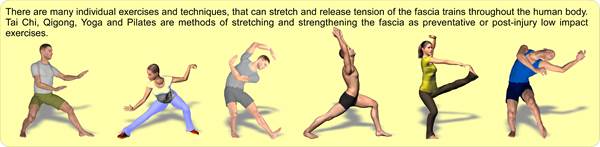
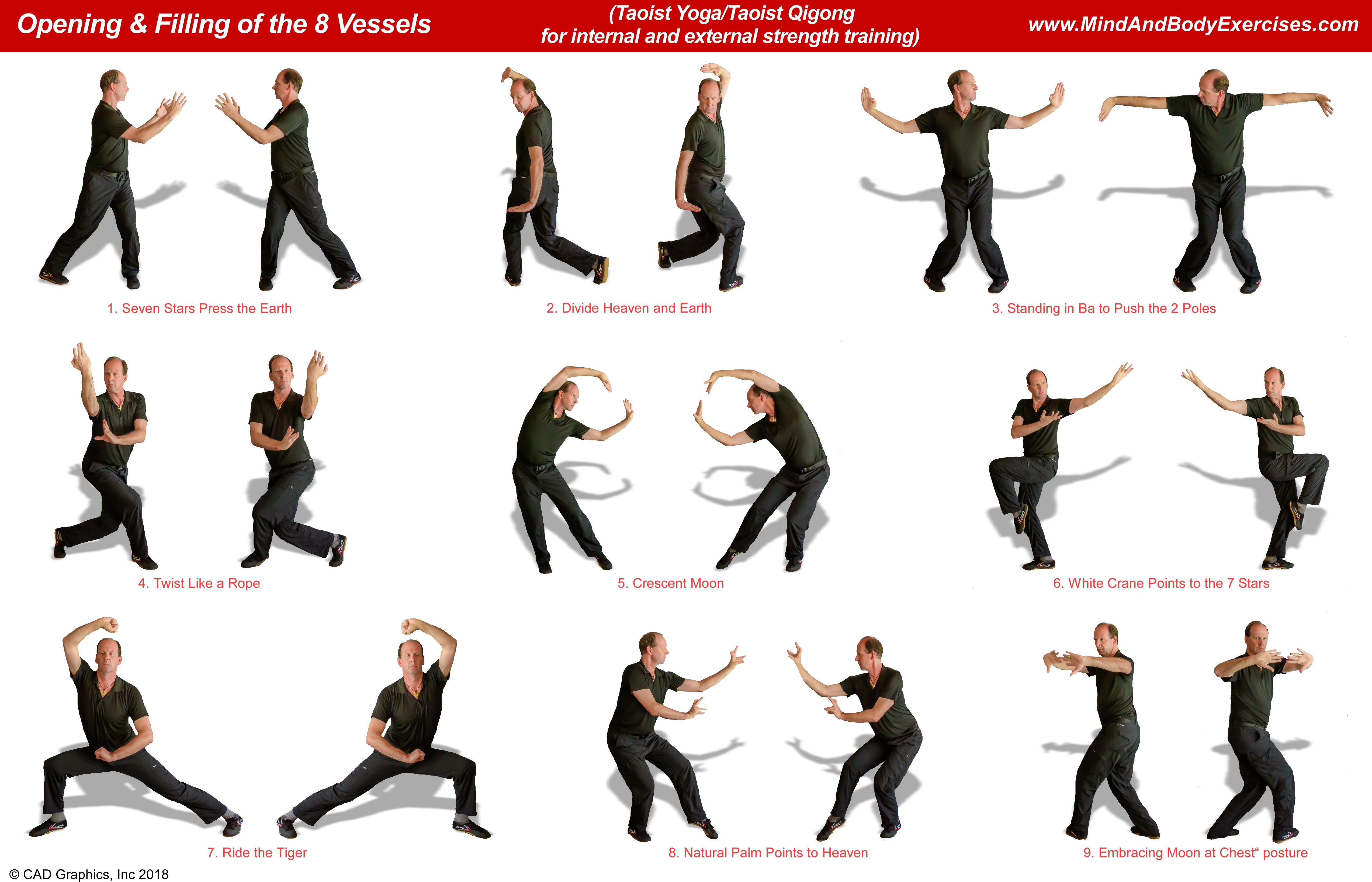
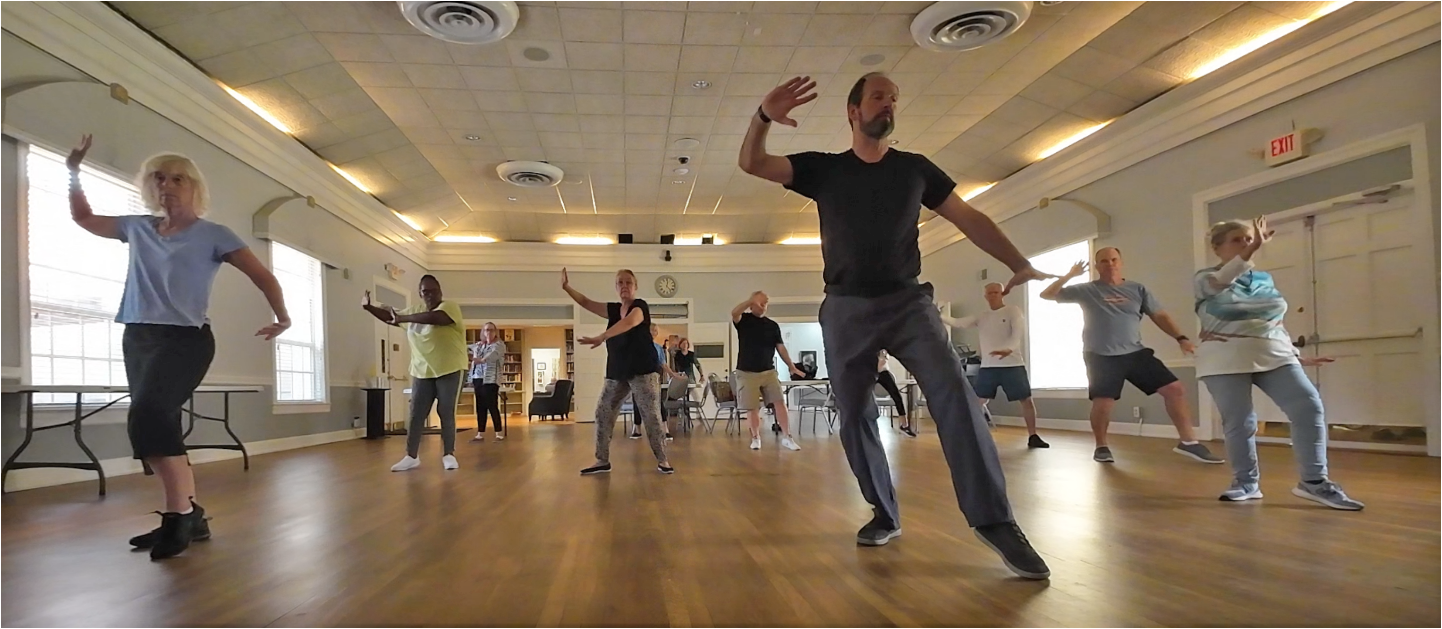
- Movement and Fascia Training – Martial forms, qigong, and mobility drills help fascia remain hydrated and resilient (Petersen, 2015).
- Mental Clarity and Stress Management – Meditation prevents energy “leakage” and supports qi flow.
- Adapting Martial Practice – Shifting from sheer force to refined technique preserves energy and allows martial arts to be practiced into old age (U.S. Kido Federation, 2024).
Conclusion
The wisdom of sae hwalgi lies in its dual nature. On one hand, it embodies the vigor of youth and the freshness of life’s energy. On the other, it acknowledges the inevitable loss of that vitality with age. Yet it is ultimately a hopeful concept. Through martial practice, breath, movement, and holistic awareness, vitality can be renewed at any stage of life.
For the martial artist, sae hwalgi is not a static state but a living reminder: though time may stiffen the body, the choice to renew vitality always remains.
References:
Collagen loss. (2025). In Wikipedia. Retrieved August 19, 2025, from https://en.wikipedia.org/wiki/Collagen_loss
Collins Dictionary. (n.d.). Vigor – Translation in Korean. Retrieved August 19, 2025, from https://www.collinsdictionary.com/dictionary/korean-english/%ED%99%9C%EA%B8%B0
Fede, C., Fan, C., Pirri, C., Petrelli, L., Biz, C., Porzionato, A., Macchi, V., De Caro, R., & Stecco, C. (2022). The effects of aging on the intramuscular connective tissue. International Journal of Molecular Sciences, 23(19), 11061. https://doi.org/10.3390/ijms231911061
Petersen, S. (2015). The secret of fascia in the martial arts. In Fascial fitness [Conference paper]. ResearchGate. https://www.researchgate.net/publication/275968128_The_secret_of_fascia_in_the_martial_arts
U.S. Kido Federation. (2024). Aging in the dojang: Adapting and thriving in Korean martial arts. U.S. Kido Federation. https://uskido.org/aging-in-the-dojang-adapting-and-thriving-in-korean-martial-arts/
WordHippo. (n.d.). What does 활기 (hwalgi) mean in Korean? Retrieved August 19, 2025, from https://www.wordhippo.com/what-is/the-meaning-of/korean-word-82ef1040fadbb9ea22d29d96a20391f04305253b.html

 United Martial Arts Association