
Trauma rarely arrives by invitation. For most people, it enters life unexpectedly, through loss, betrayal, illness, accidents, violence, neglect, coercion, or prolonged stress. Very few individuals seek out traumatic experiences, and just as rarely do most people consciously intend to harm or traumatize others. And yet, despite intent, all actions carry consequences. Words spoken in anger, choices made in fear, systems built on imbalance, and moments of inattention can send ripple effects outward for years, sometimes for generations. Trauma often lives in these ripples.
Long after the original event has passed, many people continue to feel unsettled inside, anxious, guarded, emotionally numb, reactive, ashamed, or unsure of who they have become. These experiences are not signs of weakness or personal failure. They are the natural imprint of overwhelming stress on the nervous system, identity, and relational trust. Trauma changes how the body responds to threat, how the mind interprets reality, how the self is organized, and how relationships are navigated.
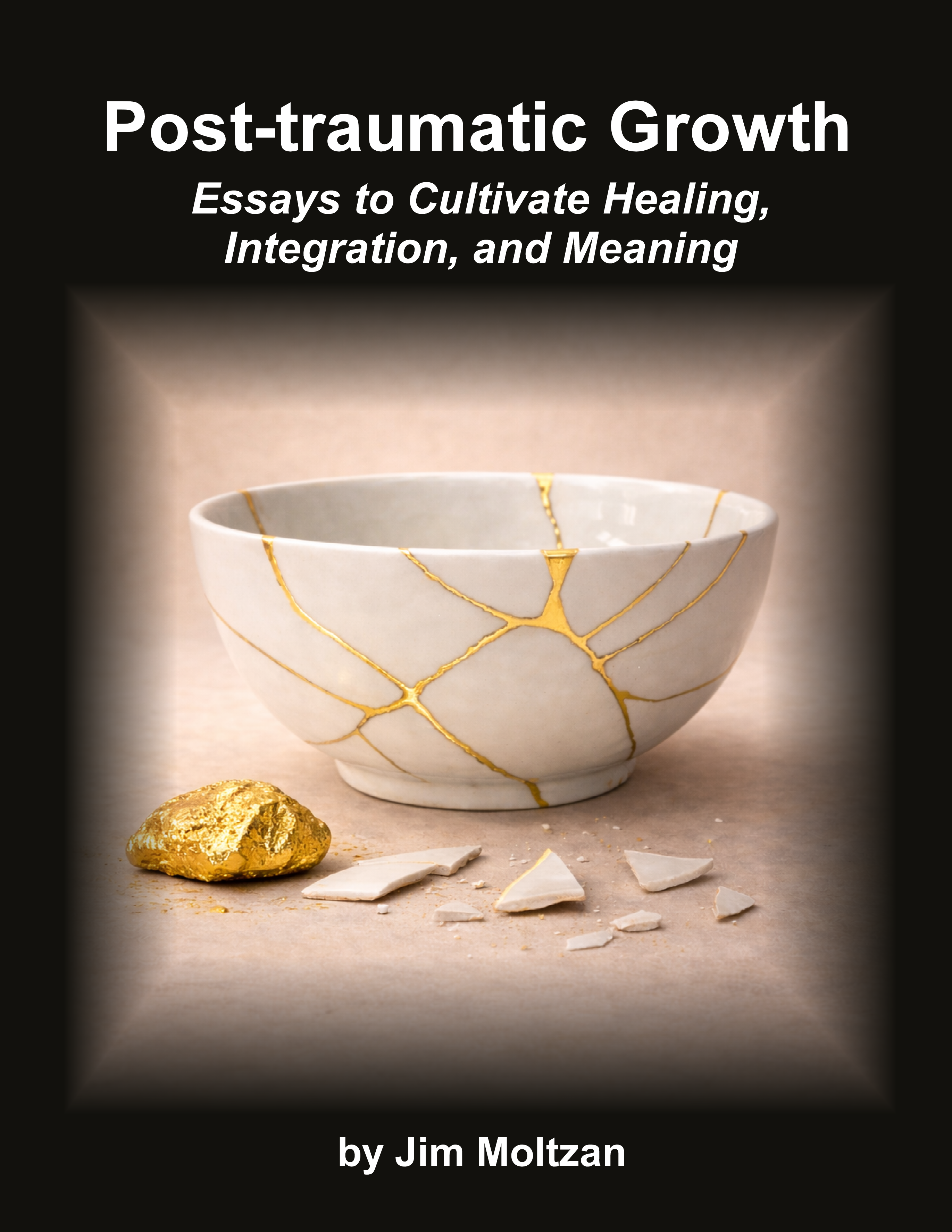
My book Post-traumatic Growth – Essays to Cultivate Healing, Integration, and Meaning was written for those who have survived difficult experiences and now find themselves asking deeper questions, not only how to cope, but how to truly grow beyond survival. The gradual cultivation of healing and growth does not mean that trauma was good, necessary, deserved, or spiritually justified. It does not minimize suffering or attempt to frame pain as a gift. Rather, it acknowledges a well-documented truth: human beings possess a powerful capacity to adapt, integrate, mature, and rebuild their lives when safety, awareness, and agency are gradually restored.

For decades, my work has focused on the relationship between stress physiology, emotional regulation, behavior, identity, and resilience. Again and again, I have seen that trauma recovery is not only psychological. It is neurological. It is relational. It is embodied. Insight alone is not enough. Healing requires the reorganization of the nervous system, the development of emotional maturity, the rebuilding of boundaries, the restoration of agency, and the reconstruction of meaning.
This book follows the full arc of transformation. It begins with how trauma disrupts regulation, perception, and identity. It then moves into the practical foundations of recovery by using breath, posture, emotional regulation, and stress resilience. From there, it addresses the deeper psychological work of boundaries, meaning-making, emotional maturity, and agency. Finally, it turns outward toward contribution, service, and the lifelong process of integration and wholeness.
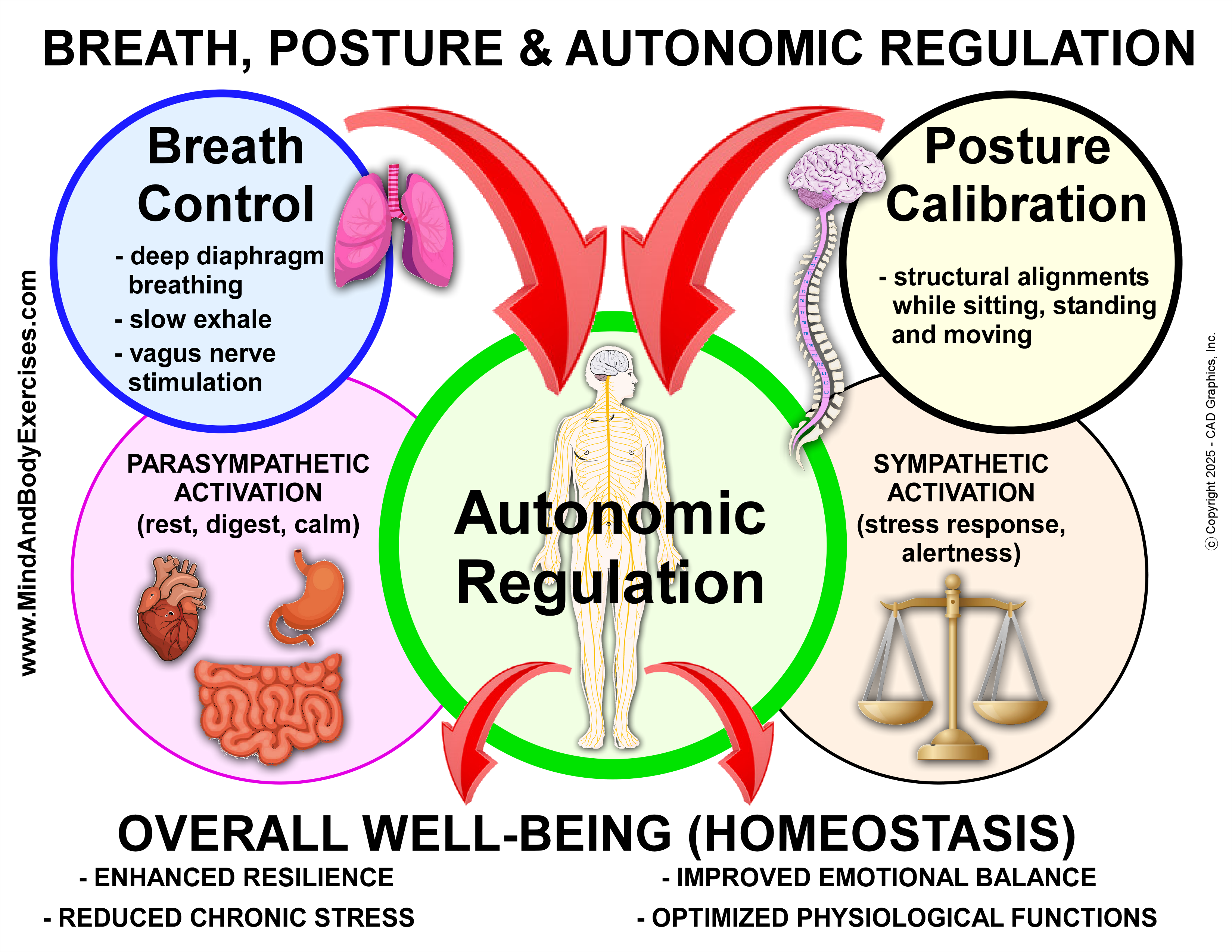
If you are reading this, it is likely because some part of your life has been shaped by adversity, sudden or prolonged, visible or hidden. This book does not offer shortcuts. It offers something more enduring: a grounded path toward rebuilding stability, identity, agency, and meaning over time. These essays are not meant to be rushed or consumed linearly, but revisited as one’s capacity for regulation, reflection, and integration deepens. Growth does not erase the past. It allows you to live no longer defined by it.
 United Martial Arts Association