
Reinventing Religious Identity in Korea After Liberation
During Japan’s colonization of Korea (1910–1945), State Shintō was forcibly introduced through the establishment of shrines and enforced participation in rituals, particularly by students and government workers (Grayson; Chōsen Shrine required attendance as a political act). This widespread imposition made Shintō highly associated with colonial authority and ideological control. In contrast, Buddhism had been part of Korean heritage for centuries and carried no stigma of foreign imposition.
After liberation in 1945, Shintō was widely rejected in Korea, while Buddhism was viewed as part of the national cultural and religious identity.

Political and Social Pressures
Shintō clergy or anyone linked to Shintō were at risk of being labeled collaborators with the Japanese colonial regime. Such stigma could lead to social ostracism or worse. By contrast, those associated with Buddhism were viewed as culturally legitimate and spiritually benevolent, making Buddhist identity a favorable alternative.
Cultural Perception and Misidentification
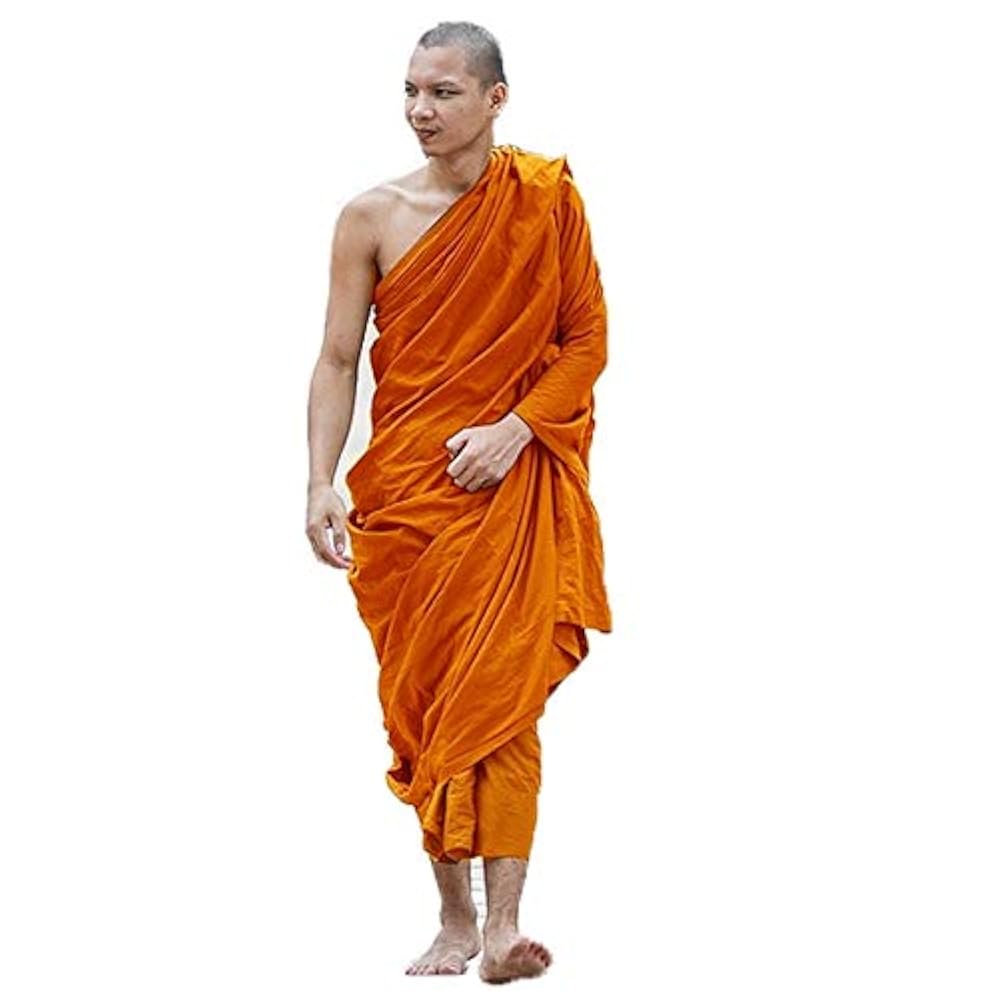
To the general public unfamiliar with Japanese religious garb, the distinction between Shintō ceremonial attire and Buddhist robes might have been unclear. Therefore, presenting oneself as a Buddhist monk was a practical way to avoid the stigma attached to Shintō affiliation, especially in a period when religious symbols had strong political meanings.
Strategic Reinvention
In post-war Korea’s rapidly changing climate, recasting one’s religious identity was a means of social survival. Claiming Buddhist identity provided continued spiritual or communal authority without colonial taint. It was both a personal and political strategy to remain relevant and respected.
Comparative Tables
Table 1: Public Perception in Post-War Korea (circa 1945–1950)
| Aspect | Shintō Priest | Buddhist Monk |
| Political Association | Linked to Japanese colonialism | Rooted in Korean tradition |
| Public Reputation | Viewed as collaborator | Respected spiritual figure |
| Cultural Legitimacy | Foreign-imposed, often rejected | Indigenous, normative |
| Social Risk | High (stigmatized) | Low (broad acceptance) |
| Opportunities | Severely limited | Available through religious leadership |
Table 2: Religious Signifiers and Public Perception
| Feature | Shintō Priest | Buddhist Monk |
| Attire | Layered robes with formal pattern or cut | Plain, functionally simple robes |
| Headgear | Black cap or crown | Shaved head (no headwear) |
| Ritual Objects | Wooden baton (shaku), paper streamers | Prayer beads, staff, sutra scroll |
| Symbolic Setting | Shrine with sacred rope, torii gates | Temple with Buddha statues, incense |
| Cultural Role | Representative of Japanese ideology | Spiritual and moral guide within Korean tradition |
Conclusion
After Korea’s liberation, religious identity was both symbolic and strategic. In a time when Shintō was equated with colonial oppression, claiming to be a Buddhist monk offered not just spiritual cover but also cultural rehabilitation. This reframing allowed individuals to retain authority, social standing, and moral legitimacy in a society eager to distance itself from Japan’s colonial legacy.
References:
Kim, Y. T. (2025). The common ground between Japanese and Korean Buddhism in the early modern period: changes in the perception of the mechanism of the State–Buddhist relationship. Religions, 16(4), 419. https://doi.org/10.3390/rel16040419
Grisafi, J. G. (2016). Shintō in Colonial Korea: A Broadening Narrative of Imperial era Shintō. Upenn. https://www.academia.edu/28557377/Shint%C5%8D_in_Colonial_Korea_A_Broadening_Narrative_of_Imperial_Era_Shint%C5%8D?utm_source=chatgpt.com
Shinto in Korea. (2025). In Wikipedia. Retrieved from Wikipedia database. https://en.wikipedia.org/wiki/Shinto_in_Korea?utm_source=chatgpt.com
Chōsen Shrine. (2025). In Wikipedia. Retrieved from Wikipedia database. https://en.wikipedia.org/wiki/Ch%C5%8Dsen_Shrine?utm_source=chatgpt.com
Korean Buddhism. (2025). In Wikipedia. Retrieved from Wikipedia database. https://en.wikipedia.org/wiki/Korean_Buddhism?utm_source=chatgpt.com


 United Martial Arts Association