
The human body’s ability to experience and regulate both pain and pleasure is central to its survival, adaptation, and overall well-being. These sensations are not isolated phenomena but are deeply rooted in complex neural, chemical, and hormonal systems that influence behavior, emotion, and physiological balance. This article explores the intricate physiological mechanisms involved in pain and pleasure, as well as how they interact with the body’s homeostatic processes to maintain equilibrium and guide adaptive responses to both internal and external stimuli.
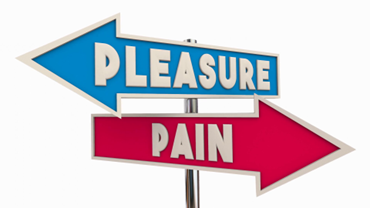
1. Neural Pathways
- Pain (Nociception):
- Specialized nerve endings (nociceptors) detect noxious stimuli (heat, pressure, chemicals).
- Signals travel via the spinothalamic tract to the thalamus and somatosensory cortex for interpretation.
- Limbic system (amygdala, anterior cingulate cortex) mediates the emotional aspects of pain (Leknes & Tracey, 2008).
- Pleasure (Reward):
- Mediated by the mesolimbic dopamine pathway, primarily involving the ventral tegmental area (VTA) and nucleus accumbens (NAc).
- Stimuli like food, sex, exercise, or music release dopamine, producing pleasure and reinforcement (Fields, 2004).
2. Neurotransmitters & Chemicals
| Neurochemical | Role in Pain | Role in Pleasure |
| Dopamine | ↓ in chronic pain (Leknes & Tracey, 2008) | ↑ in reward/pleasure (Fields, 2004) |
| Serotonin | Modulates pain perception (McEwen, 2007) | Enhances mood, pleasure (Fields, 2004) |
| Endorphins | Natural opioid, inhibits pain (Zubieta et al., 2005) | Induces euphoria (“runner’s high”) (Fields, 2004) |
| Substance P | Promotes pain signal transmission (Fields, 2004) | – |
| GABA & Glycine | Inhibit pain signals (McEwen, 2007) | Promote relaxation (Ulrich-Lai & Herman, 2009) |
| Oxytocin | May reduce pain; bonding hormone (Leknes & Tracey, 2008) | Enhances social pleasure (Leknes & Tracey, 2008) |
3. Homeostasis: The Balance Regulator
a. The Hypothalamus
- The hypothalamus is the central control for maintaining homeostasis. It monitors:
- Temperature
- Blood glucose
- pH
- Hormone levels
- Circadian rhythms
(McEwen, 2007)
- It regulates autonomic output and endocrine functions via:
- Pituitary gland
- Sympathetic and parasympathetic systems
(Ulrich-Lai & Herman, 2009)
b. Autonomic Nervous System (ANS)
- Sympathetic Nervous System (SNS): “Fight or flight” – increases HR, BP, dilates pupils, inhibits digestion.
- Parasympathetic Nervous System (PNS): “Rest and digest” – promotes digestion, slows HR, conserves energy
(Ulrich-Lai & Herman, 2009).
c. Pain, Pleasure, and Autonomic Balance
- Pain → SNS activation: Increased cortisol, inflammation, heightened alertness.
- Pleasure → PNS activation: Lowered stress hormones, improved digestion, enhanced healing and immunity
(Fields, 2004; McEwen, 2007).
4. Adaptive Feedback Loops
a. HPA Axis (Hypothalamic–Pituitary–Adrenal Axis)
- Activated during chronic pain or stress.
- Releases cortisol and other glucocorticoids to mobilize energy.
- Chronic activation can lead to:
- Suppressed immune function
- Disrupted sleep
- Impaired neuroplasticity
(McEwen, 2007; Ulrich-Lai & Herman, 2009)
b. Reward System Feedback
- Positive reinforcement strengthens pleasure-seeking behavior.
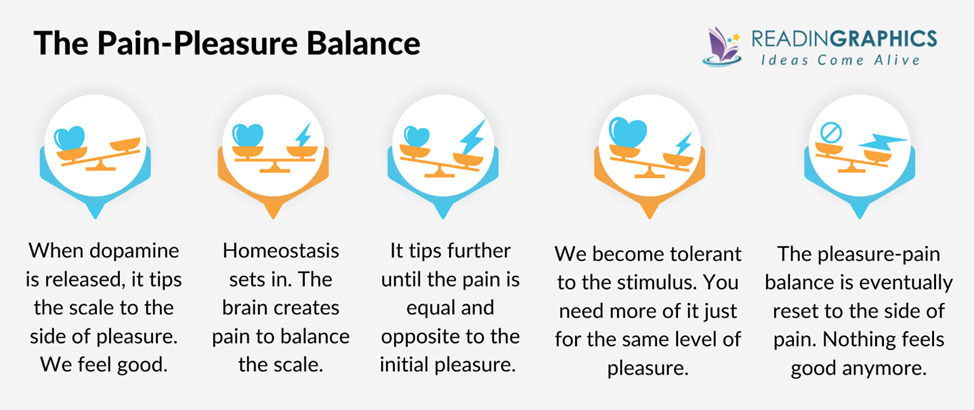
- Dopaminergic signaling adapts: excess pleasure (e.g., from addictive substances) can reduce sensitivity, requiring more stimulus for the same effect (tolerance)
(Leknes & Tracey, 2008).
5. Integration: Pain-Pleasure-Homeostasis Interplay
| Condition | Pain System | Pleasure System | Homeostasis Impact |
| Acute Exercise | Stimulates endorphins (mild pain) | ↑ Dopamine, endorphins (Fields, 2004) | Improves cardiovascular balance (McEwen, 2007) |
| Chronic Stress | ↑ Cortisol, ↑ Substance P (McEwen, 2007) | ↓ Dopamine, serotonin (Leknes & Tracey, 2008) | Disrupts sleep, digestion, immunity (Ulrich-Lai & Herman, 2009) |
| Meditation/Relaxation | ↓ SNS activation (Ulrich-Lai & Herman, 2009) | ↑ GABA, ↑ serotonin (McEwen, 2007) | Restores ANS balance (Ulrich-Lai & Herman, 2009) |
| Trauma (Physical/Emotional) | Activates nociception + amygdala (Leknes & Tracey, 2008) | Blunts reward pathways (Fields, 2004) | Dysregulated HPA axis, chronic pain (McEwen, 2007) |
V. Holistic Considerations
From a holistic health perspective, balance between pain and pleasure is key to maintaining dynamic equilibrium:
- Pain is a protective signal—meant to initiate change or healing.
- Pleasure signals safety and reward—encouraging repeat behavior.
- Both influence behavior, decision-making, immune function, and neuroplasticity (McEwen, 2007; Fields, 2004).
Regular practices like:
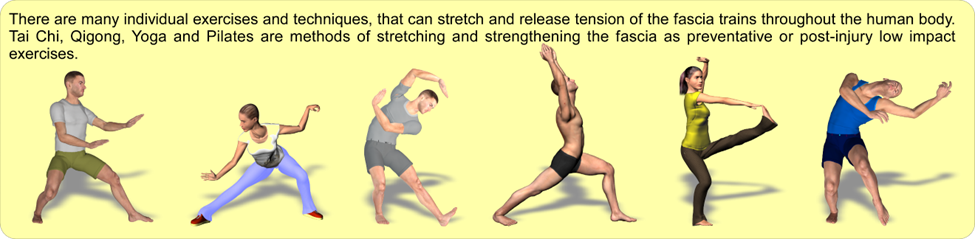
- Tai Chi, Qigong, exercise, cold exposure, mindful eating, and social connection
help regulate this system and enhance adaptive resilience (Ulrich-Lai & Herman, 2009).
The physiological mechanisms governing pain and pleasure are not only crucial for signaling threat or reward but also act as integral regulators of the body’s internal environment. These systems work synergistically with the hypothalamus, autonomic nervous system, and endocrine pathways to maintain homeostasis, reinforce survival behaviors, and foster adaptation. Understanding these interconnected networks opens the door to more effective holistic health interventions, such as movement, mindfulness, and social engagement, that support the body’s natural capacity to manage stress, enhance pleasure, and restore balance.
References:
Fields, H. L. (2004). State-dependent opioid control of pain. Nature Reviews Neuroscience, 5(7), 565–575. https://doi.org/10.1038/nrn1431
Leknes, S., & Tracey, I. (2008). A common neurobiology for pain and pleasure. Nature Reviews Neuroscience, 9(4), 314–320. https://doi.org/10.1038/nrn2333
McEwen, B. S. (2007). Physiology and neurobiology of stress and adaptation. Physiological Reviews, 87(3), 873–904. https://doi.org/10.1152/physrev.00041.2006
Readingraphics. (2025, July 13). Book summary – Dopamine Nation: Finding Balance in the Age of Indulgence. Readingraphics. https://readingraphics.com/book-summary-dopamine-nation/
Ulrich-Lai, Y. M., & Herman, J. P. (2009). Neural regulation of endocrine and autonomic stress responses. Nature Reviews Neuroscience, 10(6), 397–409. https://doi.org/10.1038/nrn2647
Zubieta, J. K., et al. (2005). Placebo effects mediated by endogenous opioid activity on μ-opioid receptors. Journal of Neuroscience, 25(34), 7754–7762. https://doi.org/10.1523/JNEUROSCI.0439-05.2005


 United Martial Arts Association