
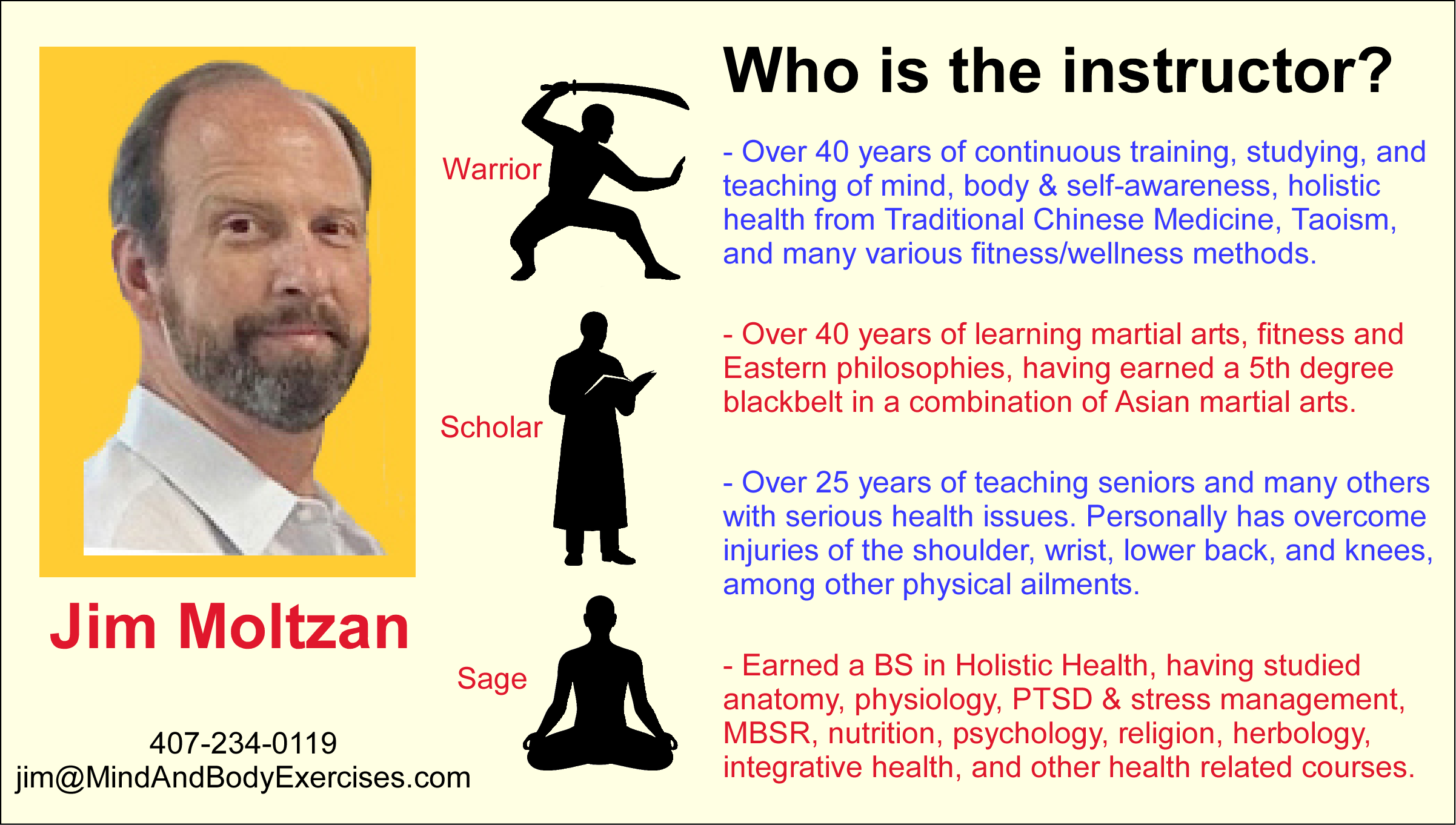
This video presents an in-depth discussion about the significance of breathing, particularly mindful and diaphragmatic breathing, as taught through martial arts practices such as Tai Chi and Qigong (chi gong). As an experienced martial arts and qigong instructor, I explained how breathing influences both physiological functions and mental states, emphasizing stress management and overall health.
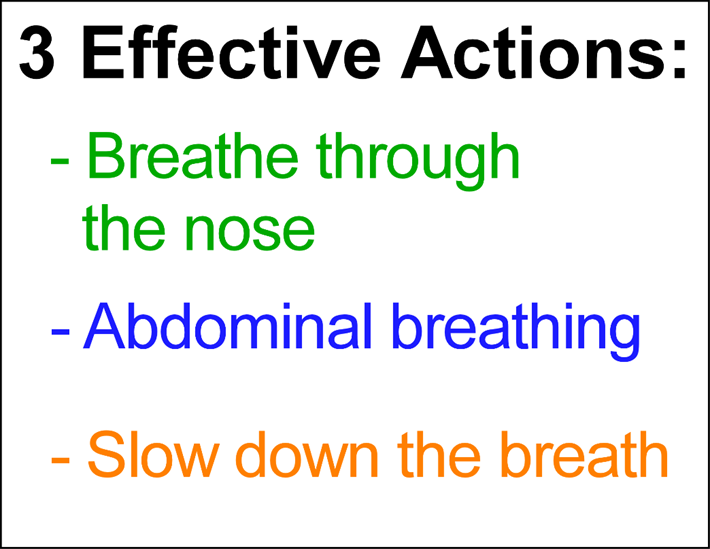
Throughout the talk, the connection between breathing techniques and various health aspects like nervous system regulation, emotional balance, and physical fitness are explored. Practical guidance on how to breathe properly through the nose, from the diaphragm, and at a slower rate, is provided, alongside explanations of physiological responses to stress and relaxation. I integrate traditional Eastern perspectives like Traditional Chinese Medicine and Indian pranayama with Western science, offering a holistic view of breath as life force and energy circulation.
Various breathing exercises, including the well-known “box breathing” technique popularized by Navy SEALs, are demonstrated. The talk also covers how body posture, muscle engagement, and even acupressure points on the wrist can enhance the effectiveness of breathing techniques for reducing stress. The benefits of breath control extend beyond physical health to include emotional well-being by triggering the release of positive neurochemicals such as dopamine, serotonin, oxytocin, and endorphins.
Viewers and attendees are encouraged to incorporate these breathing habits into daily life, regardless of age or mobility, for gradual but significant health improvements. The presentation references follow-up classes on topics such as bone health, balance, and mental awareness, underscoring the integrated approach to holistic wellness.
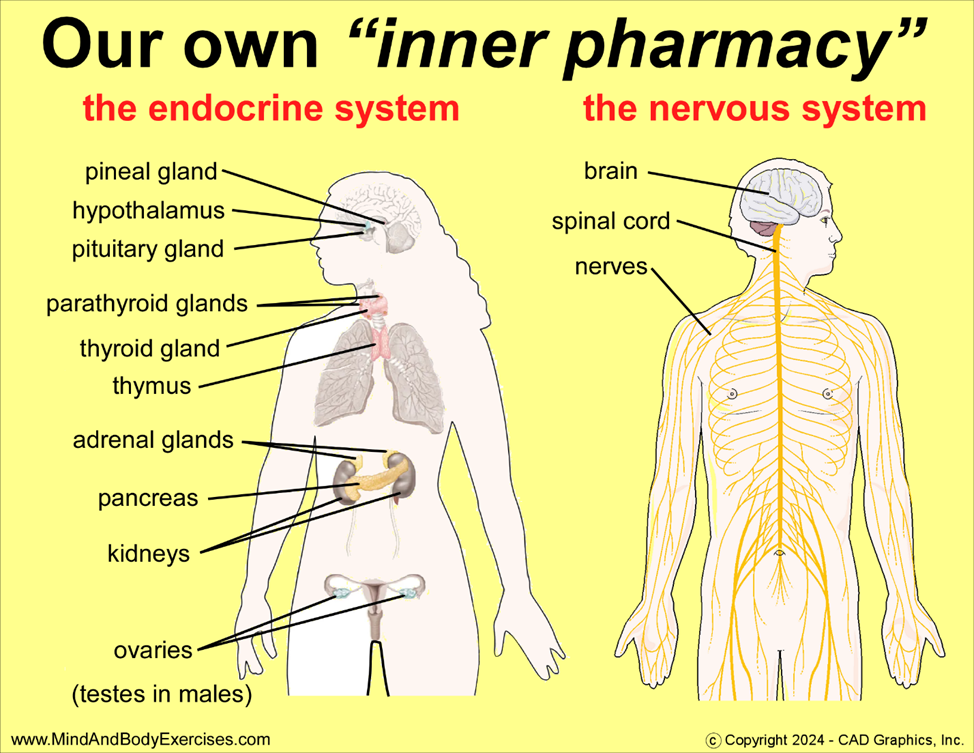
Breathing as a Gateway to Nervous System Regulation: The way we breathe directly influences the autonomic nervous system, shifting the balance between sympathetic (stress/fight or flight) and parasympathetic (relaxation/rest and digest) responses. Deep, slow, diaphragmatic breathing promotes parasympathetic dominance, effectively calming the heart rate and reducing cortisol and adrenaline production. This “biohack” empowers individuals to consciously modulate stress rather than passively endure it.
Diaphragmatic Breathing Optimizes Lung Capacity and Oxygenation: Breathing from the diaphragm rather than shallow chest breathing utilizes more of the lung’s capacity, encouraging better oxygen exchange and carbon dioxide elimination. This improves cellular respiration efficiency and energy production. Additionally, diaphragmatic breathing activates muscles beyond the diaphragm, including neck and rib muscles, enhancing lung expansion and circulation.
Nasal Breathing is Superior to Mouth Breathing: Breathing through the nose warms and filters air, increases nitric oxide production (a vasodilator improving blood flow), and supports moistening the airways. Mouth breathing tends to be shallow and less efficient, leading to dry mouth and potentially altered facial structure in children over time. Nasal breathing contributes to a slower, deeper breath pattern, essential for effective stress management and respiratory health.
Integration of Eastern Medicine and Western Physiology: The talk bridges traditional Chinese medicine’s concept of Qi (life force) and acupuncture meridians with scientific understandings of respiratory function and neurochemistry. This integrative view enriches the appreciation of breathing not just as a mechanical act, but as a method of modulating energy flow, emotional state, and health outcomes. Practices such as Tai Chi harness these ideas physically and mentally through movement and breath synchronization.
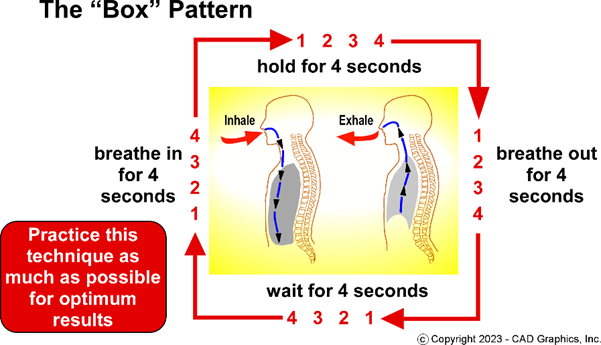
Box Breathing as a Mental and Physiological Tool: The “box breathing” technique engages both the breath and the mind to create a focused, rhythmic pattern that promotes relaxation and mental clarity. It is effective for reducing anxiety in high-stress professions (e.g., Navy SEALs) and can be adapted for everyday use. By focusing attention on the breath cycle, it breaks negative thought loops, anchors the mind, and physically signals the nervous system to shift towards calmness.
Physical Posture and Movement Enhance Breath Quality: Posture, spinal flexibility, and full-body engagement support deeper breathing. Twisting movements improve the elasticity of costal and vertebral joints, enhancing lung expansion capacity. Similarly, maintaining proper seated posture (e.g., sitting toward the edge of a chair with feet flat and relaxed shoulders) facilitates diaphragmatic breathing. Incorporating movements from disciplines like Tai Chi or yoga fosters holistic respiratory function.
Age and Breathing: Practical Benefits at Any Stage of Life: While lung and muscular function naturally decline with age, adopting breathing practices can slow that decline and improve quality of life at any age. Even individuals in their 60s and beyond can see meaningful improvements in stress reduction, oxygenation, and mental clarity by practicing mindful breathing consistently. The talk underscores lifelong learning and self-awareness as keys to ongoing health optimization.
Highlights
- Daily mindful breathing through the nose and diaphragm improves physical and mental health.
- Proper breathing slows down heart rate, calms the nervous system, and reduces stress hormones.
- Box breathing (4 seconds inhale, hold, exhale, hold) helps anchor thoughts and manage anxiety.
- Breathing influences brain chemistry, promoting dopamine, serotonin, oxytocin, and endorphins.
- Wrist acupressure combined with breathing techniques can relieve anxiety and promote circulation.
- Eastern traditions like Tai Chi and Qigong emphasize breath as vital energy or life force.
- It’s never too late to benefit from improved breathing for longevity and well-being at any age.
The video provides a comprehensive foundation on how mindful breathing practices can be used as a simple yet powerful tool to enhance physical health, mental well-being, and emotional balance, drawing from traditional and modern knowledge systems. It encourages self-awareness, consistent practice, and integration of breath work into everyday life for lasting benefits.
 United Martial Arts Association