
In a world saturated with fragmented advice on health, fitness, and personal development, there remains a need for something more complete, structured, integrated, and grounded in both lived experience and timeless principles.
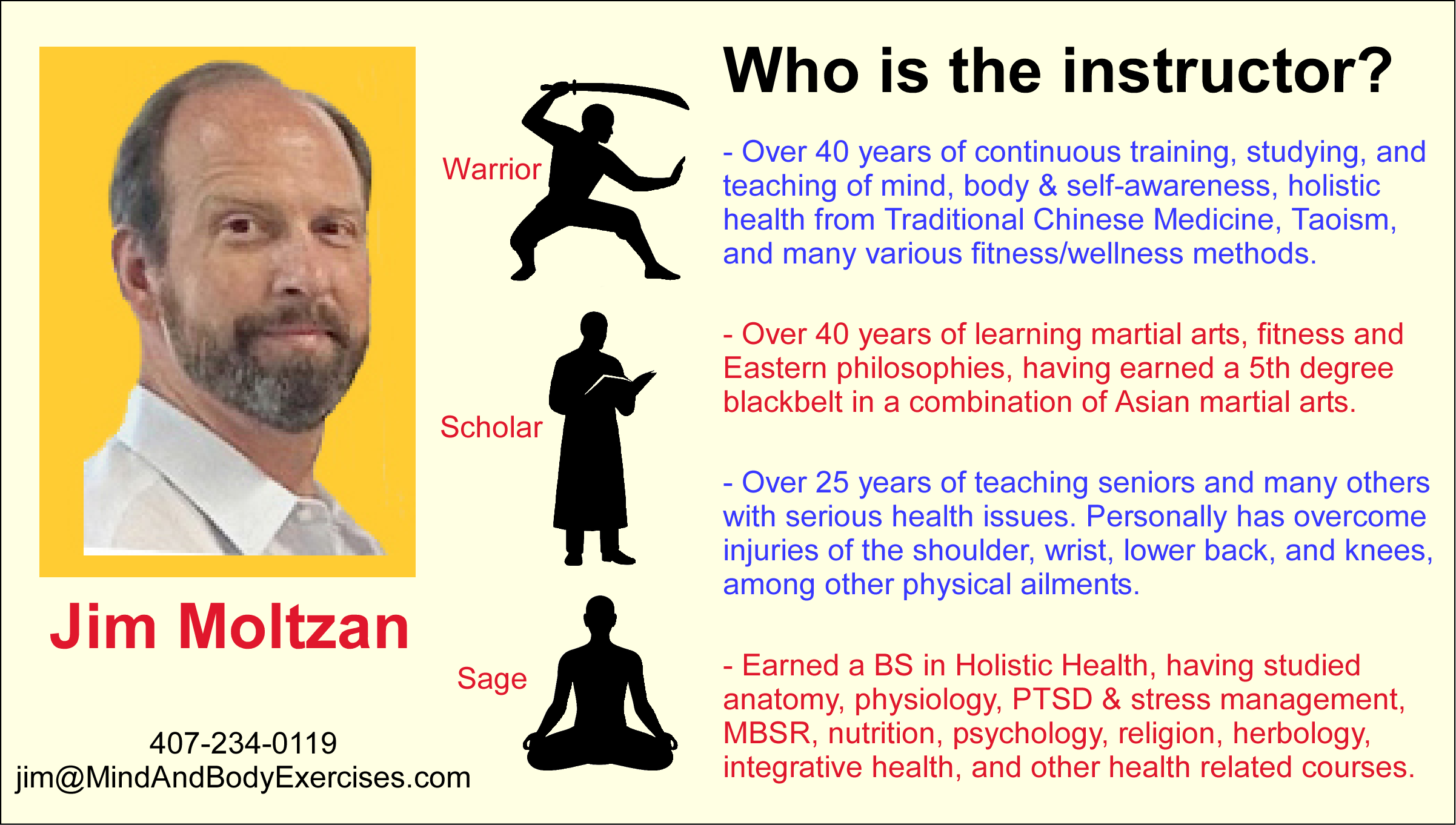
Over the course of several decades of study, practice, and teaching across the fields of holistic health, martial arts, and human development, a unifying framework has gradually taken shape. This framework does not isolate the body from the mind, nor the mind from the spirit. Instead, it recognizes that human growth unfolds through the dynamic interaction of multiple systems of physical, biological, energetic, behavioral, and philosophical.
It is from this perspective that a new six-part book series emerges:
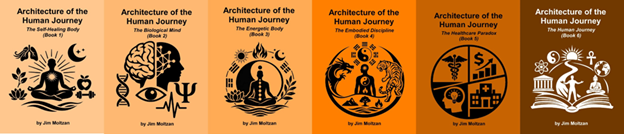
The Architecture of the Human Journey
This series is not simply a collection of books. It is a structured exploration of what it means to develop as a human being: physically, mentally, energetically, and ethically within the realities of modern life.
Each volume builds upon the others, forming a progressive pathway toward greater awareness, resilience, and self-mastery.
Book 1: The Self-Healing Body
The journey begins with the body—not as a machine to be pushed or punished, but as a living system designed for adaptation, repair, and resilience.
The Self-Healing Body explores the foundational principles of movement, posture, breathing, and recovery. It challenges the modern tendency toward inactivity and over-reliance on external interventions, instead emphasizing the body’s innate capacity to restore balance when given the proper conditions.
Readers are guided toward a deeper understanding of how daily habits of sitting, standing, walking, breathing shape long-term health outcomes. The message is clear: the body is not broken; it is often simply underused, misused, or misunderstood.
Book 2: The Biological Mind
If the body is the foundation, the mind is the regulator.
The Biological Mind examines how thoughts, emotions, stress responses, and neurological patterns influence both behavior and physiology. Rather than viewing the mind as something abstract or separate, this book presents it as a biological system, deeply connected to the nervous system, hormones, and physical health.
Topics include stress conditioning, attention, perception, and the ways in which modern environments can dysregulate natural mental processes. Readers are encouraged to recognize how their internal dialogue and external inputs shape their lived experience.
Book 3: The Energetic Body
Beyond the physical and biological lies a more subtle, yet equally important dimension: the energetic system.
The Energetic Body draws from Traditional Chinese Medicine, Daoist practices, and internal martial arts to explore concepts such as qi, meridians, breath, and internal flow. While often overlooked in Western models, these systems have guided health and movement practices for thousands of years.
This volume bridges the gap between ancient insight and modern understanding, offering practical ways to cultivate energy through breathwork, posture, and intentional movement.
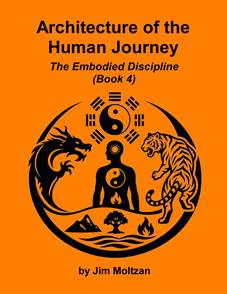
Book 4: Embodied Discipline
Knowledge without application remains incomplete.
Embodied Discipline focuses on the integration of body, mind, and energy through consistent practice. It is here that theory becomes lived experience. Discipline is reframed not as rigid control, but as the steady cultivation of habits that align with one’s values and goals.
Drawing from martial arts training, this book explores how structure, repetition, and intentional challenges build not only physical capacity, but mental clarity and emotional resilience.
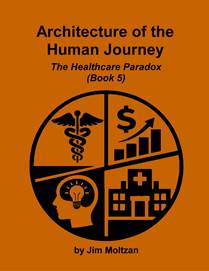
Book 5: The Healthcare Paradox
Modern healthcare offers remarkable advancements, yet widespread chronic illness continues to rise.
The Healthcare Paradox examines this contradiction. It explores how systems designed to treat disease often overlook the foundational behaviors that prevent it. Nutrition, movement, stress, environment, and personal responsibility all play a role, yet are frequently underemphasized.
This book does not reject modern medicine but rather places it within a broader context. One that encourages individuals to become active participants in their own health rather than passive recipients of care.
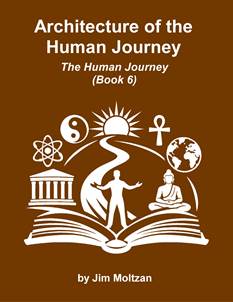
Book 6: The Human Journey
The final volume steps back to consider the broader question: What is all of this for?
The Human Journey explores meaning, purpose, relationships, and the realities of growth over a lifetime. It integrates the lessons of the previous volumes into a larger philosophical perspective, drawing from both Eastern and Western traditions.
It recognizes that strength, clarity, and health are not ends in themselves, but tools that support a more meaningful and connected life.
A Complete Framework for Modern Living
Taken together, these six books form a cohesive system:
- The body provides structure
- The mind provides direction
- The energy system provides flow
- Discipline provides integration
- Awareness of systems provides context
- Meaning provides purpose
This is the architecture – not of a building, but of a life.
In a time when information is abundant, but wisdom is scattered, The Architecture of the Human Journey offers a way to reconnect the pieces. It invites readers not just to learn, but to observe, reflect, and ultimately take responsibility for their own development.
This is not a quick fix or a temporary program. It is a long-term approach to living with greater awareness, strength, and integrity.
The journey is ongoing. The architecture is yours to build.
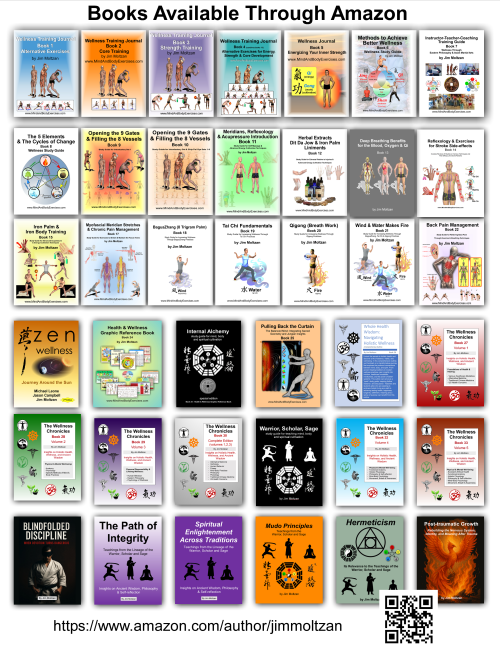
Available on Amazon at: https://www.amazon.com/author/jimmoltzan
 United Martial Arts Association