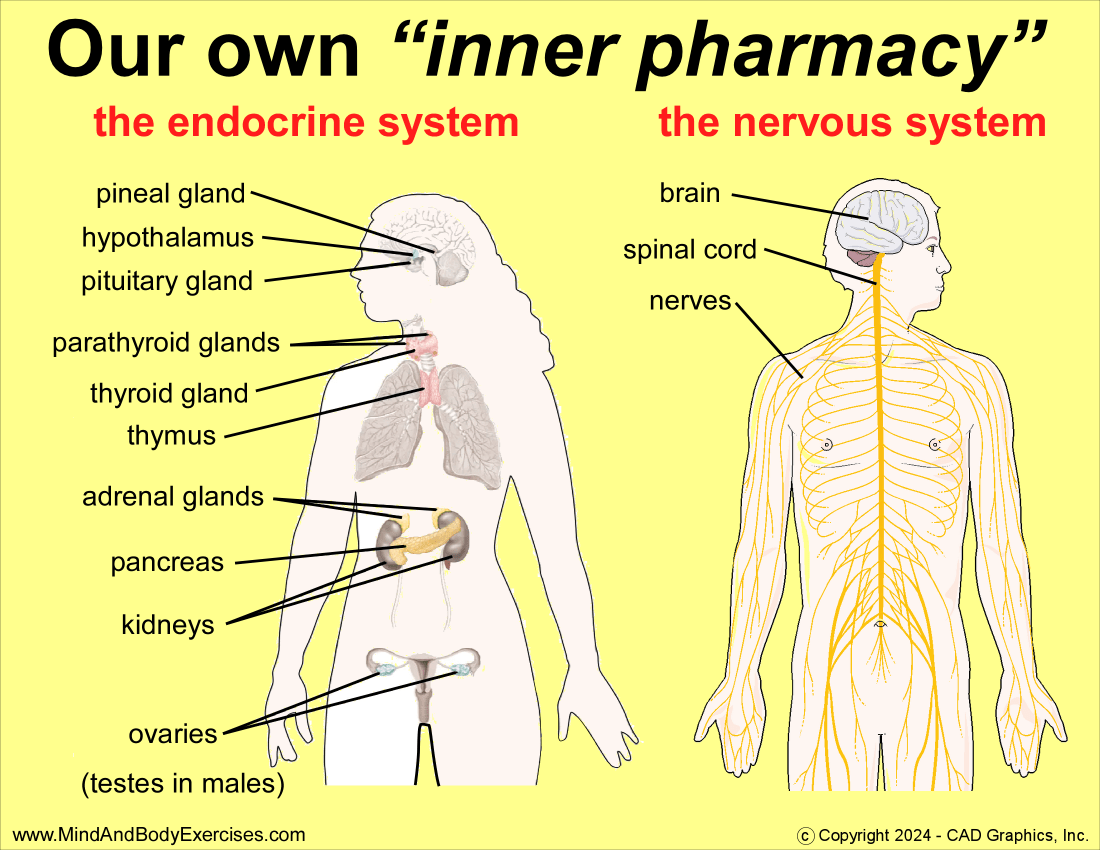
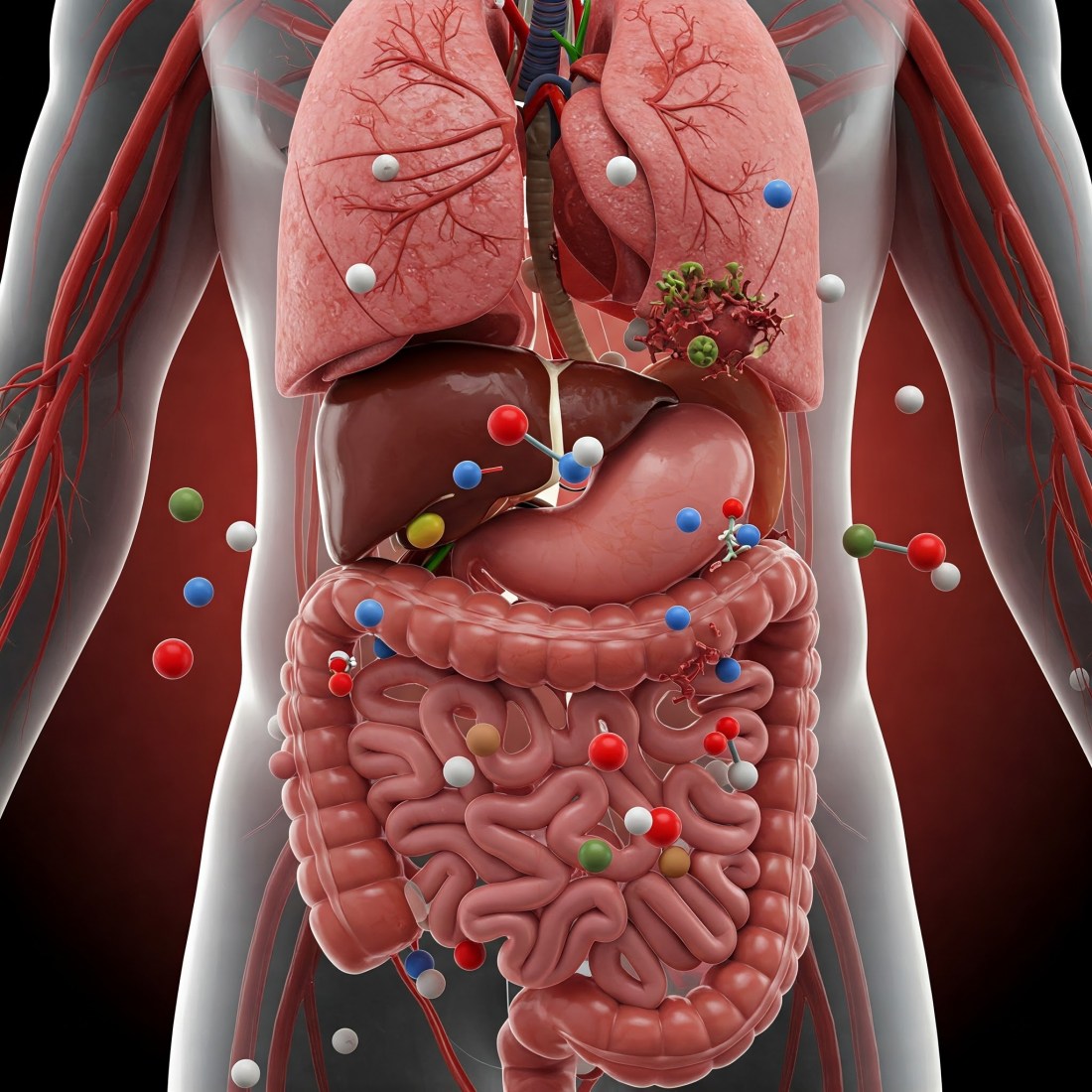
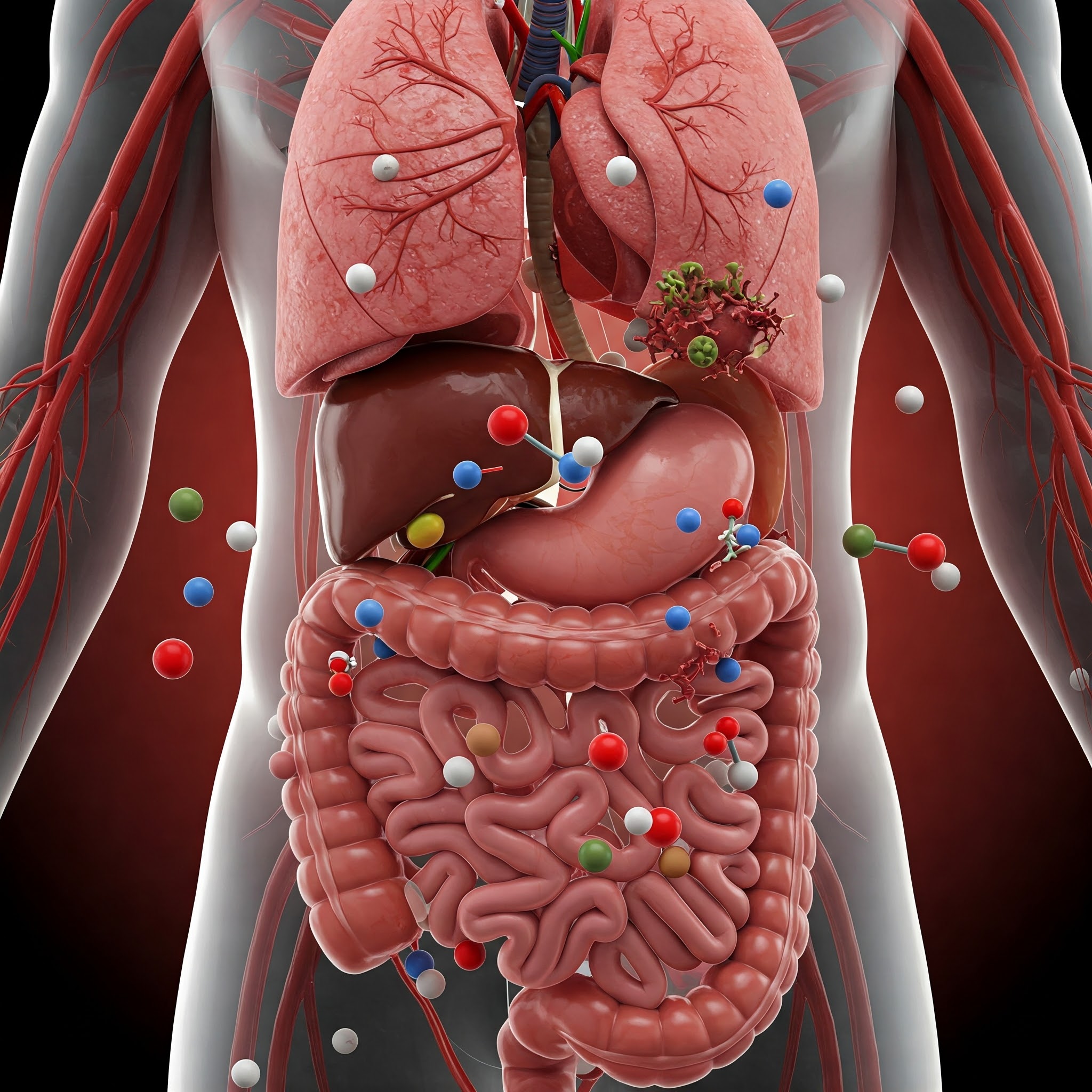
Human beings are not merely passive recipients of external chemicals. We carry within us an extraordinary “inner pharmacy” — a dynamic biochemical laboratory governed largely by the endocrine and nervous systems. At every moment, our bodies produce hormones, neurotransmitters, and signaling molecules that influence mood, energy, immunity, inflammation, motivation, and even perception.
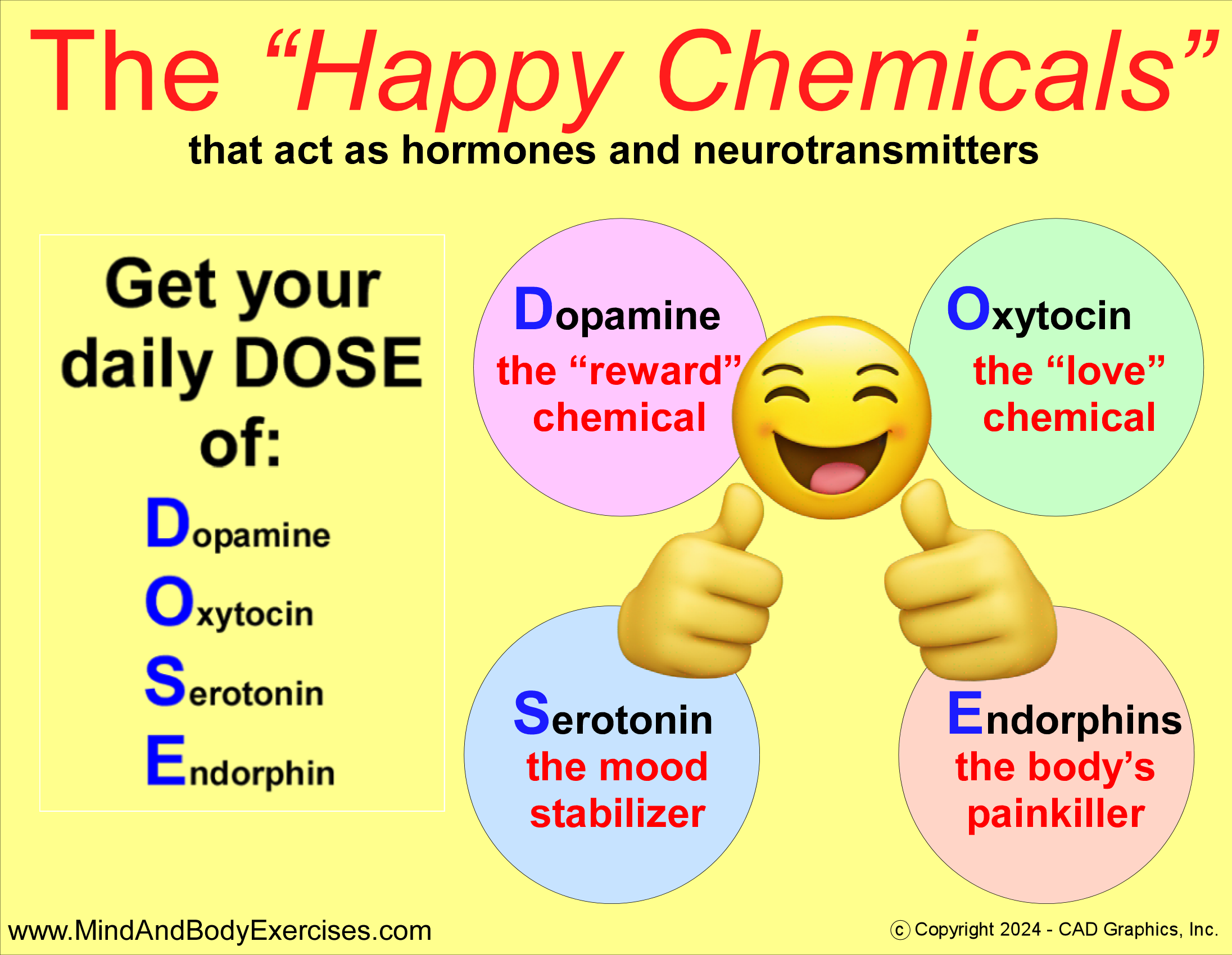
Stress hormones like cortisol and adrenaline can mobilize us for action. Endorphins can reduce pain. Oxytocin can deepen connection. Dopamine can enhance motivation and focus. Serotonin can stabilize mood. These substances are not foreign prescriptions; they are internally generated responses to how we live.
The remarkable reality is that we are not powerless in this process. Diet influences blood sugar stability, micronutrient availability, and hormone balance. Breath regulation can directly shift autonomic tone, moving us from sympathetic “fight-or-flight” dominance toward parasympathetic restoration. Thoughts and emotional patterns affect neurochemical cascades. Chronic rumination reinforces stress chemistry, while deliberate cognitive reframing can reduce it. Physical movement alters endocrine output. Sleep restores hormonal rhythms. Even posture and facial expression feed back into neurophysiology.
This does not mean we can will away disease or replace appropriate medical care. Rather, it means we possess meaningful influence over our internal chemistry. By consciously regulating diet, breathing, attention, emotional responses, and behavior, we participate in directing our own biochemistry.
The “inner pharmacy” is always open. The question is not whether chemicals are being dispensed, but which ones — and under what conditions.
In a world saturated with fragmented advice on health, fitness, and personal development, there remains a need for something more complete, structured, integrated, and grounded in both lived experience and timeless principles.
Over the course of several decades of study, practice, and teaching across the fields of holistic health, martial arts, and human development, a unifying framework has gradually taken shape. This framework does not isolate the body from the mind, nor the mind from the spirit. Instead, it recognizes that human growth unfolds through the dynamic interaction of multiple systems of physical, biological, energetic, behavioral, and philosophical.
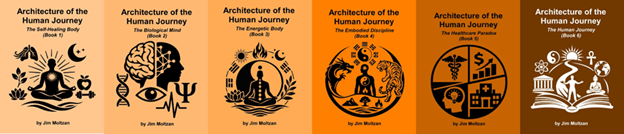
It is from this perspective that a new six-part book series emerges:
The Architecture of the Human Journey
This series is not simply a collection of books. It is a structured exploration of what it means to develop as a human being: physically, mentally, energetically, and ethically within the realities of modern life.
Each volume builds upon the others, forming a progressive pathway toward greater awareness, resilience, and self-mastery.
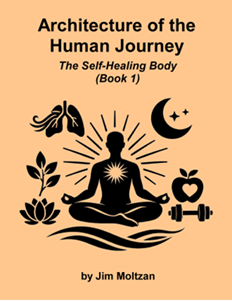
Book 1: The Self-Healing Body
The journey begins with the body—not as a machine to be pushed or punished, but as a living system designed for adaptation, repair, and resilience.
The Self-Healing Body explores the foundational principles of movement, posture, breathing, and recovery. It challenges the modern tendency toward inactivity and over-reliance on external interventions, instead emphasizing the body’s innate capacity to restore balance when given the proper conditions.
Readers are guided toward a deeper understanding of how daily habits of sitting, standing, walking, breathing shape long-term health outcomes. The message is clear: the body is not broken; it is often simply underused, misused, or misunderstood.
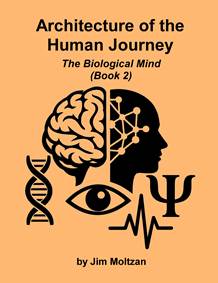
Book 2: The Biological Mind
If the body is the foundation, the mind is the regulator.
The Biological Mind examines how thoughts, emotions, stress responses, and neurological patterns influence both behavior and physiology. Rather than viewing the mind as something abstract or separate, this book presents it as a biological system, deeply connected to the nervous system, hormones, and physical health.
Topics include stress conditioning, attention, perception, and the ways in which modern environments can dysregulate natural mental processes. Readers are encouraged to recognize how their internal dialogue and external inputs shape their lived experience.
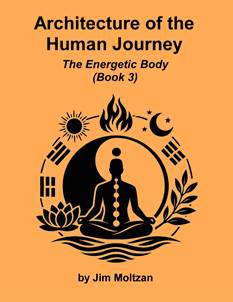
Book 3: The Energetic Body
Beyond the physical and biological lies a more subtle, yet equally important dimension: the energetic system.
The Energetic Body draws from Traditional Chinese Medicine, Daoist practices, and internal martial arts to explore concepts such as qi, meridians, breath, and internal flow. While often overlooked in Western models, these systems have guided health and movement practices for thousands of years.
This volume bridges the gap between ancient insight and modern understanding, offering practical ways to cultivate energy through breathwork, posture, and intentional movement.
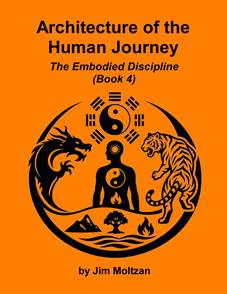
Book 4: Embodied Discipline
Knowledge without application remains incomplete.
Embodied Discipline focuses on the integration of body, mind, and energy through consistent practice. It is here that theory becomes lived experience. Discipline is reframed not as rigid control, but as the steady cultivation of habits that align with one’s values and goals.
Drawing from martial arts training, this book explores how structure, repetition, and intentional challenges build not only physical capacity, but mental clarity and emotional resilience.
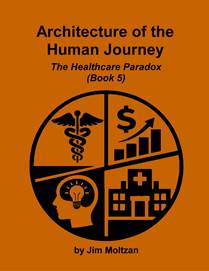
Book 5: The Healthcare Paradox
Modern healthcare offers remarkable advancements, yet widespread chronic illness continues to rise.
The Healthcare Paradox examines this contradiction. It explores how systems designed to treat disease often overlook the foundational behaviors that prevent it. Nutrition, movement, stress, environment, and personal responsibility all play a role, yet are frequently underemphasized.
This book does not reject modern medicine but rather places it within a broader context. One that encourages individuals to become active participants in their own health rather than passive recipients of care.
Book 6: The Human Journey
The final volume steps back to consider the broader question: What is all of this for?
The Human Journey explores meaning, purpose, relationships, and the realities of growth over a lifetime. It integrates the lessons of the previous volumes into a larger philosophical perspective, drawing from both Eastern and Western traditions.
It recognizes that strength, clarity, and health are not ends in themselves, but tools that support a more meaningful and connected life.
A Complete Framework for Modern Living
Taken together, these six books form a cohesive system:
The body provides structure
The mind provides direction
The energy system provides flow
Discipline provides integration
Awareness of systems provides context
Meaning provides purpose
This is the architecture – not of a building, but of a life.
In a time when information is abundant, but wisdom is scattered, The Architecture of the Human Journey offers a way to reconnect the pieces. It invites readers not just to learn, but to observe, reflect, and ultimately take responsibility for their own development.
This is not a quick fix or a temporary program. It is a long-term approach to living with greater awareness, strength, and integrity.
The journey is ongoing. The architecture is yours to build.
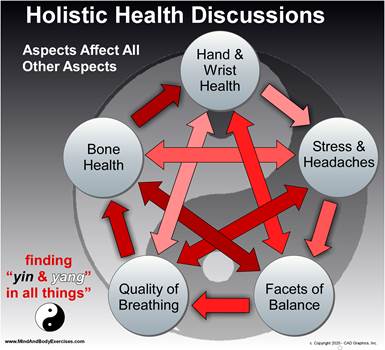
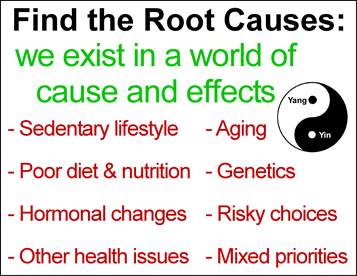
This video lecture offers a comprehensive exploration of bone health within the broader framework of holistic wellness. It connects the anatomy and physiology of bones to lifestyle factors, emphasizing the intricate links between physical, mental, and spiritual health. Starting with a review of prior wellness topics such as balance, breathing, and acupressure meridians, I strived to situate bone health in a systems view, explaining how weak bones affect balance and mobility. Key causes of bone weakening, such as sedentary lifestyle, poor diet, hormonal changes, genetics, stress, and insufficient vitamin D, are examined in detail.
The lecture highlights the importance of regular exercise, including weight-bearing activities, Tai Chi, yoga, and functional fitness, to stimulate bone remodeling and maintain strength across the lifespan. Additionally, it addresses the role of calcium, vitamin D, and supplements, as well as medical interventions like acupuncture and TENS (Transcutaneous Electrical Nerve Stimulation) for pain management. I spoke of integrating traditional Chinese medicine concepts, stress benefits, and mindful breathing into the discussion, reinforcing a holistic view of health. Practical tips for maintaining bone integrity, improving balance, and avoiding falls are offered along with a call for consistent, varied physical activity as the cornerstone of healthy aging. The video finishes with a Q&A style wrap-up that stresses individual variability and the importance of personalized healthcare guidance.
Interconnectedness of Systems: The presentation emphasizes that bone health is not isolated but deeply intertwined with muscular, neurological, and even spiritual health. For example, weak bones increase fall risk, which can cascade into fractures and loss of mobility, illustrating the systemic nature of health challenges. The concept of yin and yang underscores the balance between internal wellness and external fitness, highlighting that physical strength alone is insufficient without emotional and mental well-being. This integrated approach reflects contemporary holistic health paradigms.
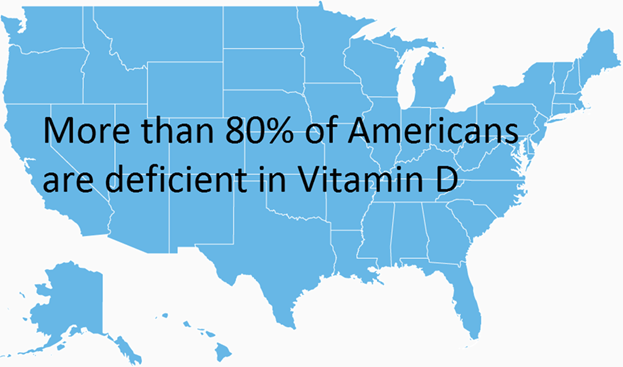
Vitamin D’s Crucial Role and Sunlight Exposure: A significant insight is the critical role of vitamin D in calcium absorption and bone integrity. I highlighted how modern lifestyles have evolved our indoor activities, sunscreen use, geographic latitude, and seasonal changes, contributing to widespread vitamin D deficiency. This deficiency links to multiple conditions including osteoporosis, osteomalacia, rickets, and compromised immunity. The discussion about timing and duration of sun exposure elucidates practical strategies to optimize vitamin D without risking skin damage, encouraging mindful balance.
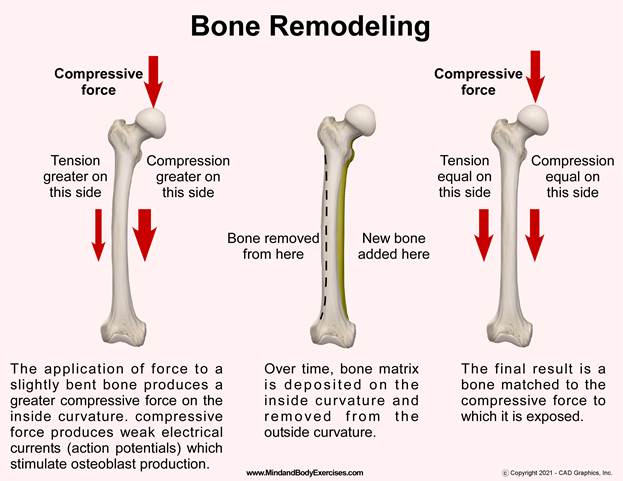
Exercise as a Primary Modulator of Bone Strength: Wolf’s Law explains how mechanical strain on bones via muscle tension prompts remodeling and strengthening. The presentation breaks down exercise types, from gentle Tai Chi to rigorous weight training and their suitability across age groups, stressing the importance of consistency and variety. I caution that overly repetitive or limited-exercise regimens may enhance one skill set but neglect others (e.g., flexibility, cardiovascular health), advocating for a multi-dimensional fitness approach. Use of weighted vests, wrist weights, and grip exercises further illustrates how progressive tension can be tailored to individual capacity.
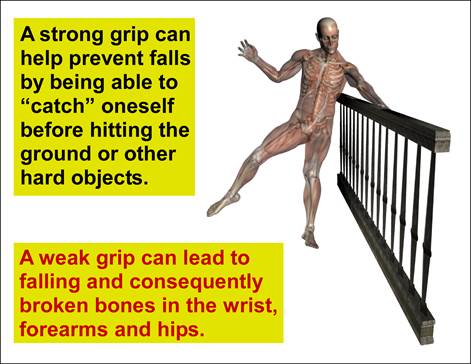
Balance and Grip Strength are Vital for Injury Prevention: Falls are a leading cause of fractures in older adults; thus, balance training and grip strength are crucial preventive measures. The lecture connects muscle strength, proprioception, and neuromuscular coordination as key to maintaining postural stability. Grip strength matters not only for daily function but also as an indicator of overall health and balance recovery capability during falls, making it a practical focus area for exercise programs.
Holistic Fitness and Organ Health through Movement: Unlike traditional fitness focused solely on muscles and cardiovascular systems, the talk introduces the idea that practices like Tai Chi and yoga actively stimulate internal organs by promoting diaphragmatic movement and circulation. This ‘soft fitness’ concept aligns with traditional Chinese medicine, promoting blood flow and nervous system activation via acupressure meridians. This insight expands the definition of fitness towards holistic bodily integration and organ vitality.
Complementary Modalities for Pain and Bone Health: The acceptance and use of acupuncture, acupressure, and TENS units are discussed as effective tools for pain relief without drugs, especially for arthritis and bone-related discomfort. While these do not cure structural issues, their value in managing symptoms and enabling movement enhances quality of life. The lecture also discusses complexities around calcium supplements and pharmaceuticals, emphasizing nutritional balance and caution due to potential side effects like kidney stones or brittle bones.
Stress Hormones Impact Bone Remodeling: Chronic stress elevates cortisol levels, which negatively affects bone formation and increases breakdown, illustrating the biochemical pathways connecting emotional health and bone physiology. The analogy to a microwave running empty underscores how unrelenting stress can burn out the system. Incorporating stress management, mindful breathing, and spiritual awareness into daily practice is thus integral to sustaining bone health, emphasizing mind-body unity in disease prevention and health promotion.
Highlights
Holistic health views bones as interconnected with muscles, organs, and energy meridians.
Vitamin D deficiency is widespread and profoundly impacts bone strength and immunity.
Weight-bearing exercise and diverse physical activity stimulate bone remodeling at any age.
Balance, grip strength, and neuromuscular coordination are critical for fall and injury prevention.
Soft movement practices like Tai Chi and yoga engage muscles and organs for whole-body wellness.
Acupuncture and TENS offer non-pharmaceutical options for managing bone-related pain.
Stress and mental health considerably affect bone physiology via hormonal pathways like cortisol.
I feel that this discussion offers an in-depth, well-rounded discussion on bone health, rooting it firmly in a holistic wellness model. It broadens the narrative beyond simple calcium intake or exercise regimens, weaving in mental health, stress, spirituality, and modern lifestyle factors. Practical, evidence-backed advice coupled with traditional medicine knowledge and personal anecdotes make it accessible. Viewers are encouraged to adopt a varied, consistent exercise routine, mind their nutrition and sunlight exposure, manage stress, and consider complementary therapies to maintain strong bones and overall vitality through aging.
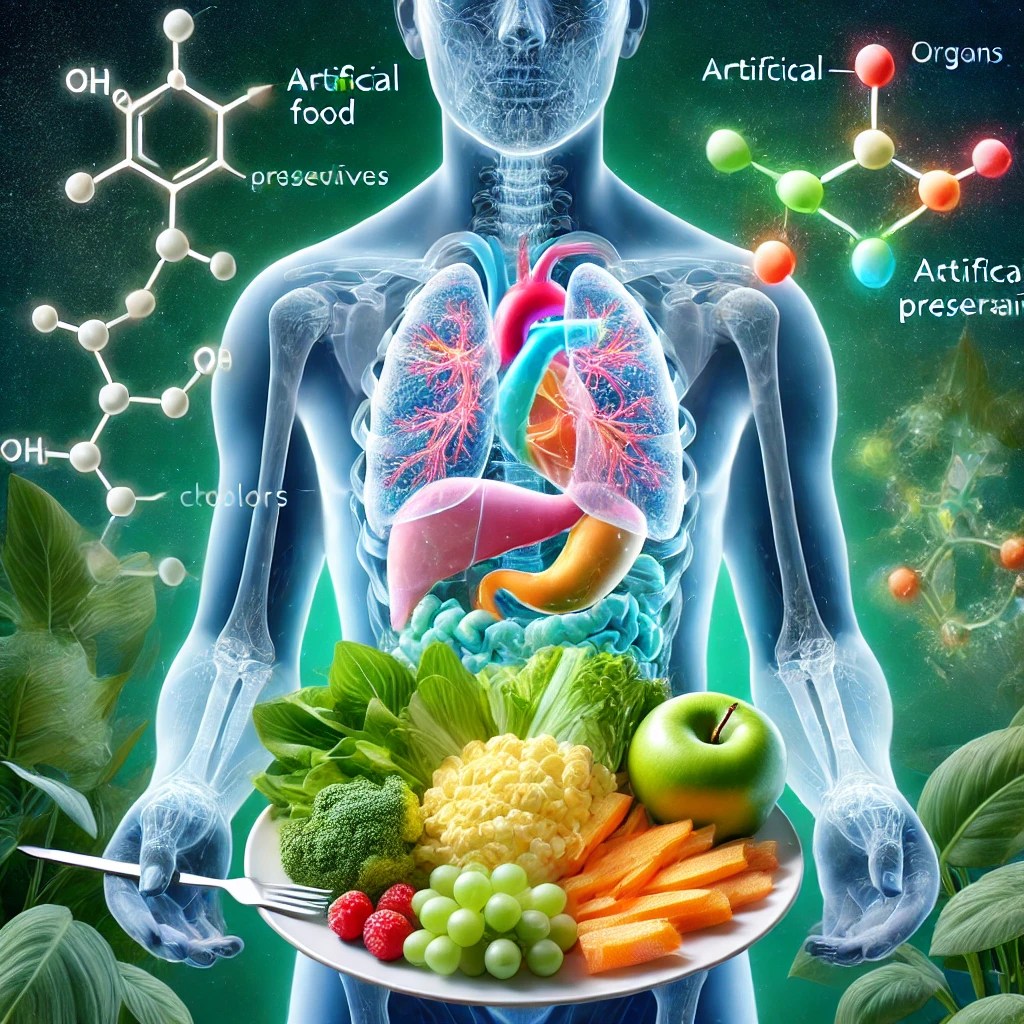
The potential for preservatives and other food additives to have long-term effects on human health has indeed been a subject of research and debate. While the preservatives used in food are generally approved by regulatory agencies and deemed safe within established limits, or “generally recognized as safe” (GRAS), there is concern about how these substances might interact with the human body, particularly with prolonged exposure or high consumption levels.
Many preservatives target microbial cells rather than human cells, and they often break down or are excreted from the body. However, some studies suggest certain preservatives might contribute to adverse health effects, such as inflammation, gut microbiome disruption, or oxidative stress (Zhou et al., 2023).
Some examples:
Sodium benzoate is widely used in acidic foods like sodas and fruit juices. Research has shown that under certain conditions, it can convert to benzene, a known carcinogen, especially when combined with ascorbic acid (vitamin C) (McNeal et al., 1993). The risk is generally low, but it raises concerns about high levels of consumption.
Nitrates and nitrites, commonly found in processed meats, can convert into nitrosamines in the stomach, compounds associated with an increased risk of cancers such as colorectal cancer (Song et al., 2015).
BHT and BHA are synthetic antioxidants used in fats and oils to prevent rancidity. There is some evidence that they may act as endocrine disruptors and impact cellular processes, although results are mixed (Pop et al., 2013).
The body’s detoxification systems, primarily the liver and kidneys, are generally effective at processing and eliminating many of these compounds. However, researchers argue that cumulative effects from chronic exposure to multiple food additives, combined with other dietary and lifestyle factors, could potentially pose health risks over time (Witkowska et al., 2021). We have known for many decades that a balanced diet with minimally processed foods can help to reduce exposure to these additives, though experts always state that more research is needed to understand their long-term impacts fully. The FDA finally banned red dye in the U.S. for use in cosmetics back in 1990 but not in foods until just January of 2025 (Davis, 2025).
_____
References
Zhou, X., Qiao, K., Wu, H., & Zhang, Y. (2023). The Impact of Food Additives on the Abundance and Composition of Gut Microbiota. Molecules (Basel, Switzerland), 28(2), 631. https://doi.org/10.3390/molecules28020631
McNeal, T. P., Nyman, P. J., Benson, J. M., & Diachenko, G. W. (1993). Survey of benzene in foods by using headspace concentration techniques and capillary gas chromatography. Journal of AOAC International, 76(6), 1213-1219.
Song, P., Wu, L., & Guan, W. (2015). Dietary Nitrates, Nitrites, and Nitrosamines Intake and the Risk of Gastric Cancer: A Meta-Analysis. Nutrients, 7(12), 9872–9895. https://doi.org/10.3390/nu7125505
Pop, A., Kiss, B., & Loghin, F. (2013). Endocrine disrupting effects of butylated hydroxyanisole (BHA – E320). Clujul medical (1957), 86(1), 16–20.
Witkowska, D., Słowik, J., & Chilicka, K. (2021). Heavy Metals and Human Health: Possible Exposure Pathways and the Competition for Protein Binding Sites. Molecules (Basel, Switzerland), 26(19), 6060. https://doi.org/10.3390/molecules26196060
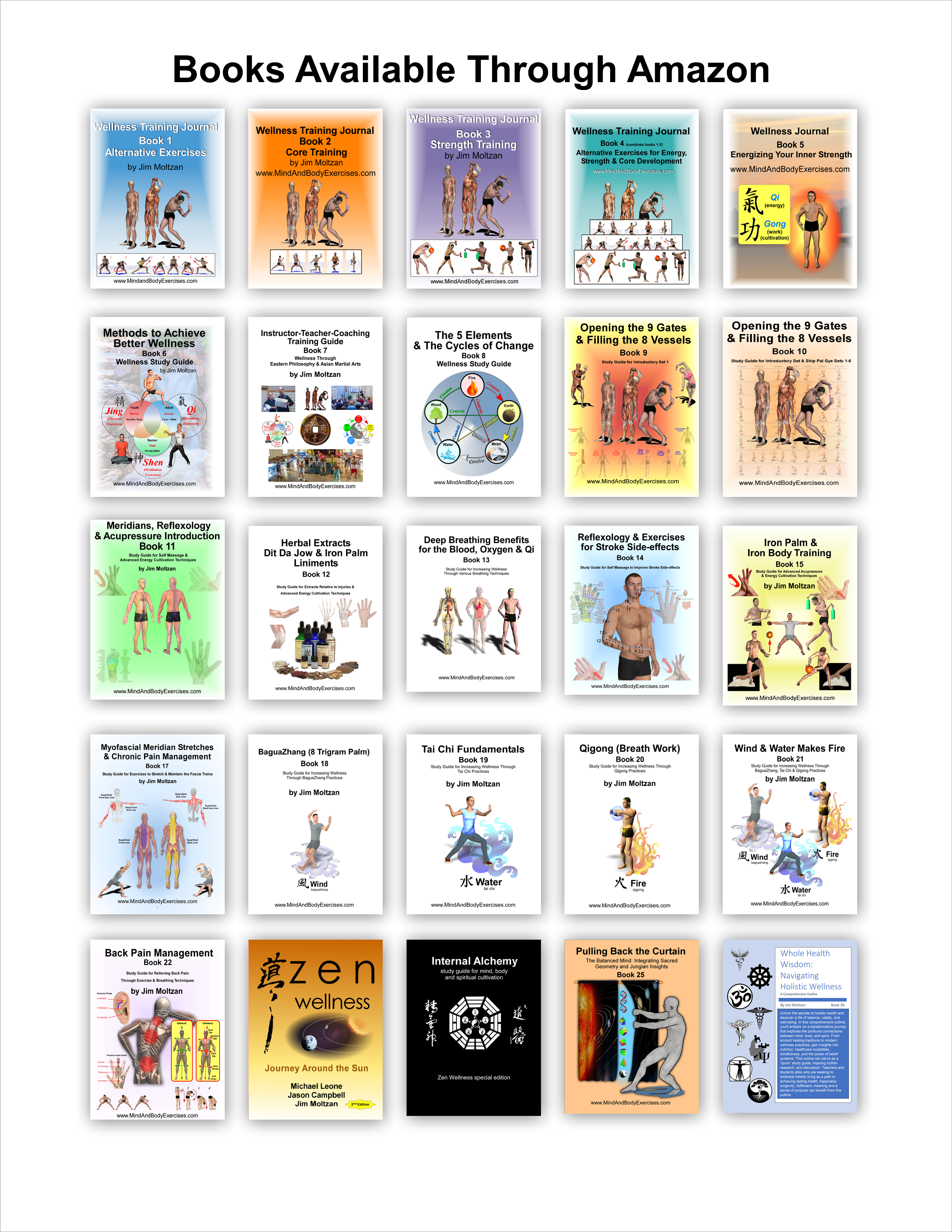
I teach and offer lectures about holistic health, physical fitness, stress management, human behavior, meditation, phytotherapy (herbs), music for healing, self-massage (acupressure), Daoyin (yoga), qigong, tai chi, and baguazhang.
Please contact me if you, your business, organization, or group, might be interested in hosting me to speak on a wide spectrum of topics relative to better health, fitness, and well-being.
I look forward to further sharing more of my message by partnering with hospitals, wellness centers, VA centers, schools on all levels, businesses, and individuals who see the value in building a stronger nation through building a healthier population.
I also have hundreds of FREE education video classes, lectures, and seminars available on my YouTube channel at:
Winter, Immunity, and the Unsustainable Model of Modern Healthcare. Why Lifestyle Medicine Must Become the First Line of Defense
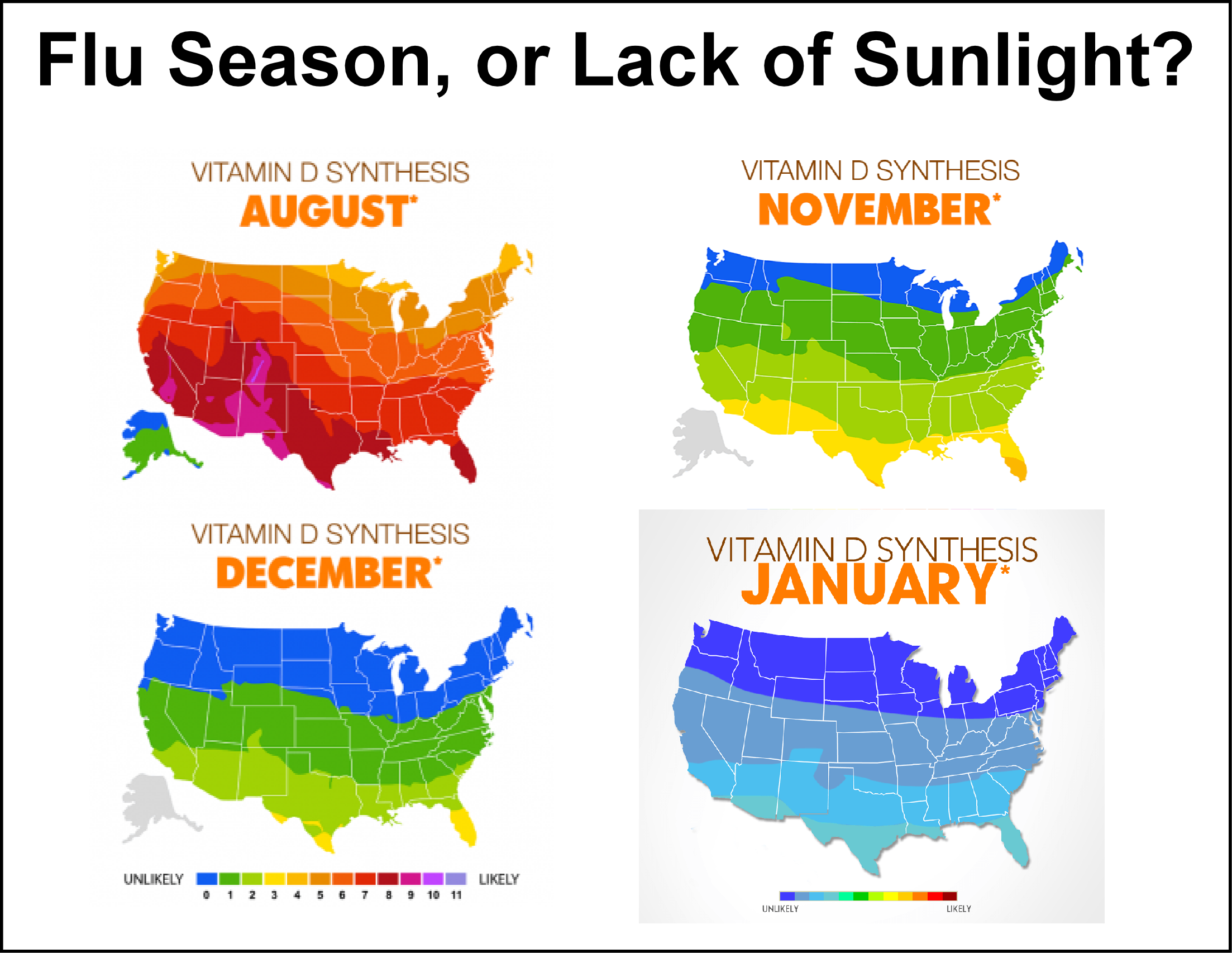
Winter has long been recognized as a season of heightened illness, commonly referred to as “flu season.” This pattern has existed for thousands of years, shaped by environmental conditions, reduced sunlight, behavioral changes, and altered activity patterns. Yet despite humanity’s long-standing awareness of these seasonal rhythms, modern healthcare systems, particularly in the United States, continue to respond with a predominantly pharmaceutical-centered model. Vaccines and medications are promoted as the primary line of defense, while foundational health behaviors such as nutrition, movement, sunlight exposure, sleep, and stress regulation receive comparatively little emphasis.
You can watch my short video on this topic at:
This strategy is proving unsustainable. The United States now faces a continuous decline in both physical and mental health, rising chronic disease burden, escalating healthcare costs, and worsening quality of life indicators. The growing reliance on pharmaceutical intervention without addressing underlying behavioral and environmental contributors has created a reactive, symptom-focused system rather than a proactive, resilience-based model of health. This essay argues that a fundamental reorientation toward lifestyle medicine as the primary foundation of public health is not only logical, but essential for reversing current health trajectories.
The Predictable Nature of Winter Illness
Seasonal illness is not random. Respiratory infections, influenza, and other viral illnesses consistently peak during winter months due to a convergence of physiological, behavioral, and environmental factors. These include increased indoor crowding, reduced physical activity, poorer dietary habits, higher alcohol consumption, disrupted sleep, and reduced exposure to sunlight (Eccles, 2002; Dowell & Ho, 2004).
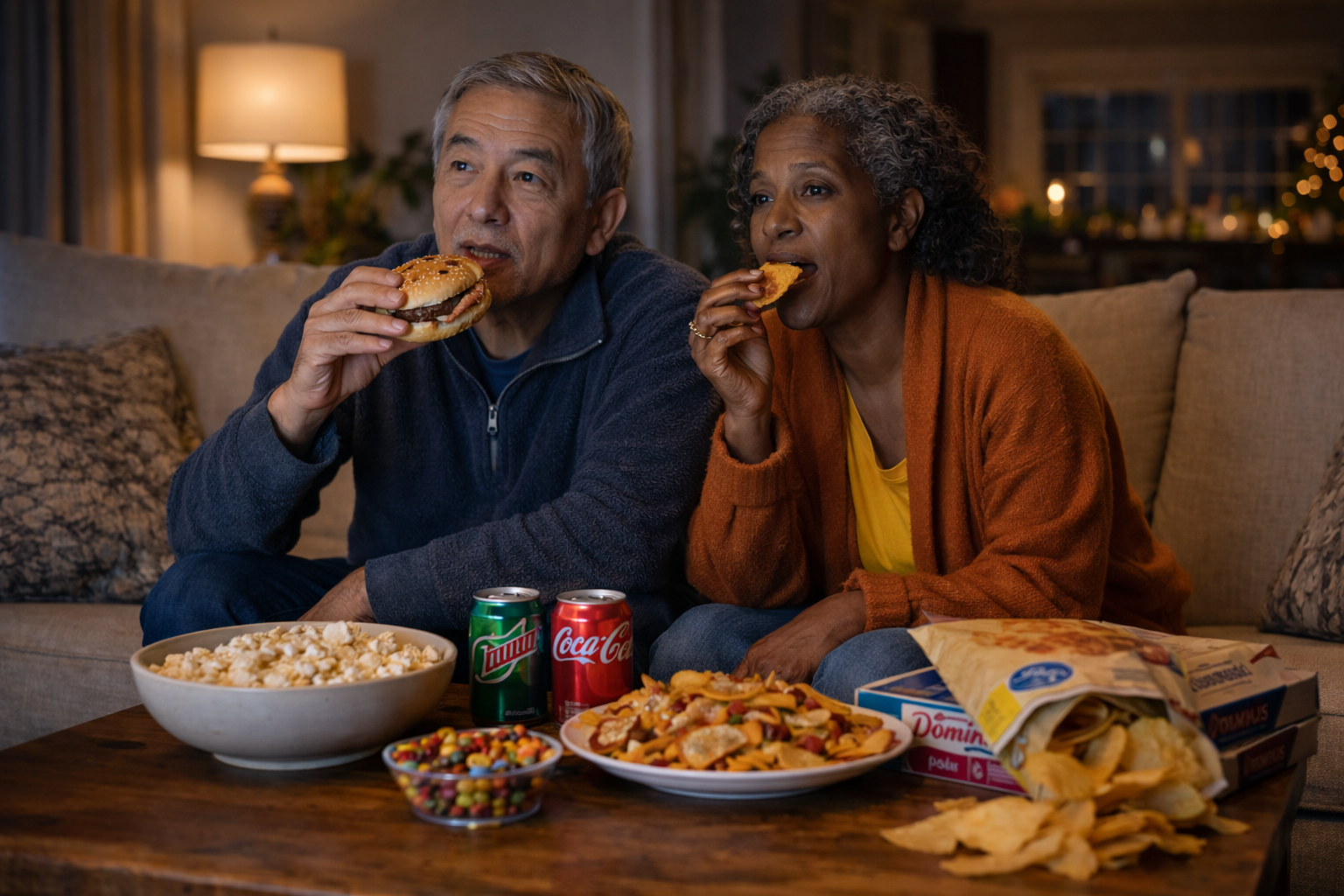
Human physiology evolved in close relationship with seasonal rhythms. Historically, winter was a period of reduced food availability, lower caloric intake, and continued physical labor. In contrast, modern winter behavior is characterized by caloric excess, sedentary lifestyles, and prolonged indoor confinement, conditions that directly suppress immune function and metabolic health (Booth et al., 2012).
The seasonal rise in illness is therefore not an unavoidable biological fate, but a predictable consequence of modern lifestyle patterns layered onto ancient physiology.
Vitamin D Deficiency: A Global and Seasonal Crisis
One of the most significant contributors to winter immune vulnerability is widespread vitamin D deficiency. Vitamin D synthesis is dependent on ultraviolet B (UVB) radiation from sunlight, which is largely absent during winter months in northern latitudes. As a result, deficiency rates increase dramatically during this season.
Globally, over one billion people are estimated to be vitamin D deficient (Holick, 2007). In the United States, approximately 40–60% of adults have insufficient levels during winter months (Forrest & Stuhldreher, 2011). Vitamin D plays a central role in immune regulation, influencing innate immunity, T-cell function, and inflammatory control (Aranow, 2011).
Low vitamin D levels are associated with increased risk of respiratory infections, influenza, autoimmune disease, and poorer outcomes in viral illness (Martineau et al., 2017; Gombart et al., 2020). Yet despite this robust evidence base, vitamin D status is rarely assessed or addressed in routine clinical care.
Physical Inactivity and Immune Suppression
Physical activity is one of the most powerful modulators of immune function. Regular movement enhances immune surveillance, improves lymphatic circulation, reduces chronic inflammation, and improves metabolic health (Nieman & Wentz, 2019).
Conversely, physical inactivity, now widespread in industrialized nations, has been shown to increase susceptibility to infection, worsen vaccine response, and promote chronic low-grade inflammation (Booth et al., 2012; Hamer et al., 2020). Winter months exacerbate sedentary behavior, as colder temperatures and shorter daylight hours reduce outdoor activity.
The modern human body, designed for daily movement, now spends most of its time in chairs, cars, and climate-controlled environments. This mismatch between evolutionary design and modern behavior contributes directly to immune dysfunction and chronic disease.
Ultra-Processed Food and Immune Dysfunction
Diet quality is another central determinant of immune health. Modern winter diets are often dominated by ultra-processed foods high in refined carbohydrates, industrial seed oils, additives, preservatives, and sugar. These foods disrupt gut microbiota, promote insulin resistance, increase systemic inflammation, and impair immune signaling (Monteiro et al., 2018; Zinöcker & Lindseth, 2018).
The gut microbiome plays a critical role in immune regulation, with approximately 70% of immune cells residing in gut-associated lymphoid tissue (Belkaid & Hand, 2014). Diets rich in whole foods, vegetables, fruits, legumes, lean proteins, and healthy fats, support microbial diversity and immune resilience, while ultra-processed foods degrade this vital ecosystem.
The widespread replacement of traditional diets with industrial food products represents one of the most profound biological experiments in human history, and its results are increasingly evident in rising rates of obesity, diabetes, autoimmune disease, depression, and cardiovascular illness.
Mental Health Decline and Immune Consequences
The decline in mental health over recent decades parallels the deterioration of physical health. Rates of anxiety, depression, substance abuse, and suicide have risen sharply in the United States (Twenge et al., 2019; CDC, 2023). Chronic psychological stress suppresses immune function through dysregulation of the hypothalamic-pituitary-adrenal (HPA) axis and increased cortisol exposure (Glaser & Kiecolt-Glaser, 2005).
Social isolation, now increasingly common further compounds this effect. Loneliness has been shown to increase inflammatory signaling and reduce antiviral immune responses (Hawkley & Cacioppo, 2010). Winter confinement and digital substitution for human connection intensify this problem.
The modern epidemic of loneliness, combined with chronic stress and digital overexposure, represents a silent immune suppressant operating year-round.
The Reactive Model of Modern Healthcare
The current healthcare system in the United States is primarily structured around disease management rather than health creation. Physicians receive minimal training in nutrition, exercise physiology, sleep science, or behavioral change counseling (Adams et al., 2010; Devries et al., 2019). As a result, clinical encounters are dominated by diagnostics, pharmacology, and procedural intervention.
This model is highly effective for acute trauma and infectious disease management. However, it is poorly suited for addressing chronic, lifestyle-driven illnesses. The system is financially incentivized to treat disease after it develops rather than prevent it from occurring.
Vaccines and medications are promoted as population-level solutions because they can be standardized, deployed rapidly, and measured easily. Lifestyle change, by contrast, requires time, education, accountability, and cultural transformation.
The result is a healthcare system that waits for illness to emerge rather than building resilient physiology in advance.
The Unsustainable Trajectory of U.S. Health
Despite spending more on healthcare than any nation in the world, the United States ranks poorly in life expectancy, chronic disease burden, and quality-of-life metrics (Tikkanen & Abrams, 2020). Obesity rates exceed 40%, diabetes affects over 11% of adults, and cardiovascular disease remains the leading cause of death (CDC, 2023).
Mental health outcomes have deteriorated alongside physical health. The pharmaceutical expansion has not reversed these trends. Instead, the nation now consumes more prescription medications per capita than any other country while continuing to grow sicker.
This trajectory is not sustainable economically, biologically, or socially.
Reclaiming the Logical Hierarchy of Health
Human physiology evolved in an environment defined by:
Daily physical labor
Seasonal sunlight exposure
Whole-food nutrition
Natural circadian rhythms
Social cooperation
Environmental challenge
Modern life has inverted these conditions. The logical hierarchy of health must be restored:
Nutrition quality
Physical movement
Sleep hygiene
Sunlight exposure
Stress regulation
Social connection
Medical intervention when necessary
Pharmaceuticals should function as supportive tools—not the foundation of human health.
This integrative model does not reject medicine. It restores medicine to its proper role.
Winter illness is not merely a seasonal inconvenience, it is a symptom of a broader systemic failure to align modern life with human biology. The current healthcare model, built on pharmaceutical intervention rather than physiological resilience, is incapable of reversing the ongoing decline in physical and mental health.
Encouraging better nutrition, more movement, adequate sunlight exposure, sufficient sleep, stress regulation, and social connection is not alternative medicine. It is foundational medicine.
Without a return to these biological essentials, no number of pharmaceuticals will reverse the trajectory of modern disease. The future of healthcare must shift from managing illness to cultivating health. Only then can winter become a season of resilience rather than vulnerability.
References:
Adams, K. M., Kohlmeier, M., Powell, M., & Zeisel, S. H. (2010). Nutrition in medicine: nutrition education for medical students and residents. Nutrition in clinical practice : official publication of the American Society for Parenteral and Enteral Nutrition, 25(5), 471–480. https://doi.org/10.1177/0884533610379606
Booth, F. W., Roberts, C. K., & Laye, M. J. (2012). Lack of exercise is a major cause of chronic diseases. Comprehensive Physiology, 2(2), 1143–1211. https://doi.org/10.1002/cphy.c110025
Centers for Disease Control and Prevention. (2023). Chronic disease indicators and mental health statistics. https://www.cdc.gov
Devries, S., Dalen, J. E., Eisenberg, D. M., Maizes, V., Ornish, D., Prasad, A., Sierpina, V., Weil, A. T., & Willett, W. (2014). A deficiency of nutrition education in medical training. The American journal of medicine, 127(9), 804–806. https://doi.org/10.1016/j.amjmed.2014.04.003
Dowell, S. F., & Ho, M. S. (2004). Seasonality of infectious diseases and severe acute respiratory syndrome—What we don’t know can hurt us. The Lancet Infectious Diseases, 4(11), 704–708. https://doi.org/10.1016/S1473-3099(04)01177-6
Eccles, R. (2002). An explanation for the seasonality of acute upper respiratory tract viral infections. Acta Oto-Laryngologica, 122(2), 183–191. https://doi.org/10.1080/00016480252814207
Forrest, K. Y. Z., & Stuhldreher, W. L. (2011). Prevalence and correlates of vitamin D deficiency in US adults. Nutrition Research, 31(1), 48–54. https://doi.org/10.1016/j.nutres.2010.12.001
Glaser, R., & Kiecolt-Glaser, J. K. (2005). Stress-induced immune dysfunction. Nature Reviews Immunology, 5(3), 243–251. https://doi.org/10.1038/nri1571
Gombart, A. F., Pierre, A., & Maggini, S. (2020). A review of micronutrients and the immune system. Nutrients, 12(1), 236. https://doi.org/10.3390/nu12010236
Hamer, M., Kivimäki, M., Gale, C. R., & Batty, G. D. (2020). Lifestyle risk factors, inflammatory mechanisms, and COVID-19 hospitalization: A community-based cohort study of 387,109 adults in UK. Brain, behavior, and immunity, 87, 184–187. https://doi.org/10.1016/j.bbi.2020.05.059
Hawkley, L. C., & Cacioppo, J. T. (2010). Loneliness matters: a theoretical and empirical review of consequences and mechanisms. Annals of behavioral medicine : a publication of the Society of Behavioral Medicine, 40(2), 218–227. https://doi.org/10.1007/s12160-010-9210-8
Martineau, A. R., et al. (2017). Vitamin D supplementation to prevent acute respiratory tract infections. BMJ, 356, i6583. https://doi.org/10.1136/bmj.i6583
Monteiro, C. A., Cannon, G., Moubarac, J. C., Levy, R. B., Louzada, M. L. C., & Jaime, P. C. (2018, January 1). The un Decade of Nutrition, the NOVA food classification and the trouble with ultra-processing. Public Health Nutrition. Cambridge University Press. https://doi.org/10.1017/S1368980017000234
Nieman, D. C., & Wentz, L. M. (2019). The compelling link between physical activity and the body’s defense system. Journal of sport and health science, 8(3), 201–217. https://doi.org/10.1016/j.jshs.2018.09.009
Twenge, J. M., Cooper, A. B., Joiner, T. E., Duffy, M. E., & Binau, S. G. (2019). Age, period, and cohort trends in mood disorder indicators and suicide-related outcomes in a nationally representative dataset, 2005-2017. Journal of abnormal psychology, 128(3), 185–199. https://doi.org/10.1037/abn0000410
Zinöcker, M. K., & Lindseth, I. A. (2018). The Western Diet-Microbiome-Host Interaction and Its Role in Metabolic Disease. Nutrients, 10(3), 365. https://doi.org/10.3390/nu10030365













 United Martial Arts Association