Science, Faith, and the Nature of Miracles

Reframing the Ancient and the Modern

We often hear the phrase, “trust the science,” particularly in matters of health, medicine, and public policy. At the same time, billions of people across the world continue to hold religious and spiritual beliefs that include miracles, or events that appear to defy natural explanation. This creates an apparent tension: if science explains the world through observable and repeatable processes, where do miracles fit?

This question becomes even more intriguing when we consider that miraculous events, such as the resurrection of Christ, the parting of the Red Sea, or the “burning bush,” are described as miracles, where miracles were relatively common in ancient texts, yet seem absent or highly disputed in modern times. Has something changed in reality itself, or has the change occurred within human perception and interpretation?

The Scope and Limits of Science

Science is a powerful and reliable method for understanding the natural world. It is based on systematic observation, measurement, and replication (Popper, 2002). Through this process, science has explained countless phenomena once considered mysterious or divine, including disease processes, weather patterns, and neurological conditions.

However, science operates within specific boundaries:

  • It studies repeatable and observable phenomena
  • It relies on empirical evidence and falsifiability
  • It does not address one-time, unrepeatable events effectively

By definition, miracles are:

  • Singular
  • Non-repeatable
  • Often tied to subjective or spiritual meaning

Thus, science does not necessarily disprove miracles, it simply lacks the tools to evaluate them within its framework.

Ancient Interpretations of Extraordinary Events

In ancient times, the absence of scientific understanding often led to supernatural interpretations of natural events. For example:

  • Seizures or altered states may have been viewed as spiritual possession or divine encounter
  • Sudden recovery from illness may have been interpreted as miraculous healing
  • Unusual environmental events could be attributed to divine intervention

This does not imply that all ancient accounts are false, but rather that interpretation was shaped by available knowledge and cultural worldview (Ehrman, 2014).

Additionally, many ancient narratives were transmitted orally before being recorded in written form. Oral traditions often emphasize meaning, symbolism, and moral teaching, which can lead to amplification or stylization over time (Vansina, 1985).

Revisiting Biblical Miracles Through a Modern Lens

Scholars have proposed natural explanations for some biblical events:

  • The parting of the Red Sea may reflect wind-driven water displacement or tidal phenomena (Drews & Han, 2010)
  • The burning bush could represent a natural flame or symbolic narrative
  • Reports of healing may involve spontaneous remission or psychosomatic effects

The resurrection of Christ, however, remains a unique case. Interpretations vary widely:

  1. A literal supernatural event (faith-based view)
  2. Misinterpretation of death (e.g., premature burial)
  3. Visionary or psychological experiences among followers
  4. A symbolic theological narrative

From a scientific standpoint, the resurrection cannot be verified or falsified due to its historical and non-repeatable nature. It exists primarily within the domains of theology, philosophy, and historical interpretation (Licona, 2010).

Why Miracles Seem Absent Today

Several factors contribute to the perceived decline in miracles:

1. Increased Scientific Knowledge

Modern science explains many phenomena that were once mysterious. As understanding grows, fewer events are classified as supernatural.

2. Higher Standards of Evidence

Today’s claims are evaluated through:

  • Documentation
  • Video recording
  • Independent verification

Extraordinary claims now require substantial evidence (Sagan, 1996).

3. Cultural Skepticism

Modern society emphasizes critical thinking and empirical validation. Claims of miracles are often met with scrutiny or psychological interpretation.

Bridging Science and Spirituality

Rather than viewing science and faith as opposing forces, they can be understood as addressing different aspects of human experience:

  • Science explores mechanisms and processes
  • Philosophy examines meaning and reasoning
  • Spirituality engages with purpose, connection, and transcendence

For example, meditation has been shown to influence brain function and emotional regulation (Davidson & McEwen, 2012), while also producing subjective experiences of insight and transformation. Both perspectives offer valid, complementary insights.

A Holistic Interpretation of Miracles

From a holistic standpoint, miracles may be reframed as:

  • Events that lie at the edge of current understanding
  • Experiences that carry profound personal or collective meaning
  • Interpretations shaped by cultural, psychological, and spiritual frameworks

In this view, the question is not simply whether miracles are “real” or “not real,” but how humans interpret and assign meaning to extraordinary experiences.

The apparent divide between science and miracles may not reflect a change in reality, but rather a transformation in human perception. Ancient people interpreted the unknown through a spiritual lens, while modern society relies on scientific frameworks to explain the same phenomena.

Both approaches seek to understand existence, one through measurement, the other through meaning. Perhaps the most balanced perspective is not to choose between science and faith, but to recognize their respective roles. Science explains how the world works, while spirituality explores why it matters.

References

Davidson, R. J., & McEwen, B. S. (2012). Social influences on neuroplasticity: Stress and interventions to promote well-being. Nature Neuroscience, 15(5), 689–695. https://doi.org/10.1038/nn.3093

Drews, C., & Han, W. (2010). Dynamics of wind setdown at Suez and the Eastern Nile Delta. PLoS ONE, 5(8), e12481. https://doi.org/10.1371/journal.pone.0012481

Ehrman, B. D. (2014). How Jesus became God: The exaltation of a Jewish preacher from Galilee. HarperOne.

Licona, M. R. (2010). The resurrection of Jesus: A new historiographical approach. IVP Academic.

Popper, K. (2002). The logic of scientific discovery. Routledge.

Sagan, C. (1996). The demon-haunted world: Science as a candle in the dark. Ballantine Books.

Vansina, J. (1985). Oral tradition as history. University of Wisconsin Press.

Acupressure and Holistic Health

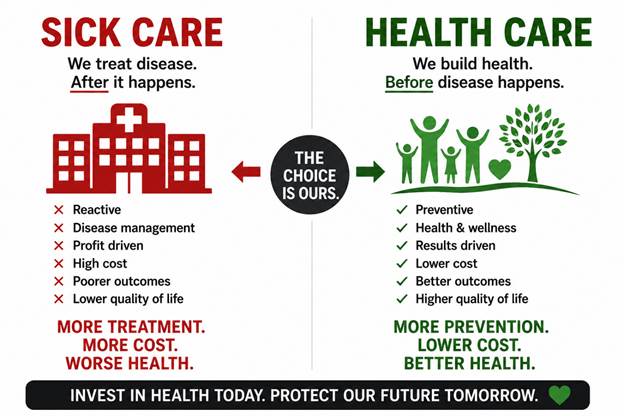
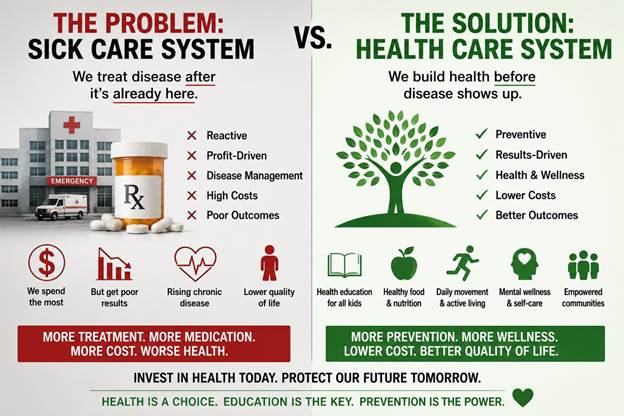
The video presents an in-depth discussion and practical demonstration, focusing on the importance of hand health, self-care, and Traditional Chinese Medicine (TCM) principles applied to modern wellness practices. Starting with a critique of the current American healthcare system, I contrast “sick care” with “self-care,” emphasizing personal responsibility in maintaining health through exercise, nutrition, and mindfulness. I introduced foundational concepts, such as the Five Pillars (physical movement, diet, sleep, stress management, and social interaction) and the principles of Yin and Yang, explaining their scientific roots in geometry and balance.

I elaborate on the Chinese philosophy of the Five Elements theory (fire, earth, metal, water, wood), correlating them with organs and bodily systems, and explain the concept of meridians, or energy pathways throughout the body that traditional Chinese medicine targets to enhance health. The core practical component of the video focuses on hand exercises designed to strengthen grip, improve circulation, stimulate nerve endings, and activate energy flow through the meridians ending in the fingers. These exercises involve various techniques such as clapping, pinching, twisting, and massaging different parts of the hand and wrist.

I highlight the significance of grip strength especially in fall prevention and overall mobility in older adults, explaining how consistent practice can improve hand function and nervous system responsiveness. I also discuss cross-body movements and their cognitive benefits, drawing parallels to neurological therapies and developmental exercises like crawling, which engage both hemispheres of the brain.

Towards the end, I briefly touch on broader practices such as Tai Chi, Qigong, and reflexology, stressing their role in holistic health. I advocate using accessible tools like golf balls for foot massage to stimulate nerve endings and share practical advice on managing neuropathy and maintaining organ health through movement and energy balance. Throughout, I encourage self-awareness, gradual progression, and integrating these exercises into regular routines for preventive health.

Modern Healthcare Critique: I am somewhat critical of the U.S. healthcare system as reactive “sick care” rather than proactive health maintenance. I highlight that patients often receive prescriptions without addressing root causes like lifestyle or diet, which underscores a systemic issue driven by time constraints and financial incentives. This insight calls for a paradigm shift toward self-care and prevention.

Holistic Health Framework: The Five Pillars framework integrates physical, mental, and social health components, demonstrating the interconnectedness of well-being. By grounding this in Chinese philosophy, we can bridge ancient wisdom and modern health science, by striving to cultivate balanced living, requiring attention to multiple lifestyle factors simultaneously rather than isolated interventions.

Yin-Yang as Science: By explaining Yin-Yang through geometry and mathematics, I demystify what is often perceived as esoteric. This positions traditional Chinese medicine as a system based on observation, balance, and natural laws, reinforcing its credibility and potential integration with Western practices.

Hand Health and Meridian Stimulation: The hand exercises stimulate both physical and energetic systems, by strengthening muscles and tendons while activating nerve endings and meridian pathways. This dual approach enhances circulation, neural function, and energy flow, which is crucial for maintaining dexterity, preventing injury, and promoting healing, especially as people age.

Cross-Body Movements and Brain Health: Movements that cross the body’s midline engage both hemispheres of the brain, enhancing neural connectivity and cognitive function. This insight aligns with rehabilitation techniques for stroke patients and supports the use of such exercises in maintaining brain health and preventing cognitive decline.

Reflexology and Accessible Therapy: I emphasize practical, low-cost ways to stimulate nerve endings and improve energy flow, such as rolling a golf ball under the foot. This highlights the value of self-administered therapies for neuropathy and general well-being and the importance of engaging physically with one’s body.

Self-Care as Empowerment: A recurring theme is the empowerment that comes from taking ownership of one’s health through simple, consistent practices. By understanding how the body’s energy and nervous systems work, individuals can proactively manage their health, reducing reliance on medical interventions and improving quality of life.

Highlights

  • Critique of modern American healthcare as “sick care” and emphasis on the need for self-care.
  • Introduction of the Five Pillars of health rooted in Chinese philosophy: exercise, diet, sleep, stress management, and social interaction.
  • Explanation of Yin and Yang as a scientific geometric principle representing balance and opposites.
  • Overview of the Five Elements theory correlating elements with organs and bodily functions.
  • Demonstration of hand exercises to improve grip strength, circulation, and energy flow through meridians.
  • Discussion of cross-body movements and their role in cognitive stimulation and brain health.
  • Practical advice on foot reflexology and nerve stimulation using simple tools like golf balls.

This comprehensive approach combining philosophy, science, practical exercise, and self-awareness provide a holistic blueprint for health maintenance that transcends conventional medical models.

Better Breathing – University Club Holistic Health Discussion 11-14-2024

This video presents an in-depth discussion about the significance of breathing, particularly mindful and diaphragmatic breathing, as taught through martial arts practices such as Tai Chi and Qigong (chi gong). As an experienced martial arts and qigong instructor, I explained how breathing influences both physiological functions and mental states, emphasizing stress management and overall health.

Throughout the talk, the connection between breathing techniques and various health aspects like nervous system regulation, emotional balance, and physical fitness are explored. Practical guidance on how to breathe properly through the nose, from the diaphragm, and at a slower rate, is provided, alongside explanations of physiological responses to stress and relaxation. I integrate traditional Eastern perspectives like Traditional Chinese Medicine and Indian pranayama with Western science, offering a holistic view of breath as life force and energy circulation.

Various breathing exercises, including the well-known “box breathing” technique popularized by Navy SEALs, are demonstrated. The talk also covers how body posture, muscle engagement, and even acupressure points on the wrist can enhance the effectiveness of breathing techniques for reducing stress. The benefits of breath control extend beyond physical health to include emotional well-being by triggering the release of positive neurochemicals such as dopamine, serotonin, oxytocin, and endorphins.

Viewers and attendees are encouraged to incorporate these breathing habits into daily life, regardless of age or mobility, for gradual but significant health improvements. The presentation references follow-up classes on topics such as bone health, balance, and mental awareness, underscoring the integrated approach to holistic wellness.

Breathing as a Gateway to Nervous System Regulation: The way we breathe directly influences the autonomic nervous system, shifting the balance between sympathetic (stress/fight or flight) and parasympathetic (relaxation/rest and digest) responses. Deep, slow, diaphragmatic breathing promotes parasympathetic dominance, effectively calming the heart rate and reducing cortisol and adrenaline production. This “biohack” empowers individuals to consciously modulate stress rather than passively endure it.

Diaphragmatic Breathing Optimizes Lung Capacity and Oxygenation: Breathing from the diaphragm rather than shallow chest breathing utilizes more of the lung’s capacity, encouraging better oxygen exchange and carbon dioxide elimination. This improves cellular respiration efficiency and energy production. Additionally, diaphragmatic breathing activates muscles beyond the diaphragm, including neck and rib muscles, enhancing lung expansion and circulation.

Nasal Breathing is Superior to Mouth Breathing: Breathing through the nose warms and filters air, increases nitric oxide production (a vasodilator improving blood flow), and supports moistening the airways. Mouth breathing tends to be shallow and less efficient, leading to dry mouth and potentially altered facial structure in children over time. Nasal breathing contributes to a slower, deeper breath pattern, essential for effective stress management and respiratory health.

Integration of Eastern Medicine and Western Physiology: The talk bridges traditional Chinese medicine’s concept of Qi (life force) and acupuncture meridians with scientific understandings of respiratory function and neurochemistry. This integrative view enriches the appreciation of breathing not just as a mechanical act, but as a method of modulating energy flow, emotional state, and health outcomes. Practices such as Tai Chi harness these ideas physically and mentally through movement and breath synchronization.

Box Breathing as a Mental and Physiological Tool: The “box breathing” technique engages both the breath and the mind to create a focused, rhythmic pattern that promotes relaxation and mental clarity. It is effective for reducing anxiety in high-stress professions (e.g., Navy SEALs) and can be adapted for everyday use. By focusing attention on the breath cycle, it breaks negative thought loops, anchors the mind, and physically signals the nervous system to shift towards calmness.

Physical Posture and Movement Enhance Breath Quality: Posture, spinal flexibility, and full-body engagement support deeper breathing. Twisting movements improve the elasticity of costal and vertebral joints, enhancing lung expansion capacity. Similarly, maintaining proper seated posture (e.g., sitting toward the edge of a chair with feet flat and relaxed shoulders) facilitates diaphragmatic breathing. Incorporating movements from disciplines like Tai Chi or yoga fosters holistic respiratory function.

Age and Breathing: Practical Benefits at Any Stage of Life: While lung and muscular function naturally decline with age, adopting breathing practices can slow that decline and improve quality of life at any age. Even individuals in their 60s and beyond can see meaningful improvements in stress reduction, oxygenation, and mental clarity by practicing mindful breathing consistently. The talk underscores lifelong learning and self-awareness as keys to ongoing health optimization.

Highlights

  • Daily mindful breathing through the nose and diaphragm improves physical and mental health.
  • Proper breathing slows down heart rate, calms the nervous system, and reduces stress hormones.
  • Box breathing (4 seconds inhale, hold, exhale, hold) helps anchor thoughts and manage anxiety.
  • Breathing influences brain chemistry, promoting dopamine, serotonin, oxytocin, and endorphins.
  • Wrist acupressure combined with breathing techniques can relieve anxiety and promote circulation.
  • Eastern traditions like Tai Chi and Qigong emphasize breath as vital energy or life force.
  • It’s never too late to benefit from improved breathing for longevity and well-being at any age.

The video provides a comprehensive foundation on how mindful breathing practices can be used as a simple yet powerful tool to enhance physical health, mental well-being, and emotional balance, drawing from traditional and modern knowledge systems. It encourages self-awareness, consistent practice, and integration of breath work into everyday life for lasting benefits.

The Cracked Stone Revealing Gold

Kintsugi as a Metaphor for Rebirth, Resilience, and Post Traumatic Growth

Across cultures and eras, humans have sought metaphors capable of explaining how suffering can coexist with strength, and how rupture can give rise to renewal. One of the most enduring and elegant metaphors for this process is Kintsugi, the Japanese art of repairing broken pottery with lacquer mixed with powdered gold. Rather than concealing fractures, Kintsugi highlights them, transforming damage into a defining feature of the object’s beauty and value. This practice offers a powerful symbolic lens through which to examine rebirth, resilience, and post traumatic growth (PTG).

Unlike narratives that portray healing as a return to an unbroken state, Kintsugi asserts that transformation occurs because of breakage, not in spite of it. When applied to human development, this metaphor challenges deficit-based models of trauma recovery and invites a reframing of adversity as a potential catalyst for meaning, integration, and psychological maturation (Tedeschi & Calhoun, 2004).

Kintsugi and the Philosophy of Visible Repair

At its core, Kintsugi is rooted in wabi-sabi, a Japanese aesthetic philosophy that honors impermanence, imperfection, and incompleteness. Rather than valuing symmetry or flawlessness, wabi-sabi recognizes authenticity as emerging through wear, age, and use. In Kintsugi, the repaired object does not attempt to mimic its former state. The break is acknowledged, traced, and sealed with care.

This philosophical orientation mirrors contemporary trauma psychology, which increasingly recognizes that healing does not involve erasing traumatic experience, but integrating it into a broader and more coherent life narrative (Joseph & Linley, 2006). The repaired vessel becomes stronger at the site of repair, not because it avoided damage, but because it was attended to with intention, patience, and skill.

The Cracked Stone as a Universal Symbol

The image of a cracked stone revealing gold extends the Kintsugi metaphor beyond pottery into the natural and existential realm. Stone is typically associated with permanence, durability, and resistance. When stone fractures, it violates expectations of stability, much as trauma disrupts assumptions about safety, identity, and predictability (Janoff-Bulman, 1992). Yet within geological processes, fractures often expose veins of mineral wealth. Pressure, heat, and tectonic stress are precisely the forces that allow gold to form and surface.

This parallel aligns closely with hormetic models of adaptation, in which controlled stress promotes strength and refinement, while unregulated stress overwhelms biological and psychological systems (Mattson, 2008). In both geology and human development, transformation requires force, but also time, containment, and structure.

Trauma as Rupture of Meaning

Psychological trauma is not defined solely by exposure to stress or adversity, but by the shattering of meaning structures that organize perception and identity (Park, 2010). Core beliefs about fairness, safety, autonomy, and continuity are disrupted. This rupture is often experienced as fragmentation, emotional dysregulation, and loss of coherence.

From a Kintsugi perspective, trauma represents the moment of breakage. However, breakage alone does not determine outcome. Without repair, cracks propagate. With skillful integration, they become lines of strength. Post traumatic growth does not deny pain or minimize suffering. Instead, it acknowledges that the reconstruction of meaning can lead to new values, deeper relationships, and an expanded sense of purpose (Tedeschi & Calhoun, 2004).

Gold as Meaning, Not Positivity

In Kintsugi, gold does not symbolize denial or forced optimism. It represents investment. Gold is rare, costly, and deliberately applied. Similarly, psychological integration requires effort, reflection, and often guidance. Meaning is not automatically extracted from trauma. It is forged through conscious engagement with suffering, supported by regulation, social connection, and narrative reconstruction (Park, 2010).

This distinction is critical. Superficial positivity can invalidate lived experience and impede recovery. The gold of Kintsugi does not erase the crack. It honors it. In PTG research, growth is associated with deliberate meaning making, not with avoidance or suppression of distress (Joseph & Linley, 2006).

Resilience Versus Post Traumatic Growth

Resilience and post traumatic growth are often conflated, but they represent distinct processes. Resilience refers to the capacity to maintain or regain functioning in the face of adversity. Post traumatic growth refers to transformation beyond baseline functioning (Southwick et al., 2014).

In metaphorical terms, resilience preserves the vessel. Post traumatic growth reshapes it. The cracked stone repaired with gold does not return to its prior state. It becomes something new, marked by experience and enriched by integration. This distinction reframes trauma recovery as a developmental process rather than a corrective one.

The Role of Time and Patience

Kintsugi is not a rapid repair. The process requires drying, curing, and careful layering. Similarly, psychological integration unfolds over time. Neurobiological recovery, emotional regulation, and identity reconstruction are gradual processes shaped by repetition and consistency (van der Kolk, 2014).

Time alone does not heal trauma. However, time combined with regulated exposure, embodied practices, and supportive relationships allows the nervous system to recalibrate and the mind to reorganize experience (Porges, 2011). The cracked stone does not reveal gold immediately. It does so through sustained engagement with pressure and care.

Embodiment and the Materiality of Healing

Kintsugi is a tactile art. It involves hands, materials, and physical presence. This embodied dimension parallels somatic approaches to trauma recovery, which recognize that traumatic memory is stored not only cognitively but physiologically (van der Kolk, 2014). Repair occurs not solely through insight, but through restoring a sense of safety, agency, and bodily coherence.

Practices that involve posture, breath, movement, and sensory awareness serve as modern equivalents of the craftsman’s work. They provide structure to contain experience and facilitate integration, allowing psychological gold to be laid into somatic cracks.

Rebirth as Integration, Not Replacement

The concept of rebirth is often misunderstood as starting over. The Kintsugi metaphor rejects this notion. Rebirth does not mean discarding the past but incorporating it into a renewed whole. The vessel remembers its fracture. The stone retains its fault lines.

Post traumatic growth reflects this integrated rebirth. Individuals report increased appreciation for life, clarified priorities, enhanced relational depth, and a more grounded sense of self (Tedeschi & Calhoun, 2004). These outcomes do not emerge despite trauma, but through its conscious integration.

Cultural and Ethical Implications

The Kintsugi metaphor carries ethical weight. It challenges cultures that stigmatize vulnerability or equate worth with flawlessness. By highlighting repair rather than concealment, it affirms the dignity of lived experience and reframes suffering as a potential source of wisdom.

In therapeutic, educational, and communal contexts, this metaphor supports trauma-informed approaches that emphasize agency, respect, and long-term development rather than symptom suppression. It invites systems to ask not how to hide cracks, but how to support meaningful repair.

The cracked stone revealing gold offers a profound metaphor for rebirth, resilience, and post traumatic growth. It affirms that damage does not negate value, that fracture does not preclude strength, and that transformation is not a return to innocence but a movement toward integration.

Kintsugi teaches that what has been broken can become more meaningful, not because suffering is desirable, but because repair, when undertaken with care and intention, reveals capacities that would otherwise remain hidden. In this sense, post traumatic growth is not an exception to human development. It is one of its deepest expressions.

References:

Janoff-Bulman, R. (1992). Shattered assumptions: Toward a new psychology of trauma. Free Press.

Joseph, S., & Linley, P. A. (2006). Growth following adversity: Theoretical perspectives and implications for clinical practice. Clinical Psychology Review, 26(8), 1041–1053. https://doi.org/10.1016/j.cpr.2005.12.006

Mattson, M. P. (2008). Hormesis defined. Ageing Research Reviews, 7(1), 1–7. https://doi.org/10.1016/j.arr.2007.08.007

Park, C. L. (2010). Making sense of the meaning literature: An integrative review of meaning making and its effects on adjustment to stressful life events. Psychological Bulletin, 136(2), 257–301. https://doi.org/10.1037/a0018301

Porges, S. W. (2011). The polyvagal theory: Neurophysiological foundations of emotions, attachment, communication, and self regulation. W. W. Norton.

Southwick, S. M., Bonanno, G. A., Masten, A. S., Panter-Brick, C., & Yehuda, R. (2014). Resilience definitions, theory, and challenges. European Journal of Psychotraumatology, 5, 25338. https://doi.org/10.3402/ejpt.v5.25338

Tedeschi, R. G., & Calhoun, L. G. (2004). Post traumatic growth: Conceptual foundations and empirical evidence. Psychological Inquiry, 15(1), 1–18. https://doi.org/10.1207/s15327965pli1501_01

van der Kolk, B. A. (2014). The body keeps the score: Brain, mind, and body in the healing of trauma. Viking.

Paths of Profound Change: Beyond Trauma and Discipline

In the holistic journey of life, personal transformation is often viewed as the result of either traumatic events or conscious effort. These shocks either break us or shape us. While these are indeed powerful forces for change, they do not encompass the full spectrum of transformative pathways available to us as human beings.

Lasting, life-altering transformation can arise in many forms. Some sudden, others subtle, some invited, others unexpected. By understanding these varied mechanisms, we broaden our approach to healing, growth, and self-realization.

1. Transformation Through Trauma

Traumatic events often serve as uninvited gateways to inner transformation. Illness, loss, injury, or upheaval can abruptly dissolve our previous worldview and expose our vulnerabilities. But they can also open new paths toward meaning and depth.

This phenomenon is known as post-traumatic growth, a process where individuals, after grappling with suffering, report increased appreciation for life, strengthened relationships, and a greater sense of purpose (Tedeschi & Calhoun, 2004). In such cases, the trauma acts as a psychological rupture that allows a new self to emerge.

“The wound is the place where the light enters you.” – Rumi

However, it’s crucial to note that trauma alone does not lead to growth. It is the integration and reflection that follows which allows transformation to take root.

2. Transformation Through Deliberate Cultivation

On the opposite end lies the path of intentional self-cultivation. This is the domain of daily practices, discipline, and internal effort. Whether through meditation, yoga, tai chi, journaling, psychotherapy, or spiritual observances, this method involves gradual evolution through conscious engagement.

This approach reflects the ancient notion of “self-cultivation” found in Taoist, Confucian, and yogic traditions, where individuals refine their inner nature through mindful attention and ethical action (Wong, 2013).

Over time, these practices strengthen the nervous system, improve emotional regulation, deepen awareness, and harmonize body, mind, and spirit.

3. Sudden Epiphany and Noetic Insight

Some transformations do not arise from pain or practice, but from a sudden inner awakening or an epiphany, mystical experience, or altered state of consciousness. These shifts often occur unexpectedly and can be catalyzed by:

  • Near-death experiences
  • Lucid dreams or synchronicities
  • Deep meditation
  • Psychedelic-assisted therapy (Griffiths et al., 2016)

William James referred to these as “noetic experiences” or moments of intuitive knowing that feel more real than everyday consciousness and often lead to lasting shifts in values or identity (James, 1902/2002).

These experiences may appear irrational or unexplainable, but for the individual, they often provide profound clarity and inner peace.

4. Environmental and Social Catalysts

Human beings are shaped not only by internal forces but also by their environments and relationships. Transformation can occur by stepping into new ecosystems, both physical and social.

Examples include:

  • Moving to a new culture or community
  • Entering mentorship or a new life role
  • Participating in rites of passage or initiatory rituals
  • Engaging in therapeutic or communal healing spaces

Sometimes, being seen differently by others allows us to see ourselves differently, and environments that mirror new possibilities can become containers for profound personal change (Mezirow, 2000).

5. Developmental and Life Stage Transformation

Transformation also occurs as a natural part of the human lifecycle. As we pass through life stages, our values, identity, and priorities often evolve—without trauma or specific practice.

Examples include:

  • The midlife transition, where individuals reevaluate purpose and direction (Levinson, 1978)
  • Elderhood, which invites wisdom, reflection, and legacy-building
  • The realization of mortality and impermanence, which can soften the ego and elevate spiritual awareness

These transitions are often subtle, cumulative, and rooted in the rhythms of human development rather than crisis or control.

Comparison of Transformation Paths

PathwayVoluntary?Sudden or Gradual?Inner or Outer Catalyst?
Trauma or CrisisNoOften suddenOuter
Deliberate CultivationYesGradualInner
Epiphany or Mystical ExperienceNoSuddenInner/Transcendent
Environmental/Social InfluenceSometimesGradual or suddenOuter
Life Stage DevelopmentNoGradualInner (through aging)

Not all transformation comes from suffering, and not all growth requires discipline. Transformation can be invited through effort, stumbled upon by chance, or emerging silently over time. What unites all these paths is the openness of the individual, a willingness to see differently, feel deeply, and respond to life with awareness.

As Carl Jung wisely noted:

“We are not what happened to us; we are what we choose to become.”

In holistic wellness, recognizing these diverse pathways empowers us not only to heal but to evolve consciously—body, mind, and spirit—through whatever doorway life presents.

References:

Griffiths, R. R., Johnson, M. W., Richards, W. A., Richards, B. D., McCann, U., & Jesse, R. (2016). Psilocybin produces substantial and sustained decreases in depression and anxiety in patients with life-threatening cancer: A randomized double-blind trial. Journal of Psychopharmacology, 30(12), 1181–1197. https://doi.org/10.1177/0269881116675513

James, W. (2002). The varieties of religious experience: A study in human nature (Original work published 1902). Modern Library. https://archive.org/details/varietiesofrelig00jameuoft/page/n5/mode/2up

Levinson, D. J. (1978). The seasons of a man’s life. Ballantine Books. https://archive.org/details/seasonsofmanslif00dani

Mezirow, J. (2000). Learning as transformation: Critical perspectives on a theory in progress. Jossey-Bass. https://archive.org/details/learningastransf0000mezi/page/n7/mode/2up

Tedeschi, R. G., & Calhoun, L. G. (2004). Posttraumatic growth: Conceptual foundations and empirical evidence. Psychological Inquiry, 15(1), 1–18. https://doi.org/10.1207/s15327965pli1501_01

Wong, D. B. (2013). Cultivating the Self in Concert with Others. In Dao companions to Chinese philosophy (pp. 171–197). https://doi.org/10.1007/978-94-007-7113-0_10