Review and Reflections on Huberman Lab’s Interview with Michael Easter
I recently watched a deeply insightful episode of the Huberman Lab podcast featuring Michael Easter, author of The Comfort Crisis, and I found myself nodding along with many of the points raised, especially given my own decades-long work in health, wellness, and personal growth.
What stood out immediately was the central premise: modern comfort is making us weaker, mentally and physically. Easter explains, and Andrew Huberman underscores, how we humans evolved in environments defined by discomfort, unpredictability, and physical effort. Those stressors shaped not only our physiology but our brain’s ability to focus, regulate emotion, and build resilience. In contrast, today’s frictionless, temperature-controlled, screen-dominated world removes nearly every challenge we once faced.
Easter offers the concept of “evolutionary mismatch”, a term that deserves more attention in wellness circles. Simply put, our bodies and brains are wired for adversity, such as movement, cold, hunger, boredom, and effort. Without these, we lose our edge. Chronic illness, obesity, depression, and anxiety may be symptoms of comfort, not just bad luck or bad genes. This echoes themes I’ve taught for years: growth comes through effort, not ease.
One of Easter’s personal anecdotes involves his month-long expedition to the Arctic, an experience that reconnected him to the primal challenge of survival and the small joys of modern life (like a hot shower or warm food). While not everyone can take such a dramatic journey, he proposes smaller, more accessible methods of reintroducing challenge, like his “2% rule”: in any given moment, maybe only 2% of people choose the harder but better path (e.g., stairs over the escalator). That idea resonated. How often do we bypass growth opportunities in the name of ease?
A major thread in the discussion is neurotransmitter dopamine, which Huberman expertly frames as a currency of motivation. Easter emphasizes that we’re increasingly “spending” our dopamine on empty, passive rewards like social media, sports betting, and slot-machine-style apps, rather than “investing” it in meaningful activities that require effort and yield long-term satisfaction, like exercise, creative pursuits, deep conversation, and reflection. This is a critical insight I believe we should all sit with. Our collective dopamine habits are shaping not just our behavior, but our baseline mental health and resilience.
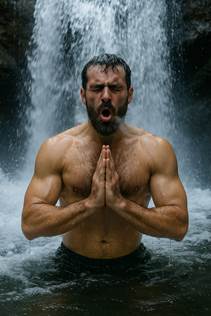
One term Easter introduces is “misogi” which is a powerful idea for personal transformation. Derived from ancient purification rituals, misogi in this context refers to undertaking a yearly challenge so difficult it has only a 50/50 chance of success. The point isn’t to show off but to dig deep, confront limits, and emerge changed. As someone who has practiced and taught martial arts and internal training for over four decades, I see misogi as a contemporary form of rite of passage, which seems to be something sorely missing in modern American life. It’s not about ego; it’s about emergence.
Easter also champions “rucking” or walking with a weighted backpack, as a primal and functional form of exercise that builds both endurance and strength. It mimics what our ancestors did daily: carrying tools, food, and children across rough terrain. Rucking, when done correctly, is accessible, scalable, and deeply human. For those seeking a simple yet powerful shift in physical health, it’s worth trying.
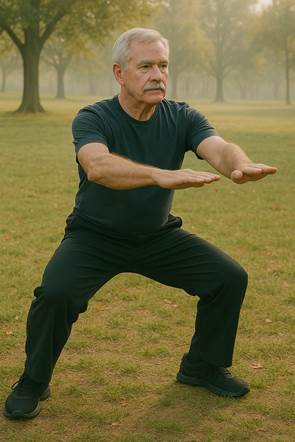
Another key moment in the conversation was the validation of boredom as a tool for creativity and self-regulation. In our overstimulated culture, we’ve lost our tolerance for stillness. But Easter reminds us that boredom isn’t a problem to escape, it’s a message: a prompt to seek novelty, reflection, or meaning. I often teach this in the context of meditation and tai chi, where mental stillness is the foundation of insight. Allowing the brain space to wander without digital interruption can lead to greater emotional regulation and problem-solving capacity.
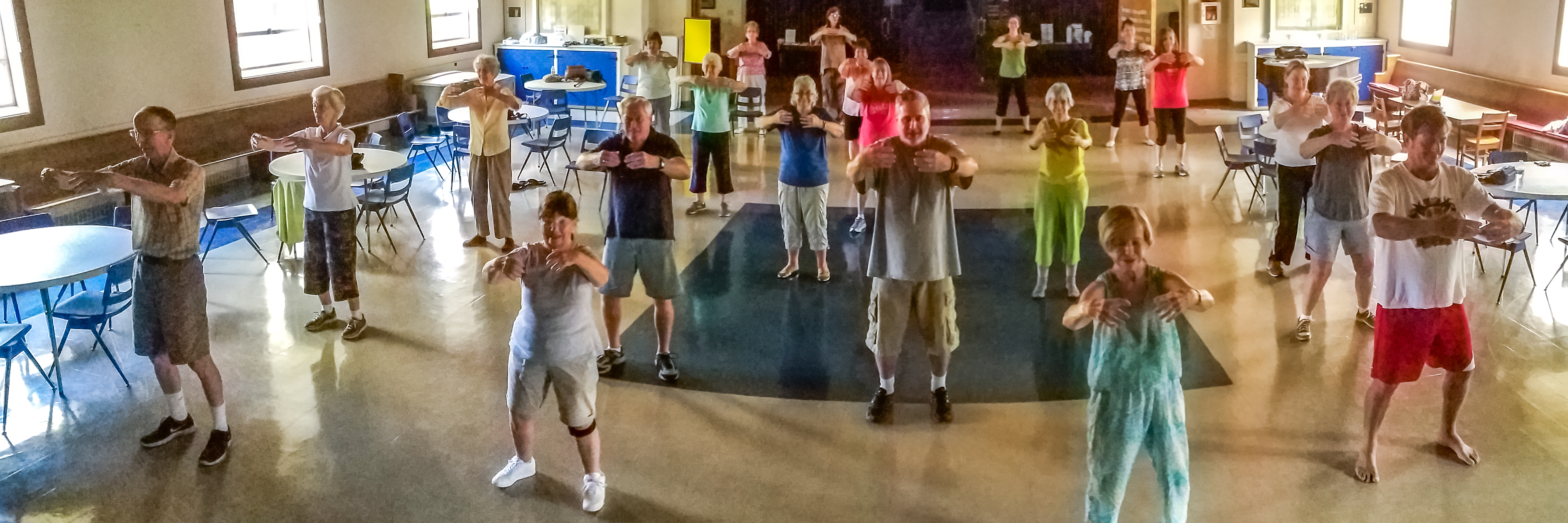
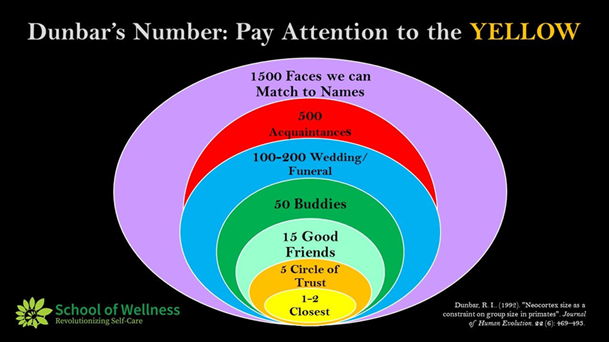
The episode closes with a discussion on community and connection. Digital interaction, while convenient, often lacks depth. Easter advocates for real, in-person experiences with shared purpose, whether through hobbies, group recovery, martial practice, or service. In my own work with seniors, fitness groups, and spiritual circles, I’ve witnessed the profound healing power of face-to-face presence. We are social creatures, and isolation, often masked as “independence” is a silent killer of well-being.
Takeaways Worth Reflecting On:
Discomfort is not the enemy – it’s the catalyst for growth. Modern life has insulated us from it, and we’re paying the price.
Dopamine needs to be earned, not stolen. Mindless scrolling and easy rewards burn us out. Meaningful effort renews us.
Functional movement like rucking connects us to our ancestral roots and trains strength and stamina in one practice.
Boredom is a gift – a doorway to creativity and presence if we stop running from it.
Misogi reminds us what we’re made of. Once a year, challenge yourself to something that might break you and remake you.
True connection heals. Community, shared struggle, and meaningful interaction will always outperform virtual validation.
This episode is well worth your time. It affirms much of what holistic health teaches: that well-being is earned through challenge, presence, and connection. Easter and Huberman deliver a grounded, research-informed, and deeply human message. I’ll be recommending it widely.
A Detailed Review of Long-Form Practices, Cognitive Limits, and Contemporary Application
With nearly 45 years of continuous study, practice, and teaching in the internal martial arts, I offer this article as both a practitioner and researcher deeply immersed in the tradition of Baguazhang. My experience spans several influential branches of the art, including Sun, Cheng, Emei, and Chung styles. Each has contributed to my understanding of the circular, spiraling, and dynamic principles that make Baguazhang a unique and profound martial system.
While I have not personally trained in Qing Gong (known in some Korean traditions as Kyong Gong Sul Bope), I have invested considerable time researching its historical claims, theoretical foundations, and relationship to internal martial development. My aim is not to present mystical exaggerations, but to critically examine the structure, feasibility, and legacy of extensive martial systems—particularly those that claim hundreds of forms, internal skillsets, and unique training regimens.
This perspective is informed by decades of firsthand teaching experience, cross-style comparison, academic inquiry, and dialogue with both traditional lineage holders and modern researchers. The views presented here are grounded in practice, supported by analysis, and guided by a sincere respect for the martial arts as a lifelong path of cultivation.
I. Introduction
Throughout the world’s martial traditions, extensive sequences of linked movements commonly referred to as forms,kata, hyung, taolu, or jurus, have been used as vehicles for transmitting fighting techniques, internal energy development, and philosophical insight. While some of these forms are brief and focused, others contain hundreds of techniques, and some practitioners claim that it may take 1 to 5 hours to complete in a single execution. This essay examines:
The global context of long-form martial arts
The feasibility of attaining proficiency in complex systems
The practical application of such training in today’s fast-paced world
Whether it is realistic or even possible for one or a few individuals to retain and transmit massive bodies of knowledge like 640 foundational sets and 108 BaguaZhang transitions
And whether this model can thrive in modern martial arts culture
II. Global Martial Arts Traditions with Long-Form Practice
Numerous systems around the world preserve extended forms or sequences. These practices vary in complexity, purpose, and duration, but share the intention of transmitting depth of method and cultivating physical and internal mastery.
Chinese Martial Arts
Yang-style Taijiquan: The traditional long form consists of 108 postures, often practiced in 30–60 minutes, or up to 2 hours with slow breathwork.
Chen-style Taiji Laojia Yilu: A spiral-based internal form with 74–83 postures, taking about 45–90 minutes.
Shaolin Luohanquan: Includes 18, 36, 72, or 108 movement forms, sometimes representing stages of internal/spiritual development.
Baguazhang: Features 64 or 108 palm changes, practiced with circle walking and flowing transitions, often extending practice well over 1–2 hours.
Japanese Martial Arts
Karate Kata: Systems like Shotokan include forms such as Kanku Dai, Unsu, or Suparinpei, each with dozens of transitions.
Koryu Bujutsu: Ancient samurai traditions preserve long weapon kata or omote, ura, and kumitachi, each embedded with strategy and timing.
Aikido: Though less formalized, Aikido includes long paired exercises with weapons like jo and bokken.
Korean Martial Arts
Taekwondo (Poomsae) / Tang Soo Do (Hyung): Structured sequences like Tae guk or Pyong Ahn, progressing in complexity and coordination.
Kuk Sool Won: Incorporates striking, joint locks, acrobatics, and traditional weapon forms.
Indian and Southeast Asian Systems
Kalaripayattu: Utilizes meypayattu(body flows) and kalari vaittari (commanded sequences) for strength and agility.
Silambam: Weapon forms with long rhythmic staff patterns.
Pencak Silat: Includes complex jurus and langkah systems.
Internal Cultivation & Daoist Systems
Yi Jin Jing / Xi Sui Jing: Monastic routines of 49–100+ stages, possibly performed over 3+ hours.
Neigong & Dao Yin: Breath-driven meditative movement sets that stretch across 1 to 2-hour daily sessions.
Baguazhang Switching Drills: 108 transitional palms (Top, Middle, Lower, with 36 each) used in continuous combat flow.
III. System Outline: Time and Structure
The following system components were provided from a particular lineage that I am quite familiar with. Each one has been analyzed based on estimated duration and modern feasibility.
Training Duration Feasibility
Training Aspect
Duration
Feasibility Summary
Short Hyung(Dan Hyung)
5–35 minutes
✅ Very feasible with focused repetition. Excellent for limited-time sessions.
Middle Hyung(Joong Hyung)
10–45 minutes
✅ Highly feasible for modern practice. Allows depth, review, and memorization.
Long Hyung(Chang Hyung)
1.5–5 hours
⚠️ Feasible only in segments. Full-form execution is rare in modern life. Requires commitment and memory structuring.
Ship Pal Gae(18 Weapons)
30–90 minutes each
⚠️ Possible with rotation and yearly focus on 1–2 weapons at a time. Full mastery over a decade+ is realistic.
Wae Gong, Nae Gong, Kyong Gong Sul Bope (640 foundational sets)
Variable
⚠️ Theoretically possible but better approached modularly. Depth over breadth. Grouped by body type or principle.
Bagua Zhang Switching Drills (108)
1 sec per transition
✅ Very feasible. Develops into fluid combinations. Excellent daily integration into circle walking and form.
IV. BaguaZhang Switching Techniques (108 Foundational Switches)
The “Eight Mother Palms” form the basis of Bagua internal development, practiced typically during circle walking. Each palm emphasizes body alignment, spiraling technique, and transitional mechanics (Chu, 2019).
Expanded traditions (e.g., Yin or Gao styles) systematize palm changes into upper (top), middle, and lower transitions related to spiral alignment, kinetic linkages, and combat application.
Historical Context & Lineage
Founder Dong Hai Chuan’s students (Yin, Cheng, Gao lines) diversified the core palms into extensive sequences (e.g., 64-, 108-, or even 192-palm sets) (Chu, 2019).
Practical Execution & Spiral Mechanics
Palm change drills remain central to Bagua’s characteristic evasive and spiral movements. They are practiced either as stand-alone drills or integrated into walking the circular pattern.
Overview of Switching Techniques
In BaguaZhang (8 trigram palm) “switching” refers to the palm change, which is the fundamental dynamic movement that allows a practitioner to alter direction, intent, angle, or application while walking the circle. These palm changes are typically modular, allowing them to be strung together like language.
Traditionally, Bagua styles such as Sun, Cheng, Yin, Gao, and Liang develop 8 core palm changes, which expand into multiple permutations and footwork variations. Advanced lineages (especially in Gao-style) systematize palm changes into top (Sung, middle (Jung), and lower (Ha) body initiations.
Structure of 108 Switching Techniques
36 Top Switching Techniques (Sung)
Initiated from the upper body:
shoulders, arms, hands, and upper spine
Often involve:
Overhead swings
Downward palms
Cloud hands
Strike deflections
Rotational arm/shoulder mechanics
Head-level entries or wraps
These are closely tied to Yang-like motion: expansive, expressive, outward
36 Middle Switching Techniques (Jung)
Centered on the torso, hips, and waist
Focus:
Spiral rotations from Dantian
Mid-line redirections
Coiling waist motions to project energy
Interception and bridging techniques
36 Lower Switching Techniques (Ha)
Originate from the legs, footwork, stances, and dropping mechanics
Include:
Sweeps, low kicks, stepping traps
Cross-stepping, deep pivots, root shifting
Defensive dodges from low angles
Tend to reflect Yin-like qualities: inward, sinking, re-directive
Integration into Practice
Switching techniques may be performed as:
Standalone drills (e.g., 5 switching drills per session)
Embedded in circle walking routines
Linked into forms or paired drills
Many practitioners organize them seasonally (e.g., focusing on a layer for 3 months)
Some styles break 108 into 3 series of 36, which are further divided into 8-technique families, often linked to elements or trigrams.
V. Wae Gong, Nae Gong, Kyong Gong Sul Bope (640 Foundational Sets)
These three terms of Wae Gong(external power), Nae Gong(internal cultivation) (Wikipedia contributors, 2024), and Kyong Gong Sul Bope(aerial or mystical skill), represent progressive layers of skill development. The inclusion of 640 foundational sets, divided by 8 hereditary types × 80 subsets, supports a detailed, modular training system.
Qing Gong translates literally to “light skill” or “lightness technique.” It refers to the ability to move the body lightly and rapidly, with agility and grace. While some Korean traditions refer to this as Kyong Gong Sul Bope, the broader and more recognized Chinese equivalent is Qing Gong, emphasizing aerial mobility, lightness, and rapid footwork to:
Evade attacks
Traverse difficult terrain
Jump long distances or scale walls
Appear to “float” or “glide”
Documented Components
Component
Function
Modern Analog
Weighted step work
Builds leg power for jumping/landing
Plyometric training
Low stance work
Improves tendon recoil and gliding mobility
Isometric holds and tendon loading
Breath synchronization
Matches inhale/exhale to movement rhythm
Neigong, internal energy pacing
Climbing drills
Simulates wall-scaling, aerial coordination
Parkour, tactical wall-scaling drills
Each body type would ideally have 80 tailored micro-sets, designed to:
Compensation for biomechanical challenges
Enhance strengths
Reduce injury risk
Maximize fluidity and function for that build
Each 80-set group may include drills or sequences from multiple domains. Asample distribution might look like:
Breath-body integration, dantian rotation, meditative form
Kyong Gong Sul Bope (Aerial/Light Skill)
~10
Leaping drills, evasions, sudden weight shifts
Conditioning & Recovery
~10
Joint prep, tendon strength, recovery movement
Specialized Drills (Hybrid)
~10
Blending categories, such as explosive internal transitions
Format of Each Set
Each “set” may be:
A short form (30 sec to 2 minutes)
A paired drill
A static posture with breath regulation
A moving neigong routine for soft-tissue engagement
A dynamic jump/evasion/fall drill for Kyong Gong
These are not isolated movements but often sequential flows, comprising 5–12 linked actions, possibly with an internal theme or breathing rhythm.
Teaching and Rotation Strategy
Given the vast number of sets, a realistic teaching and retention method would require:
Rotational cycles, focusing on 10–15 sets per quarter
Tracking logbooks for both teacher and student
Core sets used for all types (e.g., the “seed drills”)
Some sets exclusive to a body type (e.g., “Overweight” sets avoid deep stances early on)
VI. Training Frequency and Feasibility Over Time
✅Ideal Scenario (1–2 hrs, 5–6 days/wk)
Entire system could be internalized over 20–30 years
Structured cycles (e.g., seasonally rotating weapon or form focus)
Internal cultivation and external technique blended over time
⚠️Modern Constraints (1 hr, 3–4 days/wk)
Prioritize core sets over totality
Short and middle hyung are realistic anchors
Bagua transitions and foundation sets can be explored in small segments
Weapon work limited to 2–3 tools over 5–10 years
Best Practices
Modular training: Break long forms into repeatable segments
Cyclic review: Return to previously learned sets on a schedule
Specialization: Focus on the sets or weapons that resonate with your goals or body constitution
Documentation: Journaling and visual diagrams to reinforce memory
Teaching: Sharing builds retention and embodiment
VII. Cognitive and Cultural Considerations
Cognitive Feasibility
Human experts can recall and perform thousands of patterns over decades (Ericsson et al., 1993)
Long-term memory improves with emotional connection, repetition, and teaching
Martial knowledge is embodied, or stored not just mentally but within somatic muscle memory and rhythm
Cultural Challenge
Modern society favors speed, variety, and instant results
Systems requiring 20–50 years of investment are often devalued
Traditional transmission (oral, demonstrated, internalized) is at odds with certification-based or commercialized martial arts
VIII. Can One or a Few Masters Truly Preserve a System This Vast?
✅ Yes – Extraordinary but Not Fantastical
Many monastic, Daoist, orclassical lineage systems have survived due to one or two deeply committed masters per generation. This requires a lifestyle, not a hobby. It is not for the casual martial artist—but it is possible and historically supported.
Feasible if the practitioner:
Lives in immersion
Teaches regularly
Revisits the material cyclically
Structures forms by thematic grouping
However:
System survival depends on generational transmission
Modern students may need a modularized curriculum to digest the material
The original system may evolve, fragment, or reduce as common in many traditions
IX. Hereditary Body Types: Intelligent Design or Marketing Gimmick?
An important aspect of the system under discussion is its claim to include 640 foundational sets distributed across eight hereditary body types. This principle asserts that different forms, drills, or techniques are tailored to suit constitutional differences, physiological predispositions that affect movement mechanics, balance, and energy expression.
8 Different Hereditary Types:
Tall
Small
Overweight
Thin
Tall and Overweight
Small and Overweight
Tall and Thin
Small and Thin
This categorization may seem simplistic at first glance, but it reflects a long-standing tradition in systems such as:
Traditional Chinese Medicine (TCM): Uses somatotype constitution in diagnosis and qigong prescription.
Martial Lineages: Where forms were adapted to suit a practitioner’s build, power-to-weight ratio, and flexibility.
Biomechanical profiling in sports science
The claim that each of these eight types has access to a specific family of foundational sets suggests a physiologically intelligent system. However, it requires rigorous documentation and consistent application to be credible.
In martial arts and indeed any traditional system, the sheer number of levels, forms, sets, movements, and training layers may raise skepticism, especially when:
“Extraordinary claims require extraordinary evidence.” Popularized by Carl Sagan, this principle remains relevant when evaluating martial systems. If a school or master claims:
640 unique foundational sets
108 specialized Bagua transitions
Dozens of long forms taking hours to complete
Then, the burden of proof falls upon the claimant to:
Produce lineage records
Provide structured curriculum or teaching materials
Demonstrate practical proficiency in said material
This isn’t to challenge the sincerity of the tradition, but rather to reinforce credibility and transparency in a world where esoteric claims are often made without accountability.
XI. The Problem of Deception: Buyer Beware
There are, unfortunately, martial groups and individuals who leverage the allure of ancient, secret, or overly complex systems to:
Elevate their authority
Shield scrutiny through obscurity
Create dependence among students
⚠️ Red Flags in Questionable Systems:
Inability to demonstrate claimed techniques
Unverifiable lineage (or lineage constantly evolving to fit narrative)
Overuse of mysticism or secrecy to justify lack of transparency
Commercial exploitation (e.g., charging for levels with no meaningful advancement)
✅ Student Guidelines for Due Diligence:
Ask for documentation (written, photographic, curriculum outlines)
Observe public demonstrations or request private proof of capacity
Cross-reference claims with outside martial scholars or historians
Follow your intuition. If something feels manipulative, it likely is
True mastery does not hide behind jargon or cult-like authority. It is revealed in clarity, function, humility, and the ability to teach and demonstrate.
XII. Reinforcing a Balanced Perspective
While skepticism is essential, we must not lose sight of this:
Some traditional systems do legitimately carry vast knowledge, passed from generation to generation, often in difficult-to-document formats.
However, those systems tend to demonstrate:
Consistent internal logic
Observable results
Coherent pedagogy
Recognition from external peer groups, even across style lines
In today’s environment, a balance between open-mindedness and critical thinking is necessary. One must neither accept everything at face value nor reject ancient systems outright simply because they differ from modern expectations.
XIII. Conclusion
The legacy of massive martial systems, with hundreds of forms and transitional movements, is not a fantasy. A martial arts system that claims hundreds of techniques across hereditary types, multi-hour forms, and internal training deserves to be listened to, but not blindly believed. If it stands up to scrutiny, produces capable students, and provides reproducible results, then it should be valued as part of our shared martial legacy.
It is an extraordinary path, one that demands lifelong dedication, deep internalization, and cultural adaptation. While the complete memorization and performance of such a system is unlikely for the average modern student, it is feasible for a dedicated practitioner or lineage holder, particularly if approached intelligently and methodically.
In today’s world, success lies not in grasping everything at once, but in embodying a part of the system deeply enough to preserve its essence. If not, then as always: Caveat emptor: Buyer beware.
(Chow & Spangler, 1982)
References
Chinese martial arts training manuals : a historical survey : Kennedy, Brian, 1958- : Free Download, Borrow, and Streaming : Internet Archive. (2005). Internet Archive. https://archive.org/details/chinesemartialar0000kenn.
Chow, D., & Spangler, R. (1982). Kung Fu: History, Philosophy, and Technique.
Ericsson, Karl & Krampe, Ralf & Tesch-Roemer, Clemens. (1993). The Role of Deliberate Practice in the Acquisition of Expert Performance. Psychological Review. 100. 363-406. 10.1037//0033-295X.100.3.363.
A Detailed Summary to Daoist Alchemy from Chinese and Korean Internal Arts
Traditional Chinese internal arts offer a rich system of physical, energetic, and spiritual practices. Key concepts include Wei Dan (外丹), Qigong (气功), and Nei Dan (内丹). Understanding these three terms alongside their Korean martial arts parallels, clarifies important distinctions in the pursuit of health, self-mastery, and spiritual growth.
Wei Dan (外丹) – External Alchemy
Definition: “Outer Elixir.” Wei Dan refers to ancient Daoist alchemical practices that sought to create physical elixirs for longevity or immortality by processing minerals and herbs externally (Pregadio, 2018).
Methods: Involves chemical experimentation with substances like mercury, arsenic, and cinnabar, (often highly toxic) which were ingested or used topically in pursuit of physical immortality.
Goals: Attain longevity or immortality by altering the body through external means.
Philosophy: Belief that the secrets of life and transformation can be discovered and harnessed in the material world outside the practitioner, reflecting an outward search for transcendence.
Qigong (气功) – Energy Skill
Definition:“Energy Work.” Qigong encompasses practices that combine breath control, movement, visualization, and meditation to regulate and cultivate qi, the vital energy believed to animate life (Jahnke, 2002).
Method: Includes dynamic routines (e.g., Ba Duan Jin), static postures (e.g., Zhan Zhuang), breath regulation, and mental focus to circulate qi along the body’s meridians.
Goals: Promote health, increase vitality, balance emotions, and prepare body and mind for advanced practices.
Philosophy: The human body is a microcosm of the universe, and by harmonizing breath, movement, and mind, practitioners align themselves with natural laws (Yang, 1997).
Nei Dan (内丹) – Internal Alchemy
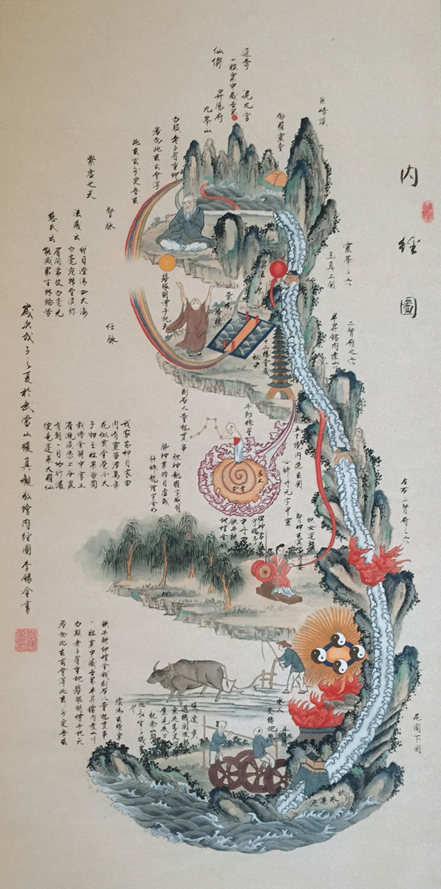
Definition: “Inner Elixir.” Nei Dan is the highest level of Daoist internal cultivation, dedicated to refining one’s essence (jing), energy (qi), and spirit (shen) through advanced meditative and energetic practices (Mitchell, 2011).
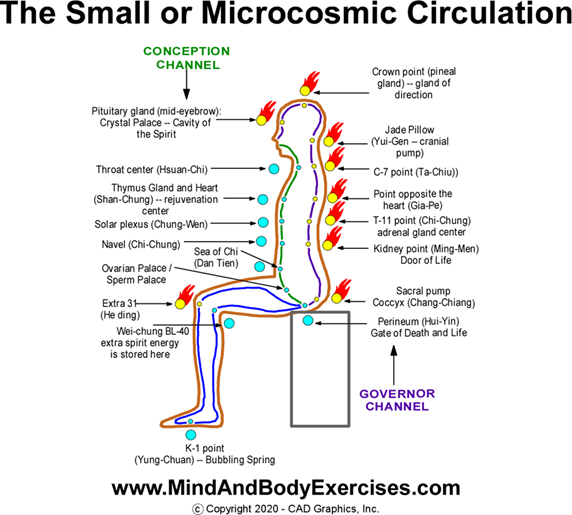
Method: Involves breath retention, microcosmic orbit meditation, sexual energy control, visualization of energy flows, and progressive transformation of jing → qi → shen → emptiness (xu).
Goals: Achieve spiritual immortality, realization of one’s true nature, and union with the Dao.
Philosophy: Transformation must occur internally; by purifying one’s own mind-body-spirit, practitioners embody the Daoist ideal of returning to original emptiness and harmony with the cosmos.
Comparing Chinese and Korean Terms
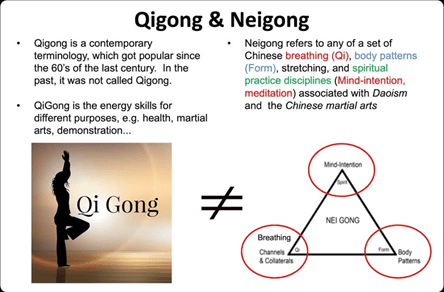
Korean martial arts use similar-sounding terms of Wae Gong, Gi Gong, and Nae Gong, which overlap but don’t always match the Chinese Daoist meanings:
Korean Term
Hangul / Hanja
Similar Chinese Concept
Same Practice?
Notes
Wae Gong
외공 / 外功
Wei Dan (外丹)
No
Refers to physical conditioning in martial arts, not Wei Dan’s alchemy
Gi Gong
기공 / 氣功
Qigong 气功
Yes
Practices are nearly identical; focuses on breath, energy, and movement
Nae Gong
내공 / 內功
Nei Dan 内功
Partially
Internal energy work similar to Nei Gong; not necessarily advanced Nei Dan alchemy (Yang, 2007).
Etymological Breakdown of Chinese Characters
Understanding the roots of the Chinese characters deepens appreciation of these arts:
气 (Qì): 4 strokes. Ancient forms depict swirling vapor → breath, vital energy.
内 (Nèi): 4 strokes. 冂 (enclosure) + 人 (person) → shows a person inside boundaries → introspection.
These etymologies reflect core Daoist themes of balancing inside (内) and outside (外), and cultivating qi (气) to align with the Dao (Qiu, 2000).
Integrated Comparison Table
Aspect
Wei Dan (外丹)
Qigong (气功)
Nei Dan (内丹)
Meaning
External elixir/alchemy
Energy skill/cultivation
Internal elixir/alchemy
Method
Chemical concoctions
Breath, movement, meditation
Advanced meditative transformation
Goal
Physical immortality
Health, vitality, stress relief
Spiritual immortality/enlightenment
Korean Parallel
Wae Gong (not equivalent)
Gi Gong (equivalent)
Nae Gong (partially equivalent)
Conclusion
Wei Dan, Qigong, and Nei Dan represent distinct layers of Daoist health and spiritual practices: Wei Dan’s external focus, Qigong’s energy cultivation, and Nei Dan’s profound internal alchemy. Meanwhile, Korean martial arts terms like Wae Gong, Gi Gong, and Nae Gong reflect overlapping ideas but emphasize martial conditioning, energy work, and internal strength, respectively.
Understanding these differences empowers practitioners to choose a path aligned with their goals, whether health, martial skill, or spiritual awakening.
References
Jahnke, R. (2002). The Healing Promise of Qi: Creating Extraordinary Wellness Through Qigong and Tai Chi. Contemporary Books.
Mitchell, D. (2011). Daoist Nei Gong: The Philosophical Art of Internal Alchemy. Singing Dragon
Pregadio, F. (2018). The Taoist Alchemy: Nei Dan and Wei Dan in Chinese Tradition. Golden Elixir Press.
Qiu, X. (2000). Chinese Writing. The Society for the Study of Early China & The Institute of East Asian Studies.
Yang, J. M. (2007). Qigong for Health & Martial Arts: Exercises & Meditation. YMAA Publication Center.
Note: I could find no single authoritative English-language source compiling the terminology of Wae Gong, Gi Gong, and Nae Gong. These terms are part of Korean martial arts oral traditions and school teachings, with meanings overlapping but not identical to the Chinese concepts discussed here.
Understanding the Difference Between the 12 Primary Meridians and the 8 Extraordinary Vessels in Traditional Chinese Medicine
Traditional Chinese Medicine (TCM) views the human body as an intricate network of energy channels that govern physical, emotional, and spiritual health. Two key components of this system are the 12 Primary Meridians and the 8 Extraordinary Vessels. Though they are interconnected, they serve distinctly different roles in maintaining balance and vitality. Understanding this distinction provides deeper insight into how TCM approaches healing, longevity, and self-cultivation (Maciocia, 2005).
The 12 Primary Meridians: The Body’s Main Rivers of Life
The 12 Primary Meridians are the foundational pathways through which Qi (vital energy) and blood flow to nourish the entire body (Deadman et al., 2007). These channels are intimately linked to the Zang-Fu organs of the five Yin organs (Lung, Heart, Spleen, Liver, Kidney) and six Yang organs (Large Intestine, Small Intestine, Stomach, Gallbladder, Urinary Bladder, and San Jiao/Triple Burner) (Maciocia, 2005).
Each meridian runs a defined, bilateral path along the body, connecting exterior regions (skin, muscles) with interior organs. This ensures that nutritive Qi (Ying Qi) and protective Qi (Wei Qi) are continuously circulated, supporting physiological functions such as immunity, metabolism, digestion, and mental clarity (Kaptchuk, 2000).
Because they regulate the daily functional balance of the body, the Primary Meridians are often the primary focus in acupuncture treatments and other therapeutic practices like acupressure and Tuina massage(Deadman et al., 2007). When these channels are blocked or imbalanced, symptoms such as pain, fatigue, or organ dysfunction can arise.
The 8 Extraordinary Vessels: The Deeper Reservoirs of Vital Energy
In contrast to the Primary Meridians, the 8 Extraordinary Vessels operate at a deeper energetic level. They are not directly tied to the Zang-Fu organs, nor do they participate in the body’s regular organ-based circulation (Maciocia, 2005). Instead, they act as reservoirs and regulators of Qi and Blood, particularly Yuan Qi (Original or Prenatal Qi), which governs growth, development, and constitutional strength (Hsu, 1999).
While the Primary Meridians are paired and bilateral, several Extraordinary Vessels run along the midline of the body (such as the Du Mai or Governing Vessel and the Ren Mai or Conception Vessel), forming the body’s central energetic axis. Others, such as the Chong Mai (Penetrating Vessel) and Dai Mai (Belt Vessel), regulate more specialized functions like reproductive health and structural integration (Deadman et al., 2007).
The Extraordinary Vessels become especially important during times of:
Life transitions (puberty, pregnancy, menopause)
Chronic illness
Emotional trauma
Deep constitutional imbalance (Birch & Felt, 1999)
In such cases, they provide a reservoir of Qi and Blood that can be mobilized to restore balance and support healing. Advanced acupuncture treatments often target these vessels to address long-standing patterns of disease or to promote profound transformation (Birch & Felt, 1999).
Comparing the Two Systems: A Summary Table
Feature
12 Primary Meridians
8 Extraordinary Vessels
Number
12
8
Connection to Organs
Directly connected to major Zang-Fu organs
Not directly connected to Zang-Fu; deeper level
Flow of Qi
Circulates protective and nutritive Qi (Wei & Ying)
Regulates and stores Yuan Qi (Original Qi)
Pathway
Relatively superficial, follows defined body paths
Deep, more latent or reservoir-like pathways
Main Function
Maintains daily physiological function and organ balance
Acts as reservoirs of Qi and Blood; regulate overflow; integrate all meridians
Symmetry
Paired and bilateral (left and right sides)
Some are midline (single), others bilateral
Origin and Circulation
Continuous circulation in a closed loop
Originate from the Kidney/Yuan Qi level; flow in special patterns
Activation in Practice
Commonly used in acupuncture and daily therapies
Used in advanced, constitutional, or chronic condition treatments
Examples
Lung, Heart, Kidney, Spleen, Stomach meridians, etc.
Du Mai, Ren Mai, Chong Mai, Dai Mai, and others
The Dynamic Dance of Qi: Rivers and Reservoirs
One way to visualize this relationship is to think of the 12 Primary Meridians as the body’s main rivers of energy flow (Kaptchuk, 2000). They nourish the landscape (organs and tissues) with a steady stream of Qi and Blood. In contrast, the 8 Extraordinary Vessels serve as reservoirs and aqueducts that hold, regulate, and distribute this energy as needed during times of surplus or deficiency (Hsu, 1999).
This layered system allows TCM to address health at multiple levels, from acute, surface-level imbalances to deep constitutional healing that shapes one’s vitality, longevity, and adaptability (Birch & Felt, 1999).
Practical Implications for Wellness
For modern practitioners and wellness seekers, understanding this distinction helps guide personal practices:
Daily self-care and lifestyle habits (nutrition, breathwork, basic movement practices) primarily support the flow of the 12 Primary Meridians.
Deeper practices such as Qi Gong, Nei Gong, and meditative breathwork can engage the Extraordinary Vessels to cultivate life force and restore balance at a core level (Deadman et al., 2007).
Clinical interventions (like specialized acupuncture protocols) can be designed to activate specific Extraordinary Vessels to address chronic or deeply rooted issues (Birch & Felt, 1999).
Conclusion
Both the 12 Primary Meridians and the 8 Extraordinary Vessels are essential components of the TCM energy system, working together to maintain health, resilience, and harmony throughout life (Maciocia, 2005). By appreciating their complementary roles, we gain a richer understanding of how traditional practices can support modern well-being in a profound and holistic way.
8 Vessels Qigong (ship pal gye)
References:
Birch, S., & Felt, R. L. (1999). Understanding acupuncture. Churchill Livingstone.
Deadman, P., Al-Khafaji, M., & Baker, K. (2007). A manual of acupuncture. Journal of Chinese Medicine Publications.
As nature enters early summer, Traditional Chinese Medicine (TCM) views this vibrant season through the lens of the Fire element, a phase of maximum Yang, warmth, expansion, and communication. Fire governs not only the Heart and blood vessels, but also the nervous system, emotions, and spiritual awareness. This inner fire fuels both our physical vitality and our mental clarity. In this unique seasonal phase, the flow of Qi, Blood, and Shen (spirit), especially through the veins, arteries, and the Eight Extraordinary Meridians takes center stage.
Understanding the dynamic between the Fire element, cardiovascular and neurological systems, and the deeper energetic channels allows us to harmonize body, mind, and spirit during this high-energy time of year.
🔥 Fire Element and Its Associations
In TCM’s Five Phase (Wu Xing) framework, Fire is associated with:
Season: Early Summer
Organs: Heart (Yin) and Small Intestine (Yang)
Emotions: Joy, enthusiasm, overexcitement, or mania
Body Tissue: Blood vessels and the nervous system
Sense Organ: Tongue
Color: Red
Climate: Heat
Direction: South
Taste: Bitter (Maciocia, 2005; Deadman et al., 2007)
Fire energy is expansive and expressive, symbolizing circulation, communication, and consciousness. When well-regulated, Fire fuels love, clarity, movement, and insight. When excessive, it can consume the mind and disturb the spirit.
❤️ Heart, Blood Vessels, and Nervous Regulation
The Heart (Xin) is considered the “Emperor” of the body, orchestrating the flow of Qi and Blood and serving as the seat of Shen (mind/spirit). TCM describes its functions as:
Governing the blood and blood vessels
Housing the Shen, which includes consciousness, thought, memory, and emotions
Regulating mental activity and sleep (Maciocia, 2005)
The blood vessels, seen as pathways of both Blood and Qi, rely on the Heart’s warmth and rhythm to remain supple and open. But TCM also suggests that nerve-like communication and coordination are part of the Heart’s governance.
In modern integrative interpretations:
The autonomic nervous system (ANS), particularly the parasympathetic “rest-and-digest” functions, mirrors the Heart’s role in maintaining emotional and physical balance.
Excess Fire may overstimulate the sympathetic nervous system, leading to agitation, insomnia, hypertension, palpitations, and anxiety.
Deficient Heart Fire may lead to neurovegetative fatigue, poor concentration, and low vitality (Kaptchuk, 2000).
Thus, the vascular and neurological systems are harmonized through Fire’s balance affecting everything from blood pressure to mood and mental performance.
🧠 Fire Element and the Nervous System
TCM may not anatomically label the nervous system as Western medicine does, but the concepts of Shen, Yi (intellect), and Zhi (willpower) reflect cognitive and neurological activity.
In early summer:
Shen becomes more active and outward, seeking expression, connection, and joy.
The Du Mai (Governing Vessel) linked with the brain and spine, rises in importance, guiding mental alertness and emotional regulation.
The Fire element’s influence supports neurotransmitter balance, sleep-wake cycles, and emotional processing.
From a modern neurobiological point of view, this aligns with the brain-heart connection:
Heart Rate Variability (HRV), a marker of nervous system resilience, increases with parasympathetic tone, a goal of Heart-focused qigong and meditation
Practices that balance Heart Fire can directly impact the vagus nerve, thereby stabilizing emotions and stress responses (Porges, 2011)
🩸 Extraordinary Meridians and Fire Circulation
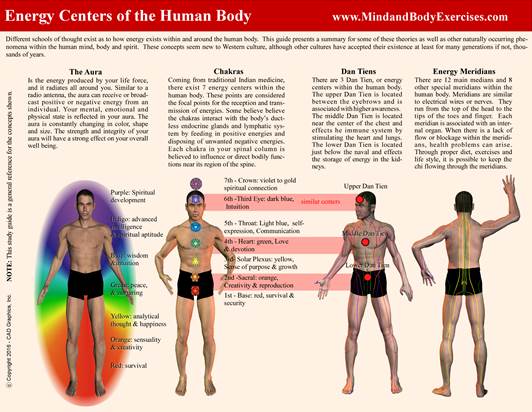
The Eight Extraordinary Meridians function as deep energetic reservoirs, regulating circulation, constitutional energy, and emotional integration (Larre et al. (1996). In early summer, these vessels help modulate the Fire element’s rise and distribute Qi and Blood in ways that nourish the whole system.
1. Chong Mai (Penetrating Vessel)
Sea of Blood, linked to Heart and uterus
Balances hormonal and emotional rhythms
When Fire is excess: anxiety, chest oppression, uterine bleeding
2. Ren Mai (Conception Vessel)
Nourishes Yin; anchors the Heart through calming fluids
Connects deeply to Heart-Yin and Shen stabilization
3. Du Mai (Governing Vessel)
Axis of Yang energy; influences brain, spine, and nervous system
Becomes overactive when Fire flares upward, causing insomnia or hyperarousal
4. Dai Mai (Belt Vessel)
Regulates Qi flow around the waist, harmonizes rising Fire from middle and lower burners
By supporting these vessels through breathwork, meditation, herbs, and seasonal living, we can help regulate the Fire element’s effects on circulatory, emotional, and neurological functions.
🌿 Seasonal Strategies for Summer Balance
🔹 Qigong & Meditation
Heart-centered qigong and the Inner Smile meditation bring Shen home to the Heart
Breathing practices that lengthen the exhale can calm the nervous system and increase vagal tone
Include “Cooling the Fire” meditations to harmonize Du Mai and Shen
🔹 Lifestyle Adjustments
Avoid overstimulation, especially from social media, caffeine, or excess sun
Go to bed earlier, maintain emotional equanimity
Emphasize connection over excitement
Prioritize joyful stillness rather than external thrill-seeking
🌀 Summary: Fire’s Intelligence in the Body
Early summer is the season of Shen and circulation, a time when the Fire element stimulates outward movement, connection, and the full flowering of human potential. Yet this power must be anchored. Overexertion, excess heat, and emotional overload can disrupt the Heart, destabilize the nervous system, and drain the blood vessels and extraordinary meridians.
Through awareness, breath, and regulation, we can cultivate a sovereign Heart, a resilient mind, and an inner flame that warms but never burns.
8 Vessels Qigong
References:
Deadman, P., Al-Khafaji, M., & Baker, K. (2007). A Manual of Acupuncture. Journal of Chinese Medicine Publications.
Kaptchuk, T. J. (2000). The Web That Has No Weaver: Understanding Chinese Medicine (2nd ed.). McGraw-Hill.
Larre, C., de la Vallée, E., & Rochat de la Vallée, E. (1996). The Eight Extraordinary Meridians: Spirit of the Vessels. Monkey Press.
Maciocia, G. (2005). The Foundations of Chinese Medicine: A Comprehensive Text for Acupuncturists and Herbalists (2nd ed.). Elsevier Churchill Livingstone.
Porges, S. W. (2011). The polyvagal theory: Neurophysiological foundations of emotions, attachment, communication, and self-regulation. W. W. Norton & Company.