A Lesson in Martial Arts, Authenticity, and Self-Mastery
The term Tai Chi Chung can be confusing, especially for practitioners who encountered it within Korean martial arts organizations. At first glance, it appears related to Tai Chi Chuan, the older Wade-Giles spelling of Taijiquan, the traditional Chinese martial art often translated as “Supreme Ultimate Fist.” However, a closer look suggests that Tai Chi Chung, at least as I encountered it, was not traditional Chinese Taijiquan. Rather, it appears to have been a Korean martial arts form that borrowed certain slow, flowing, meditative, and balance-oriented qualities commonly associated with Tai Chi, while lacking many of the deeper structural and historical features of authentic Taijiquan.
The etymology matters. In Chinese, Taiji refers to the Supreme Ultimate, the dynamic polarity expressed through yin and yang. Quan or Chuan means fist, boxing, or martial art. Thus, Taijiquan means “Supreme Ultimate Fist,” a martial system rooted in Chinese cosmology, internal mechanics, and combat principles. The term Tai Chi Chuan is simply an older Romanization of the same name. By contrast, Tai Chi Chung does not appear to be a recognized name for one of the traditional Chinese Taijiquan family systems, such as Chen, Yang, Wu, Wu/Hao, or Sun style.
Watch the video here: https://youtu.be/stBZ8aiQy3E?si=R-gsaEIIETjr7tAq
In the Korean martial arts context, the related term Chung Moo Soo Hyung deserves its own explanation. Hyung means form or pattern. Soo often means hand or empty-hand method. Moo may refer to martial practice, but depending on the character and interpretation, it may also carry broader philosophical implications. I was taught that Chung could be interpreted as mind and Moo as body, giving the phrase a meaning something like “mind and body empty-hand form.” Whether this is a literal linguistic translation or a lineage-specific philosophical interpretation, it reflects a common martial arts teaching theme: the harmonization of mind, body, breath, and movement.
This interpretation has value. A form designed to integrate mind and body can serve as a meaningful tool for concentration, balance, self-regulation, and internal awareness. In that sense, Tai Chi Chung or Chung Moo Soo Hyung may have functioned as a Korean internal-development hyung rather than an authentic Chinese Taijiquan form.
The video I recently reviewed shows me performing this form some years ago. At that time, I wore the stripes, patches, and organizational markings that recognized my rank, skill, dedication, and responsibilities within that martial arts system. Those visible symbols represented achievement and ability within that particular organization. When I left that particular system to pursue other interests, I was immediately demoted in rank and position. At that stage of life, such recognition mattered to me. Like many younger martial artists, I placed significant value on approval from instructors, organizations, and peers.
With time, however, I came to understand martial arts differently. Recognition from others may encourage us, but it is not the same as self-mastery. Rank is not the same as wisdom. Patches are not the same as inner refinement. When we are young, naïve, and highly impressionable, we often trust others more than we trust ourselves. We assume that those in authority possess superior knowledge, deeper insight, and unquestionable legitimacy. Sometimes they do. Sometimes they do not. Maturity requires learning the difference.
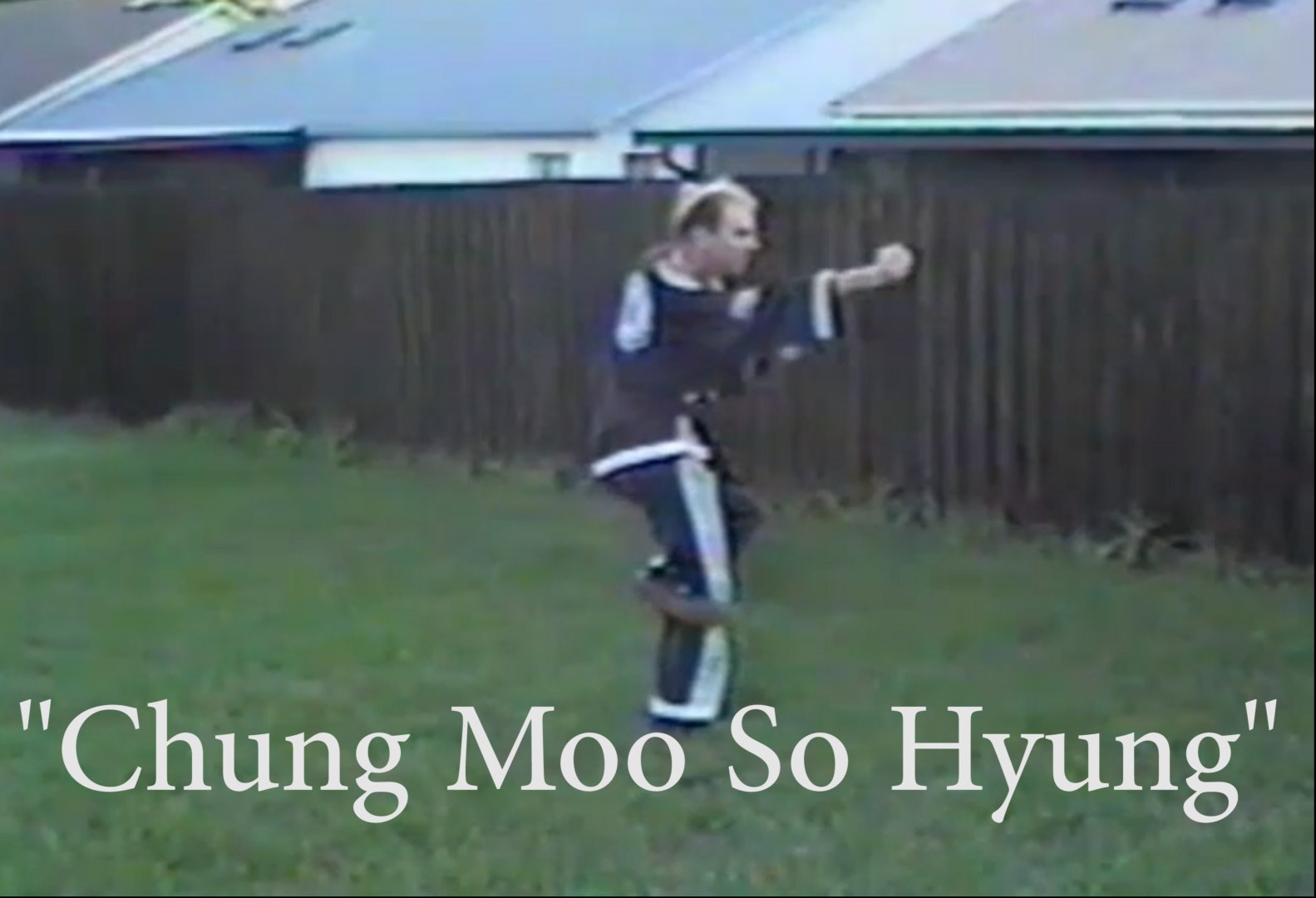
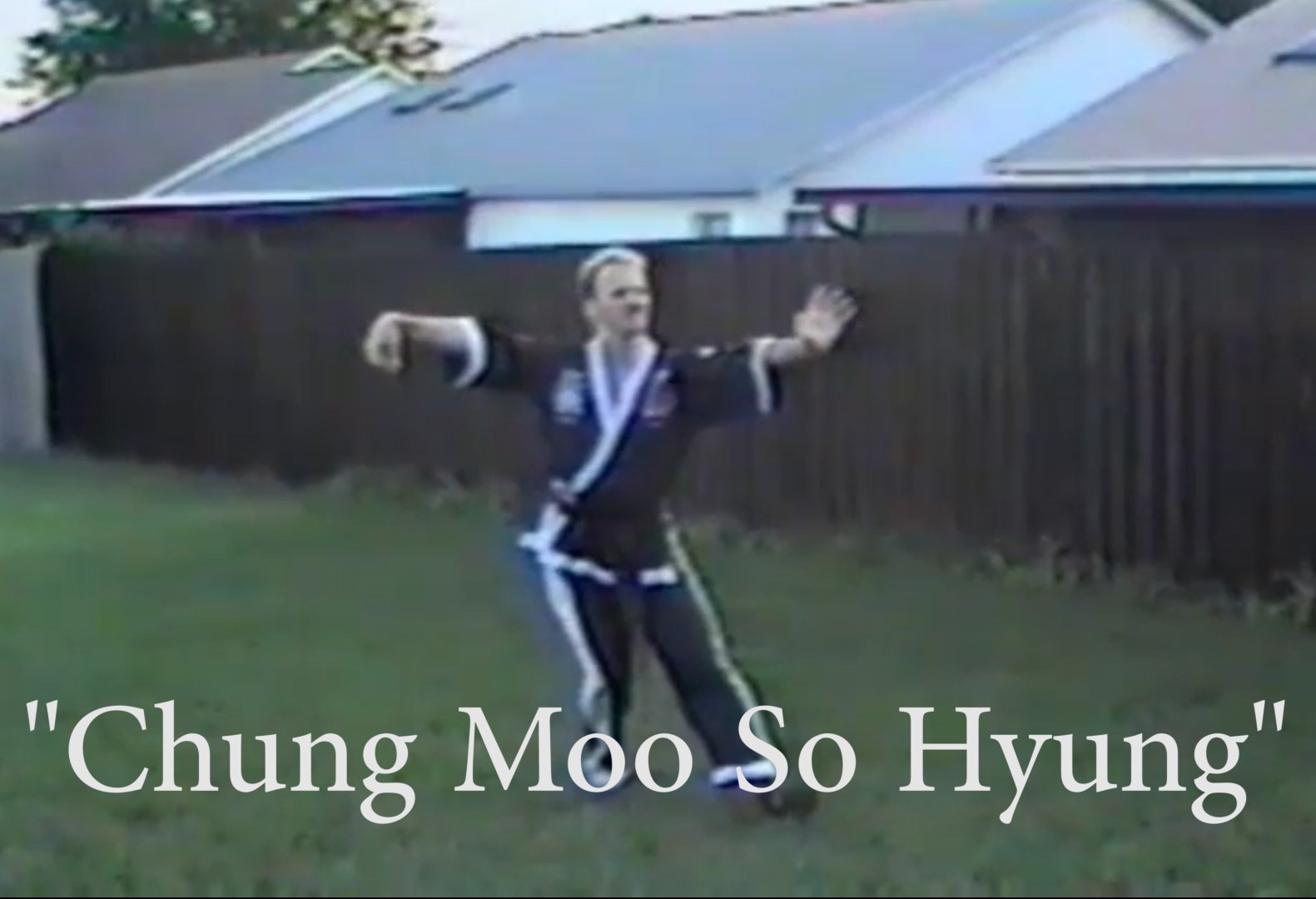
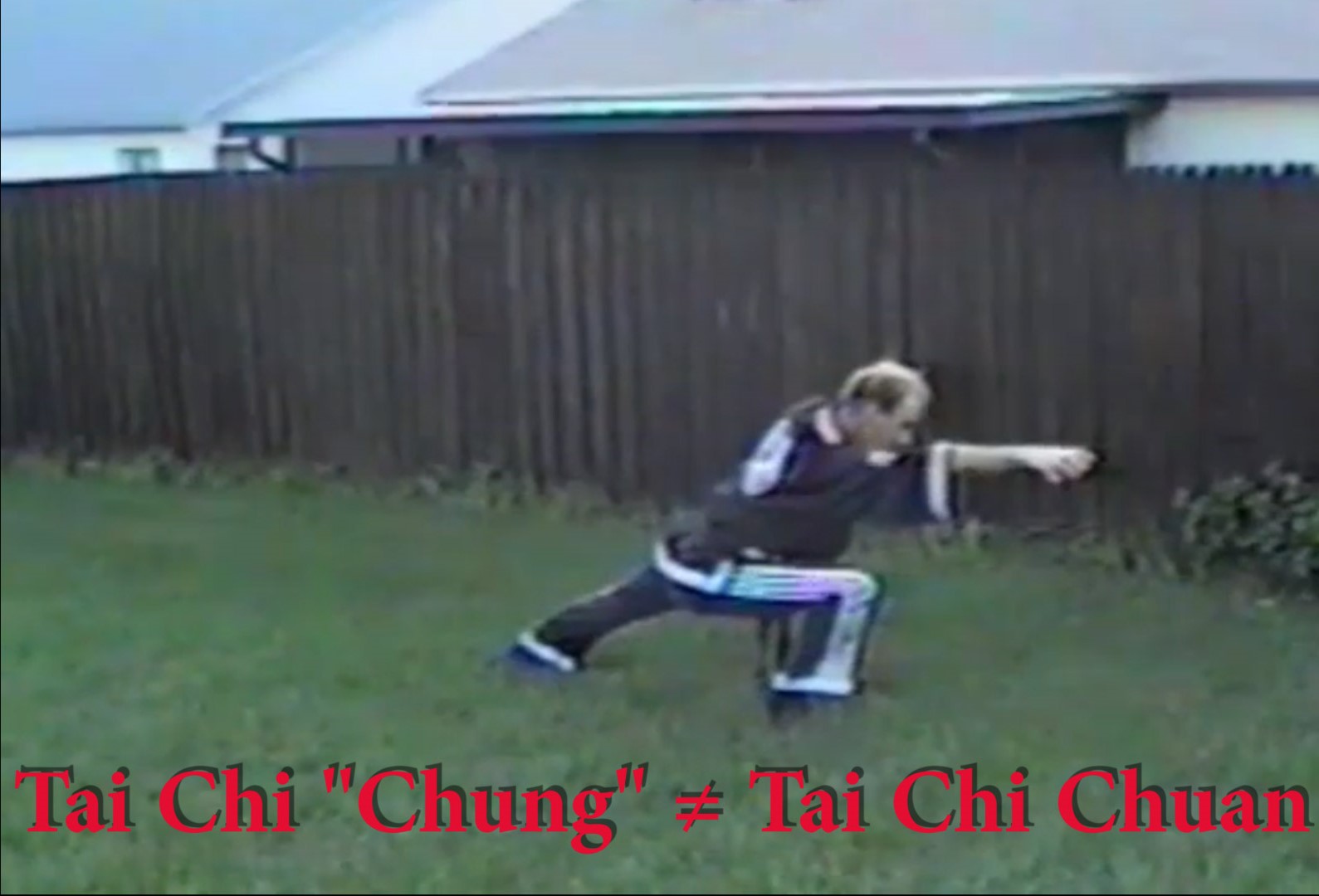
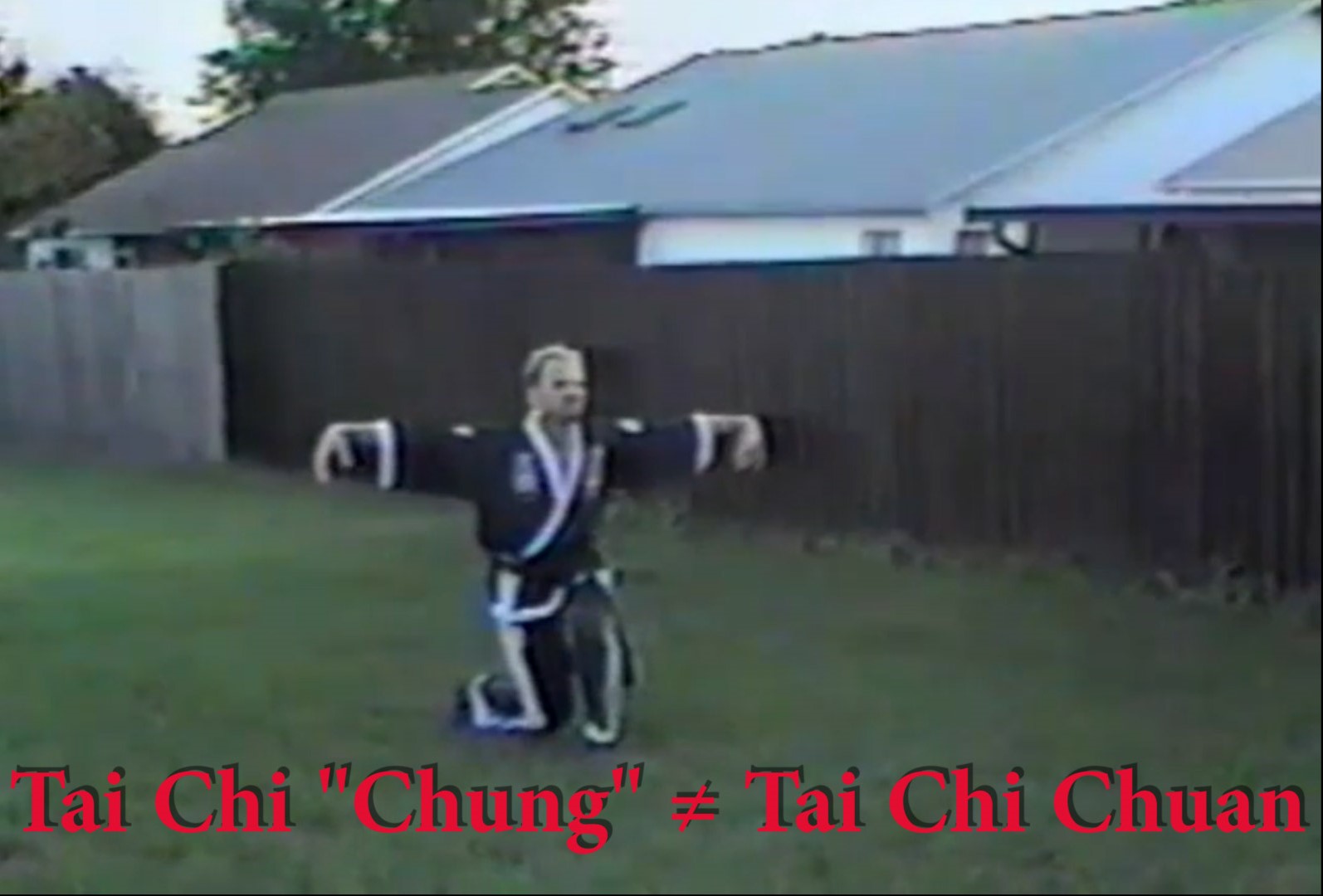
Technically, the form in the video has many positive qualities. It develops balance, controlled weight shifting, leg strength, coordination, mindfulness, and proprioception. The slow pace encourages concentration rather than speed. The low postures challenge endurance. The crane-like stances and single-leg transitions develop stability and awareness of center of gravity. The circular arm motions create a sense of flow and continuity that differs from the more linear movements often seen in karate-derived Korean forms.
From a health and training perspective, these are worthwhile benefits. The form can help cultivate patience, breath awareness, physical control, and mental focus. It may be useful as a bridge between external martial training and more meditative internal practice.
However, this does not make it authentic Tai Chi.
Anyone who has seriously practiced and studied legitimate and authentic styles of Taijiquan would likely recognize that this form, while beneficial, does not express the core mechanics of traditional Chinese Tai Chi. It does not clearly demonstrate the continuous whole-body connection, silk-reeling energy, refined dantian-driven movement, peng structure, or the systematic expression of the Eight Energies: peng, lu, ji, an, cai, lie, zhou, and kao. It appears more segmented than integrated, more like a Korean internal-development hyung than a traditional Chinese internal martial art.
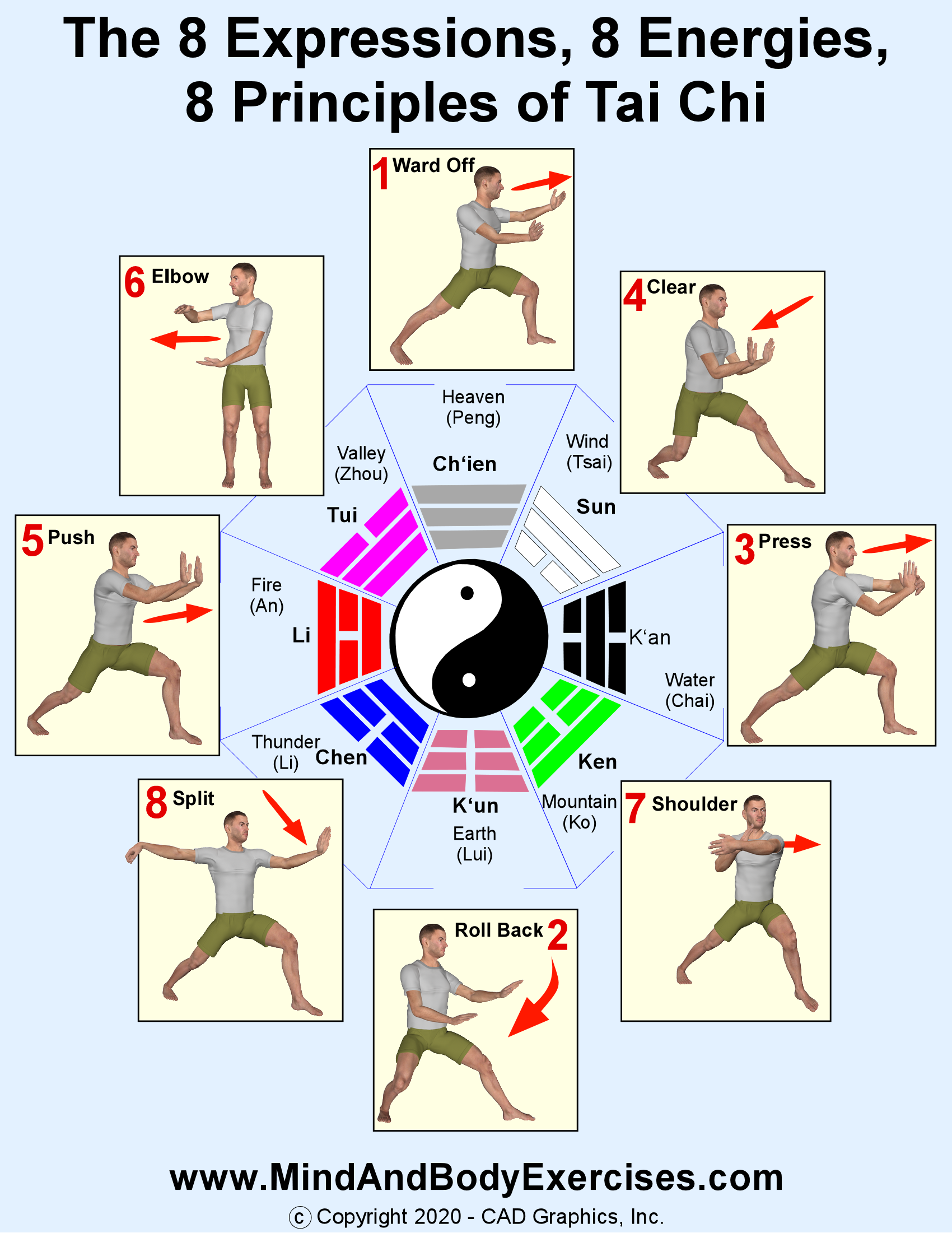
Authentic Taijiquan is not merely slow movement. It is not simply relaxation, balance, or graceful motion. It is a sophisticated martial art rooted in Chinese philosophy, body mechanics, internal power development, combat application, and centuries of transmitted practice. Its movements are shaped by yin and yang theory, the Five Elements, the Eight Energies, intent, structure, rooting, spiraling, and whole-body integration. Without these foundations, a form may still be good exercise, qigong-like movement, or meditative martial training, but it becomes difficult to honestly classify it as Tai Chi.

This distinction is important because mislabeling martial arts can mislead students. When any martial arts organization presents a form as “Tai Chi” without preserving the history, principles, mechanics, or cultural roots of Taijiquan, it risks distorting the art. In some cases, this may even approach cultural appropriation: borrowing the name or appearance of another culture’s tradition without sufficient understanding, acknowledgment, or respect.
Most martial arts systems claim to uphold moral codes such as honesty, humility, respect, discipline, and integrity. Passing off a non-Taijiquan form as Tai Chi conflicts with those values. It may serve organizational branding, marketing, or curriculum expansion, but it does not serve truth.
Looking back, I do not reject the form. I can still appreciate what it gave me. It helped develop balance, concentration, discipline, coordination, and body awareness. The younger version of myself in that video was sincere. He trained hard, believed what he was taught, and sought to improve. There is value in that.
But I now see the form through a more discerning lens. It was useful, but it was not authentic Taijiquan. It was beneficial, but it was not what it was presented to be. That distinction represents an important lesson in the martial path.
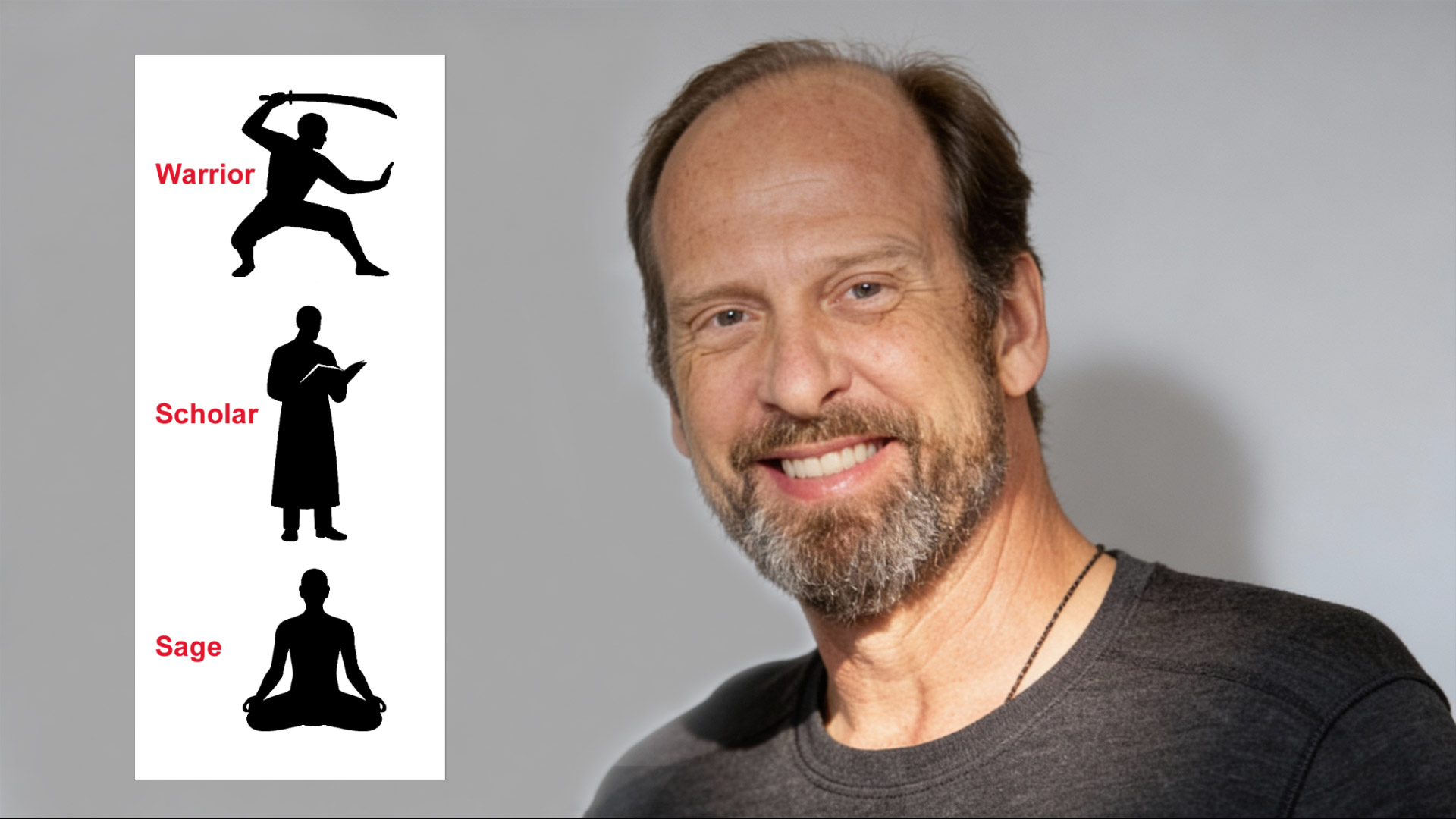
The Warrior trains the body. The Scholar investigates truth. The Sage learns to distinguish appearance from essence.
In youth, we may seek rank, recognition, patches, titles, and approval. With maturity, we learn that the deeper purpose of martial arts is self-cultivation. The real measure of practice is not how others decorate us, but how we honestly refine and define ourselves.
True martial arts should lead us toward clarity, humility, integrity, and self-mastery. When they do, they become more than physical systems. They become pathways of transformation.
That lesson, unlike any patch or rank, is one that remains with us for life.