Despite living in an age of advanced medicine and rising health awareness, chronic illness, emotional suffering, and addiction continue to rise. This contradiction invites us to question not just our treatments but also the mindset and motivations behind them. Increasingly, research and lived experience point to unprocessed pain and trauma as the core drivers of both psychological and physiological illness.
Medicine’s Narrow Focus: Suppressing Symptoms Instead of Healing
Contemporary medical practices often focus on symptom suppression rather than root-cause healing. For example, elevated cortisol, a hormone associated with stress, is frequently managed with pharmaceuticals that reduce inflammation but fail to address the underlying source of distress (Sapolsky, 2004). In cases of chronic illness, especially cancer, mainstream interventions often fall back on drastic methods: cutting (surgery), poisoning (chemotherapy), or burning (radiation), with minimal inquiry into psychosomatic or emotional contributors.
The pharmaceutical industry has also come under scrutiny for prioritizing profit-driven solutions that treat stress biochemically without offering tools for actual emotional or relational healing (Gabor Maté, 2010).
A Society Obsessed with Health Yet Unwell
We live in a paradoxical society: obsessed with fitness, diet, and health optimization, yet disconnected from authentic well-being. Emotional pain is frequently seen as a personal failure, and expressions of vulnerability are often equated with weakness. Shame becomes a hidden driver of behavior, shaping identity through internalized messages like “I’m not enough” or “My needs don’t matter” (Brown, 2012).
The metaphor of the “monster” within, like the transformation of Bruce Banner into the Hulk, illustrates how repressed emotions can erupt when unacknowledged. We often assume that other people’s issues are about us, leading to further internal conflict and disconnection.
Trauma: The Root Cause of Addiction and Illness
Pain, especially unresolved emotional pain, is at the root of many afflictions. According to trauma expert Gabor Maté (2008), addiction is not a disease or choice but a response to deep suffering. Whether through substances, work, food, or achievement, people are often trying to soothe pain they may not even fully understand.
Social disconnection, abandonment, and lack of emotional education perpetuate trauma across generations. Society offers little support or guidance for managing grief, shame, or stress. Many turn to coping mechanisms without the tools to process their trauma, which is especially evident in marginalized communities where chronic stress is linked to disproportionately higher rates of illness (Williams & Mohammed, 2009).
The Cost of Disconnection and the Need for Authenticity
In professional fields like medicine, unresolved trauma is common. Some individuals pursue high-achieving careers not from passion but to compensate for feelings of inadequacy or unlovability. Emotional detachment, often a survival strategy in childhood, becomes normalized in adulthood. This disconnection between mind and body leads to chronic stress, illness, and burnout (Van der Kolk, 2014).
Authentic healing requires honoring two essential human needs: attachment and authenticity. When these needs are in conflict, as they often are in trauma survivors, authenticity is usually sacrificed for the sake of relational survival. Reconnecting with one’s truth, expressing anger constructively, and embracing emotional honesty are key steps toward transformation.
Healing the Generational Wounds
Trauma doesn’t disappear. It is often passed from one generation to the next, not just through genetics but through behavior, belief systems, and emotional suppression. Children absorb the stress of their caregivers. Without awareness and intervention, these patterns replicate over time (Yehuda & Lehrner, 2018).
What may appear as weakness, in hypervigilance, dissociation, emotional volatility, is often a response to longstanding unmet needs. Healing begins by naming these patterns and allowing space for expression and integration.
A Shift Toward Integration and Compassion
The healing path is not just clinical, it is relational, emotional, and spiritual. Psychedelic-assisted therapy, somatic practices, plant medicines like ayahuasca, and trauma-informed psychotherapy are gaining traction because they center empathy, connection, and emotional truth (Carhart-Harris & Goodwin, 2017).
As we reevaluate addiction, trauma, and illness through this lens, we begin to see that these challenges are not signs of brokenness. Rather, they are indicators of what needs acknowledgment, healing, and reintegration. Addiction, far from being a moral failure or inherited defect, can be seen as a solution to an emotional problem, a cry for help that must be understood before it can be addressed.
Carhart-Harris, R. L., & Goodwin, G. M. (2017). The therapeutic potential of psychedelic drugs: Past, present, and future. Neuropsychopharmacology, 42(11), 2105–2113. https://doi.org/10.1038/npp.2017.84
Williams, D. R., & Mohammed, S. A. (2009). Discrimination and racial disparities in health: Evidence and needed research. Journal of Behavioral Medicine, 32(1), 20–47. https://doi.org/10.1007/s10865-008-9185-0
Yehuda, R., & Lehrner, A. (2018). Intergenerational transmission of trauma effects: Putative role of epigenetic mechanisms. World Psychiatry, 17(3), 243–257. https://doi.org/10.1002/wps.20568
Physiological, Psychological, and Spiritual Dimensions of a Classical Koan
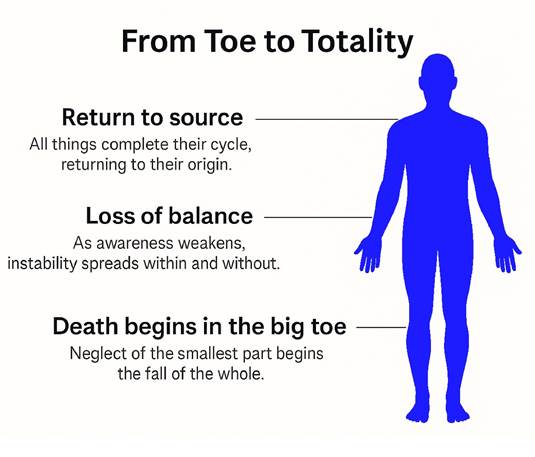
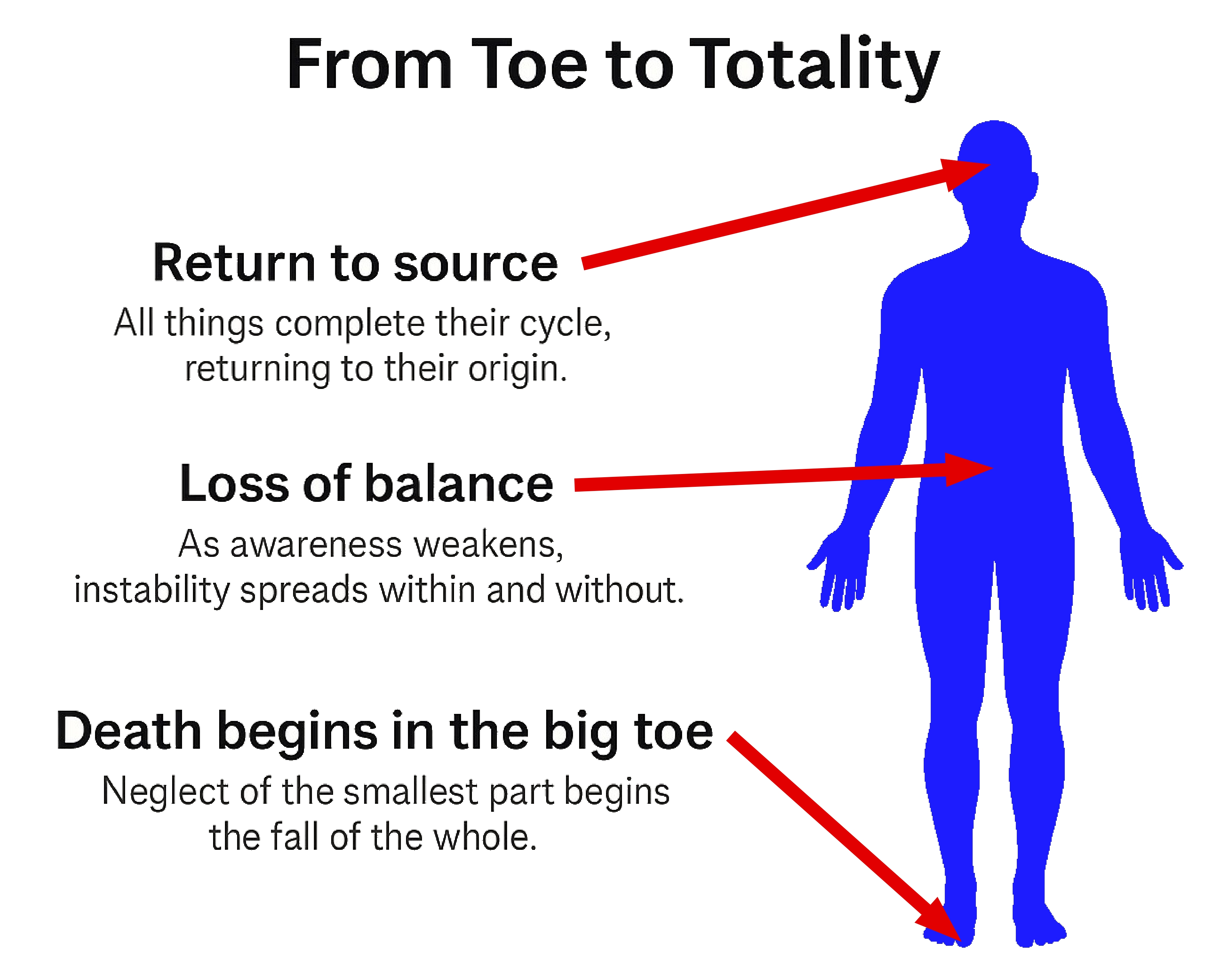
The aphorism “Death begins in the big toe” is a deceptively simple statement drawn from the long tradition of Chinese medical wisdom and Zen contemplative practice. Like many koans and proverbial sayings from classical East Asian thought, its brevity conceals a depth of layered meaning. At the surface level, it speaks to the observable fact that physiological decline often begins at the extremities. On a subtler level, it gestures toward psychological processes of neglect and dissociation that accompany aging and decay. At its deepest level, the phrase serves as a spiritual teaching about impermanence, awareness, and the cyclic nature of existence.
In Taoist medicine and Chan Buddhist teaching alike, the body is seen as a microcosm of the cosmos, and every small detail reflects the whole. The “big toe” in this aphorism symbolizes more than just anatomy: it is the farthest reach of circulation from the heart, the starting or ending point of many meridians, and the first part of the body to meet the earth with each step. That death might begin there is not a literal prediction but a metaphor for the way life’s endings emerge subtly at the margins before manifesting at the center.
Historical Origins of the Koan
Although the precise origin of the saying is difficult to trace, its spirit can be found in early Chinese medical classics and Zen writings. The Huangdi Neijing (Yellow Emperor’s Inner Canon), compiled between the 2nd century BCE and 2nd century CE, repeatedly emphasizes that “illness arises in the extremities before it reaches the organs” and that “to know the distant is to protect the center” (Unschuld, 2003). Similarly, Taoist texts such as the Dao De Jing highlight the principle that great change arises from subtle beginnings: “A tree as great as a man’s embrace springs from a tiny sprout. A journey of a thousand miles begins beneath one’s feet” (Laozi, trans. Addiss & Lombardo, 1993).
In Chan Buddhism, koans often use ordinary body parts as metaphors for the process of awakening or decay. The Tang-era master Yunmen famously remarked, “The toe that touches earth is the whole universe touching earth” (Cleary, 1998), pointing to the subtlety with which the infinite is revealed in the infinitesimal. Over centuries, the saying “death begins in the big toe” entered the shared vocabulary of physicians, monks, and martial artists alike, a succinct reminder that mortality’s first signs are often peripheral and easily overlooked.
Physiological Interpretation: The Body’s Peripheral Messengers
Peripheral Circulation and Aging
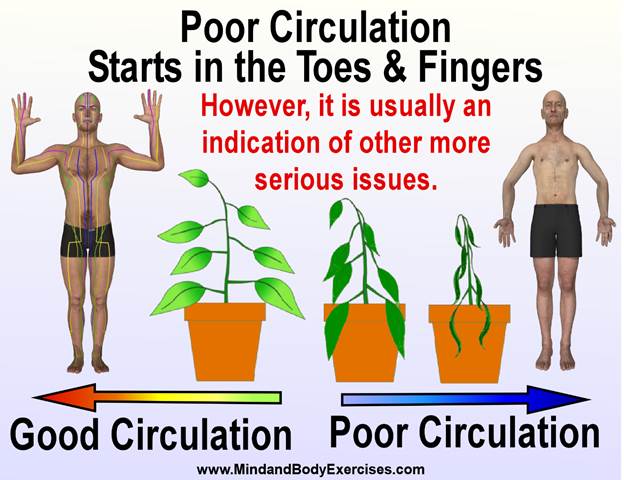
From a biomedical perspective, the big toe is not merely metaphorical. It is literally among the first regions to reveal systemic decline because it sits at the farthest point of the circulatory network. As the heart ages and vascular elasticity decreases, peripheral perfusion diminishes, often manifesting as cold, numb, or discolored toes long before symptoms appear elsewhere (Hamburg & Benjamin, 2009). Peripheral arterial disease, a common condition in older adults, often begins in the feet and toes and is associated with a significant increase in all-cause mortality (Criqui & Aboyans, 2015).
These physiological realities lend empirical support to the ancient observation. If “death” is defined as the progressive failure of the body’s regulatory systems, then it is indeed accurate to say that it begins in the places farthest from the heart and brain. The big toe, as the most distal point of the lower extremities, is the proverbial “canary in the coal mine” for vascular health.
Mobility, Balance, and Longevity
Mobility is another physiological dimension that links the toe to mortality. The toes and particularly the hallux, or great toe, play a crucial role in balance, propulsion, and gait. Degenerative changes, neuropathy, or muscular weakness that impair toe function can reduce walking speed, a biomarker strongly correlated with lifespan (Studenski et al., 2011). Gait speed below 0.8 m/s in older adults is associated with significantly increased risk of disability, hospitalization, and death (Abellan van Kan et al., 2009).
The simple ability to rise from a chair, stand on one’s toes, or walk briskly requires integrated function across multiple physiological systems of the musculoskeletal, nervous, and cardiovascular. Physical decline often first appears subtly in the toes and feet as reduced sensation, proprioception, or push-off strength. Once these diminish, the cascade toward frailty begins. As gerontologist Luigi Ferrucci observed, “Mobility is the most fundamental expression of independence, and its loss is the beginning of the end” (Ferrucci et al., 2016).
Meridians and Vital Energy Flow
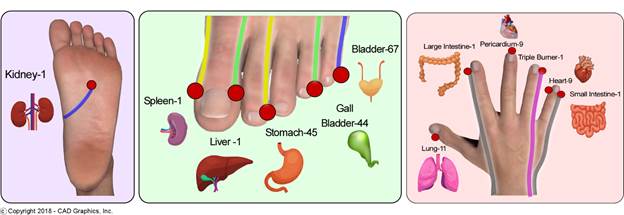
Traditional Chinese medicine (TCM) expresses similar insights through the language of qi (vital energy) and meridians. Several of the body’s primary channels, including the Liver, Spleen, Stomach, Kidney, and Bladder, either begin or end at the toes (Maciocia, 2015). These meridians govern vital processes such as digestion, reproduction, and detoxification. Disruption of flow at the periphery is believed to reverberate inward, creating systemic disharmony.
As the Lingshu Jing (a companion text to the Neijing) states, “When the qi of the extremities is blocked, the organs within will suffer” (trans. Wu, 2008). In this paradigm, coldness, stagnation, or numbness in the toes are not trivial complaints but early signs of declining vitality, the first whispers of death’s approach.
Psychological Interpretation: Awareness, Neglect, and the Periphery of Consciousness
While the physiological layer of the aphorism highlights the body’s peripheral signals as early indicators of decline, the psychological dimension explores how awareness, or lack thereof shapes that process. In this context, “death” represents not just physical decay but the gradual erosion of vitality, engagement, and responsiveness to life’s subtleties.
Dissociation and Embodiment
Modern psychology has increasingly recognized the importance of embodiment, the lived experience of inhabiting one’s physical body, as essential to mental health and cognitive function (Durt, et al (2017). Yet, in contemporary societies characterized by sedentary lifestyles and disembodied digital existence, many people lose sensitivity to their physical selves. The feet and toes, distant from the brain and often ignored, become metaphors for the neglected peripheries of awareness.
This dissociation is not benign. Studies have shown that reduced proprioception and interoception, the senses of bodily position and internal state, correlate with anxiety, depression, and diminished cognitive function (Khalsa et al., 2018). In Jungian psychology, the shadow represents the disowned or unconscious aspects of the self. In a similar way, the body’s extremities can symbolize the “shadow” of bodily awareness, parts of ourselves we rarely think about but that profoundly shape our experience. Neglecting them reflects a broader neglect of the unconscious and the subtle.
The Psychology of Small Beginnings
The aphorism also teaches that decline begins with small lapses in attention. Cognitive-behavioral theorists note that habits, both constructive and destructive can emerge gradually through repeated micro-decisions (Neal et al., 2012). In the same way, death “beginning” in the big toe symbolizes the cumulative effect of minor neglect. A blister ignored becomes an infection; a sedentary day becomes a sedentary year. The toe, seemingly insignificant, becomes the starting point of a larger process of decay.
Zen teachings mirror this concept. Master Dōgen wrote, “To neglect the small is to betray the great” (Shōbōgenzō, trans. Nishijima & Cross, 1994). Psychologically, the lesson is clear: by training awareness toward the smallest and most peripheral phenomena, the sensations in the toes, the first signs of imbalance, the whispers of discontent, one cultivates a capacity to intervene before decay becomes inevitable.
Spiritual Interpretation: Impermanence, Return, and the Subtle Path
At the spiritual level, “death begins in the big toe” is neither a physiological warning nor a psychological metaphor but a profound statement about impermanence and the nature of life itself.
Impermanence and the Gradual Approach of Death
Buddhist philosophy emphasizes that impermanence (anicca) is the fundamental characteristic of all conditioned phenomena. Life does not end abruptly but is a continuous unfolding of change, a river flowing toward the ocean of dissolution. Just as the body’s vitality wanes first at its extremities, so too does the soul’s departure begin subtly in the smallest changes of breath, the faintest shifts in sensation.
The Diamond Sutra reminds practitioners that “All conditioned things are like a dream, an illusion, a bubble, a shadow” (Red Pine, 2001). The big toe, as the furthest point from the body’s “center,” becomes a symbol of these subtle transitions. Death is not a singular event but a process that begins long before the final breath and the wise cultivate awareness of this process without fear.
The Circle of Return
Taoist cosmology frames death not as an end but as a return to the source. “Returning is the motion of the Dao,” Laozi wrote (Tao Te Ching, trans. Addiss & Lombardo, 1993). In this framework, the toe is the starting point of walking while also becoming the place where the journey ends. The path that began with the first step returns to the same ground.
This cyclical vision is echoed in many traditional arts. In Taijiquan, for example, practitioners speak of “returning to the root” where physical, energetic, and spiritual processes are symbolized by grounding through the feet. As the root weakens with age, the spirit begins its return to the Dao. “Death begins in the big toe” thus becomes a poetic recognition of the natural rhythm of return: from periphery to center, from earth to heaven, from form to formlessness.
Integrative Perspective: Caring for the Small to Preserve the Whole
Across all three dimensions. physiological, psychological, and spiritual, a single principle emerges: the state of the whole is revealed in the condition of the periphery. The big toe, distant from the heart and often neglected, becomes both a literal and metaphorical early warning system. It tells us about the integrity of our circulation, the sharpness of our awareness, and the depth of our spiritual understanding.
In preventive medicine, this principle underlies the emphasis on foot care in diabetic patients, where early interventions at the level of the toes can prevent systemic complications (Boulton et al., 2005). In psychology, mindfulness practices that cultivate awareness of the body from the ground up improve interoception and reduce emotional dysregulation (Mehling et al., 2011). In spiritual disciplines, practices like walking meditation (baguazhang), standing meditation (zhanzhuang), and barefoot qigong remind practitioners to anchor their consciousness in the humblest and forgotten parts of the body.
To say that “death begins in the big toe” is therefore to issue a call for radical attentiveness — to the smallest sensations, the earliest signs of imbalance, and the often-ignored peripheries of our existence. It is a koan not about death, but about life: a reminder that to live fully is to remain awake even to the faintest signals of change.
Big Toe as a Symbol of Decline and Awareness Across Three Dimensions
Dimension
Meaning of “Death Begins in the Big Toe”
Key Insights & Applications
Physiological
Early signs of systemic decline often appear first in the extremities (coldness, numbness, circulation issues, mobility loss).
– Toe and foot health reflect cardiovascular and neurological function. – Loss of gait speed or balance predicts mortality. – Meridians begin/end at the toes, blockages here affect the entire body. – Preventive care (mobility, balance, circulation) can slow aging.
Psychological
Neglect and dissociation often begin with the smallest, least noticed aspects of the self – the “periphery” of awareness.
– Reduced body awareness correlates with anxiety, depression, and cognitive decline. – Small acts of neglect accumulate into larger patterns of decay. – Training awareness of subtle sensations builds mindfulness and resilience. – Attention to the “shadow” parts of the self, fosters wholeness.
Spiritual
Death is a gradual return to source, beginning subtly and symbolically at the periphery – a process to be observed, not feared.
– Impermanence is revealed in subtle transitions. – The journey that begins with the first step returns to the same ground. – Awareness of small changes leads to acceptance of life’s cycles. – Practices like walking meditation and grounding cultivate spiritual presence.
Conclusion
The Chinese saying “death begins in the big toe” is more than a quaint proverb. It is a concise expression of a deep and timeless truth: that decline, decay, and death all begin subtly, in places and ways we are least likely to notice. Physiologically, the toe is the frontier where circulatory weakness, neuropathy, and frailty first manifest. Psychologically, it symbolizes the peripheries of awareness, where neglect and dissociation take root. Spiritually, it represents the cosmic rhythm of impermanence, where the journey back to the source begins in the smallest steps.
Ultimately, the koan invites us to approach life with a heightened sensitivity, to honor the periphery as we do the center, to care for the small as we do the great. It teaches that the path to vitality, wisdom, and even enlightenment often begins not with dramatic gestures but with the humble act of noticing what is happening beneath our feet.
References:
Abellan van Kan, G., Rolland, Y., Andrieu, S., Bauer, J., Beauchet, O., Bonnefoy, M., Cesari, M., Donini, L. M., Gillette Guyonnet, S., Inzitari, M., Nourhashemi, F., Onder, G., Ritz, P., Salva, A., Visser, M., & Vellas, B. (2009). Gait speed at usual pace as a predictor of adverse outcomes in community-dwelling older people an International Academy on Nutrition and Aging (IANA) Task Force. The journal of nutrition, health & aging, 13(10), 881–889. https://doi.org/10.1007/s12603-009-0246-z
Addiss, S., & Lombardo, S. (Trans.). (1993). Tao Te Ching. Hackett.
Boulton, A. J. M., Armstrong, D. G., Albert, S. F., Frykberg, R. G., Hellman, R., Kirkman, M. S., … & Sanders, L. J. (2005). Comprehensive foot examination and risk assessment: A report of the task force of the foot care interest group of the American Diabetes Association. Diabetes Care, 31(8), 1679–1685. https://doi.org/10.2337/dc08-9021
Cleary, T. (1998). Zen Essence: The Science of Freedom. Shambhala.
Ferrucci, L., Cooper, R., Shardell, M., Simonsick, E. M., Schrack, J. A., & Kuh, D. (2016). Age-Related Change in Mobility: Perspectives From Life Course Epidemiology and Geroscience. The journals of gerontology. Series A, Biological sciences and medical sciences, 71(9), 1184–1194. https://doi.org/10.1093/gerona/glw043
Hamburg, N. M., & Benjamin, E. J. (2009). Assessment of endothelial function using digital pulse amplitude tonometry. Trends in cardiovascular medicine, 19(1), 6–11. https://doi.org/10.1016/j.tcm.2009.03.001
Khalsa, S. S., Adolphs, R., Cameron, O. G., Critchley, H. D., Davenport, P. W., Feinstein, J. S., … & Zucker, N. (2018). Interoception and mental health: A roadmap. Biological Psychiatry: Cognitive Neuroscience and Neuroimaging, 3(6), 501–513. https://doi.org/10.1016/j.bpsc.2017.12.004
Maciocia, G. (2015). The Foundations of Chinese Medicine: A Comprehensive Text for Acupuncturists and Herbalists (3rd ed.). Elsevier.
Mehling, W. E., Wrubel, J., Daubenmier, J. J., Price, C. J., Kerr, C. E., Silow, T., Gopisetty, V., & Stewart, A. L. (2011). Body Awareness: a phenomenological inquiry into the common ground of mind-body therapies. Philosophy, ethics, and humanities in medicine : PEHM, 6, 6. https://doi.org/10.1186/1747-5341-6-6
Human existence inevitably involves experiences of both pain and suffering. While the two terms are often used interchangeably in casual language, they carry distinct meanings in psychological, philosophical, and medical discourse. Understanding their differences not only clarifies the nature of human distress but also provides insight into how individuals and societies can respond to these experiences more effectively.
Defining Pain
Pain is most often understood as a sensory and emotional experience associated with actual or potential tissue damage. The International Association for the Study of Pain (IASP) defines it as both a physical signal and an emotional perception (Raja et al., 2020). In this sense, pain functions as an alarm system of the body, signaling when something is wrong or when potential harm is imminent.
Pain manifests in various forms:
Acute pain, such as a sudden burn, fracture, or injury, is sharp, immediate, and often short-lived once the cause is addressed.
Chronic pain, on the other hand, persists over weeks, months, or even years, sometimes long after the initial injury has healed. Conditions such as arthritis, fibromyalgia, or nerve damage exemplify this enduring form (Turk & Okifuji, 2002).
Importantly, pain has a protective and adaptive function. It compels an individual to withdraw from harmful stimuli and to take measures that promote healing or survival. Without pain, humans would be at significant risk of unchecked injuries or illnesses.
Defining Suffering
Suffering, while related to pain, is a broader and more complex phenomenon. It encompasses not only physical discomfort but also emotional, psychological, social, and even spiritual distress. Unlike pain, which often has a specific biological cause, suffering can arise from a wide range of experiences: grief, loss of a loved one, existential crises, betrayal, disappointment, or psychological trauma (Cassell, 2004).
Suffering is therefore less about a direct signal from the nervous system and more about the interpretive and evaluative dimension of human experience. It involves meaning-making, identity, and a person’s worldview. For example, two individuals with identical physical injuries may experience different degrees of suffering depending on their emotional resilience, cultural background, or spiritual beliefs.
Pain as a Component of Suffering
Pain can certainly contribute to suffering, but it does not always equate to it. A person experiencing acute physical pain might endure it without deep emotional distress, especially if they perceive it as temporary or purposeful. Athletes, for instance, may push through significant physical pain during training, framing it as progress rather than hardship (Wiech, 2016).
Conversely, suffering can exist without overt physical pain. Psychological conditions such as depression, anxiety, or post-traumatic stress disorder illustrate how individuals may endure profound suffering without a corresponding physical injury (Kleinman, 2017). In these cases, suffering is rooted in thought patterns, emotional struggles, or existential despair.
Thus, pain can be considered a subset of suffering, but suffering extends beyond the purely physical to encompass the whole spectrum of human distress.
Cultural and Existential Dimensions
The distinction between pain and suffering has been explored not only in medicine and psychology but also in philosophy and spirituality. In many traditions, suffering is tied to existential questions about meaning and purpose. For example:
Buddhist philosophy identifies suffering (dukkha) as a central feature of existence, arising not merely from pain but from attachment, craving, and aversion (Rahula, 1974).
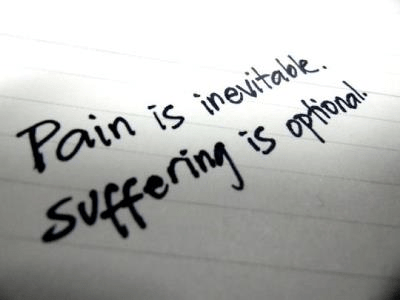
Western existential thought, such as Viktor Frankl’s logotherapy, emphasizes the role of meaning-making in shaping suffering. Frankl (1992) argued that while pain is unavoidable, suffering can be transformed if one finds meaning in it.
Medical ethics often distinguishes between the duty to treat pain and the broader challenge of alleviating suffering, particularly in palliative and end-of-life care (Ferrell & Coyle, 2018).
These perspectives underscore that suffering is as much about interpretation and context as it is about physical sensation.
Psychological Responses and Coping
Another way to distinguish pain and suffering is through the human response to each. Pain typically elicits reflexive responses of withdrawal, medication, or medical treatment aimed at reducing the sensation. Suffering, however, often requires more nuanced interventions such as counseling, support networks, mindfulness, or spiritual practices.
Psychologists note that suffering is amplified by cognitive and emotional factors such as fear, helplessness, or catastrophic thinking. For instance, chronic pain patients who interpret their pain as a sign of irreversible decline may suffer more intensely than those who frame it as a challenge that can be managed (Garland et al., 2019). In this way, suffering is not simply a passive condition, but an active process shaped by interpretation, resilience, and meaning-making.
Toward an Integrated Understanding
Understanding the difference between pain and suffering allows for more compassionate and comprehensive approaches to human well-being. Medicine can treat pain with analgesics, surgery, or physical therapy, but addressing suffering requires a broader, more holistic perspective. Interventions may include psychological counseling, social support, spiritual care, or practices such as meditation, Tai Chi, or Qigong that engage the body, mind, and spirit.
This distinction also empowers individuals. Recognizing that suffering is not merely the sum of physical pain but also involves interpretation and meaning provides opportunities for growth, resilience, and transformation. While pain is often unavoidable, suffering can sometimes be reframed, reduced, or even transcended.
Conclusion
In sum, pain and suffering are related but not synonymous. Pain is primarily a sensory and emotional signal tied to actual or potential bodily harm, serving a protective biological function. Suffering, by contrast, is a broader human experience that encompasses not only physical pain but also emotional, psychological, social, and existential dimensions. Pain is often a contributor to suffering, but suffering can exist independently of physical pain.
By distinguishing these concepts, individuals and practitioners alike can better understand the complexity of human distress and identify strategies to address both the body’s signals and the mind’s interpretations. In doing so, the possibility emerges not only to relieve immediate discomfort but also to cultivate resilience, wisdom, and compassion in the face of life’s inevitable challenges.
Garland, E. L., Hanley, A. W., Riquino, M. R., Reese, S. E., Baker, A. K., Salas, K., Yack, B. P., Bedford, C. E., Bryan, M. A., Atchley, R., Nakamura, Y., Froeliger, B., & Howard, M. O. (2019). Mindfulness-oriented recovery enhancement reduces opioid misuse risk via analgesic and positive psychological mechanisms: A randomized controlled trial. Journal of Consulting and Clinical Psychology, 87(10), 927–940. https://doi.org/10.1037/ccp0000390
Raja, S. N., Carr, D. B., Cohen, M., Finnerup, N. B., Flor, H., Gibson, S., Keefe, F. J., Mogil, J. S., Ringkamp, M., Sluka, K. A., Song, X. J., Stevens, B., Sullivan, M. D., Tutelman, P. R., Ushida, T., & Vader, K. (2020). The revised International Association for the Study of Pain definition of pain: Concepts, challenges, and compromises. Pain, 161(9), 1976–1982. https://doi.org/10.1097/j.pain.0000000000001939
Turk, D. C., & Okifuji, A. (2002). Psychological factors in chronic pain: Evolution and revolution. Journal of Consulting and Clinical Psychology, 70(3), 678–690. https://doi.org/10.1037/0022-006x.70.3.678urk, D. C., & Okifuji, A. (2022). Psychological factors in chronic pain: Evolution and revolution. Journal of Pain, 23(4), 387–404. https://doi.org/10.1016/j.jpain.2021.07.007
Wiech, K. (2016). Deconstructing the sensation of pain: The influence of cognitive processes on pain perception. Science, 354(6312), 584–587. https://doi.org/10.1126/science.aaf8934
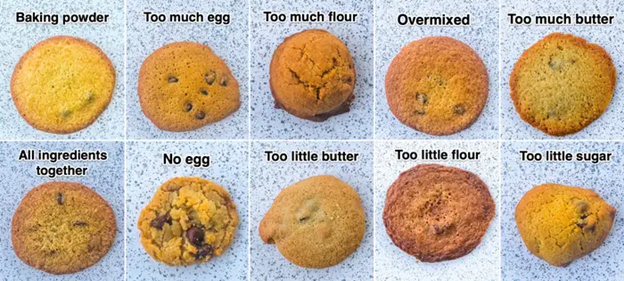
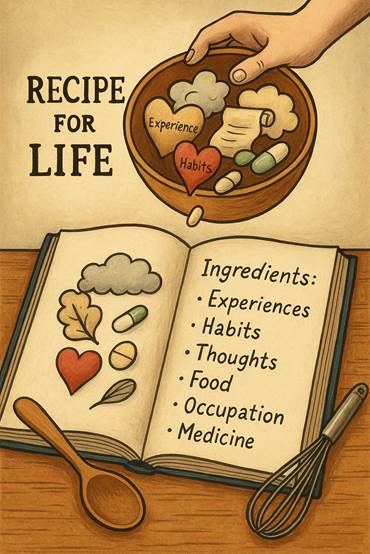
Life, in many ways, is a recipe, as an ever-evolving mixture of choices, habits, relationships, thoughts, and actions. Just as a baker combines flour, sugar, butter, and eggs to produce a cookie, each of us blends experiences, beliefs, and intentions to create our unique outcomes. The image of imperfect cookies illustrates this beautifully: each variation may have too much flour, too little sugar, or overmixing. This reveals how imbalance, excess, or neglect in one area can affect the entire result. Our bodies, minds, and spirits are the ovens in which this recipe bakes, and the quality of what we put in determines what eventually comes out (Seligman, 2011).
The Ingredients of Life
Every life begins with a set of core ingredients: genetic inheritance, environment, education, relationships, nutrition, movement, and purpose. These are our “flour, sugar, and eggs.” Each represents a dimension of well-being that requires mindful measurement.
Flour might symbolize structure and stability, in the routines, responsibilities, and moral foundations that give life its form. Too little structure leads to chaos; too much, and we become rigid, losing spontaneity. Sugar represents pleasure, creativity, and joy, or the sweetness that makes life enjoyable. Depriving ourselves of it can make us bitter, but too much can lead to dependency or self-indulgence. Butter conveys warmth, compassion, and connection; when it is lacking, life becomes dry and crumbly, devoid of emotional cohesion. And eggs, which bind everything together, mirror our inner consciousness, or the vital essence that integrates all experiences into a unified self (Csikszentmihalyi, 2008).
In Traditional Chinese Medicine (TCM), health is sustained through balance among elements such as yin and yang or the Five Elements (wood, fire, earth, metal, water), which interact like ingredients that must be properly harmonized. When one dominates or depletes another, imbalance arises, similar to a recipe gone wrong (Kaptchuk, 2000). Thus, the ingredients of our lives require ongoing awareness, proportion, and calibration.
Mixing the Ingredients: Balance and Awareness
The act of mixing is where mindfulness enters the recipe. Overmixing the batter of life mirrors overthinking and overcontrolling. These are states that psychologists associate with anxiety and emotional exhaustion (Kabat-Zinn, 2013). Undermixing, conversely, reflects inattention, or a lack of integration between body, mind, and purpose.
In Taoist and holistic thought, balance is not about equal measures but appropriate harmony. The Dao De Jing teaches that “to be too rigid is to break, to be too soft is to lose form” (Lao-Tzu, trans. 2006). Similarly, the recipe for a fulfilling life requires constant recalibration. What nourished us at twenty may not suit us at fifty. The wise “cook” observes the body’s responses, the mind’s tendencies, and the spirit’s needs to adjust accordingly.
Just as mindful eating can transform the physiological experience of food (Bays, 2017), mindful living transforms our relationship to every experience. Awareness becomes the spoon that stirs the bowl; it integrates, blends, and unifies the ingredients into a coherent whole.
Cooking: Transformation Through Heat and Pressure
Once ingredients are combined, heat completes the transformation. In the kitchen, heat activates hidden properties and deepens flavor. In life, heat symbolizes challenge or the friction, stress, and adversity that refine our raw experiences into resilience and wisdom (Frankl, 2006).
The process parallels the Taoist concept of Nei Dan, or inner alchemy, where the practitioner refines the course into the pure through disciplined effort and patience. Similarly, psychologists describe “post-traumatic growth” as the phenomenon in which adversity fosters new strength, perspective, and appreciation (Tedeschi & Calhoun, 2004).
A life without heat remains underdeveloped; too much heat, however, can scorch the spirit. Practices such as qigong, tai chi, and meditation serve as thermoregulators for the psyche by balancing sympathetic activation with parasympathetic restoration (Wayne & Kaptchuk, 2008). The goal is not to eliminate stress but to transmute it into transformation, just as dough becomes a golden cookie through precisely applied warmth.
Presentation: The Art of Serving Our Lives
When the cookie emerges from the oven, it reflects every decision made along the way. Its color, texture, and taste are records of process and intention. In human terms, this is the stage of expression and legacy. How our inner work manifests in our actions, relationships, and contributions to others.
Some lives are underbaked, never given enough time or courage to fully develop. Others are overdone and burnt by perfectionism, resentment, or the relentless pursuit of approval. Yet even an imperfect cookie can nourish when crafted with sincerity and love. The key lies in presence: being aware of what we are serving to others and what we are ingesting ourselves, be it thoughts, emotions, or energy.
Adjusting the Recipe
The beauty of the metaphor lies in its invitation to adjust. If life tastes too bitter, add sweetness through gratitude and forgiveness. If it feels too dry, soften it with compassion and rest. If it is heavy, add air through breathwork, laughter, or creativity.
This reflects the principle of iterative self-cultivation: continuous refinement through reflection and adaptation. Neuroscience supports this metaphor as habits and behaviors can be reshaped through neuroplasticity, the brain’s capacity to reorganize itself in response to intentional change (Doidge, 2007). Like a baker improving with each batch, we learn to align ingredients and timing more skillfully over time.
The Final Dish of a Life Well-Lived
The image of the imperfect cookies reminds us that every life is an experiment in balance. Some batches fail; others surprise us. With awareness, patience, and courage, we can create a recipe that embodies authenticity and harmony. The ultimate goal is not perfection but nourishment, for ourselves and those we touch.
In the end, we are both the chef and the dish; the baker and the baked. Every thought, emotion, meal, and relationship becomes part of our flavor profile. By tending carefully to the ingredients of life, we ensure that when our final recipe is complete, it will satisfy not only the hunger for happiness but the deeper longing for meaning and wholeness.
References:
Bays, J. C. (2017). Mindful eating: A guide to rediscovering a healthy and joyful relationship with food (2nd ed.). Shambhala Publications.
Tedeschi, R. G., & Calhoun, L. G. (2004). Posttraumatic growth: Conceptual foundations and empirical evidence. Psychological Inquiry, 15(1), 1–18. https://doi.org/10.1207/s15327965pli1501_01
Wayne, P. M., & Kaptchuk, T. J. (2008). Challenges inherent to t’ai chi research: part I–t’ai chi as a complex multicomponent intervention. Journal of alternative and complementary medicine (New York, N.Y.), 14(1), 95–102. https://doi.org/10.1089/acm.2007.7170a
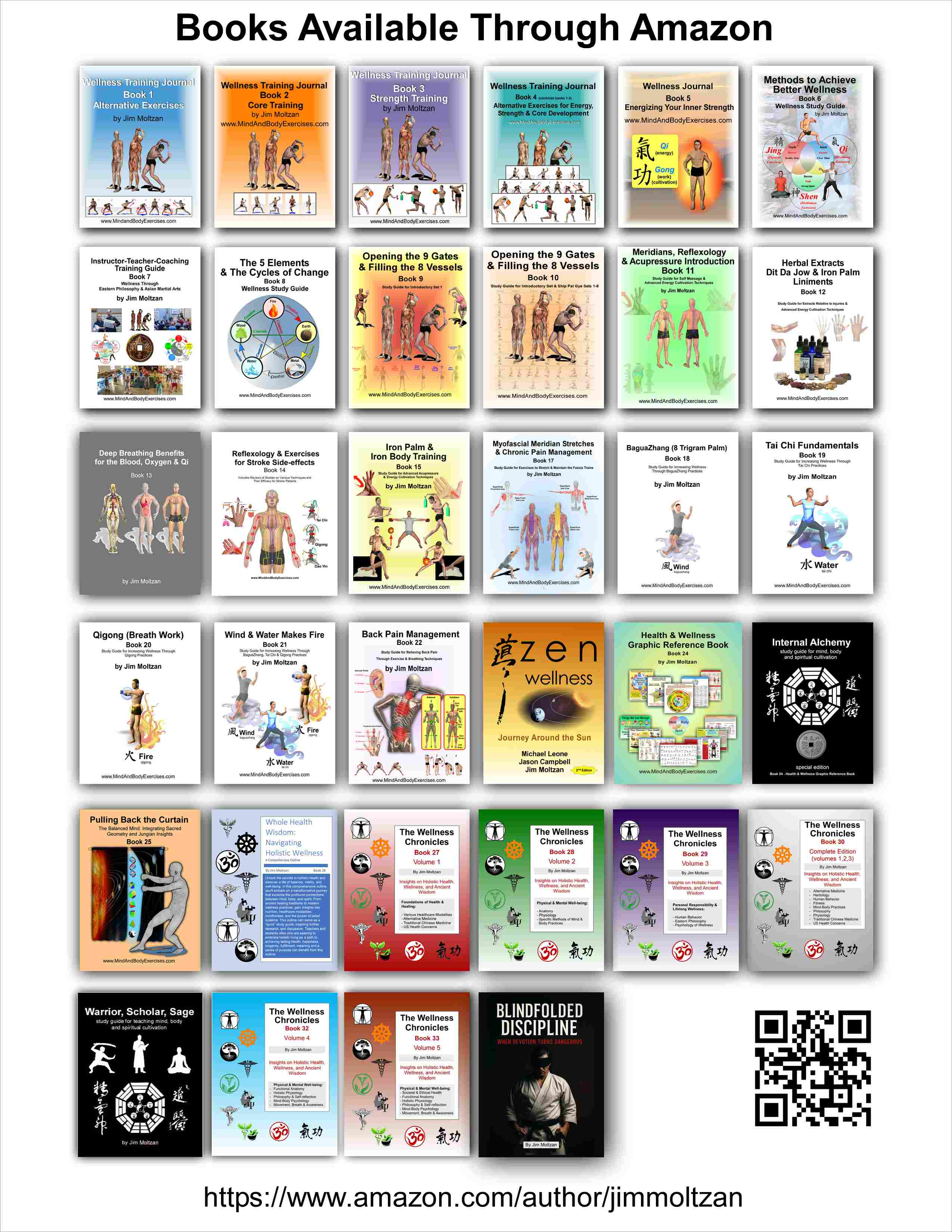
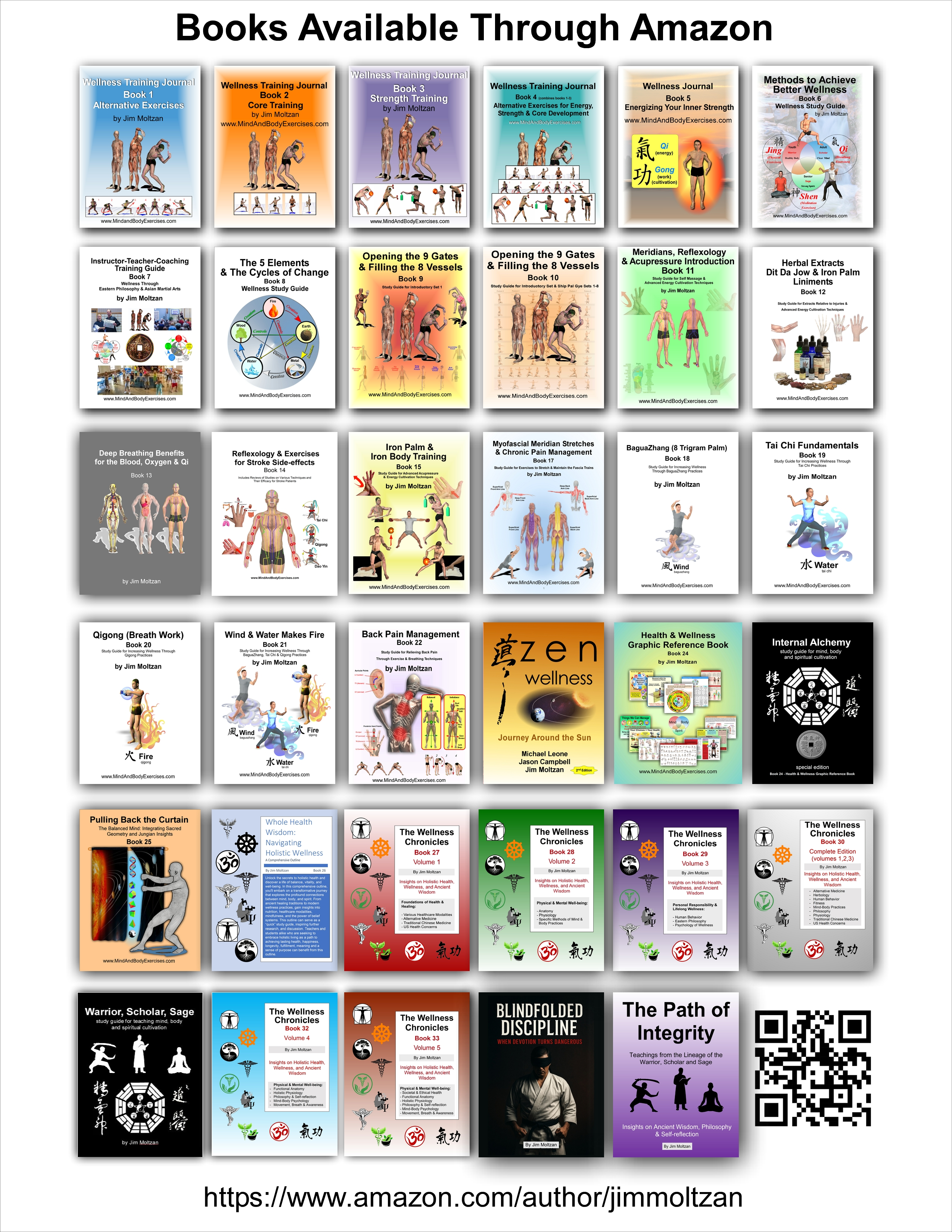
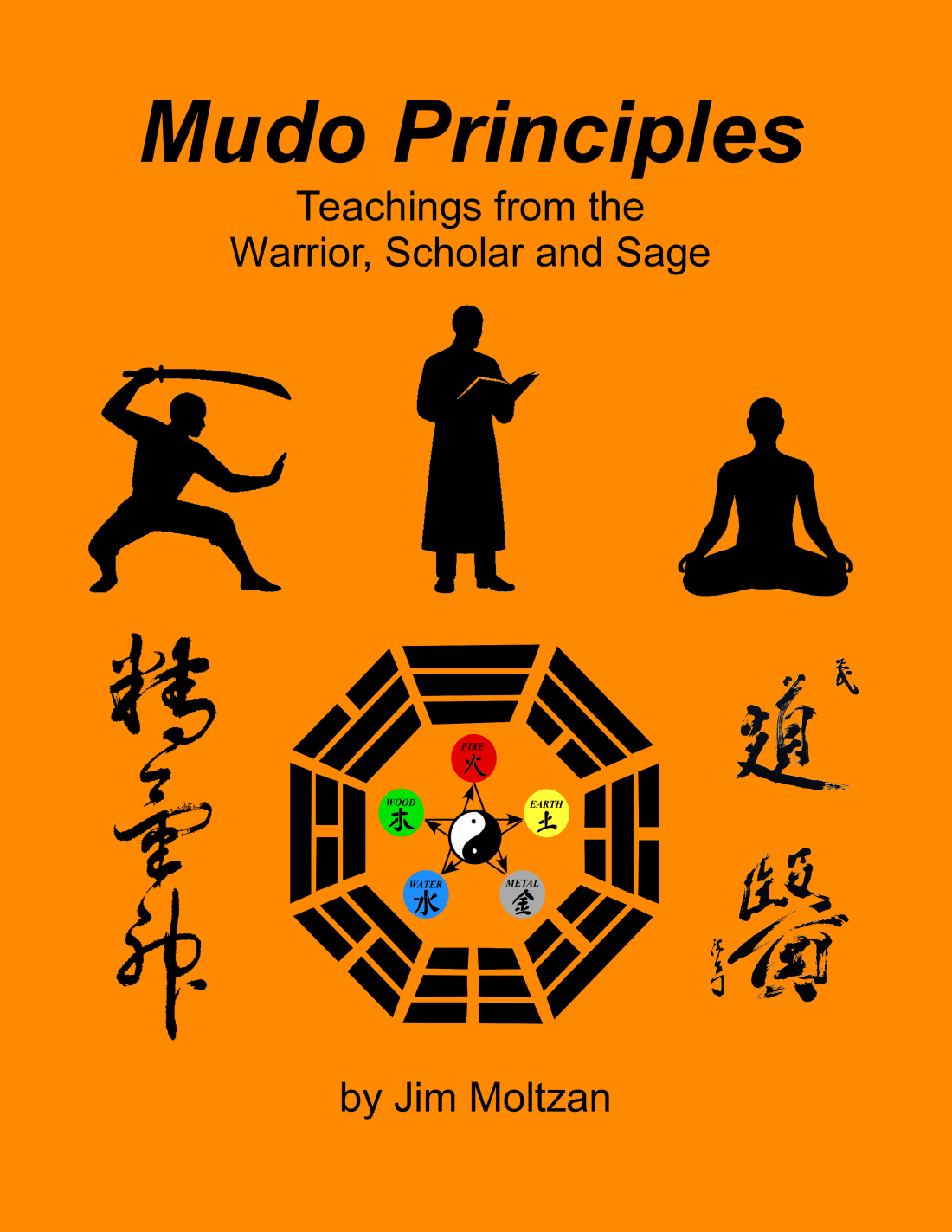
My latest book: Mudo Principles: Teachings from the Warrior, Scholar, and Sage
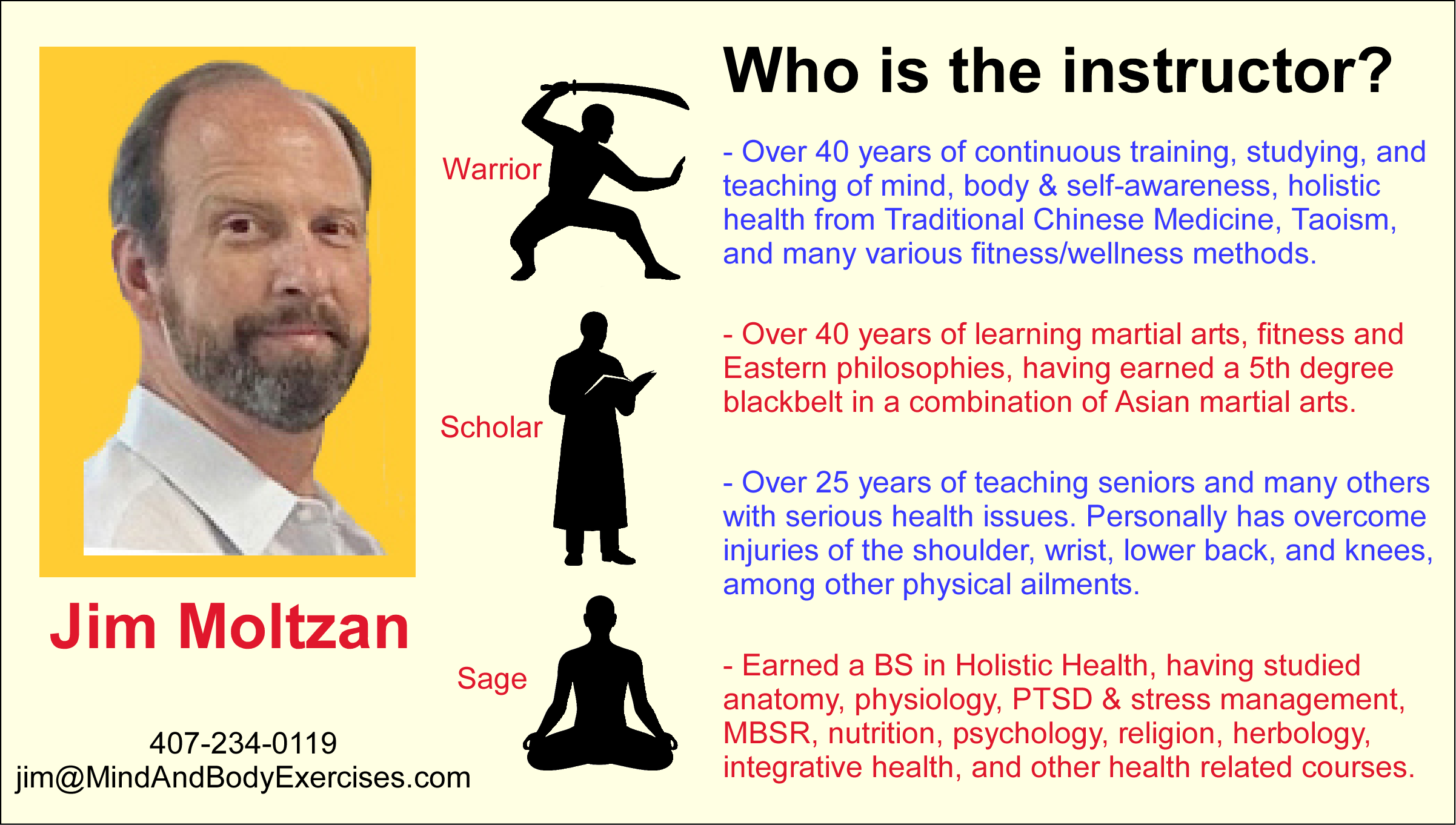
For over forty years, I have devoted my life to the study and practice of martial arts, qigong, Daoist yoga, psychology, philosophy, and holistic health. In Mudo Principles, my 37th book distills a lifetime of exploration into one transformative reference guide that unites the paths of the Warrior, the Scholar, and the Sage, three archetypes that together form the foundation of the human journey toward strength, wisdom, and inner peace.
Drawing upon classical martial traditions and modern science, Mudo Principles bridges the physical, mental, and spiritual dimensions of self-cultivation. It is more than a martial arts manual. It is a blueprint for living with purpose, integrity, and harmony in a world that demands balance between body, mind, and spirit.
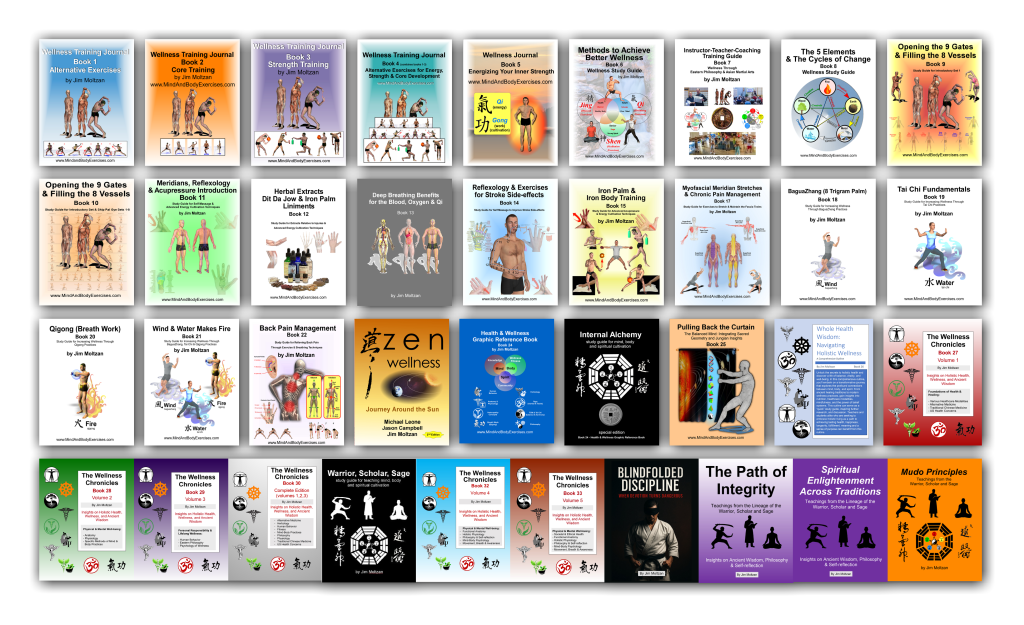
(This book is large with over 500 pages containing many color graphics; however, it does contain some of the information from Books 31-Warrior-Scholar-Sage, Book 35-The Path of Integrity and Book 36-Spritual Enlightenment Across Traditions)
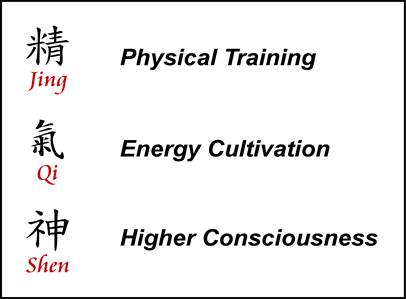
Part I – Terminology & Foundations Establishes the essential language and structure of training. Includes comprehensive glossaries, practical instruction on discipline, energy cultivation, the Three Treasures (Jing–Qi–Shen), and the neurological science behind resilience. These foundational essays ground readers in both the external and internal dimensions of martial cultivation.
Part II – The Way of the Warrior Explores the moral, physical, and spiritual foundations of the martial path. Essays examine the indomitable spirit, stance training, Shaolin symbolism at its 72 Arts, “burning the Chong Mai,” humility, and camaraderie. Here, martial discipline becomes a metaphor for moral strength and self-mastery.
Part III – The Way of the Scholar Turns inward to the world of thought and inquiry. Topics include metacognition, the Dunning–Kruger effect, authenticity, mass psychology, myth versus legitimacy in martial traditions, and the ethics of teaching. This section trains the intellect to discern truth from illusion, linking ancient wisdom with modern psychology and scientific reasoning.
Part IV – The Way of the Sage Leads beyond intellect to spiritual realization. Essays bridge faith, philosophy, and science, exploring quantum consciousness, Daoist inner alchemy, meditation, compassion, trauma healing, and the universal search for meaning.
Part V – Integration and the Path Forward Synthesizes the lessons of the Warrior, Scholar, and Sage into a living philosophy for modern life and how to balance health, success, and purpose without losing one’s center.
Part VI – Appendices
A Pathway for the Modern Seeker Mudo Principles serves martial artists, teachers, healers, philosophers, and all who seek to integrate physical strength, mental clarity, and spiritual understanding. It honors ancient traditions while addressing the unique challenges of contemporary life in stress, distraction, and disconnection from self and nature.
Through clear organization, over a hundred essays, and decades of lived wisdom, I invite the reader to:
Build discipline and resilience through mind–body training
Reclaim balance through ancient and modern methods of cultivation
Transform adversity into clarity, and confusion into purpose
Awaken the integrated self in the Warrior’s strength, the Scholar’s discernment, and the Sage’s compassion
This is a book for those who believe mastery begins within. Whether you are a lifelong martial artist or a modern seeker pursuing wholeness, Mudo Principles offers a map to transformation rooted in integrity, refined through discipline, and illuminated by wisdom.






 United Martial Arts Association