Beyond “Healthy Eating”

The Complexity of Nutrition, Constitution, and Digestive Harmony

Modern society often reduces nutrition to simplistic slogans such as “eat healthy,” “consume more fruits and vegetables,” or “avoid processed foods.” While these recommendations contain some truth, genuine nutritional wellness is far more complex than merely selecting foods labeled as healthy. A food that nourishes one person may aggravate another. Likewise, foods considered nutritious may still contain pesticides, preservatives, additives, artificial flavorings, or processing methods that alter their original biological integrity. Furthermore, ancient systems such as Traditional Chinese Medicine (TCM) and Ayurveda have long proposed that foods possess energetic qualities that can either support or disrupt an individual depending upon their unique constitution, digestive strength, environment, and even the time of day they are consumed (Pitchford, 2002; Lad, 2002).

The modern nutritional landscape has become increasingly confusing because individuals are attempting to improve their health while unknowingly participating in habits that may undermine digestion, metabolism, hormonal regulation, and overall vitality. In many ways, nutrition is not merely about calories, protein, fats, or carbohydrates. It is also about compatibility, timing, preparation, temperature, rhythm, and the body’s ability to efficiently transform food into usable energy and tissue.

The Illusion of “Healthy Foods”

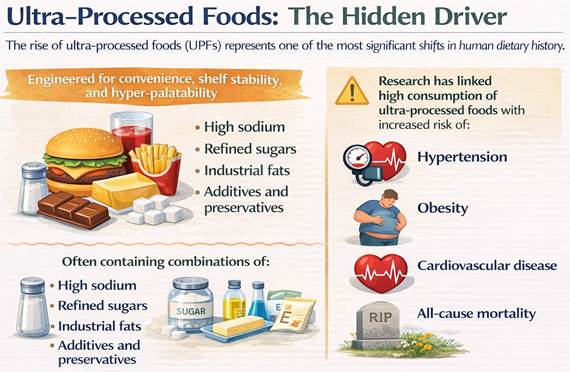
Many consumers assume that fruits, vegetables, protein bars, juices, smoothies, or “organic” packaged products are automatically beneficial. However, modern food production often introduces complications that were less prevalent generations ago. Produce may contain pesticide residues, wax coatings, preservatives, or chemical treatments intended to prolong shelf life and improve appearance during transportation (Mostafalou & Abdollahi, 2017). Even foods marketed as natural may be highly processed or stripped of essential nutrients.

For example, fruit juices often contain concentrated sugars without the fiber matrix naturally found in whole fruit. Packaged “health foods” may contain stabilizers, emulsifiers, seed oils, artificial sweeteners, or hidden sodium levels that negatively affect metabolism and inflammation (Monteiro et al., 2019). Consequently, individuals may sincerely believe they are eating well while unknowingly contributing to metabolic dysfunction, digestive irritation, or chronic low-grade inflammation.

Additionally, food quality itself has changed. Modern agricultural practices frequently prioritize yield, appearance, and shelf stability over nutrient density. Some research suggests declines in mineral and micronutrient content in certain produce over the past several decades due to soil depletion and industrial farming practices (Davis et al., 2004).

One Diet Does Not Fit Everyone

One of the greatest flaws in modern nutritional culture is the assumption that a single dietary strategy is universally ideal. Human beings possess different constitutions, metabolic rates, digestive strengths, activity levels, genetics, climates, stress responses, and microbiomes. A diet that helps one individual lose weight or gain energy may leave another fatigued, bloated, anxious, or deficient.

Traditional systems of medicine recognized this complexity thousands of years ago. In Ayurveda, individuals are categorized according to constitutional patterns known as doshas: Vata, Pitta, and Kapha. Each dosha possesses unique tendencies involving digestion, energy, emotional disposition, temperature regulation, and susceptibility to imbalance (Lad, 2002). Certain foods may calm or aggravate these constitutions. For example, cold raw foods may aggravate a Vata constitution characterized by dryness, anxiety, and weak digestion, while excessive spicy foods may aggravate Pitta individuals who already tend toward heat and inflammation.

Similarly, TCM categorizes foods according to energetic properties such as warming, cooling, dampening, drying, tonifying, or dispersing (Pitchford, 2002). A person experiencing coldness, fatigue, weak digestion, and low energy may benefit from warm soups, cooked vegetables, ginger, cinnamon, or slow-cooked foods. Conversely, excessive consumption of cold smoothies, iced drinks, and raw salads may weaken digestive vitality further.

From this perspective, health is not determined merely by whether a food is “good” or “bad,” but rather whether it is appropriate for a specific individual under specific conditions.

Digestive Fire and Metabolic Burden

Both Ayurveda and TCM place enormous emphasis on digestive strength. Ayurveda refers to this as agni, or digestive fire. Agni represents the body’s ability to transform food into nourishment, energy, tissue, and consciousness. When agni is weak, even nutritious foods may become difficult to digest, leading to stagnation, bloating, fatigue, mucus accumulation, or toxic buildup known as ama (Lad, 2002).

Modern physiology parallels some of these ideas through concepts involving metabolism, enzyme activity, gut microbiota, autonomic nervous system regulation, and thermogenesis. Digestion requires significant physiological resources. Blood flow increases to the digestive tract, enzymes are secreted, hormones fluctuate, and energy is allocated toward breaking food down and assimilating nutrients.

From both Eastern and modern perspectives, extremely cold foods and beverages may place additional stress upon digestion. Ice-cold drinks, frozen desserts, or refrigerated foods may temporarily constrict blood vessels and require the body to expend additional energy to warm substances closer to core temperature before efficient digestion can occur. While the body is remarkably adaptable, chronic consumption of excessively cold foods may impair digestive comfort in susceptible individuals, particularly those with weakened digestive function or cold constitutions (Pitchford, 2002).

This may explain why many traditional cultures favored soups, teas, broths, and cooked meals rather than large quantities of iced beverages and raw refrigerated foods. Warm foods tend to support circulation, digestive enzyme activity, and parasympathetic relaxation, often improving digestive comfort and nutrient assimilation.

Seasonal Eating and Regional Wisdom

Another important aspect of nutrition that modern society has largely disconnected from is the concept of seasonal and regional eating. For thousands of years, cultures throughout the world naturally adjusted their diets according to climate, geography, and seasonal availability. People traditionally consumed foods that were fresh, locally grown, and appropriate for the environmental conditions surrounding them. In many respects, the rhythms of nature helped regulate the rhythms of the body.

Traditional systems such as Ayurveda and TCM strongly emphasize seasonal adaptation. During colder months, individuals were encouraged to consume warmer, denser, and more nourishing foods such as soups, stews, root vegetables, cooked grains, and warming spices. In hotter seasons, lighter and more cooling foods such as melons, cucumbers, leafy greens, and fruits were more commonly consumed (Pitchford, 2002). These approaches were not merely cultural traditions but attempts to maintain physiological balance between the body and the external environment.

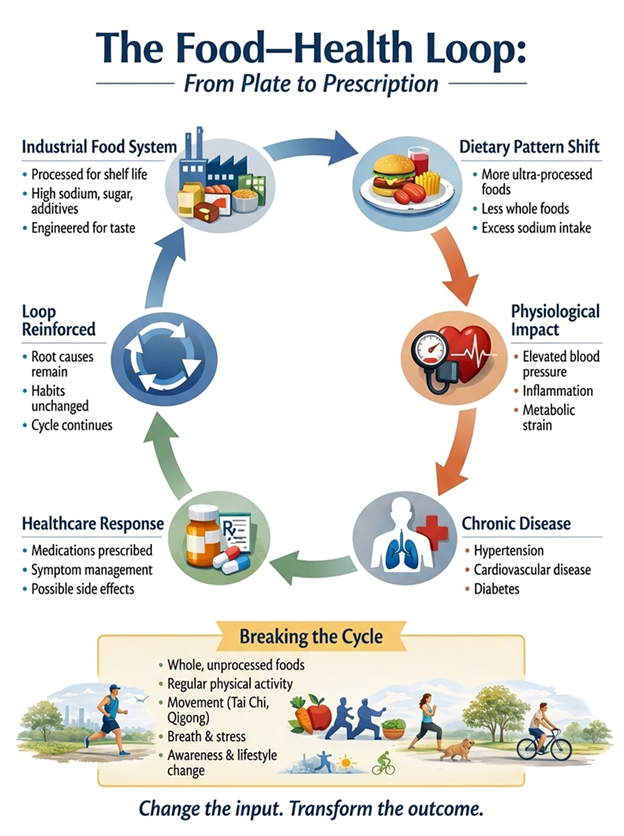
Modern technology and global food distribution have dramatically changed humanity’s relationship with food. Americans now have access to strawberries in winter, tropical fruits year-round, heavily refrigerated beverages in cold climates, and highly processed convenience foods at virtually any hour of the day. While this accessibility appears beneficial on the surface, it may also disconnect people from natural biological and environmental rhythms.

Foods transported long distances are often harvested prematurely, chemically treated, irradiated, refrigerated for extended periods, or genetically modified for durability rather than nutrient density or digestibility. Additionally, constantly consuming foods that are energetically opposite to the external environment may place greater stress upon digestion and metabolic regulation. For example, excessive consumption of iced beverages and cooling foods during winter months may weaken digestion in susceptible individuals according to both TCM and Ayurvedic theory (Lad, 2002; Pitchford, 2002).

Seasonal eating also encourages dietary diversity throughout the year. Historically, humans naturally rotated foods according to harvest cycles, which exposed the body to varying nutrient profiles and phytochemicals. Modern eating habits, however, often consist of the same highly processed foods consumed repeatedly throughout the year with little variation. This monotony may negatively influence gut microbiome diversity, metabolic flexibility, and overall nutritional resilience (Bibbo et al., 2016).

In many ways, convenience has become a double-edged sword. Although modern distribution systems provide abundance and comfort, they may simultaneously contribute to disconnection from natural rhythms that historically helped regulate digestion, immunity, energy balance, and overall health. Returning to a more seasonal and regionally mindful way of eating may help restore a healthier relationship between the human organism and the environment in which it lives.

Circadian Rhythms and Meal Timing

Nutrition is not only about what we eat, but also when we eat. The body operates according to circadian rhythms that influence hormone secretion, insulin sensitivity, digestive efficiency, body temperature, and cellular repair processes (Panda, 2018). Eating in opposition to these biological rhythms may contribute to metabolic dysfunction and poor digestion.

Ayurveda has long taught that digestive fire is strongest around midday, corresponding with the sun’s peak intensity. Consequently, larger meals are often recommended earlier in the day, while lighter meals are advised in the evening. Modern chronobiology increasingly supports similar concepts, suggesting that insulin sensitivity and metabolic efficiency tend to decline later at night (Longo & Panda, 2016).

Late-night eating, irregular meal timing, excessive snacking, and heavy evening meals may disrupt sleep quality, blood sugar regulation, digestive recovery, and hormonal balance. Likewise, chronic stress while eating may impair digestion through sympathetic nervous system activation. In essence, many individuals are not only eating inappropriate foods, but are also eating under physiologically inappropriate conditions.

Awareness, Individuality, and Nutritional Wisdom

Perhaps the most important lesson is that nutritional wellness requires awareness rather than rigid ideology. The body constantly provides feedback through energy levels, digestion, inflammation, mood, sleep quality, mental clarity, cravings, and overall vitality. Unfortunately, many people have become disconnected from these signals due to overstimulation, marketing, convenience culture, and conflicting nutritional narratives.

A truly holistic approach to nutrition recognizes individuality. It respects modern scientific understanding while also acknowledging the wisdom embedded within traditional systems such as Ayurveda and TCM. It appreciates that food possesses not only chemical properties, but also energetic, thermal, seasonal, and constitutional effects upon the human organism.

Good nutrition is therefore less about blindly following trends and more about cultivating self-awareness, observing patterns, understanding one’s constitution, and learning how foods interact with the body over time. Health is dynamic rather than static. What nourishes an individual during one season of life may not be appropriate during another.

Ultimately, true nutritional wisdom may arise when individuals stop asking, “What foods are healthy?” and instead begin asking, “What foods are healthy for me, at this time, under these conditions?”

References

Bibbò, S., Ianiro, G., Giorgio, V., Scaldaferri, F., Masucci, L., Gasbarrini, A., & Cammarota, G. (2016). The role of diet on gut microbiota composition. European review for medical and pharmacological sciences, 20(22), 4742–4749.

Davis, D. R., Epp, M. D., & Riordan, H. D. (2004). Changes in USDA food composition data for 43 garden crops, 1950 to 1999. Journal of the American College of Nutrition, 23(6), 669–682. https://doi.org/10.1080/07315724.2004.10719409

Lad, V. (2002). Textbook of Ayurveda: Fundamental principles (Vol. 1). The Ayurvedic Press.

Longo, V. D., & Panda, S. (2016). Fasting, circadian rhythms, and time-restricted feeding in healthy lifespan. Cell Metabolism, 23(6), 1048–1059. https://doi.org/10.1016/j.cmet.2016.06.001

Monteiro, C. A., Cannon, G., Levy, R. B., Moubarac, J. C., Louzada, M. L. C., Rauber, F., Khandpur, N., Cediel, G., Neri, D., Martinez-Steele, E., Baraldi, L. G., & Jaime, P. C. (2019). Ultra-processed foods: What they are and how to identify them. Public Health Nutrition, 22(5), 936–941. https://doi.org/10.1017/S1368980018003762

Mostafalou, S., & Abdollahi, M. (2017). Pesticides: An update of human exposure and toxicity. Archives of Toxicology, 91(2), 549–599. https://doi.org/10.1007/s00204-016-1849-x

Panda, S. (2018). The circadian code: Lose weight, supercharge your energy, and transform your health from morning to midnight. Rodale Books.

Pitchford, P. (2002). Healing with whole foods: Asian traditions and modern nutrition (3rd ed.). North Atlantic Books. https://archive.org/details/healing-with-whole-foods

Seeing Clearly: Self-Cultivation and the Pursuit of True Nature

A Holistic Perspective on Mind–Body Awareness

The goal of many mind–body practices is not simply improved flexibility, strength, or relaxation. At a deeper level, these systems aim to refine perception itself. They seek to help the individual more clearly see their true nature, better understand the nature of reality, and perhaps most challenging of all, begin to see themselves as others experience them.

This is not a casual endeavor. It requires deliberate self-cultivation through the body, the breath, and the mind. Across traditions, from the teachings of Laozi to the psychological insights of Carl Jung, the message remains consistent: clarity is not given, it is cultivated.

The Problem: Distorted Self-Perception

Human perception is rarely objective. Most individuals operate within layers of conditioning shaped by upbringing, culture, emotional experience, and cognitive bias. These filters influence how we interpret both ourselves and the world around us.

Modern psychology identifies several mechanisms that contribute to this distortion. The self-serving bias leads individuals to interpret events in ways that protect their self-image, while the blind spot bias prevents people from recognizing their own biases (Pronin et al., 2002). Jung (1968) described this phenomenon through the concept of the shadow, the unconscious aspects of the personality that remain hidden from conscious awareness.

From a physiological perspective, perception is also influenced by the state of the nervous system. Chronic stress, poor breathing patterns, and physical tension can alter emotional regulation and cognitive clarity (Porges, 2011). In Traditional Chinese Medicine (TCM), this would be described as a disturbance of the Shen, the aspect of mind and spirit responsible for clarity and awareness.

Embodied Awareness

Mind–body systems begin with the body because the body provides immediate, honest feedback. Unlike thought, which can rationalize or distort, physical experience reveals truth directly.

Practices such as Tai Chi, Qigong, Dao Yin, yoga, and structured stance training develop:

  • Postural awareness
  • Balance and coordination
  • Sensitivity to tension and restriction
  • Breath-body integration

Through these methods, individuals begin to notice patterns that were previously unconscious. Tightness in the shoulders, shallow breathing, or instability in posture often correlate with emotional and psychological states.

This process enhances interoception, the ability to sense internal bodily states, which is strongly associated with emotional regulation and self-awareness (Craig, 2009).

The Bridge: Breath and the Nervous System

Breathing practices serve as a critical bridge between body and mind.

Slow, controlled breathing, particularly through the nose, has measurable physiological effects. It increases nitric oxide production, supports vascular function, and promotes parasympathetic nervous system activation, which is associated with relaxation and recovery (Porges, 2011).

From a holistic perspective, breath regulation is a method of accessing what can be described as the body’s inner pharmacy. Rather than relying solely on external interventions, individuals learn to influence internal chemistry through conscious regulation.

In practical terms, this leads to:

  • Reduced stress reactivity
  • Improved emotional stability
  • Greater clarity of thought

The Mind: Observation and Deconstruction

As physical and physiological awareness increases, attention naturally turns inward toward the mind.

Meditative and reflective practices reveal several key insights:

  • Thoughts are continuous and often repetitive
  • Emotional responses arise automatically
  • Identity is frequently tied to patterns rather than objective reality

In both Eastern philosophy and Western psychology, this process involves recognizing the difference between awareness and the contents of awareness.

Jung referred to this as part of the individuation process, where unconscious material becomes integrated into conscious awareness (Jung, 1968). Similarly, contemplative traditions emphasize the importance of observing thought without immediate identification.

Over time, this reduces reactivity and increases the capacity for deliberate response.

Seeing Oneself Through the Eyes of Others

One of the most difficult aspects of self-cultivation is recognizing the gap between self-perception and how others experience us.

Individuals often believe they are calm, kind, or disciplined, yet their tone, posture, or behavior may communicate something entirely different. This discrepancy is explored in psychology through models such as the Johari Window, which highlights the existence of blind spots in self-awareness.

Mind–body practices help bridge this gap by:

  • Increasing sensitivity to internal states before they manifest externally
  • Reducing impulsive reactions
  • Encouraging openness to feedback

As awareness deepens, feedback from others becomes less threatening and more informative, allowing for continued refinement of perception and behavior.

This process can be understood through three integrated dimensions:

The Warrior: Embodied Truth

The Warrior trains the body and confronts physical reality directly. There is no illusion in maintaining a stance, controlling breath under stress, or sustaining effort over time.

The Scholar: Cognitive Understanding

The Scholar studies patterns, philosophy, and psychology. Knowledge provides frameworks for interpreting experience but must be grounded in practice.

The Sage: Direct Perception

The Sage observes without distortion. Through sustained practice, perception becomes less clouded by bias, emotion, and conditioning.

Together, these three aspects form a complete system of self-cultivation, integrating action, understanding, and awareness.

The Outcome: Alignment and Clarity

As these practices are developed consistently, several changes begin to emerge:

  • Greater alignment between thoughts, words, and actions
  • Reduced internal conflict
  • Increased emotional regulation
  • Enhanced empathy and understanding of others

From a psychological perspective, this reflects increased self-efficacy (Bandura, 1997) and movement toward self-actualization (Maslow, 1943).

The individual becomes less reactive and more responsive, less fragmented and more integrated.

The Deeper Realization

There is a paradox at the heart of this process.

Initially, the goal is to discover one’s true self. However, as awareness deepens, the concept of a fixed, unchanging self begins to dissolve. What is revealed instead is a dynamic process of experience—constantly shifting, influenced by both internal and external conditions.

This realization is echoed across traditions. It does not diminish the importance of self-cultivation; rather, it refines it.

The clearer one sees, the less there is to defend, and the more there is to understand.

In conclusion, most people attempt to change their external circumstances without first addressing the distortions in their own perception. Mind–body practices reverse this process by beginning within.

Through training the body, regulating the breath, and observing the mind, individuals develop the capacity to see more clearly. This clarity leads to more appropriate action, improved relationships, and a greater sense of alignment with both self and environment.

Ultimately, self-cultivation is not about becoming something new. It is about removing what obscures what is already present.

References

Bandura, A. (1997). Self-efficacy: The exercise of control. W.H. Freeman.

Craig, A. D. (2009). How do you feel—now? The anterior insula and human awareness. Nature Reviews Neuroscience, 10(1), 59–70. https://doi.org/10.1038/nrn2555

Jung, C. G. (1968). The archetypes and the collective unconscious (2nd ed.). Princeton University Press.

Maslow, A. H. (1943). A theory of human motivation. Psychological Review, 50(4), 370–396. https://doi.org/10.1037/h0054346

Porges, S. W. (2011). The polyvagal theory: Neurophysiological foundations of emotions, attachment, communication, and self-regulation. W.W. Norton & Company.

Pronin, E., Lin, D. Y., & Ross, L. (2002). The bias blind spot: Perceptions of bias in self versus others. Personality and Social Psychology Bulletin, 28(3), 369–381. https://doi.org/10.1177/0146167202286008

The Suprachiasmatic Nucleus

The suprachiasmatic nucleus (SCN) is a small, bilateral structure located in the anterior hypothalamus, directly above the optic chiasm. It serves as the body’s master circadian clock, orchestrating daily rhythms in physiology and behavior, including the sleep-wake cycle, hormone secretion, core body temperature, and feeding behavior.

The SCN is composed of approximately 20,000 neurons and is unique in that it:

  • Receives direct input from the retina through the retinohypothalamic tract, enabling it to synchronize the body’s internal clock with the external light-dark cycle (Reppert & Weaver, 2002).
  • Sends timing signals to peripheral clocks in tissues throughout the body (Takahashi, 2017).
  • Regulates the secretion of melatonin via connections to the pineal gland, helping initiate sleep.

How It Works: The Circadian Loop

  1. Light detection: Specialized retinal ganglion cells detect ambient light and send signals directly to the SCN.
  2. Signal integration: The SCN uses this light information to adjust its own activity and entrain the circadian rhythm.
  3. Output signaling: The SCN influences the pineal gland (via the paraventricular nucleus and sympathetic nervous system) to suppress melatonin during daylight and allow melatonin to be released in darkness.
  4. Peripheral coordination: The SCN sends signals to various body systems, ensuring synchronization of local clocks with the central clock.

SCN and the Sleep-Wake Cycle

  • At night, the SCN promotes melatonin secretion from the pineal gland, facilitating sleep.
  • During daylight, the SCN inhibits melatonin and promotes alertness and wakefulness.
  • Disruption in SCN function (e.g., jet lag, shift work, aging) can lead to insomnia, mood disorders, metabolic issues, and cognitive deficits (Czeisler et al., 1995).

Molecular Clockwork

Inside each SCN neuron is a feedback loop of gene expression involving:

  • Clock genes such as CLOCK, BMAL1, PER, and CRY
  • These genes form transcription-translation feedback loops that produce near-24-hour rhythms in gene expression (Partch et al., 2014)

Modern research on the suprachiasmatic nucleus (SCN) reinforces what traditional holistic practices have long intuited, that human health depends on harmony with natural rhythms.

Mind-body disciplines such as Qigong, Tai Chi, and other somatic practices naturally align with this biological timing system. Their emphasis on movement at transitional times of day (like dawn and dusk), breath regulation, and meditative stillness helps synchronize internal rhythms with external environmental cues. This entrainment supports balanced melatonin and cortisol release, improves sleep quality, and reduces stress load on the nervous system.

From a holistic perspective, these practices serve as both regulators and restorers of biological coherence. They embody an intuitive understanding of what neuroscience now confirms, that regulating the body through breath, movement, and awareness reinforces the timing mechanisms of the SCN and helps restore physiological harmony from the inside out.

References:

Czeisler, C. A., Shanahan, T. L., Klerman, E. B., Martens, H., Brotman, D. J., Emens, J. S., Klein, T., & Rizzo, J. F. (1995). Suppression of melatonin secretion in some blind patients by exposure to bright light. New England Journal of Medicine, 332(1), 6–11. https://doi.org/10.1056/nejm199501053320102

File:Circadian Rhythm.svg – Wikimedia Commons. (2019, June 5). https://commons.wikimedia.org/wiki/File:Circadian_rhythm.svg

File:The master circadian clock in the human brain.jpg – Wikimedia Commons. (2013, May 22). https://commons.wikimedia.org/wiki/File:The_master_circadian_clock_in_the_human_brain.jpg

Partch, C. L., Green, C. B., & Takahashi, J. S. (2014). Molecular architecture of the mammalian circadian clock. Trends in Cell Biology, 24(2), 90–99. https://doi.org/10.1016/j.tcb.2013.07.002

Reppert, S. M., & Weaver, D. R. (2002). Coordination of circadian timing in mammals. Nature, 418(6901), 935–941. https://doi.org/10.1038/nature00965

Takahashi, J. S. (2017). Transcriptional architecture of the mammalian circadian clock. Nature Reviews Genetics, 18(3), 164–179. https://doi.org/10.1038/nrg.2016.150

Exercise, Blood Pressure, and Nasal Breathing and the Nitric Oxide Connection

It is often said that exercise raises blood pressure, while slow, controlled breathing calms the system and promotes relaxation. At first glance, these ideas may seem to conflict. If one elevates pressure and the other reduces it, how do they coexist within a healthy body?

The answer lies not in contradiction, but in coordination. The human body is not simply increasing or decreasing pressure. It is constantly balancing force and flow, demand and distribution, activation and regulation.

Understanding this relationship provides deeper insight into not only cardiovascular health, but also the value of breath-centered practices such as Tai Chi, qigong, and dao yin.

Exercise and the Temporary Rise in Blood Pressure

During physical activity, the body must meet the increased metabolic demands of working muscles. To accomplish this, the cardiovascular system responds immediately. Heart rate increases, stroke volume rises, and cardiac output expands. As a result, systolic blood pressure elevates.

In moderate aerobic exercise, systolic pressure may rise into the range of 160 to 220 mmHg, while diastolic pressure often remains stable or may even decrease slightly due to the dilation of blood vessels in active tissues (Kenney et al., 2022).

This increase is not harmful in healthy individuals. It is functional and necessary. It allows the body to deliver oxygen and nutrients more efficiently where they are needed most. Once exercise ceases, blood pressure typically returns to baseline or even drops below resting levels for a period of time, a phenomenon known as post-exercise hypotension.

Nitric Oxide: A Key Regulator of Vascular Tone

At the center of this process is nitric oxide, a simple yet powerful signaling molecule that plays a critical role in vascular health.

Nitric oxide is produced within the body through the action of nitric oxide synthase enzymes, which convert the amino acid L-arginine into nitric oxide. One of the most important forms, endothelial nitric oxide synthase, operates within the lining of blood vessels and responds to increased blood flow and shear stress during exercise.

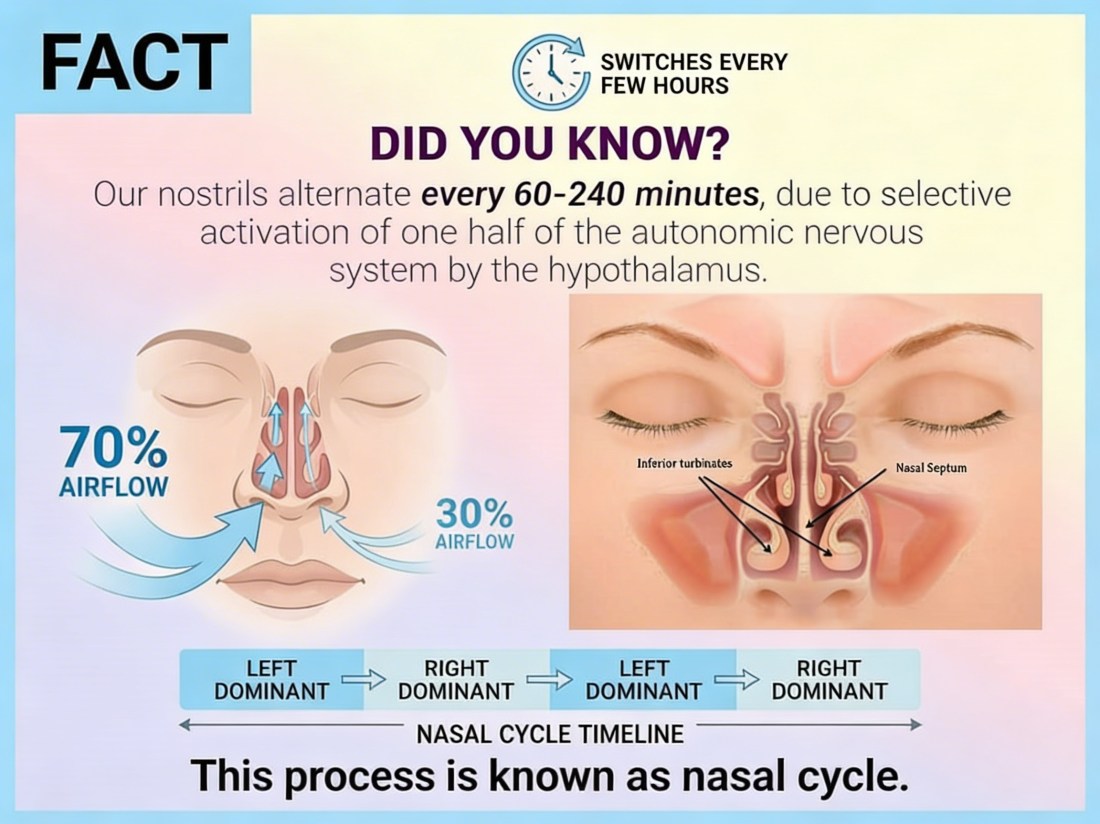
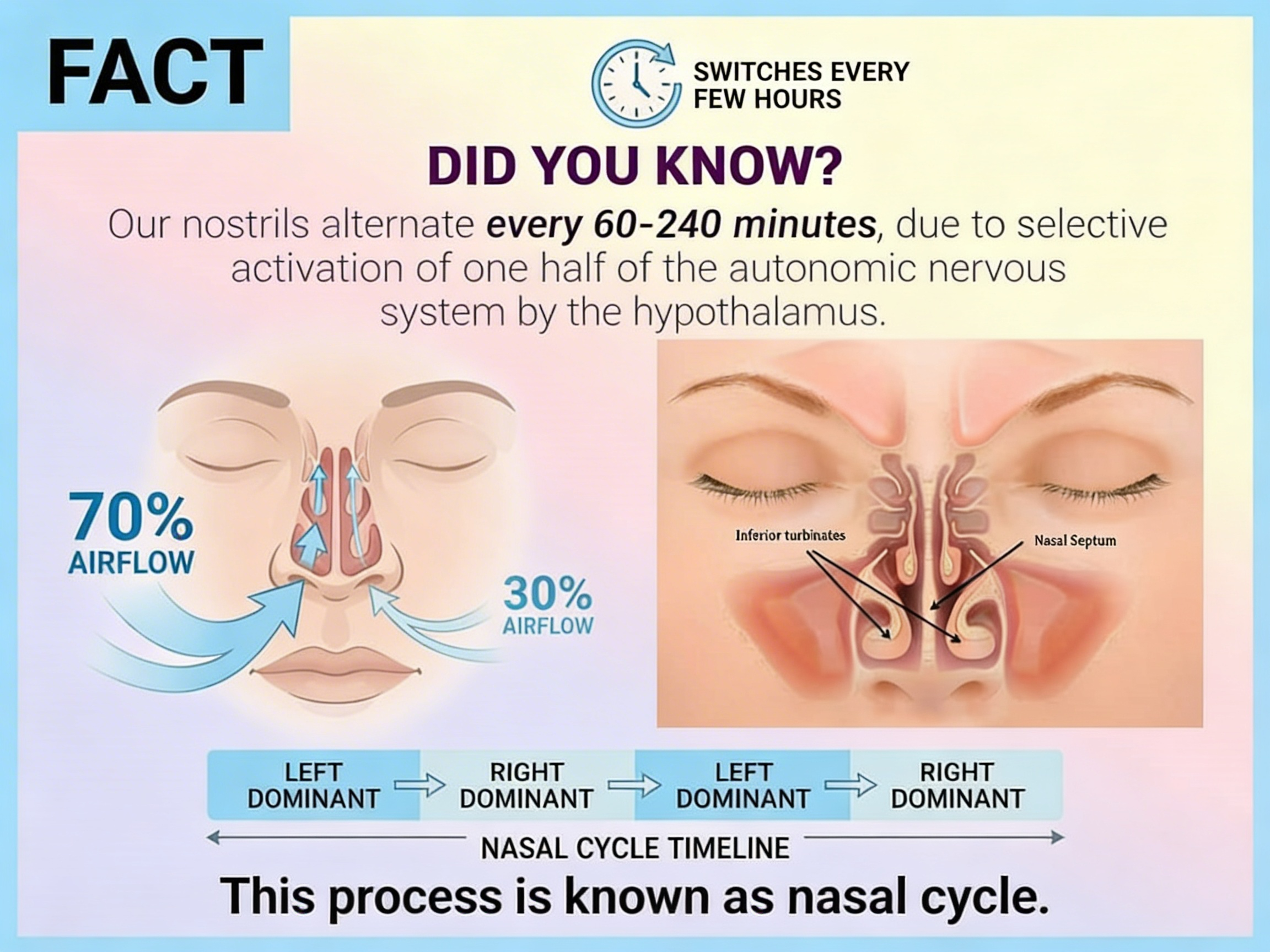
In addition to this internal production, nitric oxide is also generated in the paranasal sinuses. Each time you breathe through your nose, small amounts of nitric oxide are drawn into the lungs along with inhaled air (Lundberg et al., 1996). This creates an interesting and often overlooked connection between breathing patterns and vascular function.

How Nitric Oxide Supports Vasodilation

Once released into the bloodstream, nitric oxide acts directly on the smooth muscle of blood vessel walls. In simple terms, it signals these muscles to relax. This relaxation causes the vessels to widen, a process known as vasodilation.

From a more technical standpoint, nitric oxide initiates a cascade that increases cyclic guanosine monophosphate (cGMP) within the smooth muscle cells, ultimately reducing their contractile tension (Moncada & Higgs, 1993). The result is decreased vascular resistance and improved blood flow.

This is not a trivial effect. It is the same fundamental mechanism used in emergency cardiac medicine through nitric oxide–donating drugs such as nitroglycerin.

Nasal Breathing Versus Mouth Breathing

This brings us to an important distinction that is often overlooked in both fitness and general health discussions.

Nasal breathing allows for the intake of nitric oxide produced in the sinuses, whereas mouth breathing largely bypasses this process. Studies suggest that nitric oxide concentrations in the nasal passages are significantly higher than in the lower airways, making the nose a meaningful contributor to nitric oxide availability (Lundberg et al., 1996).

Beyond nitric oxide, nasal breathing also:

  • Filters, humidifies, and warms incoming air
  • Naturally slows the rate of breathing
  • Improves carbon dioxide tolerance
  • Encourages parasympathetic nervous system activity

In contrast, habitual mouth breathing, particularly when rapid and shallow, is more commonly associated with sympathetic activation and less efficient respiratory mechanics (Zaccaro et al., 2018).

The Exercise Context: Pressure and Flow Working Together

When exercise and nasal breathing are considered together, a more complete picture emerges.

During exercise, the heart increases pressure to drive blood through the system. At the same time, blood vessels in active tissues dilate to reduce resistance. Nitric oxide, produced both internally and supported through nasal breathing, plays a central role in this process.

This creates a coordinated dynamic:

  • Pressure increases to enhance delivery
  • Vasodilation improves distribution
  • Breathing helps regulate and support both

Rather than opposing forces, these mechanisms function as complementary aspects of a unified system.

A Bridge Between Physiology and Practice

For those engaged in Tai Chi, qigong, or dao yin, this relationship may feel familiar. These practices emphasize coordinated movement, controlled breathing, and internal awareness. While often described in traditional language, their effects can be understood through modern physiology.

Slow, nasal breathing combined with rhythmic movement supports vascular efficiency, enhances parasympathetic activity, and promotes long-term cardiovascular health. Over time, this may contribute to lower resting blood pressure, improved endothelial function, and greater overall resilience (Green et al., 2004).

The Takeaway

The body does not simply raise or lower blood pressure. It balances pressure and flow in response to changing demands. Exercise provides the force. Vasodilation provides the pathway. Breath provides the regulation. When these elements are aligned, the system operates efficiently and effectively.

In the end, the goal is not to eliminate stress from the body, but to learn how to work with it. Through movement, breath, and awareness, we begin to understand that health is not found in extremes, but in balance.

References

Green, D. J., Maiorana, A., O’Driscoll, G., & Taylor, R. (2004). Effect of exercise training on endothelium-derived nitric oxide function in humans. Journal of Physiology, 561(1), 1–25. https://doi.org/10.1113/jphysiol.2004.068197

Kenney, W. L., Wilmore, J. H., & Costill, D. L. (2022). Physiology of sport and exercise (8th ed.). Human Kinetics.

Lundberg, J. O., Weitzberg, E., Lundberg, J. M., & Alving, K. (1996). Nitric oxide in exhaled air. European Respiratory Journal, 9(12), 2671–2680. https://doi.org/10.1183/09031936.96.09122671

Moncada, S., & Higgs, A. (1993). The L-arginine–nitric oxide pathway. New England Journal of Medicine, 329(27), 2002–2012. https://doi.org/10.1056/NEJM199312303292706

Zaccaro, A., Piarulli, A., Laurino, M., Garbella, E., Menicucci, D., Neri, B., & Gemignani, A. (2018). How breath-control can change your life: A systematic review on psycho-physiological correlates of slow breathing. Frontiers in Human Neuroscience, 12, 353. https://doi.org/10.3389/fnhum.2018.00353