
Modern society is grappling with a chronic disease epidemic, with most Americans suffering from comorbidities and taking multiple pharmaceuticals daily. However, while we focus on human health, we often overlook a parallel crisis, one happening within the animals we consume. If humans are chronically ill, is it reasonable to assume that animals raised in industrial farming operations are immune? The reality is that livestock experience chronic illness due to poor diets, pharmaceutical overuse, and unnatural living conditions. As a result, humans ingest not only nutrients but also the byproducts of disease and drug residues.
1. Livestock and Chronic Illness: A Hidden Epidemic
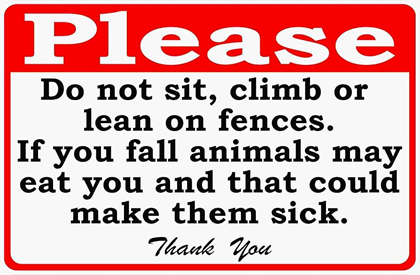
Just as human health is compromised by poor nutrition and sedentary lifestyles, industrially raised livestock suffer from chronic illnesses caused by unnatural diets and overcrowding.
- Antibiotic Overuse: Animals in factory farms receive antibiotics to promote growth and prevent disease in unsanitary conditions. This practice fuels antibiotic-resistant bacteria, a serious threat to human health (Landers et al., 2012).
- Chronic Inflammation: Livestock fed grain-based diets (instead of grass) develop inflammation, fatty liver disease, and immune dysfunction, mirroring the harms of processed foods in humans (Apaoblaza et al., 2019).
- Hormonal Imbalances: Growth hormones and synthetic chemicals disrupt animals’ endocrine systems, with potential effects on human consumers (Vandenberg et al., 2012).
2. Poor Nutrition, Poor Health: Consequences of Unnatural Diets
Processed foods have deteriorated human health, and similarly, commercial animal diets lack natural nutrition, fostering disease.
- Cattle on Grain Diets: Cows evolved to eat grass but are fed grains, causing acidosis, liver abscesses, and immune suppression (Russell & Rychlik, 2001).
- Chickens and Confinement: Factory-farmed chickens endure respiratory infections and skeletal deformities due to overcrowding (Mench et al., 2010).
- Pigs and Stress-Related Illnesses: Intelligent and stressed in confinement, pigs face weakened immunity and higher disease rates (Marchant-Forde, 2009).
3. Pharmaceutical Dependence: Treating Symptoms, Not Causes
Industrial farming mirrors healthcare’s symptom-focused approach, relying on drugs to sustain unhealthy conditions.
- Antibiotics and Vaccines: Routine use prevents infections in filthy environments but breeds antibiotic-resistant bacteria (Laxminarayan et al., 2013).
- Growth Hormones: Recombinant bovine somatotropin (rBST) increases milk production but causes metabolic stress (Dohoo et al., 2018).
4. Genetic Manipulation: Creating Fragile Animals
Selective breeding for rapid growth yields biologically compromised animals.
- Broiler Chickens: Bred to grow unnaturally fast, they suffer musculoskeletal and organ failure (Knowles et al., 2008).
- Dairy Cows: High milk production breeds mastitis and metabolic disorders (Oltenacu & Broom, 2010).
5. The Impact on Human Health: You Are What Your Food Eats
Consuming sick animals means ingesting illness byproducts:
- Antibiotic Residues: Alter gut microbiota and fuel antibiotic resistance (Laxminarayan et al., 2013).
- Hormonal Disruption: Endocrine-active compounds in animal fat affect fertility and metabolism (Soto & Sonnenschein, 2010).
- Inflammatory Profiles: Meat from stressed animals exacerbates chronic inflammation (Most & Yates, 2021)
6. The Paradox of Industrial Farming: A Broken System
Like modern healthcare, industrial farming masks symptoms instead of solving root causes:
- Symptom Management: Drugs sustain sick animals in unnatural environments.
- Profit Over Health: High yields come at the cost of animal and human health.
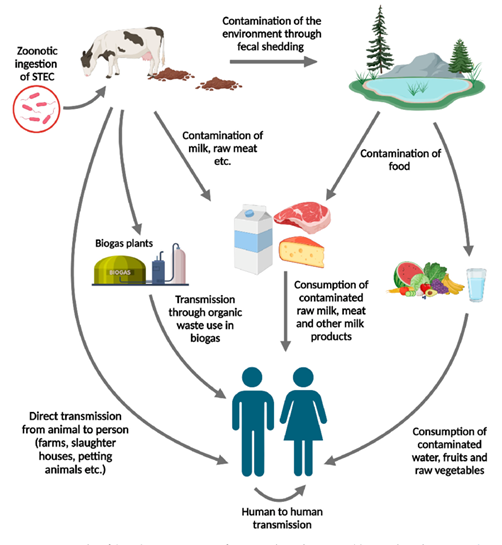
(Edison et al., 2024)
7. Solutions: Regenerative Agriculture and Conscious Consumption
Breaking the cycle is possible:
- Pasture-Raised, Grass-Fed Meat: Healthier and free from pharmaceuticals (Daley et al., 2010).
- Organic and Local Farming: Reduces chemical exposure and supports biodiversity (Reganold & Wachter, 2016).
- Diversified Diets: Plant-based proteins reduce reliance on factory-farmed meat.
Final Thoughts: The Ripple Effect of Conscious Choices
Choosing ethically raised meat improves human health and supports a system that prioritizes wellness for all beings. The health of animals and humans is inextricably linked. Conscious choices can break the cycle of chronic illness.
References
Daley, C. A., Abbott, A., Doyle, P. S., Nader, G. A., & Larson, S. (2010). A review of fatty acid profiles and antioxidant content in grass-fed and grain-fed beef. Nutrition Journal, 9(1), 10. https://doi.org/10.1186/1475-2891-9-10
Dohoo, I. R., Leslie, K., DesCôteaux, L., Fredeen, A., Dowling, P., Preston, A., & Shewfelt, W. (2003). A meta-analysis review of the effects of recombinant bovine somatotropin. 1. Methodology and effects on production. Canadian journal of veterinary research = Revue canadienne de recherche veterinaire, 67(4), 241–251.
Apaoblaza, A., Gerrard, S., Matarneh, S., Wicks, J., Kirkpatrick, L., England, E., Scheffler, T., Duckett, S., Shi, H., Silva, S., Grant, A., & Gerrard, D. (2019). Muscle from grass- and grain-fed cattle differs energetically. Meat Science, 161, 107996. https://doi.org/10.1016/j.meatsci.2019.107996
Edison, L. K., Kudva, I. T., & Kariyawasam, S. (2024). Host–Pathogen Interactions during Shiga Toxin-Producing Escherichia coli Adherence and Colonization in the Bovine Gut: A Comprehensive Review. Microorganisms, 12(10), 2009. https://doi.org/10.3390/microorganisms12102009
Knowles, T. G., Kestin, S. C., Haslam, S. M., Brown, S. N., Green, L. E., Butterworth, A., Pope, S. J., Pfeiffer, D., & Nicol, C. J. (2008). Leg disorders in broiler chickens: Prevalence, risk factors, and prevention. PLOS ONE, 3(2), e1545. https://doi.org/10.1371/journal.pone.0001545
Landers, T. F., Cohen, B., Wittum, T. E., & Larson, E. L. (2012). A review of antibiotic use in food animals: Perspective, policy, and potential. Public Health Reports, 127(1), 4–22. https://doi.org/10.1177/003335491212700103
Laxminarayan, R., Duse, A., Wattal, C., & Zaidi, A. K. M. (2013). Antibiotic resistance: The need for global solutions. The Lancet Infectious Diseases, 13(12), 1057–1098. https://doi.org/10.1016/S1473-3099(13)70318-9
Marchant-Forde, J. N. (Ed.). (2009). The welfare of pigs (By C. Phillips). Springer ScienceþBusiness Media B.V. https://doi.org/10.1007/978-1-4020-8909-1
Mench, J., Sumner, D., & Rosen-Molina, J. (2010). Sustainability of egg production in the United States—The policy and market context. Poultry Science, 90(1), 229–240. https://doi.org/10.3382/ps.2010-00844Oltenacu, P., & Broom, D. (2010). The impact of genetic selection for increased milk yield on the welfare of dairy cows. Animal Welfare, 19(S1), 39–49. https://doi.org/10.1017/S0962728600002220
Reganold, J. P., & Wachter, J. M. (2016). Organic agriculture in the twenty-first century. Nature Plants, 2(2), 15221. https://doi.org/10.1038/nplants.2015.221
Russell, J. B., & Rychlik, J. L. (2001). Factors that alter rumen microbial ecology. Science, 292(5519), 1119–1122. https://doi.org/10.1126/science.1058830
Soto, A. M., & Sonnenschein, C. (2010). Environmental causes of cancer: Endocrine disruptors as carcinogens. Nature Reviews Endocrinology, 6(7), 363–370. https://doi.org/10.1038/nrendo.2010.87
Vandenberg, L. N., Colborn, T., Hayes, T. B., Heindel, J. J., Jacobs, D. R., Lee, D. H., Shioda, T., Soto, A. M., vom Saal, F. S., Welshons, W. V., Zoeller, R. T., & Myers, J. P. (2012). Hormones and endocrine-disrupting chemicals: Low-dose effects and nonmonotonic dose responses. Endocrine Reviews, 33(3), 378–455. https://doi.org/10.1210/er.2011-1050
Most, M. S., & Yates, D. T. (2021). Inflammatory mediation of heat Stress-Induced growth Deficits in livestock and its potential role as a target for nutritional interventions: a review. Animals, 11(12), 3539. https://doi.org/10.3390/ani11123539
I look forward to further sharing more of my message by partnering with hospitals, wellness centers, VA centers, schools on all levels, businesses, and individuals who see the value in building a stronger nation through building a healthier population.
I also have hundreds of FREE education video classes, lectures, and seminars available on my YouTube channel at:
https://www.youtube.com/c/MindandBodyExercises
Many of my publications can be found on Amazon at:
http://www.Amazon.com/author/jimmoltzan
My holistic health blog is available at:
https://mindandbodyexercises.wordpress.com/
http://www.MindAndBodyExercises.com
Mind and Body Exercises on Google: https://posts.gle/aD47Qo
Jim Moltzan
407-234-0119




You are what you eat? Then let God separate the redt!???
LikeLike