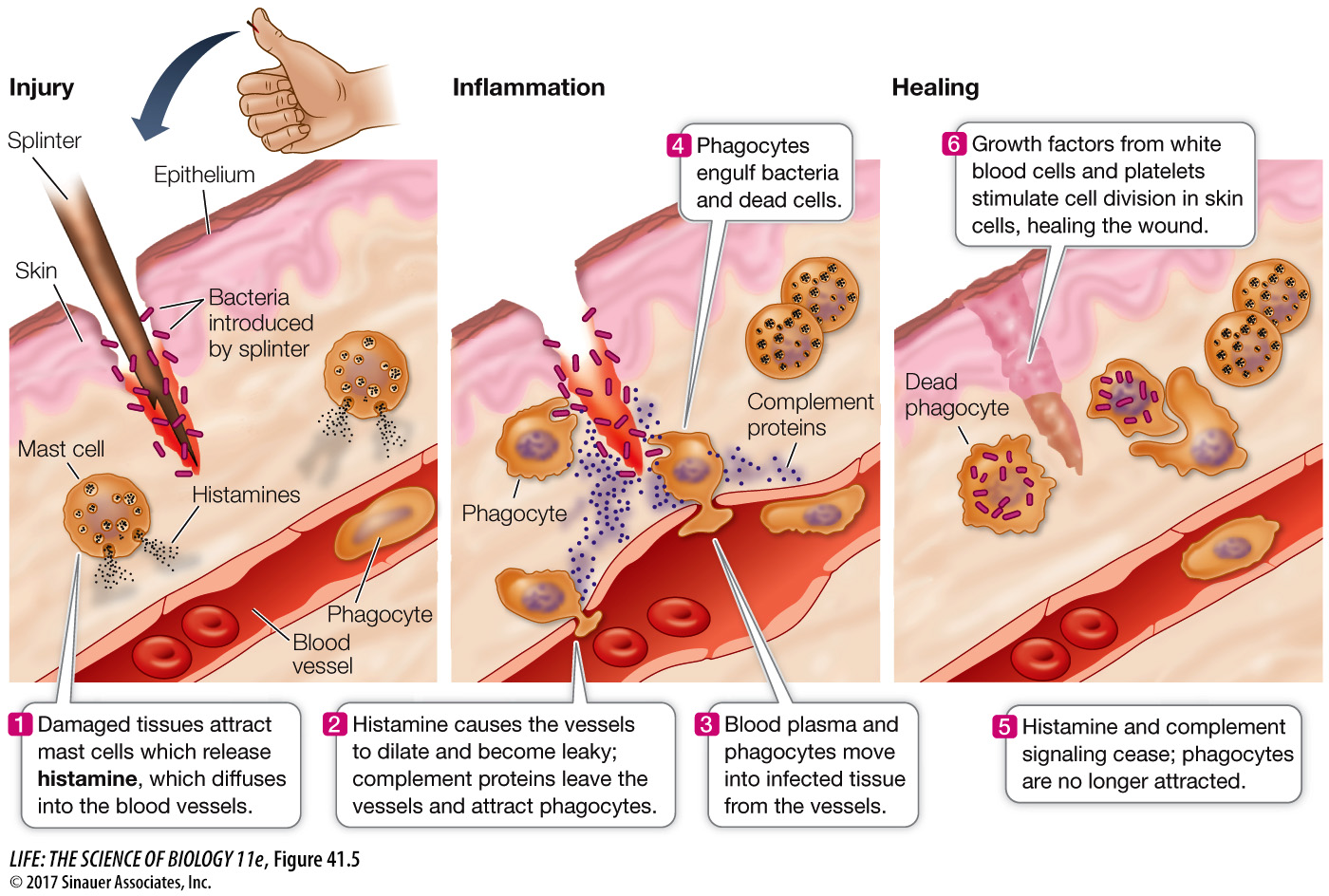
Our bodies are remarkably designed to respond, adapt, and grow stronger when exposed to controlled challenges. I have come to know of the body’s natural response to minor injuries, as The “Splinter Effect,” (Birch, 2003; Birch and Felt, 1999). This term highlights the cascade of vascular and immune responses that occur after a puncture (such as from a splinter) or trauma, illustrating the body’s ability to control damage, prevent infection, and facilitate tissue repair. This concept parallels established understandings of the inflammatory and healing processes, such as those detailed by Micozzi (2011).
Interestingly, this same biological principle applies to how the body responds to the small, intentional stresses placed on muscles, bones, and tissues through strategic physical exertion. This concept is also sometimes referred to as exercise-induced microtrauma, strategic or hermetic trauma. Just as the body heals and strengthens itself after encountering a splinter, it undergoes a similar process when recovering from the controlled damage caused by exercise, ultimately leading to increased strength, resilience, and adaptability.
Understanding the Splinter Effect
The Splinter Effect describes three distinct stages that occur in response to tissue damage:
1. Vasoconstriction: Immediate Defense (Duration: ~20 minutes)
- Blood vessels constrict to minimize blood loss and prevent the spread of microorganisms.
- The body contains the damage and initiates a defensive response.
2. Vasodilation: Recruitment of Immune Cells (Duration: 2 to 3 hours)
- Blood vessels widen to allow white blood cells and immune cells to reach the injured tissue.
- Increased circulation flushes out pathogens and initiates tissue repair.
3. Vasomotion: Microvascular Pumping (Duration: ~1 hour)
- Microscopic vessels oscillate to facilitate the removal of debris and damaged cells.
- Tissue is nourished, oxygenated, and prepared for repair and regeneration.
These vascular and metabolic changes ultimately promote healing and prepare the tissue for future challenges.
Exercise and the Microtrauma Connection: Building Strength Through Controlled Damage
When you engage in:
– resistance training
– high-intensity exercise
– strategic physical exertion
…you introduce a form of micro-trauma to your muscles, tendons, and bones. While this might sound detrimental, this micro-damage is essential for adaptation and growth. The body responds to this stress by initiating a process remarkably similar to the Splinter Effect:
1. Vasoconstriction and Inflammatory Response (Initial 20-30 Minutes)
- Following intense exercise, tiny tears occur in muscle fibers, prompting an immediate vasoconstrictive response.
- Just like with a splinter, the body temporarily restricts blood flow to prevent excessive swelling and contain the initial damage.
2. Vasodilation and Immune Activation (2 to 3 Hours Post-Exercise)
- Shortly after the initial restriction, vasodilation occurs, allowing an influx of oxygen, nutrients, and immune cells to flood the damaged area.
- Macrophages and neutrophils break down damaged cells while stimulating the release of growth factors that promote tissue repair.
- This phase also enhances the removal of metabolic waste products like lactic acid, reducing post-exercise soreness.
3. Vasomotion and Tissue Remodeling (1 to 2 Hours After)
- During this phase, the rhythmic pulsing of micro vessels helps flush away damaged tissue and enhances the circulation of oxygen and nutrients.
- Fibroblasts and satellite cells initiate tissue repair, producing collagen and new muscle fibers to replace the damaged cells.
- This process strengthens the tissue, making it more resilient to future stress.
Bone Adaptation and Microtrauma: Building a Stronger Framework
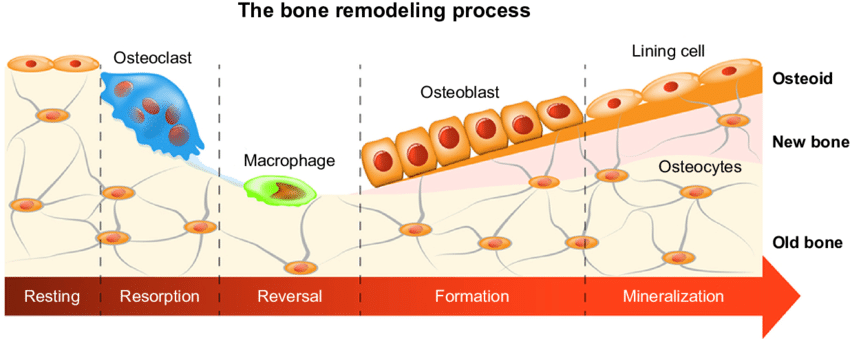
Exercise not only strengthens muscles but also stimulates bone remodeling through a similar process. When bones experience microtrauma from weight-bearing or high-impact activities:
- Osteoblasts are activated to deposit new bone tissue.
- Over time, bones become denser and stronger in response to increased mechanical stress.
- This mechanism helps prevent osteoporosis and enhances bone resilience, especially when combined with adequate nutrition, including vitamin D and calcium.

The Role of Strategic Trauma in Cardiovascular Adaptation
Interestingly, the cardiovascular system also benefits from controlled stress. Aerobic and high-intensity interval training (HIIT) create microtrauma and oxidative stress within the vascular system:
- Endothelial cells release nitric oxide, promoting vasodilation and improving blood vessel flexibility.
- Over time, regular cardiovascular stress leads to the growth of new capillaries, enhancing circulation and oxygen delivery to tissues.
The Principle of Hormesis: What Doesn’t Kill You Makes You Stronger
The biological response to controlled microtrauma is an example of hormesis, a process where exposure to mild stress stimulates adaptive responses that strengthen the body. Just as repeated exposure to small challenges prepares the body for more significant threats, strategic trauma through exercise enhances strength, resilience, and longevity.
Examples of Hormetic Adaptations:
- Strength Training: Microtears in muscle fibers stimulate growth and hypertrophy.
- Cold Exposure: Promotes vasoconstriction and metabolic adaptation.
- Heat Stress (Sauna): Enhances heat shock protein production and improves cellular repair.
- Intermittent Fasting: Induces cellular autophagy and improves metabolic flexibility.
Applying the Splinter Effect to Holistic Health
The correlation between the Splinter Effect and exercise-induced micro-trauma highlights the body’s innate ability to adapt and thrive under controlled stress. To leverage this adaptive capacity, consider incorporating the following principles into your wellness routine:
1. Progressive Overload
Gradually increase the intensity, duration, or resistance of your exercise routine to continually challenge your body and promote adaptation.
2. Adequate Recovery
Just as the body needs time to repair after a splinter wound, adequate rest and recovery are essential for tissue repair and growth following intense exercise.
3. Anti-Inflammatory Nutrition
Support tissue healing by consuming anti-inflammatory foods rich in antioxidants, omega-3 fatty acids, and essential vitamins and minerals.
4. Mindful Stress Management
Manage external stressors to ensure that the body’s adaptive responses are not overwhelmed by chronic inflammation, which can inhibit proper healing and adaptation.
Conclusion: Strength Through Controlled Challenge
The Splinter Effect beautifully illustrates how the body responds to injury by initiating a cascade of vascular and immune responses that promote healing and strengthen tissues. This same biological mechanism underlies how strategic trauma through exercise and controlled stress transforms the body, enhancing strength, endurance, and resilience.
By understanding and embracing these natural processes, we can optimize our fitness, protect against injury, and cultivate a body that thrives under pressure, just as nature intended.
References
Birch S, Felt R. (1999) Understanding acupuncture. Churchill Livingstone: London
life11e_ch41. (2017). https://digfir-published.macmillanusa.com/life11e/life11e_ch41_40.html
Micozzi, Marc S. (2011) Fundamentals of Complementary, Alternative, and Integrative Medicine – E-Book (p. 536). Elsevier Health Sciences. Kindle Edition.
Peake, J., Neubauer, O., Della Gatta, P., & Nosaka, K. (2017). Muscle damage and inflammation during recovery from exercise. Journal of Applied Physiology, 122(3), 559-570. https://doi.org/10.1152/japplphysiol.00971.2016
Schoenfeld, B. J. (2010). The mechanisms of muscle hypertrophy and their application to resistance training. Journal of Strength and Conditioning Research, 24(10), 2857-2872. https://doi.org/10.1519/JSC.0b013e3181e840f3
I look forward to further sharing more of my message by partnering with hospitals, wellness centers, VA centers, schools on all levels, businesses, and individuals who see the value in building a stronger nation through building a healthier population.
I also have hundreds of FREE education video classes, lectures, and seminars available on my YouTube channel at:
https://www.youtube.com/c/MindandBodyExercises
Many of my publications can be found on Amazon at:
http://www.Amazon.com/author/jimmoltzan
My holistic health blog is available at:
https://mindandbodyexercises.wordpress.com/
http://www.MindAndBodyExercises.com
Mind and Body Exercises on Google: https://posts.gle/aD47Qo
Jim Moltzan
407-234-0119