The Threefold Way: Society, Nature, and Self in Chinese Philosophy

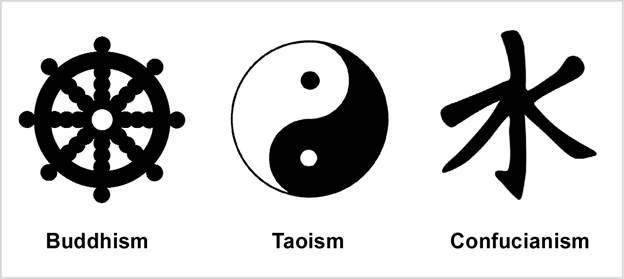
For centuries, Chinese culture has been shaped by a triad of the philosophical systems of Confucianism, Taoism, and Buddhism. Though distinct in their teachings, they are often seen as complementary threads that weave together a balanced and meaningful life. Each offers a unique focus: Confucianism emphasizes harmony in society, Taoism seeks unity with nature, and Buddhism turns inward to liberate the self from suffering (Yao, 2000).
Confucianism: The Order of Society

Founded by Confucius (Kong Fuzi) around the 5th century BCE, Confucianism centers on ethics, duty, and the cultivation of virtuous behavior within a structured society. It promotes familial piety (xiao), respect for hierarchy, and the importance of education and ritual (li) (Sontag, 1974). A Confucian life is guided by the roles of the parent, child, ruler, subject, and the fulfillment of these roles builds a just and orderly world. It teaches that virtue in leadership trickles down to the moral development of the people (Yao, 2000).

Taoism: Flowing with Nature

Rooted in the Tao Te Ching by Laozi, Taoism (or Daoism) champions spontaneity, simplicity, and harmony with the Tao, or the ineffable force that flows through all things (Laozi, trans. Mitchell, 1988). Rather than striving to control or fix the world, the Taoist seeks to align with the natural order through non-resistance (wu wei), letting go of ego, and observing the rhythms of nature. Taoism speaks to the middle-aged soul, or one who questions structure and seeks authenticity and fluidity in life (Kirkland, 2004).

Buddhism: Awakening the Inner Self

Brought to China from India around the 1st century CE, Buddhism introduced a new inwardness, emphasizing meditation, compassion, and release from suffering through the Eightfold Path (Harvey, 2013). The Buddhist focus is not on society or external alignment but on awakening. It teaches that all phenomena are impermanent, and that liberation comes not from control or flow, but from transcending attachment entirely (Mitchell, 2002). In this way, Buddhism serves the aging soul by contemplating, detaching, and seeking ultimate freedom.

Integration: A Balanced Life

In traditional Chinese thought, these three paths were not meant to compete but to complete one another. A person might live as:

  • a Confucian in the office
  • a Taoist in the garden
  • a Buddhist in solitude (Yao, 2000).

Together, they offer a map to live wisely with integrity in society, harmony in nature, and peace within the soul.

References

Sontag, F. (1974). Herbert Fingarette. Confucius—the Secular as Sacred. (Harper and Row, New York, 1972.). Religious Studies, 10(2), 245–246. https://doi.org/10.1017/s0034412500007514

Harvey, P. (2012). An introduction to Buddhism. https://doi.org/10.1017/cbo9781139050531

Taoism: the Enduring tradition. (n.d.). Routledge & CRC Press. https://www.routledge.com/Taoism-The-Enduring-Tradition/Kirkland/p/book/9780415263221?utm_source=cjaffiliates&utm_medium=affiliates&cjevent=eeb2c6c93e3c11f083ff00cf0a82b820

Mitchell, S. (1988). Tao Te Ching. In HARPERPERENNIAL MODERNCLASSICS. HARPERPERENNIAL MODERNCLASSICS. https://ia800904.us.archive.org/20/items/taoteching-Stephen-Mitchell-translation-v9deoq/taoteching-Stephen-Mitchell-translation-v9deoq_text.pdf

Mitchell, D. W. (2002). Buddhism: Introducing the Buddhist experience. Oxford University Press.

Yao, X. (2000). An introduction to confucianism. https://doi.org/10.1017/cbo9780511800887

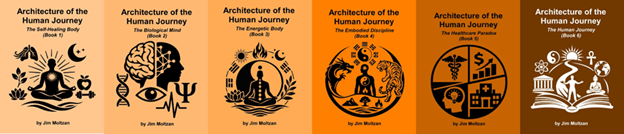
Introducing a New Series: The Architecture of the Human Journey

In a world saturated with fragmented advice on health, fitness, and personal development, there remains a need for something more complete, structured, integrated, and grounded in both lived experience and timeless principles.

Over the course of several decades of study, practice, and teaching across the fields of holistic health, martial arts, and human development, a unifying framework has gradually taken shape. This framework does not isolate the body from the mind, nor the mind from the spirit. Instead, it recognizes that human growth unfolds through the dynamic interaction of multiple systems of physical, biological, energetic, behavioral, and philosophical.

It is from this perspective that a new six-part book series emerges:

The Architecture of the Human Journey

This series is not simply a collection of books. It is a structured exploration of what it means to develop as a human being: physically, mentally, energetically, and ethically within the realities of modern life.

Each volume builds upon the others, forming a progressive pathway toward greater awareness, resilience, and self-mastery.

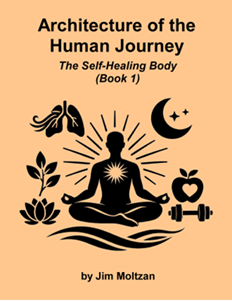
Book 1: The Self-Healing Body

The journey begins with the body—not as a machine to be pushed or punished, but as a living system designed for adaptation, repair, and resilience.

The Self-Healing Body explores the foundational principles of movement, posture, breathing, and recovery. It challenges the modern tendency toward inactivity and over-reliance on external interventions, instead emphasizing the body’s innate capacity to restore balance when given the proper conditions.

Readers are guided toward a deeper understanding of how daily habits of sitting, standing, walking, breathing shape long-term health outcomes. The message is clear: the body is not broken; it is often simply underused, misused, or misunderstood.

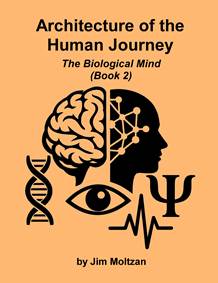
Book 2: The Biological Mind

If the body is the foundation, the mind is the regulator.

The Biological Mind examines how thoughts, emotions, stress responses, and neurological patterns influence both behavior and physiology. Rather than viewing the mind as something abstract or separate, this book presents it as a biological system, deeply connected to the nervous system, hormones, and physical health.

Topics include stress conditioning, attention, perception, and the ways in which modern environments can dysregulate natural mental processes. Readers are encouraged to recognize how their internal dialogue and external inputs shape their lived experience.

Book 3: The Energetic Body

Beyond the physical and biological lies a more subtle, yet equally important dimension: the energetic system.

The Energetic Body draws from Traditional Chinese Medicine, Daoist practices, and internal martial arts to explore concepts such as qi, meridians, breath, and internal flow. While often overlooked in Western models, these systems have guided health and movement practices for thousands of years.

This volume bridges the gap between ancient insight and modern understanding, offering practical ways to cultivate energy through breathwork, posture, and intentional movement.

Book 4: Embodied Discipline

Knowledge without application remains incomplete.

Embodied Discipline focuses on the integration of body, mind, and energy through consistent practice. It is here that theory becomes lived experience. Discipline is reframed not as rigid control, but as the steady cultivation of habits that align with one’s values and goals.

Drawing from martial arts training, this book explores how structure, repetition, and intentional challenges build not only physical capacity, but mental clarity and emotional resilience.

Book 5: The Healthcare Paradox

Modern healthcare offers remarkable advancements, yet widespread chronic illness continues to rise.

The Healthcare Paradox examines this contradiction. It explores how systems designed to treat disease often overlook the foundational behaviors that prevent it. Nutrition, movement, stress, environment, and personal responsibility all play a role, yet are frequently underemphasized.

This book does not reject modern medicine but rather places it within a broader context. One that encourages individuals to become active participants in their own health rather than passive recipients of care.

Book 6: The Human Journey

The final volume steps back to consider the broader question: What is all of this for?

The Human Journey explores meaning, purpose, relationships, and the realities of growth over a lifetime. It integrates the lessons of the previous volumes into a larger philosophical perspective, drawing from both Eastern and Western traditions.

It recognizes that strength, clarity, and health are not ends in themselves, but tools that support a more meaningful and connected life.

A Complete Framework for Modern Living

Taken together, these six books form a cohesive system:

  • The body provides structure
  • The mind provides direction
  • The energy system provides flow
  • Discipline provides integration
  • Awareness of systems provides context
  • Meaning provides purpose

This is the architecture – not of a building, but of a life.

In a time when information is abundant, but wisdom is scattered, The Architecture of the Human Journey offers a way to reconnect the pieces. It invites readers not just to learn, but to observe, reflect, and ultimately take responsibility for their own development.

This is not a quick fix or a temporary program. It is a long-term approach to living with greater awareness, strength, and integrity.

The journey is ongoing. The architecture is yours to build.

Science, Faith, and the Nature of Miracles

Reframing the Ancient and the Modern

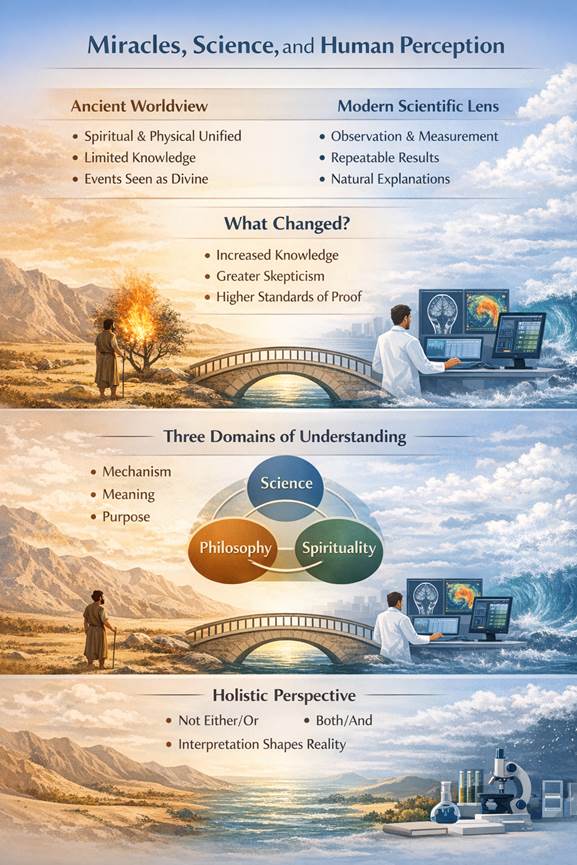
We often hear the phrase, “trust the science,” particularly in matters of health, medicine, and public policy. At the same time, billions of people across the world continue to hold religious and spiritual beliefs that include miracles, or events that appear to defy natural explanation. This creates an apparent tension: if science explains the world through observable and repeatable processes, where do miracles fit?

This question becomes even more intriguing when we consider that miraculous events, such as the resurrection of Christ, the parting of the Red Sea, or the “burning bush,” are described as miracles, where miracles were relatively common in ancient texts, yet seem absent or highly disputed in modern times. Has something changed in reality itself, or has the change occurred within human perception and interpretation?

The Scope and Limits of Science

Science is a powerful and reliable method for understanding the natural world. It is based on systematic observation, measurement, and replication (Popper, 2002). Through this process, science has explained countless phenomena once considered mysterious or divine, including disease processes, weather patterns, and neurological conditions.

However, science operates within specific boundaries:

  • It studies repeatable and observable phenomena
  • It relies on empirical evidence and falsifiability
  • It does not address one-time, unrepeatable events effectively

By definition, miracles are:

  • Singular
  • Non-repeatable
  • Often tied to subjective or spiritual meaning

Thus, science does not necessarily disprove miracles, it simply lacks the tools to evaluate them within its framework.

Ancient Interpretations of Extraordinary Events

In ancient times, the absence of scientific understanding often led to supernatural interpretations of natural events. For example:

  • Seizures or altered states may have been viewed as spiritual possession or divine encounter
  • Sudden recovery from illness may have been interpreted as miraculous healing
  • Unusual environmental events could be attributed to divine intervention

This does not imply that all ancient accounts are false, but rather that interpretation was shaped by available knowledge and cultural worldview (Ehrman, 2014).

Additionally, many ancient narratives were transmitted orally before being recorded in written form. Oral traditions often emphasize meaning, symbolism, and moral teaching, which can lead to amplification or stylization over time (Vansina, 1985).

Revisiting Biblical Miracles Through a Modern Lens

Scholars have proposed natural explanations for some biblical events:

  • The parting of the Red Sea may reflect wind-driven water displacement or tidal phenomena (Drews & Han, 2010)
  • The burning bush could represent a natural flame or symbolic narrative
  • Reports of healing may involve spontaneous remission or psychosomatic effects

The resurrection of Christ, however, remains a unique case. Interpretations vary widely:

  1. A literal supernatural event (faith-based view)
  2. Misinterpretation of death (e.g., premature burial)
  3. Visionary or psychological experiences among followers
  4. A symbolic theological narrative

From a scientific standpoint, the resurrection cannot be verified or falsified due to its historical and non-repeatable nature. It exists primarily within the domains of theology, philosophy, and historical interpretation (Licona, 2010).

Why Miracles Seem Absent Today

Several factors contribute to the perceived decline in miracles:

1. Increased Scientific Knowledge

Modern science explains many phenomena that were once mysterious. As understanding grows, fewer events are classified as supernatural.

2. Higher Standards of Evidence

Today’s claims are evaluated through:

  • Documentation
  • Video recording
  • Independent verification

Extraordinary claims now require substantial evidence (Sagan, 1996).

3. Cultural Skepticism

Modern society emphasizes critical thinking and empirical validation. Claims of miracles are often met with scrutiny or psychological interpretation.

Bridging Science and Spirituality

Rather than viewing science and faith as opposing forces, they can be understood as addressing different aspects of human experience:

  • Science explores mechanisms and processes
  • Philosophy examines meaning and reasoning
  • Spirituality engages with purpose, connection, and transcendence

For example, meditation has been shown to influence brain function and emotional regulation (Davidson & McEwen, 2012), while also producing subjective experiences of insight and transformation. Both perspectives offer valid, complementary insights.

A Holistic Interpretation of Miracles

From a holistic standpoint, miracles may be reframed as:

  • Events that lie at the edge of current understanding
  • Experiences that carry profound personal or collective meaning
  • Interpretations shaped by cultural, psychological, and spiritual frameworks

In this view, the question is not simply whether miracles are “real” or “not real,” but how humans interpret and assign meaning to extraordinary experiences.

The apparent divide between science and miracles may not reflect a change in reality, but rather a transformation in human perception. Ancient people interpreted the unknown through a spiritual lens, while modern society relies on scientific frameworks to explain the same phenomena.

Both approaches seek to understand existence, one through measurement, the other through meaning. Perhaps the most balanced perspective is not to choose between science and faith, but to recognize their respective roles. Science explains how the world works, while spirituality explores why it matters.

References

Davidson, R. J., & McEwen, B. S. (2012). Social influences on neuroplasticity: Stress and interventions to promote well-being. Nature Neuroscience, 15(5), 689–695. https://doi.org/10.1038/nn.3093

Drews, C., & Han, W. (2010). Dynamics of wind setdown at Suez and the Eastern Nile Delta. PLoS ONE, 5(8), e12481. https://doi.org/10.1371/journal.pone.0012481

Ehrman, B. D. (2014). How Jesus became God: The exaltation of a Jewish preacher from Galilee. HarperOne.

Licona, M. R. (2010). The resurrection of Jesus: A new historiographical approach. IVP Academic.

Popper, K. (2002). The logic of scientific discovery. Routledge.

Sagan, C. (1996). The demon-haunted world: Science as a candle in the dark. Ballantine Books.

Vansina, J. (1985). Oral tradition as history. University of Wisconsin Press.

Acupressure and Holistic Health

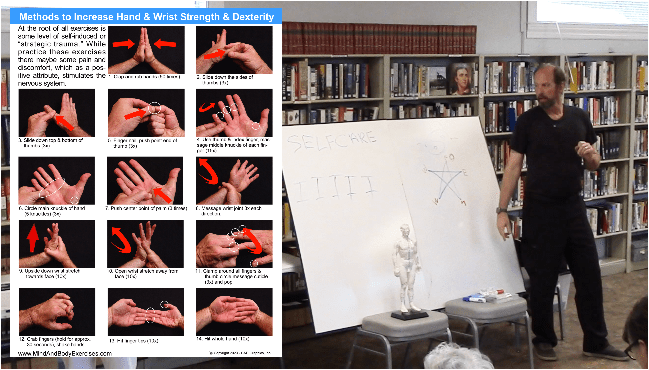
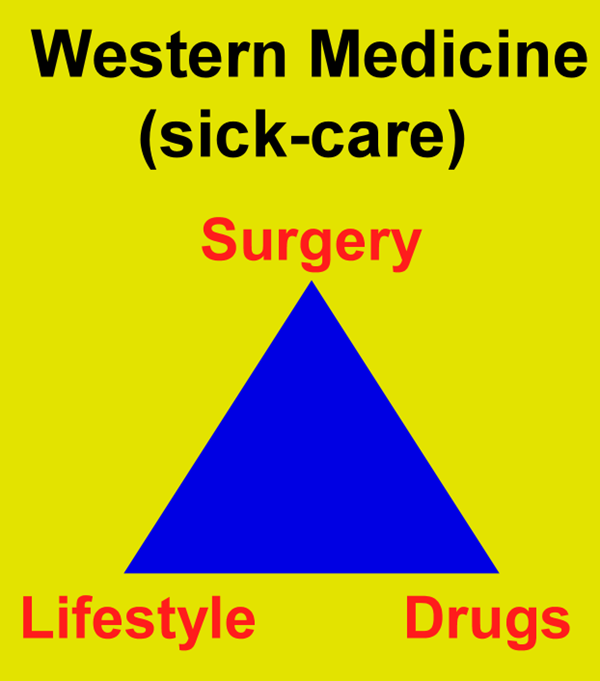
The video presents an in-depth discussion and practical demonstration, focusing on the importance of hand health, self-care, and Traditional Chinese Medicine (TCM) principles applied to modern wellness practices. Starting with a critique of the current American healthcare system, I contrast “sick care” with “self-care,” emphasizing personal responsibility in maintaining health through exercise, nutrition, and mindfulness. I introduced foundational concepts, such as the Five Pillars (physical movement, diet, sleep, stress management, and social interaction) and the principles of Yin and Yang, explaining their scientific roots in geometry and balance.

I elaborate on the Chinese philosophy of the Five Elements theory (fire, earth, metal, water, wood), correlating them with organs and bodily systems, and explain the concept of meridians, or energy pathways throughout the body that traditional Chinese medicine targets to enhance health. The core practical component of the video focuses on hand exercises designed to strengthen grip, improve circulation, stimulate nerve endings, and activate energy flow through the meridians ending in the fingers. These exercises involve various techniques such as clapping, pinching, twisting, and massaging different parts of the hand and wrist.

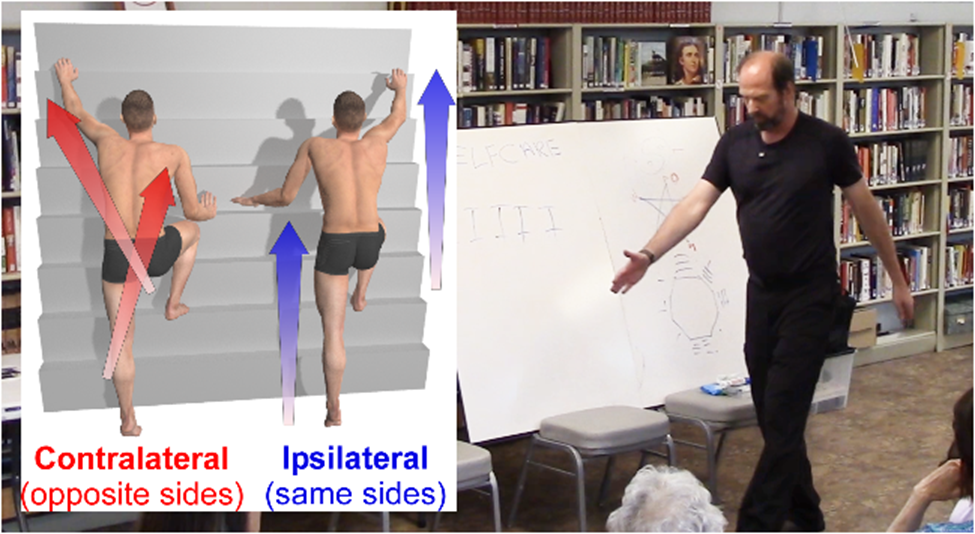
I highlight the significance of grip strength especially in fall prevention and overall mobility in older adults, explaining how consistent practice can improve hand function and nervous system responsiveness. I also discuss cross-body movements and their cognitive benefits, drawing parallels to neurological therapies and developmental exercises like crawling, which engage both hemispheres of the brain.

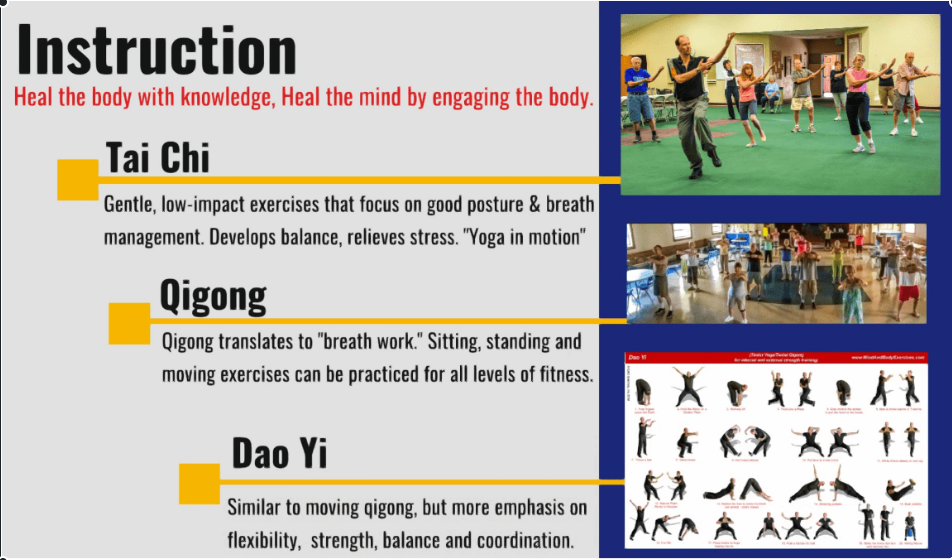
Towards the end, I briefly touch on broader practices such as Tai Chi, Qigong, and reflexology, stressing their role in holistic health. I advocate using accessible tools like golf balls for foot massage to stimulate nerve endings and share practical advice on managing neuropathy and maintaining organ health through movement and energy balance. Throughout, I encourage self-awareness, gradual progression, and integrating these exercises into regular routines for preventive health.

Modern Healthcare Critique: I am somewhat critical of the U.S. healthcare system as reactive “sick care” rather than proactive health maintenance. I highlight that patients often receive prescriptions without addressing root causes like lifestyle or diet, which underscores a systemic issue driven by time constraints and financial incentives. This insight calls for a paradigm shift toward self-care and prevention.

Holistic Health Framework: The Five Pillars framework integrates physical, mental, and social health components, demonstrating the interconnectedness of well-being. By grounding this in Chinese philosophy, we can bridge ancient wisdom and modern health science, by striving to cultivate balanced living, requiring attention to multiple lifestyle factors simultaneously rather than isolated interventions.

Yin-Yang as Science: By explaining Yin-Yang through geometry and mathematics, I demystify what is often perceived as esoteric. This positions traditional Chinese medicine as a system based on observation, balance, and natural laws, reinforcing its credibility and potential integration with Western practices.

Hand Health and Meridian Stimulation: The hand exercises stimulate both physical and energetic systems, by strengthening muscles and tendons while activating nerve endings and meridian pathways. This dual approach enhances circulation, neural function, and energy flow, which is crucial for maintaining dexterity, preventing injury, and promoting healing, especially as people age.

Cross-Body Movements and Brain Health: Movements that cross the body’s midline engage both hemispheres of the brain, enhancing neural connectivity and cognitive function. This insight aligns with rehabilitation techniques for stroke patients and supports the use of such exercises in maintaining brain health and preventing cognitive decline.

Reflexology and Accessible Therapy: I emphasize practical, low-cost ways to stimulate nerve endings and improve energy flow, such as rolling a golf ball under the foot. This highlights the value of self-administered therapies for neuropathy and general well-being and the importance of engaging physically with one’s body.

Self-Care as Empowerment: A recurring theme is the empowerment that comes from taking ownership of one’s health through simple, consistent practices. By understanding how the body’s energy and nervous systems work, individuals can proactively manage their health, reducing reliance on medical interventions and improving quality of life.

Highlights

  • Critique of modern American healthcare as “sick care” and emphasis on the need for self-care.
  • Introduction of the Five Pillars of health rooted in Chinese philosophy: exercise, diet, sleep, stress management, and social interaction.
  • Explanation of Yin and Yang as a scientific geometric principle representing balance and opposites.
  • Overview of the Five Elements theory correlating elements with organs and bodily functions.
  • Demonstration of hand exercises to improve grip strength, circulation, and energy flow through meridians.
  • Discussion of cross-body movements and their role in cognitive stimulation and brain health.
  • Practical advice on foot reflexology and nerve stimulation using simple tools like golf balls.

This comprehensive approach combining philosophy, science, practical exercise, and self-awareness provide a holistic blueprint for health maintenance that transcends conventional medical models.

Better Breathing – University Club Holistic Health Discussion 11-14-2024

This video presents an in-depth discussion about the significance of breathing, particularly mindful and diaphragmatic breathing, as taught through martial arts practices such as Tai Chi and Qigong (chi gong). As an experienced martial arts and qigong instructor, I explained how breathing influences both physiological functions and mental states, emphasizing stress management and overall health.

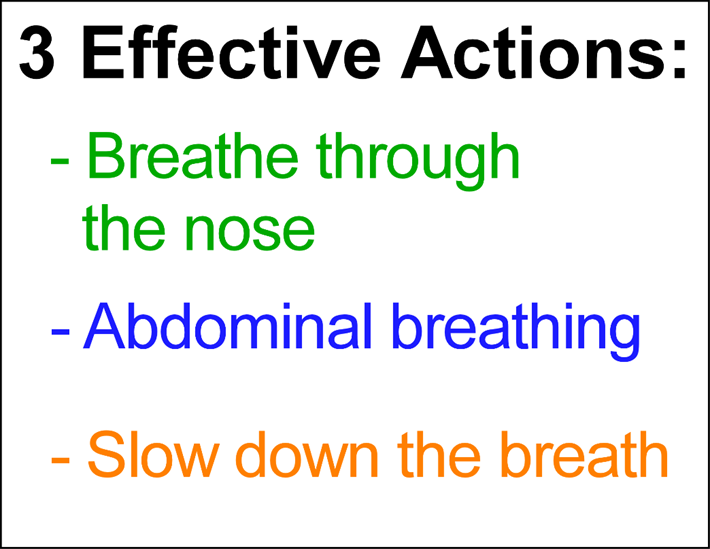
Throughout the talk, the connection between breathing techniques and various health aspects like nervous system regulation, emotional balance, and physical fitness are explored. Practical guidance on how to breathe properly through the nose, from the diaphragm, and at a slower rate, is provided, alongside explanations of physiological responses to stress and relaxation. I integrate traditional Eastern perspectives like Traditional Chinese Medicine and Indian pranayama with Western science, offering a holistic view of breath as life force and energy circulation.

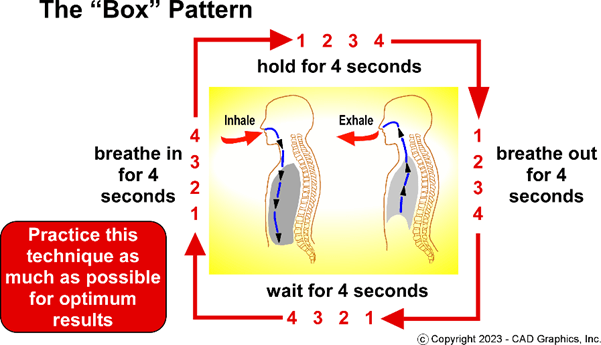
Various breathing exercises, including the well-known “box breathing” technique popularized by Navy SEALs, are demonstrated. The talk also covers how body posture, muscle engagement, and even acupressure points on the wrist can enhance the effectiveness of breathing techniques for reducing stress. The benefits of breath control extend beyond physical health to include emotional well-being by triggering the release of positive neurochemicals such as dopamine, serotonin, oxytocin, and endorphins.

Viewers and attendees are encouraged to incorporate these breathing habits into daily life, regardless of age or mobility, for gradual but significant health improvements. The presentation references follow-up classes on topics such as bone health, balance, and mental awareness, underscoring the integrated approach to holistic wellness.

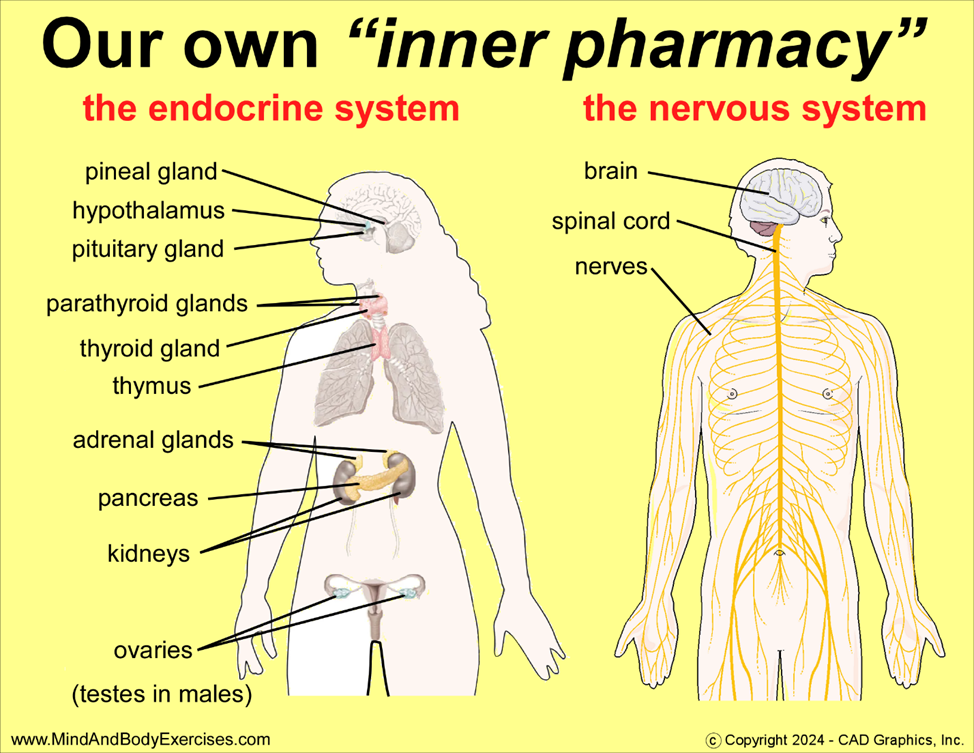
Breathing as a Gateway to Nervous System Regulation: The way we breathe directly influences the autonomic nervous system, shifting the balance between sympathetic (stress/fight or flight) and parasympathetic (relaxation/rest and digest) responses. Deep, slow, diaphragmatic breathing promotes parasympathetic dominance, effectively calming the heart rate and reducing cortisol and adrenaline production. This “biohack” empowers individuals to consciously modulate stress rather than passively endure it.

Diaphragmatic Breathing Optimizes Lung Capacity and Oxygenation: Breathing from the diaphragm rather than shallow chest breathing utilizes more of the lung’s capacity, encouraging better oxygen exchange and carbon dioxide elimination. This improves cellular respiration efficiency and energy production. Additionally, diaphragmatic breathing activates muscles beyond the diaphragm, including neck and rib muscles, enhancing lung expansion and circulation.

Nasal Breathing is Superior to Mouth Breathing: Breathing through the nose warms and filters air, increases nitric oxide production (a vasodilator improving blood flow), and supports moistening the airways. Mouth breathing tends to be shallow and less efficient, leading to dry mouth and potentially altered facial structure in children over time. Nasal breathing contributes to a slower, deeper breath pattern, essential for effective stress management and respiratory health.

Integration of Eastern Medicine and Western Physiology: The talk bridges traditional Chinese medicine’s concept of Qi (life force) and acupuncture meridians with scientific understandings of respiratory function and neurochemistry. This integrative view enriches the appreciation of breathing not just as a mechanical act, but as a method of modulating energy flow, emotional state, and health outcomes. Practices such as Tai Chi harness these ideas physically and mentally through movement and breath synchronization.

Box Breathing as a Mental and Physiological Tool: The “box breathing” technique engages both the breath and the mind to create a focused, rhythmic pattern that promotes relaxation and mental clarity. It is effective for reducing anxiety in high-stress professions (e.g., Navy SEALs) and can be adapted for everyday use. By focusing attention on the breath cycle, it breaks negative thought loops, anchors the mind, and physically signals the nervous system to shift towards calmness.

Physical Posture and Movement Enhance Breath Quality: Posture, spinal flexibility, and full-body engagement support deeper breathing. Twisting movements improve the elasticity of costal and vertebral joints, enhancing lung expansion capacity. Similarly, maintaining proper seated posture (e.g., sitting toward the edge of a chair with feet flat and relaxed shoulders) facilitates diaphragmatic breathing. Incorporating movements from disciplines like Tai Chi or yoga fosters holistic respiratory function.

Age and Breathing: Practical Benefits at Any Stage of Life: While lung and muscular function naturally decline with age, adopting breathing practices can slow that decline and improve quality of life at any age. Even individuals in their 60s and beyond can see meaningful improvements in stress reduction, oxygenation, and mental clarity by practicing mindful breathing consistently. The talk underscores lifelong learning and self-awareness as keys to ongoing health optimization.

Highlights

  • Daily mindful breathing through the nose and diaphragm improves physical and mental health.
  • Proper breathing slows down heart rate, calms the nervous system, and reduces stress hormones.
  • Box breathing (4 seconds inhale, hold, exhale, hold) helps anchor thoughts and manage anxiety.
  • Breathing influences brain chemistry, promoting dopamine, serotonin, oxytocin, and endorphins.
  • Wrist acupressure combined with breathing techniques can relieve anxiety and promote circulation.
  • Eastern traditions like Tai Chi and Qigong emphasize breath as vital energy or life force.
  • It’s never too late to benefit from improved breathing for longevity and well-being at any age.

The video provides a comprehensive foundation on how mindful breathing practices can be used as a simple yet powerful tool to enhance physical health, mental well-being, and emotional balance, drawing from traditional and modern knowledge systems. It encourages self-awareness, consistent practice, and integration of breath work into everyday life for lasting benefits.