From Atheism to Awe: How Deep Science Awakens the Spiritual Mind

“A little knowledge of science makes you an atheist, but in-depth knowledge of science makes you a believer in God.”
              – Often attributed to Francis Bacon, founder of the scientific method

In today’s cultural landscape, science is often framed as being in conflict with religion or spirituality. Many young learners, upon their first encounter with scientific explanations of the universe, feel empowered by naturalistic theories that appear to replace the need for a divine creator. Yet, as some of history’s greatest minds have discovered, the deeper one delves into the mysteries of existence, the more the boundary between science and spirituality begins to blur.

This article explores how surface-level understanding of science can lead to atheism, while profound scientific inquiry often circles back to the awe, mystery, and reverence traditionally associated with belief in a higher order.

I. Shallow Science: When God Seems Unnecessary

When individuals first engage with scientific thought, they often encounter a worldview that appears fully self-contained:

  • Biology explains life through evolutionary theory, offering a compelling, godless account of biodiversity.
  • Neuroscience reduces human thought and behavior to chemical and electrical activity in the brain.
  • Physics and cosmology portray a universe arising from a quantum vacuum or Big Bang, operating without obvious purpose or design.

This can easily lead to scientific materialism, the belief that only physical matter and measurable phenomena exist. In such a view, God becomes redundant, as a vestige of earlier ignorance.

Indeed, many atheists point to science as their justification. As evolutionary biologist Richard Dawkins (2006) contends in The God Delusion, the universe we observe has “precisely the properties we should expect if there is, at bottom, no design, no purpose, no evil and no good, nothing but blind, pitiless indifference.”

But is this truly the endpoint of scientific discovery?

II. Deep Science: The Return of the Sacred

As scientific understanding matures, new questions emerge, with richer, stranger, and more metaphysically provocative than the answers that came before. This deeper engagement often reveals that the universe is far from a cold, mechanistic void. Instead, it is intricate, harmonious, and astonishing in ways that seem to defy chance or randomness.

1. The Fine-Tuning of the Universe

Modern physics has revealed that the fundamental constants of the universe, such as gravity, electromagnetism, and the strong nuclear force are finely tuned for life. A minuscule deviation in any of these constants would render the cosmos sterile and lifeless (Rees, 1999).

This raises profound questions: Why do these constants exist at all? Why are they so precisely calibrated?

While some propose the multiverse theory to explain this, others like theoretical physicist Paul Davies (2007) suggest that the universe “seems to be fine-tuned for consciousness,” implying the possibility of a purposeful or intelligent order.

2. The Enigma of Consciousness

Despite all our advances in neuroscience, no theory adequately explains how subjective experiences of thoughts, emotions, and inner life arise from the brain’s gray matter. This “hard problem of consciousness” has led some researchers to propose panpsychism or dual-aspect monism, theories that view consciousness as a fundamental feature of the universe, not an accidental byproduct (Chalmers, 1996).

Such views resonate with spiritual traditions that see consciousness, not matter, as primary. As Max Planck, founder of quantum theory, once said:

“I regard consciousness as fundamental. I regard matter as derivative from consciousness” (Planck, 2014).

3. Mathematics and the Mind of God

One of the most mysterious features of the cosmos is that it can be described so precisely by mathematics, an abstract language invented by the human mind. Why should physical reality conform to these equations?

Einstein called this “the incomprehensible comprehensibility of the universe.” For many, this suggests not randomness but order and rationality, akin to the classical idea of Logos, where a divine ordering principle present in Greek philosophy and Christian theology (John 1:1).

4. Quantum Mysteries and Nonlocality

Quantum mechanics defies classical logic:

  • Particles can exist in multiple states until observed (superposition).
  • Entangled particles influence each other instantaneously, even across vast distances (nonlocality).

These findings challenge our assumptions about space, time, causality and even the role of consciousness in shaping reality. While interpretations vary, the quantum world seems less like a machine and more like a mystery, echoing ancient insights from mystical traditions (Zohar & Marshall, 1994).

5. Science’s Own Limits

Science is a powerful tool, but it has limits. It can tell us how things happen, but not why they exist. It cannot fully answer:

  • Why there is something rather than nothing
  • Whether the universe has purpose or meaning
  • What grounds morality, love, or beauty
  • What happens after death

As John Polkinghorne (2005), a quantum physicist and theologian, notes:

“Science describes the processes of the world, but religion is required to make sense of its meaning.”

III. The Wisdom of Scientists and Seekers

Many prominent scientists have acknowledged the spiritual implications of their work:

  • Albert Einstein: “The more I study science, the more I believe in God” (quoted in Clark, 1971).
  • Werner Heisenberg: “The first gulp from the glass of natural science will turn you into an atheist, but at the bottom of the glass, God is waiting” (Heisenberg, 1974).
  • Carl Jung, though a psychologist, echoed similar themes in his work on archetypes and the collective unconscious, seeing spiritual insight as part of the individuation process (Jung, 1968).

IV. A Holistic View: Integration Over Division

From a holistic health and wellness perspective, the journey from materialism to meaning mirrors our own inner evolution:

  • At first, we crave certainty, reductionism, and linear logic.
  • Later, through deeper study and lived experience, we learn to embrace mystery, paradox, and awe.
  • Wellness, too, is not just physical; it involves spiritual alignment, emotional integration, and conscious living.

In this sense, the journey through science becomes a path to spiritual maturity. True wholeness is not rejecting science in favor of God or vice versa but realizing that the two may be part of a unified truth.

Conclusion: From Knowing to Wondering

Superficial knowledge may cast aside the sacred. But deep understanding restores it, not as dogma, but as mystery. Not as fear-based belief, but as reverence, humility, and awe at a universe far more intricate and interconnected than materialism allows.

“When the eye of science truly opens wide, it sees not just the gears of the universe but its soul.”

References:

Chalmers, D. J. (1996). The conscious mind: in search of a fundamental theory. https://philpapers.org/rec/CHATCM

Clark, R. W. (1971). Einstein: The Life and Times. World Publishing Company. https://archive.org/details/einstein00rona

Davies, P. (2007). The Goldilocks Enigma: Why Is the Universe Just Right for Life? Houghton Mifflin. https://archive.org/details/goldilocksenigma0000davi

Dawkins, R. (2006). The God Delusion. Houghton Mifflin. https://philosophy.org.za/uploads_other/The_God_Delusion_(Selected).pdf

Heisenberg, W. (1974). Physics and Beyond: Encounters and Conversations. Harper & Row. https://archive.org/details/physicsbeyondenc00heisrich

Jung, C.G. (1968). The Archetypes and the Collective Unconscious (R.F.C. Hull, Trans.; 2nd ed.). Routledge. https://doi.org/10.4324/9781315725642

Planck, M. (2014). Scientific Autobiography ([edition unavailable]). Philosophical Library/Open Road. Retrieved from https://www.perlego.com/book/2393069/scientific-autobiography-and-other-papers-pdf  (Original work published 2014)

Polkinghorne, J. (2005). Exploring Reality: The Intertwining of Science and Religion. Yale University Press. https://archive.org/details/exploringreality0000polk

Rees, M. (1999). JUST SIX NUMBERS. In The Deep Forces That Shape the Universe. BASIC. https://al-sabeel.net/wp-content/uploads/2020/08/JUST-SIX-NUMBERS-The-Deep-Forces-That-Shape-the-Universe.pdf

Zohar, D., & Marshall, I. (1994). The Quantum Society: Mind, Physics and a New Social Vision. William Morrow https://archive.org/details/quantumsocietymi0000zoha

The Dark History of “Safe” Products: Lessons from Thalidomide, DDT, and More

Throughout history, some products initially approved by regulatory agencies such as the U.S. Food and Drug Administration (FDA) and the Environmental Protection Agency (EPA) have later been found to pose risks to human health and the environment. While human error is sometimes unavoidable, minimizing it is crucial for public safety and welfare. From pharmaceuticals to household products, these instances underscore the importance of thorough testing and evaluation. This article examines notable cases such as thalidomide, DDT, and OxyContin, and discusses strategies to prevent similar issues in the future.

Thalidomide: The Drug That Never Reached the U.S. (Officially)

Thalidomide was introduced in the 1950s by the German company Chemie Grünenthal as a sedative and treatment for morning sickness in pregnant women. It was marketed in Europe, Canada, and other countries as a completely safe medication. However, by the late 1950s, a significant number of children were born with severe congenital disabilities, including missing or deformed limbs, organ damage, and other critical conditions (Kim & Scialli, 2011).

(File:NCP14053.jpg – Wikimedia Commons, n.d.)

Why Wasn’t Thalidomide Approved in the U.S.?

The pharmaceutical company submitted the drug for FDA approval, but Dr. Frances Kelsey, a physician and pharmacologist at the FDA, halted its approval. She requested additional safety data due to suspected potential hazards. As a result of her diligence, the United States avoided a significant public health disaster (Daemmrich, 2004).

Although not approved, certain U.S. doctors were able to access the drug through experimental trials. Approximately 17 children in the United States were born with birth defects associated with thalidomide (Kim & Scialli, 2011). While this figure is relatively small compared to the over 10,000 cases worldwide, it underscores the risks involved with unregulated drug distribution. Thalidomide resulted in significant modifications to drug approval processes globally, including enhanced testing for fetal safety and stricter FDA guidelines that continue today (Daemmrich, 2004).


DDT: The Miracle Pesticide Turned Environmental Nightmare

DDT (Dichlorodiphenyltrichloroethane) was introduced in the 1940s as a pesticide to address malaria and typhus. It was widely used by the U.S. military during World War II and subsequently gained popularity in agriculture and public health programs (Eskenazi et al., 2009).

By the 1960s, concerns about the environmental and health impacts of DDT became more prominent. Rachel Carson’s seminal book, Silent Spring (1962), documented the bioaccumulation of DDT in wildlife, which resulted in the thinning of bird eggshells and contributed to the near-extinction of bald eagles. Additionally, Carson highlighted the potential carcinogenic effects of DDT on humans (Carson, 1962).

DDT was prohibited in the United States in 1972; however, it continues to be utilized in certain regions globally for malaria control (Eskenazi et al., 2009).


OxyContin & the Opioid Epidemic: A Tragic Case of Corporate Deception

In 1996, Purdue Pharma launched OxyContin, promoting it as a non-addictive pain medication. The Food and Drug Administration (FDA) approved the drug based on Purdue’s assertions that its time-release formulation would mitigate the potential for abuse (Van Zee, 2009).

OxyContin has been associated with high addiction rates, and its widespread prescription contributed to a national opioid crisis. Purdue Pharma and other manufacturers later faced lawsuits, with evidence suggesting that they did not fully disclose the drug’s risks to doctors and regulators (Van Zee, 2009).

The opioid crisis has led to over 500,000 overdose deaths in the United States since the late 1990s (Uncovering the Opioid Epidemic, n.d.). Although current opioid regulations are significantly stricter, the consequences of the crisis persist.


Vioxx: The Painkiller That Led to Heart Attacks

Vioxx (Rofecoxib), a medication for arthritis, was released in 1999 and marketed as an alternative to older anti-inflammatory drugs. Subsequent studies indicated that Vioxx was associated with an increased risk of heart attacks and strokes (Graham et al., 2005).

(Rockoff, 2009)

By the time Vioxx was withdrawn from the market, it is estimated that 20 million Americans had taken the drug. Research later published in the medical journal Lancet estimates that 88,000 Americans experienced heart attacks due to taking Vioxx, with 38,000 fatalities (Prakash, 2007). This case underscored the inadequacy of drug companies in disclosing safety risks and led to the implementation of more stringent post-market drug surveillance policies.


Other Notable Cases of “Safe” Products That Became Harmful

🔹 Tobacco: Once promoted as doctor-approved, later linked to lung cancer and heart disease (Centers for Disease Control and Prevention (US), 2014)


🔹 Lead Paint & Leaded Gasoline: Used for decades despite known toxicity, leading to widespread neurological damage in children (Needleman, 2004).


🔹 Asbestos: Used in construction for insulation but later found to cause mesothelioma and lung disease (Bolan et al., 2023)


🔹 Baby Powder (Talc): Contaminated with asbestos, leading to lawsuits over ovarian cancer risks (Cramer et al., 2015)


🔹 Frontal Lobotomies: Once considered a treatment for mental illness, but resulted in severe cognitive impairment and even death (Faria, 2013)


🔹 Agent Orange: A herbicide used during the Vietnam War, later linked to cancer and birth defects (Stellman & Stellman, 2018)


🔹 PFAS (“Forever Chemicals”): Found in water supplies and linked to cancer, infertility, and immune disorders (Ayodele & Obeng-Gyasi, 2024)


Lessons Learned & How to Protect Ourselves Today

Question Corporate Claims: Research beyond marketing as companies may prioritize profits over safety.

Demand Rigorous Testing: Ensure drugs and chemicals undergo long-term studies before use.

Advocate for Transparency: Pressure is crucial to release hidden data on harmful products.

Support Independent Research: Prioritize independent, peer-reviewed research over industry-funded studies.

Stay Informed: Be vigilant about new risks like microplastics in food and AI-driven medical decisions.

References

Ayodele, A., & Obeng-Gyasi, E. (2024). Exploring the Potential Link between PFAS Exposure and Endometrial Cancer: A Review of Environmental and Sociodemographic Factors. Cancers, 16(5), 983. https://doi.org/10.3390/cancers16050983

Bolan, S., Kempton, L., McCarthy, T., Wijesekara, H., Piyathilake, U., Jasemizad, T., Padhye, L. P., Zhang, T., Rinklebe, J., Wang, H., Kirkham, M., Siddique, K. H., & Bolan, N. (2023). Sustainable management of hazardous asbestos-containing materials: Containment, stabilization and inertization. The Science of the Total Environment, 881, 163456. https://doi.org/10.1016/j.scitotenv.2023.163456

Carson, R. (1962). Silent spring. Houghton Mifflin.

Centers for Disease Control and Prevention (US). (2014). The Health Consequences of Smoking—50 years of progress. NCBI Bookshelf. https://www.ncbi.nlm.nih.gov/books/NBK179276/

Cramer, D. W., Vitonis, A. F., Terry, K. L., Welch, W. R., & Titus, L. J. (2015). The association between Talc use and ovarian cancer. Epidemiology, 27(3), 334–346. https://doi.org/10.1097/ede.0000000000000434

Daemmrich, A. (2004). Pharmacopolitics: Drug regulation in the United States and Germany. UNC Press Books.

Eskenazi, B., Chevrier, J., Rosas, L. G., Anderson, H. A., Bornman, R., Bouwman, H., … & Warner, M. (2009). The Pine River statement: Human health consequences of DDT use. Environmental Health Perspectives, 117(9), 1359-1367.

Faria, M. (2013). Violence, mental illness, and the brain – A brief history of psychosurgery: Part 1 – From trephination to lobotomy. Surgical Neurology International, 4(1), 49. https://doi.org/10.4103/2152-7806.110146

File:NCP14053.jpg – Wikimedia Commons. (n.d.). https://commons.wikimedia.org/wiki/File:NCP14053.jpg

Graham, D. J., Campen, D., Hui, R., Spence, M., Cheetham, C., Levy, G., Shoor, S., & Ray, W. A. (2005). Risk of acute myocardial infarction and sudden cardiac death in patients treated with cyclo-oxygenase 2 selective and non-selective non-steroidal anti-inflammatory drugs: nested case-control study. The Lancet, 365(9458), 475–481. https://doi.org/10.1016/s0140-6736(05)17864-7

Kim, J. H., & Scialli, A. R. (2011). Thalidomide: The tragedy of birth defects and the effective treatment of disease. Toxicological Sciences, 122(1), 1-6.

Needleman, H. (2004). Lead poisoning. Annual Review of Medicine, 55(1), 209–222. https://doi.org/10.1146/annurev.med.55.091902.103653

Prakash, S. (2007, November 10). Timeline: The rise and fall of Vioxx. NPR. https://www.npr.org/2007/11/10/5470430/timeline-the-rise-and-fall-of-vioxx

Rockoff, J. (2009, November 24). Vioxx and heart attack linked in 2001. WSJ. https://www.wsj.com/articles/SB10001424052748704779704574554071807123380

Stellman, J. M., & Stellman, S. D. (2018). Agent Orange during the Vietnam War: the lingering issue of its civilian and military health impact. American Journal of Public Health, 108(6), 726–728. https://doi.org/10.2105/ajph.2018.304426

Van Zee, A. (2009). The promotion and marketing of OxyContin: Commercial triumph, public health tragedy. American Journal of Public Health, 99(2), 221-227. https://doi.org/10.2105/AJPH.2007.131714

Uncovering the opioid epidemic. (n.d.). https://www.cdc.gov/museum/pdf/cdcm-pha-stem-uncovering-the-opioid-epidemic-lesson.pdf

I look forward to further sharing more of my message by partnering with hospitals, wellness centers, VA centers, schools on all levels, businesses, and individuals who see the value in building a stronger nation through building a healthier population.

I also have hundreds of FREE education video classes, lectures, and seminars available on my YouTube channel at:

https://www.youtube.com/c/MindandBodyExercises

Many of my publications can be found on Amazon at:

http://www.Amazon.com/author/jimmoltzan

My holistic health blog is available at:

https://mindandbodyexercises.wordpress.com/

http://www.MindAndBodyExercises.com

Mind and Body Exercises on Google: https://posts.gle/aD47Qo

Jim Moltzan

407-234-0119

Metacognition and the Inner Dialogue

Their Role in Holistic Health and Wellness

Holistic health emphasizes the integration of mind, body, and spirit. Within this framework, the ways in which we think about our thoughts and talk to ourselves internally play a central role in overall well-being. Two important but distinct psychological constructs, metacognition and the inner dialogue, form the foundation of self-awareness and self-regulation. While inner dialogue reflects the ongoing commentary of the mind, metacognition is the reflective process that evaluates and guides those thoughts. Understanding the distinction and interplay between the two provides powerful insight into mental, physical, and spiritual health.

Defining Metacognition

Metacognition, often described as “thinking about thinking,” refers to the awareness and regulation of one’s cognitive processes (Flavell, 1979). It includes both:

  • Metacognitive knowledge: recognizing one’s strengths, weaknesses, and strategies for thinking and learning.
  • Metacognitive regulation: the ability to plan, monitor, and adapt thought patterns and behaviors to reach goals (Schraw & Dennison, 1994).

For example, when someone recognizes they are struggling to focus and decides to change their study method or environment, they are applying metacognition. It functions as a higher-order system of self-observation, enabling intentional choices rather than automatic reactions.

Understanding the Inner Dialogue

The inner dialogue, also known as self-talk or inner speech, represents the continuous stream of words and judgments we silently direct toward ourselves. This internal commentary can be supportive (“I am capable of handling this challenge”) or critical (“I’ll never succeed at this”) (Morin, 2009). Unlike metacognition, which is strategic and reflective, inner dialogue is often spontaneous, shaped by prior experiences, beliefs, and emotional states (Beck, 2011).

Because inner dialogue can strongly influence emotion and physiology, triggering stress responses or enhancing motivation. It plays a direct role in daily wellness.

The Relationship Between Metacognition and Inner Dialogue

Although related, these two processes serve distinct roles:

  • Inner dialogue is the content of thought, with words, judgments, and narratives playing out in the mind.
  • Metacognition is the process that monitors and evaluates that content, determining whether it is useful, accurate, or aligned with one’s values and goals.

For example, a negative inner dialogue may say, “I am too tired to exercise.” Metacognition, however, can step in to evaluate this thought: “Is this fatigue physical exhaustion or just lack of motivation? What choice best supports my health goals?” This oversight allows individuals to reshape self-talk into a more adaptive pattern, such as: “I will start with a light walk to see how I feel.”

In this way, metacognition acts as a regulator of the inner dialogue, creating a feedback loop in which self-awareness leads to more balanced decisions.

Implications for Holistic Health and Wellness

Mental Wellness

Unchecked inner dialogue can amplify stress, worry, or self-doubt. Metacognition provides the awareness needed to identify unhelpful thought patterns, reduce rumination, and foster cognitive reappraisal (Wells, 2002). Metacognitive therapy, for example, helps individuals gain distance from destructive inner dialogue, improving resilience and emotional balance (Normann & Morina, 2018).

Physical Health

Health behaviors such as exercise, nutrition, and sleep are influenced by the interplay between self-talk and metacognition. Inner dialogue may discourage healthy action (“I don’t have time to cook tonight”), but metacognition allows for reflection and redirection (“If I prepare something simple now, I will feel better tomorrow”). Research suggests that higher levels of metacognitive awareness correlate with proactive health behaviors (Frazier et al., 2021).

Spiritual Growth

In the spiritual dimension of wellness, metacognition and inner dialogue intersect through practices such as meditation and prayer. Inner dialogue may be quieted, observed, or transformed during these practices, while metacognition supports discernment of which thoughts are distractions, and which carry deeper meaning (Vago & Silbersweig, 2012). This reflective process nurtures clarity, purpose, and transcendence—core elements of holistic health.

Practical Applications

  1. Mindfulness and Meditation – Strengthen awareness of the inner dialogue and cultivate metacognitive observation without judgment.
  1. Reflective Journaling – Encourage conscious monitoring of thought patterns, helping distinguish helpful from harmful self-talk.
  1. Cognitive-Behavioral Practices – Use metacognition to challenge negative self-talk and reinforce positive, health-supporting narratives.
  1. Holistic Disciplines (e.g., Tai Chi, Qigong, Yoga) – Integrate body awareness with reflective thought, aligning physical sensations with mindful inner regulation.

Metacognition and inner dialogue are distinct yet complementary processes that shape human experience. Inner dialogue provides the immediate content of thought, while metacognition serves as the higher-order process that monitors and reshapes those thoughts. Together, they influence mental clarity, physical choices, and spiritual insight, making them central to holistic health and wellness. By cultivating both awareness of the inner dialogue and the reflective power of metacognition, individuals can foster resilience, self-regulation, and a deeper sense of integration across mind, body, and spirit.

References:

21andsensory, V. a. P. B. (2022, February 15). The constant autistic internal monologue. 21andsensory. https://21andsensory.wordpress.com/2022/02/15/the-constant-autistic-internal-monologue/

Beck, J. S. (2011). Cognitive behavior therapy: Basics and beyond (2nd ed.). Guilford Press. https://psycnet.apa.org/record/2011-22098-000

Flavell, J. H. (1979). Metacognition and cognitive monitoring: A new area of cognitive–developmental inquiry. American Psychologist, 34(10), 906–911. https://doi.org/10.1037/0003-066x.34.10.906

Frazier, L. D., Schwartz, B. L., & Metcalfe, J. (2021). The MAPS model of self-regulation: Integrating metacognition, agency, and possible selves. Metacognition and Learning, 16(2), 297–318. https://doi.org/10.1007/s11409-020-09255-3

Getting Started with Metacognition. (n.d.). https://theteachingthief.blogspot.com/2012/09/getting-started-with-metacognition.html

Morin, A. (2009). Self-awareness deficits following loss of inner speech: Dr. Jill Bolte Taylor’s case study. Consciousness and Cognition, 18(2), 524–529. https://doi.org/10.1016/j.concog.2008.09.008

Normann, N., & Morina, N. (2018). The efficacy of metacognitive therapy: A systematic review and meta-analysis. Frontiers in Psychology, 9, 2211. https://doi.org/10.3389/fpsyg.2018.02211

Schraw, G., & Dennison, R. S. (1994). Assessing metacognitive awareness. Contemporary Educational Psychology, 19(4), 460–475. https://doi.org/10.1006/ceps.1994.1033

Vago, D. R., & Silbersweig, D. A. (2012). Self-awareness, self-regulation, and self-transcendence (S-ART): A framework for understanding the neurobiological mechanisms of mindfulness. Frontiers in Human Neuroscience, 6, 296. https://doi.org/10.3389/fnhum.2012.00296

Wells, A. (2002). Emotional disorders and metacognition. https://doi.org/10.1002/9780470713662

The Breath of Insight: Everyday Tools to Awaken the Vagus Nerve

I often reflect on how our breath, movement, and embodied practices unlock intelligence that’s deeper than thought alone. I’ve discovered that the vagus nerve, also known as cranial nerve X, is far more than a static anatomical cord. It is a sprawling, bidirectional highway connecting brain with body, from lungs and heart to gut and even immune activity (Huberman, 2025). About 85 % of its fibers are sensory (body to brain), while 15 % are motor (brain to body), making it a master regulator of heart rate, digestion, mood, learning, and immune responses (Huberman, 2025; Wikipedia, 2025).

The vagus nerve gets its name from the Latin word “vagus,” which means wandering. This is a fitting name because the vagus nerve has an unusually long and far-reaching path through the body. It originates in the medulla oblongata of the brainstem and “wanders” through the neck, thorax, and abdomen, innervating a wide array of organs, including the heart, lungs, stomach, intestines, and more (Wikipedia, 2025).

Its full name is often “nervus vagus”, emphasizing its meandering and expansive nature, unlike most cranial nerves, which are typically more localized to the head and neck. Because of this extensive distribution, the vagus plays a central role in regulating autonomic functions, such as heart rate, digestion, and respiratory rate, and serves as a vital communication link between the brain and the body’s internal environment.

One of the most empowering revelations for me was how intertwined vagal tone is with breathing. Specifically tailored breathwork of the physiological sigh (two inhales, followed by a long exhale) activates parasympathetic vagal fibers via the nucleus ambiguous, slowing heart rate and enhancing heart‑rate variability (HRV), a gold‑standard biomarker of autonomic balance (Huberman, 2025; Leggett, 2023).

Yet, the vagus nerve isn’t only a conduit for calm. I have found that physical movement,especially full‑body activation, triggers adrenal adrenaline, which then stimulates vagal sensory fibers. Those fibers feed into brainstem centers like the locus coeruleus and nucleus basalis, releasing norepinephrine and acetylcholine. The result is heightened focus, enhanced neuroplasticity, and a robust alertness without external stimulants (Huberman, 2025).

Nutrition plays a role too. Most serotonin resides in the gut; it doesn’t cross into the brain, but it influences mood via vagal pathways, sensing gut serotonin that signals the dorsal raphe nucleus which then boosts central serotonin (Huberman, 2025). So, adopting a tryptophan‐rich diet and nurturing one’s microbiome (e.g., low‑sugar fermented foods) can become part of one’s daily routine.

I have learned that simple practices like humming, gargling, or gentle neck stretches can become non‑drug tools to engage vagal branches in the throat and chest, mechanically activating fibers that foster parasympathetic tone (Tourino Collinsworth, 2025; Huberman, 2025). A simple low hum can reliably bring a drop in heart rate and stress.

One of the most profound insights has been the nuance in that the vagus isn’t “just” the rest‑and‑digest nerve. Depending on which branches are engaged, it can equally support alertness. Choosing breath‑focused tools (long exhales) yields calm; choosing exercise taps into alerting pathways. Recognizing this dynamic allows one to consciously steer their physiological and mental states in real time.

Neuroplasticity, Focus, and the Vagal-Cholinergic Pathway

Beyond its role in autonomic balance, the vagus nerve also supports cognitive performance by enhancing the brain’s neurochemical environment for learning and attention. When vagal afferents stimulate brainstem centers like the locus coeruleus and nucleus basalis, they help trigger the release of norepinephrine and acetylcholine, two neurotransmitters essential for focus, motivation, and neuroplastic change (Huberman, 2025; Nieuwenhuis, Aston-Jones, & Cohen, 2005).

These chemicals enhance activity in key regions like the dorsolateral prefrontal cortex (DLPFC), which governs executive function, attention, and working memory (Hasselmo & Sarter, 2011). This means that when vagal tone is elevated, such as after breathwork, movement, or focused exertion, this prefrontal region becomes more efficient and better able to regulate thought, emotion, and decision-making.

Acetylcholine is especially powerful in this context. It increases the brain’s signal-to-noise ratio, allowing it to more precisely encode meaningful information while filtering distractions (Hasselmo & Sarter, 2011). Physical exercise and deliberate vagal stimulation naturally boost acetylcholine levels. Some individuals also explore cholinergic support via compounds like Alpha-GPC (a choline donor that crosses the blood-brain barrier), or low-dose nicotine, which binds to nicotinic acetylcholine receptors and has shown benefits for working memory and attention when used carefully in clinical settings (Bellar et al., 2015; Newhouse, Singh, & Potter, 2004). These are not necessary tools, but they highlight the role of the vagus nerve in modulating the very systems that underlie learning and cognitive agility. By consciously engaging this vagal-cholinergic loop through natural means, such as breath, movement, or vocalization, we can support neuroplasticity, deepen focus, and foster resilience in both mind and body

Complex Dual Functionality of the Vagus Nerve: The vagus nerve is not just a calming parasympathetic nerve but a mixed nerve containing both sensory and motor fibers. About 85% of its fibers transmit sensory information from organs to the brain, while 15% send motor commands from the brain to the body. This dual role is crucial for its broad influence on bodily homeostasis, mood, and alertness. Understanding this mixed functionality is essential for designing interventions targeting specific vagal pathways to achieve desired physiological or psychological outcomes (Huberman, 2025).

Heart Rate Variability and Autoregulation: The vagus nerve’s motor fibers originating in the nucleus ambiguous regulate heart rate by acting on the sinoatrial node, slowing heartbeats during exhalation. This mechanism underlies heart rate variability (HRV), a key biomarker of autonomic flexibility and health. Deliberate breathing techniques that emphasize prolonged exhales strengthen this pathway, improving HRV and autonomic balance over time. This pathway’s plasticity means that behavioral practices can enhance or degrade vagal control, impacting stress resilience and longevity (Huberman, 2025).

Exercise as a Vagal Alertness Stimulus: Movement of large muscle groups triggers adrenal release of adrenaline, which activates vagal sensory fibers. These fibers relay signals to the brainstem’s nucleus tractus solitarius (NTS), which then activates the locus coeruleus to release norepinephrine, increasing brain-wide alertness. This pathway explains why engaging in high-intensity physical activity can overcome lethargy and brain fog by activating endogenous neurochemical systems without pharmacology. It also highlights the vagus nerve’s role in coupling body and brain states, facilitating motivation and cognitive performance (Huberman, 2025).

Gut Serotonin and Brain Mood Regulation via Vagus: While 90% of the body’s serotonin is produced in the gut, it does not enter the brain directly. Instead, serotonin in the gut binds to receptors on vagal sensory neurons, which signal the dorsal raphe nucleus in the brainstem to release brain serotonin. This gut-brain serotonin axis is influenced by dietary tryptophan and the microbiome’s health, linking nutrition and gut health to mood and neuroplasticity. This insight supports dietary and probiotic interventions as adjunctive strategies for mood disorders and general well-being (Huberman, 2025).

Physiological Sigh and Rapid Vagal Activation: The physiological sigh, or a double inhale through the nose followed by a prolonged exhale through the mouth, leverages both mechanical and chemical vagal pathways to rapidly decrease sympathetic nervous system activity and increase parasympathetic tone. This breathing method can be used on-demand to calm the nervous system faster and more robustly than simpler breathing or ear-rubbing techniques, demonstrating a powerful non-pharmacological tool for stress regulation (Huberman, 2025).

Vocalization Techniques for Vagal Engagement: Humming and gargling produce vibrations in the throat that mechanically stimulate vagal fibers innervating the larynx and related structures. Extending the ‘H’ sound in humming particularly engages these fibers, promoting parasympathetic activation and heart rate deceleration similar to breathing techniques. This finding validates traditional practices in yoga and meditation, offering accessible methods to induce relaxation and improve autonomic regulation (Huberman, 2025).

Context-Dependent Vagal Effects on Alertness and Calm: The vagus nerve’s effects are context-dependent and branch-specific. Some vagal pathways promote calm and rest, while others enhance alertness and sympathetic activity. This nuanced understanding dispels the myth that vagal activation always induces relaxation. It emphasizes the importance of targeting specific branches or using appropriate behaviors (e.g., breathing exercises vs. physical activity) to achieve the desired physiological or psychological state (Huberman, 2025).

Key Practical Tools

  • Physiological sigh: two inhales through the nose + long exhale through the mouth. Use this on‑demand to swiftly enhance HRV and calm the nervous system (Huberman, 2025).
  • Full‑body movement (especially high‑intensity): activates vagal‑mediated alertness via adrenal‑vagal pathways, great for focus and learning (Huberman, 2025).
  • Diet support: tryptophan‑rich and fermented foods support gut‑based serotonin → vagal → central serotonin signaling (Huberman, 2025).
  • Vocalization: humming, gentle chanting, gargling activates laryngeal vagal branches; even ~3–5 minutes/day yields calming effects (Tourino Collinsworth, 2025).
  • Neck stretch: stimulating vagal fibers mechanically via gentle stretches along carotid sheath aids parasympathetic activation (Huberman, 2025).

References:

Andrew Huberman. (2025, June 23). Control your vagus nerve to improve mood, alertness & neuroplasticity [Video]. YouTube. https://www.youtube.com/watch?v=CLbVW3Pj46A

Bellar, D., LeBlanc, N. R., & Campbell, B. (2015). The effect of 6 days of alpha glycerylphosphorylcholine on isometric strength. Journal of the International Society of Sports Nutrition, 12(1). https://doi.org/10.1186/s12970-015-0103-x

File:Blausen 0703 Parasympathetic innervation.png – Wikimedia Commons. (2013, September 5). https://commons.wikimedia.org/wiki/File:Blausen_0703_Parasympathetic_Innervation.png

Hasselmo, M. E., & Sarter, M. (2011). Modes and models of forebrain cholinergic neuromodulation of cognition. Neuropsychopharmacology, 36(1), 52–73. https://doi.org/10.1038/npp.2010.104

Leggett, H. (2023, February 9). ‘Cyclic sighing’ can help breathe away anxiety. Stanford Medicine News. med.stanford.edu

Newhouse, P., Singh, A., & Potter, A. (2004). Nicotine and nicotinic receptor involvement in neuropsychiatric disorders. Current Topics in Medicinal Chemistry, 4(3), 267–282. https://doi.org/10.2174/1568026043451401

Nieuwenhuis, S., Aston-Jones, G., & Cohen, J. D. (2005). Decision making, the P3, and the locus coeruleus–norepinephrine system. Psychological Bulletin, 131(4), 510–532. https://doi.org/10.1037/0033-2909.131.4.510

Tourino Collinsworth, R. (2025, March 30). How to use your voice to reduce your stress and feel calmer. The Washington Post. verywellhealth.com+14washingtonpost.com+14hubermanlab.com+14 Wikipedia. (2025). Vagus nerve. Retrieved June 26, 2025. en.wikipedia.org+1

What Is Autogenic Therapy? A Self-Directed Path to Deep Relaxation

In today’s fast-paced world, stress-related conditions are on the rise. Autogenic therapy, also known as autogenic training, offers a powerful way to counterbalance modern stress through a simple, structured set of mental exercises. Developed by German psychiatrist Johannes Heinrich Schultz and coined the term in 1928, this self-regulation technique continues to help people worldwide regain calm, reduce anxiety, and improve overall well-being.

What Is Autogenic Therapy?

Autogenic therapy is a relaxation technique that uses self-suggestions to bring about physical and emotional calmness. The practice involves six standardized exercises focusing on sensations like:

  • Heaviness and lightness in the limbs
  • Warmth
  • Heartbeat regulation
  • Breathing awareness
  • Abdominal warmth
  • Forehead cooling (Luthe & Schultz, 1969)

These exercises promote a shift in the autonomic nervous system toward the parasympathetic or “rest and digest” mode, reducing the physiological effects of stress.

Although not usually classified as meditation, autogenic therapy shares similar traits with meditative and mindfulness-based practices:

  • Present-moment awareness
  • Regulation of breath and heart rate
  • Promotion of internal balance and nervous system calm (Melnikov, 2021)

What’s especially fascinating is that autogenic therapy aligns with ancient mind–body traditions found in:

  • Tai Chi
  • Qigong
  • Yoga
  • Martial Arts

These disciplines often guide practitioners to cultivate bodily sensations that echo those used in autogenic training:

  • Feelings of lightness or heaviness in the limbs
  • Generating internal warmth (often associated with breath or energy flow)
  • Focusing on the heartbeat or breath rhythm
  • Stimulating abdominal heat (known in some traditions as dantian activation)
  • Creating a sense of coolness or spaciousness in the head or forehead

These parallels suggest that human self-regulation, through structured inner awareness, is a timeless and cross-cultural approach to stress relief, energy balance, and health.

When practiced consistently, autogenic therapy has been shown to:

  • Reduce anxiety and stress
  • Improve sleep quality
  • Lower blood pressure
  • Enhance emotional and nervous system resilience
  • Relieve headaches, muscle tension, and chronic fatigue (Stetter & Kupper, 2002)

Its simplicity and accessibility make it a popular choice for those looking for holistic, non-invasive ways to manage daily pressures and improve health.

Each autogenic session involves repeating mental phrases such as, “my arms are heavy and warm,” while reclining or sitting in a quiet space. The mind’s focus on these specific body cues leads to a measurable shift in physiology, lowering stress hormones, heart rate, and muscle tension (Luthe & Schultz, 1969; Stetter & Kupper, 2002).

Many people practice autogenic training independently, with audio guidance, or under the supervision of a certified therapist.

While autogenic therapy is safe for most individuals, it may not be appropriate for people with psychotic disorders, such as schizophrenia or bipolar disorder with psychotic features (Fletcher, 2023. Here’s why:

1. Exacerbation of Symptoms

The use of self-suggestion and imagery can potentially worsen hallucinations or delusional thinking in vulnerable individuals (Kanji, 2006; Stetter & Kupper, 2002).

2. Potential for Dissociation

The deep relaxation states achieved may induce altered consciousness or dissociation, which can be unsettling or unsafe for those with psychotic tendencies.

3. Difficulty in Reality Testing

Psychotic conditions often impair one’s ability to distinguish between internal experience and external reality. Autogenic training might blur these lines further (Stetter & Kupper, 2002).

4. Medication Disruption Risk

Some individuals may believe that relaxation practices can replace essential medication, potentially leading to non-compliance and relapses (Mueser & Jeste, 2008).

Because of these risks, it’s essential that individuals with psychotic disorders engage in any form of relaxation training only under professional medical supervision. More recent research has suggested that autogenic therapy may actually help those suffering from schizophrenia (Breznoscakova et al., 2023).

Autogenic therapy offers a safe, evidence-based, and self-directed method to reduce stress and promote relaxation. Its emphasis on internal sensations such as warmth, breath, heartbeat, and mental stillness, places it in harmony with long-standing Eastern practices like tai chi, yoga, and qigong.

For most people, autogenic therapy can serve as a cornerstone of a healthy lifestyle, but those with complex mental health conditions should consult with trained professionals to ensure it is suitable.

References:

Breznoscakova, D., Kovanicova, M., Sedlakova, E., & Pallayova, M. (2023). Autogenic Training in Mental Disorders: What Can We Expect? International Journal of Environmental Research and Public Health, 20(5), 4344. https://doi.org/10.3390/ijerph20054344

Fletcher, J. (2023, August 17). Autogenic training: Benefits, limitations, and how to do it. https://www.medicalnewstoday.com/articles/autogenic-training#how-to-do-it

Luthe, W., & Schultz, J. H. (1969). Autogenic therapy (Vol. 1–6). New York: Grune & Stratton.

Mueser, K. T., & Jeste, D. V. (2008). Clinical handbook of schizophrenia. New York: Guilford Press.

Melnikov, M. Y. (2021). The Current Evidence Levels for Biofeedback and Neurofeedback Interventions in Treating Depression: A Narrative review. Neural Plasticity, 2021, 1–31. https://doi.org/10.1155/2021/8878857

Stetter, F., & Kupper, S. (2002). Autogenic training: a meta-analysis of clinical outcome studies. Applied Psychophysiology and Biofeedback, 27(1), 45–98. https://doi.org/10.1023/a:1014576505223

VA Office of Patient Centered Care and Cultural Transformation. (n.d.). AUTOGENIC TRAINING. In VA Office of Patient Centered Care and Cultural Transformation (pp. 1–3). https://www.va.gov/WHOLEHEALTHLIBRARY/docs/Autogenic-Training.pdf

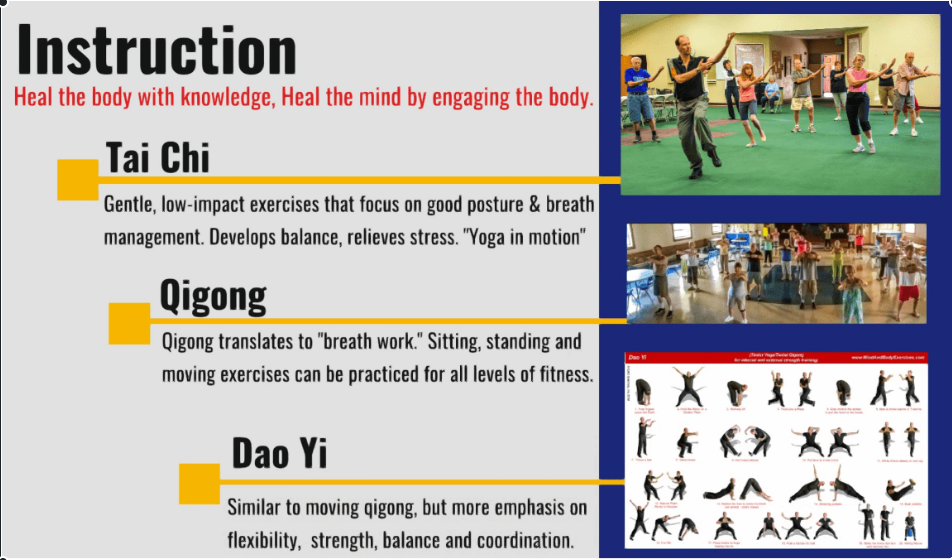
I teach and offer lectures about holistic health, physical fitness, stress management, human behavior, meditation, phytotherapy (herbs), music for healing, self-massage (acupressure), Daoyin (yoga), qigong, tai chi, and baguazhang.

Please contact me if you, your business, organization, or group, might be interested in hosting me to speak on a wide spectrum of topics relative to better health, fitness, and well-being.

I look forward to further sharing more of my message by partnering with hospitals, wellness centers, VA centers, schools on all levels, businesses, and individuals who see the value in building a stronger nation through building a healthier population.

I also have hundreds of FREE education video classes, lectures, and seminars available on my YouTube channel at:

https://www.youtube.com/c/MindandBodyExercises

Many of my publications can be found on Amazon at:

http://www.Amazon.com/author/jimmoltzan

My holistic health blog is available at:

https://mindandbodyexercises.wordpress.com/

http://www.MindAndBodyExercises.com

Mind and Body Exercises on Google: https://posts.gle/aD47Qo

Jim Moltzan

407-234-0119