Restoring Hand Vitality – Jing Well Acupressure

My Traditional Approach to Acupressure, Massage, and Herbal Therapy

As both a long-time practitioner and teacher of holistic wellness, martial arts, and Traditional Chinese Medicine (TCM), I have found that the health of our hands is often underestimated. Our hands connect us to the world, allowing us to create, heal, and express, but they are also vulnerable to stiffness, poor circulation, and overuse injuries, especially in our modern, screen-driven culture.

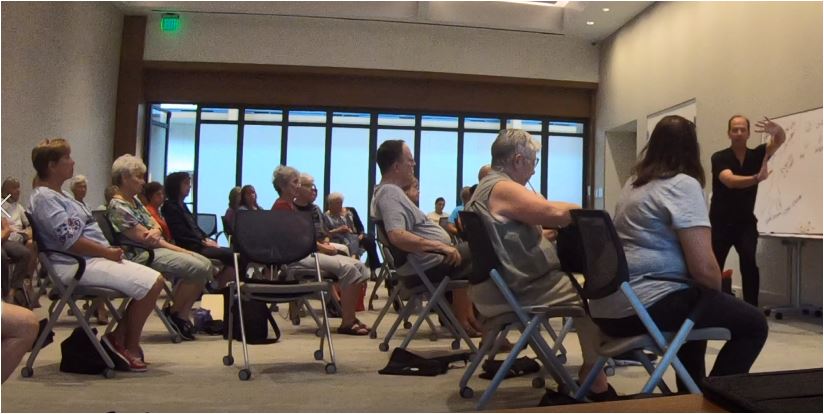
In my lecture and video presentation, I shared a traditional system of hand conditioning that I have personally practiced and taught for many years. This unique approach integrates acupressure, therapeutic trauma, herbal therapy, breathing techniques, and mindful movement. All designed to restore vitality, enhance flexibility, and promote whole-body energy flow.

A Philosophy of Health, Not Hardness

In the martial arts world, hand conditioning is often associated with building hardened fists and thick calluses. I take a different view.

The method I teach is not about brute strength or desensitization. It is about stimulating circulation, promoting healing, and enhancing energy (Qi) flow throughout the entire body.

Using bean-filled bags (I recommend soybeans, mung beans, or chickpeas), we create strategic trauma or gentle, controlled impacts that trigger the body’s natural healing response. This principle, rooted in ancient wisdom, leverages micro-trauma to increase blood flow, strengthen tissues, and support overall wellness (Zhou, 2009).

Hands as Microcosms of the Body

In my lineage or martial arts system, the hands are viewed as a map of the entire body, a concept validated by reflexology and TCM meridian theory.

  • We focus on stimulating Jing-well points located on the fingertips—powerful gateways for regulating energy flow (Deadman & Al-Khafaji, 2007).
  • I also reference Japanese and Korean reflexology maps, which beautifully illustrate how the fingers and palms correspond to internal organs and bodily systems (Ang et al., 2021).
  • When we work the hands with mindful techniques, we influence not just the hands themselves, but the entire body and mind.

Breathing: The Missing Link

A key element in my lineage is Qigong (breath work), a deep, nasal breathing pattern combined with proper tongue positioning on the upper palate.

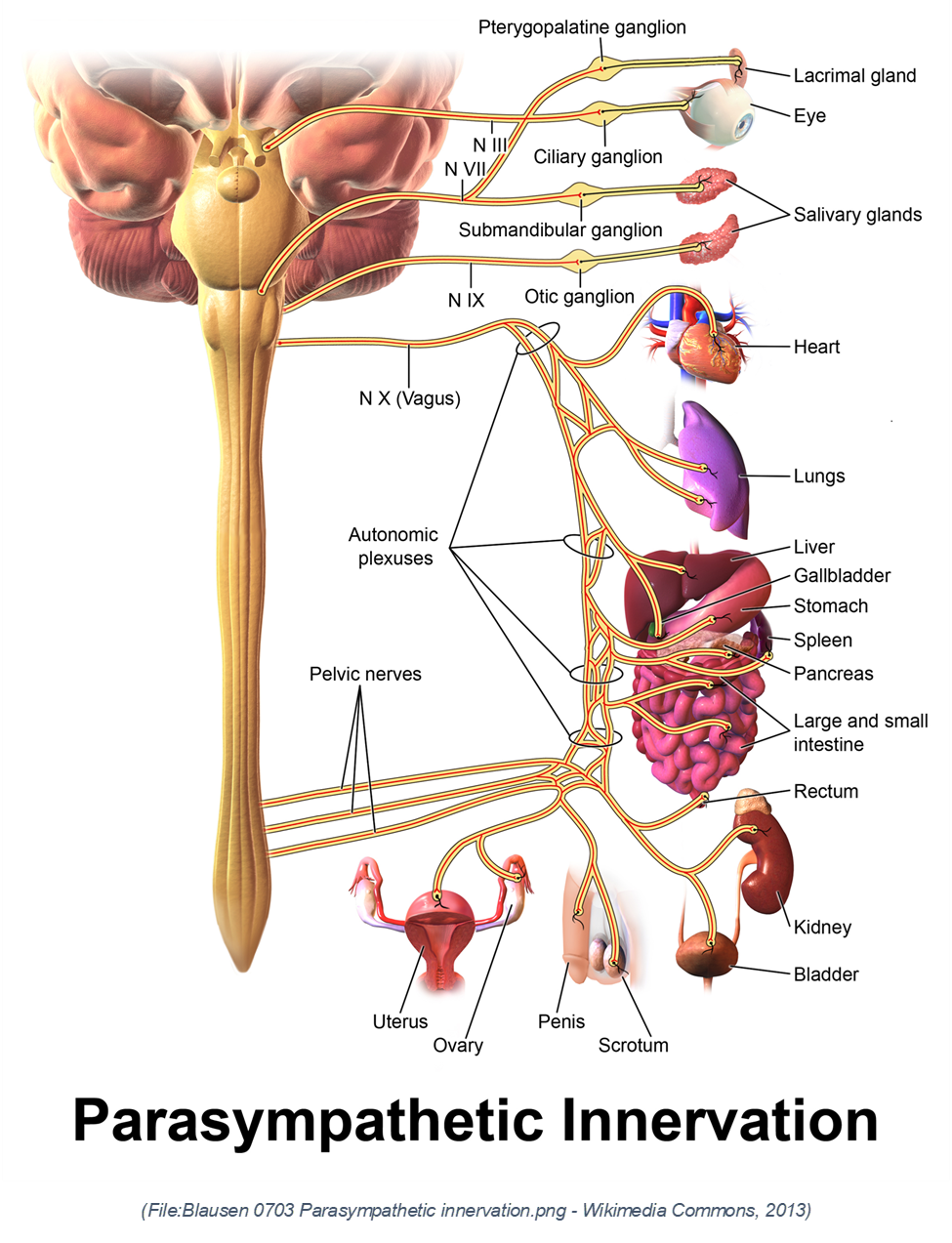
This breathing technique activates the parasympathetic nervous system, promoting relaxation, improving circulation, and harmonizing Qi flow (Sancier, 2001).

When combined with hand exercises, this breathwork turns a simple routine into a powerful integrative practice that nourishes body, mind, and spirit.

The Practice in Action

During my presentation, I guided participants through a progressive series of hand conditioning techniques, including:

  • Pinching, clapping, and crab-finger movements to stimulate circulation and flexibility.
  • Percussion on bean bags to activate Jing-well points and trigger micro-trauma healing.
  • Twisting, stretching, and massage for the palms, knuckles, thumbs, and wrists.
  • External application of herbal tinctures, which I personally formulate using apple cider vinegar, frankincense, and traditional Chinese herbs, to reduce inflammation and enhance post-exercise recovery (Xu et al., 2013). (Note: these tinctures are for external use only and should not be ingested.)

Real-World Applications

One of the most exciting aspects of this practice is its practical value:

  • Certain finger acupressure points can be used to help revive a fainted person; a technique I demonstrate and encourage students to learn.
  • Regular practice can reduce symptoms of arthritis, improve joint mobility, and enhance overall hand resilience, making it valuable not just for martial artists, but for anyone seeking greater hand health and functional longevity (Kim et al., 2015).

Balance Is Key

In my teaching, I stress the importance of balance and recovery:

  • Do not overdo the hitting exercises! Allow at least one day of rest between sessions.
  • Always follow with herbal application to soothe the tissues and prevent over-inflammation.
  • Listen to your body. This is a lifelong practice, not a race for quick results.

This approach embodies the philosophy I teach in all of my wellness work: true progress comes from harmonizing stimulation with restoration.

Closing Thoughts

For me, this hand conditioning system is much more than an exercise routine. It is a gateway to whole-body vitality and a deeper connection with the subtle currents of energy that animate us.

By combining traditional acupressure, mindful breathwork, herbal therapy, and thoughtful movement, we can restore the natural vitality of the hands, which in turn enhances our overall health, energy balance, and functional well-being.

I encourage you to explore this practice with patience, mindfulness, and care. Your hands and your entire body will thank you.

References:

Deadman, P., & Al-Khafaji, M. (2007). A Manual of Acupuncture. Eastland Press.

Ang, L., Song, E., Lee, H., & Lee, M. (2021). Acupressure for Managing Osteoarthritis: A Systematic Review and Meta-Analysis. Applied Sciences, 11(10), 4457. https://doi.org/10.3390/app11104457

Sancier, K. M. (2001). Search for Medical Applications of Qigong with the Qigong DatabaseTM. The Journal of Alternative and Complementary Medicine, 7(1), 93–95. https://doi.org/10.1089/107555301300004574

Starr, P. (2020). Authentic Iron Palm: The Complete Training Manual. Blue Snake Books.

Xu, Q., Bauer, R., Hendry, B. M., Fan, T., Zhao, Z., Duez, P., Simmonds, M. S., Witt, C. M., Lu, A., Robinson, N., Guo, D., & Hylands, P. J. (2013). The quest for modernisation of traditional Chinese medicine. BMC Complementary and Alternative Medicine, 13(1). https://doi.org/10.1186/1472-6882-13-132

Cupping Therapy vs. Bruising

Understanding Practice, Physiology, and Misconceptions

In today’s wellness landscape, cupping therapy has re-emerged as a widely used modality for relieving pain, improving circulation, and supporting holistic healing. Despite its growing popularity, many people unfamiliar with Traditional Chinese Medicine (TCM) often confuse the distinct circular marks left by cupping with bruises from injury. Though they appear similar, the mechanisms, meanings, and physiological effects are fundamentally different. This article provides a thorough understanding of cupping therapy, its roots in TCM, its interpretation through the lens of Western science, and how it compares to traumatic bruising, to clarify misconceptions and deepen appreciation for this ancient practice.

What Is Cupping Therapy?

Cupping is a technique that involves placing specially designed cups (glass, silicone, bamboo, or plastic) onto the skin to create suction. The suction pulls the skin and superficial tissue upward, promoting blood flow, stimulating lymphatic drainage, and mobilizing stagnation.

In Traditional Chinese Medicine (TCM), cupping is used to:


– Move stagnant qi and blood


– Expel pathogenic factors (wind, cold, damp)


– Open the meridians and facilitate energy flow


– Relieve pain, tightness, and toxicity


– Strengthen organ function by targeting specific meridian points

The Western Physiological View: How Cupping Works

Western medicine traditionally lacked a framework for cupping, but increasing interest has revealed several plausible mechanisms:

  1. Increased Local Blood Flow – Suction draws blood to the surface, improving microcirculation (Lowe, 2017).


2. Fascial Decompression – Cupping lifts and separates skin, fascia, and underlying muscles, similar to myofascial release.


3. Neurovascular and Pain Modulation – Stimulation triggers responses through the Gate Control Theory of Pain (Teut et al., 2018).


4. Controlled Inflammatory Response – Mild trauma initiates a low-grade inflammatory response (Furhad et al., 2023)


5. Lymphatic Drainage – The pressure differential helps clear toxins and reduce swelling.


6. Parasympathetic Nervous System Activation – Can reduce stress and activate rest-and-digest mode (Harvard Health Publishing, 2016).

Types of Cupping

– Dry Cupping: Standard suction without bloodletting


– Wet Cupping (Hijama): Involves superficial pricking after suction


– Fire Cupping: Traditional method using heat to create vacuum inside the cup


– Gliding (Massage) Cupping: Cups are moved across oiled skin for deep tissue stimulation

Understanding Bruising from Injury

A bruise (contusion) results from accidental trauma to soft tissue, leading to rupture of capillaries and pooling of blood under the skin. This causes pain, swelling, discoloration, and inflammation. Unlike the controlled effect of cupping, bruising often involves deeper tissue damage.

Comparison: Cupping Marks vs. Bruises

Cupping Marks vs. Bruises:


– Cause: Suction-induced capillary rupture vs. blunt trauma

– Intentional: Yes vs. No


– Purpose: Healing vs. Accidental


– Appearance: Uniform circles vs. irregular, color-changing marks


– Pain: Minimal vs. often painful


– Duration: 3–10 days vs. 1–3 weeks

Final Thoughts: Healing vs. Harm

Cupping is not a bruise in the conventional sense. It’s a controlled, purposeful therapy used to stimulate the body’s self-healing mechanisms. While cupping marks may resemble bruises visually, their nature, origin, and physiological impact are completely different. Understanding these differences demystifies this ancient therapy and makes it more approachable for those seeking holistic healing.

⚖️ Side-by-Side Comparison: Cupping Marks vs. Bruises

AspectCupping MarksBruises (Injury)
CauseSuction-induced capillary ruptureBlunt trauma to tissues
Intentional?Yes – therapeuticNo – accidental
PurposeDetox, release stagnation, promote healingNone – consequence of trauma
AppearanceUniform, circular, reddish-purpleIrregular, color changes over time
Pain LevelMinimal to noneTender or painful, often with swelling
Color PatternDark → fade graduallyRed → purple → green → yellow
Duration3–10 days1–3 weeks, depending on severity
Associated SymptomsRelief, improved mobility, relaxationInflammation, soreness, potential joint restriction

References:

Furhad, S., Sina, R. E., & Bokhari, A. A. (2023, October 30). Cupping therapy. StatPearls – NCBI Bookshelf. https://www.ncbi.nlm.nih.gov/books/NBK538253/

Harvard Health Publishing. (2016). What exactly is cupping? Harvard Health Blog. https://www.health.harvard.edu/blog/what-exactly-is-cupping-2016093010402

Johannes, L. (2012, November 12). Centuries-Old art of cupping may bring some pain relief. WSJ. https://www.wsj.com/articles/SB10001424127887324073504578114970824081566

Lowe, D. T. (2017). Cupping therapy: An analysis of the effects of suction on skin and the possible influence on human health. Complementary Therapies in Clinical Practice, 29, 162–168. https://doi.org/10.1016/j.ctcp.2017.09.008

Teut, M., Ullmann, A., Ortiz, M., Rotter, G., Binting, S., Cree, M., Lotz, F., Roll, S., & Brinkhaus, B. (2018). Pulsatile dry cupping in chronic low back pain – a randomized three-armed controlled clinical trial. BMC Complementary and Alternative Medicine, 18(1). https://doi.org/10.1186/s12906-018-2187-8

Modern Takeaways on Life, Success, and Choice

Every day we face choices, big and small. Avoiding decisions or “sitting on the fence” might feel safe, but it’s actually a form of failure. If you don’t choose, life chooses for you and that often leads to regret. Whether in business, relationships, or personal goals, progress only happens when you commit to a direction.

It’s easy to measure success by visible achievements such as money, titles, and recognition. But these are only part of the story. Invisible success is equally important: having integrity, living by values, and maintaining peace of mind. Without these, material gains feel hollow.

Our own judgment often leans toward what feels convenient or self-serving. But right and wrong aren’t just about personal opinion, they’re tied to principles that exist beyond us. Checking decisions against values like honesty, fairness, and responsibility keeps us from rationalizing bad choices.

You can fool others with appearances, but not yourself. Guilt, stress, and dissatisfaction linger when actions don’t align with your values. Owning your choices, whether good or bad is what builds integrity.

The biggest battle is internal. Self-doubt, ego, fear, and procrastination are often greater obstacles than outside competition. True success means overcoming your own limitations, staying disciplined, and not letting emotions or outside influences cloud your judgment.

Losing connection to your true self, by conforming blindly, chasing only money, or being swayed by others, is the greatest failure. Material setbacks can be rebuilt, but losing authenticity and self-respect is harder to recover.

Defeating others is external victory. But lasting fulfillment comes from internal success in discipline, self-awareness, and growth. The ultimate win is not over others but over your own weaknesses.

Shintō to Buddhism

Reinventing Religious Identity in Korea After Liberation

During Japan’s colonization of Korea (1910–1945), State Shintō was forcibly introduced through the establishment of shrines and enforced participation in rituals, particularly by students and government workers (Grayson; Chōsen Shrine required attendance as a political act). This widespread imposition made Shintō highly associated with colonial authority and ideological control. In contrast, Buddhism had been part of Korean heritage for centuries and carried no stigma of foreign imposition.

After liberation in 1945, Shintō was widely rejected in Korea, while Buddhism was viewed as part of the national cultural and religious identity.

Political and Social Pressures

Shintō clergy or anyone linked to Shintō were at risk of being labeled collaborators with the Japanese colonial regime. Such stigma could lead to social ostracism or worse. By contrast, those associated with Buddhism were viewed as culturally legitimate and spiritually benevolent, making Buddhist identity a favorable alternative.

Cultural Perception and Misidentification

To the general public unfamiliar with Japanese religious garb, the distinction between Shintō ceremonial attire and Buddhist robes might have been unclear. Therefore, presenting oneself as a Buddhist monk was a practical way to avoid the stigma attached to Shintō affiliation, especially in a period when religious symbols had strong political meanings.

Strategic Reinvention

In post-war Korea’s rapidly changing climate, recasting one’s religious identity was a means of social survival. Claiming Buddhist identity provided continued spiritual or communal authority without colonial taint. It was both a personal and political strategy to remain relevant and respected.

Comparative Tables

Table 1: Public Perception in Post-War Korea (circa 1945–1950)

AspectShintō PriestBuddhist Monk
Political AssociationLinked to Japanese colonialismRooted in Korean tradition
Public ReputationViewed as collaboratorRespected spiritual figure
Cultural LegitimacyForeign-imposed, often rejectedIndigenous, normative
Social RiskHigh (stigmatized)Low (broad acceptance)
OpportunitiesSeverely limitedAvailable through religious leadership

Table 2: Religious Signifiers and Public Perception

FeatureShintō PriestBuddhist Monk
AttireLayered robes with formal pattern or cutPlain, functionally simple robes
HeadgearBlack cap or crownShaved head (no headwear)
Ritual ObjectsWooden baton (shaku), paper streamersPrayer beads, staff, sutra scroll
Symbolic SettingShrine with sacred rope, torii gatesTemple with Buddha statues, incense
Cultural RoleRepresentative of Japanese ideologySpiritual and moral guide within Korean tradition

Conclusion

After Korea’s liberation, religious identity was both symbolic and strategic. In a time when Shintō was equated with colonial oppression, claiming to be a Buddhist monk offered not just spiritual cover but also cultural rehabilitation. This reframing allowed individuals to retain authority, social standing, and moral legitimacy in a society eager to distance itself from Japan’s colonial legacy.

References:

Kim, Y. T. (2025). The common ground between Japanese and Korean Buddhism in the early modern period: changes in the perception of the mechanism of the State–Buddhist relationship. Religions, 16(4), 419. https://doi.org/10.3390/rel16040419

Grisafi, J. G. (2016). Shintō in Colonial Korea: A Broadening Narrative of Imperial era Shintō. Upenn. https://www.academia.edu/28557377/Shint%C5%8D_in_Colonial_Korea_A_Broadening_Narrative_of_Imperial_Era_Shint%C5%8D?utm_source=chatgpt.com

Shinto in Korea. (2025). In Wikipedia. Retrieved from Wikipedia database. https://en.wikipedia.org/wiki/Shinto_in_Korea?utm_source=chatgpt.com

Chōsen Shrine. (2025). In Wikipedia. Retrieved from Wikipedia database. https://en.wikipedia.org/wiki/Ch%C5%8Dsen_Shrine?utm_source=chatgpt.com

Korean Buddhism. (2025). In Wikipedia. Retrieved from Wikipedia database. https://en.wikipedia.org/wiki/Korean_Buddhism?utm_source=chatgpt.com

Limbic System and the Emotional Dimension of Pain

Pain is not solely a sensory experience. It is also deeply emotional, influenced by context, memory, expectation, and mood. While the somatosensory cortex processes the discriminative (sensory) aspects of pain, such as location, intensity, and duration, the limbic system, particularly the amygdala and the anterior cingulate cortex (ACC), mediates its affective (emotional) and motivational components (Apkarian et al., 2005; Leknes & Tracey, 2008).

1. The Amygdala: Fear, Salience, and Emotional Memory

The amygdala is a central structure in emotional processing, especially in the encoding and recall of fear and threat-related memories. It plays a critical role in the emotional coloring of pain and how we anticipate and respond to it.

  • The amygdala receives nociceptive input via the spino-parabrachial pathway and from higher-order cortical areas, allowing it to influence both immediate emotional reactions to pain and pain-related memory (Neugebauer et al., 2004).
  • It activates autonomic and behavioral responses to pain (e.g., anxiety, avoidance), especially when pain is perceived as threatening or unpredictable.
  • Amygdala hyperactivity has been linked with chronic pain conditions, where emotional reactivity and threat perception become amplified (Simons et al., 2014).

In other words, the amygdala adds emotional salience to nociceptive stimuli, transforming a mere sensory signal into a subjectively distressing experience.

2. The Anterior Cingulate Cortex (ACC): The Distress and Motivation Circuit

The ACC, particularly its rostral and dorsal regions, plays a central role in pain unpleasantness, emotional suffering, and motivational drive to escape or alleviate pain.

  • Studies show that ACC activation correlates with subjective pain unpleasantness, even when the physical intensity of pain is constant (Rainville et al., 1997).
  • The ACC is richly interconnected with limbic (amygdala, hippocampus), cognitive (prefrontal cortex), and motor systems, enabling it to integrate affective, attentional, and behavioral responses to pain (Shackman et al., 2011).
  • The ACC is involved in pain anticipation, which can amplify emotional distress even before the pain occurs (Koyama et al., 2005).
  • Chronic pain patients often show structural and functional changes in the ACC, suggesting a maladaptive feedback loop that reinforces pain-related suffering (Baliki et al., 2006).

Thus, the ACC is not responsible for detecting pain, but for how unpleasant and distressing it feels, and for driving the motivational state to take action.

3. Limbic Modulation and Homeostasis

Leknes & Tracey (2008) propose a framework for understanding how pain and pleasure share overlapping neurobiological systems, particularly in limbic circuits. They note that context, expectation, and emotional state can either amplify or dampen pain via top-down modulation of limbic and brainstem structures.

  • The ACC and amygdala are sensitive to emotional reappraisal, social support, and placebo analgesia, demonstrating that the emotional meaning of pain can drastically change the experience (Wager et al., 2004).
  • Pain that is interpreted as meaningful or self-chosen (e.g., in rituals or athletic endurance) can be experienced as less unpleasant, implicating limbic regulation of pain perception (Leknes & Tracey, 2008).

This suggests that the limbic system is central in determining whether pain is perceived as threatening and intolerable or manageable and meaningful.

4. Summary of Functional Roles

RegionRole in Pain Processing
AmygdalaAssigns emotional salience; fear, anxiety, memory of pain; enhances pain when perceived as threatening.
ACCEncodes pain unpleasantness; mediates suffering, motivation to escape pain; modulated by expectation, attention, and emotional context.

Clinical Relevance

  • Chronic pain syndromes (e.g., fibromyalgia, neuropathic pain) often involve heightened activity in the amygdala and ACC, contributing to emotional suffering, catastrophizing, and avoidance behavior (Hashmi et al., 2013).
  • Cognitive-behavioral therapy (CBT), mindfulness, and biofeedback target these limbic circuits to reframe pain perception, reduce suffering, and restore functional coping.
  • The limbic-emotional dimension of pain underscores the importance of holistic and biopsychosocial models in treatment.

References:

Apkarian, A. V., Bushnell, M. C., Treede, R. D., & Zubieta, J. K. (2005). Human brain mechanisms of pain perception and regulation in health and disease. European Journal of Pain, 9(4), 463–484. https://doi.org/10.1016/j.ejpain.2004.11.001

Baliki, M. N., Geha, P. Y., Apkarian, A. V., & Chialvo, D. R. (2006). Beyond feeling: chronic pain hurts the brain, disrupting the default-mode network dynamics. Journal of Neuroscience, 28(6), 1398–1403. https://doi.org/10.1523/JNEUROSCI.4123-07.2008

Cleveland Clinic. (2024). Limbic system: What it is, function, parts & location [Illustration]. Cleveland Clinic. https://my.clevelandclinic.org/health/body/limbic-system

Hashmi, J. A., Baliki, M. N., Huang, L., Baria, A. T., Torbey, S., Hermann, K. M., … & Apkarian, A. V. (2013). Shape shifting pain: chronification of back pain shifts brain representation from nociceptive to emotional circuits. Brain, 136(9), 2751–2768. https://doi.org/10.1093/brain/awt211

Koyama, T., McHaffie, J. G., Laurienti, P. J., & Coghill, R. C. (2005). The subjective experience of pain: Where expectations become reality. Proceedings of the National Academy of Sciences of the United States of America, 102(36), 12950–12955. https://doi.org/10.1073/pnas.0408576102

Leknes, S., & Tracey, I. (2008). A common neurobiology for pain and pleasure. Nature Reviews Neuroscience, 9(4), 314–320. https://doi.org/10.1038/nrn2333

Neugebauer, V., Galhardo, V., Maione, S., & Mackey, S. C. (2009). Forebrain pain mechanisms. Brain Research Reviews, 60(1), 226–242. https://doi.org/10.1016/j.brainresrev.2008.12.014

Rainville, P., Duncan, G. H., Price, D. D., Carrier, B., & Bushnell, M. C. (1997). Pain affect encoded in human anterior cingulate but not somatosensory cortex. Science, 277(5328), 968–971. https://doi.org/10.1126/science.277.5328.968

Shackman, A. J., Salomons, T. V., Slagter, H. A., Fox, A. S., Winter, J. J., & Davidson, R. J. (2011). The integration of negative affect, pain and cognitive control in the cingulate cortex. Nature Reviews Neuroscience, 12(3), 154–167. https://doi.org/10.1038/nrn2994

Simons, L. E., Elman, I., & Borsook, D. (2014). Psychological processing in chronic pain: a neural systems approach. Neuroscience & Biobehavioral Reviews, 39, 61–78. https://doi.org/10.1016/j.neubiorev.2013.12.006

Wager, T. D., Rilling, J. K., Smith, E. E., Sokolik, A., Casey, K. L., Davidson, R. J., … & Cohen, J. D. (2004). Placebo-induced changes in FMRI in the anticipation and experience of pain. Science, 303(5661), 1162–1167. https://doi.org/10.1126/science.1093065