Metacognition and the Inner Dialogue

Their Role in Holistic Health and Wellness

Holistic health emphasizes the integration of mind, body, and spirit. Within this framework, the ways in which we think about our thoughts and talk to ourselves internally play a central role in overall well-being. Two important but distinct psychological constructs, metacognition and the inner dialogue, form the foundation of self-awareness and self-regulation. While inner dialogue reflects the ongoing commentary of the mind, metacognition is the reflective process that evaluates and guides those thoughts. Understanding the distinction and interplay between the two provides powerful insight into mental, physical, and spiritual health.

Defining Metacognition

Metacognition, often described as “thinking about thinking,” refers to the awareness and regulation of one’s cognitive processes (Flavell, 1979). It includes both:

  • Metacognitive knowledge: recognizing one’s strengths, weaknesses, and strategies for thinking and learning.
  • Metacognitive regulation: the ability to plan, monitor, and adapt thought patterns and behaviors to reach goals (Schraw & Dennison, 1994).

For example, when someone recognizes they are struggling to focus and decides to change their study method or environment, they are applying metacognition. It functions as a higher-order system of self-observation, enabling intentional choices rather than automatic reactions.
Understanding the Inner Dialogue

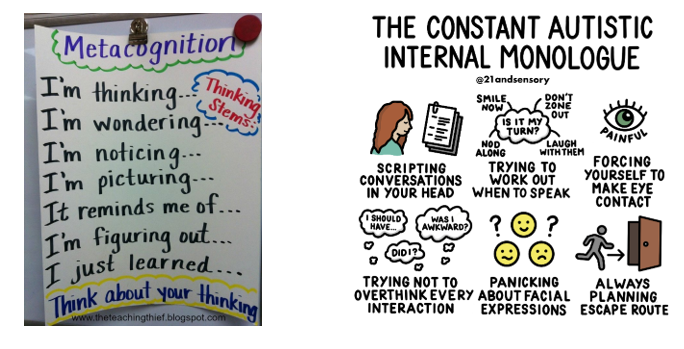
The inner dialogue, also known as self-talk or inner speech, represents the continuous stream of words and judgments we silently direct toward ourselves. This internal commentary can be supportive (“I am capable of handling this challenge”) or critical (“I’ll never succeed at this”) (Morin, 2009). Unlike metacognition, which is strategic and reflective, inner dialogue is often spontaneous, shaped by prior experiences, beliefs, and emotional states (Beck, 2011).

Because inner dialogue can strongly influence emotion and physiology, triggering stress responses or enhancing motivation. It plays a direct role in daily wellness.

The Relationship Between Metacognition and Inner Dialogue

Although related, these two processes serve distinct roles:

  • Inner dialogue is the content of thought, with words, judgments, and narratives playing out in the mind.
  • Metacognition is the process that monitors and evaluates that content, determining whether it is useful, accurate, or aligned with one’s values and goals.

For example, a negative inner dialogue may say, “I am too tired to exercise.” Metacognition, however, can step in to evaluate this thought: “Is this fatigue physical exhaustion or just lack of motivation? What choice best supports my health goals?” This oversight allows individuals to reshape self-talk into a more adaptive pattern, such as: “I will start with a light walk to see how I feel.”

In this way, metacognition acts as a regulator of the inner dialogue, creating a feedback loop in which self-awareness leads to more balanced decisions.

Implications for Holistic Health and Wellness

Mental Wellness

Unchecked inner dialogue can amplify stress, worry, or self-doubt. Metacognition provides the awareness needed to identify unhelpful thought patterns, reduce rumination, and foster cognitive reappraisal (Wells, 2002). Metacognitive therapy, for example, helps individuals gain distance from destructive inner dialogue, improving resilience and emotional balance (Normann & Morina, 2018).

Physical Health

Health behaviors such as exercise, nutrition, and sleep are influenced by the interplay between self-talk and metacognition. Inner dialogue may discourage healthy action (“I don’t have time to cook tonight”), but metacognition allows for reflection and redirection (“If I prepare something simple now, I will feel better tomorrow”). Research suggests that higher levels of metacognitive awareness correlate with proactive health behaviors (Frazier et al., 2021).

Spiritual Growth

In the spiritual dimension of wellness, metacognition and inner dialogue intersect through practices such as meditation and prayer. Inner dialogue may be quieted, observed, or transformed during these practices, while metacognition supports discernment of which thoughts are distractions, and which carry deeper meaning (Vago & Silbersweig, 2012). This reflective process nurtures clarity, purpose, and transcendence—core elements of holistic health.

Practical Applications

  1. Mindfulness and Meditation – Strengthen awareness of the inner dialogue and cultivate metacognitive observation without judgment.
  1. Reflective Journaling – Encourage conscious monitoring of thought patterns, helping distinguish helpful from harmful self-talk.
  1. Cognitive-Behavioral Practices – Use metacognition to challenge negative self-talk and reinforce positive, health-supporting narratives.
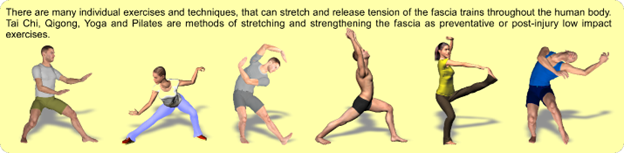
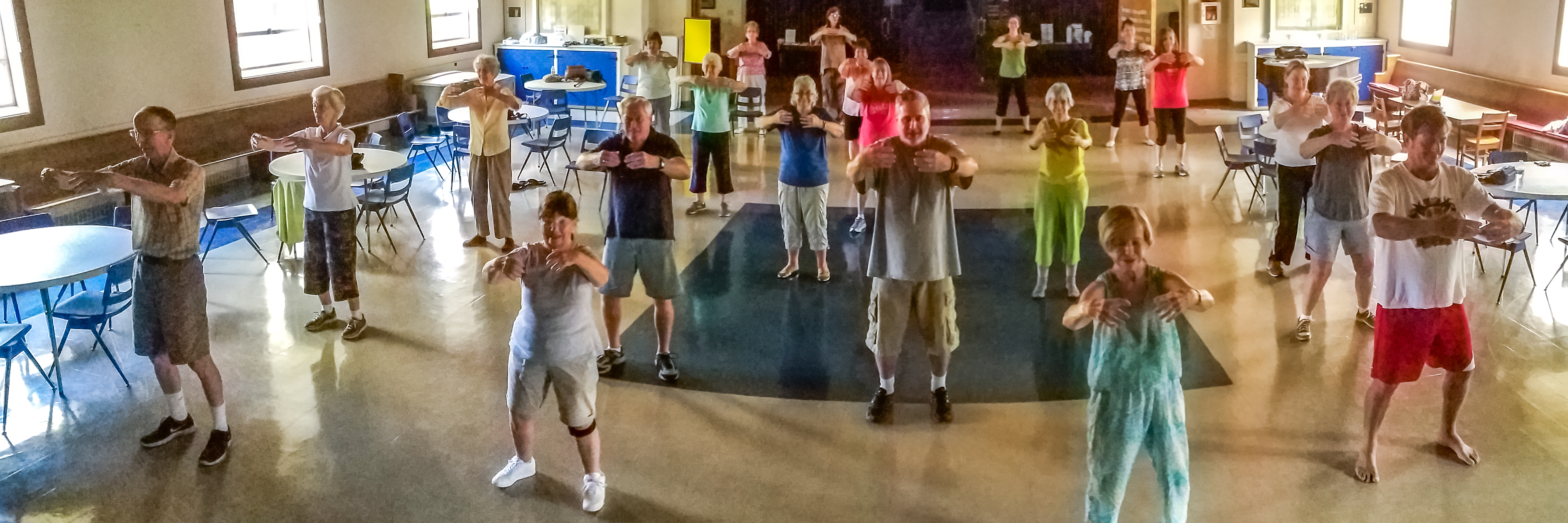
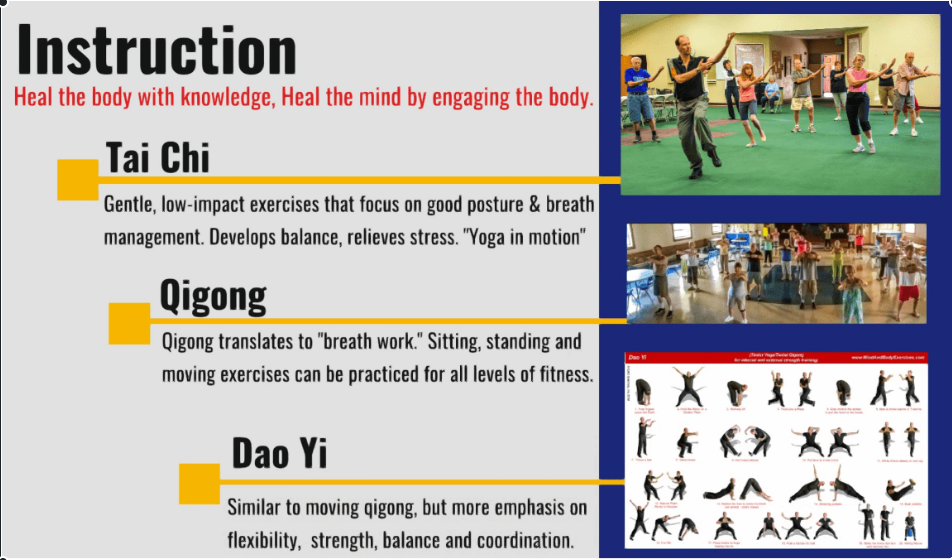
  1. Holistic Disciplines (e.g., Tai Chi, Qigong, Yoga) – Integrate body awareness with reflective thought, aligning physical sensations with mindful inner regulation.
Metacognition and inner dialogue are distinct yet complementary processes that shape human experience. Inner dialogue provides the immediate content of thought, while metacognition serves as the higher-order process that monitors and reshapes those thoughts. Together, they influence mental clarity, physical choices, and spiritual insight, making them central to holistic health and wellness. By cultivating both awareness of the inner dialogue and the reflective power of metacognition, individuals can foster resilience, self-regulation, and a deeper sense of integration across mind, body, and spirit.

References:

21andsensory, V. a. P. B. (2022, February 15). The constant autistic internal monologue. 21andsensory. https://21andsensory.wordpress.com/2022/02/15/the-constant-autistic-internal-monologue/

Beck, J. S. (2011). Cognitive behavior therapy: Basics and beyond (2nd ed.). Guilford Press. https://psycnet.apa.org/record/2011-22098-000

Flavell, J. H. (1979). Metacognition and cognitive monitoring: A new area of cognitive–developmental inquiry. American Psychologist, 34(10), 906–911. https://doi.org/10.1037/0003-066x.34.10.906

Frazier, L. D., Schwartz, B. L., & Metcalfe, J. (2021). The MAPS model of self-regulation: Integrating metacognition, agency, and possible selves. Metacognition and Learning, 16(2), 297–318. https://doi.org/10.1007/s11409-020-09255-3

Getting Started with Metacognition. (n.d.). https://theteachingthief.blogspot.com/2012/09/getting-started-with-metacognition.html

Morin, A. (2009). Self-awareness deficits following loss of inner speech: Dr. Jill Bolte Taylor’s case study. Consciousness and Cognition, 18(2), 524–529. https://doi.org/10.1016/j.concog.2008.09.008

Normann, N., & Morina, N. (2018). The efficacy of metacognitive therapy: A systematic review and meta-analysis. Frontiers in Psychology, 9, 2211. https://doi.org/10.3389/fpsyg.2018.02211

Schraw, G., & Dennison, R. S. (1994). Assessing metacognitive awareness. Contemporary Educational Psychology, 19(4), 460–475. https://doi.org/10.1006/ceps.1994.1033

Vago, D. R., & Silbersweig, D. A. (2012). Self-awareness, self-regulation, and self-transcendence (S-ART): A framework for understanding the neurobiological mechanisms of mindfulness. Frontiers in Human Neuroscience, 6, 296. https://doi.org/10.3389/fnhum.2012.00296

Wells, A. (2002). Emotional disorders and metacognition. https://doi.org/10.1002/9780470713662
Sleep Deprivation

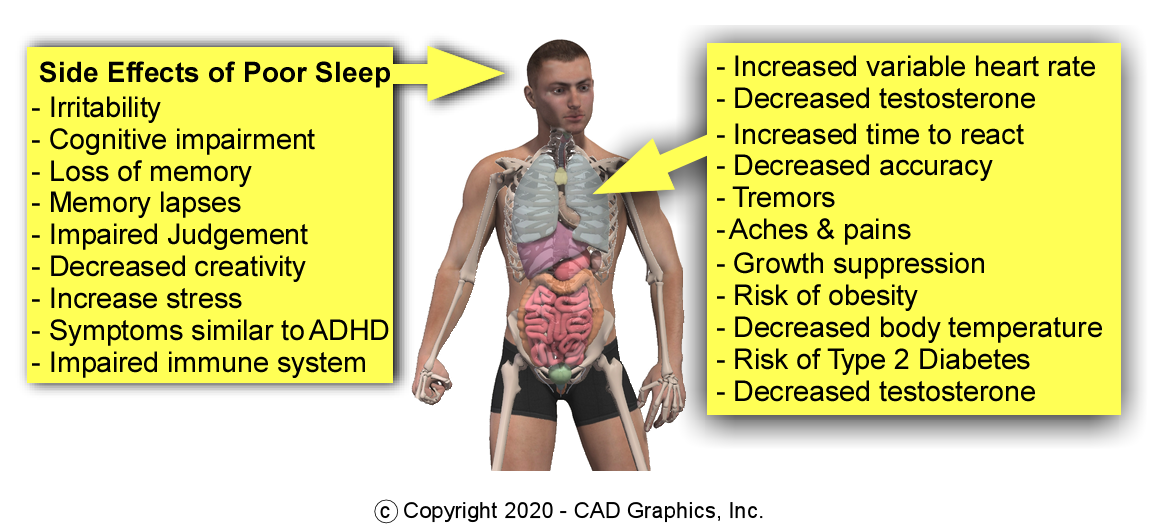
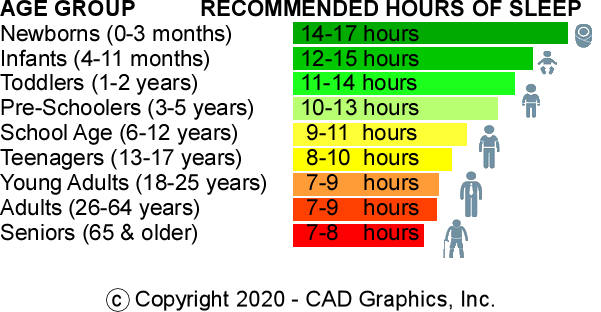
Sleep is a natural regularly occurring physiological function, where humans and other animals reduce physical and mental activity, lessen responsiveness to stimuli, and particular patterns of brain activity occur (Ettinger 2018). Prolonged lack of sleep or sleep deprivation can cause impaired memory formation as well as adverse effects on the brain’s other cognitive functions such as learning, language, reason, and perception. Sleep deprivation has also been linked to significant mental diseases, such as depression, psychosis, and bipolar disorder (Horowitz, 2020). Physical problems attributed to consistent lack of sleep include weakening of the immune system, headaches, heart disease, fainting, weight gain or weight loss, blurred vision, and hernias. Other related ailments may include obesity, cancer, stroke, asthma, high blood pressure, diabetes, arthritis, and kidney failure. Severe sleep deprivation in humans can also be fatal, where a rare neurological ailment called fatal familial insomnia, results in damage to areas of the thalamus
(Horowitz, 2020).


Studies with REM-deprived sleep participants showed the effects of decreased ability to concentrate on tasks, increased irritability, hostility, anxiousness, and aggressiveness. Studies also showed that REM-starved participants entered into REM sleep almost as soon as they were permitted to nod off, over the course of a one-week experiment. Participants experienced a REM rebound effect, where they spent roughly 50 percent more time in REM than they did before the start of the experiment. This REM rebound effect seems to occur immediately after a duration of forced wakefulness during a night’s sleep. Physiological changes in animals have been observed in other studies regarding REM deprivation, with effects of weight loss, deteriorated appearance, skin lesions, increased energy expenditure, decreased body temperature, and even death. Researchers think that if humans experienced similar circumstances of sleep deprivation used in animal studies, similar outcomes would present (Ettinger 2018).

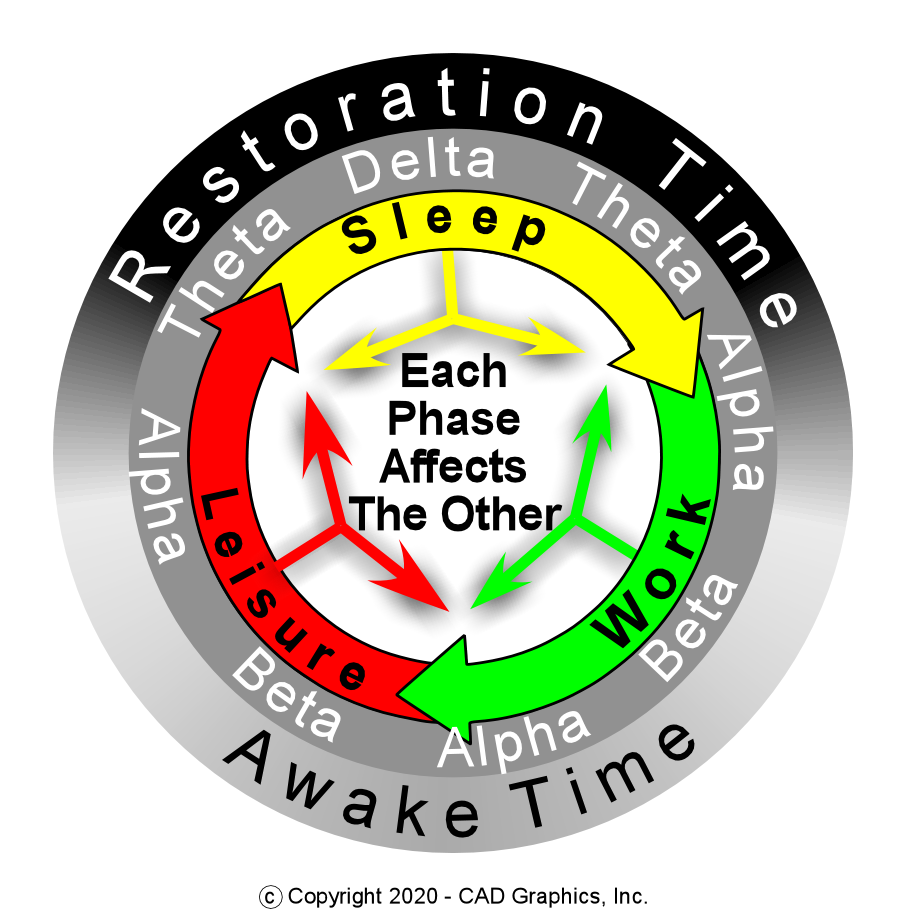
Studies show that sleep is necessary, but exactly why is not clear. Theories exist that we require sleep to conserve energy, avoid predation, and memory aid. However, none of these theories are widely accepted by psychologists. Another theory is that sleep helps in mental and physical restoration. Sleep is thought to restore resources that are drained during our daily activities. Studies show that people often sleep longer after particularly tiring events helps to support this theory. Unsettled evidence shows that specific types of tissue restoration might happen during sleep. Growth hormone is secreted at increased levels during Stage 4 sleep as well as brain neurotransmitters possibly being restored during sleep. Other research indicates that sleep is essential for brain homeostasis. Additionally, research suggests that metabolic waste that accumulates from neural activity is eliminated from the brain and cerebral spinal fluid, while only occurring during sleep (Ettinger 2018). This theory has merit, as other relative studies offer further evidence of sleep quality affecting health and well-being, specifically with intensive care unit (ICU) patients (Pisani, 2015). I find it hard to discredit this theory, just based on personal experience with almost everyone I have ever known or met, expressing how much more restored, refreshed, and energetic they are when they have regular quality sleep.


I feel that American culture in general, does not pay much attention to preventing disease and illness, let alone the specific issue of sleep deprivation. We have gradually grown into a nation where we live for our pleasures today, with little regard for the consequences that will come tomorrow. Many see modern allopathic medicine and its many pharmaceutical options, as the only path to fix all of our ills. There is a plethora of medications that we can take to keep us awake when we don’t get enough sleep. Conversely, we also have a wide variety of other pharmaceuticals to help us sleep when we are too awake, anxious, or stressed.

I see many college-aged kids, who are learning how to manage and navigate their college lives of studies and social life, while also trying to stay safe and healthy in the process. I don’t really think the issue of college student sleep deprivation has changed much over the last few decades, as far as young adults exercising their independence and learning of their limits. What has changed, I believe is the acceptance of legal as well as illegal drugs being used to manage the ups and downs of coping with the on-campus “college life”. Additionally, the last 2 years of dealing with the COVID-19 pandemic have greatly added to the recipe for potential psychological issues. Many people of all ages have experienced stress as they attempt to balance their relative circumstances. Many people were inside more which may have led to a more sedentary lifestyle, eating more poor-quality food, drinking more alcohol, consuming more recreation and medicinal drugs, and other issues that can affect the quality of sleep. Consequently, I think the more relative issue that is yet to unfold, is how has the management of the pandemic affected sleep quality across many demographics? This topic will probably take years to study in order to draw any logical conclusions.

References:
Ettinger, R. H. (2018). Psychology: The Science of Behavior (6th ed.). BVT Publishing.


Horowitz, D. (2020). Sleep deprivation. Salem Press Encyclopedia of Health.


Pisani, M. (2015). Sleep in the intensive care unit: An oft-neglected key to health restoration.


Heart & Lung : The Journal of Critical Care, 44(2), 87. https://doi-org.northernvermont.idm.oclc.org/10.1016/j.hrtlng.2015.01.007

I teach and offer lectures about holistic health, physical fitness, stress management, human behavior, meditation, phytotherapy (herbs), music for healing, self-massage (acupressure), Daoyin (yoga), qigong, tai chi, and baguazhang.

Please contact me if you, your business, organization, or group, might be interested in hosting me to speak on a wide spectrum of topics relative to better health, fitness, and well-being.

I look forward to further sharing more of my message by partnering with hospitals, wellness centers, VA centers, schools on all levels, businesses, and individuals who see the value in building a stronger nation through building a healthier population.

I also have hundreds of FREE education video classes, lectures, and seminars available on my YouTube channel at:

https://www.youtube.com/c/MindandBodyExercises

Many of my publications can be found on Amazon at:

http://www.Amazon.com/author/jimmoltzan

My holistic health blog is available at:

https://mindandbodyexercises.wordpress.com/

http://www.MindAndBodyExercises.com

Mind and Body Exercises on Google: https://posts.gle/aD47Qo

Jim Moltzan

407-234-0119

The Breath of Insight: Everyday Tools to Awaken the Vagus Nerve

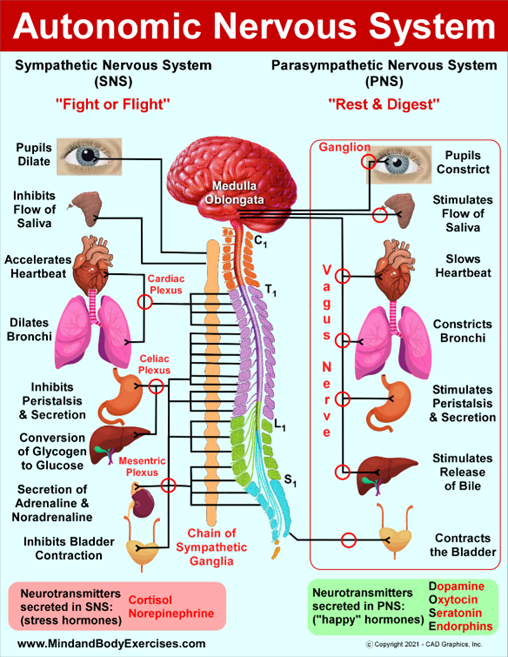
I often reflect on how our breath, movement, and embodied practices unlock intelligence that’s deeper than thought alone. I’ve discovered that the vagus nerve, also known as cranial nerve X, is far more than a static anatomical cord. It is a sprawling, bidirectional highway connecting brain with body, from lungs and heart to gut and even immune activity (Huberman, 2025). About 85 % of its fibers are sensory (body to brain), while 15 % are motor (brain to body), making it a master regulator of heart rate, digestion, mood, learning, and immune responses (Huberman, 2025; Wikipedia, 2025).

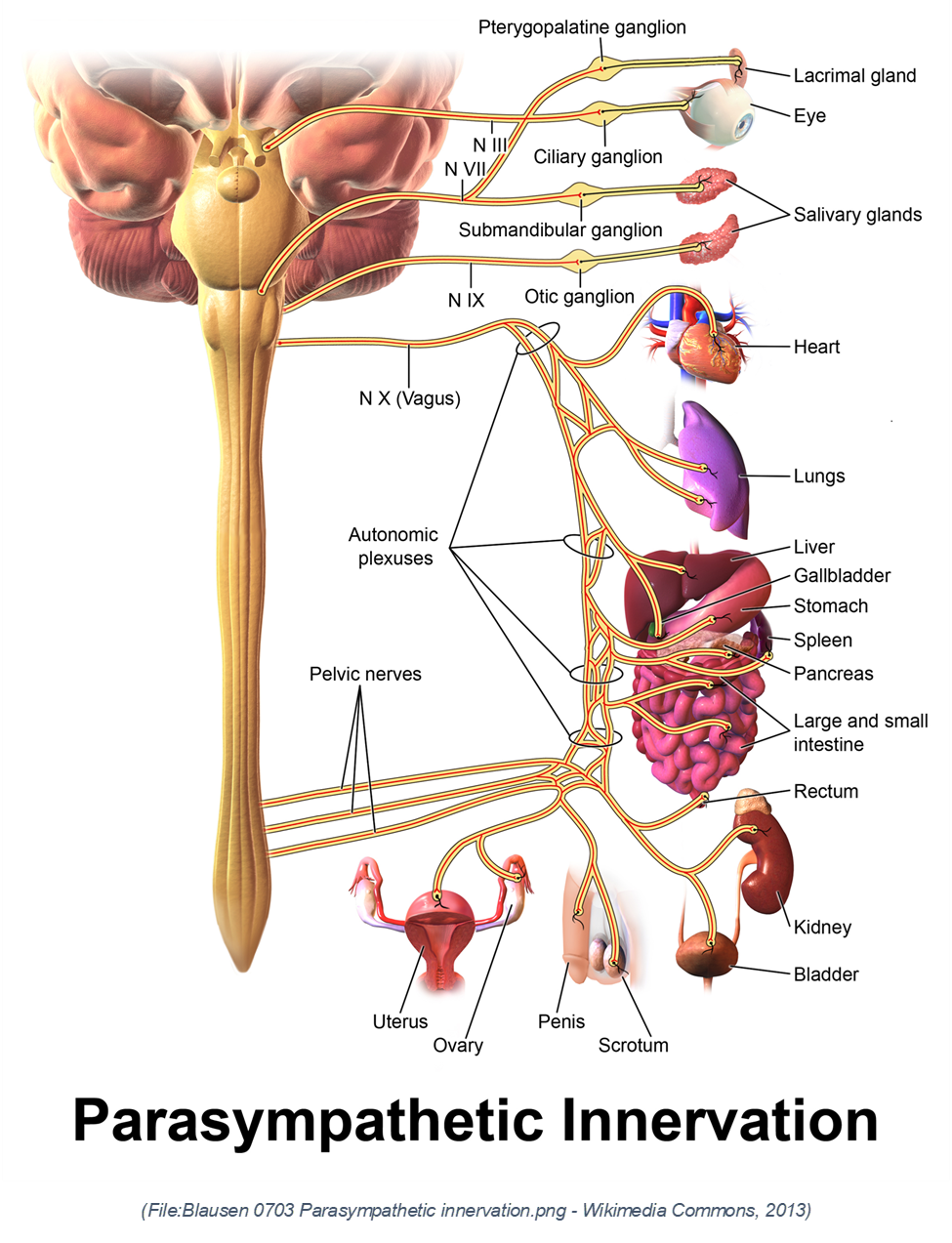
The vagus nerve gets its name from the Latin word “vagus,” which means wandering. This is a fitting name because the vagus nerve has an unusually long and far-reaching path through the body. It originates in the medulla oblongata of the brainstem and “wanders” through the neck, thorax, and abdomen, innervating a wide array of organs, including the heart, lungs, stomach, intestines, and more (Wikipedia, 2025).

Its full name is often “nervus vagus”, emphasizing its meandering and expansive nature, unlike most cranial nerves, which are typically more localized to the head and neck. Because of this extensive distribution, the vagus plays a central role in regulating autonomic functions, such as heart rate, digestion, and respiratory rate, and serves as a vital communication link between the brain and the body’s internal environment.

One of the most empowering revelations for me was how intertwined vagal tone is with breathing. Specifically tailored breathwork of the physiological sigh (two inhales, followed by a long exhale) activates parasympathetic vagal fibers via the nucleus ambiguous, slowing heart rate and enhancing heart‑rate variability (HRV), a gold‑standard biomarker of autonomic balance (Huberman, 2025; Leggett, 2023).

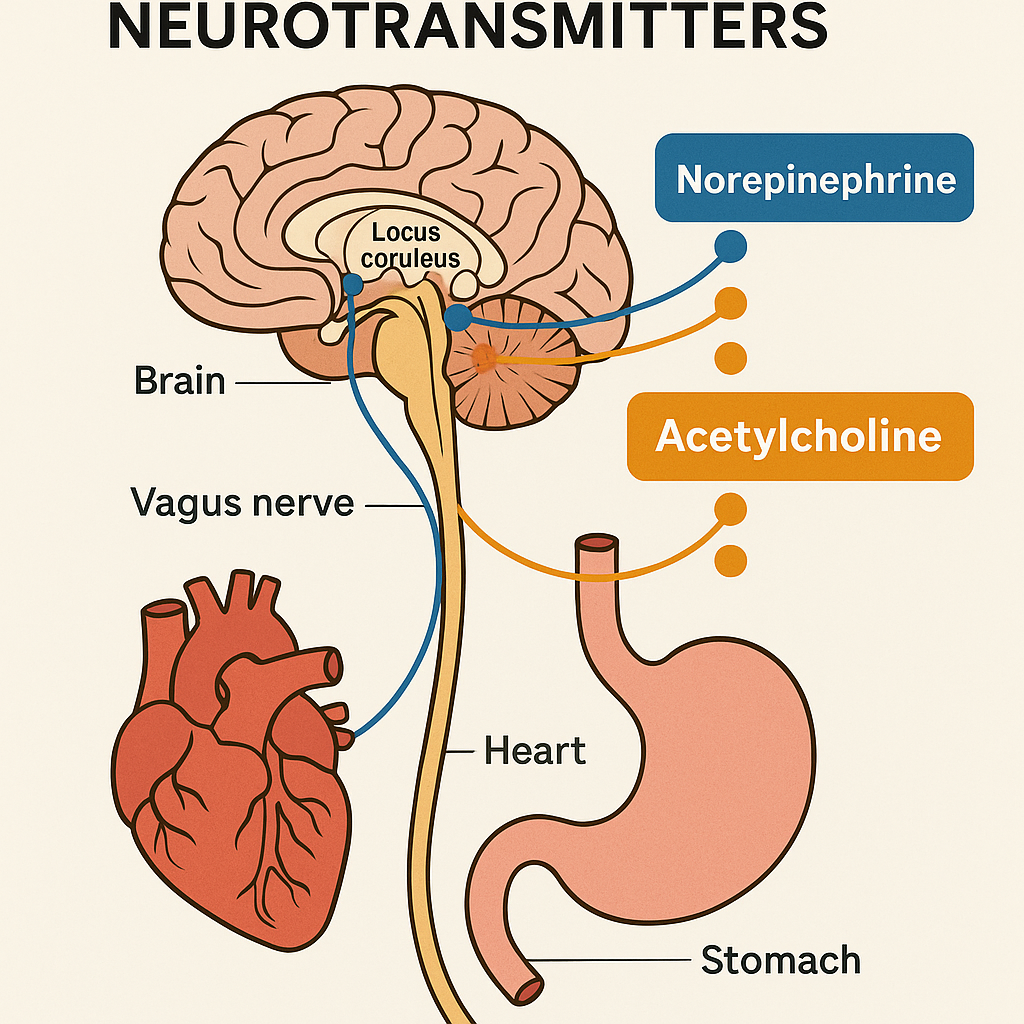
Yet, the vagus nerve isn’t only a conduit for calm. I have found that physical movement,especially full‑body activation, triggers adrenal adrenaline, which then stimulates vagal sensory fibers. Those fibers feed into brainstem centers like the locus coeruleus and nucleus basalis, releasing norepinephrine and acetylcholine. The result is heightened focus, enhanced neuroplasticity, and a robust alertness without external stimulants (Huberman, 2025).

Nutrition plays a role too. Most serotonin resides in the gut; it doesn’t cross into the brain, but it influences mood via vagal pathways, sensing gut serotonin that signals the dorsal raphe nucleus which then boosts central serotonin (Huberman, 2025). So, adopting a tryptophan‐rich diet and nurturing one’s microbiome (e.g., low‑sugar fermented foods) can become part of one’s daily routine.

I have learned that simple practices like humming, gargling, or gentle neck stretches can become non‑drug tools to engage vagal branches in the throat and chest, mechanically activating fibers that foster parasympathetic tone (Tourino Collinsworth, 2025; Huberman, 2025). A simple low hum can reliably bring a drop in heart rate and stress.

One of the most profound insights has been the nuance in that the vagus isn’t “just” the rest‑and‑digest nerve. Depending on which branches are engaged, it can equally support alertness. Choosing breath‑focused tools (long exhales) yields calm; choosing exercise taps into alerting pathways. Recognizing this dynamic allows one to consciously steer their physiological and mental states in real time.

Neuroplasticity, Focus, and the Vagal-Cholinergic Pathway

Beyond its role in autonomic balance, the vagus nerve also supports cognitive performance by enhancing the brain’s neurochemical environment for learning and attention. When vagal afferents stimulate brainstem centers like the locus coeruleus and nucleus basalis, they help trigger the release of norepinephrine and acetylcholine, two neurotransmitters essential for focus, motivation, and neuroplastic change (Huberman, 2025; Nieuwenhuis, Aston-Jones, & Cohen, 2005).

These chemicals enhance activity in key regions like the dorsolateral prefrontal cortex (DLPFC), which governs executive function, attention, and working memory (Hasselmo & Sarter, 2011). This means that when vagal tone is elevated, such as after breathwork, movement, or focused exertion, this prefrontal region becomes more efficient and better able to regulate thought, emotion, and decision-making.

Acetylcholine is especially powerful in this context. It increases the brain’s signal-to-noise ratio, allowing it to more precisely encode meaningful information while filtering distractions (Hasselmo & Sarter, 2011). Physical exercise and deliberate vagal stimulation naturally boost acetylcholine levels. Some individuals also explore cholinergic support via compounds like Alpha-GPC (a choline donor that crosses the blood-brain barrier), or low-dose nicotine, which binds to nicotinic acetylcholine receptors and has shown benefits for working memory and attention when used carefully in clinical settings (Bellar et al., 2015; Newhouse, Singh, & Potter, 2004). These are not necessary tools, but they highlight the role of the vagus nerve in modulating the very systems that underlie learning and cognitive agility. By consciously engaging this vagal-cholinergic loop through natural means, such as breath, movement, or vocalization, we can support neuroplasticity, deepen focus, and foster resilience in both mind and body

Complex Dual Functionality of the Vagus Nerve: The vagus nerve is not just a calming parasympathetic nerve but a mixed nerve containing both sensory and motor fibers. About 85% of its fibers transmit sensory information from organs to the brain, while 15% send motor commands from the brain to the body. This dual role is crucial for its broad influence on bodily homeostasis, mood, and alertness. Understanding this mixed functionality is essential for designing interventions targeting specific vagal pathways to achieve desired physiological or psychological outcomes (Huberman, 2025).

Heart Rate Variability and Autoregulation: The vagus nerve’s motor fibers originating in the nucleus ambiguous regulate heart rate by acting on the sinoatrial node, slowing heartbeats during exhalation. This mechanism underlies heart rate variability (HRV), a key biomarker of autonomic flexibility and health. Deliberate breathing techniques that emphasize prolonged exhales strengthen this pathway, improving HRV and autonomic balance over time. This pathway’s plasticity means that behavioral practices can enhance or degrade vagal control, impacting stress resilience and longevity (Huberman, 2025).

Exercise as a Vagal Alertness Stimulus: Movement of large muscle groups triggers adrenal release of adrenaline, which activates vagal sensory fibers. These fibers relay signals to the brainstem’s nucleus tractus solitarius (NTS), which then activates the locus coeruleus to release norepinephrine, increasing brain-wide alertness. This pathway explains why engaging in high-intensity physical activity can overcome lethargy and brain fog by activating endogenous neurochemical systems without pharmacology. It also highlights the vagus nerve’s role in coupling body and brain states, facilitating motivation and cognitive performance (Huberman, 2025).

Gut Serotonin and Brain Mood Regulation via Vagus: While 90% of the body’s serotonin is produced in the gut, it does not enter the brain directly. Instead, serotonin in the gut binds to receptors on vagal sensory neurons, which signal the dorsal raphe nucleus in the brainstem to release brain serotonin. This gut-brain serotonin axis is influenced by dietary tryptophan and the microbiome’s health, linking nutrition and gut health to mood and neuroplasticity. This insight supports dietary and probiotic interventions as adjunctive strategies for mood disorders and general well-being (Huberman, 2025).

Physiological Sigh and Rapid Vagal Activation: The physiological sigh, or a double inhale through the nose followed by a prolonged exhale through the mouth, leverages both mechanical and chemical vagal pathways to rapidly decrease sympathetic nervous system activity and increase parasympathetic tone. This breathing method can be used on-demand to calm the nervous system faster and more robustly than simpler breathing or ear-rubbing techniques, demonstrating a powerful non-pharmacological tool for stress regulation (Huberman, 2025).

Vocalization Techniques for Vagal Engagement: Humming and gargling produce vibrations in the throat that mechanically stimulate vagal fibers innervating the larynx and related structures. Extending the ‘H’ sound in humming particularly engages these fibers, promoting parasympathetic activation and heart rate deceleration similar to breathing techniques. This finding validates traditional practices in yoga and meditation, offering accessible methods to induce relaxation and improve autonomic regulation (Huberman, 2025).

Context-Dependent Vagal Effects on Alertness and Calm: The vagus nerve’s effects are context-dependent and branch-specific. Some vagal pathways promote calm and rest, while others enhance alertness and sympathetic activity. This nuanced understanding dispels the myth that vagal activation always induces relaxation. It emphasizes the importance of targeting specific branches or using appropriate behaviors (e.g., breathing exercises vs. physical activity) to achieve the desired physiological or psychological state (Huberman, 2025).

Key Practical Tools

  • Physiological sigh: two inhales through the nose + long exhale through the mouth. Use this on‑demand to swiftly enhance HRV and calm the nervous system (Huberman, 2025).
  • Full‑body movement (especially high‑intensity): activates vagal‑mediated alertness via adrenal‑vagal pathways, great for focus and learning (Huberman, 2025).
  • Diet support: tryptophan‑rich and fermented foods support gut‑based serotonin → vagal → central serotonin signaling (Huberman, 2025).
  • Vocalization: humming, gentle chanting, gargling activates laryngeal vagal branches; even ~3–5 minutes/day yields calming effects (Tourino Collinsworth, 2025).
  • Neck stretch: stimulating vagal fibers mechanically via gentle stretches along carotid sheath aids parasympathetic activation (Huberman, 2025).

References:

Andrew Huberman. (2025, June 23). Control your vagus nerve to improve mood, alertness & neuroplasticity [Video]. YouTube. https://www.youtube.com/watch?v=CLbVW3Pj46A

Bellar, D., LeBlanc, N. R., & Campbell, B. (2015). The effect of 6 days of alpha glycerylphosphorylcholine on isometric strength. Journal of the International Society of Sports Nutrition, 12(1). https://doi.org/10.1186/s12970-015-0103-x

File:Blausen 0703 Parasympathetic innervation.png – Wikimedia Commons. (2013, September 5). https://commons.wikimedia.org/wiki/File:Blausen_0703_Parasympathetic_Innervation.png

Hasselmo, M. E., & Sarter, M. (2011). Modes and models of forebrain cholinergic neuromodulation of cognition. Neuropsychopharmacology, 36(1), 52–73. https://doi.org/10.1038/npp.2010.104

Leggett, H. (2023, February 9). ‘Cyclic sighing’ can help breathe away anxiety. Stanford Medicine News. med.stanford.edu

Newhouse, P., Singh, A., & Potter, A. (2004). Nicotine and nicotinic receptor involvement in neuropsychiatric disorders. Current Topics in Medicinal Chemistry, 4(3), 267–282. https://doi.org/10.2174/1568026043451401

Nieuwenhuis, S., Aston-Jones, G., & Cohen, J. D. (2005). Decision making, the P3, and the locus coeruleus–norepinephrine system. Psychological Bulletin, 131(4), 510–532. https://doi.org/10.1037/0033-2909.131.4.510

Tourino Collinsworth, R. (2025, March 30). How to use your voice to reduce your stress and feel calmer. The Washington Post. verywellhealth.com+14washingtonpost.com+14hubermanlab.com+14 Wikipedia. (2025). Vagus nerve. Retrieved June 26, 2025. en.wikipedia.org+1

What Is Autogenic Therapy? A Self-Directed Path to Deep Relaxation

In today’s fast-paced world, stress-related conditions are on the rise. Autogenic therapy, also known as autogenic training, offers a powerful way to counterbalance modern stress through a simple, structured set of mental exercises. Developed by German psychiatrist Johannes Heinrich Schultz and coined the term in 1928, this self-regulation technique continues to help people worldwide regain calm, reduce anxiety, and improve overall well-being.

What Is Autogenic Therapy?

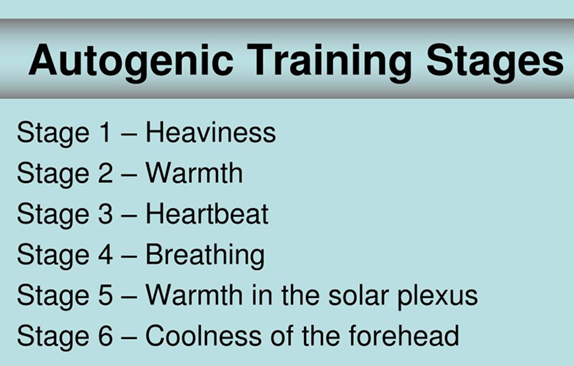
Autogenic therapy is a relaxation technique that uses self-suggestions to bring about physical and emotional calmness. The practice involves six standardized exercises focusing on sensations like:

  • Heaviness and lightness in the limbs
  • Warmth
  • Heartbeat regulation
  • Breathing awareness
  • Abdominal warmth
  • Forehead cooling (Luthe & Schultz, 1969)

These exercises promote a shift in the autonomic nervous system toward the parasympathetic or “rest and digest” mode, reducing the physiological effects of stress.

Although not usually classified as meditation, autogenic therapy shares similar traits with meditative and mindfulness-based practices:

  • Present-moment awareness
  • Regulation of breath and heart rate
  • Promotion of internal balance and nervous system calm (Melnikov, 2021)

What’s especially fascinating is that autogenic therapy aligns with ancient mind–body traditions found in:

  • Tai Chi
  • Qigong
  • Yoga
  • Martial Arts

These disciplines often guide practitioners to cultivate bodily sensations that echo those used in autogenic training:

  • Feelings of lightness or heaviness in the limbs
  • Generating internal warmth (often associated with breath or energy flow)
  • Focusing on the heartbeat or breath rhythm
  • Stimulating abdominal heat (known in some traditions as dantian activation)
  • Creating a sense of coolness or spaciousness in the head or forehead

These parallels suggest that human self-regulation, through structured inner awareness, is a timeless and cross-cultural approach to stress relief, energy balance, and health.

When practiced consistently, autogenic therapy has been shown to:

  • Reduce anxiety and stress
  • Improve sleep quality
  • Lower blood pressure
  • Enhance emotional and nervous system resilience
  • Relieve headaches, muscle tension, and chronic fatigue (Stetter & Kupper, 2002)

Its simplicity and accessibility make it a popular choice for those looking for holistic, non-invasive ways to manage daily pressures and improve health.

Each autogenic session involves repeating mental phrases such as, “my arms are heavy and warm,” while reclining or sitting in a quiet space. The mind’s focus on these specific body cues leads to a measurable shift in physiology, lowering stress hormones, heart rate, and muscle tension (Luthe & Schultz, 1969; Stetter & Kupper, 2002).

Many people practice autogenic training independently, with audio guidance, or under the supervision of a certified therapist.

While autogenic therapy is safe for most individuals, it may not be appropriate for people with psychotic disorders, such as schizophrenia or bipolar disorder with psychotic features (Fletcher, 2023. Here’s why:

1. Exacerbation of Symptoms

The use of self-suggestion and imagery can potentially worsen hallucinations or delusional thinking in vulnerable individuals (Kanji, 2006; Stetter & Kupper, 2002).

2. Potential for Dissociation

The deep relaxation states achieved may induce altered consciousness or dissociation, which can be unsettling or unsafe for those with psychotic tendencies.

3. Difficulty in Reality Testing

Psychotic conditions often impair one’s ability to distinguish between internal experience and external reality. Autogenic training might blur these lines further (Stetter & Kupper, 2002).

4. Medication Disruption Risk

Some individuals may believe that relaxation practices can replace essential medication, potentially leading to non-compliance and relapses (Mueser & Jeste, 2008).

Because of these risks, it’s essential that individuals with psychotic disorders engage in any form of relaxation training only under professional medical supervision. More recent research has suggested that autogenic therapy may actually help those suffering from schizophrenia (Breznoscakova et al., 2023).

Autogenic therapy offers a safe, evidence-based, and self-directed method to reduce stress and promote relaxation. Its emphasis on internal sensations such as warmth, breath, heartbeat, and mental stillness, places it in harmony with long-standing Eastern practices like tai chi, yoga, and qigong.

For most people, autogenic therapy can serve as a cornerstone of a healthy lifestyle, but those with complex mental health conditions should consult with trained professionals to ensure it is suitable.

References:

Breznoscakova, D., Kovanicova, M., Sedlakova, E., & Pallayova, M. (2023). Autogenic Training in Mental Disorders: What Can We Expect? International Journal of Environmental Research and Public Health, 20(5), 4344. https://doi.org/10.3390/ijerph20054344

Fletcher, J. (2023, August 17). Autogenic training: Benefits, limitations, and how to do it. https://www.medicalnewstoday.com/articles/autogenic-training#how-to-do-it

Luthe, W., & Schultz, J. H. (1969). Autogenic therapy (Vol. 1–6). New York: Grune & Stratton.

Mueser, K. T., & Jeste, D. V. (2008). Clinical handbook of schizophrenia. New York: Guilford Press.

Melnikov, M. Y. (2021). The Current Evidence Levels for Biofeedback and Neurofeedback Interventions in Treating Depression: A Narrative review. Neural Plasticity, 2021, 1–31. https://doi.org/10.1155/2021/8878857

Stetter, F., & Kupper, S. (2002). Autogenic training: a meta-analysis of clinical outcome studies. Applied Psychophysiology and Biofeedback, 27(1), 45–98. https://doi.org/10.1023/a:1014576505223

VA Office of Patient Centered Care and Cultural Transformation. (n.d.). AUTOGENIC TRAINING. In VA Office of Patient Centered Care and Cultural Transformation (pp. 1–3). https://www.va.gov/WHOLEHEALTHLIBRARY/docs/Autogenic-Training.pdf

I teach and offer lectures about holistic health, physical fitness, stress management, human behavior, meditation, phytotherapy (herbs), music for healing, self-massage (acupressure), Daoyin (yoga), qigong, tai chi, and baguazhang.

Please contact me if you, your business, organization, or group, might be interested in hosting me to speak on a wide spectrum of topics relative to better health, fitness, and well-being.

I look forward to further sharing more of my message by partnering with hospitals, wellness centers, VA centers, schools on all levels, businesses, and individuals who see the value in building a stronger nation through building a healthier population.

I also have hundreds of FREE education video classes, lectures, and seminars available on my YouTube channel at:

https://www.youtube.com/c/MindandBodyExercises

Many of my publications can be found on Amazon at:

http://www.Amazon.com/author/jimmoltzan

My holistic health blog is available at:

https://mindandbodyexercises.wordpress.com/

http://www.MindAndBodyExercises.com

Mind and Body Exercises on Google: https://posts.gle/aD47Qo

Jim Moltzan

407-234-0119

Flu Season? Or Lack of Sunlight, and Eat Sugar Season!!

Winter, Immunity, and the Unsustainable Model of Modern Healthcare. Why Lifestyle Medicine Must Become the First Line of Defense

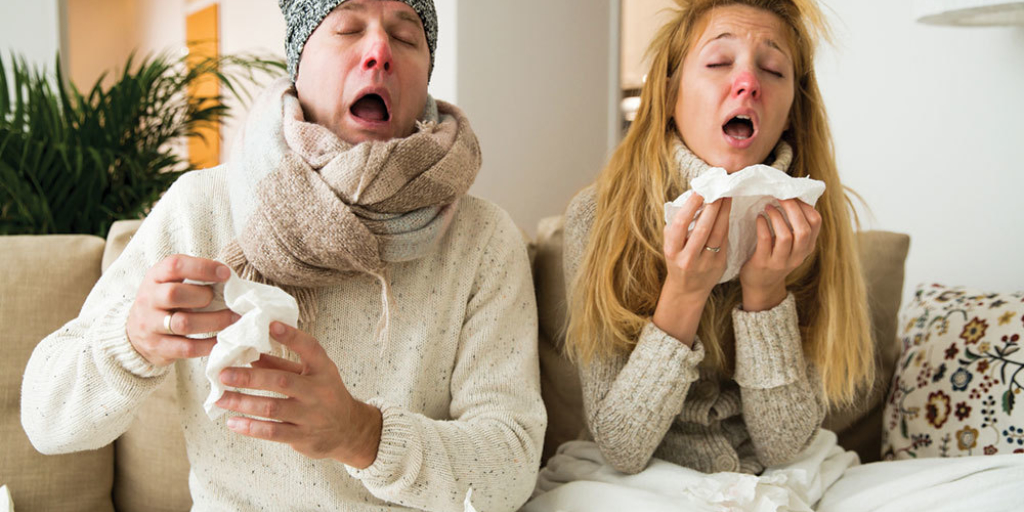
Winter has long been recognized as a season of heightened illness, commonly referred to as “flu season.” This pattern has existed for thousands of years, shaped by environmental conditions, reduced sunlight, behavioral changes, and altered activity patterns. Yet despite humanity’s long-standing awareness of these seasonal rhythms, modern healthcare systems, particularly in the United States, continue to respond with a predominantly pharmaceutical-centered model. Vaccines and medications are promoted as the primary line of defense, while foundational health behaviors such as nutrition, movement, sunlight exposure, sleep, and stress regulation receive comparatively little emphasis.

You can watch my short video on this topic at:

This strategy is proving unsustainable. The United States now faces a continuous decline in both physical and mental health, rising chronic disease burden, escalating healthcare costs, and worsening quality of life indicators. The growing reliance on pharmaceutical intervention without addressing underlying behavioral and environmental contributors has created a reactive, symptom-focused system rather than a proactive, resilience-based model of health. This essay argues that a fundamental reorientation toward lifestyle medicine as the primary foundation of public health is not only logical, but essential for reversing current health trajectories.

The Predictable Nature of Winter Illness

Seasonal illness is not random. Respiratory infections, influenza, and other viral illnesses consistently peak during winter months due to a convergence of physiological, behavioral, and environmental factors. These include increased indoor crowding, reduced physical activity, poorer dietary habits, higher alcohol consumption, disrupted sleep, and reduced exposure to sunlight (Eccles, 2002; Dowell & Ho, 2004).

Human physiology evolved in close relationship with seasonal rhythms. Historically, winter was a period of reduced food availability, lower caloric intake, and continued physical labor. In contrast, modern winter behavior is characterized by caloric excess, sedentary lifestyles, and prolonged indoor confinement, conditions that directly suppress immune function and metabolic health (Booth et al., 2012).

The seasonal rise in illness is therefore not an unavoidable biological fate, but a predictable consequence of modern lifestyle patterns layered onto ancient physiology.

Vitamin D Deficiency: A Global and Seasonal Crisis

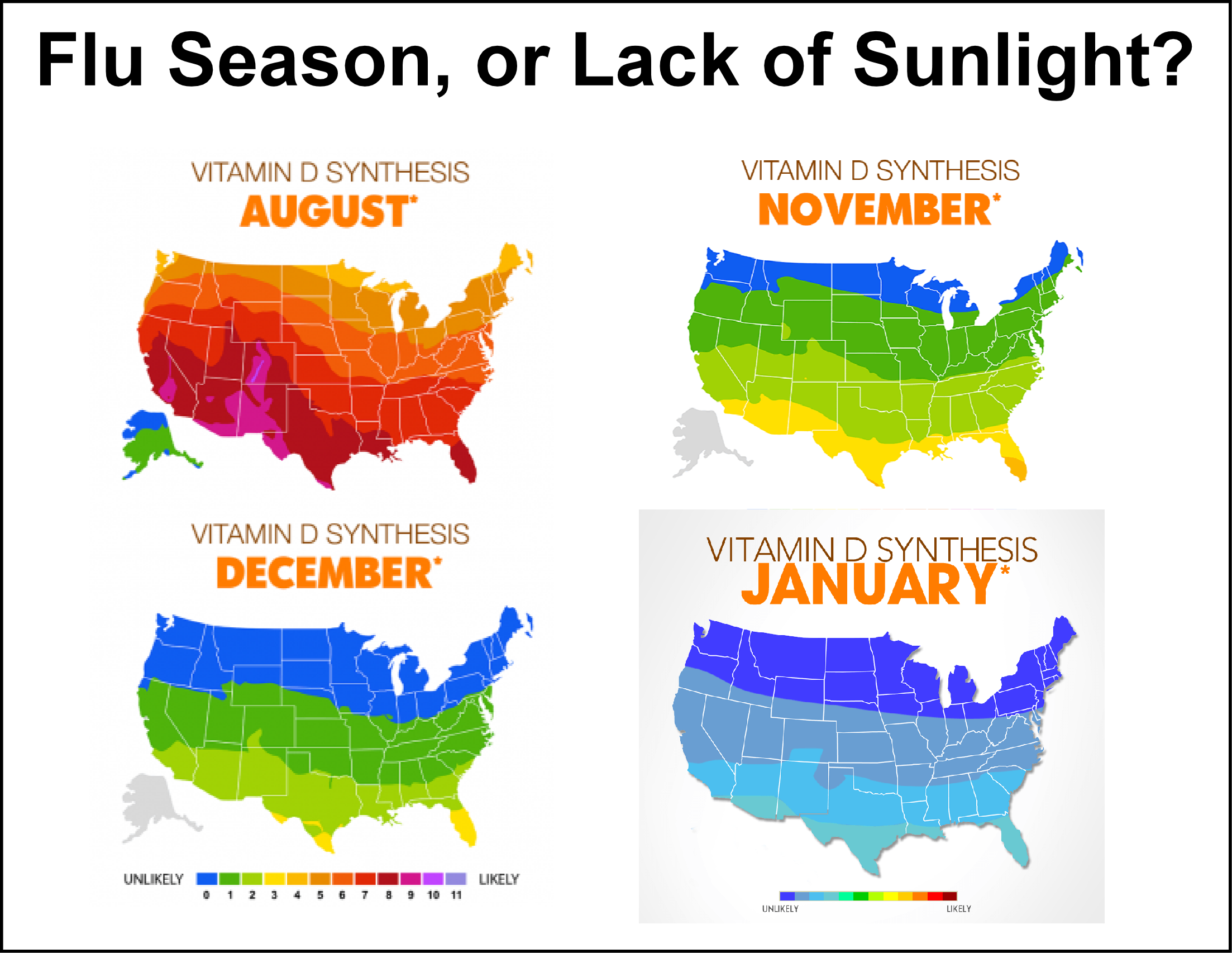
One of the most significant contributors to winter immune vulnerability is widespread vitamin D deficiency. Vitamin D synthesis is dependent on ultraviolet B (UVB) radiation from sunlight, which is largely absent during winter months in northern latitudes. As a result, deficiency rates increase dramatically during this season.

Globally, over one billion people are estimated to be vitamin D deficient (Holick, 2007). In the United States, approximately 40–60% of adults have insufficient levels during winter months (Forrest & Stuhldreher, 2011). Vitamin D plays a central role in immune regulation, influencing innate immunity, T-cell function, and inflammatory control (Aranow, 2011).

Low vitamin D levels are associated with increased risk of respiratory infections, influenza, autoimmune disease, and poorer outcomes in viral illness (Martineau et al., 2017; Gombart et al., 2020). Yet despite this robust evidence base, vitamin D status is rarely assessed or addressed in routine clinical care.

Physical Inactivity and Immune Suppression

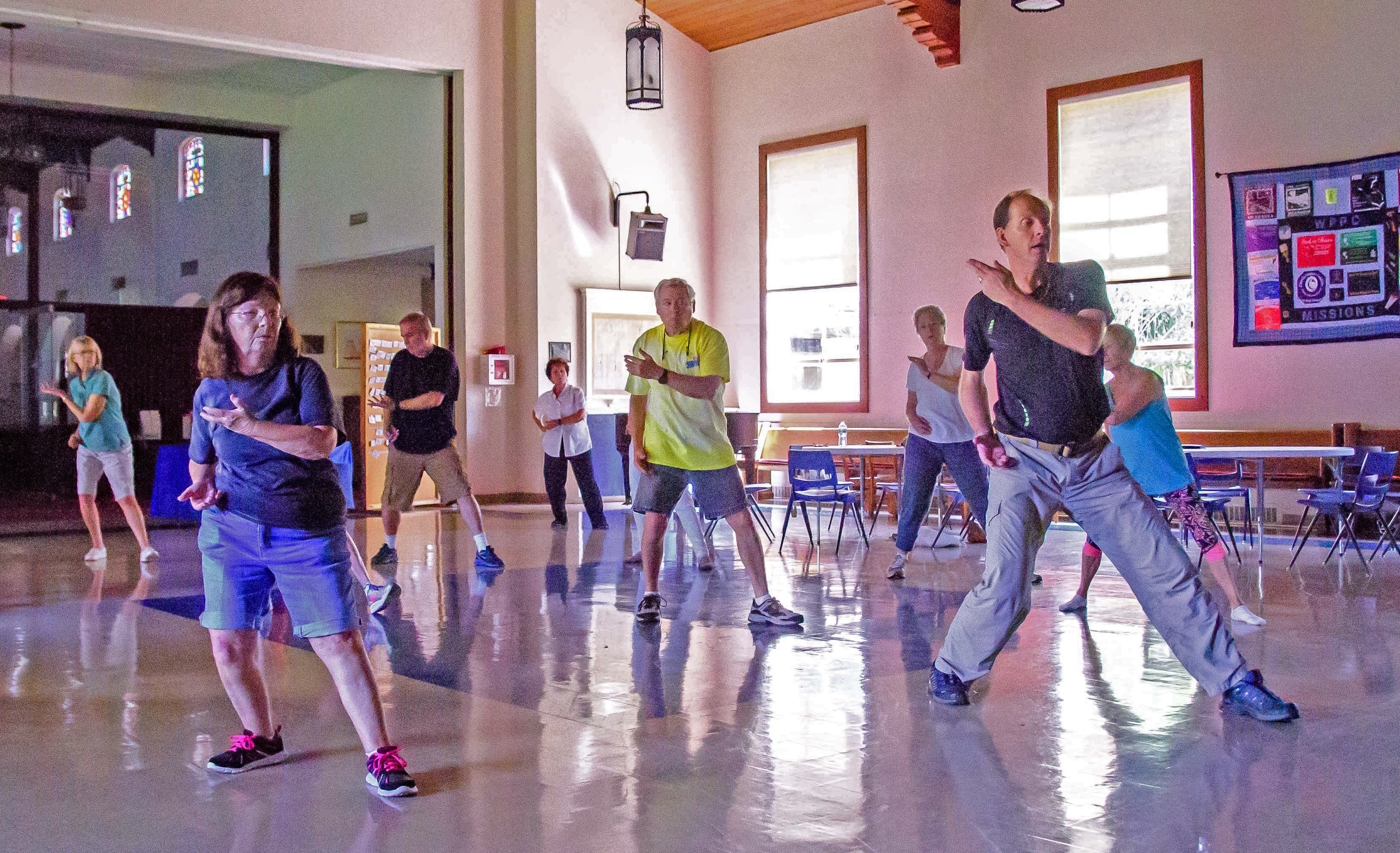
Physical activity is one of the most powerful modulators of immune function. Regular movement enhances immune surveillance, improves lymphatic circulation, reduces chronic inflammation, and improves metabolic health (Nieman & Wentz, 2019).

Conversely, physical inactivity, now widespread in industrialized nations, has been shown to increase susceptibility to infection, worsen vaccine response, and promote chronic low-grade inflammation (Booth et al., 2012; Hamer et al., 2020). Winter months exacerbate sedentary behavior, as colder temperatures and shorter daylight hours reduce outdoor activity.

The modern human body, designed for daily movement, now spends most of its time in chairs, cars, and climate-controlled environments. This mismatch between evolutionary design and modern behavior contributes directly to immune dysfunction and chronic disease.

Ultra-Processed Food and Immune Dysfunction

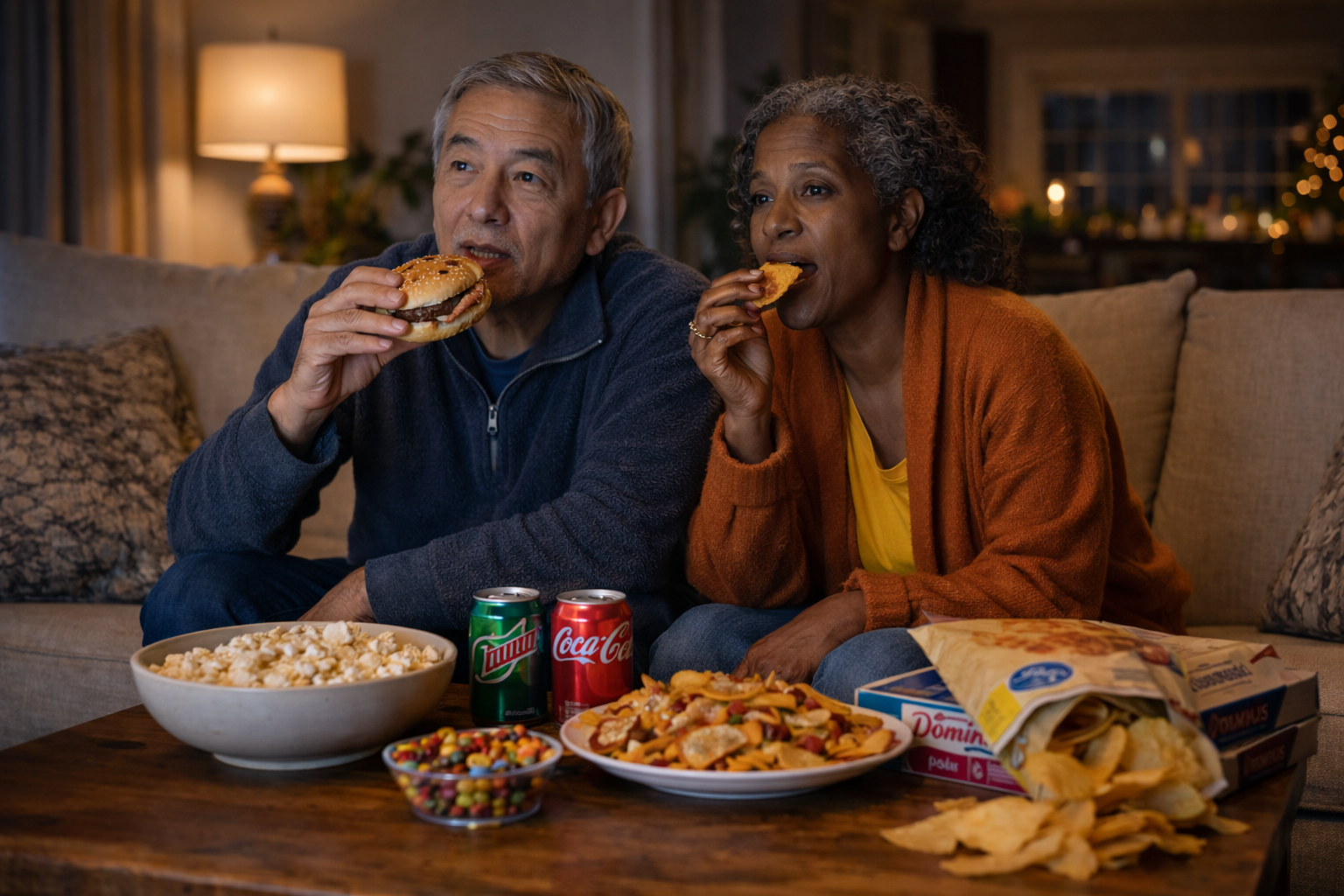
Diet quality is another central determinant of immune health. Modern winter diets are often dominated by ultra-processed foods high in refined carbohydrates, industrial seed oils, additives, preservatives, and sugar. These foods disrupt gut microbiota, promote insulin resistance, increase systemic inflammation, and impair immune signaling (Monteiro et al., 2018; Zinöcker & Lindseth, 2018).

The gut microbiome plays a critical role in immune regulation, with approximately 70% of immune cells residing in gut-associated lymphoid tissue (Belkaid & Hand, 2014). Diets rich in whole foods, vegetables, fruits, legumes, lean proteins, and healthy fats, support microbial diversity and immune resilience, while ultra-processed foods degrade this vital ecosystem.

The widespread replacement of traditional diets with industrial food products represents one of the most profound biological experiments in human history, and its results are increasingly evident in rising rates of obesity, diabetes, autoimmune disease, depression, and cardiovascular illness.

Mental Health Decline and Immune Consequences

The decline in mental health over recent decades parallels the deterioration of physical health. Rates of anxiety, depression, substance abuse, and suicide have risen sharply in the United States (Twenge et al., 2019; CDC, 2023). Chronic psychological stress suppresses immune function through dysregulation of the hypothalamic-pituitary-adrenal (HPA) axis and increased cortisol exposure (Glaser & Kiecolt-Glaser, 2005).

Social isolation, now increasingly common further compounds this effect. Loneliness has been shown to increase inflammatory signaling and reduce antiviral immune responses (Hawkley & Cacioppo, 2010). Winter confinement and digital substitution for human connection intensify this problem.

The modern epidemic of loneliness, combined with chronic stress and digital overexposure, represents a silent immune suppressant operating year-round.

The Reactive Model of Modern Healthcare

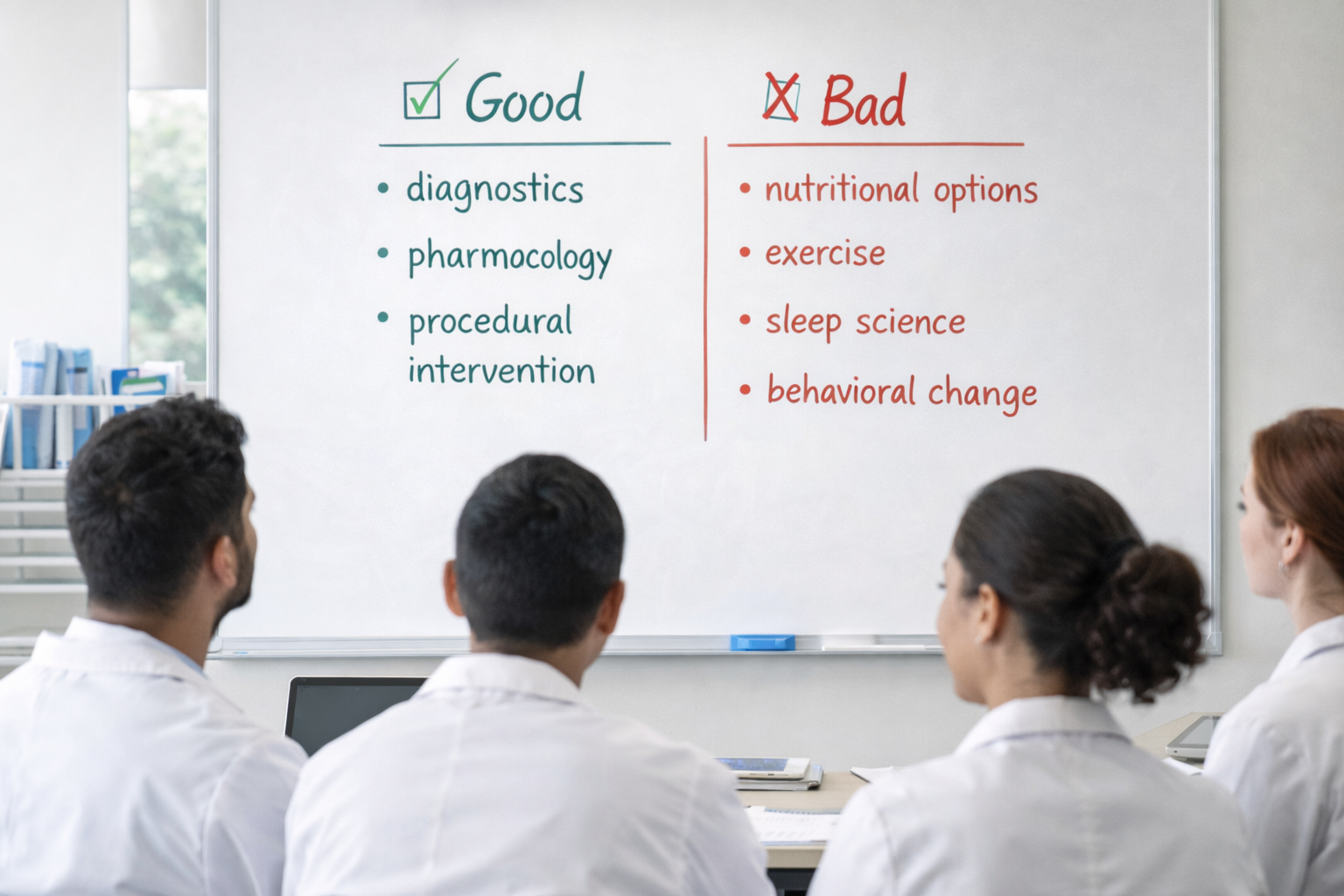
The current healthcare system in the United States is primarily structured around disease management rather than health creation. Physicians receive minimal training in nutrition, exercise physiology, sleep science, or behavioral change counseling (Adams et al., 2010; Devries et al., 2019). As a result, clinical encounters are dominated by diagnostics, pharmacology, and procedural intervention.

This model is highly effective for acute trauma and infectious disease management. However, it is poorly suited for addressing chronic, lifestyle-driven illnesses. The system is financially incentivized to treat disease after it develops rather than prevent it from occurring.

Vaccines and medications are promoted as population-level solutions because they can be standardized, deployed rapidly, and measured easily. Lifestyle change, by contrast, requires time, education, accountability, and cultural transformation.

The result is a healthcare system that waits for illness to emerge rather than building resilient physiology in advance.

The Unsustainable Trajectory of U.S. Health

Despite spending more on healthcare than any nation in the world, the United States ranks poorly in life expectancy, chronic disease burden, and quality-of-life metrics (Tikkanen & Abrams, 2020). Obesity rates exceed 40%, diabetes affects over 11% of adults, and cardiovascular disease remains the leading cause of death (CDC, 2023).

Mental health outcomes have deteriorated alongside physical health. The pharmaceutical expansion has not reversed these trends. Instead, the nation now consumes more prescription medications per capita than any other country while continuing to grow sicker.

This trajectory is not sustainable economically, biologically, or socially.

Reclaiming the Logical Hierarchy of Health

Human physiology evolved in an environment defined by:

  • Daily physical labor
  • Seasonal sunlight exposure
  • Whole-food nutrition
  • Natural circadian rhythms
  • Social cooperation
  • Environmental challenge

Modern life has inverted these conditions. The logical hierarchy of health must be restored:

  1. Nutrition quality
  2. Physical movement
  3. Sleep hygiene
  4. Sunlight exposure
  5. Stress regulation
  6. Social connection
  7. Medical intervention when necessary

Pharmaceuticals should function as supportive tools—not the foundation of human health.

This integrative model does not reject medicine. It restores medicine to its proper role.

Winter illness is not merely a seasonal inconvenience, it is a symptom of a broader systemic failure to align modern life with human biology. The current healthcare model, built on pharmaceutical intervention rather than physiological resilience, is incapable of reversing the ongoing decline in physical and mental health.

Encouraging better nutrition, more movement, adequate sunlight exposure, sufficient sleep, stress regulation, and social connection is not alternative medicine. It is foundational medicine.

Without a return to these biological essentials, no number of pharmaceuticals will reverse the trajectory of modern disease. The future of healthcare must shift from managing illness to cultivating health. Only then can winter become a season of resilience rather than vulnerability.

References:

Adams, K. M., Kohlmeier, M., Powell, M., & Zeisel, S. H. (2010). Nutrition in medicine: nutrition education for medical students and residents. Nutrition in clinical practice : official publication of the American Society for Parenteral and Enteral Nutrition, 25(5), 471–480. https://doi.org/10.1177/0884533610379606

Aranow, C. (2011). Vitamin D and the immune system. Journal of Investigative Medicine, 59(6), 881–886. https://doi.org/10.2310/JIM.0b013e31821b8755

Belkaid, Y., & Hand, T. W. (2014). Role of the microbiota in immunity and inflammation. Cell, 157(1), 121–141. https://doi.org/10.1016/j.cell.2014.03.011

Booth, F. W., Roberts, C. K., & Laye, M. J. (2012). Lack of exercise is a major cause of chronic diseases. Comprehensive Physiology, 2(2), 1143–1211. https://doi.org/10.1002/cphy.c110025

Centers for Disease Control and Prevention. (2023). Chronic disease indicators and mental health statistics. https://www.cdc.gov

Devries, S., Dalen, J. E., Eisenberg, D. M., Maizes, V., Ornish, D., Prasad, A., Sierpina, V., Weil, A. T., & Willett, W. (2014). A deficiency of nutrition education in medical training. The American journal of medicine, 127(9), 804–806. https://doi.org/10.1016/j.amjmed.2014.04.003

Dowell, S. F., & Ho, M. S. (2004). Seasonality of infectious diseases and severe acute respiratory syndrome—What we don’t know can hurt us. The Lancet Infectious Diseases, 4(11), 704–708. https://doi.org/10.1016/S1473-3099(04)01177-6

Eccles, R. (2002). An explanation for the seasonality of acute upper respiratory tract viral infections. Acta Oto-Laryngologica, 122(2), 183–191. https://doi.org/10.1080/00016480252814207

Forrest, K. Y. Z., & Stuhldreher, W. L. (2011). Prevalence and correlates of vitamin D deficiency in US adults. Nutrition Research, 31(1), 48–54. https://doi.org/10.1016/j.nutres.2010.12.001

Glaser, R., & Kiecolt-Glaser, J. K. (2005). Stress-induced immune dysfunction. Nature Reviews Immunology, 5(3), 243–251. https://doi.org/10.1038/nri1571

Gombart, A. F., Pierre, A., & Maggini, S. (2020). A review of micronutrients and the immune system. Nutrients, 12(1), 236. https://doi.org/10.3390/nu12010236

Hamer, M., Kivimäki, M., Gale, C. R., & Batty, G. D. (2020). Lifestyle risk factors, inflammatory mechanisms, and COVID-19 hospitalization: A community-based cohort study of 387,109 adults in UK. Brain, behavior, and immunity, 87, 184–187. https://doi.org/10.1016/j.bbi.2020.05.059

Hawkley, L. C., & Cacioppo, J. T. (2010). Loneliness matters: a theoretical and empirical review of consequences and mechanisms. Annals of behavioral medicine : a publication of the Society of Behavioral Medicine, 40(2), 218–227. https://doi.org/10.1007/s12160-010-9210-8

Holick, M. F. (2007). Vitamin D deficiency. New England Journal of Medicine, 357(3), 266–281. https://doi.org/10.1056/NEJMra070553

Martineau, A. R., et al. (2017). Vitamin D supplementation to prevent acute respiratory tract infections. BMJ, 356, i6583. https://doi.org/10.1136/bmj.i6583

Monteiro, C. A., Cannon, G., Moubarac, J. C., Levy, R. B., Louzada, M. L. C., & Jaime, P. C. (2018, January 1). The un Decade of Nutrition, the NOVA food classification and the trouble with ultra-processing. Public Health Nutrition. Cambridge University Press. https://doi.org/10.1017/S1368980017000234

Nieman, D. C., & Wentz, L. M. (2019). The compelling link between physical activity and the body’s defense system. Journal of sport and health science, 8(3), 201–217. https://doi.org/10.1016/j.jshs.2018.09.009

Tikkanen, R., Abrams, M. K., & The Commonwealth Fund. (2020). U.S. Health Care from a Global Perspective, 2019: Higher Spending, Worse Outcomes? In Data Brief. https://www.commonwealthfund.org/sites/default/files/2020-01/Tikkanen_US_hlt_care_global_perspective_2019_OECD_db_v2.pdf

Twenge, J. M., Cooper, A. B., Joiner, T. E., Duffy, M. E., & Binau, S. G. (2019). Age, period, and cohort trends in mood disorder indicators and suicide-related outcomes in a nationally representative dataset, 2005-2017. Journal of abnormal psychology, 128(3), 185–199. https://doi.org/10.1037/abn0000410

Zinöcker, M. K., & Lindseth, I. A. (2018). The Western Diet-Microbiome-Host Interaction and Its Role in Metabolic Disease. Nutrients, 10(3), 365. https://doi.org/10.3390/nu10030365