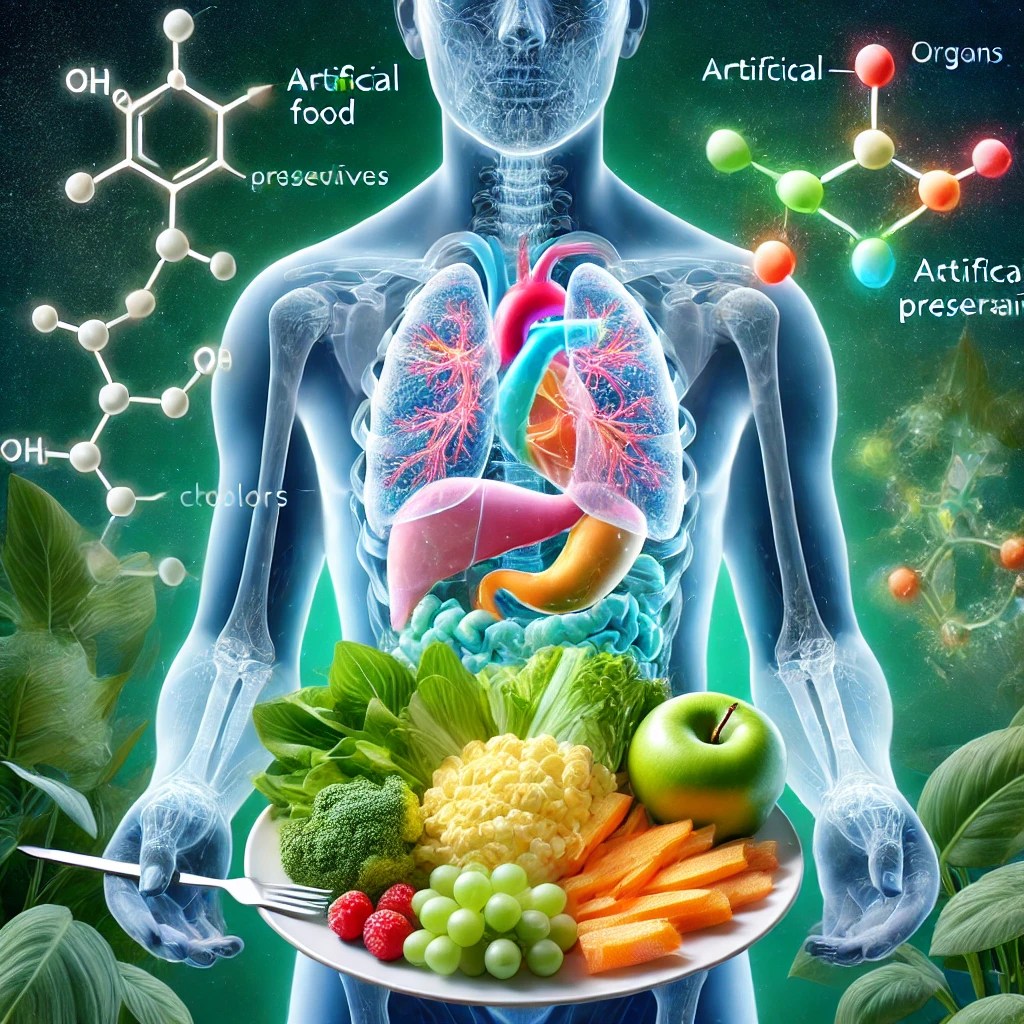
The potential for preservatives and other food additives to have long-term effects on human health has indeed been a subject of research and debate. While the preservatives used in food are generally approved by regulatory agencies and deemed safe within established limits, or “generally recognized as safe” (GRAS), there is concern about how these substances might interact with the human body, particularly with prolonged exposure or high consumption levels.
Many preservatives target microbial cells rather than human cells, and they often break down or are excreted from the body. However, some studies suggest certain preservatives might contribute to adverse health effects, such as inflammation, gut microbiome disruption, or oxidative stress (Zhou et al., 2023).
Some examples:
Sodium benzoate is widely used in acidic foods like sodas and fruit juices. Research has shown that under certain conditions, it can convert to benzene, a known carcinogen, especially when combined with ascorbic acid (vitamin C) (McNeal et al., 1993). The risk is generally low, but it raises concerns about high levels of consumption.
Nitrates and nitrites, commonly found in processed meats, can convert into nitrosamines in the stomach, compounds associated with an increased risk of cancers such as colorectal cancer (Song et al., 2015).
BHT and BHA are synthetic antioxidants used in fats and oils to prevent rancidity. There is some evidence that they may act as endocrine disruptors and impact cellular processes, although results are mixed (Pop et al., 2013).
The body’s detoxification systems, primarily the liver and kidneys, are generally effective at processing and eliminating many of these compounds. However, researchers argue that cumulative effects from chronic exposure to multiple food additives, combined with other dietary and lifestyle factors, could potentially pose health risks over time (Witkowska et al., 2021). We have known for many decades that a balanced diet with minimally processed foods can help to reduce exposure to these additives, though experts always state that more research is needed to understand their long-term impacts fully. The FDA finally banned red dye in the U.S. for use in cosmetics back in 1990 but not in foods until just January of 2025 (Davis, 2025).
_____
References
Zhou, X., Qiao, K., Wu, H., & Zhang, Y. (2023). The Impact of Food Additives on the Abundance and Composition of Gut Microbiota. Molecules (Basel, Switzerland), 28(2), 631. https://doi.org/10.3390/molecules28020631
McNeal, T. P., Nyman, P. J., Benson, J. M., & Diachenko, G. W. (1993). Survey of benzene in foods by using headspace concentration techniques and capillary gas chromatography. Journal of AOAC International, 76(6), 1213-1219.
Song, P., Wu, L., & Guan, W. (2015). Dietary Nitrates, Nitrites, and Nitrosamines Intake and the Risk of Gastric Cancer: A Meta-Analysis. Nutrients, 7(12), 9872–9895. https://doi.org/10.3390/nu7125505
Pop, A., Kiss, B., & Loghin, F. (2013). Endocrine disrupting effects of butylated hydroxyanisole (BHA – E320). Clujul medical (1957), 86(1), 16–20.
Witkowska, D., Słowik, J., & Chilicka, K. (2021). Heavy Metals and Human Health: Possible Exposure Pathways and the Competition for Protein Binding Sites. Molecules (Basel, Switzerland), 26(19), 6060. https://doi.org/10.3390/molecules26196060
I teach and offer lectures about holistic health, physical fitness, stress management, human behavior, meditation, phytotherapy (herbs), music for healing, self-massage (acupressure), Daoyin (yoga), qigong, tai chi, and baguazhang.
Please contact me if you, your business, organization, or group, might be interested in hosting me to speak on a wide spectrum of topics relative to better health, fitness, and well-being.
I look forward to further sharing more of my message by partnering with hospitals, wellness centers, VA centers, schools on all levels, businesses, and individuals who see the value in building a stronger nation through building a healthier population.
I also have hundreds of FREE education video classes, lectures, and seminars available on my YouTube channel at:
The human body’s ability to experience and regulate both pain and pleasure is central to its survival, adaptation, and overall well-being. These sensations are not isolated phenomena but are deeply rooted in complex neural, chemical, and hormonal systems that influence behavior, emotion, and physiological balance. This article explores the intricate physiological mechanisms involved in pain and pleasure, as well as how they interact with the body’s homeostatic processes to maintain equilibrium and guide adaptive responses to both internal and external stimuli.
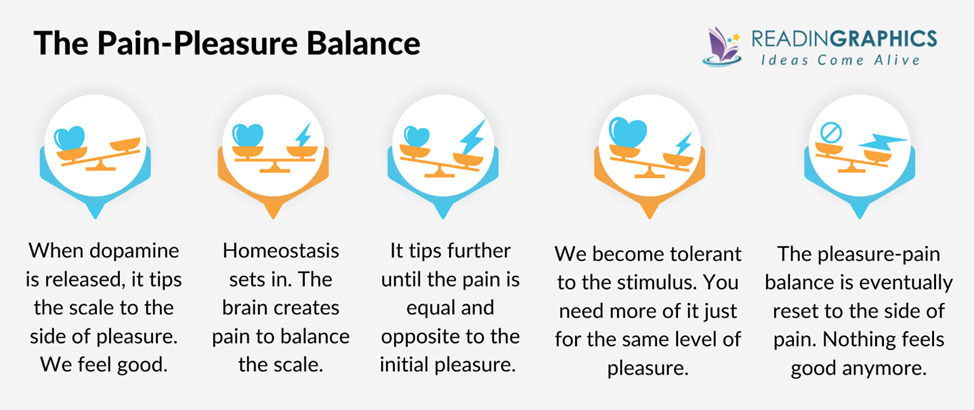
Dopaminergic signaling adapts: excess pleasure (e.g., from addictive substances) can reduce sensitivity, requiring more stimulus for the same effect (tolerance) (Leknes & Tracey, 2008).
From a holistic health perspective, balance between pain and pleasure is key to maintaining dynamic equilibrium:
Pain is a protective signal—meant to initiate change or healing.
Pleasure signals safety and reward—encouraging repeat behavior.
Both influence behavior, decision-making, immune function, and neuroplasticity (McEwen, 2007; Fields, 2004).
Regular practices like:
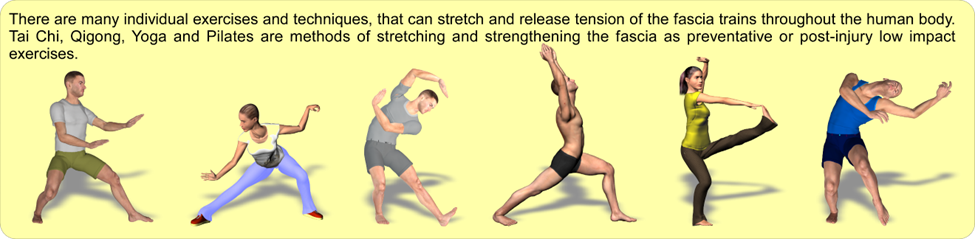
Tai Chi, Qigong, exercise, cold exposure, mindful eating, and social connection help regulate this system and enhance adaptive resilience (Ulrich-Lai & Herman, 2009).
The physiological mechanisms governing pain and pleasure are not only crucial for signaling threat or reward but also act as integral regulators of the body’s internal environment. These systems work synergistically with the hypothalamus, autonomic nervous system, and endocrine pathways to maintain homeostasis, reinforce survival behaviors, and foster adaptation. Understanding these interconnected networks opens the door to more effective holistic health interventions, such as movement, mindfulness, and social engagement, that support the body’s natural capacity to manage stress, enhance pleasure, and restore balance.
References:
Fields, H. L. (2004). State-dependent opioid control of pain. Nature Reviews Neuroscience, 5(7), 565–575. https://doi.org/10.1038/nrn1431
Leknes, S., & Tracey, I. (2008). A common neurobiology for pain and pleasure. Nature Reviews Neuroscience, 9(4), 314–320. https://doi.org/10.1038/nrn2333
Ulrich-Lai, Y. M., & Herman, J. P. (2009). Neural regulation of endocrine and autonomic stress responses. Nature Reviews Neuroscience, 10(6), 397–409. https://doi.org/10.1038/nrn2647
Zubieta, J. K., et al. (2005). Placebo effects mediated by endogenous opioid activity on μ-opioid receptors. Journal of Neuroscience, 25(34), 7754–7762. https://doi.org/10.1523/JNEUROSCI.0439-05.2005
Throughout history, some products initially approved by regulatory agencies such as the U.S. Food and Drug Administration (FDA) and the Environmental Protection Agency (EPA) have later been found to pose risks to human health and the environment. While human error is sometimes unavoidable, minimizing it is crucial for public safety and welfare. From pharmaceuticals to household products, these instances underscore the importance of thorough testing and evaluation. This article examines notable cases such as thalidomide, DDT, and OxyContin, and discusses strategies to prevent similar issues in the future.
Thalidomide: The Drug That Never Reached the U.S. (Officially)
Thalidomide was introduced in the 1950s by the German company Chemie Grünenthal as a sedative and treatment for morning sickness in pregnant women. It was marketed in Europe, Canada, and other countries as a completely safe medication. However, by the late 1950s, a significant number of children were born with severe congenital disabilities, including missing or deformed limbs, organ damage, and other critical conditions (Kim & Scialli, 2011).
(File:NCP14053.jpg – Wikimedia Commons, n.d.)
Why Wasn’t Thalidomide Approved in the U.S.?
The pharmaceutical company submitted the drug for FDA approval, but Dr. Frances Kelsey, a physician and pharmacologist at the FDA, halted its approval. She requested additional safety data due to suspected potential hazards. As a result of her diligence, the United States avoided a significant public health disaster (Daemmrich, 2004).
Although not approved, certain U.S. doctors were able to access the drug through experimental trials. Approximately 17 children in the United States were born with birth defects associated with thalidomide (Kim & Scialli, 2011). While this figure is relatively small compared to the over 10,000 cases worldwide, it underscores the risks involved with unregulated drug distribution. Thalidomide resulted in significant modifications to drug approval processes globally, including enhanced testing for fetal safety and stricter FDA guidelines that continue today (Daemmrich, 2004).
DDT: The Miracle Pesticide Turned Environmental Nightmare
DDT (Dichlorodiphenyltrichloroethane) was introduced in the 1940s as a pesticide to address malaria and typhus. It was widely used by the U.S. military during World War II and subsequently gained popularity in agriculture and public health programs (Eskenazi et al., 2009).
By the 1960s, concerns about the environmental and health impacts of DDT became more prominent. Rachel Carson’s seminal book, Silent Spring (1962), documented the bioaccumulation of DDT in wildlife, which resulted in the thinning of bird eggshells and contributed to the near-extinction of bald eagles. Additionally, Carson highlighted the potential carcinogenic effects of DDT on humans (Carson, 1962).
DDT was prohibited in the United States in 1972; however, it continues to be utilized in certain regions globally for malaria control (Eskenazi et al., 2009).
OxyContin & the Opioid Epidemic: A Tragic Case of Corporate Deception
In 1996, Purdue Pharma launched OxyContin, promoting it as a non-addictive pain medication. The Food and Drug Administration (FDA) approved the drug based on Purdue’s assertions that its time-release formulation would mitigate the potential for abuse (Van Zee, 2009).
OxyContin has been associated with high addiction rates, and its widespread prescription contributed to a national opioid crisis. Purdue Pharma and other manufacturers later faced lawsuits, with evidence suggesting that they did not fully disclose the drug’s risks to doctors and regulators (Van Zee, 2009).
The opioid crisis has led to over 500,000 overdose deaths in the United States since the late 1990s (Uncovering the Opioid Epidemic, n.d.). Although current opioid regulations are significantly stricter, the consequences of the crisis persist.
Vioxx: The Painkiller That Led to Heart Attacks
Vioxx (Rofecoxib), a medication for arthritis, was released in 1999 and marketed as an alternative to older anti-inflammatory drugs. Subsequent studies indicated that Vioxx was associated with an increased risk of heart attacks and strokes (Graham et al., 2005).
(Rockoff, 2009)
By the time Vioxx was withdrawn from the market, it is estimated that 20 million Americans had taken the drug. Research later published in the medical journal Lancet estimates that 88,000 Americans experienced heart attacks due to taking Vioxx, with 38,000 fatalities (Prakash, 2007). This case underscored the inadequacy of drug companies in disclosing safety risks and led to the implementation of more stringent post-market drug surveillance policies.
Other Notable Cases of “Safe” Products That Became Harmful
🔹 Tobacco: Once promoted as doctor-approved, later linked to lung cancer and heart disease (Centers for Disease Control and Prevention (US), 2014)
🔹 Lead Paint & Leaded Gasoline: Used for decades despite known toxicity, leading to widespread neurological damage in children (Needleman, 2004).
🔹 Asbestos: Used in construction for insulation but later found to cause mesothelioma and lung disease (Bolan et al., 2023)
🔹 Baby Powder (Talc): Contaminated with asbestos, leading to lawsuits over ovarian cancer risks (Cramer et al., 2015)
🔹 Frontal Lobotomies: Once considered a treatment for mental illness, but resulted in severe cognitive impairment and even death (Faria, 2013)
🔹 Agent Orange: A herbicide used during the Vietnam War, later linked to cancer and birth defects (Stellman & Stellman, 2018)
🔹 PFAS (“Forever Chemicals”): Found in water supplies and linked to cancer, infertility, and immune disorders (Ayodele & Obeng-Gyasi, 2024)
Lessons Learned & How to Protect Ourselves Today
Question Corporate Claims: Research beyond marketing as companies may prioritize profits over safety.
Demand Rigorous Testing: Ensure drugs and chemicals undergo long-term studies before use.
Advocate for Transparency: Pressure is crucial to release hidden data on harmful products.
Support Independent Research: Prioritize independent, peer-reviewed research over industry-funded studies.
Stay Informed: Be vigilant about new risks like microplastics in food and AI-driven medical decisions.
References
Ayodele, A., & Obeng-Gyasi, E. (2024). Exploring the Potential Link between PFAS Exposure and Endometrial Cancer: A Review of Environmental and Sociodemographic Factors. Cancers, 16(5), 983. https://doi.org/10.3390/cancers16050983
Bolan, S., Kempton, L., McCarthy, T., Wijesekara, H., Piyathilake, U., Jasemizad, T., Padhye, L. P., Zhang, T., Rinklebe, J., Wang, H., Kirkham, M., Siddique, K. H., & Bolan, N. (2023). Sustainable management of hazardous asbestos-containing materials: Containment, stabilization and inertization. The Science of the Total Environment, 881, 163456. https://doi.org/10.1016/j.scitotenv.2023.163456
Carson, R. (1962). Silent spring. Houghton Mifflin.
Cramer, D. W., Vitonis, A. F., Terry, K. L., Welch, W. R., & Titus, L. J. (2015). The association between Talc use and ovarian cancer. Epidemiology, 27(3), 334–346. https://doi.org/10.1097/ede.0000000000000434
Daemmrich, A. (2004). Pharmacopolitics: Drug regulation in the United States and Germany. UNC Press Books.
Eskenazi, B., Chevrier, J., Rosas, L. G., Anderson, H. A., Bornman, R., Bouwman, H., … & Warner, M. (2009). The Pine River statement: Human health consequences of DDT use. Environmental Health Perspectives, 117(9), 1359-1367.
Faria, M. (2013). Violence, mental illness, and the brain – A brief history of psychosurgery: Part 1 – From trephination to lobotomy. Surgical Neurology International, 4(1), 49. https://doi.org/10.4103/2152-7806.110146
Graham, D. J., Campen, D., Hui, R., Spence, M., Cheetham, C., Levy, G., Shoor, S., & Ray, W. A. (2005). Risk of acute myocardial infarction and sudden cardiac death in patients treated with cyclo-oxygenase 2 selective and non-selective non-steroidal anti-inflammatory drugs: nested case-control study. The Lancet, 365(9458), 475–481. https://doi.org/10.1016/s0140-6736(05)17864-7
Kim, J. H., & Scialli, A. R. (2011). Thalidomide: The tragedy of birth defects and the effective treatment of disease. Toxicological Sciences, 122(1), 1-6.
Stellman, J. M., & Stellman, S. D. (2018). Agent Orange during the Vietnam War: the lingering issue of its civilian and military health impact. American Journal of Public Health, 108(6), 726–728. https://doi.org/10.2105/ajph.2018.304426
Van Zee, A. (2009). The promotion and marketing of OxyContin: Commercial triumph, public health tragedy. American Journal of Public Health, 99(2), 221-227. https://doi.org/10.2105/AJPH.2007.131714
I look forward to further sharing more of my message by partnering with hospitals, wellness centers, VA centers, schools on all levels, businesses, and individuals who see the value in building a stronger nation through building a healthier population.
I also have hundreds of FREE education video classes, lectures, and seminars available on my YouTube channel at:
A Warrior–Scholar–Sage Perspective on Discernment, Discipline, and Rest
Modern culture equates productivity with virtue. We are conditioned to believe that constant motion is synonymous with progress and that rest is a form of weakness. Yet across classical Eastern philosophy, martial traditions, and contemplative lineages, wisdom has never been measured by how much one does, but by knowing when to act and when not to act. This discernment lies at the heart of the Warrior–Scholar–Sage archetype and is expressed through the timeless triad of True, Right, and Correct.
To live well is not merely to be busy, but to be aligned. The true path is not found through endless activity, but through refined awareness and the capacity to recognize what deserves our energy and what must be released.
The Warrior: Mastery of Discipline and Restraint
The Warrior represents Right action. Not impulsive action, not reactive behavior, but action rooted in clarity, purpose, and timing. In classical martial traditions, discipline is not merely physical conditioning but cultivated judgment. The greatest warrior is not one who fights constantly, but one who knows when not to fight.
Sun Tzu reminds us that victory is achieved not by brute force, but by superior strategy and restraint:
“He will win who knows when to fight and when not to fight.” (The Art of War; Sun Tzu, trans. Griffith, 1971)
The Warrior’s training develops self-command, or the ability to resist distraction, ego-driven urgency, and emotional reactivity. This mastery is reflected in the modern principle of the “not-to-do list,” which removes time-wasters, unnecessary meetings, and low-impact obligations that drain vitality and clarity. Just as a martial artist conserves energy for decisive moments, the modern Warrior must learn to say “no” to what is trivial in order to say “yes” to what is meaningful.
In Taoist philosophy, this principle is expressed as wu wei, or effortless action through alignment rather than force. Wu wei does not mean passivity; it means acting only when action is harmonious with circumstance (Lao Tzu, trans. Mitchell, 1988). The Warrior does not struggle against the current of life; he moves with it.
The Scholar: Clarity of Mind and Discernment of Truth
The Scholar represents True understanding. Before action, perception must come. Before movement, awareness must come. The Scholar refines cognition, attention, and reflection so that effort is guided by wisdom rather than compulsion.
In Eastern philosophy, clarity is cultivated through stillness. The Tao Te Ching teaches:
“To the mind that is still, the whole universe surrenders.” (Lao Tzu, trans. Mitchell, 1988)
This stillness is not emptiness but receptivity. It is the mental discipline that allows one to distinguish signal from noise, value from distraction, essence from excess. The Scholar understands that perpetual stimulation fragments attention and erodes creativity. Neuroscience now confirms that insight, problem-solving, and emotional regulation depend upon cycles of focused engagement and deliberate rest (Raichle, 2015; Kaplan & Berman, 2010).
Modern productivity research echoes ancient wisdom: deep work requires boundaries. Without reflection, we confuse urgency with importance. Without rest, we confuse movement with meaning. The Scholar therefore cultivates the discipline of reflection, journaling, meditation, and contemplative study, practices that refine perception and illuminate what is true.
The Sage: Alignment with Natural Law
The Sage embodies what is Correct, not merely in a moral sense, but in accordance with natural rhythm and universal order. The Sage recognizes that life unfolds in cycles: effort and restoration, engagement and withdrawal, expansion and contraction.
Traditional Chinese philosophy expresses this through the doctrine of yin and yang, complementary forces in perpetual transformation (Kaptchuk, 2000). Activity without rest becomes exhaustion. Rest without purpose becomes stagnation. Health, creativity, and wisdom arise from dynamic balance.
The Sage understands that overextension leads to collapse and that excessive control produces resistance. In Buddhism, this is reflected in the Middle Way, the path between indulgence and deprivation (Rahula, 1974). In Confucian ethics, it is expressed through li, proper conduct arising from situational appropriateness rather than rigid rules (Ames & Rosemont, 1998).
To the Sage, knowing when not to act is as powerful as knowing when to act. Stillness is not absence. Silence is not emptiness. Withdrawal is not retreating. These are strategic expressions of wisdom.
The Integrated Path: Living the True, Right, and Correct Life
When the Warrior, Scholar, and Sage are integrated, life becomes a practice of intelligent engagement. The individual learns to:
Act with discipline (Warrior — Right)
Perceive with clarity (Scholar — True)
Align with natural law (Sage — Correct)
This triadic harmony produces a life of purposeful effort rather than frantic striving. It teaches us to push forward when the moment calls for courage and endurance and to withdraw when reflection, restoration, or re-calibration is required.
The ancient sages understood what modern neuroscience now confirms: burnout is not a failure of character but a failure of rhythm. Creativity does not arise from constant stimulation but from alternating cycles of tension and release. Wisdom does not emerge from accumulation but from discernment.
To live well is not to do more. It is to do what matters and to release what does not.
The highest form of productivity is not busyness. It is alignment.
The highest form of discipline is not force. It is restraint.
And the highest form of wisdom is knowing, with clarity and courage, and when to do and when not to do.
References
Ames, R. T., & Rosemont, H. (1998). The analects of Confucius: A philosophical translation. Ballantine Books.
Griffith, S. B. (Trans.). (1971). Sun Tzu: The art of war. Oxford University Press.
Kaplan, S., & Berman, M. G. (2010). Directed attention as a common resource for executive functioning and self-regulation. Perspectives on Psychological Science, 5(1), 43–57. https://doi.org/10.1177/1745691609356784
Kaptchuk, T. J. (2000). The web that has no weaver: Understanding Chinese medicine (2nd ed.). McGraw-Hill.
Lao Tzu. (1988). Tao Te Ching (S. Mitchell, Trans.). HarperCollins.
Rahula, W. (1974). What the Buddha taught (2nd ed.). Grove Press.
Human beings have an enduring need for meaning, belonging, and purpose. Throughout history, individuals have aligned themselves with ideologies, political parties, professional identities, institutions, movements, and charismatic leaders in hopes of achieving recognition, security, direction, and a sense of significance. While such affiliations can offer structure and community, they also carry a subtle risk: the displacement of personal authorship in favor of borrowed meaning.
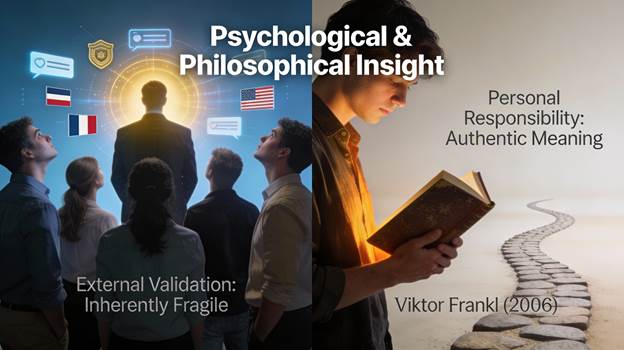
Psychological and philosophical academia suggests that meaning derived primarily from external validation or group identity is inherently fragile. Viktor Frankl (2006) argued that meaning cannot be handed down by systems or authorities; it must be discovered and embodied through personal responsibility and lived values. When individuals outsource their sense of purpose to an ideology, organization, or leader, they may experience temporary fulfillment yet remain existentially dependent upon forces outside themselves.
Modern culture increasingly reinforces identity through alignment. Social identity theory demonstrates that individuals often define themselves by the groups to which they belong, internalizing group values and narratives as personal identity markers (Tajfel & Turner, 1979). While this can foster cohesion, it can also suppress individuality and moral agency. Over time, allegiance may shift from being a conscious choice to an unquestioned loyalty, where dissent threatens belonging and conformity replaces reflection.
In such cases, people may spend years or entire lifetimes resources, contributing labor, emotional energy, and loyalty to systems that primarily expand the legacy, power, or recognition of others. Institutions grow. Leaders are remembered. Movements persist. Yet the individual contributor often fades into obscurity, having invested deeply in causes that did not meaningfully invest back in their personal development or well-being. Hannah Arendt (1958) warned that when individuals surrender judgment and responsibility to collective structures, they risk becoming functionaries rather than fully realized moral agents.
This raises a fundamental question: Whose legacy is being built?
At the end of life, few people aspire to be remembered for their affiliations. Rarely does one hope their memory will read “loyal employee,” “dedicated party member,” or “contributor to institutional success.” Instead, the identities most people cherish are relational and human: beloved parent, partner, friend, mentor. These roles are not bestowed by organizations; they are earned through presence, care, ethical consistency, and emotional availability over time.
Developmental psychology reinforces this distinction. Erikson (1982) described late adulthood as a period defined by the tension between integrity and despair, in which individuals reflect on whether their lives were meaningfully lived. Integrity emerges not from accumulated status, but from coherence between values, actions, and relationships. A life measured primarily by external achievement, devoid of authentic connection, often results in existential dissatisfaction rather than fulfillment.
Importantly, this is not an argument against service, cooperation, or contributing to causes larger than oneself. Meaningful work frequently involves collaboration, and healthy societies depend upon participation. However, there is a critical difference between serving a cause and surrendering one’s authorship to it. Self-determination theory emphasizes that psychological well-being depends on autonomy, competence, and relatedness, none of which thrive when individuals suppress their agency in pursuit of approval or belonging (Deci & Ryan, 2000).
True contribution strengthens both the individual and the collective. It arises when service is grounded in personal integrity rather than self-erasure, and when individuals retain moral discernment rather than deferring it to authority. Contribution that demands the forfeiture of identity, conscience, or critical thought ultimately diminishes the human spirit, even if it benefits external systems.
Legacy, therefore, is not a matter of scale or visibility. It is not defined by titles held, slogans defended, or institutions supported. Rather, it is reflected in the quiet, cumulative impact one has on the lives of others. Did one listen when it mattered? Act with courage when it was costly? Offer care without expectation of reward? Help others become more fully themselves rather than merely more productive or powerful?
Research on meaning in life consistently shows that fulfillment is most strongly associated with prosocial behavior, authenticity, and contribution to others’ well-being, not with status or ideological dominance (Martela & Steger, 2016). A life devoted solely to advancing systems, leaders, or abstract ideals may leave impressive structures behind, yet little trace of the individual soul that sustained them.
In a culture that frequently equates significance with visibility and success with alignment, choosing to root meaning in personal responsibility and human connection is a quiet act of resistance. It affirms substance over symbolism, depth over display, and conscience over conformity. When the final accounting arrives, most people do not wish to be remembered for what they stood behind, but for who they stood beside.
And in that measure, meaning is no longer borrowed, it is earned.
Deci, E. L., & Ryan, R. M. (2000). The “what” and “why” of goal pursuits: Human needs and the self-determination of behavior. Psychological Inquiry, 11(4), 227–268. https://doi.org/10.1207/S15327965PLI1104_01
Martela, F., & Steger, M. F. (2016). The three meanings of meaning in life: Distinguishing coherence, purpose, and significance. The Journal of Positive Psychology, 11(5), 531–545. https://doi.org/10.1080/17439760.2015.1137623
Tajfel, H., & Turner, J. C. (1979). An integrative theory of intergroup conflict. In W. G. Austin & S. Worchel (Eds.), The social psychology of intergroup relations (pp. 33–47). Brooks/Cole.


















 United Martial Arts Association
