The Dark History of “Safe” Products: Lessons from Thalidomide, DDT, and More

Throughout history, some products initially approved by regulatory agencies such as the U.S. Food and Drug Administration (FDA) and the Environmental Protection Agency (EPA) have later been found to pose risks to human health and the environment. While human error is sometimes unavoidable, minimizing it is crucial for public safety and welfare. From pharmaceuticals to household products, these instances underscore the importance of thorough testing and evaluation. This article examines notable cases such as thalidomide, DDT, and OxyContin, and discusses strategies to prevent similar issues in the future.

Thalidomide: The Drug That Never Reached the U.S. (Officially)

Thalidomide was introduced in the 1950s by the German company Chemie Grünenthal as a sedative and treatment for morning sickness in pregnant women. It was marketed in Europe, Canada, and other countries as a completely safe medication. However, by the late 1950s, a significant number of children were born with severe congenital disabilities, including missing or deformed limbs, organ damage, and other critical conditions (Kim & Scialli, 2011).
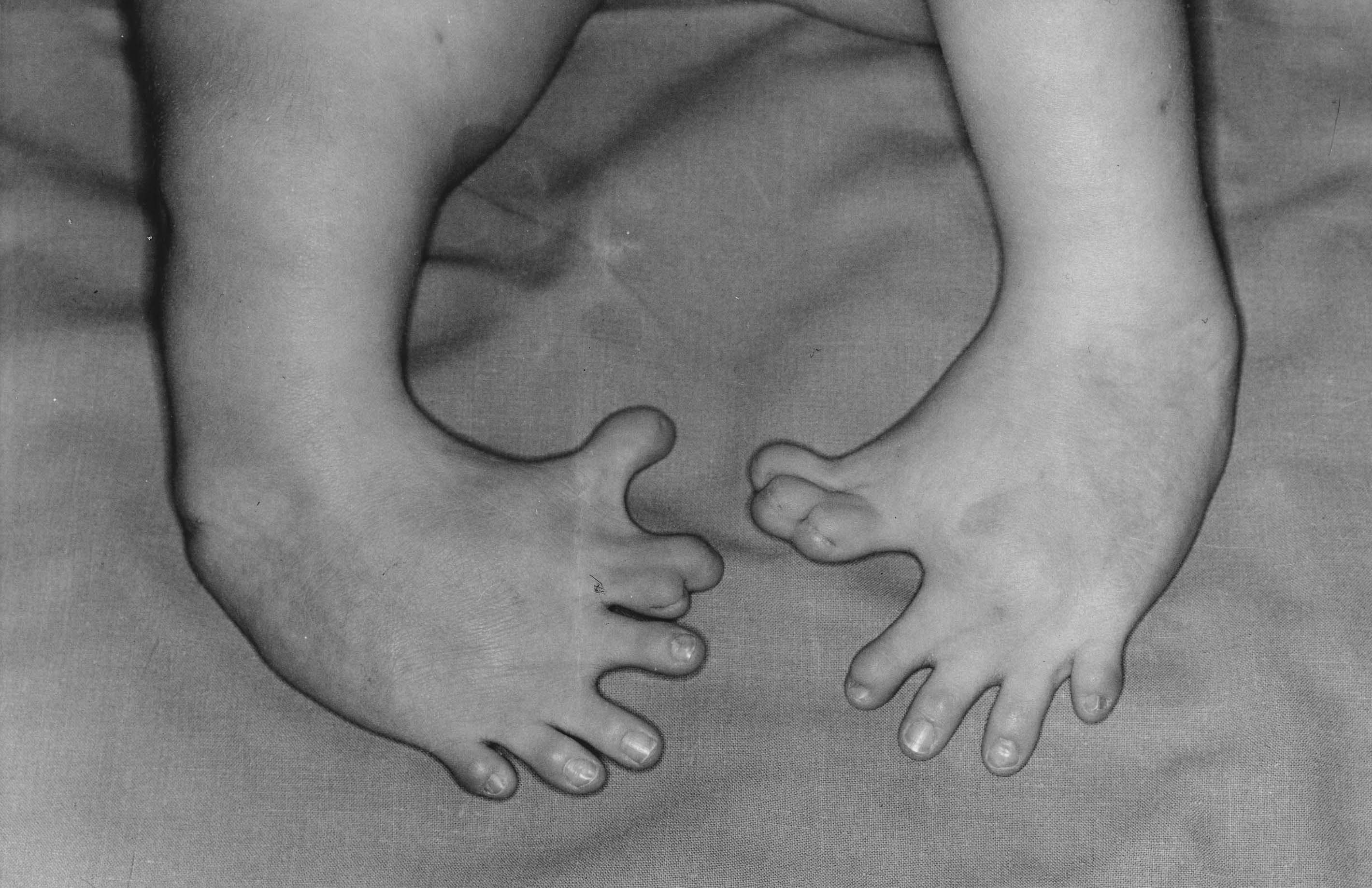
(File:NCP14053.jpg – Wikimedia Commons, n.d.)

Why Wasn’t Thalidomide Approved in the U.S.?

The pharmaceutical company submitted the drug for FDA approval, but Dr. Frances Kelsey, a physician and pharmacologist at the FDA, halted its approval. She requested additional safety data due to suspected potential hazards. As a result of her diligence, the United States avoided a significant public health disaster (Daemmrich, 2004).

Although not approved, certain U.S. doctors were able to access the drug through experimental trials. Approximately 17 children in the United States were born with birth defects associated with thalidomide (Kim & Scialli, 2011). While this figure is relatively small compared to the over 10,000 cases worldwide, it underscores the risks involved with unregulated drug distribution. Thalidomide resulted in significant modifications to drug approval processes globally, including enhanced testing for fetal safety and stricter FDA guidelines that continue today (Daemmrich, 2004).


DDT: The Miracle Pesticide Turned Environmental Nightmare

DDT (Dichlorodiphenyltrichloroethane) was introduced in the 1940s as a pesticide to address malaria and typhus. It was widely used by the U.S. military during World War II and subsequently gained popularity in agriculture and public health programs (Eskenazi et al., 2009).

By the 1960s, concerns about the environmental and health impacts of DDT became more prominent. Rachel Carson’s seminal book, Silent Spring (1962), documented the bioaccumulation of DDT in wildlife, which resulted in the thinning of bird eggshells and contributed to the near-extinction of bald eagles. Additionally, Carson highlighted the potential carcinogenic effects of DDT on humans (Carson, 1962).

DDT was prohibited in the United States in 1972; however, it continues to be utilized in certain regions globally for malaria control (Eskenazi et al., 2009).


OxyContin & the Opioid Epidemic: A Tragic Case of Corporate Deception

In 1996, Purdue Pharma launched OxyContin, promoting it as a non-addictive pain medication. The Food and Drug Administration (FDA) approved the drug based on Purdue’s assertions that its time-release formulation would mitigate the potential for abuse (Van Zee, 2009).

OxyContin has been associated with high addiction rates, and its widespread prescription contributed to a national opioid crisis. Purdue Pharma and other manufacturers later faced lawsuits, with evidence suggesting that they did not fully disclose the drug’s risks to doctors and regulators (Van Zee, 2009).

The opioid crisis has led to over 500,000 overdose deaths in the United States since the late 1990s (Uncovering the Opioid Epidemic, n.d.). Although current opioid regulations are significantly stricter, the consequences of the crisis persist.


Vioxx: The Painkiller That Led to Heart Attacks

Vioxx (Rofecoxib), a medication for arthritis, was released in 1999 and marketed as an alternative to older anti-inflammatory drugs. Subsequent studies indicated that Vioxx was associated with an increased risk of heart attacks and strokes (Graham et al., 2005).
(Rockoff, 2009)

By the time Vioxx was withdrawn from the market, it is estimated that 20 million Americans had taken the drug. Research later published in the medical journal Lancet estimates that 88,000 Americans experienced heart attacks due to taking Vioxx, with 38,000 fatalities (Prakash, 2007). This case underscored the inadequacy of drug companies in disclosing safety risks and led to the implementation of more stringent post-market drug surveillance policies.


Other Notable Cases of “Safe” Products That Became Harmful

🔹 Tobacco: Once promoted as doctor-approved, later linked to lung cancer and heart disease (Centers for Disease Control and Prevention (US), 2014)


🔹 Lead Paint & Leaded Gasoline: Used for decades despite known toxicity, leading to widespread neurological damage in children (Needleman, 2004).


🔹 Asbestos: Used in construction for insulation but later found to cause mesothelioma and lung disease (Bolan et al., 2023)


🔹 Baby Powder (Talc): Contaminated with asbestos, leading to lawsuits over ovarian cancer risks (Cramer et al., 2015)


🔹 Frontal Lobotomies: Once considered a treatment for mental illness, but resulted in severe cognitive impairment and even death (Faria, 2013)


🔹 Agent Orange: A herbicide used during the Vietnam War, later linked to cancer and birth defects (Stellman & Stellman, 2018)


🔹 PFAS (“Forever Chemicals”): Found in water supplies and linked to cancer, infertility, and immune disorders (Ayodele & Obeng-Gyasi, 2024)


Lessons Learned & How to Protect Ourselves Today

Question Corporate Claims: Research beyond marketing as companies may prioritize profits over safety.

Demand Rigorous Testing: Ensure drugs and chemicals undergo long-term studies before use.

Advocate for Transparency: Pressure is crucial to release hidden data on harmful products.

Support Independent Research: Prioritize independent, peer-reviewed research over industry-funded studies.

Stay Informed: Be vigilant about new risks like microplastics in food and AI-driven medical decisions.

References

Ayodele, A., & Obeng-Gyasi, E. (2024). Exploring the Potential Link between PFAS Exposure and Endometrial Cancer: A Review of Environmental and Sociodemographic Factors. Cancers, 16(5), 983. https://doi.org/10.3390/cancers16050983

Bolan, S., Kempton, L., McCarthy, T., Wijesekara, H., Piyathilake, U., Jasemizad, T., Padhye, L. P., Zhang, T., Rinklebe, J., Wang, H., Kirkham, M., Siddique, K. H., & Bolan, N. (2023). Sustainable management of hazardous asbestos-containing materials: Containment, stabilization and inertization. The Science of the Total Environment, 881, 163456. https://doi.org/10.1016/j.scitotenv.2023.163456

Carson, R. (1962). Silent spring. Houghton Mifflin.

Centers for Disease Control and Prevention (US). (2014). The Health Consequences of Smoking—50 years of progress. NCBI Bookshelf. https://www.ncbi.nlm.nih.gov/books/NBK179276/

Cramer, D. W., Vitonis, A. F., Terry, K. L., Welch, W. R., & Titus, L. J. (2015). The association between Talc use and ovarian cancer. Epidemiology, 27(3), 334–346. https://doi.org/10.1097/ede.0000000000000434

Daemmrich, A. (2004). Pharmacopolitics: Drug regulation in the United States and Germany. UNC Press Books.

Eskenazi, B., Chevrier, J., Rosas, L. G., Anderson, H. A., Bornman, R., Bouwman, H., … & Warner, M. (2009). The Pine River statement: Human health consequences of DDT use. Environmental Health Perspectives, 117(9), 1359-1367.

Faria, M. (2013). Violence, mental illness, and the brain – A brief history of psychosurgery: Part 1 – From trephination to lobotomy. Surgical Neurology International, 4(1), 49. https://doi.org/10.4103/2152-7806.110146

File:NCP14053.jpg – Wikimedia Commons. (n.d.). https://commons.wikimedia.org/wiki/File:NCP14053.jpg

Graham, D. J., Campen, D., Hui, R., Spence, M., Cheetham, C., Levy, G., Shoor, S., & Ray, W. A. (2005). Risk of acute myocardial infarction and sudden cardiac death in patients treated with cyclo-oxygenase 2 selective and non-selective non-steroidal anti-inflammatory drugs: nested case-control study. The Lancet, 365(9458), 475–481. https://doi.org/10.1016/s0140-6736(05)17864-7

Kim, J. H., & Scialli, A. R. (2011). Thalidomide: The tragedy of birth defects and the effective treatment of disease. Toxicological Sciences, 122(1), 1-6.

Needleman, H. (2004). Lead poisoning. Annual Review of Medicine, 55(1), 209–222. https://doi.org/10.1146/annurev.med.55.091902.103653

Prakash, S. (2007, November 10). Timeline: The rise and fall of Vioxx. NPR. https://www.npr.org/2007/11/10/5470430/timeline-the-rise-and-fall-of-vioxx

Rockoff, J. (2009, November 24). Vioxx and heart attack linked in 2001. WSJ. https://www.wsj.com/articles/SB10001424052748704779704574554071807123380

Stellman, J. M., & Stellman, S. D. (2018). Agent Orange during the Vietnam War: the lingering issue of its civilian and military health impact. American Journal of Public Health, 108(6), 726–728. https://doi.org/10.2105/ajph.2018.304426

Van Zee, A. (2009). The promotion and marketing of OxyContin: Commercial triumph, public health tragedy. American Journal of Public Health, 99(2), 221-227. https://doi.org/10.2105/AJPH.2007.131714

Uncovering the opioid epidemic. (n.d.). https://www.cdc.gov/museum/pdf/cdcm-pha-stem-uncovering-the-opioid-epidemic-lesson.pdf

I look forward to further sharing more of my message by partnering with hospitals, wellness centers, VA centers, schools on all levels, businesses, and individuals who see the value in building a stronger nation through building a healthier population.

I also have hundreds of FREE education video classes, lectures, and seminars available on my YouTube channel at:

https://www.youtube.com/c/MindandBodyExercises

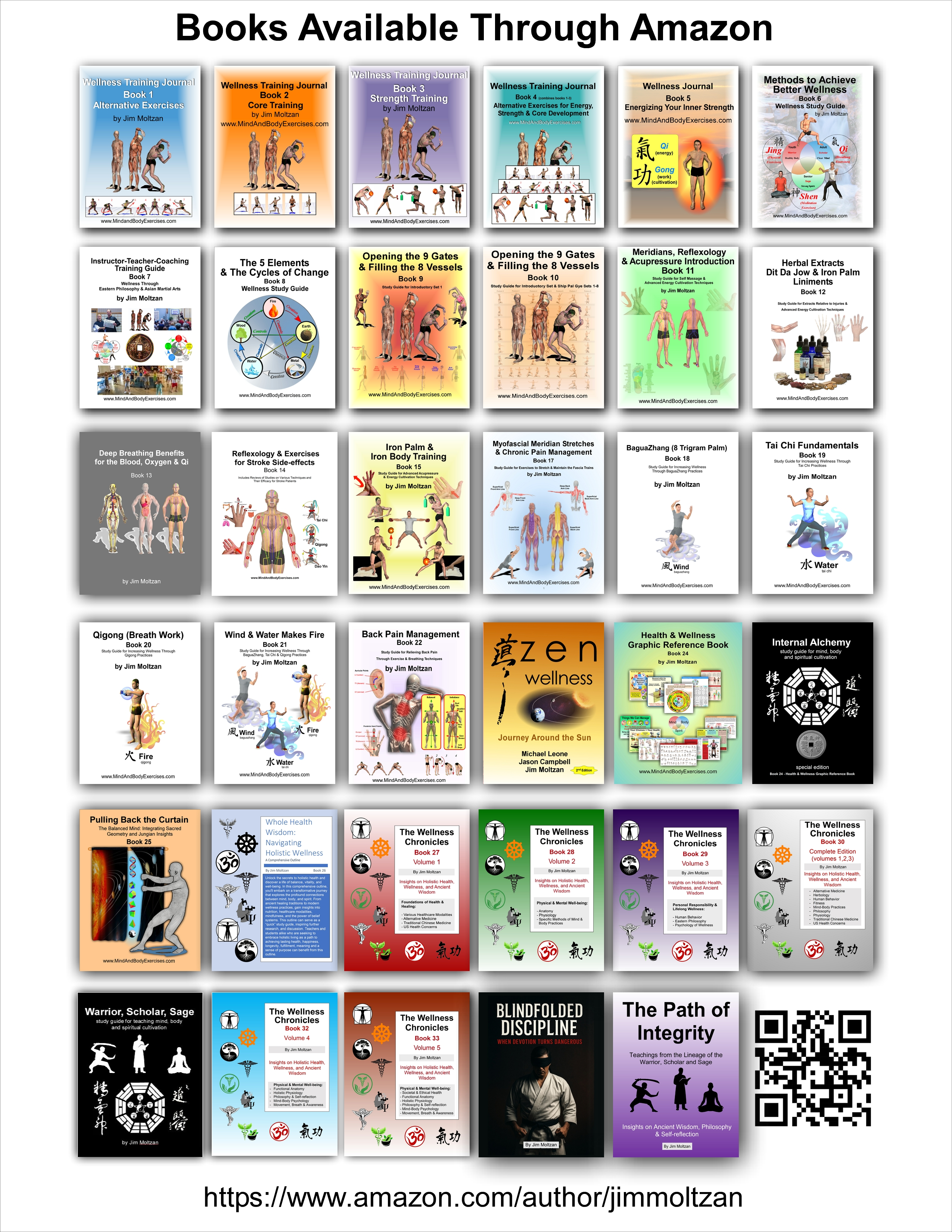
Many of my publications can be found on Amazon at:

http://www.Amazon.com/author/jimmoltzan

My holistic health blog is available at:

https://mindandbodyexercises.wordpress.com/

http://www.MindAndBodyExercises.com

Mind and Body Exercises on Google: https://posts.gle/aD47Qo

Jim Moltzan

407-234-0119

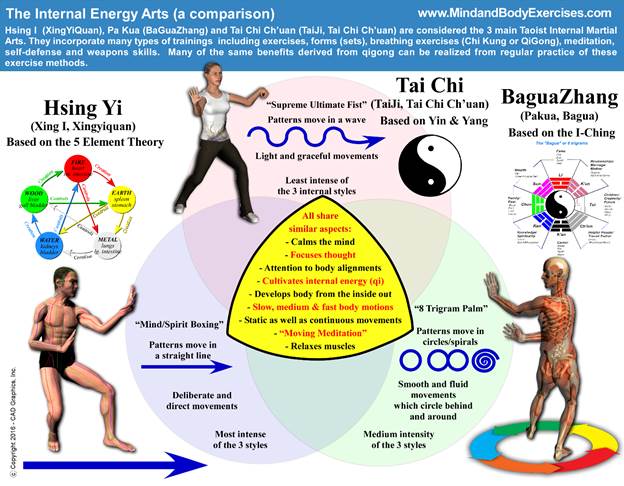
Elemental Symbolism in the Internal Martial Arts: Tai Chi, Bagua, and Xing Yi

In traditional Chinese internal martial arts (Neijia), symbolism plays an essential role in describing movement, intention, and energy flow. Among the many philosophical systems that influence martial practice, the Five Elements (Wu Xing) and natural elements such as water, wind, and fire serve as both metaphors and method. Though not universally codified in classical texts, many modern teachers and scholars have come to associate Tai Chi with Water, Bagua Zhang with Wind, and Xing Yi Quan with Fire, based on their movement qualities and strategic principles (Frantzis, 1998; Cartmell & Miller, 1998). These associations offer a deeper understanding of how the internal arts mirror natural forces and how practitioners may align themselves with these dynamics.

Tai Chi as Water: The Principle of Yielding and Flow

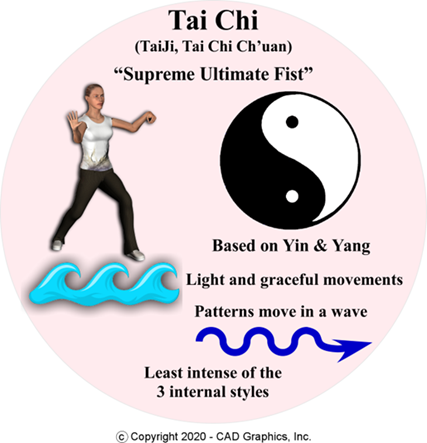
Tai Chi Chuan (Taijiquan), a martial art rooted in Daoist cosmology and yin-yang theory, is often compared to the element of Water. Water is adaptive, flowing, and capable of penetrating even the hardest of substances through persistence rather than force. In Tai Chi, practitioners aim to maintain softness, continuity, and relaxed power (Peng), using circular and spiraling movements to redirect incoming force. These characteristics reflect the Daoist principle of wu wei (effortless action), whereby defense and offense occur through fluid, responsive interaction rather than brute resistance (Sun, 2003).

Water’s symbolic alignment with Tai Chi can be seen in how practitioners train to neutralize force by absorbing and redirecting it, as in the practice of “push hands” (tuishou). The emphasis is not on meeting force with force, but on flowing with it by yielding, adapting, and then returning it. As Frantzis (1998) describes, “Tai Chi emulates water. It yields, absorbs, and returns force, teaching practitioners how to remain relaxed under pressure and adapt with intelligence” (p. 82).

Bagua Zhang as Wind: Circular Change and Evasion

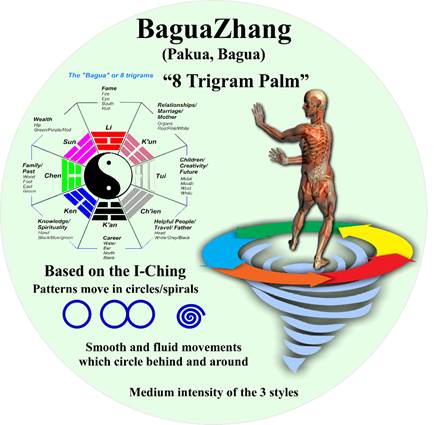
Bagua Zhang (Eight Trigram Palm), another internal martial art with strong Daoist influences, is symbolically associated with Wind. The Bagua system is derived from the eight trigrams of the I Ching (Book of Changes), each representing a dynamic force of nature. Among these, Wind (Xun, ☴) signifies flexibility, dispersal, and continuous transformation, all core attributes of Bagua’s martial strategy.

Bagua is renowned for its circular walking patterns, constant change of direction, and evasive footwork. Practitioners train to “walk the circle,” using coiling energy (spiral force) to confuse, evade, and flank opponents. This constant motion mirrors the behavior of wind as unpredictable, swift, and intangible. Cartmell and Miller (1998) note that “Bagua’s strength lies in mobility and redirection, like the wind it represents; its goal is to avoid direct confrontation by continuous movement and adaptability” (p. 59).

The element of wind also suggests penetration and subtlety, qualities emphasized in Bagua’s use of palm changes, angular footwork, and rotational torque. In combat, this allows the practitioner to surround the opponent and strike from unexpected angles, embodying the principle of strategic change rather than head-on conflict.

Xing Yi Quan as Fire: Direct Intention and Explosive Power

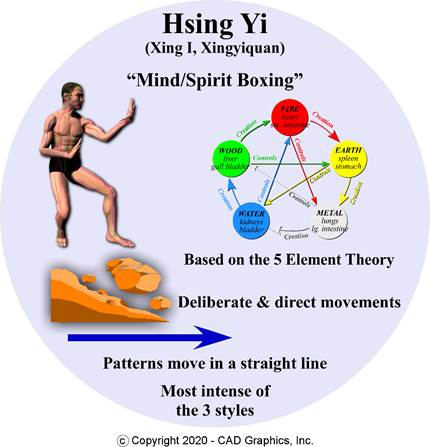
Xing Yi Quan (Form-Intent Fist), the most linear and forceful of the three internal systems, is commonly linked with the element of Fire. While the system itself is deeply rooted in the Five Element Theory (Wu Xing), with each of its five fists corresponding to one element, its overall character is often described as fiery, due to its aggressive forward motion and explosive power.

Among the Five Element fists in Xing Yi:

  • Pi Quan (Splitting Fist) represents Metal
  • Zuan Quan (Drilling Fist) represents Water
  • Beng Quan (Crushing Fist) represents Wood
  • Pao Quan (Pounding Fist) represents Fire
  • Heng Quan (Crossing Fist) represents Earth

Of these, Pao Quan exemplifies Fire’s essence: sudden, upward, and bursting energy. It strikes with explosive fa jin (power release), emerging from internal pressure and focused intent (Sun, 2003). Xing Yi’s methodology emphasizes single-minded intent (Yi) driving the form (Xing), producing a decisive and often overwhelming attack. This sharp, penetrating nature aligns well with the Fire element’s transformative and consuming energy.

Furthermore, the mindset cultivated in Xing Yi, that of resolute, forward-driving, and undeterred, echoes Fire’s symbolism as the element of willpower and illumination. As Frantzis (1998) notes, “Xing Yi burns through obstacles, physically and mentally. Its training sharpens the practitioner’s intent like a flame concentrated into a cutting edge” (p. 102).

A Contemporary Interpretive Framework

It is important to recognize that these elemental associations of Tai Chi as Water, Bagua as Wind, and Xing Yi as Fire, are interpretive frameworks developed in modern times to help convey complex movement and energetic concepts to students and readers. They are not fixed doctrines codified in ancient martial manuals, but rather practical metaphors rooted in Daoist philosophy, Traditional Chinese Medicine, and martial observation.

Still, they are widely embraced among modern martial scholars and instructors as effective teaching tools. By associating each art with a fundamental element, practitioners gain not only a sensory understanding of the movement principles but also a philosophical map for personal development and strategic application.

Conclusion

The symbolic associations of internal martial arts with natural elements offer profound insight into their essence and strategy. Tai Chi’s yielding flow mirrors Water, Bagua’s swirling evasiveness reflects Wind, and Xing Yi’s focused explosiveness embodies Fire. Though rooted in metaphor and interpretation, these elemental alignments resonate deeply with the practitioner’s embodied experience. They serve as bridges between physical training and inner cultivation, highlighting the enduring influence of Daoist cosmology on martial thought and practice.

References:

Cartmell, T., & Miller, D. (1998). Xing Yi Nei Gong: Xing Yi Health Maintenance and Internal Strength Development. Unique Publications. https://archive.org/details/DanMillerAndTimCartmellXingYiNeiGong

Frantzis, B. K. (1998). The Power of Internal Martial Arts and Chi: Combat and Energy Secrets of Ba Gua, Tai Chi and Hsing-I. North Atlantic Books.

Sun, L. (2003). A Study of Form-Mind Boxing (Xing Yi Quan Xue) (A. Liu, Trans.). Blue Snake Books. (Original work published 1915)

Metacognition and the Inner Dialogue

Their Role in Holistic Health and Wellness

Holistic health emphasizes the integration of mind, body, and spirit. Within this framework, the ways in which we think about our thoughts and talk to ourselves internally play a central role in overall well-being. Two important but distinct psychological constructs, metacognition and the inner dialogue, form the foundation of self-awareness and self-regulation. While inner dialogue reflects the ongoing commentary of the mind, metacognition is the reflective process that evaluates and guides those thoughts. Understanding the distinction and interplay between the two provides powerful insight into mental, physical, and spiritual health.

Defining Metacognition

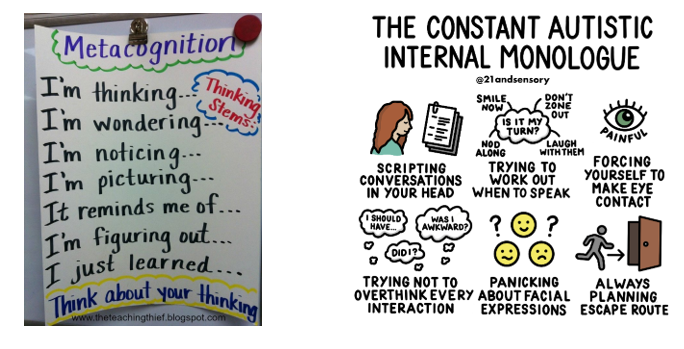
Metacognition, often described as “thinking about thinking,” refers to the awareness and regulation of one’s cognitive processes (Flavell, 1979). It includes both:

  • Metacognitive knowledge: recognizing one’s strengths, weaknesses, and strategies for thinking and learning.
  • Metacognitive regulation: the ability to plan, monitor, and adapt thought patterns and behaviors to reach goals (Schraw & Dennison, 1994).

For example, when someone recognizes they are struggling to focus and decides to change their study method or environment, they are applying metacognition. It functions as a higher-order system of self-observation, enabling intentional choices rather than automatic reactions.

Understanding the Inner Dialogue

The inner dialogue, also known as self-talk or inner speech, represents the continuous stream of words and judgments we silently direct toward ourselves. This internal commentary can be supportive (“I am capable of handling this challenge”) or critical (“I’ll never succeed at this”) (Morin, 2009). Unlike metacognition, which is strategic and reflective, inner dialogue is often spontaneous, shaped by prior experiences, beliefs, and emotional states (Beck, 2011).

Because inner dialogue can strongly influence emotion and physiology, triggering stress responses or enhancing motivation. It plays a direct role in daily wellness.

The Relationship Between Metacognition and Inner Dialogue

Although related, these two processes serve distinct roles:

  • Inner dialogue is the content of thought, with words, judgments, and narratives playing out in the mind.
  • Metacognition is the process that monitors and evaluates that content, determining whether it is useful, accurate, or aligned with one’s values and goals.

For example, a negative inner dialogue may say, “I am too tired to exercise.” Metacognition, however, can step in to evaluate this thought: “Is this fatigue physical exhaustion or just lack of motivation? What choice best supports my health goals?” This oversight allows individuals to reshape self-talk into a more adaptive pattern, such as: “I will start with a light walk to see how I feel.”

In this way, metacognition acts as a regulator of the inner dialogue, creating a feedback loop in which self-awareness leads to more balanced decisions.

Implications for Holistic Health and Wellness

Mental Wellness

Unchecked inner dialogue can amplify stress, worry, or self-doubt. Metacognition provides the awareness needed to identify unhelpful thought patterns, reduce rumination, and foster cognitive reappraisal (Wells, 2002). Metacognitive therapy, for example, helps individuals gain distance from destructive inner dialogue, improving resilience and emotional balance (Normann & Morina, 2018).

Physical Health

Health behaviors such as exercise, nutrition, and sleep are influenced by the interplay between self-talk and metacognition. Inner dialogue may discourage healthy action (“I don’t have time to cook tonight”), but metacognition allows for reflection and redirection (“If I prepare something simple now, I will feel better tomorrow”). Research suggests that higher levels of metacognitive awareness correlate with proactive health behaviors (Frazier et al., 2021).

Spiritual Growth

In the spiritual dimension of wellness, metacognition and inner dialogue intersect through practices such as meditation and prayer. Inner dialogue may be quieted, observed, or transformed during these practices, while metacognition supports discernment of which thoughts are distractions, and which carry deeper meaning (Vago & Silbersweig, 2012). This reflective process nurtures clarity, purpose, and transcendence—core elements of holistic health.

Practical Applications

  1. Mindfulness and Meditation – Strengthen awareness of the inner dialogue and cultivate metacognitive observation without judgment.
  1. Reflective Journaling – Encourage conscious monitoring of thought patterns, helping distinguish helpful from harmful self-talk.
  1. Cognitive-Behavioral Practices – Use metacognition to challenge negative self-talk and reinforce positive, health-supporting narratives.
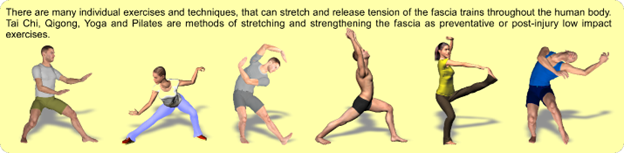
  1. Holistic Disciplines (e.g., Tai Chi, Qigong, Yoga) – Integrate body awareness with reflective thought, aligning physical sensations with mindful inner regulation.

Metacognition and inner dialogue are distinct yet complementary processes that shape human experience. Inner dialogue provides the immediate content of thought, while metacognition serves as the higher-order process that monitors and reshapes those thoughts. Together, they influence mental clarity, physical choices, and spiritual insight, making them central to holistic health and wellness. By cultivating both awareness of the inner dialogue and the reflective power of metacognition, individuals can foster resilience, self-regulation, and a deeper sense of integration across mind, body, and spirit.

References:

21andsensory, V. a. P. B. (2022, February 15). The constant autistic internal monologue. 21andsensory. https://21andsensory.wordpress.com/2022/02/15/the-constant-autistic-internal-monologue/

Beck, J. S. (2011). Cognitive behavior therapy: Basics and beyond (2nd ed.). Guilford Press. https://psycnet.apa.org/record/2011-22098-000

Flavell, J. H. (1979). Metacognition and cognitive monitoring: A new area of cognitive–developmental inquiry. American Psychologist, 34(10), 906–911. https://doi.org/10.1037/0003-066x.34.10.906

Frazier, L. D., Schwartz, B. L., & Metcalfe, J. (2021). The MAPS model of self-regulation: Integrating metacognition, agency, and possible selves. Metacognition and Learning, 16(2), 297–318. https://doi.org/10.1007/s11409-020-09255-3

Getting Started with Metacognition. (n.d.). https://theteachingthief.blogspot.com/2012/09/getting-started-with-metacognition.html

Morin, A. (2009). Self-awareness deficits following loss of inner speech: Dr. Jill Bolte Taylor’s case study. Consciousness and Cognition, 18(2), 524–529. https://doi.org/10.1016/j.concog.2008.09.008

Normann, N., & Morina, N. (2018). The efficacy of metacognitive therapy: A systematic review and meta-analysis. Frontiers in Psychology, 9, 2211. https://doi.org/10.3389/fpsyg.2018.02211

Schraw, G., & Dennison, R. S. (1994). Assessing metacognitive awareness. Contemporary Educational Psychology, 19(4), 460–475. https://doi.org/10.1006/ceps.1994.1033

Vago, D. R., & Silbersweig, D. A. (2012). Self-awareness, self-regulation, and self-transcendence (S-ART): A framework for understanding the neurobiological mechanisms of mindfulness. Frontiers in Human Neuroscience, 6, 296. https://doi.org/10.3389/fnhum.2012.00296

Wells, A. (2002). Emotional disorders and metacognition. https://doi.org/10.1002/9780470713662

Sleep Deprivation

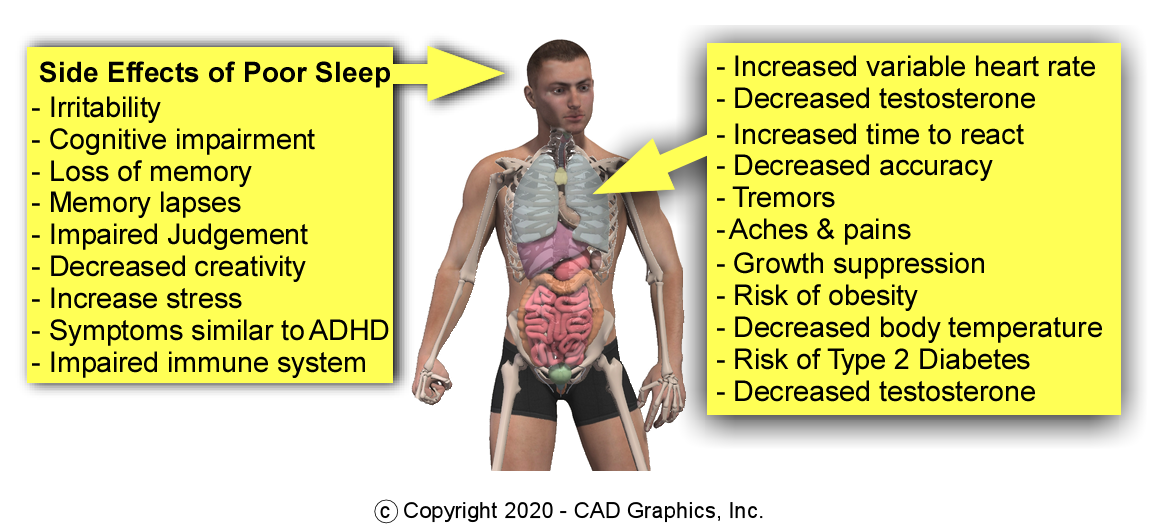
Sleep is a natural regularly occurring physiological function, where humans and other animals reduce physical and mental activity, lessen responsiveness to stimuli, and particular patterns of brain activity occur (Ettinger 2018). Prolonged lack of sleep or sleep deprivation can cause impaired memory formation as well as adverse effects on the brain’s other cognitive functions such as learning, language, reason, and perception. Sleep deprivation has also been linked to significant mental diseases, such as depression, psychosis, and bipolar disorder (Horowitz, 2020). Physical problems attributed to consistent lack of sleep include weakening of the immune system, headaches, heart disease, fainting, weight gain or weight loss, blurred vision, and hernias. Other related ailments may include obesity, cancer, stroke, asthma, high blood pressure, diabetes, arthritis, and kidney failure. Severe sleep deprivation in humans can also be fatal, where a rare neurological ailment called fatal familial insomnia, results in damage to areas of the thalamus
(Horowitz, 2020).


Studies with REM-deprived sleep participants showed the effects of decreased ability to concentrate on tasks, increased irritability, hostility, anxiousness, and aggressiveness. Studies also showed that REM-starved participants entered into REM sleep almost as soon as they were permitted to nod off, over the course of a one-week experiment. Participants experienced a REM rebound effect, where they spent roughly 50 percent more time in REM than they did before the start of the experiment. This REM rebound effect seems to occur immediately after a duration of forced wakefulness during a night’s sleep. Physiological changes in animals have been observed in other studies regarding REM deprivation, with effects of weight loss, deteriorated appearance, skin lesions, increased energy expenditure, decreased body temperature, and even death. Researchers think that if humans experienced similar circumstances of sleep deprivation used in animal studies, similar outcomes would present (Ettinger 2018).

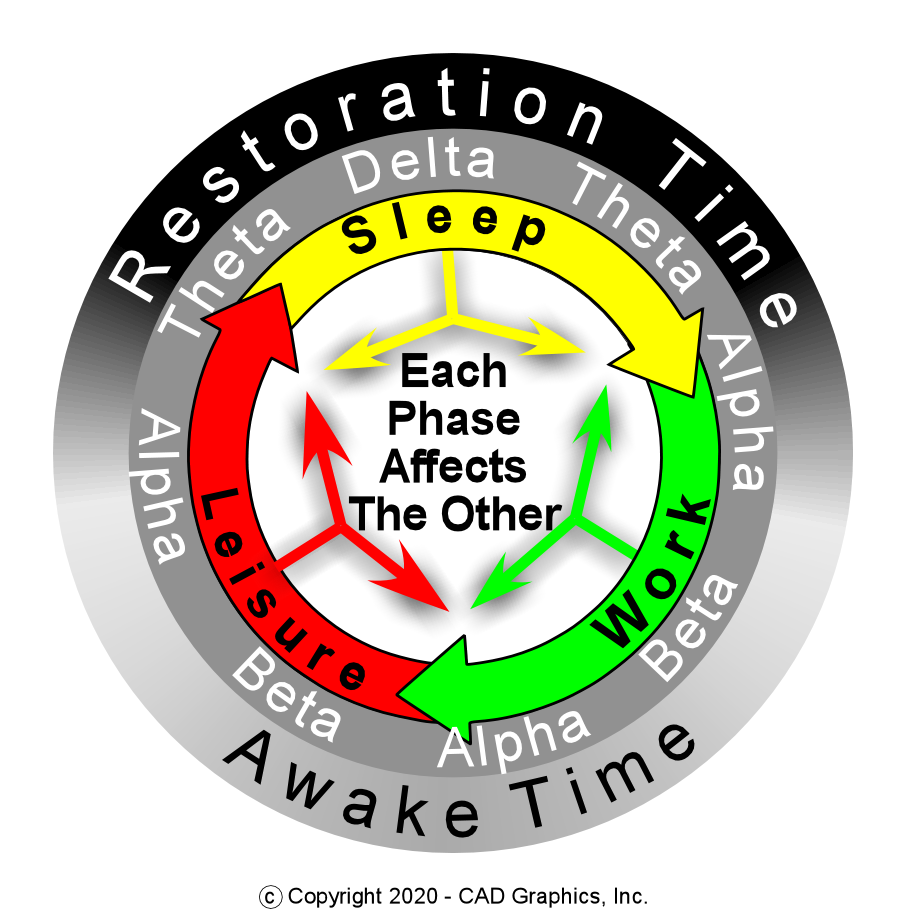
Studies show that sleep is necessary, but exactly why is not clear. Theories exist that we require sleep to conserve energy, avoid predation, and memory aid. However, none of these theories are widely accepted by psychologists. Another theory is that sleep helps in mental and physical restoration. Sleep is thought to restore resources that are drained during our daily activities. Studies show that people often sleep longer after particularly tiring events helps to support this theory. Unsettled evidence shows that specific types of tissue restoration might happen during sleep. Growth hormone is secreted at increased levels during Stage 4 sleep as well as brain neurotransmitters possibly being restored during sleep. Other research indicates that sleep is essential for brain homeostasis. Additionally, research suggests that metabolic waste that accumulates from neural activity is eliminated from the brain and cerebral spinal fluid, while only occurring during sleep (Ettinger 2018). This theory has merit, as other relative studies offer further evidence of sleep quality affecting health and well-being, specifically with intensive care unit (ICU) patients (Pisani, 2015). I find it hard to discredit this theory, just based on personal experience with almost everyone I have ever known or met, expressing how much more restored, refreshed, and energetic they are when they have regular quality sleep.


I feel that American culture in general, does not pay much attention to preventing disease and illness, let alone the specific issue of sleep deprivation. We have gradually grown into a nation where we live for our pleasures today, with little regard for the consequences that will come tomorrow. Many see modern allopathic medicine and its many pharmaceutical options, as the only path to fix all of our ills. There is a plethora of medications that we can take to keep us awake when we don’t get enough sleep. Conversely, we also have a wide variety of other pharmaceuticals to help us sleep when we are too awake, anxious, or stressed.

I see many college-aged kids, who are learning how to manage and navigate their college lives of studies and social life, while also trying to stay safe and healthy in the process. I don’t really think the issue of college student sleep deprivation has changed much over the last few decades, as far as young adults exercising their independence and learning of their limits. What has changed, I believe is the acceptance of legal as well as illegal drugs being used to manage the ups and downs of coping with the on-campus “college life”. Additionally, the last 2 years of dealing with the COVID-19 pandemic have greatly added to the recipe for potential psychological issues. Many people of all ages have experienced stress as they attempt to balance their relative circumstances. Many people were inside more which may have led to a more sedentary lifestyle, eating more poor-quality food, drinking more alcohol, consuming more recreation and medicinal drugs, and other issues that can affect the quality of sleep. Consequently, I think the more relative issue that is yet to unfold, is how has the management of the pandemic affected sleep quality across many demographics? This topic will probably take years to study in order to draw any logical conclusions.

References:
Ettinger, R. H. (2018). Psychology: The Science of Behavior (6th ed.). BVT Publishing.


Horowitz, D. (2020). Sleep deprivation. Salem Press Encyclopedia of Health.


Pisani, M. (2015). Sleep in the intensive care unit: An oft-neglected key to health restoration.


Heart & Lung : The Journal of Critical Care, 44(2), 87. https://doi-org.northernvermont.idm.oclc.org/10.1016/j.hrtlng.2015.01.007

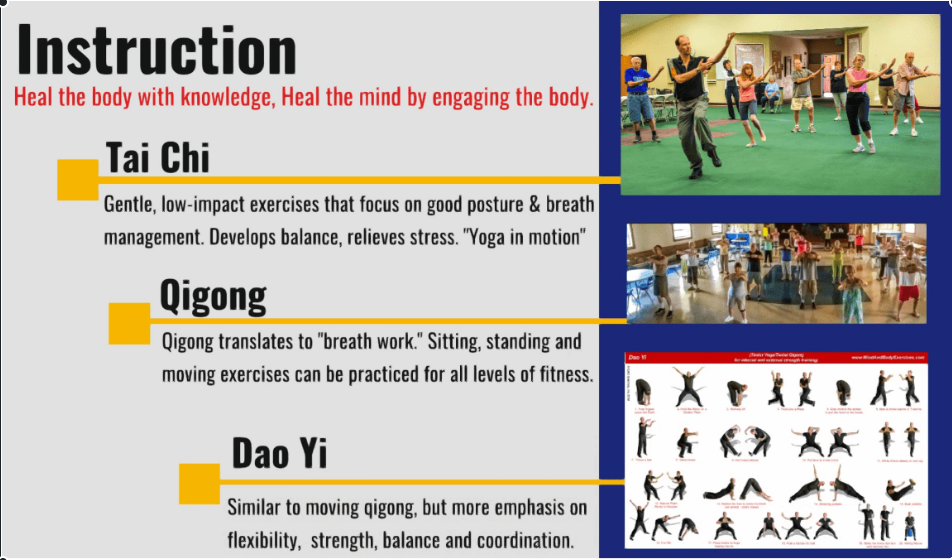
I teach and offer lectures about holistic health, physical fitness, stress management, human behavior, meditation, phytotherapy (herbs), music for healing, self-massage (acupressure), Daoyin (yoga), qigong, tai chi, and baguazhang.

Please contact me if you, your business, organization, or group, might be interested in hosting me to speak on a wide spectrum of topics relative to better health, fitness, and well-being.

I look forward to further sharing more of my message by partnering with hospitals, wellness centers, VA centers, schools on all levels, businesses, and individuals who see the value in building a stronger nation through building a healthier population.

I also have hundreds of FREE education video classes, lectures, and seminars available on my YouTube channel at:

https://www.youtube.com/c/MindandBodyExercises

Many of my publications can be found on Amazon at:

http://www.Amazon.com/author/jimmoltzan

My holistic health blog is available at:

https://mindandbodyexercises.wordpress.com/

http://www.MindAndBodyExercises.com

Mind and Body Exercises on Google: https://posts.gle/aD47Qo

Jim Moltzan

407-234-0119

What Is Autogenic Therapy? A Self-Directed Path to Deep Relaxation

In today’s fast-paced world, stress-related conditions are on the rise. Autogenic therapy, also known as autogenic training, offers a powerful way to counterbalance modern stress through a simple, structured set of mental exercises. Developed by German psychiatrist Johannes Heinrich Schultz and coined the term in 1928, this self-regulation technique continues to help people worldwide regain calm, reduce anxiety, and improve overall well-being.

What Is Autogenic Therapy?

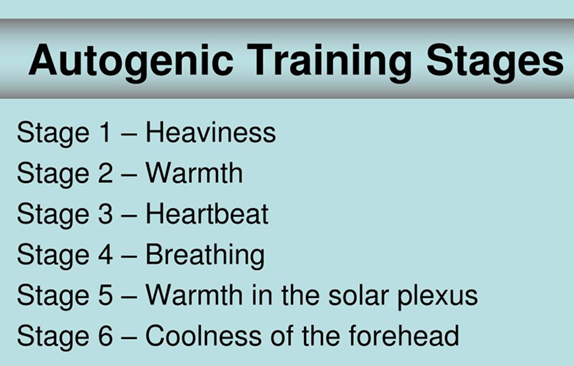
Autogenic therapy is a relaxation technique that uses self-suggestions to bring about physical and emotional calmness. The practice involves six standardized exercises focusing on sensations like:

  • Heaviness and lightness in the limbs
  • Warmth
  • Heartbeat regulation
  • Breathing awareness
  • Abdominal warmth
  • Forehead cooling (Luthe & Schultz, 1969)

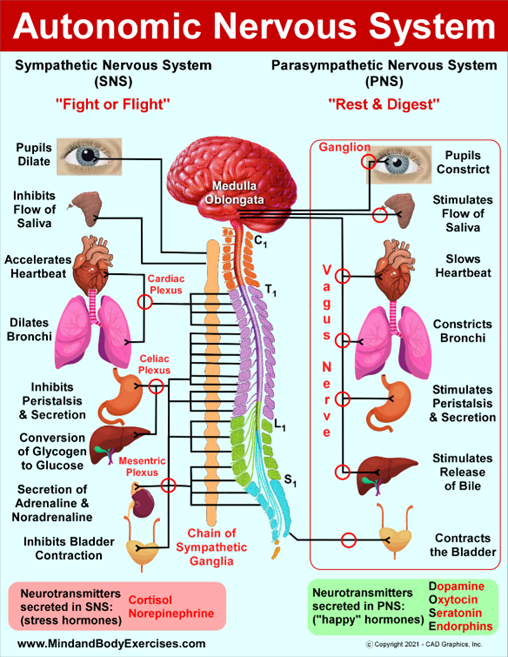
These exercises promote a shift in the autonomic nervous system toward the parasympathetic or “rest and digest” mode, reducing the physiological effects of stress.

Although not usually classified as meditation, autogenic therapy shares similar traits with meditative and mindfulness-based practices:

  • Present-moment awareness
  • Regulation of breath and heart rate
  • Promotion of internal balance and nervous system calm (Melnikov, 2021)

What’s especially fascinating is that autogenic therapy aligns with ancient mind–body traditions found in:

  • Tai Chi
  • Qigong
  • Yoga
  • Martial Arts

These disciplines often guide practitioners to cultivate bodily sensations that echo those used in autogenic training:

  • Feelings of lightness or heaviness in the limbs
  • Generating internal warmth (often associated with breath or energy flow)
  • Focusing on the heartbeat or breath rhythm
  • Stimulating abdominal heat (known in some traditions as dantian activation)
  • Creating a sense of coolness or spaciousness in the head or forehead

These parallels suggest that human self-regulation, through structured inner awareness, is a timeless and cross-cultural approach to stress relief, energy balance, and health.

When practiced consistently, autogenic therapy has been shown to:

  • Reduce anxiety and stress
  • Improve sleep quality
  • Lower blood pressure
  • Enhance emotional and nervous system resilience
  • Relieve headaches, muscle tension, and chronic fatigue (Stetter & Kupper, 2002)

Its simplicity and accessibility make it a popular choice for those looking for holistic, non-invasive ways to manage daily pressures and improve health.

Each autogenic session involves repeating mental phrases such as, “my arms are heavy and warm,” while reclining or sitting in a quiet space. The mind’s focus on these specific body cues leads to a measurable shift in physiology, lowering stress hormones, heart rate, and muscle tension (Luthe & Schultz, 1969; Stetter & Kupper, 2002).

Many people practice autogenic training independently, with audio guidance, or under the supervision of a certified therapist.

While autogenic therapy is safe for most individuals, it may not be appropriate for people with psychotic disorders, such as schizophrenia or bipolar disorder with psychotic features (Fletcher, 2023. Here’s why:

1. Exacerbation of Symptoms

The use of self-suggestion and imagery can potentially worsen hallucinations or delusional thinking in vulnerable individuals (Kanji, 2006; Stetter & Kupper, 2002).

2. Potential for Dissociation

The deep relaxation states achieved may induce altered consciousness or dissociation, which can be unsettling or unsafe for those with psychotic tendencies.

3. Difficulty in Reality Testing

Psychotic conditions often impair one’s ability to distinguish between internal experience and external reality. Autogenic training might blur these lines further (Stetter & Kupper, 2002).

4. Medication Disruption Risk

Some individuals may believe that relaxation practices can replace essential medication, potentially leading to non-compliance and relapses (Mueser & Jeste, 2008).

Because of these risks, it’s essential that individuals with psychotic disorders engage in any form of relaxation training only under professional medical supervision. More recent research has suggested that autogenic therapy may actually help those suffering from schizophrenia (Breznoscakova et al., 2023).

Autogenic therapy offers a safe, evidence-based, and self-directed method to reduce stress and promote relaxation. Its emphasis on internal sensations such as warmth, breath, heartbeat, and mental stillness, places it in harmony with long-standing Eastern practices like tai chi, yoga, and qigong.

For most people, autogenic therapy can serve as a cornerstone of a healthy lifestyle, but those with complex mental health conditions should consult with trained professionals to ensure it is suitable.

References:

Breznoscakova, D., Kovanicova, M., Sedlakova, E., & Pallayova, M. (2023). Autogenic Training in Mental Disorders: What Can We Expect? International Journal of Environmental Research and Public Health, 20(5), 4344. https://doi.org/10.3390/ijerph20054344

Fletcher, J. (2023, August 17). Autogenic training: Benefits, limitations, and how to do it. https://www.medicalnewstoday.com/articles/autogenic-training#how-to-do-it

Luthe, W., & Schultz, J. H. (1969). Autogenic therapy (Vol. 1–6). New York: Grune & Stratton.

Mueser, K. T., & Jeste, D. V. (2008). Clinical handbook of schizophrenia. New York: Guilford Press.

Melnikov, M. Y. (2021). The Current Evidence Levels for Biofeedback and Neurofeedback Interventions in Treating Depression: A Narrative review. Neural Plasticity, 2021, 1–31. https://doi.org/10.1155/2021/8878857

Stetter, F., & Kupper, S. (2002). Autogenic training: a meta-analysis of clinical outcome studies. Applied Psychophysiology and Biofeedback, 27(1), 45–98. https://doi.org/10.1023/a:1014576505223

VA Office of Patient Centered Care and Cultural Transformation. (n.d.). AUTOGENIC TRAINING. In VA Office of Patient Centered Care and Cultural Transformation (pp. 1–3). https://www.va.gov/WHOLEHEALTHLIBRARY/docs/Autogenic-Training.pdf

I teach and offer lectures about holistic health, physical fitness, stress management, human behavior, meditation, phytotherapy (herbs), music for healing, self-massage (acupressure), Daoyin (yoga), qigong, tai chi, and baguazhang.

Please contact me if you, your business, organization, or group, might be interested in hosting me to speak on a wide spectrum of topics relative to better health, fitness, and well-being.

I look forward to further sharing more of my message by partnering with hospitals, wellness centers, VA centers, schools on all levels, businesses, and individuals who see the value in building a stronger nation through building a healthier population.

I also have hundreds of FREE education video classes, lectures, and seminars available on my YouTube channel at:

https://www.youtube.com/c/MindandBodyExercises

Many of my publications can be found on Amazon at:

http://www.Amazon.com/author/jimmoltzan

My holistic health blog is available at:

https://mindandbodyexercises.wordpress.com/

http://www.MindAndBodyExercises.com

Mind and Body Exercises on Google: https://posts.gle/aD47Qo

Jim Moltzan

407-234-0119