Build Stronger Bones – University Club Holistic Health Discussion 12-12-2024

This video lecture offers a comprehensive exploration of bone health within the broader framework of holistic wellness. It connects the anatomy and physiology of bones to lifestyle factors, emphasizing the intricate links between physical, mental, and spiritual health. Starting with a review of prior wellness topics such as balance, breathing, and acupressure meridians, I strived to situate bone health in a systems view, explaining how weak bones affect balance and mobility. Key causes of bone weakening, such as sedentary lifestyle, poor diet, hormonal changes, genetics, stress, and insufficient vitamin D, are examined in detail.
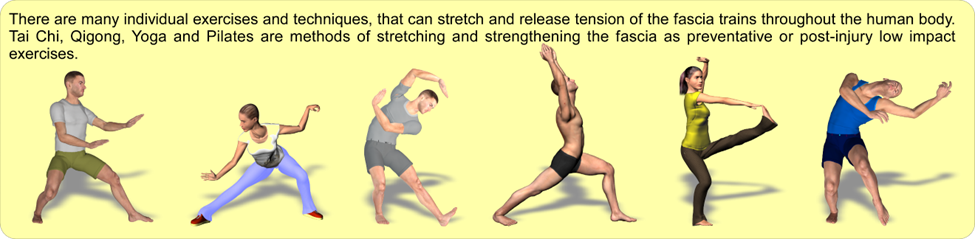
The lecture highlights the importance of regular exercise, including weight-bearing activities, Tai Chi, yoga, and functional fitness, to stimulate bone remodeling and maintain strength across the lifespan. Additionally, it addresses the role of calcium, vitamin D, and supplements, as well as medical interventions like acupuncture and TENS (Transcutaneous Electrical Nerve Stimulation) for pain management. I spoke of integrating traditional Chinese medicine concepts, stress benefits, and mindful breathing into the discussion, reinforcing a holistic view of health. Practical tips for maintaining bone integrity, improving balance, and avoiding falls are offered along with a call for consistent, varied physical activity as the cornerstone of healthy aging. The video finishes with a Q&A style wrap-up that stresses individual variability and the importance of personalized healthcare guidance.

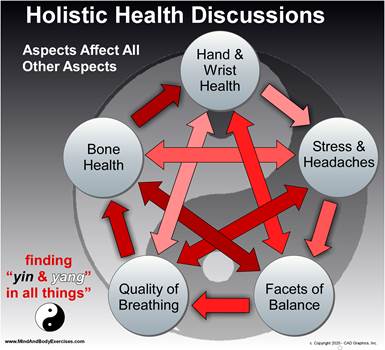
Interconnectedness of Systems: The presentation emphasizes that bone health is not isolated but deeply intertwined with muscular, neurological, and even spiritual health. For example, weak bones increase fall risk, which can cascade into fractures and loss of mobility, illustrating the systemic nature of health challenges. The concept of yin and yang underscores the balance between internal wellness and external fitness, highlighting that physical strength alone is insufficient without emotional and mental well-being. This integrated approach reflects contemporary holistic health paradigms.
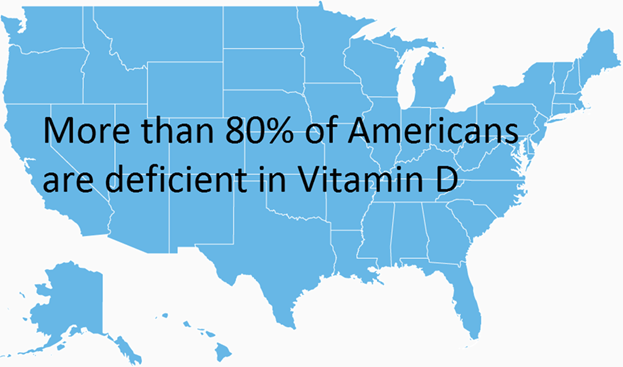
Vitamin D’s Crucial Role and Sunlight Exposure: A significant insight is the critical role of vitamin D in calcium absorption and bone integrity. I highlighted how modern lifestyles have evolved our indoor activities, sunscreen use, geographic latitude, and seasonal changes, contributing to widespread vitamin D deficiency. This deficiency links to multiple conditions including osteoporosis, osteomalacia, rickets, and compromised immunity. The discussion about timing and duration of sun exposure elucidates practical strategies to optimize vitamin D without risking skin damage, encouraging mindful balance.

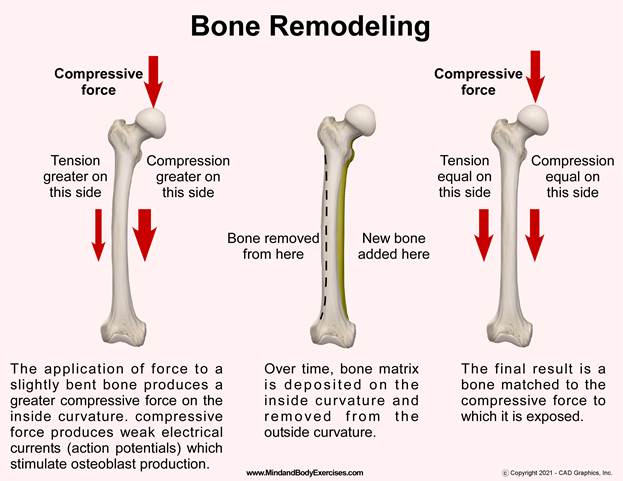
Exercise as a Primary Modulator of Bone Strength: Wolf’s Law explains how mechanical strain on bones via muscle tension prompts remodeling and strengthening. The presentation breaks down exercise types, from gentle Tai Chi to rigorous weight training and their suitability across age groups, stressing the importance of consistency and variety. I caution that overly repetitive or limited-exercise regimens may enhance one skill set but neglect others (e.g., flexibility, cardiovascular health), advocating for a multi-dimensional fitness approach. Use of weighted vests, wrist weights, and grip exercises further illustrates how progressive tension can be tailored to individual capacity.
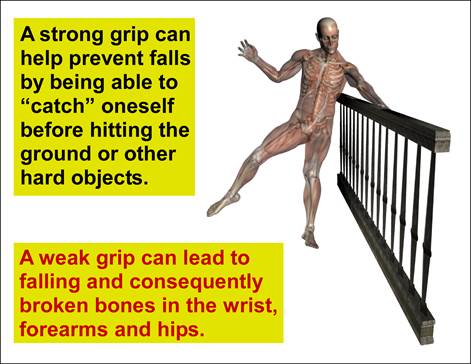
Balance and Grip Strength are Vital for Injury Prevention: Falls are a leading cause of fractures in older adults; thus, balance training and grip strength are crucial preventive measures. The lecture connects muscle strength, proprioception, and neuromuscular coordination as key to maintaining postural stability. Grip strength matters not only for daily function but also as an indicator of overall health and balance recovery capability during falls, making it a practical focus area for exercise programs.

Holistic Fitness and Organ Health through Movement: Unlike traditional fitness focused solely on muscles and cardiovascular systems, the talk introduces the idea that practices like Tai Chi and yoga actively stimulate internal organs by promoting diaphragmatic movement and circulation. This ‘soft fitness’ concept aligns with traditional Chinese medicine, promoting blood flow and nervous system activation via acupressure meridians. This insight expands the definition of fitness towards holistic bodily integration and organ vitality.

Complementary Modalities for Pain and Bone Health: The acceptance and use of acupuncture, acupressure, and TENS units are discussed as effective tools for pain relief without drugs, especially for arthritis and bone-related discomfort. While these do not cure structural issues, their value in managing symptoms and enabling movement enhances quality of life. The lecture also discusses complexities around calcium supplements and pharmaceuticals, emphasizing nutritional balance and caution due to potential side effects like kidney stones or brittle bones.
Stress Hormones Impact Bone Remodeling: Chronic stress elevates cortisol levels, which negatively affects bone formation and increases breakdown, illustrating the biochemical pathways connecting emotional health and bone physiology. The analogy to a microwave running empty underscores how unrelenting stress can burn out the system. Incorporating stress management, mindful breathing, and spiritual awareness into daily practice is thus integral to sustaining bone health, emphasizing mind-body unity in disease prevention and health promotion.

Highlights

  • Holistic health views bones as interconnected with muscles, organs, and energy meridians.
  • Vitamin D deficiency is widespread and profoundly impacts bone strength and immunity.
  • Weight-bearing exercise and diverse physical activity stimulate bone remodeling at any age.
  • Balance, grip strength, and neuromuscular coordination are critical for fall and injury prevention.
  • Soft movement practices like Tai Chi and yoga engage muscles and organs for whole-body wellness.
  • Acupuncture and TENS offer non-pharmaceutical options for managing bone-related pain.
  • Stress and mental health considerably affect bone physiology via hormonal pathways like cortisol.
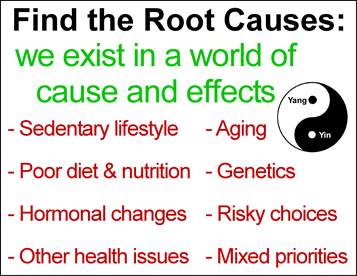
I feel that this discussion offers an in-depth, well-rounded discussion on bone health, rooting it firmly in a holistic wellness model. It broadens the narrative beyond simple calcium intake or exercise regimens, weaving in mental health, stress, spirituality, and modern lifestyle factors. Practical, evidence-backed advice coupled with traditional medicine knowledge and personal anecdotes make it accessible. Viewers are encouraged to adopt a varied, consistent exercise routine, mind their nutrition and sunlight exposure, manage stress, and consider complementary therapies to maintain strong bones and overall vitality through aging.

Paths of Profound Change: Beyond Trauma and Discipline

In the holistic journey of life, personal transformation is often viewed as the result of either traumatic events or conscious effort. These shocks either break us or shape us. While these are indeed powerful forces for change, they do not encompass the full spectrum of transformative pathways available to us as human beings.

Lasting, life-altering transformation can arise in many forms. Some sudden, others subtle, some invited, others unexpected. By understanding these varied mechanisms, we broaden our approach to healing, growth, and self-realization.

1. Transformation Through Trauma

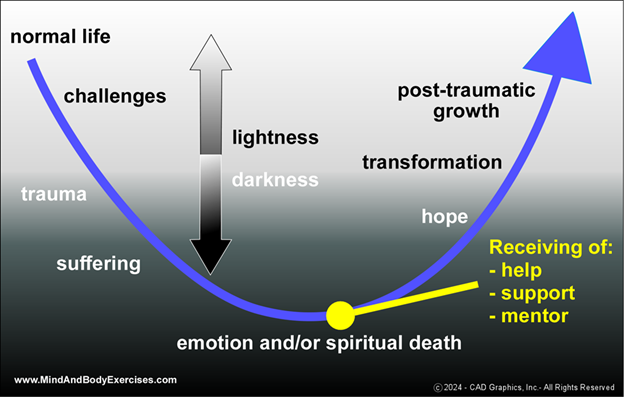
Traumatic events often serve as uninvited gateways to inner transformation. Illness, loss, injury, or upheaval can abruptly dissolve our previous worldview and expose our vulnerabilities. But they can also open new paths toward meaning and depth.

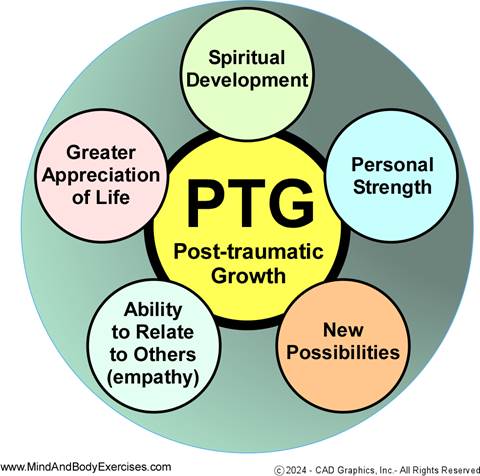
This phenomenon is known as post-traumatic growth, a process where individuals, after grappling with suffering, report increased appreciation for life, strengthened relationships, and a greater sense of purpose (Tedeschi & Calhoun, 2004). In such cases, the trauma acts as a psychological rupture that allows a new self to emerge.

“The wound is the place where the light enters you.” – Rumi

However, it’s crucial to note that trauma alone does not lead to growth. It is the integration and reflection that follows which allows transformation to take root.

2. Transformation Through Deliberate Cultivation

On the opposite end lies the path of intentional self-cultivation. This is the domain of daily practices, discipline, and internal effort. Whether through meditation, yoga, tai chi, journaling, psychotherapy, or spiritual observances, this method involves gradual evolution through conscious engagement.

This approach reflects the ancient notion of “self-cultivation” found in Taoist, Confucian, and yogic traditions, where individuals refine their inner nature through mindful attention and ethical action (Wong, 2013).

Over time, these practices strengthen the nervous system, improve emotional regulation, deepen awareness, and harmonize body, mind, and spirit.

3. Sudden Epiphany and Noetic Insight

Some transformations do not arise from pain or practice, but from a sudden inner awakening or an epiphany, mystical experience, or altered state of consciousness. These shifts often occur unexpectedly and can be catalyzed by:

  • Near-death experiences
  • Lucid dreams or synchronicities
  • Deep meditation
  • Psychedelic-assisted therapy (Griffiths et al., 2016)

William James referred to these as “noetic experiences” or moments of intuitive knowing that feel more real than everyday consciousness and often lead to lasting shifts in values or identity (James, 1902/2002).

These experiences may appear irrational or unexplainable, but for the individual, they often provide profound clarity and inner peace.

4. Environmental and Social Catalysts

Human beings are shaped not only by internal forces but also by their environments and relationships. Transformation can occur by stepping into new ecosystems, both physical and social.

Examples include:

  • Moving to a new culture or community
  • Entering mentorship or a new life role
  • Participating in rites of passage or initiatory rituals
  • Engaging in therapeutic or communal healing spaces

Sometimes, being seen differently by others allows us to see ourselves differently, and environments that mirror new possibilities can become containers for profound personal change (Mezirow, 2000).

5. Developmental and Life Stage Transformation

Transformation also occurs as a natural part of the human lifecycle. As we pass through life stages, our values, identity, and priorities often evolve—without trauma or specific practice.

Examples include:

  • The midlife transition, where individuals reevaluate purpose and direction (Levinson, 1978)
  • Elderhood, which invites wisdom, reflection, and legacy-building
  • The realization of mortality and impermanence, which can soften the ego and elevate spiritual awareness

These transitions are often subtle, cumulative, and rooted in the rhythms of human development rather than crisis or control.

Comparison of Transformation Paths

PathwayVoluntary?Sudden or Gradual?Inner or Outer Catalyst?
Trauma or CrisisNoOften suddenOuter
Deliberate CultivationYesGradualInner
Epiphany or Mystical ExperienceNoSuddenInner/Transcendent
Environmental/Social InfluenceSometimesGradual or suddenOuter
Life Stage DevelopmentNoGradualInner (through aging)

Not all transformation comes from suffering, and not all growth requires discipline. Transformation can be invited through effort, stumbled upon by chance, or emerging silently over time. What unites all these paths is the openness of the individual, a willingness to see differently, feel deeply, and respond to life with awareness.

As Carl Jung wisely noted:

“We are not what happened to us; we are what we choose to become.”

In holistic wellness, recognizing these diverse pathways empowers us not only to heal but to evolve consciously—body, mind, and spirit—through whatever doorway life presents.

References:

Griffiths, R. R., Johnson, M. W., Richards, W. A., Richards, B. D., McCann, U., & Jesse, R. (2016). Psilocybin produces substantial and sustained decreases in depression and anxiety in patients with life-threatening cancer: A randomized double-blind trial. Journal of Psychopharmacology, 30(12), 1181–1197. https://doi.org/10.1177/0269881116675513

James, W. (2002). The varieties of religious experience: A study in human nature (Original work published 1902). Modern Library. https://archive.org/details/varietiesofrelig00jameuoft/page/n5/mode/2up

Levinson, D. J. (1978). The seasons of a man’s life. Ballantine Books. https://archive.org/details/seasonsofmanslif00dani

Mezirow, J. (2000). Learning as transformation: Critical perspectives on a theory in progress. Jossey-Bass. https://archive.org/details/learningastransf0000mezi/page/n7/mode/2up

Tedeschi, R. G., & Calhoun, L. G. (2004). Posttraumatic growth: Conceptual foundations and empirical evidence. Psychological Inquiry, 15(1), 1–18. https://doi.org/10.1207/s15327965pli1501_01

Wong, D. B. (2013). Cultivating the Self in Concert with Others. In Dao companions to Chinese philosophy (pp. 171–197). https://doi.org/10.1007/978-94-007-7113-0_10

Light Bulb, Flashbulb and Lollipop Moments

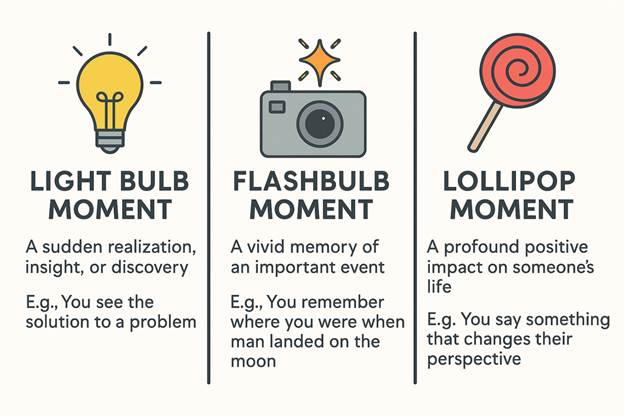
Human experiences are filled with defining moments that shape our understanding of ourselves and our relationships with others. Three metaphors that capture different yet equally transformative experiences are the light bulb moment, the flashbulb moment, and the lollipop moment. While all represent instances of change and meaning, their sources and impacts differ substantially. A light bulb moment represents a sudden spark of personal insight or discovery. A flashbulb moment captures the power of memory by anchoring us to a specific point in time during a significantly shared event. A lollipop moment, by contrast, highlights how a seemingly small act can have an unexpectedly profound impact on another person’s life. Examining these three concepts reveals not only how individuals grow through personal insight and memory but also how they shape one another’s lives through small, often unrecognized gestures.

Light Bulb Moments: Personal Realization

The term light bulb moment is commonly used to describe the sudden emergence of clarity, understanding, or inspiration. Rooted in imagery popularized by early cartoons, where a light bulb appeared above a character’s head to symbolize a new idea, the expression reflects how insight can feel instantaneous (Gladwell, 2005). These moments are often associated with cognitive restructuring, when a problem once perceived as insurmountable suddenly becomes solvable. Psychologists identify such experiences as insight learning, a process where new connections are drawn between previously unrelated concepts (Bowden et al., 2005).

For example, a student struggling with a mathematics problem may suddenly “see” the solution after hours of confusion. This type of realization brings both intellectual satisfaction and emotional reinforcement, often motivating individuals to continue exploring and learning. In a broader sense, light bulb moments underscore the human capacity for creativity and problem-solving, marking them as critical turning points in education, science, and personal growth.

Flashbulb Moments: Distinct Memories in Time

Alongside the concept of the light bulb moment, psychologists also describe what are known as flashbulb moments. Unlike the personal insight of a light bulb moment, a flashbulb moment refers to a vivid and enduring memory of where one was and what one was doing during a significant historical or emotional event. These memories are often tied to collective experiences, such as the 1969 moon landing, the terrorist attacks on September 11, 2001, or the explosion of the space shuttle Challenger in 1986.

Brown and Kulik (1977) first introduced the term, noting how individuals can recall with great detail their surroundings, emotions, and even conversations during such events. Although research shows that the accuracy of these memories may fade over time, the confidence in them remains strong (Talarico & Rubin, 2003). Flashbulb moments therefore highlight the powerful role of emotion and societal significance in shaping human memory, standing in contrast to the personal realization of a light bulb moment and the interpersonal influence of a lollipop moment.

Lollipop Moments: Impact on Others

By contrast, the lollipop moment emphasizes interpersonal influence rather than internal realization. The term was introduced by leadership educator Drew Dudley in his TEDx talk Everyday Leadership (2010). Dudley shared a story of how he casually handed a lollipop to a nervous new student during orientation, making a humorous remark that helped her feel more comfortable. What he considered an insignificant act turned out to be transformative, as the student later credited the gesture as a pivotal moment in her decision to remain in school and eventually meet her future spouse.

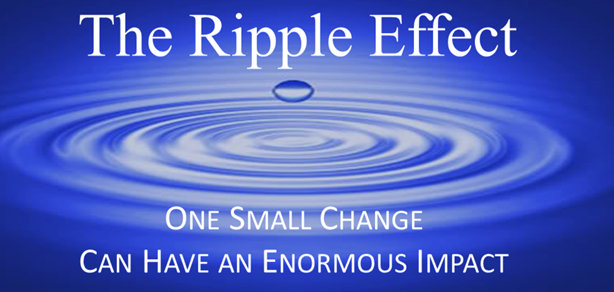
Lollipop moments illustrate how simple actions, often forgotten by the initiator, can have life-altering effects for others. Scholars of positive psychology highlight the importance of micro-moments of connection, such as kindness, encouragement, or recognition, in building resilience and well-being (Fredrickson, 2013). Unlike light bulb moments, which center on self-discovery, lollipop moments demonstrate the ripple effect of human interaction, where a small spark of generosity or empathy can catalyze growth, healing, or confidence in others.

Comparing the Three

Although light bulb, flashbulb, and lollipop moments are distinct, they are complementary in the landscape of human experience. Light bulb moments transform the self by providing clarity and insight, flashbulb moments connect us to shared historical and emotional contexts, and lollipop moments transform relationships by creating meaning for others. Each concept represents a unique dimension of human development: cognition, memory, and social connection.

Together, they remind us of the multidimensional nature of growth and meaning. Intellectual breakthroughs drive progress, emotionally charged memories bind us to the larger human story, and interpersonal kindness fosters community and belonging. Without light bulb moments, innovation and self-awareness would stagnate. Without flashbulb moments, our shared cultural narrative would lose its depth. Without lollipop moments, compassion and leadership would lose their everyday relevance. Recognizing all three encourages us to value the sudden spark of discovery, the unforgettable imprint of memory, and the subtle, transformative power of everyday kindness.

References:

Bowden, E. M., Jung-Beeman, M., Fleck, J., & Kounios, J. (2005). New approaches to demystifying insight. Trends in Cognitive Sciences, 9(7), 322–328. https://doi.org/10.1016/j.tics.2005.05.012

Brown, R., & Kulik, J. (1977). Flashbulb memories. Cognition, 5(1), 73–99. https://doi.org/10.1016/0010-0277(77)90018-X

designer. (2017, October 17). THE RIPPLE EFFECT – Embrace the challenge. https://embracethechallenge.org/the-ripple-effect/

Dudley, D. (2010). Everyday leadership [Video]. TEDxToronto. https://www.ted.com/talks/drew_dudley_everyday_leadership

Fredrickson, B. L. (2013). Love 2.0: Finding happiness and health in moments of connection. Hudson Street Press. https://archive.org/details/love20creatingha0000fred

Gladwell, M. (2005). Blink: The power of thinking without thinking. Little, Brown and Company. https://psycnet.apa.org/record/2006-01628-000

Talarico, J. M., & Rubin, D. C. (2003). Confidence, not consistency, characterizes flashbulb memories. Psychological Science, 14(5), 455–461. https://doi.org/10.1111/1467-9280.02453

The Progressive Layers of Tai Chi Practice

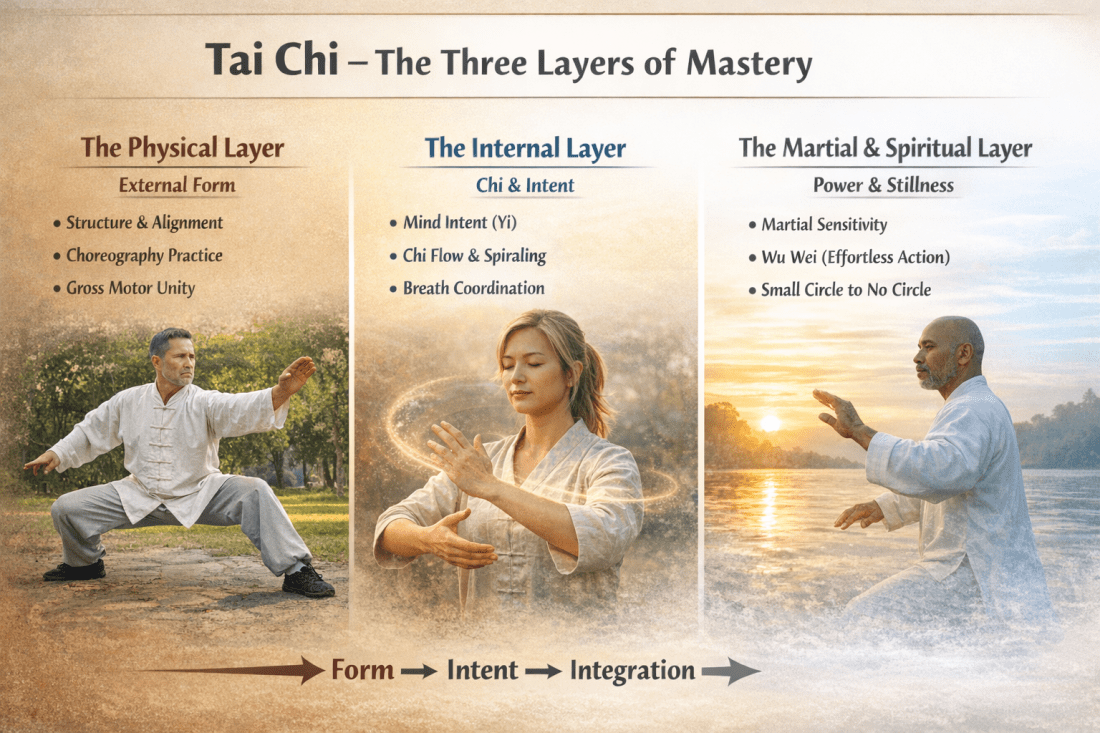
In Tai Chi, the idea of “layers” refers to progressive stages of mastery that move from external physical form to refined internal and spiritual development. Although different schools such as Chen and Yang may use varying terminology, the underlying progression remains consistent: one begins with structure, refines internal mechanics, and ultimately reaches effortless integration of body, mind, and spirit.

This development can be understood through three primary layers, expanded technically into five levels of refinement, and supported practically through four pillars of training.


I. The Three Progressive Layers

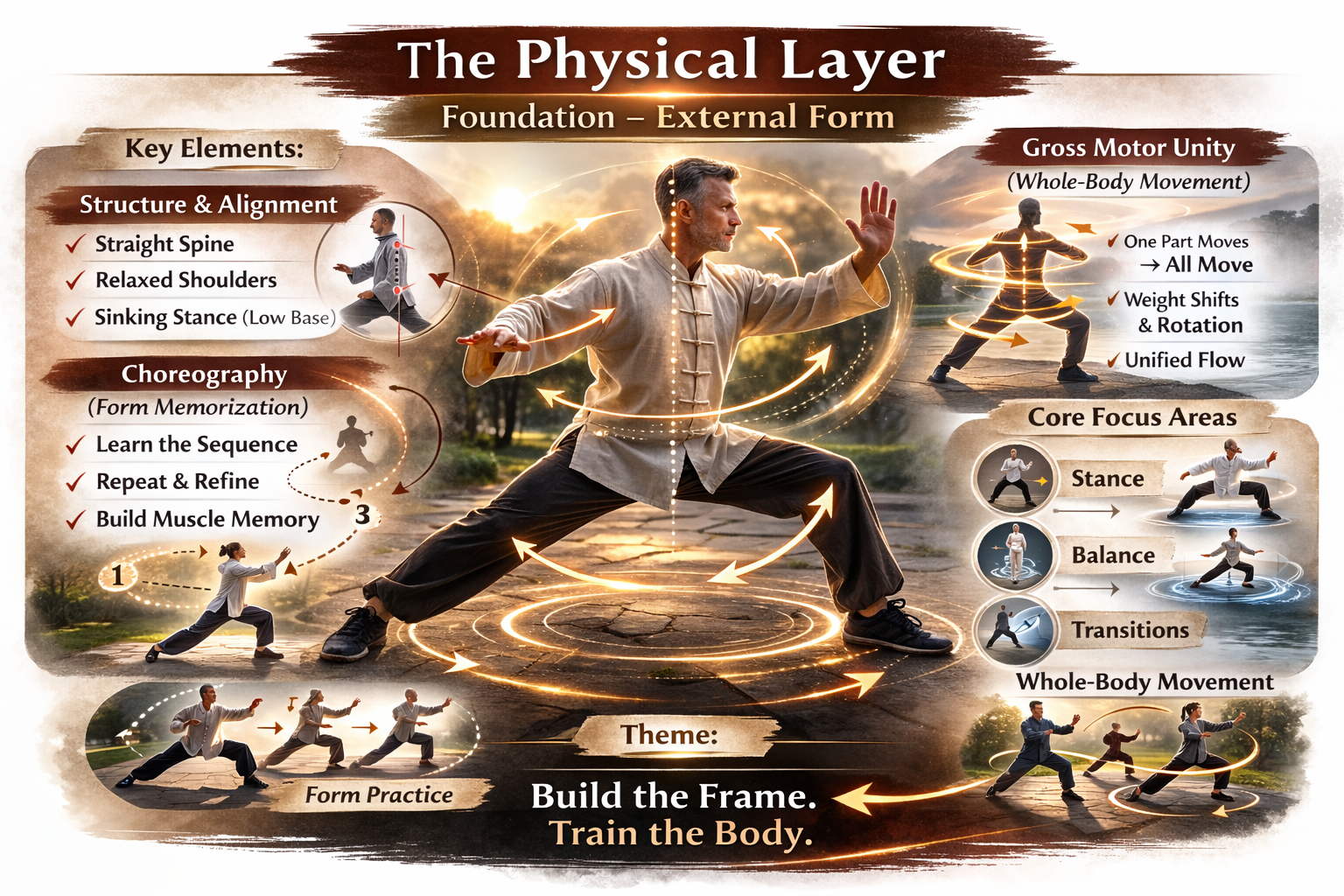
1. The Physical Layer – Foundation of External Form

Tai Chi begins with the body.

At this foundational stage, practice focuses on learning the “shape” of Tai Chi:

  • Structure and Alignment: Correct stance work, upright spine, relaxed shoulders and elbows, proper weight distribution, and rooted balance.
  • Choreography: Memorizing the form sequence until movements become smooth and consistent.
  • Gross Motor Unity: Training the body to move as a coordinated whole—when one part moves, the entire body moves.

At this level, movements may appear mechanical or segmented. However, the goal is not aesthetic perfection but structural integrity. Without a stable physical frame, higher refinement is impossible.


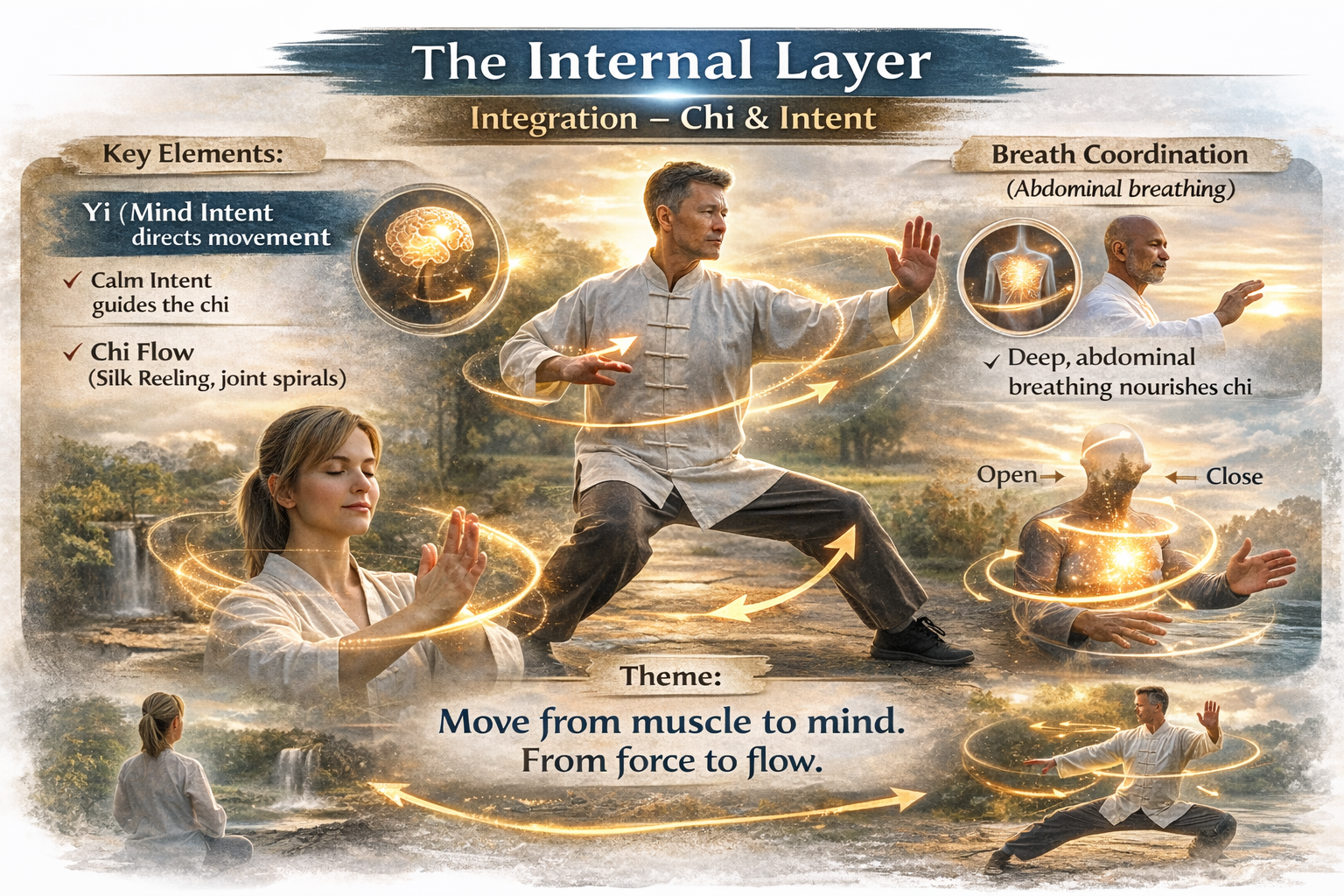
2. The Internal Layer – Integration of Mind and Energy

Once the external form becomes stable, attention shifts inward.

This stage emphasizes internal mechanics and the coordination of mind, breath, and movement:

  • Mind Intent (Yi): Movement is directed by calm awareness rather than muscular force. The mind leads.
  • Energy Flow (Chi): The practitioner begins to experience connectedness through the joints, often trained through spiraling or “silk-reeling” exercises.
  • Breath Coordination: Deep abdominal breathing synchronizes with the opening and closing of postures, nourishing the body and calming the nervous system.

Here, fluidity replaces stiffness. Internal and external begin harmonizing. Softness starts overcoming force—not as theory, but as embodied understanding.


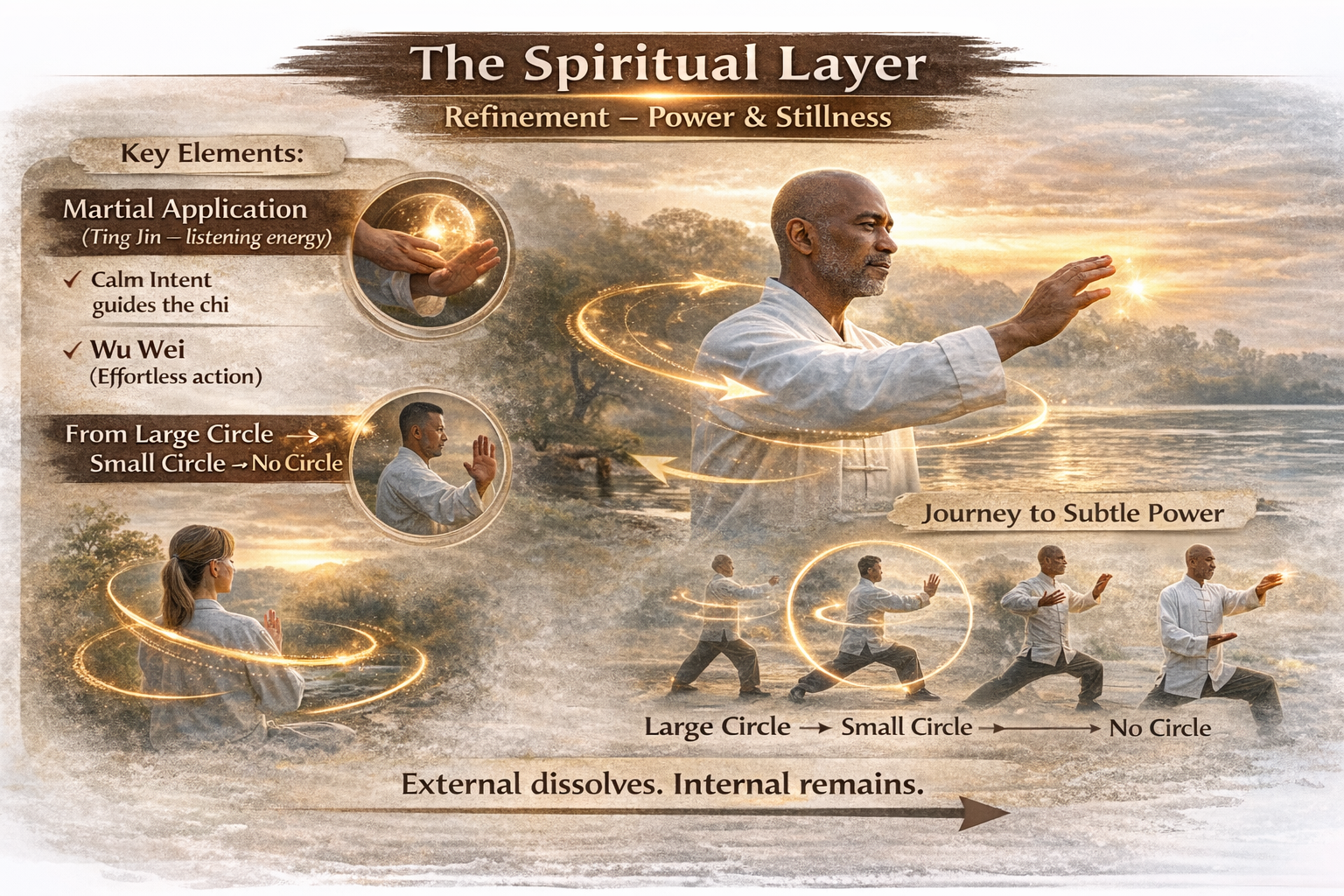
3. The Martial and Spiritual Layer – Refinement and Effortless Action

At advanced stages, physical skill merges with mental stillness.

  • Martial Application: Understanding the hidden purpose behind each posture—deflection, redirection, neutralization, and issuing force. Sensitivity skills such as Ting Jin (“listening energy”) develop.
  • Meditation in Motion: Movement becomes natural and unforced. The practitioner experiences Wu Wei—effortless action.
  • Refinement of Circles: External movements progress from large circles to smaller and subtler expressions. Eventually, power becomes nearly invisible.

At this level, form dissolves into function. Internal changes are subtle yet profound. Yin and Yang are balanced not as philosophy, but as lived embodiment.


II. The Five Levels of Technical Development

Within this broader three-layer progression, many Chen lineage teachings describe a more detailed five-level refinement:

  1. Form and Posture – Learning external alignment. Movements may feel angular or disconnected.
  2. Chi Flow – Greater smoothness and continuity. Internal and external coordination begins.
  3. Refining the Circle – Transition from large to medium circles. Yi clearly leads Chi.
  4. Advanced Application – Small circles. Intrinsic power (Jing) becomes strong. Defense and attack unify.
  5. From Form to Formless – Mastery. Internal transformation is invisible; balance of Yin and Yang is complete.

These five levels do not replace the three layers—they simply provide finer technical distinctions within them.


III. The Four Pillars of Daily Practice

While layers and levels describe progression, Tai Chi training itself rests on four interrelated practice categories:

  • Qigong – Breathing and energy cultivation exercises.
  • Form Practice – The structured movement sequence.
  • Pushing Hands – Partner drills that develop sensitivity and responsiveness.
  • Application – Martial interpretation of each posture.

Rather than stages, these are ongoing dimensions of practice. All four reinforce one another and support growth through the progressive layers.


Integration: From Structure to Spirit

Tai Chi mastery is not achieved by abandoning earlier stages but by integrating them.

The body provides structure.
The mind provides direction.
The spirit provides refinement.

The journey moves from:

  • External form
  • To internal coordination
  • To effortless unity

Large movements become small.
Visible circles become subtle spirals.
Force becomes softness.
Effort becomes natural.

Ultimately, Tai Chi evolves from something one does into something one is.


Pain vs. Pleasure: Core Mechanisms

The human body’s ability to experience and regulate both pain and pleasure is central to its survival, adaptation, and overall well-being. These sensations are not isolated phenomena but are deeply rooted in complex neural, chemical, and hormonal systems that influence behavior, emotion, and physiological balance. This article explores the intricate physiological mechanisms involved in pain and pleasure, as well as how they interact with the body’s homeostatic processes to maintain equilibrium and guide adaptive responses to both internal and external stimuli.

1. Neural Pathways

  • Pain (Nociception):
    • Specialized nerve endings (nociceptors) detect noxious stimuli (heat, pressure, chemicals).
    • Signals travel via the spinothalamic tract to the thalamus and somatosensory cortex for interpretation.
    • Limbic system (amygdala, anterior cingulate cortex) mediates the emotional aspects of pain (Leknes & Tracey, 2008).
  • Pleasure (Reward):
    • Mediated by the mesolimbic dopamine pathway, primarily involving the ventral tegmental area (VTA) and nucleus accumbens (NAc).
    • Stimuli like food, sex, exercise, or music release dopamine, producing pleasure and reinforcement (Fields, 2004).

2. Neurotransmitters & Chemicals

NeurochemicalRole in PainRole in Pleasure
Dopamine↓ in chronic pain (Leknes & Tracey, 2008)↑ in reward/pleasure (Fields, 2004)
SerotoninModulates pain perception (McEwen, 2007)Enhances mood, pleasure (Fields, 2004)
EndorphinsNatural opioid, inhibits pain (Zubieta et al., 2005)Induces euphoria (“runner’s high”) (Fields, 2004)
Substance PPromotes pain signal transmission (Fields, 2004)
GABA & GlycineInhibit pain signals (McEwen, 2007)Promote relaxation (Ulrich-Lai & Herman, 2009)
OxytocinMay reduce pain; bonding hormone (Leknes & Tracey, 2008)Enhances social pleasure (Leknes & Tracey, 2008)

3. Homeostasis: The Balance Regulator

a. The Hypothalamus

  • The hypothalamus is the central control for maintaining homeostasis. It monitors:
    • Temperature
    • Blood glucose
    • pH
    • Hormone levels
    • Circadian rhythms
      (McEwen, 2007)
  • It regulates autonomic output and endocrine functions via:
    • Pituitary gland
    • Sympathetic and parasympathetic systems
      (Ulrich-Lai & Herman, 2009)

b. Autonomic Nervous System (ANS)

  • Sympathetic Nervous System (SNS): “Fight or flight” – increases HR, BP, dilates pupils, inhibits digestion.
  • Parasympathetic Nervous System (PNS): “Rest and digest” – promotes digestion, slows HR, conserves energy
    (Ulrich-Lai & Herman, 2009).

c. Pain, Pleasure, and Autonomic Balance

  • Pain → SNS activation: Increased cortisol, inflammation, heightened alertness.
  • Pleasure → PNS activation: Lowered stress hormones, improved digestion, enhanced healing and immunity
    (Fields, 2004; McEwen, 2007).

4. Adaptive Feedback Loops

a. HPA Axis (Hypothalamic–Pituitary–Adrenal Axis)

  • Activated during chronic pain or stress.
  • Releases cortisol and other glucocorticoids to mobilize energy.
  • Chronic activation can lead to:
    • Suppressed immune function
    • Disrupted sleep
    • Impaired neuroplasticity
      (McEwen, 2007; Ulrich-Lai & Herman, 2009)

b. Reward System Feedback

  • Positive reinforcement strengthens pleasure-seeking behavior.
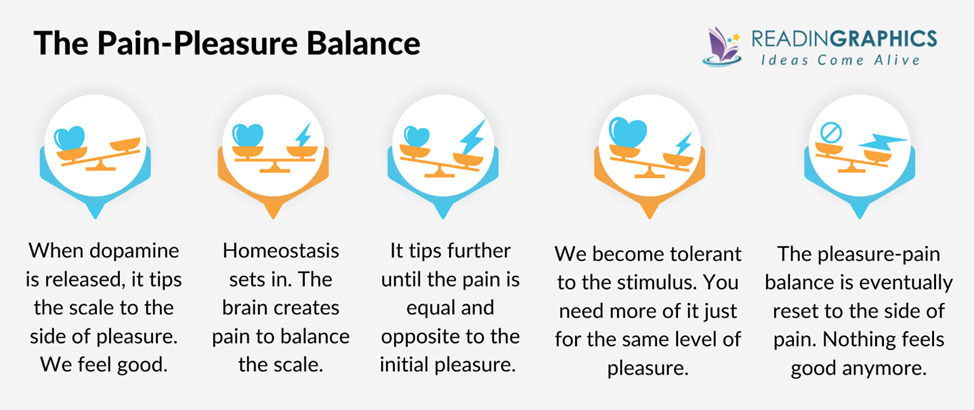
  • Dopaminergic signaling adapts: excess pleasure (e.g., from addictive substances) can reduce sensitivity, requiring more stimulus for the same effect (tolerance)
    (Leknes & Tracey, 2008).

5. Integration: Pain-Pleasure-Homeostasis Interplay

ConditionPain SystemPleasure SystemHomeostasis Impact
Acute ExerciseStimulates endorphins (mild pain)↑ Dopamine, endorphins (Fields, 2004)Improves cardiovascular balance (McEwen, 2007)
Chronic Stress↑ Cortisol, ↑ Substance P (McEwen, 2007)↓ Dopamine, serotonin (Leknes & Tracey, 2008)Disrupts sleep, digestion, immunity (Ulrich-Lai & Herman, 2009)
Meditation/Relaxation↓ SNS activation (Ulrich-Lai & Herman, 2009)↑ GABA, ↑ serotonin (McEwen, 2007)Restores ANS balance (Ulrich-Lai & Herman, 2009)
Trauma (Physical/Emotional)Activates nociception + amygdala (Leknes & Tracey, 2008)Blunts reward pathways (Fields, 2004)Dysregulated HPA axis, chronic pain (McEwen, 2007)

V. Holistic Considerations

From a holistic health perspective, balance between pain and pleasure is key to maintaining dynamic equilibrium:

  • Pain is a protective signal—meant to initiate change or healing.
  • Pleasure signals safety and reward—encouraging repeat behavior.
  • Both influence behavior, decision-making, immune function, and neuroplasticity (McEwen, 2007; Fields, 2004).

Regular practices like:

  • Tai Chi, Qigong, exercise, cold exposure, mindful eating, and social connection
    help regulate this system and enhance adaptive resilience (Ulrich-Lai & Herman, 2009).

The physiological mechanisms governing pain and pleasure are not only crucial for signaling threat or reward but also act as integral regulators of the body’s internal environment. These systems work synergistically with the hypothalamus, autonomic nervous system, and endocrine pathways to maintain homeostasis, reinforce survival behaviors, and foster adaptation. Understanding these interconnected networks opens the door to more effective holistic health interventions, such as movement, mindfulness, and social engagement, that support the body’s natural capacity to manage stress, enhance pleasure, and restore balance.

References:

Fields, H. L. (2004). State-dependent opioid control of pain. Nature Reviews Neuroscience, 5(7), 565–575. https://doi.org/10.1038/nrn1431

Leknes, S., & Tracey, I. (2008). A common neurobiology for pain and pleasure. Nature Reviews Neuroscience, 9(4), 314–320. https://doi.org/10.1038/nrn2333

McEwen, B. S. (2007). Physiology and neurobiology of stress and adaptation. Physiological Reviews, 87(3), 873–904. https://doi.org/10.1152/physrev.00041.2006

Readingraphics. (2025, July 13). Book summary – Dopamine Nation: Finding Balance in the Age of Indulgence. Readingraphics. https://readingraphics.com/book-summary-dopamine-nation/

Ulrich-Lai, Y. M., & Herman, J. P. (2009). Neural regulation of endocrine and autonomic stress responses. Nature Reviews Neuroscience, 10(6), 397–409. https://doi.org/10.1038/nrn2647

Zubieta, J. K., et al. (2005). Placebo effects mediated by endogenous opioid activity on μ-opioid receptors. Journal of Neuroscience, 25(34), 7754–7762. https://doi.org/10.1523/JNEUROSCI.0439-05.2005