So many people complain about national health issues that face our country today. Stress, PTSD, anxiety, depression, diabetes, suicide, obesity and many other ailments have skyrocketed over the last decades. The US spends the most of all nations on healthcare, in spite of ranking way below the top. These issues did not happen overnight and will not be fixed overnight either. If children (and adults too!) were being taught to manage themselves or self-regulate, their stress, their interactions with others – through exercise and breathing management, we would soon not have as many adults in such poor health. Plant good seeds if you want good crops, right? Healthcare is best started with self-care.
Become interested in self-regulating and managing your own health, your stress, your sense of balance. Or maybe just get out of the house and meet some new people. Do something that engages your mind and your body at the same time. Walk, run, swim, hike, garden, play a musical instrument, paint, draw, build or create something,
I prefer self-regulation through exercises from martial arts, yoga/qigong and other similar mind-body methods. Exercises can be practiced while standing, and then moving into yoga-like postures of Tai chi and qigong. By aligning the bones and relative joints, muscles become engaged making both the bones and muscles stronger and consequently more stable. Putting focus on one’s physical body is how one can occupy their mind with positive thoughts rather than the typical chaos, confusion and other negative issues that distract us from enjoying life to its fullest.
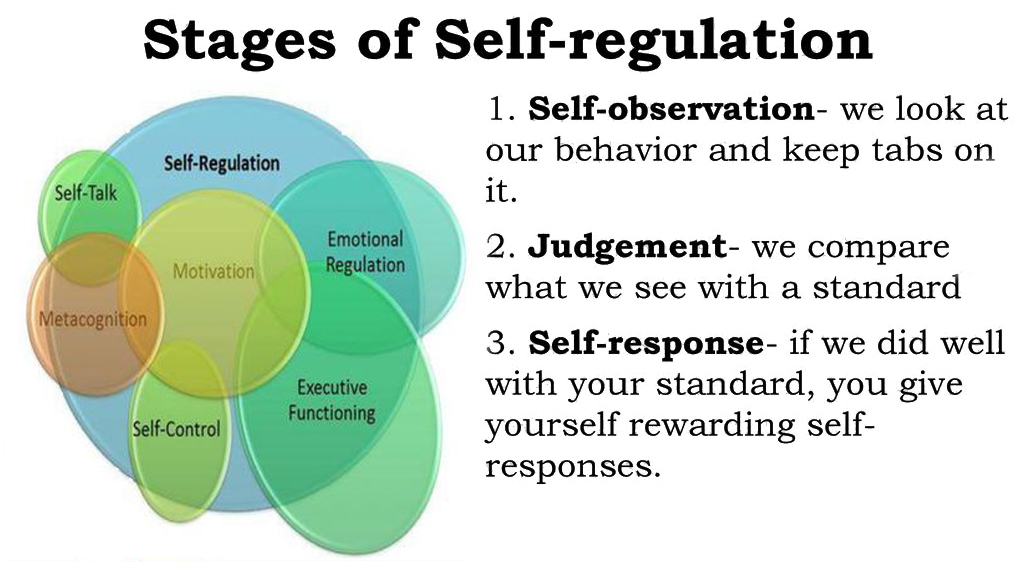
1. Self-observation- we look at our behavior and keep tabs on it.
2. Judgement- we compare what we see with a standard.
3. Self-response- if we did well with your standard, you give yourself rewarding self- responses.
___________________
I teach and offer lectures about holistic health, qigong, tai chi, baguazhang, and yoga. I also have hundreds of FREE education video classes, lectures and seminars available on my YouTube channel at:
When we start to realize that we are indeed the architects of our own health, happiness, well-being, destiny or fate, we begin to see things from a quite different perspective.
Wim Hof, listen or don’t. There are many, many others that know that the secret to health and well-being is through modulation of our autonomic nervous system. This is accomplished through self-awareness,and mindfulness of our thoughts that affect emotions that affect blood chemistry that affects organ function and overall quality of health. Not really a secret anymore if everyone can learn of this. Ancient cultures knew of this thousands of years ago. Western medicine is slow to acknowledge this because there is no profit coming from a healthier lifestyle. Most of us know this but deny accepting it – cognitive dissonance; knowing better but just going along with things to acquiescence.
If it was not for me, myself being deeply involved in these practices for over 40 years, I would not believe much of what others say. However, when we delve into what we eat, what we put into and on our bodies, how we think and respond to life, we can see that there is much more to healthcare by way of “self-care.” Do your own due diligence and become aware of you.
Be well, become healthy, become wiser.
And we ALL have access to this knowledge and ability to incorporate it into our lives.
I teach and offer lecture about qigong, tai chi, baguazhang, and yoga. I also have hundreds of FREE education video classes, lectures and seminars available on my YouTube channel at:
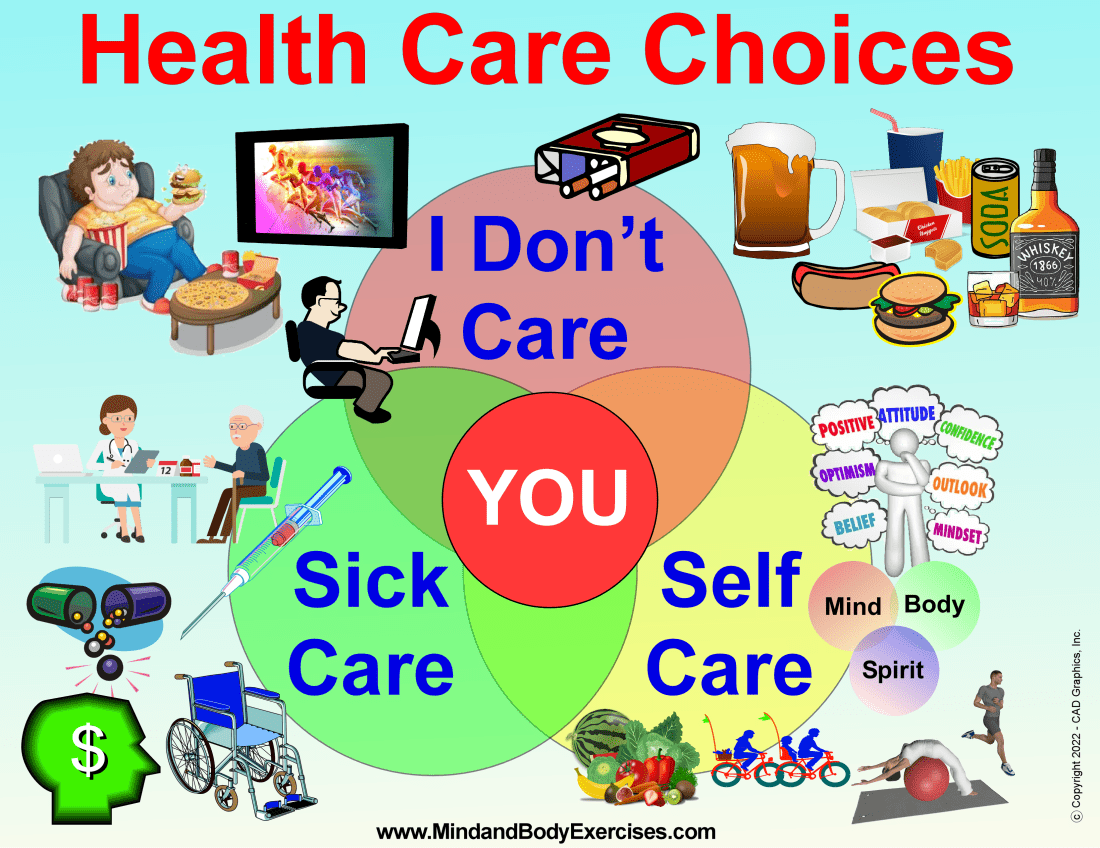
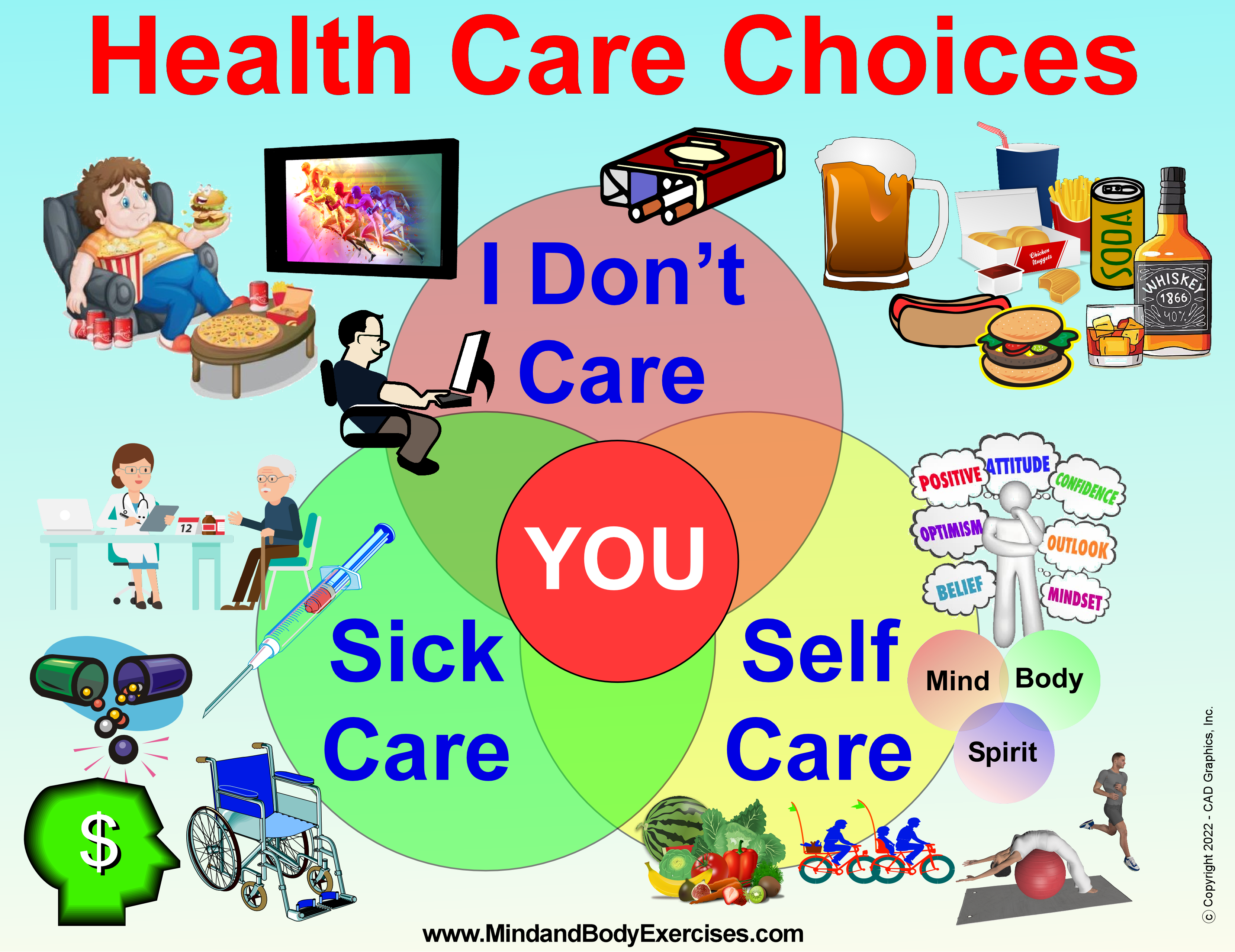
Depression, anxiety, PTSD, OCD, ADHD, suicide, and many other mental ailments are all serious health concerns. And also buzzwords for politicians and media attention that many feel are talked about, but never addressed. If you follow the news and mainstream media you might be led to believe that pharmaceuticals are the only treatment for mental health issues. There seems to be very little discussion regarding use of exercise (recess and PE for kids) and management of stress through breathing techniques. Both of these methods are readily available for free and span socioeconomic factors as well. Most people don’t need much space to walk, run, swim or practice calisthenics exercises. Breathing techniques are easily taught and practiced once someone is educated. A national healthcare system based on lifestyle habits of proper diet and regular exercise would be less expensive that the $4.3 trillion dollars that was spent on “sickcare” in 2021. “Selfcare” teaches people to be responsible for their own health and doesn’t help to bring profits to pharma corps, hospital chains and other facets of the healthcare industrial complex. So what should we do? Become educated to what your health is truly about…and it should not be to make other people wealthy from you not being healthy, well and fit.
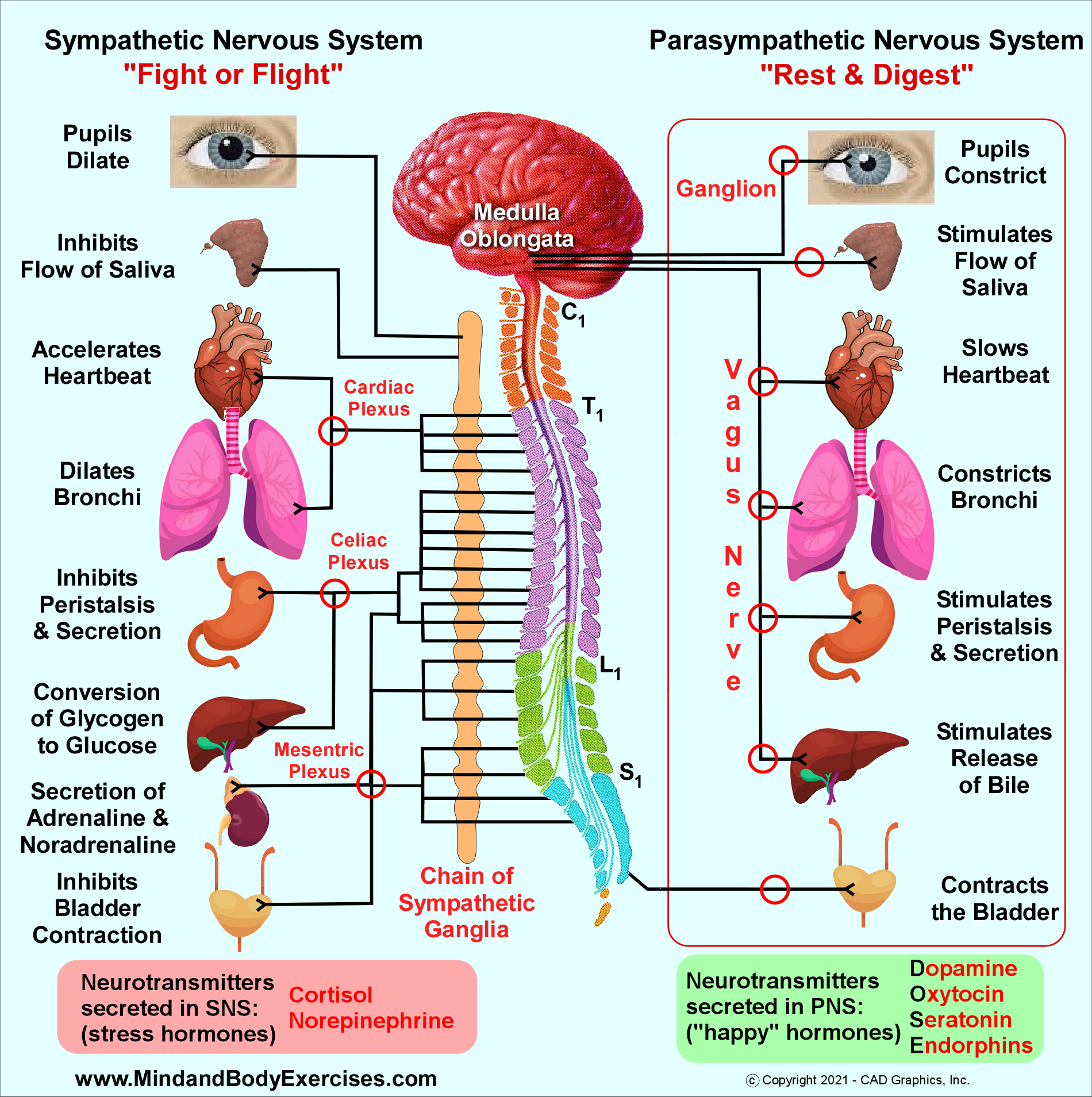
The autonomic nervous systems, specifically the sympathetic (SNS, fight or flight) and parasympathetic (PNS, rest and digest) nervous systems play an integral role with the human immune system. The interaction between these two mechanisms is how the human mind and body reacts to everyday stress and sometimes traumatic stressful events.
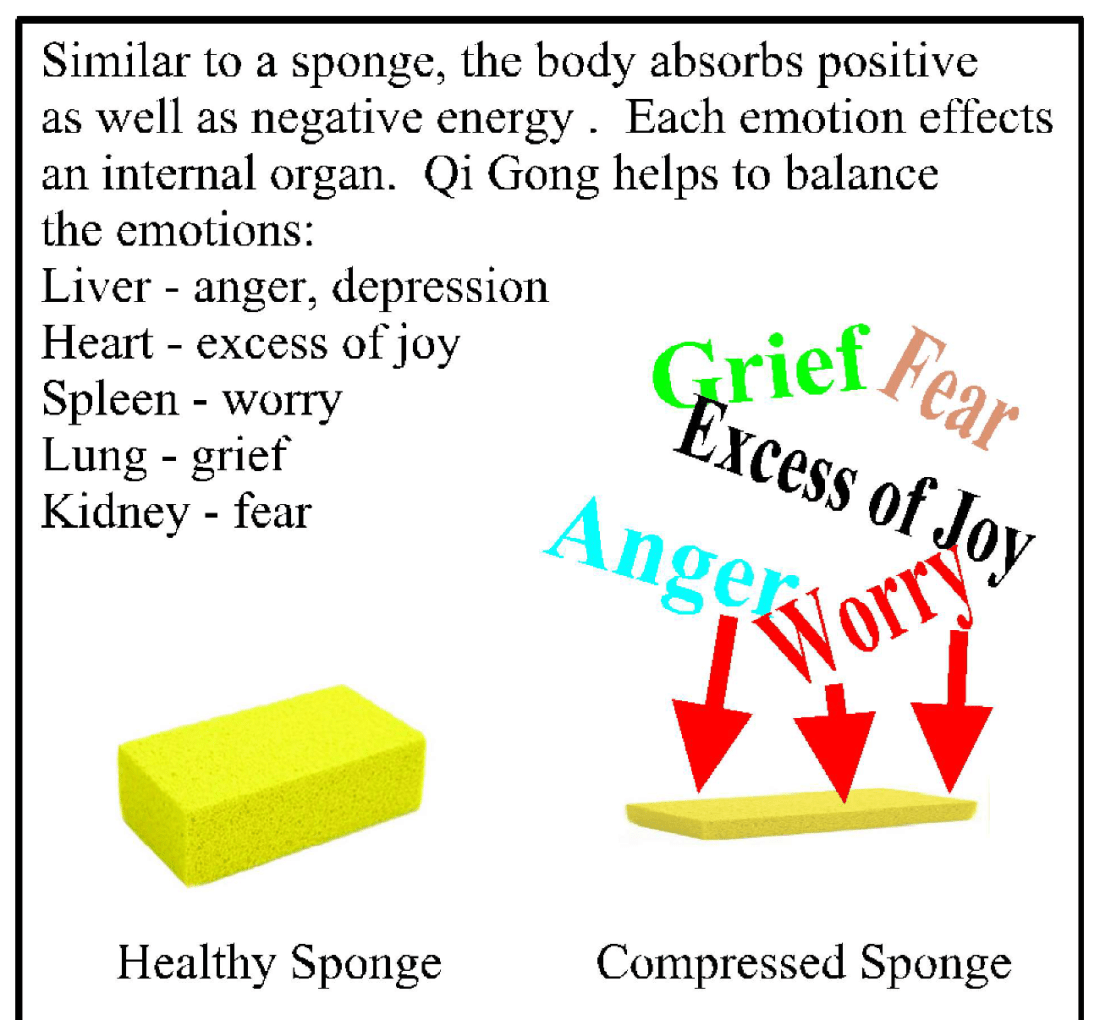
Emotional states directly influence respiration rate which affect organ function and consequently the immune system’s ability to fight off disease and illness. When our breathing patterns change so does our blood chemistry. Our emotions reveal themselves in various breathing patterns. Emotions of anger, fear, and anxiety result in quick, shallow breaths. Grief causes us to breathe spasmodically. Boredom leads to shallow breathing, while sadness and depression produces shallow and inconsistent breathing.
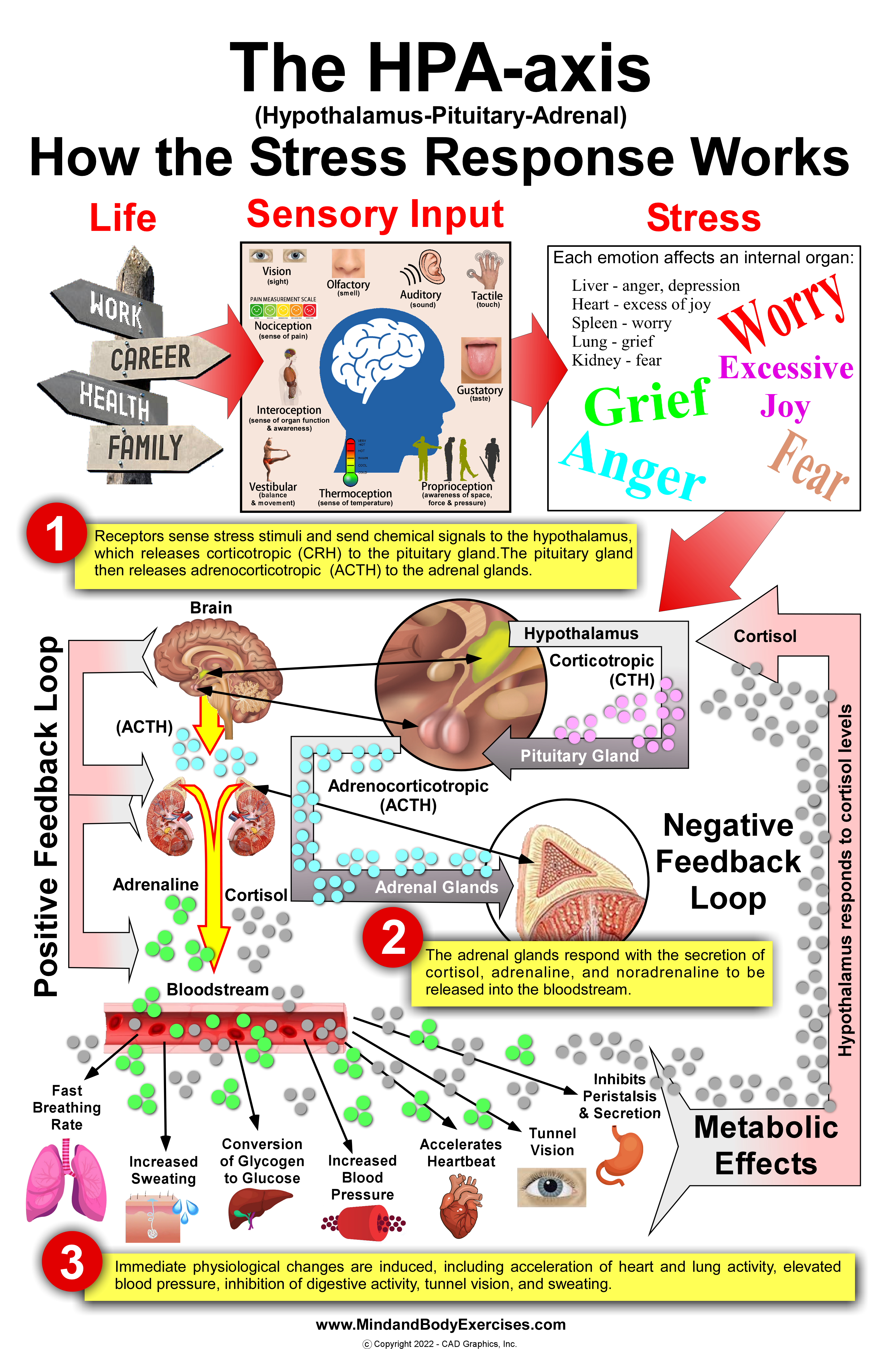
Stress can be defined as an individual’s consciousness and body’s response to tension or pressure in regard to specific events or changes in one’s environment. Increased breathing rate is necessary when experiencing truly stressful situations, like being chased by an animal, running from a fire or similar life-threatening situations. However, continued breathing at this pace for an extended period of time puts accumulative stress on all of the body’s systems. It is also worth stating that not all stress is considered bad in that good things can arise from experiencing stress and coping with it (Tripathy 2018).This is actually how one can strengthen their own immune system by learning how to manage their own stresses.
Stress has become known as one of the main factors contributing to the top causes of human death. Heart disease, cancer, unintentional accidents, respiratory ailments, cirrhosis of the liver and suicide are the most common causes that all share a strong connection to stress. Deliberate management of the SNS by regulating respiration rate and volume has been proven through medical research to lower stress (Hartz-Seeley 2014).
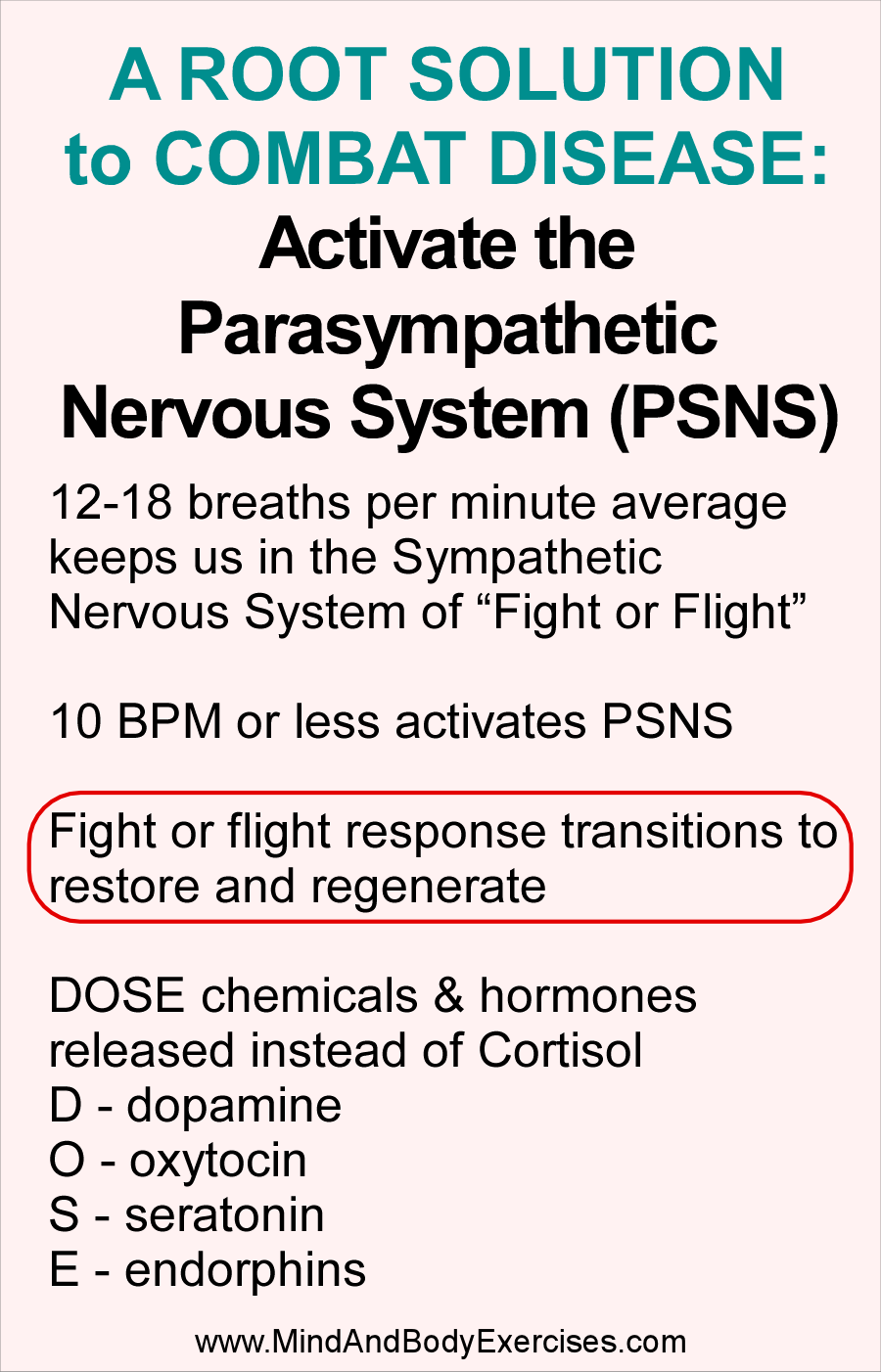
The average person breathes 12-18 breaths per minute (BPM) during regular activity of standing, sitting & walking, consequently engaging the sympathetic nervous system. Constant duration in the SNS dumps neurotransmitters of cortisol and norepinephrine into the blood stream putting the vital organs in a state of constant high alert and stress which weakens the immune system. Health and fitness experts suggest that 6 BPM is optimal for the lungs to properly oxygenate the whole body, balance the blood chemistry and also remove toxins. The lungs are responsible for removing 70% of the body’s waste by-products through exhalation. Deeper breathing is a key component to having a long and healthy life. Through focused and deliberate breathing methods, many positive mental and physical benefits can be achieved. This is more easily accomplished through mindful breathing patterns from exercises such as meditation, qigong, tai chi and yoga (Russo et al, 2017).
I have been successful in the past decades, in managing my own stress along with accompanying headaches, anxiety, digestive issues, blood pressure levels and other ailments. When and if I begin to feel ill, fatigued or even flu-like symptoms, my course of action is to practice some tai chi and yoga, followed by a healthy meal and a good night’s rest. Based upon all of this information and my own experiences, I definitely think that our immune system is greatly affected by our nutrition, exercise/activities, thought patterns and lifestyle choices.
Russo, M. A., Santarelli, D. M., & O’Rourke, D. (2017). The physiological effects of slow breathing in the healthy human. Breathe (Sheffield, England), 13(4), 298–309. https://doi.org/10.1183/20734735.009817
________________
I write often about topics that affect our health and well-being. Additionally, I teach and offer lecture about qigong, tai chi, baguazhang, and yoga. I also have hundreds of FREE education video classes, lectures and seminars available on my YouTube channel at:
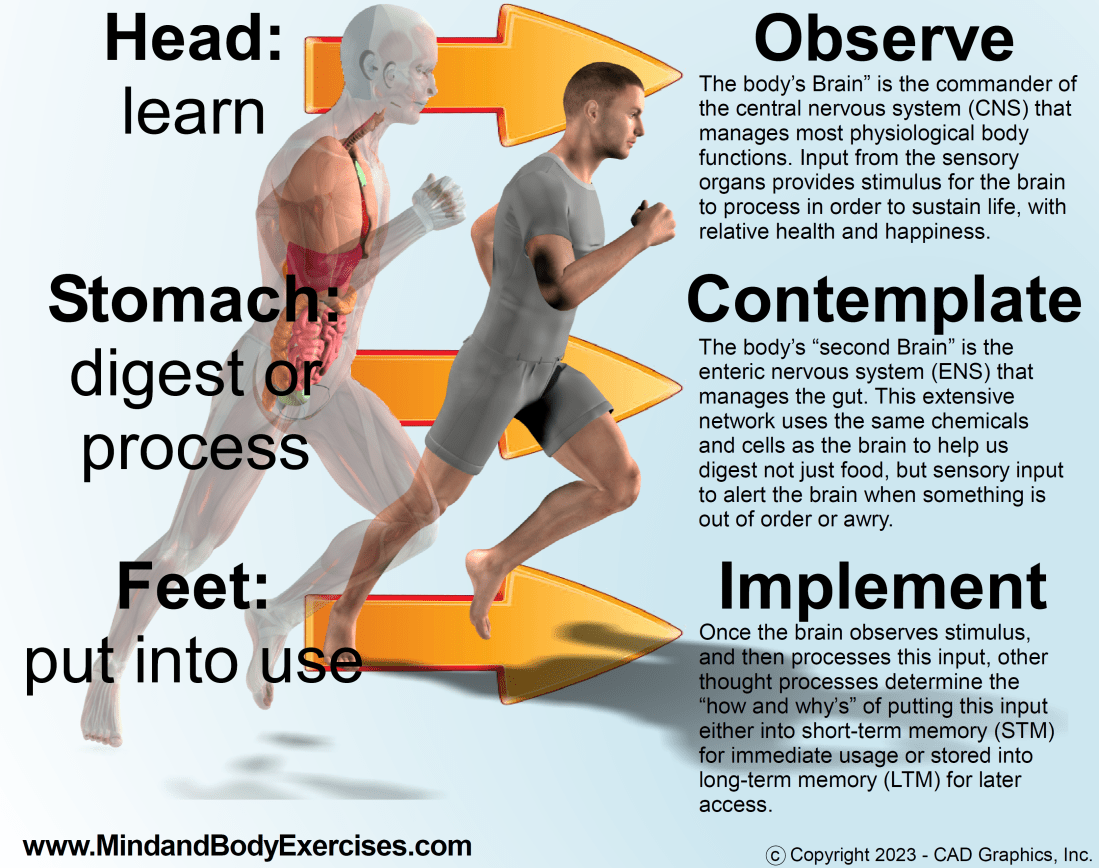
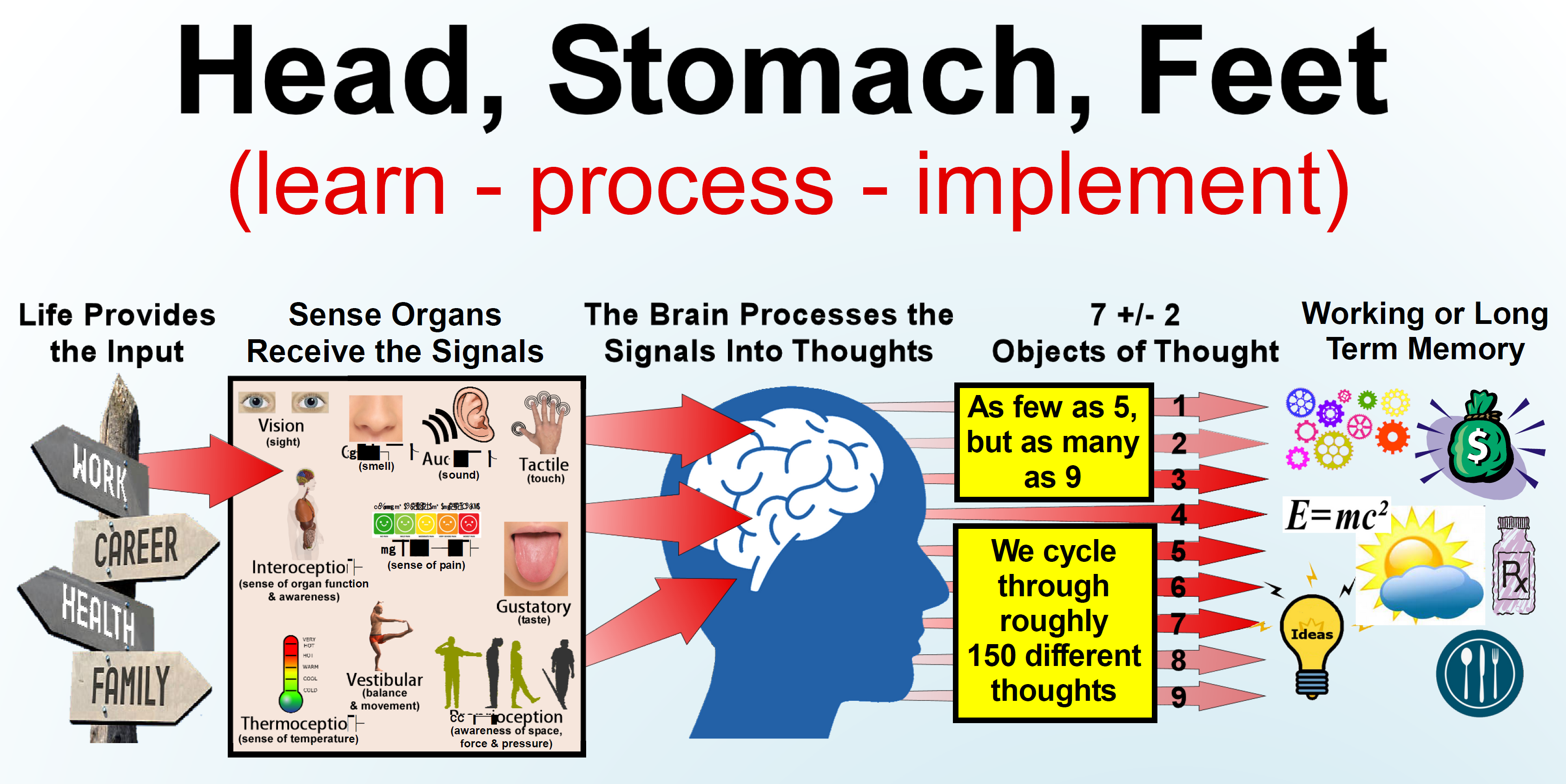
Many years ago, I was introduced to this concept of “Head, Stomach, Feet,” a Taoist philosophy taught to me by my martial arts teachers. Me and my peers of that time were instructed to use our eyes, ears, nose, taste and touch/feel to observe what was being presented to us. This might have been a particular self-defense technique, exercise method, herbal recipe or maybe complex theories on energetic anatomy, kinesiology or self-awareness and realization. Over some time and repetition of diligent practice, we would be tasked with processing the information and “make it ours.” As even more time, effort and practice was accumulated, we would be able to more wisely discern how we were to use this valuable knowledge, whether for our own benefit or those we also taught, or others we cared to share with.
This concept need not be kept unique to martial arts, but rather utilized by anyone willing to dissect how they themselves learn something new with the intent on putting it to use later. How can we expect to teach someone else something that we ourselves do not fully understand? Can a parent truly teach their child about algebra, nutrition, fitness, stress management, etc., that they themselves have not learned and experienced on some level? Can a sports coach teach players proper form and technique if they have not personally experienced and benefited from such practices? Similarly would someone pursue learning about health, wellness and fitness, from a teacher who themselves is not healthy? Or even trust a healthcare professional that is not an example of what they preach to others about healthcare?
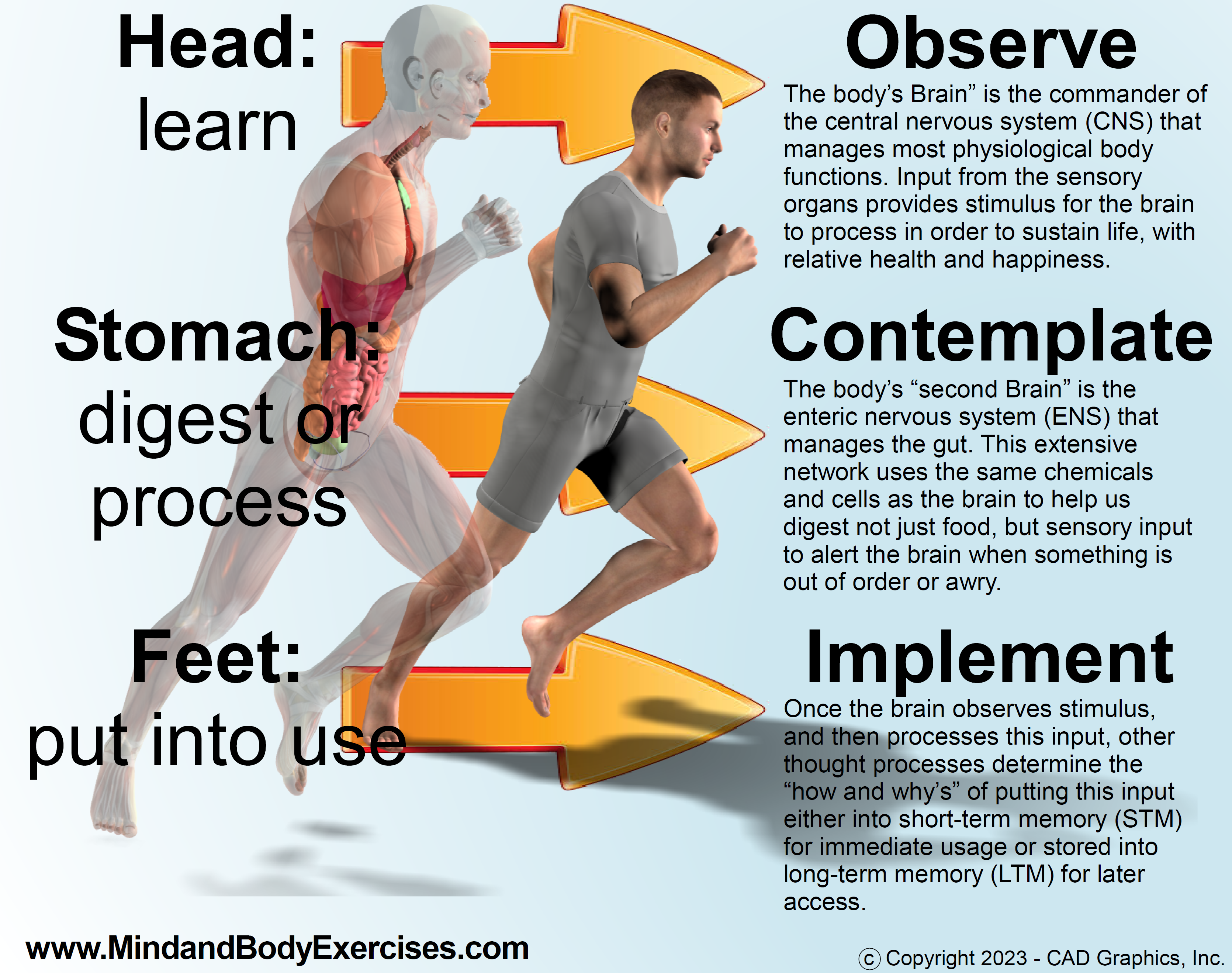
Head: Observe, Learn
The body’s Brain” is the commander of the central nervous system (CNS) that manages most physiological body functions. Input from the sensory organs provides stimulus for the brain to process in order to sustain life, with relative health and happiness.
Stomach: Contemplate, Process, Digest
The body’s “second Brain” is the enteric nervous system (ENS) that manages the gut. This extensive network uses the same chemicals and cells as the brain to help us digest not just food, but sensory input to alert the brain when something is out of order or awry.
Feet: Implement, Put Into Action
Once the brain observes stimulus, and then processes this input, other thought processes determine the “how and why’s” of putting this input either into short-term memory (STM) for immediate usage or stored into long-term memory (LTM) for later access.
I write often about topics that affect our health and well-being. Additionally, I teach and offer lecture about qigong, tai chi, baguazhang, and yoga. I also have hundreds of FREE education video classes, lectures and seminars available on my YouTube channel at:
The predominant medical system in the US is the allopathic model. I have found from personal experience that this system works usually quite well for diagnostics, trauma, conditions requiring surgical intervention, as well as treatments for prolonging life.
Where I feel our allopathic model falls short is encouraging prevention of illnesses and avoidable conditions, treating certain types of chronic conditions, and providing quality of life in spite of prolonging it. A wise doctor I visited once told me that a way to make a decision to have or not have a procedure, was to determine if you have more good days or more bad days, within a particular time frame. His next question was, are you willing to live with the outcome if the results are not 100% successful and possibly giving side-effects that are worse than the original issues?
I think many people put all of their trust and faith into their doctor’s opinions or suggestions without doing much research of their own. Therefore, they lack the information to better determine what is best for their individual conditions. When confronted with a serious condition, they feel they lack medical knowledge and therefore options beyond what their doctor might suggest. When things don’t go well with the treatments, procedures, surgeries, etc., they can’t always understand that doctors are human and don’t always make the best decisions in spite of trying their best to do so.
I think if people would take more responsibility towards their knowledge of healthcare and their own health status prior to finding themselves in critical situations, we would have a much different healthcare system. The CDC reported the top causes of death in the US as of 2019 were heart disease, cancer, and unintended injuries1. Overall, the risks of the top 10 causes of death all can be lowered with lifestyle choices of diet, exercise, and management of stress. A John Hopkins report of 2018 reported that medical errors was the 3rd highest cause of death in the US2. My point in noting these statistics is that if the total number of these illnesses and errors was much less, then there would be less people having to deal with these critical types of decisions with or without their doctor’s input. I am aware that this is really an unrealistic expectation as the numbers go up every year. However, if doctors are to be held to such a high standard of perfection, why shouldn’t the individual have similar accountability for their own level of self-care?
Obviously, some situations warrant a decision at the moment, regardless of how the person got to the point of immediate concern. In this type of event, I would hope that the healthcare professionals involved would have much relative knowledge and medical experience at this point to exercise wisdom in making the correct decisions. From there the patient needs to decide whether to trust in what they know to be true and accurate and/or to have faith in what is unknown and unseen.
I write often about topics that affect our health and well-being. Additionally, I teach and offer lecture about qigong, tai chi, baguazhang, and yoga. I also have hundreds of FREE education video classes, lectures and seminars available on my YouTube channel at:https://www.youtube.com/c/MindandBodyExercisesMind and Body Exercises on Google: https://posts.gle/aD47Qo




 United Martial Arts Association