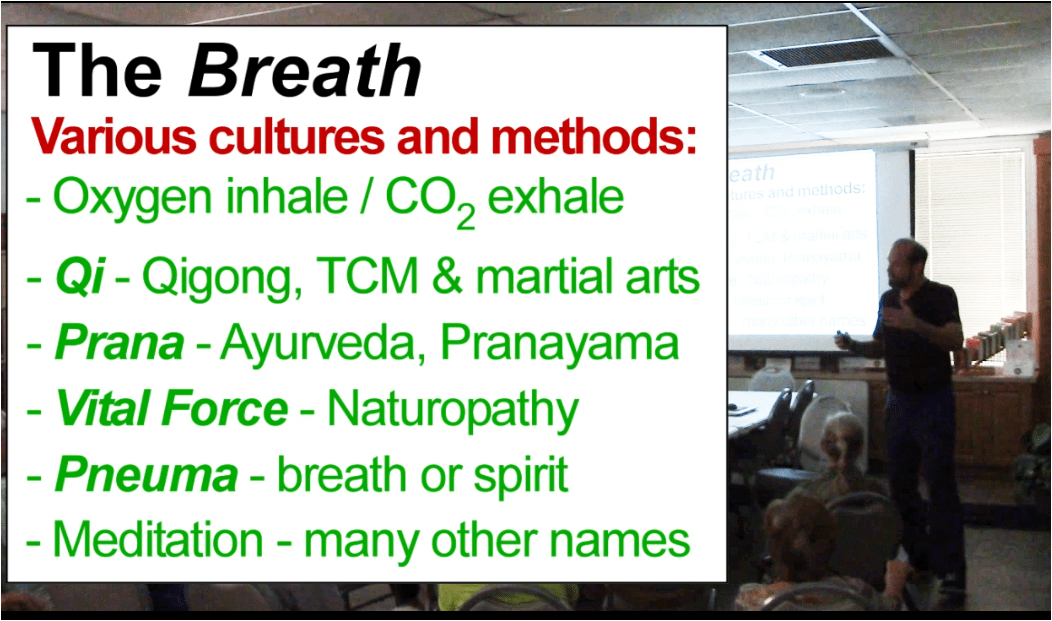
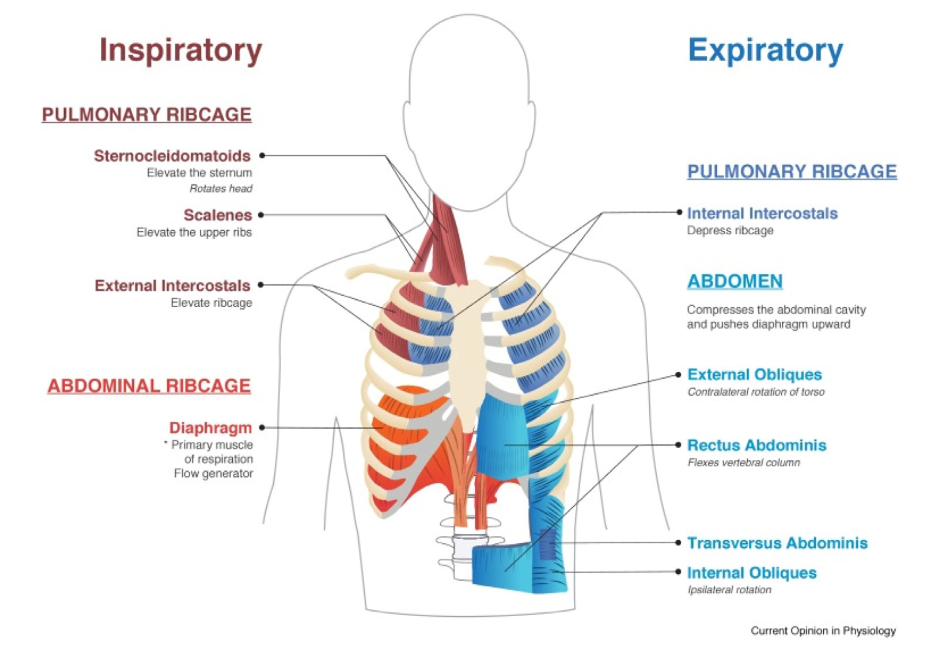
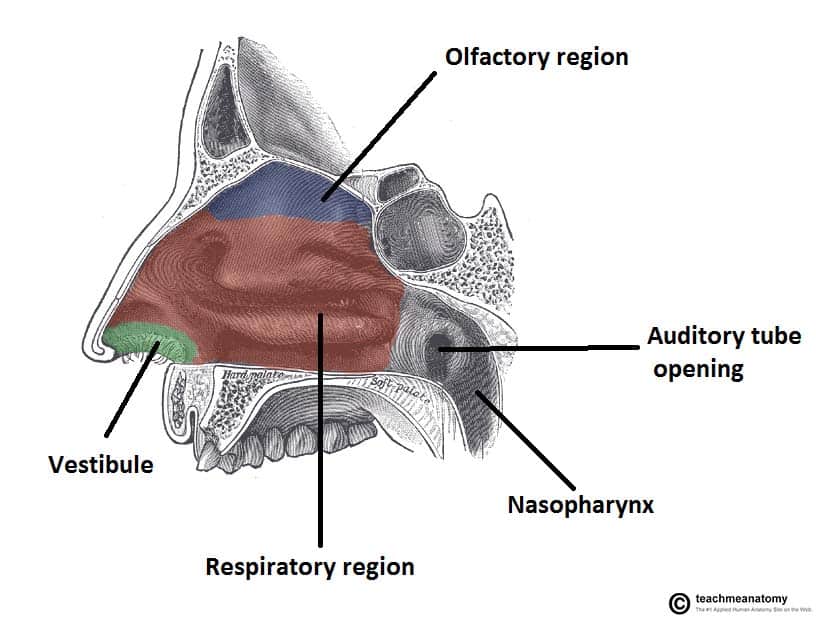
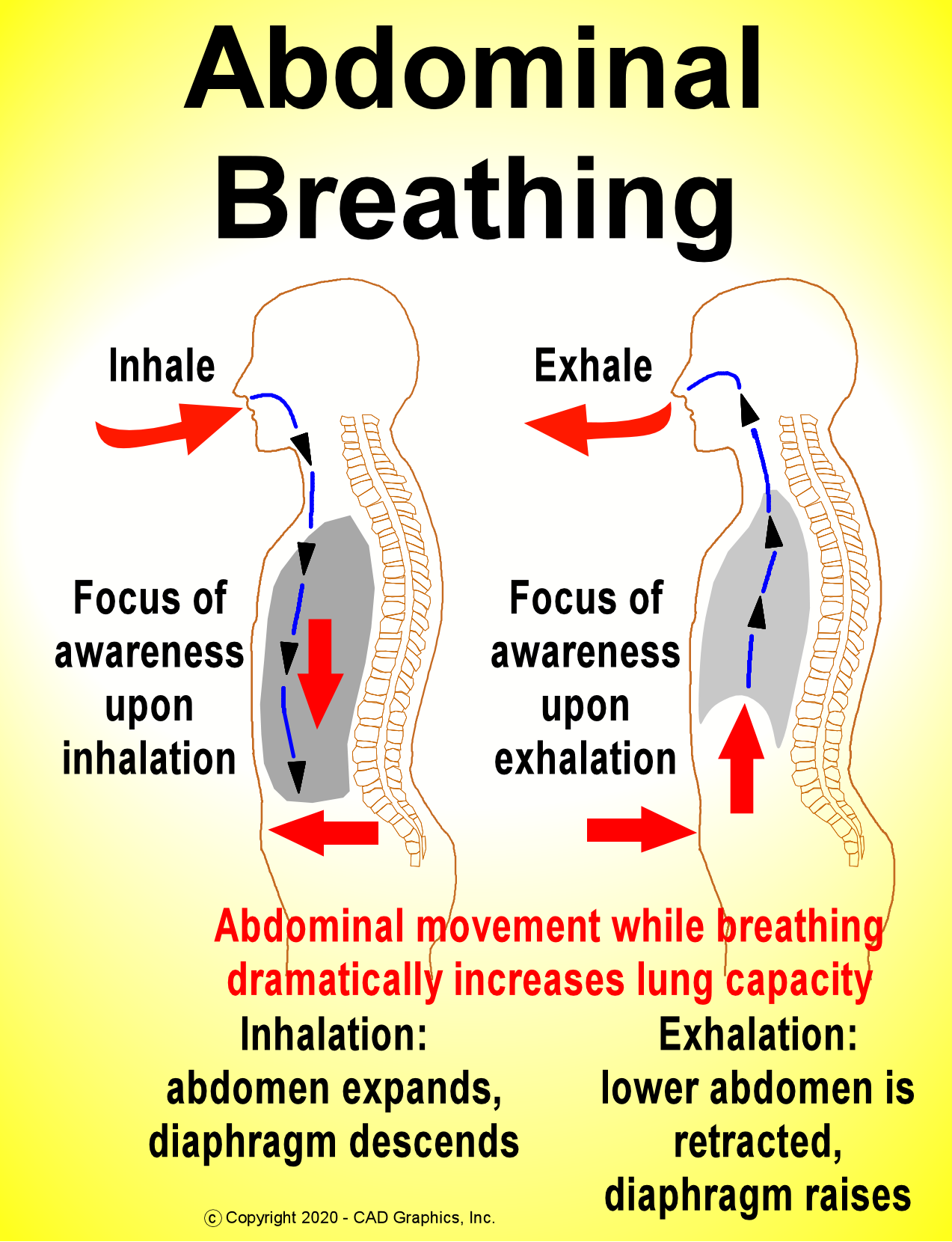
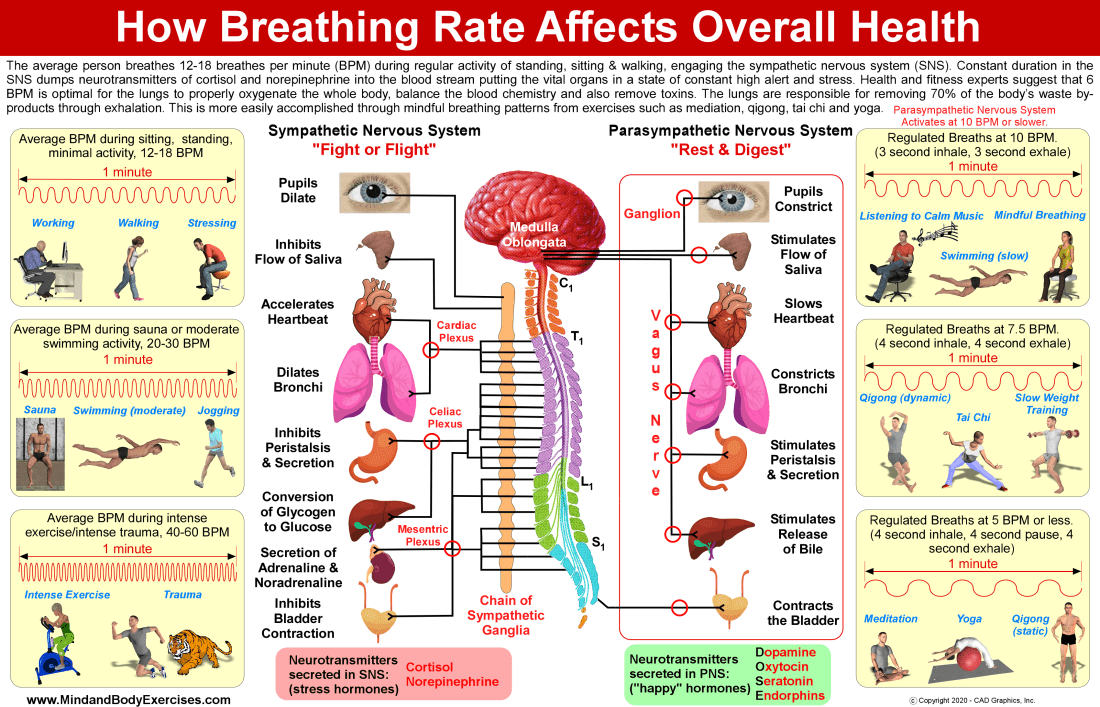
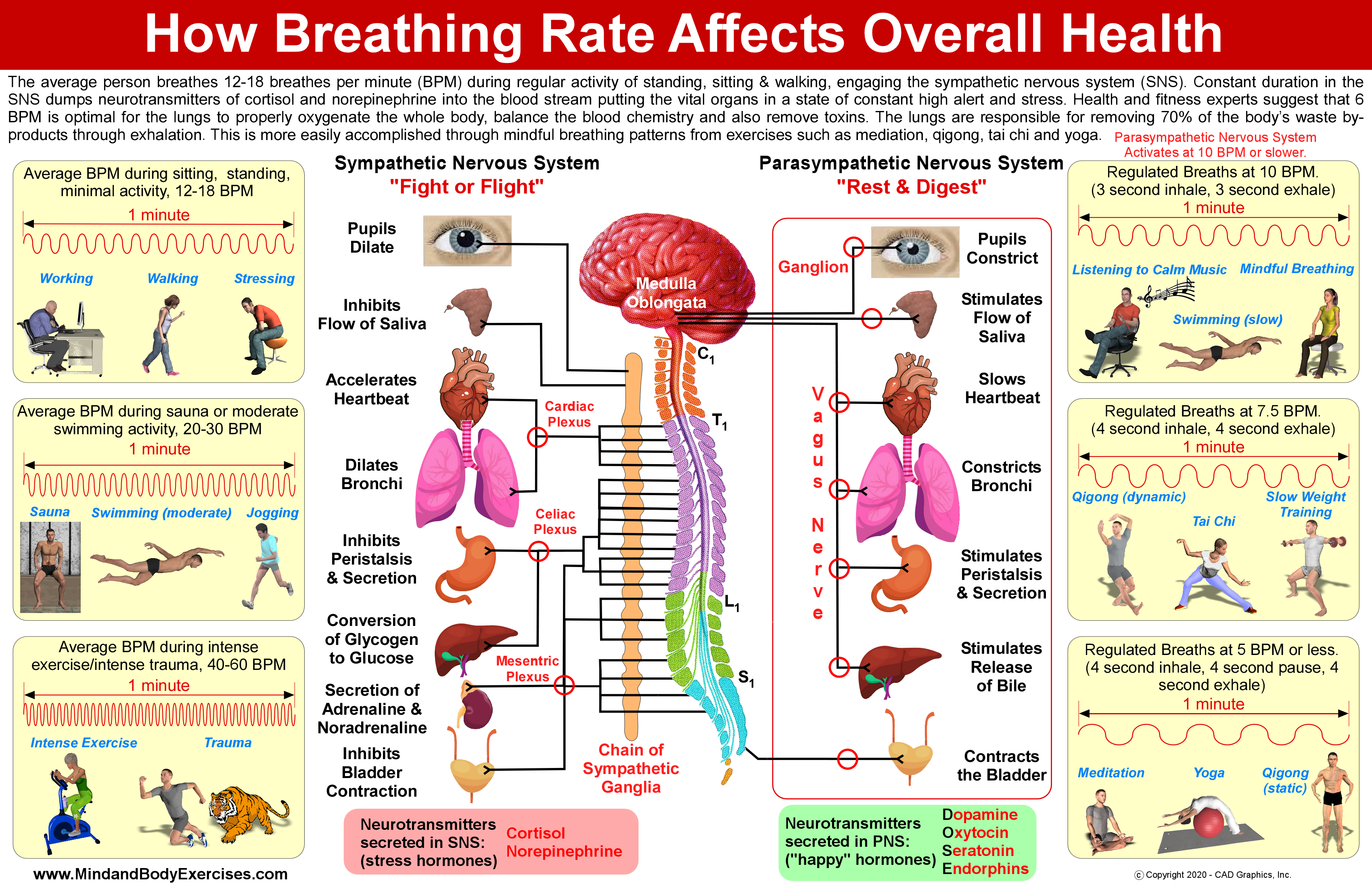
Breathing through the nose (nasal breathing) is a scientifically proven coping mechanism that helps to manage stress and has many other physiological benefits. Nasal breathing promotes more effective diaphragm engagement than mouth breathing. Nasal breathing encourages diaphragmatic breathing by allowing a slower, deeper breath, which supports the downward movement of the diaphragm. This type of breathing activates the lower part of the lungs, which have a higher blood flow and oxygen exchange concentration, resulting in more efficient oxygen delivery throughout the whole body.
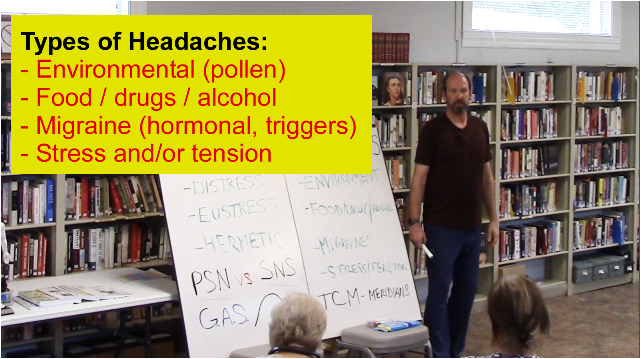
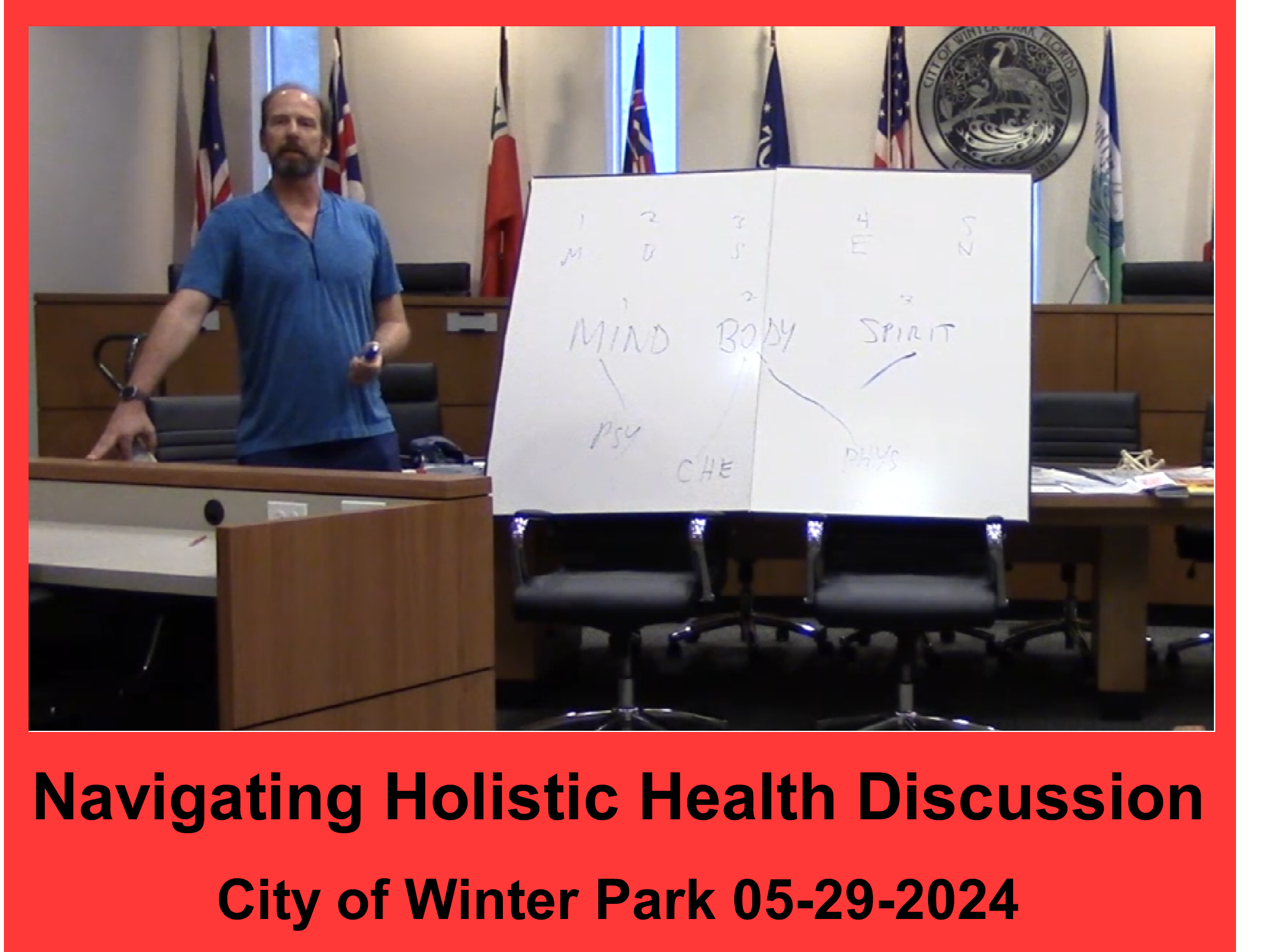
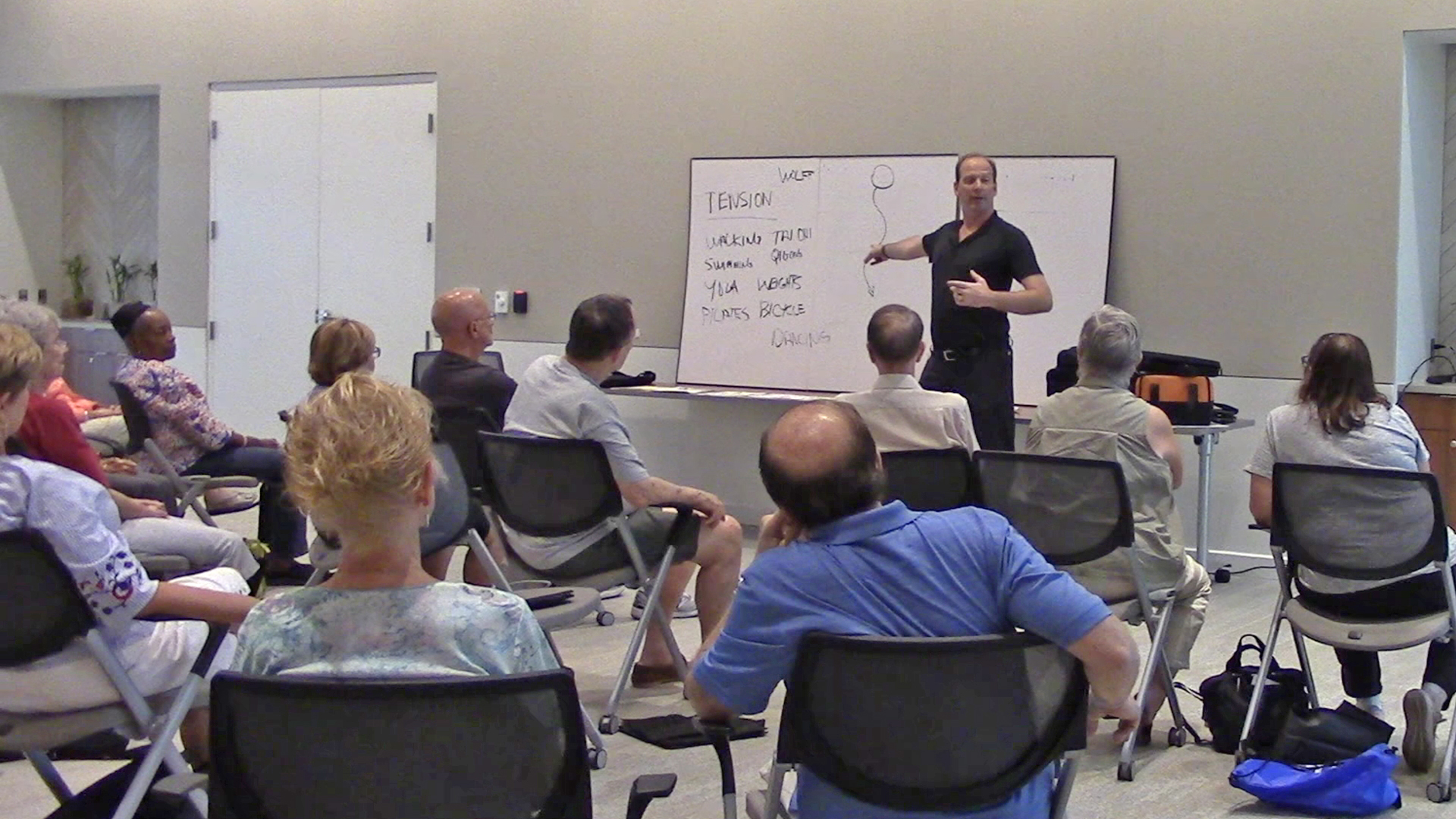
I led a discussion on this topic and better breathing methods last week at the University Club of Winter Park. View the full hour-long talk here at: https://youtu.be/C9xL2k-Eosk?si=9At8PXiV8nXQutPR
When you breathe through the nose, other respiratory muscles are also engaged more fully, helping to maintain core stability and improve posture. Nasal breathing encourages parasympathetic (rest and digest) activity, which can help to reduce stress, promotes relaxation and natural healing.
Breathing through the nose has a wide range of additional physiological benefits:
Air Filtration and Humidification: The nasal passages filter out pollen, allergens, dust, and other particles, while also humidifying and warming the air prior to it reaching the lungs. This mechanism reduces respiratory tract irritation and keeps lung tissues moist and better protected against environmental irritants.
Nitric Oxide Production: Nasal breathing produces nitric oxide (NO), a messenger molecule that has powerful vasodilating effects, which means that it helps dilate blood vessels and improve circulation. This in turn, allows for more efficient oxygen delivery throughout the body, supporting cardiovascular health and enhancing physical endurance.
Increased Lung Capacity and Respiratory Efficiency: Nasal breathing helps to promote a slower, more regulated intake of air, which can improve respiratory efficiency and lung capacity over time. This action enables the lungs to expand more fully, contributing to a better exchange of oxygen and carbon dioxide, thus promoting more effective overall oxygenation.
Increased Diaphragmatic Muscle Tone: Nasal breathing exercises the diaphragm, improving respiratory efficiency and also stabilizing core muscles. This can improve posture and reduce the occurrence of back and neck tension, as the diaphragm works in tandem with abdominal and pelvic floor muscles.
Lowered Stress and Anxiety Levels: Breathing through the nose activates the parasympathetic nervous system, which helps to reduce stress. Deeper, slower breathing stimulates the vagus nerve, associated with calming the body, by lowering heart rate and cortisol (stress hormone) levels.
Improved Sleep Quality: Breathing through the nose helps regulate a more consistent breathing rhythm and encourages higher oxygen levels during sleep, reducing the risk of sleep disorders such as snoring and sleep apnea.
Understanding how these mechanisms operate can be highly beneficial for health, fitness, and well-being, as consistent nasal breathing can bring about both short-term benefits such as relaxation, long-term respiratory efficiency and cardiovascular health.
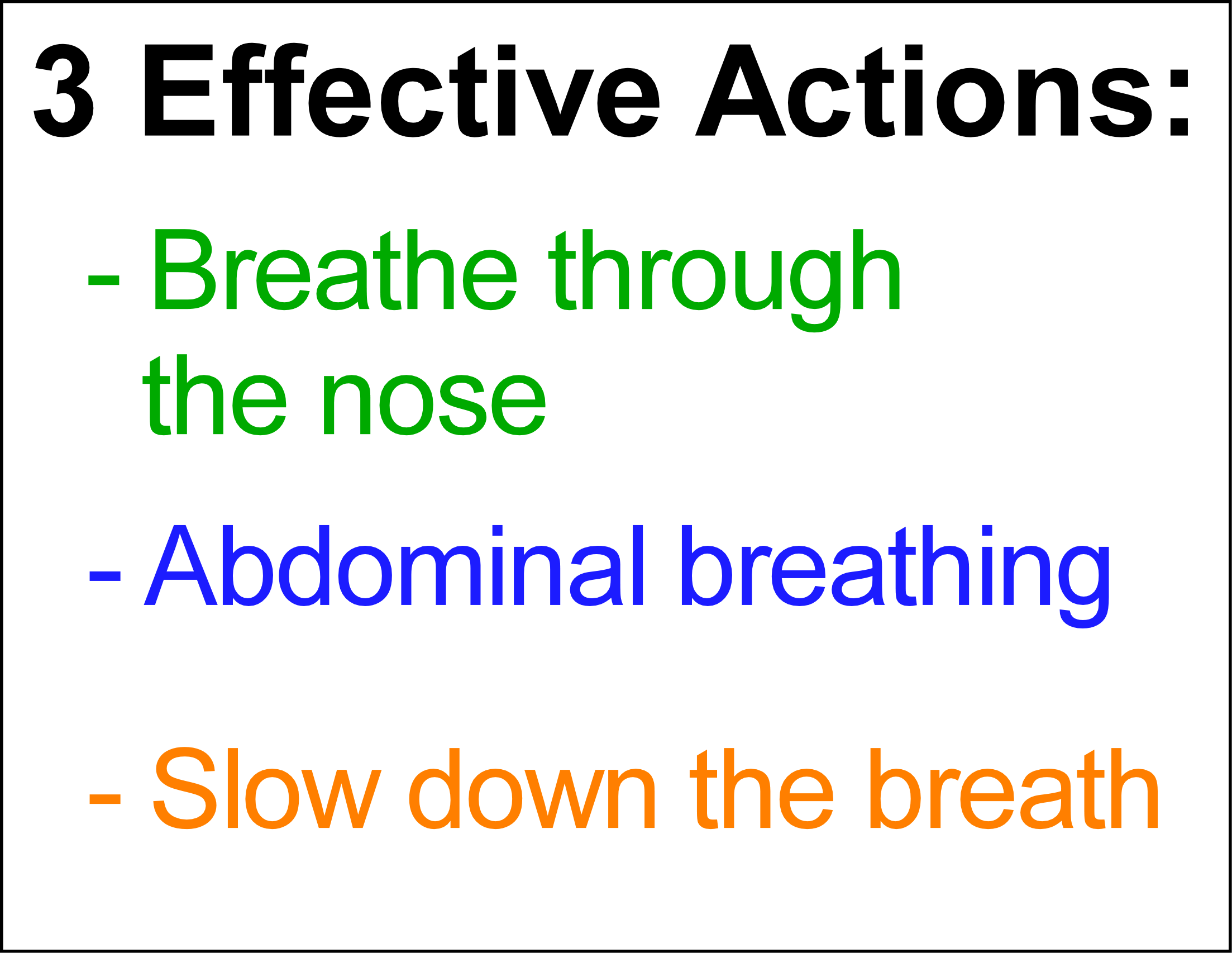
Three effective methods to breathe more efficiently:
Breathe through the nose
Breathe deeper by moving the abdominal area to engage the diaphragm
Become mindful of your breathing rate or breaths per minute (BPM)
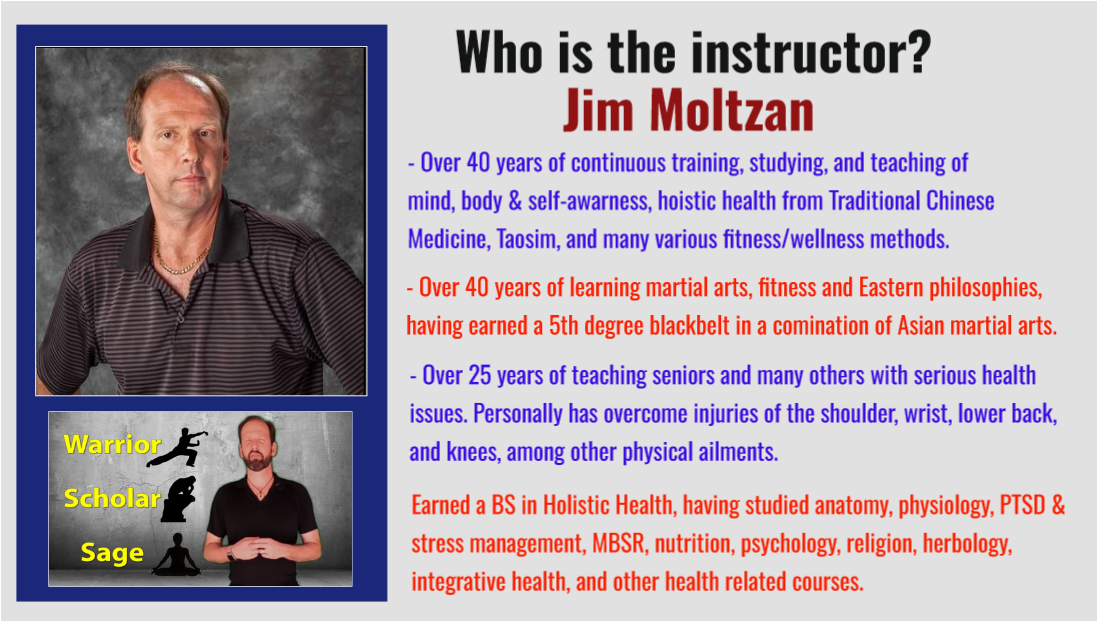
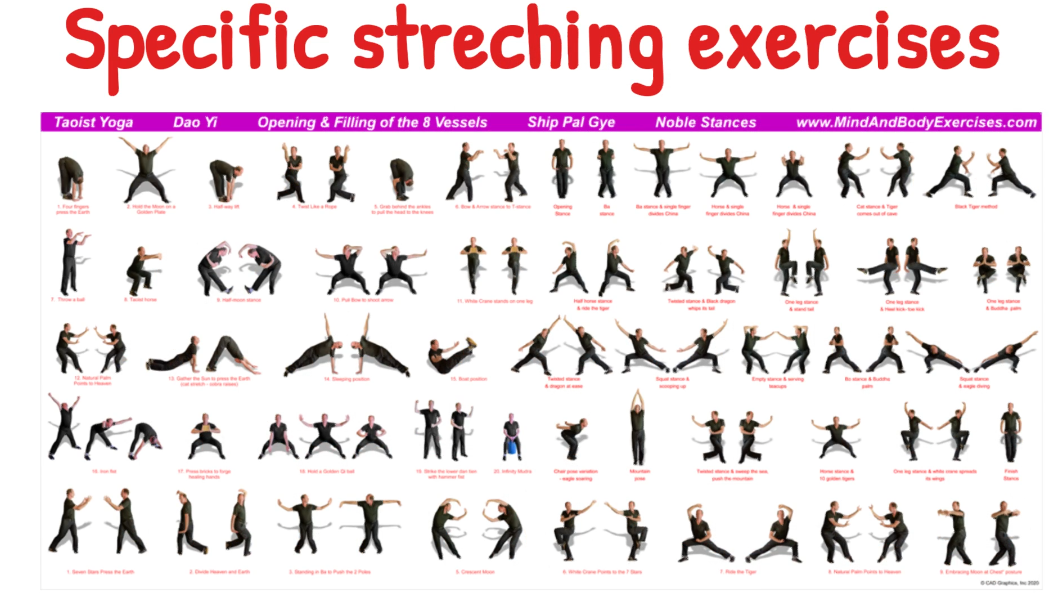
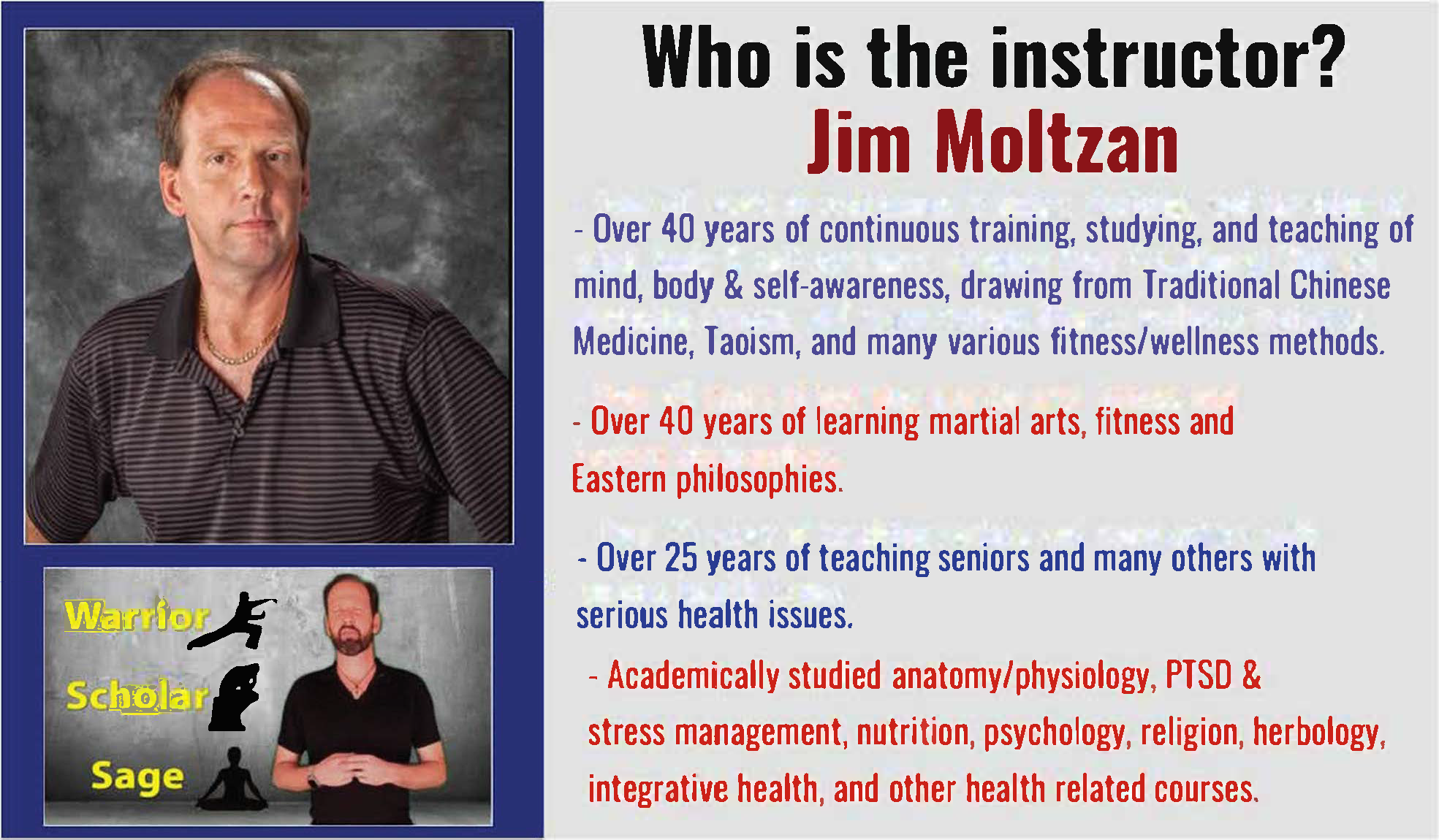
I teach and offer lectures about holistic health, physical fitness, stress management, human behavior, meditation, phytotherapy (herbs), music for healing, self-massage (acupressure), Daoyin (yoga), qigong, tai chi, and baguazhang.
Please contact me if you, your business, organization, or group might be interested in hosting me to speak on a wide range of topics related to better health, fitness, and well-being.
I look forward to further sharing my message by partnering with hospitals, wellness centers, VA centers, schools on all levels, businesses, and individuals who see the value in building a stronger nation through a healthier population.
I also have hundreds of FREE education video classes, lectures, and seminars available on my YouTube channel at:
Seasonal affection disorder (SAD) is defined as a subtype of depression, where an individual experiences chronic major depression that follows a seasonal pattern. SAD most often occurs during the winter months. The exact cause of SAD is unknown but is thought to probably manifest from hormone and neurotransmitter dysfunction affecting the nervous and psychic-emotional systems of the human body (Piotrowski, 2022).
Theories of What Causes SAD
Research points towards the winter form of SAD, involving the hormone melatonin, which is a substance secreted by the brain’s pineal gland. Melatonin affects mood and energy levels as well as helps to regulate sleep-wake cycles. Studies reflect too much, or prolonger secretion of melatonin may promote SAD (Ettinger, 2018).
Melatonin as well as serotonin systems are influenced by the earth’s daily dark-light cycle also known as photoperiodism. SAD can thereby be related to seasonal disturbances in the earth’s dark-light cycle and its relative effect on individuals (Ettinger, 2018).
Key Symptoms of SAD
Seasonal patterns of experiencing of a depressed mood that may include feelings of sadness, emptiness, or tearfulness
A lack of interest or pleasure in most activities for most of the day
Significant loss or gain of bodyweight
Insomnia (inability to sleep) or hypersomnia (excessive sleep)
Psychomotor agitation or psychomotor retardation
Loss of energy (fatigue)
Feelings of worthlessness or inappropriate guilt
Diminished ability to think or concentrate
Recurrent thoughts of death or suicide ideation (Piotrowski, 2022)
Who Suffers From SAD?
Research shows that people living in northern climates are more likely to be affected by SAD than people living at other latitudes.
Most persons who will experience this problem will be in their twenties and thirties.
Individuals typically experience depression as the amount of daylight decreases with the advancing of the winter season.
Women are two to four times more likely than men to develop SAD.
Rates for newly diagnosed with SAD tend to decrease during the fifties and decrease dramatically after age sixty-five (Piotrowski, 2022).
SAD affects 0.5 to 3 percent of individuals in the general population. It affects 10-20% of people with major depressive disorder and about 25% of those with bipolar disorder (Seasonal Affective Disorder: MedlinePlus Genetics, n.d.)
Treatment Options
Phototherapy or light therapy is the dominant treatment for those affected by this disorder. Exposure to light can be difficult for some people as each may have unique circumstances in relation to their environment, schedules and careers which may help to limit access to light (Piotrowski, 2022).
Phototherapy involves sitting in front of a specific type of therapeutic light source for anywhere from thirty to ninety minutes. This treatment is usually done in the morning each day. Serotoninergic antidepressant medication is sometimes used along with phototherapy (Piotrowski, 2022).
Cognitive behavioral therapy is another type of treatment where thought patterns are modified to manage SAD. There are also light visors having a light source built into the brim that can help those with this disorder (Piotrowski, 2022).
I teach and offer lectures about holistic health, physical fitness, stress management, human behavior, meditation, phytotherapy (herbs), music for healing, self-massage (acupressure), Daoyin (yoga), qigong, tai chi, and baguazhang.
Please contact me if you, your business, organization, or group, might be interested in hosting me to speak on a wide spectrum of topics relative to better health, fitness, and well-being.
I look forward to further sharing more of my message by partnering with hospitals, wellness centers, VA centers, schools on all levels, businesses, and individuals who see the value in building a stronger nation through building a healthier population.
I also have hundreds of FREE education video classes, lectures, and seminars available on my YouTube channel at:
By putting oneself through voluntary stressful activities over time and with diligent practice, one can better cope with involuntary stressors in everyday life. One does not have to become great at the activities, but rather better by putting in the focus, time, and effort. Becoming better and mindful of the activity are the goals of self-cultivation that may lead to self-realization. I have come to understand that in order to practice self-cultivation certain components need to become apparent to the practitioner:
Regulation of the emotions (to create space between thoughts and relative feelings/emotions)
Closing, minimalizing, or becoming less distracted by the 5 senses of vision, sound, taste, touch, and smell (to bring about tranquility)
Become aware of being in the present moment (interrupt the pattern of the daily mundane tasks and chores)
Live with methods of self-cultivation in your daily practices, as opposed to waiting for the perfect time, place and environment in order to become present.
Depending upon various practices and activities, an individual can strive to achieve these facets of self-cultivation.
The Impact of New Challenges on Eustress, Brain Development, and Mental Well-Being
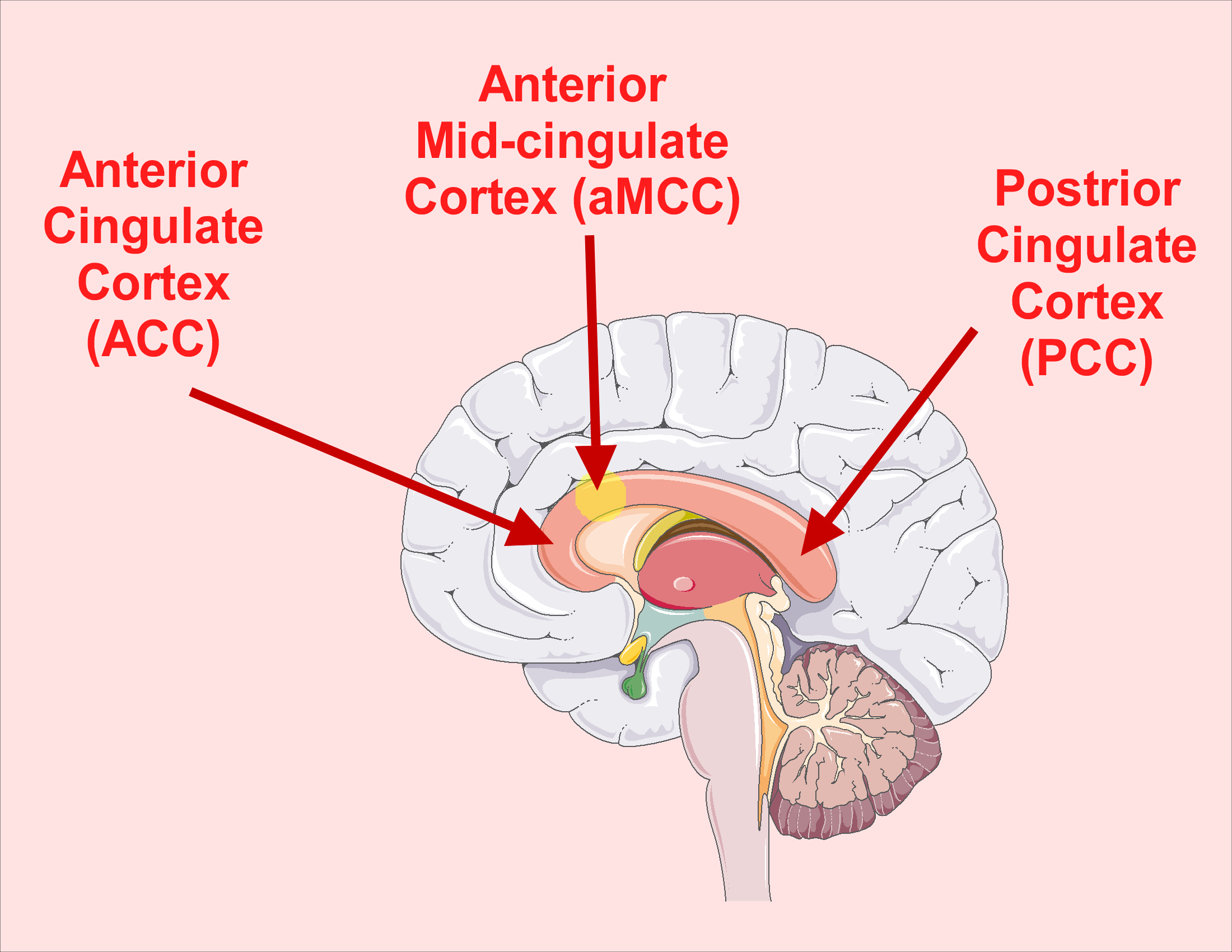
Pursuing new challenges, usually skillful methods such as learning to play a musical instrument, singing, dancing, earning a new degree, practicing tai chi or yoga, learning another language, or engaging in creative arts like painting or sculpting, has profound effects on both physical and mental well-being. These activities stimulate cognitive functions, contribute to brain growth, and promote the release of “good” neurotransmitters, which influence a wide range of physiological and psychological processes. One key outcome of these challenges is the experience of eustress, or positive stress, which enhances performance, resilience, and brain development. In particular, activities that involve learning and personal growth have been shown to increase the size of the anterior mid-cingulate cortex (aMCC) and stimulate beneficial changes in the brain and body.
Eustress and Its Role in Well-Being
Eustress is a form of stress that stimulates motivation and enhances performance. Unlike distress, which can be overwhelming and harmful, eustress promotes mental clarity, emotional satisfaction, and resilience. When engaging in new challenges, the brain responds by increasing arousal and focus, which leads to the release of certain hormones and neurotransmitters that support cognitive and emotional regulation. This “positive stress” creates a cycle in which effort and reward are reinforced, helping individuals build greater resilience over time.
For example, learning to play an instrument or practicing yoga requires sustained focus, which triggers a release of adrenaline and norepinephrine from the locus coeruleus in the brain and the adrenal glands just above each kidney. These hormones sharpen focus, increase heart rate, and enhance physical readiness. This initial physiological response primes the body for action, while mental engagement leads to emotional satisfaction as the individual experiences mastery over a new skill.
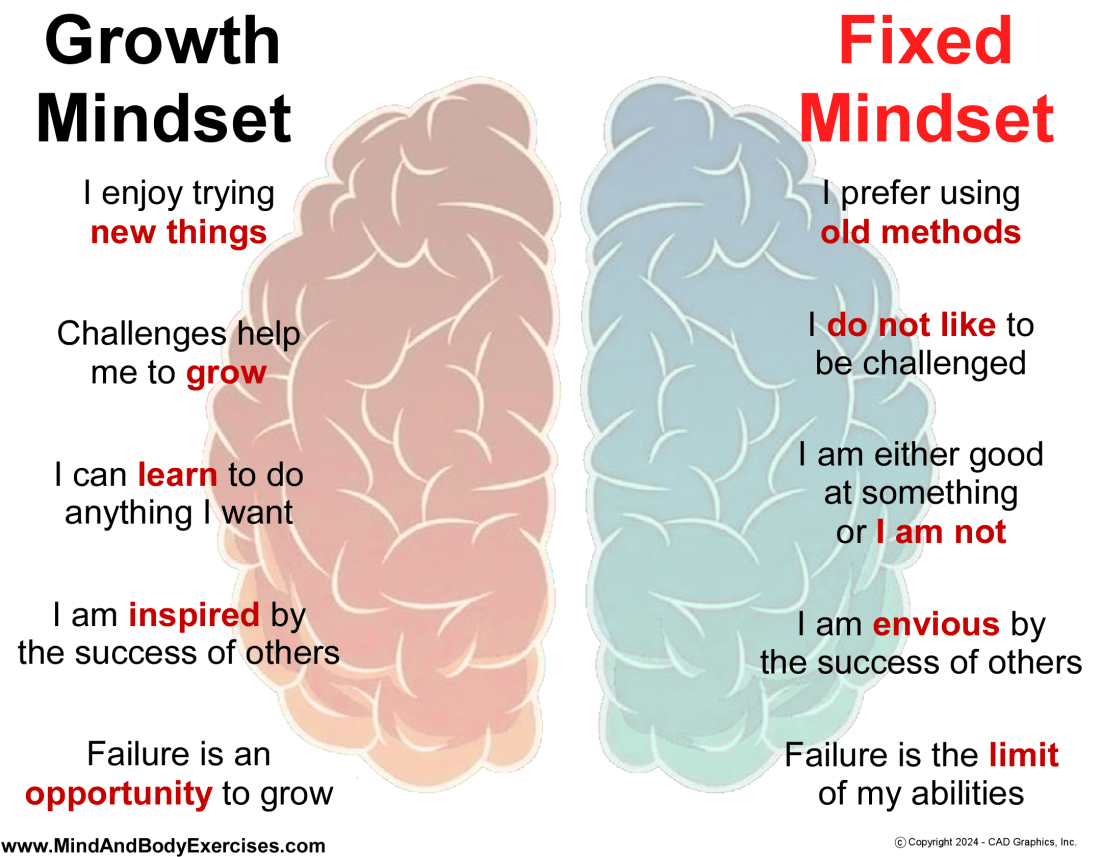
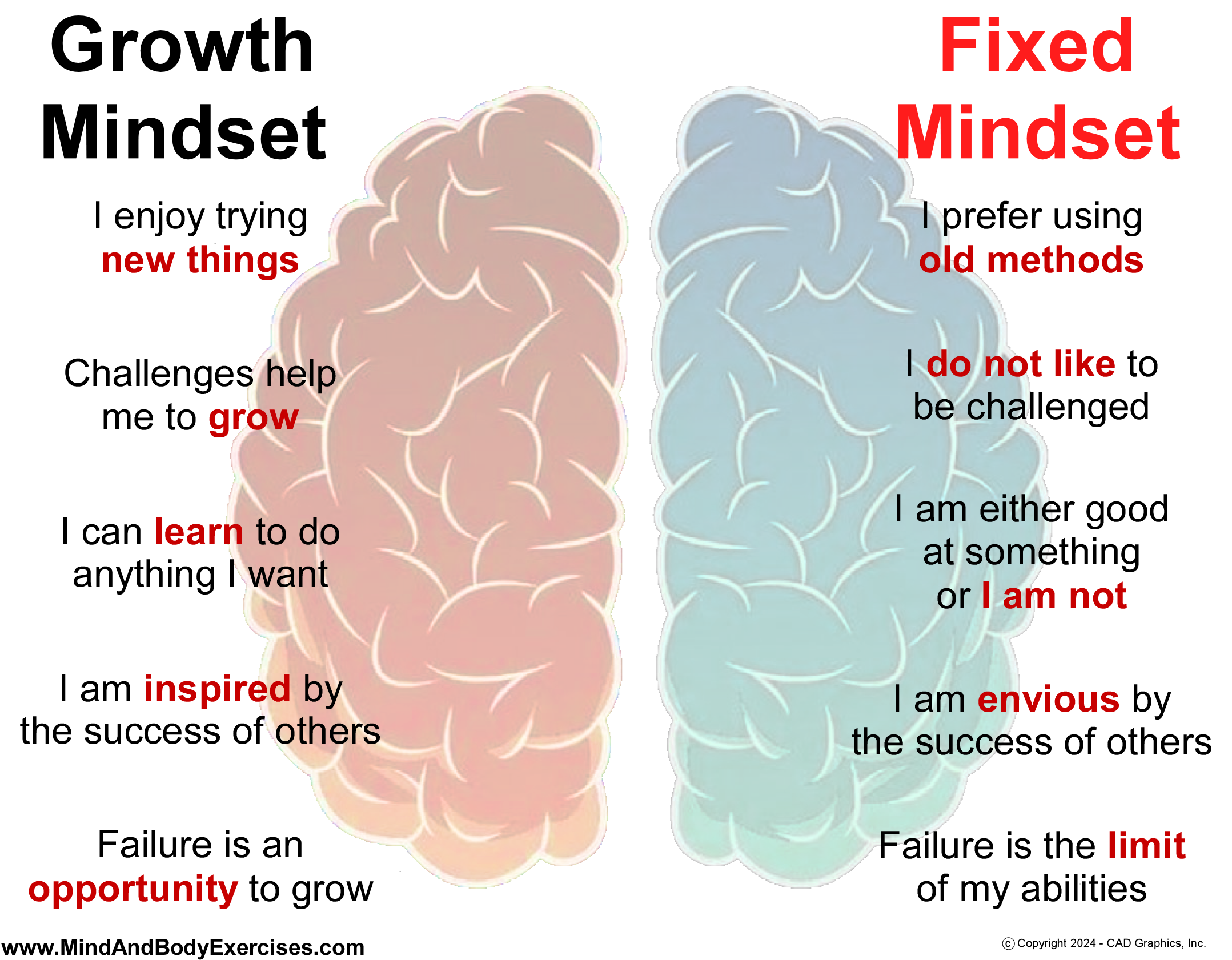
In the long term, eustress fosters a growth mindset—a belief that abilities can improve with effort and persistence. This mindset encourages individuals to pursue even greater challenges, further enhancing cognitive flexibility, problem-solving ability, and overall mental well-being.
Brain Development and the Anterior Mid-Cingulate Cortex
One of the key regions of the brain involved in processing new challenges is the anterior mid-cingulate cortex (aMCC). The aMCC is located within the cingulate gyrus and is involved in cognitive control, motivation, error processing, and emotional regulation. It is particularly active when individuals engage in tasks that require effort, attention, and decision-making—such as learning a new instrument, mastering yoga postures, or solving academic problems. Research shows that the aMCC grows in response to sustained mental effort, with increased volume and thickness in this region linked to improved cognitive performance.
As individuals challenge themselves to learn new tasks, such as those that require fine motor skills, sustained attention, or problem-solving, the aMCC helps process errors, monitor performance, and regulate the allocation of cognitive resources. This leads to improved task performance over time and a greater sense of accomplishment. Moreover, activities that demand attention and effort promote neuroplasticity, allowing the brain to reorganize and strengthen neural connections in the aMCC and other related regions.
Neurotransmitters: Production and Impact on Brain and Body
Engaging in new challenges triggers the release of key neurotransmitters—dopamine, serotonin, endorphins, and GABA—which regulate mood, motivation, emotional balance, and physical well-being. Understanding where these neurotransmitters are produced in the brain and body, and the areas they affect, sheds light on their powerful influence on mental and physical health.
GABA (Gamma-Aminobutyric Acid): GABA is a neurotransmitter that inhibits neural activity, promoting calmness and reducing anxiety. It is produced in the brain by GABAergic neurons and is particularly active in the cerebral cortex and hippocampus. Practices such as meditation, yoga, and tai chi enhance GABA production, which helps to regulate the body’s response to stress and promotes relaxation. GABA inhibits excessive neural activity in the amygdala, reducing anxiety and improving emotional control
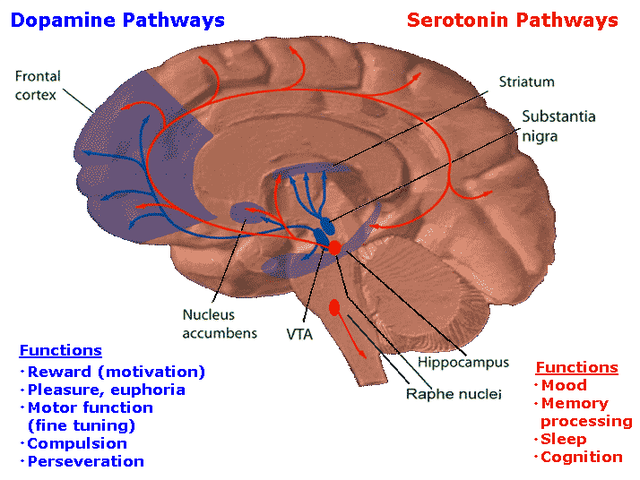
Dopamine: Produced primarily in the substantia nigra and ventral tegmental area (VTA) in the brain, dopamine plays a crucial role in motivation, reward, and the pursuit of pleasure. It is released in response to activities that offer a sense of accomplishment or learning, such as completing a difficult task or mastering a new skill. Dopamine acts on the nucleus accumbens and prefrontal cortex, enhancing focus, goal-directed behavior, and anticipation of rewards. It also influences motor control via its actions on the basal ganglia, particularly during activities that require fine motor skills like playing a musical instrument or practicing tai chi.
Serotonin: This neurotransmitter is produced in the raphe nuclei, located in the brainstem, and is widely distributed throughout the brain. Serotonin regulates mood, anxiety, and emotional well-being. Practices such as yoga, tai chi, and other mindfulness activities stimulate serotonin production, which acts on the amygdala (responsible for emotional processing), the hippocampus (involved in memory formation), and the prefrontal cortex (critical for higher-order thinking and decision-making). Increased serotonin helps reduce anxiety, stabilize mood, and improve emotional resilience.
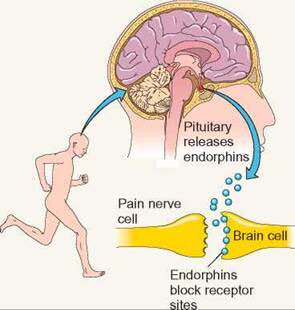
Endorphins: Produced in the pituitary gland and hypothalamus, endorphins act as natural painkillers and are released during physical activity, including yoga, tai chi, and other forms of exercise. These chemicals bind to opioid receptors in the brain and spinal cord, reducing pain perception and promoting a sense of euphoria. Endorphins also interact with areas of the brain involved in emotional regulation, such as the limbic system and the prefrontal cortex, contributing to feelings of relaxation and well-being.
Enhancing Cognitive Functions and Neuroplasticity
Challenging activities like learning to play an instrument, earning a degree, or engaging in creative pursuits stimulate the brain’s neuroplasticity—the ability to reorganize itself by forming new neural connections. This process strengthens cognitive functions like memory, attention, and problem-solving, while also promoting the growth of new neurons (neurogenesis).
For example, playing a musical instrument engages multiple brain regions, including the motor cortex (for hand movements), the auditory cortex (for processing sound), and the prefrontal cortex (for planning and decision-making). As the brain coordinates these functions, new neural connections form between these regions, enhancing cognitive flexibility and executive function. Similarly, activities like painting or sculpting stimulate the visual cortex and areas involved in creativity and spatial reasoning, such as the parietal lobe, leading to improved creative problem-solving skills and greater cognitive resilience.
Physiological Benefits of Physical and Mental Challenges
Engaging in new physical and mental challenges has a wide range of benefits for both the brain and body. Practices like tai chi and yoga not only improve physical health by enhancing balance, coordination, and flexibility, but they also promote mind-body integration, which has significant cognitive and emotional benefits. These activities stimulate the parasympathetic nervous system, which promotes relaxation, reduces cortisol levels (the stress hormone), and improves immune function.
Mentally engaging activities, such as earning a new degree or learning to paint, stimulate neural circuits that enhance cognitive function, while also promoting the production of neurotransmitters that regulate mood and emotional well-being. The combination of mental effort and physical relaxation leads to a holistic sense of well-being, with improvements in both mental clarity and physical health.
Conclusion
Pursuing new challenges, whether physical, intellectual, or creative, triggers a cascade of positive effects in the brain and body. The experience of eustress fosters resilience, motivation, and personal growth, while activities that engage the brain leading to neuroplasticity and cognitive enhancement. Key brain regions, such as the anterior mid-cingulate cortex, grow in response to new challenges, while neurotransmitters like dopamine, serotonin, endorphins, and GABA promote emotional balance and well-being. Through these mechanisms, challenging ourselves with new pursuits enhances both our physical and mental health, allowing us to thrive and achieve greater fulfillment in life. Overall, it doesn’t really matter if the individual becomes great or even good in their pursuit of skillful methods. What is more important is the intent and effort puts towards the activity itself which becomes a conduit to self-cultivation and hopefully self-realization.
References: Eustress and Positive Stress:
Selye, H. (1974). Stress without distress. New York: Harper & Row.
Nelson, D. L., & Simmons, B. L. (2003). Eustress: An elusive construct, an engaging pursuit. In P. L. Perrewe & D. C. Ganster (Eds.), Research in Occupational Stress and Well Being (Vol. 3, pp. 265-322). Emerald Group Publishing Limited. doi: 10.1016/S1479-3555(03)03007-5
Neuroplasticity and Learning:
Doidge, N. (2007). The Brain That Changes Itself: Stories of Personal Triumph from the Frontiers of Brain Science. Viking.
Zatorre, R. J., & Schlaug, G. (2009). Music and the brain: advances in cognitive neuroscience. Annals of the New York Academy of Sciences, 1060(1), 231-241. doi: 10.1196/annals.1360.017
Anterior Mid-Cingulate Cortex (aMCC) and Cognitive Control:
Shackman, A. J., Salomons, T. V., Slagter, H. A., Fox, A. S., Winter, J. J., & Davidson, R. J. (2011). The integration of negative affect, pain and cognitive control in the cingulate cortex. Nature Reviews Neuroscience, 12(3), 154-167. doi: 10.1038/nrn2994
Posner, M. I., & Rothbart, M. K. (2007). Research on attention networks as a model for the integration of psychological science. Annual Review of Psychology, 58, 1-23. doi: 10.1146/annurev.psych.58.110405.085516
Dopamine Production and Function:
Wise, R. A. (2004). Dopamine, learning and motivation. Nature Reviews Neuroscience, 5(6), 483-494. doi: 10.1038/nrn1406
Schultz, W. (1998). Predictive reward signal of dopamine neurons. Journal of Neurophysiology, 80(1), 1-27. doi: 10.1152/jn.1998.80.1.1
Serotonin and Emotional Regulation:
Fisher, P. M., Meltzer, C. C., Ziolko, S. K., Price, J. C., & Hariri, A. R. (2006). Capacity for 5-HT1A-mediated autoregulation predicts amygdala reactivity. Nature Neuroscience, 9(11), 1362-1363. doi: 10.1038/nn1785
Berger, M., Gray, J. A., & Roth, B. L. (2009). The expanded biology of serotonin. Annual Review of Medicine, 60, 355-366. doi: 10.1146/annurev.med.60.042307.110802
Endorphins and Exercise:
Boecker, H., Sprenger, T., Spilker, M. E., Henriksen, G., Koppenhoefer, M., Wagner, K. J., … & Tolle, T. R. (2008). The runner’s high: Opioidergic mechanisms in the human brain. Cerebral Cortex, 18(11), 2523-2531. doi: 10.1093/cercor/bhn013
Raichlen, D. A., & Polk, J. D. (2013). Linking brains and brawn: exercise and the evolution of human neurobiology. Proceedings of the Royal Society B: Biological Sciences, 280(1750), 20122250. doi: 10.1098/rspb.2012.2250
GABA and Stress Reduction:
Watanabe, M., Maemura, K., Kanbara, K., Tamayama, T., & Hayasaki, H. (2002). GABA and GABA receptors in the central nervous system and other organs. International Review of Cytology, 213, 1-47. doi: 10.1016/S0074-7696(02)13011-7
Streeter, C. C., Jensen, J. E., Perlmutter, R. M., Cabral, H. J., Tian, H., Terhune, D. B., … & Renshaw, P. F. (2007). Yoga Asana sessions increase brain GABA levels: a pilot study. Journal of Alternative and Complementary Medicine, 13(4), 419-426. doi: 10.1089/acm.2007.6338
I teach and offer lectures about holistic health, physical fitness, stress management, human behavior, meditation, phytotherapy (herbs), music for healing, self-massage (acupressure), Daoyin (yoga), qigong, tai chi, and baguazhang.
Please contact me if you, your business, organization, or group, might be interested in hosting me to speak on a wide spectrum of topics relative to better health, fitness, and well-being.
I look forward to further sharing more of my message by partnering with hospitals, wellness centers, VA centers, schools on all levels, businesses, and individuals who see the value in building a stronger nation through building a healthier population.
I also have hundreds of FREE education video classes, lectures, and seminars available on my YouTube channel at:
See something, say something, right? Do something!
Our teenage youths have been in distress now and for many years past. So much talk, but so little action. I am trying to do something, and it is time-proven and with a clear plan and direction.
Reducing daily stress experienced by high school students is possible through Mindfulness-based Stress Reduction (MBSR) techniques. I believe this to be accurate, as I have practiced and taught many stress management techniques for over 40 years to adults of all ages.
The goal of my proposed intervention is to reduce the typical daily stress that teenagers experience regularly on the individual level, while in high school. Daily stress often leads to mental health ailments of anxiety, depression, impaired focus, and lack of quality sleep. The target audience for this intervention is high school students, 14-18 years of age. Promoting focusing on mental health and well-being is crucial for overall health. This will be accomplished by myself or a qualified professional guiding participants through the various stages of change within the Transtheoretical Model (TTM) to encourage the practices of mindfulness-based stress reduction (MBSR). MBSR therapy is a meditation strategy that is used to help with stress management, sleep disorders, depression, anxiety, hypertension, chronic pain, cancer, diabetes mellitus, and other disorders (Kabat-Zinn, 2013).
MBSR techniques have little risk and can increase the agency that individuals have in managing mood swings and physical pain, as well as enhancing the quality of their own lives (Niazi & Niazi, 2011). Research from recent studies supports that some college students who practiced mindfulness along with their coursework, reported cognitive and wellbeing benefits, when practicing for as little as five minutes twice a week, dependent upon the specific type of mindfulness method implemented (O’Hare & Gemelli, 2023).
The Transtheoretical Model (TTM) will be utilized with this intervention. TTM encompasses more than one health-related behavior theory, which to me seems that TTM offers a more comprehensive strategy to help individuals to better understand and manage stressors within their daily life. Within TTM there are four key constructs that are thought to produce significant behavioral changes. The constructs are:
• Stages of changes
• Decisions balance
• Self/Efficacy/Temptations
• Processes of change
The first construct of TTM suggests that there are stages of change where precontemplation, contemplation, preparation, action, and maintenance all affect human behavior. The second construct of decision balance suggests that when there are more pros than cons for a certain behavior, an individual will either move forward or backward within the stages. The third construct encourages a “can-do” attitude, where an individual may gain confidence and feel that they have more control and agency in their decisions. The fourth construct delves more into the details of experiential versus behavioral changes (Simons-Morton & Lodyga, 2021) where a person moves from the “thinking” state to a more active “doing” state of being. Overall, the TTM will help me to show participants how mindfulness-based stress reduction techniques can help students move from the “contemplation” stage to “action” by highlighting its effectiveness in stress reduction and management.
This intervention can be implemented by first contacting a local high school’s administration to explain the goals and benefits of sponsoring such an event. Once the administration agrees to support, promote, and manage the registration of students for a group setting workshop (intervention), a trained and/or qualified professional will come to the school’s auditorium after school finishes on a predetermined day. They can then present an initial 10-minute introduction of the potential goals and benefits to the students. Using a whiteboard and handwriting a few notes and health statistics from the Center for Disease Control (CDC) and the American Heart Association (AHA) will help draw their focus. My message that can be conveyed, is how as young adults, they can individually have self-efficacy over their thoughts, emotions, and relative coping mechanisms for managing stress. A major portion of this presentation will be explaining in some detail what the TTM is and how it is related to stress management. Another major component of this presentation will be an explanation of the methods and benefits of MBSR.
The professional will then ask those students interested in participating further in this intervention to answer only to themselves by signing a contract of commitment form to attend 3 10-minute sessions for a total of 8 weeks. There will be no consequence if the student decides not to continue, however, they will not receive any credit or reward upon completion if they do not attend. Sessions will be just after school ends, giving the students 5-10 minutes to get to the auditorium. Parent’s knowledge and support of their children’s participation are key components needed to reinforce their child’s commitment to accept the challenge of doing some type of task or activity that will potentially affect not only the individual but the whole family’s well-being. I would also invite and encourage parents to attend the sessions if they are available to do so.
My intervention can address the key constructs of TTM throughout the presentation. More specifically, the stages of change will need to be targeted as follows:
Precontemplation – In this stage, participants may not yet recognize a need to reduce stress or might not view it as an important priority. If they were in the room and attending my presentation, they are already past precontemplation, or else they would not have made the effort to come to the event.
Contemplation – With a goal of raising awareness of current teen health issues, I seek to motivate and inspire individuals to think more about becoming equipped to manage the impact stress has on their health and well-being, I will offer information regarding the benefits of mindfulness techniques to reduce stress, thereby affecting and improving overall health and well-being.
Preparation – In this stage I will be explaining how we will need to take action and how this group will be readied, in order to achieve a greater sense of agency over individual stress management. I will provide resources such as guided meditation apps or YouTube classes that can help support their practice.
Action – The phase of action is where participants will actively engage in MBSR exercises. Each session will review and build upon prior sessions. I will be encouraging them to practice regularly and offer other strategies to overcome potential hurdles and maintain motivation. Setting reminders on their phones and finding quiet places for meditation will help reinforce their self-practice.
Maintenance – In this phase, individuals will have successfully adopted mindfulness techniques into their daily routine and are most likely experiencing the benefits of having less stress. I can offer further strategies to help maintain their practice and prevent relapse, such as further opportunities for learning and growth through other techniques and resources. After this intervention concludes, there will be a follow-up survey one month after the event to determine if participants are still engaged in practicing the self-regulation techniques that they learned.
The construct of decision balance will be addressed and discussed at each session, as participants will be reviewing the pros and cons of returning for future sessions. If they feel that they are improving their stress management, they will be inclined and more self-motivated to continue.
The construct of self-efficacy of individuals will most likely increase as participants move through the stages of change.
For the construct of the processes of change, I would not going to go into much detail to the whole group. I feel that this construct, while important may be a bit more complex than what will already have been covered up to this point as far as human behavior is concerned. A slide will be available in the presentation, and I can offer further explanations as necessary.
The intended outcome of the intervention will be to hopefully have the participants be able to better recognize and manage stressful experiences, whether from events such as tests, time management, social interactions, and other activities that often manifest into stress.
Please contact me if you, your school, your business, your organization, or your group, might be interested in hosting me to speak on a wide spectrum of topics relative to better health, wellness, and fitness.
Kabat-Zinn, J. (2013) Full Catastrophe Living (Revised Edition) (pp. 77-78, 351). Random House Publishing Group. Kindle Edition.
Niazi, A. K., & Niazi, S. K. (2011). Mindfulness-based stress reduction: A non-pharmacological approach for chronic illnesses. North American Journal of Medical Sciences, 3(1), 20. https://doi.org/10.4297/najms.2011.320
O’Hare, A. J., & Gemelli, Z. T. (2023). The effects of short interventions of focused-attention vs. self-compassion mindfulness meditation on undergraduate students: Evidence from self-report, classroom performance, and ERPs. PLoS ONE, 17(1), 1–20. https://doi.org/10.1371/journal.pone.0278826
Simons-Morton, B., & Lodyga, M. (2021). Behavior theory in public health practice and research. Jones & Bartlett Learning.
I teach and offer lectures about holistic health, stress management, qigong, tai chi, baguazhang, meditation, phytotherapy (herbs), music for healing, self-massage, and Daoyin (yoga).
Please contact me if you, your business, organization, or group, might be interested in hosting me to speak on a wide spectrum of topics relative to better health, wellness, and fitness.
I look forward to further sharing more of my message by partnering with hospitals, wellness centers, VA centers, schools on all levels, businesses and individuals that see the value in building a stronger nation through building a healthier population. I also have hundreds of FREE education video classes, lectures and seminars available on my YouTube channel at:
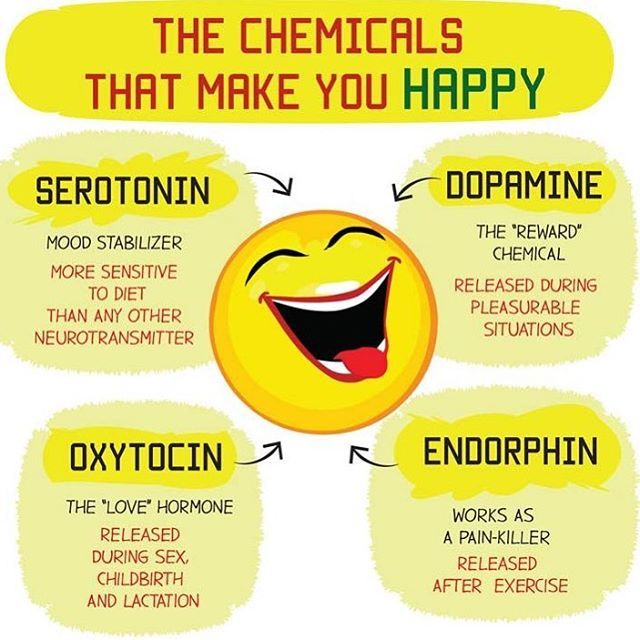
The human body is an incredible pharmacy within all individuals, where our thoughts and relative emotions can manifest various chemical reactions that affect organ function, either in positive or negative manners. There are four main neurotransmitters that affect our nervous system in positive and beneficial aspects. These are also referred to as the key “feel-good chemicals” as they help contribute to positive emotions. I have come to understand these and remember them through the acronym of DOSE, where Dopamine, Oxytocin, Serotonin, Endorphins.
Dopamine is often called the “reward chemical,” as dopamine within the nervous system surges as we feel a sense of pleasure from achieving goals, or while anticipating and receiving something perceived as enjoyable. Dopamine motivates us to pursue rewarding experiences, while playing a role in learning and memory.
Serotonin is a neurotransmitter that contributes to our feelings of calmness, well-being, and emotional stability. Having low serotonin levels is linked to anxiety, depression, insomnia and other mental disorders. Serotonin production within the body can be increased through activities that promote relaxation and a sense of accomplishment.
Oxytocin is also called the “love hormone.” Oxytocin is released during events of physical contact, social bonding, and acts of kindness where it brings about a sense of trust, empathy, and connections with others.
Endorphins are the body’s natural painkillers that are released during exercise, eating of spicy foods and laughter. Endorphins have the ability to help to reduce stress and anxiety.
Understanding of the mind-body connection of these chemicals is well known throughout fields of study, such as biology, physiology, and chemistry, as to their roles in management of thoughts and emotions and their physiological effects on the body’s autonomic nervous system. There are various ways to illicit the physiological mechanisms that release these powerful chemicals, where proper nutrition, exercise, meditation practices and social interactions are the common denominators for all. Management of breathing is one of the most effective ways to self-regulate thoughts and emotions and relative overall health of the nervous system which manages organ function.
I teach and offer lectures about holistic health, stress management, qigong, tai chi, baguazhang, meditation, phytotherapy (herbs), music for healing, self-massage, and Daoyin (yoga).
I look forward to further sharing more of my message by partnering with hospitals, wellness centers, VA centers, schools on all levels, businesses and individuals that see the value in building a stronger nation through building a healthier population. I also have hundreds of FREE education video classes, lectures and seminars available on my YouTube channel at: