Basic Concepts of Ayurveda

Ayurveda, meaning the “knowledge of life”, has been practiced for over 3000 years. Perhaps modern society and culture can learn something about health and wellness from the ancients. Many of the basic concepts deal with balance of one’s mind, body and spirit in relation to an individual’s specific constitution. Just because something is considered healthy for one, doesn’t necessarily mean it is healthy for all. Open your mind to other perspectives that maybe there exist other options beyond pharmaceuticals, surgery and other invasive healthcare protocols.

The 5 elements of ether, air, fire, water, earth manifesting from a state of nothingness consciousness or avyakta, to produce the universe and consequently establishing the basic principles behind Ayurveda science. The ancient rishis (sages or seers) believe that each element has its own unique properties, but maybe more important is the inner relationships of harmony that exist within each. The 5 elements consist of:

  • Ether – came about from the subtle vibration o the soundless sound of Aum
  • Air – came about from the ether moving
  • Fire – the movement of air produced friction to generate heat producing fire
  • Water – came about from the heat of fire dissolving elements to produce water
  • Earth – water solidified to form the molecules of earth
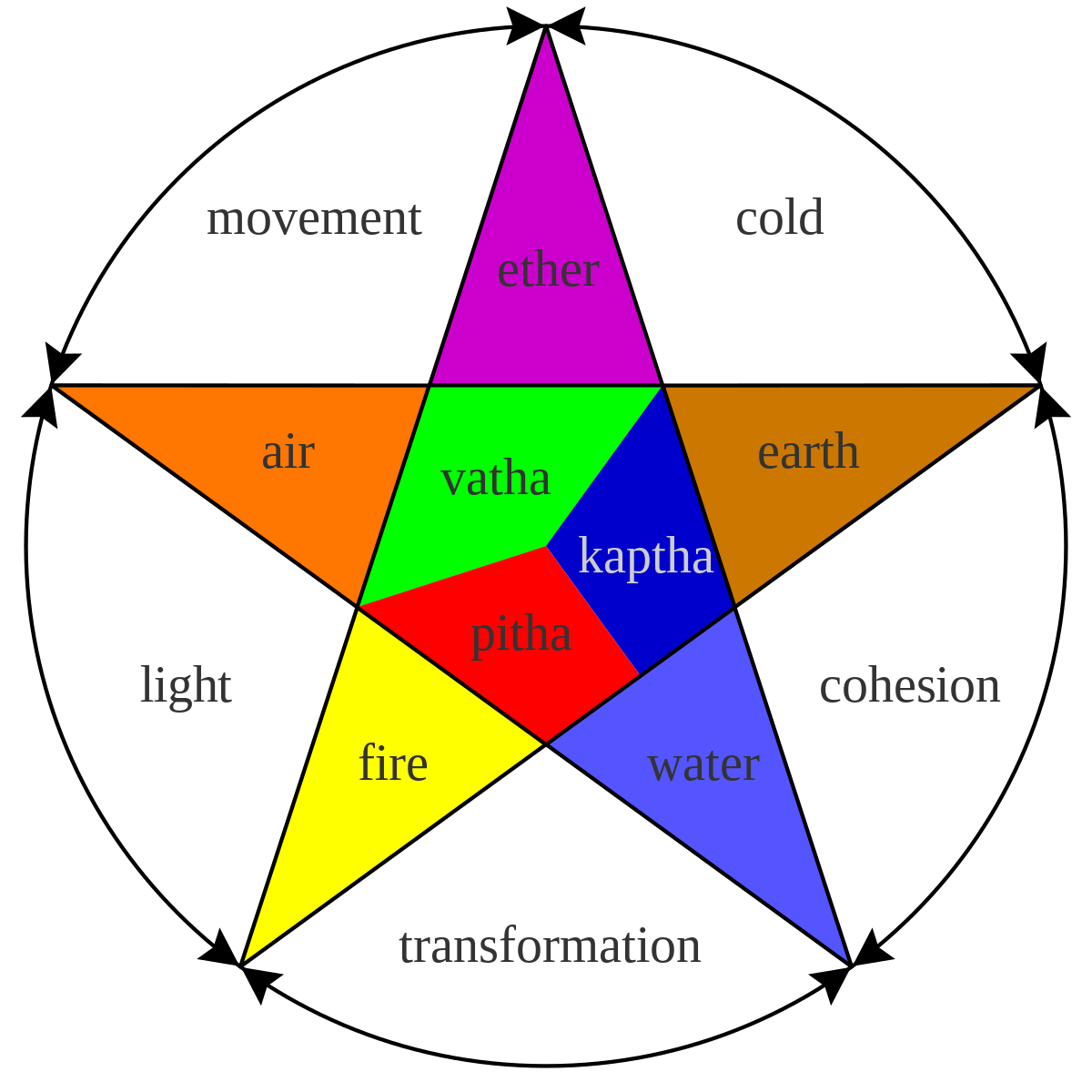
Each of the elements have corresponding traits or features such as senses, actions, organs and tastes, that again are unique to that element.

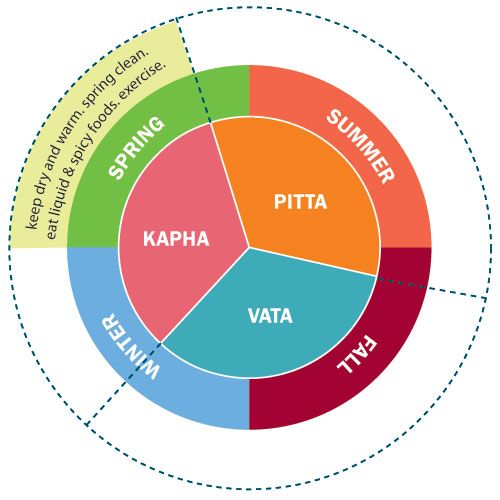
From the 5 elements, the Tridoshas or body type constitutions of Vata, Pitta and Kapha are manifested. Dosha means “impurity” or “mistake” but in this context refer more to organization of psychophysiological responses and physical changes within the human body. Each Dosha are comprised of all 5 of the elements and have interrelationships. However, two elements are dominant in each. The three Doshas and their elemental relationships are:

  • Vata is associated with air and ether
  • Pitta is associated with fire and water
  • Kapha is water and earth

Within Ayurveda therapeutics, pharmacology and food preparation are 20 attributes or “Gunas” such as Guru (heavy), Laghu,(light), Shita (cold), Ushna (hot), etc. Ayurveda philosophy uses these 20 attributes as a therapeutic guide or diagnostic tool, in order to evaluate which quality is out of harmony within Vata, Pitta, or Kapha. These gunas are further categorized into 10 opposite pairs.

There are also various states within the combinations of Doshas, as no one is just comprised of one Dosha, but rather a balance of proportions of the three. This is referred to as one’s Prakruti, or the psychophysical makeup as well as functional habits of an individual. There are four categories that describe Prakruti:

  • Janma Prakruti – also referred to as Karma Prakruti, is genetic so it does not change until the end.
  • Deha Prakruti – can change by way of the actions of the mother’s lifestyle, diet, and environment. It is the current Prakruti.
  • Dosha Prakruti – represents the ratio of each Dosha at the time of birth.
  • Manas Prakruti.- defines the mental constitution and is subject to change. Manas Prakruti is further described in the three Gunas of sattva, rajas and tamas.

Manas Prakruti further breaks down and described in terms of the three gunas of sattva, rajas, and tamas where:

  • Sattva – expresses qualities of the mind such as alertness, love, clarity, compassion, attentiveness
  • Rajas – expresses qualities of selfishness, restlessness, and self-centeredness
  • Tamas – qualities expressed are gloominess, sadness, dullness, laziness
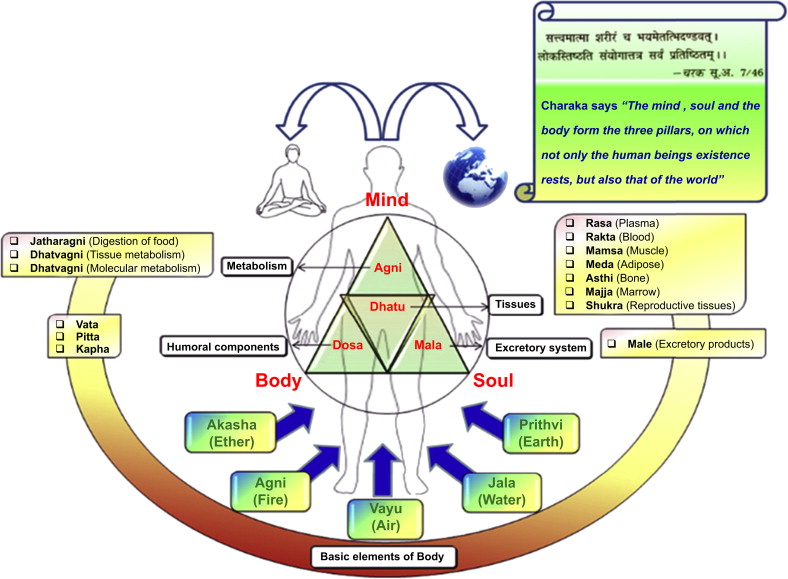
The 3 Doshas can each be further elaborated upon to determine a more concise profile or constitution of the individual. All Doshas have personality and physical traits that can be perceived as positive as well as negative.

Vata comes from the Sanskrit word of “vah” with the meaning of carrying or moving. Vata reflects mobility that regulates bodily activities such as movement of food through the body and thoughts over a particular time. Vata is the commander of our life force or prana. When the vata exits the body, physical life ends. Vata individuals are often alert, quick to act and easily excited. There are many other attributes that can define the vata individual, but this is a very basic and general description.

Pitta comes from the Sanskrit word “tap” meaning heat and represents the fire element within the body. Pitta plays a role in metabolism, digestion, and body temperature. The Pitta individual has a strong capacity to concentrate, learn and understand. Consequently, they become very disciplined and great leaders.

Kapha’s meaning comes from the Sanskrit words of ka (water) and pha (flourish) or that which is flourished by water. Kapha’s elements are water and earth, composing the cells, tissues and organs of the human body. A Kapha type individual harbors a deep and stable faith, a calm and steady mind. This strong constitution possesses strength, love, knowledge, and longevity.

This is just a basic overview of some of the many aspects of Ayurveda philosophy.

References:

Lad,. (2001). Textbook of Ayurveda, Vol. 1: Fundamental Principles of Ayurveda (1st ed., Vol. 1). Ayurvedic Press.

_______________

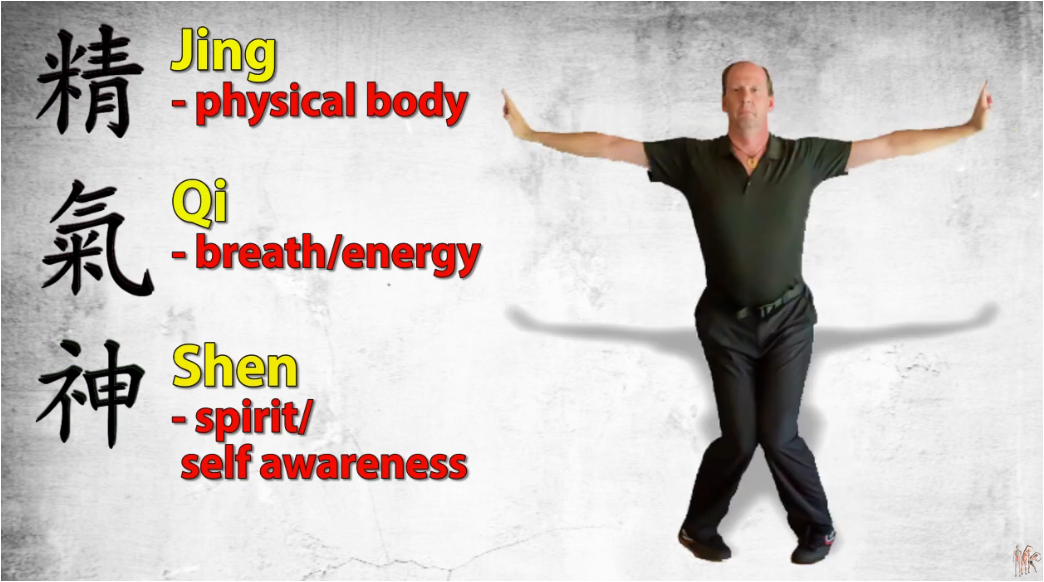
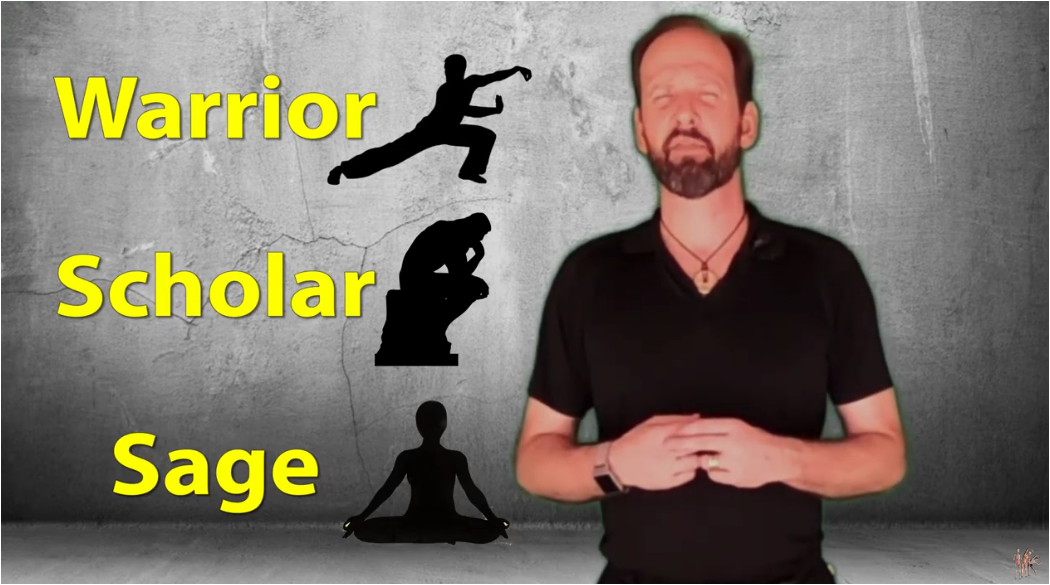
Qigong, tai chi, baguazhang, and yoga are not the only methods that can be used within this formula but have proven the test of time as methods to cultivate harmony of the mind, body and spirit. These exercise practices offer a wide spectrum of physical wellness benefits, stress relief as well as means of self-awareness.  Not all teachers nor students practice these for the same goals.

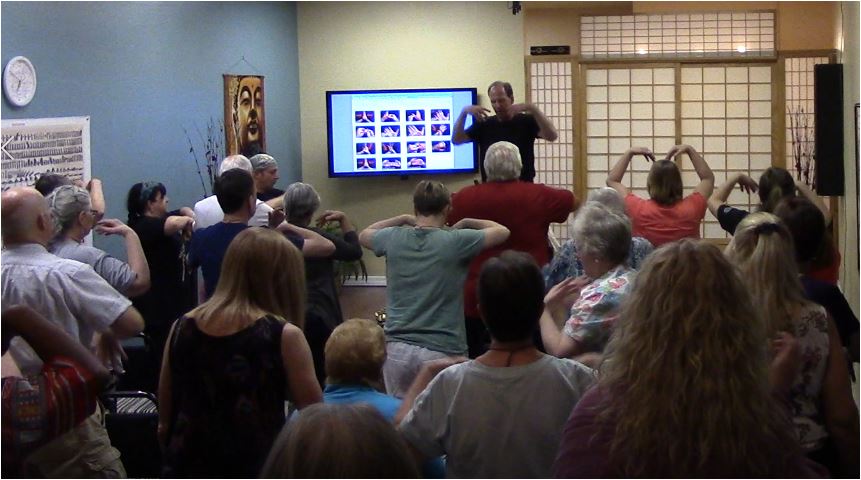
I am currently offering wellness lectures and classes for group, small group & private instruction in Wekiva, Longwood and Winter Park.

For more info, contact Jim Moltzan at info@mindandbodyexercises.com, 407-234-0119 or through my site at http://www.mindandbodyexercises.com

http://www.Amazon.com/author/jimmoltzan
Ritual Postures

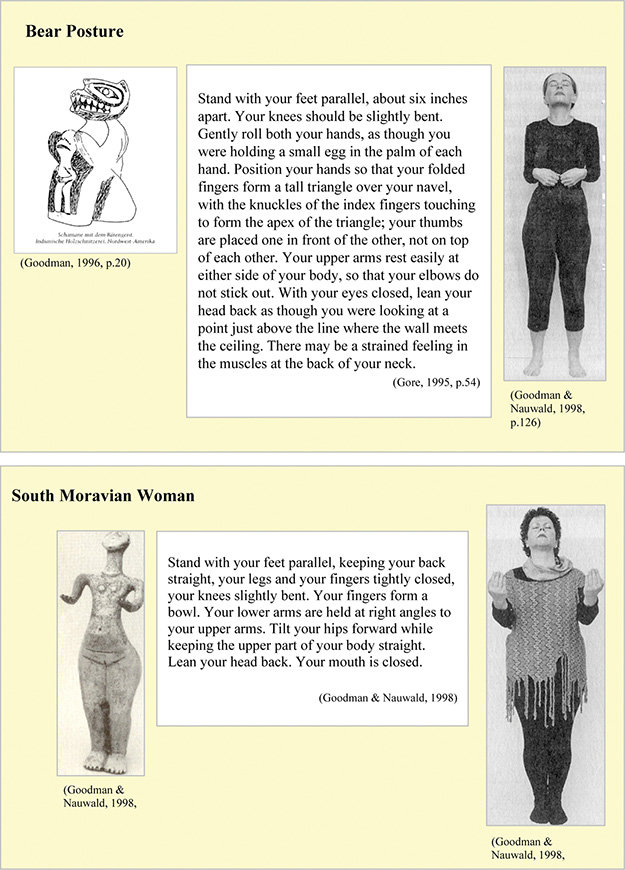
I saw many similarities with the ritual body postures from Felicitas Goodman and my own practices of qigong and daoyin (martial arts yoga). Consequently, I decided to purchase her book, Where the Spirits Ride the Wind, to do more research on these methods. Goodman writes about how a specific posture; the “bear posture” can help heal not only the practitioner but for others in the group setting who were not able to hold the posture (Goodman,1990, pg. 33). This goes beyond the thought that we practice healing methods not just for ourselves, but for others in our group or community, quite similar to why people pray for themselves and/or others.

Goodman has named another posture the “Mayan Empowerment posture” and describes it as being able to help generate healing energies (Monaghan, 1999, pg.41). I have again learned and practiced similar exercises in my qigong training. I think as other cultures, such as Eastern Asian, Native American, South American and others merge into Western and US culture there may be more of a need for scientific research. Documented research may help some of these practices to become more acceptable and mainstream instead of being considered alternative, metaphysical, or even a bit far-fetched for some. Unfortunately, many of these practices do not translate well into the standard of randomized double-blind studies.

In spite of this factor, I learned that the holding of physical postures engages specific muscles group while simultaneously engaging the nervous systems. Either the parasympathetic nervous system (rest and digest response) is engaged with the slow rhythmic breathing or the sympathetic nervous system (fight or flight response) with a rapid rhythmic breathing cadence. Either of these processes can change the blood chemistry to promote healing on different levels. This physiological process can be seen in the other moving meditations practices of yoga, and its offspring of qigong and further spawn of tai chi. I have found (and personally practiced) all of these methods with either slow or fast breathing patterns can put the practitioner in either the meditative or trance state, depending upon background music/sounds, the individual and their intent. This is very much in line with Monaghan’s description of entrainment, where the practitioner’s heartbeat synchronizes with the beat of a drum or other percussion sound (Monaghan, 1999, pg.33). I have learned to practice qigong, tai chi and other martial arts exercises with music consisting of bells, chimes and other percussion instruments with this exact purpose of slowing (or increasing) the heart and breathing rate in order to enter into the meditative state of being.

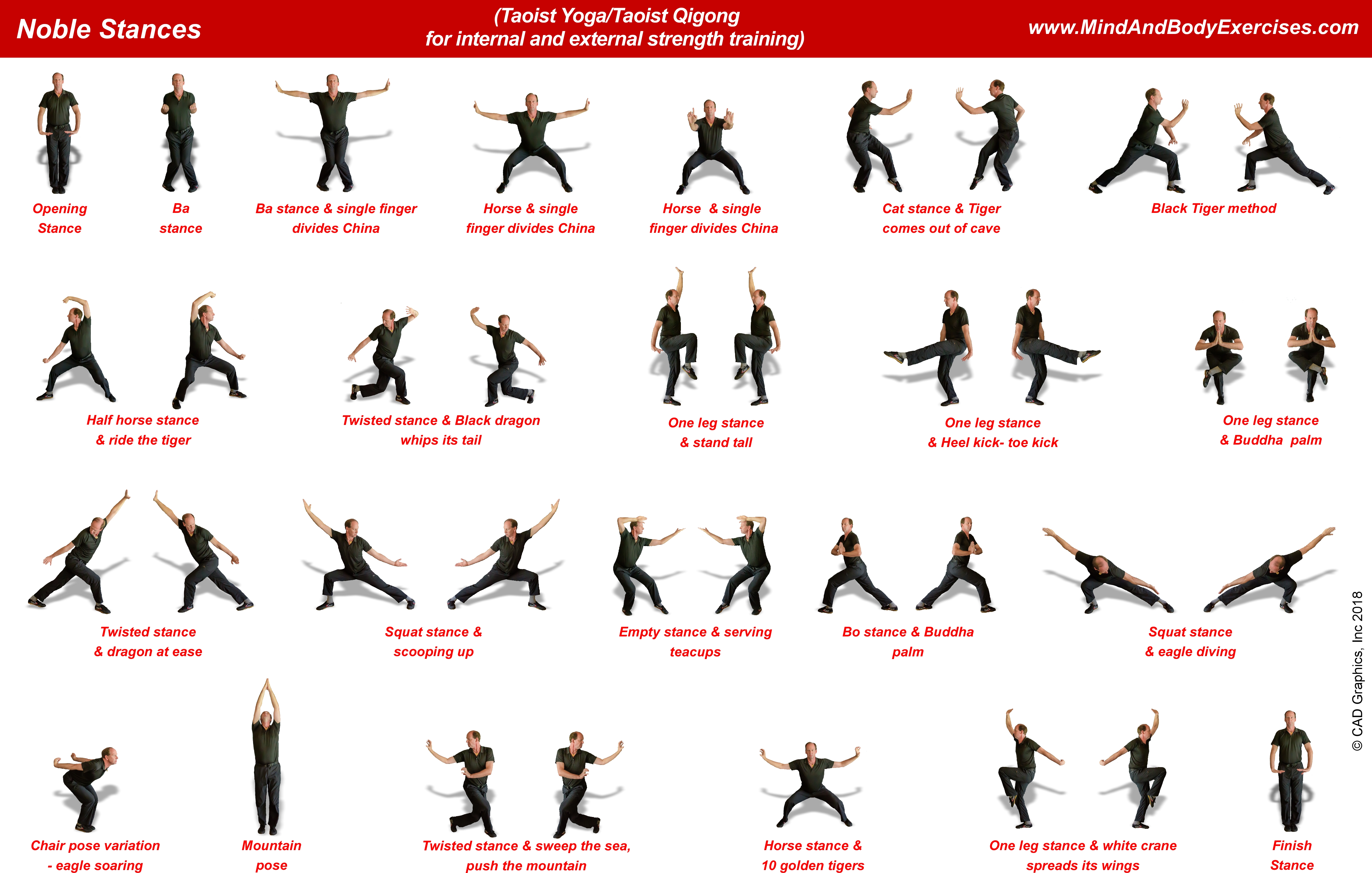
Some of the postures explained seem simple enough, until one tries to hold the posture for 1 minute, 5 minutes, 15 minutes and maybe even longer. Often times people try a posture the first time for say, 15 minutes or so. But their body and more specifically their muscles and nervous system have not been conditioned much to hold the positions. So their body may begin to fatigue and tremble. Then the blood begins to shunt or pool in the muscles under tension and duress, which draws the blood and oxygen away from the brain which is farthest from the legs, where the blood is pooling. Then the person becomes a little light-headed or faint which leads them to believe they are having some type of weird or spiritual experience, where they probably are not but rather at the beginning steps of trial and error. 

So my advice is to stay relaxed (especially in the neck, face and shoulders) in spite of the tension that will accompany the holding of the posture. Additionally, take the time to build up the length of holding the stationary positions or postures. 

References:

Monaghan, Patricia; Viereck, Eleanor G. (1999) Meditation: The Complete Guide (pg. 33- 41). New World Library. Kindle Edition.

Goodman, Felicitas D. (1990) Where the Spirits Ride the Wind (p. 108). Indiana University Press. Kindle Edition.

__________

Strengthen Your Mental Tolerance by Understanding the Energetic Structure of the 8 Extraordinary Vessels

The 8 Extraordinary Energy Meridians or Vessels

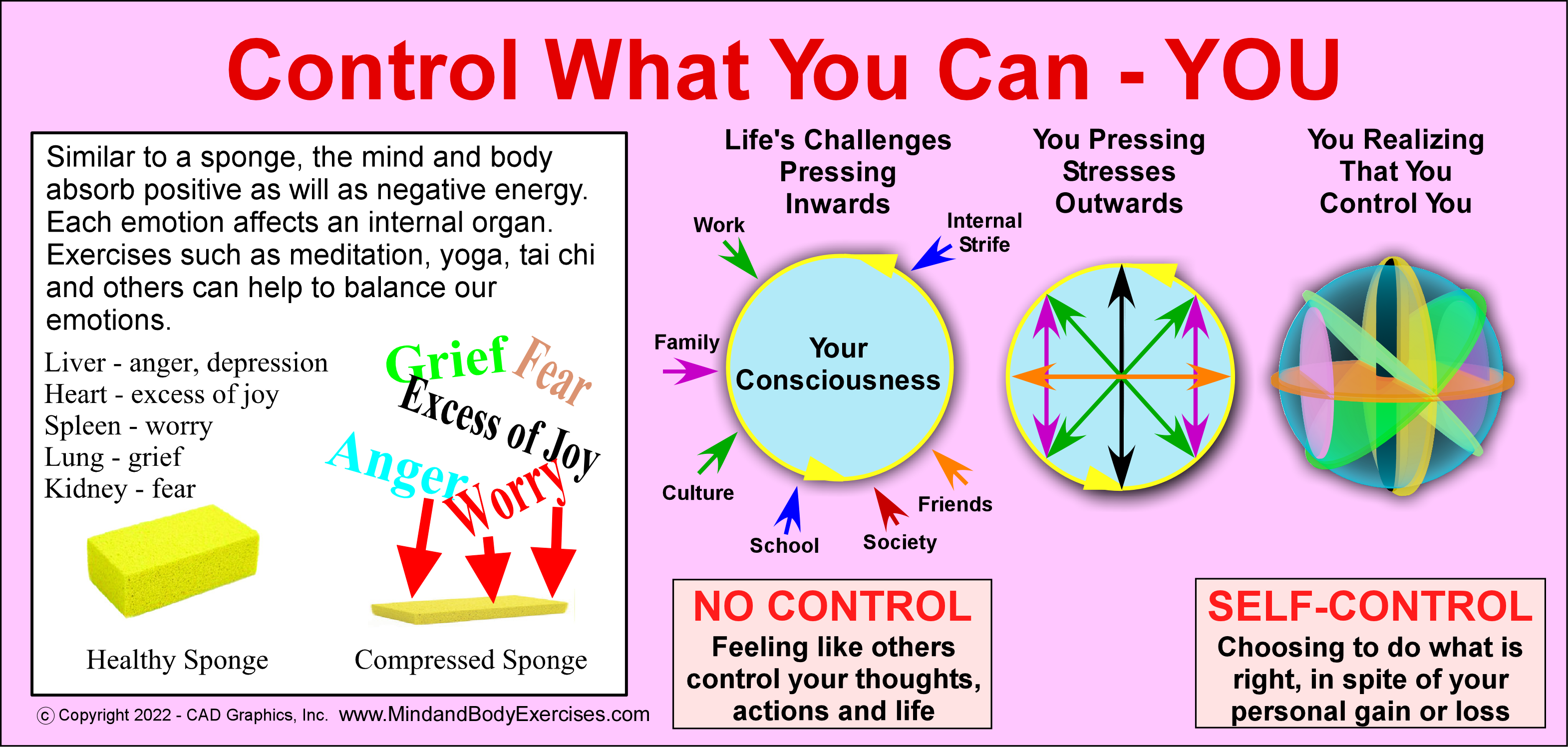
By strengthening the physical body through exercise – specific exercises such as yoga, tai chi, qigong, and others, are methods to develop self-disciple. By practicing self-induced strategic trauma (training) one can dramatically strengthen their nervous system and in turn, develop mental stress to better deal with the stress of daily trials and tribulations. By manifesting our own internal pressure (mind and body training), it is much easier to manage external pressure (stress) that constantly pushes into our personal space.

Managing ones physical body, thoughts and emotions all burn a tremendous amount of energy. The brain used 20% of the body’s overall energy expenditure, while only comprising 2% of our body weight.

Exercise and wellness methods and concepts like these have been known for centuries, but are considered new or “alternative” to modern western culture.

Building stronger muscles can lead to building stronger joints and bones. Additionally, by holding static postures, positions or exercises the nervous system is strengthened. Specific joint alignments engage the nervous system to endure more pain, stress and discomfort. Standing perfectly still for 1 minute can be challenging; 5 minutes of not moving might be considered self-torture for some. And that is just standing and not even trying to hold a difficult posture. Think of tempering steel in fire to strengthen the metal.

When engaging the muscles, tendons, bones and fascia, the 12 regular energy meridians are engaged plus the 8 extraordinary meridians (or vessels) are opened and filled as reservoirs to adjust the ebb and flow of energy throughout the body and thereby strengthening the immune system among other bodily functions. These meridians and vessels run throughout the body in a spider web-like pattern from head to toe, on the surface as well as deep into the internals of the human body.

Often times people will ask me, “where did you learn this?” Well…almost 40 years ago I began studying Korean kung fu, then Traditional Chinese Medicine, medical qigong, fitness, wellness and anatomy. It didn’t happen overnight or from a weekend seminar. It took me decades of learning, studying and teaching from and with high level masters and teachers. And I’m not done learning yet, are you?

The physical exercises are just part of this training in addition to breath control and the self-awareness of the energy flow within the body.

Read and follow my blog posts to learn more about major health issues and what you can do about it.

Be well, become healthy, be wise.

#mentalhealth #stressmanagement #depression

Jim Moltzan 

407-234-0119

www.MindAndBodyExercises.com

https://www.amazon.com/author/jimmoltzan

https://www.facebook.com/MindAndBodyExercises

https://www.youtube.com/c/MindandBodyExercises

https://mindandbodyexercises.wordpress.com/

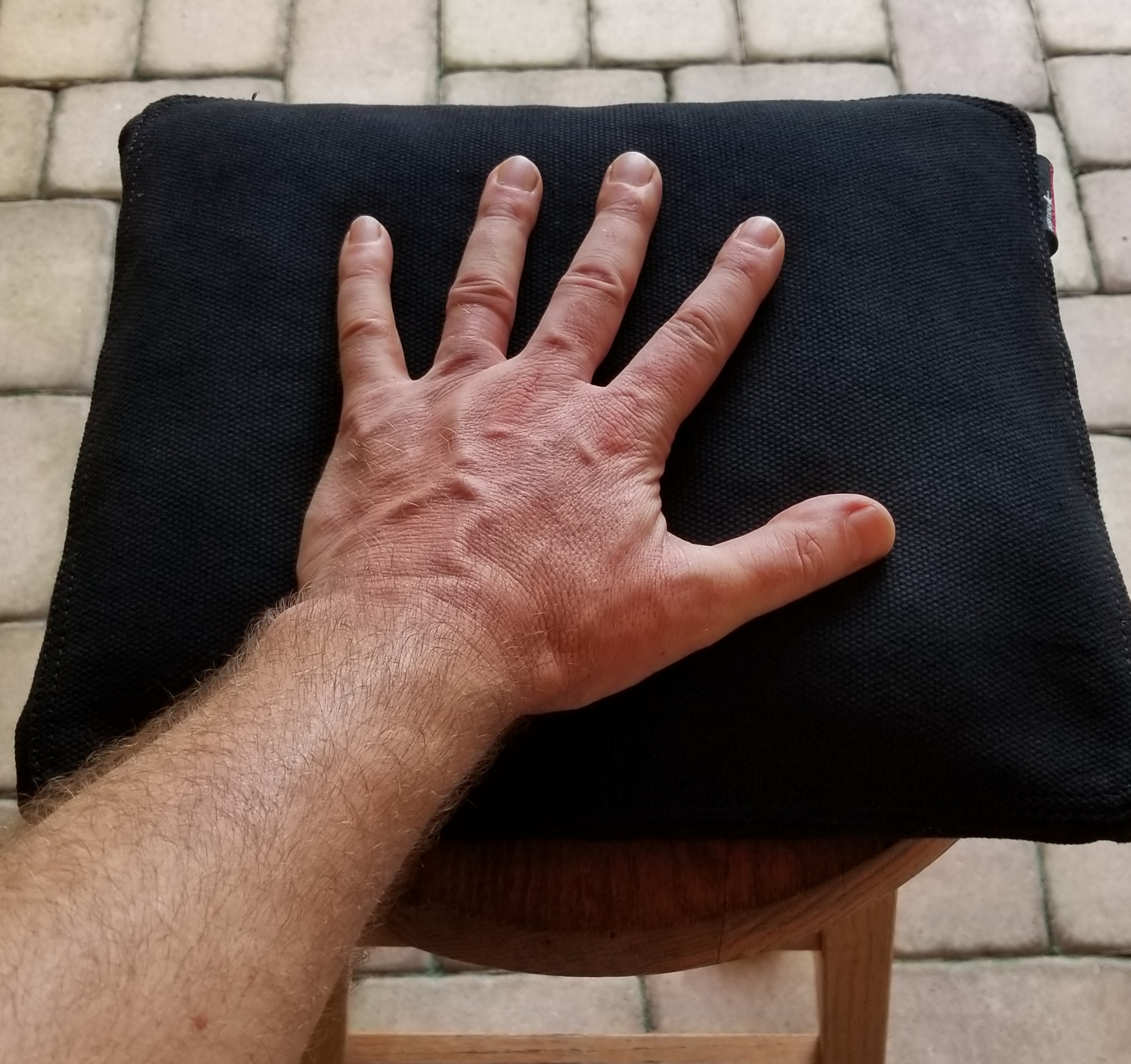
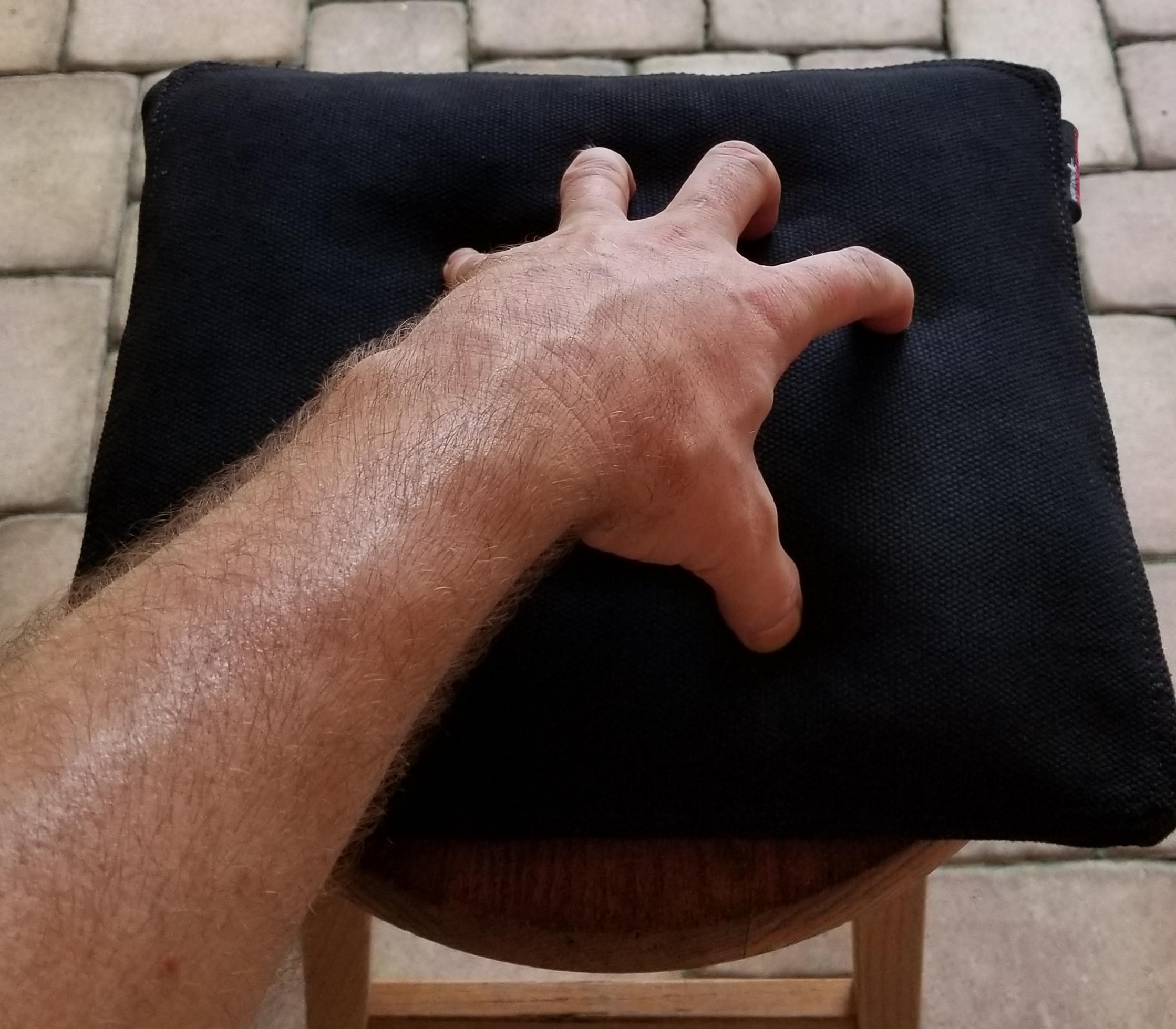
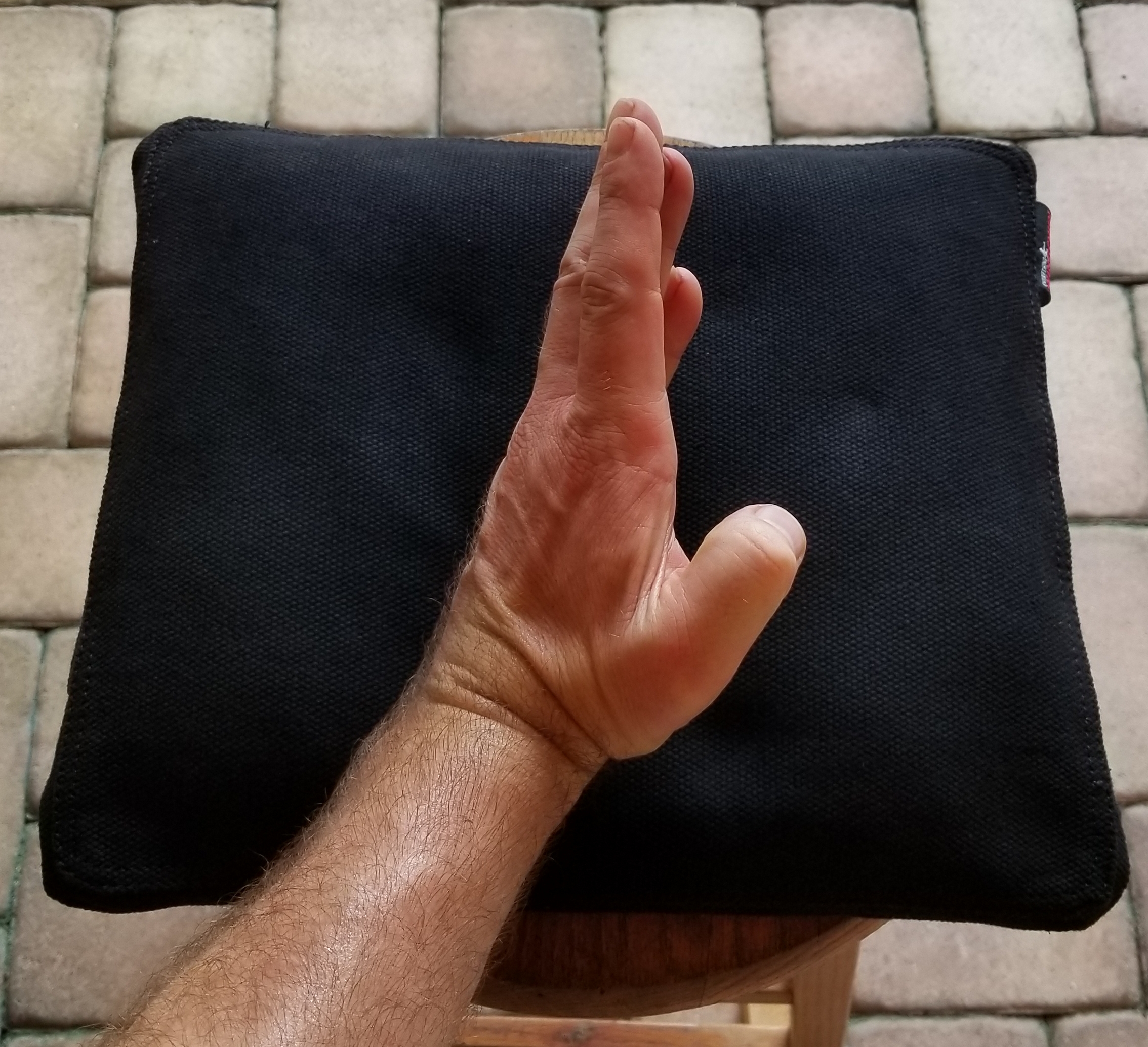
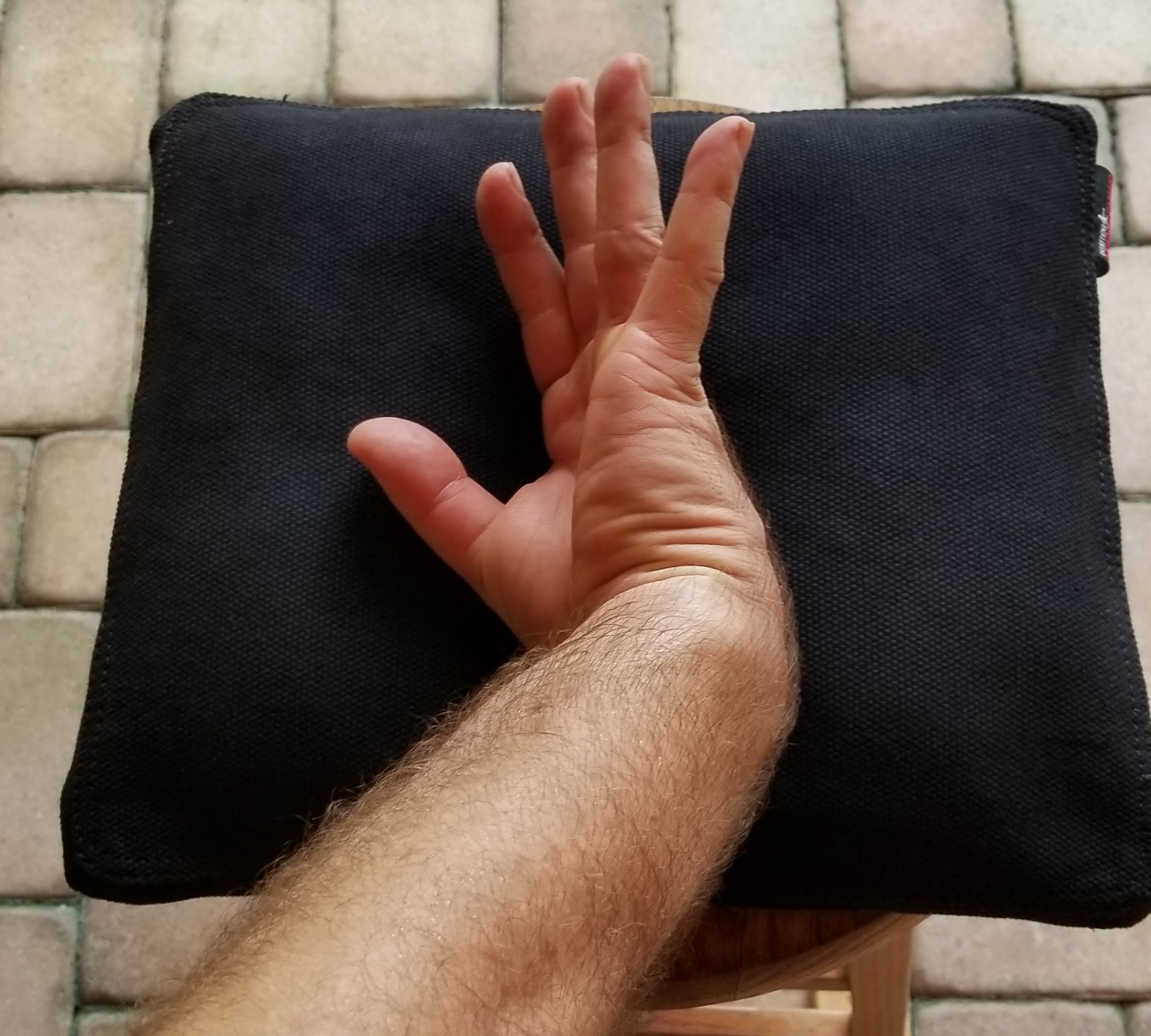
Iron Palm / Iron Body Conditioning

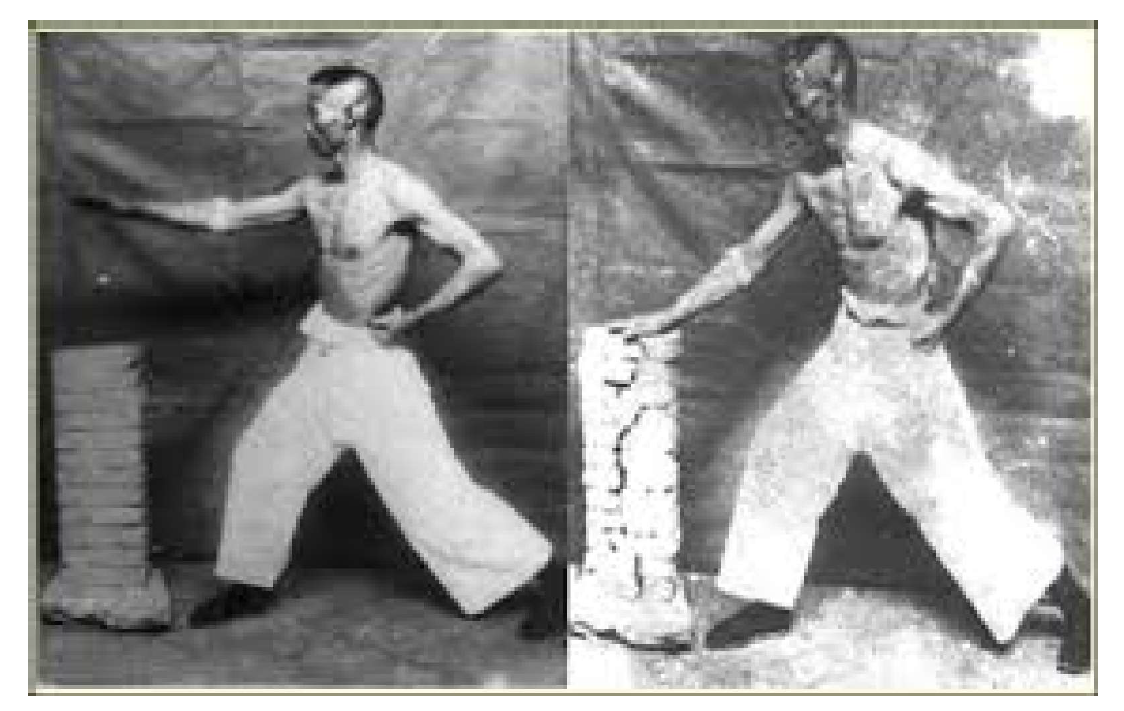
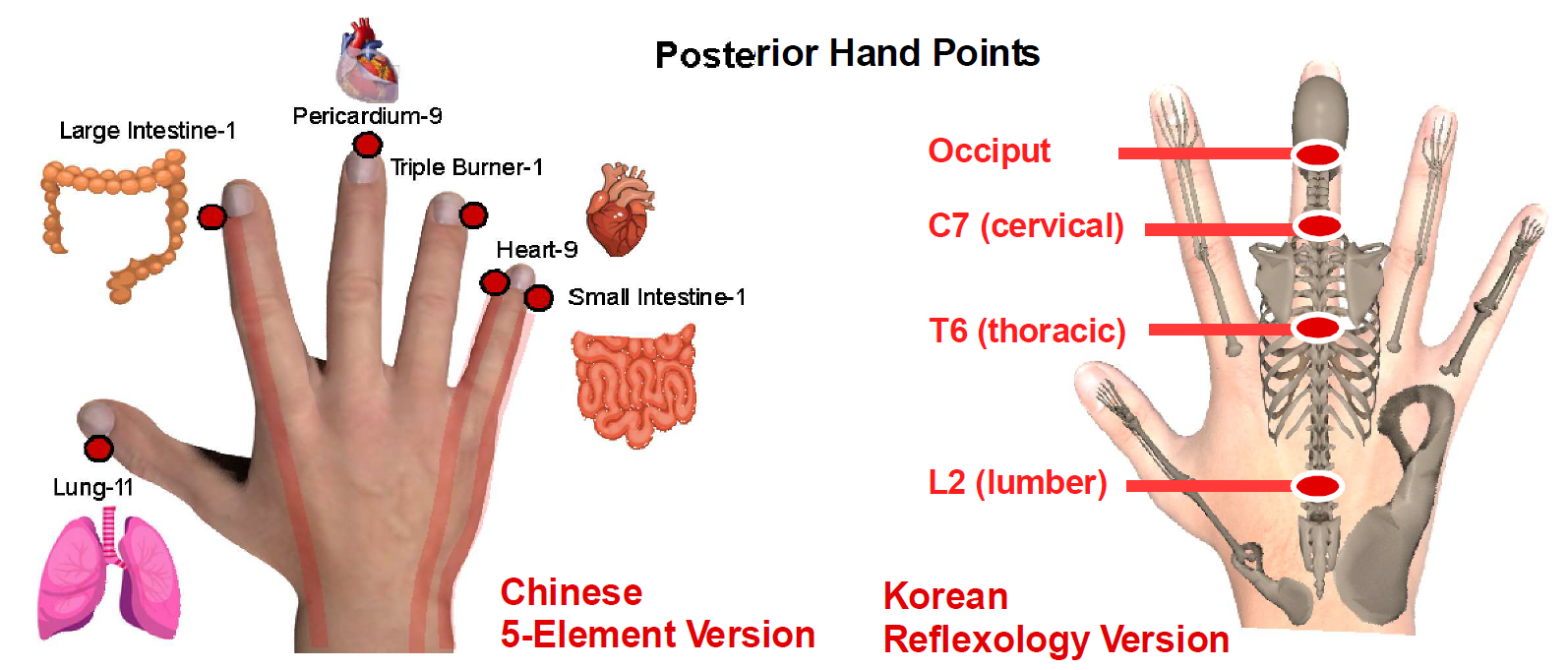
Iron Palm Conditioning started with Shaolin Monks practicing methods to make the hands. legs, and feet, feel as strong as iron. Iron Palm liniment is applied on the hands, legs, shins or any part of the body used to strike during training to prevent pain, strengthen the bones, tendons. ligaments. and connective tissue while helping these areas to heal more quickly. Iron Palm and Iron Body are a more advanced practice of acupressure and/or reflexology. As the specific parts of the body are precisely hit, acupoints on the 12 energy meridians are stimulated. These acupoints directly affect the internal organs of the human body.

This training can consist of punching the hands into large containers of dried beans, sand, rocks, and metal shavings among other media. Kicking bamboo trees, bags of sand, rocks and metal shavings is also part of this training regimen. Proper breathing (Qigong) and concentration develops, literally hands of iron while simultaneously improving blood and energy flow throughout the body and its internal organs.

Iron Palm (Liniment)
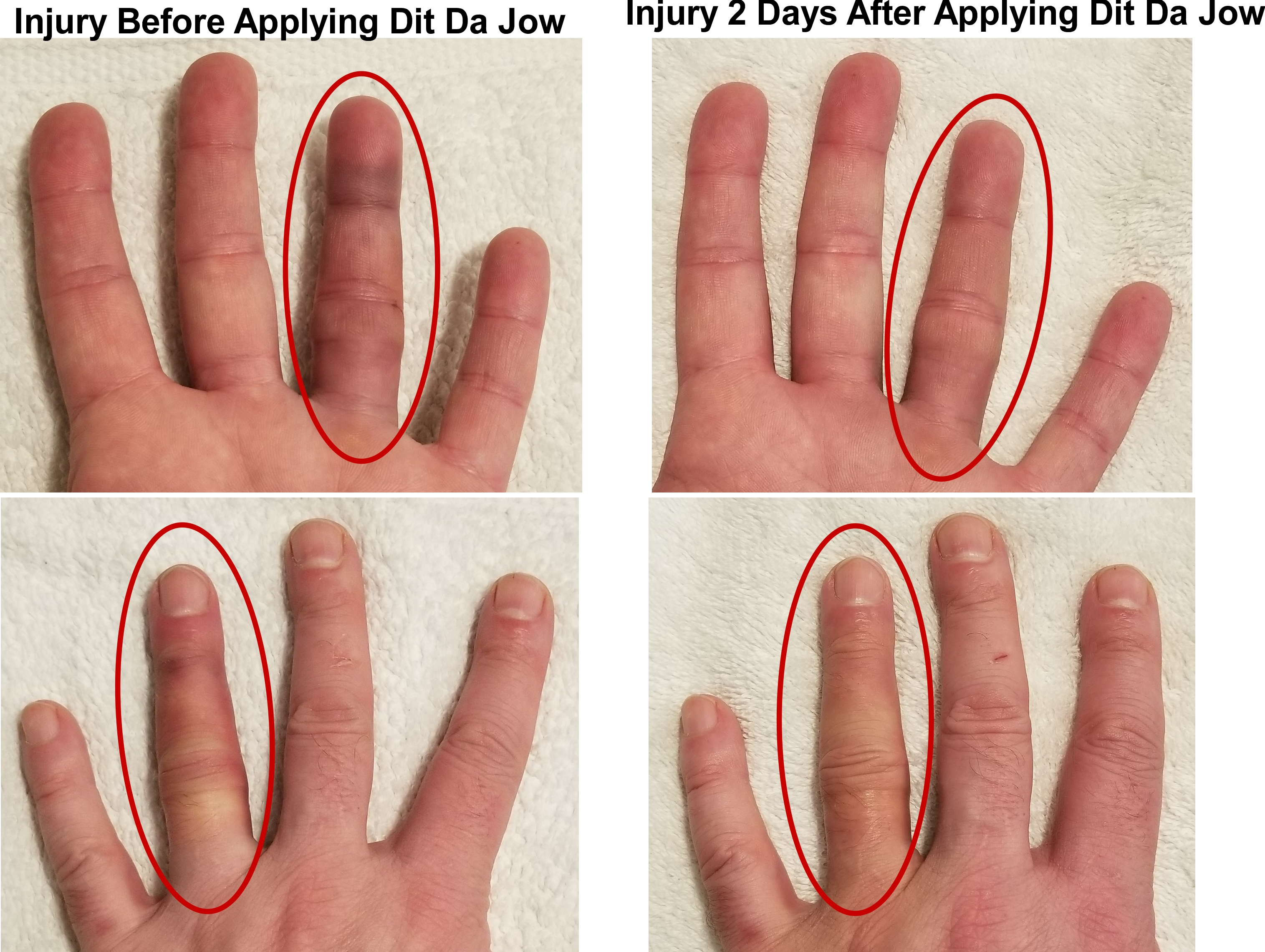
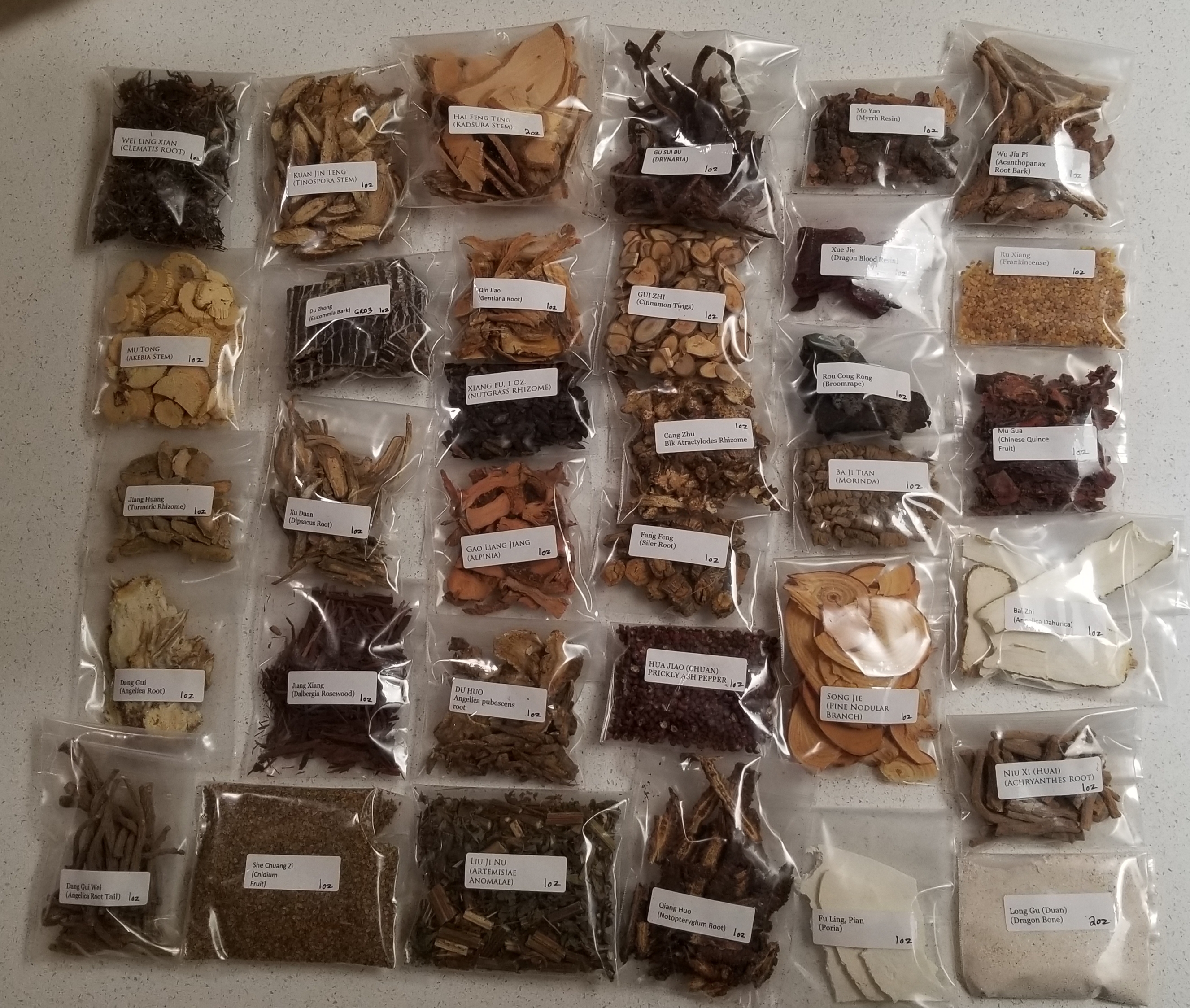
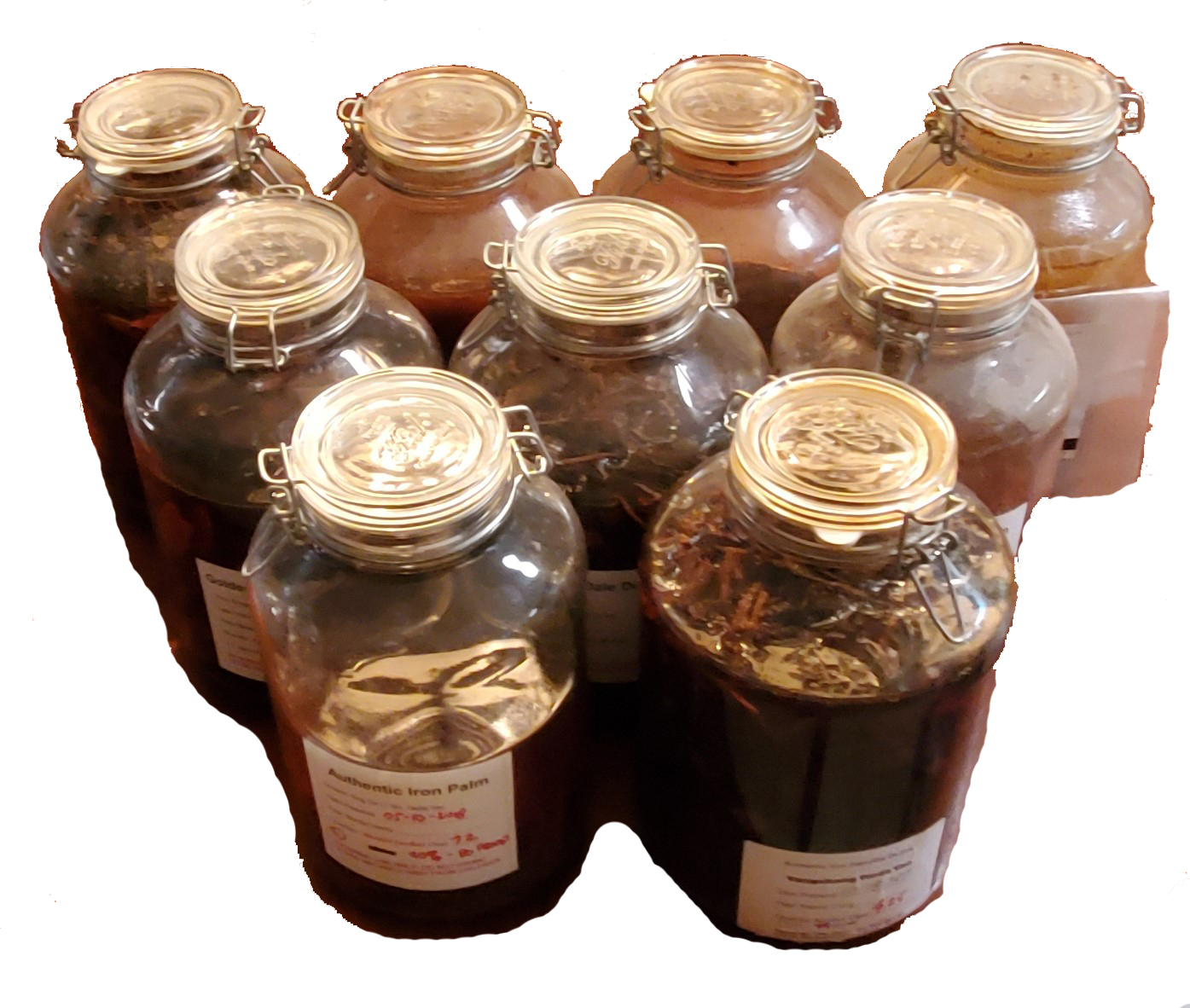
Iron Palm liniment was formulated to strengthen and heal bones, ligaments, tendons, connective tissue and sinew from injuries and all types of repetitive contact exercises like hitting a punching bag, all types of Iron Palm bags or if you are advanced enough in training where you are breaking objects like brick, boards. etc. Another powerful benefit of Iron Palm liniment is reducing pain very quickly. Iron Palm herbal liniments are used externally. Iron Palm recipes are also used for reducing pain due to conditioning or from everyday injuries. Iron Palm liniments can also help with chronic conditions related to the above-mentioned areas. A person does not necessarily need to practice Iron Palm conditioning in order to receive the healing benefits of these extracts.

I have learned to produce these Jows ” and have been using them for almost 40 years to externally treat injuries, aches and pains. If overly sore or injured, we can also use curcumin poultices or store-bought plaster patches with cayenne.

_______________

Qigong, tai chi, baguazhang, and yoga are not the only methods that can be used within this formula but have proven the test of time as methods to cultivate harmony of the mind, body and spirit. These exercise practices offer a wide spectrum of physical wellness benefits, stress relief as well as means of self-awareness.  Not all teachers nor students practice these for the same goals.

I am currently offering wellness lectures and classes for group, small group & private instruction in Wekiva, Longwood and Winter Park.

For more info, contact Jim Moltzan at info@mindandbodyexercises.com, 407-234-0119 or through my site at http://www.mindandbodyexercises.com

Jim
vs181006-004
cropped-header-image2.jpg

I started my martial arts training at the age of 16, starting with Korean martial arts and evolving into BaguaZhang, Tai Chi, and Qigong. I have been training, studying and teaching for almost 40 years effectively educating hundreds of students.

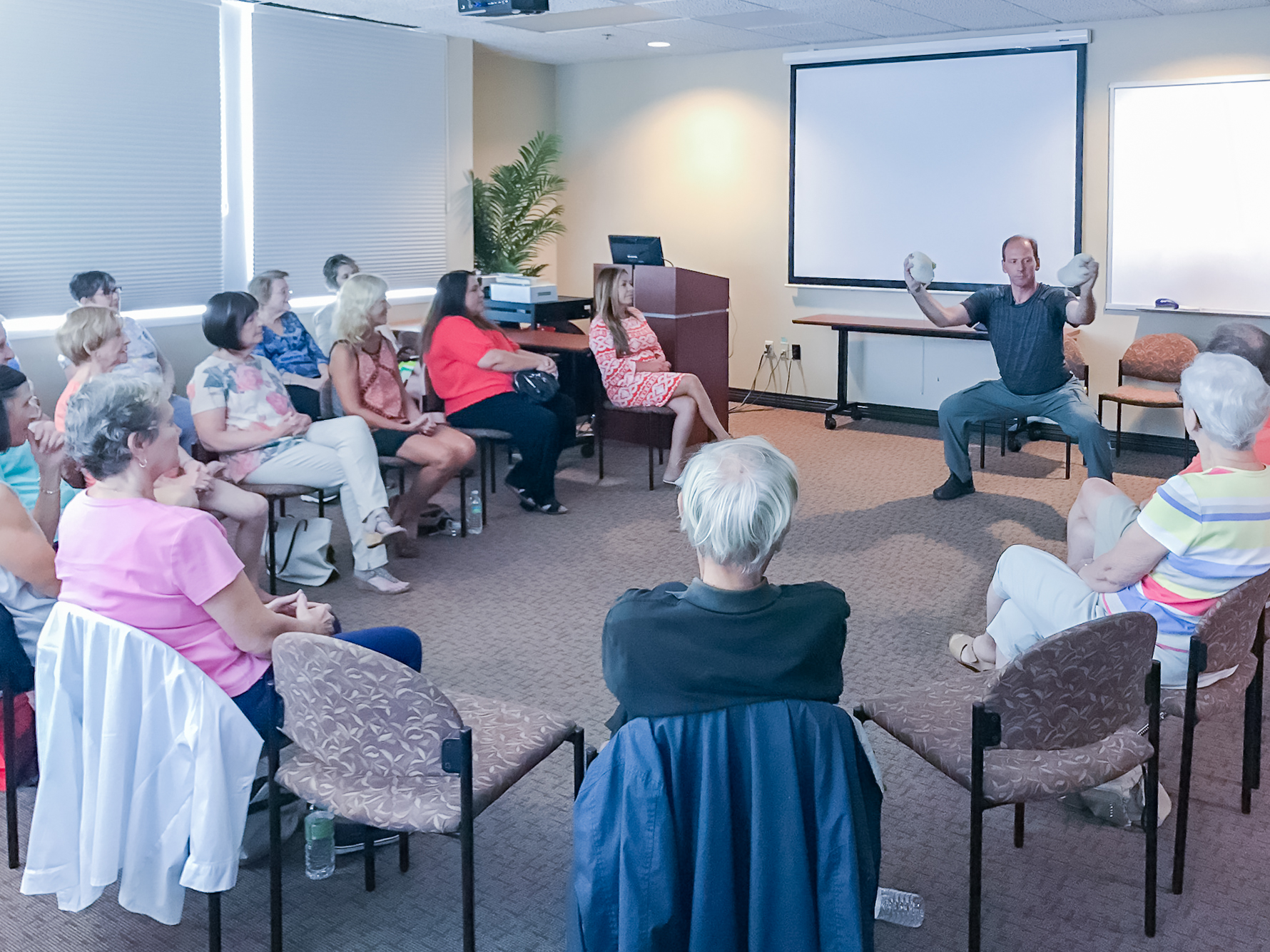
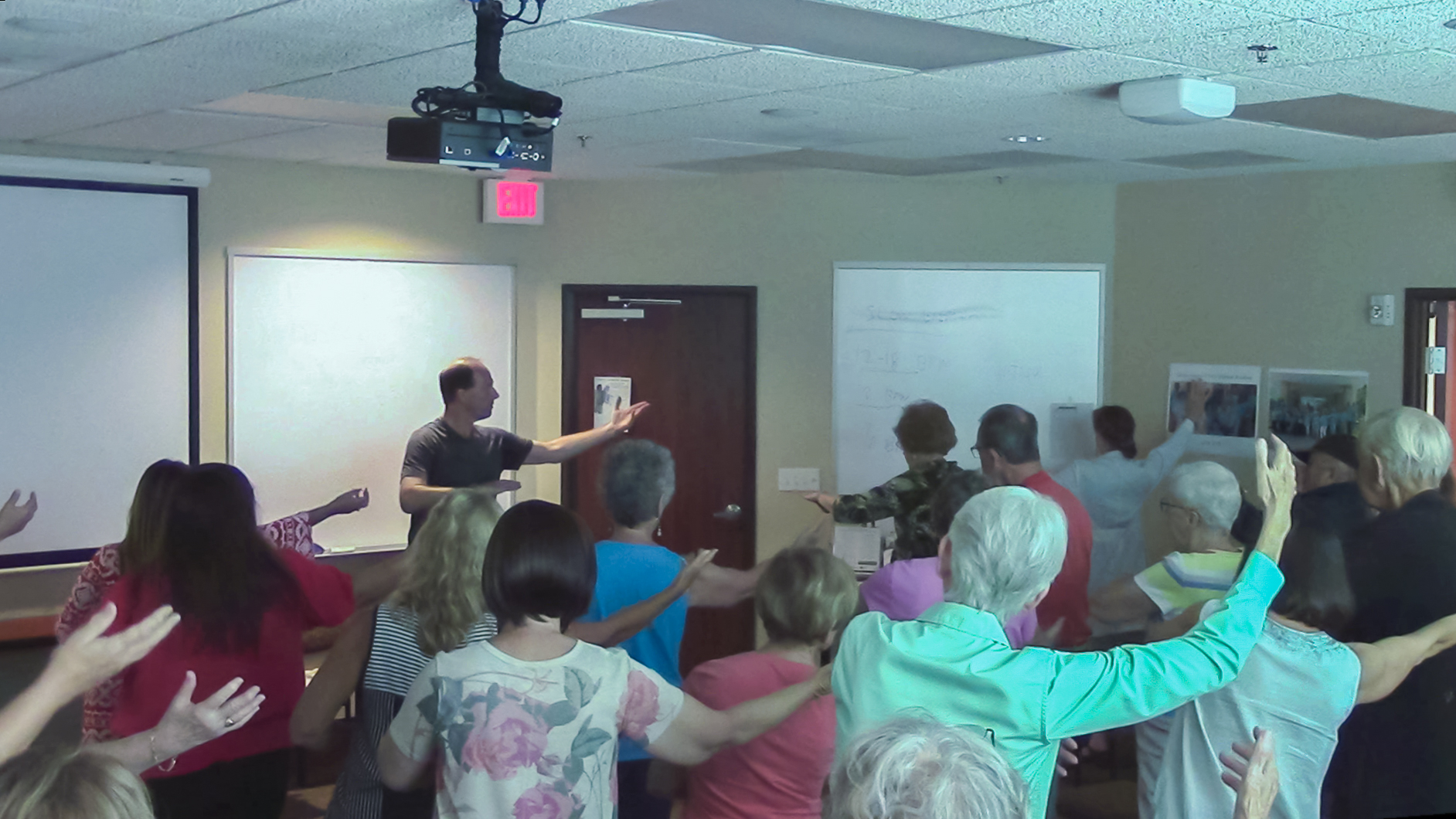
As a recognized master instructor, I have trained with a diverse group of masters and high-level martial arts teachers of many different disciplines. My specialty is teaching exercises to improve chronic conditions, working with people of all ages, especially senior adults. Offering guidance and instruction, I have also worked with Parkinson Disease patients through Florida Hospital. I offer regular lectures as requested by AdventHealth (Florida Hospital) regarding the benefits of Eastern practices.

I am the author and graphic artist of numerous journals, graphic charts and study guides relative to the mind and body connection and how it relates to martial arts, fitness and self-improvement.

I continue training and teaching in the Orlando, Florida area conducting classes, seminars and lectures as my schedule allows. I balance my teaching and businesses with my own personal cultivation and time spent with my wife and two college-age kids.

Singing Bowls Meditation

A singing bowl or standing bell, are mostly crystal or metal alloy bowls where, by rubbing a mallet around the bowl’s outer rim and edges produce sounds. Singing bowls and sometimes gongs, surround the user with tones that offer the goal of relaxation by decreasing stress, anxiety, and depression. These sounds offer an escape from the everyday incessant inner dialogue or chatter of thoughts within one’s mind. Singing bowl techniques can be very mind engaging, similarly to meditation practices and yoga, and are often practiced in tandem.

Standing bells historically were a bowl or gong and struck with a wooden or felted mallet. Use goes back thousands of years, with origins in China and Mongolia. Tibetan Buddhist monasteries used the bowls in this manner to keep time or to signal the end of a meditation.

Theories regarding sound bowls claim that specific sounds can calm the mind by entraining the brain’s electrical impulses to mimic those found while in states of deep concentration, meditation, or relaxation. Theta waves are present when one is in deep concentration or meditation. From listening to singing bowls, one can guide their mind towards theta brain wave activity.

Click on the link to begin a “A Sound Meditation with Quartz Crystal Bowls”.

Once I started the audio file, I took a moment or two to take in the sounds I was hearing. I have practiced other meditation practices using sounds and/or music, so I had an idea of what to expect. This was to be a different “flavor” of a wide palette of meditation techniques.

After a few seconds, I put my focus on my breathing rhythm and body alignments. I find it easier to engage my thoughts by performing a mental inventory of the physical aspects of the meditation practice; kind of a scan from head to toe. I close my eyes lightly while I sit upright, but in a relaxed posture. I also become aware of my head pushing upward as my shoulders relax and sink downward. By gently stretching my neck side to side and forward and backward, I am able to release more tension in my face, neck, upper back and even my shoulders. The sounds continue to change in volume and tones, which is somewhat relaxing to my hearing and consequently, my whole body through my nervous system.

I then become more aware of my breaths by moving my respiratory diaphragm (belly), to further release and relax the muscular tension, especially during my exhales. 4 seconds to inhale, pause for 4 seconds, exhale for 4 seconds, pause again for 4 seconds, and then repeat this sequence with another 4 second inhale. This brings my breaths per minute (BPM) down to just below 4 respirations; more than slow enough to get below the 10 BPM that engages the parasympathetic nervous system. I have been practicing this breathing pattern (box breathing) for decades now, so I don’t really count the seconds but rather go by instinct to lengthen my breaths. The sounds continue in the background and are beginning to sound and feel more like vibrations than individual tones. I can slightly feel my body buzzing or vibrating also during this part of the session. It is quite relaxing and comfortable at the same time.

Now I can feel my mouth become moist, my palms and feet become warm, and my stomach begins to gurgle a bit. My brain is telling my body that I am relaxed enough to begin “rest and digest”. I become aware of my thoughts and continue the downward scan and release of muscular tension along the way, all the way down to my feet and toes. I maintain just enough tension to maintain my body posture but not too stiff or too relaxed.

Upon finishing I feel calm, refreshed, at ease and clearer. The room is quieter, but now I can hear the refrigerator and A/C in the background. My emotions feel as if they have been reset, for now at least. The room seems brighter, and my eyes focus a bit sharper for a few minutes thereafter the practice. This is a very satisfying and unique type of practice that I will be adding more into my meditation routines, maybe with or without static stances or posture work.

Reference:

Singing Bowls For Meditation: Deepen Your Practice – Insight Timer Blog

______________

I write often about topics that affect our health and well-being. Additionally, I teach and offer lectures about qigong, tai chi, baguazhang, and yoga.

For more info, contact Jim Moltzan at info@mindandbodyexercises.com, 407-234-0119 or through my site at http://www.mindandbodyexercises.com