Yoga as a Treatment for Post-Traumatic Stress Disorder

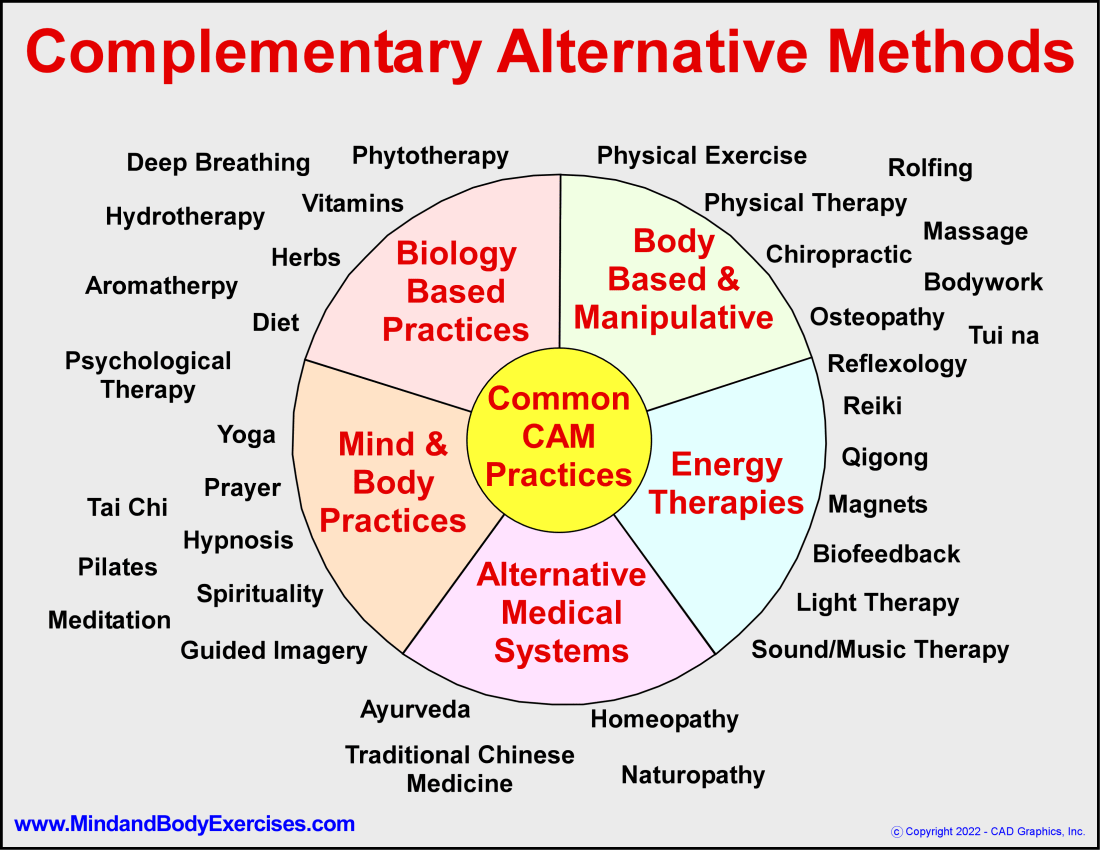
This post continues my scholarly research into the benefits of exercise, and more specifically yoga, its sibling of qigong and other methods of mindfulness as treatments for mental health ailments.

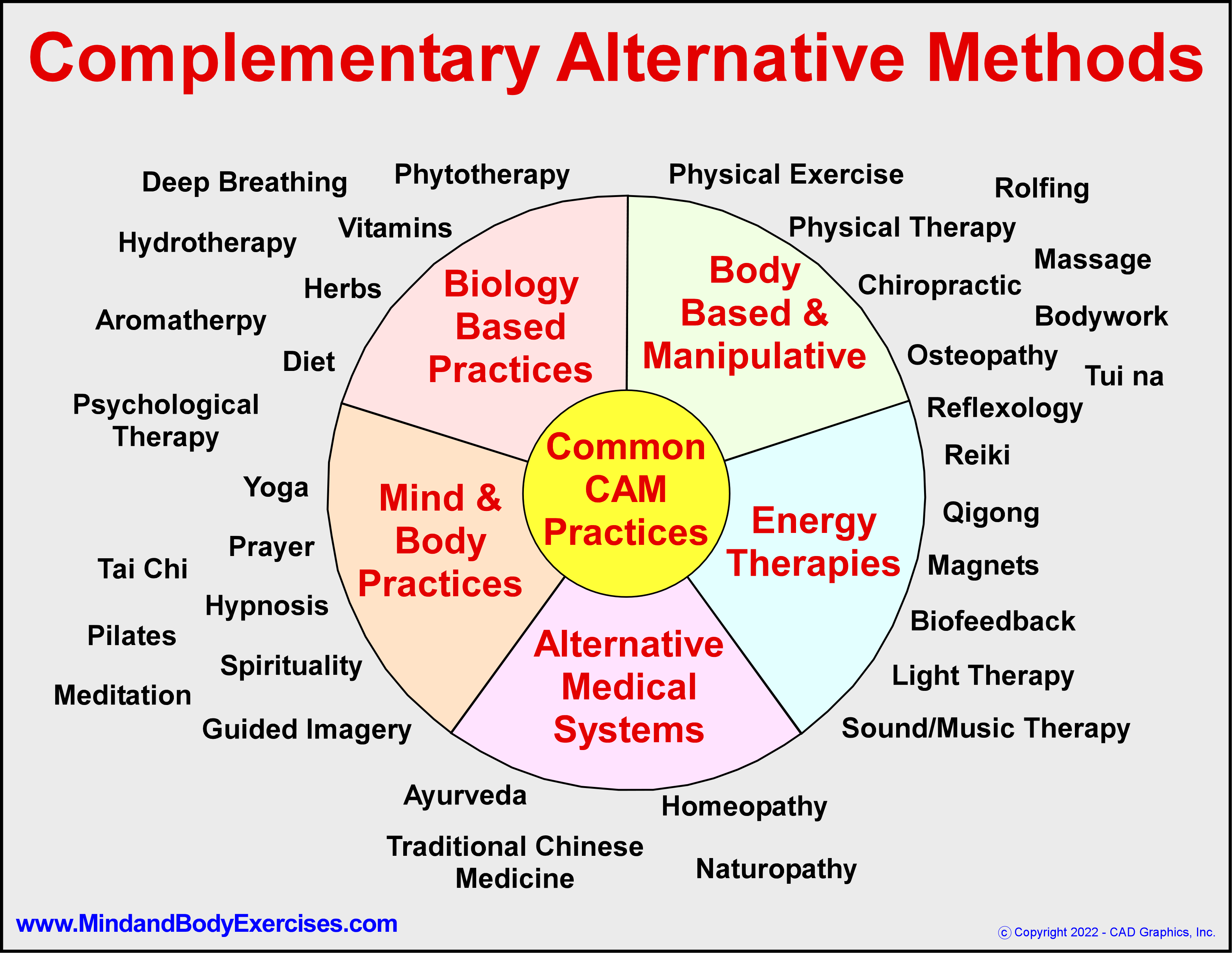
The Center for Disease Control and Prevention (CDC) conducted a large-scale web-based survey of 5000 adults in the United States with results reflecting that almost all were affected by at least one adverse mental or behavioral health issue related to the COVID-19 pandemic. Results also showed that more than one-quarter of the participants experienced symptoms of post-traumatic stress-related disorder or PTSD (Nagarajan et al., 2022). Post-traumatic stress disorder is described as a psychological health condition that may emerge in response to experiencing traumatic events, such as severe injuries, assault, natural disasters, and war. PTSD is a worldwide health issue and of concern in the United States, occurring across many demographics but with prevalence in affecting post-war veterans (Piotrowski et al., 2022). Alternative methods have been becoming more acceptable within the field of PTSD treatment. The purpose of this paper is to help determine how effective practices such as yoga and similar mindfulness practices can be an option when treating symptoms of PTSD. Veterans and others with PTSD can possibly benefit immensely from yoga and mindfulness methods based upon past and recent research (Neukirch et al., 2019).

Yoga and mindfulness techniques have shown to be beneficial in reducing symptoms of anxiety, depression, and other psychological health conditions in veterans as well as other demographics. These techniques can continue to be effective if individuals practice what they have learned from experiments and continue the practices while on their own at home. An important side-effect of yoga practice is the decrease in the hypothalamus-adrenal-pituitary-axis (HPA-axis) activity from physiological arousal. The HPA-axis is the main mechanism that regulates the adrenal hormone cortisol, in response to coping with stress. Prolonged elevated levels of cortisol are correlated to compromised cognitive functions (Zaccari et al., 2020).

The COVID-19 pandemic has threatened the lives of millions of people worldwide, making it a traumatic phenomenon of its own, regardless of those having suffered from the disease. Additionally, those previously hospitalized with having severe COVID-19 infection may be more likely to be diagnosed with PTSD. Separate from the disease itself, hospitalized patients may have encountered other challenges such as time away from home and loved ones, social stigmatism, and financial hardships relative to receiving treatment (Nagarajan et al., 2022).

Demographic factors such as race, age, ethnicity, education, and gender have been associated with notable variations in amounts of exposure to trauma, available support resources, and subjection to other stressors. Younger, less educated, female, and ethnic minorities may be more systematically disadvantaged with having PTSD. Experiences of specific types of traumas such as exposure to combat, moral injury situations and military sexual trauma (MST), as well as increasing trauma and other life stressors also have been connected to an increased risk of PTSD with veterans (Copeland et al., 2022).

Some of the defining symptoms of PTSD would include diminished interest in activities, irritability, recklessness, aggression, aggressiveness, avoidance, detachment from others, depression, anxiety, mood swings, sleep disorders, suicidal thoughts and tendencies, hyperarousal symptoms, intrusive memories of the trauma, reoccurring and disturbing dreams or nightmares, outbursts of anger, self-destructive behavior, difficulty with concentration and sometimes a continual and distorted sense of blame of oneself or others (Piotrowski et al., 2022).

The National Comorbidity Survey Replication (NCS-R), administered from February 2001 to April 2003, determined that Americans aged 18 years and older, had an estimated lifetime prevalence of PTSD among men at 3.6% and among women at 9.7%. The National Vietnam Veterans Readjustment Study (NVVRS), administered from November 1986 to February 1988 determined that of those veterans having served in the military during the Vietnam era, the estimated lifetime prevalence of PTSD was 30.9% for men and 26.9% for women. The prevalence of PTSD for Gulf War Veterans and Operation Iraqi Freedom is estimated to be 10.1%. Veterans having served in Afghanistan and Iraq have an estimated prevalence of 13.8%. Studies show that children having exposure to traumatic events may be subject to having a higher prevalence of PTSD, when compared to adults in the same population. Adolescents between the ages of 12 and 17 were estimated to suffer from PTSD at a rate of 3.7% for males and 6.3% for females (VA.gov | Veterans Affairs, n.d.-b).

Various treatment techniques and therapies exist that have known to offer improvement in some areas while lacking in other certain environments. Issues with unavailability of access to medical care, increased expense of prescription drugs, and the negative attitude that is often attached to those seeking mental health care. This stigma can discourage or prevent those coping with PTSD from fully realizing benefits from therapy. Common treatments for PTSD consist of cognitive-based psychotherapies and pharmacotherapies, but research reflects that 60-72% of sufferers continue to be diagnosed with PTSD in spite of receiving cognitive processing. Additionally, both cognitive-based psychotherapies and pharmacotherapies have significant dropout rates (Zaccari et al., 2020).

Sleep disturbance and disturbing dreams are considered the main symptoms of PTSD due to these being the most commonly reported in up to 70% of individuals diagnosed with PTSD. Sleep disturbance is a typical physiological response to having experienced trauma and is associated with negative emotional, behavioral, and cognitive ramifications and relative sequelae. Studies show evidence supporting dispositional mindfulness providing an important adaptive strategy for managing trauma related sleep and emotion regulation disturbances. Mindfulness activities may help the practitioner to minimize trauma-related emotional struggles and hyperarousal by becoming more aware of immediate or current emotions and combined with a nonjudgmental viewpoint in the processing of these emotions that may lead to PTSD-related sleep disturbances (Nagy, et al., 2022). Research supports that the practice of yoga can help to enhance cognitive functioning that correlates to reducing PTSD symptoms while simultaneously increasing sleep quality and quality of life (Zaccari et al., 2020).

A pilot study was conducted with 27 veteran participants diagnosed with PTSD and were recruited from mental health clinics of the Veteran Affairs Portland Health Care System (VAPORHCS). All participants had engaged in some previous type of trauma therapy. However, they were not to be simultaneously enrolled in another trauma processing therapy. The main goal of the study was to analyze the influence of specific yoga practices on response inhibition, PTSD symptoms, and relative cortisol levels in response to stress. The study incorporated trauma-sensitive yoga (TSY) that was based upon hatha-style yoga. Adjustments were incorporated for trauma sensitivity, such as instruction utilizing verbal guidance, elimination of hands-on physical adjustments, class format of a half-circle to allow participants to view the instructor and one another, and use of postures that specifically were not to facilitate adrenaline secretion. Of the 27 veterans who signed-up for this study, seventeen completed the intervention and postintervention assessment. They were required to self-report their symptoms of PTSD, and also their salivary cortisol levels at various intervals before and after practice sessions. Those that participated attended from 3 to 8 sessions total. Results showed improvements in sleep quality along with reductions in symptoms of depression, which support the previously known correlation linking sleep to depression. The change in reduced cortisol levels coincides with increases in the quality of life. This study indicated that yoga interventions such as trauma-sensitive yoga may enhance cognitive response inhibition, reduce symptoms of depression, improve sleep quality, reduce other PTSD symptoms and relative complaints (Zaccari et al., 2020).

In another study supporting that yoga and other mindfulness-based practices offer other potential benefits for treatment of PTSD. Further research highlights that yoga promotes interoceptive awareness that can be channeled to address root difficulties related to PTSD, Interoceptive awareness helps to enhance the ability to palliatively process trauma symptoms without becoming severely overloaded. Participants reported an increase in their focus on body sensations, prolonged awareness of these sensations and self-regulation of stress by addressing these sensations. (Neukirch et al., 2019). Increased interoceptive awareness as well as self-regulation of the HPA-Axis through the practice of yoga, can potentially empower those suffering from PTSD to better self-manage cognitive-based therapies, and aid in successful management of thoughts, emotions, and behaviors which affect overall health and well-being.

References

Copeland, L. A., Finley, E. P., Rubin, M. L., Perkins, D. F., & Vogt, D. S. (2022). Emergence of probable PTSD among US veterans over the military-to-civilian transition. Psychological Trauma: Theory, Research, Practice, and Policy. https://doi-org.northernvermont.idm.oclc.org/10.1037/tra0001329.supp (Supplemental)

Nagarajan, R., Krishnamoorthy, Y., Basavarachar, V., & Dakshinamoorthy, R. (2022). Prevalence of post-traumatic stress disorder among survivors of severe COVID-19 infections: A systematic review and meta-analysis. Journal of Affective Disorders, 299, 52–59. https://doi-org.northernvermont.idm.oclc.org/10.1016/j.jad.2021.11.040

Nagy, S. M., Pickett, S. M., & Hunsanger, J. A. (2022). The relationship between mindfulness, PTSD-related sleep disturbance, and sleep quality: Contributions beyond emotion regulation difficulties. Psychological Trauma: Theory, Research, Practice, and Policy, 14(7), 1073–1079. https://doi-org.northernvermont.idm.oclc.org/10.1037/tra0000572

Neukirch, N., Reid, S., & Shires, A. (2019). Yoga for PTSD and the role of interoceptive awareness: A preliminary mixed-methods case series study. European Journal of Trauma & Dissociation, 3(1), 7–15. https://doi-org.northernvermont.idm.oclc.org/10.1016/j.ejtd.2018.10.003Piotrowski, N. A., PhD, & Range, L. M., PhD. (2022). Post-traumatic stress disorder. Magill’s Medical Guide (Online Edition).VA.gov | Veterans Affairs. (n.d.-b). Retrieved October 23, 2022, from https://www.ptsd.va.gov/professional/treat/essentials/epidemiology.asp

Zaccari, B., Callahan, M. L., Storzbach, D., McFarlane, N., Hudson, R., & Loftis, J. M. (2020). Yoga for veterans with PTSD: Cognitive functioning, mental health, and salivary cortisol. Psychological Trauma: Theory, Research, Practice, and Policy, 12(8), 913–917. https://doi-org.northernvermont.idm.oclc.org/10.1037/tra0000909.supp (Supplemental)

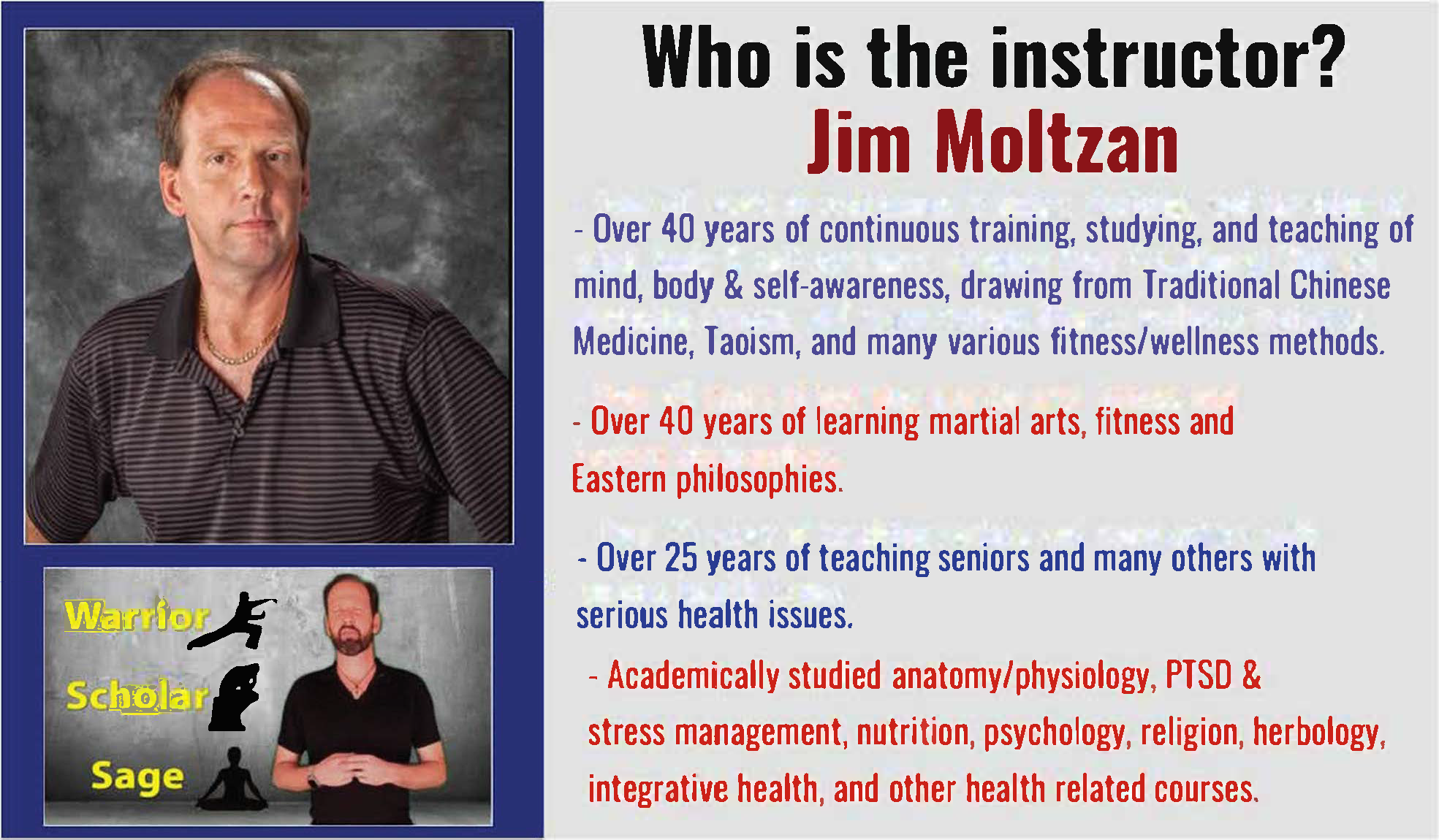
I write often about topics that affect our health and well-being. Additionally, I teach and offer lecture about qigong, tai chi, baguazhang, and yoga. I also have hundreds of FREE education video classes, lectures and seminars available on my YouTube channel at:

https://www.youtube.com/c/MindandBodyExercises

Mind and Body Exercises on Google: https://posts.gle/aD47Qo

Jim Moltzan

407-234-0119
www.MindAndBodyExercises.com

www.Amazon.com/author/jimmoltzan

Qigong – Heal the Mind With the Body – Detailed Description

This is another post in my series of explaining qigong practices. Qi, Chi or Gi means air, energy or breath in Chinese and Korean. Gong or Kung means work. Qigong therefore translates to energy or breath work.

The human body is made up of bones, muscles, and organs amongst other components. Veins, arteries and capillaries carry blood and nutrients throughout to all of the systems and components. Additionally, 12 major energy meridians carry the body’s energy. “lifeforce” also known as “qi”. Ones qi is stored in the lower Dan Tien. Daily emotional imbalances accumulate tension and stress gradually affecting all of the body’s systems.Each discomfort, nuisance, irritation or grudge continues to tighten and squeeze the flow of the life force. This is where “dis-ease” claims its foothold.

Qigong breathing exercises can adjust the brainwaves to the Alpha state, where the mind is relaxed and the body chemistry changes and promotes natural healing. Relaxing of the deep skeletal muscles, and working outward as one tries to release tension accumulated within the muscles, organs and nerves. Whereas conventional physical exercise can deplete energy,Qi Gong helps to replenish your natural energy.

Our emotional state directly influences how we breathe. The emotions reveal themselves in the breathing patterns:

  • Anger, fear, anxiety – shallow breaths
  • Grief – spasmodic breathing
  • Guilt – restricted breathing
  • Boredom – shallow, lifeless breathing
  • Sadness/depression – under breathing


Furthermore:

Dwelling in the past – can produce any of the above breathing patterns


Worrying about the future – can produce any of the above breathing patterns


Present in the moment – The goal here is clarity and self awareness to slow and regulate the breath


Becoming present in the moment can happen in various ways such as:
1) Immediate trauma – Fear of injury or loss of life can put one into the moment quickly.


2) Practice of mindful exercises such as meditation, yoga, tai chi, qigong and other similar mind and body interactive practices.


3) Engaging in activities such as singing, painting, performing music, dancing, etc.

Qigong exercise can change brainwaves to the Alpha state:

  • Alpha – relaxed concentration, creative state
  • Beta – attentive, alert
  • Delta – unconscious
  • Theta – drowsy state of mind

Benefits of Qigong exercises:

  • Boosts the immune system
  • Reduces stress, anxiety, depression, mood swings
  • Lowers blood pressure
  • Increases the body’s natural healing process
  • Lungs increase their capacity
  • Promotes better respiration and circulation
  • Enhanced self-awareness
  • Helps to change the body’s chemistry for the better

Qigong utilizes regulated breathing, which calms emotions, which modulates the autonomic nervous system. This engages the parasympathetic nervous system that manages blood chemistry and relative hormones and neurotransmitters.. Blood chemistry affect organ function either in a positive or negative manner.


Best Times:

  • morning (calm, nature awakening)
  • evenings (calm, tranquil)
  • anytime (even a few minutes)

Best Locations to practice:

  • outside and peaceful
  • inside and uncluttered
  • anywhere possible

Qigong practice is a solution to the current health care crisis, where we have seen a drastic increase in diabetes, obesity, depression, anxiety, stress, suicide and so many other mental and physically related health issues.

Would it not be wise to at least consider preventing these ailments in the first place rather than using questionable pharmaceuticals and therapies after the fact? Folks, the horse has been out of the barn for many decades now. If government leaders, medical professionals, school boards and parents were to actually promote and encourage physical exercise, good nutrition, meditation and self-responsibility we might have a much different looking nation. Plant good seeds, no?

I write often about topics that affect our health and well-being. Additionally, I teach and offer lecture about qigong, tai chi, baguazhang, and yoga. I also have hundreds of FREE education video classes, lectures and seminars available on my YouTube channel at:

https://www.youtube.com/c/MindandBodyExercises

Mind and Body Exercises on Google: https://posts.gle/aD47Qo

Jim Moltzan

407-234-0119
www.MindAndBodyExercises.com

www.Amazon.com/author/jimmoltzan

Qigong – A Way to Heal the Mind, By Engaging the Body

This is a continuation of my previous post of how we can use the knowledge within our thoughts to help to heal the ill, injured, damaged or traumatized human mind and body. Knowledge such as nutrition, appropriate exercise, management of sleep and healthy social relationships. This article delves in deeper on the practice of Qigong or breath work, in order to help heal our body by using knowledge, and conversely heal the mind by using physical exercises.

No need for a gym membership, a mat, special equipment nor special clothing. Just some time, effort and a willingness to learn something different. Qigong practice is a solution to the current health care crisis, where we have seen a drastic increase in diabetes, obesity, depression, anxiety, stress, suicide and so many other mental and physically related health issues. Would it not be wise to at least consider preventing these ailments in the first place rather than using questionable pharmaceuticals and therapies after the fact? Folks, the horse has been out of the barn for many decades now. If government leaders, medical professionals, school boards and parents were to actually promote and encourage physical exercise, good nutrition, meditation and self-responsibility we might have a much different looking nation. Plant good seeds, no? Of course there will be some that look at Eastern methods of healthcare such as yoga, tai chi, qigong and meditation as that “weird stuff” that they don’t want their kids exposed to. So be it. Then maybe they can “do something” to fix all that ails our once great country.

Qi, pronounced “chee,” means energy. You may see it spelled “Chi” or even “Ki” in Japanese, but they all carry the same meaning. Qi is the energy of the body, of the meridians, of food, of the universe. While it may seem a nebulous topic there are refined theories regarding the different types of Qi within the body, the creation and actions of Qi, and consequently, ways to determine where imbalances may arise. “Gong” or “Kung” means work or diligent effort. So qigong translates to “breath work.”

Qigong or Chi Kung is breathing exercises, with little or no body movement, can be practiced while sitting, standing or moving, Regulation of the breath can adjust the brain waves to the Alpha state. When the mind is relaxed, the body chemistry changes and promotes natural healing. With deliberate regulated breaths, one is able to relax the deep skeletal muscles working outward, while releasing tension accumulated within the muscles, organs and nerves. Whereas conventional physical exercise can deplete energy, Qigong helps to replenish your natural energy.

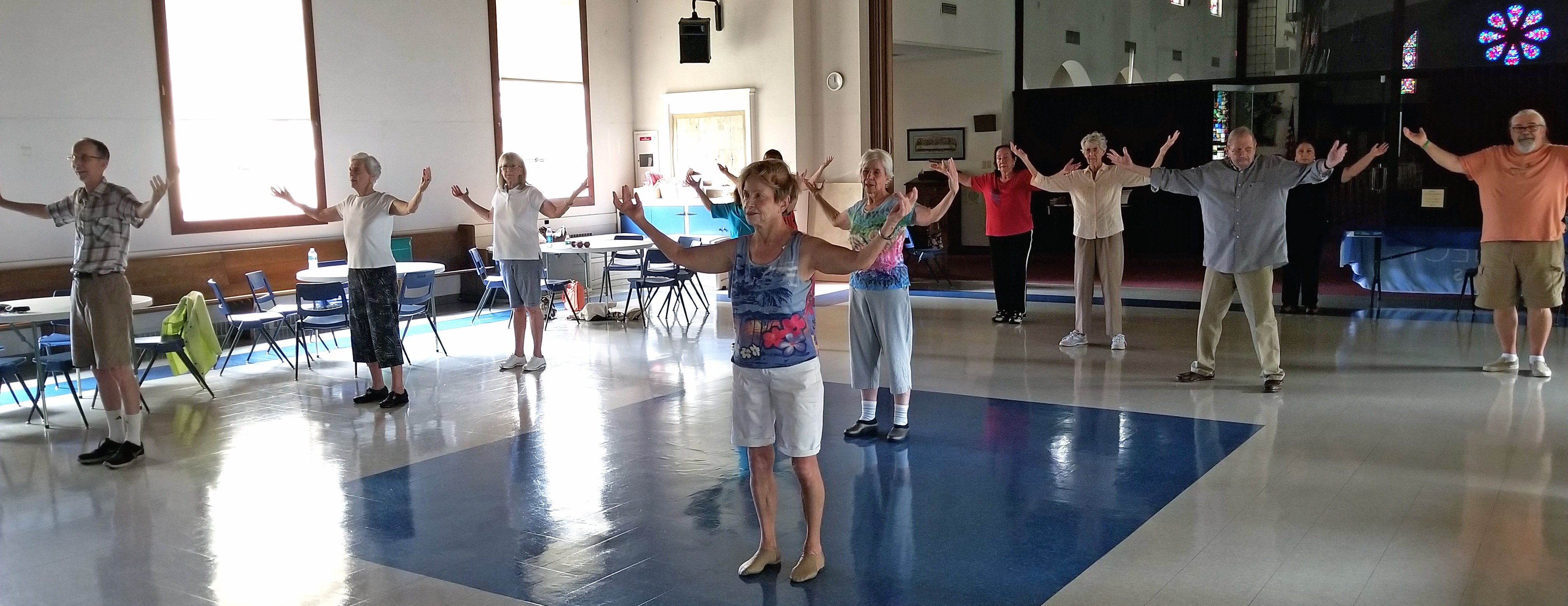
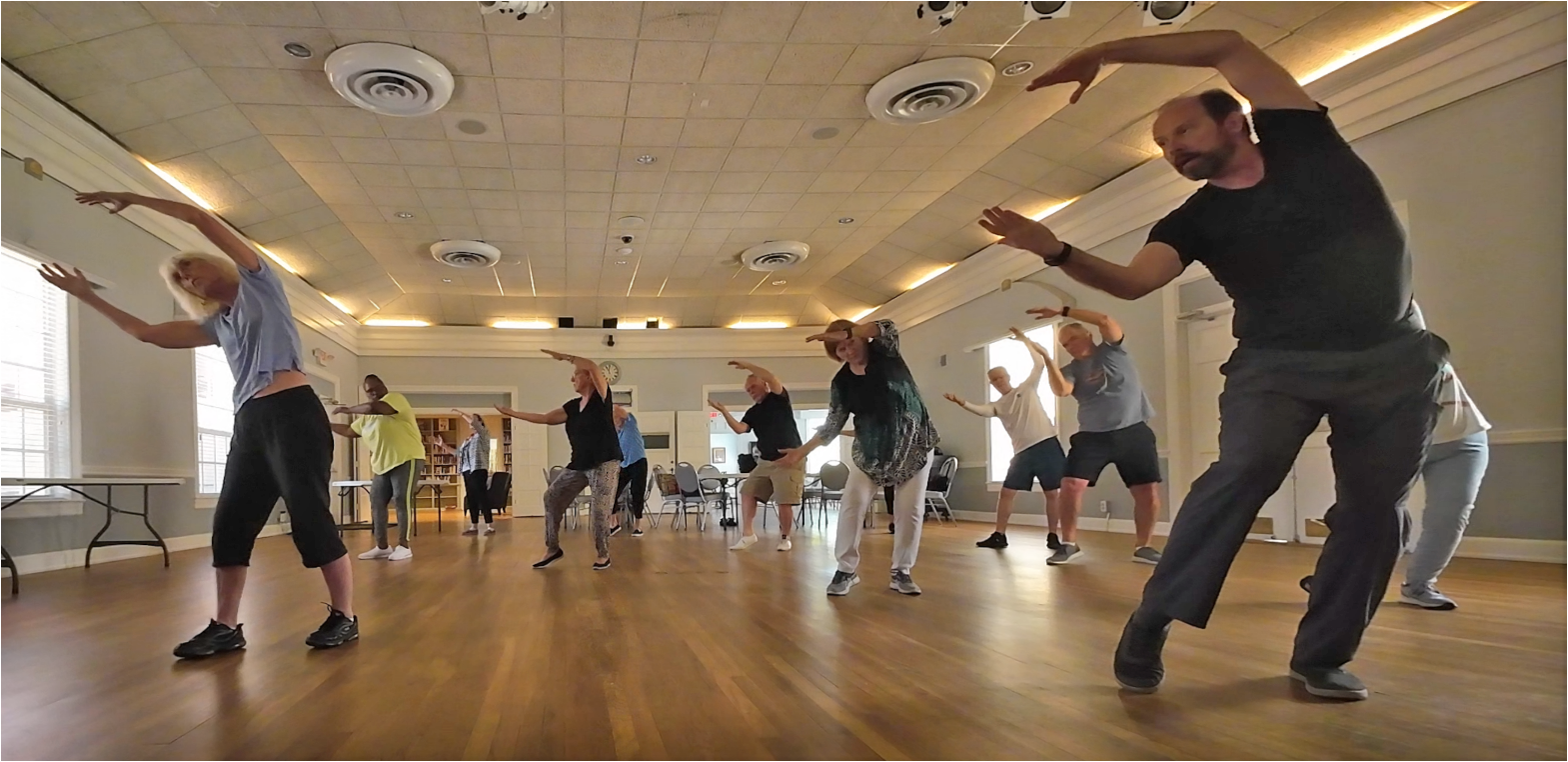
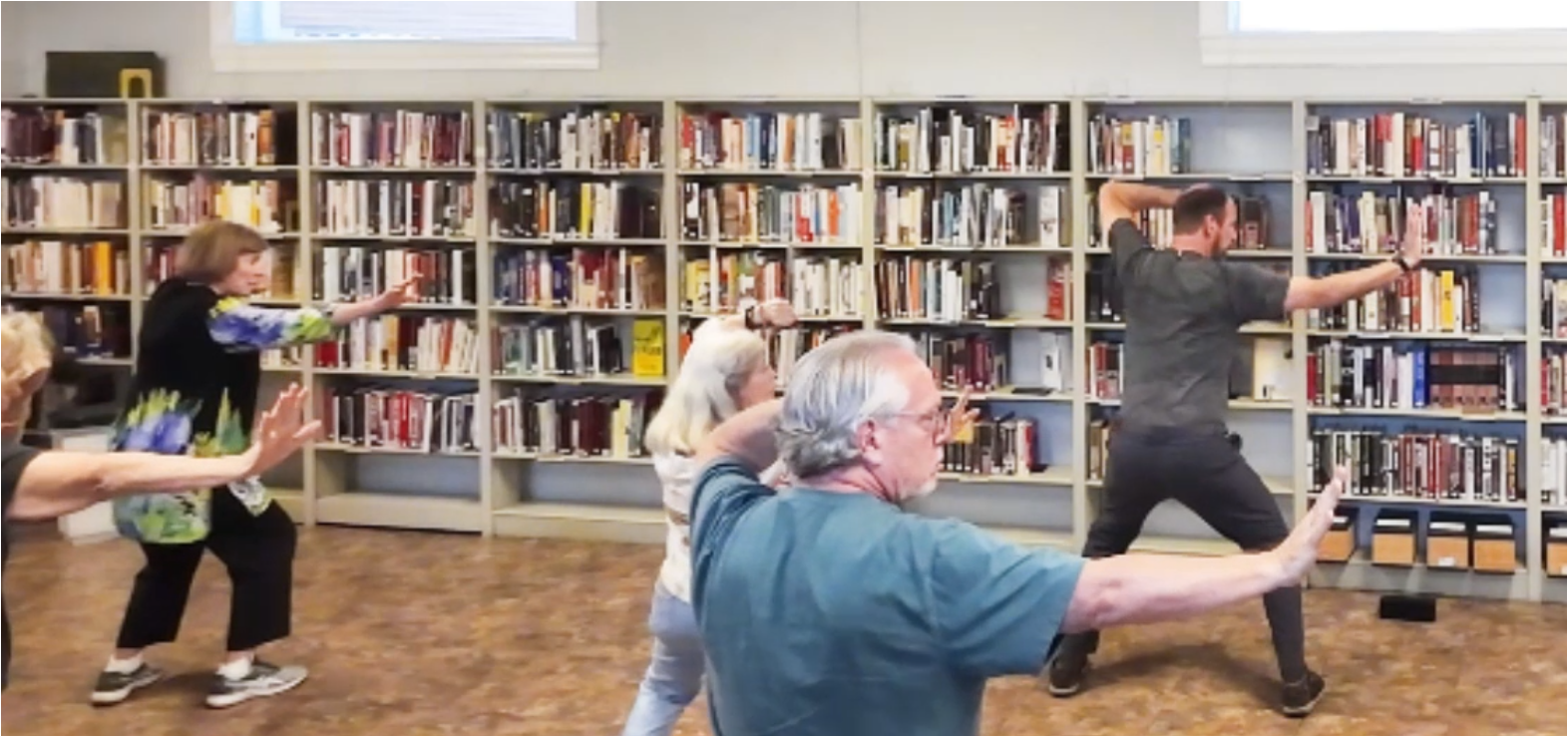
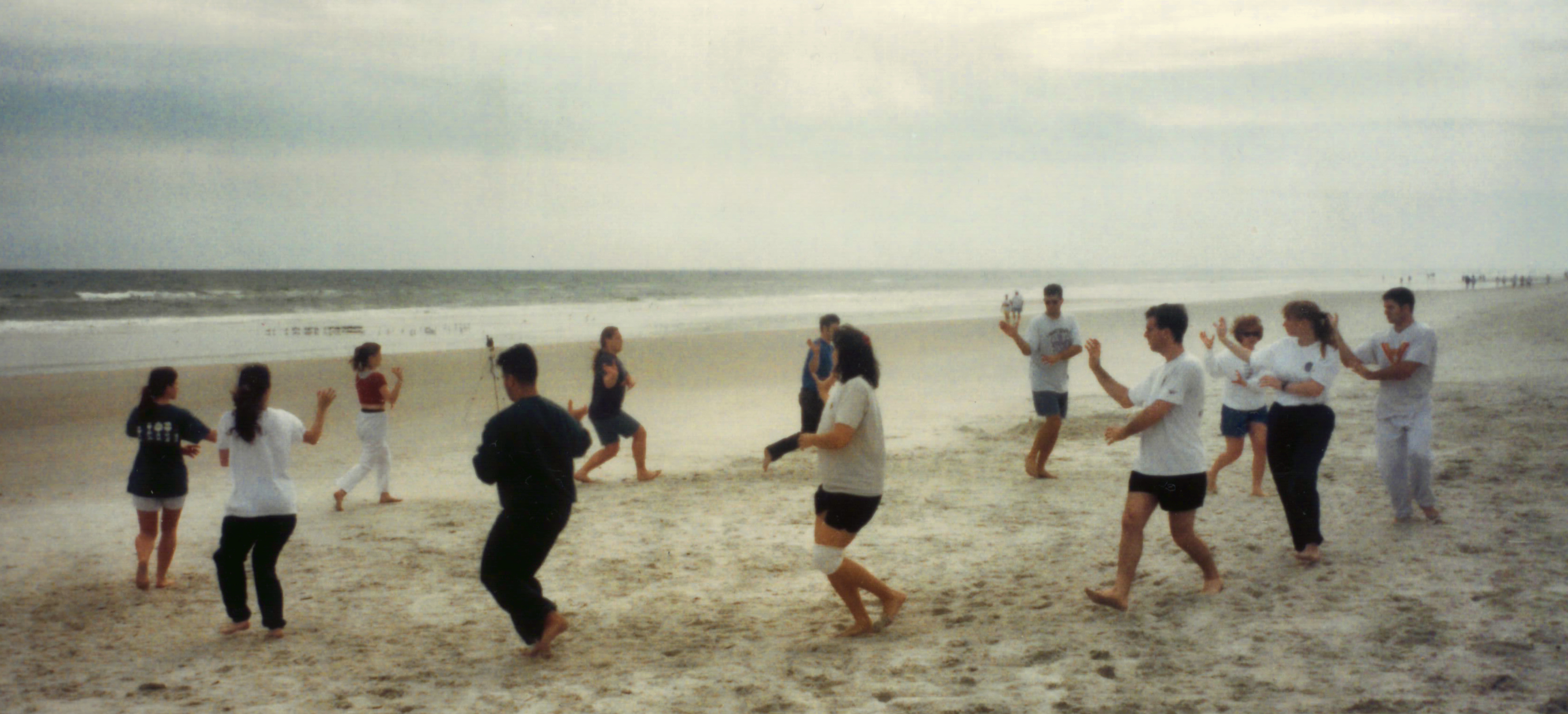
Qigong shares the same branch of origin as yoga. Both systems have sitting, standing and moving exercises with their respective curriculum. Both systems have a strong observance of the breathing mechanism and how it helps to balance out the mind, body and for some, spiritually and/or self-awareness. Qigong does have some exercises practiced like yoga on the ground, but curriculum really depends upon the teacher and intended participants. This curriculum is vast and holds many options and variations to help those that are injured, ill, disable and may have other limitations. The following graphics offer a window into what qigong exercises look like.

Knowledgeable and well experienced teachers of qigong and yoga, will drill down into the details and subtle nuances of these practices. The development is in the details. Trying to learn these methods and the many specifics can be as easy or difficult as the practitioner cares to engage. However, one of the main benefits of these practices is that by occupying one’s thoughts with the physical details, the mind becomes more engaged with the body. This is where the true healing begins when the breathing frequency is deliberately slowed down, the nervous system adjust the delicate blood chemistry which in turn positively affects organ function.

I write often about topics that affect our health and well-being. Additionally, I teach and offer lecture about qigong, tai chi, baguazhang, and yoga. I also have hundreds of FREE education video classes, lectures and seminars available on my YouTube channel at:

https://www.youtube.com/c/MindandBodyExercises

Mind and Body Exercises on Google: https://posts.gle/aD47Qo

Jim Moltzan

407-234-0119
www.MindAndBodyExercises.com

www.Amazon.com/author/jimmoltzan

Heal the Mind With the Body, Heal the Body With the Mind

Often the hands will solve a mystery that the intellect has struggled with in vain.

– Carl Jung

Our culture is broken. Out of balance. Many feel traumatized. So many people suffering. So much stress, depression, and anxiety. The solution is not always in pharmaceuticals, therapy, alcohol or recreational drugs. Exercising regularly can help and it is often FREE if you commit to the time and effort.

Physical exercise is one of the single most beneficial mental and physical activities that we can do for ourselves on a regular basis. When we exercise, our brain produces many chemicals (hormones and neurotransmitters) that manage stress and counteract the sympathetic nervous response. If you are not currently exercising regularly, try to start by simply taking a walk around your block and build up from there. 5 minutes here and there throughout your day adds up cumulatively. One does not need to exercise for hours a day to gain the benefits. Walk, run , swim, stretch, weight train, or my preferences of qigong, tai chi and yoga. This is the “do something,” that will actually affect you and consequently those in your life.

And we as a nation have been consistently reducing the importance of physical exercise to our youth, as many schools nationwide have greatly reduced and even eliminated physical education within schools on all levels. Perhaps this is why teenage depression, anxiety, ADHD, OCD and other ailments have been contributing to the spike in youth suicides over the last few decades. Broken children grow into broken adults. Plant good seeds and harvest a good yield. Plant with rotten seeds and the crop produced will be rotten. This is ancient knowledge that seems to have been forgotten in current times.

Yin & Yang are relative terms, in relation to content and context. In the concept of Yin & Yang, nothing is
permanent nor absolute. Opposites are complementary. Many philosophers and scholars view Yin & Yang as the
motive force for the start, change and end of life. Traditional Chinese Medicine (TCM) is based upon the belief that
the existence of the universe is due to the result of the interactions between Yin & Yang.

Everyday Uses of Yin & Yang Theory:

  • Traditional Chinese Medicine (TCM)
  • Philosophy (Taoism & Confucianism)
  • Science (Chinese)
  • Meditation
  • Feng Shui
  • Spirituality
  • As a Trending Fad
  • Martial Arts
  • Qigong and Energy Movement

Mind and body – most agree that our mind and body are important and there exists a balance and harmony between the two. Just because someone can repeat the words of “mind and body” does not necessarily mean they have an understanding of this relationship. How do we achieve this beyond just the mere words of “mind” and “body?’ We need to actually use our mind to manage and regulate not only our physical bodies but our thoughts and relative emotions. We need to truly engage our physical body in movement, physical activities and exercises in order to engage our cognitive brain functions. This is how we can link the mind and body together to achieve higher levels of both self-awareness, mental and physical health as well. Self-cultivation is not free in any sense of this understanding. This takes time, effort and often sacrifice of other things we deem as important.

It is usually much easier to train our body, than it is to train our minds. By becoming aware of our body positions, alignments and movements, we train our minds by using our bodies. When we position our toes, our knees, the hips, the spine, the shoulders, and especially our breathing rhythm, we are disciplining our body into correct alignments that manifest into muscle and bone strength, increased blood and energy circulation and most specifically the change in the hormones within the blood chemistry that not only regulates organ function, but balances out emotional ups and downs.

We can use the knowledge within our thoughts to help to heal our damaged body. Knowledge such as nutrition, appropriate exercise, management of sleep and healthy social relationships. So why is is such as stretch to consider that our body holds the keys to managing mental ailments linked to emotions of anxiety, depression, anger, grief and others?

I write often about topics that affect our health and well-being. Additionally, I teach and offer lecture about qigong, tai chi, baguazhang, and yoga. I also have hundreds of FREE education video classes, lectures and seminars available on my YouTube channel at:

https://www.youtube.com/c/MindandBodyExercises

Mind and Body Exercises on Google: https://posts.gle/aD47Qo

Jim Moltzan

407-234-0119
www.MindAndBodyExercises.com

www.Amazon.com/author/jimmoltzan

US Infant Mortality Rate Explodes in Recent Years

Anthropologists have studied and concluded that there are many varying perspectives and beliefs in defining what good health looks like within different cultures. While some views on healthcare are shared, some are quite different in their culture’s approach. For example, childbirth in the US is often viewed as an emergency medical event (medicalization of a natural human biological function) involving a hospital, various pregnancy specialists and quite often pharmaceuticals. It is important to realize that some births may be more complicated that others that may require a allopathic medical doctor to perform specific procedures to ensure the safety of the mother and infant child. Other developed countries like Holland and Sweden use the hospital but with less specialist intervention. Cultures within Yucatan Mexico use their homes and family members in the birthing process more similar to how humans have given birth for thousands of years of human history (James, 2020).

Interesting to note and requiring further discussion is that, the US is far behind other countries in the use of midwives for delivery of babies than most other wealthy and developed nations, in spite of the US by far having a higher infant mortality rate in recent years. Correlation does not necessarily imply causation, however…..

I think it is important to understand why the US has moved more towards medical physicians, pharmaceuticals and surgeries not only for childbirth but for many if not most health issues, ailments and diseases. Basically, we have been sold that western medicine is better than alternatives and often methods that have been time-proven for many years past, e.g. diet vs. pills. Severe trauma, yes use a medical doctor; high blood pressure, anxiety, depression – check your food intake, exercise, activity and stress levels.

“Several important milestones happened in the early part of the 1900’s that had a profound impact on midwifery: The 1910 Flexner Report recommended hospital deliveries and the abolition of midwifery. The study has since been recognized for its racist, sexist, and classist approach to medical education”

“A stark divide began to take root in the 1800’s, when white male physicians began to explore childbirth with greater interest. Their approach was based on a colonialization framework, which devalued birth as ceremony and focused instead on the physical aspect of wellbeing.  

Many doctors opposed midwife-assisted births. They launched campaigns against the profession, promoting Western science and the pain relief that hospitals could offer. By the turn of the century, they attended approximately half of births, despite having little training in obstetrics.  

In rural America, however, midwives continued to attend births. In the Southern states, Black midwives, sometimes called “granny” midwives, attended up to 75% of births until the 1940’s. A combination of laws, educational restrictions, and campaigns against the profession led to the dismantling of their practice” (A Brief History of Midwifery in America | OHSU, n.d.).

So here we are once again, especially over the last 3 years, that the US medical community and astonishing US politicians often tout how great the US’s healthcare system is at providing the best, the safest, the most effective, the most innovative and best technological healthcare in the world. Do your own research and you will find out that the US is often none of these aforementioned. The charade, the fallacy, the wizard behind the curtain, is often the way the US healthcare system works. It is indeed not “healthcare” but “sickcare”.

A Closer Look at America's Infant Mortality Rate

References:

James, R. (2020, July 24). Medical Anthropology 101 [Movie]. YouTube. https://www.youtube.com/watch?v=4SvvLnrk77I

https://tcf.org/content/commentary/worsening-u-s-maternal-health-crisis-three-graphs/

https://www.healthify.us/healthify-insights/a-closer-look-at-americas-infant-mortality-rate

https://www.statista.com/chart/23559/midwives-per-capita/

https://www.ohsu.edu/womens-health/brief-history-midwifery-america

I write often about topics that affect our health and well-being. Additionally, I teach and offer lecture about qigong, tai chi, baguazhang, and yoga. I also have hundreds of FREE education video classes, lectures and seminars available on my YouTube channel at:

https://www.youtube.com/c/MindandBodyExercises

Mind and Body Exercises on Google: https://posts.gle/aD47Qo

Jim Moltzan

407-234-0119
www.MindAndBodyExercises.com

www.Amazon.com/author/jimmoltzan