Operant Conditioning: A Holistic Approach to Behavior and Health

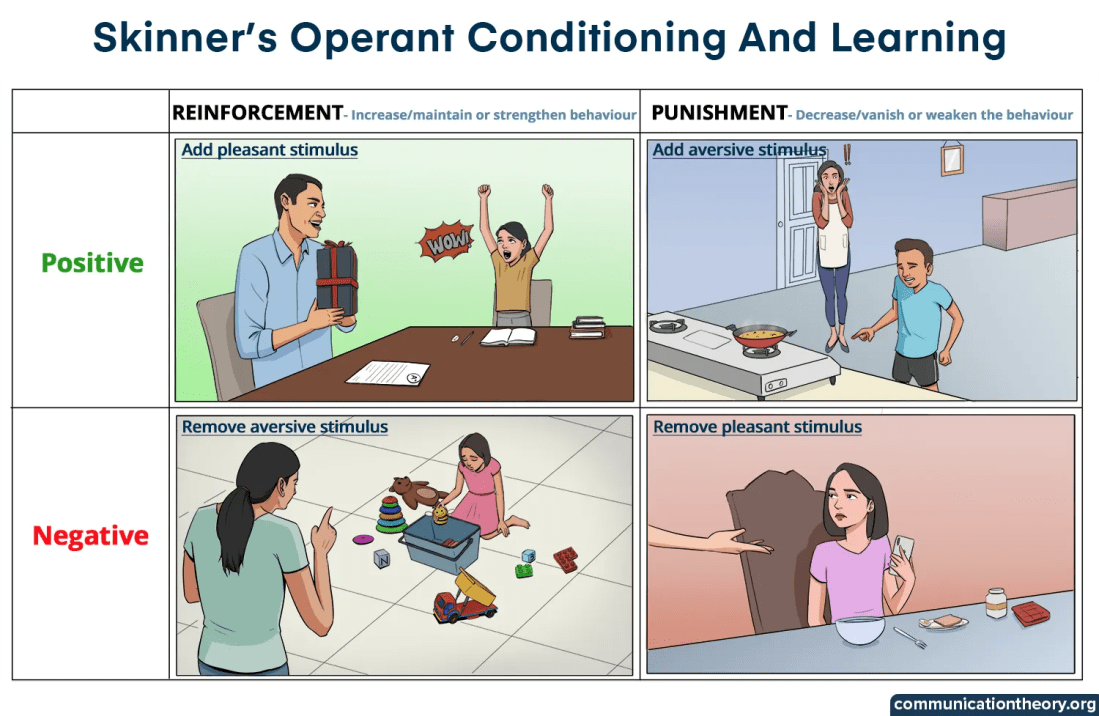
When humans and other animals learn to relate their behavior with reinforcing or punishing consequences, this is referred to as operant conditioning. In the Operant Conditioning Theory, there are basically four methods consisting of positive reinforcement, negative reinforcement, positive punishment, and negative punishment (Ettinger, 2018). 

Reinforcement is a method that increases the chances and frequency that a response may occur. Positive reinforcers are stimulus awarded after a response that increases the probability of the response. Negative reinforcers are when stimulus is removed following a desired response, which increases the probability of the initial response (Ettinger, 2018). An example of positive reinforcement would be awarding a child an allowance for completing their chores. An example of negative reinforcement would be removing a curfew for a child completing their homework early. Specific techniques such as shaping, verbal instruction, physical guidance, modeling, and increasing motivation can be implemented to encourage the manifestation of an initial desired operant response. The schedule at which reinforcements are administered can also affect the response behavior. A continuous reinforcement schedule occurs when behavior is reinforced every time it takes place (Ettinger, 2018). An example of this would be rewarding a dog with a treat after it sits still for a determined amount of time. A partial reinforcement schedule occurs when behavior is reinforced for only part of the time (Ettinger, 2018). An example of this would be a fisherman being rewarded with catching fish throughout the day, but with the time in between catches varying. Partial schedules of reinforcement are slower to be instilled but are noticeably more lasting than when no reinforcement is implemented at all. Partial reinforcement schedules breakdown further into either ratio or interval schedules, where both may be either variable or fixed (Ettinger, 2018). 
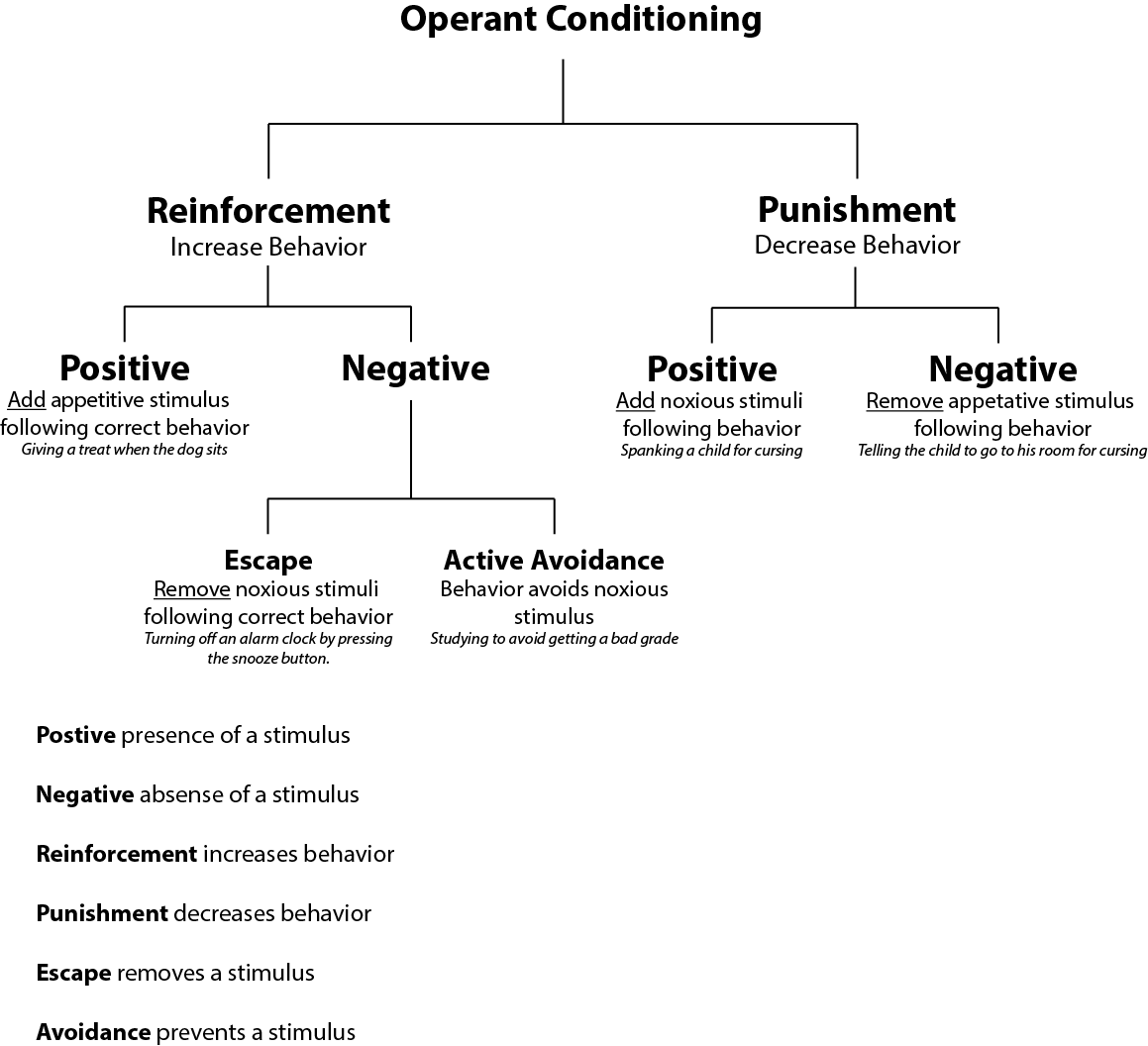
(File:Operant Conditioning diagram.png – Wikimedia Commons, n.d.)

Punishment is a method where a stimulus implemented, either added (positive punishment) or removed (negative punishment) following a response affects a decrease in the frequency or chances of that response occurring. A punishment effectiveness in creating a desired change in behavior is determined by the punishment’s consistency, intensity, moderation and if there is a delay between a response and punishment. Also, combining a punishment with positive reinforcement may improve the effectiveness of the punishment (Ettinger, 2018). An example of positive punishment would be adding a curfew to a child in response to the child not completing their homework. An example of negative punishment would be to take away internet access due to the child not completing their homework.
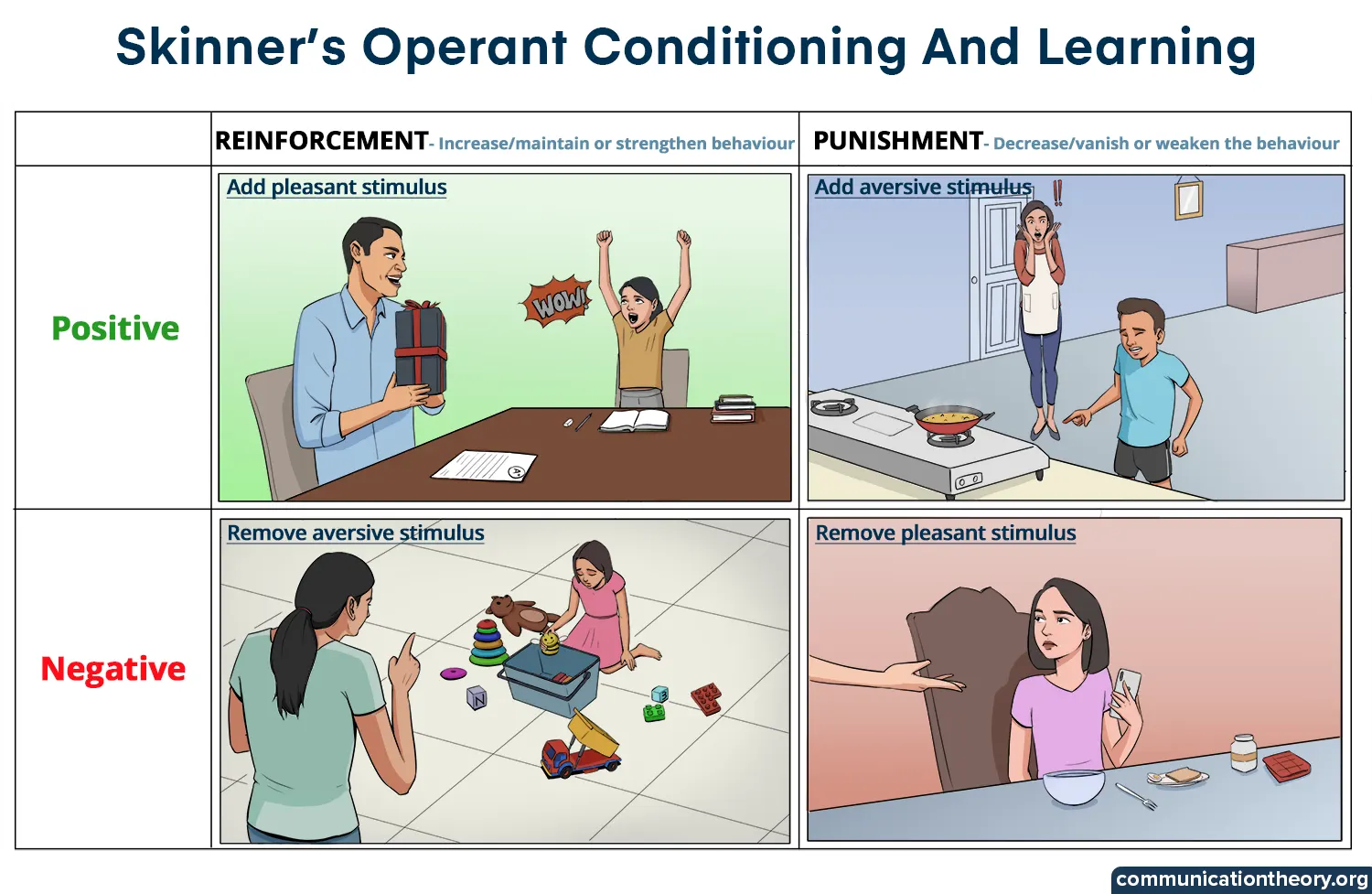
(Admin & Admin, 2023)

Building of self-discipline and its relative behavior, is something that I was introduced to, through martial arts. I was 16 years-old at the time, and I experienced a very rigidly formatted version of operant conditioning. This is a very instrumental age for most people, where adolescence offers a time to begin to develop a sense of self, independence, identity, and self-awareness (Author Removed at Request of Original Publisher, 2015). Positive reinforcement is a tool used not only in most modern martial arts systems today, but also in coaching of sports, in schools, and other places of exercise to enhance fitness, well-being, self-discipline, stress management and many other reasons. In most martial arts schools, reinforcement and punishment are implemented as methods of operant learning. An individual is often rewarded here with a positive stimulus for a behavior that may be perceived as improving or growing stronger in character or punished by removal of stimulus for not improving or demonstrating good judgement. Particular to martial arts training, when a student starts on this path, most are educated that there exists a work and reward system of positive reinforcement delivered through a belt system. The belts range from the color spectrum where a white belt is a beginner to a blackbelt as having more proficiency, and then various degrees of blackbelt reflecting more expertise. When a student puts in the time and effort towards practicing and attempting to perfect the various exercises, techniques and relative sets or forms, they receive a reward of the next colored belt. I see the scheduling of this technique as partial reinforcement, in that a student doesn’t receive a new belt reflecting their progression after every class, but rather over a longer length of time demonstrating continual improvement.

Conversely, many instructors will use some methods of negative punishment where they maybe remove one-on-one time or personal instruction if a student does not demonstrate improvement of their skills or is perceived as not being serious about their own personal development. Or another example would be positive punishment where a student would be encouraged to stay after class to practice more in order to demonstrate that they are indeed serious about improving. While some of these methods may appear as outdated, harsh, or lacking compassion, I actually see them as being quite the opposite. If the end result and goal is for the individual to develop self-discipline and the infinite number of benefits that come with this trait, then the methods do justify the outcomes.

If instructors, coaches, teachers, and other positions of authority are to use punishment and other apathetic forms of control, they must be conscious of their potential impact. Although punishment may affect a response, it may also condition dysfunctional behaviors in the individual, by cultivating a conflict within the student-teacher relationship (Leeder, 2022).

References:

Author Removed At Request Of Original Publisher. (2015, October 26). 6.3 Adolescence: Developing Independence and Identity – Introduction to Psychology. Pressbooks. Retrieved October 8, 2022, from https://open.lib.umn.edu/intropsyc/chapter/6-3-adolescence-developing-independence-and-identity/

Ettinger, R. H. (2018). Psychology: The Science of Behavior (6th ed.). BVT Publishing.

Leeder, T. (2022) Behaviorism, Skinner, and Operant Conditioning: Considerations for Sport Coaching Practice, Strategies, 35:3, 27-32, DOI:10.1080/08924562.2022.2052776

File:Operant conditioning diagram.png – Wikimedia Commons. (n.d.). https://commons.wikimedia.org/wiki/File:Operant_conditioning_diagram.png

Admin, & Admin. (2023, June 30). B.F. Skinner’s Theory of Operant Conditioning. Communication Theory. https://www.communicationtheory.org/b-f-skinners-theory-of-operant-conditioning/

I teach and offer lectures about holistic health, physical fitness, stress management, human behavior, meditation, phytotherapy (herbs), music for healing, self-massage (acupressure), Daoyin (yoga), qigong, tai chi, and baguazhang.

Please contact me if you, your business, organization, or group, might be interested in hosting me to speak on a wide spectrum of topics relative to better health, fitness, and well-being.

I look forward to further sharing more of my message by partnering with hospitals, wellness centers, VA centers, schools on all levels, businesses, and individuals who see the value in building a stronger nation through building a healthier population.

I also have hundreds of FREE education video classes, lectures, and seminars available on my YouTube channel at:

https://www.youtube.com/c/MindandBodyExercises

Many of my publications can be found on Amazon at:

http://www.Amazon.com/author/jimmoltzan

My holistic health blog is available at:

https://mindandbodyexercises.wordpress.com/

http://www.MindAndBodyExercises.com

Mind and Body Exercises on Google: https://posts.gle/aD47Qo

Jim Moltzan

407-234-0119
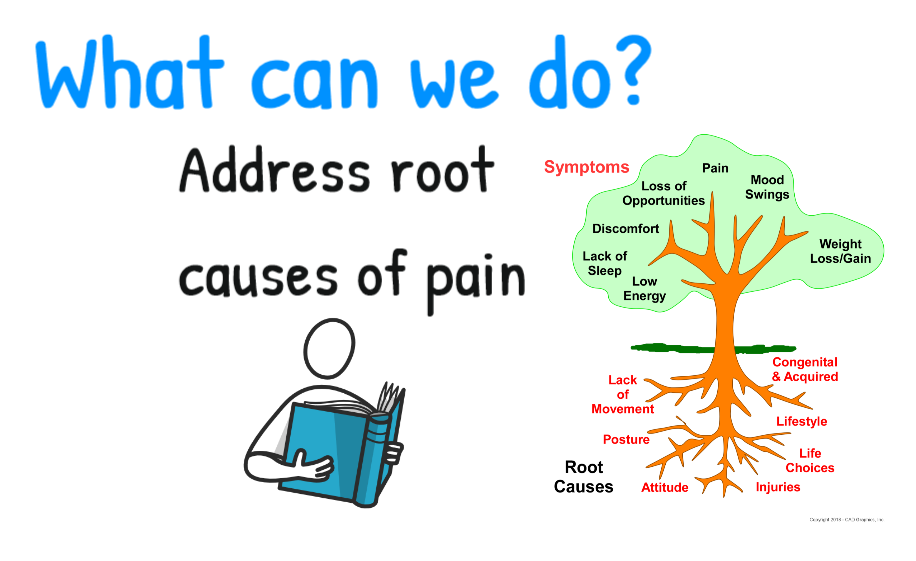
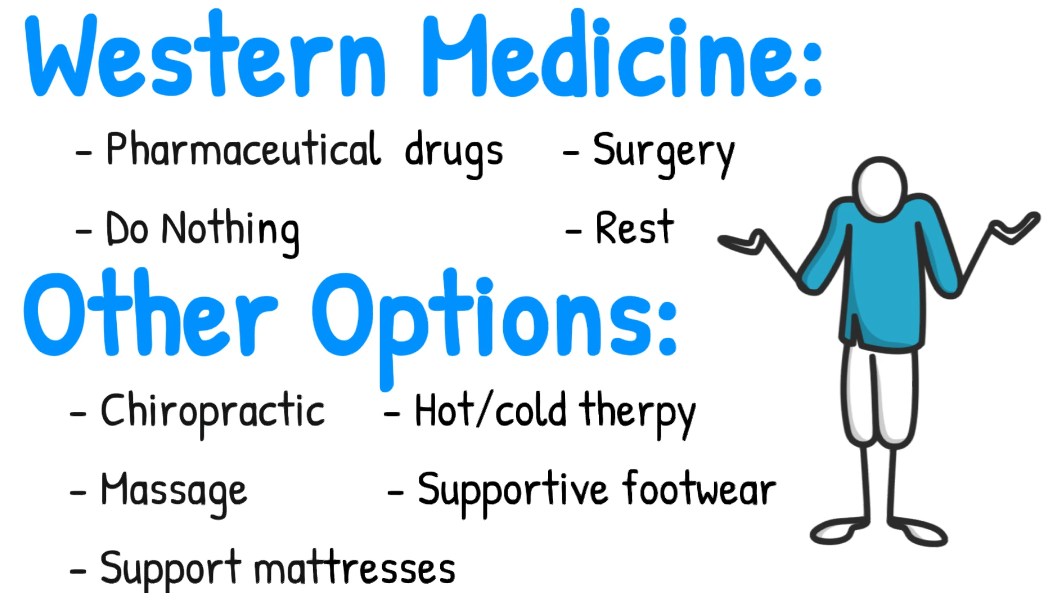
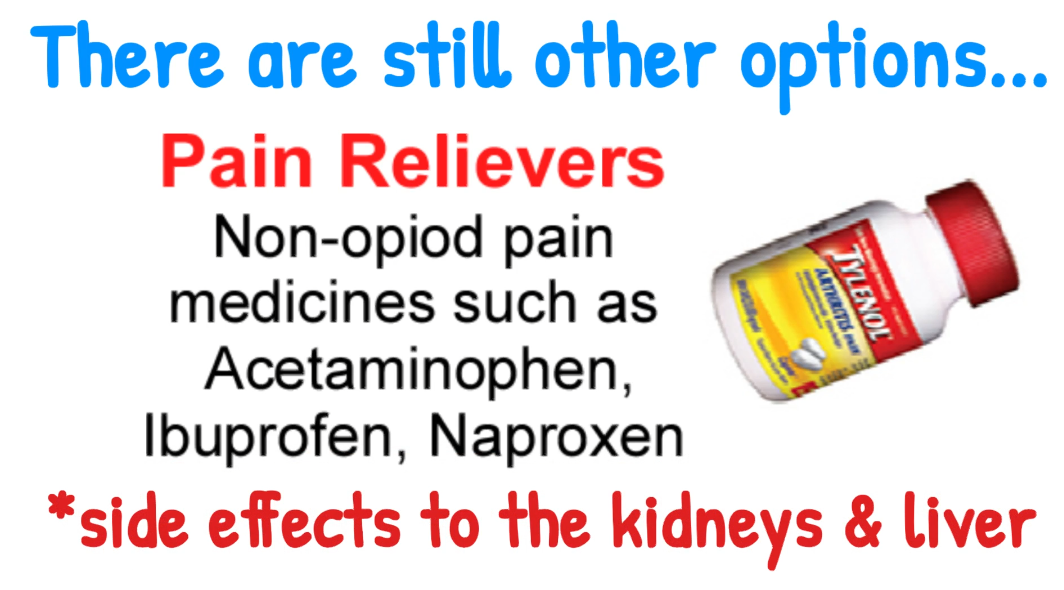
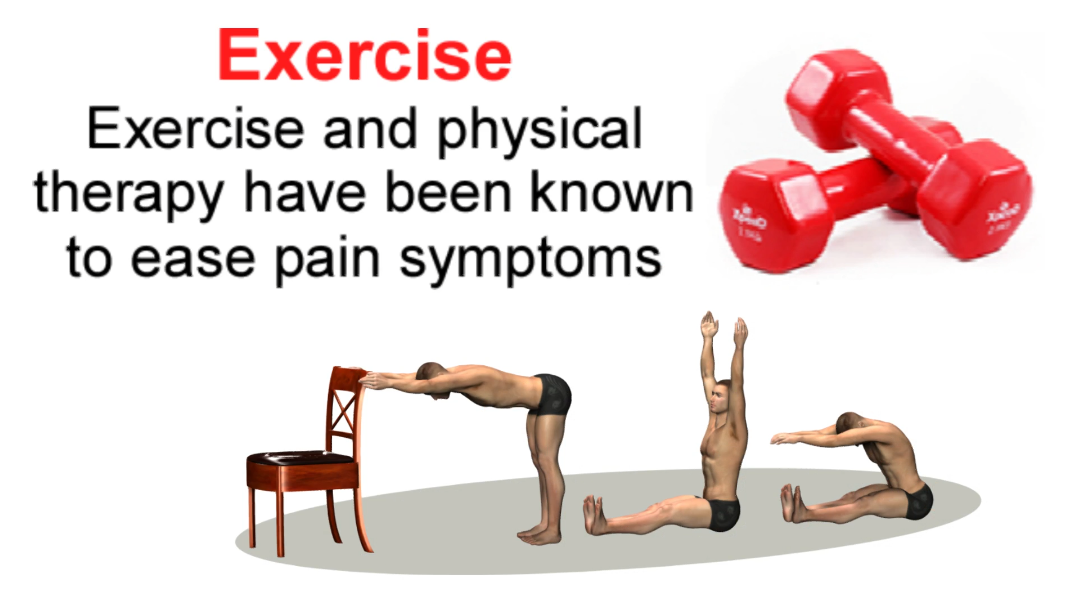
Managing Back Pain – You Have Options

My goal is to present an education for holistic health to increase longevity and quality of life (heathspan), that brings awareness to these time-proven methods. With an intent to de-mystify and simplify explanations, hopefully, more people can come to realize that we are all accountable for our own well-being.

I teach and offer lectures about holistic health, physical fitness, stress management, human behavior, meditation, phytotherapy (herbs), music for healing, self-massage (acupressure), Daoyin (yoga), qigong, tai chi, and baguazhang.

Please contact me if you, your business, organization, or group, might be interested in hosting me to speak on a wide spectrum of topics relative to better health, fitness, and well-being.

I look forward to further sharing more of my message by partnering with hospitals, wellness centers, VA centers, schools on all levels, businesses, and individuals who see the value in building a stronger nation through building a healthier population.

I also have hundreds of FREE education video classes, lectures, and seminars available on my YouTube channel at:

https://www.youtube.com/c/MindandBodyExercises

Many of my publications can be found on Amazon at:

www.Amazon.com/author/jimmoltzan

My holistic health blog is available at:

https://mindandbodyexercises.wordpress.com/

www.MindAndBodyExercises.com

Mind and Body Exercises on Google: https://posts.gle/aD47Qo

Glutamate – plays a major role in shaping learning and memory

Glutamate – the most abundant excitatory neurotransmitter in your brain plays a major role in shaping learning and memory.

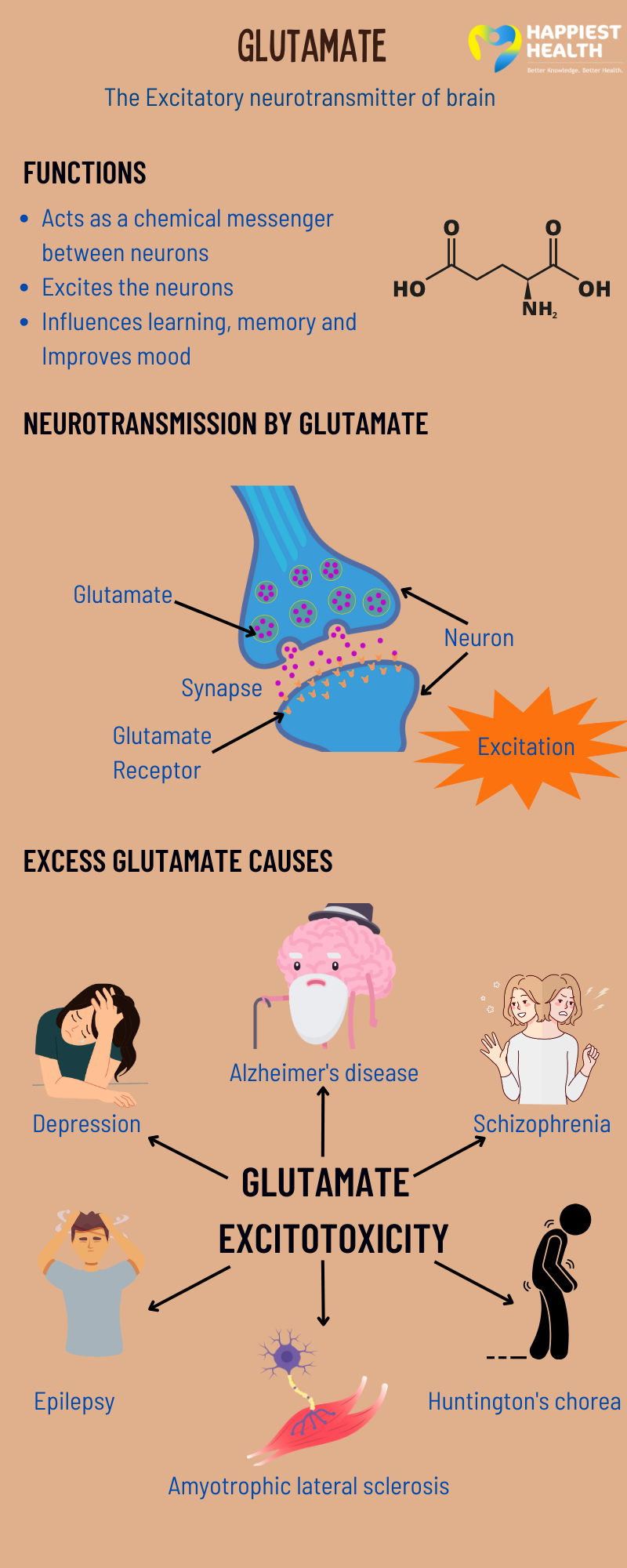
Glutamate, also known as glutamic acid, is an amino acid and is a major excitatory neurotransmitter. Excitatory neurons release neurotransmitters that initiate an action potential into postsynaptic neurons. Glutamate originates from glucose and is found in the central nervous system (CNS) including the brain and spinal cord. Glutamate is thought to be an important component of long-term potentiation, which is the process of neuronal functioning that changes and regulates some types of learning and memory. Recent research shows that learning and memory formation can be improved by pharmaceuticals that assist in glutamate activity. Monosodium glutamate (MSG) which is often used as a food additive for flavoring, contains glutamate. Consuming foods containing large amounts of MSG may induce dizziness and numbness, while possibly inhibiting learning and memory. These symptoms are likely due to the overexciting of glutamate neurons with excessive amounts of glutamate (Ettinger, 2018). 

(Happiest Health, 2023)

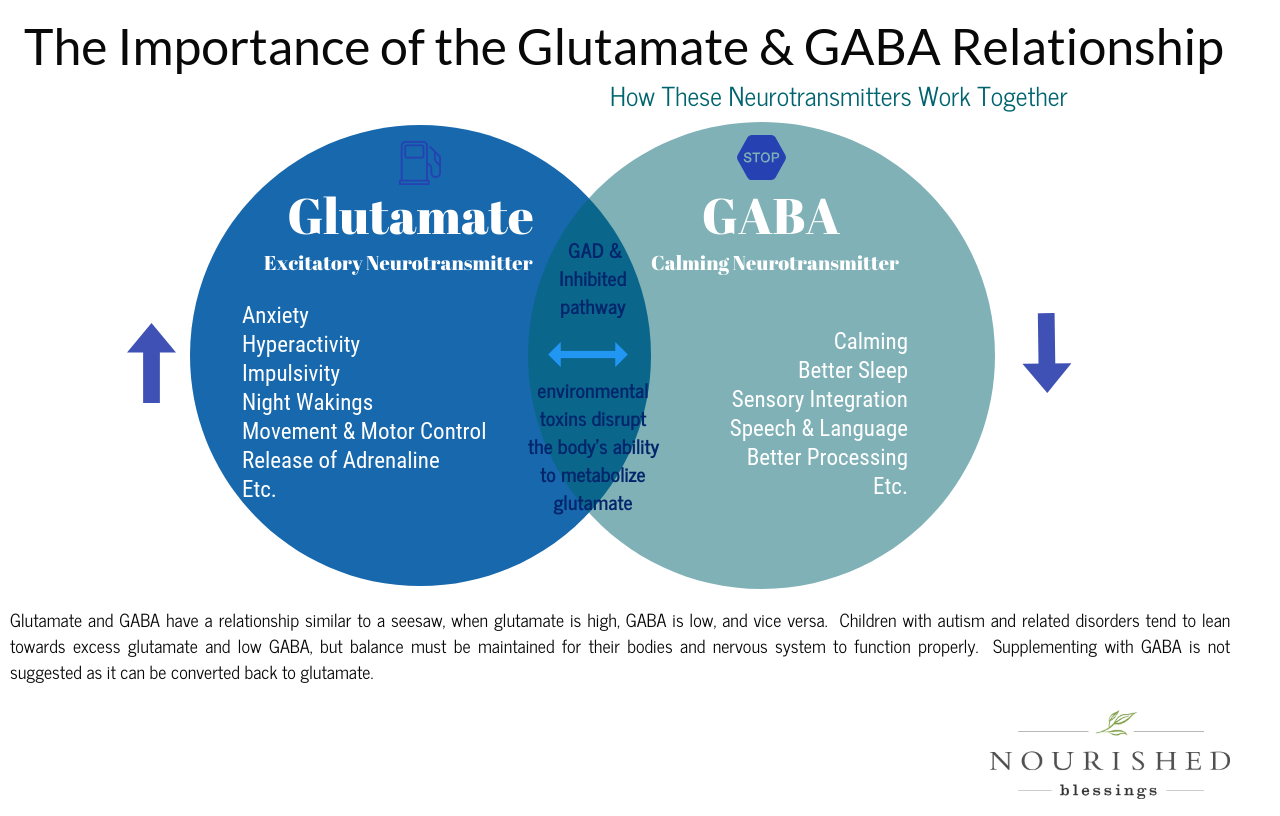
Glutamate can over-excite neurons until they commit suicide, in what is called excitotoxicity. This glutamate imbalance is thought to be involved in some degenerative brain diseases such as Alzheimer’s disease and amyotrophic lateral sclerosis (ALS or Lou Gehrig’s disease). Excessive brain glutamate levels may cause numerous symptoms, including hyperalgesia (pain amplification), anxiety, restlessness, and ADHD-like symptoms such as inability to focus. A glutamate deficiency in the brain is thought to cause symptoms such as insomnia, concentration problems, mental exhaustion and low energy (Role of GABA and Glutamate in Fibromyalgia and ME/CFS, 2022).

(Andistowe, 2023)

References:

Happiest Health. (2023, July 18). Glutamate: excitatory neurotransmitter of brain | Happiest Health. https://www.happiesthealth.com/articles/neurology/glutamate-neural-connections

Andistowe. (2023, April 12). What is Glutamate. Nourished Blessings. https://nourishedblessings.com/what-is-glutamate/

Ettinger, R. H. (2018). Psychology: The Science of Behavior (6th ed.). BVT Publishing.

Role of GABA and Glutamate in Fibromyalgia and ME/CFS. (2022, June 12). Verywell Health. Retrieved September 15, 2022, from https://www.verywellhealth.com/gaba-glutamate-fibromyalgia-chronic-fatigue-716010

I teach and offer lectures about holistic health, physical fitness, stress management, human behavior, meditation, phytotherapy (herbs), music for healing, self-massage (acupressure), Daoyin (yoga), qigong, tai chi, and baguazhang.

Please contact me if you, your business, organization, or group, might be interested in hosting me to speak on a wide spectrum of topics relative to better health, fitness, and well-being.

I look forward to further sharing more of my message by partnering with hospitals, wellness centers, VA centers, schools on all levels, businesses, and individuals who see the value in building a stronger nation through building a healthier population.

I also have hundreds of FREE education video classes, lectures, and seminars available on my YouTube channel at:

https://www.youtube.com/c/MindandBodyExercises

Many of my publications can be found on Amazon at:

http://www.Amazon.com/author/jimmoltzan

My holistic health blog is available at:

https://mindandbodyexercises.wordpress.com/

http://www.MindAndBodyExercises.com

Mind and Body Exercises on Google: https://posts.gle/aD47Qo

Jim Moltzan

407-234-0119
Most Have Choices, but Don’t Like the Options

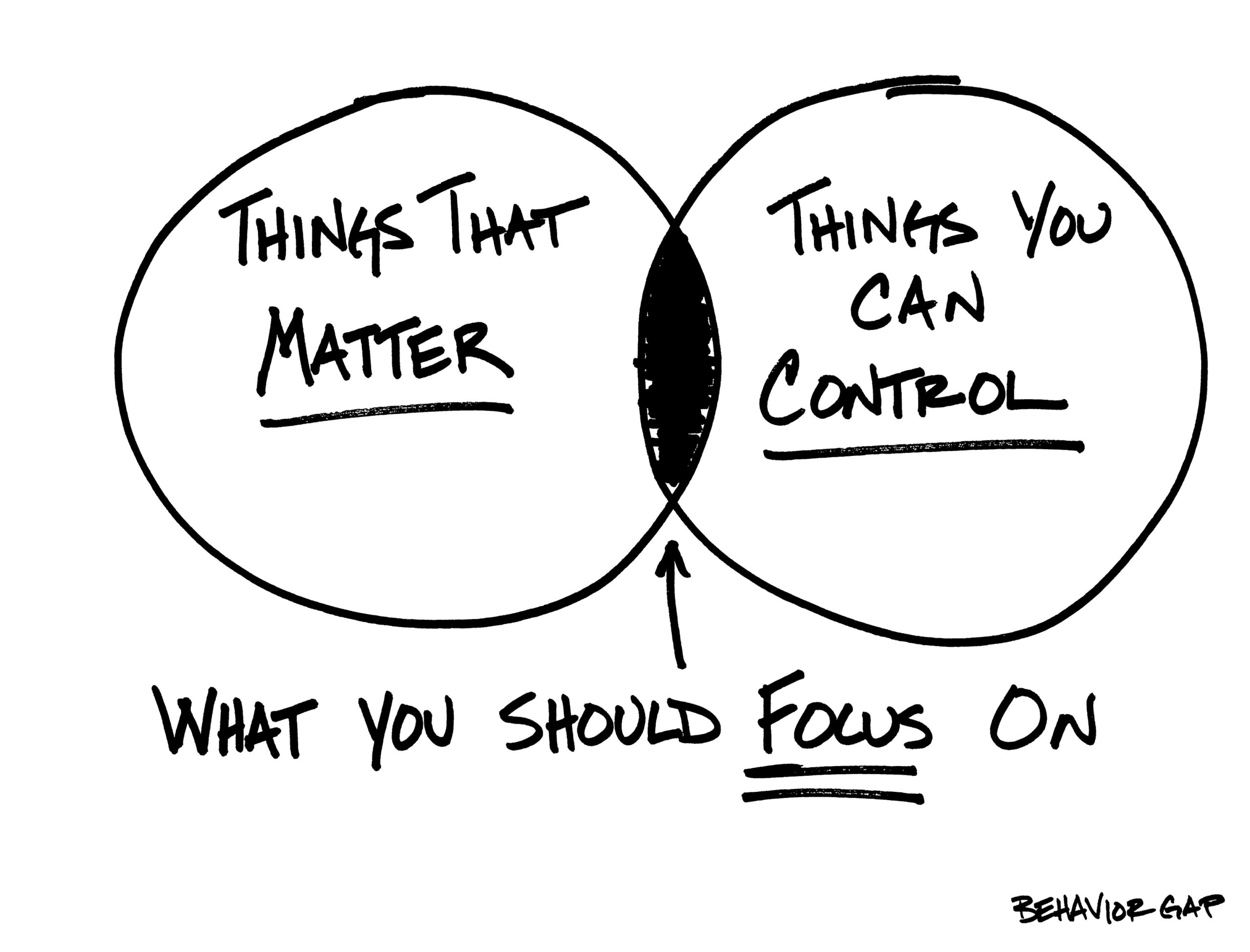
Often people feel that they have no choices regarding their own health. This is true for some people, but mostly I see people having choices that they don’t like. An individual may have little control or lose their ability to take personal responsibility for their own health, due to that individual’s unique set of circumstances. Children are often subject to the habits and actions of their parents until they learn about nutrition, fitness, and wellness. Those who suffer from mental illness or are injured may be unable to take control of their own health, where others or government agencies are needed to intervene. Those in prisons are also not really in much control of what they consume, physical activity, and violence that may affect their health and well-being. Some individuals have their own unique socioeconomic factors that may affect or lead to their inability to have proper nutrition or access to healthcare and fitness options. I think this is where society needs to make a distinction between providing help to those who cannot take care of themselves and those who choose not to take care of themselves.

We live in a time where behavior contradictions abound. Such as taking the time and effort to buy and prepare their own foods of a healthier variety; fast food is often cheaper and tastes better they may justify. Or people will have no budget for nutritious foods or a gym membership but will visit Starbucks daily for $5.00+ sugar-loaded coffee drinks. Despite this current mentality, some with little resources still may find time to walk, run, swim, practice calisthenics, or watch free YouTube exercise classes for almost every type of exercise method. These options are available for free, but many choose not to exercise or pursue a healthy diet. We as a society need to get past looking at health and well-being as a luxury, privilege, or commodity. Rather we can see health, fitness, and wellness as basic life skills that need to be taught at the grade school level, so we can become a better nation. Become healthy.

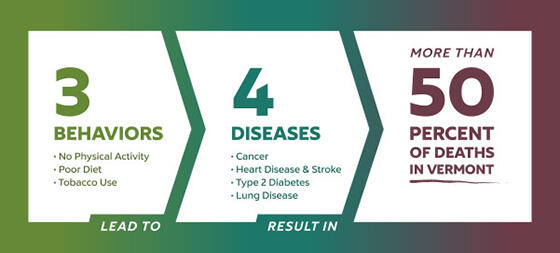
From a holistic health point of view, everything influences and affects healthy or unhealthy behaviors. What we think, what we eat, and how we move, are what I see as the root components of our health and wellbeing. Everything else basically branches off from these factors. If I must pick one aspect of behavior that is most important, I will highlight personal responsibility. Over many decades, our American society has gradually eroded from people feeling and being responsible for their own health and well-being, to that where many people feel that it is the government, their doctors, their employers, and everyone else’s responsibility to keep the individual healthy.  The state of Vermont has implemented a program called the Vermont 3-4-50, which offers the potential for people to become more self-empowered to seek out the resources to become better educated regarding better nutrition, physical activity, and mental health (HealthVermont, 2019). The program seems to be based on politicians, employers, and schools all promoting the program. The key component here is that schools need to play a major role in teaching the youth how to live a healthy lifestyle. It is so cliché, but the youth of today are indeed the leaders of tomorrow. There has been much media attention in the last year on how the recent generation, or Gen Z, is now being labeled as the “anxious” or “depressed” generation. This program and mindset are exactly what is needed not just for Gen Z but for people of all ages. Hopefully, the 3-4-50 program can spread more awareness and become implemented on a national level.  

Make good choices. Be wise in your decisions, as your life and those you care about are most affected by your thoughts and actions.

Reference: HealthVermont. (2019, July 1). 3-4-50 Vermont: Standing together to reduce chronic disease [Video]. YouTube. https://www.youtube.com/watch?v=GGlv0aC86HU

I teach and offer lectures about holistic health, physical fitness, stress management, human behavior, meditation, phytotherapy (herbs), music for healing, self-massage (acupressure), Daoyin (yoga), qigong, tai chi, and baguazhang.

Please contact me if you, your business, organization, or group, might be interested in hosting me to speak on a wide spectrum of topics relative to better health, fitness, and well-being.

I look forward to further sharing more of my message by partnering with hospitals, wellness centers, VA centers, schools on all levels, businesses, and individuals who see the value in building a stronger nation through building a healthier population.

I also have hundreds of FREE education video classes, lectures, and seminars available on my YouTube channel at:

https://www.youtube.com/c/MindandBodyExercises

Many of my publications can be found on Amazon at:

http://www.Amazon.com/author/jimmoltzan

My holistic health blog is available at:

https://mindandbodyexercises.wordpress.com/

http://www.MindAndBodyExercises.com

Mind and Body Exercises on Google: https://posts.gle/aD47Qo

Jim Moltzan

407-234-0119
Free Will – If you choose not to decide, you still have made a choice.

You can choose a ready guide in some celestial voice

If you choose not to decide, you still have made a choice

You can choose from phantom fears and kindness that can kill

I will choose a path that’s clear, I will choose Free will

-Rush

Free will is defined as “the assertion that our choices and actions are not caused by antecedent events, but emerge spontaneously from the mind” (Ettinger, 2018). Freewill is a topic that I have delved into many times throughout my life. When I was much younger, immature, and naive, I found it easier to relinquish my free will and blame or even empower others or other circumstances to determine my actions. With time and real-life experiences of our own choice, we hopefully acquire life knowledge and/or wisdom. Over my lifetime and relatively gained experiences, I have come to learn that we are very much in control of our own thoughts, emotions, and actions. This is not to say, that as part of the human condition, we are not subject to others, our environment, and other circumstances that present themselves. Obviously, some people may not have this control due to illness, injury, or other congenital issues.

I have heard an explanation of free will, as that our lives can be viewed from the perspective that we are all on airplanes. We choose to travel in specific directions, towards a specific destination. Once we are on a particular plane that we choose, we are somewhat free to move about the cabin, albeit relative to what we can accomplish within the vessel we willingly entered into. So, while we may have free will, we still may be limited by our resources of time, finances, status, location, and other natural resources. Along with free will comes the consequences of cause and effect. I may be free to play in the Florida sun all day, but I will inevitably suffer the consequences of sunburn and heat exhaustion. I am free to shout “fire” in a crowded movie theatre, but again I am subject to the consequences of my actions if there is no fire.

I have read articles on free will that address more the physiological aspects of how humans behave, rather than the circumstances that might determine why we behave a particular way. An example would be where test participants have predictable reactions during a controlled experiment, which attempts to show that the participants had no free will.  The experiment demonstrated that brain activity before the physical action of pushing a button was responsible for the choice of when and which button to push (Ettinger, 2018). Not mentioned, were other details of the experiment, such as if the participants were made aware of the purpose of the experiment and if they were able to retry the experiment after knowing so. Both variables might have changed the outcome of the experiment.

(Braun, 2018)

I think the concept of free will can branch out into many different directions such as mental diseases, habits, or addictions and their relationship to free will. Relative to drug addiction, perhaps an addict’s free will can be seen as weakened due to the chemical interactions with their physiology which can affect thoughts, emotions, and relative actions (Monterosso & Schwartz 2020). Or even the belief that we have free will to not believe that we have free will, can be debated and discussed.  Additionally, if we have free will to choose only between given options, do we really have free will to choose other options (Reeve & Middlebrooks, 2021)? Similar to the concept of “Sophie’s Choice” where no outcome is preferable over the other, or maybe the “lesser of two evils” as many feel we experience with politics, healthcare, as well as societal and cultural issues.

References:

Ettinger, R. H. (2018). Psychology: The Science of Behavior (6th ed.). BVT Publishing.

Monterosso, J. R., & Schwartz, B. (2020). Addiction science and the perception of freewill. Journal for the Theory of Social Behaviour50(3), 373–390.

Reeve, D., & Middlebrooks, D. (2021). MISUNDERSTANDING FREEWILL: (Which We Don’t Have). Skeptic (Altadena, CA)26(4), 54.

Braun, A. (2018, September 27). Freewill is an illusion. The Guidon Online. https://hayshighguidon.com/opinion/2018/09/27/freewill-is-an-illusion/

I teach and offer lectures about holistic health, physical fitness, stress management, human behavior, meditation, phytotherapy (herbs), music for healing, self-massage (acupressure), Daoyin (yoga), qigong, tai chi, and baguazhang.

Please contact me if you, your business, organization, or group, might be interested in hosting me to speak on a wide spectrum of topics relative to better health, fitness, and well-being.

I look forward to further sharing more of my message by partnering with hospitals, wellness centers, VA centers, schools on all levels, businesses, and individuals who see the value in building a stronger nation through building a healthier population.

I also have hundreds of FREE education video classes, lectures, and seminars available on my YouTube channel at:

https://www.youtube.com/c/MindandBodyExercises

Many of my publications can be found on Amazon at:

http://www.Amazon.com/author/jimmoltzan

My holistic health blog is available at:

https://mindandbodyexercises.wordpress.com/

http://www.MindAndBodyExercises.com

Mind and Body Exercises on Google: https://posts.gle/aD47Qo

Jim Moltzan

407-234-0119