“Mind Over Ring – How Unwanted Calls Disrupt Focus and Increase Anxiety”

A Holistic Health Perspective on Modern Stressors

In today’s hyperconnected world, one of the subtle but pervasive intrusions into our daily life comes through an object we carry everywhere: our phone. Many of us experience a steady stream of unwanted robocalls, scam calls, and telemarketing pitches. The National Do Not Call Registry was designed to protect consumers from such interruptions, but does it still work? More importantly, from a holistic health perspective, how does this constant digital harassment affect our mental well-being?

In this article, I explore both the current relevance of the Do Not Call list and the broader implications for mental hygiene, stress, and emotional resilience.
The Do Not Call Registry: Then and Now

The National Do Not Call Registry was established by the Federal Trade Commission (FTC) in 2003, allowing U.S. consumers to opt out of unwanted sales calls (Federal Trade Commission, 2024). Initially, the list proved effective: legitimate companies respected it, and consumers reported fewer unsolicited calls.

However, technological shifts soon outpaced the list’s protective power:

  • Robocalls now dominate the spam landscape. In 2023 alone, U.S. consumers received over 50 billion robocalls, with a large percentage coming from scam operations that do not adhere to U.S. regulations (YouMail, 2024).
  • Caller ID spoofing makes scam calls appear local or even governmental, increasing the likelihood of response (Allen, 2024).
  • Digital marketing (via text, email, and social platforms) circumvents traditional telemarketing rules entirely.

Today, while the Do Not Call list still reduces calls from legitimate U.S. businesses, it offers little protection against the global flood of scam calls and robocalls.

The Mental Health Impact of Persistent Phone Intrusions

You may wonder: Why is this issue relevant to holistic health and wellness?

The answer lies in the connection between mental clutter, stress physiology, and emotional well-being.

1. Elevated Stress and Cortisol

Research shows that frequent, unpredictable interruptions trigger spikes in cortisol, the body’s primary stress hormone (Mark et al., 2008). Even minor interruptions, such as a ringing phone can disrupt autonomic balance, contributing to chronic low-level stress.

2. Loss of Flow and Focus

The concept of “flow” describes a state of deep focus and optimal performance. Yet digital interruptions are one of the main obstacles to maintaining flow states (Csikszentmihalyi, 1990). Each unexpected call breaks concentration and requires cognitive effort to reorient.

3. Anxiety and Fear in Vulnerable Populations

Scam calls are often designed to provoke fear (“your bank account is frozen,” “your Social Security number is compromised”) or urgency. For older adults, this can trigger anxiety, confusion, and emotional distress (Lichtenberg et al., 2016). In some cases, repeated scam targeting may even contribute to depressive symptoms.

4. Erosion of Personal Boundaries

Holistic health emphasizes the importance of personal boundaries and control over one’s environment. Constant interruptions from unknown callers create a sense of helplessness and erode the autonomy we seek to cultivate in daily life (Rosen et al., 2019).

Holistic Solutions for Digital Boundaries

While the Do Not Call list is no longer sufficient on its own, several practices can help safeguard your mental hygiene:

  • Use call filtering apps (Nomorobo, Hiya, RoboKiller) to block known spam numbers.
  • Activate carrier-level protections (AT&T ActiveArmor, Verizon Call Filter, T-Mobile Scam Shield).
  • Practice intentional phone hygiene: silence calls during work or meditation; check voicemail instead of answering unknown numbers.
  • Report violations to the FTC, while imperfect, enforcement efforts rely on consumer reports.
  • Educate older relatives about common scam tactics to reduce their risk of emotional harm.

Mental Hygiene in a Digital Age

The Do Not Call list, while originally a valuable tool, now functions as a symbolic baseline rather than an effective shield. Yet the issue of persistent phone interruptions is not simply technologically, it is a modern stressor that affects mental clarity, emotional balance, and personal empowerment.

In holistic health, we teach that maintaining a clean and supportive mental environment is as important as caring for the body. Taking deliberate steps to reduce unnecessary digital noise is a powerful act of self-care in an overstimulated world.

References:

Allen, G. (2024, May 20). Robocalling Fraud: The 6 biggest Scams to watch in 2024. Juniper Research Ltd. https://www.juniperresearch.com/resources/infographics/robocalling-fraud-the-6-biggest-scams-to-watch-in-2024/?utm_source=chatgpt.com

Csikszentmihalyi, M. (1990). Flow: The psychology of optimal experience. Harper & Row. https://archive.org/details/flowpsychologyof00csik

Federal Trade Commission. (2024). National Do Not Call Registry FAQs. https://www.consumer.ftc.gov/articles/national-do-not-call-registry-faqs

Lichtenberg, P. A., Stickney, L., & Paulson, D. (2016). Financial exploitation and psychological distress in older adults: A population-based study. Journal of Elder Abuse & Neglect, 28(2), 141–152. https://doi.org/10.1080/08946566.2016.1168330

Mark, G., Gudith, D., & Klocke, U. (2008). The cost of interrupted work: More speed and stress. Proceedings of the SIGCHI Conference on Human Factors in Computing Systems, 107–110. https://doi.org/10.1145/1357054.1357072

Rosen, L. D., Carrier, L. M., & Cheever, N. A. (2019). The distracted mind: Ancient brains in a high-tech world. MIT Press.

YouMail Robocall Index: September 2025 Nationwide Robocall data. (n.d.). https://robocallindex.com/

Our Own Inner Pharmacy

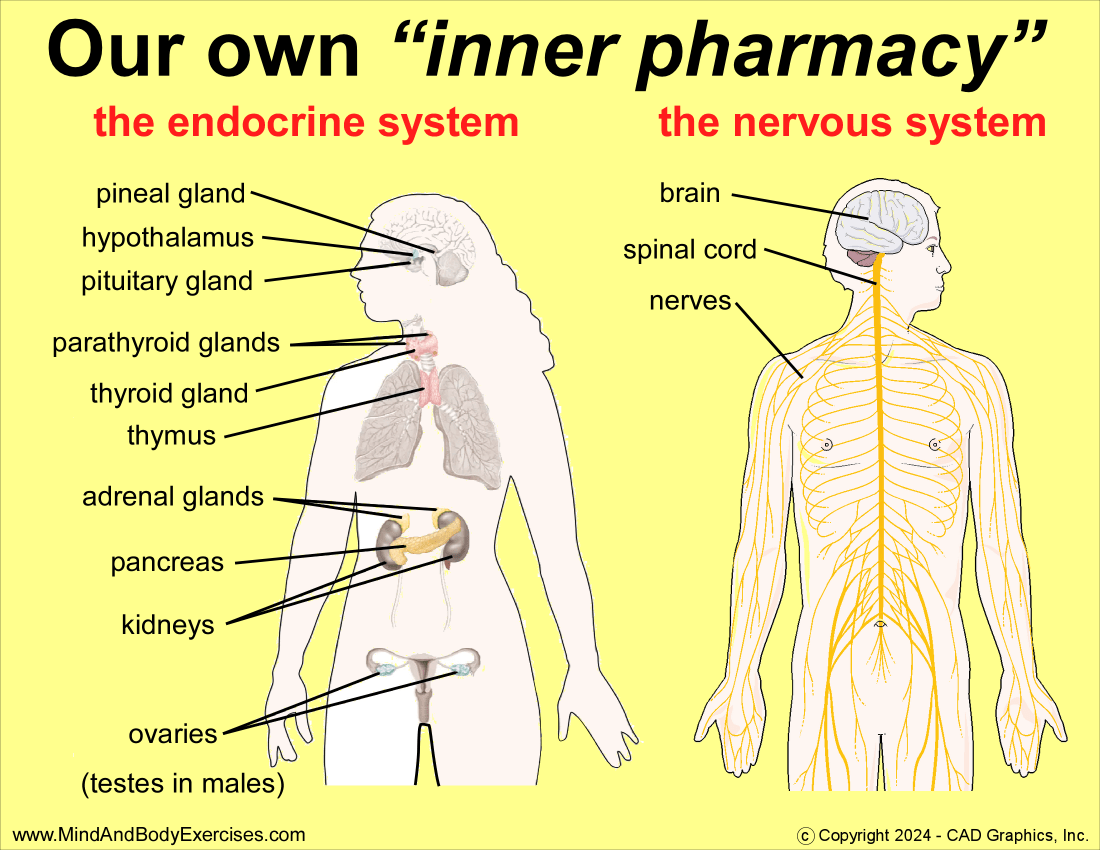
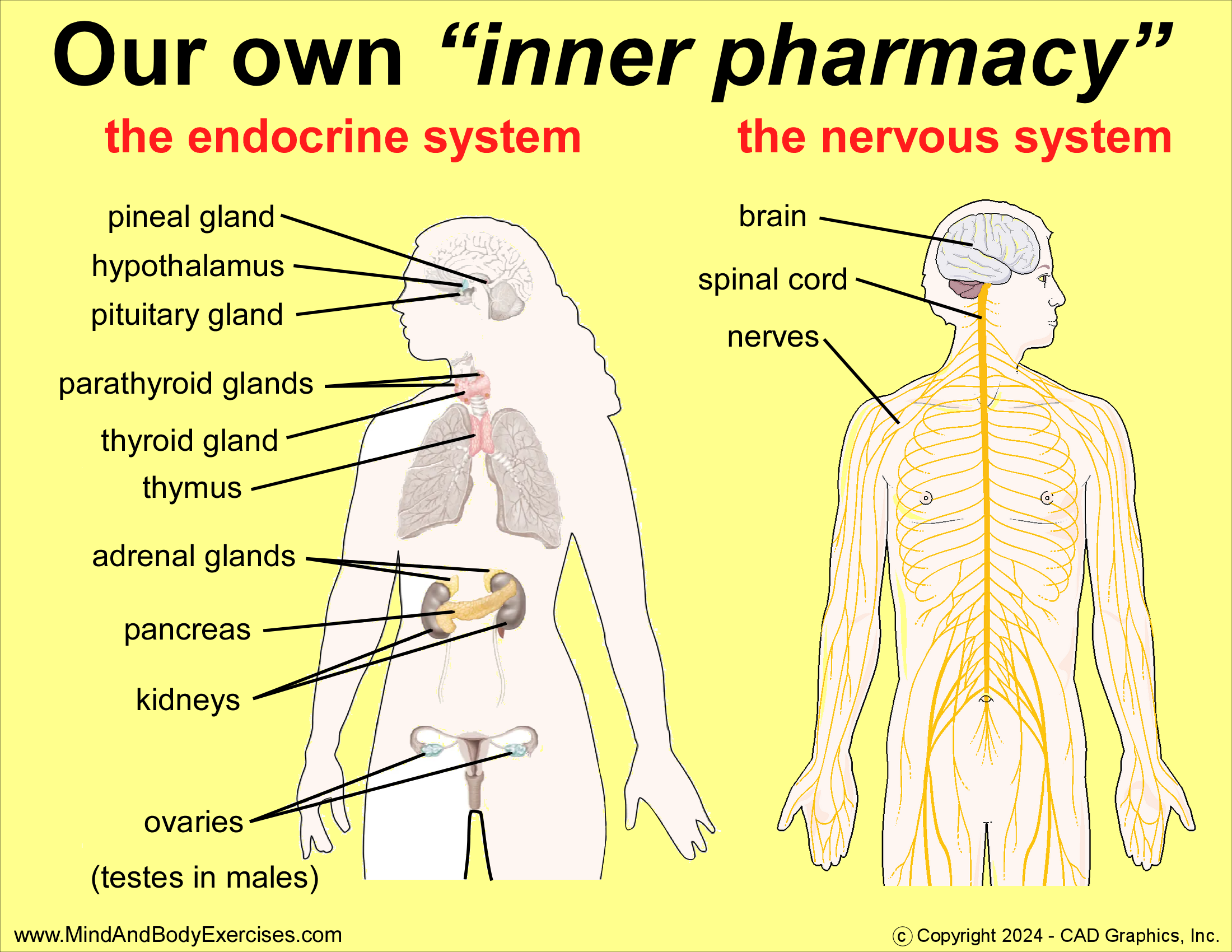
Human beings are not merely passive recipients of external chemicals. We carry within us an extraordinary “inner pharmacy” — a dynamic biochemical laboratory governed largely by the endocrine and nervous systems. At every moment, our bodies produce hormones, neurotransmitters, and signaling molecules that influence mood, energy, immunity, inflammation, motivation, and even perception.

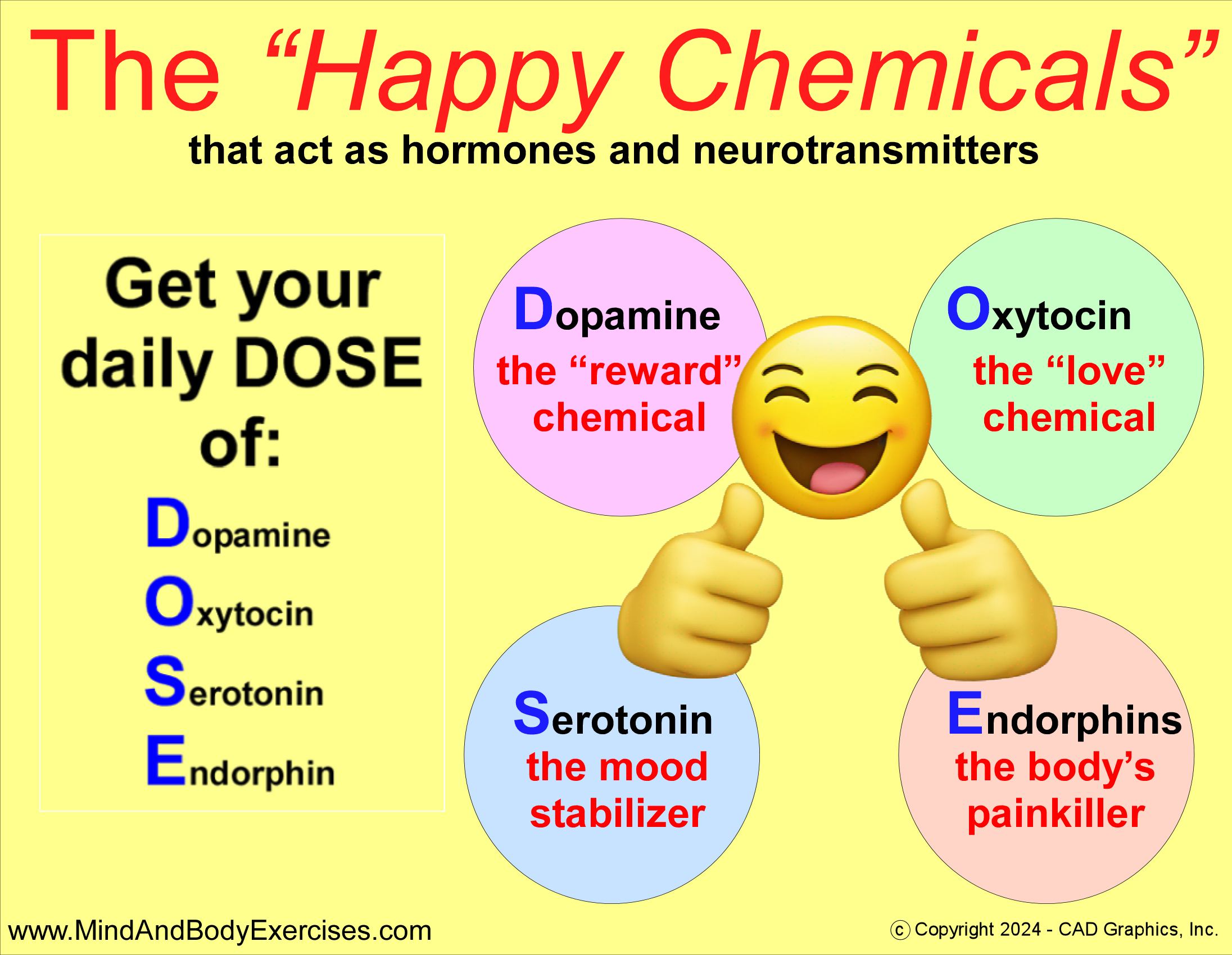
Stress hormones like cortisol and adrenaline can mobilize us for action. Endorphins can reduce pain. Oxytocin can deepen connection. Dopamine can enhance motivation and focus. Serotonin can stabilize mood. These substances are not foreign prescriptions; they are internally generated responses to how we live.

The remarkable reality is that we are not powerless in this process. Diet influences blood sugar stability, micronutrient availability, and hormone balance. Breath regulation can directly shift autonomic tone, moving us from sympathetic “fight-or-flight” dominance toward parasympathetic restoration. Thoughts and emotional patterns affect neurochemical cascades. Chronic rumination reinforces stress chemistry, while deliberate cognitive reframing can reduce it. Physical movement alters endocrine output. Sleep restores hormonal rhythms. Even posture and facial expression feed back into neurophysiology.

This does not mean we can will away disease or replace appropriate medical care. Rather, it means we possess meaningful influence over our internal chemistry. By consciously regulating diet, breathing, attention, emotional responses, and behavior, we participate in directing our own biochemistry.

The “inner pharmacy” is always open. The question is not whether chemicals are being dispensed, but which ones — and under what conditions.

Slow Breathing, why is This Beneficial?

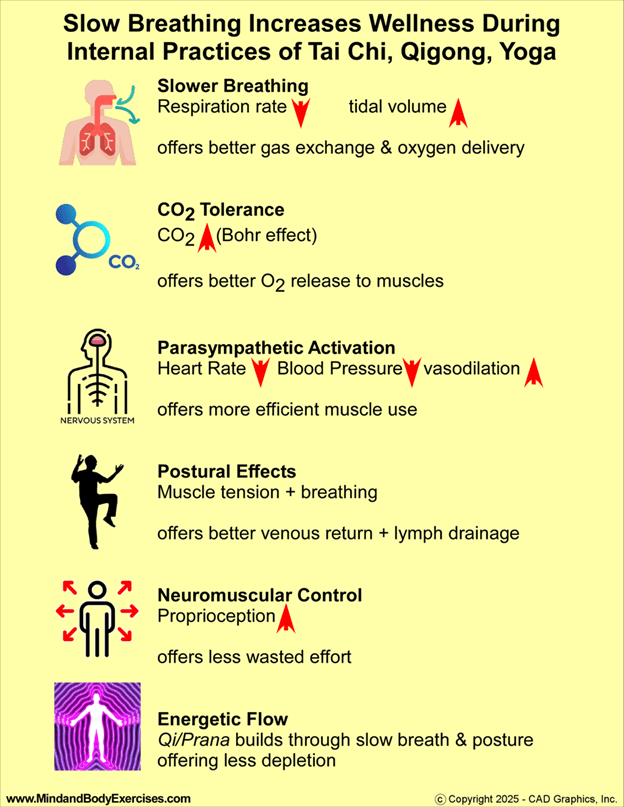
Internal practices like tai chi, qigong, and yoga: how slow, deep breathing can enhance rather than hinder oxygen delivery and energy during physically demanding postures. Let me unpack how this works from a Western physiological perspective, while also nodding to the energetic logic behind these practices.

Physiological Mechanisms at Play

1. Low Breathing Rate ≠ Low Oxygen Intake

  • When breathing frequency is reduced intentionally, it’s usually paired with deeper, more diaphragmatic breaths (also called “belly breathing”).
  • This increases tidal volume (the amount of air per breath), so although you’re breathing fewer times per minute, you may be getting the same or even more oxygen overall.
  • Slower breathing also enhances alveolar gas exchange because air stays in the lungs longer, allowing more thorough oxygen and CO₂ exchange.

Normal respiration rate: ~12 to 15 breaths/min (18 or more BPM when stressed)
In skilled practice: ~4–6 breaths/min (or less), with full exhalation and longer pause phases

2. Parasympathetic Activation and Efficiency

  • Slow, conscious breathing activates the parasympathetic nervous system (rest and digest), which:
    • Slows heart rate
    • Lowers blood pressure
    • Enhances vasodilation (better blood flow to extremities)
  • This reduces physiological tension, allowing the muscles to function more efficiently with less oxygen demand per unit of work.

3. Increased CO₂ Tolerance and Oxygen Utilization

  • Practices that involve breath retention or very slow breathing increase carbon dioxide (CO₂) tolerance.
  • Contrary to popular belief, CO₂ is the key signal for oxygen release via the Bohr effect:
    • Higher CO₂ levels shift hemoglobin to release more O₂ into tissues.
  • So, by tolerating higher CO₂, you actually increase oxygen delivery where it’s needed, especially in muscles under tension.

4. Improved Circulatory and Lymphatic Flow

  • Many postures in tai chi, yoga, and qigong involve dynamic tension, twisting, and limb positioning that:
    • Gently compress and release blood vessels (like a pump)
    • Aid in venous return (blood going back to the heart)
    • Enhance lymphatic drainage, helping with detox and immune function
  • Combined with deep breathing (which changes intra-thoracic pressure), these techniques mimic a second circulatory pump, where the breath and posture work together.

5. Enhanced Proprioception and Motor Control

  • By slowing breath and motion, practitioners become more aware of subtle muscle activation and joint positioning.
  • The cerebellum and somatosensory cortex are engaged more deeply, improving neuromuscular efficiency, so less “effort” is needed for the same or better results.
  • Muscles co-contract (yin-yang balance) with greater harmony, reducing unnecessary energy output.

Energetic and Traditional Viewpoint

From Traditional Chinese Medicine (TCM) or yogic perspectives:

  • Breath (qi/prana) is not just oxygen; it’s vital energy that nourishes tissues.
  • Slower breathing “builds” qi rather than expending it.
  • Holding postures while breathing deeply and slowly opens energy meridians, improves energy flow, and harmonizes internal organs.
  • In yoga, this aligns with pranayama and bandhas (locks), which store and redirect prana rather than dissipating it.

Summary: Why It Works

ChallengePhysiological Adaptation
Low breath rate under tensionIncreased tidal volume, better gas exchange
Increased CO₂Enhanced oxygen delivery via Bohr effect
Muscle demandGreater circulatory efficiency, less waste buildup
Nervous system stressParasympathetic dominance reduces overexertion
Static/dynamic posturesLymphatic drainage, better venous return
Breath–movement harmonyImproved motor control, proprioception, energetic alignment

References

Brown, R. P., & Gerbarg, P. L. (2005). Sudarshan Kriya Yogic Breathing in the Treatment of Stress, Anxiety, and Depression: Part II—Clinical Applications and Guidelines. The Journal of Alternative and Complementary Medicine, 11(4), 711–717. https://doi.org/10.1089/acm.2005.11.711

Jerath, R., Edry, J. W., Barnes, V. A., & Jerath, V. (2006). Physiology of long pranayamic breathing: Neural respiratory elements may provide a mechanism that explains how slow deep breathing shifts the autonomic nervous system. Medical Hypotheses, 67(3), 566–571. https://doi.org/10.1016/j.mehy.2006.02.042

Bernardi, L., Gabutti, A., Porta, C., & Spicuzza, L. (2001).
Slow breathing reduces chemoreflex response to hypoxia and hypercapnia, and increases baroreflex sensitivity.
Journal of Hypertension, 19(12), 2221–2229.
https://doi.org/10.1097/00004872-200112000-00016

Slow breathing reduces chemoreflex response to hypoxia and. . . : Journal of Hypertension. (n.d.). LWW. https://journals.lww.com/jhypertension/abstract/2001/12000/slow_breathing_reduces_chemoreflex_response_to.16.aspx

Streeter, C., Gerbarg, P., Saper, R., Ciraulo, D., & Brown, R. (2012). Effects of yoga on the autonomic nervous system, gamma-aminobutyric-acid, and allostasis in epilepsy, depression, and post-traumatic stress disorder. Medical Hypotheses, 78(5), 571–579. https://doi.org/10.1016/j.mehy.2012.01.021

Lehrer, P. M., & Gevirtz, R. (2014). Heart rate variability biofeedback: how and why does it work? Frontiers in Psychology, 5. https://doi.org/10.3389/fpsyg.2014.00756

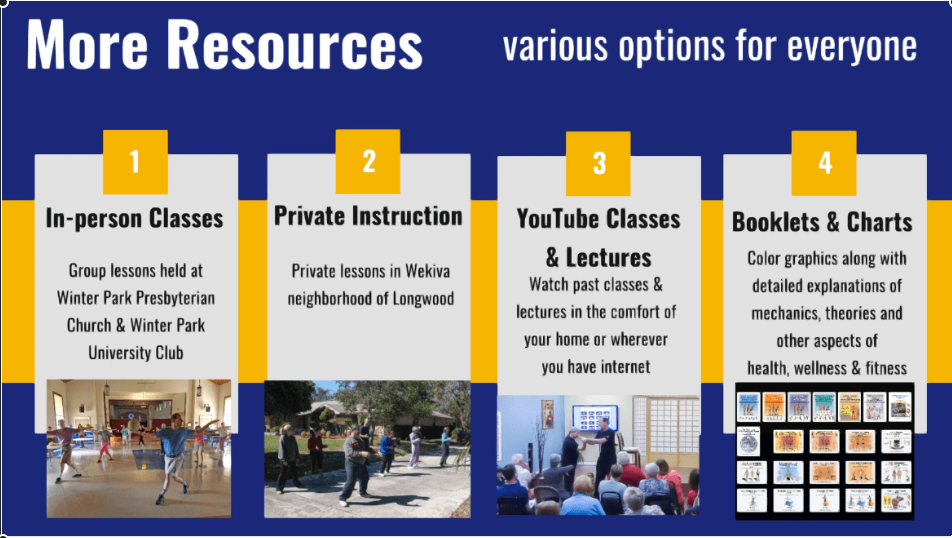
I look forward to further sharing more of my message by partnering with hospitals, wellness centers, VA centers, schools on all levels, businesses, and individuals who see the value in building a stronger nation through building a healthier population.

I also have hundreds of FREE education video classes, lectures, and seminars available on my YouTube channel at:

https://www.youtube.com/c/MindandBodyExercises

Many of my publications can be found on Amazon at:

http://www.Amazon.com/author/jimmoltzan

My holistic health blog is available at:

https://mindandbodyexercises.wordpress.com/

http://www.MindAndBodyExercises.com

Mind and Body Exercises on Google: https://posts.gle/aD47Qo

Jim Moltzan

407-234-0119

Why We Sleep Better in Cooler Rooms – And Why a Hot Shower Can Help

In the world of holistic health, quality sleep is foundational to healing, regeneration, and mental clarity. Yet many people struggle with falling or staying asleep, unaware that their sleeping environment, particularly the temperature, may be working against them. Interestingly, both science and traditional wisdom agree: a cooler room helps the body sleep more deeply. But perhaps more surprising is the fact that a hot shower before bed can actually help you fall asleep faster. How can both be true?

Let’s explore the physiology of thermoregulation, circadian rhythms, and the role of temperature in sleep and what this means for your wellness routine.

Cooler Temperatures Support the Body’s Natural Sleep Rhythms

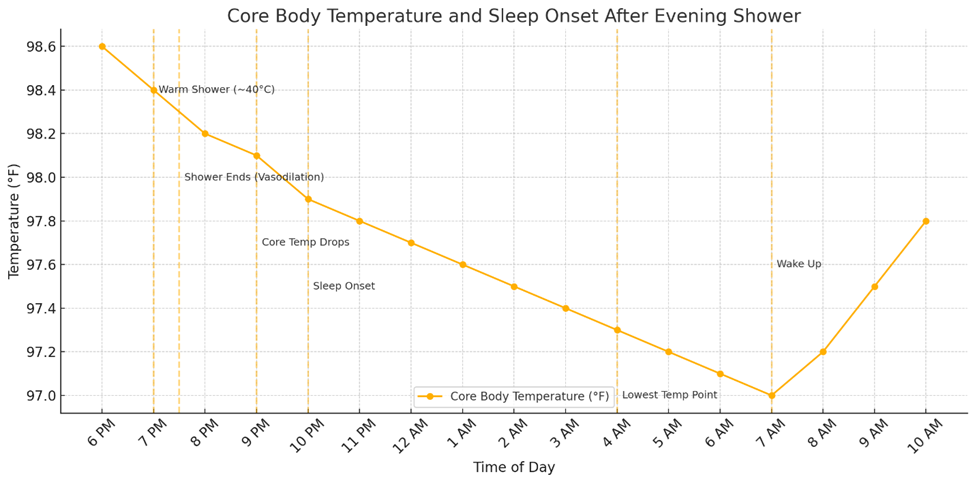
Human sleep is governed by the circadian rhythm, a 24-hour biological clock that regulates many body functions, including core body temperature. In a healthy cycle:

  • Core temperature begins to drop in the late evening, signaling the brain to prepare for sleep.
  • This drop continues through the night, reaching its lowest point around 4 a.m., then rising toward morning wakefulness.
  • A cooler ambient temperature supports this process, helping initiate and sustain deeper stages of sleep.

In essence, cooling the body acts as a natural signal for the nervous system to wind down. When the room is too warm, the body struggles to release heat, leading to more wakefulness, disrupted REM cycles, and less restorative sleep.

According to research, temperatures between 60–67°F (15–19°C) are optimal for most adults to achieve better sleep efficiency and fewer nighttime awakenings (Kräuchi et al., 2000).

Why a Hot Shower Before Bed Helps – Through Cooling

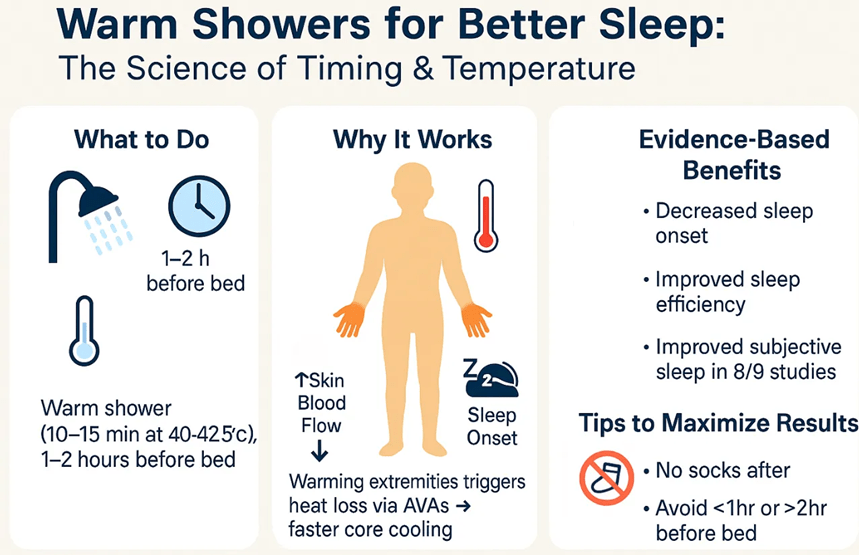
Here’s where it gets interesting. While cooler environments promote better sleep, a hot shower (or bath) about 1–2 hours before bed has also been shown to help people fall asleep faster. This isn’t a contradiction, it’s physiology in action.

Here’s how it works:

  1. A hot shower raises skin temperature, prompting the blood vessels near the surface (especially in hands, feet, and face) to dilate.
  2. This vasodilation enables the body to shed heat more effectively once you step out of the shower.
  3. As a result, your core body temperature rapidly decreases, mimicking the natural nighttime drop and signaling your brain to initiate sleep.

This process supports the body’s thermoregulation and helps shorten sleep onset latency, the time it takes to fall asleep.

A 2019 meta-analysis found that warm showers or baths taken 1–2 hours before bedtime reduced sleep onset time by up to 10 minutes, especially when combined with a cool sleeping environment (Haghayegh et al., 2019).

Holistic Implications: Sleep as a Ritual of Restoration

From a holistic health perspective, sleep is not merely a pause in activity. It is the body’s most profound period of healing and integration. Optimizing temperature regulation supports:

  • Melatonin production, which rises as the core temperature drops
  • Activation of the parasympathetic nervous system, the body’s natural “rest-and-digest” state
  • Emotional regulation, immune repair, and neurocognitive processing during REM and deep sleep

In this context, a hot shower can become more than hygiene. It can become a pre-sleep ritual, one that invites the body into a state of balance. The transition from warmth (shower) to coolness (bedroom) becomes a symbolic and physiological descent into stillness.

This aligns beautifully with Eastern practices such as Taoist bath meditations and Ayurvedic evening routines (dinacharya), which emphasize gentle warming, grounding, and purification before rest.

Practical Tips for Holistic Sleep Support

If you’re struggling with sleep or just want to deepen your nightly restoration try this:

  1. Take a warm shower (104–109°F / 40–43°C) about 90 minutes before bed.
  2. Use the time to also slow your breathing, quiet your thoughts, and mentally disconnect from the day.
  3. After drying off, transition to a cool, dark room (60–67°F).
  4. Choose natural fiber bedding and avoid artificial light sources or screens.
  5. Consider mindful breathing, gentle stretching, or herbal teas to further activate the parasympathetic nervous system.

Honor the Body’s Rhythms

The human body has an elegant wisdom built into its rhythms. By working with rather than against these cycles, we allow sleep to unfold more naturally. In holistic wellness, small shifts, like adjusting your room temperature or adding a warm shower to your evening routine can have a profound impact on your physical, emotional, and spiritual vitality.

Instead of forcing sleep through stimulants or sedatives, let the body return to its own balance. Honor the descent into stillness and let cool darkness and gentle ritual guide you into healing rest.

References:

Cagnacci, A., Elliott, J. A., & Yen, S. S. (1992). Melatonin: a major regulator of the circadian rhythm of core temperature in humans. The Journal of clinical endocrinology and metabolism, 75(2), 447–452. https://doi.org/10.1210/jcem.75.2.1639946

Haghayegh, S., Khoshnevis, S., Smolensky, M. H., Diller, K. R., & Castriotta, R. J. (2019). Before-bedtime passive body heating by warm shower or bath to improve sleep: A systematic review and meta-analysis. Sleep Medicine Reviews, 46, 124–135. https://doi.org/10.1016/j.smrv.2019.04.008

Kräuchi, K., Cajochen, C., Werth, E., & Wirz-Justice, A. (2000). Functional link between distal vasodilation and sleep-onset latency? American Journal of Physiology-Regulatory, Integrative and Comparative Physiology, 278(3), R741–R748. https://doi.org/10.1152/ajpregu.2000.278.3.R741

Luu, B., MD. (2025, May 22). Unlock Better Sleep with a Warm Shower. Brandon Luu MD. https://brandonluumd.substack.com/p/unlock-better-sleep-with-a-warm-shower

The 8 Active Ingredients of Tai Chi: A Warrior, Scholar & Sage Perspective

We often hear that Tai Chi is good for balance, relaxation, and overall health. But the deeper question is this:

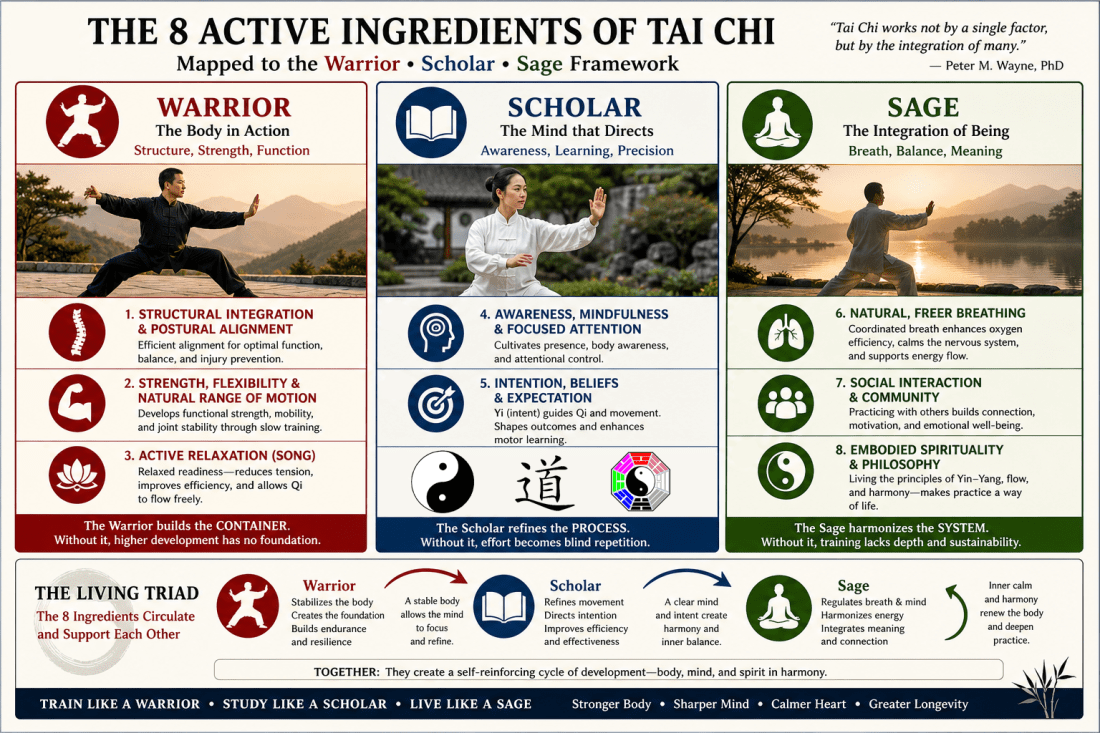
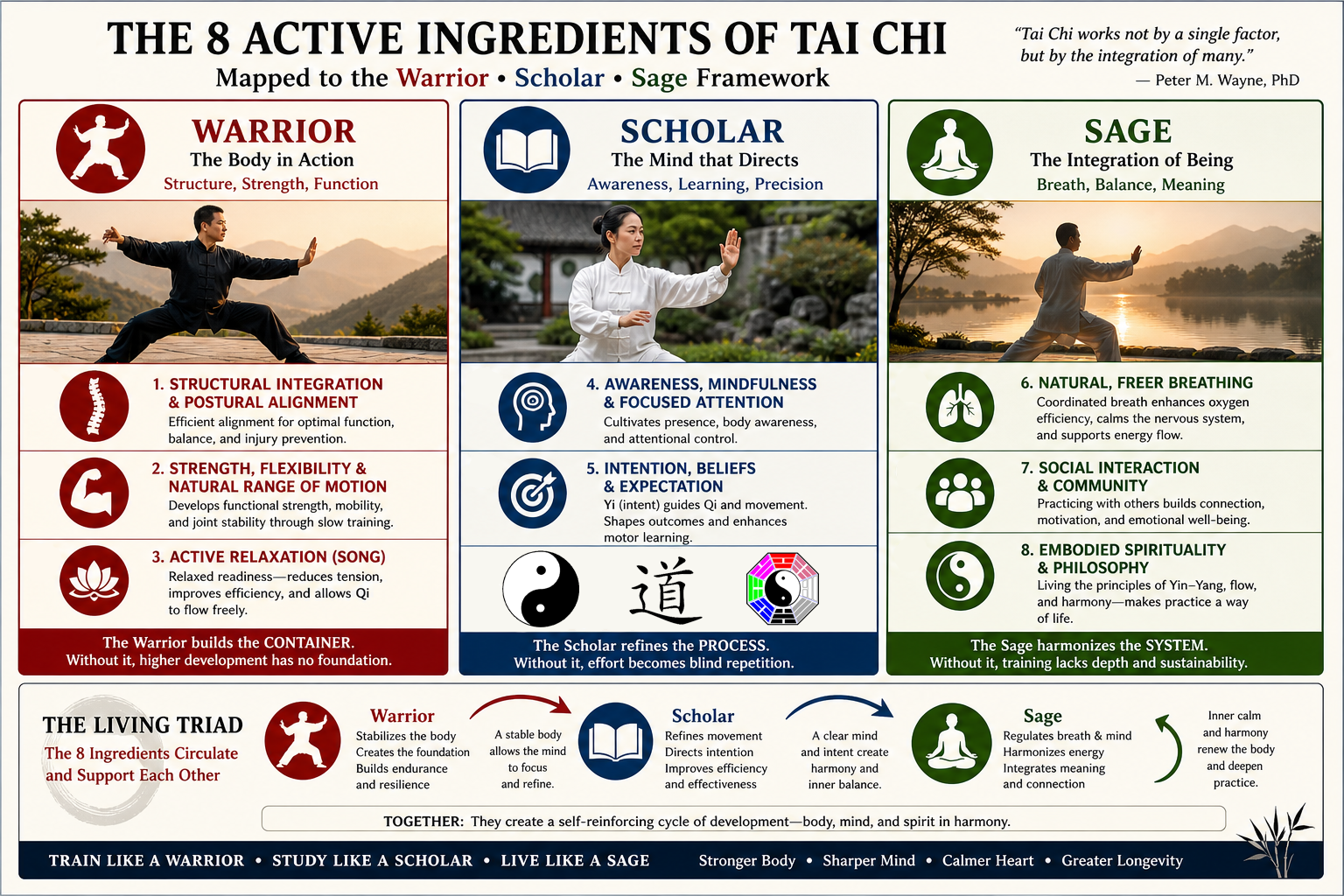
In The Harvard Medical School Guide to Tai Chi, Peter M. Wayne introduces the concept of the “8 active ingredients” of Tai Chi. His research-based perspective frames Tai Chi not as a single exercise, but as a multi-system method that integrates body, mind, and breath into a unified practice (Wayne & Fuerst, 2013; Wayne, 2014).

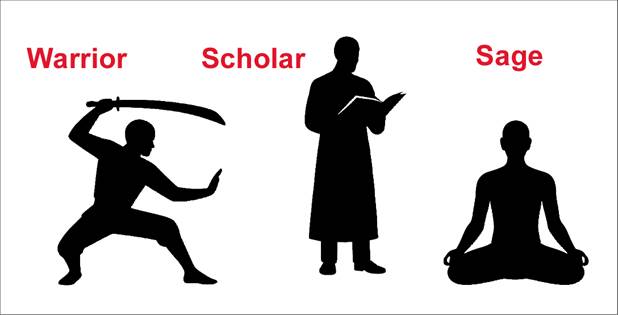
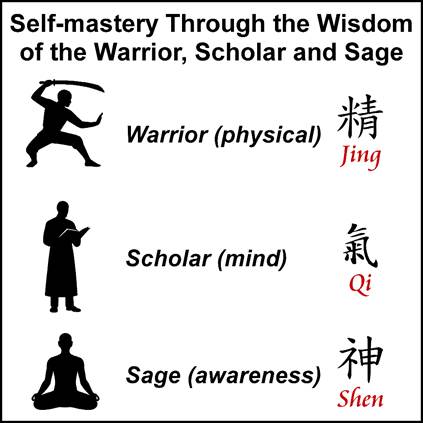
From my perspective, after more than four decades of training, teaching, and living these methods, these “ingredients” map clearly into a timeless framework:

This triad provides a practical and philosophical lens to understand how Tai Chi truly develops the human being.

Tai Chi as a Complete System

Wayne’s eight ingredients include:

  • Awareness and mindfulness
  • Intention and expectation
  • Structural alignment
  • Active relaxation (song)
  • Strength and flexibility
  • Breathing
  • Social interaction
  • Philosophy and meaning

Individually, each has value. But together, they create something far more powerful:

A self-reinforcing system of physical conditioning, mental refinement, and internal regulation (Wayne & Fuerst, 2013).

Research on Tai Chi consistently shows improvements across multiple systems, including musculoskeletal strength, balance, cardiovascular health, and psychological well-being, supporting its role as a multicomponent intervention rather than a single-modality exercise (Wang et al., 2010; Wayne et al., 2014).

The Warrior represents the physical foundation of practice.

This includes:

  • Structural alignment and posture (somatic re-calibration)
  • Functional strength and mobility
  • Active relaxation under load

Through stance training, controlled movement, and progressive endurance, the body becomes:

  • Stable
  • Rooted
  • Reliable under stress

This is not bodybuilding. It is functional integrity.

Modern research supports Tai Chi’s ability to improve balance, lower extremity strength, and reduce fall risk, particularly in aging populations (Li et al., 2005; Wayne et al., 2014).

In Traditional Chinese terms, this develops the body’s Jing, the physical essence that supports all higher functions.

_____

The Scholar represents awareness, learning, and intention.

This includes:

  • Mindfulness and focused attention
  • The use of intention (Yi) to guide movement
  • Continuous self-correction and refinement (iterative cultivation)

This is where practice shifts from repetition to intelligent training.

You begin to notice:

  • Where tension exists
  • Where alignment breaks down
  • Where effort is wasted

The mind becomes an active participant, not a passive observer.

Research in neuroscience shows that mindful movement practices like Tai Chi enhance attention, cognitive function, and neuroplasticity, while also reducing stress-related reactivity (Larkey et al., 2009; Wayne et al., 2014).

This aligns with the cultivation of Qi, the functional energy that animates movement and coordination.

_____

The Sage represents balance, breath, and meaning.

This includes:

  • Natural, coordinated breathing
  • Nervous system regulation
  • Philosophical understanding (yin and yang, flow, harmony)
  • Connection with others through shared practice
  • All of the above = transmutation

At this level, Tai Chi becomes more than exercise. It becomes:

  • Restorative
  • Meditative
  • Sustainable for a lifetime

Breathing practices associated with Tai Chi have been shown to enhance parasympathetic activity, improve heart rate variability, and support emotional regulation (Brown & Gerbarg, 2005; Wayne et al., 2014).

Social engagement and group-based movement practices also contribute to improved adherence and psychological well-being (Wayne & Fuerst, 2013).

This is the cultivation of Shen, the spirit or integrated awareness.

_____

The Living Triad: How It All Works Together

These are not separate stages. They are interdependent processes.

And in return:

  • A calm mind improves movement
  • Better movement improves structure
  • Strong structure supports deeper relaxation

This creates a continuous loop of development:

Body → Mind → Breath → Awareness → Back to Body

This systems-based interaction is precisely why Tai Chi produces broad, cross-domain health benefits, influencing physical, cognitive, and emotional systems simultaneously (Wayne et al., 2014; Wang et al., 2010).

A Practical Takeaway

If you are practicing—or teaching—Tai Chi, consider this simple framework:

  • Train like a Warrior
    Build strength, structure, and endurance
  • Study like a Scholar
    Refine awareness, intention, and precision
  • Live like a Sage
    Breathe, balance, and harmonize

When all three are present, practice becomes complete.

Modern science is beginning to validate what traditional systems have long understood:

True development is not isolated. It is integrated.The body, mind, and spirit are not separate systems to be trained independently, but aspects of a single, living process.

Tai Chi, when practiced correctly, is one of the clearest expressions of this truth (Wayne & Fuerst, 2013; Wayne et al., 2014).

References

Brown, R. P., & Gerbarg, P. L. (2005). Sudarshan Kriya yogic breathing in the treatment of stress, anxiety, and depression: Part I—Neurophysiologic model. Journal of Alternative and Complementary Medicine, 11(1), 189–201. https://doi.org/10.1089/acm.2005.11.189

Larkey, L., Jahnke, R., Etnier, J., & Gonzalez, J. (2009). Meditative movement as a category of exercise: Implications for research. Journal of Physical Activity and Health, 6(2), 230–238. https://doi.org/10.1123/jpah.6.2.230

Li, F., Harmer, P., Fisher, K. J., & McAuley, E. (2005). Tai Chi and fall reductions in older adults: A randomized controlled trial. Journals of Gerontology Series A: Biological Sciences and Medical Sciences, 60(2), 187–194. https://doi.org/10.1093/gerona/60.2.187

Wang, C., Collet, J. P., & Lau, J. (2004). The effect of Tai chi on health outcomes in patients with chronic conditions. Archives of Internal Medicine, 164(5), 493. https://doi.org/10.1001/archinte.164.5.493

Wayne, P. M., Berkowitz, D. L., Litrownik, D. E., Buring, J. E., & Yeh, G. Y. (2014). What do we really know about the safety of tai chi?: A systematic review of adverse event reports in randomized trials. Archives of Physical Medicine and Rehabilitation, 95(12), 2470–2483. https://doi.org/10.1016/j.apmr.2014.05.005

Wayne, P. & Mark Fuerst. (2012). The Harvard Medical School Guide to Tai Chi: 12 weeks to a healthy body, strong heart, and Sharp mind [Health]. In The Harvard Medical School Guide to Tai Chi (12 Weeks). Harvard Health Publications. https://honhuhai.wordpress.com/wp-content/uploads/2016/08/tai-chi-the_harvard_m.pdf

Wayne, P. M. (2014). The active ingredients of Tai Chi. Harvard Health Publishing.