
“That which does not kill us makes us stronger.”
– Friedrich Nietzsche
By putting oneself through voluntary stressful activities over time and with diligent practice, one can better cope with involuntary stressors in everyday life. One does not have to become great at the activities, but rather better by putting in the focus, time, and effort. Becoming better and mindful of the activity are the goals of self-cultivation that may lead to self-realization. I have come to understand that in order to practice self-cultivation certain components need to become apparent to the practitioner:
- Regulation of the emotions (to create space between thoughts and relative feelings/emotions)
- Closing, minimalizing, or becoming less distracted by the 5 senses of vision, sound, taste, touch, and smell (to bring about tranquility)
- Become aware of being in the present moment (interrupt the pattern of the daily mundane tasks and chores)
- Live with methods of self-cultivation in your daily practices, as opposed to waiting for the perfect time, place and environment in order to become present.
Depending upon various practices and activities, an individual can strive to achieve these facets of self-cultivation.
The Impact of New Challenges on Eustress, Brain Development, and Mental Well-Being
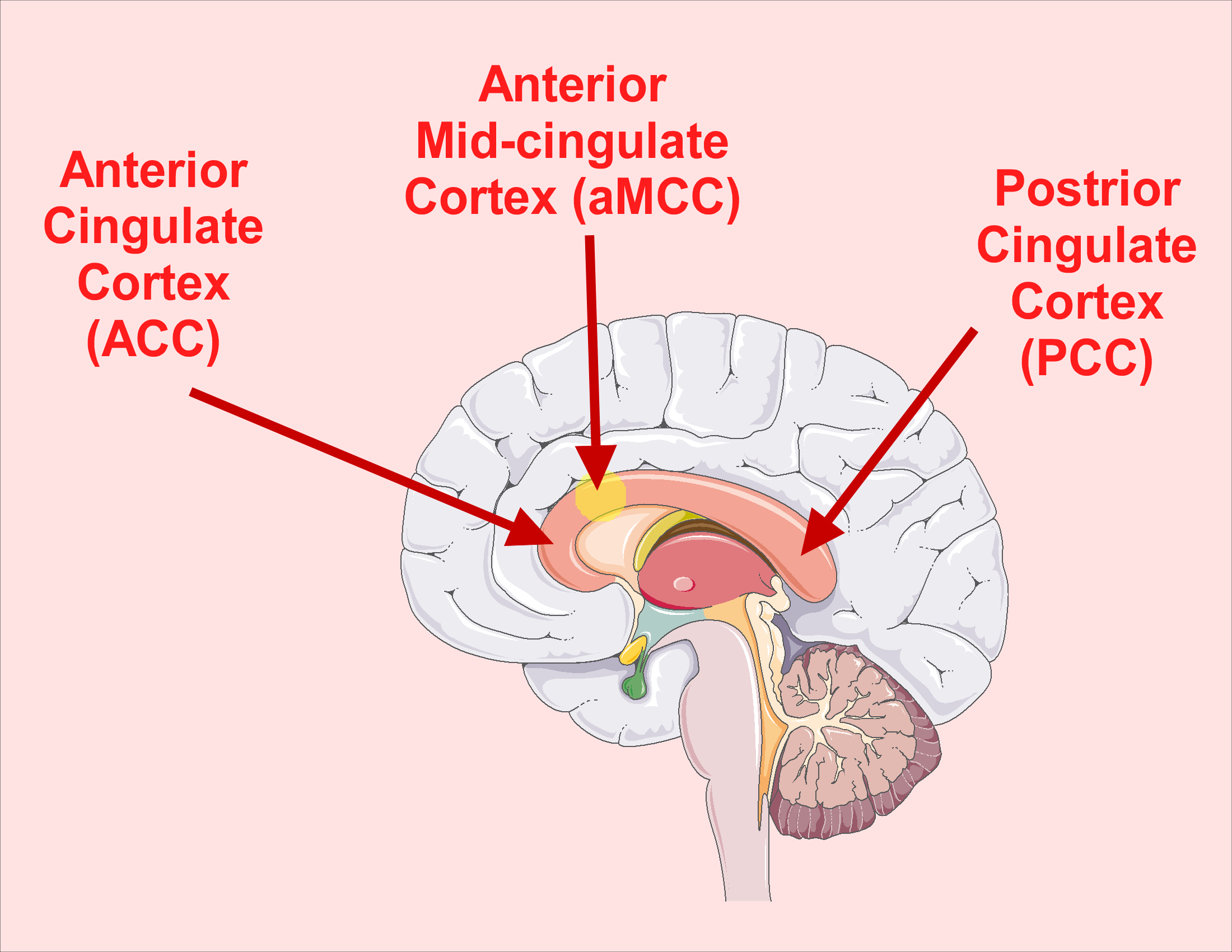
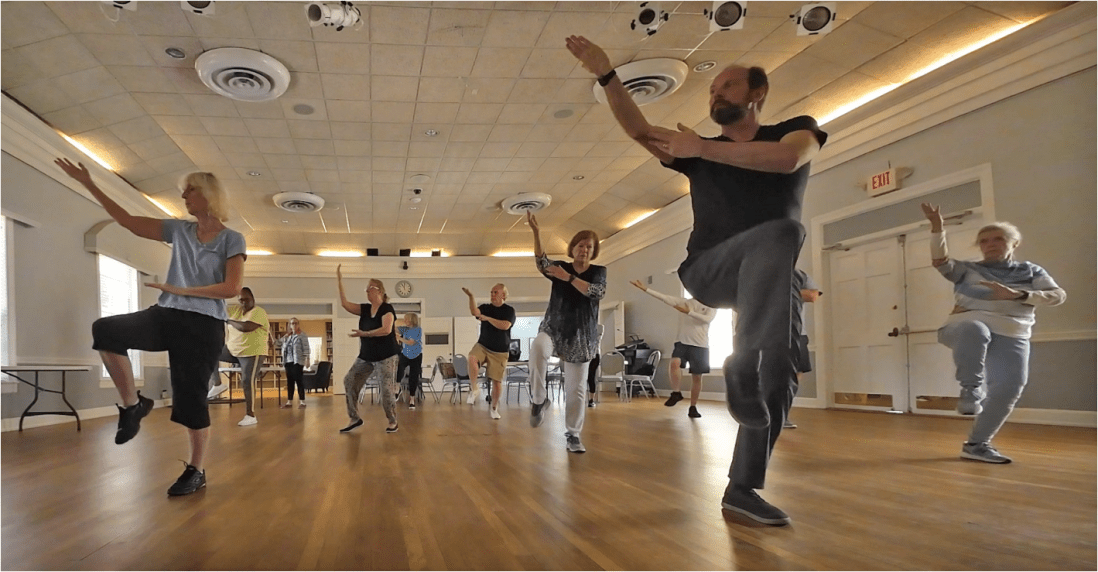
Pursuing new challenges, usually skillful methods such as learning to play a musical instrument, singing, dancing, earning a new degree, practicing tai chi or yoga, learning another language, or engaging in creative arts like painting or sculpting, has profound effects on both physical and mental well-being. These activities stimulate cognitive functions, contribute to brain growth, and promote the release of “good” neurotransmitters, which influence a wide range of physiological and psychological processes. One key outcome of these challenges is the experience of eustress, or positive stress, which enhances performance, resilience, and brain development. In particular, activities that involve learning and personal growth have been shown to increase the size of the anterior mid-cingulate cortex (aMCC) and stimulate beneficial changes in the brain and body.

Eustress and Its Role in Well-Being
Eustress is a form of stress that stimulates motivation and enhances performance. Unlike distress, which can be overwhelming and harmful, eustress promotes mental clarity, emotional satisfaction, and resilience. When engaging in new challenges, the brain responds by increasing arousal and focus, which leads to the release of certain hormones and neurotransmitters that support cognitive and emotional regulation. This “positive stress” creates a cycle in which effort and reward are reinforced, helping individuals build greater resilience over time.
For example, learning to play an instrument or practicing yoga requires sustained focus, which triggers a release of adrenaline and norepinephrine from the locus coeruleus in the brain and the adrenal glands just above each kidney. These hormones sharpen focus, increase heart rate, and enhance physical readiness. This initial physiological response primes the body for action, while mental engagement leads to emotional satisfaction as the individual experiences mastery over a new skill.
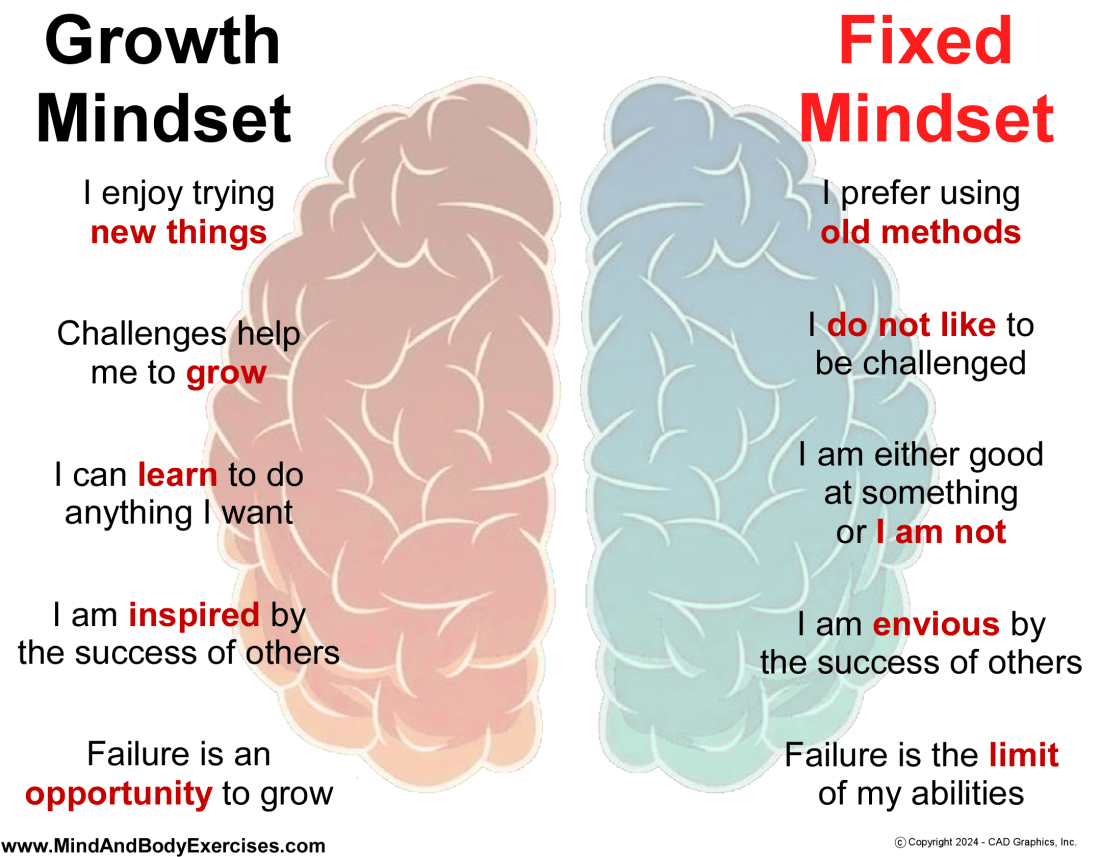
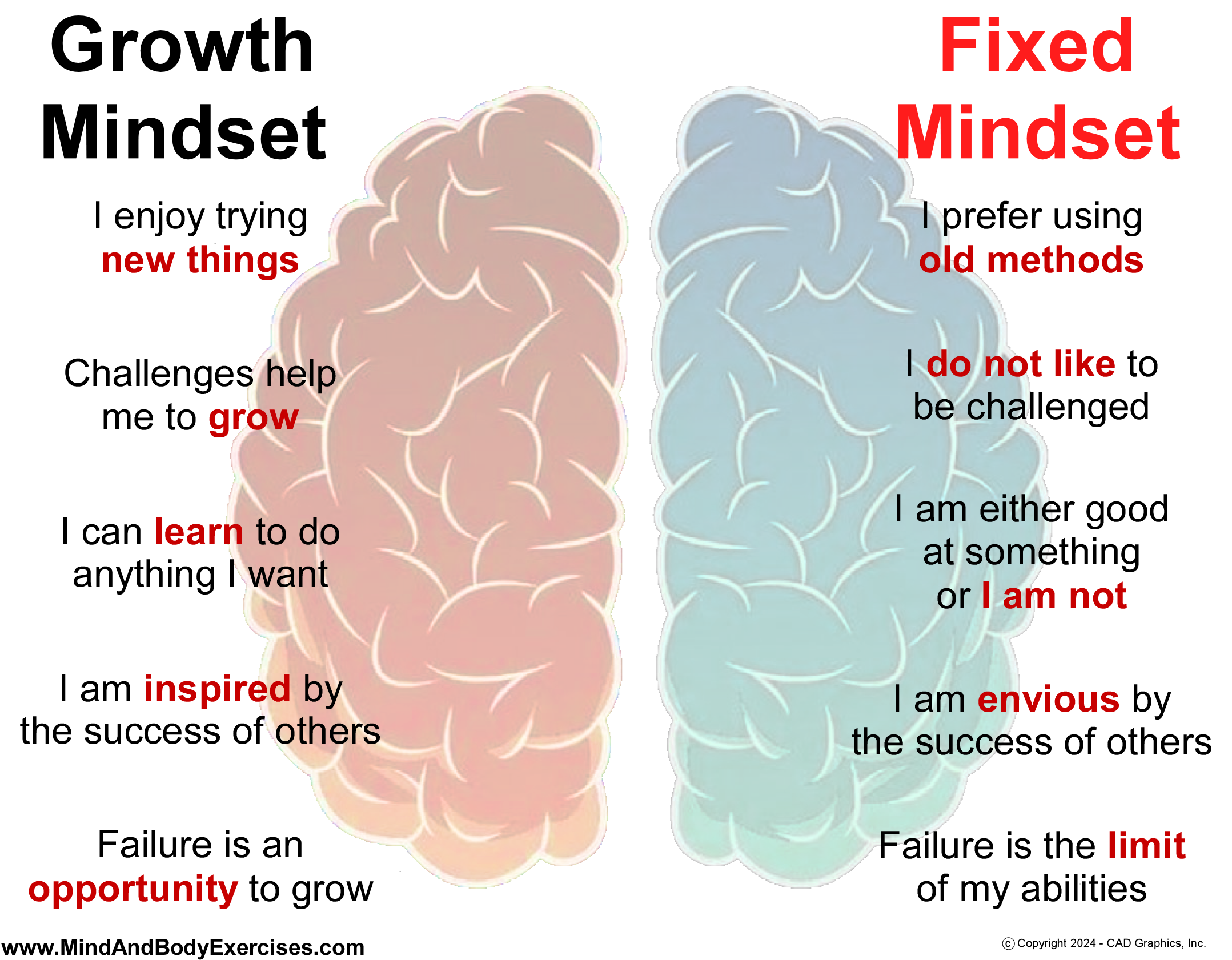
In the long term, eustress fosters a growth mindset—a belief that abilities can improve with effort and persistence. This mindset encourages individuals to pursue even greater challenges, further enhancing cognitive flexibility, problem-solving ability, and overall mental well-being.
Brain Development and the Anterior Mid-Cingulate Cortex
One of the key regions of the brain involved in processing new challenges is the anterior mid-cingulate cortex (aMCC). The aMCC is located within the cingulate gyrus and is involved in cognitive control, motivation, error processing, and emotional regulation. It is particularly active when individuals engage in tasks that require effort, attention, and decision-making—such as learning a new instrument, mastering yoga postures, or solving academic problems. Research shows that the aMCC grows in response to sustained mental effort, with increased volume and thickness in this region linked to improved cognitive performance.
As individuals challenge themselves to learn new tasks, such as those that require fine motor skills, sustained attention, or problem-solving, the aMCC helps process errors, monitor performance, and regulate the allocation of cognitive resources. This leads to improved task performance over time and a greater sense of accomplishment. Moreover, activities that demand attention and effort promote neuroplasticity, allowing the brain to reorganize and strengthen neural connections in the aMCC and other related regions.
Neurotransmitters: Production and Impact on Brain and Body
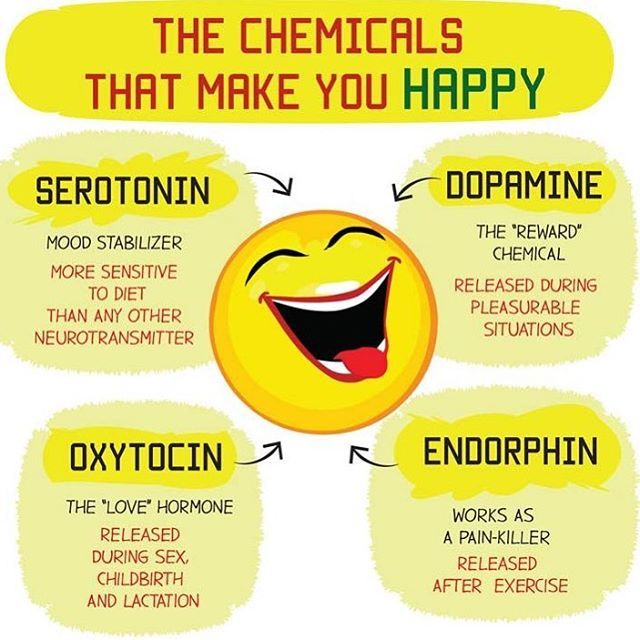
Engaging in new challenges triggers the release of key neurotransmitters—dopamine, serotonin, endorphins, and GABA—which regulate mood, motivation, emotional balance, and physical well-being. Understanding where these neurotransmitters are produced in the brain and body, and the areas they affect, sheds light on their powerful influence on mental and physical health.
- GABA (Gamma-Aminobutyric Acid): GABA is a neurotransmitter that inhibits neural activity, promoting calmness and reducing anxiety. It is produced in the brain by GABAergic neurons and is particularly active in the cerebral cortex and hippocampus. Practices such as meditation, yoga, and tai chi enhance GABA production, which helps to regulate the body’s response to stress and promotes relaxation. GABA inhibits excessive neural activity in the amygdala, reducing anxiety and improving emotional control
- Dopamine: Produced primarily in the substantia nigra and ventral tegmental area (VTA) in the brain, dopamine plays a crucial role in motivation, reward, and the pursuit of pleasure. It is released in response to activities that offer a sense of accomplishment or learning, such as completing a difficult task or mastering a new skill. Dopamine acts on the nucleus accumbens and prefrontal cortex, enhancing focus, goal-directed behavior, and anticipation of rewards. It also influences motor control via its actions on the basal ganglia, particularly during activities that require fine motor skills like playing a musical instrument or practicing tai chi.
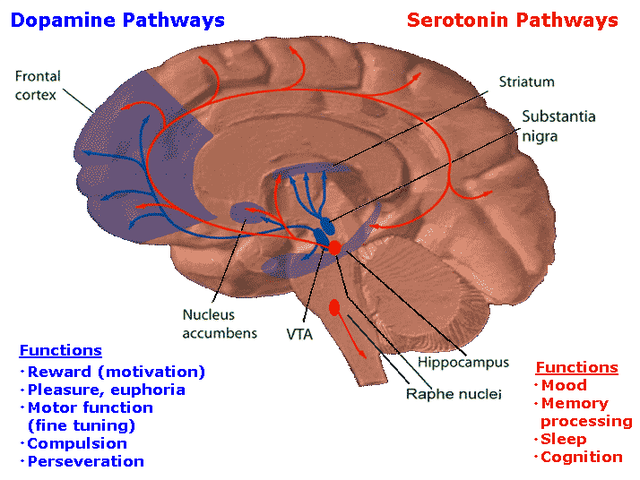
- Serotonin: This neurotransmitter is produced in the raphe nuclei, located in the brainstem, and is widely distributed throughout the brain. Serotonin regulates mood, anxiety, and emotional well-being. Practices such as yoga, tai chi, and other mindfulness activities stimulate serotonin production, which acts on the amygdala (responsible for emotional processing), the hippocampus (involved in memory formation), and the prefrontal cortex (critical for higher-order thinking and decision-making). Increased serotonin helps reduce anxiety, stabilize mood, and improve emotional resilience.
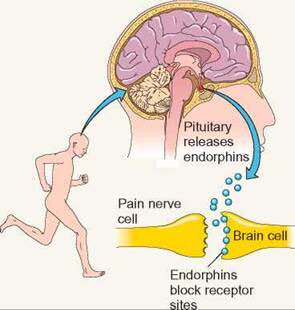
- Endorphins: Produced in the pituitary gland and hypothalamus, endorphins act as natural painkillers and are released during physical activity, including yoga, tai chi, and other forms of exercise. These chemicals bind to opioid receptors in the brain and spinal cord, reducing pain perception and promoting a sense of euphoria. Endorphins also interact with areas of the brain involved in emotional regulation, such as the limbic system and the prefrontal cortex, contributing to feelings of relaxation and well-being.

Enhancing Cognitive Functions and Neuroplasticity
Challenging activities like learning to play an instrument, earning a degree, or engaging in creative pursuits stimulate the brain’s neuroplasticity—the ability to reorganize itself by forming new neural connections. This process strengthens cognitive functions like memory, attention, and problem-solving, while also promoting the growth of new neurons (neurogenesis).
For example, playing a musical instrument engages multiple brain regions, including the motor cortex (for hand movements), the auditory cortex (for processing sound), and the prefrontal cortex (for planning and decision-making). As the brain coordinates these functions, new neural connections form between these regions, enhancing cognitive flexibility and executive function. Similarly, activities like painting or sculpting stimulate the visual cortex and areas involved in creativity and spatial reasoning, such as the parietal lobe, leading to improved creative problem-solving skills and greater cognitive resilience.
Physiological Benefits of Physical and Mental Challenges
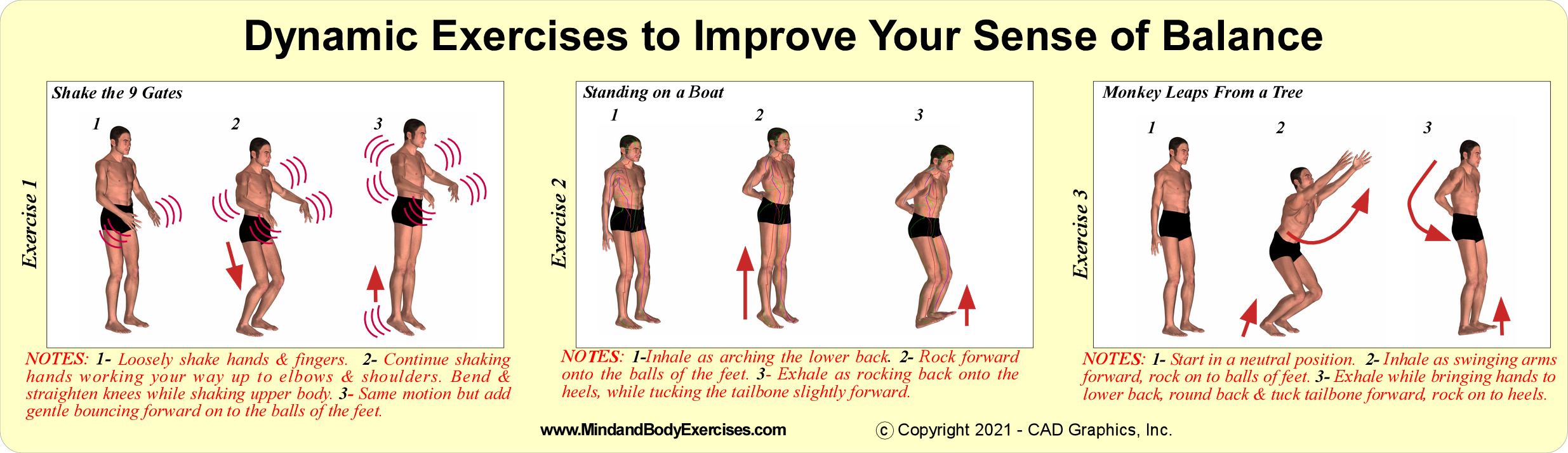
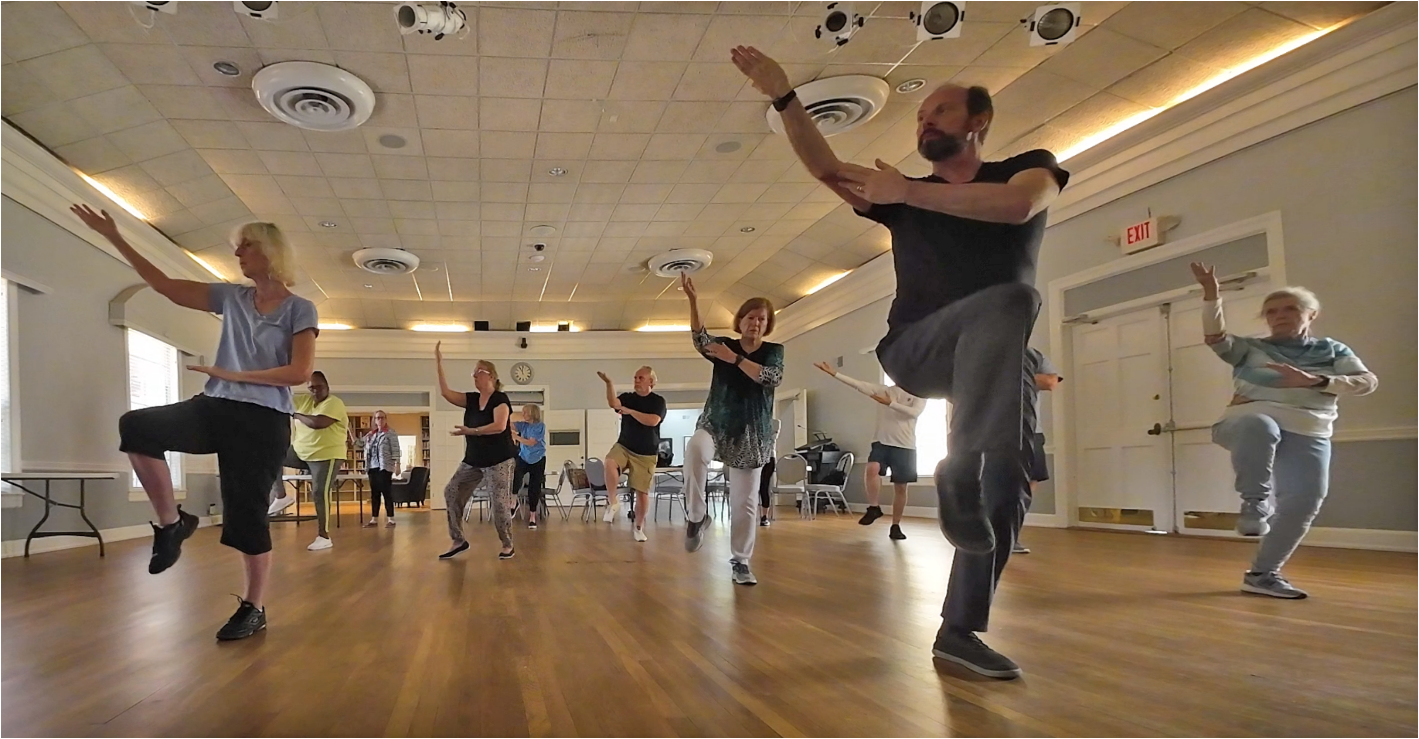
Engaging in new physical and mental challenges has a wide range of benefits for both the brain and body. Practices like tai chi and yoga not only improve physical health by enhancing balance, coordination, and flexibility, but they also promote mind-body integration, which has significant cognitive and emotional benefits. These activities stimulate the parasympathetic nervous system, which promotes relaxation, reduces cortisol levels (the stress hormone), and improves immune function.
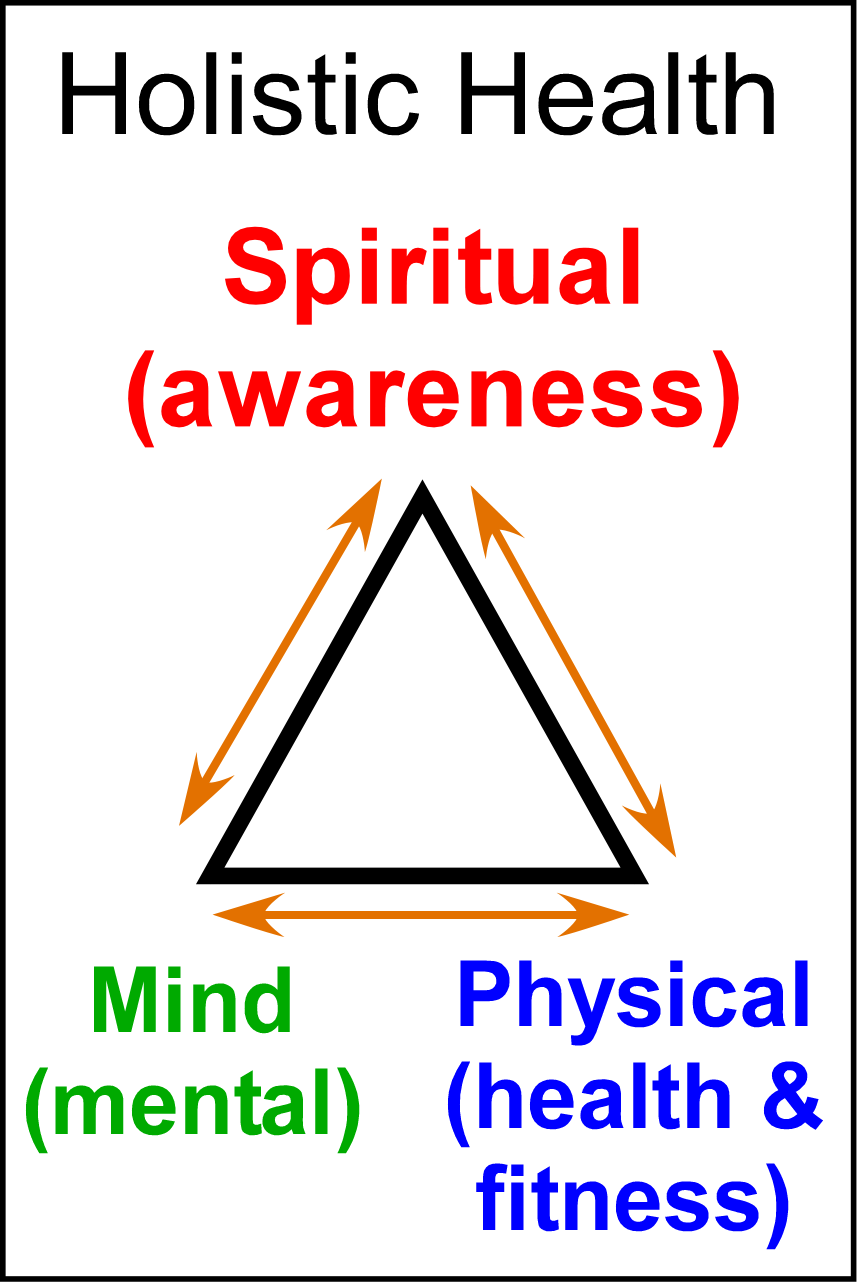
Mentally engaging activities, such as earning a new degree or learning to paint, stimulate neural circuits that enhance cognitive function, while also promoting the production of neurotransmitters that regulate mood and emotional well-being. The combination of mental effort and physical relaxation leads to a holistic sense of well-being, with improvements in both mental clarity and physical health.
Conclusion
Pursuing new challenges, whether physical, intellectual, or creative, triggers a cascade of positive effects in the brain and body. The experience of eustress fosters resilience, motivation, and personal growth, while activities that engage the brain leading to neuroplasticity and cognitive enhancement. Key brain regions, such as the anterior mid-cingulate cortex, grow in response to new challenges, while neurotransmitters like dopamine, serotonin, endorphins, and GABA promote emotional balance and well-being. Through these mechanisms, challenging ourselves with new pursuits enhances both our physical and mental health, allowing us to thrive and achieve greater fulfillment in life. Overall, it doesn’t really matter if the individual becomes great or even good in their pursuit of skillful methods. What is more important is the intent and effort puts towards the activity itself which becomes a conduit to self-cultivation and hopefully self-realization.
References: Eustress and Positive Stress:
- Selye, H. (1974). Stress without distress. New York: Harper & Row.
- Nelson, D. L., & Simmons, B. L. (2003). Eustress: An elusive construct, an engaging pursuit. In P. L. Perrewe & D. C. Ganster (Eds.), Research in Occupational Stress and Well Being (Vol. 3, pp. 265-322). Emerald Group Publishing Limited. doi: 10.1016/S1479-3555(03)03007-5
Neuroplasticity and Learning:
- Doidge, N. (2007). The Brain That Changes Itself: Stories of Personal Triumph from the Frontiers of Brain Science. Viking.
- Puderbaugh, M., & Emmady, P. D. (2022). Neuroplasticity. StatPearls. Available at: https://www.ncbi.nlm.nih.gov/books/NBK557834/
- Zatorre, R. J., & Schlaug, G. (2009). Music and the brain: advances in cognitive neuroscience. Annals of the New York Academy of Sciences, 1060(1), 231-241. doi: 10.1196/annals.1360.017
Anterior Mid-Cingulate Cortex (aMCC) and Cognitive Control:
- Shackman, A. J., Salomons, T. V., Slagter, H. A., Fox, A. S., Winter, J. J., & Davidson, R. J. (2011). The integration of negative affect, pain and cognitive control in the cingulate cortex. Nature Reviews Neuroscience, 12(3), 154-167. doi: 10.1038/nrn2994
- Posner, M. I., & Rothbart, M. K. (2007). Research on attention networks as a model for the integration of psychological science. Annual Review of Psychology, 58, 1-23. doi: 10.1146/annurev.psych.58.110405.085516
Dopamine Production and Function:
- Wise, R. A. (2004). Dopamine, learning and motivation. Nature Reviews Neuroscience, 5(6), 483-494. doi: 10.1038/nrn1406
- Schultz, W. (1998). Predictive reward signal of dopamine neurons. Journal of Neurophysiology, 80(1), 1-27. doi: 10.1152/jn.1998.80.1.1
Serotonin and Emotional Regulation:
- Fisher, P. M., Meltzer, C. C., Ziolko, S. K., Price, J. C., & Hariri, A. R. (2006). Capacity for 5-HT1A-mediated autoregulation predicts amygdala reactivity. Nature Neuroscience, 9(11), 1362-1363. doi: 10.1038/nn1785
- Berger, M., Gray, J. A., & Roth, B. L. (2009). The expanded biology of serotonin. Annual Review of Medicine, 60, 355-366. doi: 10.1146/annurev.med.60.042307.110802
Endorphins and Exercise:
- Boecker, H., Sprenger, T., Spilker, M. E., Henriksen, G., Koppenhoefer, M., Wagner, K. J., … & Tolle, T. R. (2008). The runner’s high: Opioidergic mechanisms in the human brain. Cerebral Cortex, 18(11), 2523-2531. doi: 10.1093/cercor/bhn013
- Raichlen, D. A., & Polk, J. D. (2013). Linking brains and brawn: exercise and the evolution of human neurobiology. Proceedings of the Royal Society B: Biological Sciences, 280(1750), 20122250. doi: 10.1098/rspb.2012.2250
GABA and Stress Reduction:
- Watanabe, M., Maemura, K., Kanbara, K., Tamayama, T., & Hayasaki, H. (2002). GABA and GABA receptors in the central nervous system and other organs. International Review of Cytology, 213, 1-47. doi: 10.1016/S0074-7696(02)13011-7
- Streeter, C. C., Jensen, J. E., Perlmutter, R. M., Cabral, H. J., Tian, H., Terhune, D. B., … & Renshaw, P. F. (2007). Yoga Asana sessions increase brain GABA levels: a pilot study. Journal of Alternative and Complementary Medicine, 13(4), 419-426. doi: 10.1089/acm.2007.6338
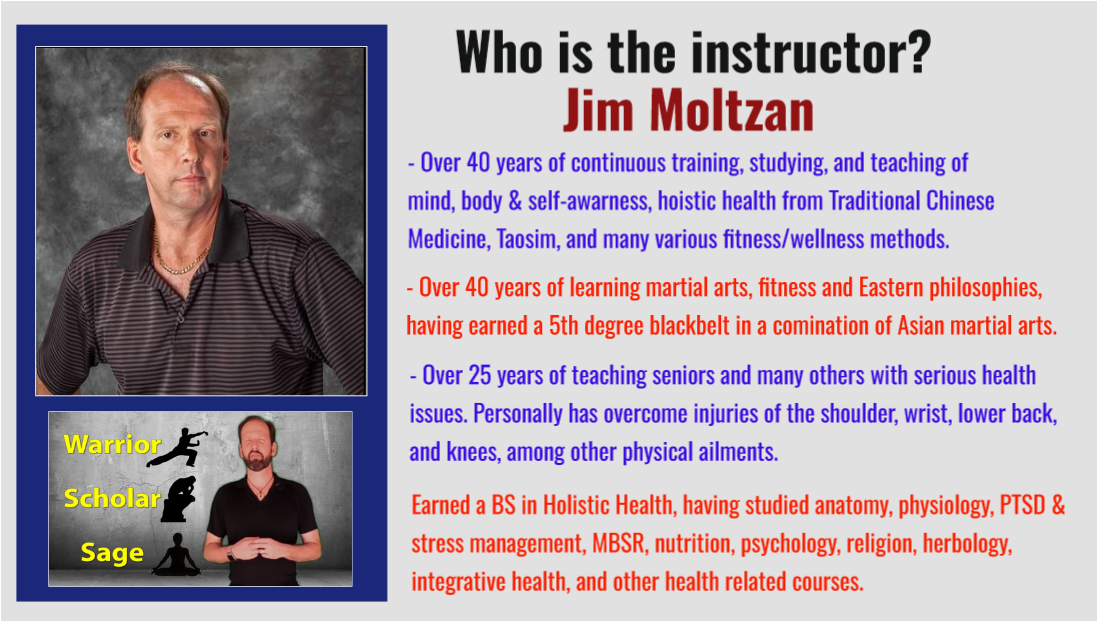
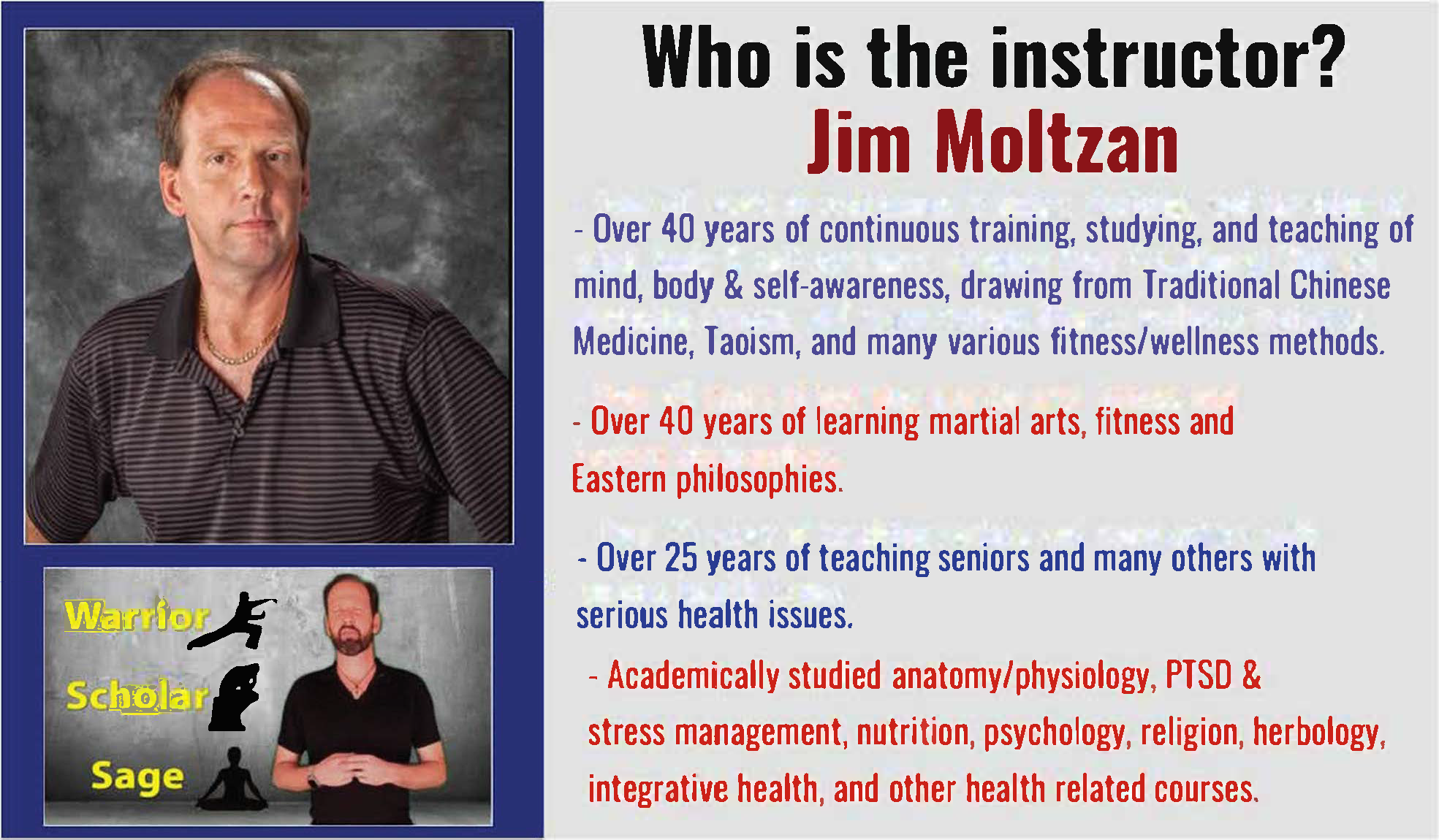
I teach and offer lectures about holistic health, physical fitness, stress management, human behavior, meditation, phytotherapy (herbs), music for healing, self-massage (acupressure), Daoyin (yoga), qigong, tai chi, and baguazhang.
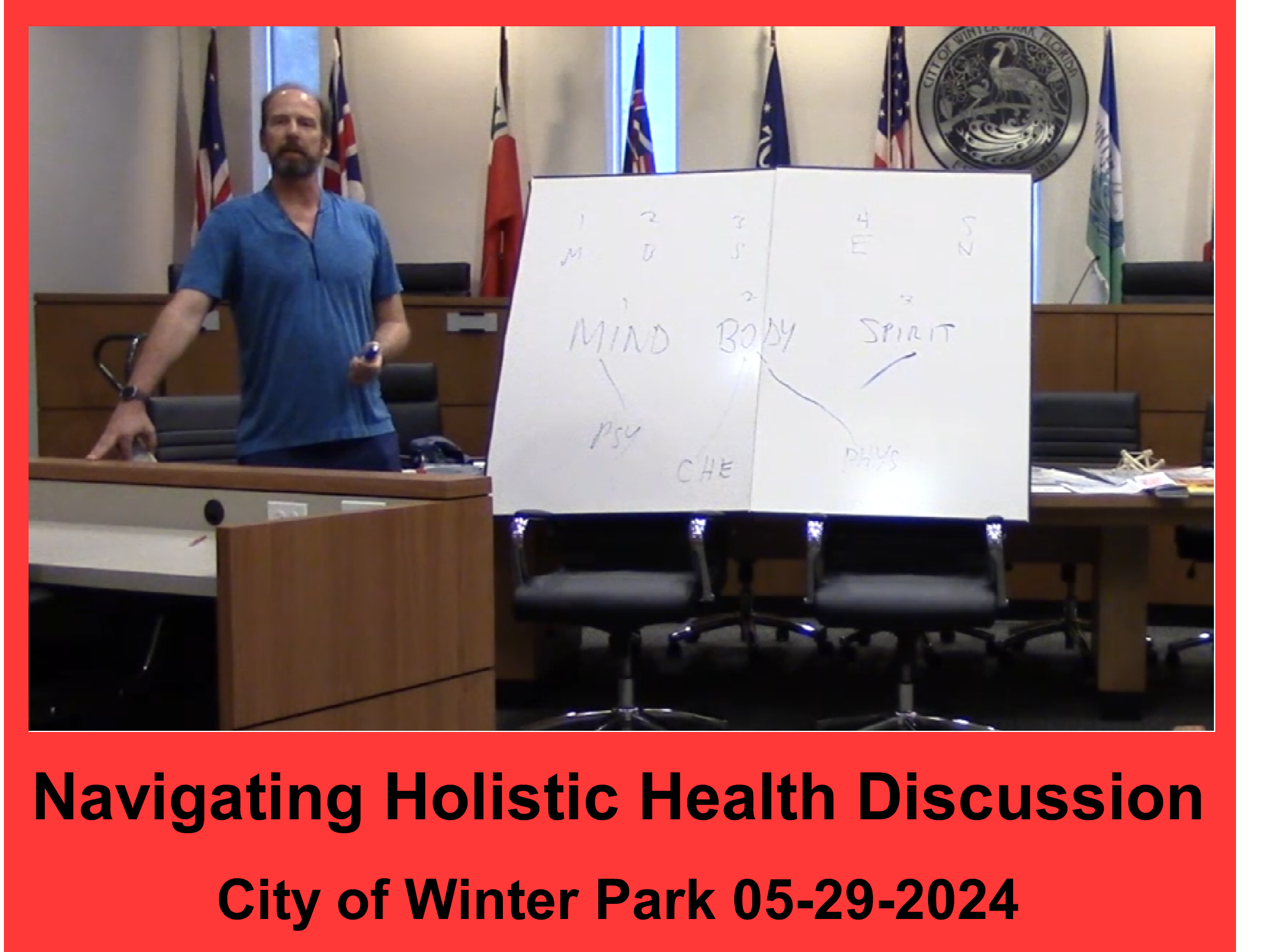
Please contact me if you, your business, organization, or group, might be interested in hosting me to speak on a wide spectrum of topics relative to better health, fitness, and well-being.
I look forward to further sharing more of my message by partnering with hospitals, wellness centers, VA centers, schools on all levels, businesses, and individuals who see the value in building a stronger nation through building a healthier population.
I also have hundreds of FREE education video classes, lectures, and seminars available on my YouTube channel at:
https://www.youtube.com/c/MindandBodyExercises
Many of my publications can be found on Amazon at:
http://www.Amazon.com/author/jimmoltzan
My holistic health blog is available at:
https://mindandbodyexercises.wordpress.com/
http://www.MindAndBodyExercises.com
Mind and Body Exercises on Google: https://posts.gle/aD47Qo
Jim Moltzan
407-234-0119




 United Martial Arts Association