Rewiring the Human Nervous System: Adapting to a High-Voltage World

Rewiring the Nervous System: Ancient Practices for Modern Resilience

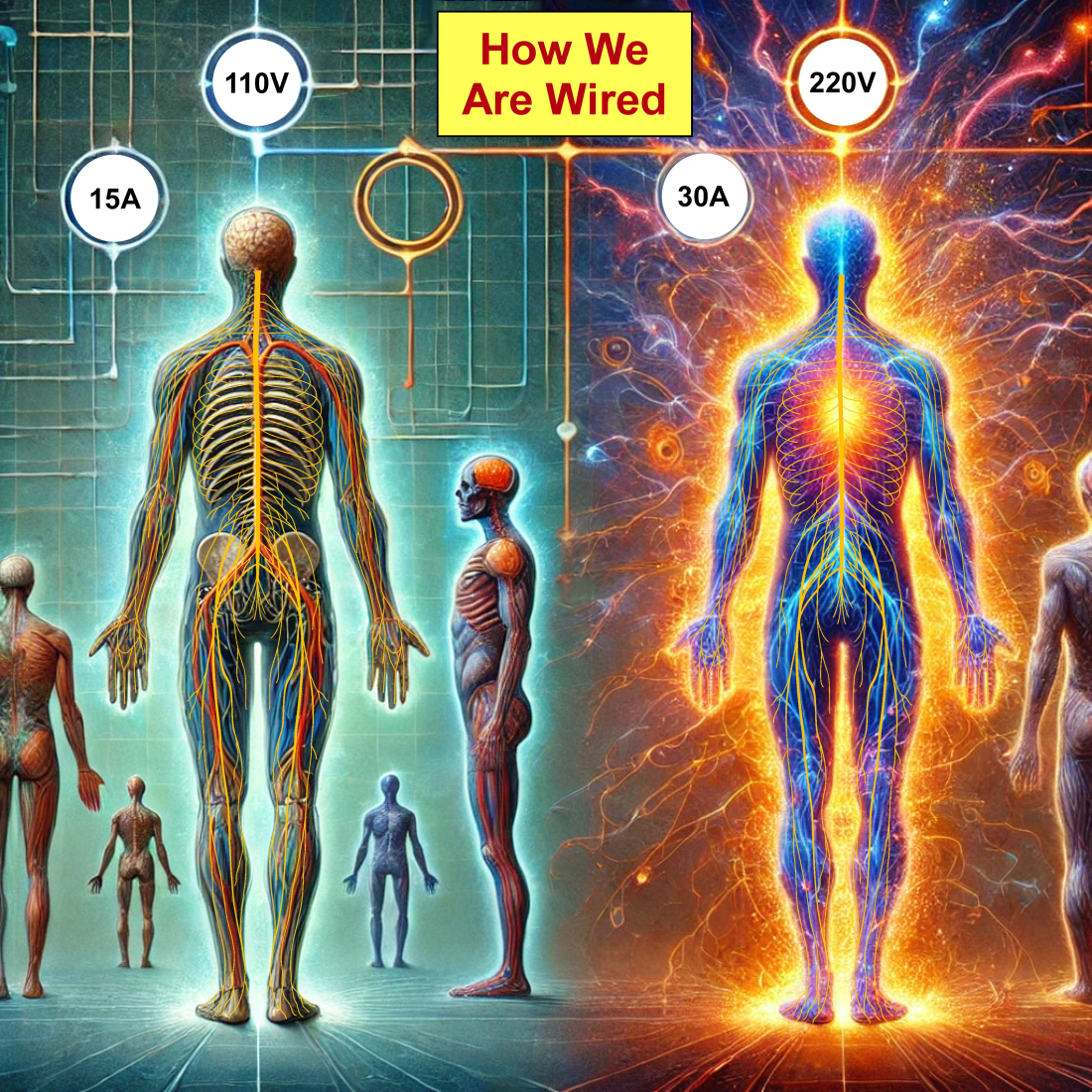
The human nervous system can be likened to an electrical system designed for specific voltage and amperage. Traditionally, it is assumed that most individuals are wired for 110 volts and 15 amps. However, contemporary society necessitates functioning at 220 volts and 30 amps, far exceeding the capacity originally intended by our biology. This increased “voltage” manifests as chronic stress, anxiety, burnout, and various physical ailments.

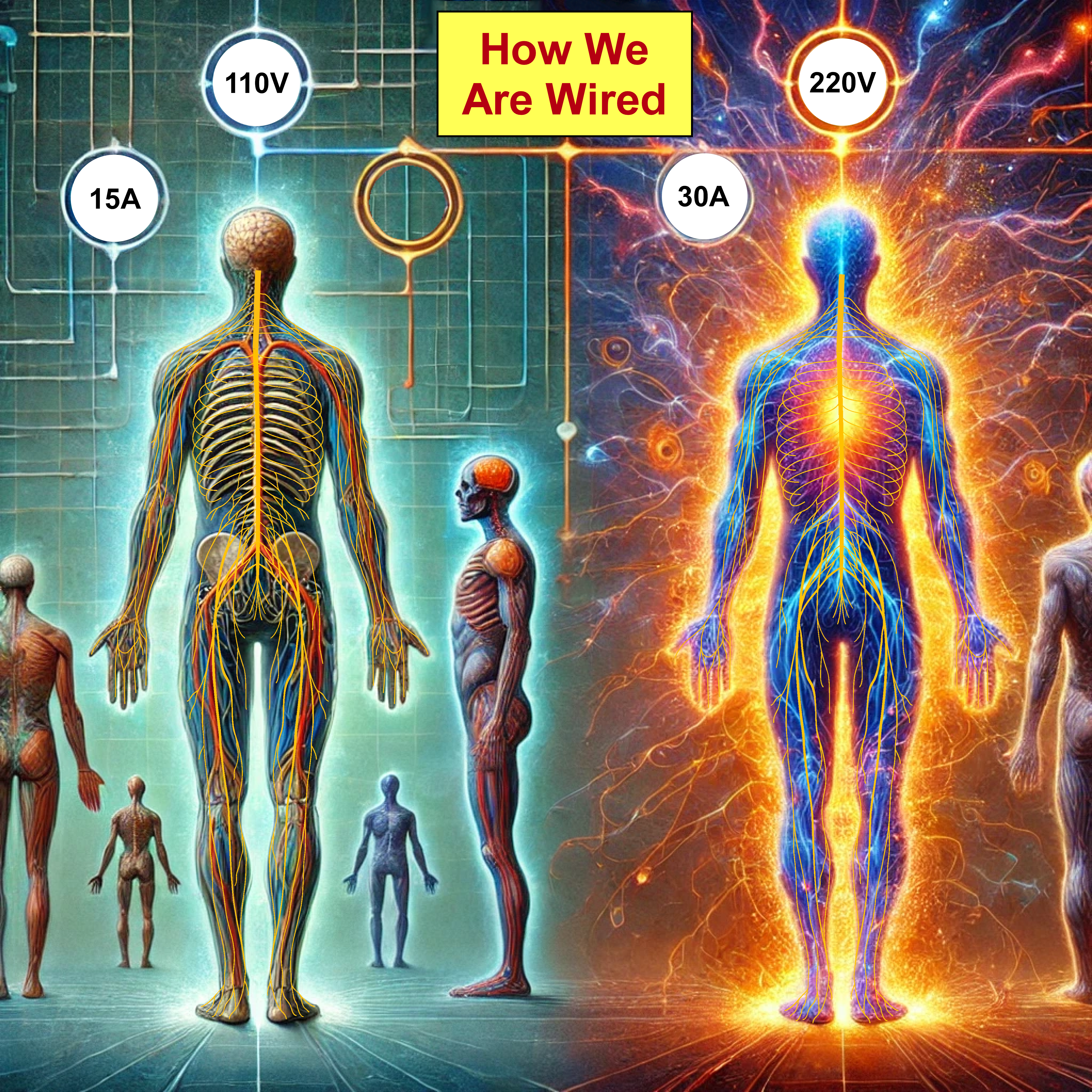
Nevertheless, just as an electrical system can be rewired to handle greater loads, the human nervous system can also be trained to adapt. Ancient practices such as martial arts, qigong, Dao Yin (Taoist yoga), yoga, and breathwork serve as effective interventions. These time-tested methods bridge the gap between the body’s inherent capabilities and the demands of modern life, enabling the nervous system to withstand higher levels of stress without succumbing to being overwhelmed.

The Role of Stance Training and Controlled Stress

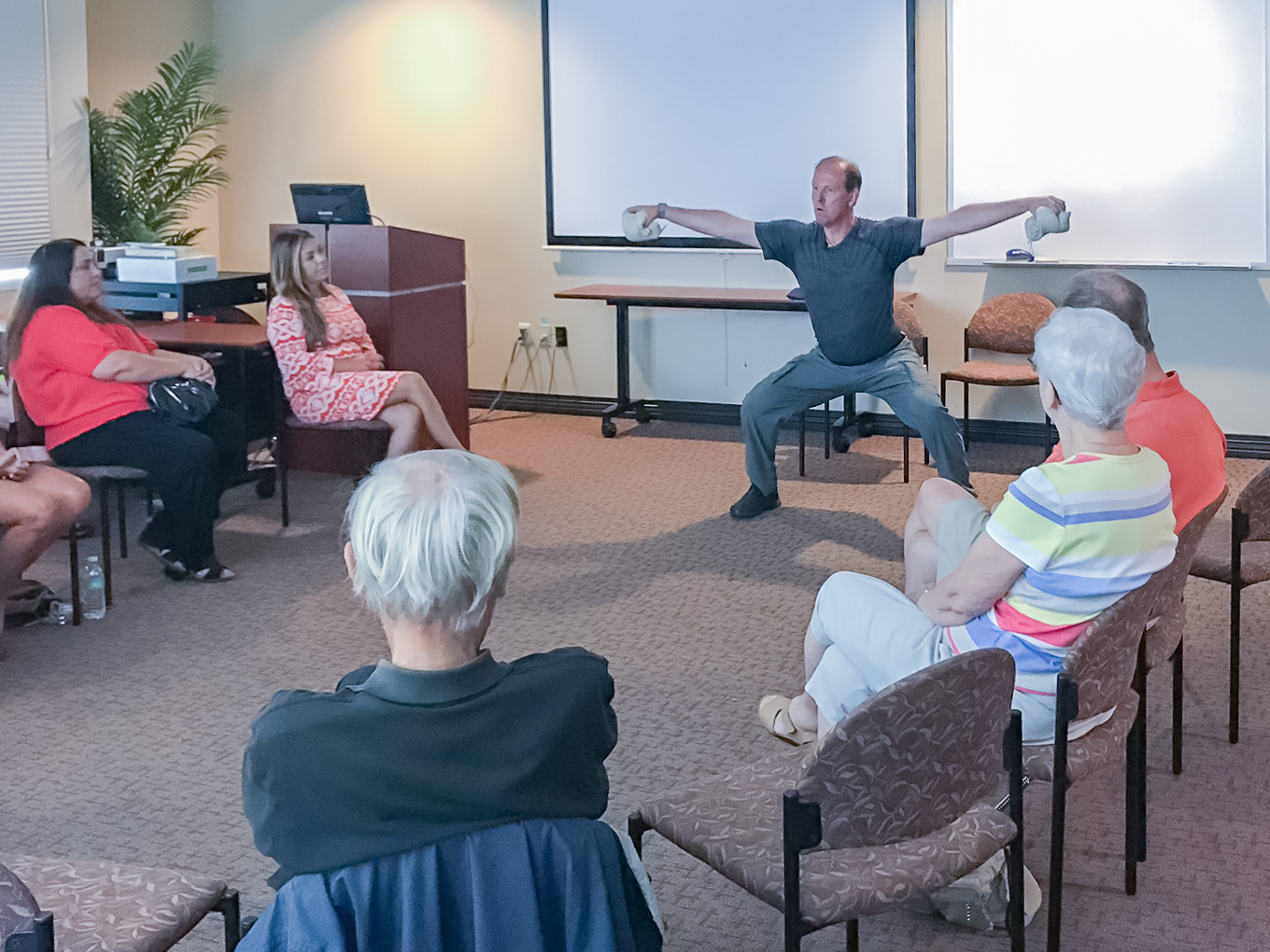
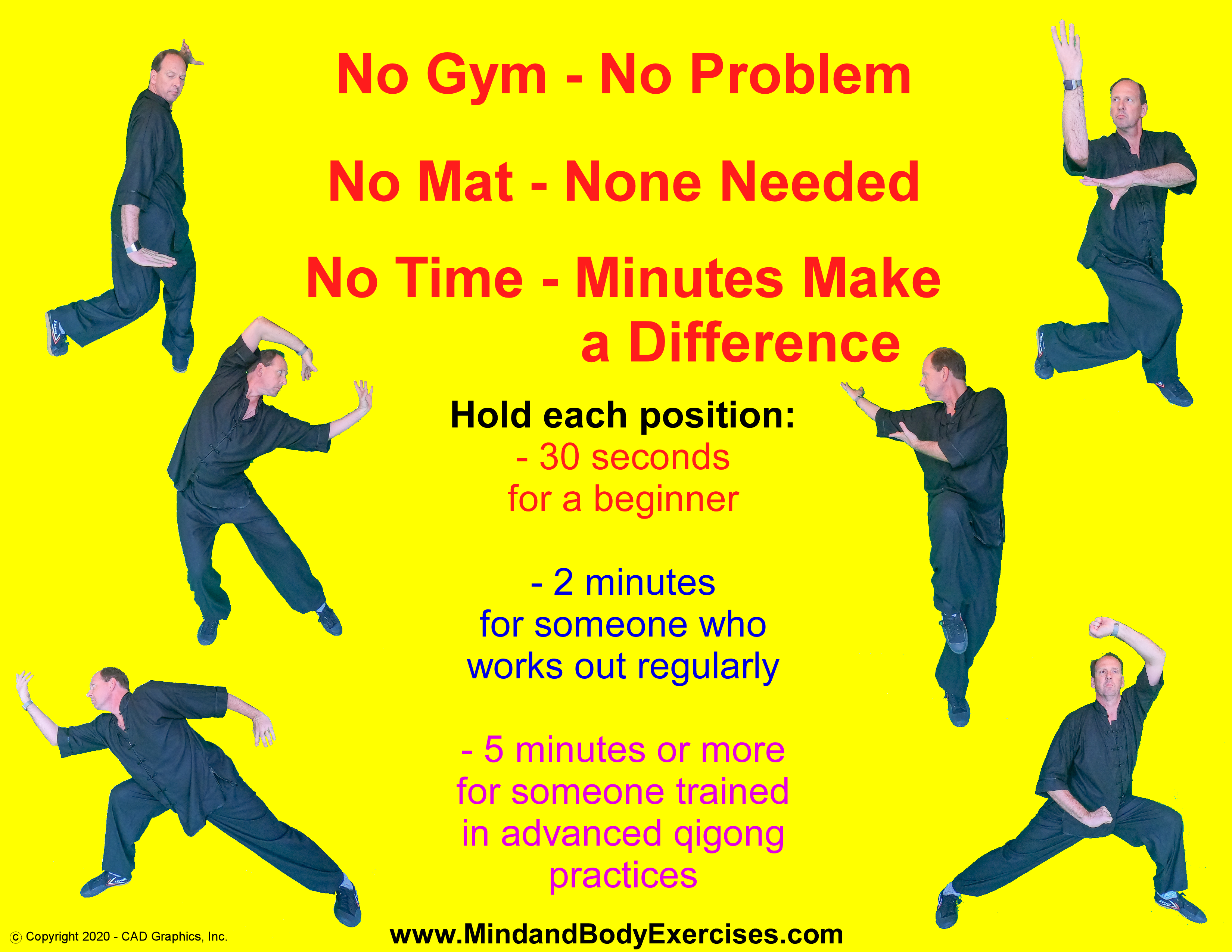
With over 45 years of experience in martial arts, qigong, Dao Yin, and yoga, it has been observed that certain methods can effectively enhance the nervous system. One such method is stance training, which involves holding postures for specific durations while integrating breath control.
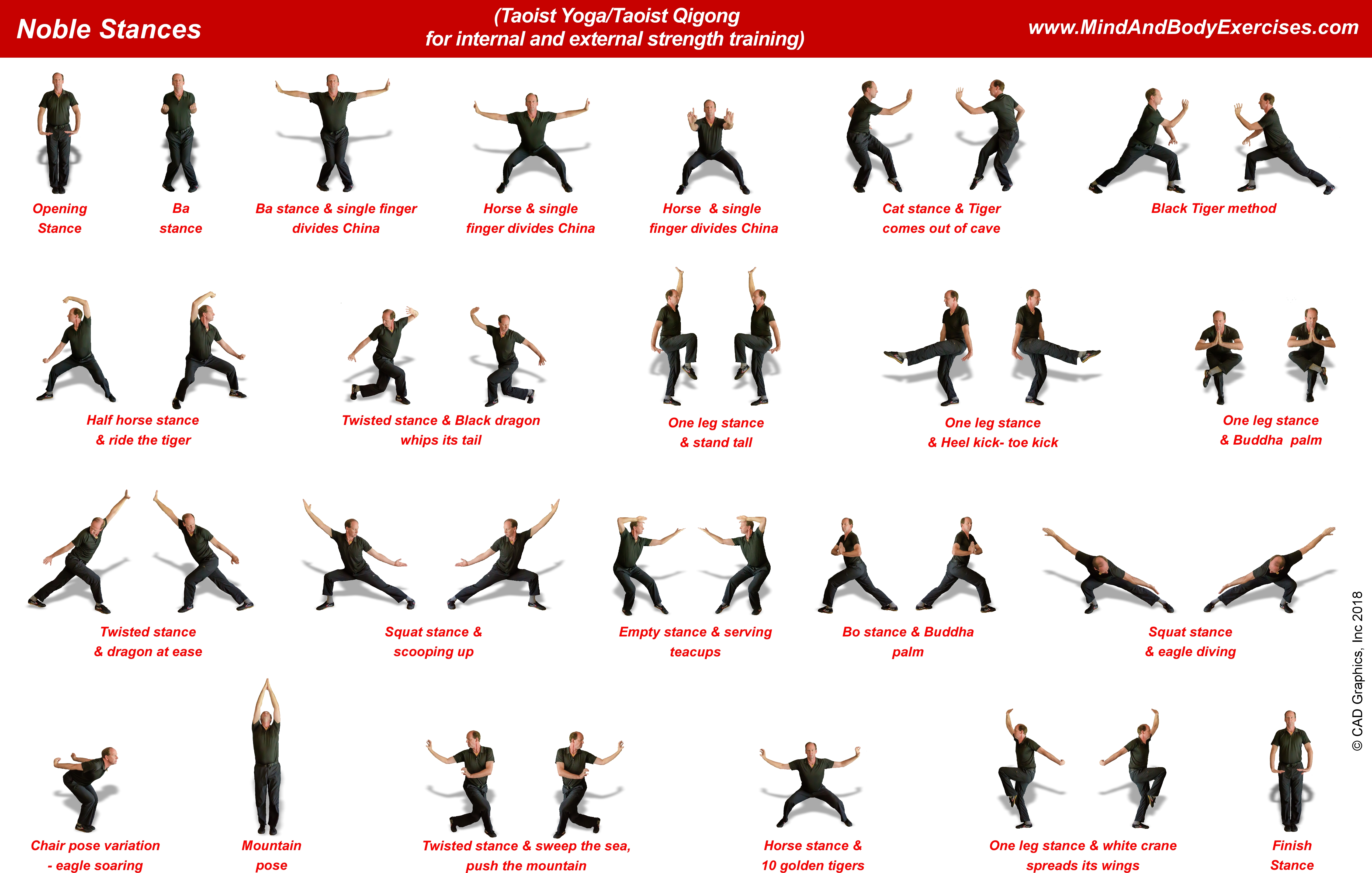
For beginners, basic stances are introduced in succession, initially without prolonged holds. As they progress, duration gradually increases. Once students can hold each stance for 30 seconds, controlled breathing is incorporated, typically three breaths per 30 seconds. With consistent practice, the duration is extended to one-minute holds, adjusting breath cycles to around four to six respirations per minute.

This approach serves multiple purposes. On a physical level, it strengthens the legs, core, and other stabilizing muscles. On a neurological level, it encourages the nervous system to adapt to discomfort, fostering resilience, endurance, and focus. On an energetic level, it stimulates the body’s internal pathways, potentially leading to enhanced vitality and internal balance.

The Science Behind the Training: The Anterior Midcingulate Cortex (aMCC)

While these practices have been in use for centuries, contemporary neuroscience provides insight into their effectiveness. A critical region of the brain implicated in resilience is the anterior midcingulate cortex (aMCC).

The aMCC is responsible for effortful control, emotional regulation, and persistence in the face of challenges. Research indicates that engaging in controlled stress, such as maintaining difficult stances, regulating breath, or training under discomfort, strengthens and enlarges the aMCC. Consequently, individuals who practice these methods may enhance their ability to manage stress more effectively, increase mental toughness, and maintain composure under pressure.
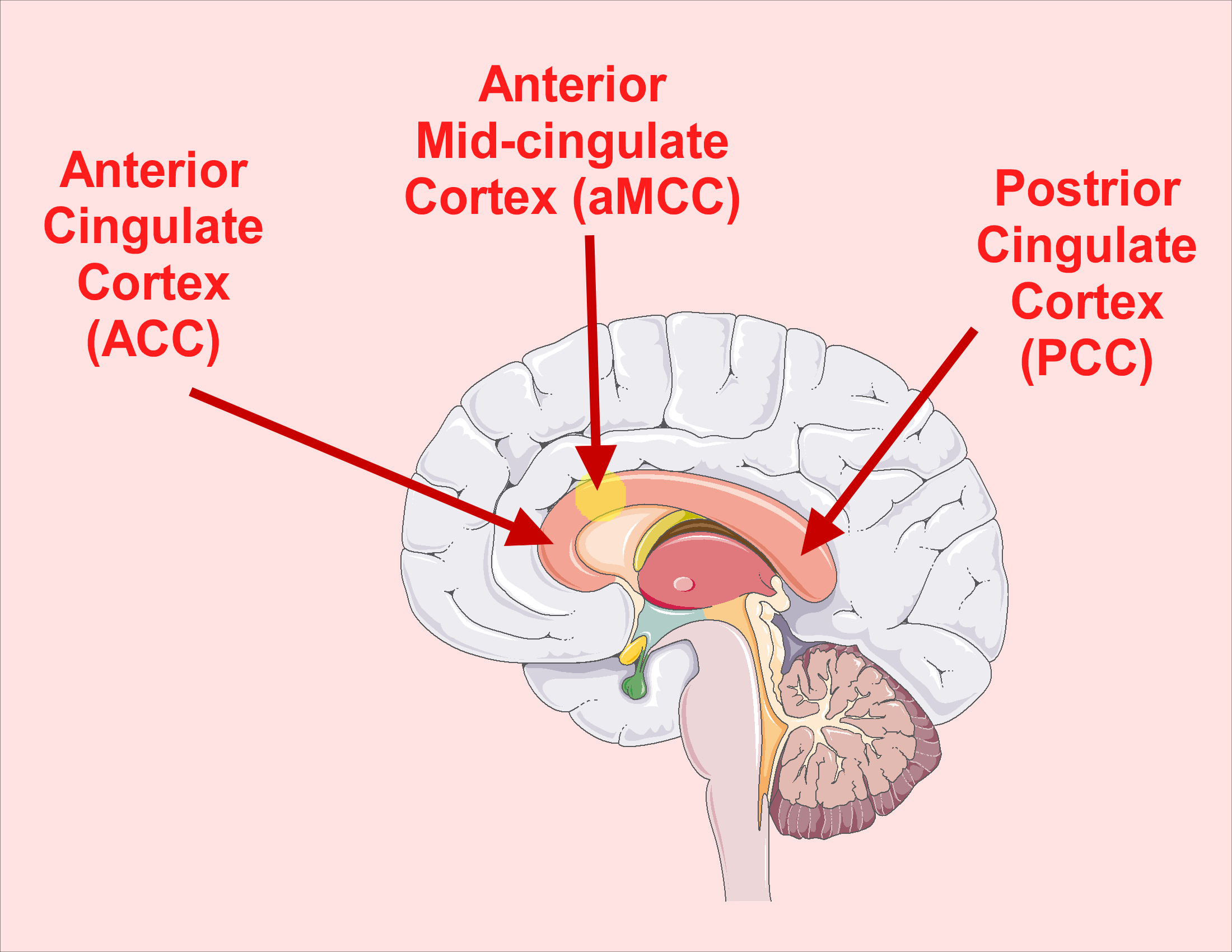
In essence, deliberate training can augment our capacity to handle life’s challenges, analogous to how lifting heavier weights strengthens muscles. This concept is consistent with the principle of progressive overload, which is well-established in strength training and equally applicable to the nervous system and mental resilience.

“Burning the Chong Mai” – The Energetic Dimension

Beyond the physical and neurological aspects, these practices have deep roots in Taoist and Traditional Chinese Medicine (TCM). An important concept in energetic cultivation is “burning the Chong Mai.”
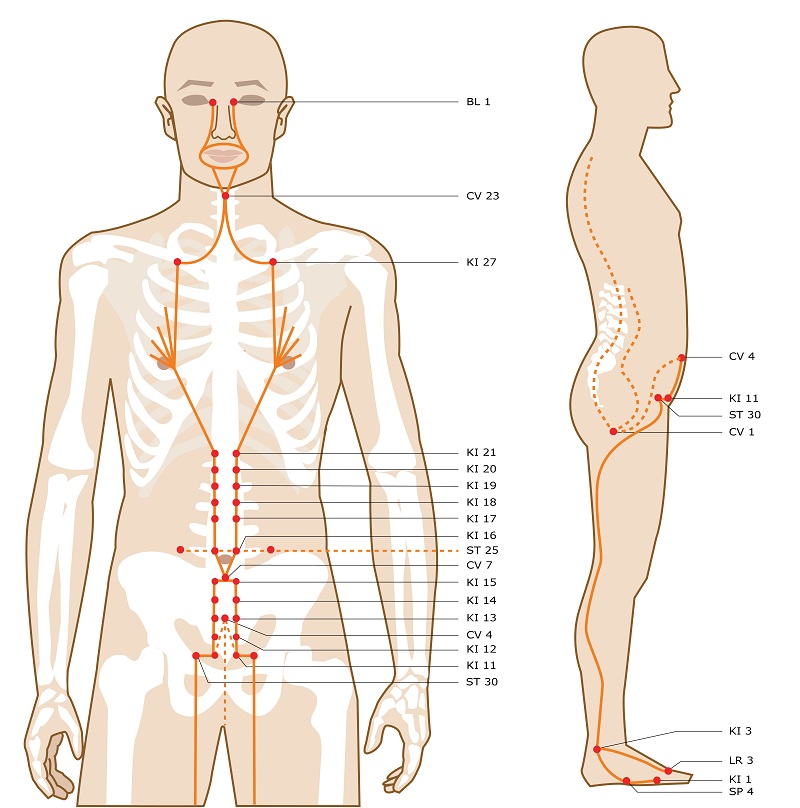
Chong Mai

The Chong Mai (penetrating or thrusting Vessel) is one of the eight extraordinary meridians in TCM. It serves as a primary channel for deep energy reserves, influencing the body’s overall energy flow. When stance work and controlled breathing are practiced regularly, this meridian can be activated, which may allow for greater energy circulation through the other seven extraordinary vessels and the twelve main meridians.

This process can be compared to upgrading a power grid. By increasing the capacity of the Chong Mai, the entire energetic system can become more efficient, stable, and resilient. This observation might explain why long-term practitioners of qigong, Dao Yin, and martial arts often report higher energy levels, improved focus, and a significant sense of internal strength.

Resilience Through Discomfort: The Path to Transformation

The old adage “That which does not kill us makes us stronger” perfectly encapsulates the philosophy behind these training methods. Rather than avoiding stress, we use it as a tool for growth.

  • Physically, stance training builds strength, endurance, and structural integrity.
  • Mentally, breath control and effortful posture-holding train the nervous system to remain calm under pressure.
  • Neurologically, the aMCC adapts and strengthens, improving stress management and persistence.
  • Energetically, activating the Chong Mai and meridian system enhances internal power and resilience.

Instead of being overwhelmed by modern life’s “220 volts,” we can upgrade our own internal wiring, ensuring that we remain grounded, adaptive, and powerful in an ever-changing world.

For those seeking true strength, not just physically, but mentally and spiritually- these ancient methods offer a proven path to transformation. The keys are consistency, patience, and a willingness to embrace discomfort as a gateway to resilience.

I look forward to further sharing more of my message by partnering with hospitals, wellness centers, VA centers, schools on all levels, businesses, and individuals who see the value in building a stronger nation through building a healthier population.

I also have hundreds of FREE education video classes, lectures, and seminars available on my YouTube channel at:

https://www.youtube.com/c/MindandBodyExercises

Many of my publications can be found on Amazon at:

http://www.Amazon.com/author/jimmoltzan

My holistic health blog is available at:

https://mindandbodyexercises.wordpress.com/

http://www.MindAndBodyExercises.com

Mind and Body Exercises on Google: https://posts.gle/aD47Qo

Jim Moltzan

407-234-0119

The Illusion of Morality: Global Affairs and Personal Responsibility

In studying world events, we often discover that things are not always as they appear on the surface. A powerful example of this is found in John Perkins’ revealing book, Confessions of an Economic Hit Man (Perkins, 2004). Perkins shares his firsthand experiences of how the United States, through corporations, banks, and covert operations, orchestrated financial and political control over many developing nations, often in the name of “helping” them.

According to Perkins (2004), the system worked as follows: economic consultants would persuade leaders of developing nations to accept massive loans for infrastructure projects. These loans, however, rarely benefited the local population. Instead, they flowed to large U.S. corporations like Bechtel, Halliburton, and Stone & Webster to build projects that made countries dependent rather than independent. When nations inevitably struggled to repay their debts, the U.S. could then leverage their vulnerability, gaining access to natural resources, securing military bases, or influencing critical political decisions (Perkins, 2004).

(Lobe, 2024)

If leaders resisted, covert operations and sometimes violent regime changes would often follow. Historical cases such as the overthrow of Mohammad Mossadegh in Iran, the assassination of Omar Torrijos in Panama, and the toppling of Salvador Allende in Chile exemplify this pattern (Kinzer, 2007; Blum, 2003).

Institutions involved in this system included not just private corporations, but also public agencies like the World Bank, the International Monetary Fund (IMF), USAID, and even parts of the NSA and CIA (Perkins, 2004). While many Americans believed and still believe that their country acts as a global force for good, many people around the world have a very different perspective. For them, U.S. involvement often meant debt, exploitation, lost sovereignty, and prolonged suffering under authoritarian regimes supported by external powers (Blum, 2003).

What This Means for Our Own Lives

It’s easy to become deeply engaged, even consumed by the pursuit of truth when uncovering these hidden histories. Indeed, understanding the deeper truths about global affairs can be empowering and necessary for conscious living. However, there is an essential balance we must maintain:

Chronic anger, outrage, and obsession can cause significant damage:

  • Persistent stress weakens the immune system (Segerstrom & Miller, 2004).
  • Excessive media consumption contributes to mental exhaustion and emotional burnout
  • Neglect of physical well-being sleep, exercise, nutrition, etc. can diminish vitality and resilience.

In the end, truth-seeking should not come at the cost of self-care. When we are physically strong, mentally clear, and emotionally stable, we are in a far better position to discern information, resist manipulation, and lead by quiet example rather than reactive outrage.

A Healthier Path Forward

History will always be complex, layered with contradictions, hidden motives, and competing interests. Yet we do not serve ourselves or the greater good by burning out or losing our health in pursuit of endless investigation.

Instead, we can:

  • Practice daily mental hygiene: mindfulness, conscious breathing, time away from media noise.
  • Maintain physical vitality: nourishing the body through good food, movement, and rest.
  • Build emotional resilience: cultivating gratitude, perspective, and compassionate boundaries.

By doing so, we remain rooted and strong and able to perceive global injustices without being consumed by them. Global interventions and economic manipulations have been supported by leaders from both major U.S. political parties. Historical evidence shows that Democratic and Republican administrations alike have engaged in coups, economic coercion, military interventions, and covert operations , often justified as protecting “freedom” or “democracy,” but usually serving corporate and strategic interests.

In conclusion, understanding global systems of influence can awaken us. But maintaining personal sovereignty of our own body, mind, and spirit is what ultimately allows us to thrive, think clearly, and live freely.

References

Blum, W. (2003). Killing hope (By Zed Books London). Zed Books London. https://www.cia.gov/library/abbottabad-compound/13/130AEF1531746AAD6AC03EF59F91E1A1_Killing_Hope_Blum_William.pdf

Kinzer, S. (2007). Overthrow: America’s Century of Regime Change from Hawaii to Iraq. Macmillan.

Lobe, J. (2024, April 26). What are Americans’ biggest foreign policy priorities? Responsible Statecraft. https://responsiblestatecraft.org/us-foreign-policy-poll/

Perkins, J. (2004). Confessions of an economic hit man. Berrett-Koehler Publishers.

Segerstrom, S. C., & Miller, G. E. (2004). Psychological stress and the human immune system: A meta-analytic study of 30 years of inquiry. Psychological Bulletin, 130(4), 601–630. https://doi.org/10.1037/0033-2909.130.4.601

I look forward to further sharing more of my message by partnering with hospitals, wellness centers, VA centers, schools on all levels, businesses, and individuals who see the value in building a stronger nation through building a healthier population.

I also have hundreds of FREE education video classes, lectures, and seminars available on my YouTube channel at:

https://www.youtube.com/c/MindandBodyExercises

Many of my publications can be found on Amazon at:

http://www.Amazon.com/author/jimmoltzan

My holistic health blog is available at:

https://mindandbodyexercises.wordpress.com/

http://www.MindAndBodyExercises.com

Mind and Body Exercises on Google: https://posts.gle/aD47Qo

Jim Moltzan

407-234-0119
Spring has Sprung. Are You a Wood Element Constitution?

“Knowing others is intelligence;
Knowing
yourself is true wisdom.
Mastering others is strength;
Mastering yourself is true power.”
― Lao Tzu, Tao Te Ching

Knowing one’s own constitution, as well as others in their life can help to better understand how and why people behave the way they do under certain situations. Some may see this concept as somewhat controversial or as a version of “profiling.” However, this concept has been used for over thousands of years in various cultures across the world, such as with Traditional Chinese Medicine (the 5 Elements), Hippocratic & Greco-Roman Medicine (the Four Humors), Jungian Psychology, Tibetan Medicine (Sowa Rigpa), Western Biopsychological Models (Sheldon’s Somatotypes). Ayurveda (Indian “study of life”) and indigenous peoples across the globe.

The Wood Element in Traditional Chinese Medicine

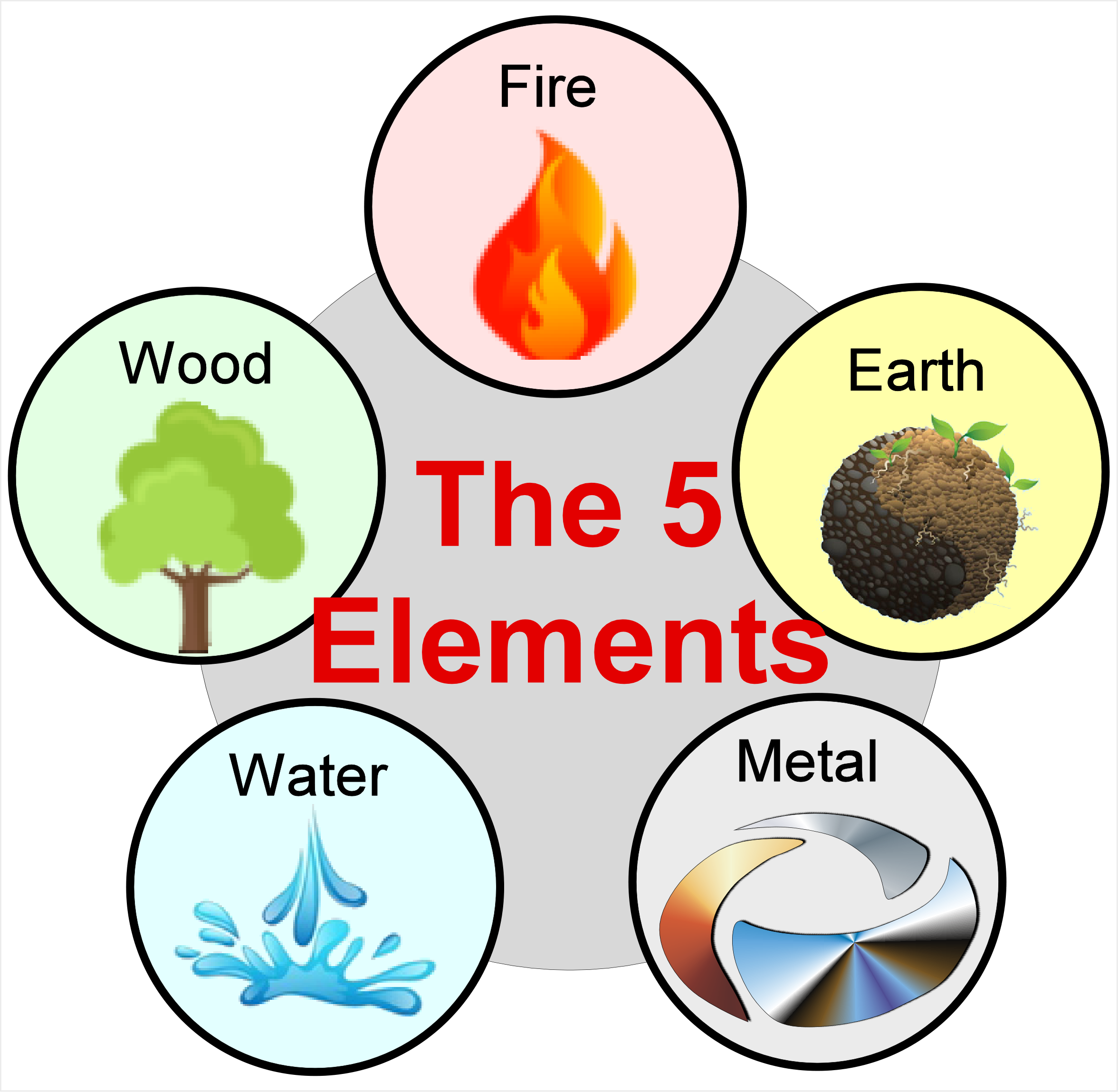
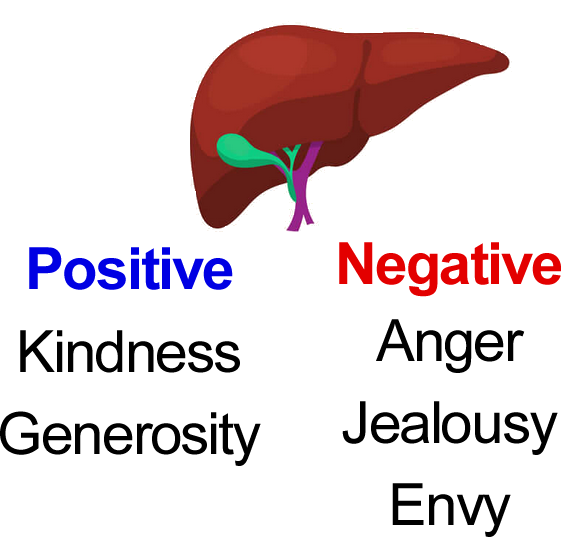
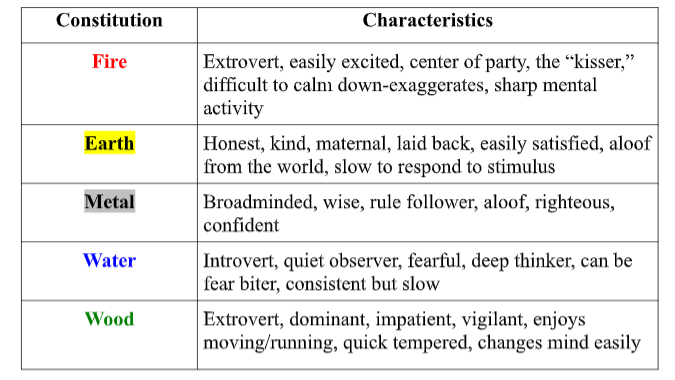
In Traditional Chinese Medicine (TCM), the Wood Element is one of the five fundamental forces in the Five Element Theory, which explains the interconnection between natural phenomena and human life. Each element of Wood, Fire, Earth, Metal, and Water, corresponds to specific seasons of the year, organs, emotions, and physiological processes. Wood, in particular, is linked to the season of spring, the liver and gallbladder, shaping both physical and psychological characteristics in individuals with a “Wood constitution.” The Wood Element is characterized by physical movement, ambition, and outward energy. While Wood types are dynamic and goal-driven, they must cultivate mental and physical flexibility and adequate rest to prevent stress and stagnation.

1. Physical Traits of a Wood Constitution

  • Body Structure: Individuals influenced by the Wood Element typically have a sinewy, muscular build, often appearing strong and tall with an inherent sense of vitality.
  • Strength and Flexibility: They usually possess endurance and adaptability, both physically and mentally, with a natural propensity toward movement and expansion.
  • Common Health Challenges: Wood types may encounter liver and/or gallbladder-related concerns, including digestive disturbances, migraines, muscle and tendon stiffness, and detoxification difficulties. Liver Qi stagnation can also lead to menstrual irregularities or eye discomfort.

2. Mental and Emotional Aspects

  • Core Emotion: The primary emotion linked to Wood is anger. When balanced, Wood individuals express healthy assertiveness, confidence, and determination. However, an imbalance can lead to frustration, irritability or struggles with managing emotions.
  • Personality and Leadership: Wood types are often natural leaders, driven by vision, ambition, and a desire for growth. They excel in planning and organization, where they always seek progress.
  • Decision-Making: They tend to be quite decisive and pioneering, eager to initiate change.
  • Emotional Imbalances: When unbalanced, Wood individuals may become uptight, rigid, impatient, overly perfectionistic, and prone to burnout from excessive effort.

3. Spiritual Dimensions

  • Growth and Transformation: The Wood Element embodies expansion, renewal, and personal evolution. Wood constitution individuals are often goal-oriented and deeply invested in self-improvement.
  • Purpose and Mission: They often possess a deep connection to their life’s purpose, inspired by justice, creativity, or a desire to bring new ideas into the world.
  • Bond with Nature: Reflecting the qualities of trees and plants, Wood types people often feel extremely connected to the natural world, drawing vitality and inspiration from outdoor environments.

4. Maintaining Balance in the Wood Element

To maintain harmony within the Wood Element, it is essential to cultivate their physical, emotional, and spiritual well-being:

  • Physical Care: Regular body movement, stretching, and flexibility exercises help to support the liver and gallbladder. Regular consumption of liver-friendly foods like leafy greens also promotes internal balance.
  • Emotional Regulation: Journaling, meditation, mindfulness, and relaxation techniques can help process emotions and reduce stress. Cultivating adaptability and releasing rigid perfectionism contribute to emotional equilibrium.
  • Spiritual Nourishment: Making time to be present in nature, engaging in continuous learning, and setting personal growth goals can cultivate a sense of fulfillment and alignment.

I teach and offer lectures about holistic health, physical fitness, stress management, human behavior, meditation, phytotherapy (herbs), music for healing, self-massage (acupressure), Daoyin (yoga), qigong, tai chi, and baguazhang.

Please contact me if you, your business, organization, or group, might be interested in hosting me to speak on a wide spectrum of topics relative to better health, fitness, and well-being.

I look forward to further sharing more of my message by partnering with hospitals, wellness centers, VA centers, schools on all levels, businesses, and individuals who see the value in building a stronger nation through building a healthier population.

I also have hundreds of FREE education video classes, lectures, and seminars available on my YouTube channel at:

https://www.youtube.com/c/MindandBodyExercises

Many of my publications can be found on Amazon at:

http://www.Amazon.com/author/jimmoltzan

My holistic health blog is available at:

https://mindandbodyexercises.wordpress.com/

http://www.MindAndBodyExercises.com

Mind and Body Exercises on Google: https://posts.gle/aD47Qo

Jim Moltzan

407-234-0119
Science, Skepticism, and Self-Care: Navigating Modern Medicine

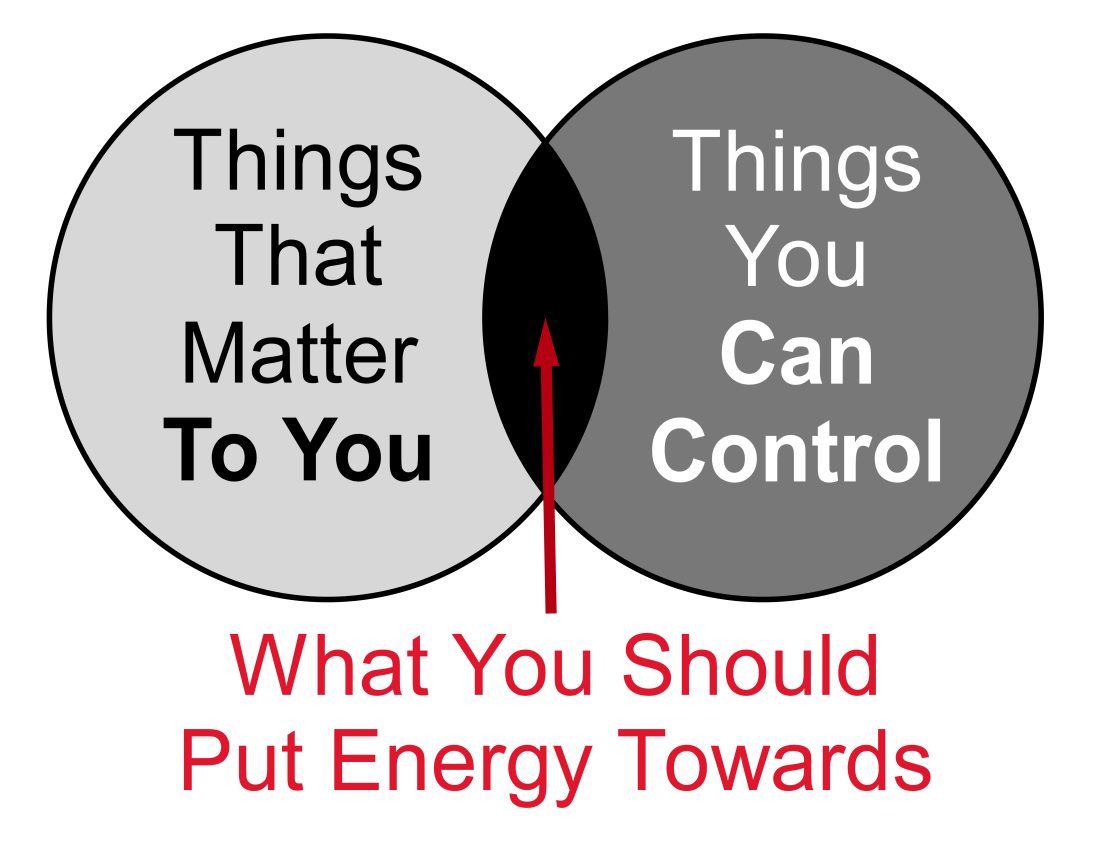
“Change what you can, don’t sweat what you can’t control.”

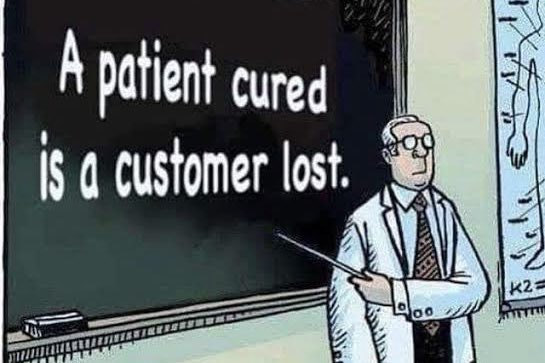
In contemporary society, the credibility of the healthcare system is frequently called into question. Despite significant investment in U.S. healthcare, exceeding $4 trillion annually, the system often prioritizes profit over prevention and wellness. This profit-driven approach, heavily influenced by pharmaceutical companies, insurance corporations, and healthcare systems, has resulted in patients being viewed as long-term customers rather than individuals empowered to manage their own health. Although emergency and acute care services in the U.S. are commendable, there is a concerning trend regarding the prevention of chronic diseases and the maintenance of long-term well-being (Hurley et al., 2024).

The Role of Trust in Healthcare

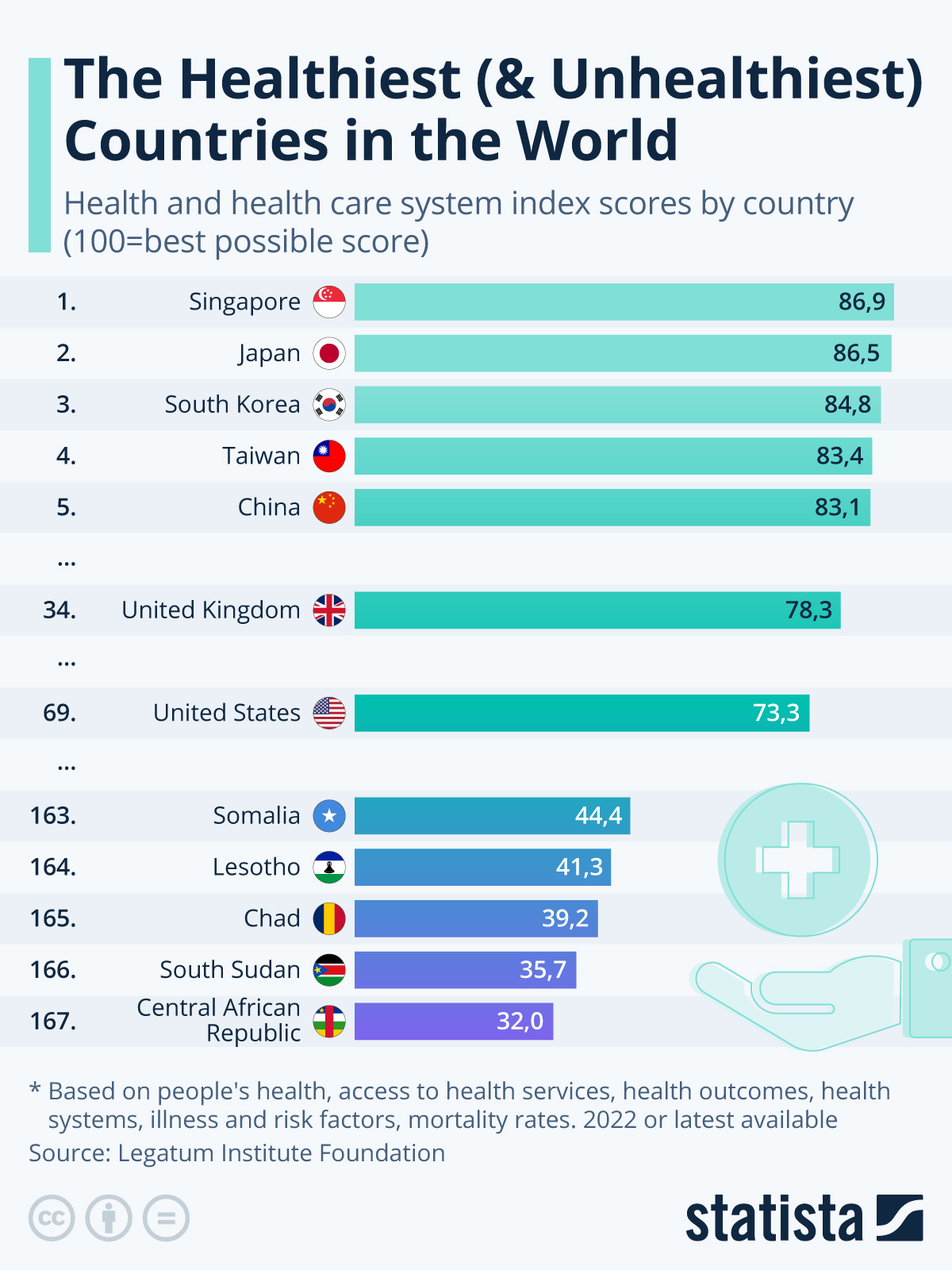
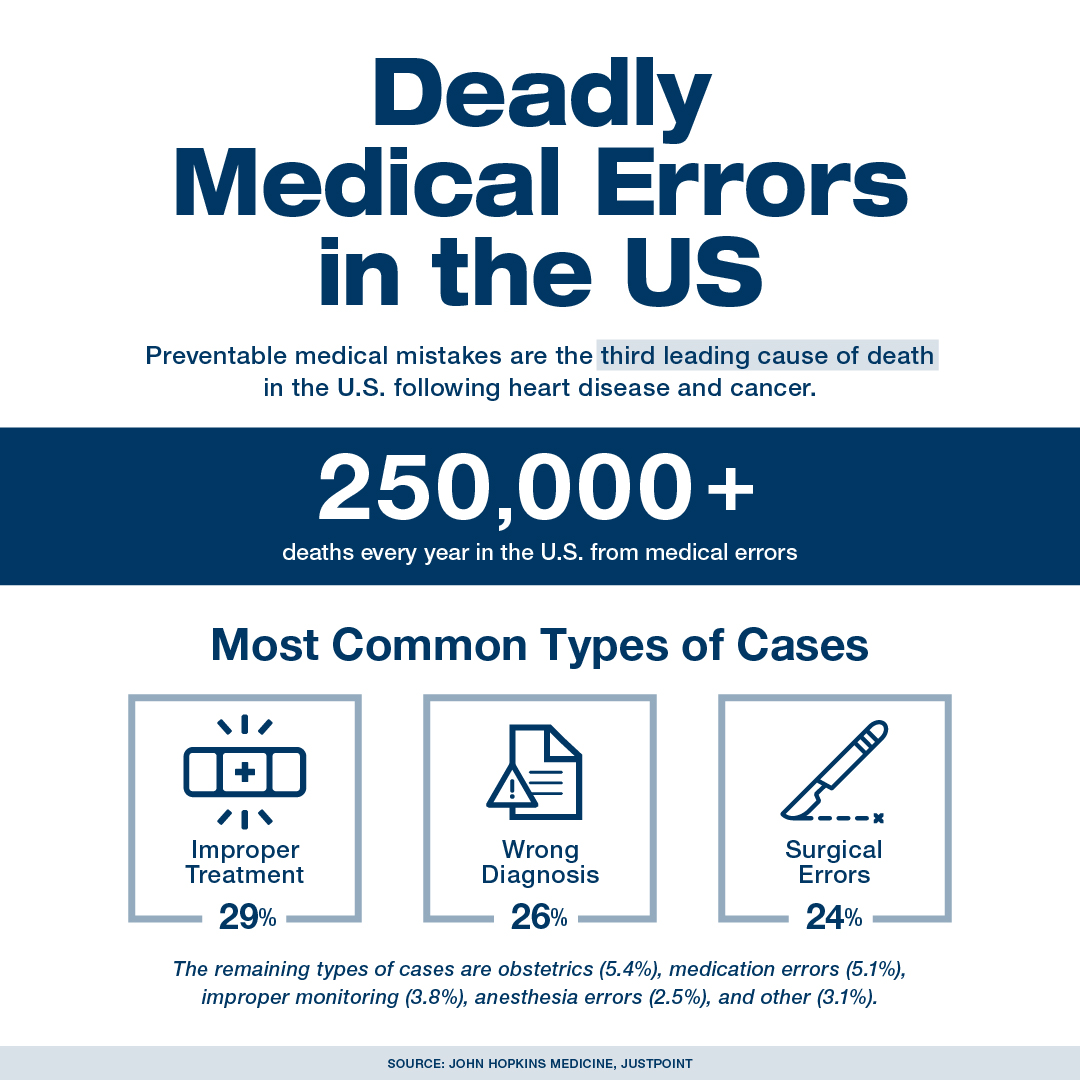
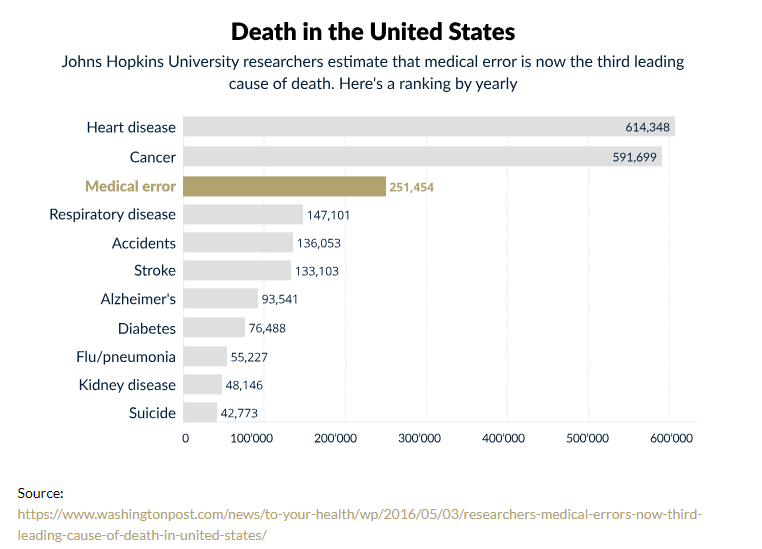
Skepticism regarding healthcare is understandable when one examines the statistics. For instance, the U.S. experiences a concerning 250,000 to 400,000 iatrogenic deaths annually, those resulting from medical intervention (Makary & Daniel, 2016). However, this represents only one perspective. The other perspective highlights that despite significant healthcare expenditure, the system performs poorly in terms of life expectancy and chronic disease management compared to other affluent nations (Health at a Glance 2019, 2019). Numerous factors contribute to this issue, including an over-reliance on medications and surgeries, which frequently result in complications rather than the prevention of diseases (Sackett, 2000).

Medical Dissent and the Cost of Speaking Out

Historically, medical professionals who question prevailing narratives have frequently encountered scrutiny, censorship, and professional consequences. Recently, numerous highly esteemed doctors and scientists have expressed concerns regarding public health policies, vaccine mandates, and the influence of pharmaceutical companies only to face discreditation or suppression.

While healthcare professionals with solid credentials have raised concerns about the current state of medicine, many have encountered backlash. Distinguished doctors such as Dr. Daniel Neides have questioned the safety and efficacy of certain medical interventions (Dyer, 2017), and Dr. Peter McCullough despite being one of the most published cardiologists in the world, had his medical board certifications challenged due to him expressing his concerns regarding the medical industry’s response to the COVID-19 pandemic (Hulscher et al., 2023). Despite their efforts to initiate important discussions, these professionals often experience a loss of credibility among the public and their peers, being labeled as outliers or conspiracy theorists (Hoffman et al., 2021).

Dr. Robert Malone, a scientist important in developing mRNA vaccine technology, has raised concerns about the safety and long-term effects of these vaccines. Despite his contributions, Malone was de-platformed from major social media platforms after questioning the COVID-19 vaccine rollout and advocating for caution (In-Depth: Did Robert Malone Invent mRNA Vaccines in San Diego? 2022). His case highlights the issue of scientists facing professional ostracization when their views diverge from mainstream policies.

Dr. Mary Talley Bowden, a specialist in ear, nose, and throat medicine, became involved in controversy due to her public support for alternative early treatments and her criticism of vaccine mandates. Consequently, she was suspended from Houston Methodist Hospital. Undeterred, she established her own independent practice, where she continues to treat patients based on her medical observations and research (Bowden, 2022). Her experience highlights the increasing divide between institutional medicine and the physicians who advocate for personalized care.

Dr. Alex Cole, a medical researcher and clinician, has expressed concerns about the transparency of vaccine safety data. He has emphasized the importance of open scientific debate and the inclusion of alternative viewpoints. The key issue is whether medical professionals should experience professional consequences for participating in legitimate scientific discussions (Professional, 2024).

Other doctors, including Dr. Pierre Kory, a critical care specialist, and Dr. Paul Marik, an intensive care expert, have discussed the perceived limitations of the mainstream approach to COVID-19 treatments. They have supported the use of repurposed drugs and alternative treatment protocols, which resulted in professional examination and debate. Dr. Kory and Dr. Marik encountered resistance when promoting these alternative COVID-19 treatment strategies (Marik et al., 2020).

These cases highlight a trend in modern medicine where differing opinions, even those from individuals with significant experience and expertise, are often dismissed rather than discussed. Scientific progress relies on thorough discussion and analysis, yet the current environment frequently favors conformity over inquiry. Regardless of individual perspectives on these particular matters, the marginalization of seasoned professionals poses ethical and scientific questions about transparency, accountability, and the impact of influential industries on medical dialogue.

The Case for Personal Responsibility in Health

With the system seemingly failing at times, many individuals are choosing to take responsibility for their own health. Rejecting the mainstream “sick care” model, which often prioritizes a “pill for every ill,” people are turning to alternative practices that emphasize prevention, self-care, and holistic wellness. Taking responsibility for one’s own health through practices like tai chi, qigong (VA Office of Patient Centered Care and Transformation, n.d.), martial arts, yoga, meditation, and even weight training have become powerful ways for individuals to manage stress, improve physical fitness, and maintain mental clarity.

For me, personally, the approach is clear: read labels, carefully monitor what goes in, on, and around the body, practice daily exercises to strengthen the body, and employ stress management techniques for the mind and soul. I limit my mental intake by reducing exposure to the news and social media, focusing instead on the bigger picture. While I cannot change the world, I know I can change myself and influence those around me in a positive way.

The Need for Change

Moving toward a preventative and holistic healthcare approach is crucial, despite challenges in a profit-driven system. The influence of pharmaceutical companies, insurance, and large healthcare interests often overlooks patient well-being (Dickinson, 2014). A shift to a system that rewards prevention, empowers individuals, and values overall well-being over chronic condition management is needed.

However, comprehensive change may be challenging to achieve at the national level. At the individual level, however, transformation is feasible. By taking personal responsibility for our health instead of solely relying on a system that may prioritize profit over care, we make an empowering choice. Engaging in alternative and preventive practices, such as tai chi, qigong, yoga, resistance training, or daily meditation, enables us to regain control over our wellness incrementally.

References

Bowden, M. T. (2022, March 6). Fighting Methodist Hospital — BREATHEMD | Optimal Airway Health. BREATHEmd | Optimal Airway Health. https://breathemd.org/blog/2022/2/27/the-story-behind-why-im-suing-the-hospital-who-suspended-me-for-prescribing-ivermectin

Dickinson, J. (2014, April 1). Deadly medicines and organised crime: How big pharma has corrupted healthcare. https://pmc.ncbi.nlm.nih.gov/articles/PMC4046551/

Dyer, O. (2017). Cleveland Clinic to re-evaluate its Wellness Institute after director questions vaccines. BMJ, j253. https://doi.org/10.1136/bmj.j253

Fleck, A. (2023, July 5). The healthiest (& unhealthiest) countries in the world. Statista Daily Data. https://www.statista.com/chart/30313/health-and-healthcare-systems-index-scores/

Health At a Glance 2019. (2019, November 7). OECD. https://www.oecd.org/en/publications/health-at-a-glance-2019_4dd50c09-en.html

Hoffman, D., Stewart, A., Breznay, J., Simpson, K., & Crane, J. (2021). Vaccine hesitancy narratives. Voices in Bioethics, 7. https://doi.org/10.52214/vib.v7i.8789

Hulscher, N., Procter, B. C., Wynn, C., & McCullough, P. A. (2023). Clinical Approach to Post-acute Sequelae After COVID-19 Infection and Vaccination. Cureus, 15(11), e49204. https://doi.org/10.7759/cureus.49204

Hurley, B., Lovett, S., D’Urso, J., & Smith, E. (2024, December 14). Three medical bills that show true cost of America’s ‘broken’ healthcare. The Times. https://www.thetimes.com/world/us-world/article/us-healthcare-insurance-companies-ceo-shooting-z597qlq2n?utm_source=chatgpt.com®ion=global

In-Depth: Did Robert Malone invent mRNA vaccines in San Diego? (2022, January 27). UC Irvine News. https://news.uci.edu/2022/01/27/in-depth-did-robert-malone-invent-mrna-vaccines-in-san-diego/

Makary, M. A., & Daniel, M. (2016). Medical error—the third leading cause of death in the U.S. BMJ, 353, i2139. https://doi.org/10.1136/bmj.i2139

Marik, P. E., Kory, P., Varon, J., Iglesias, J., & Meduri, G. U. (2020). MATH+ protocol for the treatment of SARS-CoV-2 infection: the scientific rationale. Expert Review of Anti-infective Therapy, 19(2), 129–135. https://doi.org/10.1080/14787210.2020.1808462

Professional, C. C. M. (2024, December 4). Informed consent. Cleveland Clinic. https://my.clevelandclinic.org/health/articles/24268-informed-consent

Sacket, D. (2000) Evidence-based medicine : how to practice and teach EBM : Free Download, Borrow, and Streaming : Internet Archive. (2000). Internet Archive. https://archive.org/details/evidencebasedmed00davi/mode/2up?q=reliance

VA Office of Patient Centered Care and Transformation. (n.d.). TAI CHI AND QI GONG. In VA Office of Patient Centered Care and Cultural Transformation (pp. 1–7). https://www.va.gov/WHOLEHEALTHLIBRARY/docs/Tai-Chi-and-Qi-Gong.pdf

I look forward to further sharing more of my message by partnering with hospitals, wellness centers, VA centers, schools on all levels, businesses, and individuals who see the value in building a stronger nation through building a healthier population.

I also have hundreds of FREE education video classes, lectures, and seminars available on my YouTube channel at:

https://www.youtube.com/c/MindandBodyExercises

Many of my publications can be found on Amazon at:

http://www.Amazon.com/author/jimmoltzan

My holistic health blog is available at:

https://mindandbodyexercises.wordpress.com/

http://www.MindAndBodyExercises.com

Mind and Body Exercises on Google: https://posts.gle/aD47Qo

Jim Moltzan

407-234-0119

Media Hysteria vs. Medical Reality: The Overlooked Crisis of Iatrogenic Injuries

Public health discussions often concentrate on contagious diseases such as measles, especially in light of recent outbreaks. In early 2025, the passing of a 6-year-old girl in Seminole, Texas, represented the first measles-related death in the United States in a decade (Bartlett, 2025). This event rekindled debates concerning vaccination and disease prevention strategies. Nonetheless, the significant focus on measles, despite its relatively low mortality rate, starkly contrasts with the limited dialogue surrounding iatrogenic injuries, which result in a substantial number of roughly 250,000 fatalities each year.

The Scope of the Issue: Measles vs. Iatrogenic Injuries

Measles: A Preventable Yet Overemphasized Disease

Measles, a highly contagious viral disease, was declared eliminated in the U.S. in 2000 but has resurfaced in communities with low vaccination rates. The recent Texas case highlighted the risks associated with vaccine hesitancy (Bartlett, 2025). Allopathic medical professionals consider measles preventable through the MMR (Measles, Mumps, and Rubella) vaccine, which is reported as 97% effective with two doses (CDC, 2025). However, concerns over vaccine safety and accountability persist. In 1986, Congress and President Reagan enacted the National Childhood Vaccine Injury Act (NCVIA), which created a system for compensating individuals harmed by vaccines while granting pharmaceutical companies immunity from lawsuits related to vaccine injuries. This legislation has led to debates about vaccine mandates, corporate accountability, and public trust in immunization programs. Many feel that if the vaccines are safe and effective, why should a multi-billion dollar industry not be held accountable for their products?

Iatrogenic Injuries: A Silent Epidemic

  • 12,000 from unnecessary surgery
  • 7,000 from medication errors in hospitals
  • 20,000 from other hospital errors
  • 80,000 from hospital-acquired infections
  • 106,000 from adverse drug effects when taken as prescribed (Starfield, 2000).

Despite these alarming figures, public awareness and policy efforts remain disproportionately low compared to diseases like measles.

Why the Disparity in Media and Political Attention?

1. Media Sensationalism and Public Perception

Media outlets prioritize stories that generate fear and engagement. “If it bleeds, it leads” has been a media mission statement for decades. Measles outbreaks with their visible symptoms and high contagion make for dramatic headlines, while iatrogenic injuries occur behind hospital doors, lacking visual appeal for mass media (Bartlett, 2025).

2. Political and Public Health Priorities

Governments focus on highly contagious diseases like measles because they can cause widespread outbreaks. Vaccination campaigns offer a clear solution (WHO, 2024), whereas fixing medical errors needs systemic healthcare reforms, which are less appealing politically.

3. Institutional Interests and Liability

Acknowledging the extent of iatrogenic injuries necessitates systemic accountability from hospitals, pharmaceutical companies, and regulatory agencies, potentially resulting in legal implications and diminished public trust. Conversely, messaging regarding measles often supports pharmaceutical and public health objectives by promoting vaccination initiatives (WHO, 2024).

4. Public vs. Private Accountability

Measles outbreaks are often presented as a matter of public responsibility, with an emphasis on vaccine compliance. Conversely, iatrogenic injuries tend to be regarded as individual incidents rather than indicative of systemic issues, thus enabling healthcare institutions to evade thorough scrutiny (James, 2013).

5. Psychological Bias and Fear Appeal

Individuals tend to exhibit greater fear towards external, unpredictable threats, such as infectious diseases, compared to systemic risks, including medical errors. When measles is presented as an imminent crisis, it triggers a heightened fear response. In contrast, despite their significant impact, medical errors are frequently understated (Slovic, 2000).

The Need for a Balanced Approach

While any death is unfortunate, addressing measles outbreaks is vital. However, the focus on these outbreaks compared to iatrogenic injuries highlights an imbalance in public health priorities. Increasing transparency, implementing patient safety protocols, and facilitating discussions about medical errors are essential to reduce deaths and restore confidence in the US healthcare system.

The significant number of fatalities resulting from iatrogenic injuries highlights the critical need for enhanced patient safety protocols. A robust healthcare strategy must encompass both external health threats and internal systemic deficiencies to ensure better protection of patients’ lives.

References

Bartlett, T. (2025, March 11). His daughter was America’s first measles death in a decade. The Atlantic. https://www.theatlantic.com/health/archive/2025/03/texas-measles-outbreak-death-family/681985/

Centers for Disease Control and Prevention (CDC). (2025, March 7). Measles cases and outbreaks. https://www.cdc.gov/measles/data-research/index.html

H.R.5546 – 99th Congress (1985-1986): National Childhood Vaccine Injury Act of 1986. (n.d.). Congress.gov | Library of Congress. https://www.congress.gov/bill/99th-congress/house-bill/5546

James, J. T. (2013). A new, evidence-based estimate of patient harms associated with hospital care. Journal of Patient Safety, 9(3), 122-128. https://doi.org/10.1097/PTS.0b013e3182948a69

Makary, M. A., & Daniel, M. (2016). Medical error—the third leading cause of death in the US. BMJ, 353, i2139. https://doi.org/10.1136/bmj.i2139

Starfield, B. (2000). Is US health really the best in the world? JAMA, 284(4), 483-485. https://doi.org/10.1001/jama.284.4.483

Slovic, P. (2000). The perception of risk. Earthscan Publications.

World Health Organization (WHO). (2024, November 14). Measles fact sheet. https://www.who.int/news-room/fact-sheets/detail/measles

I look forward to further sharing more of my message by partnering with hospitals, wellness centers, VA centers, schools on all levels, businesses, and individuals who see the value in building a stronger nation through building a healthier population.

I also have hundreds of FREE education video classes, lectures, and seminars available on my YouTube channel at:

https://www.youtube.com/c/MindandBodyExercises

Many of my publications can be found on Amazon at:

http://www.Amazon.com/author/jimmoltzan

My holistic health blog is available at:

https://mindandbodyexercises.wordpress.com/

http://www.MindAndBodyExercises.com

Mind and Body Exercises on Google: https://posts.gle/aD47Qo

Jim Moltzan

407-234-0119