Dom/Dam – Trapped Air and Energetic Stagnation

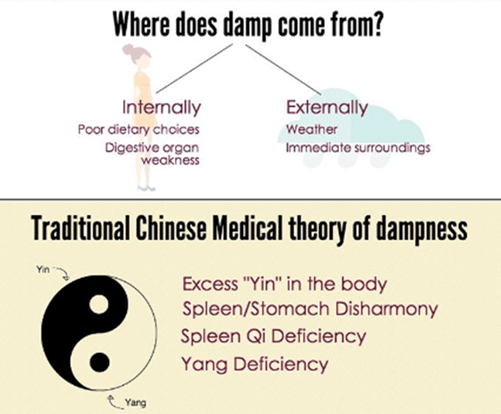
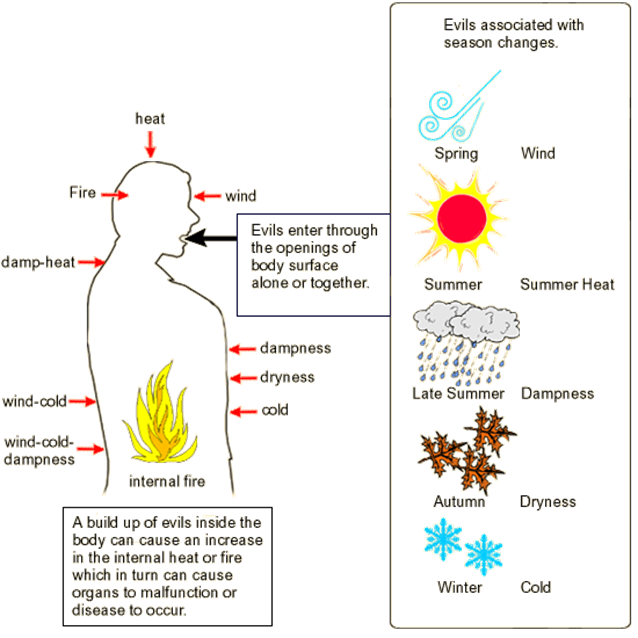
In some Korean martial and healing traditions, the term dom (often a variant of dam) describes a condition thought to arise from exposure to cold drafts or sleeping with a window open. Symptoms include lack of vitality, discomfort, heaviness, and energetic stagnation. While not commonly discussed in English by this name, the concept closely parallels the Traditional Chinese Medicine (TCM) categories of phlegm–dampness and wind–cold invasion.
Traditional Medical Background

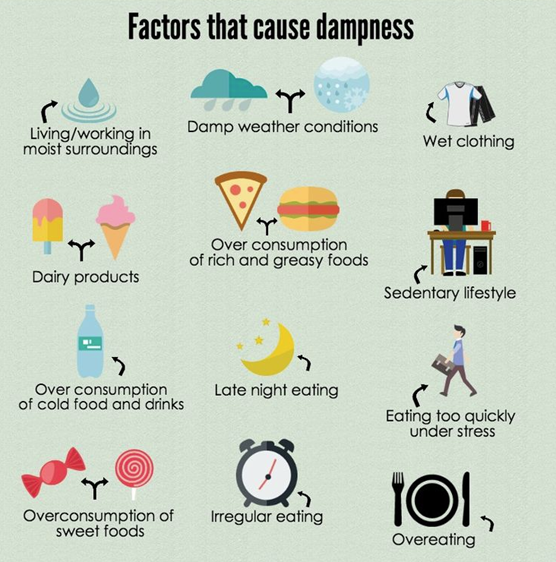
In TCM, pathogenic factors such as wind and cold are considered external influences that can enter the body when its defenses are lowered. This invasion disrupts the circulation of qi (vital energy) and blood, leading to stiffness, fatigue, and discomfort (Dashtdar et al., 2016). Similarly, dampness and phlegm are understood as byproducts of impaired fluid metabolism, often linked to cold exposure or digestive weakness. These accumulations obstruct energetic pathways, creating heaviness, fogginess, and stagnation (Zhang et al., 2020).

The Korean medicine concept of dam-eum, or “phlegm fluids,” corresponds to these pathological states, describing the presence of stagnant fluids that may not be visible but are experienced as internal fullness, lack of energy, or digestive discomfort (Li et al., 2012). Martial and Taoist teachers often simplified this into the shorthand dom, framing it as “trapped air” or “blocked energy.”
Symptoms and Manifestations

English language descriptions of phlegm–dampness and wind–cold invasion list many of the same features attributed to dom/dam:

  • Fatigue, sluggishness, and heaviness in the body (Wang et al., 2013).
  • Cold sensitivity, stiffness, and discomfort after exposure to drafts (Me & Qi, 2023).
  • Digestive issues such as bloating and poor appetite, associated with damp accumulation (Zhang et al., 2020).
  • Mental cloudiness or lack of clarity, often linked to phlegm obstructing the head and chest (Dashtdar et al., 2016).
Prevention and Treatment Approaches

Traditional approaches emphasize prevention, such as avoiding exposure to drafts during sleep, especially after exertion or sweating. Lifestyle recommendations include warming foods, avoiding raw or cold diets, and using movement or breathwork to restore circulation (Allina Health, 2023). In clinical TCM practice, herbal formulas like Er Chen Tang for phlegm–dampness or Ma Huang Tang for wind–cold invasion are applied (Me & Qi, 2023).

TCM/Korean‐medicine TermWhat It Means / RoleHow It Relates to Dom/Dam
Wind-Cold InvasionAn external pathogenic factor (wind + cold) enters the body’s surface (defensive Qi layer), disturbing the balance, causing symptoms like chills, stiffness, aversion to cold, lack of warmth, heaviness.The triggering condition in dom/dam is often cold or draft exposure. The cold “invasion” idea explains how external air (wind/cold) is believed to penetrate and cause internal stagnation. Sources: Me & Qi (“Wind-Cold invading the Lungs”) overview. (meandqi.com)
Phlegm-Dampness / phlegm-damp)When the body’s fluid metabolism is impaired (often via weak spleen/stomach function in TCM), fluids accumulate, become turbid, sticky, heavy. These can become invisible but felt as heaviness, fullness, sluggishness, obstructing Qi flow. Also called “damp-phlegm.”Dom/dam’s description of “trapped air,” heaviness, discomfort matches many symptoms of phlegm-dampness. Also, sleep in damp/cold drafts can promote formation of dampness + phlegm in TCM doctrine. Sources: Phlegm-Dampness Constitution studies; “What is Phlegm?” overview. (Wang et al., 2013)
Exterior Cold / Tai Yang PatternIn the Six Stages theory (e.g. Shang Han Lun), exposure to cold at the exterior (surface) level can produce Tai Yang syndromes: stiff neck or muscles, chills, sensitivity to cold, no sweat, etc. Early cold invasion that, if not resolved, can lead to deeper pathology. (Wikipedia)Dom/dam appears sometimes as a mild or chronic form of cold exposure: not always acute chills or fever, more an ongoing discomfort, stagnation, and lowered function. This maps to weaker or lingering exterior cold/dampness invasion.

The martial arts term dom can thus be understood as a culturally adapted expression of the broader East Asian medical concepts of phlegm–dampness and wind–cold invasion. It highlights the belief that environmental exposure, particularly to cold drafts, can impair vitality, obstruct energy flow, and lead to discomfort or stagnation. In both martial and medical contexts, the focus is on protecting the body from harmful influences while maintaining balance through lifestyle, environment, and practice.

References:

Allina Health. (2023). Fight the cold and flu with Chinese medicine. Allina Health. https://www.allinahealth.org/healthysetgo/care/fight-the-cold-and-flu-with-chinese-medicine

Chan, D., & Chan, D. (2023, October 14). Dampness – Everything you need to know |. ‣. https://dougleschan.com/health/dampness/

Dashtdar, M., Dashtdar, M. R., Dashtdar, B., Kardi, K., & Shirazi, M. K. (2016). The concept of wind in traditional Chinese medicine. Journal of Pharmacopuncture, 19(4), 293–302. https://doi.org/10.3831/kpi.2016.19.030

Me & Qi. (2023). Wind–cold invading the lungs. Me & Qi Traditional Chinese Medicine Education Center. https://www.meandqi.com/tcm-education-center/patterns/wind-cold-invading-the-lungs

Wang, J., Wang, Q., Li, L., Li, Y., Zhang, H., Zheng, L., Yang, L., Zheng, Y., Yang, Y., Peng, G., Zhang, Y., & Han, Y. (2013). Phlegm-Dampness Constitution: Genomics, Susceptibility, Adjustment and Treatment with Traditional Chinese Medicine. The American Journal of Chinese Medicine, 41(02), 253–262. https://doi.org/10.1142/s0192415x13500183

Wikipedia contributors. (2025, May 6). Shanghan Lun. Wikipedia. https://en.wikipedia.org/wiki/Shanghan_Lun?utm_source=chatgpt.com

Zhang, Y., Wang, Z., Zhang, Y., Tong, H., Zhang, Y., & Lu, T. (2020). Potential mechanisms for traditional Chinese medicine in treating airway mucus hypersecretion associated with coronavirus Disease 2019. Frontiers in Molecular Biosciences, 7. https://doi.org/10.3389/fmolb.2020.577285


Mind–Body Practices and Regulation of the Limbic System in Pain and Emotional Processing

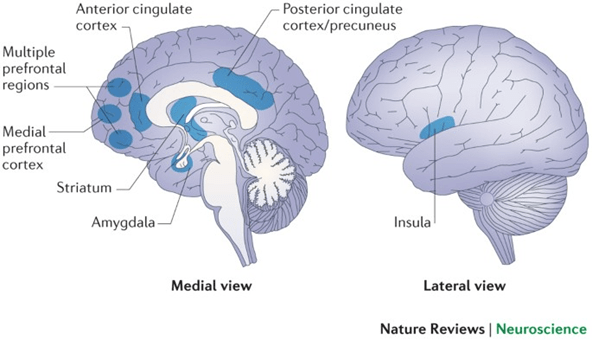
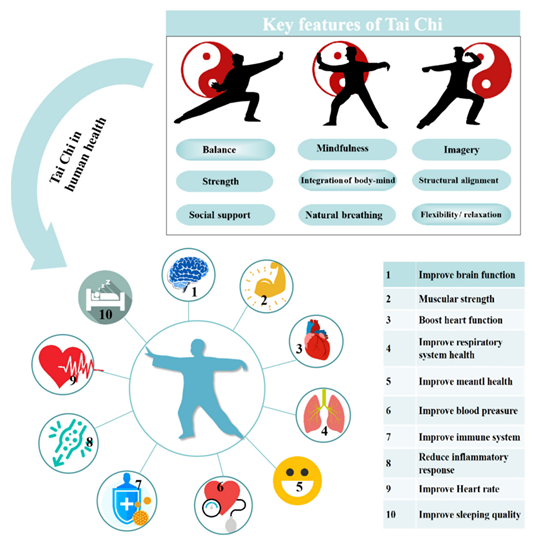
Mind-body practices such as Tai Chi, Qigong, yoga, meditation, and breathwork have shown compelling effects on both pain regulation and emotional stability. These effects are largely mediated by changes in limbic system activity, particularly in the amygdala and anterior cingulate cortex (ACC), two structures centrally involved in the affective dimension of pain and mood modulation.

1. Downregulation of the Amygdala and Emotional Reactivity

The amygdala plays a critical role in emotional salience, particularly in the fear and anxiety components of pain. Mind–body interventions appear to reduce hyperactivity in the amygdala, which is often elevated in chronic pain conditions and mood disorders.

  • Mindfulness-based practices have been shown to reduce amygdala activation during exposure to emotional or painful stimuli (Hölzel et al., 2010).
  • This downregulation of emotional reactivity leads to a less catastrophizing and more neutral interpretation of pain, shifting the experience from distressing to manageable.
  • Long-term meditators often show reduced amygdala volume and improved emotional regulation (Taren et al., 2013).

2. Modulation of the Anterior Cingulate Cortex (ACC): Pain Unpleasantness and Attention

The ACC, which governs pain-related distress and motivational escape behaviors, is also modulated by focused mind–body training.

  • Regular practice of yoga or Tai Chi is associated with enhanced ACC activation during pain regulation, suggesting greater top-down control over emotional responses (Villemure et al., 2014).
  • The ACC is engaged during focused attention and cognitive reappraisal, key skills developed through qigong, breath regulation, and meditation.
  • By enhancing attentional control, practitioners can shift perception away from pain or reinterpret its meaning, reducing suffering even when nociceptive input remains constant.

3. Interoception and Limbic-Cortical Integration

Mind-body practices foster interoceptive awareness, or the ability to perceive internal bodily states, which is linked to insula, ACC, and medial prefrontal cortex activity.

  • Improved interoceptive accuracy allows for early recognition of emotional arousal or pain-related tension, enabling better regulation through breath or posture (Farb et al., 2013).
  • Tai Chi and Qigong practices emphasize sensing and refining internal energy (Qi), which can be seen as cultivating precise interoceptive sensitivity that buffers limbic reactivity.

4. Reduction in Mood Swings and Affective Dysregulation

Since pain and mood are tightly coupled in limbic circuits, emotional mood swings often accompany pain flare-ups. Mind-body practices support mood stability through:

  • Autonomic regulation (improved vagal tone, parasympathetic dominance),
  • Cognitive reappraisal (enhanced prefrontal-limbic communication),
  • And hormonal modulation (reduced cortisol, increased endorphins and oxytocin).

This leads to more resilient stress responses, fewer negative ruminations, and less affective volatility.

Summary Table: Effects of Mind–Body Practices on Limbic Pain Modulation

PracticeTarget AreaEffect on Pain/Mood
Meditation / MindfulnessAmygdala, ACC, mPFCReduced emotional reactivity, improved pain tolerance
Tai Chi / QigongACC, Insula, PAGImproved interoception, emotional regulation, reduced chronic pain
Yoga / BreathworkACC, Brainstem, Vagal SystemIncreased parasympathetic tone, mood stabilization, decreased pain unpleasantness

Regular practice of mind–body disciplines such as Tai Chi and Qigong appear to reduce emotional distress and negative affect, which are mediated by limbic structures including the amygdala and ACC (Xu, Baker, & Ren, 2021). By combining gentle movement with mental focus and breath regulation, Tai Chi engages both somatosensory and emotional‑regulatory brain circuits, potentially dampening the emotional component of pain and improving mood stability.

References:

Farb, N. A. S., Segal, Z. V., & Anderson, A. K. (2013). Attentional modulation of primary interoceptive and exteroceptive cortices. Cerebral Cortex, 23(1), 114–126. https://doi.org/10.1093/cercor/bhr385

Hölzel, B. K., et al. (2010). Stress reduction correlates with structural changes in the amygdala. Social Cognitive and Affective Neuroscience, 5(1), 11–17. https://doi.org/10.1093/scan/nsp034

Leknes, S., & Tracey, I. (2008). A common neurobiology for pain and pleasure. Nature Reviews Neuroscience, 9(4), 314–320. https://doi.org/10.1038/nrn2333.

Tang, Y., Hölzel, B. K., & Posner, M. I. (2015). The neuroscience of mindfulness meditation. Nature Reviews. Neuroscience, 16(4), 213–225. https://doi.org/10.1038/nrn3916

Taren, A. A., Creswell, J. D., & Gianaros, P. J. (2013). Dispositional mindfulness co-varies with smaller amygdala and caudate volumes in community adults. PLoS ONE, 8(5), e64574. https://doi.org/10.1371/journal.pone.0064574

Villemure, C., Čeko, M., Cotton, V. A., & Bushnell, M. C. (2014). Insular cortex mediates increased pain tolerance in yoga practitioners. Cerebral Cortex, 24(10), 2732–2740. https://doi.org/10.1093/cercor/bht124

Xu, S., Baker, J. S., & Ren, F. (2021). The Positive Role of Tai Chi in Responding to the COVID-19 Pandemic. International Journal of Environmental Research and Public Health, 18(14), 7479. https://doi.org/10.3390/ijerph18147479

Nose Breathing vs. Mouth Breathing

Among many healthcare professionals, fitness enthusiasts, martial artists, musical instrument performers, and others understand that breathing through the nose, or nasal breathing is generally considered better than breathing solely through the mouth for several reasons:

1. Improved Air Filtration

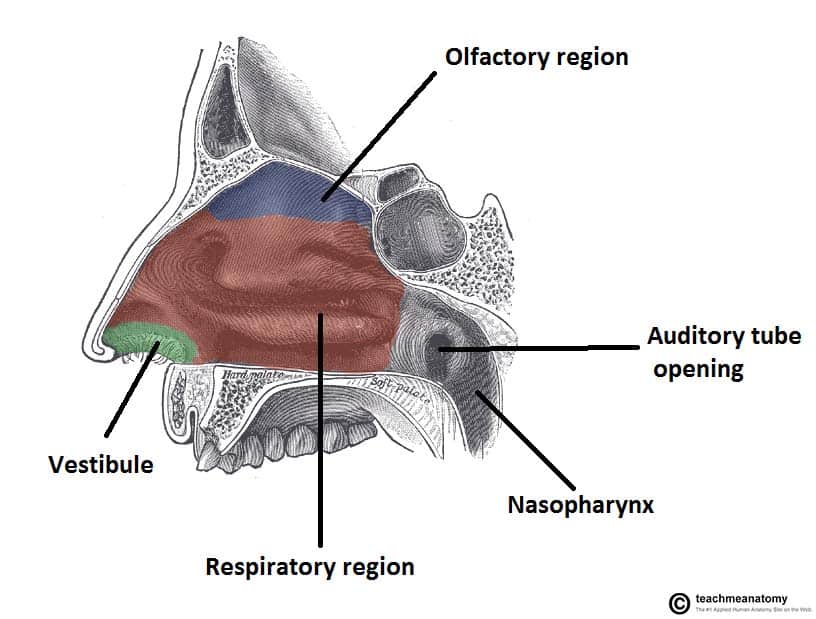
  • Moist nasal passages help to filter pollen, dust, pathogens, and other allergens through tiny hairs called cilia and mucus which protect the lungs from harmful particles.

2. Increased Oxygen Absorption

  • Nasal breathing can slow down the rate of airflow, allowing more time for oxygen exchange in the lungs. This consequently leads to better oxygen delivery to tissues.

3. Better Air Humidification and Temperature Regulation

  • The nasal passages warm and humidify incoming air, helping to reduce irritation to the respiratory tract and improving overall comfort, particularly in dry or cold climates.

4. Nitric Oxide Production

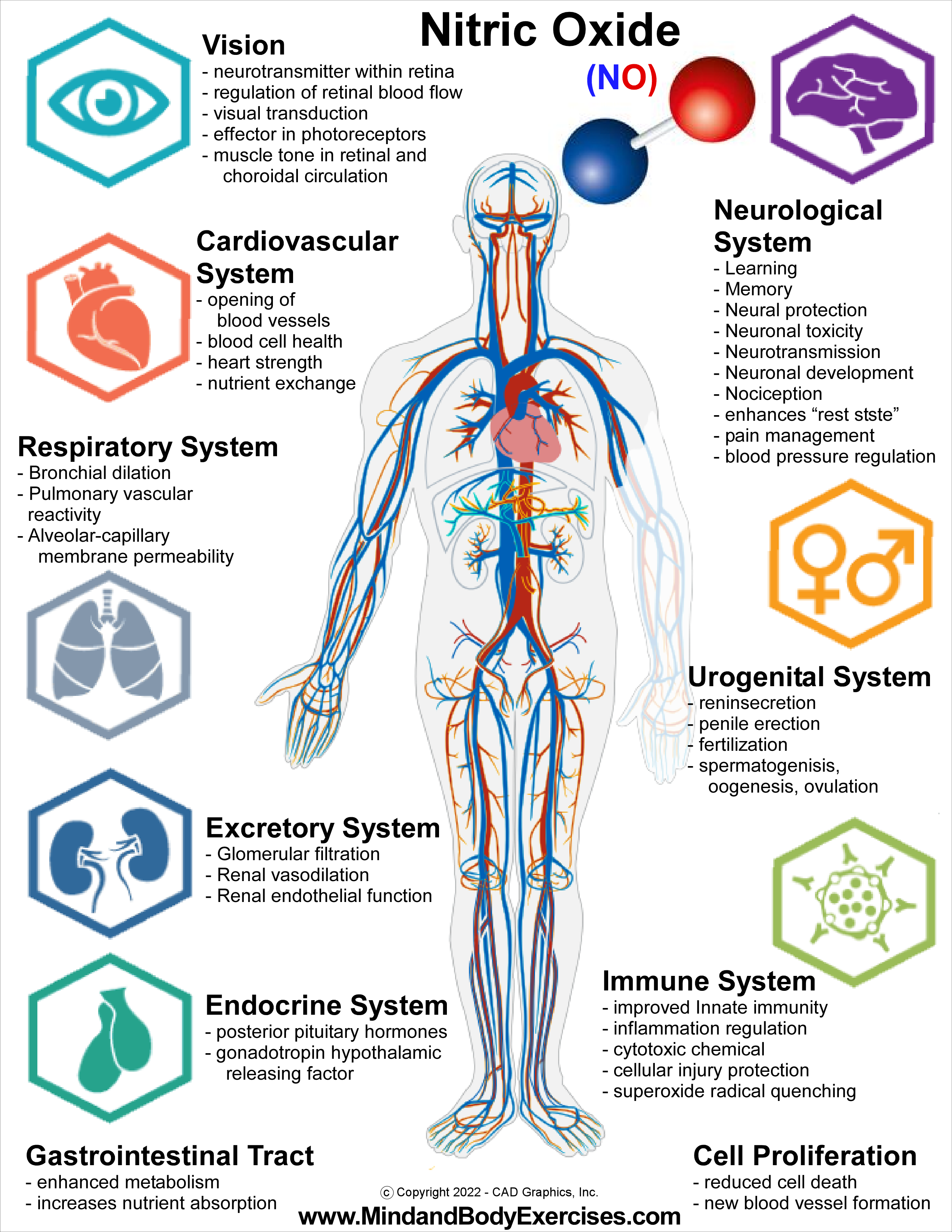
  • Nasal breathing aids in the production of nitric oxide (NO), which improves blood circulation by dilating blood vessels, enhances oxygen absorption and boosts immune function by killing harmful bacteria and viruses.

5. Supports Proper Diaphragmatic Breathing

  • Nasal breathing encourages deeper, more controlled breathing, activating the respiratory diaphragm and reducing shallow, chest-dominated breaths often associated with stress.

6. Better Sleep Quality

  • Nasal breathing reduces snoring and thus reduces the risk of sleep apnea, promoting more restful and restorative sleep.

7. Improved Oral Health

  • Keeping the mouth closed during breathing is thought to prevent dry mouth, reducing the risk of cavities, gum disease, and bad breath.

8. Enhancement of Athletic Performance

  • Nasal breathing increases endurance and efficient energy use, by improving oxygen uptake and reducing the buildup of carbon dioxide within the bloodstream.

9. Balanced CO₂ and Oxygen Levels

  • Breathing through the nose helps maintain an optimal balance of carbon dioxide and oxygen in the blood, supporting cellular metabolism and calming the nervous system.

10. Supports Facial Development (in Children)

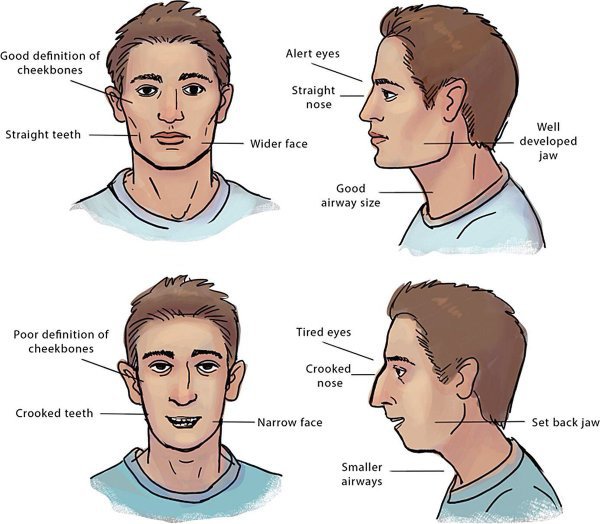
  • In children, nasal breathing promotes proper tongue posture and jaw development, reducing the risk of orthodontic issues and improving facial structure.

11. Promotes Postural Alignment

  • Nasal breathing supports proper tongue posture, which can improve overall posture and reduce strain on the neck and back.

12. Reduced Stress and Anxiety

  • Nasal breathing activates the parasympathetic nervous system, which helps reduce heart rate and stress levels, promoting a calm and focused state of mind.

13. Boosts Cognitive Function

  • Consistent oxygen distribution to the brain enhances focus, memory, and decision-making capabilities.

14. Voice Quality and Speech Clarity

  • Maintaining nasal breathing increases vocal cord health and improves voice resonance and clarity.

There may be situations where breathing through the mouth is necessary or preferable, such as during intense physical exertion or when experiencing nasal congestion. However, nasal breathing is considered the more natural and physiologically advantageous way to breathe. If someone experiences chronic nasal congestion or other issues that impede nasal breathing, it’s advisable to consult with a healthcare professional.

I teach and offer lectures about holistic health, physical fitness, stress management, human behavior, meditation, phytotherapy (herbs), music for healing, self-massage (acupressure), Daoyin (yoga), qigong, tai chi, and baguazhang.

Please contact me if you, your business, organization, or group might be interested in hosting me to speak on a wide range of topics related to better health, fitness, and well-being.

I look forward to further sharing my message by partnering with hospitals, wellness centers, VA centers, schools on all levels, businesses, and individuals who see the value in building a stronger nation through a healthier population.

I also have hundreds of FREE education video classes, lectures, and seminars available on my YouTube channel at:

https://www.youtube.com/c/MindandBodyExercises

Many of my publications can be found on Amazon at:

http://www.Amazon.com/author/jimmoltzan

My holistic health blog is available at:

https://mindandbodyexercises.wordpress.com/

http://www.MindAndBodyExercises.com

Mind and Body Exercises on Google: https://posts.gle/aD47Qo

Jim Moltzan

The Physiological Sigh and Daoist Breath Theory

Breathing is both an automatic physiological process and a foundational medium through which emotional regulation and somatic stability are maintained. Among the many respiratory patterns observed in humans, the physiological sigh represents a unique convergence of pulmonary mechanics, autonomic nervous system regulation, and traditional breath observations preserved in Daoist practices. Characterized by two sequential inhalations followed by a prolonged exhalation, the physiological sigh is an innate reflex that occurs spontaneously in healthy individuals and plays a critical role in maintaining lung function and nervous system balance (Del Negro et al., 2018; West, 2012).

While modern neuroscience and respiratory physiology have clarified the mechanisms underlying this breath pattern, Daoist and Traditional Chinese Medicine frameworks identified the functional importance of sighing centuries earlier, particularly in relation to Lung Qi regulation and emotional release. Examining the physiological sigh through both lenses reveals a rare alignment between classical somatic wisdom and contemporary scientific explanation.

Pulmonary Function and Alveolar Recruitment

From a biomedical perspective, the primary function of the physiological sigh is alveolar recruitment. During normal respiration, particularly under conditions of stress, fatigue, or restricted posture, small numbers of alveoli may partially collapse, reducing surface area available for gas exchange (West, 2012). Over time, this can lead to reduced lung compliance and diminished respiratory efficiency.

The physiological sigh counteracts this process through a brief second inhalation that increases transpulmonary pressure, allowing collapsed alveoli to reopen. This mechanism preserves lung elasticity and optimizes oxygen exchange, making the sigh an essential component of healthy respiratory maintenance rather than an incidental behavior (Del Negro et al., 2018).

Autonomic Nervous System Regulation

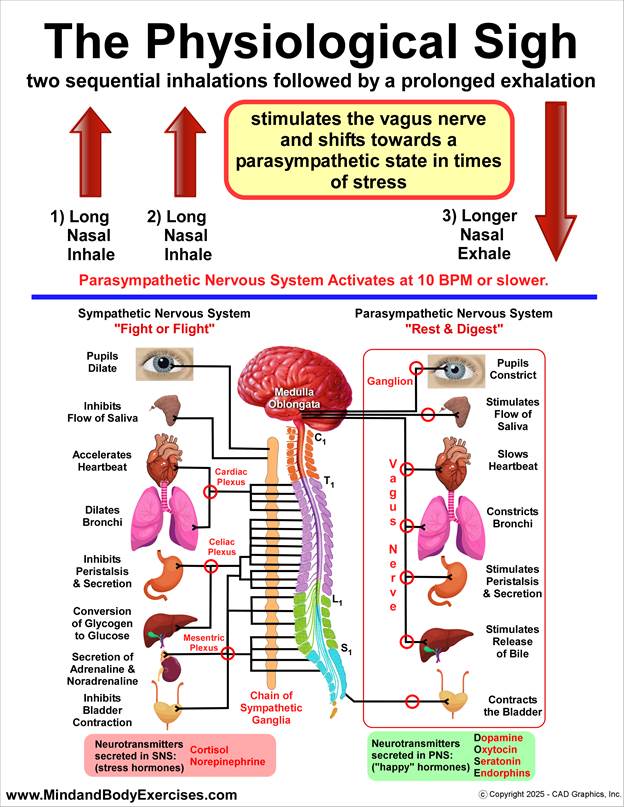
Beyond its mechanical function, the physiological sigh exerts a powerful influence on the autonomic nervous system. The prolonged exhalation phase enhances parasympathetic activity, primarily through vagal pathways, resulting in decreased heart rate, reduced sympathetic arousal, and rapid attenuation of stress responses (Porges, 2011).

Research in applied psychophysiology demonstrates that breathing patterns emphasizing extended exhalation improve heart rate variability and stabilize respiratory rhythm, contributing to reductions in perceived anxiety and respiratory discomfort (Lehrer et al., 2000). Because the sigh operates at the level of brainstem control rather than conscious effort, it remains effective even during states of emotional overwhelm or impaired cognitive processing.

Neurophysiological Basis of the Sigh Reflex

The physiological sigh is generated by respiratory rhythm centers located in the medulla, particularly the pre-Bötzinger complex and associated neural networks (Ramirez et al., 2013). These circuits integrate chemosensory feedback related to carbon dioxide levels and lung stretch, allowing the sigh to emerge automatically when respiratory efficiency declines.

This brainstem dominance explains why sighing is commonly observed during crying, emotional release, and moments of relief, as well as during sleep. It also explains why voluntary imitation of the physiological sigh can produce rapid calming effects when higher cognitive strategies are ineffective.

Daoist and Traditional Chinese Medicine Perspective

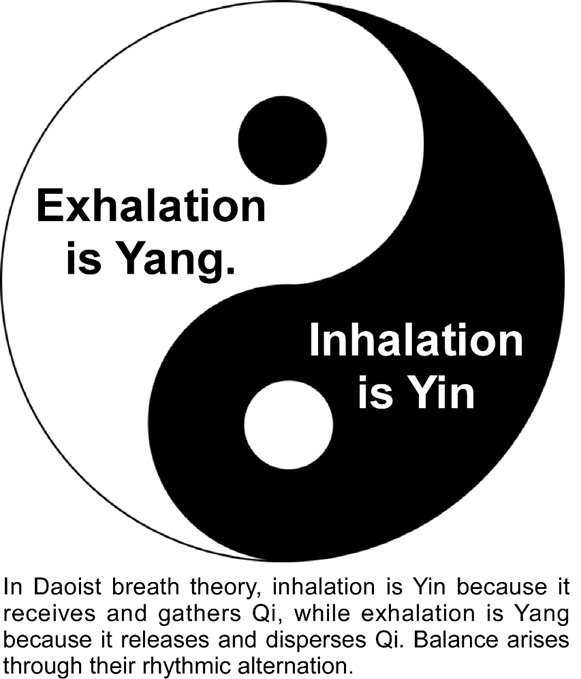
In Daoist breath theory and Traditional Chinese Medicine, sighing is closely associated with the Lung system, which governs respiration, rhythm, and the distribution of Qi (vital energy) throughout the body. The Lung is also linked to the Po, or corporeal soul, which is sensitive to grief, shock, and emotional contraction. Classical medical texts describe sighing as a spontaneous mechanism through which constrained Lung Qi is released and chest tension is alleviated.

The double inhalation observed in the physiological sigh can be interpreted within this framework as a restoration of Zong Qi, the gathering Qi of the chest, while the extended exhalation facilitates the descent and regulation of Lung Qi. This process supports Lung and Kidney coordination, a foundational principle in Daoist internal cultivation and breath regulation practices.

Dao Yin and qigong systems frequently incorporate a subtle secondary inhalation at the top of the breath, followed by a slow and complete exhalation. While historically described in energetic terms, modern physiology reveals that these practices align closely with alveolar recruitment and parasympathetic activation, suggesting that Daoist practitioners were observing functional outcomes long before their mechanisms could be scientifically articulated.

Integrative Application and Intentional Use

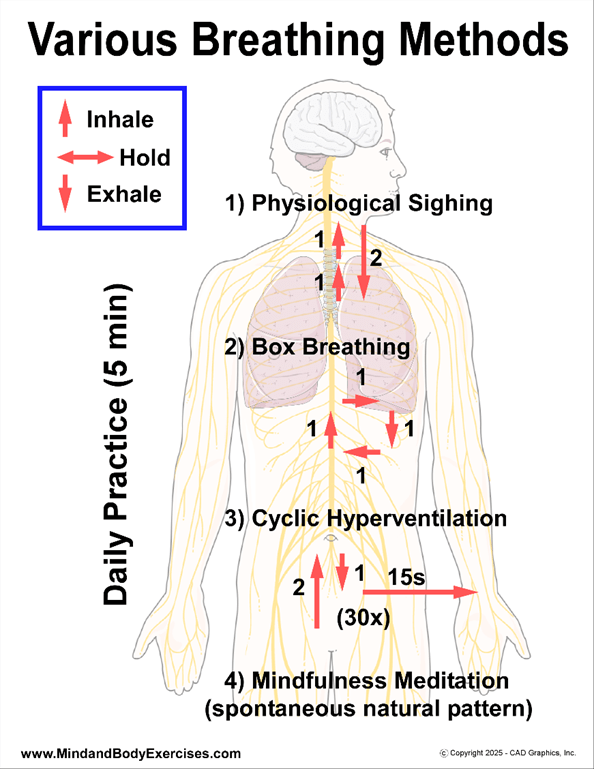
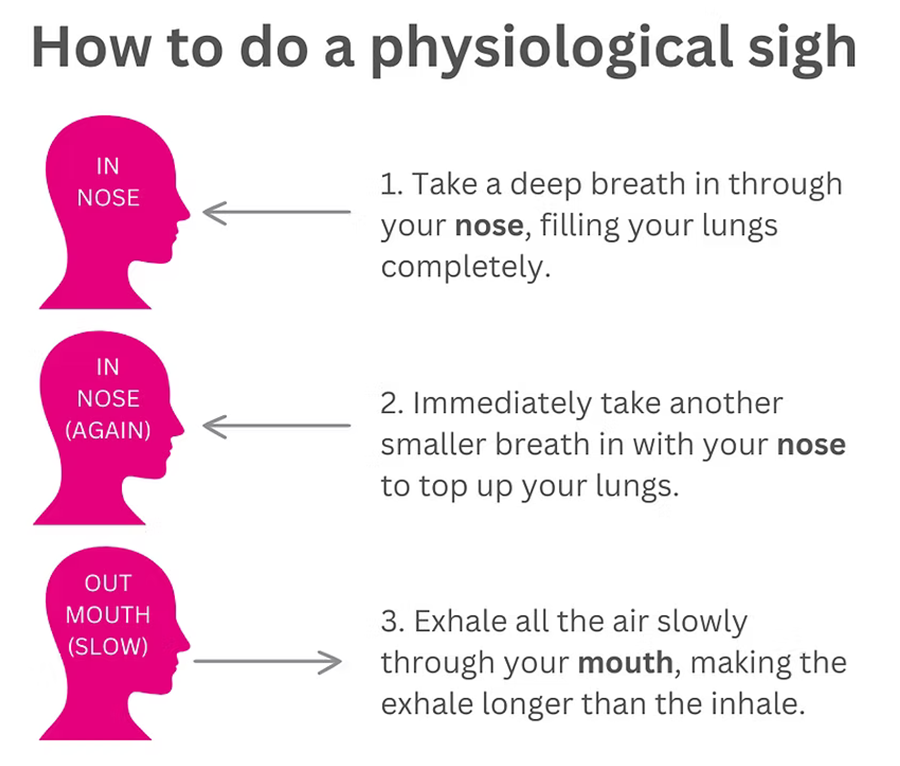
The physiological sigh can be intentionally reproduced as a practical tool for acute regulation:

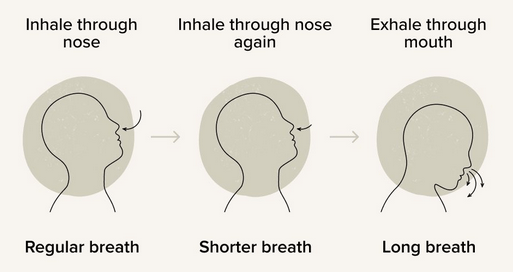
  1. A gentle nasal inhalation
  2. A short secondary inhalation at the top of the breath
  3. A slow, extended exhalation until comfortably empty

This sequence may be repeated one to three times and is best used as a reset rather than a continuous breathing pattern. Excessive repetition may lead to lightheadedness due to altered carbon dioxide levels.

From an integrative perspective, this method represents neither a purely mechanical intervention nor a symbolic ritual. Rather, it is a functional reset that simultaneously restores lung mechanics, autonomic balance, and somatic coherence.

The physiological sigh exemplifies a rare point of convergence between modern respiratory science and Daoist breath theory. Scientifically, it functions as an essential mechanism for maintaining lung compliance and autonomic regulation through innate brainstem circuits. Traditionally, it has been recognized as a natural means of releasing chest constraint, settling the Heart Mind, and restoring respiratory rhythm.

This convergence underscores an important principle in integrative health: some of the most effective regulatory mechanisms are not learned techniques, but inherent biological safeguards that can be consciously supported when needed. The physiological sigh stands as a compelling example of how ancient somatic observation and contemporary neuroscience can inform and enrich one another.

References:

Balban, M. Y., Neri, E., Kogon, M. M., Weed, L., Nouriani, B., Jo, B., Holl, G., Zeitzer, J. M., Spiegel, D., & Huberman, A. D. (2023). Brief structured respiration practices enhance mood and reduce physiological arousal. Cell Reports Medicine, 4(1), 100895. https://doi.org/10.1016/j.xcrm.2022.100895

Del Negro, C. A., Funk, G. D., & Feldman, J. L. (2018). Breathing matters. Nature Reviews Neuroscience, 19(6), 351–367. https://doi.org/10.1038/s41583-018-0003-6

Lehrer, P. M., Vaschillo, E., & Vaschillo, B. (2000). Resonant frequency biofeedback training to increase cardiac variability. Applied Psychophysiology and Biofeedback, 25(3), 177–191. https://doi.org/10.1023/A:1009554825745

Porges, S. W. (2011). The polyvagal theory: Neurophysiological foundations of emotions, attachment, communication, and self-regulation. W. W. Norton & Company.

Li, P., Janczewski, W. A., Yackle, K., Kam, K., Pagliardini, S., Krasnow, M. A., & Feldman, J. L. (2016). The peptidergic control circuit for sighing. Nature, 530(7590), 293–297. https://doi.org/10.1038/nature16964

West, J. B. (2012). Respiratory physiology: The essentials (9th ed.). Lippincott Williams & Wilkins.

The Physiological Sigh

Respiratory Mechanics and Nervous System Regulation

The physiological sigh is an innate respiratory pattern characterized by two sequential inhalations followed by a prolonged exhalation. This breathing reflex occurs spontaneously in healthy individuals at regular intervals, including during sleep, and serves an essential role in maintaining lung function and regulating the autonomic nervous system (Del Negro et al., 2018; West, 2012).

Unlike voluntary breathing techniques that rely on conscious control, the physiological sigh is generated by brainstem respiratory circuits, allowing it to function even during states of emotional distress, fatigue, or diminished cognitive capacity (Li et al., 2016).

Pulmonary Function and Alveolar Recruitment

One primary function of the physiological sigh is alveolar recruitment. During normal respiration, especially under conditions of stress, shallow breathing, or prolonged sitting, small clusters of alveoli may partially collapse, reducing gas exchange efficiency (West, 2012).

The second, brief inhalation increases transpulmonary pressure, allowing collapsed alveoli to reopen and restoring optimal lung compliance. Without periodic sighing, lung stiffness and impaired oxygen exchange may gradually develop (Del Negro et al., 2018).

Autonomic Nervous System Regulation

The extended exhalation phase of the physiological sigh plays a critical role in autonomic regulation. Prolonged exhalation enhances parasympathetic activity via the vagus nerve, resulting in reduced heart rate, decreased sympathetic arousal, and rapid attenuation of stress responses (Porges, 2011).

Research has shown that exhalation-weighted breathing patterns can quickly lower perceived anxiety and respiratory discomfort by improving carbon dioxide regulation and restoring respiratory rhythm stability (Lehrer et al., 2000).

Neurophysiological Basis

The physiological sigh is coordinated by respiratory rhythm-generating centers within the medulla, particularly the pre-Bötzinger complex and associated neural networks (Ramirez et al., 2013). Because these circuits operate independently of cortical processing, the sigh remains functional during emotional overwhelm, panic states, and trauma responses.

This brainstem dominance explains why sighing often occurs during crying, emotional release, or moments of relief, and why intentional imitation of the sigh can be effective when cognitive strategies fail.

Intentional Application

The physiological sigh can be voluntarily reproduced for acute nervous system regulation:

  1. Inhale gently through the nose
  2. Take a second short inhalation at the top of the breath
  3. Slowly exhale until the lungs feel comfortably empty
  4. Repeat one to three times

This method should not be performed continuously, as excessive repetition may cause lightheadedness.

Integrative Perspective

Traditional breath practices observed in yoga, Dao Yin and qigong systems (tai chi and other martial arts) describe sighing as a natural mechanism for releasing chest tension and restoring respiratory rhythm. Modern physiology now provides a mechanistic explanation for these observations, revealing a convergence between classical somatic practices and contemporary neuroscience.

The physiological sigh is a mechanical respiratory reset, not a relaxation technique dependent on belief or visualization. Its effectiveness lies in its ability to directly restore lung mechanics and autonomic balance through innate neural pathways.

References:

Del Negro, C. A., Funk, G. D., & Feldman, J. L. (2018). Breathing matters. Nature Reviews Neuroscience, 19(6), 351–367. https://doi.org/10.1038/s41583-018-0003-6

Lehrer, P. M., Vaschillo, E., & Vaschillo, B. (2000). Resonant frequency biofeedback training to increase cardiac variability. Applied Psychophysiology and Biofeedback, 25(3), 177–191. https://doi.org/10.1023/A:1009554825745

Porges, S. W. (2011). The polyvagal theory: Neurophysiological foundations of emotions, attachment, communication, and self-regulation. W. W. Norton & Company.

Li, P., Janczewski, W. A., Yackle, K., Kam, K., Pagliardini, S., Krasnow, M. A., & Feldman, J. L. (2016). The peptidergic control circuit for sighing. Nature, 530(7590), 293–297.
https://doi.org/10.1038/nature16964

West, J. B. (2012). Respiratory physiology: The essentials (9th ed.). Lippincott Williams & Wilkins.