
Mind-body practices such as Tai Chi, Qigong, yoga, meditation, and breathwork have shown compelling effects on both pain regulation and emotional stability. These effects are largely mediated by changes in limbic system activity, particularly in the amygdala and anterior cingulate cortex (ACC), two structures centrally involved in the affective dimension of pain and mood modulation.
1. Downregulation of the Amygdala and Emotional Reactivity
The amygdala plays a critical role in emotional salience, particularly in the fear and anxiety components of pain. Mind–body interventions appear to reduce hyperactivity in the amygdala, which is often elevated in chronic pain conditions and mood disorders.
- Mindfulness-based practices have been shown to reduce amygdala activation during exposure to emotional or painful stimuli (Hölzel et al., 2010).
- This downregulation of emotional reactivity leads to a less catastrophizing and more neutral interpretation of pain, shifting the experience from distressing to manageable.
- Long-term meditators often show reduced amygdala volume and improved emotional regulation (Taren et al., 2013).
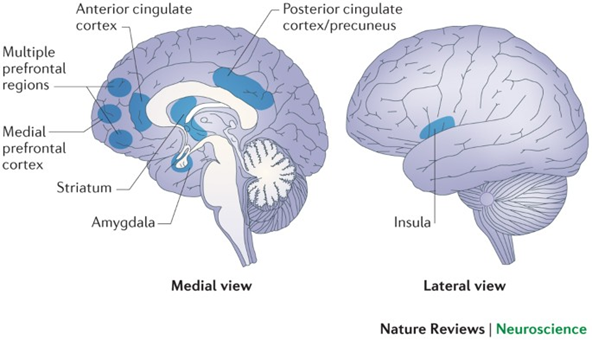
2. Modulation of the Anterior Cingulate Cortex (ACC): Pain Unpleasantness and Attention
The ACC, which governs pain-related distress and motivational escape behaviors, is also modulated by focused mind–body training.
- Regular practice of yoga or Tai Chi is associated with enhanced ACC activation during pain regulation, suggesting greater top-down control over emotional responses (Villemure et al., 2014).
- The ACC is engaged during focused attention and cognitive reappraisal, key skills developed through qigong, breath regulation, and meditation.
- By enhancing attentional control, practitioners can shift perception away from pain or reinterpret its meaning, reducing suffering even when nociceptive input remains constant.
3. Interoception and Limbic-Cortical Integration
Mind-body practices foster interoceptive awareness, or the ability to perceive internal bodily states, which is linked to insula, ACC, and medial prefrontal cortex activity.
- Improved interoceptive accuracy allows for early recognition of emotional arousal or pain-related tension, enabling better regulation through breath or posture (Farb et al., 2013).
- Tai Chi and Qigong practices emphasize sensing and refining internal energy (Qi), which can be seen as cultivating precise interoceptive sensitivity that buffers limbic reactivity.
4. Reduction in Mood Swings and Affective Dysregulation
Since pain and mood are tightly coupled in limbic circuits, emotional mood swings often accompany pain flare-ups. Mind-body practices support mood stability through:
- Autonomic regulation (improved vagal tone, parasympathetic dominance),
- Cognitive reappraisal (enhanced prefrontal-limbic communication),
- And hormonal modulation (reduced cortisol, increased endorphins and oxytocin).
This leads to more resilient stress responses, fewer negative ruminations, and less affective volatility.
Summary Table: Effects of Mind–Body Practices on Limbic Pain Modulation
| Practice | Target Area | Effect on Pain/Mood |
| Meditation / Mindfulness | Amygdala, ACC, mPFC | Reduced emotional reactivity, improved pain tolerance |
| Tai Chi / Qigong | ACC, Insula, PAG | Improved interoception, emotional regulation, reduced chronic pain |
| Yoga / Breathwork | ACC, Brainstem, Vagal System | Increased parasympathetic tone, mood stabilization, decreased pain unpleasantness |
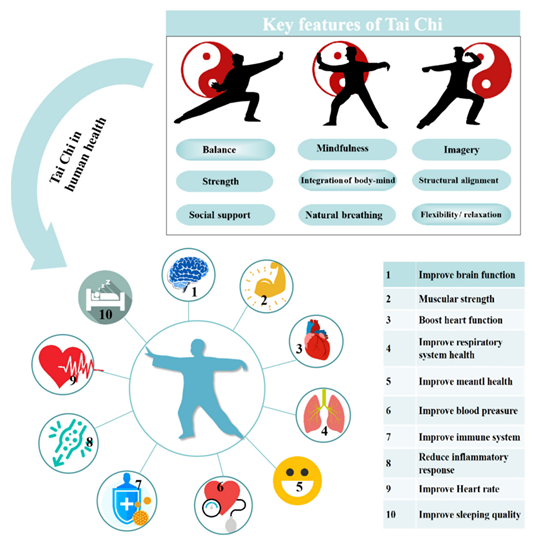
Regular practice of mind–body disciplines such as Tai Chi and Qigong appear to reduce emotional distress and negative affect, which are mediated by limbic structures including the amygdala and ACC (Xu, Baker, & Ren, 2021). By combining gentle movement with mental focus and breath regulation, Tai Chi engages both somatosensory and emotional‑regulatory brain circuits, potentially dampening the emotional component of pain and improving mood stability.
References:
Farb, N. A. S., Segal, Z. V., & Anderson, A. K. (2013). Attentional modulation of primary interoceptive and exteroceptive cortices. Cerebral Cortex, 23(1), 114–126. https://doi.org/10.1093/cercor/bhr385
Hölzel, B. K., et al. (2010). Stress reduction correlates with structural changes in the amygdala. Social Cognitive and Affective Neuroscience, 5(1), 11–17. https://doi.org/10.1093/scan/nsp034
Leknes, S., & Tracey, I. (2008). A common neurobiology for pain and pleasure. Nature Reviews Neuroscience, 9(4), 314–320. https://doi.org/10.1038/nrn2333.
Tang, Y., Hölzel, B. K., & Posner, M. I. (2015). The neuroscience of mindfulness meditation. Nature Reviews. Neuroscience, 16(4), 213–225. https://doi.org/10.1038/nrn3916
Taren, A. A., Creswell, J. D., & Gianaros, P. J. (2013). Dispositional mindfulness co-varies with smaller amygdala and caudate volumes in community adults. PLoS ONE, 8(5), e64574. https://doi.org/10.1371/journal.pone.0064574
Villemure, C., Čeko, M., Cotton, V. A., & Bushnell, M. C. (2014). Insular cortex mediates increased pain tolerance in yoga practitioners. Cerebral Cortex, 24(10), 2732–2740. https://doi.org/10.1093/cercor/bht124
Xu, S., Baker, J. S., & Ren, F. (2021). The Positive Role of Tai Chi in Responding to the COVID-19 Pandemic. International Journal of Environmental Research and Public Health, 18(14), 7479. https://doi.org/10.3390/ijerph18147479


