Normalcy Bias or “that will never happen”

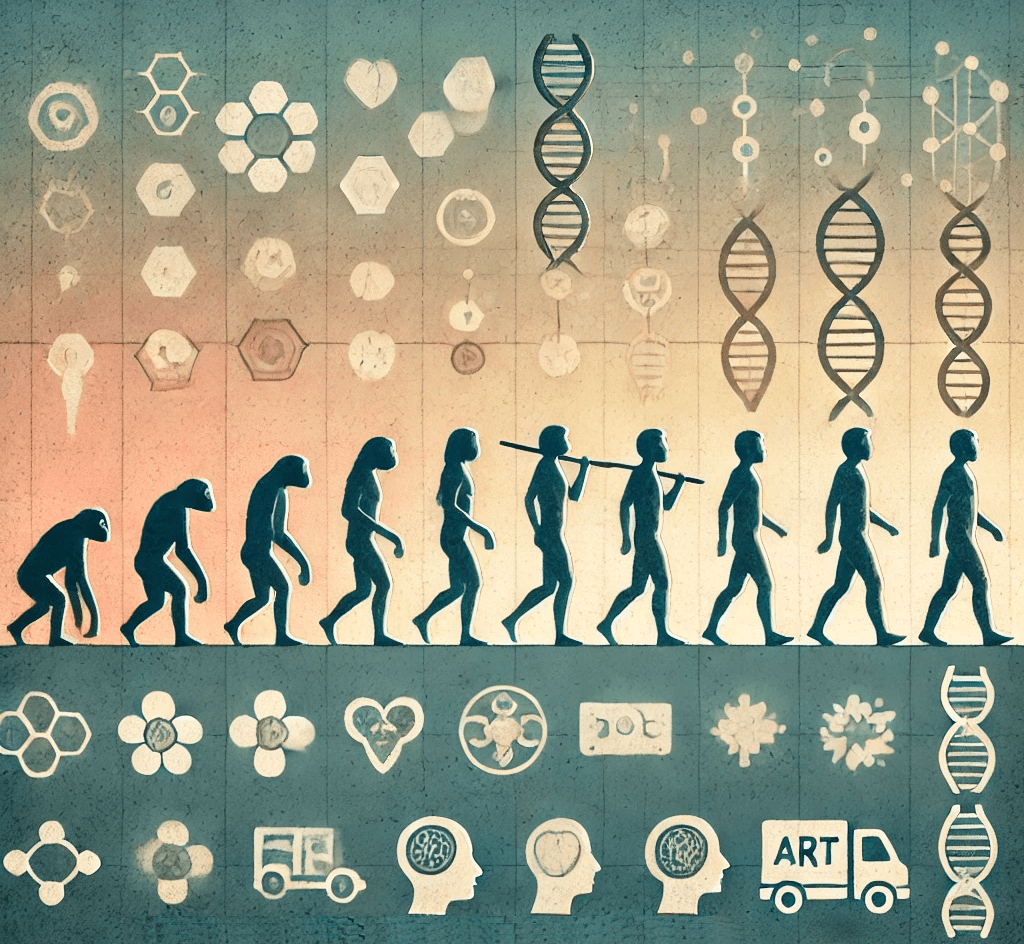
Normalcy bias is a cognitive behavior where a person has a propensity to underestimate the likelihood of a significant negative event or disaster occurring, as well as dismissing potential impacts if the event were to happen. This bias is based in the assumption that things will continue to operate in the same manner that have in the past, regardless of evidence or indications supporting the contrary.

Typical characteristics of normalcy bias include:

  1. Optimistic Bias is often linked to normalcy bias, where an individual is so optimistic that they may believe that they are not as likely to encounter negative events than that of others. Too much of this optimism may lead to a lack of preparedness.
  2. A Reluctance to Take Action – People that are influenced by normalcy bias may resist taking proactive actions or preparations towards high-impact events that might not happen. This reluctance can be rooted in a belief that relative events are improbable.
  3. Over Dependence upon Familiar Patterns – Individuals with normalcy bias may rely upon familiar patterns or cycles, thinking that the future events will repeat similarly to the past, influencing their ability to adapt to changing circumstances.
  4. Minimizing Perception of a Threat – People with normalcy bias often have a tendency to simplify the importance of potential threats or risks. They may think that because a threat has never come about, it is not likely to occur in the future.
  5. Desire to Maintain a Sense of Normality – Individuals prone to experiencing normalcy bias often gravitate toward keeping a sense of normality and routine, even when faced with eminent dangers or threats. This may influence inadequate or delayed responses to warnings of impending negative events.

Examples of normalcy bias:

  • Living in an earthquake-prone area, regardless of warnings and historical evidence of seismic activity. Belief that a major earthquake is unlikely to occur because it hasn’t happened recently. This bias can lead to lack of awareness, preparedness and relative response in the event of an actual earthquake. Other natural disaster-prone areas also apply (hurricanes, tornadoes, flooding, etc.).
  • Those in financial distress, will just somehow get by in spite of their spending budget showing otherwise.
  • During World War II in Nazi Germany, many Jews hoped and believed that things would return to normal.
  • Up until the terrorist attacks on the US of 9/11, many Americans thought that there would never be an attack on US soil. A paradigm shift ensued, leading us to where we are today with heightened awareness, fear, anxiety, TSA and many other adjustments to our society that have been the new normal.
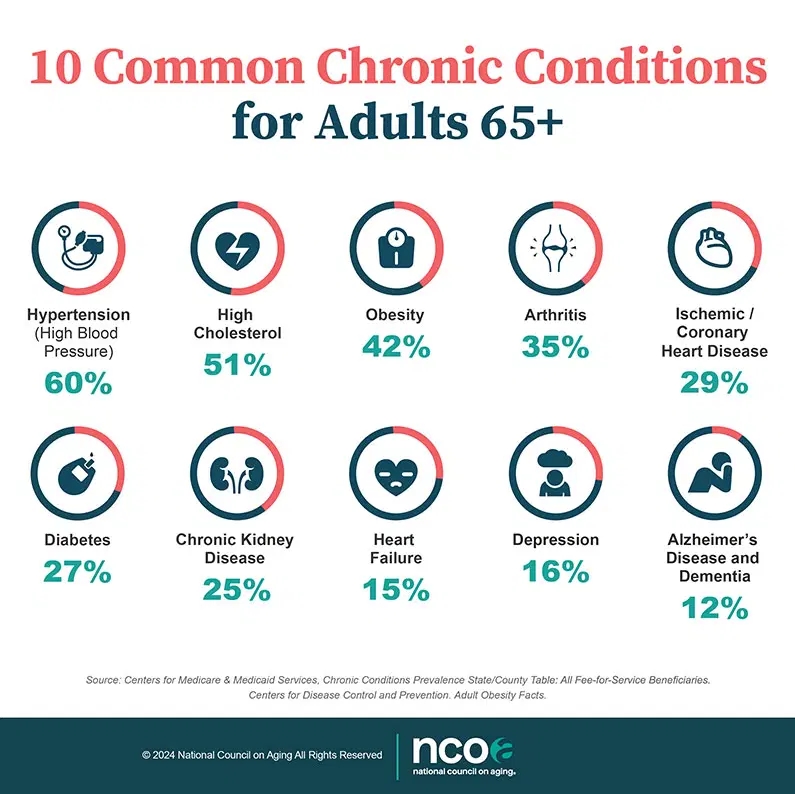
  • People in relatively fine health, believe that because they haven’t been seriously ill, sick or injured, that their health will continue to be healthy despite other factors and circumstances. This has been evident over many years with people smoking of tobacco, alcohol consumption and poor diet.
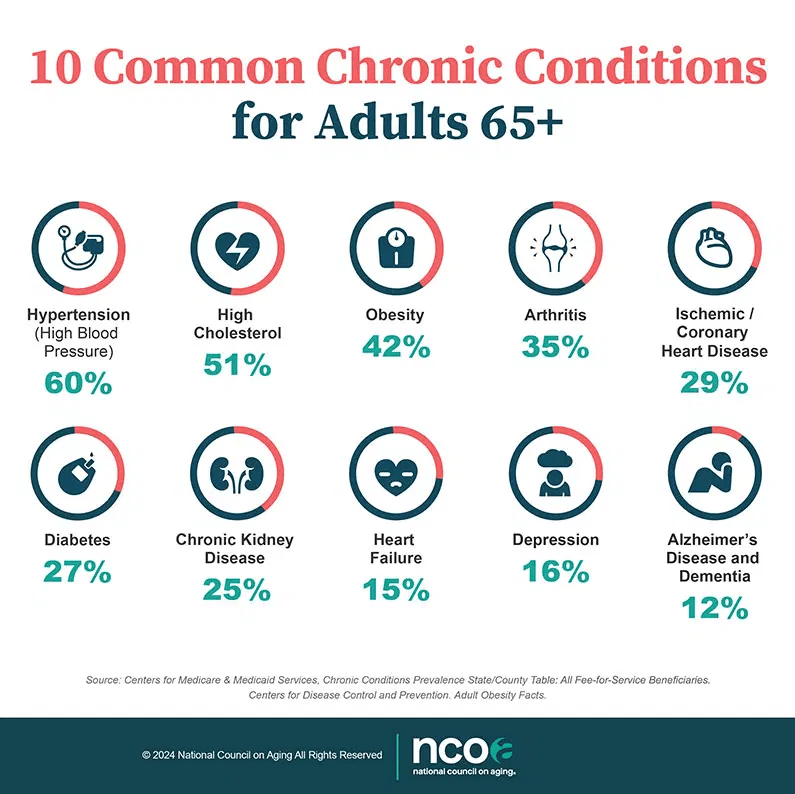
  • From a fitness perspective, people often don’t realize how much of their strength, flexibility, coordination, and balance that they may lose as they age. A simple fall or injury may create a paradigm shift in how an individual views their well-being.
  • Criminals, illegal drug dealers/user, tax cheats, reckless drivers and others may also fall into the normalcy bias, where they see themselves never being caught, as normal so therefore in their thoughts they will never get caught.

Normalcy bias and cognitive dissonance are two similar but different terms defining psychological behaviors. Normalcy bias is more focused on downplaying the possibility or significance of negative events. Cognitive dissonance is more broad concept associated with the unease caused by conflicting beliefs. Both concepts involve cognitive processes, but pertain to different aspects of cognition and behavior.

In conclusion, normalcy biased can often lead to lack of, or delay of appropriate mental and physical preparedness for potential future events and relative circumstances. Nobody wants to live in fear or anxiety of events that may or may not come about. However, becoming adequately educated and/or informed may help to better manage an individual’s thoughts and relative actions concerning any particular potentially negative event.

__________________________

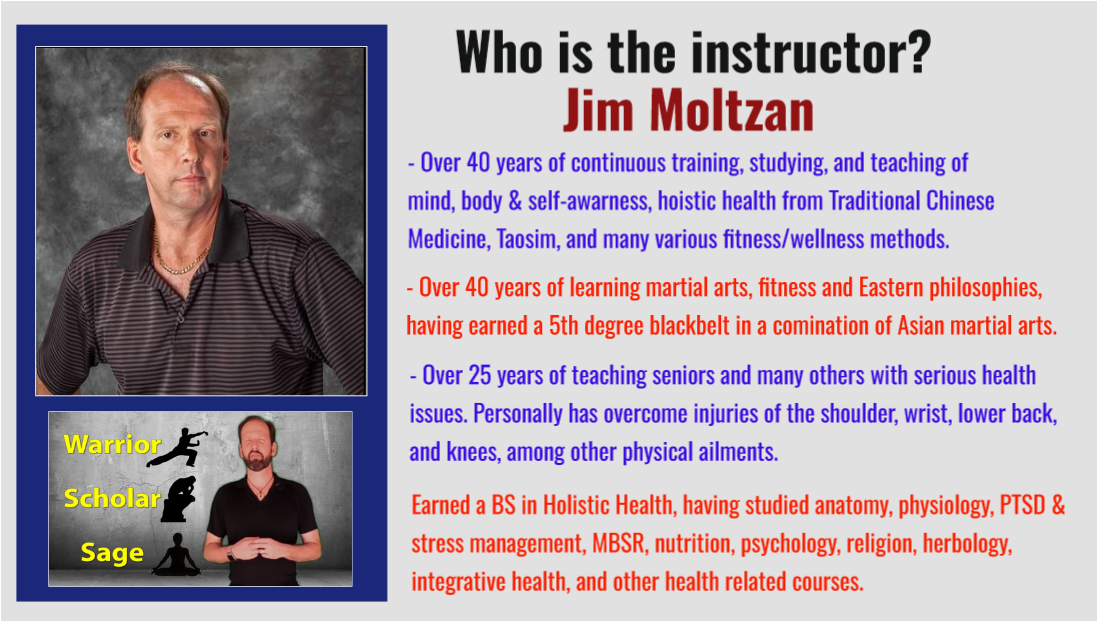
I teach and offer lectures about holistic health, stress management, qigong, tai chi, baguazhang, meditation, phytotherapy (herbs), music for healing, self-massage, and Daoyin (yoga).

I look forward to further sharing more of my message by partnering with hospitals, wellness centers, VA centers, schools on all levels, businesses and individuals that see the value in building a stronger nation through building a healthier population. I also have hundreds of FREE education video classes, lectures and seminars available on my YouTube channel at:

https://www.youtube.com/c/MindandBodyExercises

www.MindAndBodyExercises.com

www.Amazon.com/author/jimmoltzan

Mind and Body Exercises on Google: https://posts.gle/aD47Qo

Jim Moltzan
407-234-0119

Can someone die more than once in a lifetime?

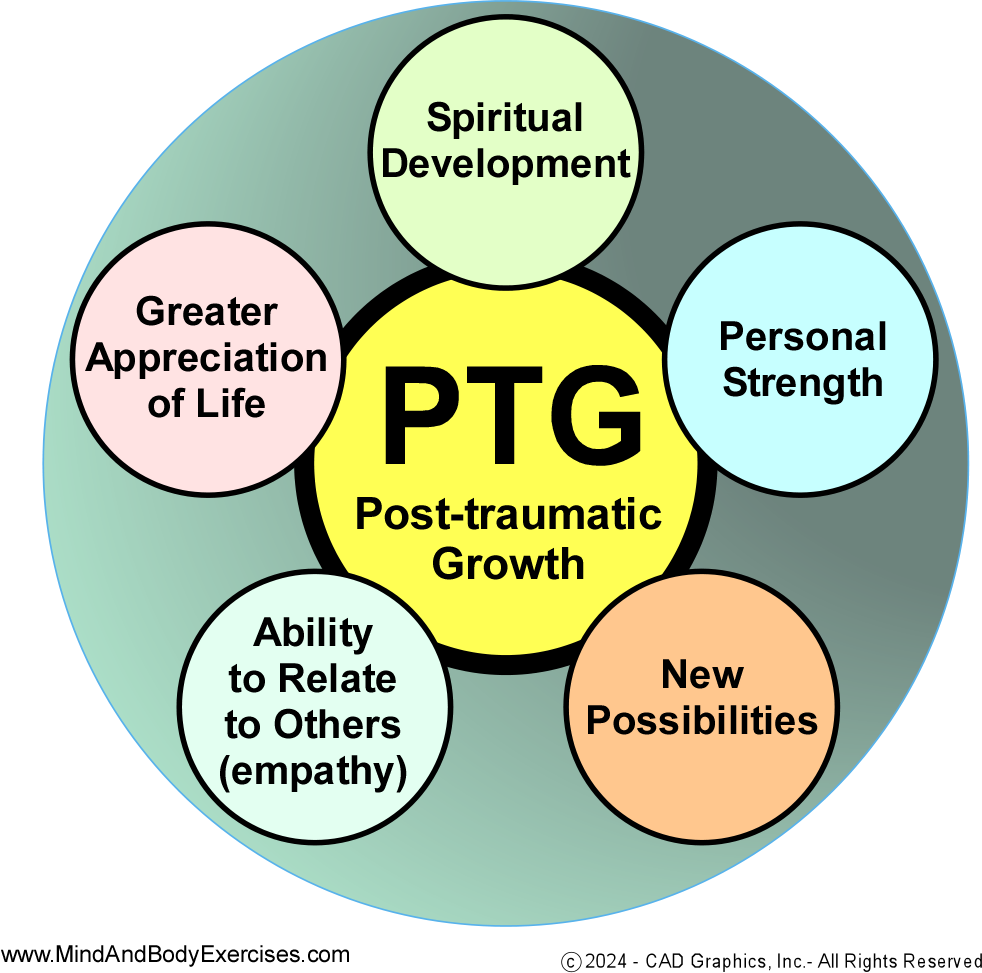
I think yes, definitely. Severe trauma mentally or physically can trigger a “hard reset” where an individual is so affected that they are basically a different person(ality) after such events. See the soldier who returns home and can no longer relate to their friends and family due to what they have seen and experienced during war. Or the person who survives cancer or some type of near-death event, where they promise to make drastic changes to their lives once they recover. It is these types of events that shock an individual into what is truly most important to them, often being their own health, and the people around them that they hold dear.

I have come to understand that there are basically two paths to ego death. The first is what I have just been describing, through the trauma of pain and suffering. It often comes unannounced and free of a monetary charge. The second path to ego death is through self-cultivation, through prayer, meditation, skillful means, and perhaps other methods that inspire self-reflection. This path is most often deliberately pursued and usually comes with costs of time, sacrifice and resources whether monetary or otherwise.

______________

I teach and offer lectures about holistic health, stress management, qigong, tai chi, baguazhang, meditation, phytotherapy (herbs), music for healing, self-massage, and Daoyin (yoga).

I look forward to further sharing more of my message by partnering with hospitals, wellness centers, VA centers, schools on all levels, businesses and individuals that see the value in building a stronger nation through building a healthier population. I also have hundreds of FREE education video classes, lectures and seminars available on my YouTube channel at:

https://www.youtube.com/c/MindandBodyExercises

www.MindAndBodyExercises.com

www.Amazon.com/author/jimmoltzan

Mind and Body Exercises on Google: https://posts.gle/aD47Qo

Jim Moltzan
407-234-0119

Can good exist without evil?

I fear not. We may hope to see everything as good, positive, beautiful or whatever the “good” is in anything, there must exist the opposite, corresponding or dependence upon the other in order to offer contrast to both. This is the balance that holds everything to together. Literature professor Joseph Campbell spoke of it often in his documentaries, referring to this concept as the duality in all things. Taoist philosophy of yin and yang, sees this polarization as part of the birth of creation itself. Without the contrast we cannot ask the question of how “good” or how “evil” someone or something is, as these concepts are not absolute and are almost always determined in relation to time and circumstances.

A soldier may be good for their particular country, but evil to the enemy. A child may see their parent(s) as evil because they took their electronics away for whatever reason, when the parent was trying to be a good influence. Natural disasters may kill off human, animal, and plant life. Would we consider nature evil? The sun brings us life on so many levels. Too much sun can bring other issues of cancer, drought, and other climatic imbalances. So, is the sun good or bad? All things are relative and connected to one another in various amounts, shades, and levels. Without this contrast, neither good nor evil can exist.

_________________

I teach and offer lectures about holistic health, stress management, qigong, tai chi, baguazhang, meditation, phytotherapy (herbs), music for healing, self-massage, and Daoyin (yoga).

I look forward to further sharing more of my message by partnering with hospitals, wellness centers, VA centers, schools on all levels, businesses and individuals that see the value in building a stronger nation through building a healthier population. I also have hundreds of FREE education video classes, lectures and seminars available on my YouTube channel at:

https://www.youtube.com/c/MindandBodyExercises

www.MindAndBodyExercises.com

www.Amazon.com/author/jimmoltzan

Mind and Body Exercises on Google: https://posts.gle/aD47Qo

Jim Moltzan
407-234-0119

A Blueprint for Inner Happiness, and its You!

Do You Know What Your Potential Is? Physical health, mental well-being and the relationships within our lives; are these the most cherished aspects of your life? Yet, how much effort do we put towards improving these areas on a daily basis?

You may have many teachers throughout your life, but every individual has the ability to access the “master” within their own self. You are the master in control of your own reality. No amount of wealth or fame can make you truly happy if you are not healthy and value those around you. The following aspects are just one formula for a successful life. With a blueprint of how to achieve prosperity, how can you not become healthier within all facets of your life?

Respect

Discipline

Self Esteem

Confidence

Determination to Achieve Goals

RespectThis is where values begin. You must understand and have respect for yourself (self-respect) before you can demonstrate it to others. Taking the steps to take care of your physical and mental well-being effects you first and then those closest to you second.

DisciplineDeveloping control of one’s own desires, commitments, and ultimately your own actions, leads to self-discipline. Control of physical movements can lead to management of thoughts and emotions.

Self-EsteemAs you review your achievements of respect and discipline, your sense of worth is elevated and appreciated.

ConfidenceUnderstanding and accepting your weak areas as well as your stronger aspects removes insecurity. When you feel that you are physically well and mentally sharp, confidence can fill your personality. You can accomplish whatever goal you set out to achieve. One should be careful not become arrogant with an increase in self-confidence.

Determination to Achieve Goals– The positive sum of the previous aspects leads to one’s determination. Good judgment and focused effort toward positive goals result in true personal success.

So, the question here is, how does an individual gain these mental traits of respect, self-discipline, self-esteem, confidence, and determination, if they do not have much of these to begin with? At the root of this blueprint is physical movements and/or exercises. Mental development comes from engagement with the physical body. We heal the body with our mind, as our body protects our mind. Skillful means and activities, whether it be physical exercise, playing musical instruments, painting, drawing, singing, cooking, gardening, the list goes on, anything that engages the body through engagement of one’s thoughts and attention can help to bring about enhancement of positive mental traits. By developing self-discipline to continuously execute and perfect whatever skillful activities, an individual can start to understand not only how their being works physically but also mentally and emotionally. You can find your strengths and your weaknesses and improve them both. From here the self-control acquired can be used to accomplish any goal when properly motivated.

__________________

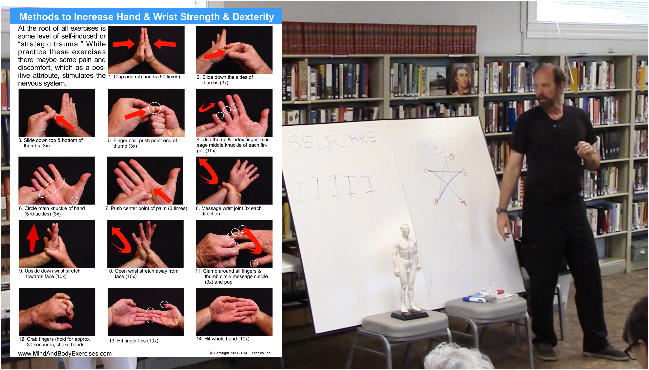
I teach and offer lectures about holistic health, stress management, qigong, tai chi, baguazhang, meditation, phytotherapy (herbs), music for healing, self-massage, and Daoyin (yoga).

I look forward to further sharing more of my message by partnering with hospitals, wellness centers, VA centers, schools on all levels, businesses and individuals that see the value in building a stronger nation through building a healthier population. I also have hundreds of FREE education video classes, lectures and seminars available on my YouTube channel at:

https://www.youtube.com/c/MindandBodyExercises

www.MindAndBodyExercises.com

www.Amazon.com/author/jimmoltzan

Mind and Body Exercises on Google: https://posts.gle/aD47Qo

Jim Moltzan

407-234-0119

Is Mindfulness the Same as Paying Attention?

I used to think that mindfulness was just the latest buzzword for the health and wellness industry. A few years ago, I would have defined mindfulness more simply as “paying attention”. However, I have come to understand this term to have more depth and complexity than merely paying attention. Having been involved in meditation and many mind, body and spiritual practices for almost 4 decades, I have come to understand that paying attention is most often what someone else requires or expects from someone. Mindfulness however, originates from within the individual as they themselves are responsible for becoming aware of their own thoughts, emotions, and actions.

A study from 2022 at the University of Queensland reported that mindfulness training improved the psychological well-being of management students. This training was delivered via online methods. Participants chose to use one of two methods of training to manage mindfulness. The first method was Mindfulness-Based Stress Reduction (MBSR) consisting of mindfulness meditation, yoga, delivered weekly through 45 minutes of educational videos. Participants were requested to practice methods for 30 minutes per day, five days per week over the course of eight weeks. Those that chose physical exercise as a method to manage mindfulness could pick their own method of exercise. Participants in the exercise group were also requested to practice their exercise methods for 30 minutes per day, five days per week over the course of eight weeks. The exercise group also watched videos but theirs focused on physical health, fitness, nutrition, physiology, etc. instead of mindfulness topics. The researchers concluded that the participants that completed the mindfulness training as instructed, when compared with the physical exercise participants, online mindfulness training can noticeably increase how often people experience states of mindfulness. This study further reported that mindfulness training can help students develop a sense of authenticity or the ability to see themselves more neutrally or unbiasedly, mostly by way of increased self-awareness (Kay et al., 2022).

The four categories of psychophysiological relationships are outcomes, markers, concomitants, and invariants (Cacioppo et al., 2016). Mindfulness methods can help practitioners to become more aware of their thoughts, emotions, and perceptions happening in the present moment, often leading to more positive outcomes in their life. By practicing mindfulness, individuals can increase concomitants or the relationship of cause and effect when the physiological stress response is reduced, leading to increased well-being and happiness. Other studies have reported that mindfulness can affect psychophysiological stress markers such as heart rate variability (HRV) and brain activity patterns that can increase better autonomic nervous system regulation and cardiovascular health. It can also reduce cortisol levels, which can have an effect on lowering stress levels (Aguilar et al., 2021).

References:

Kay, A. A., & Young, T. (2022). Distanced from Others, Connected to Self: Online Mindfulness Training Fosters Psychological Well-Being by Cultivating Authenticity. Academy of Management Learning & Education, 21(2), 261–281. https://doi.org/10.5465/amle.2020.0316

Cacioppo, J. T., Tassinary, L. G., & Berntson, G. G. (2016). Handbook of Psychophysiology. p.10-, Cambridge University Press. Kindle Edition.

Aguilar, R. C., Stoffel, M., Hernández, C., Rahn, S., Moessner, M., Steinhilber, B., & Ditzen, B. (2021). Effects of a mindfulness‐based intervention on mindfulness, stress, salivary alpha‐amylase and cortisol in everyday life. Psychophysiology, 58(12), 1–12. https://doi.org/10.1111/psyp.13937

______________________

I teach and offer lectures about holistic health, stress management, qigong, tai chi, baguazhang, meditation, phytotherapy (herbs), music for healing, self-massage, and Daoyin (yoga).

I look forward to further sharing more of my message by partnering with hospitals, wellness centers, VA centers, schools on all levels, businesses and individuals that see the value in building a stronger nation through building a healthier population. I also have hundreds of FREE education video classes, lectures and seminars available on my YouTube channel at:

https://www.youtube.com/c/MindandBodyExercises

www.MindAndBodyExercises.com

www.Amazon.com/author/jimmoltzan

Mind and Body Exercises on Google: https://posts.gle/aD47Qo

Jim Moltzan

407-234-0119