
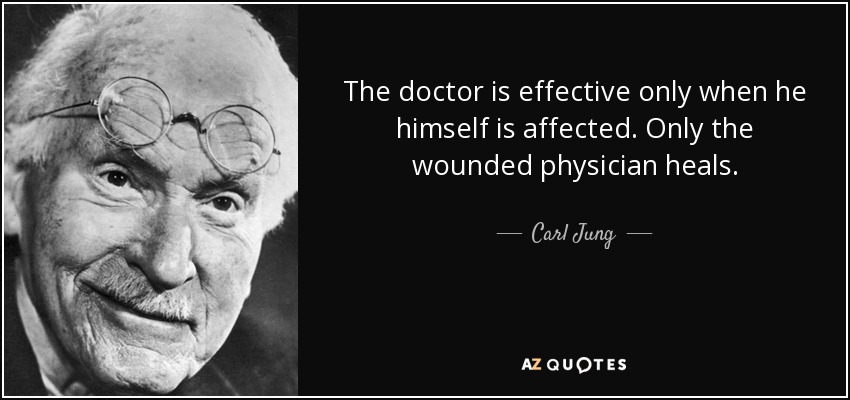
Would you seek dental help from a dentist with rotten teeth?
Ask for relationship advice from someone that has a record of domestic abuse?
Take your car to a mechanic whose own automobile is always broken down?
Then why would you seek advice on health and well-being from someone who themselves is not healthy and well?
I have previously come across the concept of the “wounded healer.” There is no shortage of books and articles on this topic, where people that have first-hand experience with surviving trauma are often the best empaths for a particular issue. Psychologist Carl Jung may have been the first to use this term back in 1951, where he proposed that disease of the soul could be the most advantageous type of training for a healer. Jung was thought to believe that only a wounded physician could heal effectively. An empath that truly understands another’s circumstances may be of great benefit and perhaps provide a guiding path to post-traumatic growth (PTG). PTG is the term for what happens when someone who struggles psychologically from trauma and adversity, comes to experience positive, transformative changes in their mindset and behavior. “Finding the silver lining in all things, good or bad,” is a quote many of us are quite familiar with.
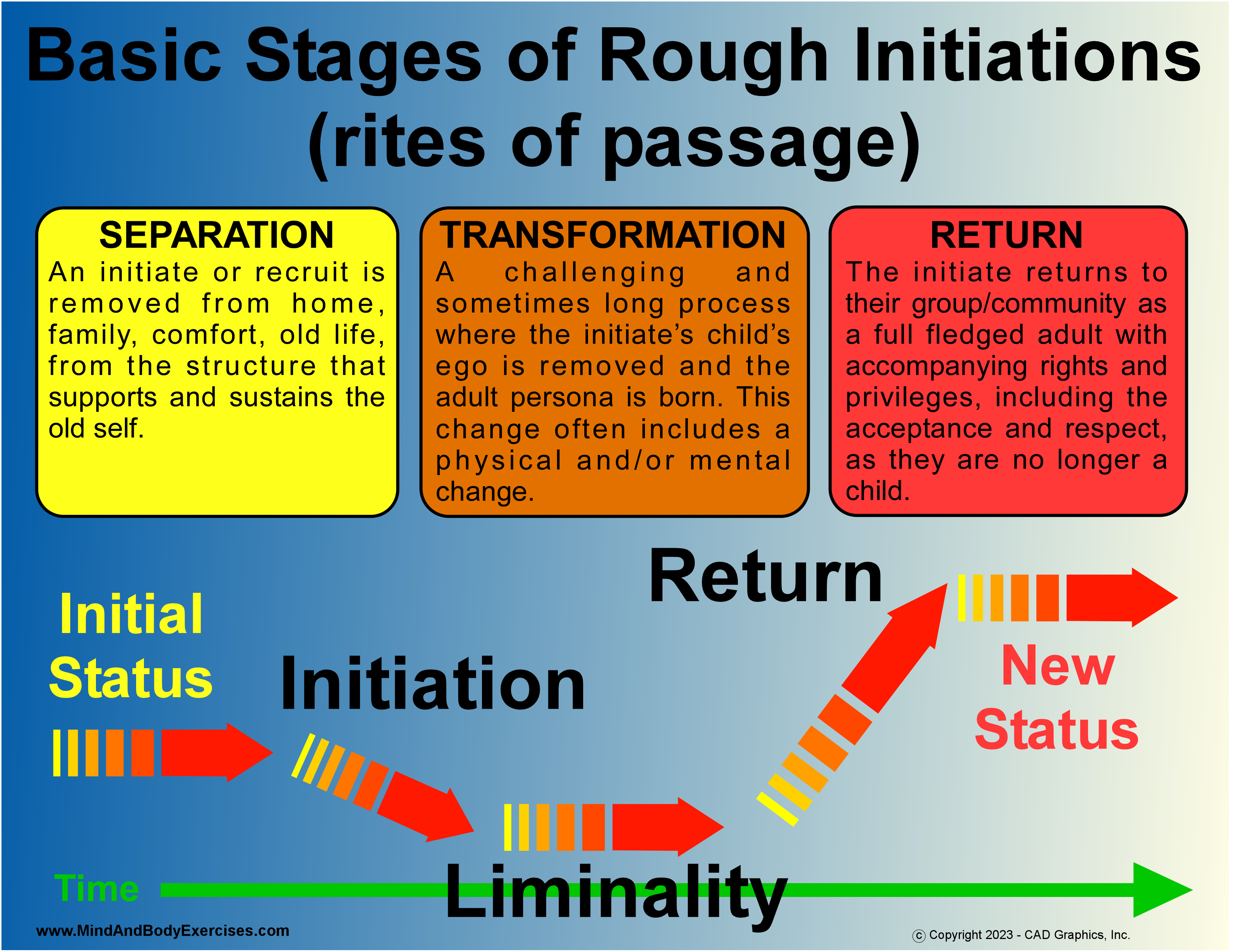
How can something “good” come from things that are seemingly “bad?” While I don’t think anyone truly looks forward to any personal loss and/or suffering on any level, there are sometimes good aspects that can come out of even the worst of circumstances. Losses or misfortunes can offer the possibility of life-enhancing “post-traumatic growth” as someone weaves the lessons of loss and resilience into their life moving forward. Personal growth following major experiences of loss is common (Hall, 2014). From my experiences in teaching fitness, wellness, and mindfulness, I have found most people do not have a deeper connection to their own health, well-being, or consciousness until some event of trauma as a life-threatening or life-changing situation enters into their life. Loss of life of a family member or close friend can be the spark that causes another to change their behaviors. Someone passing of a heart attack at an early age, might motivate others to watch their own health closer. Mental or physical trauma can sometimes lead to what some call “knowing one’s true self”, self-realization or enlightenment. Taoism and Buddhism has taught me decades ago, that trauma can be means to knowing one’s true self. Trauma can be very intense and life-changing experiences that an individual may become so affected, that they may appear to others to have evolved overnight into a different person. Many of us have encountered someone who while in dire straits, promises to change their ways if their circumstances where to play out in their favor. Changes of this sort can be viewed as positive or negative, as all things are relative. Change through motivation, stemming from trauma.

I have discussed alcoholism in some of my past posts here, as it is a topic that I am quite familiar with. We can see the wounded healer here, where survivors of alcoholism or those who have experienced alcohol abuse-related relationships often have firsthand experience with coping with alcohol related issues. Similarly, survivors of abusive relationships and varying levels of trauma have been wounded themselves but can also help others to heal by extending empathy and, if sought, advice. This same concept may hold validity for survivors of law enforcement related events, survivors of war trauma as soldiers and/or civilians, healthcare workers, firefighters and many others involved in service to others. However, in order to serve effectively as a wounded healer, this individual needs to be able to manage their own stress, suffering and other mental and physical ailments before extending their advice to others that are suffering. Otherwise, this individual, while having good intentions, may actually come off as being less understanding, less empathetical and perhaps hypocritical, and therefore causing more harm to a sufferer.
(1) Survivors of alcoholism or those who have experienced alcohol abuse-related relationships
(2) Survivors of abusive relationships on all levels of trauma
(3) Survivors of violence and/or law enforcement related events
(4) Survivors of war trauma as soldiers and/or civilians
(5) Survivors from cults and other particular groups
(6) Survivors of physical accidents or catastrophe
References:
Daneault S. The wounded healer: can this idea be of use to family physicians? Can Fam Physician. 2008 Sep;54(9):1218-9, 1223-5. PMID: 18791082; PMCID: PMC2553448.
https://www.azquotes.com/quote/1200463
Hall, C. (2014). Bereavement theory: recent developments in our understanding of grief and bereavement. Bereavement Care, 33(1), 7–12. https://doi.org/10.1080/02682621.2014.902610
__________________________
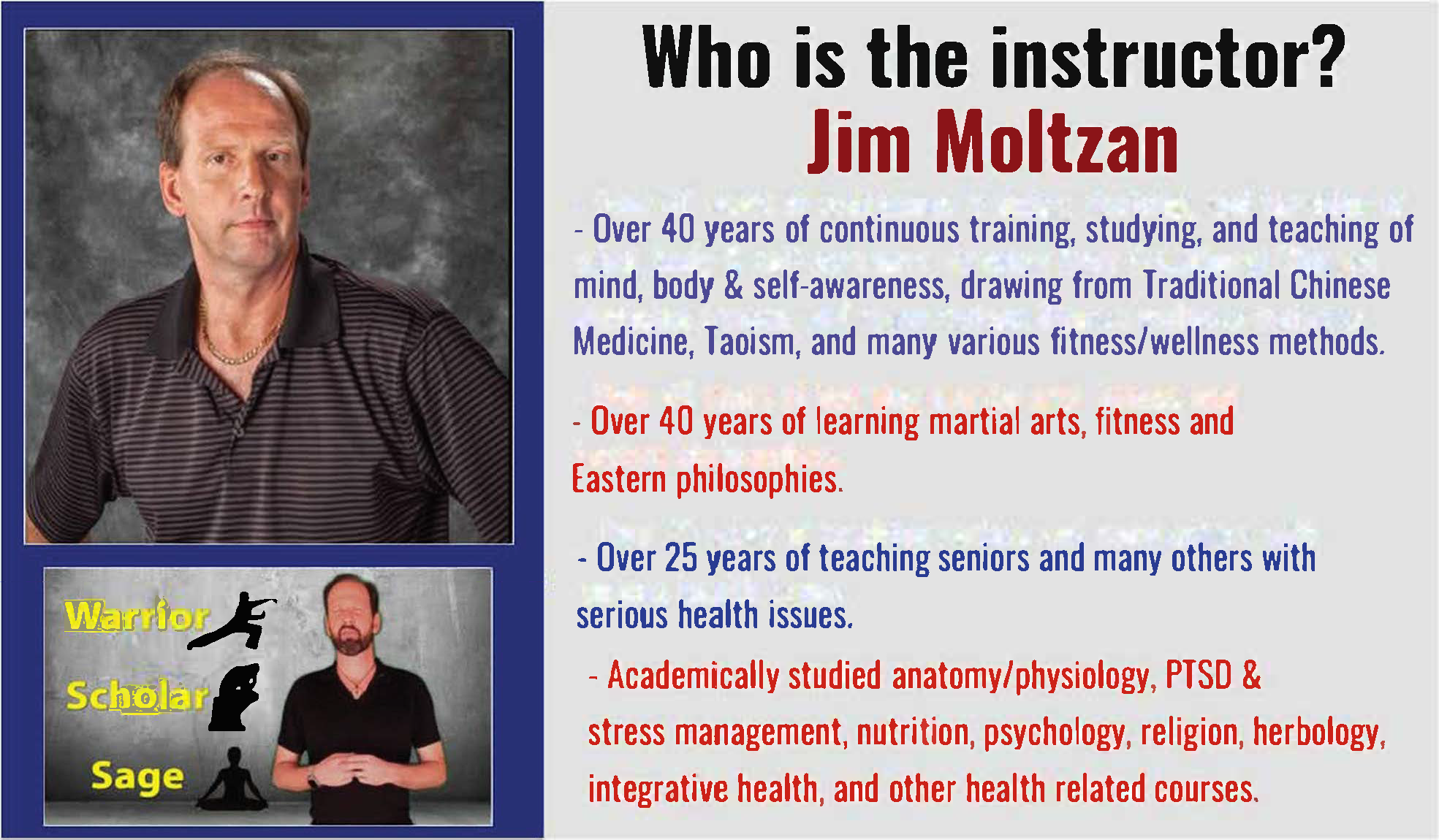
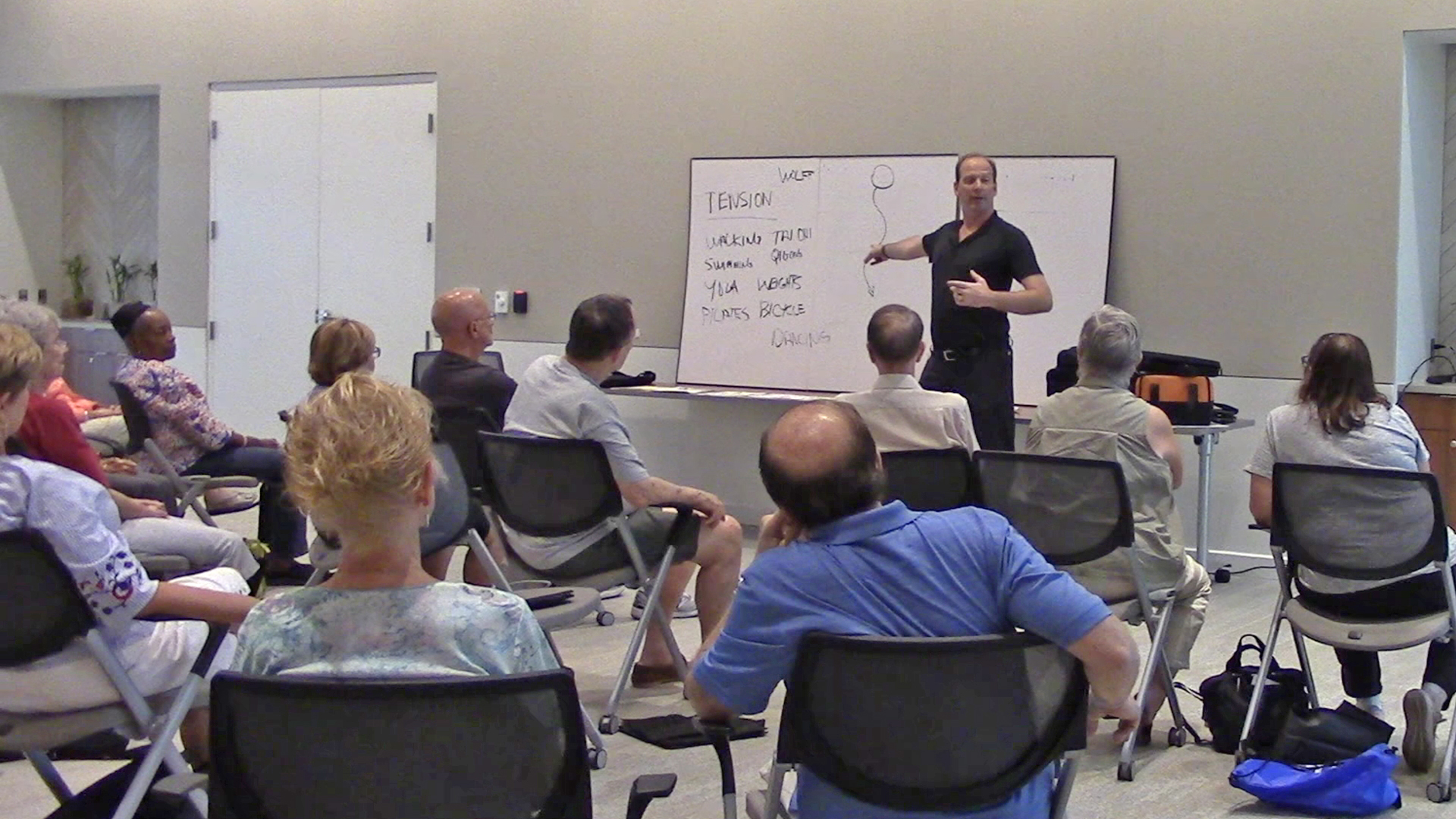
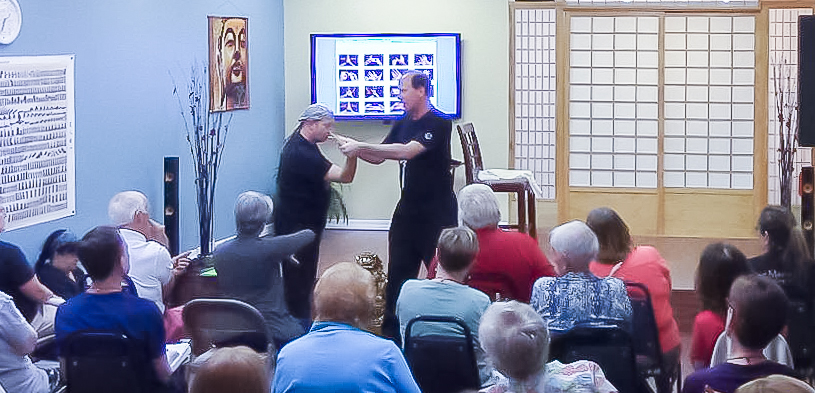
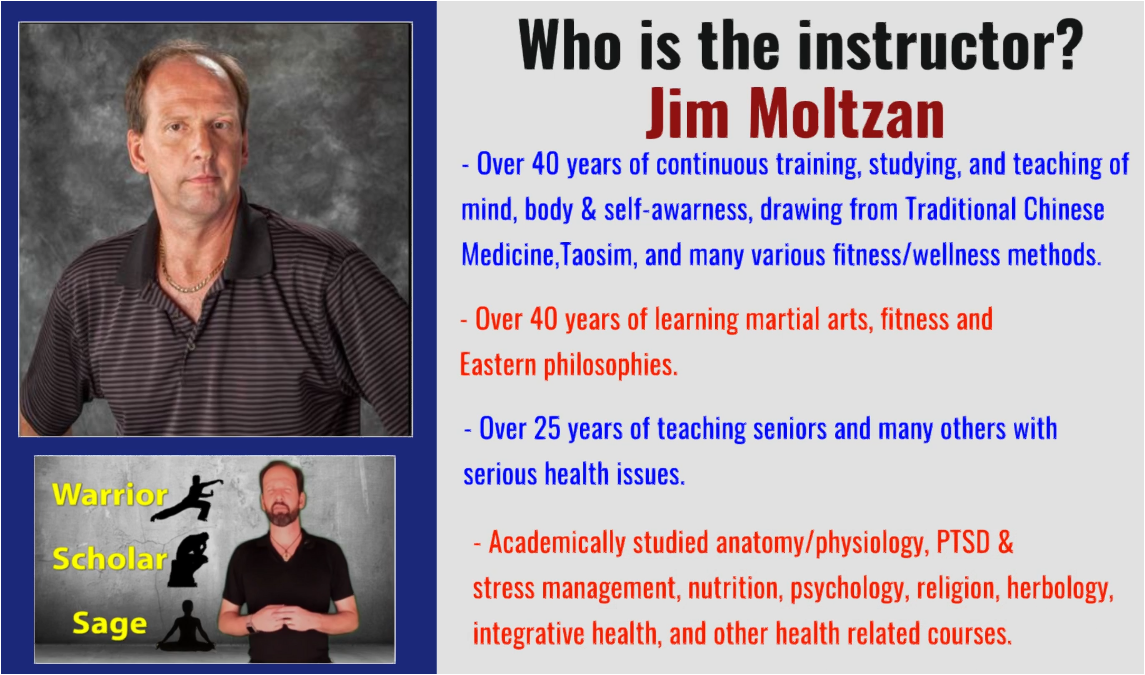
I teach and offer lectures about holistic health, stress management, qigong, tai chi, baguazhang, meditation, phytotherapy (herbs), music for healing, self-massage, and Daoyin (yoga).
I look forward to further sharing more of my message by partnering with hospitals, wellness centers, VA centers, schools on all levels, businesses and individuals that see the value in building a stronger nation through building a healthier population. I also have hundreds of FREE education video classes, lectures and seminars available on my YouTube channel at:
https://www.youtube.com/c/MindandBodyExercises
www.Amazon.com/author/jimmoltzan
Mind and Body Exercises on Google: https://posts.gle/aD47Qo
Jim Moltzan
407-234-0119





 United Martial Arts Association