A Blueprint for Inner Happiness, and its You!

Do You Know What Your Potential Is? Physical health, mental well-being and the relationships within our lives; are these the most cherished aspects of your life? Yet, how much effort do we put towards improving these areas on a daily basis?

You may have many teachers throughout your life, but every individual has the ability to access the “master” within their own self. You are the master in control of your own reality. No amount of wealth or fame can make you truly happy if you are not healthy and value those around you. The following aspects are just one formula for a successful life. With a blueprint of how to achieve prosperity, how can you not become healthier within all facets of your life?

Respect

Discipline

Self Esteem

Confidence

Determination to Achieve Goals

RespectThis is where values begin. You must understand and have respect for yourself (self-respect) before you can demonstrate it to others. Taking the steps to take care of your physical and mental well-being effects you first and then those closest to you second.

DisciplineDeveloping control of one’s own desires, commitments, and ultimately your own actions, leads to self-discipline. Control of physical movements can lead to management of thoughts and emotions.

Self-EsteemAs you review your achievements of respect and discipline, your sense of worth is elevated and appreciated.

ConfidenceUnderstanding and accepting your weak areas as well as your stronger aspects removes insecurity. When you feel that you are physically well and mentally sharp, confidence can fill your personality. You can accomplish whatever goal you set out to achieve. One should be careful not become arrogant with an increase in self-confidence.

Determination to Achieve Goals– The positive sum of the previous aspects leads to one’s determination. Good judgment and focused effort toward positive goals result in true personal success.
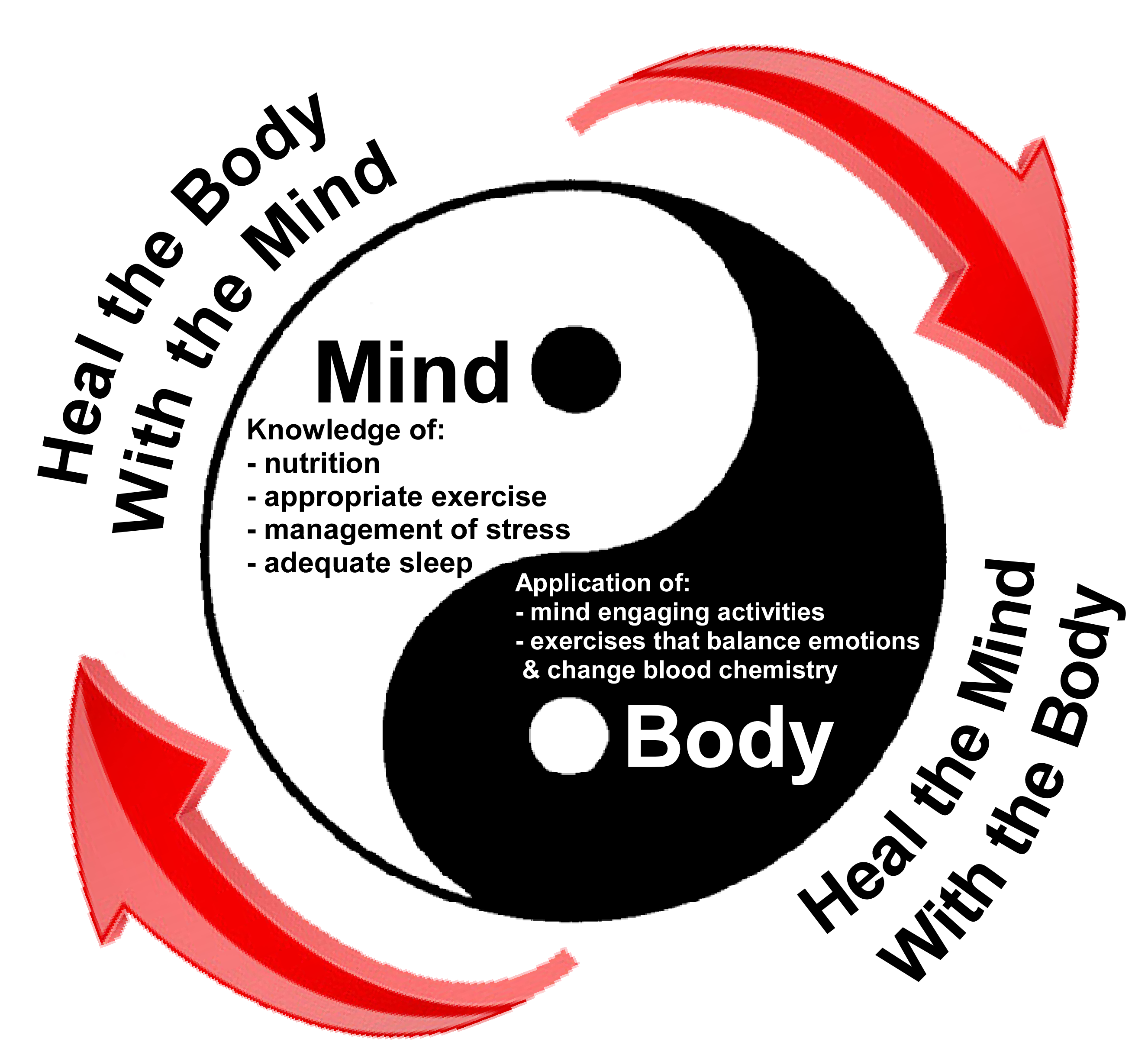
So, the question here is, how does an individual gain these mental traits of respect, self-discipline, self-esteem, confidence, and determination, if they do not have much of these to begin with? At the root of this blueprint is physical movements and/or exercises. Mental development comes from engagement with the physical body. We heal the body with our mind, as our body protects our mind. Skillful means and activities, whether it be physical exercise, playing musical instruments, painting, drawing, singing, cooking, gardening, the list goes on, anything that engages the body through engagement of one’s thoughts and attention can help to bring about enhancement of positive mental traits. By developing self-discipline to continuously execute and perfect whatever skillful activities, an individual can start to understand not only how their being works physically but also mentally and emotionally. You can find your strengths and your weaknesses and improve them both. From here the self-control acquired can be used to accomplish any goal when properly motivated.

__________________

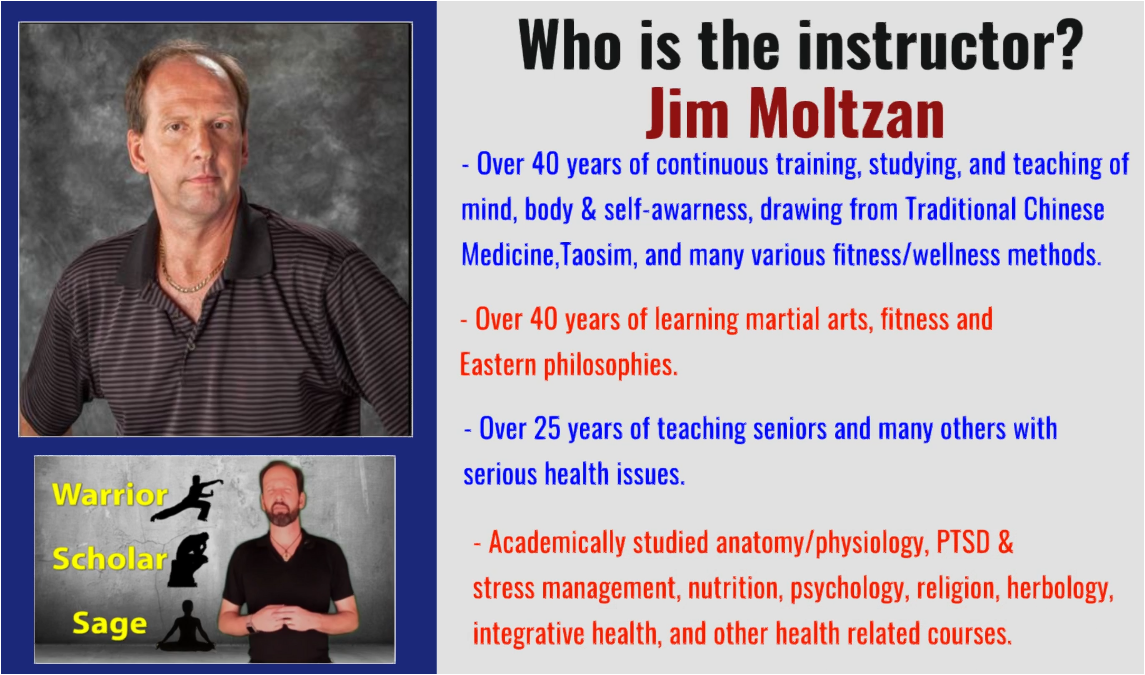
I teach and offer lectures about holistic health, stress management, qigong, tai chi, baguazhang, meditation, phytotherapy (herbs), music for healing, self-massage, and Daoyin (yoga).

I look forward to further sharing more of my message by partnering with hospitals, wellness centers, VA centers, schools on all levels, businesses and individuals that see the value in building a stronger nation through building a healthier population. I also have hundreds of FREE education video classes, lectures and seminars available on my YouTube channel at:

https://www.youtube.com/c/MindandBodyExercises

www.MindAndBodyExercises.com

www.Amazon.com/author/jimmoltzan

Mind and Body Exercises on Google: https://posts.gle/aD47Qo

Jim Moltzan

407-234-0119
Is Mindfulness the Same as Paying Attention?

I used to think that mindfulness was just the latest buzzword for the health and wellness industry. A few years ago, I would have defined mindfulness more simply as “paying attention”. However, I have come to understand this term to have more depth and complexity than merely paying attention. Having been involved in meditation and many mind, body and spiritual practices for almost 4 decades, I have come to understand that paying attention is most often what someone else requires or expects from someone. Mindfulness however, originates from within the individual as they themselves are responsible for becoming aware of their own thoughts, emotions, and actions.

A study from 2022 at the University of Queensland reported that mindfulness training improved the psychological well-being of management students. This training was delivered via online methods. Participants chose to use one of two methods of training to manage mindfulness. The first method was Mindfulness-Based Stress Reduction (MBSR) consisting of mindfulness meditation, yoga, delivered weekly through 45 minutes of educational videos. Participants were requested to practice methods for 30 minutes per day, five days per week over the course of eight weeks. Those that chose physical exercise as a method to manage mindfulness could pick their own method of exercise. Participants in the exercise group were also requested to practice their exercise methods for 30 minutes per day, five days per week over the course of eight weeks. The exercise group also watched videos but theirs focused on physical health, fitness, nutrition, physiology, etc. instead of mindfulness topics. The researchers concluded that the participants that completed the mindfulness training as instructed, when compared with the physical exercise participants, online mindfulness training can noticeably increase how often people experience states of mindfulness. This study further reported that mindfulness training can help students develop a sense of authenticity or the ability to see themselves more neutrally or unbiasedly, mostly by way of increased self-awareness (Kay et al., 2022).

The four categories of psychophysiological relationships are outcomes, markers, concomitants, and invariants (Cacioppo et al., 2016). Mindfulness methods can help practitioners to become more aware of their thoughts, emotions, and perceptions happening in the present moment, often leading to more positive outcomes in their life. By practicing mindfulness, individuals can increase concomitants or the relationship of cause and effect when the physiological stress response is reduced, leading to increased well-being and happiness. Other studies have reported that mindfulness can affect psychophysiological stress markers such as heart rate variability (HRV) and brain activity patterns that can increase better autonomic nervous system regulation and cardiovascular health. It can also reduce cortisol levels, which can have an effect on lowering stress levels (Aguilar et al., 2021).

References:

Kay, A. A., & Young, T. (2022). Distanced from Others, Connected to Self: Online Mindfulness Training Fosters Psychological Well-Being by Cultivating Authenticity. Academy of Management Learning & Education, 21(2), 261–281. https://doi.org/10.5465/amle.2020.0316

Cacioppo, J. T., Tassinary, L. G., & Berntson, G. G. (2016). Handbook of Psychophysiology. p.10-, Cambridge University Press. Kindle Edition.

Aguilar, R. C., Stoffel, M., Hernández, C., Rahn, S., Moessner, M., Steinhilber, B., & Ditzen, B. (2021). Effects of a mindfulness‐based intervention on mindfulness, stress, salivary alpha‐amylase and cortisol in everyday life. Psychophysiology, 58(12), 1–12. https://doi.org/10.1111/psyp.13937

______________________

I teach and offer lectures about holistic health, stress management, qigong, tai chi, baguazhang, meditation, phytotherapy (herbs), music for healing, self-massage, and Daoyin (yoga).

I look forward to further sharing more of my message by partnering with hospitals, wellness centers, VA centers, schools on all levels, businesses and individuals that see the value in building a stronger nation through building a healthier population. I also have hundreds of FREE education video classes, lectures and seminars available on my YouTube channel at:

https://www.youtube.com/c/MindandBodyExercises

www.MindAndBodyExercises.com

www.Amazon.com/author/jimmoltzan

Mind and Body Exercises on Google: https://posts.gle/aD47Qo

Jim Moltzan

407-234-0119

Difficult Times Sometimes Bring About Good Changes

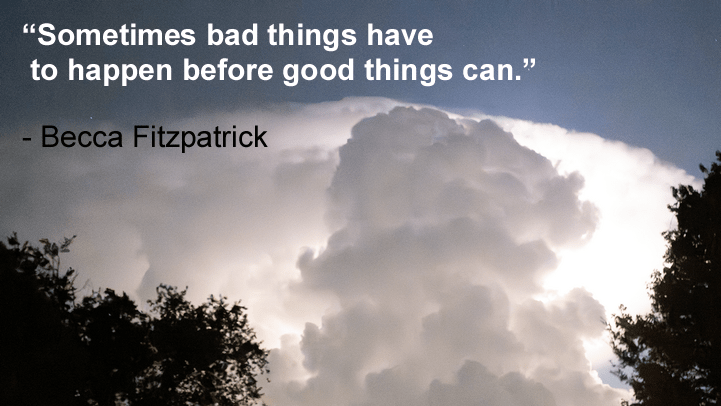
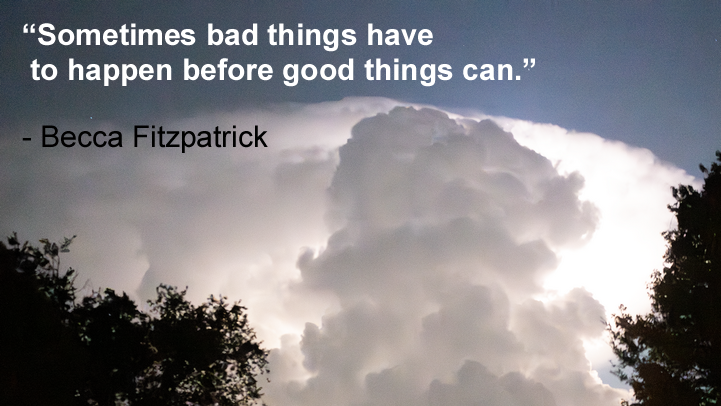
“Sometimes bad things have to happen before good things can.”

– Becca Fitzpatrick

https://psychologycompass.com/blog/point-of-view/

In spite of bad circumstances, good things may emerge. For example, the recent COVID-19 pandemic did actually produce some positive results for some people. For others, not so much. I think this concept requires a greater understanding of the bigger picture of how the pandemic has brought some level of clarity, meaning and purpose into many individuals’ lives, in spite of having affected so many in a negative way. Some people lost their lives, while others more “fortunate” lost their businesses, jobs, homes and friends. Others made vast amounts of income by acting upon opportunities. This leads me back to the dichotomy of yin and yang, that is found in almost all things. In order to appreciate the “good” in anything, we need to also see the “bad” in order to understand the contrast. While some people were quite traumatized by lockdowns, mandates, isolation, job loss and the illness itself, others thrived while working from home and around their family and loved ones. Some used this time to re-invent themselves, cook and eat healthier at home, exercise more and other positive events and realizations that might have never come about.

Conversely some people ate less healthy, exercised less, and acquired mental ailments of depression, anxiety, and others. I bring this back to the realization that I have discussed before that everyone perceives stress, pain, suffering and trauma differently in relation to their own availability of coping mechanisms. I think it takes a certain level of wisdom to be able to see the good and bad in all things, while also choosing to see the good in people in spite of their attempts to prove otherwise. The COVID-19 pandemic gave many more than ample opportunities to tone their personal social skills while trying to keep their relative stressors in check. There will almost always be good and bad in all things. It is our choice how we choose to see things and act upon them accordingly.

________________

I teach and offer lectures about holistic health, stress management, qigong, tai chi, baguazhang, meditation, phytotherapy (herbs), music for healing, self-massage, and Daoyin (yoga).

I look forward to further sharing more of my message by partnering with hospitals, wellness centers, VA centers, schools on all levels, businesses and individuals that see the value in building a stronger nation through building a healthier population. I also have hundreds of FREE education video classes, lectures and seminars available on my YouTube channel at:

https://www.youtube.com/c/MindandBodyExercises

www.MindAndBodyExercises.com

www.Amazon.com/author/jimmoltzan

Mind and Body Exercises on Google: https://posts.gle/aD47Qo

Jim Moltzan

407-234-0119
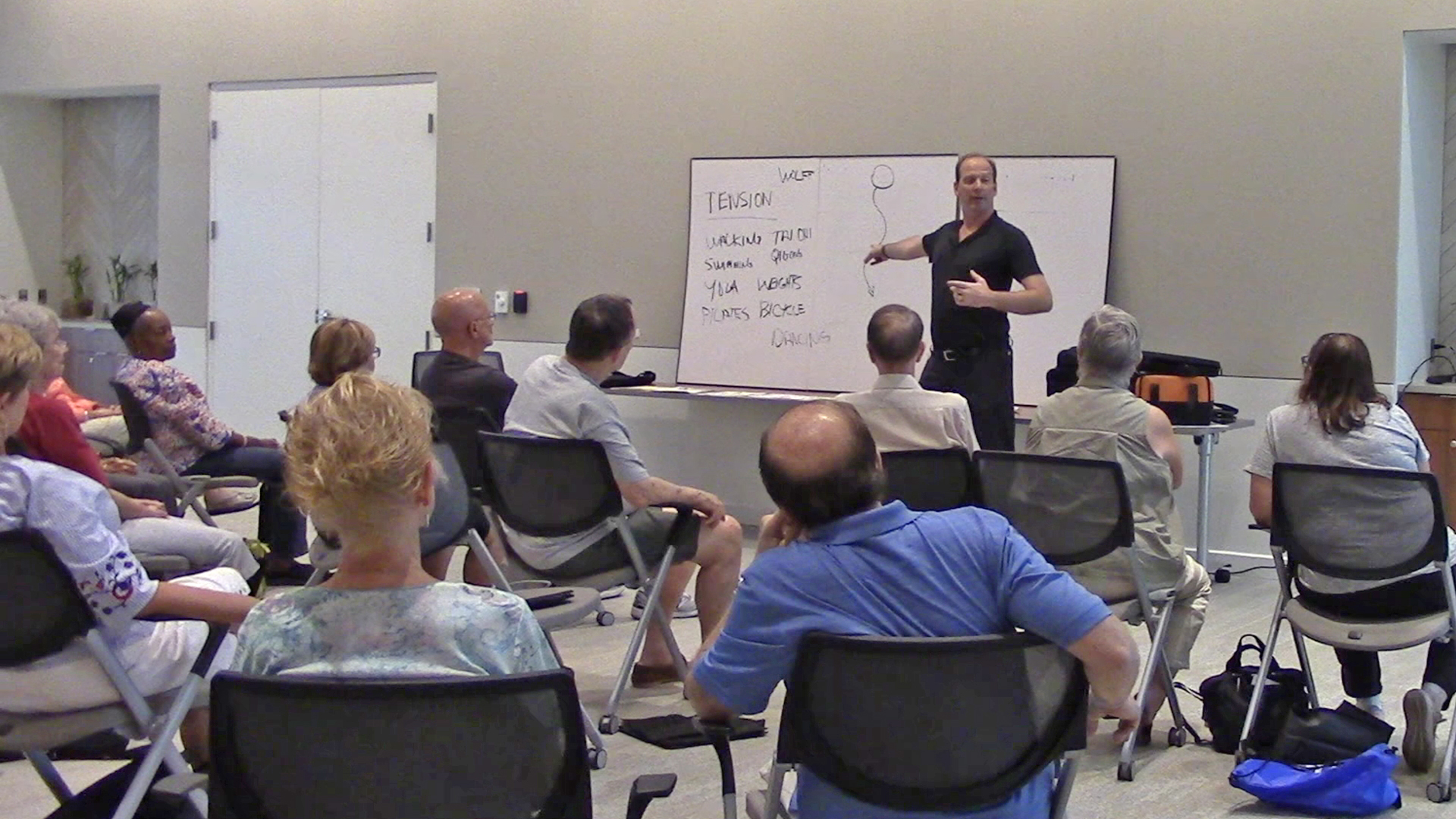
Post-traumatic Growth (PTG), General Adaptation Syndrome (GAS), and Learned Helplessness

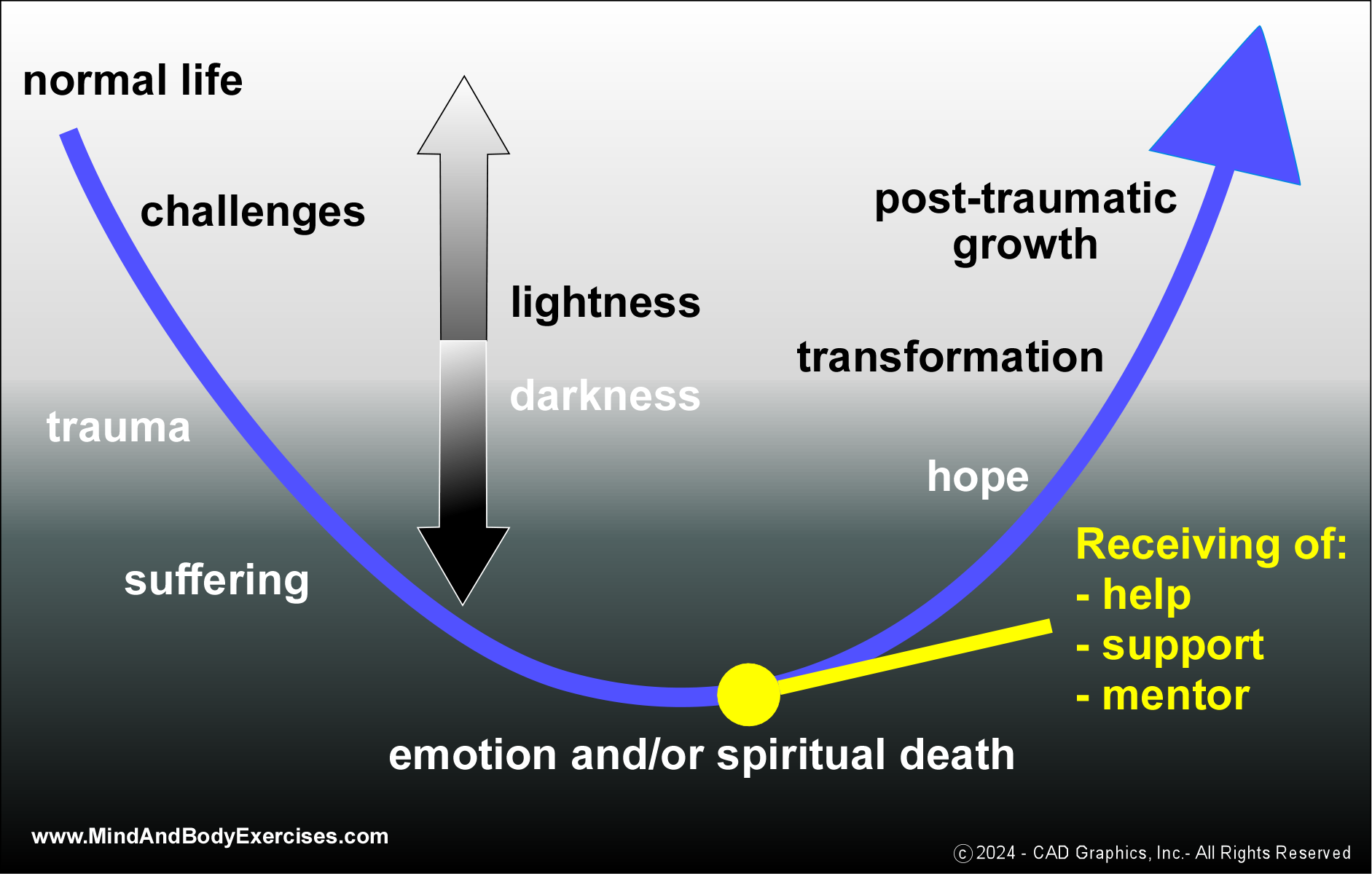
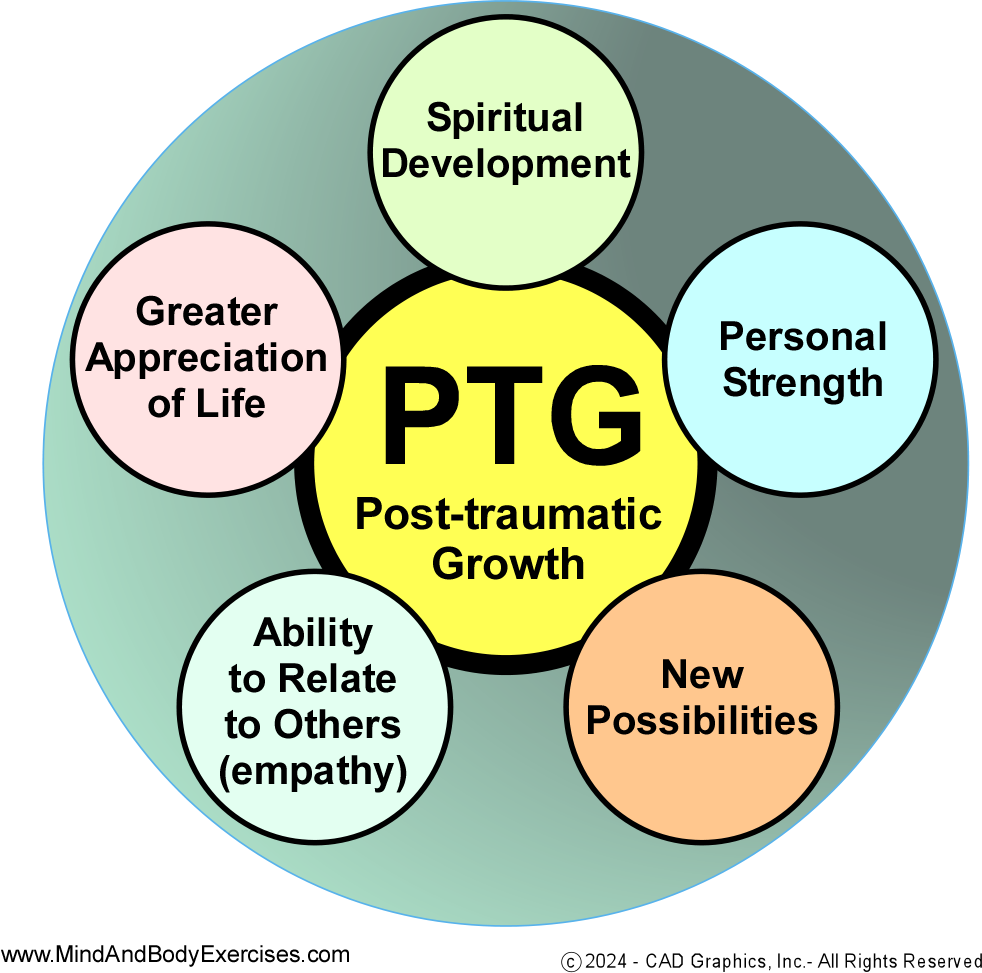
Post-traumatic growth (PTG) is the term for what happens when someone who struggles psychologically from past trauma and adversity or post-traumatic stress disorder (PTSD), comes to experience positive, and maybe even transformative changes in their mindset and behavior. Over time, a survivor’s focus shifts away from their trauma, moving toward a new purposeful narrative that may include possibilities for a better future. A key factor for PTG is the ability for the sufferer to create an emotional distance from the traumatic event and realize that it doesn’t define who they are.

Potential benefits may include:


(1) A sprouting of personal strength
(2) An ability to relate to others more deeply
(3) An openness to new possibilities and maybe even greater opportunities
(4) A greater appreciation of life
(5) Spiritual and existential change


It is important to note that not everyone who experiences PTSD can or will also experience post-traumatic growth. Those who respond to trauma by assuming control, manage much better.

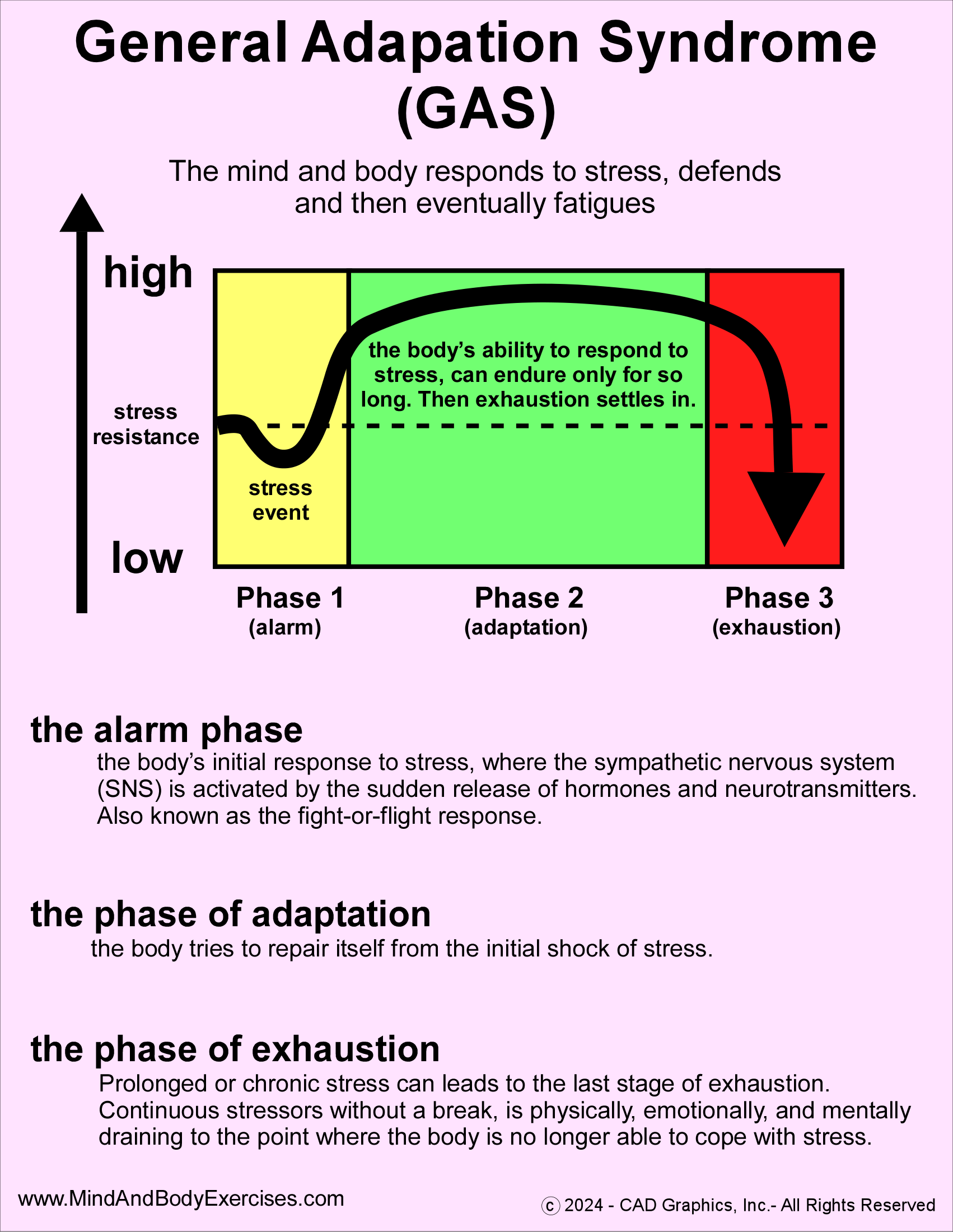
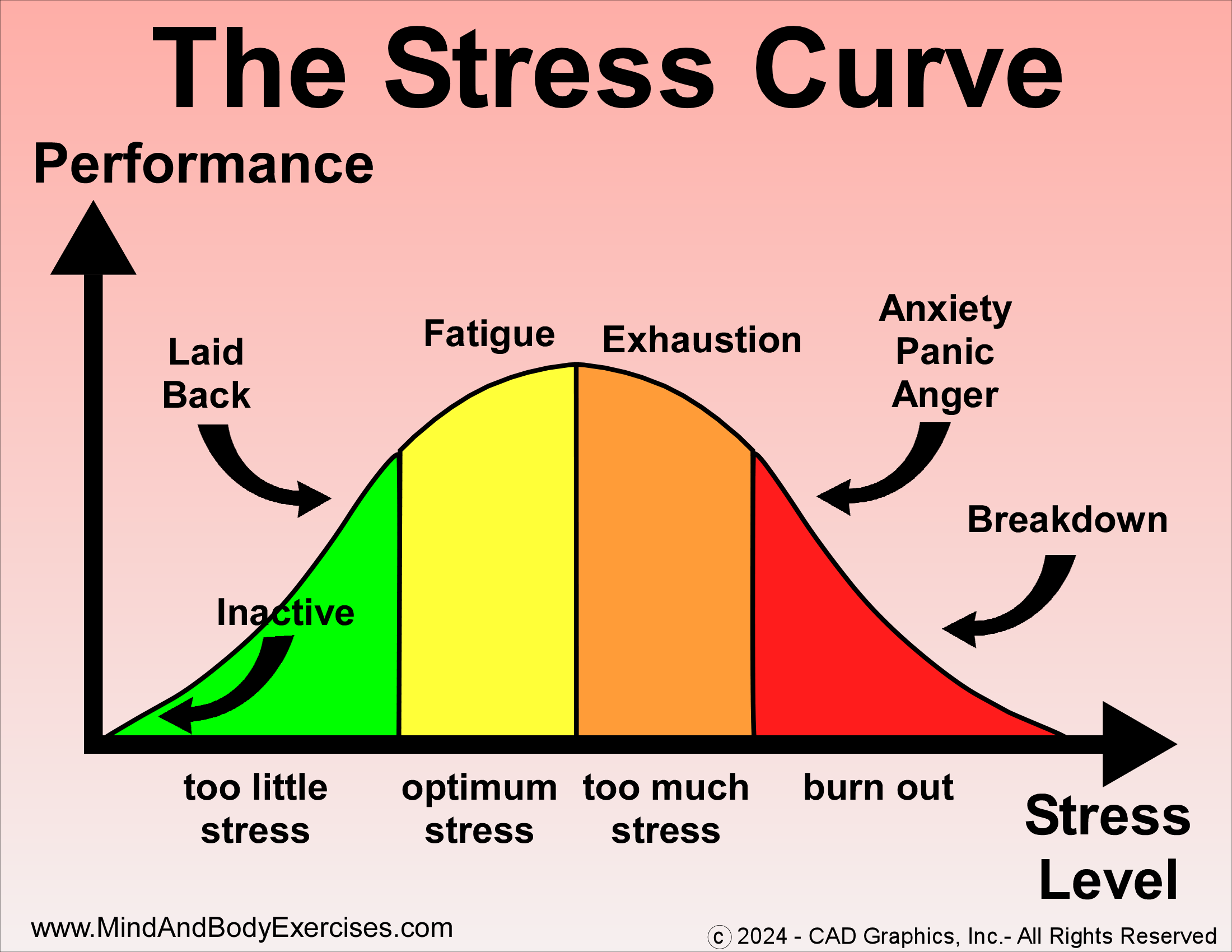
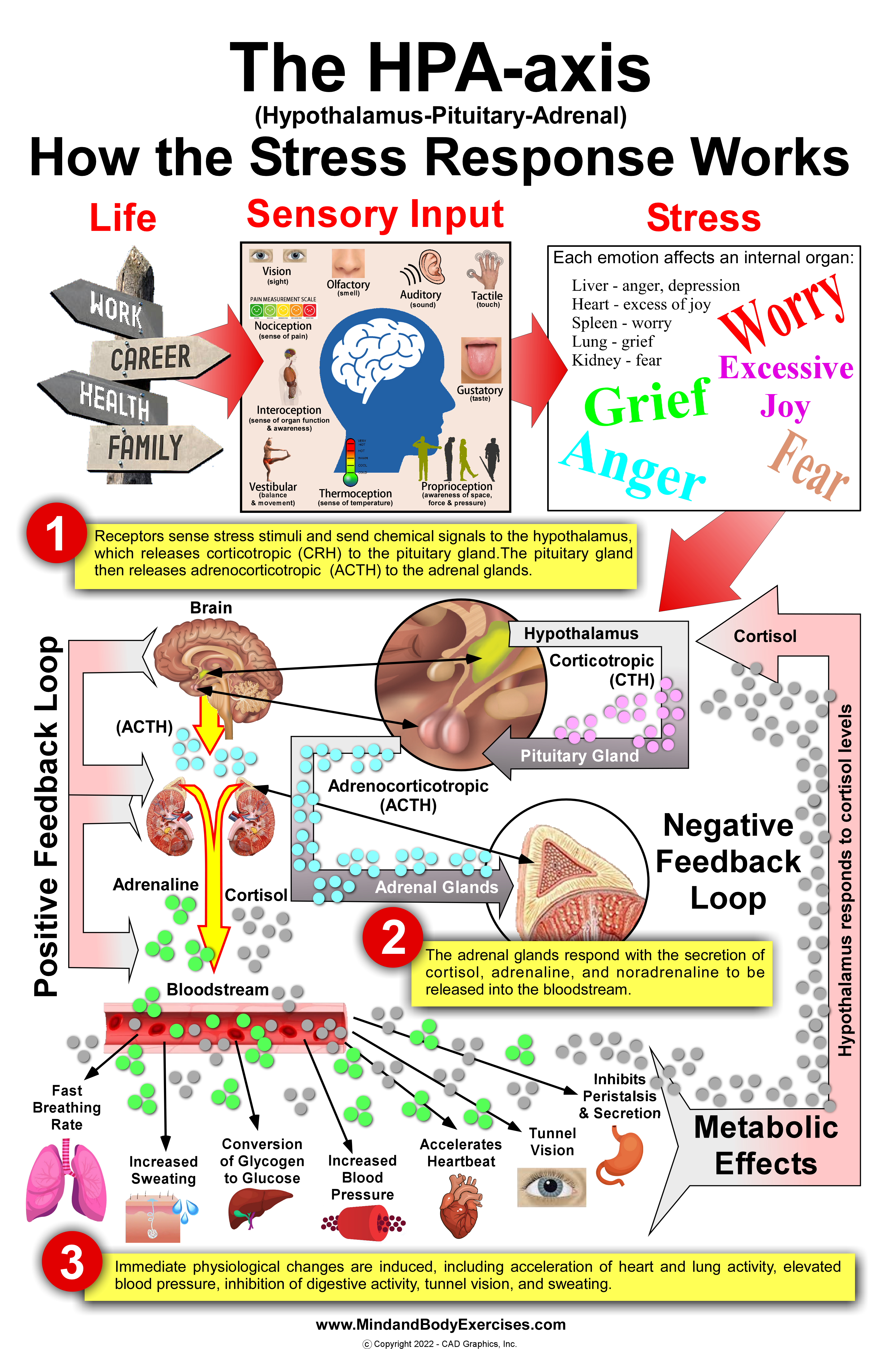
Contrasting PTG is that of “learned helplessness” where a person acquires an altered state of being, that can occur after a person has experienced a stressful situation once or repeatedly. The individual comes to believe that they are unable to control or change their negative situation or future circumstances. Eventually, the person stops trying to change their conditions, even when opportunities for positive change become available. This thought process puts extra wear and tear on the nervous system, as the HPA-axis is constantly engaged in order to cope with and manage the inner stresses on the psyche. This can further lead to the general adaption syndrome (GAS) were the body sees the continued heightened level of stress as the new norm, and consequently psychophysiological mechanisms become affected. 

After reading The Body Keeps the Score: Brain, Mind, and Body in the Healing of Trauma, I have a better idea of how mental wounds can heal or stay fresh, active and continue to live on in a sufferer’s mind. Over my past years as a martial artist, tai chi and yoga teacher, almost all of my teachers (masters in their respective fields of expertise) spoke of how the mind protects the body, as conversely and more often synergistically, the body protects the mind. The mechanisms that control our physiology that are affected and managed by are nervous system, embody this exact relationship between our mind and body. What really embraced my attention was the concept that if our being is not able to react and take some level of control over a traumatic situation, we may well be caught in a never-ending loop of reliving the original trauma, often leading to the learned helplessness that I spoke of earlier. Our nervous system, along with our mind, body and spirit will continue to perceive the original trauma as present threat until reprogrammed to be otherwise.

I was taught and encouraged to teach others also, that in a self-defense or other traumatic situation, a victim will almost always fair better emotionally and mentally if they try to defend themselves against a would-be attacker. In spite of the obvious potential for becoming injured, killed or otherwise, a victim at a particular time or place, need not accept that they will forever be a victim. I know this to be true from the hundreds of students that made their way to our schools and pursued self-defense instruction and classes, often after already having experienced some type of personal abuse, crime, or assault. However, at the time of my interaction with such individuals I was not following any scientific data nor studies, but rather my firsthand observations and conversations I had with many of my students. More recent research on my part, has led me to various studies of how yoga has been studied and implemented in the treatments of symptoms from traumatic events, such as fear, anxiety, depression, and post-traumatic stress disorder (PTSD) (Macy et al., 2015). Additionally, other research has been studied regarding specifically how self-defense training can be used as an intervention as a psychotherapeutic treatment for traumatic events (Rosenblum & Taska, 2014). Yoga, qigong, tai chi, martial arts and other mind-body practices have proven the test of time for hundreds if not thousands of years within other cultures. Hopefully, are scientific and medical communities will continue to pursue their due diligence to confirm how beneficial these methods can be for those in need within our fast-paced and often stressful lifestyles.

References:

Van der Kolk, B. A. (2014). The Body Keeps the Score: Brain, Mind, and Body in the Healing of Trauma. Viking.

Macy, R. J., Jones, E., Graham, L. M., & Roach, L. (2015, December 9). Yoga for Trauma and Related Mental Health Problems: A Meta-Review With Clinical and Service Recommendations. Trauma, Violence, &Amp; Abuse, 19(1), 35–57. https://doi.org/10.1177/1524838015620834

Rosenblum, G. D., & Taska, L. S. (2014, March). Self-Defense Training as Clinical Intervention for Survivors of Trauma. Violence Against Women, 20(3), 293–308. https://doi.org/10.1177/1077801214526048

____________

I teach and offer lectures about holistic health, stress management, qigong, tai chi, baguazhang, meditation, phytotherapy (herbs), music for healing, self-massage, and Daoyin (yoga).

I look forward to further sharing more of my message by partnering with hospitals, wellness centers, VA centers, schools on all levels, businesses and individuals that see the value in building a stronger nation through building a healthier population. I also have hundreds of FREE education video classes, lectures and seminars available on my YouTube channel at:

https://www.youtube.com/c/MindandBodyExercises

www.MindAndBodyExercises.com

www.Amazon.com/author/jimmoltzan

Mind and Body Exercises on Google: https://posts.gle/aD47Qo

Jim Moltzan

407-234-0119

The Teacher/Student Relationship

Seek the right teacher for you, because in time a student (you) can become similar to your teacher, sometimes absorbing good and bad traits alike.

“Learn to earn”
One must learn something and understand it effectively before teaching it to another. It is usually quite difficult to teach another what you yourself are not proficient with. Learn to understand – earn to have purpose and meaning. Jack of all trades, master of none – think about it, do you know something well enough to help another rather that hurting them with what you do or do not know? Not everyone who carries the title of teacher, is indeed a good teacher.

Teaching visually as well as audibly.

The Teacher/student relationship
In the teaching and learning environment, there has to be an even exchange of energy. The teacher shares their knowledge while the student listens, watches, absorbs and hopefully learns and applies. Gratitude is a reciprocating relationship between student and teacher, because if there is no teacher, there is no student. If there is no student, there is no teacher. Yin and yang in all things. Teachers too, benefit from this relationship. Teachers, first responders, armed forces members, public service workers and others don’t help others just for others to benefit. These types of individuals often find purpose and meaning through their service to others. At the very root of these endeavors is indeed a self-serving motivation that needs to be kept in check. Helping and teaching others to have purpose is one thing; indulging a god complex is another. A god complex is when an individual truly believes they have a greater power, influence, ability, etc., and see themselves as superior to others. A god complex behavior is often associated with having a narcissistic personality disorder. We all have much to offer and learn from one another, regardless of fame, wealth or social status.

A wise and experienced teacher realizes that not everyone learns the same way and adjusts accordingly. Some teachers are better at this than others as not all teachers are the same. Various students are better at grasping concepts through graphic or visual presentations, while others gravitate towards the sounds of words. Some may visualize the words in their mind’s eye. While still others learn best through touch and movement, where they need to be physically engaged in order to mentally comprehend concepts.

Teaching verbally, visually and tactilely.

Embrace the “beginner’s mind.”

Students and teachers alike can benefit from understanding that they cannot fill a full cup, without first emptying what they already have. Once a student’s ego lets go of what one thinks they already know, they can then be open to learn something new or see something from a different perspective. Teachers can often learn much from their students if they are open to it and not let their own ego get in the way of their own learning from a student.

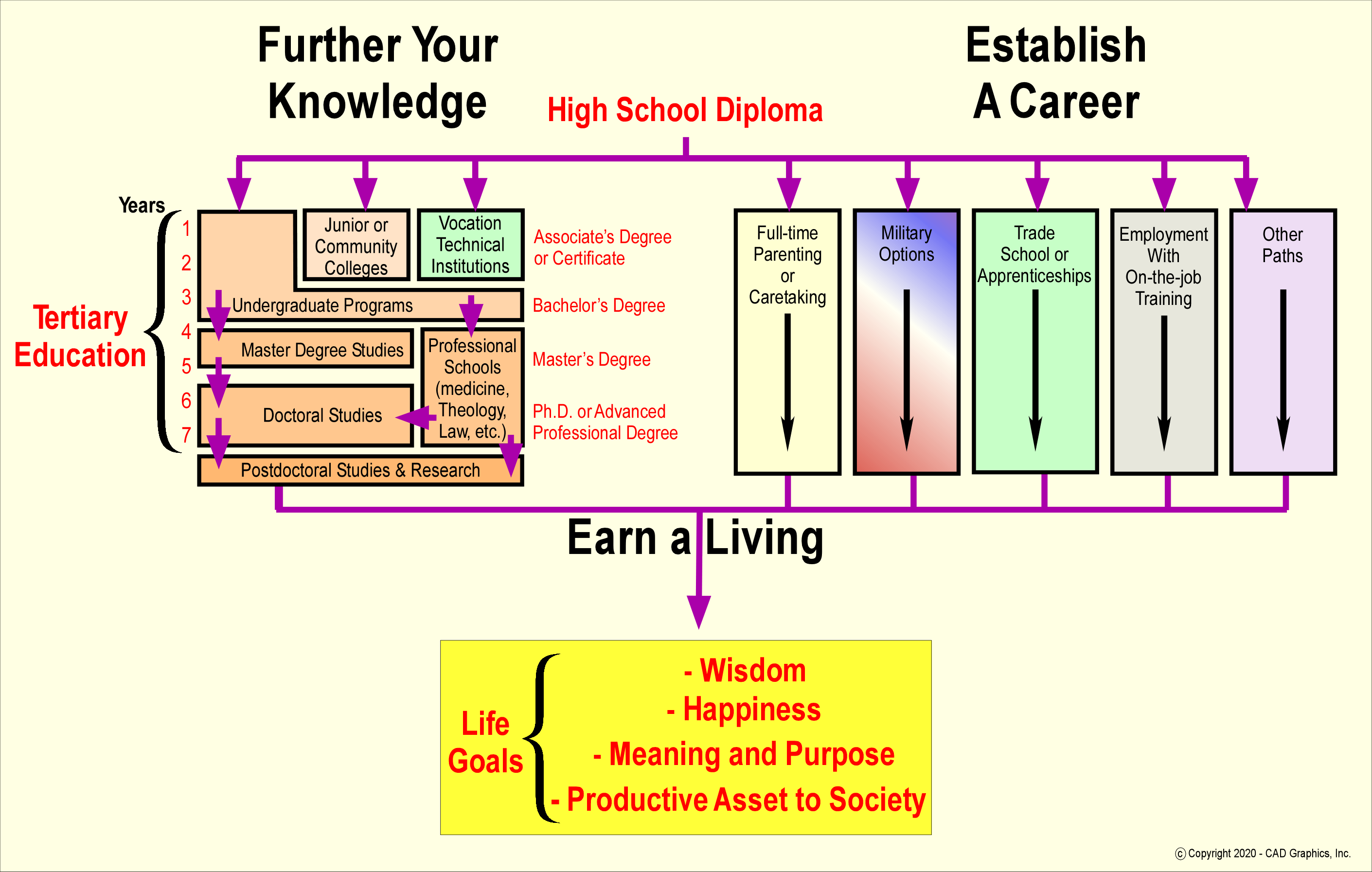
Learn so that you can earn a living and hopefully a purpose!

Learning ability/environment later in life

It is never too late to learn something new. Those who were once a teacher, can be a student once again. We are only limited by our own boundaries. However, learning ability does change as we move through the various phases of life. Short term memory becomes just that, shorter. We may remember complex details from our youth but fail to remember someone’s name that we were just introduced to seconds prior. Memory is indeed a muscle that needs to be exercised continuously in order to keep it working effectively. Sitting in a classroom or behind a computer screen can have a toll on the physical body, so plan accordingly and find the format that works best for your circumstances.


Fees for instruction

Fees and/or tuition are almost always necessary, in order for the teacher/student relationship to flourish. Time, effort and monetary compensation are all forms or conduits of energy. Sometimes labor (physical as well as mental) in return for knowledge is a viable commodity and can offer many opportunities for personal growth. No fee, cost or sacrifice on some level = NO VALUE. No skin in the game most often leads to no commitment or investment of one’s time and effort. Give a young adult an automobile and often they don’t care about maintenance, dings or scratches. The spoiled or entitled individual sooner or later learns a whole different set of life lessons. The person that saves and buys their own vehicle, often takes more pride and care of their assets, as they realize and value the time, effort and sacrifice that they put on the line for their own personal gain. Most people know this in spite of looking for the best deal or “free any things”. We usually pay for what we get, good or bad quality. Teachers need to earn living and be rightfully compensated for their time, effort and sharing of their earned knowledge.

___________________

I teach and offer lectures about holistic health, stress management, qigong, tai chi, baguazhang, meditation, phytotherapy (herbs), music for healing, self-massage, and Daoyin (yoga).

I look forward to further sharing more of my message by partnering with hospitals, wellness centers, VA centers, schools on all levels, businesses and individuals that see the value in building a stronger nation through building a healthier population. I also have hundreds of FREE education video classes, lectures and seminars available on my YouTube channel at:

https://www.youtube.com/c/MindandBodyExercises

www.MindAndBodyExercises.com

www.Amazon.com/author/jimmoltzan

Mind and Body Exercises on Google: https://posts.gle/aD47Qo

Jim Moltzan

407-234-0119