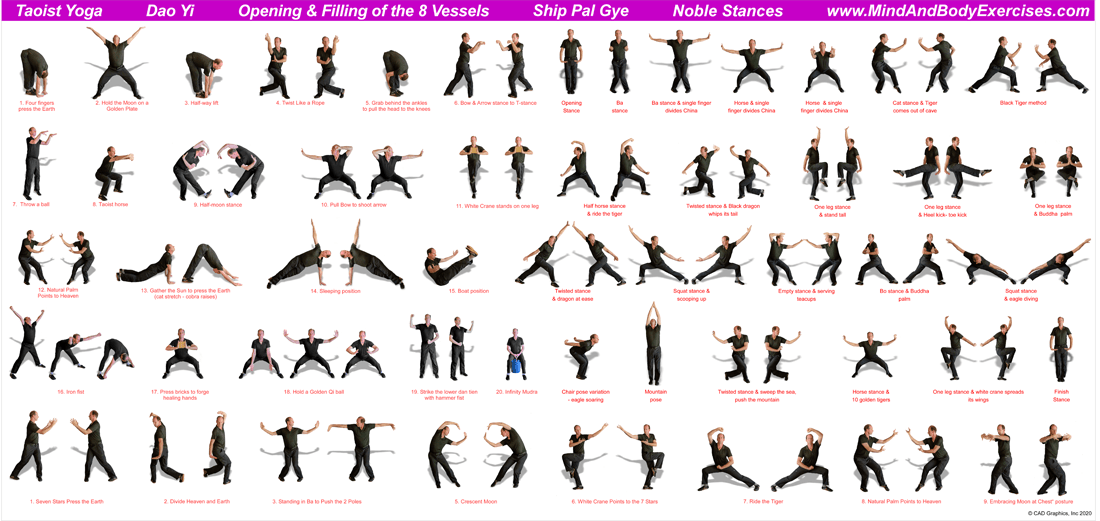
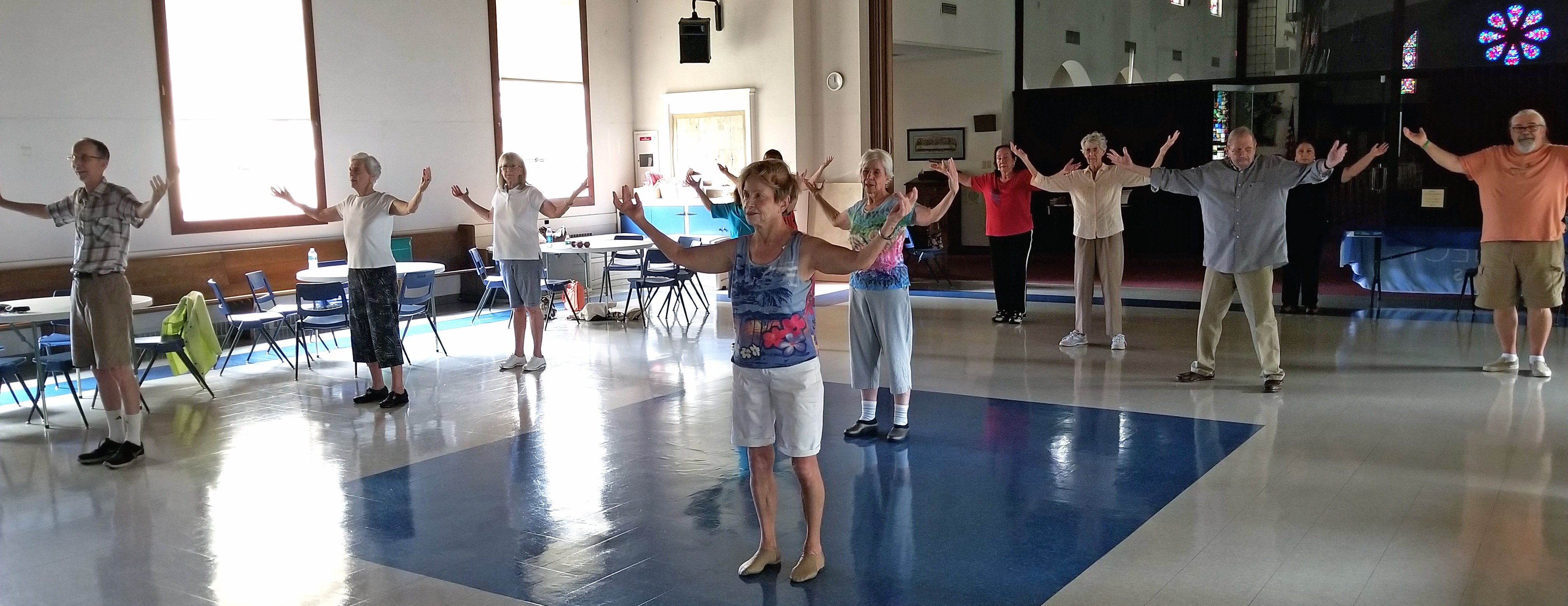
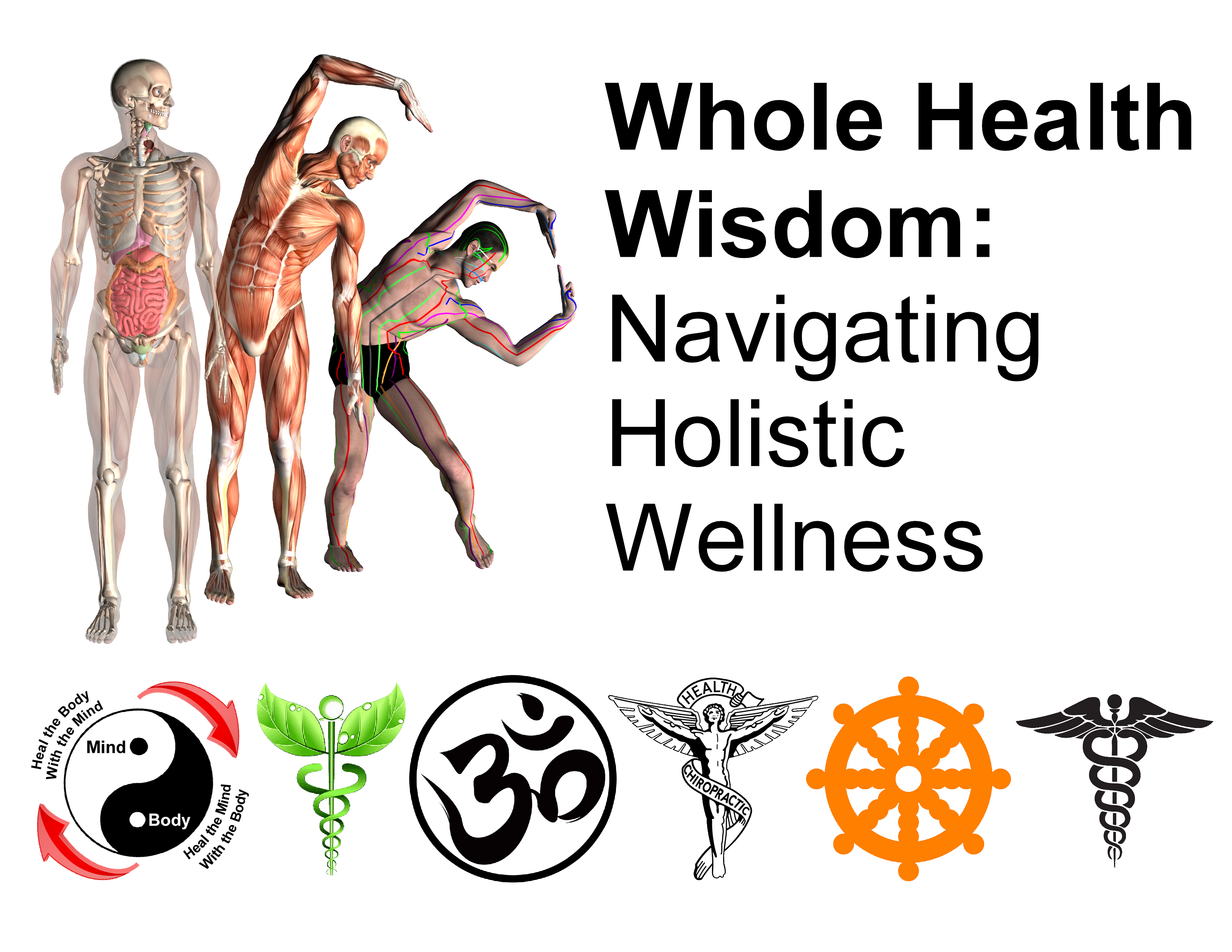
As a practitioner of martial arts (kung fu and styles of Tai Chi and BauaZhang), yoga,qigong, and dao yin (martial arts yoga) for over 40 years, I can vouch for the vast amount of mental and physical benefits that not only have I received, but others that I have either taught or trained with. Qigong and martial arts are deeply rooted in the 8 Limbs of Ayurveda, and concerning this post, yogic practices of asanas or physical postures.
The BBC article “How Yoga Can Rewire Your Brain and Improve Your Mental Health” discusses recent findings on how yoga practice can have effects on brain structure and function, highlighting its potential mental health benefits. Recent research indicates that regular yoga practice can lead to physical changes in the brain, such as increased gray matter, which is associated with improved cognitive functions and emotional regulation. These neurological alterations may contribute to symptoms of less anxiety and depression. The article emphasizes that yoga’s combination of physical postures, breathing exercises, and meditation not only enhances physical well-being but also offers significant mental health advantages. For the purpose of my post, I will refer to yoga, qigong, and dao yin interchangeably, as they all are on some level the same type of physical, mental, and spiritual exercises.
The Science Behind Yoga (Qigong & Dao Yin): How It Rewires Your Brain and Enhances Mental Health
In recent years, yoga has gained more widespread recognition not just for its physical benefits but also for its significant impact on mental well-being. Research now suggests that regular and consistent yoga practice can help to rewire the brain, improving cognitive function, emotional regulation, and stress management. How do these ancient practices impact modern neuroscience? I will summarize some amazing connections between these mind-body practices and brain health.
How Yoga Affects the Brain
Enhancing Neuroplasticity
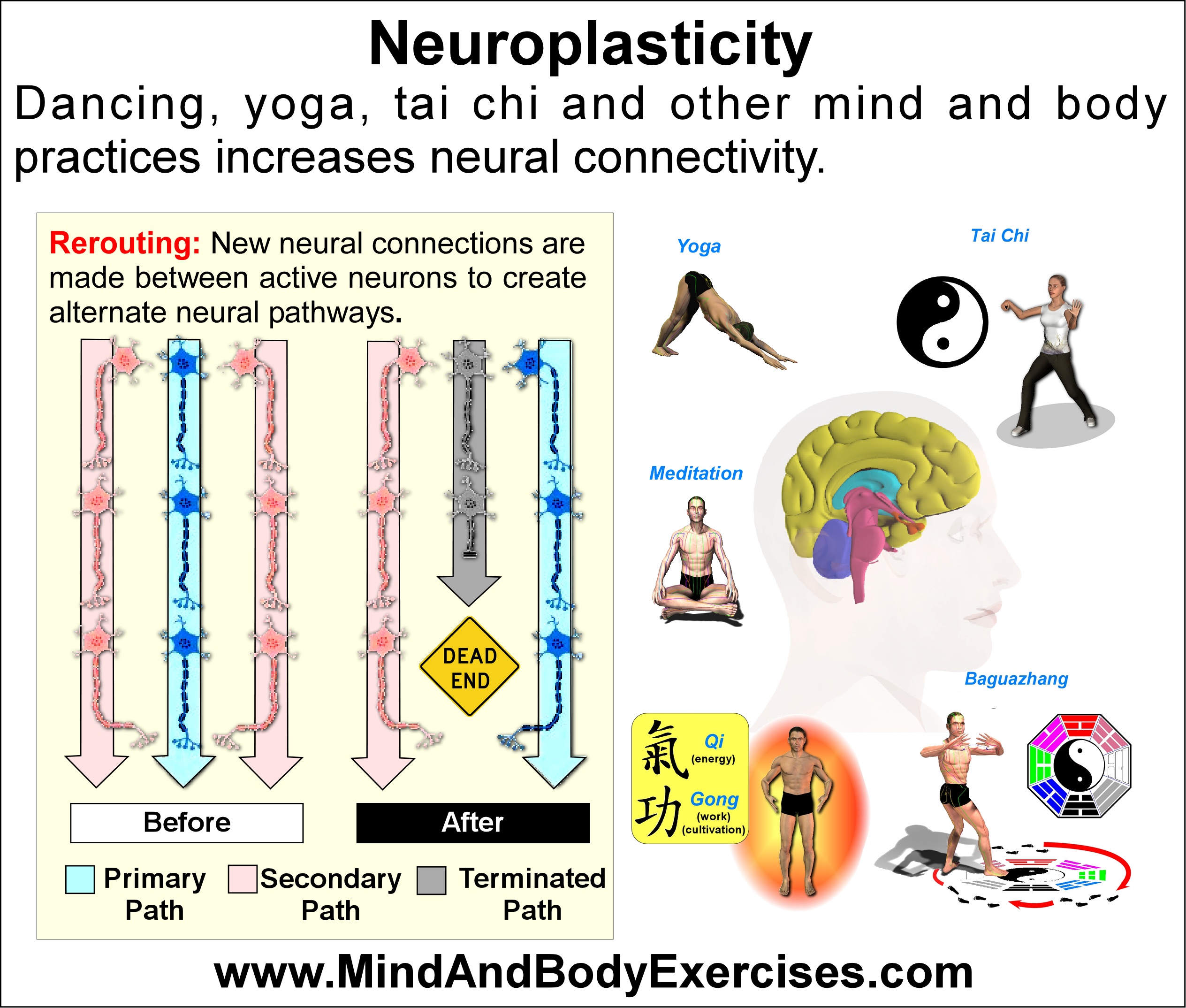
Yoga has been shown to promote neuroplasticity, which is the brain’s ability to reorganize and form new neural connections. Research studies using MRI scans have found increased gray matter density in the hippocampus and prefrontal cortex of yoga practitioners. These areas are important for memory, self-awareness, and emotional regulation, suggesting that yoga can help individuals become more adaptable to stress and improve various cognitive functions.
Reducing Anxiety and Depression
One of yoga’s most significant mental health benefits is its ability to alleviate anxiety and depression. Research indicates that yoga decreases cortisol, the body’s primary stress hormone, while boosting gamma-aminobutyric acid (GABA), a neurotransmitter that promotes relaxation. These biochemical changes contribute to a calmer, more balanced state of mind, making yoga an effective tool for managing mood disorders.
The Role of Breathwork and Meditation
Beyond the asanas or physical postures, yoga incorporates breathwork (pranayama) and meditation, both of which play a vital role in mental health. Deep, regulated breathing stimulates the parasympathetic nervous system, reducing the body’s fight-or-flight response. Meditation fosters mindfulness, promoting present-moment awareness and reduction of rumination, two key factors in maintaining emotional stability.
Cognitive Benefits and Emotional Regulation
Practicing yoga and other mind-body methods have been linked to increased cognitive function, including better focus, memory, and decision-making. The increased activity in the prefrontal cortex enhances executive functions, allowing individuals to better manage stress more effectively and respond to challenges with greater clarity.
Yoga as a Holistic Mental Health Solution
Pharmaceutical treatments usually target specific symptoms, whereas yoga offers a comprehensive approach to mental wellness. By integrating physical movement, breath control, and mindfulness, yoga cultivates overall brain health and emotional resilience. Whether practicing at a studio, school, outdoors, or at home, yoga, qigong, and dao yin provide a natural, often inexpensive, and accessible way to improve mental well-being.
Final Thoughts
To me, the evidence is quite clear that the mind-body methods of yoga, qigong, and daoyin are not just a workout; they are powerful tools for brain health and mental clarity. By supplementing some of these methods into your routine, you can strengthen your mind, reduce stress, and cultivate emotional balance. Whether you’re a beginner or an experienced practitioner, the benefits of these extend far beyond the mat or studio, offering a holistic path to overall well-being.
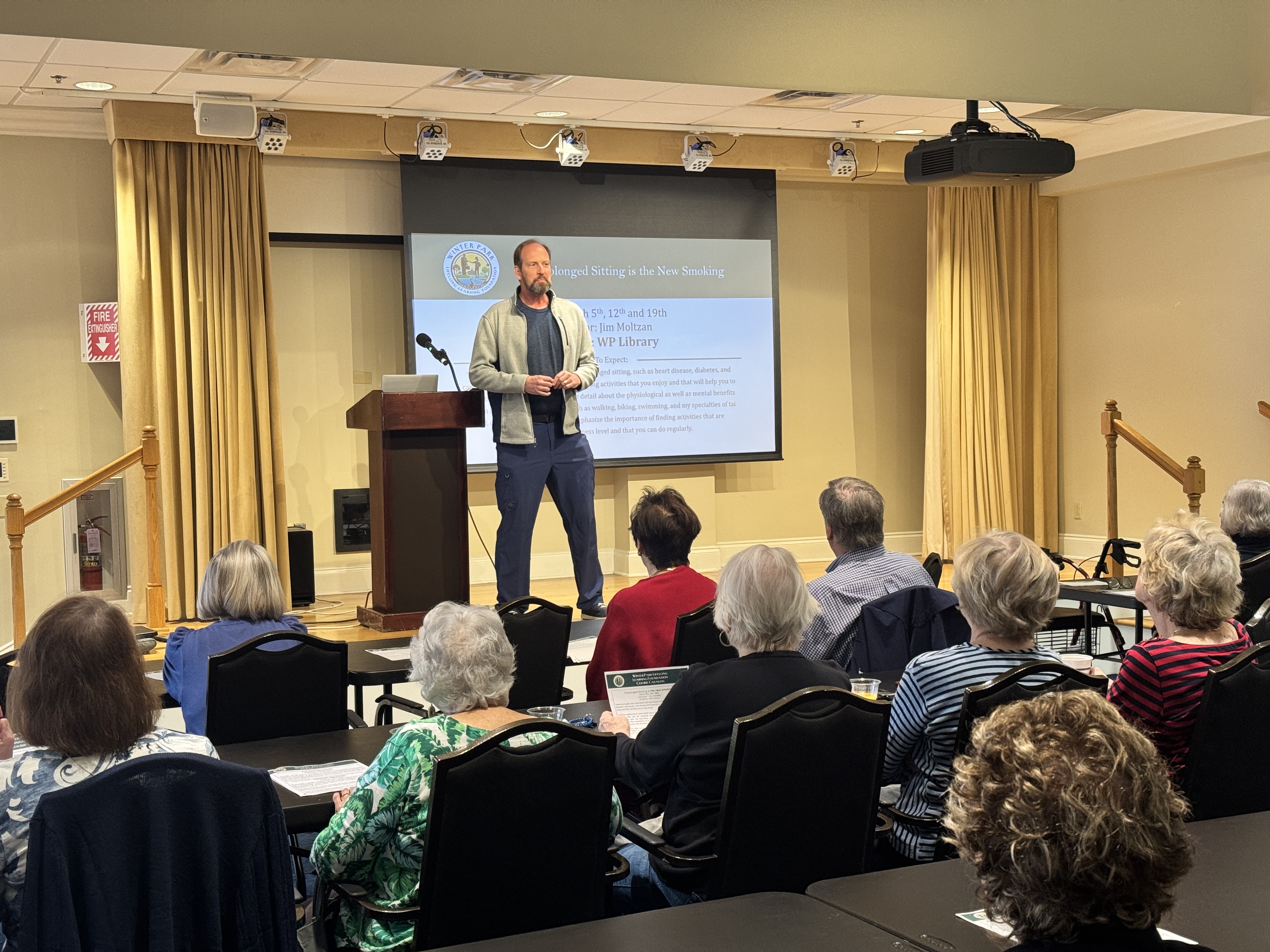
I teach and offer lectures about holistic health, physical fitness, stress management, human behavior, meditation, phytotherapy (herbs), music for healing, self-massage (acupressure), Daoyin (yoga), qigong, tai chi, and baguazhang.
Please contact me if you, your business, organization, or group, might be interested in hosting me to speak on a wide spectrum of topics relative to better health, fitness, and well-being.
I look forward to further sharing more of my message by partnering with hospitals, wellness centers, VA centers, schools on all levels, businesses, and individuals who see the value in building a stronger nation through building a healthier population.
I also have hundreds of FREE education video classes, lectures, and seminars available on my YouTube channel at:
In contemporary wellness, spiritual, and martial arts communities, appeals to ancient or royal lineage are frequently used to establish credibility, legitimacy, and market value. Such claims, however, often rest on little more than family narrative, leaving the public to accept assertions without evidence. When those same families or leaders have verifiable legal or ethical controversies in their past, the selective presentation of positive stories while suppressing inconvenient truths creates a distorted portrait of authority. This article explores the tension between lineage claims and documentary evidence, and how omission and unverified narratives can distort the perception of authenticity.
The Value of Documented Lineage
Lineage is a cornerstone in many cultural traditions, whether in royal genealogies, hereditary medical practices, or martial arts lineages. Authenticity is typically verifiable through archives, registries, or institutional recognition. In Europe, for instance, royal dynasties such as the Habsburgs, Tudors, or Romanovs maintained exhaustive genealogical records, legal decrees, and official chronicles that precisely document succession, marriages, and bloodlines. These records are often traceable back centuries, leaving little ambiguity about who succeeded whom and how power and heritage were passed down.
The Confucian monarchies of East Asia provide a similarly rigorous example. As Kalton, (1989) notes in A Heritage of Kings, Korean dynasties such as the Joseon meticulously preserved royal succession records as a matter of both political legitimacy and moral governance. These archives include annals, genealogical charts, and state-sanctioned biographies, were considered essential to the moral order of the state, reflecting the Confucian belief that authority must be both inherited and documented. The process of verifying a monarch’s lineage was not merely historical curiosity; it was a core element of political stability and social harmony.
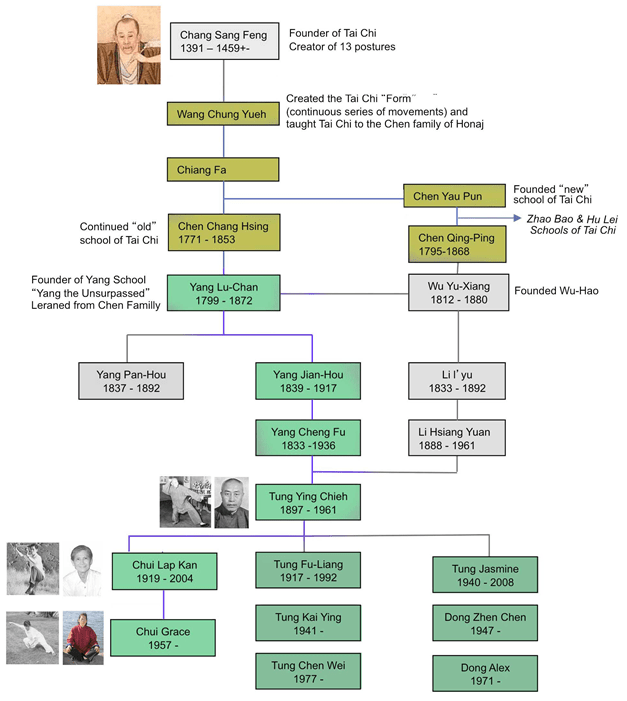
The same emphasis on verifiable lineage appears across multiple martial traditions. In China, the Chen, Yang, Wu, and Sun families of Tai Chi maintain extensive genealogical records, often detailing the names, dates, and relationships of successive masters (Wile, 1996; Henning, 1994). These are corroborated by written manuals, temple archives, and recognized lineage associations (Shahar, 2008). Likewise, systems such as Wing Chun, Shaolin, and Aikido document their transmission histories through monastic registries, institutional charters, and formal certification processes (Pranin, 1991). In Japan, arts such as Judo, Shotokan Karate, and classical koryu systems preserve official records through governing bodies and densho documents, ensuring that claims of authority can be traced and verified (Ben-Ari et al., 1999).
When modern figures assert descent from a prestigious tradition, the expectation is that verifiable records, such as birth certificates, institutional acknowledgments, lineage charts, or peer recognition will substantiate the claim. Without these, lineage becomes a matter of belief rather than fact.
Unsubstantiated Claims in Wellness and Martial Arts
By contrast, in the global wellness and martial arts industries, claims of ancient medical or spiritual lineage are often presented without supporting evidence. Oral family stories are used in lieu of records, and branding strategies highlight terms such as “royal lineage,” “master of a particular generation” or even “reached enlightened at an early age” without producing verifiable documentation. These assertions may resonate with consumers seeking authenticity, but without independent verification, they remain marketing narratives rather than historical facts.
Internal Experience Versus External Recognition
An important distinction exists between qualities that originate within an individual and those that depend upon recognition by others. Happiness, fulfillment, inner peace, wisdom, purpose, and many forms of genuine success are fundamentally internal experiences. A title, organization, institution, or teacher cannot simply make another person happy or fulfilled if those qualities are not personally experienced. They arise from one’s own character, perceptions, values, and lived experiences.
Titles, ranks, honors, offices, and lineage claims are fundamentally different. They are social constructs whose legitimacy depends upon recognition by others and, ideally, upon documentary evidence. A university degree derives its value because accredited institutions acknowledge it. Military rank exists because an established organization confers and records it. Judicial appointments, medical licensure, and academic professorships likewise depend upon institutional recognition rather than self-proclamation.
History demonstrates this principle repeatedly. There could be no King Louis XIX of France if there were no historical record identifying the eighteen Louis rulers who preceded him. There cannot be a forty-eighth President of the United States without an established succession documenting the previous forty-seven presidents. The succession of Britain’s Mountbatten-Windsor royal family is meaningful because each monarch is connected through well-preserved historical records. Even in modern commerce, Apple could hardly announce an eighteenth-generation device if there was no evidence that the previous seventeen generations ever existed. Boeing aircraft, Windows versions, or Olympic Games, with documented succession are even more straightforward.
Numbering without continuity is merely a label; continuity supported by evidence gives that label meaning.
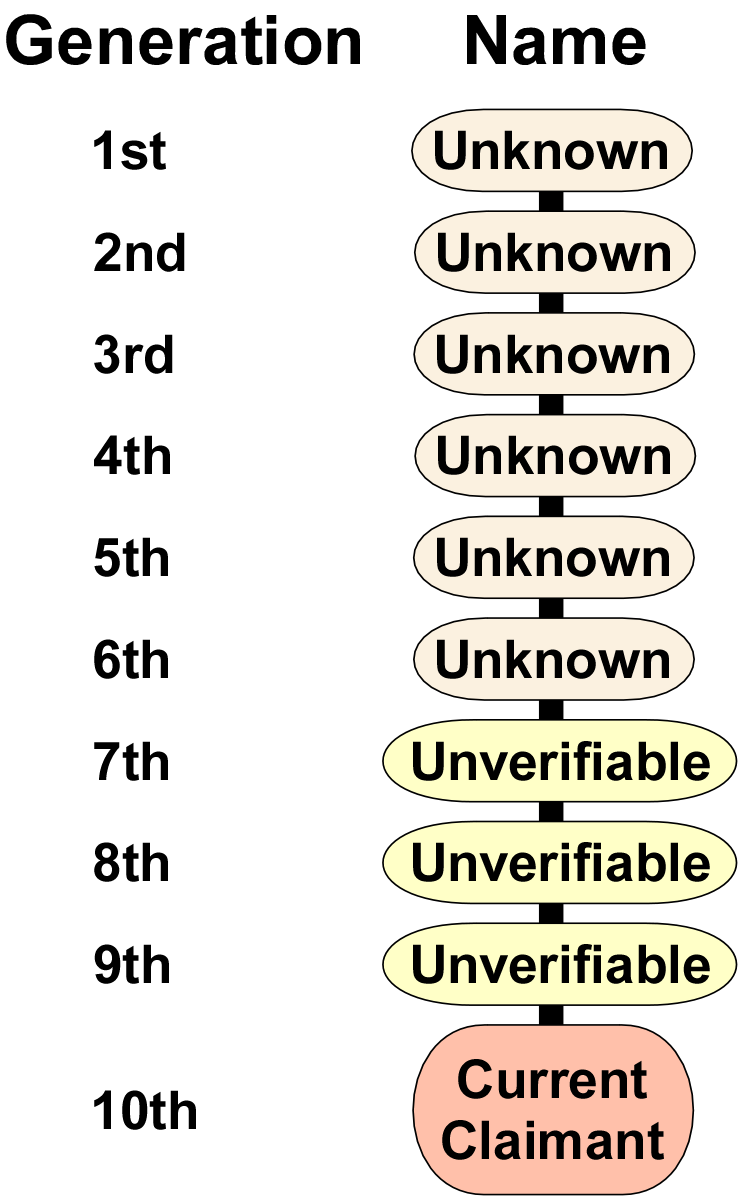
The same reasoning applies to claims of generational authority in martial arts, traditional medicine, and spiritual systems. A claim of being a tenth-, fifteenth-, or twentieth-generation successor necessarily implies that the preceding generations can be identified through credible documentation, institutional recognition, or broad peer acknowledgment. When those preceding generations cannot be established, the numerical designation itself becomes difficult to distinguish from marketing or self-promotion.
Ironically, some critics suggest that Asian cultures traditionally failed to preserve lineage documentation. The historical record demonstrates quite the opposite. The descendants of Confucius possess one of the longest continuously documented family genealogies in human history. The lineage traditionally attributed to Genghis Khan has been studied extensively through both historical scholarship and modern genetic research. Likewise, Korea’s great clan registries, including the Jeonju Yi, Gimhae Kim, Miryang Park, and Gyeongju Kim lineages, preserve family records extending back centuries. Throughout much of East Asia, genealogy was not regarded as optional; it served as a cornerstone of identity, inheritance, governance, and historical continuity. This distinction illustrates why documentation remains essential. Inner realization may require no external validation, but claims regarding historical succession, inherited authority, or generational lineage necessarily invite objective scrutiny. Extraordinary claims about historical continuity should therefore be supported by evidence commensurate with the significance of the claim.
The Problem of Selective Narratives
In many cases, leaders or organizations present a carefully curated history that emphasizes noble origins, spiritual insight, or ancient wisdom while omitting less flattering details, such as including legal actions, financial scandals, or organizational misconduct. Such omissions create an incomplete picture, raising questions about whether the narrative being offered is educational or deliberately deceptive. If an individual or group wishes to highlight ancient knowledge or moral teachings, omission of significant and verifiable historical events constitutes deception by omission. Transparency requires acknowledging both contributions and failures. Selective storytelling, particularly in industries that depend on consumer trust, undermines credibility and places the burden of due diligence on the public.
The Question of Enlightenment and the Logic of Lineage Claims
A further complication in evaluating claims of authority in spiritual or medical traditions lies in the near impossibility of objectively verifying “enlightenment.” Across philosophical and religious systems, enlightenment is often described as the culmination of inner transformation, a state beyond ego, marked by wisdom, compassion, or union with the ultimate nature of reality. Yet, despite centuries of discourse, no universally accepted standard exists for identifying or measuring such a state. There is no diploma for enlightenment, no certifying body that can issue recognition, and no empirical test that can confirm its attainment. Historically, recognition was often conferred by respected elders, monastic councils, or scholarly lineages, but even these determinations were subject to disagreement and human fallibility (Olson, 2008)
In the absence of objective criteria, claims of enlightenment frequently rely on nothing more than self-declaration or the uncritical acceptance of followers.
This ambiguity invites a deeper question: Who decides when someone is enlightened? If there is no shared standard, virtually anyone can declare themselves enlightened, just as anyone can claim descent from a royal bloodline or a centuries-old medical tradition. Without documentation, institutional recognition, or consensus within the relevant tradition, such proclamations are indistinguishable from fabrication. The same principle applies to lineage. If an individual claims to be the “next-generation successor” of a specific tradition, it is reasonable to expect that they can identify and provide credible evidence for who the preceding lineage holders were. If that information is unknown, missing, or unverifiable, the lineage ceases to function as historical fact and instead becomes an empty narrative.
The absurdity of unverifiable claims is most apparent when one considers how easily they can be fabricated. In the absence of evidence, nothing would prevent someone from declaring themselves the “twentieth-generation grand master of the Order of Come-Worship-Me.” The title would be meaningless, yet it might still carry persuasive power for those unaware of its fictitious nature. This illustrates why transparency, documentation, and peer recognition are indispensable for evaluating the legitimacy of lineage claims. Without them, assertions of enlightenment or generational authority risk being little more than sophisticated marketing or worse, deliberate deception (Lopez, 2008).
Why Is This Important?
Lineage is meaningful only insofar as it is verifiable. A truly credible heritage should be supported by documentary evidence, independent recognition, and transparency about both strengths and flaws. The danger of accepting lineage claims at face value is that the public is asked to believe in ancient wisdom while the historical record may tell a very different story. In the age of easily accessible court documents, archival materials, and digital records, unsubstantiated claims and omitted histories must be scrutinized. Otherwise, lineage becomes not a testament to history, but a tool of mythmaking.
References:
Ben-Ari, E., Friday, K. F., & Humitake, S. (1999). Legacies of the Sword: the Kashima-Shinryu and Samurai Martial Culture. Pacific Affairs, 72(1), 116. https://doi.org/10.2307/2672362
Henning, S. E. (1994). Academia encounters the Chinese martial arts. China Review International, 1(2), 321–336. https://www.jstor.org/stable/23732172
Kalton, M. C. (1989). A Heritage of Kings: One Man’s Monarchy in the Confucian World. By JaHyun Kim Haboush. Studies in Oriental Culture 21. New York: Columbia University Press, 1988. xiv, 327 pp. $35.00. The Journal of Asian Studies, 48(4), 886–887. https://doi.org/10.2307/2058186
Lopez, D. S. (2008). Buddhism and Science: A Guide for the Perplexed. University of Chicago Press.
In a world saturated by screens, we’ve grown increasingly comfortable with fiction and disturbingly detached from reality. Hollywood and the broader entertainment industry have mastered the art of storytelling. But in doing so, they’ve also shaped belief systems, numbed emotional sensitivity, and altered the way people perceive violence, trauma, and even the value of life itself.
Television and film often depict firearms and violence with dramatic flair. Police officers re-holster their weapons carelessly, never checking to see if clothing or gear might catch the trigger, something that, in real life, could end in a tragic accident. Striker-fired firearms are shown making mechanical “cocking” sounds they don’t make. Characters rack their slides as if they didn’t already have a round chambered, an absurd notion in any tactical reality. These stylistic choices aren’t just errors; they are illusions that condition audiences, especially those with no firsthand experience, to misunderstand basic truths about safety, readiness, and consequences. These aren’t just cinematic tropes. They are forms of social psychological conditioning.
It doesn’t stop at guns. In the world of TV and movies, violence is almost romanticized. Characters get shot multiple times and continue fighting as if pain and blood loss were minor inconveniences. Others are beaten senseless, only to rally with a defiant quip. No one suffers hearing damage from repeated gunfire in enclosed spaces. No one shows the tremors, the dissociation, or the collapse that often follows real trauma. Instead, they move on, undamaged, both physically and emotionally.
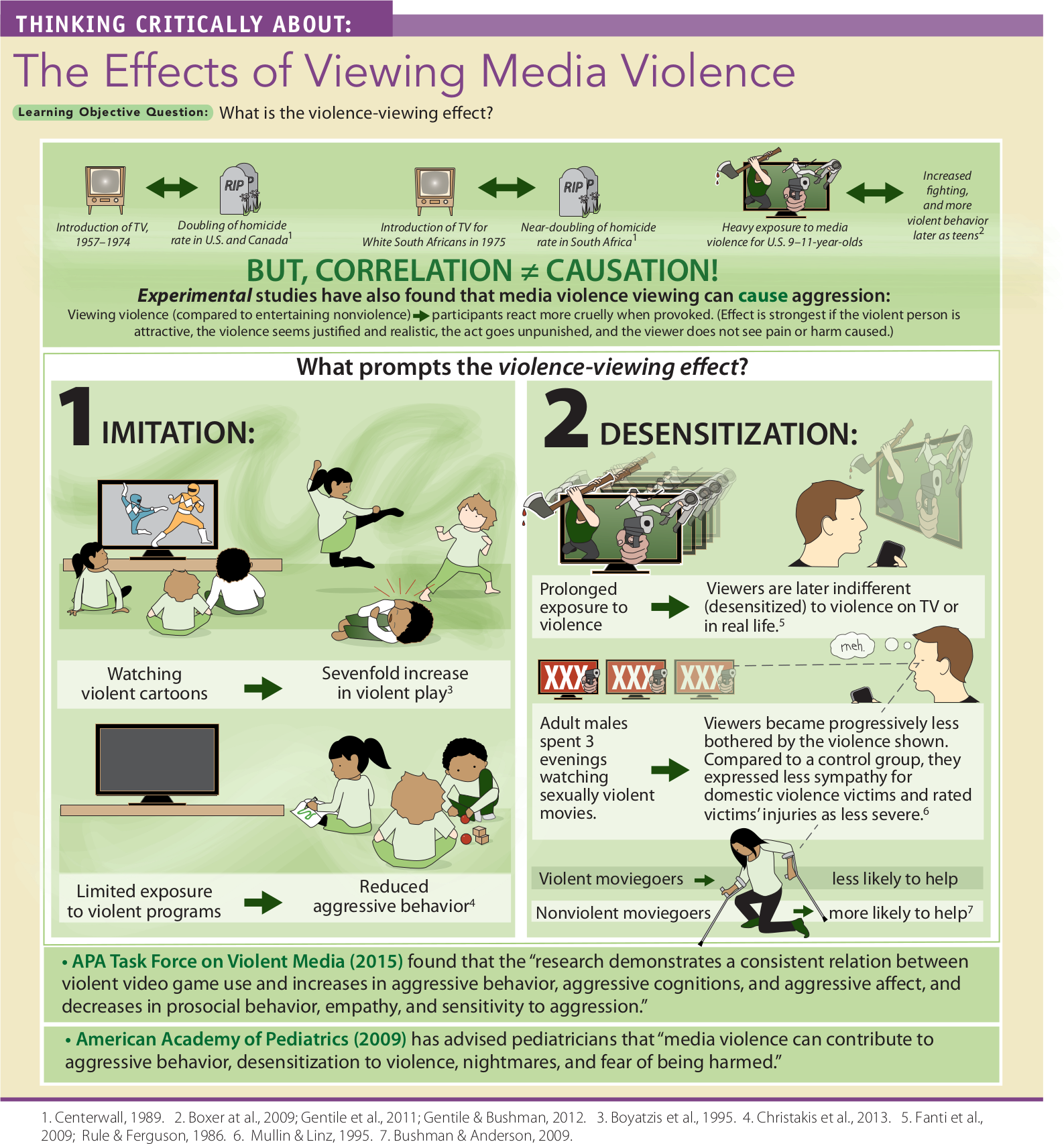
And therein lies one of the most disturbing consequences of modern media: Desensitization.
We’ve reached a point where viewers can witness a character suffering what would be a fatal injury in real life and feel nothing. Not because they’re cold-hearted, but because the medium has trained them not to feel. Life on screen resets with the next episode. A person shot or killed vanishes into the storyline with little more than a dramatic soundtrack and a fade to black.
But in real life, death doesn’t come and go that easily. When someone dies, whether it’s a law enforcement officer, a civilian, or even someone who committed a crime, a ripple effect spreads. Families grieve. Communities are shaken. Colleagues carry guilt and trauma. Witnesses replay events in their minds for years. The emotional, spiritual, and psychological consequences last long after the physical event has ended.
Hollywood doesn’t show this. It rarely shows the tears of a mother, the PTSD of a survivor, the hollow silence in a family’s home. It doesn’t explore the real-life breakdowns, the isolation, or the long path of emotional recovery. And so, people lose touch, not just with how trauma actually works, but with the value of life itself.
This disconnection is one of the greatest threats to modern wellness. Because true wellness is not just physical, it’s emotional, mental, and moral. It means feeling deeply. It means recognizing the weight of a life, even a fictional one. It means resisting the urge to become numb just because society finds comfort in distraction.
We are witnessing a cultural side effect of prolonged exposure to stylized violence: a loss of reverence for human life. It’s not enough to simply say “it’s just entertainment.” When entertainment becomes education, as it so often does, we must question what we are being taught. And what we are unconsciously absorbing. This is where social psychology and holistic wellness intersect. We are not just bodies reacting to the world. We are minds and hearts shaped by it. When the culture around us numbs our response to suffering, we lose our connection to empathy, discernment, and truth.
Holistic health isn’t just about food, exercise, or stress. It’s about awareness. Emotional, mental, spiritual. It’s the ability to stay awake in a world that lulls us to sleep through entertainment. It’s seeing through the illusion, and reclaiming our human response to life, death, and everything in between.
So let’s start noticing what we’re being shown. Let’s teach our young people that not everything on screen is real or right. Let’s cultivate empathy, emotional intelligence, and the courage to feel deeply in a culture that tells us to feel nothing.
We must reconnect as holistic practitioners, wellness seekers, and aware human beings. We must pull back from the illusion and sit in the truth: trauma is not glamorous. Violence is not clean. Death, no matter whose it is, is not an empty plot device.
So, let’s start by protecting not just our bodies, but our minds and hearts. Let’s choose awareness over apathy, and discernment over blind acceptance. Let’s challenge the stories we’re fed and hold space for the reality they often ignore. Because if we don’t, we risk becoming a society that feels nothing when life is lost. And that, more than any special effect, is the real tragedy.
I look forward to further sharing more of my message by partnering with hospitals, wellness centers, VA centers, schools on all levels, businesses, and individuals who see the value in building a stronger nation through building a healthier population.
I also have hundreds of FREE education video classes, lectures, and seminars available on my YouTube channel at:
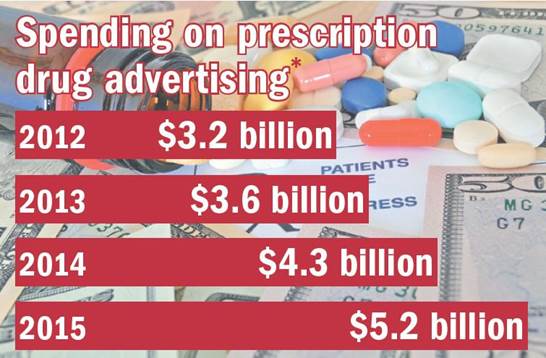
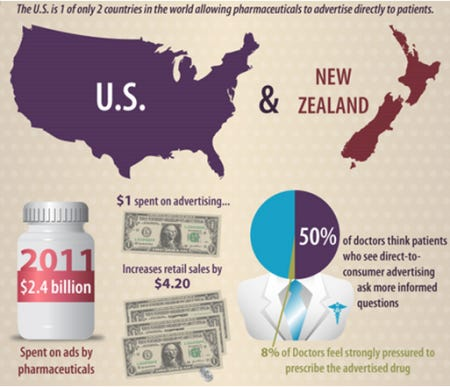
In the pharmaceutical industry, direct-to-consumer (DTC) marketing, often in the form of television ads, online campaigns, or print materials, remains one of the most polarizing strategies. When drug manufacturers communicate directly with patients, bypassing traditional physician-only channels, a complex array of ethical challenges emerges. This article explores those tensions, weighing the potential benefits against the risks, and ultimately arguing that DTC marketing must be tightly constrained if it is to serve public health rather than commercial agendas.
The Promise and Appeal of DTC Marketing in Pharma
Proponents of DTC pharmaceutical marketing often emphasize the following benefits:
Increased patient awareness and empowerment. Many patients are unaware of particular diseases, diagnostic criteria, or emerging therapies. DTC campaigns can spark inquiries and encourage more informed dialogues between patients and clinicians (Weinmeyer, 2013).
Earlier diagnosis or treatment initiation. By raising awareness of symptoms or conditions, DTC advertising may lead patients to seek care that they might otherwise delay (Parekh & Shrank, 2018).
Competitive pressure and innovation. The presence of DTC competition may push firms to invest in better therapies and patient support programs.
Commercial advantage. From the perspective of pharmaceutical firms, DTC enables them to expand market size, solidify brand recognition, and reduce reliance on intermediaries (Kitsis, 2011).
However, each of these advantages also carries potential pitfalls.
Core Ethical Concerns
1. Overmedicalization and Disease Definition Inflation
One of the most serious critiques is that DTC ads may blur the line between normal variations and medical conditions. By framing everyday symptoms as pathological, campaigns can enlarge the market for treatment (Kitsis, 2011). As Harvard Health put it, DTC marketing may lead individuals to imagine that they “just around the corner … suffer a new deadly or debilitating condition you should hurry to investigate with your doctor.” (Shmerling, 2025).
This inflation of disease definitions burdens the healthcare system and risks encouraging medication use where nonpharmacologic interventions (e.g., lifestyle change, behavioral therapies) might suffice.
2. Distorted Presentation of Risks and Benefits
Balanced depiction of benefits and harms is central to ethical prescription drug communication. Yet in practice, many DTC advertisements emphasize benefits while minimizing or burying risks (Parekh & Shrank, 2018). Ads may focus on “life improvement” stories or visuals while relegating side effects to fine print or “extended disclosure” sources (e.g., websites). The FDA requires a “fair balance,” but enforcement has historically lagged (Office of the Commissioner, 2025).
When patients see only the upside, they may develop unrealistic expectations, placing pressure on clinicians to prescribe drugs that may not align with their clinical profile or preferences (Direct-to-Consumer Advertisements of Prescription Drugs | AMA-Code, n.d.)
3. Patient Autonomy vs. Manipulation
One of the pillars of modern bioethics is autonomy, or the ability of individuals to make informed decisions for themselves. In theory, DTC advertising might enhance autonomy by providing information directly to patients. However, such autonomy is only meaningful when the information is accurate, unbiased, and comprehensible.
Critics argue that DTC ads often use emotional appeal, narrative, or selective framing to influence rather than inform (Nagappan et al., 2024). When patients internalize marketing messages and approach their physician with expectations for certain brand-name drugs, their decision-making might be subtly steered by commercial interests, compromising genuine informed consent.
4. Physician–Patient Relationship and Prescribing Pressure
Physicians are under pressure when patients request specific drugs they saw in ads. Even if a physician believes a different option is better, the patient might feel dissatisfied or mistrustful. The AMA ethics code instructs clinicians to resist undue influence, but real-world constraints exist (Direct-to-Consumer Advertisements of Prescription Drugs | AMA-Code, n.d.).
Moreover, some studies show that DTC exposure is correlated with higher prescribing volume for advertised drugs, even when clinically equivalent alternatives exist (Fain et al., 2014).
5. Cost, Access, and Health Equity
Because DTC tends to target high-margin, brand-name drugs, it can drive higher healthcare spending without commensurate clinical benefit. The Congressional Budget Office estimated that a 10% increase in DTC advertising correlates with a 1–2.3% rise in drug spending. (Assistant Secretary for Public Affairs (ASPA), 2025)
This dynamic can exacerbate disparities: patients with stronger access or more resources receive more targeted messaging, while others may remain uninformed. Also, marketing dollars diverted toward promotion may reduce investments in less glamorous but important areas like preventive care or access in underserved regions.
6. Regulatory Gaps and Oversight Challenges
DTC pharma marketing exists under complex regulatory constraints. In the U.S., the FDA’s Office of Prescription Drug Promotion is charged with reviewing ads, but enforcement has sometimes been lax (Makary, 2025).
The FDA recently announced intensified scrutiny and plans to issue hundreds of cease-and-desist or warning letters to curb deceptive practices. (Office of the Commissioner, 2025)
Still, challenges remain. Digital and social media campaigns fall into gray areas of regulation, where influencer posts, micro-ads, or referral links may evade traditional oversight (Nagappan et al., 2024).
Toward an Ethical Middle Ground: Principles and Proposals
Given the tensions, a complete ban on DTC in pharmaceuticals may be overly blunt—and, indeed, bans are politically and legally fraught given First Amendment protections in the U.S. (Rosenbluth, 2025). A more viable path lies in rigorous reform grounded in ethical principles:
Transparency and full disclosure. Ads must present balanced, easily understandable information about benefits and risks – not merely in fine print, but in the main message. Regulatory standards should evolve to require “plain language” summaries.
Strict limits on emotional persuasion. The use of fear, idealized narratives, or lifestyle framing that overstates outcomes should be prohibited or tightly regulated.
Mandatory clinician referral and dialogue. Ads should prominently encourage patients to consult qualified physicians and may be required to include “decision aids” or links to reliable sources, rather than simply product websites.
Prior approval and monitoring. Marketing communications should undergo standardized, independent review and audits, especially for digital campaigns. Digital media that permit rapid iteration should be held to the same standard as broadcast ads.
Equitable targeting. DTC campaigns should avoid exclusively targeting privileged demographics. If campaigns aim to reach those at risk (e.g. underserved populations), access must be matched with affordability and support services.
Research and feedback loops. Ongoing studies should assess the real-world impact of DTC marketing on prescribing patterns, health outcomes, and overall system costs. Transparency in such research is crucial.
Stronger sanctions for abuse. Violations, including exaggerated claims or failure to disclose risks, must carry meaningful penalties to deter misconduct.
These principles reflect an attempt to preserve the potential public health benefits of patient engagement, without enabling exploitation or distortion.
DTC marketing in the pharmaceutical industry occupies a morally precarious space between patient empowerment and commercial manipulation. While it can raise awareness and stimulate clinician-patient dialogue, it also risks inflating disease definitions, distorting risk perception, pressuring physicians, and driving unnecessary spending.
If DTC marketing remains permissible, it must be heavily regulated and ethically constrained. The guiding objective should be to support informed, shared medical decision-making, and not to subvert it. Only then can DTC campaigns align with both patient welfare and public trust.
Nagappan, A., Kalokairinou, L., & Wexler, A. (2024). Ethical issues in direct-to-consumer healthcare: A scoping review. PLOS Digital Health, 3(2), e0000452. https://doi.org/10.1371/journal.pdig.0000452
Parekh, N., & Shrank, W. H. (2018). Dangers and Opportunities of Direct-to-Consumer Advertising. Journal of General Internal Medicine, 33(5), 586–587. https://doi.org/10.1007/s11606-018-4342-9
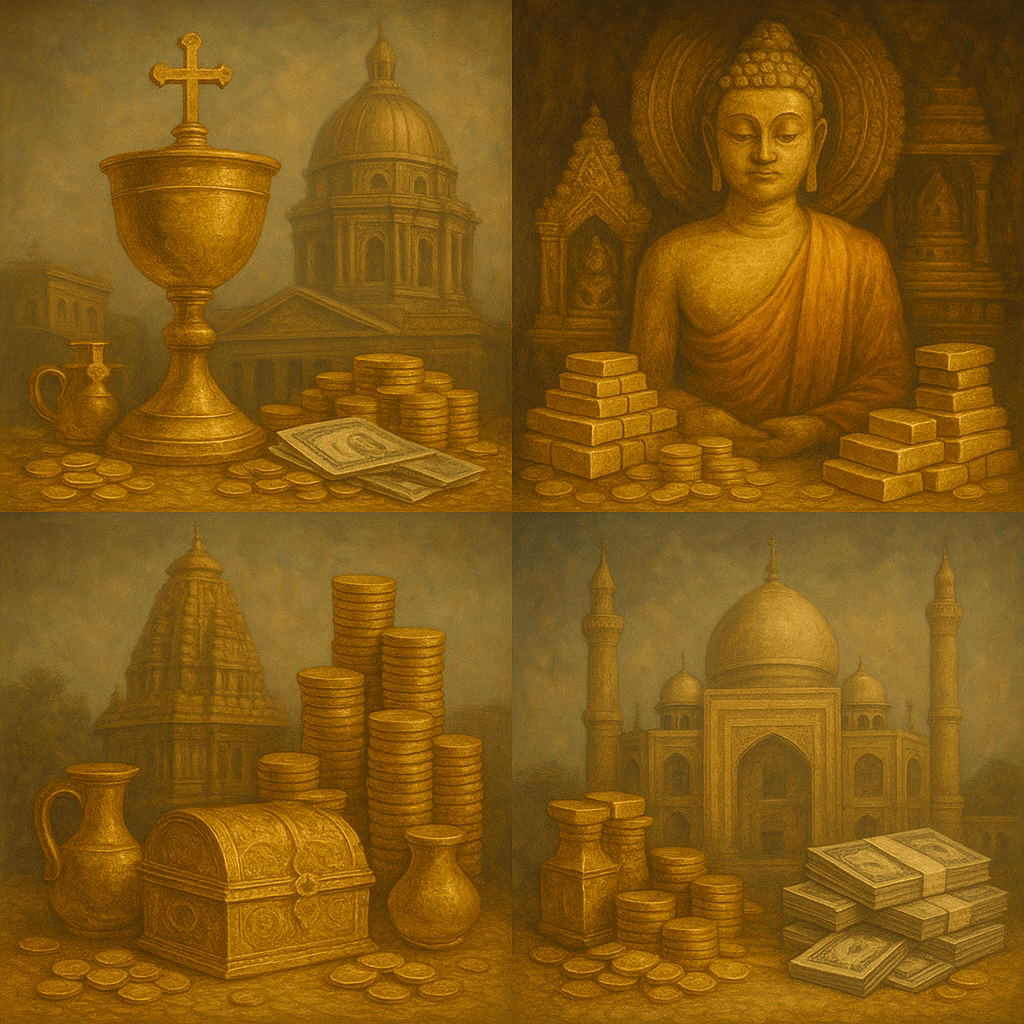
Across time and cultures, the greatest spiritual teachers have emphasized simplicity, humility, and inner transformation. Yet, paradoxically, the institutions that grow around these teachings often accumulate material wealth, political power, and ego-driven prestige.
Christianity, Buddhism, Hinduism, Islam, all at their core, advocate for the shedding of worldly attachments. Yet many of their largest institutions exhibit the very materialism and hierarchy their founders warned against. In light of today’s cultural unrest, consumerism, and spiritual seeking, these contradictions deserve closer reflection.
A Humble Beginning
Jesus of Nazareth lived with radical humility. His birth in a manger (Luke 2:7, New International Version [NIV]), his itinerant lifestyle (“the Son of Man has no place to lay his head,” Luke 9:58, NIV), and his repeated critiques of religious legalism (Matthew 23:1–28, NIV) demonstrate a clear rejection of material power and ritualized pretense.
He warned against storing up treasures on earth, urging people instead to seek spiritual treasures (Matthew 6:19–21, NIV). His message was direct: inner transformation and compassion mattered more than public ritual or personal gain.
And yet, centuries later, the Roman Catholic Church emerged from the very empire that crucified him, to became one of the wealthiest and most ritualized institutions in human history (MacCulloch, 2011).
A Universal Paradox
This irony is not exclusive to Christianity. It is a universal pattern across major belief systems:
Buddhism: Siddhartha Gautama, the Buddha, renounced his royal status to seek enlightenment through simplicity and meditation. His core teaching of the elimination of craving and attachment became institutionalized into monasteries and sects, some of which, over centuries, accumulated wealth, political influence, and hierarchical authority (Lopez, 2001).
Hinduism: Early Vedic teachings stressed detachment from material life through paths like Jnana (knowledge) and Bhakti (devotion). Yet, sprawling temple complexes, priestly hierarchies, and caste structures often mirrored societal materialism and status-seeking (Flood, 1996).
Islam: The Prophet Muhammad lived simply, called for humility, and emphasized equality among believers. Yet throughout history, caliphates and modern regimes alike have at times entangled faith with vast political and material ambitions (Esposito, 1998).
Again and again, humanity seems to be drawn to codify spiritual simplicity into worldly complexity.
Why Does This Happen?
From a psychological and sociological standpoint, this paradox might stem from natural human tendencies:
Desire for Security: Spiritual communities often accumulate resources to protect their teachings and communities from external threats.
Institutionalization: Movements grow into organizations, and organizations seek stability, leading to bureaucracy and hierarchy.
Human Ego: Even with the best intentions, individuals and groups may seek recognition, authority, and influence, contradicting the original teachings.
As the Tao Te Ching observes, “The higher the structure, the farther from the Way” (Laozi, trans. Mitchell, 1988).
Cultural Relevance Today
Today’s society, riddled with consumerism, curated self-images, and institutional distrust, mirrors these spiritual paradoxes. Many seekers are disillusioned with religious structures not because they reject faith, but because they crave authenticity.
Holistic health practitioners recognize that wellness is found in true balance of mind, body, and spirit, and requires stripping away external noise and realigning with essential truths. It’s not in grandeur but in simplicity that healing often occurs.
The example of figures like Jesus, Buddha, and Muhammad calls us back not to ritualized identity, but to the living essence of humility, compassion, and conscious living.
A Personal Reflection
This reflection isn’t a condemnation of all spiritual institutions. Rather, it is a call to vigilance:
Are we aligning with the heart of spiritual wisdom or merely its outer forms?
Are we living simply, authentically, and compassionately, or becoming entangled in ego, status, and recognition?
As individuals seeking holistic well-being, we are invited to live in the spirit rather than merely follow the form.
Spiritual maturity requires discernment and choosing the inward journey over external display, whether in religion, health, or daily life.
References
Esposito, J. L. (1998). Islam: The straight path (3rd ed.). Oxford University Press.
Flood, G. (1996). An introduction to Hinduism. Cambridge University Press.