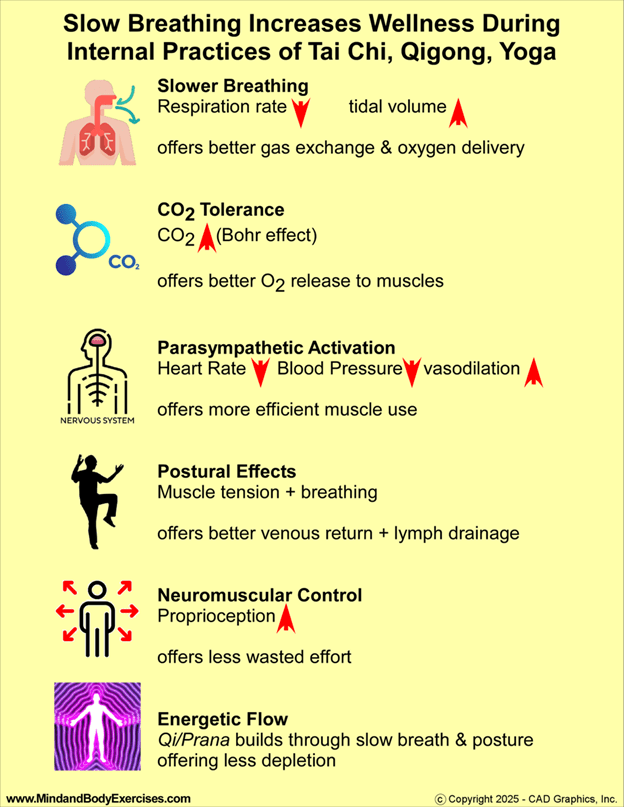
Slow Breathing, why is This Beneficial?

Internal practices like tai chi, qigong, and yoga: how slow, deep breathing can enhance rather than hinder oxygen delivery and energy during physically demanding postures. Let me unpack how this works from a Western physiological perspective, while also nodding to the energetic logic behind these practices.

Physiological Mechanisms at Play

1. Low Breathing Rate ≠ Low Oxygen Intake

  • When breathing frequency is reduced intentionally, it’s usually paired with deeper, more diaphragmatic breaths (also called “belly breathing”).
  • This increases tidal volume (the amount of air per breath), so although you’re breathing fewer times per minute, you may be getting the same or even more oxygen overall.
  • Slower breathing also enhances alveolar gas exchange because air stays in the lungs longer, allowing more thorough oxygen and CO₂ exchange.

Normal respiration rate: ~12 to 15 breaths/min (18 or more BPM when stressed)
In skilled practice: ~4–6 breaths/min (or less), with full exhalation and longer pause phases

2. Parasympathetic Activation and Efficiency

  • Slow, conscious breathing activates the parasympathetic nervous system (rest and digest), which:
    • Slows heart rate
    • Lowers blood pressure
    • Enhances vasodilation (better blood flow to extremities)
  • This reduces physiological tension, allowing the muscles to function more efficiently with less oxygen demand per unit of work.

3. Increased CO₂ Tolerance and Oxygen Utilization

  • Practices that involve breath retention or very slow breathing increase carbon dioxide (CO₂) tolerance.
  • Contrary to popular belief, CO₂ is the key signal for oxygen release via the Bohr effect:
    • Higher CO₂ levels shift hemoglobin to release more O₂ into tissues.
  • So, by tolerating higher CO₂, you actually increase oxygen delivery where it’s needed, especially in muscles under tension.

4. Improved Circulatory and Lymphatic Flow

  • Many postures in tai chi, yoga, and qigong involve dynamic tension, twisting, and limb positioning that:
    • Gently compress and release blood vessels (like a pump)
    • Aid in venous return (blood going back to the heart)
    • Enhance lymphatic drainage, helping with detox and immune function
  • Combined with deep breathing (which changes intra-thoracic pressure), these techniques mimic a second circulatory pump, where the breath and posture work together.

5. Enhanced Proprioception and Motor Control

  • By slowing breath and motion, practitioners become more aware of subtle muscle activation and joint positioning.
  • The cerebellum and somatosensory cortex are engaged more deeply, improving neuromuscular efficiency, so less “effort” is needed for the same or better results.
  • Muscles co-contract (yin-yang balance) with greater harmony, reducing unnecessary energy output.

Energetic and Traditional Viewpoint

From Traditional Chinese Medicine (TCM) or yogic perspectives:

  • Breath (qi/prana) is not just oxygen; it’s vital energy that nourishes tissues.
  • Slower breathing “builds” qi rather than expending it.
  • Holding postures while breathing deeply and slowly opens energy meridians, improves energy flow, and harmonizes internal organs.
  • In yoga, this aligns with pranayama and bandhas (locks), which store and redirect prana rather than dissipating it.
Summary: Why It Works

ChallengePhysiological Adaptation
Low breath rate under tensionIncreased tidal volume, better gas exchange
Increased CO₂Enhanced oxygen delivery via Bohr effect
Muscle demandGreater circulatory efficiency, less waste buildup
Nervous system stressParasympathetic dominance reduces overexertion
Static/dynamic posturesLymphatic drainage, better venous return
Breath–movement harmonyImproved motor control, proprioception, energetic alignment

References

Brown, R. P., & Gerbarg, P. L. (2005). Sudarshan Kriya Yogic Breathing in the Treatment of Stress, Anxiety, and Depression: Part II—Clinical Applications and Guidelines. The Journal of Alternative and Complementary Medicine, 11(4), 711–717. https://doi.org/10.1089/acm.2005.11.711

Jerath, R., Edry, J. W., Barnes, V. A., & Jerath, V. (2006). Physiology of long pranayamic breathing: Neural respiratory elements may provide a mechanism that explains how slow deep breathing shifts the autonomic nervous system. Medical Hypotheses, 67(3), 566–571. https://doi.org/10.1016/j.mehy.2006.02.042

Bernardi, L., Gabutti, A., Porta, C., & Spicuzza, L. (2001).
Slow breathing reduces chemoreflex response to hypoxia and hypercapnia, and increases baroreflex sensitivity.
Journal of Hypertension, 19(12), 2221–2229.
https://doi.org/10.1097/00004872-200112000-00016

Slow breathing reduces chemoreflex response to hypoxia and. . . : Journal of Hypertension. (n.d.). LWW. https://journals.lww.com/jhypertension/abstract/2001/12000/slow_breathing_reduces_chemoreflex_response_to.16.aspx

Streeter, C., Gerbarg, P., Saper, R., Ciraulo, D., & Brown, R. (2012). Effects of yoga on the autonomic nervous system, gamma-aminobutyric-acid, and allostasis in epilepsy, depression, and post-traumatic stress disorder. Medical Hypotheses, 78(5), 571–579. https://doi.org/10.1016/j.mehy.2012.01.021

Lehrer, P. M., & Gevirtz, R. (2014). Heart rate variability biofeedback: how and why does it work? Frontiers in Psychology, 5. https://doi.org/10.3389/fpsyg.2014.00756

I look forward to further sharing more of my message by partnering with hospitals, wellness centers, VA centers, schools on all levels, businesses, and individuals who see the value in building a stronger nation through building a healthier population.

I also have hundreds of FREE education video classes, lectures, and seminars available on my YouTube channel at:

https://www.youtube.com/c/MindandBodyExercises

Many of my publications can be found on Amazon at:

http://www.Amazon.com/author/jimmoltzan

My holistic health blog is available at:

https://mindandbodyexercises.wordpress.com/

http://www.MindAndBodyExercises.com

Mind and Body Exercises on Google: https://posts.gle/aD47Qo

Jim Moltzan

407-234-0119

From Dominion to Stewardship – Rethinking Humanity’s Relationship with Nature

1) Biblical hierarchy and stewardship

In much of Christian theology, humans are uniquely imago Dei, or made “in the image of God” with dominion over other creatures (Genesis 1:26–28; Psalm 8:4–8; cf. Heb 2:7–8). Contemporary Christian environmental thought often reframes dominion as stewardship or “servant leadership,” emphasizing care and restraint rather than exploitation (Francis, 2015). Still, the structure remains anthropocentric: nonhuman nature tends to be valued in relation to human purposes and a theistic teleology (White, 1967; Francis, 2015).

Ethical implication: Duties toward animals and ecosystems are real, but typically derivative of humanity’s special role (Genesis 2:15; Francis, 2015).

2) Eastern and Indigenous alternatives: interdependence, not rank

Taoism treats humans, animals, and plants as natural expressions of the Dao; forcing order upon nature violates ziran (“self-so-ing/naturalness”) and wu-wei (non-coercive action) (Laozi, trans. 2003; Ames & Hall, 2003).


Buddhism grounds ethics in universal suffering and interdependence; compassion (karuṇā) extends to all sentient beings, often motivating non-harm (ahimsa) and vegetarian practice (Harvey, 2000).


Indigenous traditions frequently articulate kinship ethics, “all my relations” where rivers, mountains, animals, and plants are relatives to whom humans owe reciprocity (Kimmerer, 2013).

Ethical implication: Nature has intrinsic (not merely instrumental) value, and human flourishing is inseparable from the flourishing of other beings (Harvey, 2000; Kimmerer, 2013).

3) Modern ecological philosophies: intrinsic value and systems thinking

Deep ecology (Næss, 1973) argues that all beings possess intrinsic worth independent of usefulness to humans. Land-ethic thinking (Leopold, 1949) expands the moral community to “soils, waters, plants, and animals, or collectively: the land.” Gaia theory (Lovelock, 1979/2000) models Earth as a self-regulating system, underscoring the fragility of human-centric control.

Ethical implication: Policies should protect ecological integrity even when short-term human interests would benefit from extraction (Leopold, 1949; Næss, 1973).

4) Practical consequences for law, policy, and everyday ethics

Animal ethics

  • Anthropocentric stewardship: Emphasizes humane treatment but often permits intensive animal agriculture if human benefits are high.
  • Biocentric/rights-based approaches: Argue certain animals possess rights or strong interests that humans must not override (Regan, 1983; Singer, 1975).

Conservation and land use

  • Stewardship model: Conservation is prudent management of resources for human and intergenerational benefit.
  • Ecocentric model: Prioritizes ecosystem health and biodiversity for their own sake; restoration and rewilding become moral imperatives (Leopold, 1949).

Law and “standing”

  • Anthropocentric legal systems: Traditionally require human victims to claim harm.
  • Innovations influenced by ecocentrism: Proposals that forests, rivers, or ecosystems have legal standing (Stone, 1972/2010) reflect a shift toward recognizing nature as a rights-bearing subject, not merely a resource.

5) Is reconciliation possible?

Some Christian thinkers integrate stewardship with integral ecology, arguing that dominion rightly understood forbids domination and demands solidarity with nonhuman creation (Francis, 2015). Critics respond that even reinterpreted, the underlying hierarchy keeps human interests central in ways that can subtly re-authorize extractive patterns (White, 1967; Callicott, 1989).

Bottom line: Yes, there is real philosophical conflict. The biblical hierarchy, softened by stewardship, remains anthropocentric; many Eastern, Indigenous, and ecological philosophies are biocentric/ecocentric, grounding dignity and moral considerability in interdependence and intrinsic value. Those starting points reliably produce different judgments about animal agriculture, wildlife protection, climate policy, and the legal status of nature.

References:

Ames, R. T., & Hall, D. L. (2003). Dao De Jing: A philosophical translation. Ballantine.

Callicott, J. B. (1989). In defense of the land ethic: Essays in environmental philosophy. SUNY Press. https://archive.org/details/indefenseoflande0000call

Francis. (2015). Laudato Si’: On care for our common home. Vatican Press. https://archive.org/details/laudatosioncaref0000cath

Genesis 1:26-28 (NIV). (n.d.). Bible Gateway. https://www.biblegateway.com/passage/?search=Genesis%201%3A26-28%2CGenesis%202%3A18-25&version=NIV

Harvey, P. (2000). An introduction to Buddhist ethics: Foundations, values and issues. Cambridge University Press. https://archive.org/details/introductiontobu0000harv

Kimmerer, R. W. (2013). Braiding sweetgrass : indigenous wisdom, scientific knowledge and the teachings of plants (First Edition, pp. 1–312) [Book]. Milkweed Editions. https://archive.centerforthehumanities.org/files/downloads/Robin-Wall-Kimmerer_-The-Sacred-and-the-Superfund.pdf

Laozi. (2003). Tao Te Ching (D. C. Lau, Trans.). Penguin. (Original work ca. 6th–4th c. BCE)

Leopold, A. (1949). A sand county almanac. Oxford University Press.

Lovelock, J. (2000). Gaia: A new look at life on Earth (Rev. ed.). Oxford University Press. (Original work published 1979) https://archive.org/details/gaianewlookatlif00loverich/page/n5/mode/2up

Naess, A. (1973). The shallow and the deep, long-range ecology movement. Inquiry, 16(1–4), 95–100. https://doi.org/10.1080/00201747308601682

Regan, T. (1983). The case for animal rights. University of California Press. https://archive.org/details/caseforanimalrig00regarich

Singer, P. (1975). Animal liberation. HarperCollins.

Stone, C. D. (2010). Should trees have standing? Law, morality, and the environment (3rd ed.). Oxford University Press. (Original essay published 1972) https://archive.org/details/shouldtreeshaves00ston

White, L., Jr. (1967). The historical roots of our ecologic crisis. Science, 155(3767), 1203–1207. https://doi.org/10.1126/science.155.3767.1203

Dom/Dam – Trapped Air and Energetic Stagnation

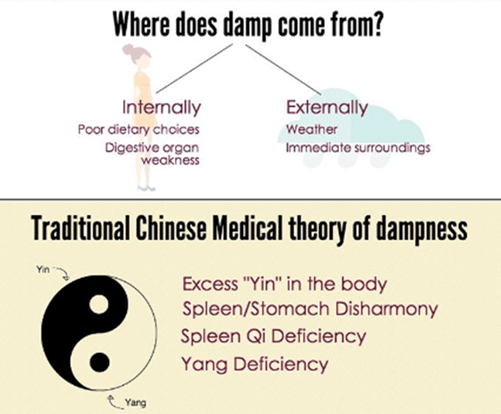
In some Korean martial and healing traditions, the term dom (often a variant of dam) describes a condition thought to arise from exposure to cold drafts or sleeping with a window open. Symptoms include lack of vitality, discomfort, heaviness, and energetic stagnation. While not commonly discussed in English by this name, the concept closely parallels the Traditional Chinese Medicine (TCM) categories of phlegm–dampness and wind–cold invasion.

Traditional Medical Background

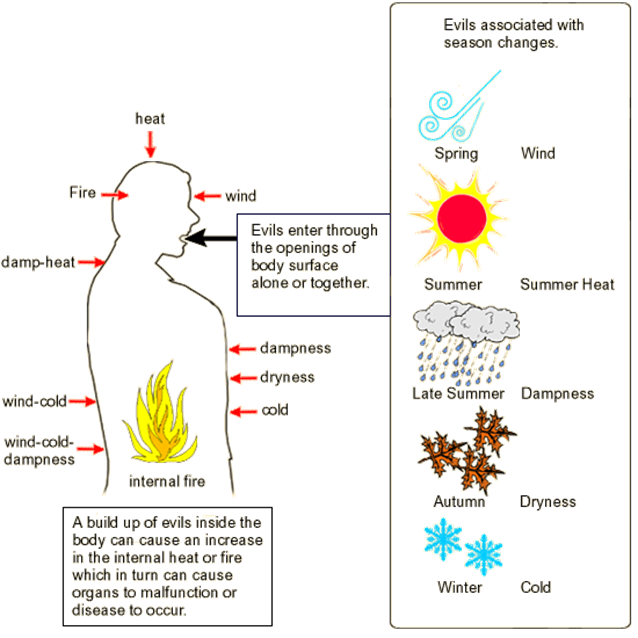
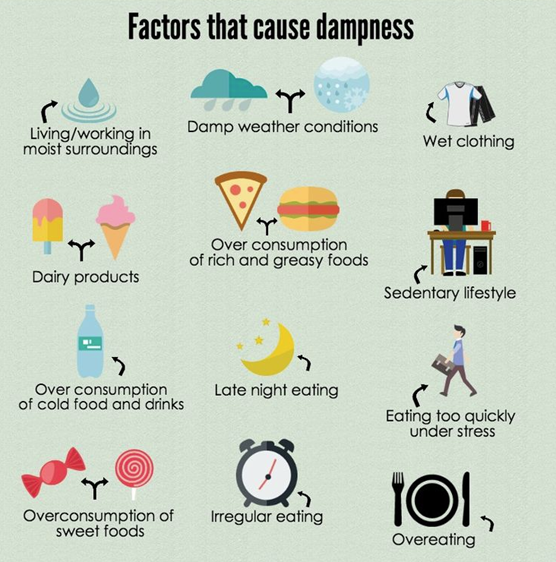
In TCM, pathogenic factors such as wind and cold are considered external influences that can enter the body when its defenses are lowered. This invasion disrupts the circulation of qi (vital energy) and blood, leading to stiffness, fatigue, and discomfort (Dashtdar et al., 2016). Similarly, dampness and phlegm are understood as byproducts of impaired fluid metabolism, often linked to cold exposure or digestive weakness. These accumulations obstruct energetic pathways, creating heaviness, fogginess, and stagnation (Zhang et al., 2020).

The Korean medicine concept of dam-eum, or “phlegm fluids,” corresponds to these pathological states, describing the presence of stagnant fluids that may not be visible but are experienced as internal fullness, lack of energy, or digestive discomfort (Li et al., 2012). Martial and Taoist teachers often simplified this into the shorthand dom, framing it as “trapped air” or “blocked energy.”

Symptoms and Manifestations

English language descriptions of phlegm–dampness and wind–cold invasion list many of the same features attributed to dom/dam:

  • Fatigue, sluggishness, and heaviness in the body (Wang et al., 2013).
  • Cold sensitivity, stiffness, and discomfort after exposure to drafts (Me & Qi, 2023).
  • Digestive issues such as bloating and poor appetite, associated with damp accumulation (Zhang et al., 2020).
  • Mental cloudiness or lack of clarity, often linked to phlegm obstructing the head and chest (Dashtdar et al., 2016).

Prevention and Treatment Approaches

Traditional approaches emphasize prevention, such as avoiding exposure to drafts during sleep, especially after exertion or sweating. Lifestyle recommendations include warming foods, avoiding raw or cold diets, and using movement or breathwork to restore circulation (Allina Health, 2023). In clinical TCM practice, herbal formulas like Er Chen Tang for phlegm–dampness or Ma Huang Tang for wind–cold invasion are applied (Me & Qi, 2023).

TCM/Korean‐medicine TermWhat It Means / RoleHow It Relates to Dom/Dam
Wind-Cold InvasionAn external pathogenic factor (wind + cold) enters the body’s surface (defensive Qi layer), disturbing the balance, causing symptoms like chills, stiffness, aversion to cold, lack of warmth, heaviness.The triggering condition in dom/dam is often cold or draft exposure. The cold “invasion” idea explains how external air (wind/cold) is believed to penetrate and cause internal stagnation. Sources: Me & Qi (“Wind-Cold invading the Lungs”) overview. (meandqi.com)
Phlegm-Dampness / phlegm-damp)When the body’s fluid metabolism is impaired (often via weak spleen/stomach function in TCM), fluids accumulate, become turbid, sticky, heavy. These can become invisible but felt as heaviness, fullness, sluggishness, obstructing Qi flow. Also called “damp-phlegm.”Dom/dam’s description of “trapped air,” heaviness, discomfort matches many symptoms of phlegm-dampness. Also, sleep in damp/cold drafts can promote formation of dampness + phlegm in TCM doctrine. Sources: Phlegm-Dampness Constitution studies; “What is Phlegm?” overview. (Wang et al., 2013)
Exterior Cold / Tai Yang PatternIn the Six Stages theory (e.g. Shang Han Lun), exposure to cold at the exterior (surface) level can produce Tai Yang syndromes: stiff neck or muscles, chills, sensitivity to cold, no sweat, etc. Early cold invasion that, if not resolved, can lead to deeper pathology. (Wikipedia)Dom/dam appears sometimes as a mild or chronic form of cold exposure: not always acute chills or fever, more an ongoing discomfort, stagnation, and lowered function. This maps to weaker or lingering exterior cold/dampness invasion.

The martial arts term dom can thus be understood as a culturally adapted expression of the broader East Asian medical concepts of phlegm–dampness and wind–cold invasion. It highlights the belief that environmental exposure, particularly to cold drafts, can impair vitality, obstruct energy flow, and lead to discomfort or stagnation. In both martial and medical contexts, the focus is on protecting the body from harmful influences while maintaining balance through lifestyle, environment, and practice.

References:

Allina Health. (2023). Fight the cold and flu with Chinese medicine. Allina Health. https://www.allinahealth.org/healthysetgo/care/fight-the-cold-and-flu-with-chinese-medicine

Chan, D., & Chan, D. (2023, October 14). Dampness – Everything you need to know |. ‣. https://dougleschan.com/health/dampness/

Dashtdar, M., Dashtdar, M. R., Dashtdar, B., Kardi, K., & Shirazi, M. K. (2016). The concept of wind in traditional Chinese medicine. Journal of Pharmacopuncture, 19(4), 293–302. https://doi.org/10.3831/kpi.2016.19.030

Me & Qi. (2023). Wind–cold invading the lungs. Me & Qi Traditional Chinese Medicine Education Center. https://www.meandqi.com/tcm-education-center/patterns/wind-cold-invading-the-lungs

Wang, J., Wang, Q., Li, L., Li, Y., Zhang, H., Zheng, L., Yang, L., Zheng, Y., Yang, Y., Peng, G., Zhang, Y., & Han, Y. (2013). Phlegm-Dampness Constitution: Genomics, Susceptibility, Adjustment and Treatment with Traditional Chinese Medicine. The American Journal of Chinese Medicine, 41(02), 253–262. https://doi.org/10.1142/s0192415x13500183

Wikipedia contributors. (2025, May 6). Shanghan Lun. Wikipedia. https://en.wikipedia.org/wiki/Shanghan_Lun?utm_source=chatgpt.com

Zhang, Y., Wang, Z., Zhang, Y., Tong, H., Zhang, Y., & Lu, T. (2020). Potential mechanisms for traditional Chinese medicine in treating airway mucus hypersecretion associated with coronavirus Disease 2019. Frontiers in Molecular Biosciences, 7. https://doi.org/10.3389/fmolb.2020.577285

Reflections on Dopamine, Addiction, and Mental Health

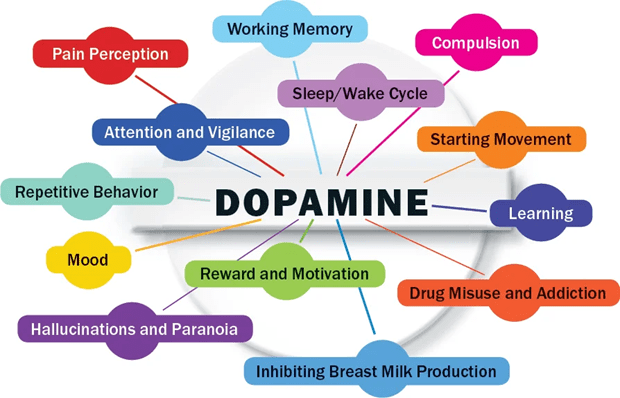
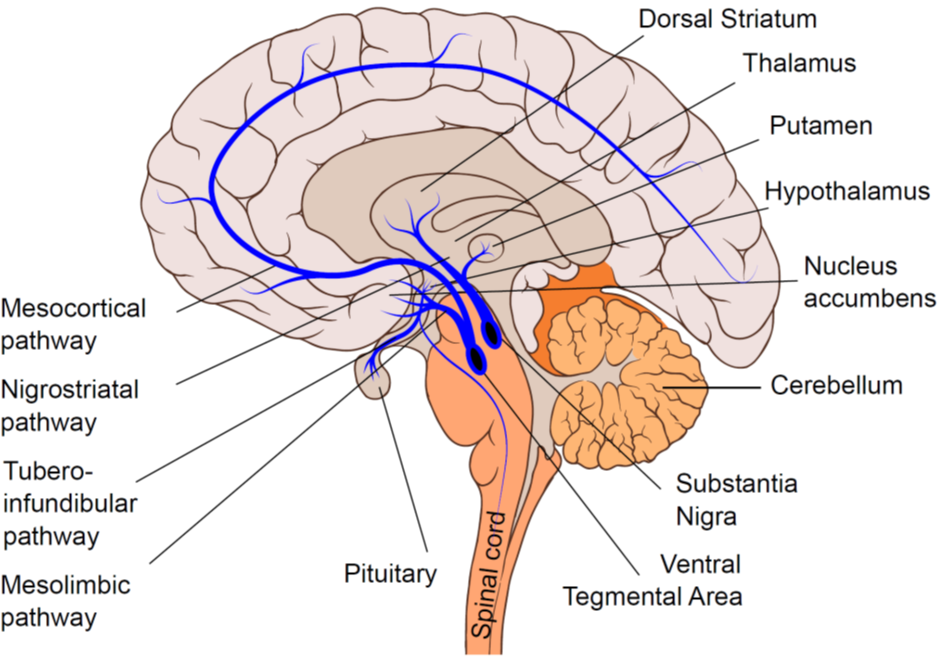
Through my exploration of the neuroscience of dopamine, I’ve come to appreciate its profound role in our emotional lives. Dopamine is far more than a “pleasure molecule”; it is essential for motivation, movement, and maintaining the delicate balance between pleasure and pain in the brain (Volkow & Morales, 2015). Understanding this balance has helped me see why addiction and mood disorders are so difficult to overcome.

One key insight is that our experience of pleasure or pain depends on fluctuations from a baseline level of dopamine, rather than absolute levels themselves. Chronic overstimulation, whether from substances, gambling, or social media, lowers this baseline over time, creating a dopamine-deficit state that can manifest as depression, anxiety, or compulsive behaviors (Koob & Le Moal, 2008; Grace, 2000).

The “pleasure-pain balance” in the brain acts like a seesaw: when dopamine surges from a pleasurable experience, the brain compensates by tilting toward pain to maintain homeostasis (Lembke, 2021). This explains why repeated highs can paradoxically lead to emotional lows, trapping people in cycles of craving and withdrawal.

It’s also clear to me that individual differences, including genetics, temperament, and life experiences, can play a powerful role in addiction vulnerability. For example, impulsiveness, a trait that may have been beneficial for survival in ancient environments, becomes a liability in today’s world of constant sensory stimulation, increasing the risk of addiction (Bickel et al., 2006).

Recognizing the value of a “dopamine reset,” I see the clinical wisdom in recommending about 30 days of abstinence from addictive substances or behaviors. This period allows dopamine receptor sensitivity and transmission to recover, helping restore emotional balance and reduce cravings. The first two weeks are typically the most challenging, but pushing through this phase can reset dopamine pathways and improve mood (Lembke, 2021).

Another powerful realization is that truth-telling can be a therapeutic tool. Honesty engages the prefrontal cortex, the part of the brain responsible for self-control and planning, helping to regulate the limbic system’s reward circuits and reducing the risk of relapse (Goldstein & Volkow, 2011). Even small daily acts of honesty can strengthen these neural pathways.

In addition, the emerging use of psychedelic-assisted therapy with substances like MDMA or psilocybin shows promise for treating addiction, but it is not a one-size-fits-all solution. These treatments must be approached cautiously and conducted in clinical settings with appropriate oversight to ensure safety and efficacy (Carhart-Harris & Goodwin, 2017).

Finally, I’ve come to view social media as a potent dopamine stimulator engineered to exploit the brain’s reward system in ways strikingly similar to addictive drugs. Excessive use can fragment attention, lower baseline dopamine, and erode real-life social connections. Intentional boundaries are crucial to prevent compulsive patterns and protect mental health in our increasingly digital world (Montag et al., 2019).

Key Takeaways

  • Dopamine is critical for motivation, movement, and pleasure; dysfunction disrupts mood and drive (Palmiter, 2008).
  • The brain’s pleasure-pain balance means each dopamine high is followed by a compensatory low, explaining emotional crashes after overstimulation (Lembke, 2021).
  •  A “30-day dopamine reset” can restore healthy dopamine signaling and emotional stability (Lembke, 2021).
  • Truth-telling engages prefrontal circuits, strengthening self-regulation and supporting recovery (Goldstein & Volkow, 2011).
  • Psychedelic-assisted therapy shows promise but must be approached carefully with professional supervision (Carhart-Harris & Goodwin, 2017).
  • Social media exploits dopamine systems, requiring intentional boundaries to protect focus and well-being (Montag et al., 2019).

Conclusion

Reflecting on the neuroscience of dopamine has deepened my understanding of how pleasure and pain are intimately linked in the brain. Recognizing the risks of chronic overstimulation and the power of tools like dopamine resets, radical honesty, and mindful technology use provides a path forward in maintaining emotional health and resilience. These insights offer practical ways to navigate today’s dopamine-saturated world with greater awareness and balance.

References

Bickel, W. K., Miller, M. L., Yi, R., Kowal, B. P., Lindquist, D. M., & Pitcock, J. A. (2006). Behavioral and neuroeconomics of drug addiction: Competing neural systems and temporal discounting processes. Drug and Alcohol Dependence, 90, S85–S91. https://doi.org/10.1016/j.drugalcdep.2006.09.016

Carhart-Harris, R. L., & Goodwin, G. M. (2017). The therapeutic potential of psychedelic drugs: Past, present, and future. Neuropsychopharmacology, 42(11), 2105–2113. https://doi.org/10.1038/npp.2017.84

Goldstein, R. Z., & Volkow, N. D. (2011). Dysfunction of the prefrontal cortex in addiction: Neuroimaging findings and clinical implications. Nature Reviews Neuroscience, 12(11), 652–669. https://doi.org/10.1038/nrn3119

Grace, A. (2000). Gating of information flow within the limbic system and the pathophysiology of schizophrenia. Brain Research Reviews, 31(2–3), 330–341. https://doi.org/10.1016/s0165-0173(99)00049-1

Koob, G. F., & Le Moal, M. (2008). Addiction and the brain antireward system. Annual Review of Psychology, 59, 29–53. https://doi.org/10.1146/annurev.psych.59.103006.093548

Lembke, A. (2021). Dopamine nation: Finding balance in the age of indulgence. Dutton.

Montag, C., Wegmann, E., Sariyska, R., Demetrovics, Z., & Brand, M. (2019). How to overcome taxonomical problems in the study of Internet use disorders and what to do with “smartphone addiction”? Journal of Behavioral Addictions, 9(4), 908–914. https://doi.org/10.1556/2006.8.2019.59

Palmiter, R. D. (2008). Dopamine signaling in the dorsal striatum is essential for motivated behaviors: Lessons from dopamine-deficient mice. Annals of the New York Academy of Sciences, 1129(1), 35–46. https://doi.org/10.1196/annals.1417.003

Volkow, N. D., & Morales, M. (2015). The brain on drugs: From reward to addiction. Cell, 162(4), 712–725. https://doi.org/10.1016/j.cell.2015.07.046

Nose Breathing vs. Mouth Breathing

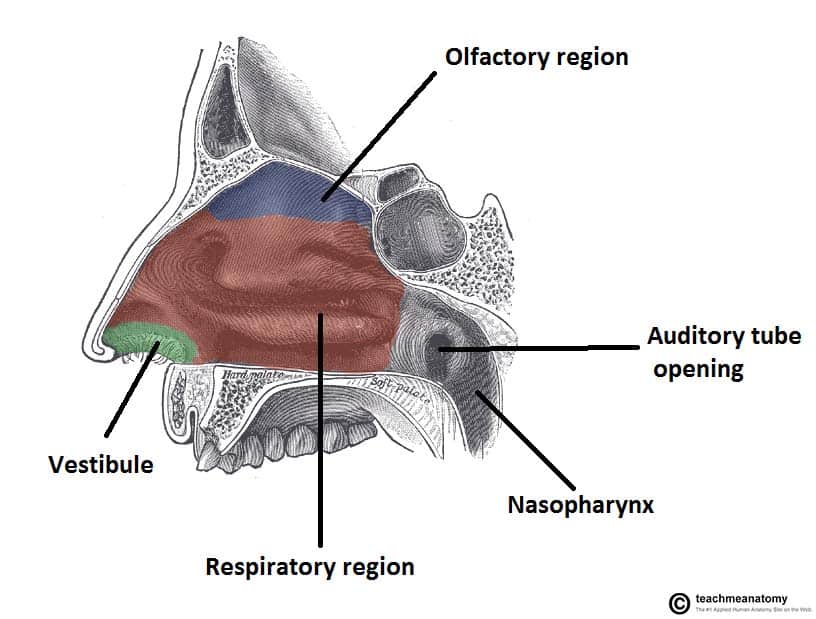
Among many healthcare professionals, fitness enthusiasts, martial artists, musical instrument performers, and others understand that breathing through the nose, or nasal breathing is generally considered better than breathing solely through the mouth for several reasons:

1. Improved Air Filtration

  • Moist nasal passages help to filter pollen, dust, pathogens, and other allergens through tiny hairs called cilia and mucus which protect the lungs from harmful particles.

2. Increased Oxygen Absorption

  • Nasal breathing can slow down the rate of airflow, allowing more time for oxygen exchange in the lungs. This consequently leads to better oxygen delivery to tissues.

3. Better Air Humidification and Temperature Regulation

  • The nasal passages warm and humidify incoming air, helping to reduce irritation to the respiratory tract and improving overall comfort, particularly in dry or cold climates.

4. Nitric Oxide Production

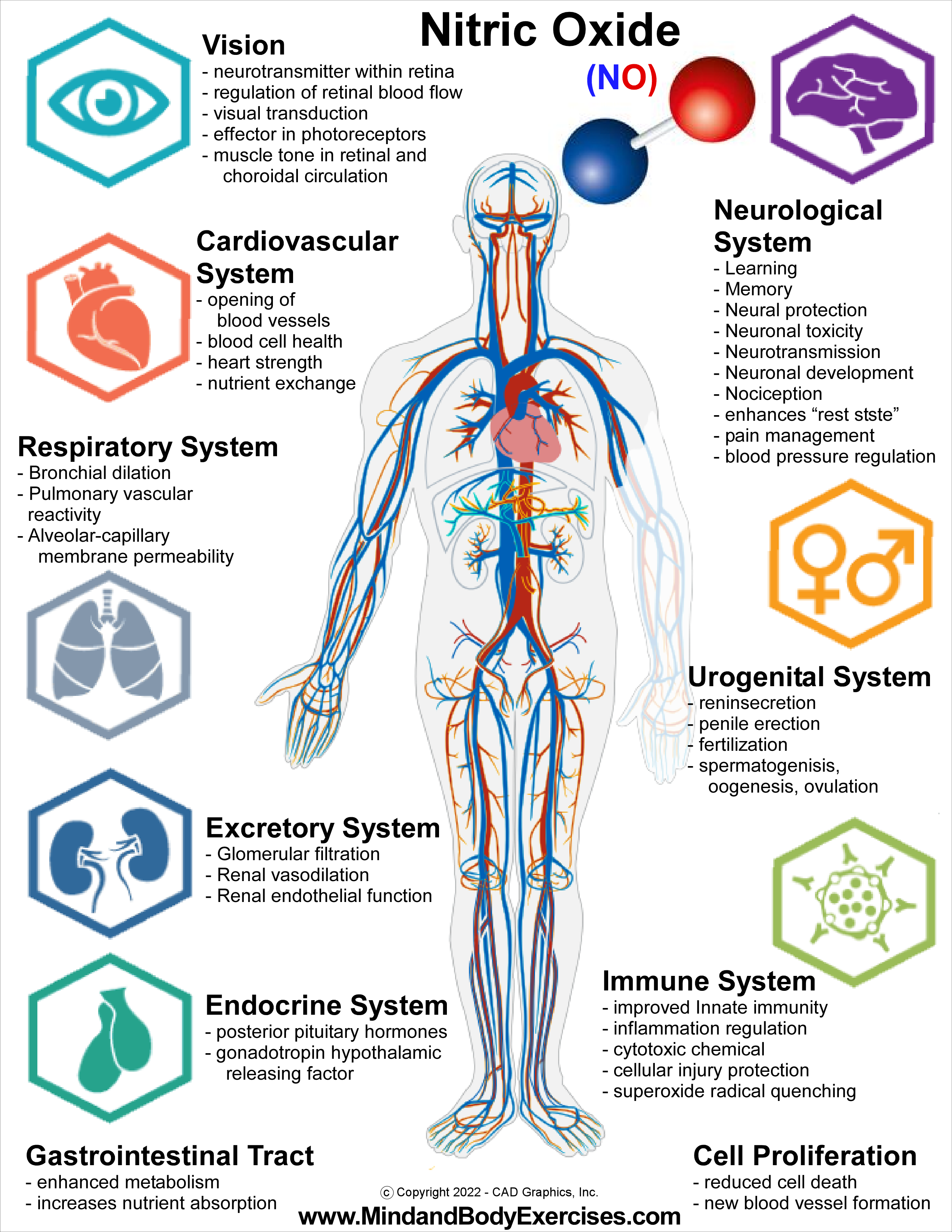
  • Nasal breathing aids in the production of nitric oxide (NO), which improves blood circulation by dilating blood vessels, enhances oxygen absorption and boosts immune function by killing harmful bacteria and viruses.

5. Supports Proper Diaphragmatic Breathing

  • Nasal breathing encourages deeper, more controlled breathing, activating the respiratory diaphragm and reducing shallow, chest-dominated breaths often associated with stress.

6. Better Sleep Quality

  • Nasal breathing reduces snoring and thus reduces the risk of sleep apnea, promoting more restful and restorative sleep.

7. Improved Oral Health

  • Keeping the mouth closed during breathing is thought to prevent dry mouth, reducing the risk of cavities, gum disease, and bad breath.

8. Enhancement of Athletic Performance

  • Nasal breathing increases endurance and efficient energy use, by improving oxygen uptake and reducing the buildup of carbon dioxide within the bloodstream.

9. Balanced CO₂ and Oxygen Levels

  • Breathing through the nose helps maintain an optimal balance of carbon dioxide and oxygen in the blood, supporting cellular metabolism and calming the nervous system.

10. Supports Facial Development (in Children)

  • In children, nasal breathing promotes proper tongue posture and jaw development, reducing the risk of orthodontic issues and improving facial structure.

11. Promotes Postural Alignment

  • Nasal breathing supports proper tongue posture, which can improve overall posture and reduce strain on the neck and back.

12. Reduced Stress and Anxiety

  • Nasal breathing activates the parasympathetic nervous system, which helps reduce heart rate and stress levels, promoting a calm and focused state of mind.

13. Boosts Cognitive Function

  • Consistent oxygen distribution to the brain enhances focus, memory, and decision-making capabilities.

14. Voice Quality and Speech Clarity

  • Maintaining nasal breathing increases vocal cord health and improves voice resonance and clarity.

There may be situations where breathing through the mouth is necessary or preferable, such as during intense physical exertion or when experiencing nasal congestion. However, nasal breathing is considered the more natural and physiologically advantageous way to breathe. If someone experiences chronic nasal congestion or other issues that impede nasal breathing, it’s advisable to consult with a healthcare professional.

I teach and offer lectures about holistic health, physical fitness, stress management, human behavior, meditation, phytotherapy (herbs), music for healing, self-massage (acupressure), Daoyin (yoga), qigong, tai chi, and baguazhang.

Please contact me if you, your business, organization, or group might be interested in hosting me to speak on a wide range of topics related to better health, fitness, and well-being.

I look forward to further sharing my message by partnering with hospitals, wellness centers, VA centers, schools on all levels, businesses, and individuals who see the value in building a stronger nation through a healthier population.

I also have hundreds of FREE education video classes, lectures, and seminars available on my YouTube channel at:

https://www.youtube.com/c/MindandBodyExercises

Many of my publications can be found on Amazon at:

http://www.Amazon.com/author/jimmoltzan

My holistic health blog is available at:

https://mindandbodyexercises.wordpress.com/

http://www.MindAndBodyExercises.com

Mind and Body Exercises on Google: https://posts.gle/aD47Qo

Jim Moltzan