The Value of a Teacher: Compensation, Contribution, and Legacy

Throughout my life, I have studied with and observed a wide variety of teachers, instructors, mentors, coaches, authors, clergy, and educators. Some charged substantial fees for their services. Others charged very little. A few seemingly taught for free. Yet despite these differences, many shared a common goal: helping others improve themselves, acquire knowledge, develop skills, and become better versions of themselves.

This has led me to ponder an interesting question. If two individuals possess similar knowledge, experience, and teaching ability, why does one command significantly higher compensation than the other? What determines the value of a teacher, a lesson, or a body of knowledge?

The answer is more complex than it first appears. It involves economics, psychology, philosophy, human behavior, marketing, networking, and perhaps even our deeper understanding of what constitutes a meaningful life.

The Difference Between Value and Price

One of the first lessons I learned in both business and education is that value and price are not necessarily the same thing.

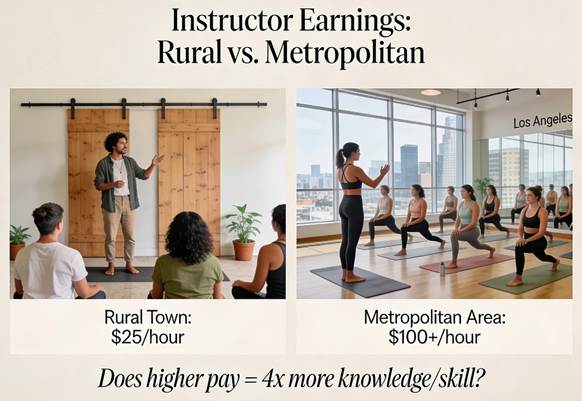
A highly skilled Tai Chi instructor in a wealthy metropolitan area may charge several hundred dollars for a private lesson, while an equally skilled instructor in a small rural community may charge a fraction of that amount. The difference may have little to do with the quality of instruction and much to do with demographics, local economics, networking, marketing, and perceived value.

Similarly, some authors sell millions of books while others with equal or greater expertise struggle to reach a small audience. Some speakers command large appearance fees, while others speak to small groups for little compensation.

In many cases, people pay not only for knowledge but also for reputation, accessibility, presentation, convenience, credentials, and social proof (Cialdini, 2021). This reality can be frustrating because we often want to believe that expertise alone determines success. Yet experience suggests that the ability to communicate value is frequently as important as the knowledge itself.

As someone who has spent decades in the wellness, martial arts, and holistic health fields, I have observed this phenomenon repeatedly. I have known exceptionally skilled practitioners who dedicated their lives to studying human movement, health, breathing methods, philosophy, self-cultivation, and personal development, yet struggled financially throughout much of their careers. Some possessed extraordinary knowledge and practical skill but lacked the business experience, networking opportunities, marketing ability, or desire for self-promotion that often accompanies financial success.

Conversely, I have encountered individuals with less depth of knowledge who prospered because they were highly effective marketers, communicators, networkers, or entrepreneurs. While expertise certainly matters, the marketplace frequently rewards visibility and perceived value as much as actual knowledge.

This observation is not intended as criticism. Teaching and business are separate skill sets. Mastering one does not automatically guarantee mastery of the other. Some of the finest teachers I have known were not particularly interested in business. Likewise, some successful businesspeople are remarkably effective at presenting information even when their knowledge base may not be especially deep.

The ideal situation, of course, occurs when deep expertise and effective communication coexist within the same individual. Such teachers not only possess valuable knowledge but also have the ability to reach larger audiences and positively influence more people.

Why Students Often Value What They Invest In

There is also a psychological component to the equation.

People tend to place greater value on things in which they have invested time, money, effort, or sacrifice. Behavioral researchers have long observed that individuals often place greater importance on outcomes that require meaningful investment to obtain (Aronson & Mills, 1959).

Most teachers have observed this firsthand.

A free workshop may attract many registrations but few committed participants. The same workshop with a modest fee often attracts fewer people but greater engagement. The information may be identical, yet the students’ commitment differs.

This does not mean that knowledge itself becomes more valuable because of the price. Rather, the student’s willingness to learn may increase because they have invested something of themselves in the process.

From a holistic perspective, learning is rarely a one-way transaction. The teacher contributes knowledge and experience. The student contributes effort, attention, discipline, and often financial resources. Together, these elements create an environment conducive to growth.

The Idea of Free Knowledge

Many people believe that valuable knowledge should be freely shared for the benefit of humanity. There is certainly merit to this perspective.

Human progress has often depended upon individuals who generously shared their discoveries, teachings, and insights with others. Scientific advancement, philosophical inquiry, spiritual traditions, and educational institutions have all benefited from those willing to contribute knowledge beyond their own personal gain.

As someone who has spent decades teaching health, wellness, martial arts, breathing methods, stress management, and self-development, I understand the appeal of this viewpoint. There is genuine satisfaction in helping others become healthier, stronger, more capable, and more self-aware.

However, there is also a practical reality that cannot be ignored.

The Reality of Making a Living

While many people advocate for freely sharing wisdom and education, teachers live in the same economic world as everyone else.

They must pay for housing, food, transportation, healthcare, utilities, taxes, insurance, and countless other necessities of daily life. If an individual teaches full-time yet receives no compensation, how are they expected to survive economically?

We do not live in an alternative reality where goods and services magically appear without cost. Every civilization throughout history has developed some form of exchange system. Whether through barter, patronage, gifts, labor, donations, or currency, human societies have always found ways to compensate those who provide value.

Even many of history’s great teachers received support. Philosophers often relied on patrons. Monastic communities depended upon donations. Martial arts masters accepted tuition, gifts, lodging, or labor from students. Religious leaders were frequently sustained by the communities they served.

The form of compensation varied, but the principle remained consistent: those who dedicate their lives to helping others generally require support from those who benefit from their efforts.

This reality also exposes a contradiction that occasionally emerges in discussions about teaching and service. Many people argue that wisdom should be freely given, yet few professionals voluntarily abandon their own incomes to provide full-time services without compensation. Likewise, I have met very few teachers who genuinely accept nothing in return. Even when money is absent, gifts, donations, meals, lodging, favors, social support, or prestige often become alternative forms of exchange.

If everything were truly free, there would be little incentive for many individuals to dedicate decades of study and practice toward mastering a subject and then teaching it to others. Most people are willing to volunteer some of their time. Few can realistically volunteer all of their time indefinitely while still meeting their own needs and obligations.

Perhaps the more realistic question is not whether teachers should be compensated, but rather what constitutes fair compensation and how to balance earning a living with serving others.

The Problem With Measuring Success by Money Alone

At the same time, compensation should not become the sole measure of a teacher’s worth. Modern society often equates financial success with competence, wisdom, or importance. Those with large followings, bestselling books, substantial incomes, and celebrity status are frequently assumed to be superior teachers. History suggests otherwise.

Some of humanity’s most influential teachers accumulated little wealth. Others amassed considerable fortunes. Neither outcome automatically validates nor invalidates their contribution. The true value of a teacher may be difficult to measure using financial metrics alone.

How do we quantify the student who overcame depression after receiving guidance? How do we measure the impact of a mentor who inspired someone to pursue a healthier lifestyle? How do we assign monetary value to wisdom that prevented years of unnecessary suffering? How do we calculate the worth of helping another human being discover purpose, confidence, resilience, or meaning?

These outcomes rarely appear on financial statements, yet they may represent the most meaningful contributions a teacher can make.

The Yin and Yang of Compensation and Contribution

From the perspective of Eastern philosophy, this issue resembles a yin-yang relationship. Compensation and contribution are not opposing forces. They are complementary forces that require balance. Too much emphasis on profit can transform teaching into little more than a business transaction. Knowledge becomes commodified, and students become customers rather than individuals seeking growth.

Conversely, too little concern for compensation may leave the teacher unable to continue serving others. Burnout, financial hardship, and exhaustion can ultimately diminish the teacher’s ability to contribute. The healthiest path often lies somewhere between these extremes.

A teacher deserves fair compensation for their time, expertise, experience, and effort. At the same time, the highest purpose of teaching may extend beyond financial reward. The income supports the mission, but it does not become the mission itself. This balanced approach reflects a broader principle found throughout nature and human life. Excess in either direction often creates imbalance. Sustainable systems require equilibrium.

What Matters at the End?

As I have grown older, I have become increasingly aware that life is finite. Many of us spend our younger years pursuing achievements, recognition, credentials, status, and financial security. These pursuits certainly have their place. Yet with age often comes a different perspective.

Research on well-being consistently demonstrates that meaning, purpose, relationships, and contribution are among the strongest predictors of life satisfaction (Frankl, 2006; Seligman, 2011). When people reflect upon their lives, they often focus less on how much they accumulated and more on what they contributed.

How many people did they help? How many lives did they improve? How many students gained confidence, health, wisdom, skill, or direction because someone took the time to teach them?

Many of the most knowledgeable and influential teachers may never become wealthy or famous. Yet their impact can still be profound. The student whose life was changed, the person who regained their health, the individual who found purpose and meaning, or the family whose future was improved through guidance and education may ultimately be a more meaningful measure of success than financial prosperity alone.

I suspect that few people reach the end of their lives wishing they had acquired slightly more money, a larger house, or a few more possessions. Many may find greater comfort in knowing they shared what they had learned, helped others navigate life’s challenges, and contributed something meaningful to future generations.

This does not diminish the importance of earning a living. Teachers, like everyone else, must support themselves and their families. Compensation is neither selfish nor unethical when it is fair and honest.

Yet perhaps the greatest reward is not measured in dollars. Perhaps it is found in the knowledge that one’s efforts mattered. That students learned. That people benefited. That lives improved. That someone became healthier, wiser, stronger, or more self-aware because of something we shared. And perhaps, in the end, someone appreciated our intent more than we realized.

In the final analysis, the most enduring measure of a teacher may not be the size of their bank account, the number of students they enrolled, or the amount of recognition they accumulated. It may be the positive influence they left behind and the lives they touched along the way.

A meaningful life may involve both earning a living and making a difference. The challenge is finding the wisdom to balance the two.

References

Aronson, E., & Mills, J. (1959). The effect of severity of initiation on liking for a group. The Journal of Abnormal and Social Psychology, 59(2), 177–181. https://doi.org/10.1037/h0047195

Cialdini, R. B. (2021). Influence: The psychology of persuasion (Rev. ed.). Harper Business.

Frankl, V. E. (2006). Man’s search for meaning. Beacon Press. (Original work published 1946)

Palmer, P. J. (2007). The courage to teach: Exploring the inner landscape of a teacher’s life (10th anniversary ed.). Jossey-Bass.

Seligman, M. E. P. (2011). Flourish: A visionary new understanding of happiness and well-being. Free Press.

Smith, A. (2003). An inquiry into the nature and causes of the wealth of nations. Bantam Classics. (Original work published 1776)

Looking Back at “Tai Chi Chung”

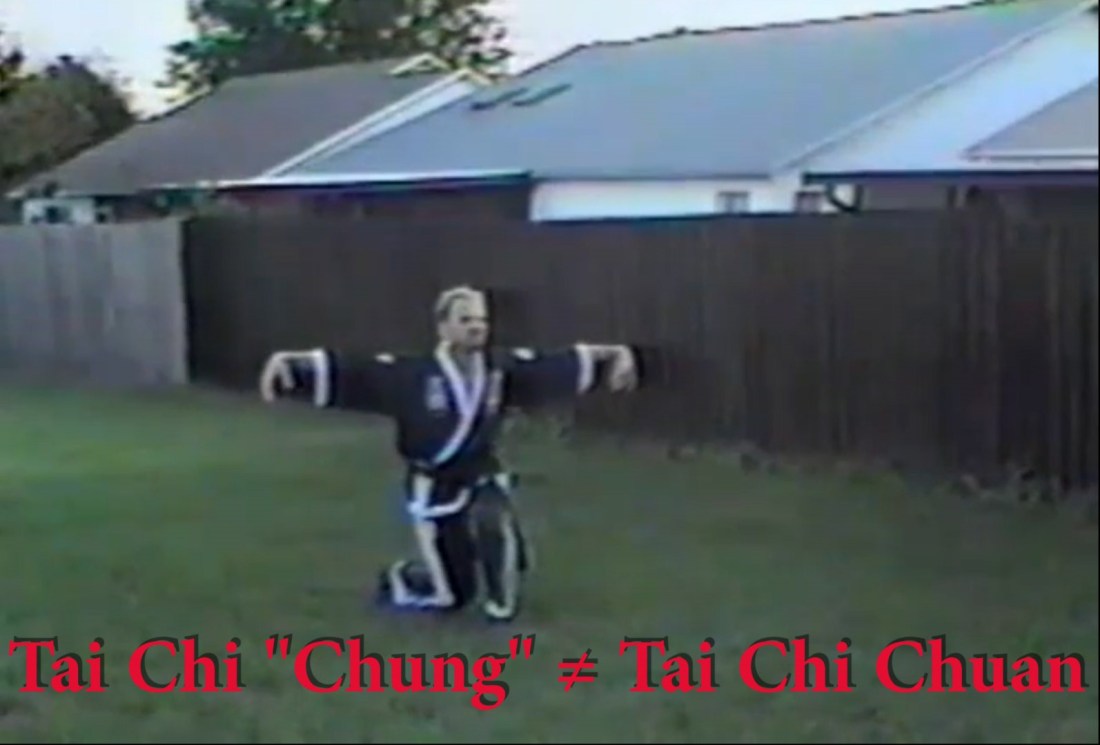
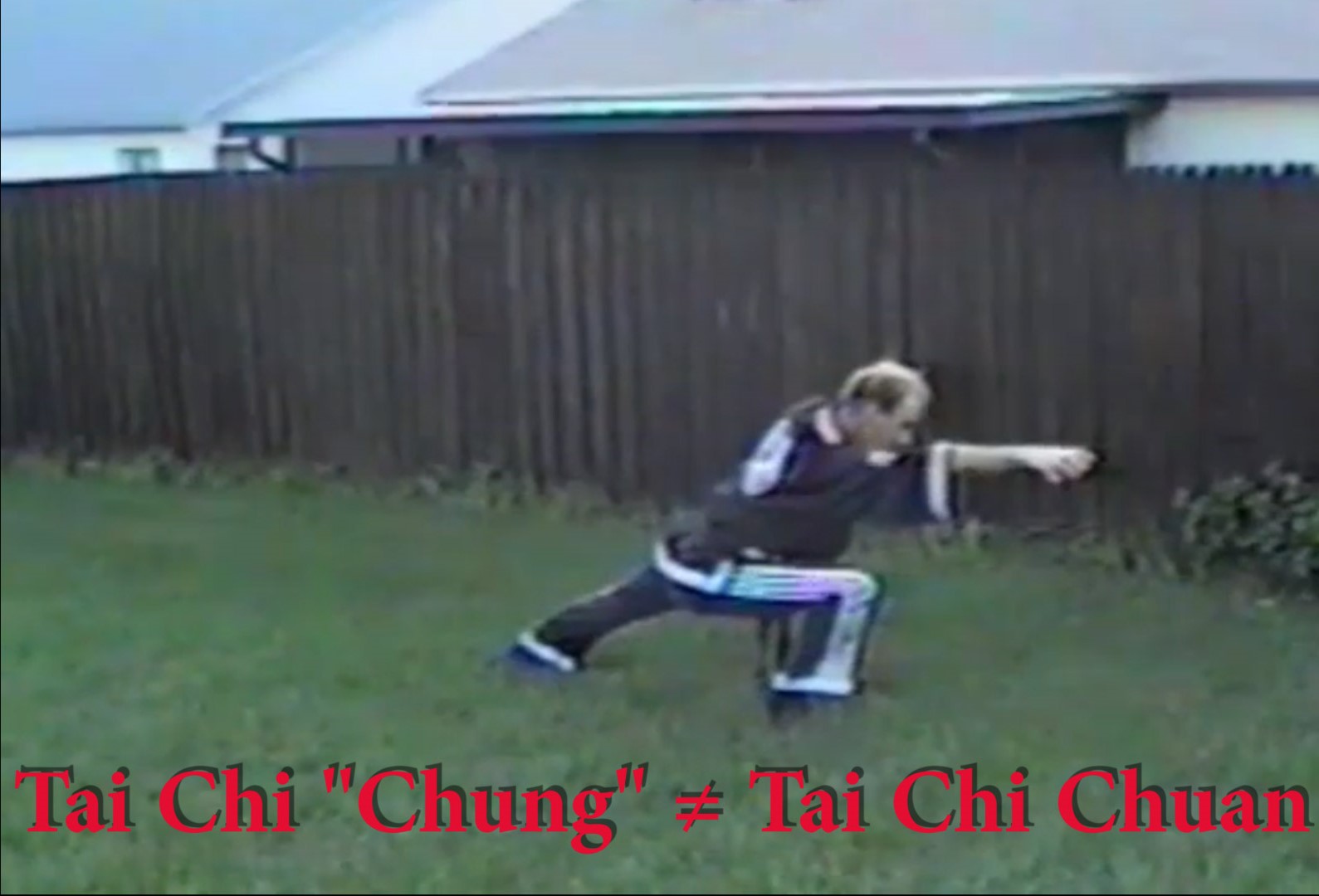
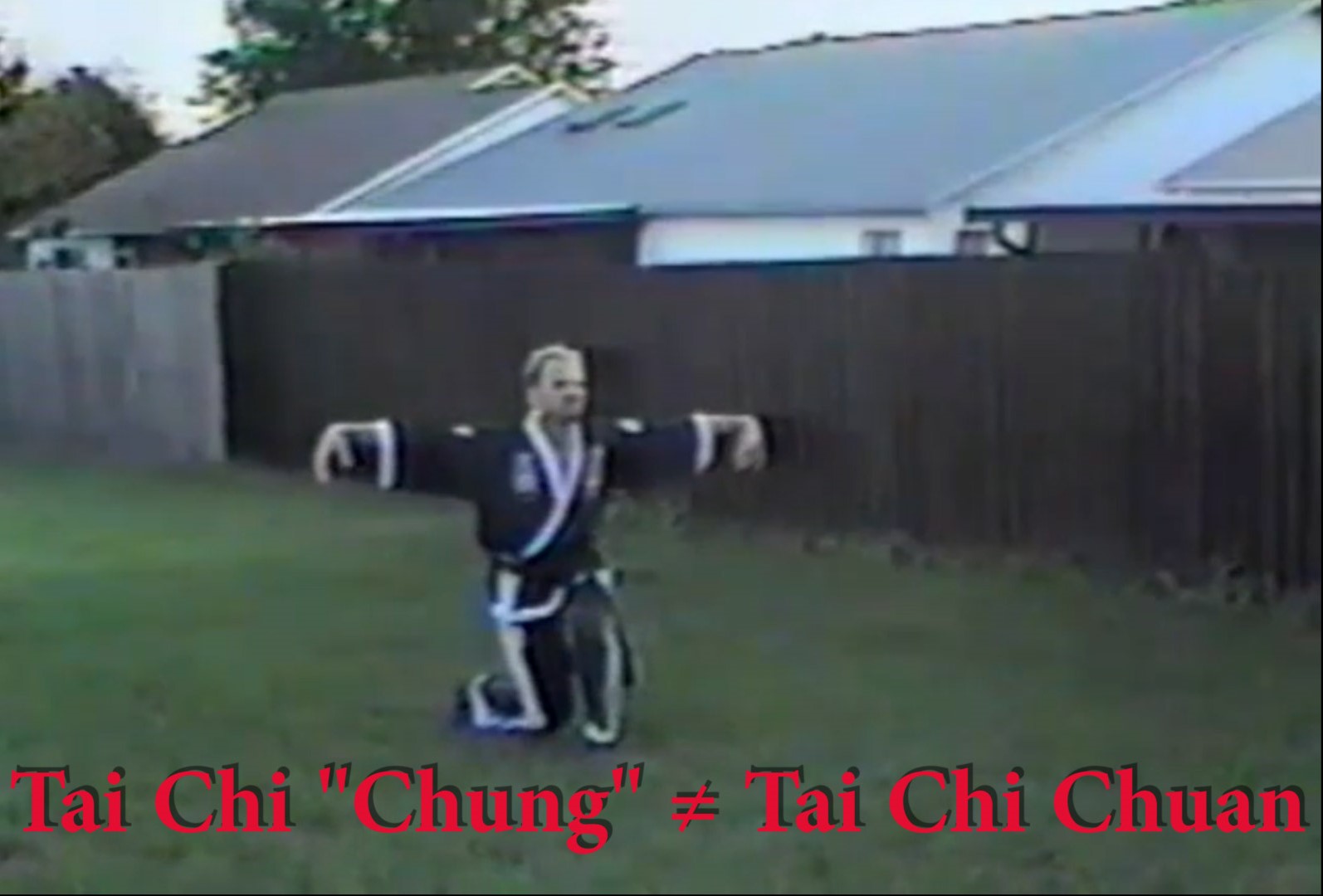
The term Tai Chi Chung can be confusing, especially for practitioners who encountered it within Korean martial arts organizations. At first glance, it appears related to Tai Chi Chuan, the older Wade-Giles spelling of Taijiquan, the traditional Chinese martial art often translated as “Supreme Ultimate Fist.” However, a closer look suggests that Tai Chi Chung, at least as I encountered it, was not traditional Chinese Taijiquan. Rather, it appears to have been a Korean martial arts form that borrowed certain slow, flowing, meditative, and balance-oriented qualities commonly associated with Tai Chi, while lacking many of the deeper structural and historical features of authentic Taijiquan.

The etymology matters. In Chinese, Taiji refers to the Supreme Ultimate, the dynamic polarity expressed through yin and yang. Quan or Chuan means fist, boxing, or martial art. Thus, Taijiquan means “Supreme Ultimate Fist,” a martial system rooted in Chinese cosmology, internal mechanics, and combat principles. The term Tai Chi Chuan is simply an older Romanization of the same name. By contrast, Tai Chi Chung does not appear to be a recognized name for one of the traditional Chinese Taijiquan family systems, such as Chen, Yang, Wu, Wu/Hao, or Sun style.

Watch the video here: https://youtu.be/stBZ8aiQy3E?si=R-gsaEIIETjr7tAq

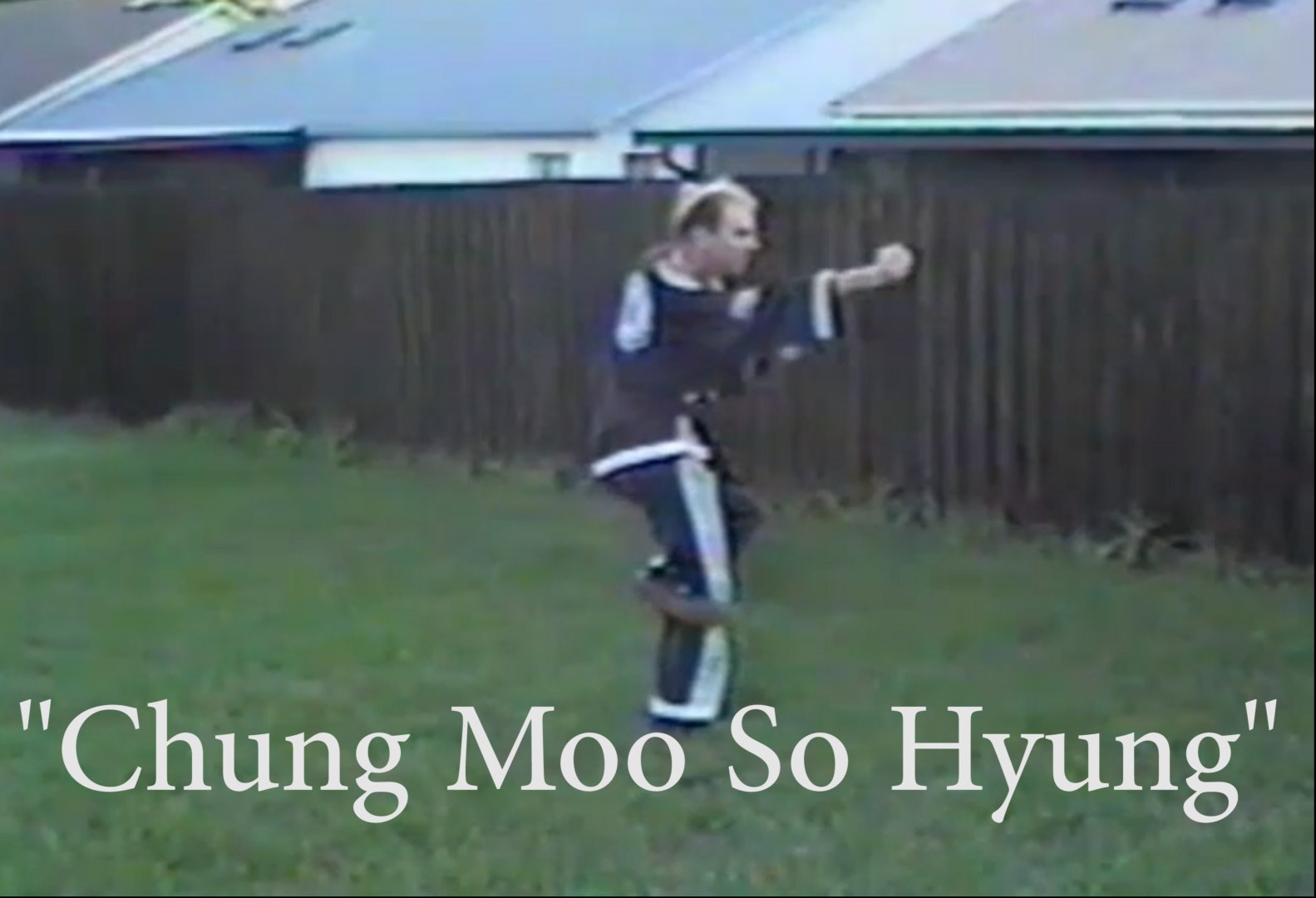
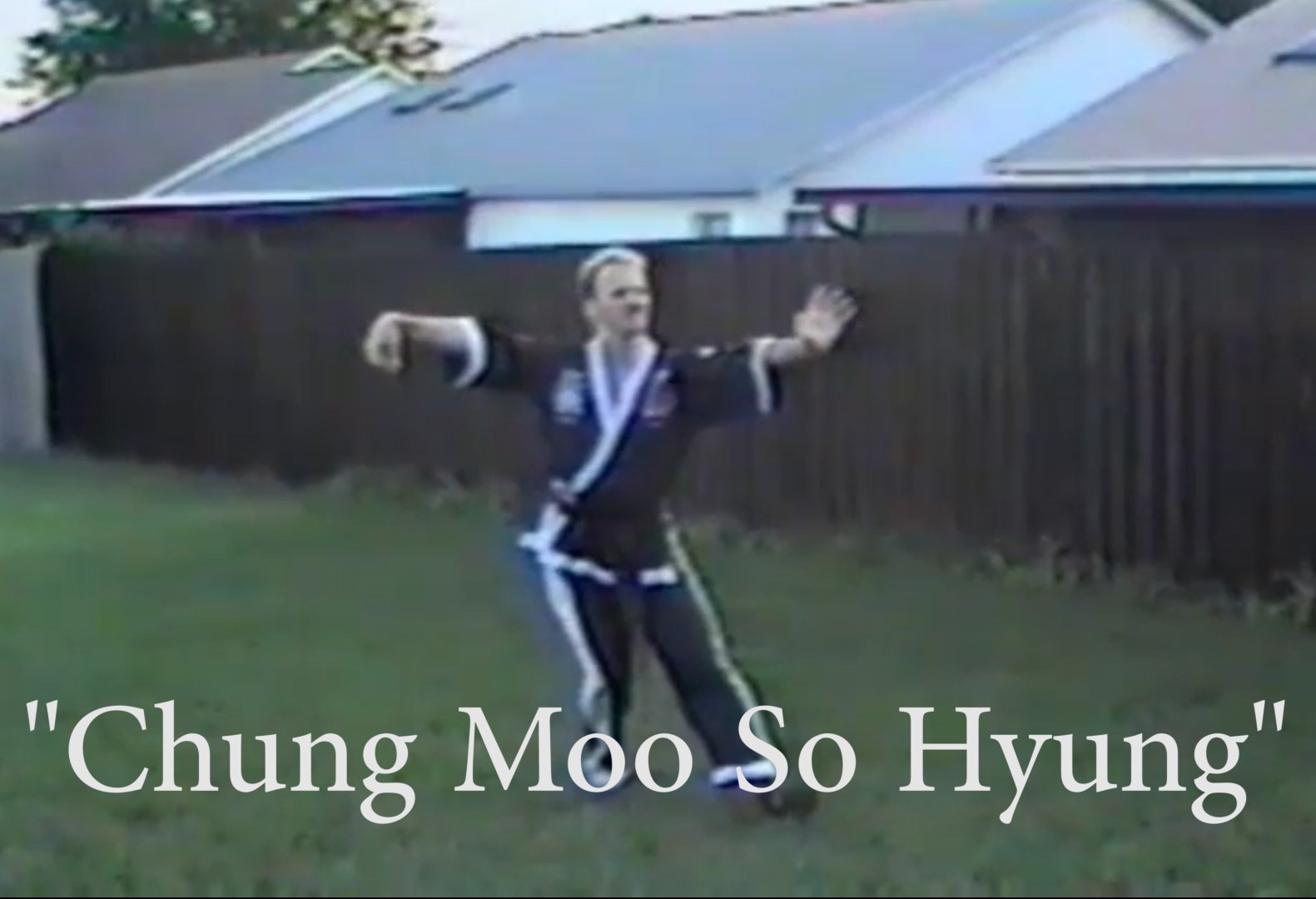
In the Korean martial arts context, the related term Chung Moo Soo Hyung deserves its own explanation. Hyung means form or pattern. Soo often means hand or empty-hand method. Moo may refer to martial practice, but depending on the character and interpretation, it may also carry broader philosophical implications. I was taught that Chung could be interpreted as mind and Moo as body, giving the phrase a meaning something like “mind and body empty-hand form.” Whether this is a literal linguistic translation or a lineage-specific philosophical interpretation, it reflects a common martial arts teaching theme: the harmonization of mind, body, breath, and movement.

This interpretation has value. A form designed to integrate mind and body can serve as a meaningful tool for concentration, balance, self-regulation, and internal awareness. In that sense, Tai Chi Chung or Chung Moo Soo Hyung may have functioned as a Korean internal-development hyung rather than an authentic Chinese Taijiquan form.

The video I recently reviewed shows me performing this form some years ago. At that time, I wore the stripes, patches, and organizational markings that recognized my rank, skill, dedication, and responsibilities within that martial arts system. Those visible symbols represented achievement and ability within that particular organization. When I left that particular system to pursue other interests, I was immediately demoted in rank and position. At that stage of life, such recognition mattered to me. Like many younger martial artists, I placed significant value on approval from instructors, organizations, and peers.

With time, however, I came to understand martial arts differently. Recognition from others may encourage us, but it is not the same as self-mastery. Rank is not the same as wisdom. Patches are not the same as inner refinement. When we are young, naïve, and highly impressionable, we often trust others more than we trust ourselves. We assume that those in authority possess superior knowledge, deeper insight, and unquestionable legitimacy. Sometimes they do. Sometimes they do not. Maturity requires learning the difference.

Technically, the form in the video has many positive qualities. It develops balance, controlled weight shifting, leg strength, coordination, mindfulness, and proprioception. The slow pace encourages concentration rather than speed. The low postures challenge endurance. The crane-like stances and single-leg transitions develop stability and awareness of center of gravity. The circular arm motions create a sense of flow and continuity that differs from the more linear movements often seen in karate-derived Korean forms.

From a health and training perspective, these are worthwhile benefits. The form can help cultivate patience, breath awareness, physical control, and mental focus. It may be useful as a bridge between external martial training and more meditative internal practice.

However, this does not make it authentic Tai Chi.

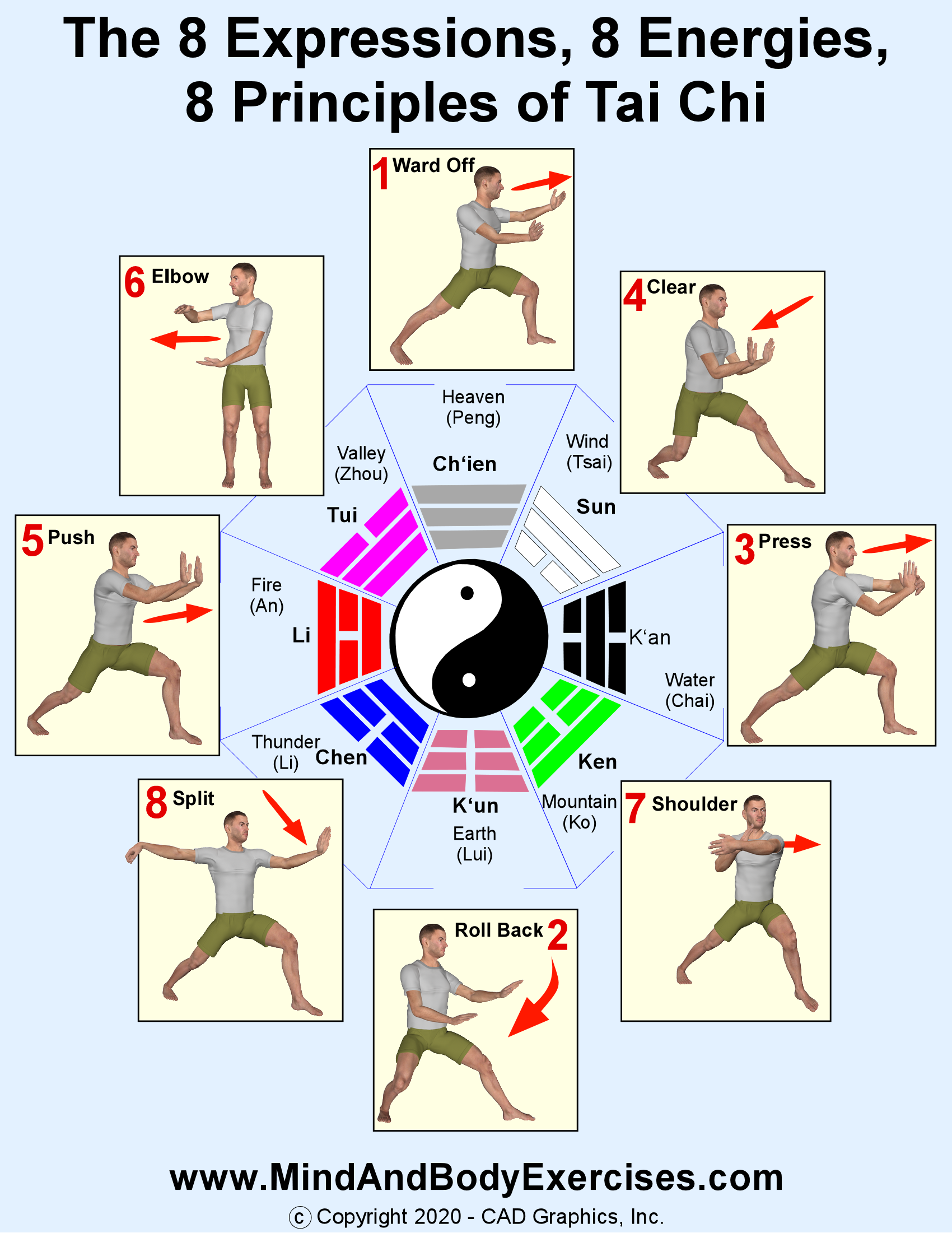
Anyone who has seriously practiced and studied legitimate and authentic styles of Taijiquan would likely recognize that this form, while beneficial, does not express the core mechanics of traditional Chinese Tai Chi. It does not clearly demonstrate the continuous whole-body connection, silk-reeling energy, refined dantian-driven movement, peng structure, or the systematic expression of the Eight Energies: peng, lu, ji, an, cai, lie, zhou, and kao. It appears more segmented than integrated, more like a Korean internal-development hyung than a traditional Chinese internal martial art.

Authentic Taijiquan is not merely slow movement. It is not simply relaxation, balance, or graceful motion. It is a sophisticated martial art rooted in Chinese philosophy, body mechanics, internal power development, combat application, and centuries of transmitted practice. Its movements are shaped by yin and yang theory, the Five Elements, the Eight Energies, intent, structure, rooting, spiraling, and whole-body integration. Without these foundations, a form may still be good exercise, qigong-like movement, or meditative martial training, but it becomes difficult to honestly classify it as Tai Chi.

This distinction is important because mislabeling martial arts can mislead students. When any martial arts organization presents a form as “Tai Chi” without preserving the history, principles, mechanics, or cultural roots of Taijiquan, it risks distorting the art. In some cases, this may even approach cultural appropriation: borrowing the name or appearance of another culture’s tradition without sufficient understanding, acknowledgment, or respect.

Most martial arts systems claim to uphold moral codes such as honesty, humility, respect, discipline, and integrity. Passing off a non-Taijiquan form as Tai Chi conflicts with those values. It may serve organizational branding, marketing, or curriculum expansion, but it does not serve truth.

Looking back, I do not reject the form. I can still appreciate what it gave me. It helped develop balance, concentration, discipline, coordination, and body awareness. The younger version of myself in that video was sincere. He trained hard, believed what he was taught, and sought to improve. There is value in that.

But I now see the form through a more discerning lens. It was useful, but it was not authentic Taijiquan. It was beneficial, but it was not what it was presented to be. That distinction represents an important lesson in the martial path.

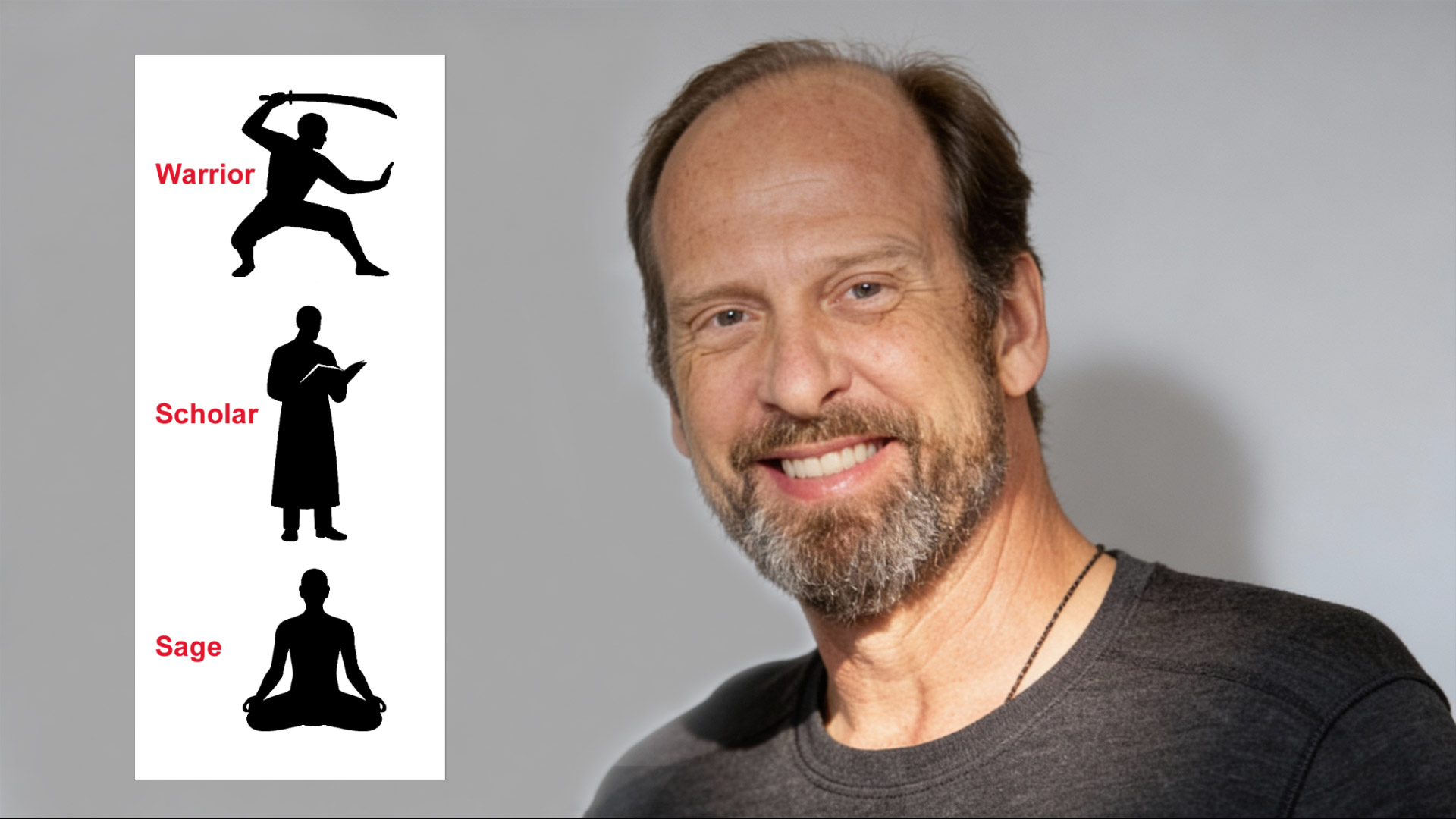
The Warrior trains the body. The Scholar investigates truth. The Sage learns to distinguish appearance from essence.

In youth, we may seek rank, recognition, patches, titles, and approval. With maturity, we learn that the deeper purpose of martial arts is self-cultivation. The real measure of practice is not how others decorate us, but how we honestly refine and define ourselves.

True martial arts should lead us toward clarity, humility, integrity, and self-mastery. When they do, they become more than physical systems. They become pathways of transformation.

That lesson, unlike any patch or rank, is one that remains with us for life.

Your Network and Your Net Worth – The Hidden Currency of Human Connection

For many years I heard the phrase, “It’s not what you know, but who you know.” Like many clichés, it can sound overly simplistic at first. After all, knowledge, skill, experience, and competence certainly matter. A surgeon must know surgery. A pilot must know how to fly. A teacher must know their subject. Yet as I have grown older and observed the world around me, I have come to realize that who we know often determines whether our knowledge and abilities ever have the opportunity to be seen.

There is a reason another modern expression has become popular: “Your network determines your net worth.” While money is only one measure of worth, there is undeniable truth in the idea that our relationships, associations, and social circles influence our opportunities, income, and influence.

Skill Alone Is Not Enough

Consider the example of a Tai Chi instructor, yoga teacher, personal trainer, or holistic health educator.

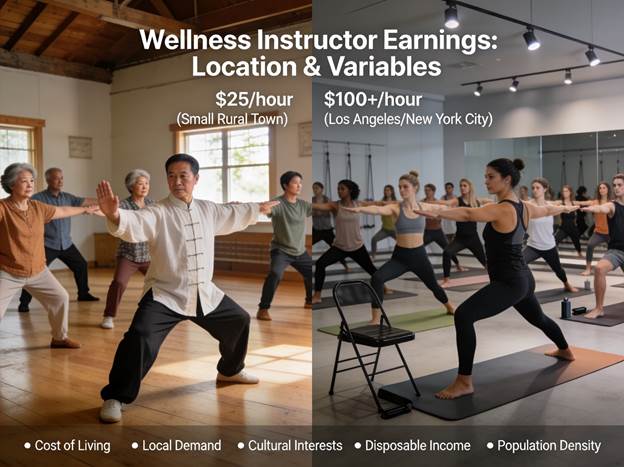
One instructor may earn $25 per hour teaching in a small rural town. Another instructor with similar credentials may earn $100 or more per hour in Los Angeles, New York City, or another affluent metropolitan area. Does this automatically mean the latter instructor is four times more knowledgeable or skilled?

Not necessarily.

Many variables influence earning potential. Cost of living, demographics, local demand, cultural interests, disposable income, and population density all play significant roles. An instructor teaching in a city where wellness and fitness are highly valued may find a much larger audience willing to pay premium prices than someone teaching in a region where such services are viewed as luxuries rather than necessities.

The same principle applies to authors, artists, musicians, consultants, and speakers.

Many talented authors produce exceptional books that sell only a few hundred copies. Meanwhile, celebrities often publish books that immediately become bestsellers despite containing little original insight. The difference is frequently not the quality of the material, but the size and influence of the audience already connected to the author.

In practical terms, visibility often precedes opportunity.

Social Capital: An Invisible Asset

Economists and sociologists often refer to this phenomenon as social capital (Bourdieu, 1986; Putnam, 2000). Social capital refers to the resources available through relationships, trust, reciprocity, and social networks.

Unlike financial capital, social capital cannot be deposited into a bank account. Yet it may be equally valuable.

A recommendation from a trusted colleague can lead to a new career opportunity.

A referral from a satisfied client can produce years of additional business.

A conversation at the right time with the right person can alter the course of an entire life.

Throughout history, communities, guilds, religious organizations, professional associations, and social clubs have all functioned as networks that create opportunities for their members. Human beings are social creatures. We naturally place greater trust in people who are introduced through existing relationships than in complete strangers.

This reality is neither inherently good nor bad. It is simply part of human nature.

The Geography of Opportunity

Location itself can become a form of networking.

Living in a major metropolitan area exposes an individual to vastly different opportunities than living in a small town. The density of businesses, educational institutions, professional organizations, and potential clients creates a richer ecosystem of connections.

A fitness instructor in Manhattan may encounter hundreds of potential clients every week simply because of proximity. A holistic health educator in a smaller community may possess equal or greater expertise but have access to a much smaller audience.

The digital age has changed this dynamic somewhat. Through websites, podcasts, YouTube channels, social media, and online communities, individuals can now build networks that transcend geography. Yet even online, the principle remains the same. Success often depends not only on creating valuable content but also on building meaningful relationships with an audience.

The Psychology of Trust

Another reason networks matter is that people generally do business with those they know, like, and trust.

Psychologists have long recognized that familiarity influences decision-making. Repeated exposure tends to increase perceived trustworthiness, a phenomenon known as the mere exposure effect (Zajonc, 1968).

This helps explain why someone may choose a local instructor they know personally over another instructor who appears more qualified on paper.

Trust often outweighs credentials.

Likewise, a publisher may choose to invest in an author with an established following rather than a more talented unknown writer. The publisher is not merely purchasing a manuscript; they are purchasing access to an audience.

This can seem unfair at times. However, understanding the principle allows us to work with it rather than against it.

Building a Network the Right Way

The concept of networking sometimes receives criticism because people associate it with manipulation, self-promotion, or opportunism. However, authentic networking is not about collecting business cards or accumulating followers. It is about cultivating genuine relationships. The strongest networks are built on mutual benefit, trust, service, and reciprocity. They develop naturally when people consistently contribute value to others.

The martial arts instructor who helps students achieve their goals.

The wellness coach who genuinely cares about clients.

The author who provides meaningful insights.

The speaker who educates and inspires.

These individuals create goodwill that often returns to them through referrals, recommendations, and opportunities.

In this sense, networking becomes less about selling and more about serving.

The Warrior, Scholar, and Sage Perspective

From the perspective of the Warrior, Scholar, and Sage, networking takes on a deeper meaning.

The Warrior develops competence and discipline.

The Scholar develops knowledge and understanding.

The Sage develops relationships, wisdom, and human connection.

Without competence, relationships have limited value. Without relationships, competence may remain largely unnoticed. Success often emerges from the integration of all three.

The Warrior ensures that we possess genuine ability.

The Scholar ensures that we continue learning and growing.

The Sage reminds us that life is ultimately lived through relationships.

Many opportunities arise not because we aggressively seek them, but because others remember our character, our integrity, and the value we have consistently provided over time.

Final Reflections

While knowledge and skill remain essential, they do not exist in a vacuum. Human beings live, work, and thrive within networks of relationships. The old saying, “It’s not what you know, but who you know,” is only partially true. A more accurate statement might be:

“What you know creates your value. Who you know creates your opportunities.”

Both matter. The challenge is not choosing one over the other but cultivating both simultaneously. Invest in your education. Develop your skills. Pursue mastery in your chosen field. But also invest in people. Build trust. Create meaningful relationships. Offer value. Help others succeed.

Over time, you may discover that your network becomes one of the most valuable assets you will ever possess, not merely for financial gain, but for friendship, purpose, growth, and the countless opportunities that arise when human beings genuinely connect.

References

Bourdieu, P. (1986). The forms of capital. In J. Richardson (Ed.), Handbook of theory and research for the sociology of education (pp. 241–258). Greenwood. https://publish.illinois.edu/crittheory/files/2023/01/Bourdieu-The-Forms-of-Capital.pdf

Putnam, R. D. (2000). Bowling alone: The collapse and revival of American community. Simon & Schuster. https://archive.org/details/bowlingalonecoll00putn

Zajonc, R. B. (1968). Attitudinal effects of mere exposure. Journal of Personality and Social Psychology Monograph Supplement, 9(2, Pt. 2), 1–27. https://doi.org/10.1037/h0025848

Our Own Inner Pharmacy

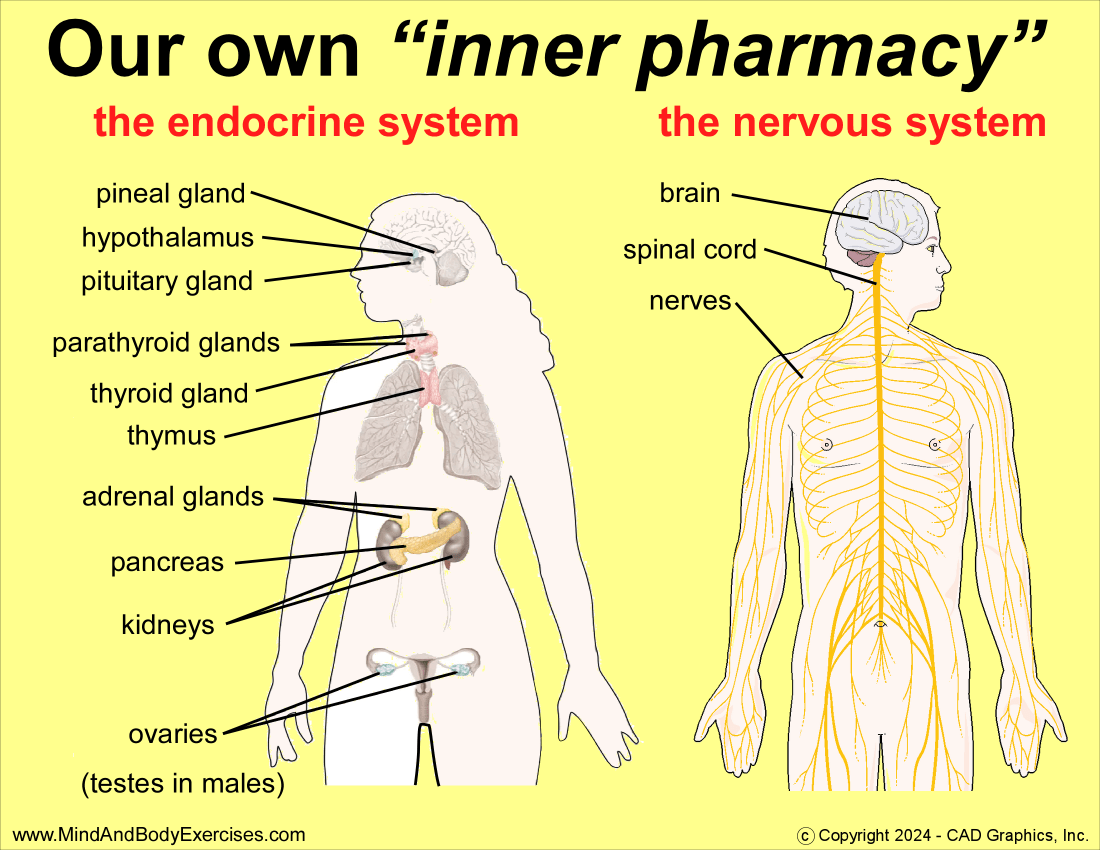
Human beings are not merely passive recipients of external chemicals. We carry within us an extraordinary “inner pharmacy” — a dynamic biochemical laboratory governed largely by the endocrine and nervous systems. At every moment, our bodies produce hormones, neurotransmitters, and signaling molecules that influence mood, energy, immunity, inflammation, motivation, and even perception.

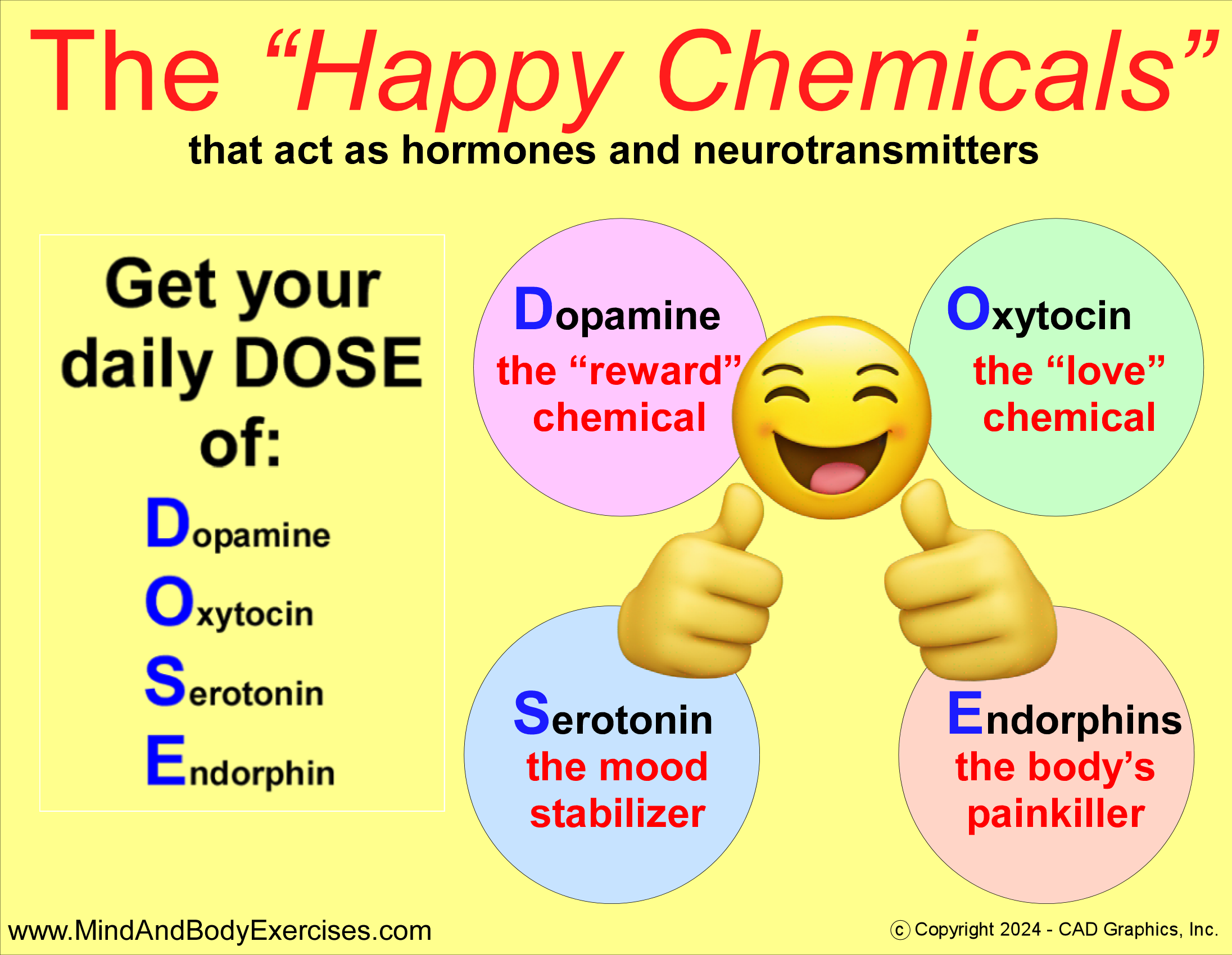
Stress hormones like cortisol and adrenaline can mobilize us for action. Endorphins can reduce pain. Oxytocin can deepen connection. Dopamine can enhance motivation and focus. Serotonin can stabilize mood. These substances are not foreign prescriptions; they are internally generated responses to how we live.

The remarkable reality is that we are not powerless in this process. Diet influences blood sugar stability, micronutrient availability, and hormone balance. Breath regulation can directly shift autonomic tone, moving us from sympathetic “fight-or-flight” dominance toward parasympathetic restoration. Thoughts and emotional patterns affect neurochemical cascades. Chronic rumination reinforces stress chemistry, while deliberate cognitive reframing can reduce it. Physical movement alters endocrine output. Sleep restores hormonal rhythms. Even posture and facial expression feed back into neurophysiology.

This does not mean we can will away disease or replace appropriate medical care. Rather, it means we possess meaningful influence over our internal chemistry. By consciously regulating diet, breathing, attention, emotional responses, and behavior, we participate in directing our own biochemistry.

The “inner pharmacy” is always open. The question is not whether chemicals are being dispensed, but which ones — and under what conditions.

Open Communication, Right Communication, and the Illusion of Both

Closed Social Systems, Psychological Safety, and the Cost of Questioning

Many organizations, communities, workplaces, and social groups proudly promote the concept of “open communication.” On the surface, this sounds healthy, progressive, and emotionally mature. Members often hear phrases such as “You can ask anything,” “We are family,” “Transparency matters,” or “We encourage honest dialogue.” However, in some environments, openness exists more as an idealized slogan than an actual practice.

Over the years, I have personally experienced this dynamic within a highly structured social construct in which I was a willing participant for many years. I do not view myself merely as a victim of manipulation or coercion. Like many people who become deeply involved in organizations, I joined voluntarily because I believed in the values, purpose, community, and opportunities for growth that the group appeared to offer. There were many positive experiences, meaningful friendships, and valuable life lessons that emerged from that involvement. Yet over time, deeper patterns became increasingly apparent.

The group outwardly encouraged “open communication,” but only within carefully defined boundaries. Certain questions were welcomed, while others were heavily discouraged. Asking seemingly reasonable questions regarding organizational history, specific events, leadership behavior, financial matters, inconsistencies, or the character and conduct of certain authority figures was often frowned upon if not outright forbidden.

The issue was not always explicit censorship. More often, the pressure was subtle, psychological, and social.

People quickly learned which questions created discomfort and which subjects were considered off-limits. Eventually, members often begin censoring themselves long before direct punishment becomes necessary. This phenomenon reflects what psychologists refer to as normative social influence, whereby individuals conform to group expectations in order to gain acceptance and avoid rejection (Cialdini & Goldstein, 2004).

Over time, communication in closed systems can become increasingly performative rather than authentic. Individuals learn to say what is expected rather than what they genuinely think or feel. Independent inquiry may gradually become interpreted as negativity, ego, disloyalty, or a lack of commitment. In these environments, preserving the image and stability of the system often becomes more important than the honest pursuit of truth.

Importantly, I eventually realized that this phenomenon was not isolated to one organization. I have witnessed remarkably similar communication dynamics in toxic workplaces, dysfunctional social groups, political movements, religious organizations, educational institutions, and even certain healthcare environments. While the severity may differ, the underlying psychological mechanisms are often surprisingly similar.

Many workplaces, for example, claim to encourage feedback and collaboration. Employees are told their opinions matter and that leadership welcomes honest discussion. Yet workers may quickly discover that questioning management decisions, exposing inefficiencies, or discussing ethical concerns can carry social or professional consequences. Promotions, inclusion, reputation, and job security may become tied to conformity rather than competence or integrity.

This creates what organizational psychologists call low psychological safety. Psychological safety refers to an environment where individuals feel safe enough to ask questions, express concerns, admit mistakes, and offer feedback without fear of humiliation or punishment (Edmondson & Lei, 2014). When psychological safety is absent, communication narrows, innovation declines, stress increases, and groupthink becomes more prevalent.

Groupthink itself is a well-documented phenomenon in which the desire for harmony and conformity overrides critical thinking and realistic evaluation of alternatives (Janis, 1972). Within closed social systems, maintaining cohesion often becomes more important than seeking objective truth. Members may gradually lose the ability to distinguish independent thinking from disloyalty.

From a physiological perspective, environments lacking authentic communication can place individuals into chronic states of sympathetic nervous system activation. People become hypervigilant regarding what they say, how they say it, and who may be listening. This ongoing stress burden can influence sleep quality, cognition, mood regulation, emotional resilience, and physical health. Human beings communicate most effectively when they feel safe enough to socially engage rather than constantly defend themselves (Porges, 2011).

Ironically, many closed systems initially attract sincere, idealistic, and highly motivated individuals. People naturally seek meaning, purpose, structure, mentorship, belonging, and personal growth. According to self-determination theory, individuals flourish when they experience autonomy, competence, and relatedness (Deci & Ryan, 2000). Closed systems frequently offer the appearance of these needs being fulfilled while simultaneously restricting true autonomy and authentic self-expression.

However, another realization eventually emerged. Open communication and right communication are not necessarily the same thing. Many people hear the phrase “open communication” and interpret it as the freedom to say whatever they want, whenever they want, however they want. Yet unrestricted expression alone does not automatically create healthy communication.

A room filled with gossip, hostility, emotional outbursts, endless complaints, and personal attacks may technically be open, but it is hardly constructive.

Open communication primarily concerns access. It asks:

  • Can questions be asked?
  • Can concerns be raised?
  • Can disagreement be expressed?
  • Can information flow freely?
  • Can inquiry occur without fear?

These are important questions because without openness, truth becomes difficult to discover.

Yet openness alone is insufficient.

What might be called “right communication” addresses not only whether people can speak, but how, why, and when communication occurs.

The concept appears throughout many philosophical and spiritual traditions. In Buddhism, Right Speech asks whether communication is truthful, beneficial, timely, and compassionate. Stoicism emphasizes wisdom, restraint, and self-mastery. Confucian philosophy highlights responsibility, virtue, and social harmony. Though these traditions differ, they share a common insight: communication should serve growth, understanding, and truth rather than ego, impulse, or division.

In this sense, communication can be viewed through four possibilities:

  • Open and Right: Healthy dialogue and mutual growth.
  • Open but Wrong: Chaos, hostility, gossip, and noise.
  • Closed but Well-Intentioned: Respectful yet overly constrained.
  • Closed and Wrong: Manipulation, censorship, fear, and control.

The goal is not merely openness.

The goal is openness guided by wisdom.

This distinction aligns closely with my framework of the Warrior, Scholar, and Sage.

The Warrior asks:

“Do I have the courage to speak the truth?”

Without courage, important issues remain hidden.

The Scholar asks:

“Is what I am saying accurate?”

Without inquiry and evidence, communication devolves into opinion masquerading as fact.

The Sage asks:

“Is this the right time, place, and manner?”

Without wisdom, even truth can become a weapon rather than a tool for growth.

When all three dimensions are present, communication becomes honest, thoughtful, respectful, and transformational.

From an Eastern philosophical perspective, communication itself reflects yin and yang dynamics. Open communication possesses a more yang quality. It expresses, questions, reveals, and engages. Right communication incorporates both yin and yang. Speaking is the yang aspect. Listening, reflecting, exercising restraint, and choosing the proper timing represent the yin aspect.

Many people learn how to talk. Far fewer learn how to listen.

Likewise, many organizations learn how to advertise openness while quietly discouraging inquiry. Others encourage unrestricted expression without responsibility or discernment. Both extremes miss the mark.

One suppresses truth.

The other drowns truth in noise.

Healthy communication occupies the middle path.

It is open enough to allow truth to emerge, yet disciplined enough to ensure that truth is expressed with integrity, respect, and purpose.

One of the most important lessons I have learned is that truth does not fear honest examination. Healthy individuals, healthy organizations, and healthy communities should be capable of tolerating respectful inquiry without perceiving every difficult question as a threat. In the end, the quality of communication within a group often reveals the true nature of the group itself.

Open communication asks whether people are allowed to speak. Right communication asks whether what is spoken serves truth, understanding, and growth.

Healthy systems require both. Without openness, truth is suppressed. Without wisdom, truth becomes noise. The goal is not merely freedom of speech, but freedom guided by courage, discernment, and responsibility.

References

Cialdini, R. B., & Goldstein, N. J. (2004). Social influence: Compliance and conformity. Annual Review of Psychology, 55, 591–621. https://doi.org/10.1146/annurev.psych.55.090902.142015

Deci, E. L., & Ryan, R. M. (2000). The “what” and “why” of goal pursuits: Human needs and the self-determination of behavior. Psychological Inquiry, 11(4), 227–268. https://doi.org/10.1207/S15327965PLI1104_01

Edmondson, A. C., & Lei, Z. (2014). Psychological safety: The history, renaissance, and future of an interpersonal construct. Annual Review of Organizational Psychology and Organizational Behavior, 1, 23–43. https://doi.org/10.1146/annurev-orgpsych-031413-091305

Janis, I. L. (1972). Victims of groupthink: A psychological study of foreign-policy decisions and fiascoes. Houghton Mifflin. https://dn710801.ca.archive.org/0/items/victimsofgroupthinkirvingl.janis/Victims%20of%20GROUPTHINK%20-%20Irving%20Janis.pdf

Porges, S. W. (2011). The polyvagal theory: Neurophysiological foundations of emotions, attachment, communication, and self-regulation. W. W. Norton & Company. https://archive.org/details/polyvagaltheoryn0000porg