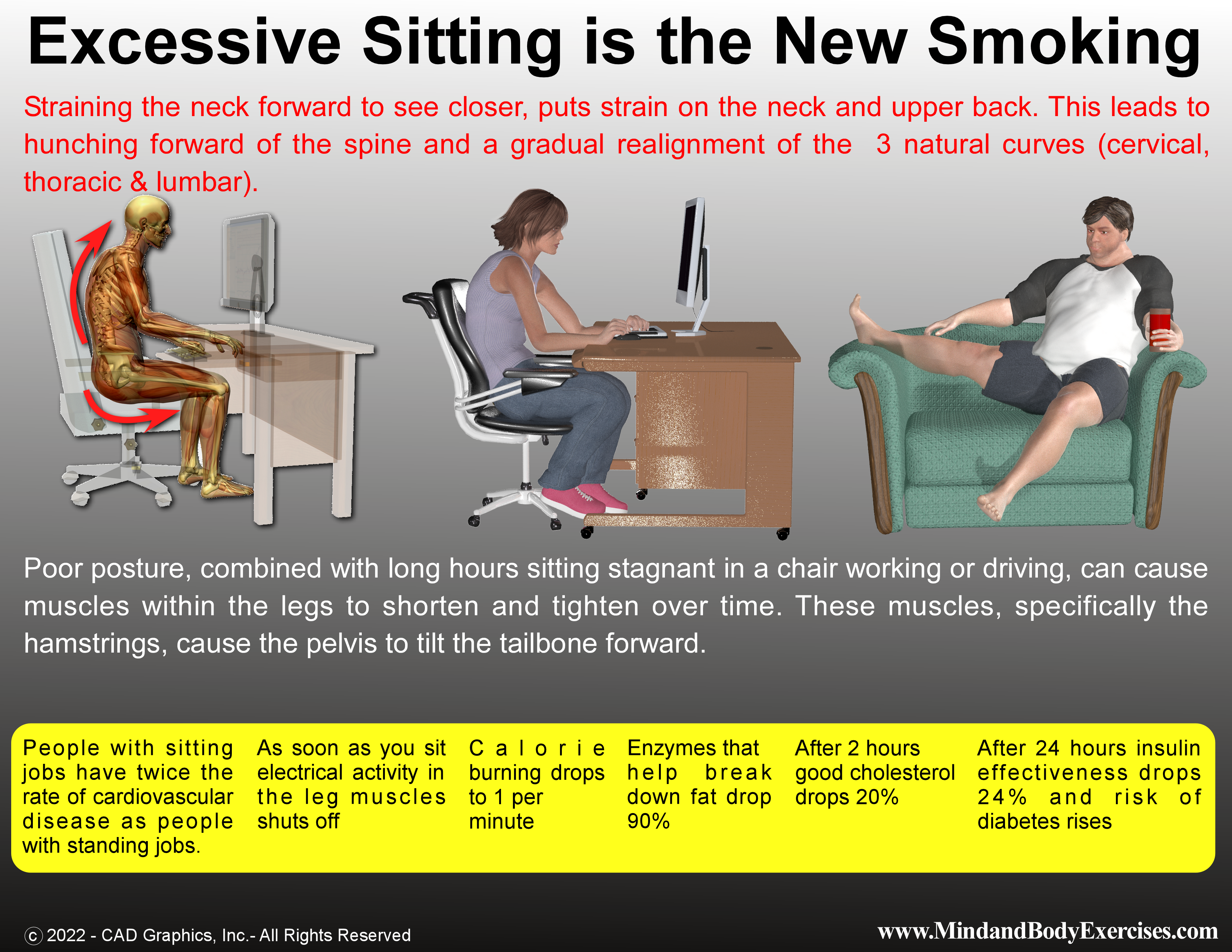
Excessive Sitting Often Leading to Metabolic Syndrome

Sitting for prolonged amounts of time is as, or more detrimental than tobacco smoking.

Most people are beginning to realize that sitting too much is unhealthy. Most feel lethargic after sitting after a long day at work or a TV binge . What exactly goes downhill in our bodies when we sit on the average, for nearly eight hours per day?

Common health issues from prolonged sitting:

  • Tightness of hips & relative muscle groups
  • Weakened abdominal muscles
  • Pancreas over-stimulation
  • Achy shoulders and back
  • Weakened glute muscles
  • Vertebrae issues
  • Heart disease
  • Colon cancer
  • Neck strain

More specific health issues:

Head:
Long periods of sitting can help to form blood clots, which can eventually travel to the brain resulting in stroke.

Neck:
Muscles in the neck become strained and tight. Fluid retained in the lower body during the day, returns to the neck region during sleep causing sleep apnea.

Lungs:
All day sitting raises doubles the risk of pulmonary embolism or blood clotting.

Heart:
Heart disease and diabetes risk doubles for those with a sedentary lifestyle versus those who are more active.

Stomach:
Prolonged sitting often leads to obesity, colon cancer and other digestion ailments. Metabolism is impaired as enzymes within muscles responsible for breaking down fats are essential turned off from lack of physical movement.

Spine (muscles & vertebrae):
Prolonged sitting puts excess pressure on vertebrae and muscles, compressing nerves connected to the whole body affecting many bodily functions.

Arms & Legs:
Lack of physical movement of the limbs helps lead to high blood pressure.

Glutes:
Pressure on nerves running through glutes and legs can become compressed causing pain and leading to more lack of activity.

Posture:
Posture is the relative placement of the human body and its components such as, but not confined to, the spine and limbs. Many people in the United States experience some type of chronic pain at some time in their lives. Causes of pain can vary depending upon the individual and their circumstances. Poor posture can be responsible for many ailments ranging from ankle, knee, hip and back pain. A spinal misalignment, due to improper posture, an injury, hereditary or even congenital conditions, can have an eventual ripple effect throughout the human body. A shift of .375″ (13mm) can cause the depicted ailments. A simple habitual tilt of the head or shift in the body weight over time, changes the alignment of the spine. This re-alignment begins to effect the muscles, tendons, ligaments and nerves causing a total imbalance within these body systems. An injured ankle or knee can become the spark that cause a ripple effect literally from head to toe. Instinctively, as humans we try to center our head directly above our physical center of gravity. Poor posture, short leg syndrome, injuries or habitual body movements can cause remodeling of the muscular, skeletal and nervous system. These root problems can be the cause of many chronic ailments.

What is the solution to these issues?

  • get up out of the chair more often
  • become more active
  • consult with your physician or chiropractor
  • have your posture checked
  • stretch regularly
  • perform non-specific symmetrical exercises
  • inspect footwear for uneven wear patterns
  • evaluate poor posture habits and adjust
  • review career choices if necessary

_______________

Control the body with the mind. Manage the mind by disciplining the body, through physical activity. Learn to be more active, eat healthier, sleep better, stress less – these are the key components to maintaining a strong mind, body, immune system, and outlook on life.

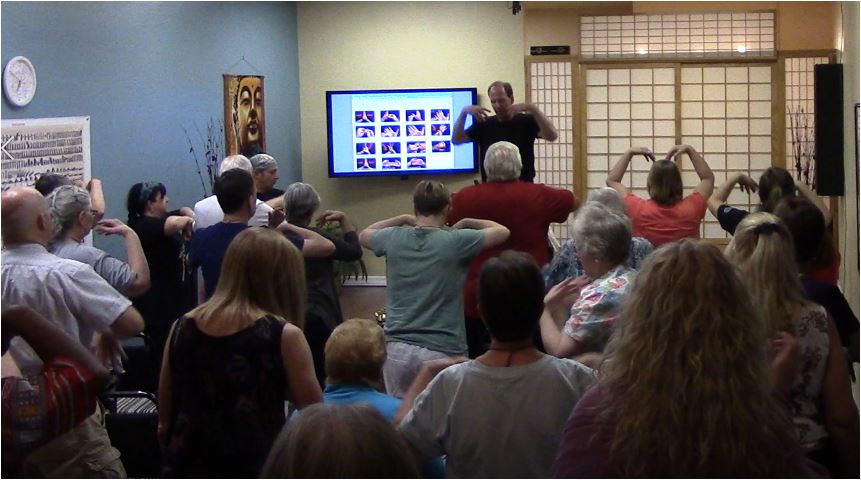
I am currently offering wellness lectures and classes for group, small group & private instruction in Wekiva, Longwood and Winter Park.

Mind and Body Exercises on Google: https://posts.gle/aD47Qo

Jim Moltzan

407-234-0119

www.MindAndBodyExercises.com

https://www.facebook.com/MindAndBodyExercises

https://www.youtube.com/c/MindandBodyExercises

https://mindandbodyexercises.wordpress.com/

WSJ Article Highlights That Cardiovascular Disease Cause More Deaths Every Year, Than Covid-19 Has at its Worst

“Stopping a Pandemic Deadlier Than Covid”

“Cardiovascular disease kills more people each year than Covid at its worst. We know how to prevent it. We just need the political will.”

Excerpt from the article:

“First, some basics. In the first two years of the pandemic, Covid killed nearly 900,000 people in the U.S. In those same years, heart attacks and strokes killed more than 1.6 million. Globally, Covid killed more than 10 million people in the first two years of the pandemic; in the same two years, cardiovascular disease killed more than 35 million. The three leading drivers of heart attacks and strokes—accounting for around two-thirds of the global total—are tobacco use, hypertension and air pollution, and all three are preventable.”

What is the solution to these issues?

  • get up out of the chair more often
  • become more active
  • manage your diet as if your life depended upon it
  • consult with your physician, nutritionist, chiropractor or other healthcare professional regularly
  • have your posture checked
  • exercise and stretch regularly
  • perform non-specific symmetrical exercises (engage both left & right, top & bottom)
  • inspect footwear for uneven wear patterns
  • evaluate poor lifestyle habits and adjust
  • review career choices if necessary
  • have an outlet for your stress and emotional ups & downs
  • evaluate alcohol and drug consumption

_______________

Control the body with the mind. Manage the mind by disciplining the body, through physical activity. Learn to be more active, eat healthier, sleep better, stress less – these are the key components to maintaining a strong mind, body, immune system, and outlook on life.

I am currently offering wellness lectures and classes for group, small group & private instruction in Wekiva, Longwood and Winter Park.

Mind and Body Exercises on Google: https://posts.gle/aD47Qo

Jim Moltzan

407-234-0119

www.MindAndBodyExercises.com

https://www.facebook.com/MindAndBodyExercises

https://www.youtube.com/c/MindandBodyExercises

https://mindandbodyexercises.wordpress.com/
Regular Exercise Improves Many Common Ailments

consistent activity is a key factor in reducing disease

If we are led to believe that the US has the most wealth, the best doctors, the best healthcare, the best vaccines – then why did the US experience the highest rate of COVID-19 cases as well as associated deaths? Because the answers lies beyond the US being the best (far from it) when it comes to personal responsibility for health and well-being. Most in the US look to the broken healthcare system for sick-care after becoming sick or injured than looking to themselves to prevent acquiring disease, illness and injury. True is true; do your own research to see which countries fare the best in overall quality of life, and relative health. The US is far from the top, but by far spends the most money on sick-care.

An amazing amount of health issues can be reduced by simply exercising consistently (Exercise: 7 Benefits of Regular Physical Activity, 2021). Many issues such as stress, sleep disorders, and cardiovascular issues are reduced by exercising a few times per week. Find a method of exercise that works for you.

Known benefits of regular exercise include:

  • reduce your risk of a heart attack.
  • manage your weight better.
  • have a lower blood cholesterol level.
  • lower the risk of type 2 diabetes and some cancers.
  • have lower blood pressure.
  • have stronger bones, muscles and joints and lower risk of developing osteoporosis.
  • lower your risk of falls.

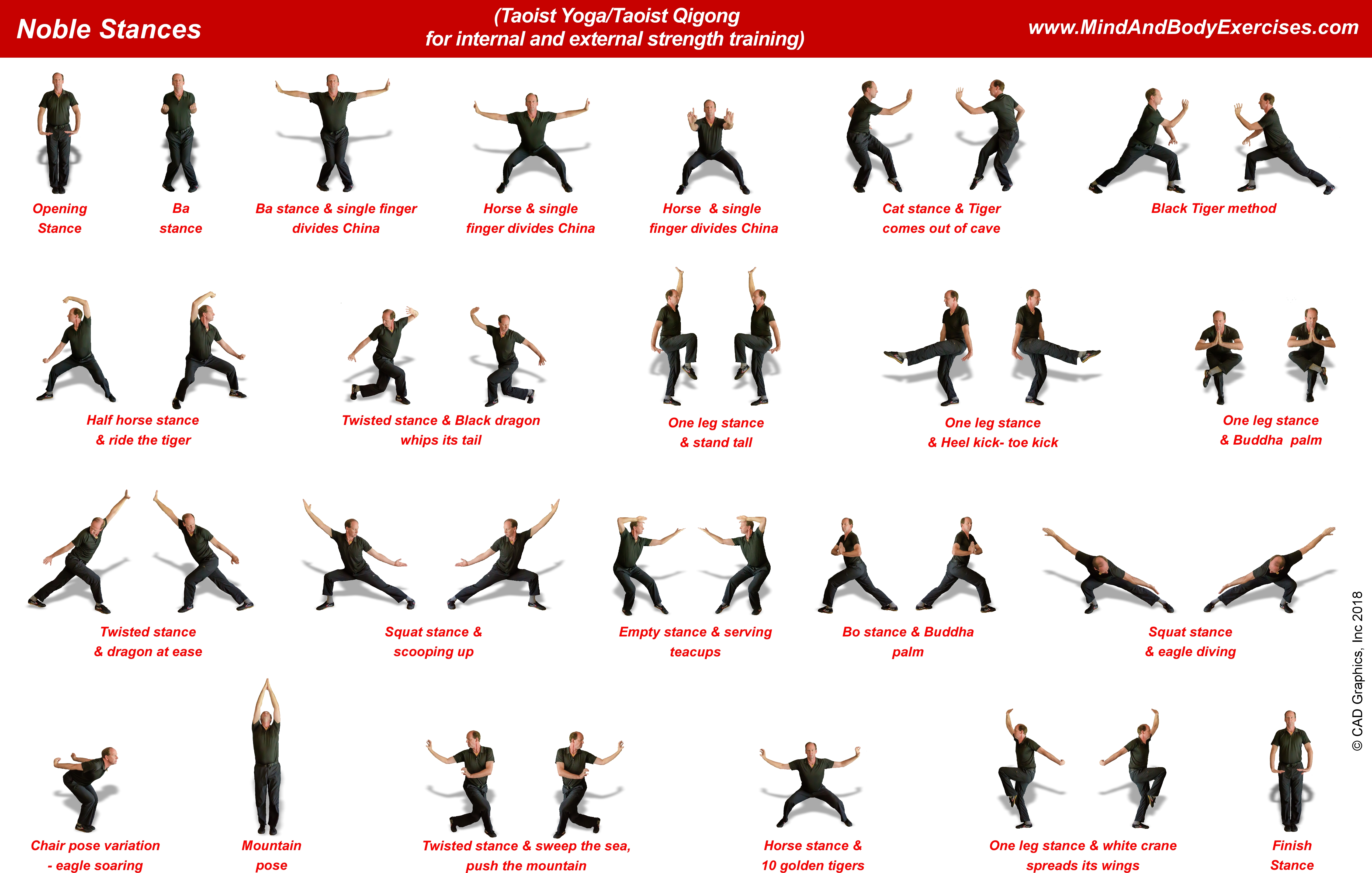
Walk, run, swim, weight train, yoga, tai chi, martial arts, dance – just do something everyday! Or every other day, 2 times a week, whatever! Get your body moving. Give your mind something positive to focus upon.

References:

Exercise: 7 benefits of regular physical activity. (2021, October 8). Mayo Clinic. https://www.mayoclinic.org/healthy-lifestyle/fitness/in-depth/exercise/art-20048389#:%7E:text=Regular%20physical%20activity%20can%20improve,energy%20to%20tackle%20daily%20chores

https://www.cdc.gov/physicalactivity/about-physical-activity/index.html

https://www.worldometers.info/coronavirus/

https://worldpopulationreview.com/country-rankings/best-healthcare-in-the-world

Obesity and Cancer | CDC

______________

I write often about topics that affect our health and well-being. Additionally, I teach and offer lecture about qigong, tai chi, baguazhang, and yoga.

For more info, contact Jim Moltzan at info@mindandbodyexercises.com, 407-234-0119 or through my site at http://www.mindandbodyexercises.com

Is Better Health a Priority in the US?

In the words of Dr. Jerome Adams from 2020, the former surgeon general of the United States, “You know what will make you and your community healthier but still, you choose not to do it.” He goes on to state that 7 out of 10 of 18-24-year olds are ineligible for military service due to the following:

  • they cannot pass the physical
  • cannot meet educational requirements
  • have a criminal history

In years past, recess and physical education were part of the school day from kindergarten through elementary school. High school students had PE every school day until graduation. Today if students are not involved in school or extracurricular sports, few make the time or commitment to stay physically active. Unhealthy kids quickly turn into unhealthy adults. The health of our people is directly affecting the safety of our nation.

Ask an average citizen in the US if their health and their family’s is a priority and the response will be something like, “Of course our health is my top priority and we have the healthiest country in the world!” No, not true for both statements based upon data from seemingly reputable data outlets. The Bloomberg Global Health Index for 2020, ranked the US #35 in the world for overall quality of health but ranks #1 for healthcare spending. The US spends more than $3.4 trillion annually on health care, more than any other country. Made obvious from the data is that investing more money in healthcare, does not necessarily make a country or the person healthier. Money does not change our health. We need to improve life expectancy and other indicators of health with better education along with a change in mindset. If someone has great healthcare coverage but eats junk food every day, does not exercise regularly and has a negative outlook, they will probably experience health issues sooner than later.

As a nation, we eat an extremely high amount of low-quality junk food and then sit for hours per day. We hope to efficiently digest low quality food that will eventually often cause illnesses and even death. More than 36.3% of youth aged 2-19 eat fast food on a given day.This is complicated even more so with the sedentary lifestyle and laissez-faire attitude towards individuals accepting responsibility for their own health. Americans meeting the CDC guideline for aerobic and muscle strengthening exercises is only 23.2% as of 2018.These factors help contribute to the increase of obesity over the last 60 years. Obesity is a key factor in many health issues based on data from the Center for Disease Control (CDC) and other reputable sources. In 2017–2018, the age-adjusted prevalence of obesity in adults was 42.4%. Stats for kids (not shown) are just as appalling. These numbers are truly pathetic. Further issues to discuss would be how many manage their nutrition by monitoring their intake of sugar, salt, trans fat, alcohol, and other consumables? What about managing stress and emotional health? The US economy needs our citizens to support the fast-food industry and consequently gives the health care industry an overabundance of its own customers. It seems as if the US wants its people to be healthy enough to work, but not too healthy as to put the fast-food and healthcare providers out of business. This is our reality that many choose to deny.

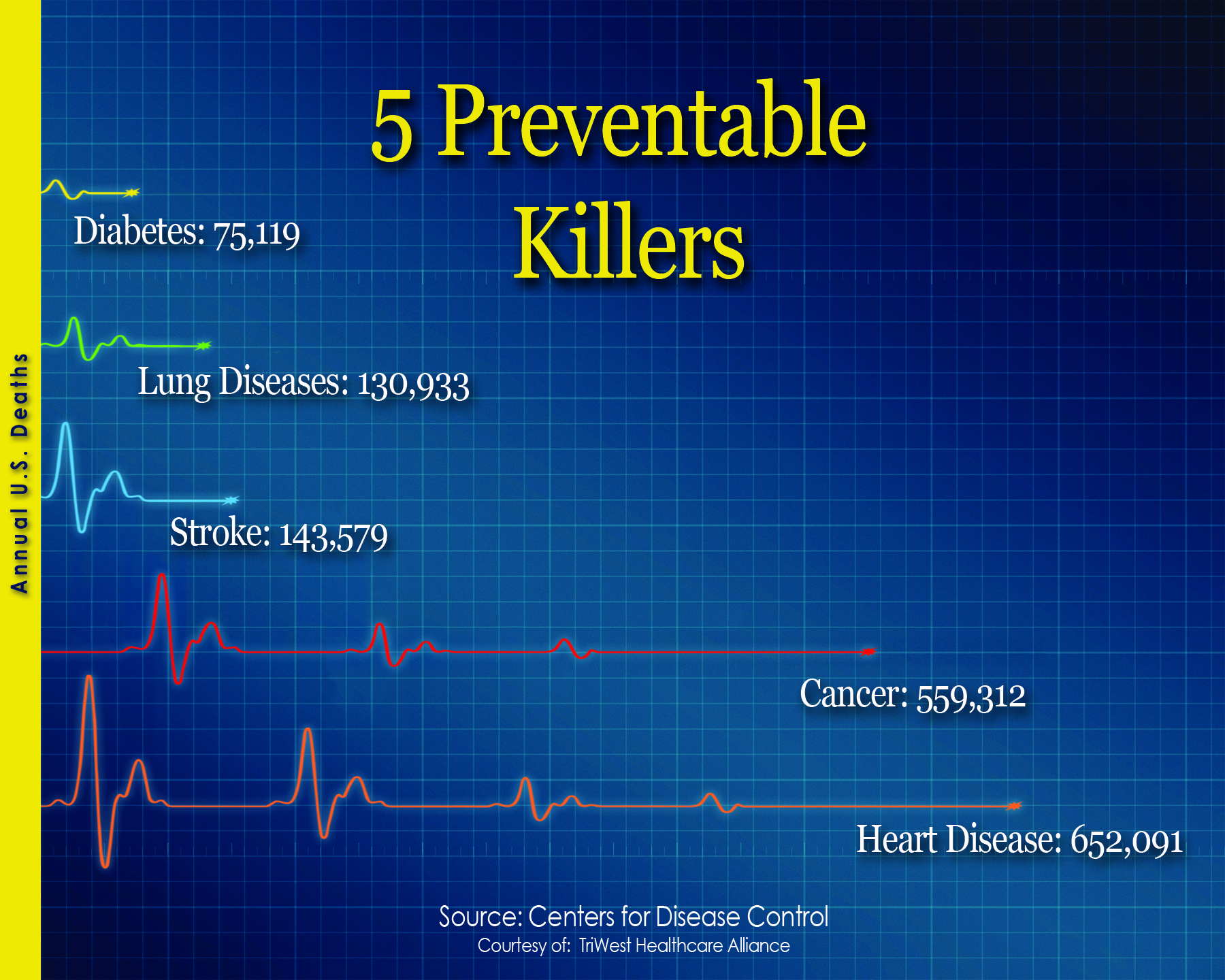
The leading causes of death in the US are all very much influenced by our diet, our sedentary lifestyle, lack of exercise and excessive sitting. Also contributing is our attitude towards managing stress or lack thereof. Thinking that more is always better or if we are not stressed, we are not doing enough. Heart disease, cancer, diabetes, and respiratory issues are all leading causes of death by far. Each of these ailments can be much less if we made it a priority to do so.

Another health issue is our obsession with following the news and the mental stress that can develop from it. Media in the US, love it or hate it, usually focuses mostly on reporting politics, crime and mostly the negative aspects of our society. The phrase “If it bleeds it leads” shows America’s fascination with negative news. This year so far has been mostly the tragedy of Covid19. The media, the government, the entertainment industry and healthcare leaders fail to promote personal responsibility for the individuals’ own actions relative to diet, exercise and lifestyle, and how that can affect on a much broader level the health of our nation. Instead the strong focus is mostly upon wearing masks and social distancing as a way to make an unhealthy nation, somehow immune to disease and illnesses that affect most those that have multiple health issues to begin with. Please understand that even typically well and health conscious people do get sick also.  Athletes and health enthusiasts can get sick too. However, people that are active usually recover faster though.

We need to honestly look at the root causes for our health issues, instead of looking to politics or others to blame for our own personal accountability. Blaming others will not make us healthier.  We are where we are, because of our choices. I love pizza but I should not be eating it every day of the week. Soda or sugary drinks with every meal? Some TV viewing is fine but 4-7 hours a day is a bit much no?  Sitting for 8 or more hours a day negatively affects our metabolic health. We need to own our individual health and well-being.

Our actions support the data that we do not truly put exercise, nutrition and stress as high priorities deserving more action than mere conversation. Healthy living and habits are a choice and a mindset that we as Americans as a whole, fail terribly at practicing. It does not need to be this way. There are things that can move us forward to become a healthier nation.

The 5 Pillars of Health

Eating healthier can be achieved by managing less intake of junk foods, sugar, and salt, as well as reasonable amounts of alcohol. More fruit and vegetables are healthier snacks that have many nutritional rewards. Become more active by getting up and off the couch, stepping away from the PC, TV, smartphone, and other electronic addictions. Better sleep is a major immune system booster and can be earned by being more active during the day. Relieve stress through exercise, meditation, or breathing deeper and more deliberately, or take more breaks from the news and social media. Be nice to others because what you put out, you receive back. Basically, get moving more, eat healthier foods, sleep better, stress less and be a nicer person.  Enjoy life but know your limits and take all things in moderation.

Be well, stay healthy, be wise.

Jim Moltzan

Works Cited

Adams, Jerome, “How resilient communities can create a healthier country.” Youtube, uploaded by TEDxMidAtlantic. September 23, 2020.   www.youtube.com/watch?v=RIY13uvlGLY

American Academy of Anti-Aging Medicine

www.worldhealth.net/news/bloombergs-global-health-index-2020/

Fryar, Cheryl, et al. Fast Food Intake Among Children and Adolescents in the United States, 2015–2018, NCHS Data Brief No. 375, August 2020, www.cdc.gov/nchs/products/databriefs/db375.htm

CDC, National Center for Health Statistics. Exercise or Physical Activity, May 11, 2020 www.cdc.gov/nchs/fastats/exercise.htm

Hales, Craig, et al. Prevalence of Obesity and Severe Obesity Among Adults: United States, 2017–2018, NCHS Data Brief No. 360, February 2020. www.cdc.gov/nchs/products/databriefs/db360.htm

Xu, Jiaquan, et al. Mortality in the United States, 2018, NCHS Data Brief No. 355, January 2020.  www.cdc.gov/nchs/products/databriefs/db355.htm

Chiropractic and Naturopathic Medicine – a basic summary

Chiropractic and Naturopathic Medicine – a basic summary

In 1895 Daniel David Palmer founded chiropractic healthcare based primarily on the importance of the physical structure of the human body and its effects on the vascular system. Also, chiropractic was to have emphasis on the manipulation of the spine due to subluxations or misalignments of the vertebrae (Micozzi, 2018). Chiropractors believe that the nervous system’s signals are transmitted through autonomic pathways to the muscles and internal organs. These signals can cause pain throughout the body and consequently should be able to reduce pain by way of spinal manipulation. Chiropractic draws upon other cultures’ ancient “bonesetting” techniques.The allopathic profession was also becoming stronger in the early 1900’s in establishing a monopoly on medical training and licensure. Allopathic practitioners and the American Medical Association began to forcefully oppose the new chiropractic professions well into the 2nd half of the 20th century (Micozzi, 2018). Chiropractic practitioners’ focus has been mostly to treat neuromusculoskeletal issues, including but not limited to pain in the back, neck, and in the joints of the arms or legs. The main philosophies of using drug free methods of manipulation as a means to promote whole body healing has not changed for chiropractors.

The naturopathy healthcare modality formed in the United States around the early 1900’s, with emphasis on disease prevention and treatment by way of pursuing a healthy lifestyle with the body’s own innate healing abilities. Naturopathic medicine seeks to diagnosis and treat the root cause of the patient as a whole being, rather than treating the pieces and parts of the person (Millstone, 2019).

Naturopathic doctors may use a variety of therapy methods such as:

  • Management of diet through nutritional supplements and medicinal herbs
  • Acupuncture
  • Physical therapies (heat or cold therapy, ultrasonography, and massage)
  • Hydrotherapy (warm-water or cold-water applications)
  • Mind-body therapies
  • Exercise therapy (Millstone, 2019)

Naturopathy also follows a Natural Order of Appropriate Therapeutic Intervention, where:

 1. Reestablish the basis for health:

  • Remove obstacles to healing.
  • Establish a healthy environment.
  • Address inborn susceptibility.

 2. Stimulate the healing power of nature.

 3. Tonify and nourish weakened systems.

 4. Correct deficiencies in structural integrity.

 5. Prescribe specific substances and modalities for specific conditions and biochemical pathways (e.g., botanicals, nutrients, acupuncture, homeopathy, hydrotherapy, counseling).

 6. Prescribe pharmaceutical substances.

 7. Use radiation, chemotherapy, and surgery (Micozzi, 2018).

Be well!

References:

Micozzi, M. S. (2018). Fundamentals of complementary and alternative medicine (6th ed.). Philadelphia: Saunders.

https://www.hoosiernaturopath.org/blog/taking-steps-two-at-a-time

Diamond, W. John. The Clinical Practice of Complementary, Alternative, and Western Medicine. CRC Press, 2001

Millstine By Denise Millstine, Denise. “Naturopathy – Special Subjects.” Merck Manuals Consumer Version, Merck Manuals, Feb. 2019, www.merckmanuals.com/home/special-subjects/integrative-complementary-and-alternative-medicine/naturopathy.

________________

I write often about topics that affect our health and well-being. Additionally, I teach and offer lecture about qigong, tai chi, baguazhang, and yoga.

For more info, contact Jim Moltzan at info@mindandbodyexercises.com, 407-234-0119 or through my site at http://www.mindandbodyexercises.com

If you are looking for a reputable chiropractor, contact https://www.holisticwellnessnow.com/