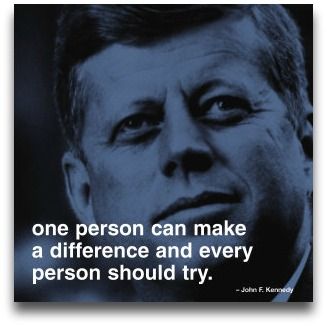
Can One Person Really Make a Difference?

Definitely! I have seen this occurring many times over my 60 years. Very evident in today’s events, is that of social media. Innovators such as Mark Zuckerberg (Facebook), Jack Dorsey (Twitter), Elon Musk (Twitter now X, Tesla, Space X), and others have been at the forefront of using modern technology and social media to help evolve cultures worldwide. History will later determine if these innovations have been positive or negative additions to our societies. Innovators are individuals who bring discoveries or inventions to awareness, usage, and acceptance within particular groups (Conerly, 2021). Social media was nonexistent before the usage of smartphones became mainstream and now is often viewed globally as a necessity. Some societies have suggested that cellphone accessibility has become a basic right as a means to communicate and gather information (Writer, 2009). Currently, social media can be considered as low as well as popular culture, as its usage transcends almost all levels of social status.
I think there are many examples all throughout history, with religious or spiritual figures such as Jesus Christ, Siddhartha Gautama (Buddha), Mohammed, Confucius, and Lao Tzu. These individuals literally defined new perspectives on culture, for which religion or spirituality is but one subgroup of culture within a society.  I have found that one person’s culture may be seen as another’s cult. These figures are often debated and even labeled as either cultural or cult leaders (Conerly, 2021). All of these spiritual leaders affected the values and beliefs of their relative groups for many years after their lives. This can be readily seen in many ways, but more specifically in the many symbols associated with each of these cultures.

I think that for culture to change, it needs to become a ripple effect starting with one individual or one event that is the spark.  Like a fire, where the wood, gas, fuel, etc. has the potential to become fuel, a fire cannot grow until the spark ignites the fuel and may remain dormant. Jesus Christ was a spark, but if he had no followers, it would have just been his beliefs and teachings. I think of the old cliche, if a tree falls but nobody hears it, did it indeed produce a sound? The debate produces circular logic where perhaps no one answer is correct or absolute.

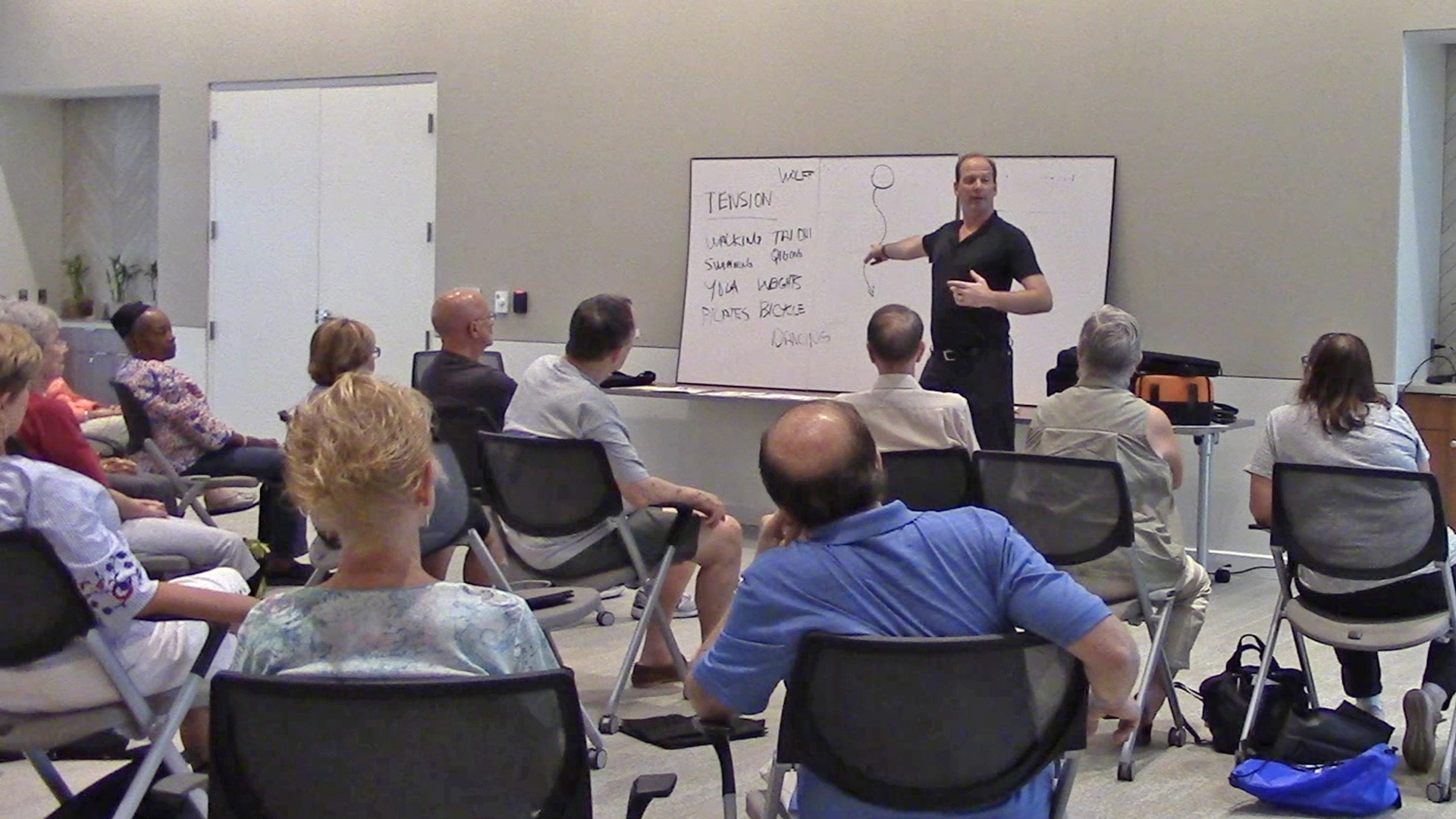
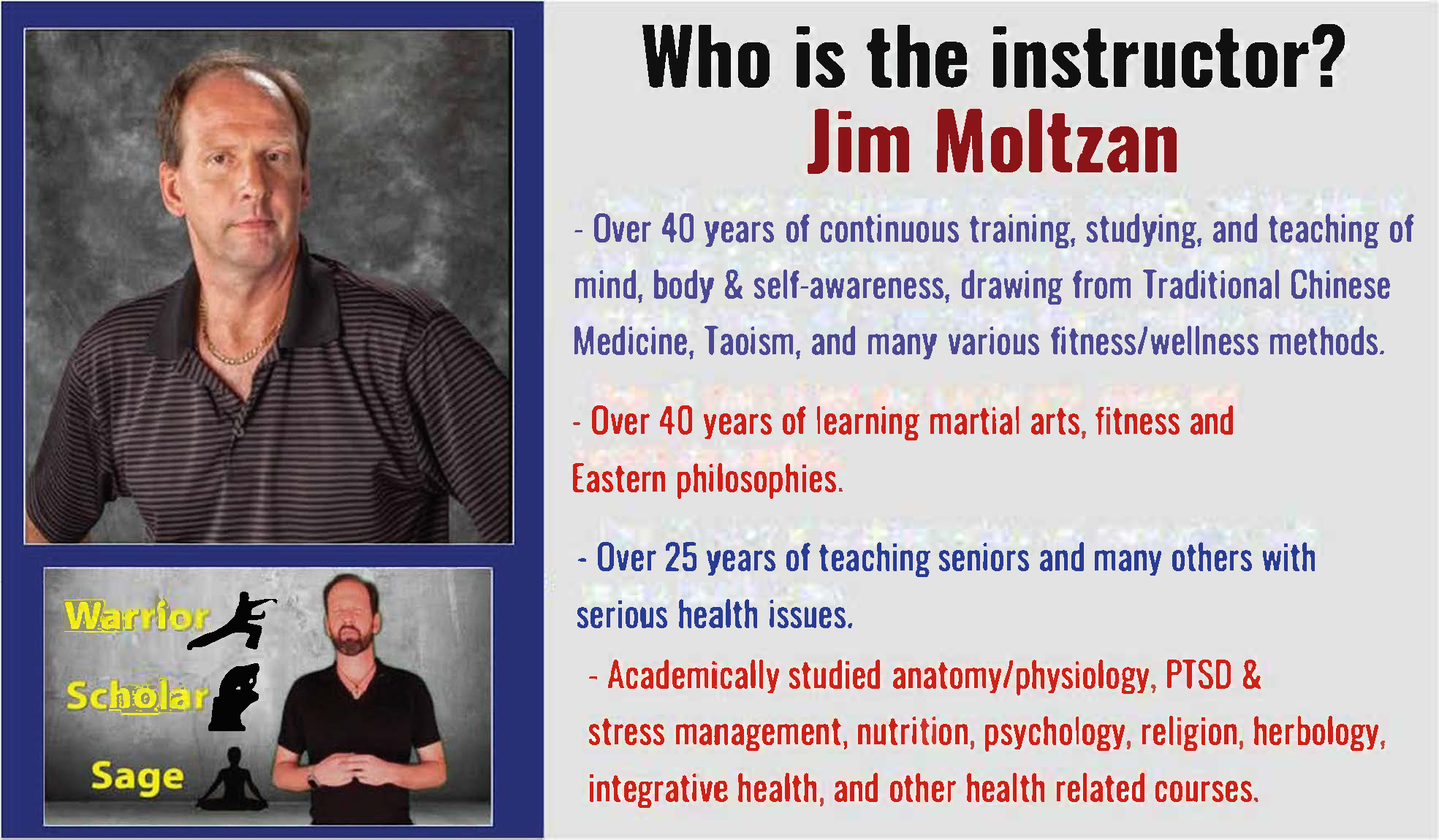
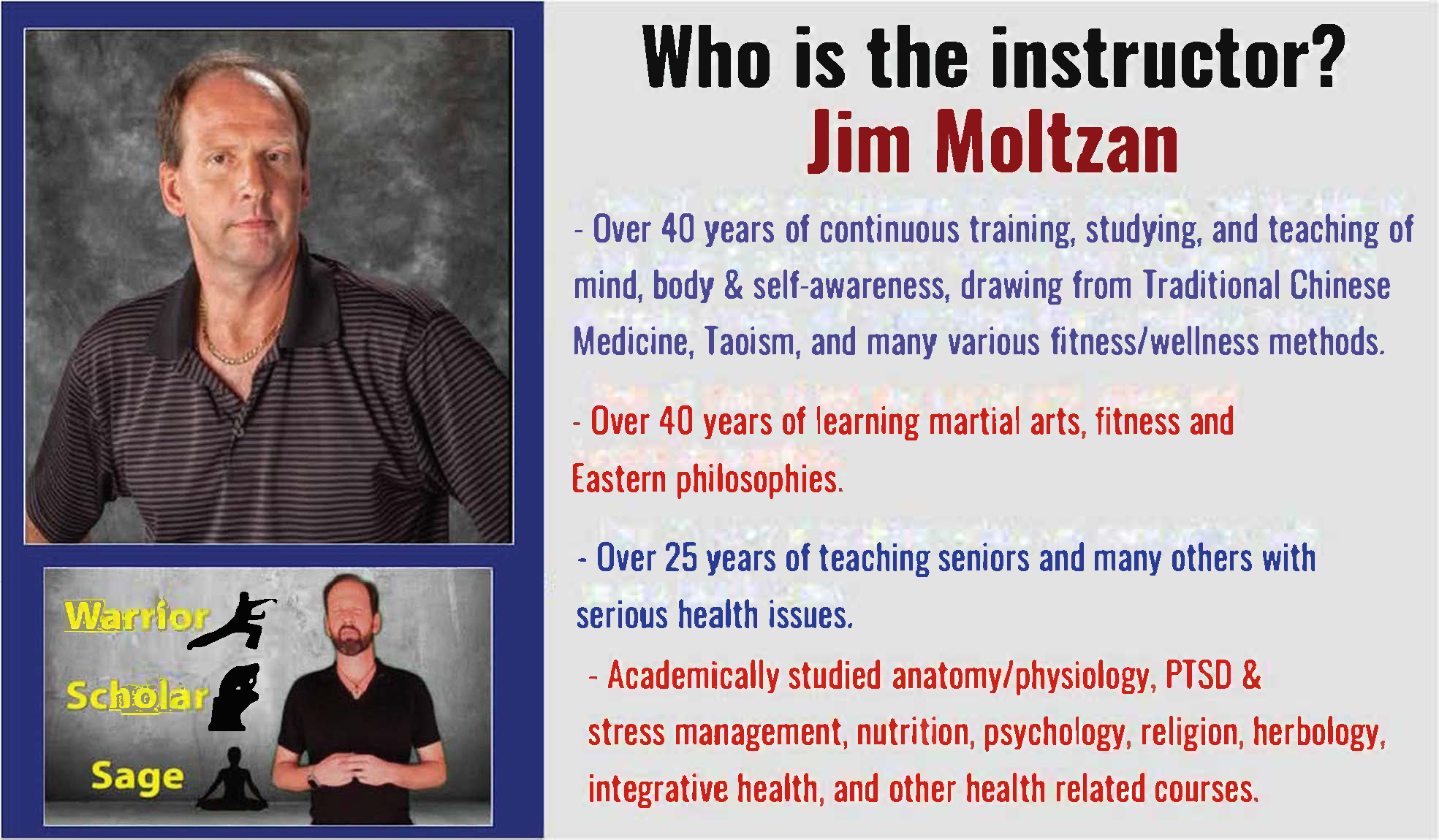
Sometimes making a difference does not have to be seen as changing society or culture, but rather an individual. Drew Dudley explained the “lollipop moment” as an event, conversation, or experience that fundamentally changes another person for the betterment of their life (TEDx Talks, 2010). I have been part of a healthcare subculture, (and even sometimes a counterculture) as a teacher of holistic health practices, tai chi, and qigong for over 40 years. I have effectively taught or conversed with thousands of individuals. A large percentage of my students have been senior adults, who have aged and consequently passed away. I have been invited to numerous funerals or celebrations of life, by members of their families. I was personally told by some of these members how I had had a profound effect on their loved one’s health, but also their happiness and quality of life. This has come through not only from my instruction but also from the social setting in which I am a catalyst. It is in these moments of self-realization that I confirm my true meaning and purpose of being a teacher and sometimes a healer.

To speak a bit more spiritually and philosophically, I have found that we earn our life, through our service to others. What holds some people back from sharing the importance of these lollipop moments with others, I feel is a humbleness to not want to draw attention to oneself. In our current society, there exists so much egocentrism where many seek to be something different, something bigger or better than the rest. We can experience some level of ego-death, where we can realize that the universe does not exist for us, but rather we exist as a small part of the universe. To relate this back to the question of one person being able to make a difference to change society or culture? Yes, we all can have this ability, albeit some with better or less success. One step at a time, one person at a time, and one day at a time. 

References:

Conerly, T. R. (2021, June 3). Ch. 3 Introduction – Introduction to Sociology 3e | OpenStax. https://openstax.org/books/introduction-sociology-3e/pages/3-introduction

Writer, L. H. F. (2009). Is a cellphone a basic human right? Toronto Star. https://www.thestar.com/news/is-a-cellphone-a-basic-human-right/article_b1422c20-ea5b-524a-b75e-26f8f970a6da.html

TEDx Talks. (2010, October 7). TEDxToronto –  Drew Dudley “Leading with Lollipops” [Video]. YouTube. https://www.youtube.com/watch?v=hVCBrkrFrBE

I teach and offer lectures about holistic health, stress management, qigong, tai chi, baguazhang, meditation, phytotherapy (herbs), music for healing, self-massage, and Daoyin (yoga).

Please contact me if you, your business, organization, or group, might be interested in hosting me to speak on a wide spectrum of topics relative to better health, wellness, and fitness.

I look forward to further sharing more of my message by partnering with hospitals, wellness centers, VA centers, schools on all levels, businesses, and individuals who see the value in building a stronger nation through building a healthier population. I also have hundreds of FREE education video classes, lectures, and seminars available on my YouTube channel at:

https://www.youtube.com/c/MindandBodyExercises

www.MindAndBodyExercises.com

www.Amazon.com/author/jimmoltzan

Mind and Body Exercises on Google: https://posts.gle/aD47Qo

Jim Moltzan

407-234-0119
Reducing Daily Stress Experienced by High School Students – Mindfulness-based Stress Reduction (MBSR) Techniques

Our teenage youths have been in distress now and for many years past. So much talk, but so little action. I am trying to do something, and it is time-proven and with a clear plan and direction.

Reducing daily stress experienced by high school students is possible through Mindfulness-based Stress Reduction (MBSR) techniques. I believe this to be accurate, as I have practiced and taught many stress management techniques for over 40 years to adults of all ages.

The goal of my proposed intervention is to reduce the typical daily stress that teenagers experience regularly on the individual level, while in high school. Daily stress often leads to mental health ailments of anxiety, depression, impaired focus, and lack of quality sleep. The target audience for this intervention is high school students, 14-18 years of age. Promoting focusing on mental health and well-being is crucial for overall health. This will be accomplished by myself or a qualified professional guiding participants through the various stages of change within the Transtheoretical Model (TTM) to encourage the practices of mindfulness-based stress reduction (MBSR). MBSR therapy is a meditation strategy that is used to help with stress management, sleep disorders, depression, anxiety, hypertension, chronic pain, cancer, diabetes mellitus, and other disorders (Kabat-Zinn, 2013).

MBSR techniques have little risk and can increase the agency that individuals have in managing mood swings and physical pain, as well as enhancing the quality of their own lives (Niazi & Niazi, 2011). Research from recent studies supports that some college students who practiced mindfulness along with their coursework, reported cognitive and wellbeing benefits, when practicing for as little as five minutes twice a week, dependent upon the specific type of mindfulness method implemented (O’Hare & Gemelli, 2023).

The Transtheoretical Model (TTM) will be utilized with this intervention. TTM encompasses more than one health-related behavior theory, which to me seems that TTM offers a more comprehensive strategy to help individuals to better understand and manage stressors within their daily life. Within TTM there are four key constructs that are thought to produce significant behavioral changes. The constructs are:

• Stages of changes

• Decisions balance

• Self/Efficacy/Temptations

• Processes of change

The first construct of TTM suggests that there are stages of change where precontemplation, contemplation, preparation, action, and maintenance all affect human behavior. The second construct of decision balance suggests that when there are more pros than cons for a certain behavior, an individual will either move forward or backward within the stages. The third construct encourages a “can-do” attitude, where an individual may gain confidence and feel that they have more control and agency in their decisions.  The fourth construct delves more into the details of experiential versus behavioral changes (Simons-Morton & Lodyga, 2021) where a person moves from the “thinking” state to a more active “doing” state of being. Overall, the TTM will help me to show participants how mindfulness-based stress reduction techniques can help students move from the “contemplation” stage to “action” by highlighting its effectiveness in stress reduction and management.

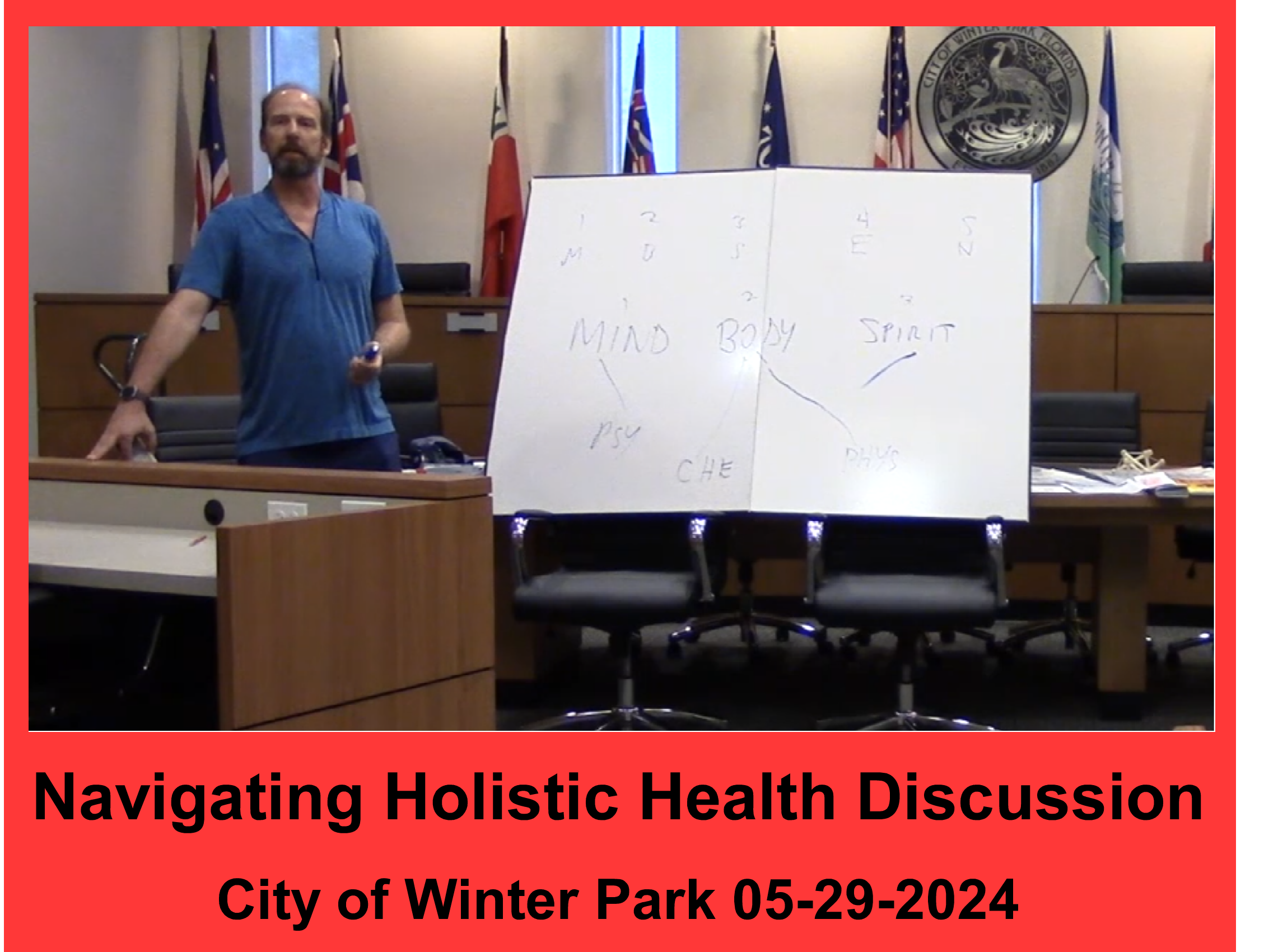
This intervention can be implemented by first contacting a local high school’s administration to explain the goals and benefits of sponsoring such an event. Once the administration agrees to support, promote, and manage the registration of students for a group setting workshop (intervention), a trained and/or qualified professional will come to the school’s auditorium after school finishes on a predetermined day. They can then present an initial 10-minute introduction of the potential goals and benefits to the students. Using a whiteboard and handwriting a few notes and health statistics from the Center for Disease Control (CDC) and the American Heart Association (AHA) will help draw their focus. My message that can be conveyed, is how as young adults, they can individually have self-efficacy over their thoughts, emotions, and relative coping mechanisms for managing stress. A major portion of this presentation will be explaining in some detail what the TTM is and how it is related to stress management. Another major component of this presentation will be an explanation of the methods and benefits of MBSR.

The professional will then ask those students interested in participating further in this intervention to answer only to themselves by signing a contract of commitment form to attend 3 10-minute sessions for a total of 8 weeks. There will be no consequence if the student decides not to continue, however, they will not receive any credit or reward upon completion if they do not attend. Sessions will be just after school ends, giving the students 5-10 minutes to get to the auditorium. Parent’s knowledge and support of their children’s participation are key components needed to reinforce their child’s commitment to accept the challenge of doing some type of task or activity that will potentially affect not only the individual but the whole family’s well-being. I would also invite and encourage parents to attend the sessions if they are available to do so.

My intervention can address the key constructs of TTM throughout the presentation. More specifically, the stages of change will need to be targeted as follows:

Precontemplation – In this stage, participants may not yet recognize a need to reduce stress or might not view it as an important priority. If they were in the room and attending my presentation, they are already past precontemplation, or else they would not have made the effort to come to the event.

Contemplation – With a goal of raising awareness of current teen health issues, I seek to motivate and inspire individuals to think more about becoming equipped to manage the impact stress has on their health and well-being, I will offer information regarding the benefits of mindfulness techniques to reduce stress, thereby affecting and improving overall health and well-being.

Preparation – In this stage I will be explaining how we will need to take action and how this group will be readied, in order to achieve a greater sense of agency over individual stress management. I will provide resources such as guided meditation apps or YouTube classes that can help support their practice.

Action – The phase of action is where participants will actively engage in MBSR exercises. Each session will review and build upon prior sessions. I will be encouraging them to practice regularly and offer other strategies to overcome potential hurdles and maintain motivation. Setting reminders on their phones and finding quiet places for meditation will help reinforce their self-practice.

Maintenance – In this phase, individuals will have successfully adopted mindfulness techniques into their daily routine and are most likely experiencing the benefits of having less stress. I can offer further strategies to help maintain their practice and prevent relapse, such as further opportunities for learning and growth through other techniques and resources. After this intervention concludes, there will be a follow-up survey one month after the event to determine if participants are still engaged in practicing the self-regulation techniques that they learned.

The construct of decision balance will be addressed and discussed at each session, as participants will be reviewing the pros and cons of returning for future sessions. If they feel that they are improving their stress management, they will be inclined and more self-motivated to continue.

The construct of self-efficacy of individuals will most likely increase as participants move through the stages of change.

For the construct of the processes of change, I would not going to go into much detail to the whole group. I feel that this construct, while important may be a bit more complex than what will already have been covered up to this point as far as human behavior is concerned. A slide will be available in the presentation, and I can offer further explanations as necessary.

The intended outcome of the intervention will be to hopefully have the participants be able to better recognize and manage stressful experiences, whether from events such as tests, time management, social interactions, and other activities that often manifest into stress.

Please contact me if you, your school, your business, your organization, or your group, might be interested in hosting me to speak on a wide spectrum of topics relative to better health, wellness, and fitness.

References:

American Heart Association: Childhood stress linked to higher risk of high blood pressure, obesity, diabetes in adults. (2024, January 17). Contify Life Science News, NA. https://link.gale.com/apps/doc/A779587760/ITBC?u=vol_vsc&sid=ebsco&xid=ed427911

CDC. (2023) The Youth Risk Behavior Survey Data Summary & Trends Report: 2011–2021, https://www.cdc.gov/healthyyouth/mental-health/index.htm

Kabat-Zinn, J. (2013) Full Catastrophe Living (Revised Edition) (pp. 77-78, 351). Random House Publishing Group. Kindle Edition.

Niazi, A. K., & Niazi, S. K. (2011). Mindfulness-based stress reduction: A non-pharmacological approach for chronic illnesses. North American Journal of Medical Sciences, 3(1), 20. https://doi.org/10.4297/najms.2011.320

O’Hare, A. J., & Gemelli, Z. T. (2023). The effects of short interventions of focused-attention vs. self-compassion mindfulness meditation on undergraduate students: Evidence from self-report, classroom performance, and ERPs. PLoS ONE, 17(1), 1–20. https://doi.org/10.1371/journal.pone.0278826

Simons-Morton, B., & Lodyga, M. (2021). Behavior theory in public health practice and research. Jones & Bartlett Learning.

I teach and offer lectures about holistic health, stress management, qigong, tai chi, baguazhang, meditation, phytotherapy (herbs), music for healing, self-massage, and Daoyin (yoga).

Please contact me if you, your business, organization, or group, might be interested in hosting me to speak on a wide spectrum of topics relative to better health, wellness, and fitness.

I look forward to further sharing more of my message by partnering with hospitals, wellness centers, VA centers, schools on all levels, businesses and individuals that see the value in building a stronger nation through building a healthier population. I also have hundreds of FREE education video classes, lectures and seminars available on my YouTube channel at:

www.MindAndBodyExercises.com
https://www.facebook.com/MindAndBodyExercises/
https://www.youtube.com/c/MindandBodyExercises
https://mindandbodyexercises.wordpress.com/
https://umareg.com/masters-council/

www.Amazon.com/author/jimmoltzan

Mind and Body Exercises on Google: https://posts.gle/aD47Qo

Jim Moltzan

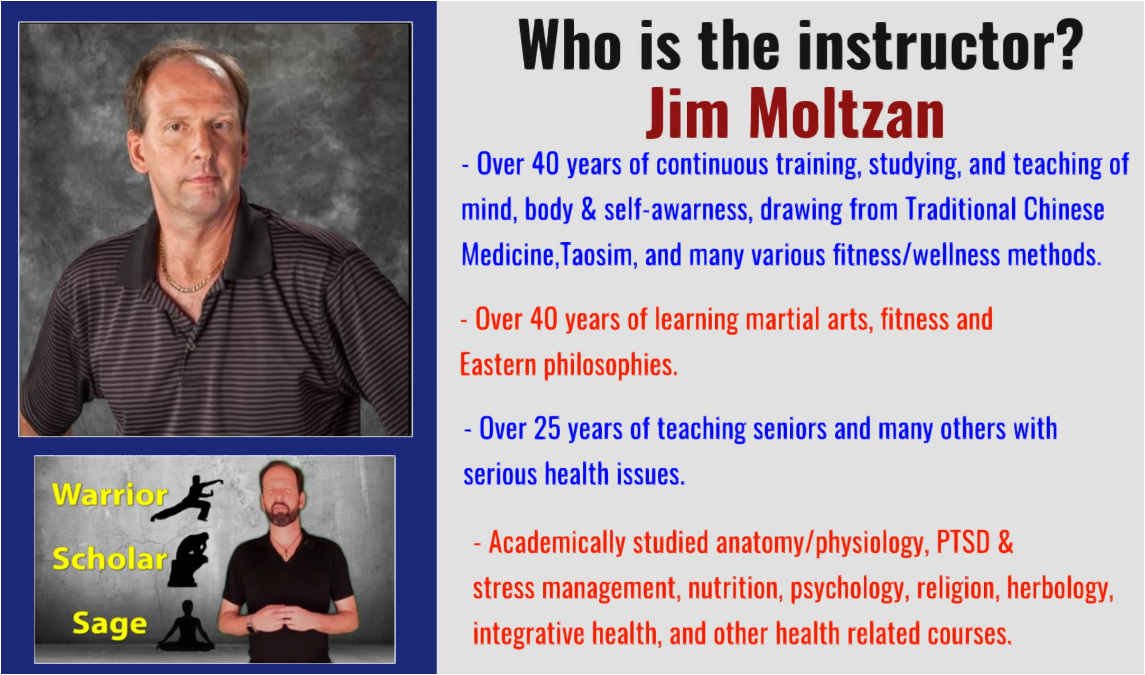
  • 5th degree in Korean Kung Fu (Ship Pal Gye) 
  • Recognized by Zen Wellness as a Master Level Instructor (gold coin)
  • Recognized by the Doh Yi Masters as a Fellow Doh Yi Master, having completed 10000 hours of training
  • Bachelor’s degree in Holistic Health

407-234-0119

“They Don’t Know, What They Don’t Know” – The Dunning-Kruger Effect

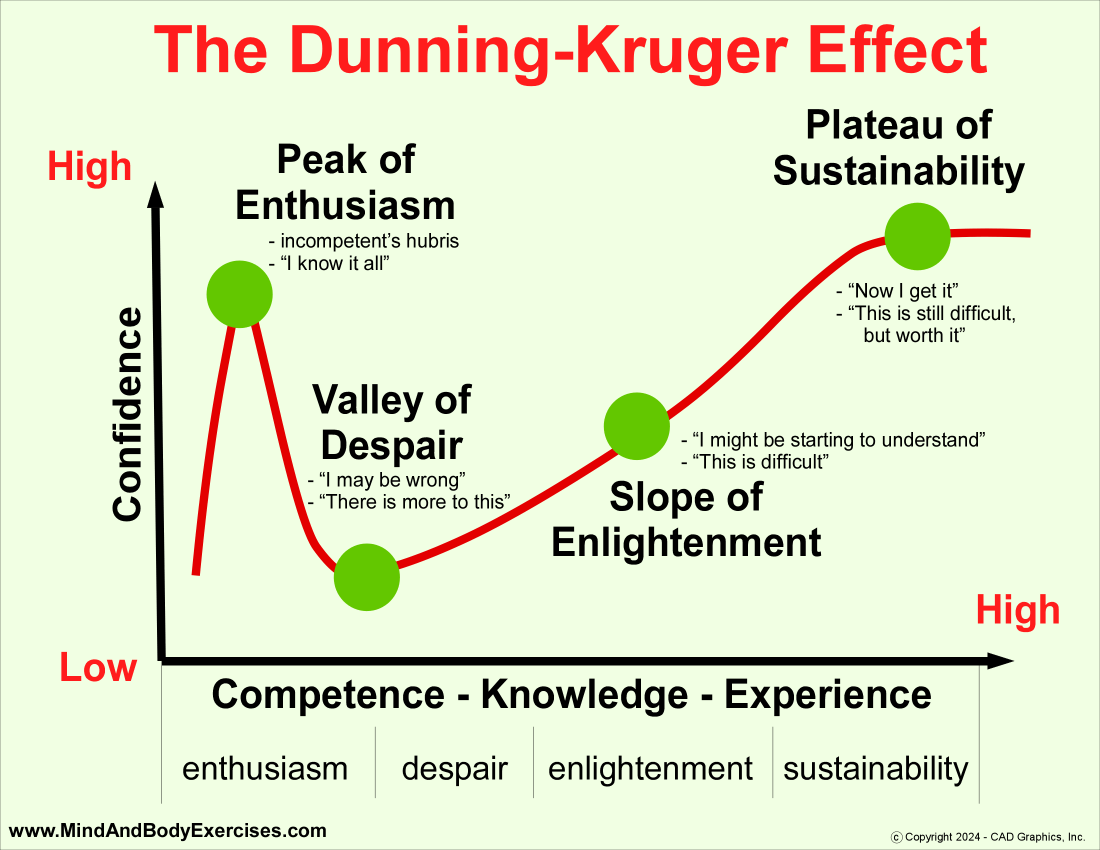
The Dunning-Kruger effect was theorized by psychologists David Dunning and Justin Kruger in a 1999 study. They proposed that there is a cognitive bias where individuals with knowledge or ability within a specific area have a propensity to overestimate their own competence in a particular field. This overestimation may come about due to a lack of the necessary metacognitive skills to accurately determine their own competence. A common phrase used to summarize this phenomenon is that of “they don’t know, what they don’t know.” This effect may be seen in examples of recent high school or college graduates who sometimes express a type of hubris, where they believe that they are intellectually superior to others. Expecting parents sometimes experience this effect where before their child is born, they have delusions of what type of parents they will be. “My kids won’t get away with that,” “I won’t be doing that with my children,” or maybe prejudging other parents in how they choose to raise their kids. Once their children are born, new parents might soon realize that parenting is much more complex and difficult than what they first believed.

Conversely, those individuals who are highly knowledgeable or skilled in a particular field often underestimate their own competence. This underestimation may manifest because some individuals assume that challenges or projects that are easy for them, may also be easy for most others. Well-seasoned individuals in any particular field of knowledge, skill, or ability often gain much wisdom from experience, adaptation, and application of their specific skill set. For some people, this is also highly humbling as the individual realizes that the more someone knows, they ironically recognize that there is so much more to learn.

The Dunning-Kruger effect can be summarized into four key stages:

  1. Incompetence and Confidence: Individuals possessing low skill levels or knowledge may fail to acknowledge their lack of skill, leading to inflated self-assessments and high confidence.
  2. Awareness of Incompetence: Once an individual acquires more knowledge and experience, they may start to become more aware of their own incompetence, which in turn leads to a further decrease in confidence.
  3. Competence along with Cautious Confidence: With further experience, practice, and learning, individuals begin to develop true competence. As their confidence begins to increase again, they can more accurately showcase their abilities.
  4. Mastery with Modesty: More highly skilled individuals will often acknowledge the complexities of a particular domain and realize how much they still don’t know. This awareness can lead to modesty or humbleness about their abilities, despite the individual being highly competent in their specific field.

The Dunning-Kruger effect highlights the importance of seeking self-awareness and striving to continue to learn new things. It proposes that improving one’s metacognitive skills, such as the ability to self-assess one’s own knowledge and performance accurately can help minimize the effect. In summary, the Dunning-Kruger effect is a cognitive bias where individuals with low knowledge, ability, or competence in a specific area may overestimate their own skill level. On the other hand, people with a high competency in a particular field often underestimate their relative ability. This may occur due to the same skills that contribute to competence are also needed to recognize competence, leading to a disconnect between self-assessment and actual ability.

I teach and offer lectures about holistic health, stress management, qigong, tai chi, baguazhang, meditation, phytotherapy (herbs), music for healing, self-massage, and Daoyin (yoga).

I look forward to further sharing more of my message by partnering with hospitals, wellness centers, VA centers, schools on all levels, businesses and individuals that see the value in building a stronger nation through building a healthier population. I also have hundreds of FREE education video classes, lectures, and seminars available on my YouTube channel at:

https://www.youtube.com/c/MindandBodyExercises

www.MindAndBodyExercises.com

www.Amazon.com/author/jimmoltzan

Mind and Body Exercises on Google: https://posts.gle/aD47Qo

Jim Moltzan

407-234-0119

Walking is Great Exercise, and it’s Free!

Having difficulty getting started on a fitness routine? No local gyms? No money in the budget for managing your health, fitness, and overall wellness?

How about adding more walking into your day? Walk your neighborhood. Hike in the woods or local parks, or try “nature bathing,” a topic for another post. Climb stairs in your home, apartment, or at nearby malls, offices, and other businesses. The options are abundant if one is motivated. Other types of exercise might offer more benefits than walking and are perhaps more appropriate for specific body types and issues. However, walking is the most available form of exercise that most people are already doing daily, to some degree. Walking can be therapeutic for some as a way to manage stress and anxiety, a much-needed tool in our current hectic society.

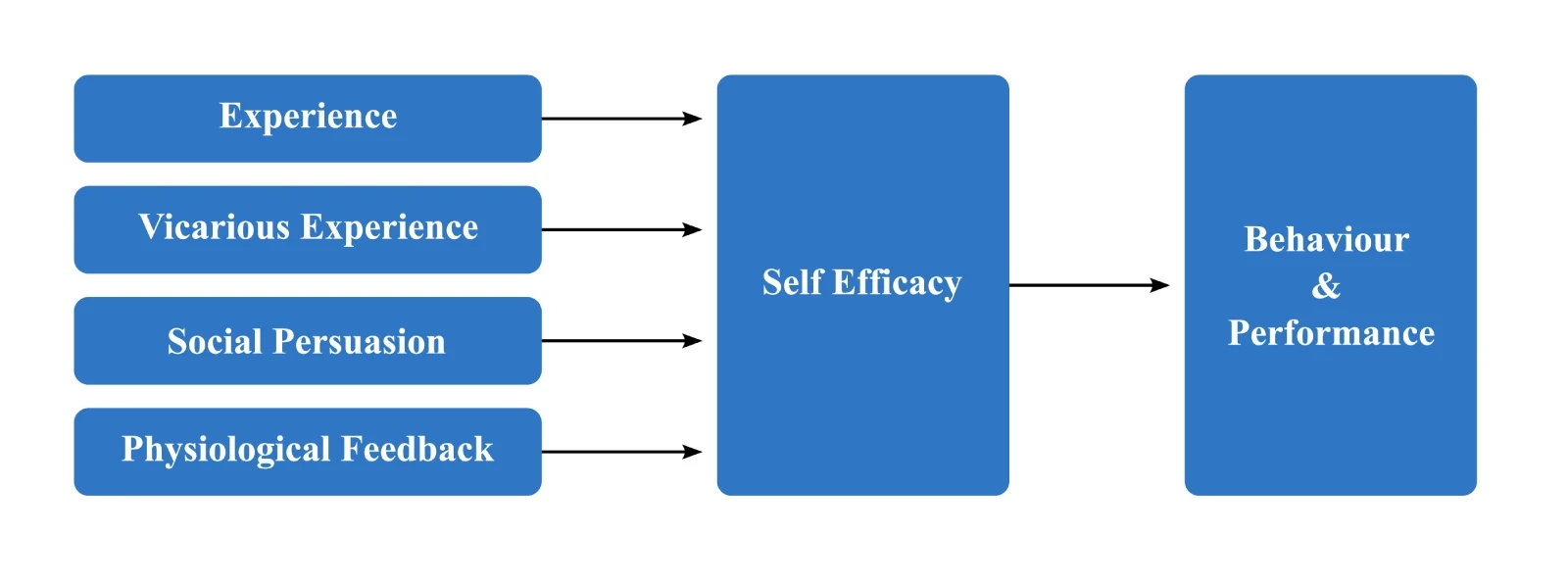
Here is a step-by-step method that offers some of the psychological mechanisms that can help someone to become motivated to get started with a fitness routine. By implementing the Self-Efficacy Theory (SET) I encourage any individual’s belief in their ability to perform specific behaviors relative to personal fitness and well-being. With the goal of increasing an individual’s health (young and old alike) through physical activities, I suggest expounding upon this goal by using appropriate, safe, and effective methods, such as walking. Why not implement more walking into your day? Consistent walking has many potential health benefits. Walking can help to increase overall physical health and mental well-being, as can be seen in adults of all ages who walk regularly. Some communities offer organized group walks where people can join and see others in similar health being able to engage in regular physical activity.

Once an individual becomes engaged in more simple and easily obtainable goals of walking activities, they can begin tracking and recording walking sessions on a daily basis. As the person increases their consistency of walking, they can gradually increase the distance and/or amount of time walking. As the individual sees their own progress increase through self-recording, they can further increase their own goals and consequently begin to achieve mastery in their own ability to maintain their health. Later they may invest in a fitness tracker, which could encourage more self-mastery of the individual’s health goals. Fitness trackers like Fitbit or Apple Watch can offer the person other ways to track not only their walking but also heart rate and calories burned in the process of walking. By acknowledging and celebrating their own achievements of specific goals, the individual again is receiving a feeling of mastery in their own achievements helping to instill their confidence and determination to continue further with their program of walking.

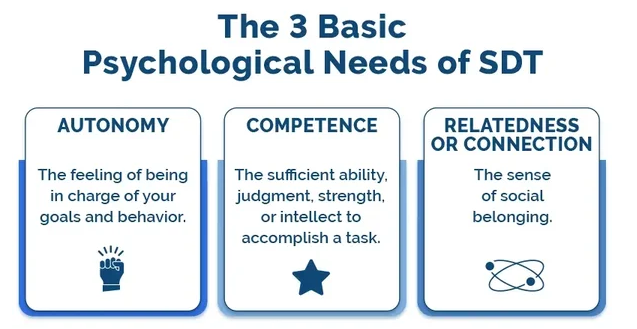
After some amount of time walking regularly, an individual will most likely begin to feel and experience somatic or emotional responses as they may feel less emotional stress after walking. They may even begin to feel the “runners’ high” where endorphins are released into their bloodstream, thus giving them a sense of temporary euphoria. By adding in some additional activities such as gentle stretching or warmup exercises at the beginning and/or end of each walking session, an individual may be able to better manage physical soreness, muscle tightness, or even emotional stress. As a person improves their own health, loved ones may offer emotional and maybe physical support if needed. An individual then may also begin to feel that others do indeed care about their health and well-being. This can further help them to become more intrinsically motivated to continue their exercise program knowing and believing that they can do it on their own but have more support if necessary. I think that all of the constructs that I discussed from SET and also with the self-determination theory (SDT), will give an individual over a short amount of time, the tools that they need to have more self-control, agency, and autonomy over their own health and well-being.

The Physiology of Walking for Fitness

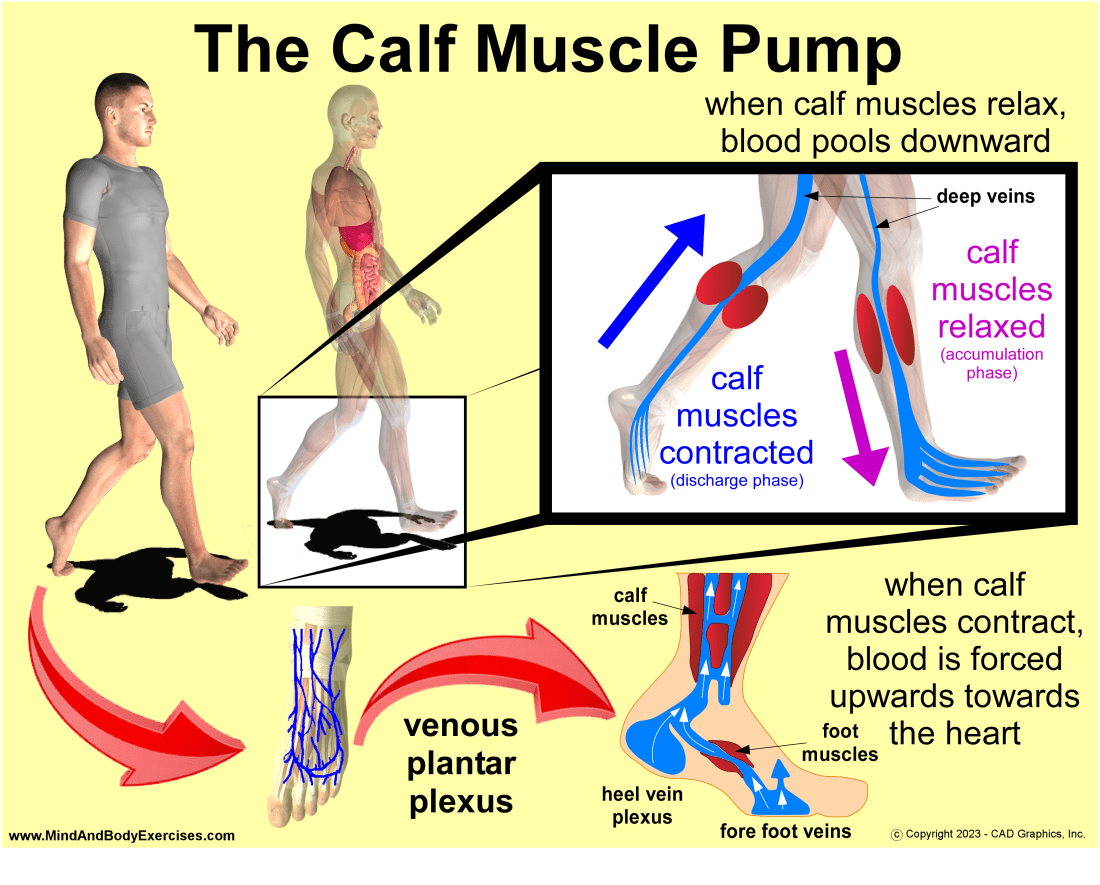
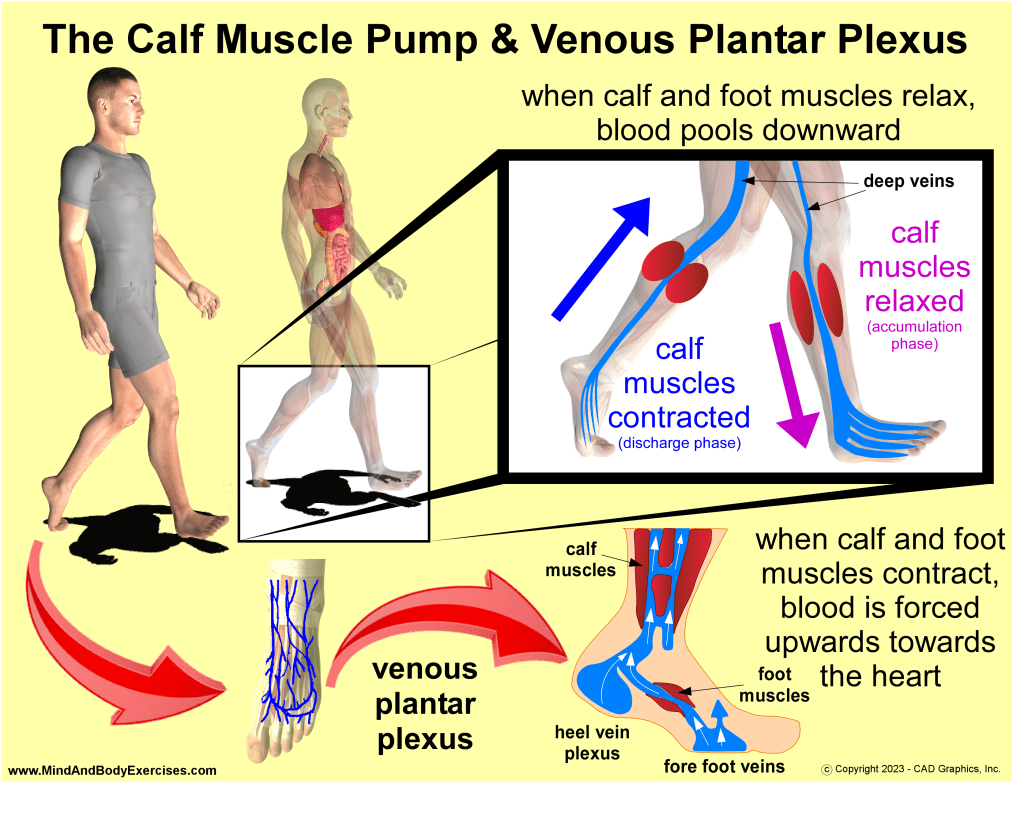
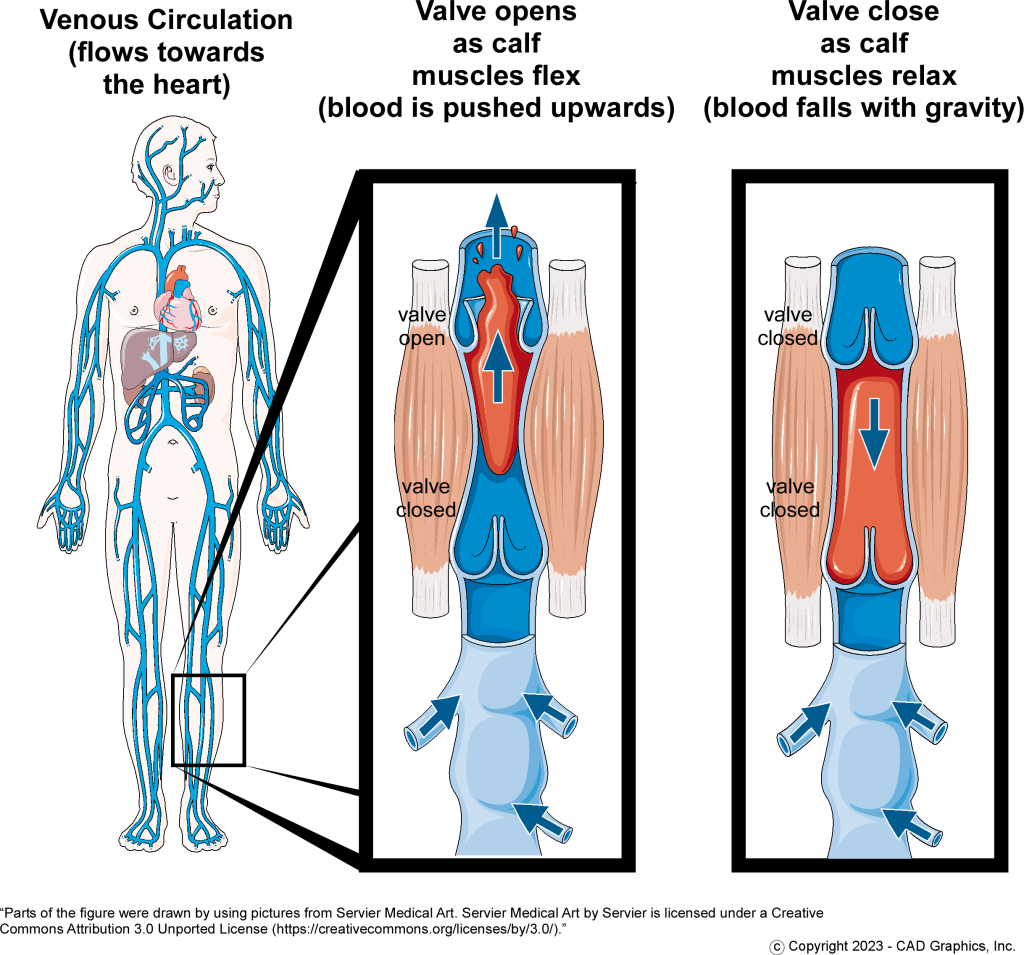
Walking and other weight-bearing activities that engage the muscles in the feet, calves, and thighs illicit a pumping effect that aids in moving blood back to the heart. Rhythmic patterns of relaxation and contraction of these muscles, in addition to the movement of the ankle and toe joints, help to increase venous return and help prevent blood pooling in the lower extremities. Lack of physical movement such as walking and an increase in sitting within our modern American sedentary lifestyle, are major factors that are contributing to the drastic decline in physical and mental wellness of our population within the last decades. More sitting for hours on end at work, behind computer screens, playing video games, and engaging with social media are the norm now. In past years physical activity was more prevalent whether from occupations, recreation, social interactions, or other reasons. A return to a more active lifestyle is what is necessary to get our nation back on track for better health and wellness, instead of harsh pharmaceuticals for all that ails us (a pill for every ill), and pursuing living a life without consequences. We are the architects of our own well-being and relative health and happiness.

The venous plantar plexus of the foot, the venous pump of the calf, and the thigh muscle pump all work together as part of the venous return mechanism, which sends blood back to the heart. The venous pump of the calf, also referred to as the calf muscle pump, is a very important component of this whole mechanism involving the relaxation and contraction of the calf and foot muscles during specific activities such as walking, climbing, exercising, and others. The primary muscles of the calf muscle pump are the gastrocnemius and soleus. This engagement of the calf muscles compresses the veins and pushes blood upwards against gravity. The venous plantar plexus is a bundle of veins found in the sole of the foot, having a primary function of collecting deoxygenated blood from tissues within the foot and moving it back upwards towards the heart. Other muscles in the foot, such as the flexor hallucis brevis, flexor digitorum brevis, and lumbrical muscles, influence toe flexion and extension and consequently help with increasing blood circulation. Both of these mechanisms within the calves and feet contribute to providing efficient blood circulation back up to the heart, as well as preventing blood pooling (edema) in the lower extremities.

Nose-breathing while walking also helps the body to produce nitric oxide (NO) a now well-known messenger molecule that is produced in the nasal cavity and other tissues throughout the body and more specifically in the veins as arteries. NO increases blood flow through dilation of the veins and arteries.

References:

Parts of the figure were drawn by using pictures from Servier Medical Art. Servier Medical Art by Servier is licensed under a Creative Commons Attribution 3.0 Unported License (https://creativecommons.org/licenses/by/3.0/).

___________

I teach and offer lectures about holistic health, stress management, qigong, tai chi, baguazhang, meditation, phytotherapy (herbs), music for healing, self-massage, and Daoyin (yoga).

I look forward to further sharing more of my message by partnering with hospitals, wellness centers, VA centers, schools on all levels, businesses and individuals that see the value in building a stronger nation through building a healthier population. I also have hundreds of FREE education video classes, lectures and seminars available on my YouTube channel at:

https://www.youtube.com/c/MindandBodyExercises

www.MindAndBodyExercises.com

www.Amazon.com/author/jimmoltzan

Mind and Body Exercises on Google: https://posts.gle/aD47Qo

Jim Moltzan

407-234-0119

If Only I Could Read Your Mind

I think we have all thought at some point that it would be nice to be able to read someone else’s mind or know what someone is thinking just by looking at them. It has been the subject of many movies, television shows and comic books. However, with the inception of social media over the last two decades, some feel that we don’t really need to read someone’s mind, when we can just look at their profile and posts on Facebook, Twitter (X), Tik Tok or other platforms. A majority of people surveyed felt that they are concerned over having little control over companies collecting their personal data (Conerly, 2021). In spite of this some people post very personal and intimate information not only about themselves, but also their loved ones and friends.

I find it very ironic that almost daily there are discussions on news coming from Washington and legislators regarding our privacy rights, when so many people willfully offer up their private information on public forums. As artificial intelligence (AI) is advancing by the second, and becoming integrated within some social media platforms, there are many more opportunities becoming available for abuse and crimes. Online identity theft is making it more difficult to know if someone is actually posting their own words and images. With access to photographs, video footage and a few spoken words, software programs can re-construct this information into “deep fakes” where posts can be made available without permission from the person whose identity has been stolen (What the Heck Is a Deepfake? | UVA Information Security, n.d.). These issues will not be going away anytime soon, as culture and society constantly evolves and reacts in order to keep up with the ripple effects coming from new technologies. 

References:

Conerly, T. R. (2021, June 3). 8.1 Technology Today – Introduction to Sociology 3E | OpenStax. https://openstax.org/books/introduction-sociology-3e/pages/8-1-technology-today

What the heck is a deepfake? | UVA Information Security. (n.d.). https://security.virginia.edu/deepfakes

_______________________________________

I teach and offer lectures about holistic health, stress management, qigong, tai chi, baguazhang, meditation, phytotherapy (herbs), music for healing, self-massage, and Daoyin (yoga).

I look forward to further sharing more of my message by partnering with hospitals, wellness centers, VA centers, schools on all levels, businesses and individuals that see the value in building a stronger nation through building a healthier population. I also have hundreds of FREE education video classes, lectures and seminars available on my YouTube channel at:

https://www.youtube.com/c/MindandBodyExercises

www.MindAndBodyExercises.com

www.Amazon.com/author/jimmoltzan

Mind and Body Exercises on Google: https://posts.gle/aD47Qo

Jim Moltzan

407-234-0119