Your Network and Your Net Worth – The Hidden Currency of Human Connection

For many years I heard the phrase, “It’s not what you know, but who you know.” Like many clichés, it can sound overly simplistic at first. After all, knowledge, skill, experience, and competence certainly matter. A surgeon must know surgery. A pilot must know how to fly. A teacher must know their subject. Yet as I have grown older and observed the world around me, I have come to realize that who we know often determines whether our knowledge and abilities ever have the opportunity to be seen.

There is a reason another modern expression has become popular: “Your network determines your net worth.” While money is only one measure of worth, there is undeniable truth in the idea that our relationships, associations, and social circles influence our opportunities, income, and influence.
Skill Alone Is Not Enough

Consider the example of a Tai Chi instructor, yoga teacher, personal trainer, or holistic health educator.

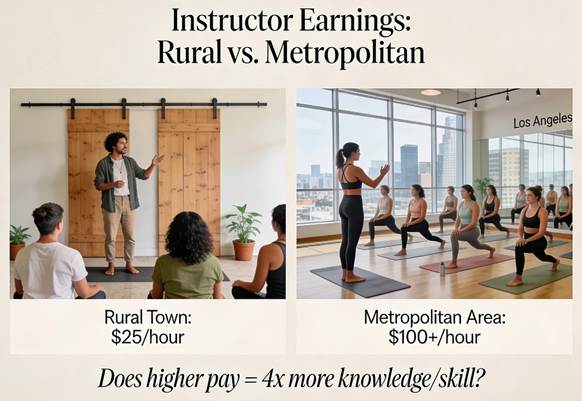
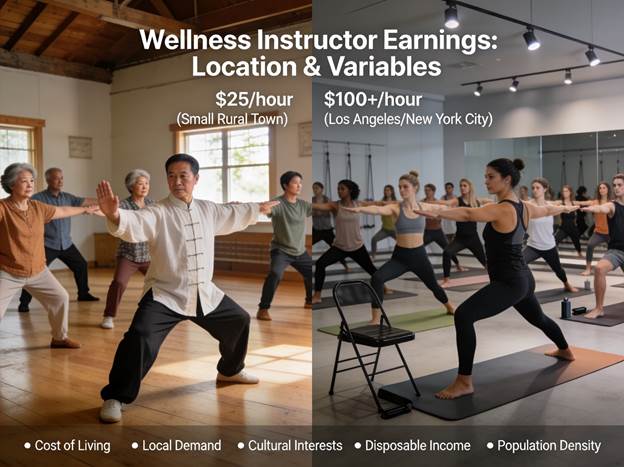
One instructor may earn $25 per hour teaching in a small rural town. Another instructor with similar credentials may earn $100 or more per hour in Los Angeles, New York City, or another affluent metropolitan area. Does this automatically mean the latter instructor is four times more knowledgeable or skilled?

Not necessarily.

Many variables influence earning potential. Cost of living, demographics, local demand, cultural interests, disposable income, and population density all play significant roles. An instructor teaching in a city where wellness and fitness are highly valued may find a much larger audience willing to pay premium prices than someone teaching in a region where such services are viewed as luxuries rather than necessities.

The same principle applies to authors, artists, musicians, consultants, and speakers.

Many talented authors produce exceptional books that sell only a few hundred copies. Meanwhile, celebrities often publish books that immediately become bestsellers despite containing little original insight. The difference is frequently not the quality of the material, but the size and influence of the audience already connected to the author.

In practical terms, visibility often precedes opportunity.
Social Capital: An Invisible Asset

Economists and sociologists often refer to this phenomenon as social capital (Bourdieu, 1986; Putnam, 2000). Social capital refers to the resources available through relationships, trust, reciprocity, and social networks.

Unlike financial capital, social capital cannot be deposited into a bank account. Yet it may be equally valuable.

A recommendation from a trusted colleague can lead to a new career opportunity.

A referral from a satisfied client can produce years of additional business.

A conversation at the right time with the right person can alter the course of an entire life.

Throughout history, communities, guilds, religious organizations, professional associations, and social clubs have all functioned as networks that create opportunities for their members. Human beings are social creatures. We naturally place greater trust in people who are introduced through existing relationships than in complete strangers.

This reality is neither inherently good nor bad. It is simply part of human nature.

The Geography of Opportunity

Location itself can become a form of networking.

Living in a major metropolitan area exposes an individual to vastly different opportunities than living in a small town. The density of businesses, educational institutions, professional organizations, and potential clients creates a richer ecosystem of connections.

A fitness instructor in Manhattan may encounter hundreds of potential clients every week simply because of proximity. A holistic health educator in a smaller community may possess equal or greater expertise but have access to a much smaller audience.

The digital age has changed this dynamic somewhat. Through websites, podcasts, YouTube channels, social media, and online communities, individuals can now build networks that transcend geography. Yet even online, the principle remains the same. Success often depends not only on creating valuable content but also on building meaningful relationships with an audience.

The Psychology of Trust

Another reason networks matter is that people generally do business with those they know, like, and trust.

Psychologists have long recognized that familiarity influences decision-making. Repeated exposure tends to increase perceived trustworthiness, a phenomenon known as the mere exposure effect (Zajonc, 1968).

This helps explain why someone may choose a local instructor they know personally over another instructor who appears more qualified on paper.

Trust often outweighs credentials.

Likewise, a publisher may choose to invest in an author with an established following rather than a more talented unknown writer. The publisher is not merely purchasing a manuscript; they are purchasing access to an audience.

This can seem unfair at times. However, understanding the principle allows us to work with it rather than against it.

Building a Network the Right Way

The concept of networking sometimes receives criticism because people associate it with manipulation, self-promotion, or opportunism. However, authentic networking is not about collecting business cards or accumulating followers. It is about cultivating genuine relationships. The strongest networks are built on mutual benefit, trust, service, and reciprocity. They develop naturally when people consistently contribute value to others.

The martial arts instructor who helps students achieve their goals.

The wellness coach who genuinely cares about clients.

The author who provides meaningful insights.

The speaker who educates and inspires.

These individuals create goodwill that often returns to them through referrals, recommendations, and opportunities.

In this sense, networking becomes less about selling and more about serving.

The Warrior, Scholar, and Sage Perspective

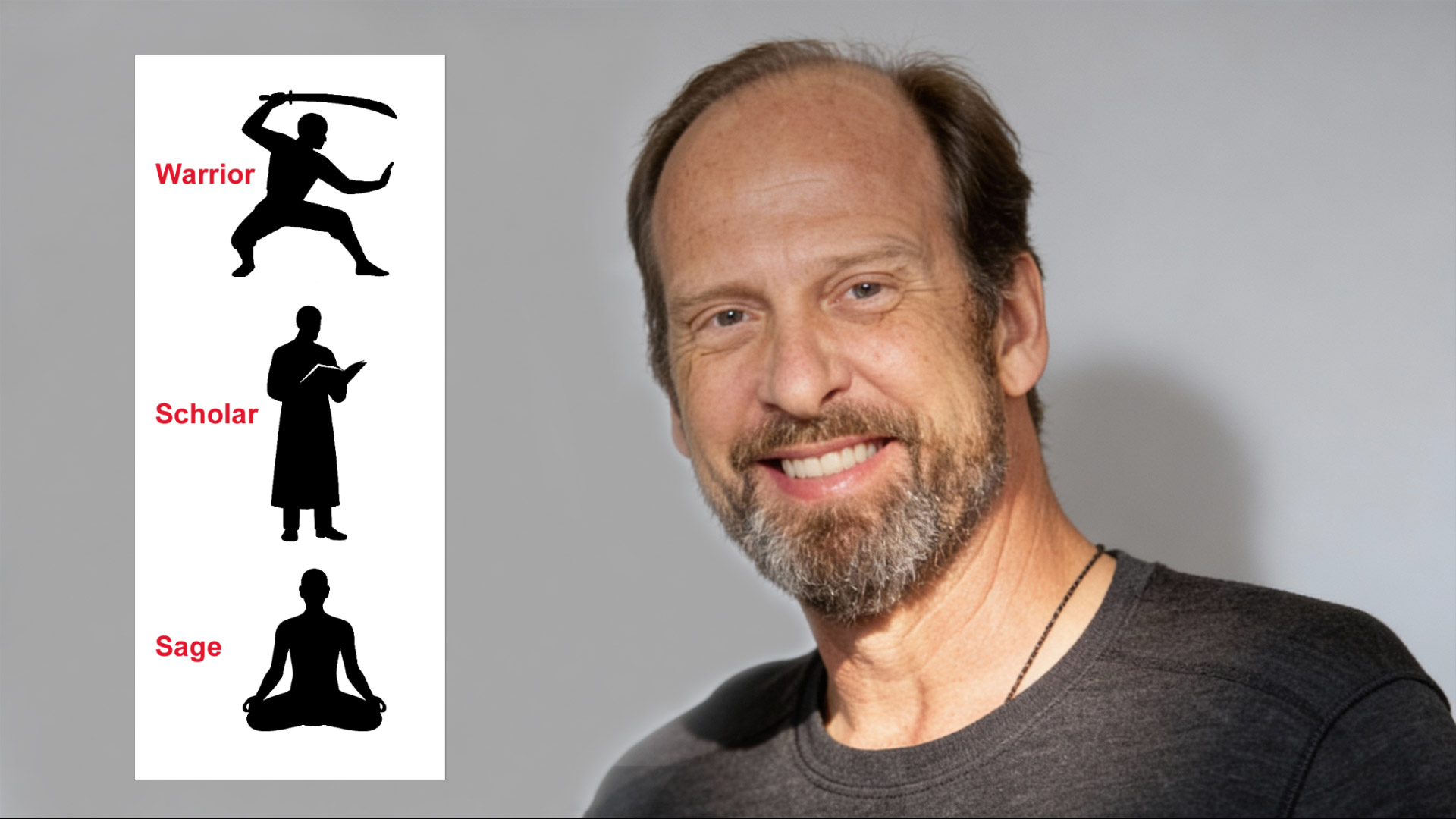
From the perspective of the Warrior, Scholar, and Sage, networking takes on a deeper meaning.

The Warrior develops competence and discipline.

The Scholar develops knowledge and understanding.

The Sage develops relationships, wisdom, and human connection.

Without competence, relationships have limited value. Without relationships, competence may remain largely unnoticed. Success often emerges from the integration of all three.

The Warrior ensures that we possess genuine ability.

The Scholar ensures that we continue learning and growing.

The Sage reminds us that life is ultimately lived through relationships.

Many opportunities arise not because we aggressively seek them, but because others remember our character, our integrity, and the value we have consistently provided over time.

Final Reflections

While knowledge and skill remain essential, they do not exist in a vacuum. Human beings live, work, and thrive within networks of relationships. The old saying, “It’s not what you know, but who you know,” is only partially true. A more accurate statement might be:

“What you know creates your value. Who you know creates your opportunities.”

Both matter. The challenge is not choosing one over the other but cultivating both simultaneously. Invest in your education. Develop your skills. Pursue mastery in your chosen field. But also invest in people. Build trust. Create meaningful relationships. Offer value. Help others succeed.

Over time, you may discover that your network becomes one of the most valuable assets you will ever possess, not merely for financial gain, but for friendship, purpose, growth, and the countless opportunities that arise when human beings genuinely connect.

References

Bourdieu, P. (1986). The forms of capital. In J. Richardson (Ed.), Handbook of theory and research for the sociology of education (pp. 241–258). Greenwood. https://publish.illinois.edu/crittheory/files/2023/01/Bourdieu-The-Forms-of-Capital.pdf

Putnam, R. D. (2000). Bowling alone: The collapse and revival of American community. Simon & Schuster. https://archive.org/details/bowlingalonecoll00putn

Zajonc, R. B. (1968). Attitudinal effects of mere exposure. Journal of Personality and Social Psychology Monograph Supplement, 9(2, Pt. 2), 1–27. https://doi.org/10.1037/h0025848
“Mind Over Ring – How Unwanted Calls Disrupt Focus and Increase Anxiety”

A Holistic Health Perspective on Modern Stressors

In today’s hyperconnected world, one of the subtle but pervasive intrusions into our daily life comes through an object we carry everywhere: our phone. Many of us experience a steady stream of unwanted robocalls, scam calls, and telemarketing pitches. The National Do Not Call Registry was designed to protect consumers from such interruptions, but does it still work? More importantly, from a holistic health perspective, how does this constant digital harassment affect our mental well-being?

In this article, I explore both the current relevance of the Do Not Call list and the broader implications for mental hygiene, stress, and emotional resilience.

The Do Not Call Registry: Then and Now

The National Do Not Call Registry was established by the Federal Trade Commission (FTC) in 2003, allowing U.S. consumers to opt out of unwanted sales calls (Federal Trade Commission, 2024). Initially, the list proved effective: legitimate companies respected it, and consumers reported fewer unsolicited calls.

However, technological shifts soon outpaced the list’s protective power:

  • Robocalls now dominate the spam landscape. In 2023 alone, U.S. consumers received over 50 billion robocalls, with a large percentage coming from scam operations that do not adhere to U.S. regulations (YouMail, 2024).
  • Caller ID spoofing makes scam calls appear local or even governmental, increasing the likelihood of response (Allen, 2024).
  • Digital marketing (via text, email, and social platforms) circumvents traditional telemarketing rules entirely.

Today, while the Do Not Call list still reduces calls from legitimate U.S. businesses, it offers little protection against the global flood of scam calls and robocalls.

The Mental Health Impact of Persistent Phone Intrusions

You may wonder: Why is this issue relevant to holistic health and wellness?

The answer lies in the connection between mental clutter, stress physiology, and emotional well-being.

1. Elevated Stress and Cortisol

Research shows that frequent, unpredictable interruptions trigger spikes in cortisol, the body’s primary stress hormone (Mark et al., 2008). Even minor interruptions, such as a ringing phone can disrupt autonomic balance, contributing to chronic low-level stress.

2. Loss of Flow and Focus

The concept of “flow” describes a state of deep focus and optimal performance. Yet digital interruptions are one of the main obstacles to maintaining flow states (Csikszentmihalyi, 1990). Each unexpected call breaks concentration and requires cognitive effort to reorient.

3. Anxiety and Fear in Vulnerable Populations

Scam calls are often designed to provoke fear (“your bank account is frozen,” “your Social Security number is compromised”) or urgency. For older adults, this can trigger anxiety, confusion, and emotional distress (Lichtenberg et al., 2016). In some cases, repeated scam targeting may even contribute to depressive symptoms.

4. Erosion of Personal Boundaries

Holistic health emphasizes the importance of personal boundaries and control over one’s environment. Constant interruptions from unknown callers create a sense of helplessness and erode the autonomy we seek to cultivate in daily life (Rosen et al., 2019).

Holistic Solutions for Digital Boundaries

While the Do Not Call list is no longer sufficient on its own, several practices can help safeguard your mental hygiene:

  • Use call filtering apps (Nomorobo, Hiya, RoboKiller) to block known spam numbers.
  • Activate carrier-level protections (AT&T ActiveArmor, Verizon Call Filter, T-Mobile Scam Shield).
  • Practice intentional phone hygiene: silence calls during work or meditation; check voicemail instead of answering unknown numbers.
  • Report violations to the FTC, while imperfect, enforcement efforts rely on consumer reports.
  • Educate older relatives about common scam tactics to reduce their risk of emotional harm.

Mental Hygiene in a Digital Age

The Do Not Call list, while originally a valuable tool, now functions as a symbolic baseline rather than an effective shield. Yet the issue of persistent phone interruptions is not simply technologically, it is a modern stressor that affects mental clarity, emotional balance, and personal empowerment.

In holistic health, we teach that maintaining a clean and supportive mental environment is as important as caring for the body. Taking deliberate steps to reduce unnecessary digital noise is a powerful act of self-care in an overstimulated world.

References:

Allen, G. (2024, May 20). Robocalling Fraud: The 6 biggest Scams to watch in 2024. Juniper Research Ltd. https://www.juniperresearch.com/resources/infographics/robocalling-fraud-the-6-biggest-scams-to-watch-in-2024/?utm_source=chatgpt.com

Csikszentmihalyi, M. (1990). Flow: The psychology of optimal experience. Harper & Row. https://archive.org/details/flowpsychologyof00csik

Federal Trade Commission. (2024). National Do Not Call Registry FAQs. https://www.consumer.ftc.gov/articles/national-do-not-call-registry-faqs

Lichtenberg, P. A., Stickney, L., & Paulson, D. (2016). Financial exploitation and psychological distress in older adults: A population-based study. Journal of Elder Abuse & Neglect, 28(2), 141–152. https://doi.org/10.1080/08946566.2016.1168330

Mark, G., Gudith, D., & Klocke, U. (2008). The cost of interrupted work: More speed and stress. Proceedings of the SIGCHI Conference on Human Factors in Computing Systems, 107–110. https://doi.org/10.1145/1357054.1357072

Rosen, L. D., Carrier, L. M., & Cheever, N. A. (2019). The distracted mind: Ancient brains in a high-tech world. MIT Press.

YouMail Robocall Index: September 2025 Nationwide Robocall data. (n.d.). https://robocallindex.com/

Our Own Inner Pharmacy

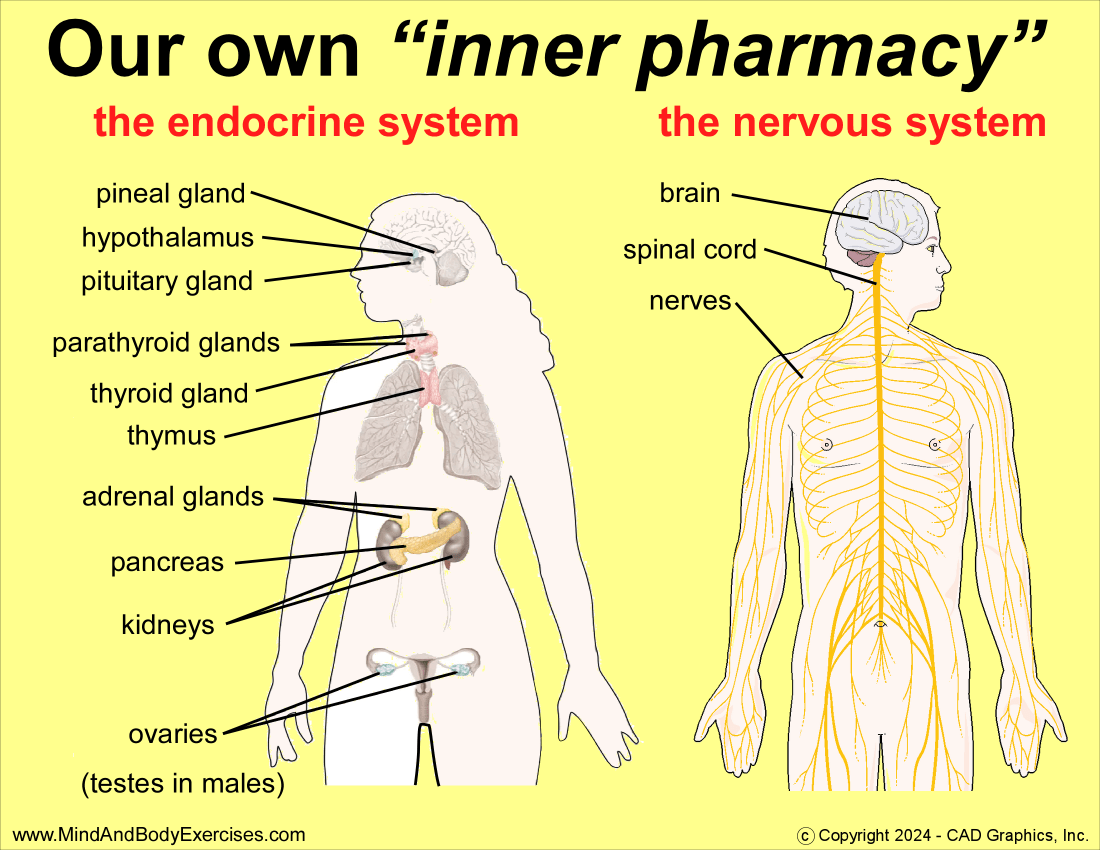
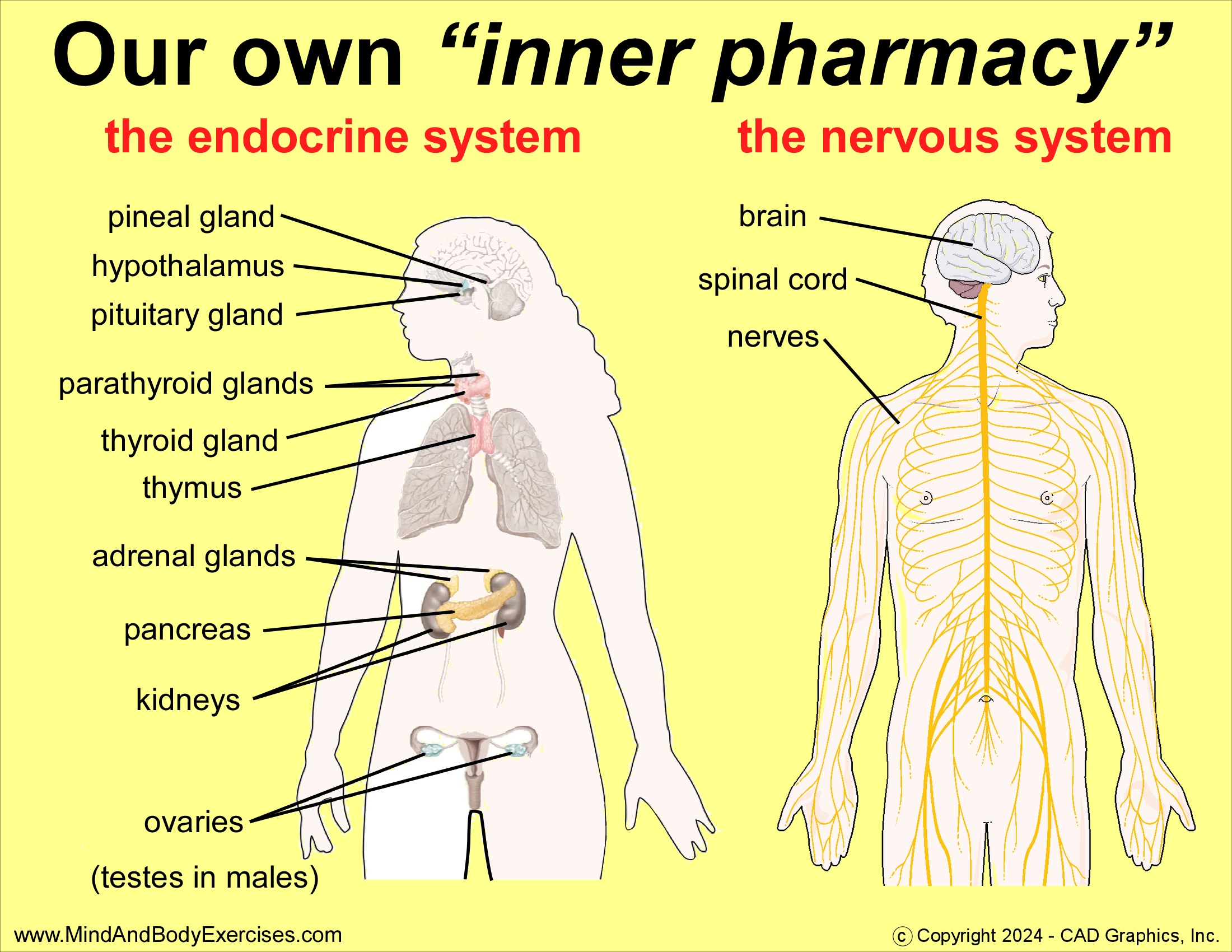
Human beings are not merely passive recipients of external chemicals. We carry within us an extraordinary “inner pharmacy” — a dynamic biochemical laboratory governed largely by the endocrine and nervous systems. At every moment, our bodies produce hormones, neurotransmitters, and signaling molecules that influence mood, energy, immunity, inflammation, motivation, and even perception.

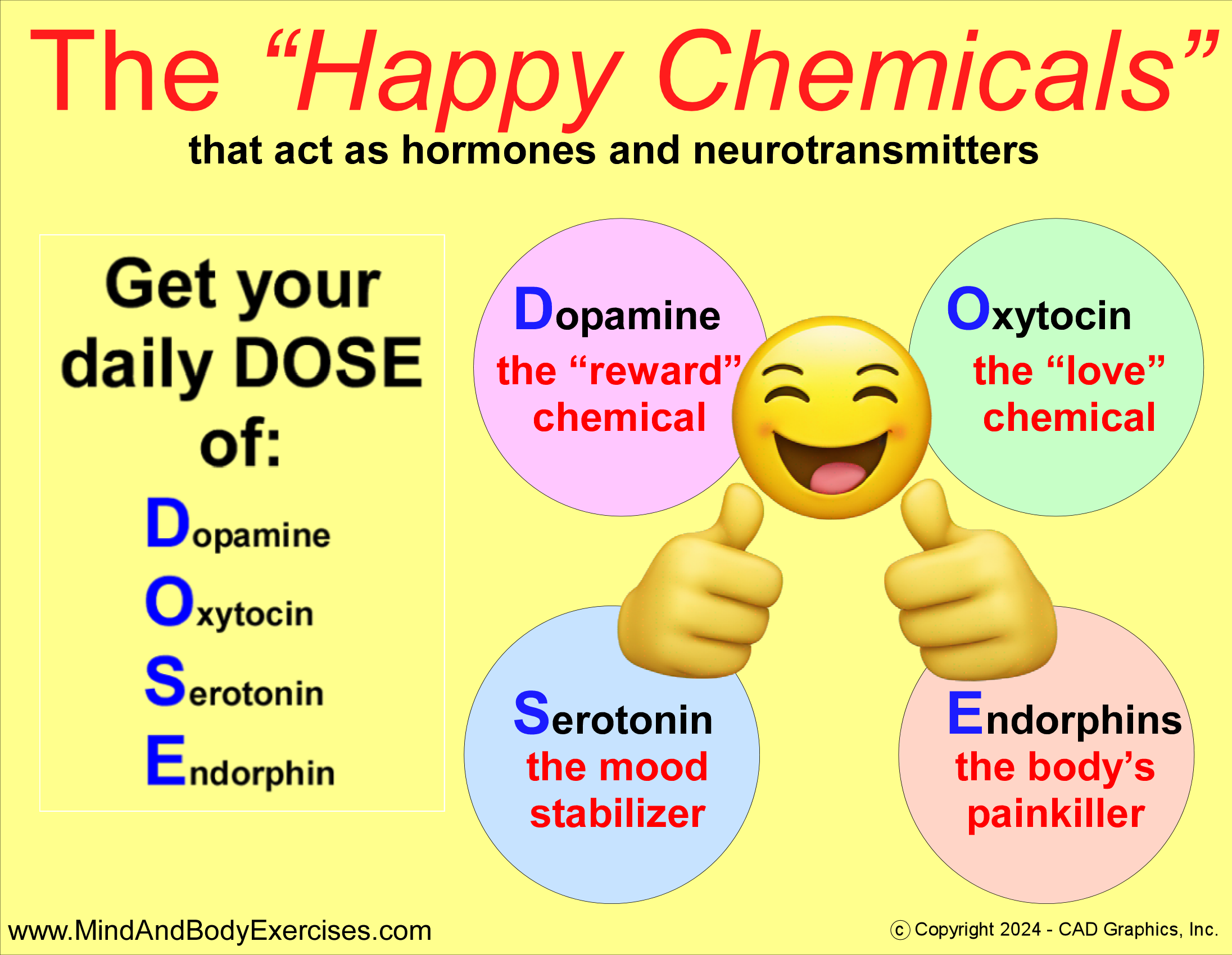
Stress hormones like cortisol and adrenaline can mobilize us for action. Endorphins can reduce pain. Oxytocin can deepen connection. Dopamine can enhance motivation and focus. Serotonin can stabilize mood. These substances are not foreign prescriptions; they are internally generated responses to how we live.

The remarkable reality is that we are not powerless in this process. Diet influences blood sugar stability, micronutrient availability, and hormone balance. Breath regulation can directly shift autonomic tone, moving us from sympathetic “fight-or-flight” dominance toward parasympathetic restoration. Thoughts and emotional patterns affect neurochemical cascades. Chronic rumination reinforces stress chemistry, while deliberate cognitive reframing can reduce it. Physical movement alters endocrine output. Sleep restores hormonal rhythms. Even posture and facial expression feed back into neurophysiology.

This does not mean we can will away disease or replace appropriate medical care. Rather, it means we possess meaningful influence over our internal chemistry. By consciously regulating diet, breathing, attention, emotional responses, and behavior, we participate in directing our own biochemistry.

The “inner pharmacy” is always open. The question is not whether chemicals are being dispensed, but which ones — and under what conditions.

From Dominion to Stewardship – Rethinking Humanity’s Relationship with Nature

1) Biblical hierarchy and stewardship

In much of Christian theology, humans are uniquely imago Dei, or made “in the image of God” with dominion over other creatures (Genesis 1:26–28; Psalm 8:4–8; cf. Heb 2:7–8). Contemporary Christian environmental thought often reframes dominion as stewardship or “servant leadership,” emphasizing care and restraint rather than exploitation (Francis, 2015). Still, the structure remains anthropocentric: nonhuman nature tends to be valued in relation to human purposes and a theistic teleology (White, 1967; Francis, 2015).

Ethical implication: Duties toward animals and ecosystems are real, but typically derivative of humanity’s special role (Genesis 2:15; Francis, 2015).

2) Eastern and Indigenous alternatives: interdependence, not rank

Taoism treats humans, animals, and plants as natural expressions of the Dao; forcing order upon nature violates ziran (“self-so-ing/naturalness”) and wu-wei (non-coercive action) (Laozi, trans. 2003; Ames & Hall, 2003).


Buddhism grounds ethics in universal suffering and interdependence; compassion (karuṇā) extends to all sentient beings, often motivating non-harm (ahimsa) and vegetarian practice (Harvey, 2000).


Indigenous traditions frequently articulate kinship ethics, “all my relations” where rivers, mountains, animals, and plants are relatives to whom humans owe reciprocity (Kimmerer, 2013).

Ethical implication: Nature has intrinsic (not merely instrumental) value, and human flourishing is inseparable from the flourishing of other beings (Harvey, 2000; Kimmerer, 2013).

3) Modern ecological philosophies: intrinsic value and systems thinking

Deep ecology (Næss, 1973) argues that all beings possess intrinsic worth independent of usefulness to humans. Land-ethic thinking (Leopold, 1949) expands the moral community to “soils, waters, plants, and animals, or collectively: the land.” Gaia theory (Lovelock, 1979/2000) models Earth as a self-regulating system, underscoring the fragility of human-centric control.

Ethical implication: Policies should protect ecological integrity even when short-term human interests would benefit from extraction (Leopold, 1949; Næss, 1973).

4) Practical consequences for law, policy, and everyday ethics

Animal ethics

  • Anthropocentric stewardship: Emphasizes humane treatment but often permits intensive animal agriculture if human benefits are high.
  • Biocentric/rights-based approaches: Argue certain animals possess rights or strong interests that humans must not override (Regan, 1983; Singer, 1975).

Conservation and land use

  • Stewardship model: Conservation is prudent management of resources for human and intergenerational benefit.
  • Ecocentric model: Prioritizes ecosystem health and biodiversity for their own sake; restoration and rewilding become moral imperatives (Leopold, 1949).

Law and “standing”

  • Anthropocentric legal systems: Traditionally require human victims to claim harm.
  • Innovations influenced by ecocentrism: Proposals that forests, rivers, or ecosystems have legal standing (Stone, 1972/2010) reflect a shift toward recognizing nature as a rights-bearing subject, not merely a resource.

5) Is reconciliation possible?

Some Christian thinkers integrate stewardship with integral ecology, arguing that dominion rightly understood forbids domination and demands solidarity with nonhuman creation (Francis, 2015). Critics respond that even reinterpreted, the underlying hierarchy keeps human interests central in ways that can subtly re-authorize extractive patterns (White, 1967; Callicott, 1989).

Bottom line: Yes, there is real philosophical conflict. The biblical hierarchy, softened by stewardship, remains anthropocentric; many Eastern, Indigenous, and ecological philosophies are biocentric/ecocentric, grounding dignity and moral considerability in interdependence and intrinsic value. Those starting points reliably produce different judgments about animal agriculture, wildlife protection, climate policy, and the legal status of nature.

References:

Ames, R. T., & Hall, D. L. (2003). Dao De Jing: A philosophical translation. Ballantine.

Callicott, J. B. (1989). In defense of the land ethic: Essays in environmental philosophy. SUNY Press. https://archive.org/details/indefenseoflande0000call

Francis. (2015). Laudato Si’: On care for our common home. Vatican Press. https://archive.org/details/laudatosioncaref0000cath

Genesis 1:26-28 (NIV). (n.d.). Bible Gateway. https://www.biblegateway.com/passage/?search=Genesis%201%3A26-28%2CGenesis%202%3A18-25&version=NIV

Harvey, P. (2000). An introduction to Buddhist ethics: Foundations, values and issues. Cambridge University Press. https://archive.org/details/introductiontobu0000harv

Kimmerer, R. W. (2013). Braiding sweetgrass : indigenous wisdom, scientific knowledge and the teachings of plants (First Edition, pp. 1–312) [Book]. Milkweed Editions. https://archive.centerforthehumanities.org/files/downloads/Robin-Wall-Kimmerer_-The-Sacred-and-the-Superfund.pdf

Laozi. (2003). Tao Te Ching (D. C. Lau, Trans.). Penguin. (Original work ca. 6th–4th c. BCE)

Leopold, A. (1949). A sand county almanac. Oxford University Press.

Lovelock, J. (2000). Gaia: A new look at life on Earth (Rev. ed.). Oxford University Press. (Original work published 1979) https://archive.org/details/gaianewlookatlif00loverich/page/n5/mode/2up

Naess, A. (1973). The shallow and the deep, long-range ecology movement. Inquiry, 16(1–4), 95–100. https://doi.org/10.1080/00201747308601682

Regan, T. (1983). The case for animal rights. University of California Press. https://archive.org/details/caseforanimalrig00regarich

Singer, P. (1975). Animal liberation. HarperCollins.

Stone, C. D. (2010). Should trees have standing? Law, morality, and the environment (3rd ed.). Oxford University Press. (Original essay published 1972) https://archive.org/details/shouldtreeshaves00ston

White, L., Jr. (1967). The historical roots of our ecologic crisis. Science, 155(3767), 1203–1207. https://doi.org/10.1126/science.155.3767.1203

Why We Sleep Better in Cooler Rooms – And Why a Hot Shower Can Help

In the world of holistic health, quality sleep is foundational to healing, regeneration, and mental clarity. Yet many people struggle with falling or staying asleep, unaware that their sleeping environment, particularly the temperature, may be working against them. Interestingly, both science and traditional wisdom agree: a cooler room helps the body sleep more deeply. But perhaps more surprising is the fact that a hot shower before bed can actually help you fall asleep faster. How can both be true?

Let’s explore the physiology of thermoregulation, circadian rhythms, and the role of temperature in sleep and what this means for your wellness routine.

Cooler Temperatures Support the Body’s Natural Sleep Rhythms

Human sleep is governed by the circadian rhythm, a 24-hour biological clock that regulates many body functions, including core body temperature. In a healthy cycle:

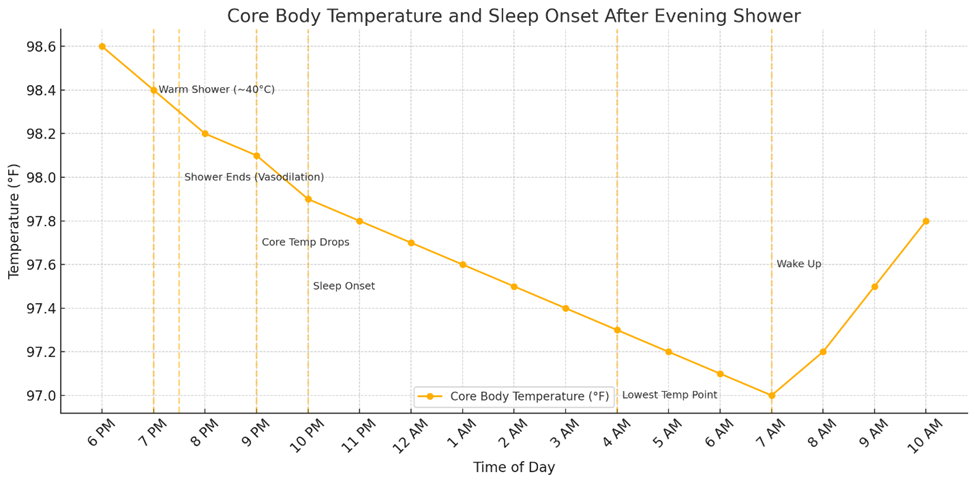
  • Core temperature begins to drop in the late evening, signaling the brain to prepare for sleep.
  • This drop continues through the night, reaching its lowest point around 4 a.m., then rising toward morning wakefulness.
  • A cooler ambient temperature supports this process, helping initiate and sustain deeper stages of sleep.

In essence, cooling the body acts as a natural signal for the nervous system to wind down. When the room is too warm, the body struggles to release heat, leading to more wakefulness, disrupted REM cycles, and less restorative sleep.

According to research, temperatures between 60–67°F (15–19°C) are optimal for most adults to achieve better sleep efficiency and fewer nighttime awakenings (Kräuchi et al., 2000).

Why a Hot Shower Before Bed Helps – Through Cooling

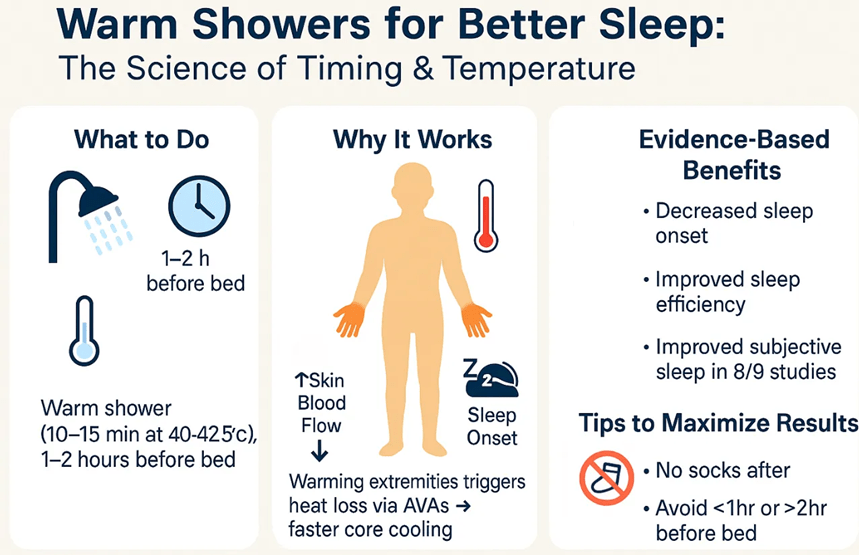
Here’s where it gets interesting. While cooler environments promote better sleep, a hot shower (or bath) about 1–2 hours before bed has also been shown to help people fall asleep faster. This isn’t a contradiction, it’s physiology in action.

Here’s how it works:

  1. A hot shower raises skin temperature, prompting the blood vessels near the surface (especially in hands, feet, and face) to dilate.
  2. This vasodilation enables the body to shed heat more effectively once you step out of the shower.
  3. As a result, your core body temperature rapidly decreases, mimicking the natural nighttime drop and signaling your brain to initiate sleep.

This process supports the body’s thermoregulation and helps shorten sleep onset latency, the time it takes to fall asleep.

A 2019 meta-analysis found that warm showers or baths taken 1–2 hours before bedtime reduced sleep onset time by up to 10 minutes, especially when combined with a cool sleeping environment (Haghayegh et al., 2019).

Holistic Implications: Sleep as a Ritual of Restoration

From a holistic health perspective, sleep is not merely a pause in activity. It is the body’s most profound period of healing and integration. Optimizing temperature regulation supports:

  • Melatonin production, which rises as the core temperature drops
  • Activation of the parasympathetic nervous system, the body’s natural “rest-and-digest” state
  • Emotional regulation, immune repair, and neurocognitive processing during REM and deep sleep

In this context, a hot shower can become more than hygiene. It can become a pre-sleep ritual, one that invites the body into a state of balance. The transition from warmth (shower) to coolness (bedroom) becomes a symbolic and physiological descent into stillness.

This aligns beautifully with Eastern practices such as Taoist bath meditations and Ayurvedic evening routines (dinacharya), which emphasize gentle warming, grounding, and purification before rest.

Practical Tips for Holistic Sleep Support

If you’re struggling with sleep or just want to deepen your nightly restoration try this:

  1. Take a warm shower (104–109°F / 40–43°C) about 90 minutes before bed.
  2. Use the time to also slow your breathing, quiet your thoughts, and mentally disconnect from the day.
  3. After drying off, transition to a cool, dark room (60–67°F).
  4. Choose natural fiber bedding and avoid artificial light sources or screens.
  5. Consider mindful breathing, gentle stretching, or herbal teas to further activate the parasympathetic nervous system.

Honor the Body’s Rhythms

The human body has an elegant wisdom built into its rhythms. By working with rather than against these cycles, we allow sleep to unfold more naturally. In holistic wellness, small shifts, like adjusting your room temperature or adding a warm shower to your evening routine can have a profound impact on your physical, emotional, and spiritual vitality.

Instead of forcing sleep through stimulants or sedatives, let the body return to its own balance. Honor the descent into stillness and let cool darkness and gentle ritual guide you into healing rest.

References:

Cagnacci, A., Elliott, J. A., & Yen, S. S. (1992). Melatonin: a major regulator of the circadian rhythm of core temperature in humans. The Journal of clinical endocrinology and metabolism75(2), 447–452. https://doi.org/10.1210/jcem.75.2.1639946

Haghayegh, S., Khoshnevis, S., Smolensky, M. H., Diller, K. R., & Castriotta, R. J. (2019). Before-bedtime passive body heating by warm shower or bath to improve sleep: A systematic review and meta-analysis. Sleep Medicine Reviews, 46, 124–135. https://doi.org/10.1016/j.smrv.2019.04.008

Kräuchi, K., Cajochen, C., Werth, E., & Wirz-Justice, A. (2000). Functional link between distal vasodilation and sleep-onset latency? American Journal of Physiology-Regulatory, Integrative and Comparative Physiology, 278(3), R741–R748. https://doi.org/10.1152/ajpregu.2000.278.3.R741

Luu, B., MD. (2025, May 22). Unlock Better Sleep with a Warm Shower. Brandon Luu MD. https://brandonluumd.substack.com/p/unlock-better-sleep-with-a-warm-shower