Yin and Yang: Understanding the Degrees Between the Opposites

When people are first introduced to the concept of yin and yang, it is easy to see it simply as a philosophy of opposites. Yin is often represented as dark, while yang is light. Yin is stillness, while yang is movement. Yin is inward, while yang is outward. Yin is soft, while yang is hard. These comparisons are useful when we are first learning the concept, but yin and yang become much more interesting when we stop thinking about them as simply black and white. Between the two extremes are countless degrees of difference.

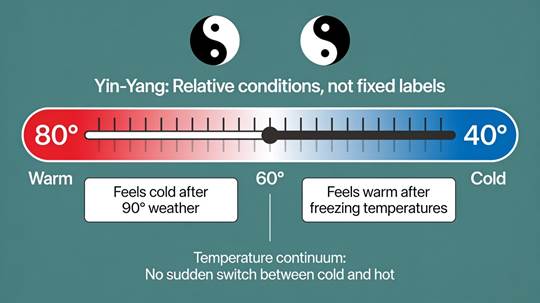
One of the easiest ways I have found to explain this is to think about a thermometer. We might say that 80 degrees is warm and 40 degrees is cold, but what about everything in between? There is no magical point where cold suddenly becomes hot. Temperature moves through degrees along a continuum. Even our perception of temperature depends upon what we are comparing it to. Sixty degrees may feel cold after several days of 90-degree weather, while the same 60 degrees may feel wonderfully warm after several weeks of freezing temperatures. Yin and yang can be understood in much the same way. They describe relative conditions rather than permanent labels.

This becomes clearer when we consider what I refer to in my teaching as the five manifestations or relationships of yin and yang: opposition, interdependence, mutual consuming and increasing, mutual transformation, and infinite divisibility. These concepts help move our understanding beyond the familiar black-and-white yin-yang symbol and into something we can actually observe throughout nature and our own lives.
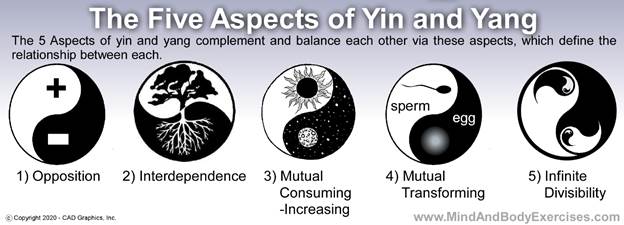
Opposition is probably the easiest manifestation to recognize. Day and night, activity and rest, heat and cold, expansion and contraction all demonstrate contrasting qualities. Yet opposition does not necessarily mean conflict. The two sides actually help us recognize and define one another. We understand darkness partly because we have experienced light, and we recognize stillness because we understand movement.

This leads naturally into interdependence. Yin and yang do not exist independently of one another. We cannot meaningfully describe something as hot without having some concept of cold. Movement is understood in relation to stillness, just as day has meaning partly because there is night. Each side provides a reference point for the other. This is one reason yin and yang should not be viewed as competing forces where one side must eventually defeat the other. Their relationship is complementary.

The manifestation I find especially useful when discussing the stages of our lives is mutual consuming and increasing. This describes how, as one aspect increases, the other relatively decreases. We can observe this simply by watching a day unfold. As morning progresses toward midday, the yang qualities of light, warmth and activity generally increase. As afternoon moves toward evening, these qualities begin to decline while the yin qualities of darkness, coolness and rest gradually increase.

There is no precise moment when day suddenly becomes night. Sunrise itself is a transition. Darkness gradually gives way to light. The sun rises higher, the air warms and activity increases. Later, the process reverses. The sun descends, shadows become longer, temperatures begin dropping and eventually darkness returns. Yang has gradually decreased while yin has increased. Then, during the night, the process eventually begins moving in the opposite direction again.

This is very similar to the thermometer. The temperature does not have to drop from 80 degrees to 60 degrees. It passes through 79, 78, 77 and all of the smaller measurements in between. Nature tends to move through transitions rather than constantly jumping between absolutes. Yin and yang provide a philosophical way of describing these changing relationships.
This also helps us understand why balance does not necessarily mean maintaining a perfect 50/50 relationship between yin and yang. Nature rarely seems interested in remaining perfectly balanced in that sense. Summer does not contain exactly the same amount of warmth and daylight as winter. Noon does not contain the same amount of light as midnight. The relationship is constantly adjusting. Balance, therefore, can be dynamic rather than static.

We can see this same process across the course of a human lifetime. The earlier stages of life tend to contain many yang characteristics. Children run, climb, jump, explore and seemingly move simply for the sake of moving. Young adults often continue this outward expansion as we build careers, raise families, compete, travel, accumulate experiences and test ourselves against the world. There is often considerable emphasis upon doing, achieving and moving outward into life.

As we grow older, the proportions may gradually change. This does not happen on a particular birthday, nor do we suddenly become “yin” because we have reached a certain age. Instead, the degrees begin shifting. We may become more selective about where we spend our physical and emotional energy. Physical training may gradually shift from concerns about how much weight we can lift, how fast we can run or how hard we can strike toward maintaining mobility, balance, coordination, breathing, posture and overall health.

Our priorities may change as well. Experiences can become more important than possessions. Understanding may become more valuable than proving ourselves correct. Listening can become as important as speaking, and reflection may begin accompanying action. This can be viewed as another example of mutual consuming and increasing. Some of the yang characteristics that dominated earlier stages of life may gradually decrease while certain yin characteristics increase.

Of course, this does not mean that older people are yin and younger people are yang. That would simply return us to the black-and-white thinking we are trying to move beyond. A 70-year-old lifting weights or hiking a mountain is expressing relatively yang qualities. That same person sitting quietly afterward, practicing breathing exercises or reflecting upon the day’s experiences is expressing relatively more yin qualities. Likewise, a young martial artist practicing a slow tai chi form may be expressing more yin qualities than an older practitioner performing vigorous strength training. Yin and yang always depend upon what we are comparing.

This is also where infinite divisibility becomes important. Even something we categorize as yang contains different degrees of yin and yang within itself. Exercise may generally be considered yang compared with sitting quietly, but walking is relatively yin compared with sprinting. Jogging might be more yang than walking but more yin than running at full speed. We can continue making these distinctions almost indefinitely. The same principle applies to yin. Sitting quietly may be yin compared with walking, while deep sleep may be even more yin compared with sitting awake. Every time we divide something into yin and yang, those divisions can themselves be divided again.

The principle of mutual transformation takes this relationship another step further. Under the appropriate circumstances, yin can transform into yang and yang into yin. Night eventually becomes day, just as day eventually becomes night. Vigorous activity eventually creates the need for rest, while sufficient rest restores our capacity for activity. Winter eventually gives way to spring, and the quiet dormant period of nature becomes the foundation for renewed growth.

I have noticed a similar transformation within martial arts and mind-body practices. When we are younger, we may be fascinated primarily by speed, strength, flexibility, techniques, forms, fighting applications and physical accomplishments. We want to learn more and do more. Over time, however, some practitioners begin asking different questions. Instead of simply asking how to perform a movement, we begin asking why we are performing it. Instead of constantly collecting another form, another technique or another exercise, we may spend considerably more time examining the principles contained within movements we already know.
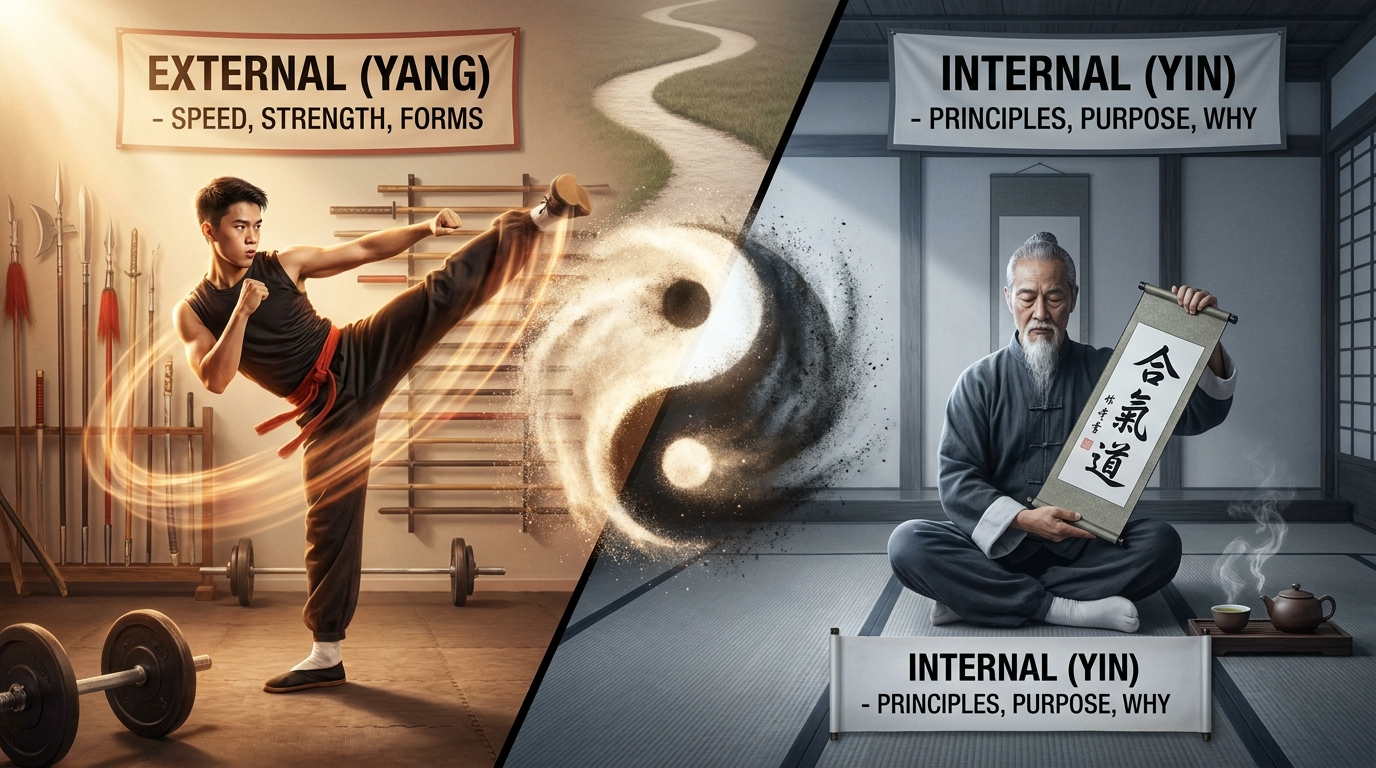
The external practice gradually creates an opportunity for internal observation. Tai chi, qigong, yoga, meditation and many traditional martial arts contain this possibility. At first we may be concerned primarily with what our body looks like from the outside. Where does the foot go? Where should the hand be? How low should the stance be? Eventually our attention may begin turning inward toward what the movement actually feels like, where we are holding unnecessary tension, how our breathing changes and whether we can sense our balance shifting before we lose it. The exercise may look almost identical from the outside, yet the experience occurring within the practitioner may be considerably different.

This brings us to an observation from the Swiss psychiatrist Carl Jung. In a 1916 letter, Jung wrote, “Who looks outside dreams; who looks inside awakes.” The statement appeared within a longer discussion about the importance of turning attention inward and examining oneself (Jung, 1973). I think this provides an interesting bridge between Western psychology and some of the ideas we encounter within yin-yang philosophy.

Much of our younger life is understandably directed outward. We wonder what we can accomplish, what we can obtain, where we can go and what we can become. We are concerned with establishing ourselves within families, careers and communities. These are not foolish or superficial concerns. They are important parts of interacting with the world and developing ourselves within it.
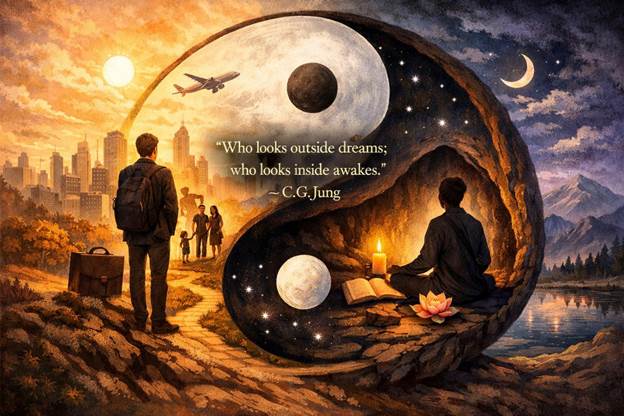
Over time, however, another set of questions may become increasingly important. Why do I believe what I believe? Why do certain situations bother me? Why have I repeatedly made some of the same choices? What have my experiences actually taught me? What should I continue carrying with me, and what should I finally let go? These are quieter and more inward-looking questions. In that sense, looking outward might be considered relatively more yang, while looking inward and reflecting upon ourselves might be considered relatively more yin.

Neither direction is necessarily superior. Too much outward activity without reflection can leave us constantly busy without understanding why we are doing what we are doing. Too much inward reflection without action can leave us contemplating life without actually living it. There are times to act and times to wait, times to speak and times to listen, times to push ourselves and times to recover. There are times to experience the world around us and times to consider what those experiences have taught us.

Even within a single day, we continually move through these degrees. We awaken from the relatively yin state of sleep and become increasingly yang as we get out of bed and begin moving. We work, exercise, interact with people and engage the outside world. Eventually activity begins to decline. Evening arrives, the lights dim, conversations quiet down and the body prepares for sleep. Yang gradually decreases as yin increases. Then morning comes and the cycle begins again.

Perhaps this is one of the most practical lessons contained within yin-yang philosophy. Life is rarely absolute. We like categories because they make the world easier to understand: hot or cold, strong or weak, active or passive, young or old, healthy or unhealthy. But much of human experience exists somewhere between these extremes.

The five manifestations of yin and yang help us understand why. Opposites define one another. They depend upon one another. As one increases, the other relatively decreases. Under the appropriate circumstances, one can transform into the other. And within every distinction we make, further degrees of yin and yang can still be discovered.

As we move through life, our own relationship between these qualities changes as well. What served us at 25 may not serve us in exactly the same way at 65. That does not necessarily mean that something has been lost. It may simply mean that our position along the continuum has changed. The outward journey can gradually become accompanied by a deeper inward journey. Movement becomes increasingly balanced by stillness, speaking by listening, doing by reflecting and accumulating experiences by trying to understand what those experiences actually mean.

Perhaps wisdom itself involves becoming increasingly comfortable with these changing degrees. Yin and yang remind us that we do not always have to choose one side and reject the other. Instead, we can learn to recognize where we are at a particular moment, what the circumstances require and when the balance may naturally begin moving in another direction.

Just as daylight gradually becomes darkness, summer eventually gives way to winter, activity leads toward rest and rest eventually prepares us for activity again, our lives continue to move through different degrees of yin and yang.

The degrees are always changing, and so are we.

Reference

Jung, C. G. (1973). Letters of C. G. Jung: Volume 1, 1906–1950 (G. Adler & A. Jaffé, Eds.; R. F. C. Hull, Trans.). Princeton University Press. (Original letter written October 22, 1916)

The “Naegong House”: Internal Energy, Transmission, and the Reality Behind Esoteric Martial Traditions

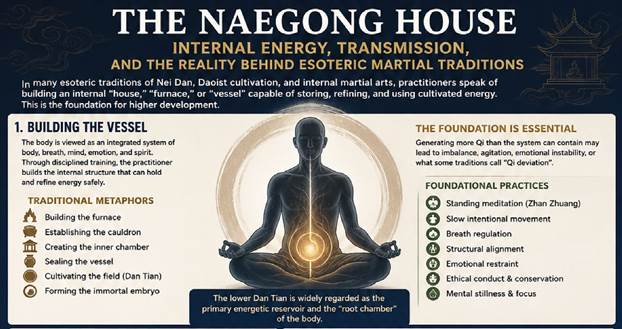
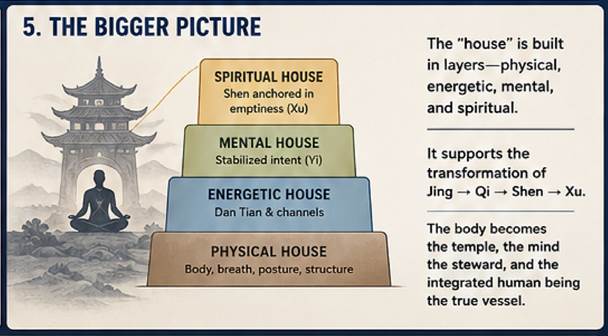
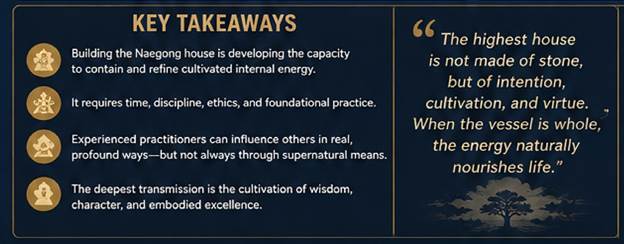
Within the worlds of Neidan, Daoist cultivation, and certain internal martial arts traditions, there are recurring references to building an internal “house,” “furnace,” “cauldron,” or “vessel” capable of storing and refining cultivated energy. While terminology varies among lineages, the underlying concept remains remarkably consistent: before one can safely cultivate higher levels of internal development, one must first develop the structure capable of containing it.

In some traditions this concept is associated with Nei Dan (internal alchemy), while in Korean systems it may be discussed under Naegong or internal power cultivation. Although modern practitioners sometimes interpret these teachings literally or mystically, many of the ideas may also correspond to practical physiological, psychological, and neurological adaptations developed through long-term training.

Building the Vessel

Traditional internal systems often describe the body as more than flesh and bone. The practitioner is viewed as an integrated system of body, breath, mind, emotion, and spirit. Through years of disciplined training, the individual gradually “builds the vessel” capable of stabilizing cultivated internal force.

Classical Daoist literature frequently uses symbolic language such as:

  • Building the furnace
  • Establishing the cauldron
  • Creating the inner chamber
  • Sealing the vessel
  • Cultivating the field
  • Forming the immortal embryo

These metaphors are generally associated with the development of the Dan Tian, especially the lower Dan Tian, which many traditions regard as the primary energetic reservoir of the body (Kohn, 2008).

The concept is not merely about accumulating “energy,” but about refining and integrating the practitioner as a whole. Traditional teachers often warned that attempting advanced energetic practices without sufficient preparation could result in imbalance, emotional instability, agitation, or what some systems referred to as “Qi deviation” (Despeux & Kohn, 2003).

For this reason, authentic systems historically emphasized foundational practices such as:

  • Standing meditation (Zhan Zhuang)
  • Slow intentional movement
  • Breath regulation
  • Structural alignment
  • Emotional restraint
  • Ethical conduct
  • Mental stillness
  • Conservation of vitality

In martial systems, these methods were believed to strengthen the body’s capacity to tolerate increased internal pressure, focus, and energetic intensity.

A Modern Physiological Perspective

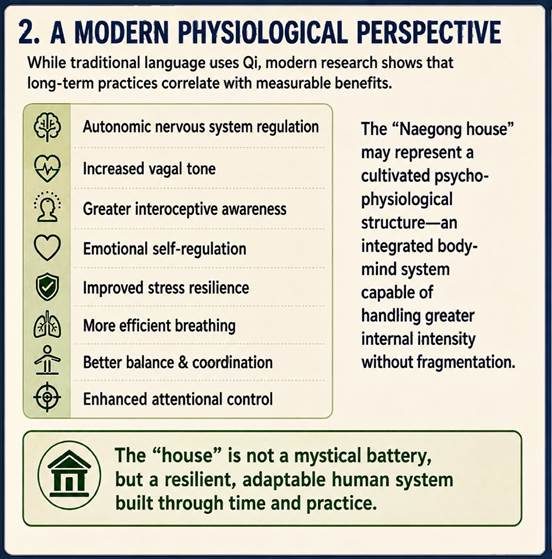
Although traditional terminology uses the language of Qi and internal energy, some aspects of these practices may correlate with modern understandings of human physiology and psychology.

Long-term breath training, posture work, meditative focus, and slow movement practices have been associated with improvements in:

  • Autonomic nervous system regulation
  • Vagal tone
  • Interoceptive awareness
  • Emotional self-regulation
  • Stress resilience
  • Breath efficiency
  • Balance and coordination
  • Attentional control

Research on contemplative movement systems such as Tai Chi and Qigong has shown measurable effects on stress reduction, mood regulation, balance, and psychophysiological health (Wayne & Kaptchuk, 2008; Wang et al., 2010).

From this perspective, the “Naegong house” may represent a metaphor for developing a more integrated and resilient body-mind system. The practitioner gradually becomes capable of handling greater internal intensity without fragmentation, impulsivity, or emotional instability.

In other words, the “house” may not be a mystical battery storing supernatural force, but rather a cultivated psychophysiological structure developed through years of disciplined practice.

Can Internal Energy Be Passed to Another Person?

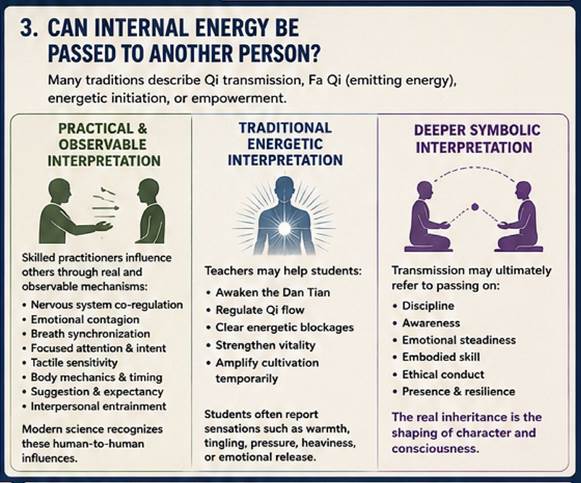
One of the more controversial aspects of internal martial and alchemical traditions involves the belief that cultivated energy or internal force can be transmitted from teacher to student.

Many traditional systems discuss concepts such as:

  • Qi transmission
  • Fa Qi (“emitting energy”)
  • Energetic initiation
  • Empowerment
  • Transmission of the “seed”
  • Establishing the furnace
  • Opening the channels

Some practitioners report sensations during such experiences including warmth, tingling, heaviness, emotional release, pressure, or involuntary movement. These reports are common across many contemplative and spiritual traditions worldwide.

However, interpretations of these experiences vary significantly.

The Practical and Observable Interpretation

A grounded interpretation suggests that experienced practitioners can indeed strongly influence others through mechanisms that are entirely real and observable.

These include:

  • Nervous system co-regulation
  • Emotional contagion
  • Breath synchronization
  • Focused attention
  • Tactile sensitivity
  • Body mechanics
  • Suggestion and expectancy
  • Interpersonal entrainment

Modern neuroscience and psychology recognize that human beings constantly influence one another physiologically and emotionally (Porges, 2011). A calm and highly regulated practitioner may affect another person’s breathing patterns, muscular tension, emotional state, and sense of safety.

Likewise, highly skilled internal martial artists often demonstrate remarkable efficiency through coordinated biomechanics, fascial connectivity, timing, and intent rather than brute muscular force alone.

To an outside observer, these effects may appear mysterious or “energetic,” even when rooted primarily in refined physical and neurological skill.

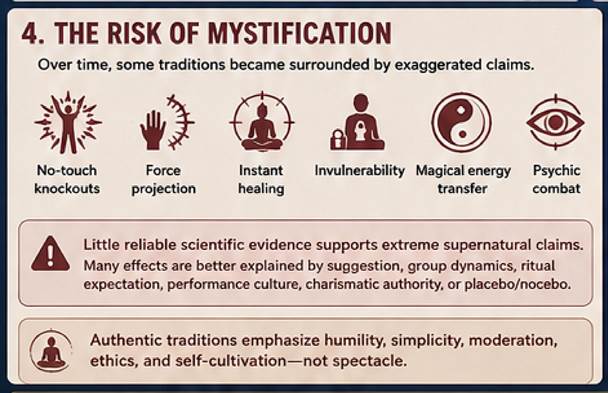
The Risk of Mystification

As with many esoteric traditions, internal martial arts also accumulated layers of mythologizing over time. Stories emerged involving:

  • No-touch knockouts
  • Supernatural force projection
  • Psychic combat
  • Instant healing abilities
  • Magical energy transfer
  • Invulnerability

While such claims remain popular in some circles, there is little reliable scientific evidence supporting extreme supernatural interpretations.

Many demonstrations of extraordinary “Qi powers” have failed under controlled testing conditions. In some cases, the effects may be better explained by:

  • Suggestion
  • Group dynamics
  • Compliance
  • Ritual expectation
  • Performance culture
  • Charismatic authority
  • Placebo and nocebo responses

This becomes especially important in high-control environments where mystical narratives can reinforce hierarchy, dependency, and unquestioned authority.

Historically, many authentic traditions actually warned against obsession with displays of power. Classical Daoist teachings frequently emphasized humility, simplicity, moderation, ethics, and self-cultivation over spectacle (Kohn, 2008).

The Deeper Meaning of Transmission

At its highest level, the idea of “passing the house” may not refer to transferring mystical energy at all. Instead, it may symbolize the transmission of cultivated human qualities developed through disciplined practice and lived experience.

A mature teacher may pass on:

  • Emotional steadiness
  • Discipline
  • Awareness
  • Presence
  • Resilience
  • Embodied knowledge
  • Ethical conduct
  • Refined perception

These qualities profoundly affect students over time.

In this sense, the real “transmission” may not be supernatural energy storage, but the gradual shaping of the practitioner’s nervous system, awareness, behavior, and character through years of intentional cultivation.

The body becomes the temple, the mind becomes the steward, and the “house” becomes the integrated human being itself.

References

Despeux, C., & Kohn, L. (2003). Women in Daoism. Three Pines Press. https://archive.org/details/womenindaoism0000desp

Kohn, L. (2008). Chinese healing exercises: The tradition of Daoyin. University of Hawai‘i Press. https://archive.org/details/chinesehealingex0000kohn

Porges, S. W. (2011). The polyvagal theory: Neurophysiological foundations of emotions, attachment, communication, and self-regulation. W. W. Norton & Company. https://archive.org/details/polyvagaltheoryn0000porg

Wang, C., Collet, J. P., & Lau, J. (2004). The effect of Tai Chi on health outcomes in patients with chronic conditions. Archives of Internal Medicine, 164(5), 493–501. https://doi.org/10.1001/archinte.164.5.493

Wang, F., Lee, E. K. O., Wu, T., Benson, H., Fricchione, G. L., Wang, W., & Yeung, A. S. (2010). The effects of Tai Chi on depression, anxiety, and psychological well-being: A systematic review and meta-analysis. International Journal of Behavioral Medicine, 17(4), 261–271. https://www.ncbi.nlm.nih.gov/books/NBK164598/

Wayne, P. M., & Kaptchuk, T. J. (2008). Challenges inherent to T’ai Chi research: Part I—T’ai Chi as a complex multicomponent intervention. Journal of Alternative and Complementary Medicine, 14(1), 95–102. https://doi.org/10.1089/acm.2007.7170A

Still Looking for Gifts for Others?

Maybe consider giving a gift of knowledge.

Remember the Indiana Jones films, when Indiana discovers his father’s diary containing clues to the Holy Grail? The book itself was knowledge. Wisdom came from applying that knowledge through experience. Without knowledge and lived practice, wisdom is difficult to cultivate.

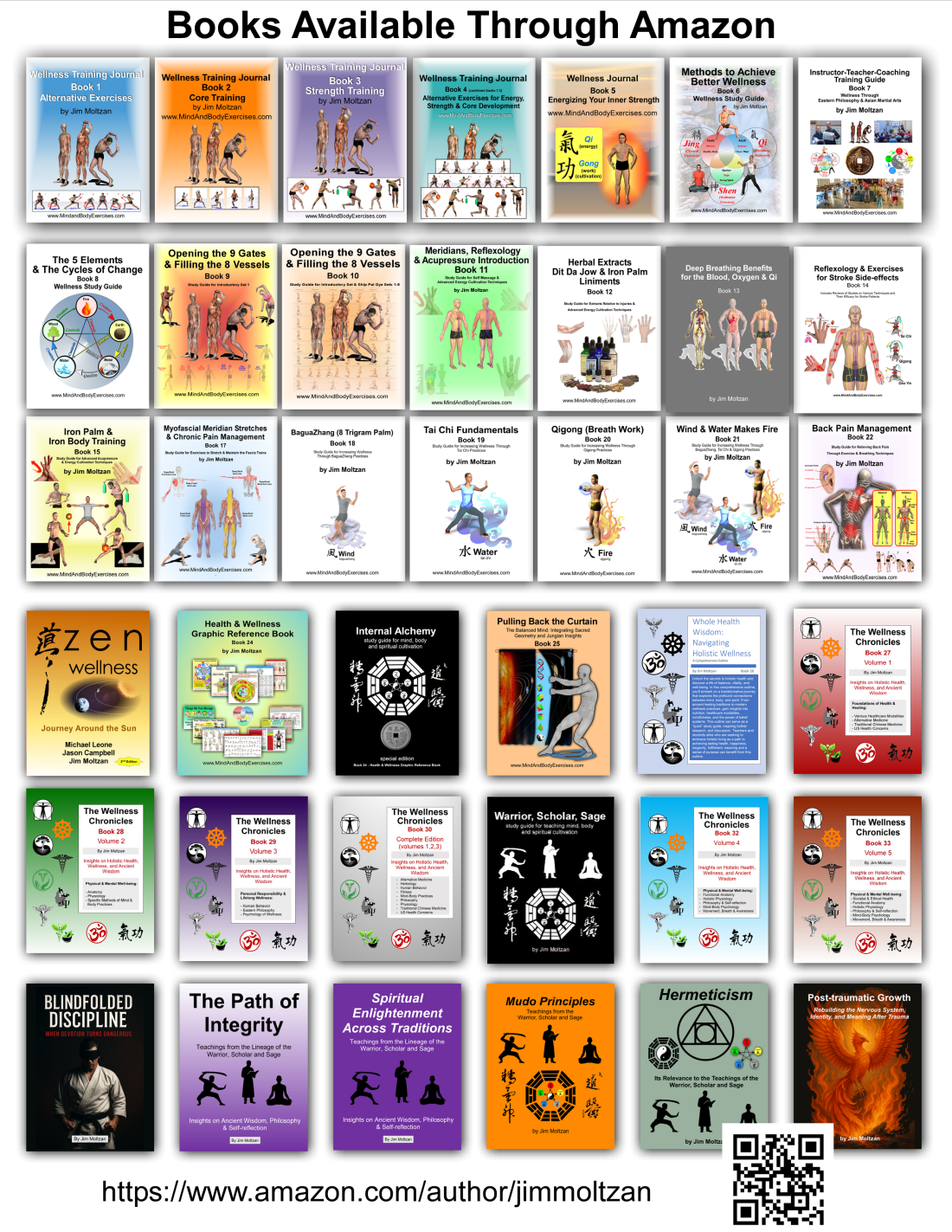
For over 40 years, I have been on my own search for a “Holy Grail” of health, wellness, fitness, and self-awareness. Along that journey, I have created a series of books and study guides that visually and conceptually map what I believe to be the essential components of a healthy, balanced, and meaningful life.

My books are comprehensive, deeply researched, and feature original, full-color illustrations designed to make complex ideas clear and accessible. Each volume reflects decades of firsthand learning, practice, teaching, and illustration across disciplines including holistic health, fitness, psychology, Traditional Chinese Medicine, qigong, martial arts, and yoga philosophy. These are not mass-market publications. They are intentionally crafted for thoughtful readers, practitioners, and lifelong learners who value depth, clarity, and authenticity.

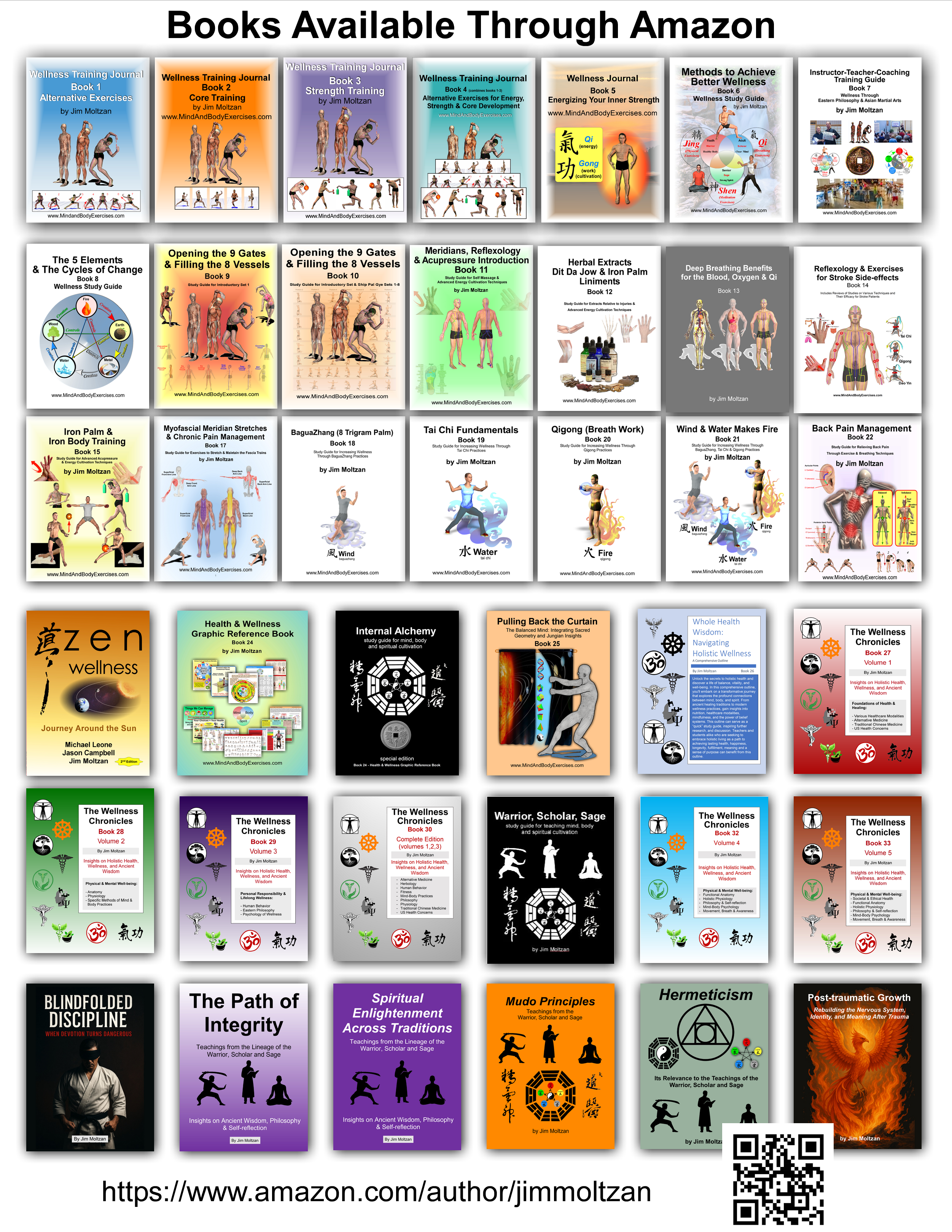
To date, I have published 39 books and study guides on Amazon. Some are primarily visual references that distill complex systems into clear graphic formats. Others explore theories of human development, psychology, movement, breathwork, rehabilitation, longevity, and overall quality of life. Many include practical exercise sets designed to support recovery, resilience, and long-term well-being.

These works represent the summation of more than four decades of training, education, teaching, and public speaking. Much of the qigong and breathing work draws from Chinese Kung Fu and Korean Dong Han medical qigong lineages, alongside extensive study with Traditional Chinese Medicine practitioners and martial arts masters. My background also includes acupressure, acupuncture principles, moxibustion, herbal preparation, and medical qigong, as well as formal academic training culminating in a Bachelor of Science degree in Holistic Health.

Similar in concept to Quick Study or PermaCharts, these guides are designed to “cut to the chase,” minimizing the time spent searching through dense textbooks while preserving the essential root knowledge of each subject. This format serves both beginners seeking a solid foundation and experienced practitioners looking for concise, high-quality reference materials.

If you are looking for a meaningful gift, one that supports health, awareness, and lifelong learning, these books are intended to be resources that grow with the reader over time.

My titles are available on Amazon at: https://www.amazon.com/author/jimmoltzan

My titles are available on Amazon at: https://www.amazon.com/author/jimmoltzan

Book 1 – Alternative Exercises

Book 2 – Core Training

Book 3 – Strength Training

Book 4 – Combo of 1-3

Book 5 – Energizing Your Inner Strength

Book 6 – Methods to Achieve Better Wellness

Book 7 – Coaching & Instructor Training Guide

Book 8 – The 5 Elements & the Cycles of Change

Book 9 – Opening the 9 Gates & Filling 8 Vessels-Intro Set 1

Book 10 – Opening the 9 Gates & Filling 8 Vessels-sets 1 to 8

Book 11 – Meridians, Reflexology & Acupressure

Book 12 – Herbal Extracts, Dit Da Jow & Iron Palm Liniments

Book 13 – Deep Breathing Benefits for the Blood, Oxygen & Qi

Book 14 – Reflexology for Stroke Side Effects:

Book 15 – Iron Body & Iron Palm

Book 17 – Fascial Train Stretches & Chronic Pain Management

Book 18 – BaguaZhang

Book 19 – Tai Chi Fundamentals

Book 20 – Qigong (breath-work)

Book 21 – Wind & Water Make Fire

Book 22 – Back Pain Management

Book 23 – Journey Around the Sun-2nd Edition

Book 24 – Graphic Reference Book

Book 25 – Pulling Back the Curtain

Book 26 – Whole Health Wisdom: Navigating Holistic Wellness

Book 27 – The Wellness Chronicles (volume 1) 

Book 28 – The Wellness Chronicles (volume 2)

Book 29 – The Wellness Chronicles (volume 3)

Book 30 – The Wellness Chronicles (complete edition, volumes 1-3)

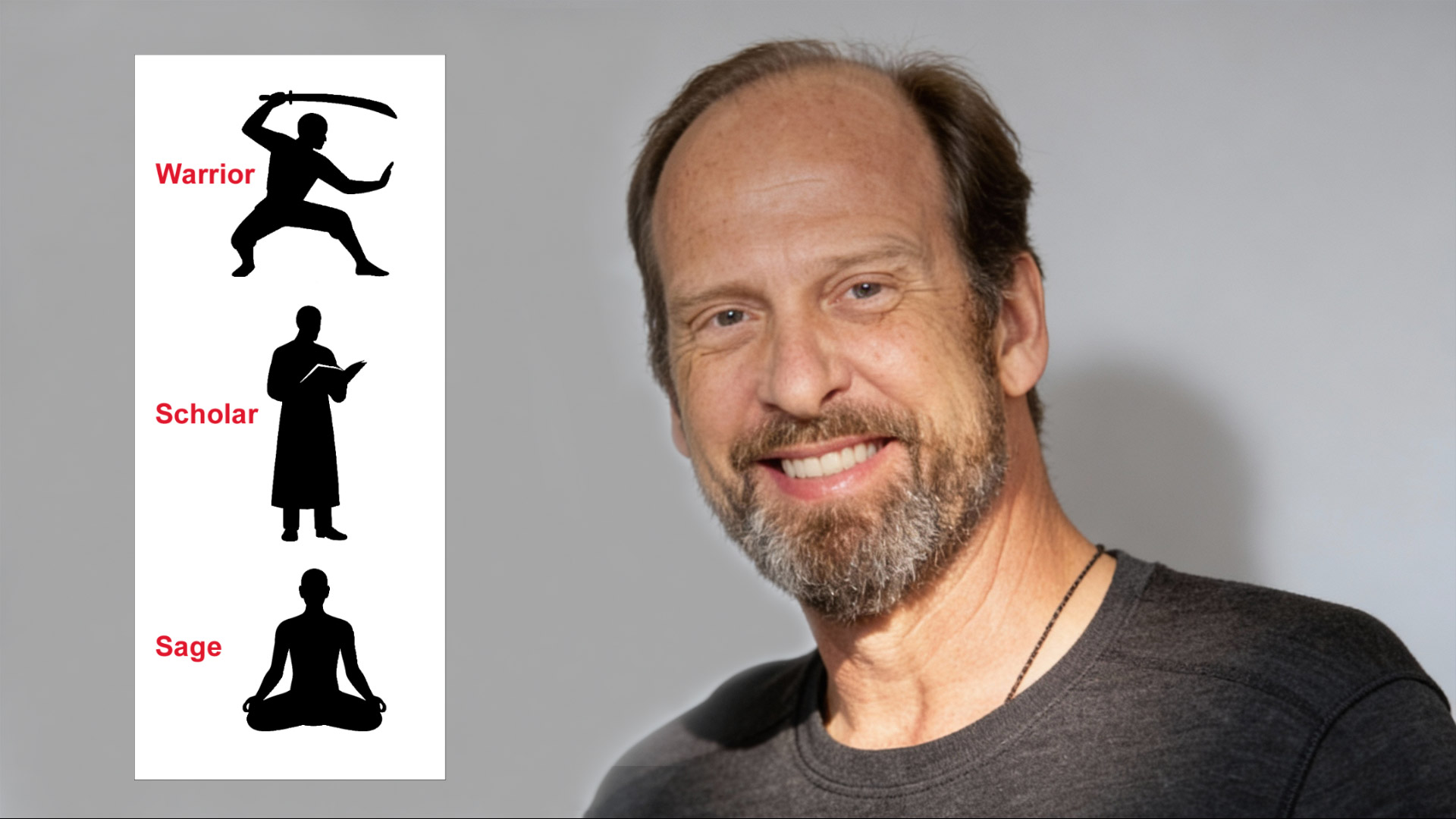
Book 31 – Warrior, Scholar, Sage

Book 32 – The Wellness Chronicles (volume 4)

Book 33 – The Wellness Chronicles (volume 5)

Book 34 – Blindfolded Discipline

Book 35 – The Path of Integrity

Book 36 – Spiritual Enlightenment Across Traditions

Book 37 – Mudo Principles: Teachings from the Warrior, Scholar, and Sage

Book 38 – Hermeticism: Its Relevance to the Teachings of the Warrior, Scholar and Sage

Book 39 – Post-traumatic Growth


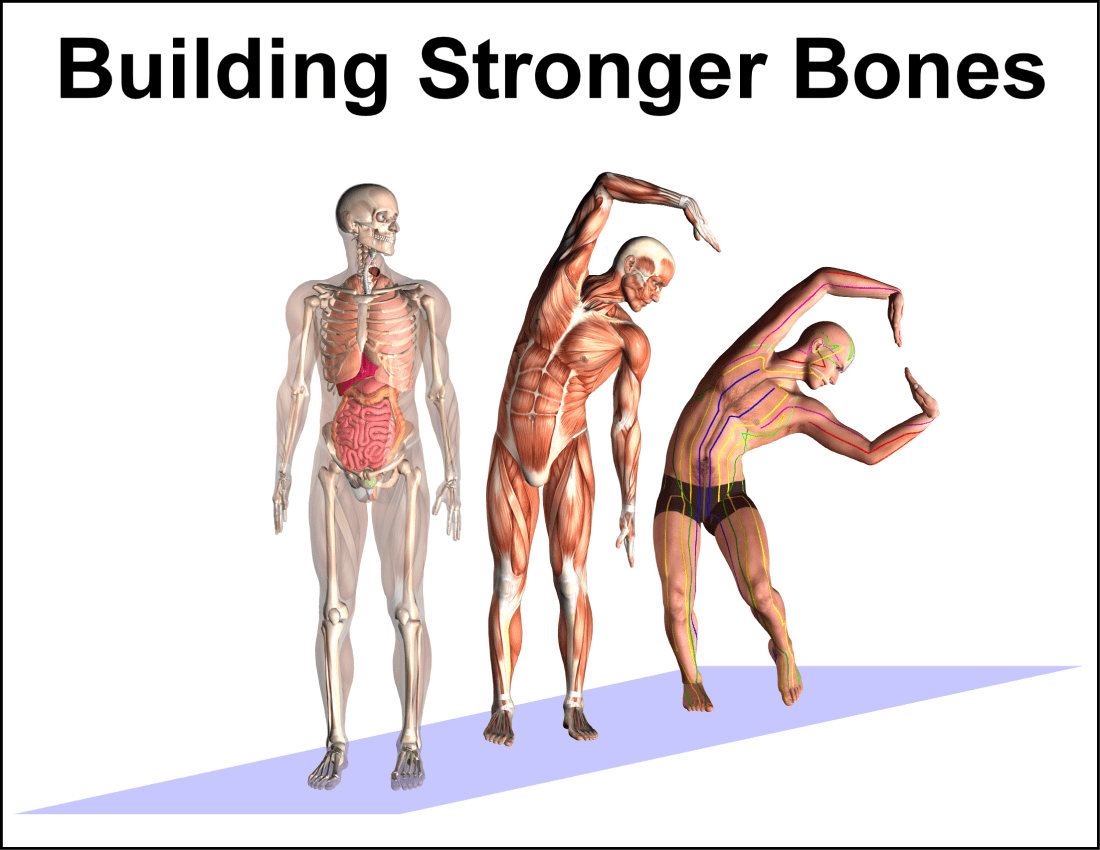
Building Stronger Bones

This month I wrapped up my series of 6 discussions regarding “self-care.”

Specific topics addressed were that of:

– what is holistic health?

– management of hands and wrists using acupressure/reflexology

– management of various types of stress and headaches

– understanding how the vestibular balance systems work

– how to breathe deeper and more efficiently affecting

– why is bone density a serious issue and how to improve it

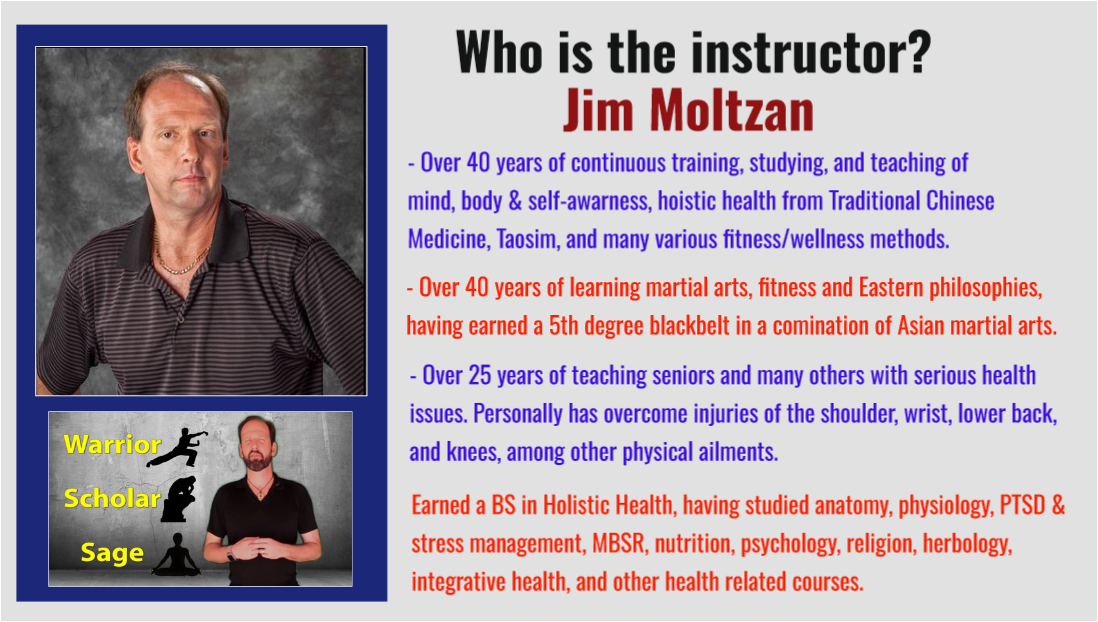
I have many more topics to discuss regarding better physical health, mental wellness, and having meaning/purpose in our lives. Tai chi and qigong are a big part of my curriculum, but I also earned a BS degree in holistic health in addition to my over 40 years of “hands-on” learning, practicing, and teaching. Contact me if you are interested in me speaking at your place of business, group, or other public setting.

All 6 discussions can be found on my YouTube page, by clicking on the image below.

Here is a summary of the topics I discussed regarding osteopenia and osteoporosis, which are conditions related to bone density and strength, which affect millions of people, particularly as they age. Here’s a detailed breakdown:

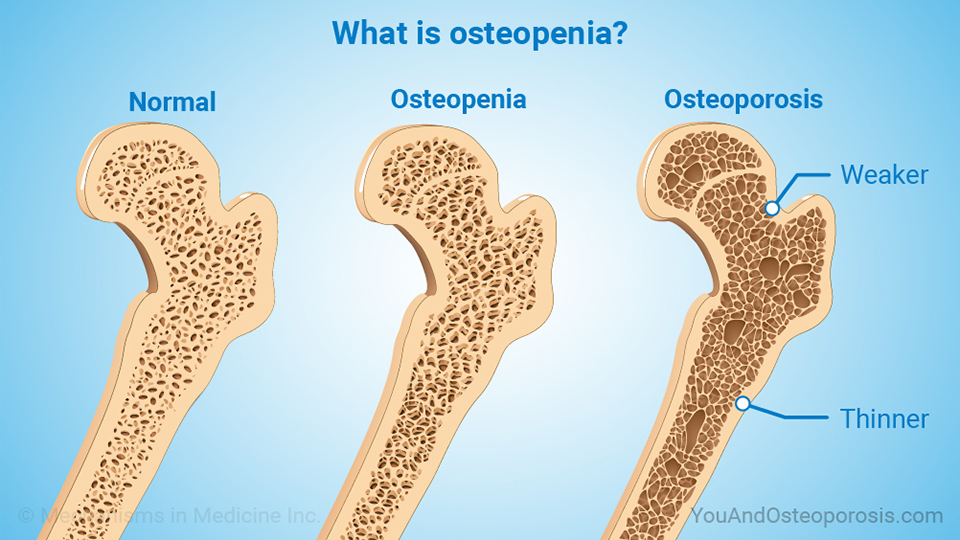
  • Osteopenia: This is the early stage of bone loss, where bone mineral density (BMD) is lower than normal but not low enough to be classified as osteoporosis. It is often a precursor to osteoporosis and indicates weakening bones.
  • Osteoporosis: This is a more severe bone condition characterized by significant bone loss, making bones brittle and more susceptible to fractures. In osteoporosis, bones become porous, with decreased density and structural integrity.

Both osteopenia and osteoporosis are caused by an imbalance between bone resorption (the process of bone breakdown) and bone formation. Factors contributing to this include:

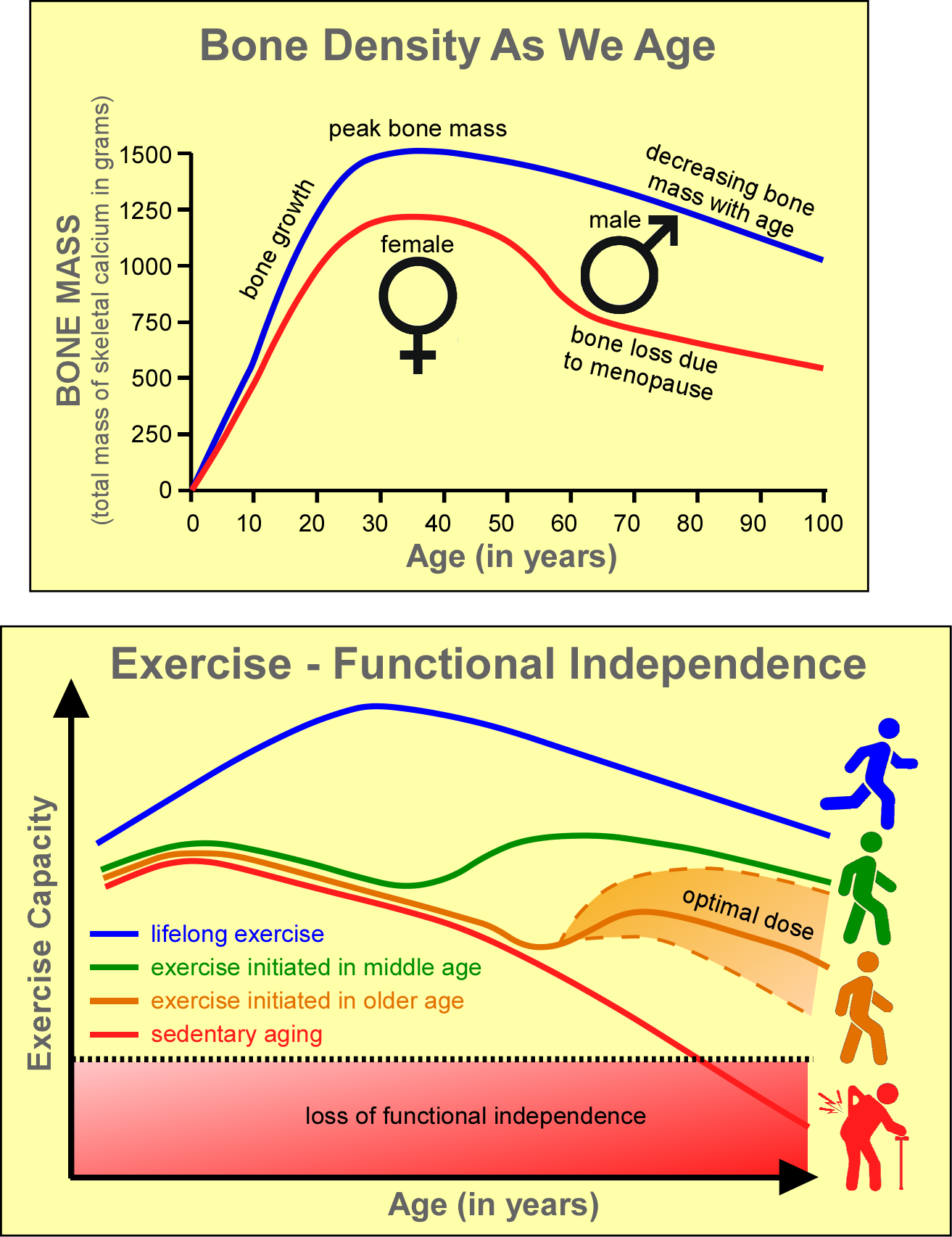
  • Aging: Bone mass typically peaks in a person’s 20s or 30s and declines with age, particularly in postmenopausal women due to decreased estrogen levels.
  • Hormonal changes: Lowered levels of hormones such as estrogen in women and testosterone in men can contribute to decreased bone density.
  • Genetics: A family history of osteoporosis can increase the risk.
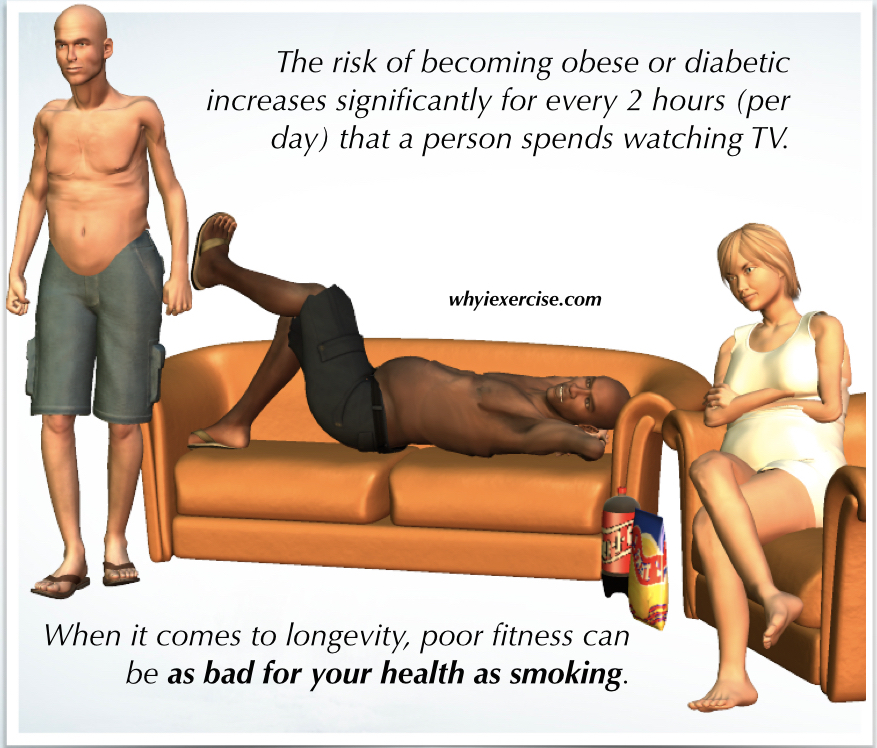
  • Sedentary lifestyle: Lack of physical activity, particularly weight-bearing and resistance exercises, can contribute to weaker bones.
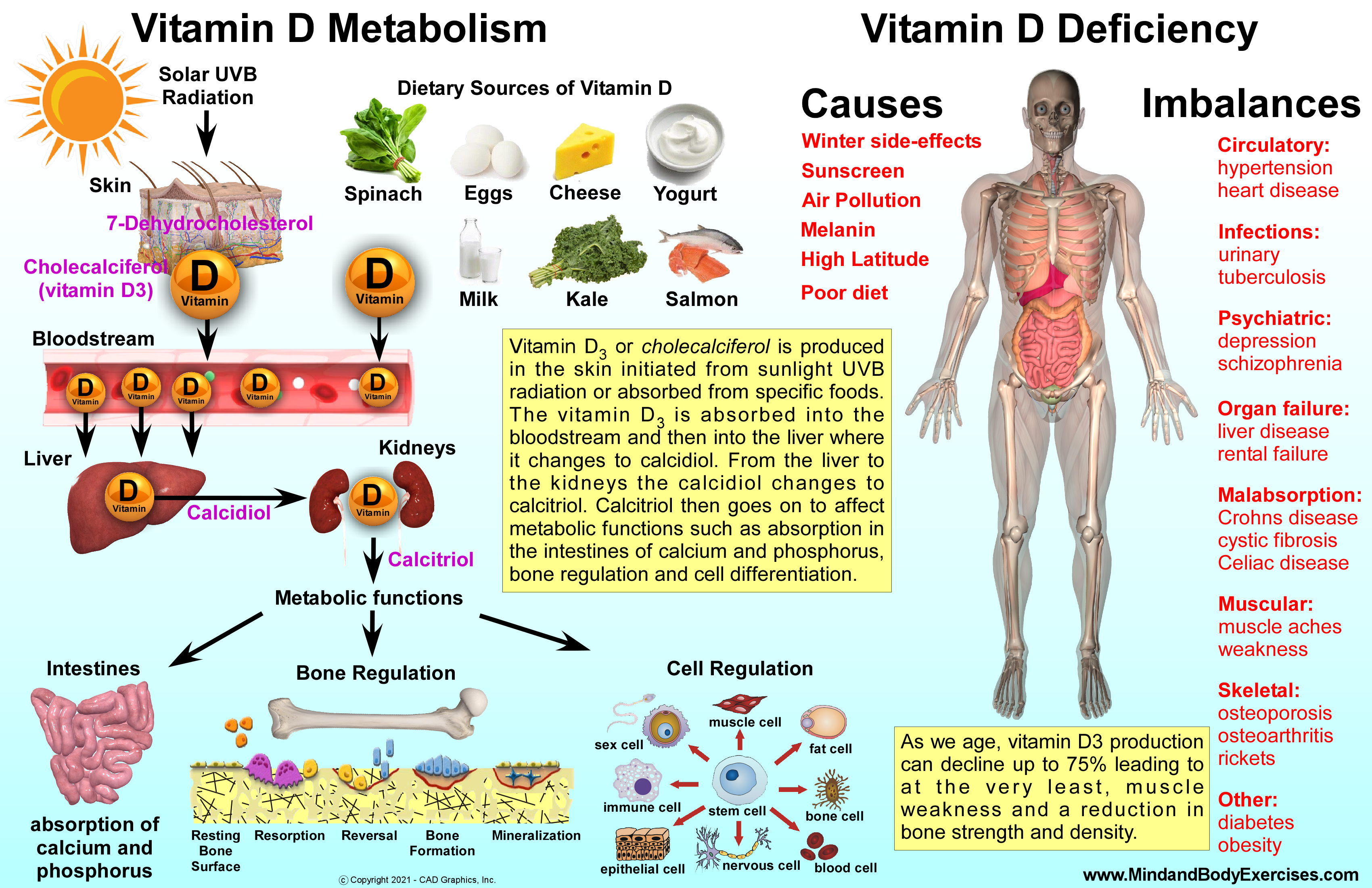
  • Poor nutrition: Low intake of calcium, vitamin D, and other nutrients crucial for bone health can lead to bone density loss.
  • Smoking and excessive alcohol consumption: Both are associated with decreased bone density.
  • Certain medications: Long-term use of corticosteroids and some other medications may contribute to bone loss.
  • Fractures: The most serious consequence, particularly in the hips, spine, and wrists, can result in decreased mobility and increased mortality in older adults.
  • Height loss: Often due to fractures in the vertebrae leading to compression.
  • Back pain: Resulting from collapsed or fractured vertebrae.
  • Kyphosis (spinal curvature): In severe cases of osteoporosis, the spine may curve forward.
  • Weight-bearing exercises: These include activities like walking, jogging, dancing, and stair climbing. They help stimulate bone formation by putting stress on the bones.
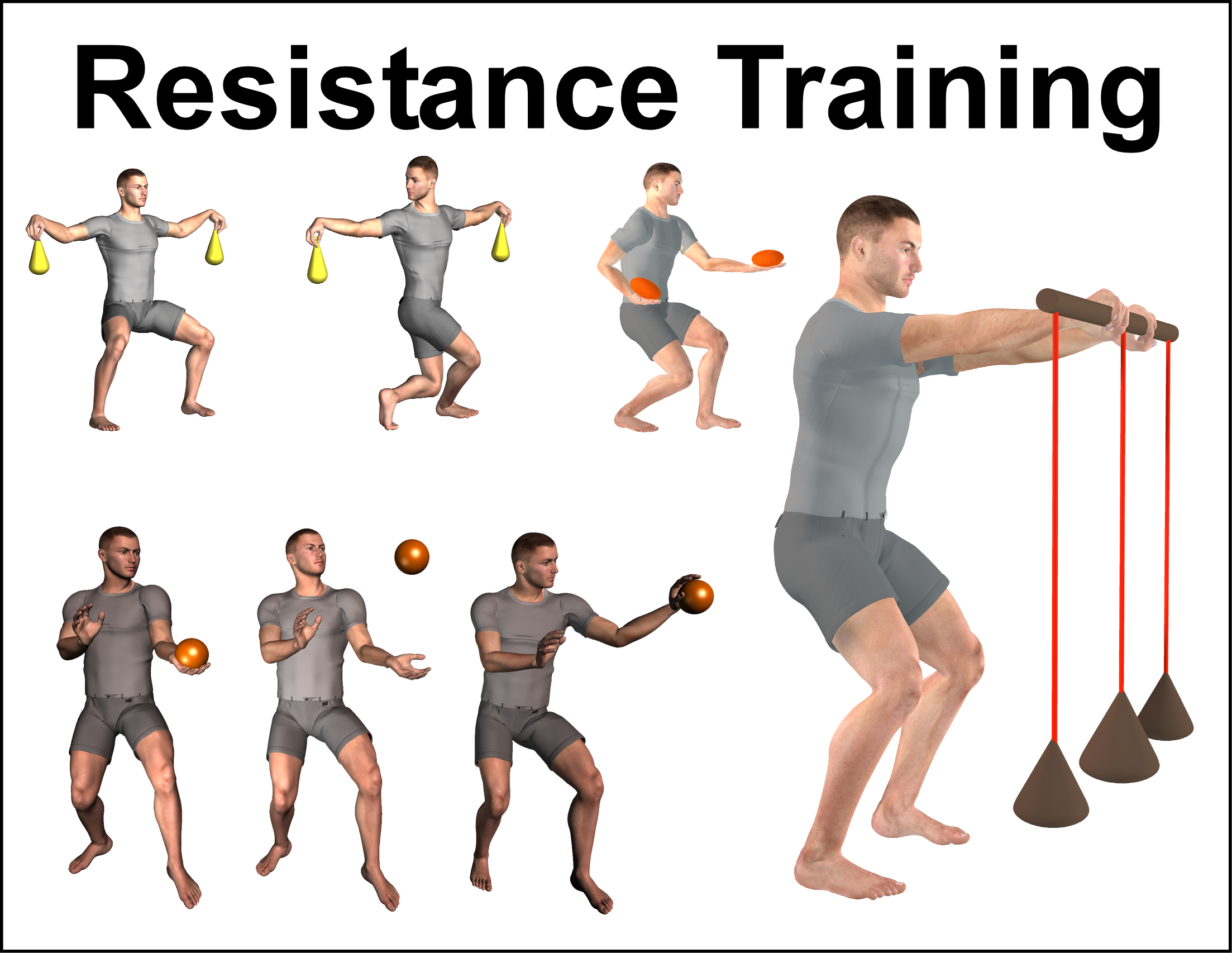
  • Resistance training: Lifting weights or using resistance bands helps build muscle mass and improves bone density. Exercises targeting the hips, spine, and wrists are particularly beneficial for bone health.
  • Balance training: Tai chi, yoga, and Pilates are excellent for improving balance and flexibility, reducing the risk of falls that can lead to fractures.
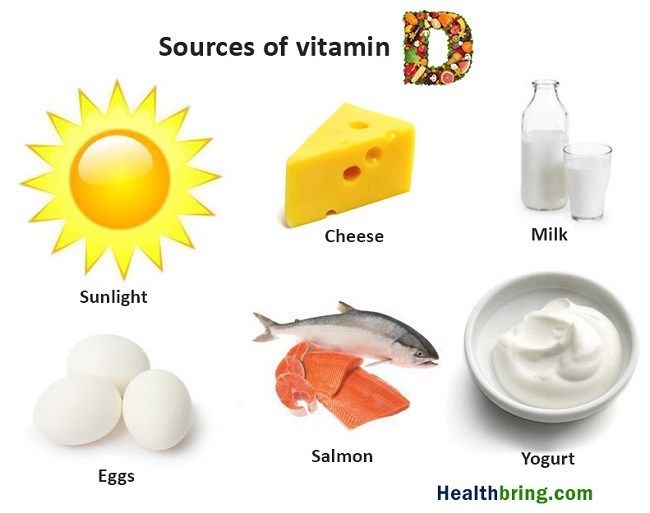
  • Vitamin D: Essential for calcium absorption, vitamin D can be synthesized through exposure to sunlight. About 15-30 minutes of sun exposure several times a week on the face, arms, or legs (without sunscreen) is often enough, depending on skin type, location, and weather.
  • Supplementation: In cases where adequate sun exposure is not possible, supplements are often recommended. The typical dosage is around 600-800 IU per day for adults, though higher doses may be needed for those with deficiencies.
  • Calcium: Adequate calcium intake is crucial for maintaining bone density. The recommended intake is about 1,000-1,200 mg per day, depending on age and gender. Calcium-rich foods include dairy products (milk, cheese, yogurt), leafy greens (kale, broccoli), almonds, tofu, and fortified foods.
  • Magnesium: Magnesium helps convert vitamin D into its active form, allowing for better calcium absorption. Sources include nuts, seeds, legumes, and whole grains.
  • Protein: Adequate protein intake is essential for bone and muscle health. High-protein diets have been associated with improved bone density.
  • Other Nutrients:
    • Vitamin K: Found in leafy greens, helps regulate calcium and promotes bone health.
    • Omega-3 Fatty Acids: Found in fish like salmon and flaxseeds, these can help reduce bone loss.
  • Bisphosphonates: These drugs slow down bone resorption and help to maintain or increase bone density.
  • Hormone Therapy: Estrogen replacement therapy can be beneficial for postmenopausal women to slow bone loss.
  • Denosumab: A monoclonal antibody that reduces bone resorption.
  • Calcitonin: A hormone that helps regulate calcium levels and bone metabolism.
  • Parathyroid hormone analogs: These can help stimulate bone formation in severe cases of osteoporosis.
  • Quit smoking: Smoking accelerates bone loss, so quitting is important for bone health.
  • Limit alcohol: Excessive alcohol interferes with calcium balance and bone formation.
  • Fall prevention: Maintaining good balance and a safe living environment can help prevent falls that might lead to fractures.
  • Bone density scans: These scans can help monitor your bone health and assess your risk of fractures.
  • Regular medical check-ups: Consult your doctor for personalized advice and to discuss any concerns.

Osteopenia and osteoporosis are conditions that reflect the progressive weakening of bones, leading to increased risk of fractures. Managing these conditions involves a combination of strength training, resistance exercises, adequate sun exposure, proper nutrition (especially with calcium and vitamin D), and sometimes medication. Regular physical activity, especially weight-bearing and resistance exercises, can help strengthen bones, while proper diet and lifestyle choices support bone health and overall well-being.

I teach and offer lectures about holistic health, physical fitness, stress management, human behavior, meditation, phytotherapy (herbs), music for healing, self-massage (acupressure), Daoyin (yoga), qigong, tai chi, and baguazhang.

Please contact me if you, your business, organization, or group, might be interested in hosting me to speak on a wide spectrum of topics relative to better health, fitness, and well-being.

I look forward to further sharing more of my message by partnering with hospitals, wellness centers, VA centers, schools on all levels, businesses, and individuals who see the value in building a stronger nation through building a healthier population.

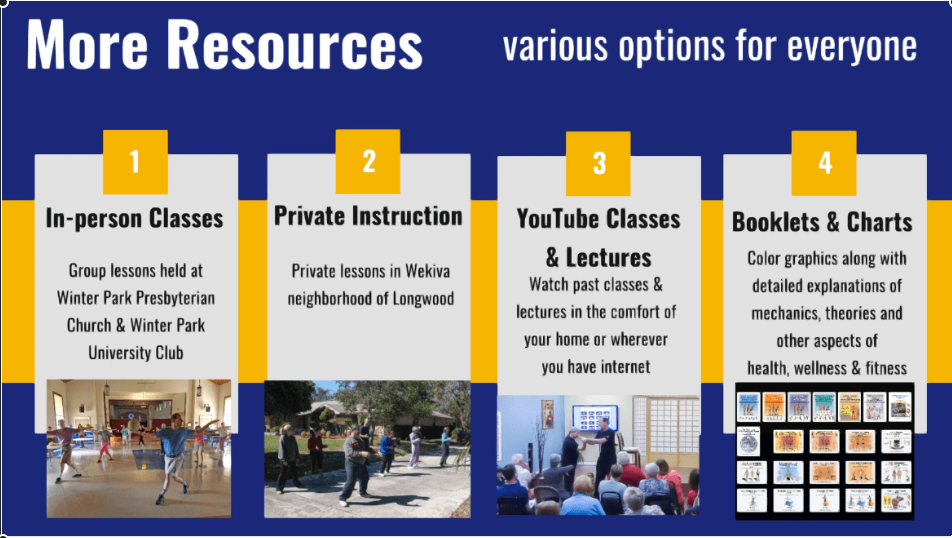
I also have hundreds of FREE education video classes, lectures, and seminars available on my YouTube channel at:

https://www.youtube.com/c/MindandBodyExercises

Many of my publications can be found on Amazon at:

http://www.Amazon.com/author/jimmoltzan

My holistic health blog is available at:

https://mindandbodyexercises.wordpress.com/

http://www.MindAndBodyExercises.com

Mind and Body Exercises on Google: https://posts.gle/aD47Qo

Jim Moltzan

407-234-0119

What is the PERMA-V Model for Flourishing?

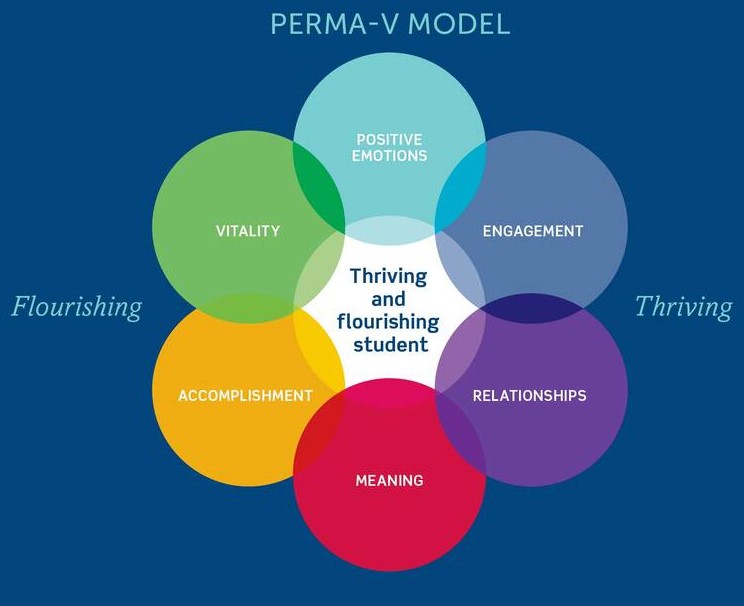
Dr. Martin Seligman, a psychologist and one of the founders of positive psychology, introduced the concept of PERMA as a framework for understanding and cultivating well-being and happiness. PERMA is an acronym that represents five essential elements of a fulfilling and meaningful life. Here’s a brief summary of each component:

  1. Positive Emotions (P): This refers to experiencing and cultivating positive feelings such as joy, gratitude, serenity, interest, hope, pride, amusement, and love. Fostering positive emotions is seen as a crucial aspect of overall well-being.
  2. Engagement (E): Also known as “flow,” engagement involves being fully absorbed and immersed in activities that challenge and utilize one’s skills. When individuals are engaged in what they’re doing, they often lose track of time and experience a sense of deep satisfaction.
  3. Relationships (R): Positive social connections and meaningful relationships contribute significantly to well-being. Maintaining healthy and supportive relationships with friends, family, and community fosters a sense of belonging and social support.
  4. Meaning (M): Finding meaning and purpose in life is essential for well-being. This involves understanding one’s strengths and values and using them to contribute to something larger than oneself, whether it be through work, relationships, or other pursuits.
  5. Accomplishment (A): Achieving goals and accomplishments, both big and small, contributes to a sense of competence and mastery. Setting and reaching goals provides a sense of purpose and fulfillment.
  6. Vitality (V): There has been an update to Seligman’s PERMA model, and the “V” for Vitality has been added. This addition expands the model to include physical well-being as a crucial component. Vitality encompasses the importance of a healthy and energized body. It involves paying attention to nutrition, exercise, sleep, and other factors that contribute to physical well-being.

The PERMA-V model suggests that these six elements work together to enhance overall well-being, and individuals can focus on cultivating each aspect in their lives to lead a more flourishing and satisfying existence.

_________________

I teach and offer lectures about holistic health, qigong, tai chi, baguazhang, meditation, phytotherapy (herbs), music for healing, self-massage, and yoga. I also have hundreds of FREE education video classes, lectures and seminars available on my YouTube channel at:

https://www.youtube.com/c/MindandBodyExercises

www.MindAndBodyExercises.com

www.Amazon.com/author/jimmoltzan

Mind and Body Exercises on Google: https://posts.gle/aD47Qo

Jim Moltzan

407-234-0119