The Discipline of Distance: Why Letting Go of Toxic Relationships Is an Act of Health

In the pursuit of holistic health, much attention is given to nutrition, exercise, sleep, and stress management. Yet one of the most overlooked determinants of well-being is the quality of our relationships. Just as the body is shaped by what we consume, the mind and spirit are shaped by the people we allow into our lives. When those relationships become toxic, distancing oneself is not only beneficial, but also often necessary.

There is a quiet devastation in staying too long near someone who diminishes you. It does not announce itself with sirens or visible wounds. Instead, it operates at the cellular level, eroding sleep, contracting breath, tightening the shoulders, flooding the bloodstream with cortisol long after the interaction has passed. The decision to distance oneself from a toxic relationship is not, as some would suggest, an act of selfishness or weakness. It is, in the deepest sense, an act of physiological and psychological survival.
Understanding Toxicity Beyond the Obvious

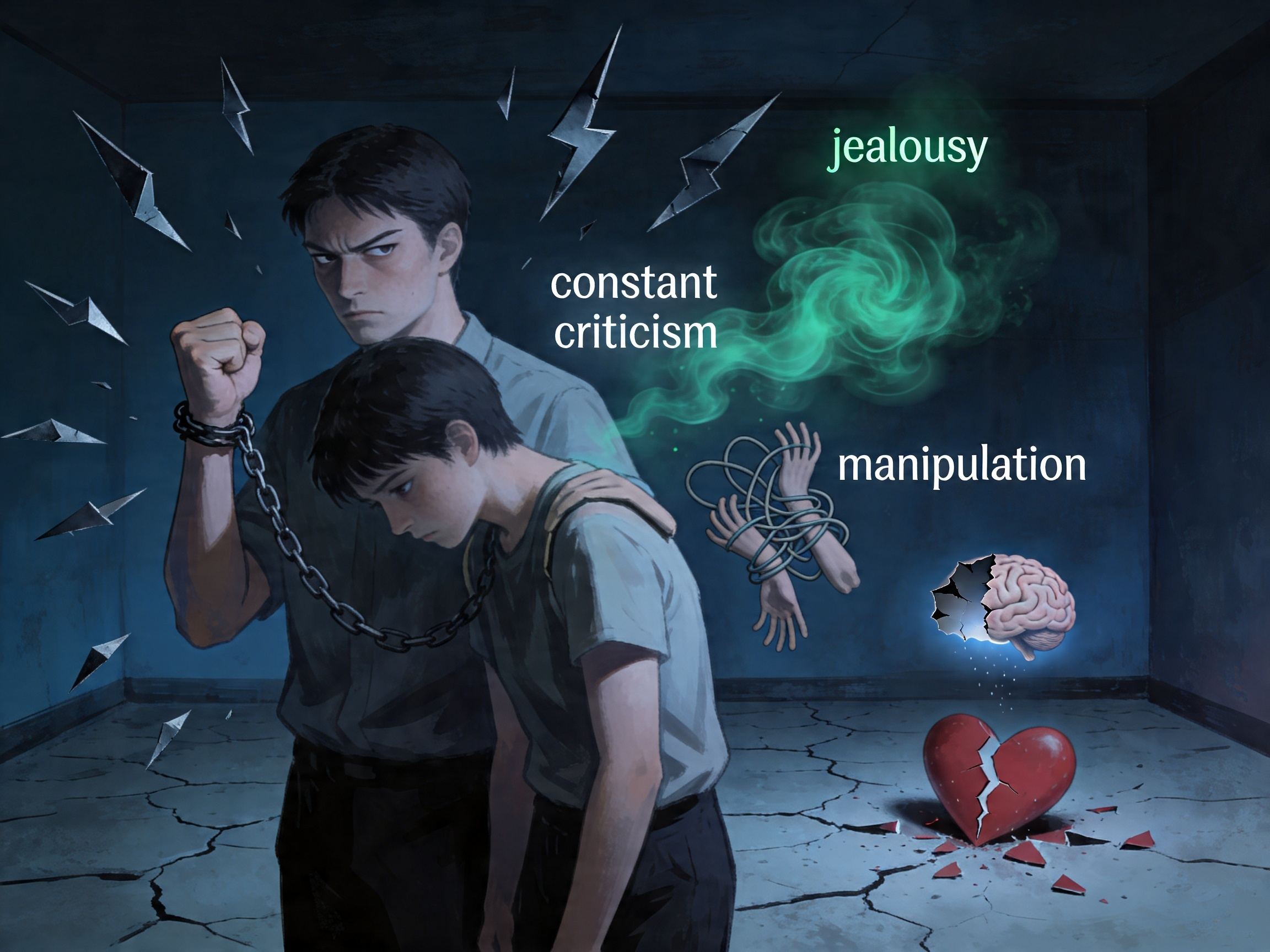
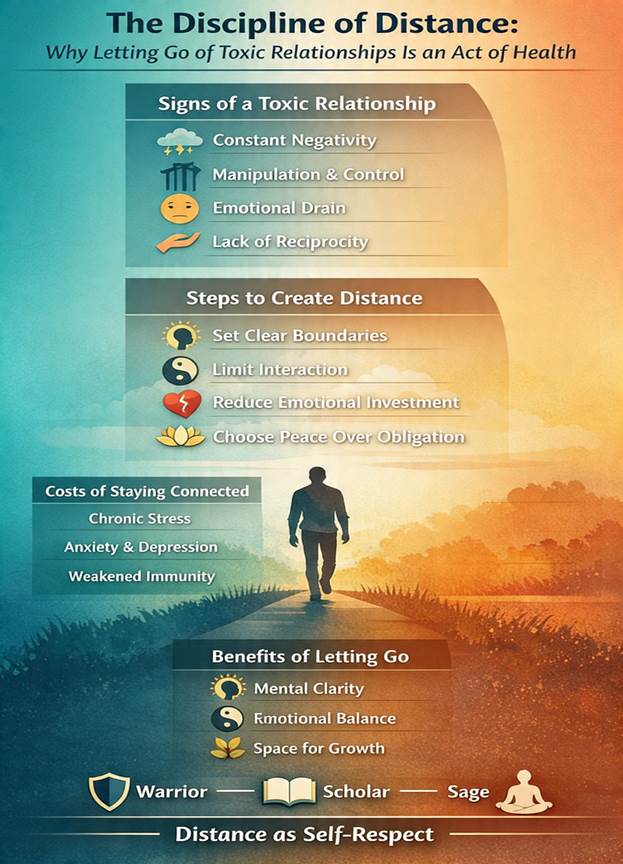
A toxic relationship is not always defined by overt abuse or dramatic conflict. More often, it manifests subtly, through chronic negativity, manipulation, emotional depletion, lack of reciprocity, or persistent disrespect. These dynamics can exist in friendships, family systems, workplaces, and even long-term partnerships.

In psychological and behavioral science, a toxic relationship is broadly defined as one in which a persistent pattern of behavior by one or more parties produces harm, emotional, cognitive, physical, or spiritual, in another (Lancer, 2014). What distinguishes a difficult relationship from a genuinely toxic one is the element of chronic harm with little or no reciprocal nourishment. From a psychological standpoint, toxic relationships are associated with increased stress responses, emotional dysregulation, and diminished self-worth (Lepore, 1992). Over time, this can contribute to anxiety, depression, and physical health issues such as hypertension and weakened immune function (Holt-Lunstad et al., 2010). In essence, the body does not differentiate between physical threats and emotional ones. The nervous system reacts accordingly.

The Body Keeps Score — and the Body Tells the Truth

When an individual remains in a toxic relational environment, the body operates in a prolonged state of sympathetic nervous system activation, the “fight or flight” response. The hypothalamic-pituitary-adrenal (HPA) axis, the body’s central stress response system, activates when we perceive threat. In healthy circumstances, this activation is brief and resolves once the stressor passes. In toxic relational environments, the stressor does not pass and the HPA axis remains chronically engaged.

The result is sustained elevation of cortisol, which over time suppresses immune function, disrupts sleep architecture, impairs cognitive performance, contributes to gastrointestinal dysfunction, and degrades cardiovascular health (McEwen, 2007). Chronic exposure to these stressors has also been linked to metabolic dysfunction and significantly elevated mortality risk (Holt-Lunstad et al., 2010).

From a Traditional Chinese Medicine perspective, such disturbances are understood as stagnation of qi, or of life energy, of vital flow, particularly affecting the Liver system, which governs the smooth flow of energy and emotions. Prolonged stagnation transforms into heat, contributing to irritability, tension, disrupted sleep, and internal imbalance (Maciocia, 2015). The emotional and the biological are not separate systems. They are one system, responding as one.
Psychological Roots: Attachment, Identity, and the Pull to Stay

One of the most painful paradoxes of toxic relationships is that they are often the hardest to leave. This is not weakness. It is neurobiological architecture.

Bowlby’s (1969) attachment theory established that human beings are neurologically wired to seek proximity to attachment figures, even when those figures are sources of fear or inconsistency. In fact, environments characterized by intermittent reinforcement, alternating between warmth and hostility, produce particularly powerful psychological bonds. The unpredictability itself triggers the reward system, creating a pattern not unlike that observed in addiction (Fisher et al., 2010).

Cultural conditioning compounds this. We are often taught by family systems, religious institutions, and social norms, that loyalty requires endurance, even at the expense of one’s own well-being. There is, however, a critical distinction between commitment and self-sacrifice. Healthy relationships are mutually nourishing. Toxic ones demand one-sided tolerance. Leaving requires not only courage but a fundamental renegotiation of one’s sense of self and worthiness.

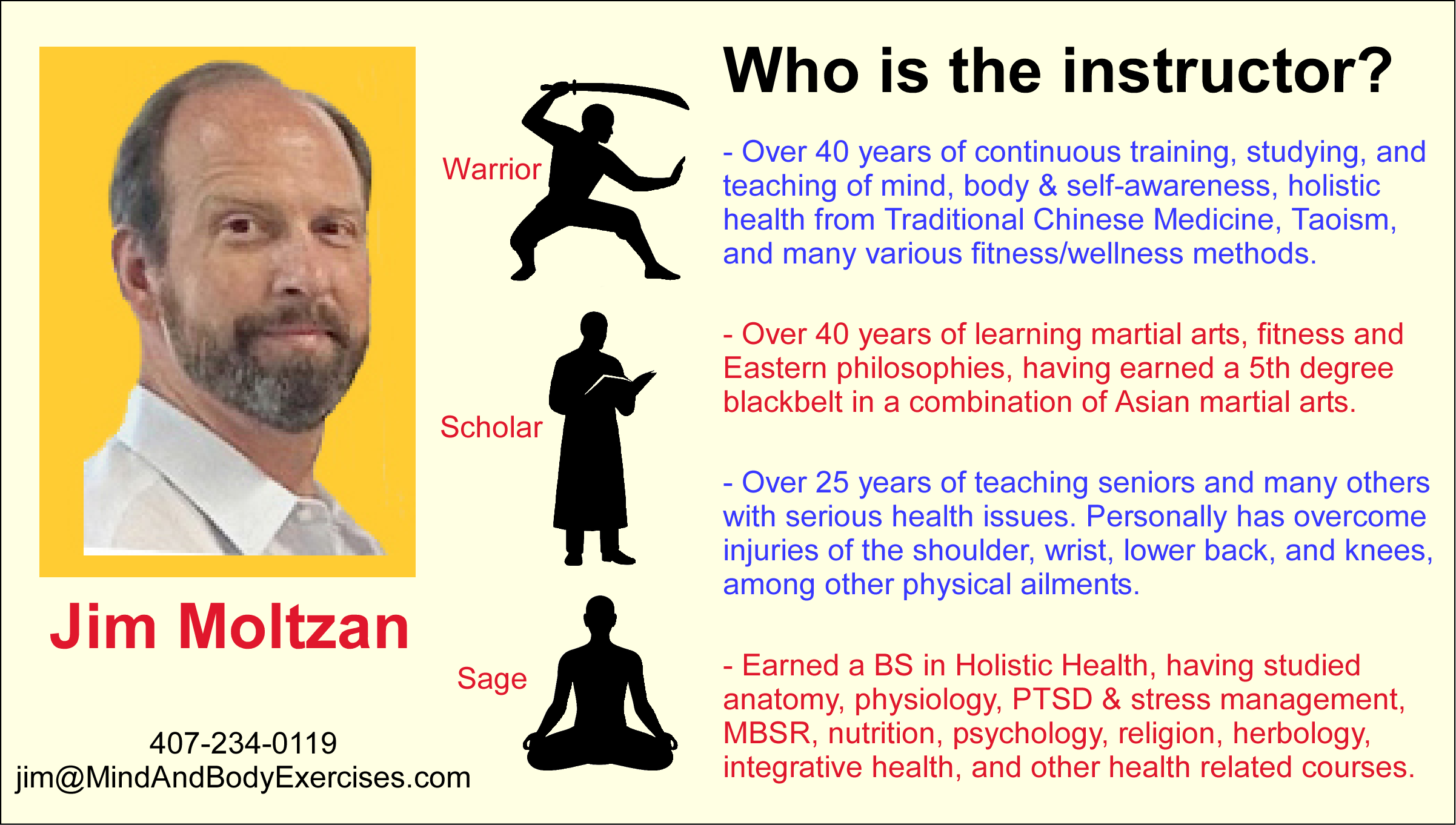
The Warrior, Scholar, and Sage: An Integrated Framework

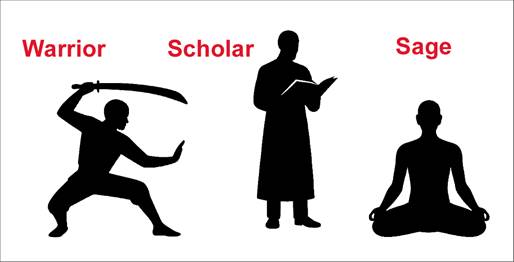
Perhaps no framework captures the full dimensionality of distancing from toxic relationships more completely than the integrated triad of the Warrior, the Scholar, and the Sage. Each archetype engages the challenge from a distinct but complementary orientation and together, they model a wholeness of response that neither psychology nor philosophy alone can provide.

The Warrior does not enter combat indiscriminately and neither does the trained martial mind engage every interpersonal conflict as though it must be won or endured. In classical martial philosophy, the highest expression of skill is not domination but strategic discernment: knowing when to engage and knowing when to withdraw. Sun Tzu’s principle that the supreme art of war is to subdue the enemy without fighting speaks directly to relational toxicity. The Warrior recognizes that remaining in a depleting relationship is not loyalty, but rather it is a drain on the very resources of energy, clarity, mental focus, and physical vitality, that martial and holistic training are designed to cultivate and protect. Boundaries, in this context, are not walls built from fear. They are the disciplined perimeter of a trained practitioner who understands that what enters one’s field shapes one’s capacity to function at full power.
The Scholar brings the discipline of observation and discernment. Where the emotional mind sees only pain, confusion, and the pull of familiar patterns, the Scholar steps back and reads the situation with the detachment of careful study. Patterns are examined: not once, but across time. The Scholar asks not only “what is this person doing to me?” but “what pattern in me allowed this dynamic to persist?” This is where the genuine education lives. Social learning theory confirms that we are continuously shaped by the relational environments we inhabit (Bandura, 1977). The Scholar understands that prolonged exposure to toxic patterns is not neutral, it is a curriculum, and it teaches us, slowly and reliably, to expect diminishment as normal. The act of studying the pattern, naming it, and choosing to no longer participate in it is itself a transformative scholarly act. An application of knowledge toward the cultivation of a wiser life.

The Sage operates from a register beyond strategy or analysis. The Sage perceives the whole — the arc of a life, the nature of interconnection, the cosmic principle that what we nourish, grows, and what we withdraw from, diminishes. In Taoist thought, the Sage does not struggle against what resists; like water, the softest of forces, the Sage flows where there is openness and withdraws from obstruction without bitterness or drama (Laozi, trans. Mitchell, 1988). Letting go, in the Sage’s understanding, is not abandonment. It is wisdom. It is the recognition that some connections, however long they have endured, are no longer aligned with the direction of growth and that releasing them is an act of love for both parties, freeing each to find their proper place in the larger pattern. The Sage also holds the deepest awareness of what Rogers (1961) called unconditional positive regard and understands that offering it does not require remaining in proximity to harm.

Together, the Warrior, Scholar, and Sage form a complete response: the Warrior protects, the Scholar discerns, and the Sage releases with grace. No single archetype alone is sufficient. The Warrior without the Scholar becomes combative. The Scholar without the Sage becomes cold. The Sage without the Warrior becomes passive. But integrated, as the ideal of holistic practice demands, they produce a practitioner capable of navigating one of life’s most difficult passages with both strength and wisdom.

Distance as a Form of Self-Respect

Creating distance does not always mean dramatic confrontation or complete severance. It can take many forms: reducing the frequency of interaction, setting clear and consistent boundaries, limiting emotional investment, or choosing not to engage in harmful patterns. For many people, a gradual reduction in contact, accompanied by internal boundary-setting and the cultivation of healthier relationships, is both safer and more sustainable than a sudden break.

This process requires awareness, discipline, and a willingness to endure the temporary discomfort of asserting one’s needs. There may be guilt, resistance, or even backlash from the other party. Yet this discomfort is typically temporary, while the benefits are enduring. From a behavioral psychology perspective, boundary-setting reinforces self-efficacy, or the belief in one’s ability to take meaningful control of personal circumstances (Bandura, 1997). Each act of distancing becomes a reaffirmation of personal agency.

It is also worth noting what distancing does not mean. It does not require hatred, bitterness, or a permanent severing in every circumstance. In cases where full physical separation is not possible, such as with co-parenting, professional settings, and family caregiving, emotional detachment remains a recognized, healthy coping strategy: a cognitive and emotional restructuring in which the person withdraws the energy and identity investment they once placed in a relationship, while maintaining necessary surface-level contact (Nolen-Hoeksema, 2001).

Reclaiming Space for Growth

When toxic influences are reduced or removed, space is created mentally, emotionally, and energetically. This space allows for clearer thinking, improved emotional regulation, greater alignment with personal values, and the emergence of healthier relationships. It is not uncommon for individuals to experience a distinct sense of lightness or renewed vitality after distancing themselves from chronically draining connections. This is not coincidental; it is the natural result of removing a sustained stressor from the relational field.

Social ecology matters profoundly to psychological development and ongoing maintenance of well-being. Research on social relationships consistently demonstrates that supportive, positive connections enhance longevity and resilience, while negative interactions produce measurably opposite effects (Holt-Lunstad et al., 2010). Choosing with intention who inhabits one’s relational field is not elitism. It is ecology, in the understanding that what we allow into our environment shapes who we become.

Somatic practices are among the most effective tools for navigating this transition. Tai Chi, qigong, and dao yin cultivate continuous awareness of the relationship between emotional states and physical form, training the practitioner to recognize the body’s responses to specific individuals and environments, and to distinguish genuine safety from mere familiarity. The discipline of daily practice creates an internal reference point: a felt sense of what balance, openness, and ease actually feel like in the body, making it harder to accept their absence as the price of connection.

A Necessary Act in a Culture of Overexposure

In a world of constant connectivity, social media, digital communication, and societal pressure to remain perpetually available, the ability to step back is no longer simply a psychological skill. It is a survival competency. Not every relationship deserves equal access to your time, attention, or emotional bandwidth. Just as the trained practitioner is selective about the food consumed, the information absorbed, and the training methods employed, so too must they be selective about the relational influences permitted to shape the internal environment.

The Warrior, Scholar, and Sage all agree on this point: discernment is not coldness. It is clarity. And clarity, in holistic health as in martial practice, is a prerequisite for power.

Conclusion: Distance Is Not Disconnection — It Is Alignment

Distancing oneself from toxic relationships is not about isolation, avoidance, or the abandonment of compassion. It is about alignment. Aligning one’s environment with one’s values, one’s health, and one’s long-term wholeness.

The Warrior calls it protection. The Scholar calls it discernment. The Sage calls it wisdom. Holistic health calls it necessary.

It is an act of discipline. It is an act of self-respect. And in many cases, perhaps most, it is an act of healing.

References

Bandura, A. (1977). Social learning theory. Prentice Hall.

Bandura, A. (1997). Self-efficacy: The exercise of control. W. H. Freeman.

Bowlby, J. (1969). Attachment and loss: Vol. 1. Attachment. Basic Books. https://archive.org/details/attachmentlossvo00john

Fisher, H. E., Brown, L. L., Aron, A., Strong, G., & Mashek, D. (2010). Reward, addiction, and emotion regulation systems associated with rejection in love. Journal of Neurophysiology, 104(1), 51–60. https://doi.org/10.1152/jn.00784.2009

Holt-Lunstad, J., Smith, T. B., & Layton, J. B. (2010). Social relationships and mortality risk: A meta-analytic review. PLoS Medicine, 7(7), e1000316. https://doi.org/10.1371/journal.pmed.1000316

Lancer, D. (2014). Conquering shame and codependency: 8 steps to freeing the true you. Hazelden Publishing.

Laozi. (1988). Tao Te Ching (S. Mitchell, Trans.). Harper & Row. (Original work attributed circa 6th–4th century BCE)

Lepore, S. J. (1992). Social conflict, social support, and psychological distress: Evidence of cross-domain buffering effects. Journal of Personality and Social Psychology, 63(5), 857–867. https://doi.org/10.1037/0022-3514.63.5.857

Maciocia, G. (2015). The foundations of Chinese medicine: A comprehensive text (3rd ed.). Elsevier.

McEwen, B. S. (2007). Physiology and neurobiology of stress and adaptation: Central role of the brain. Physiological Reviews, 87(3), 873–904. https://doi.org/10.1152/physrev.00041.2006

Nolen-Hoeksema, S. (2001). Abnormal psychology (2nd ed.). McGraw-Hill.

Rogers, C. R. (1961). On becoming a person: A therapist’s view of psychotherapy. Houghton Mifflin.
The Sunk-Cost Fallacy: When the Past Holds the Future Hostage

A Holistic Perspective on Letting Go for Health, Clarity, and Growth

The Weight of What We’ve Already Paid

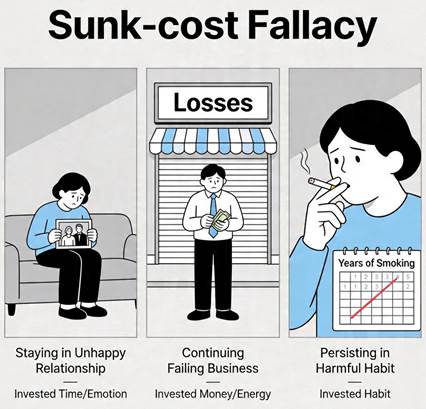
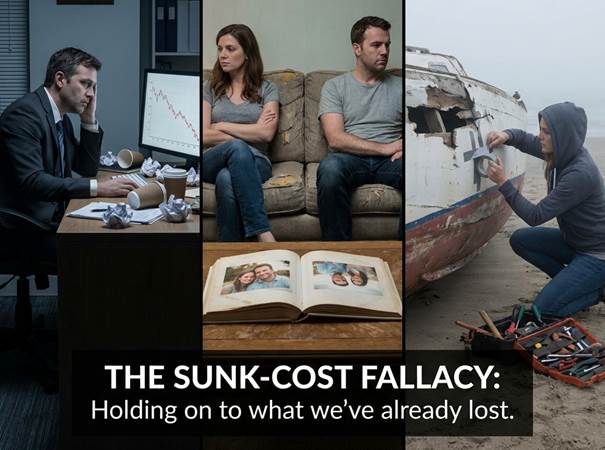
In the realm of human behavior, few psychological traps are as quietly influential and as damaging as the sunk-cost fallacy. At its core, this bias compels us to continue investing time, energy, money, or emotion into something simply because we have already invested so much.

We stay in the relationship too long.
We continue the failing business venture.
We persist in habits that no longer serve us.

Not because it is wise, but because we feel we cannot afford to waste what we’ve already given.

From a holistic health perspective, this is not merely a cognitive error. It is a mind–body–spirit imbalance as a disruption in our ability to perceive reality clearly, regulate emotion, and act in alignment with our well-being.

Understanding the Sunk-Cost Fallacy

The sunk-cost fallacy arises when past investments distort present decision-making. Rationally, what has already been spent, whether time, money, or effort, cannot be recovered. Therefore, it should not influence future choices.

Yet psychologically, it does. Why?

Because humans are not purely rational beings. We are emotional, identity-driven, and meaning-seeking. We attach value not only to outcomes, but to effort, sacrifice, and narrative.

To walk away can feel like:

  • Admitting failure
  • Wasting time or resources
  • Losing identity or status
  • Breaking emotional bonds

So instead, we double down.

The Physiological and Emotional Cost

From the lens of holistic health, this bias is not just “mental,” but rather it is deeply embodied.

When we remain committed to something that is no longer aligned:

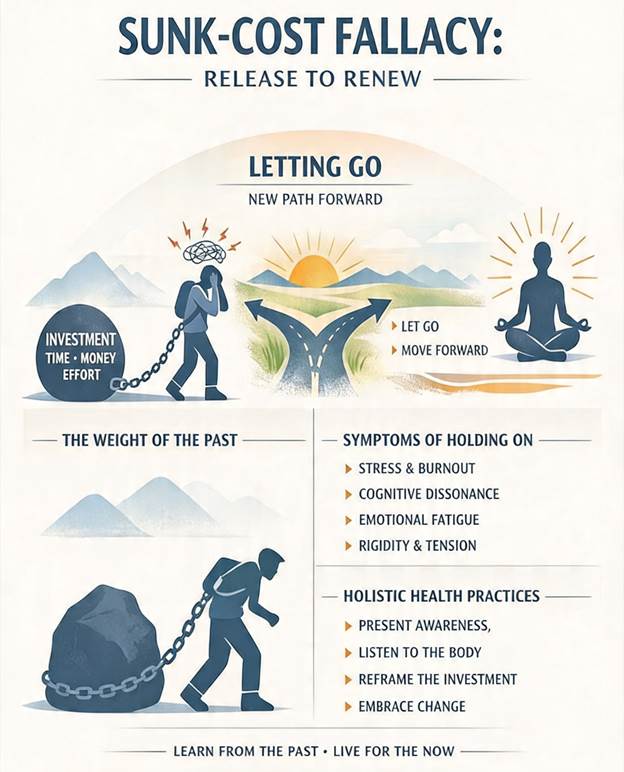
  • Chronic stress increases (elevated cortisol, sympathetic dominance)
  • Cognitive dissonance arises (mental tension between belief and reality)
  • Emotional fatigue accumulates (resentment, frustration, burnout)
  • Behavioral rigidity develops (inability to pivot or adapt)

Over time, this manifests physically:

  • Poor sleep
  • Elevated blood pressure
  • Reduced immune resilience
  • Muscular tension and postural collapse

The body, in its wisdom, often signals what the mind refuses to acknowledge.

A Yin–Yang Perspective: When Persistence Becomes Pathology

In Eastern philosophy, persistence is often seen as a virtue where yang energy equals effort, drive, forward motion.

But when yang is not balanced by yin, as in reflection, receptivity, stillness, it becomes excessive.

The sunk-cost fallacy represents excessive yang trapped by stagnant yin:

  • Too much doing, not enough observing
  • Too much force, not enough flow
  • Too much attachment, not enough release

True wisdom lies in knowing when to persist and when to withdraw.

Just as in martial arts, pushing forward blindly leads to imbalance. The skilled practitioner yields, redirects, and adapts.

The Identity Trap: “I’ve Come This Far…”

Perhaps the most powerful driver of the sunk-cost fallacy is identity.

“I’ve spent 20 years building this.”
“I’ve invested too much to quit now.”
“This is who I am.”

But here is the deeper question:

Are you continuing because it is right… or because it is familiar?

In the Warrior–Scholar–Sage framework:

  • The Warrior may push forward out of discipline
  • The Scholar may justify the decision intellectually
  • The Sage steps back and asks: Is this aligned with truth?

Only the Sage sees clearly enough to release what no longer serves.

Holistic Health Implications: Where This Shows Up

This bias is pervasive across all domains of life:

Physical Health

  • Continuing ineffective exercise routines
  • Ignoring pain signals (“I’ve always trained this way”)
  • Persisting in diets that are not working

Mental Health

  • Staying in toxic thought patterns
  • Clinging to outdated beliefs or worldviews
  • Overcommitting to stress-inducing responsibilities

Emotional & Relational Health

  • Remaining in unhealthy relationships
  • Maintaining one-sided friendships
  • Avoiding necessary endings

Spiritual Health

  • Attachment to rigid doctrines
  • Mistaking loyalty for growth
  • Confusing suffering with purpose

Breaking Free: A Practice of Release

Letting go is not weakness. It is refinement.

Consider these practices:

1. Reframe the Investment

Instead of seeing past effort as “wasted,” view it as tuition paid for wisdom.

Nothing is lost if something is learned.

2. Return to Present-Moment Awareness

Ask:

  • If I were starting fresh today, would I choose this again?
  • Is this serving my current well-being?

3. Listen to the Body

The body rarely lies.

  • Tightness, fatigue, resistance → signals of misalignment
  • Ease, clarity, energy → signals of alignment

4. Practice Strategic Withdrawal

In martial arts and life, retreat is not defeat. It is repositioning.

5. Embrace Impermanence

All things change.

Clinging to what was prevents you from stepping into what can be.

A Closing Reflection: The Freedom of Letting Go

Imagine carrying a heavy pack on a long journey.

Inside are items you once needed—tools, supplies, perhaps even comforts. But over time, they have become unnecessary weight.

The sunk-cost fallacy whispers:
“You’ve carried this this far… you can’t put it down now.”

But wisdom responds:
“I carried it because I needed it then. I release it because I no longer need it now.”

Holistic health is not just about what we build—it is about what we are willing to release.

Because sometimes, the greatest act of strength…
is letting go.

References

Arkes, H. R., & Blumer, C. (1985). The psychology of sunk cost. Organizational Behavior and Human Decision Processes, 35(1), 124–140. https://doi.org/10.1016/0749-5978(85)90049-4

Kahneman, D. (2011). Thinking, fast and slow. Farrar, Straus and Giroux.

Festinger, L. (1957). A theory of cognitive dissonance. Stanford University Press. https://archive.org/details/theoryofcognitiv0000fest/page/n5/mode/2up

Sapolsky, R. M. (2004). Why zebras don’t get ulcers (3rd ed.). Holt Paperbacks.

Hayes, S. C., Strosahl, K. D., & Wilson, K. G. (2012). Acceptance and commitment therapy: The process and practice of mindful change (2nd ed.). Guilford Press. https://psycnet.apa.org/record/2012-00755-000

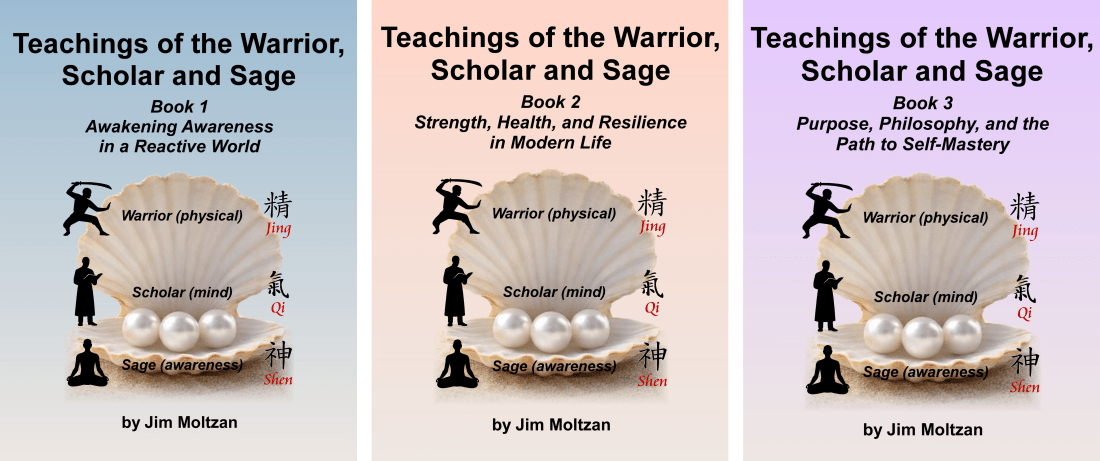
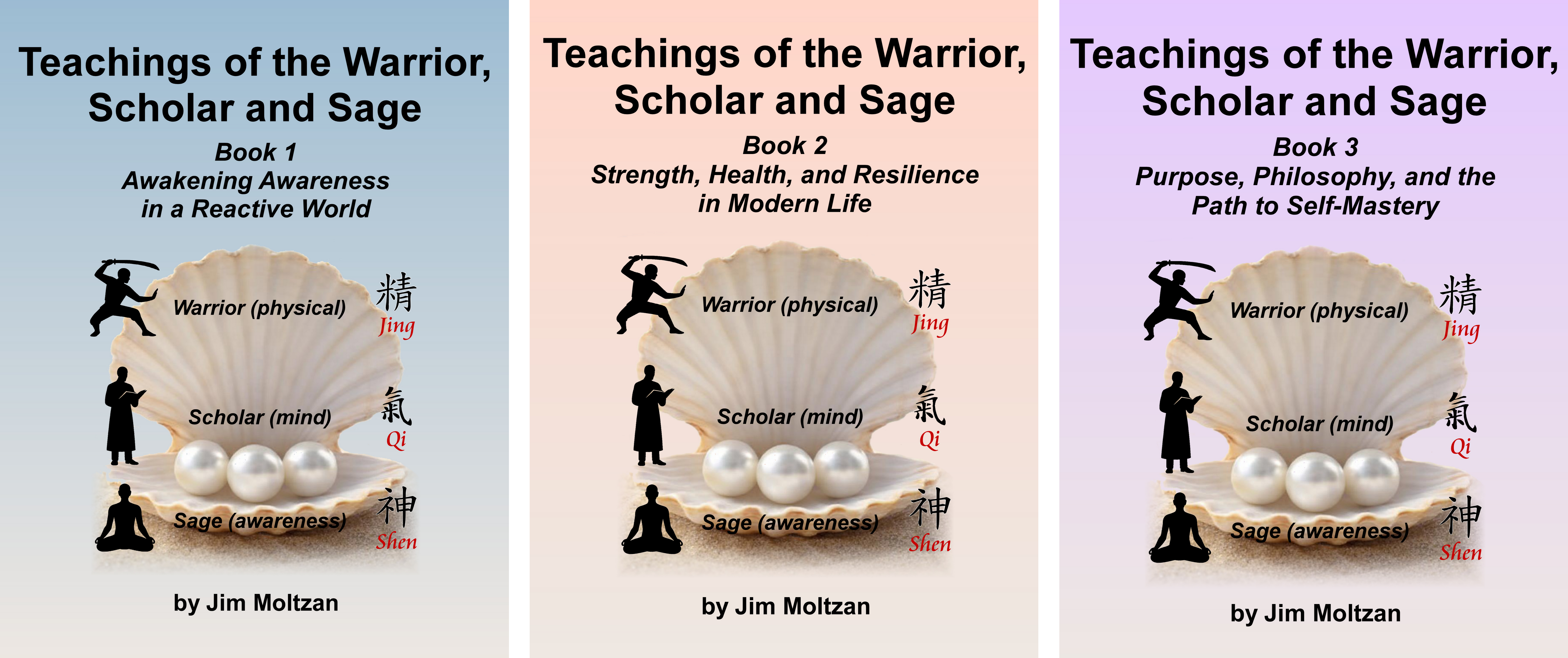
Teachings of the Warrior, Scholar and Sage – A Series Introduction

In a world filled with information, opinions, and endless distractions, clarity has become increasingly rare.

People are told what to think, how to act, and what to value, often without ever being encouraged to question the source. Health is outsourced. Meaning is borrowed. Reactions replace reflection. And over time, many individuals find themselves living in ways that feel increasingly disconnected from their own sense of purpose, direction, and control.

This series was created as a response to that condition.

Teachings of the Warrior, Scholar and Sage is a curated collection of short, focused writings designed to bring attention back to what is often overlooked, the relationship between how we think, how we live, and how we develop as human beings over time. These are not abstract theories or passing trends. They are grounded observations drawn from decades of experience in martial arts, holistic health, teaching, and the study of human behavior.

Each volume in this series presents a selection of essays that stand on their own, yet collectively point toward a larger framework of understanding.

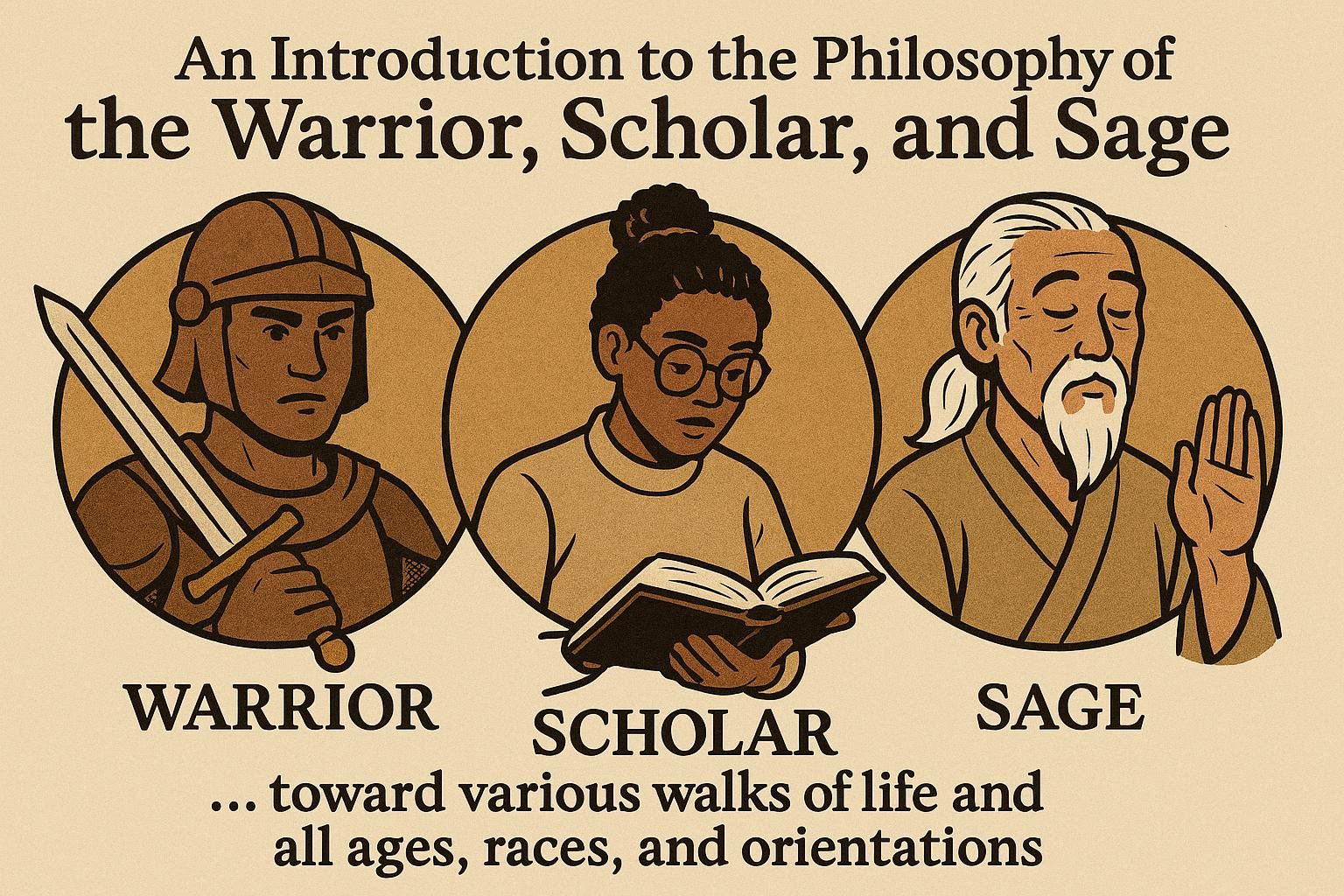
At the center of this framework are three enduring archetypes:

The Warrior, the Scholar, and the Sage.

The Warrior represents action, discipline, and the willingness to confront reality directly. It is expressed through the body, through effort, and through the capacity to endure challenge rather than avoid it. In modern life, this is not limited to physical training, but includes the ability to take responsibility for one’s health, habits, and daily choices.

The Scholar represents inquiry, understanding, and the pursuit of clarity. It asks not only what to do, but why. It examines patterns, questions assumptions, and seeks to understand the mechanisms behind behavior, belief, and perception. In a time where information is abundant but understanding is limited, this role becomes increasingly important.

The Sage represents integration, discernment, and lived wisdom. It is the ability to step back, to see the broader picture, and to act with both clarity and compassion. It is not knowledge for its own sake, but knowledge applied appropriately within the realities of life.

These three are not separate paths.They are aspects of the same process.

Throughout this series, you will encounter ideas that move across physical health, mental and emotional patterns, social influence, personal responsibility, and philosophical inquiry. Some essays address the realities of aging, stress, and the consequences of neglecting the body. Others examine how identity is shaped, how beliefs are formed, and how easily autonomy can be compromised without awareness. Still others explore deeper questions of meaning, purpose, and the direction of one’s life.

While the topics vary, the underlying message remains consistent:

Human beings are not fixed.

They are adaptive systems capable of growth, change, and refinement, but only when awareness and effort are applied over time.

This series is intentionally structured as a collection of concise writings rather than a single continuous narrative. Each essay is meant to be read, considered, and revisited. A single idea, properly understood and applied, carries more value than many ideas briefly encountered and quickly forgotten.

For some readers, these writings will serve as an introduction. For others, they may reinforce or clarify concepts already encountered through experience. Not every idea will resonate at once, nor should it. Understanding often depends on timing, context, and the willingness to reflect.

It is also important to recognize what this series is, and what it is not.

It is not a step-by-step program.
It is not a rigid system of belief.
It is not a promise of immediate transformation.

Rather, it is a set of perspectives intended to encourage observation, responsibility, and self-directed development.

The material presented here represents only a portion of a much larger body of work. Across numerous books, articles, and teachings, these ideas are explored in greater depth, structured in different ways, and applied across a variety of contexts. This series serves as an accessible entry point into that broader library.

If something within these pages resonates, it is not by accident. It reflects recognition. And recognition is often the first step toward change.

Ultimately, no book, system, or teacher can do the work for you. The responsibility for growth, health, and direction remains where it has always been, with the individual.

The Warrior, the Scholar, and the Sage are not distant ideals.

They are capacities that already exist within you.

The question is not whether they are present.

The question is whether they will be developed.

Returning to College Later in Life

A Holistic Journey of Maturity, Meaning, and Re-Alignment

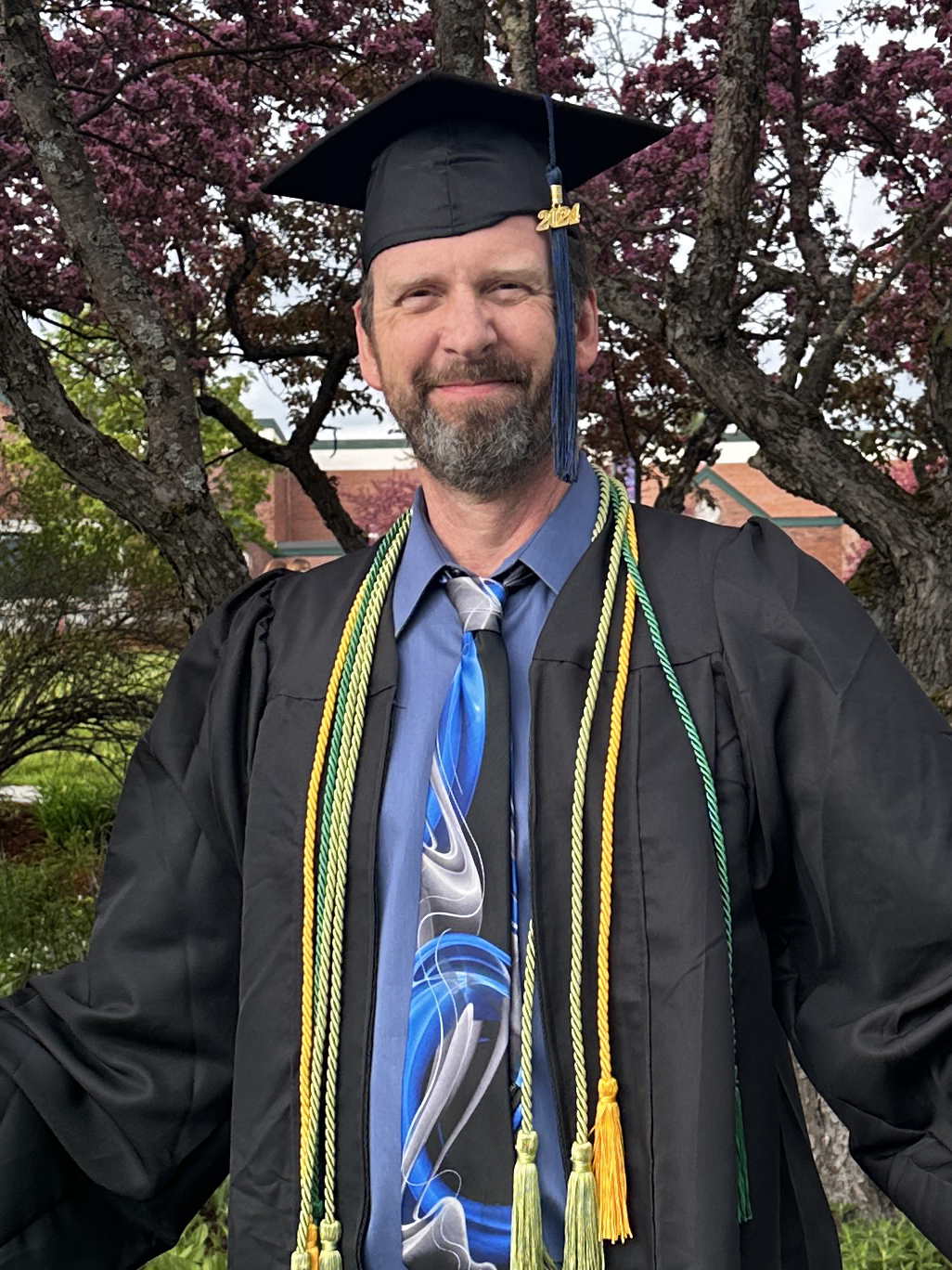
Returning to college later in life is often described as a challenge, as an uphill climb requiring time, discipline, and sacrifice. Yet for many adults, and certainly in my case, the opposite proved true. When I chose to return to higher education in my mid-fifties to pursue a degree in Holistic Health, I brought with me something few traditional college-age students possess: decades of lived experience. That experience, combined with a more mature cognitive framework, transformed the academic journey from an obligation into an opportunity for deep integration, personal clarity, and intellectual renewal.

Bringing a Lifetime of Experience to Academic Study

Unlike those who enter college at eighteen, my return at age fifty-six meant I did not begin my studies with uncertainty or the pressure of choosing a career path before ever living one. I had already accumulated a lifetime’s worth of learning through practical experience in raising a family, navigating career changes, managing health challenges, and observing the complexities of human behavior. These experiences served as a foundation upon which new academic material could be layered, compared, and contextualized.

Rather than absorbing information passively or memorizing material solely for grades, I was able to evaluate theories and concepts through the lens of lived truth. I had already lived many of the essays others were struggling to write. Where younger students needed interviews or lengthy research to understand topics such as stress management, lifestyle change, parenting, or work-life balance, I could draw directly from the real world. This allowed me to engage with coursework not as an abstract collection of requirements, but as a deeply personal and integrated process of confirmation, refinement, and reconnection.

Freedom From Indoctrination and the Advantage of Cognitive Maturity

One of the unspoken benefits of returning to college later in life is the reduced susceptibility to the distractions and ideological or social pressures often present in higher education environments. Younger students are still in the formative stages of identity development, emotional regulation, and worldview formation, are often more influenced by prevailing narratives, trends and peer pressure to explore adult life on their own. They are still building the very cognitive structures necessary to differentiate opinion from fact, emotion from logic, cultural pressures from authentic beliefs and to use good judgement in making choices.

At fifty-six, I entered the classroom with a fully formed sense of self, shaped not by theory but by experience. My executive functions of judgment, discernment, critical reasoning, and the ability to evaluate information objectively, were not only mature but well exercised. This maturity provided both grounding and clarity. I could engage in discussions, write papers, and analyze complex material without feeling pulled by ideological currents or academic conformity. Instead, I was able to maintain intellectual sovereignty, bringing a balanced, reflective, and often more nuanced perspective than I ever could have at eighteen.

This distance from influence was not merely protective but rather liberating. I could appreciate and integrate new knowledge without feeling pressured to adopt someone else’s worldview. My education was not a process of being molded, but of refining and expanding what life had already taught me.

Holistic Health as a Framework for Integration

Choosing Holistic Health as a field of study amplified this sense of meaningful alignment. Holistic frameworks naturally connect physical well-being, mental processes, emotional patterns, spiritual development, social realities, and personal responsibility. Because I had already spent decades exploring aspects of these areas through my own practices, career roles, and interpersonal experiences, college did not introduce an entirely new system. It helped reorganize and deepen what I already knew intuitively.

Academic study provided clarity around topics such as stress physiology, behavior change psychology, wellness models, integrative therapies, and mind-body research. But rather than being overwhelmed by new material, I experienced a profound sense of realignment. Concepts I had previously approached through trial and error now had names, frameworks, and evidence-based explanations. Academic structure refined my intuitive understanding and allowed me to articulate insights I had accumulated over years of practical life.

A Degree for Knowledge, Not for Income

Another advantage of returning to college later in life was the freedom from financial anxiety that burdens many younger students. I was not seeking a degree for job security, salary potential, or societal approval. My purpose was internal: to deepen understanding, refine long-held interests, and elevate both personal and professional growth.

I earned my degree without the shadow of debt or the fear of whether my major would “pay off.” This freedom created a learning environment rooted in curiosity and self-directed motivation rather than obligation. My return to school was an act of self-cultivation, not an economic gamble. The value of the degree lay not in its marketability but in the clarity, confidence, and expanded perspective it provided.

Seeing What Younger Students Often Cannot Yet See

Looking around the classroom, I often felt compassion for the younger generations who entered college without the grounding perspective that life inevitably provides. Many had never managed their own households, navigated personal crises, or experienced the nuances of long-term relationships. They had not yet seen how deeply intertwined the mind, body, emotions, and environment truly are.

Without life experience, many were forced to rely exclusively on textbooks, borrowed opinions, or youthful assumptions. Their worldview was still forming, and their sense of identity was still fragile. In contrast, I had already lived through enough seasons of life to recognize patterns, contradictions, and truths that cannot be fully appreciated through theory alone. Education at my age was not a search for identity. It was a refinement of wisdom.

Gaining Perspective, Not Certainty

Returning to college did not provide absolute answers or solve life’s mysteries, but it offered something arguably more important: a refined way of asking questions. I gained a more sophisticated capacity for research, analysis, contemplation, and critical observation. Academic learning expanded my ability to examine human behavior, health, spiritual development, and social systems from multiple angles.

In the end, the experience was not about “knowing everything,” but about understanding how everything relates. Through education, I strengthened the bridge between personal experience and academic insight, between intuition and research, between life wisdom and contemporary knowledge.

Education as a Lifelong, Holistic Process

My return to college in my mid-fifties was not simply an academic endeavor, but it was an act of holistic integration. With age came maturity, perspective, and discernment. With education came clarity, structure, and expansion. Together, they formed a powerful synthesis that reconnected past experience with present understanding.

I am grateful not only for what I learned, but for when I learned it. Education at this stage of life was not a requirement, but instead it was a gift. A gift of realignment, renewed purpose, and deeper comprehension of how mind, body, and spirit weave together in the tapestry of a human life.

Sam Shim U Gye: Exploring Myth of Martial Multiplicity

The martial arts world has long held space for not only physically demonstrable technique but also oral teachings that border on the mystical. One such term that is rarely documented but occasionally referenced in specific martial circles is Sam Shim U Gye. Roughly interpreted as “Three Minds Merging or Projecting Energy”, or even possibly “The Three-Mind Energy Method,” this phrase suggests a layered understanding of human perception, psychological multiplicity, and strategic movement. Unlike somewhat known practices like Kyung Gong Sul Bope, Qing Gong (light body skill) or Dim Mak (death touch), Sam Shim U Gye remains mostly undocumented in formal Korean martial systems. Yet, within certain oral traditions, it is spoken of in association with the ability to move so swiftly or unpredictably that one appears to be in multiple places at once.

This article aims to examine the term’s potential meaning, its symbolic relationship to martial illusions of multiplicity, and its resonance with broader esoteric traditions such as fenshen from Daoist lore. While there is little scholarly reference to Sam Shim U Gye, analyzing its components and inferred application offers valuable insight into how martial legends and perceptual mastery intertwine.

Linguistic and Symbolic Deconstruction

A tentative breakdown of Sam Shim U Gye reveals a phrase built on classic East Asian symbolic logic:

  • Sam: “Three”
  • Shim: “Mind” or “Heart” (connoting consciousness, awareness, or intention)
  • U: Possibly a linking particle; could also mean “space” or “again”
  • Gye: Could denote “precepts,” “calculations,” or “boundaries”

Taken together, the phrase may imply a structured methodology of mental control, such as:

“Three Minds Merging or Projecting Energy”, or even possibly
“The Three-Mind Energy Method.”

In oral accounts, Sam Shim U Gye has been linked to the ability of a martial artist to move with such unpredictability, speed, or rhythm disruption that they appear to be multiplying themselves, a visual illusion often mistaken for supernatural ability.

Perceived Multiplicity and Martial Illusion

Rather than literal replication, Sam Shim U Gye may be better understood through the lens of perceptual manipulation. Human visual processing can be overwhelmed by sudden, rapid movement combined with environmental cues such as low light or limited peripheral awareness. Under these conditions, a highly trained practitioner might seem to “divide” their presence via:

  • Broken rhythm and redirection
  • Misdirection through layered footwork
  • Exploitation of perceptual lag (e.g., saccadic masking, persistence of vision)

This aligns with the more formally attested Chinese concept of fenshen, or “body division,” found in Daoist texts like Baopuzi (Ge Hong, c. 320 CE). Ge Hong recounts adepts capable of creating multiple illusory bodies or appearing simultaneously in different locations, not as a physical feat, but as a spiritual or meditative realization (Campany, 2002).

Oral Tradition vs. Scholarly Canon

The scarcity of references to Sam Shim U Gye in martial literature raises an important distinction between documented tradition and oral transmission. Some martial teachings, particularly those tied to esoteric or family-based systems, were passed down verbally, often encoded in metaphoric or poetic language. In such cases, a term like Sam Shim U Gye might serve not as a technical formula but as a mnemonic device for internal principles: controlling one’s mind, reading the opponent, and using deceptive motion to shape perception.

In modern application, this principle might be observed in elite-level athletes, such as boxers or mixed martial artists, who use feints and timing to “vanish” from the opponent’s field of awareness, creating the illusion of multiple directions or unpredictable angles.

Comparative Frameworks: Qi Gong, Taoist Visualization, and Wuxia Myths

Sam Shim U Gye also echoes internal energy traditions where the mind is trained to “split” focus between different bodily centers or project awareness beyond the self. In certain neigong practices, advanced practitioners visualize “three fields” of awareness where the head, heart, and lower dantian, are simultaneously active. Similarly, in wuxia cinema (e.g., Crouching Tiger, Hidden Dragon), warriors are depicted leaping through trees or striking multiple foes with dazzling speed, mythical metaphors for an elite practitioner’s fluid, multidimensional control of space. This myth‑making often draws on the history of the Shaolin Monastery and its integration of martial discipline and spiritual cultivation (Shahar, 2008)

This symbolism doesn’t imply literal multiplication but reflects an ideal of internal plurality and external coherence: being everywhere at once by being completely in tune with one’s body, environment, and opponent.

Though undocumented in formal literature, Sam Shim U Gye offers a compelling conceptual framework for understanding how martial artists manipulate perception through timing, positioning, and psychology. Its language evokes internal states of divided attention and strategic redirection, rather than mystical powers. When interpreted in tandem with Daoist fenshen, Aboriginal “shadow walking,” and modern neurology, Sam Shim U Gye reveals itself as a metaphorical map of how disciplined minds and bodies can create illusions so powerful they border on the mythic.

Rather than dismissing such phrases as fantasy, we are invited to explore how martial artists throughout history have refined their craft, not only through physical conditioning, but through perception, awareness, and intention. In doing so, Sam Shim U Gye becomes less a supernatural claim and more a poetic blueprint for mastering complexity within stillness, motion, and mind.

Buyer Beware: Esoteric Claims and Modern Exploitation
In the pursuit of learning rare and esoteric methods such as kyung gong sul bope, sam shim u gye, or dim mak, aspiring students should exercise discernment. While historical legends, cultural folklore, and cinematic portrayals like Crouching Tiger, Hidden Dragon stir fascination with superhuman potential, they also invite opportunism. There are individuals and groups who present these elusive skills as secrets they alone have mastered, often demanding steep financial or personal commitments. Without empirical validation or lineage-based verification, such claims can mislead the hopeful and exploit the vulnerable. As Carl Sagan aptly noted, “extraordinary claims require extraordinary evidence.” Caution, critical thinking, and humility are vital companions on any path toward human development, especially when the line between myth and mastery is intentionally blurred.

References:

Campany, R. F. (2002). To Live as Long as Heaven and Earth: A Translation and Study of Ge Hong’s Traditions of Divine Transcendents. University of California Press.

Ge Hong. (trans. Ware, J. R.). (1966). Alchemy, Medicine and Religion in the China of A.D. 320: The Nei Pien of Ko Hung. Dover Publications. https://archive.org/details/alchemymediciner00ware/page/n5/mode/2up

HKU Centre of Buddhist Studies. (2024, June 19). The Biographies of Eminent Monks 高僧傳 (Free eBook) – HKU Centre of Buddhist Studies. https://www.buddhism.hku.hk/publication-post/biographies-of-eminent-monks/

Shahar, M. (2008). The Shaolin Monastery: History, Religion, and the Chinese Martial Arts. University of Hawai’i Press. https://archive.org/details/shaolinmonastery0000shah