Do Recreational Sports and Religions Exist in Separate Domains?

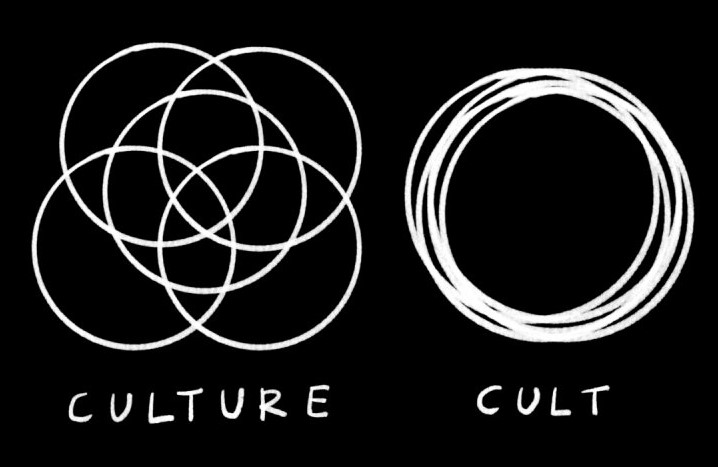
Americans do love their sports, as do many other nations and their populations across the world. America has about 29% of the population considered as avid fans and 46% as casual fans (Statista, 2023). Another source reports that Americans consider themselves sports fans in general at 63% versus Europeans at 69% (YPulse, 2023). I surmise that there are many other studies and reports on this topic that will sway far and wide depending upon the researchers and intent for the studies. I think this is important to note due to the question of separation between sports and religion. Additionally, I do think that many Americans feel that they do not have to have an affiliation to sports or religion, where the two can very much be mutually exclusive of each other. Or, where either of these two elements of American culture are related in ways that would make the others incompatible or null to the other. Many do not want to see their own involvement in sports, on any level to be labeled as a religious relationship. However, when analyzed for specific similarities in components of various religions, such as rituals, initiations, use of symbols, conformity to the group and groupthink, superstitions, adherence to uniforms/clothing/hairstyle, and particular jargon, sports fans often have all these boxes checked. So do many branches of the military in the US and worldwide. Many of these facets exist in liminal groups of particular sects and brotherhoods (Kottak, 2019). Ironically, these components are often the same criteria that are evaluated in labeling particular groups as cults or cult-like. “Culture” is often used for more positive contexts. “Cult” is a word that gathers a much more negative response. Being labeled as a cult can have significant consequences for any religious institution, sports team/group, or various other groups and their members, even in countries that are openly committed to religious freedom and freedom of speech (Peretz, et al., 2021).
This topic of recreational activities and religions strikes a nerve with me as I have had firsthand experience and knowledge, in participation within various groups that have received the “cult” label. Church groups (Christianity, Taoism, Scientology), sports teams/groups/fans (baseball, football, cheerleading, rowing), and fitness trends (martial arts, yoga, Falun gong) have all been labeled to outsiders of these groups as cults on some levels large and small. Consequently, I have come to understand that one person’s culture is another person’s cult. Similarly, one person’s sport may be seen as religious to others not in that group.
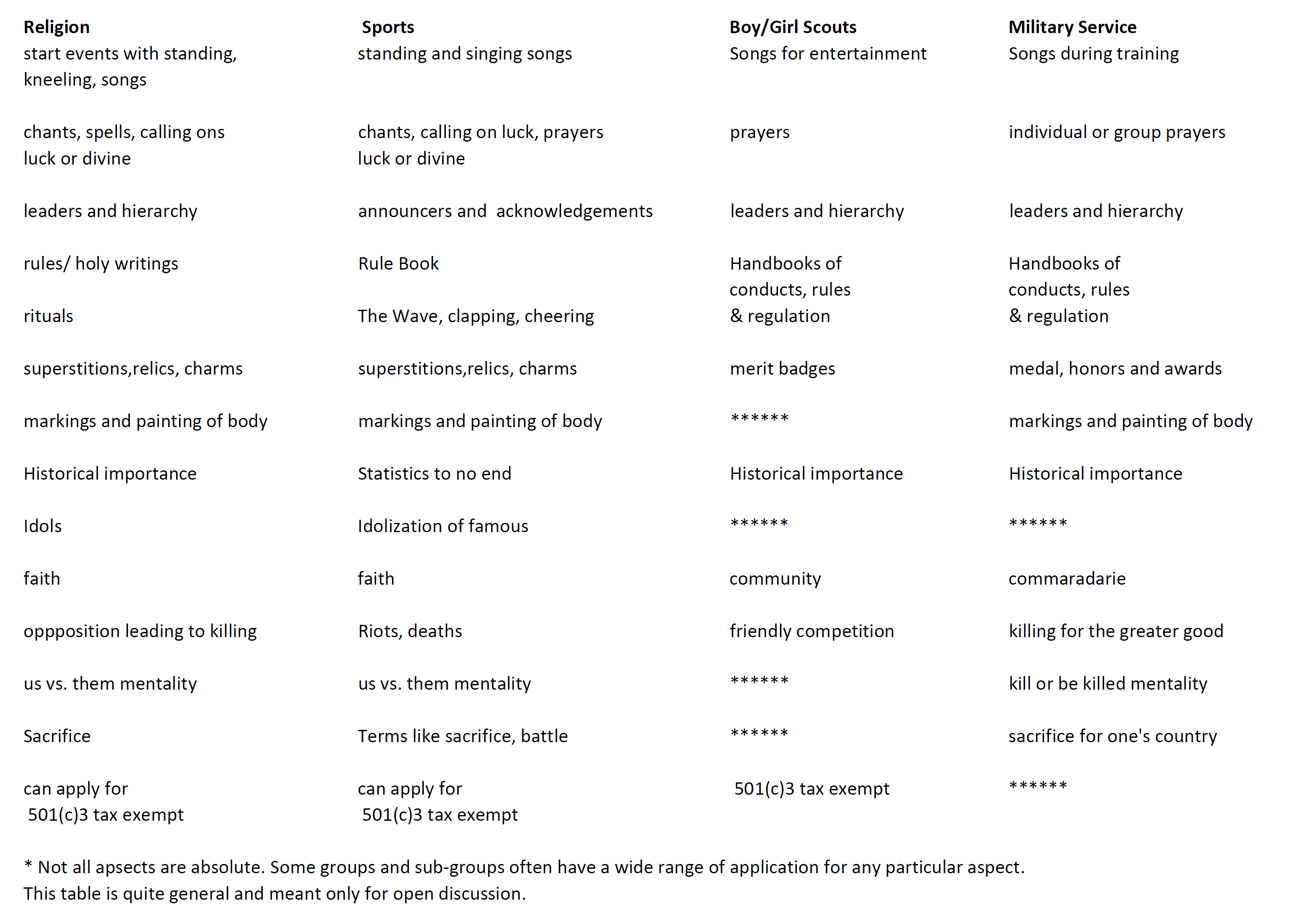
I do think that a benefit and disadvantage of modern society is the need to assign a label to every single thing, big and small, animate and inanimate, real or imagined, etc. While striving to have clear definitions for all things, we often fail in the realization that not everything is either black or white, or absolute. Rather, all things are in a constant state of flux and/or change, relative to their unique set of circumstances at a given time and place. People in Salem were labeled as witches and burned to death a few hundred years ago. Religious groups worldwide still to this day kill one another to prove who is more righteous. While the US does have its many problems, fortunately, we do have these sometimes-considered pesky little words of the 1st amendment that allow us the right to express ourselves rather in speech, freedom to worship, or freedom to be fanatical in sports and recreation activities as long as it does not infringe upon another’s rights.
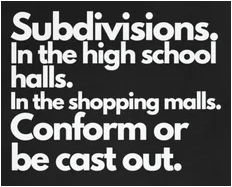
Someone may enjoy watching or participating in sports activities but does not necessarily need to be a fan(atic). Similarly again, not all religions need to be labeled as cults, nor are all cults religious. Much grey area as everyone is free to have their own perspectives on these issues here in the US, for now at least. Some places elsewhere in the world cannot even openly engage in this conversation. Sports and religion, despite their similarities, serve different roles in society and culture. Therefore, I agree that religion and recreation can be separated.

References:

Statista. (2023, May 4). Sports fans share in the U.S. 2023. https://www.statista.com/statistics/300148/interest-nfl-football-age-canada/

YPulse. (2023, June 15). NA vs WE: Who Are the Bigger Sports Fans?  – YPulse. https://www.ypulse.com/article/2022/05/19/we-na-vs-we-who-are-the-bigger-sports-fans/

Kottak, C. P. (2019). Mirror for Humanity: A Concise Introduction to Cultural Anthropology.

Peretz, E., & Fox, J. A. (2021). Religious Discrimination against Groups Perceived as Cults in Europe and the West. Politics, Religion & Ideology, volume 22, no. 3-4, pages 415–435. https://doi.org/10.1080/21567689.2021.1969921
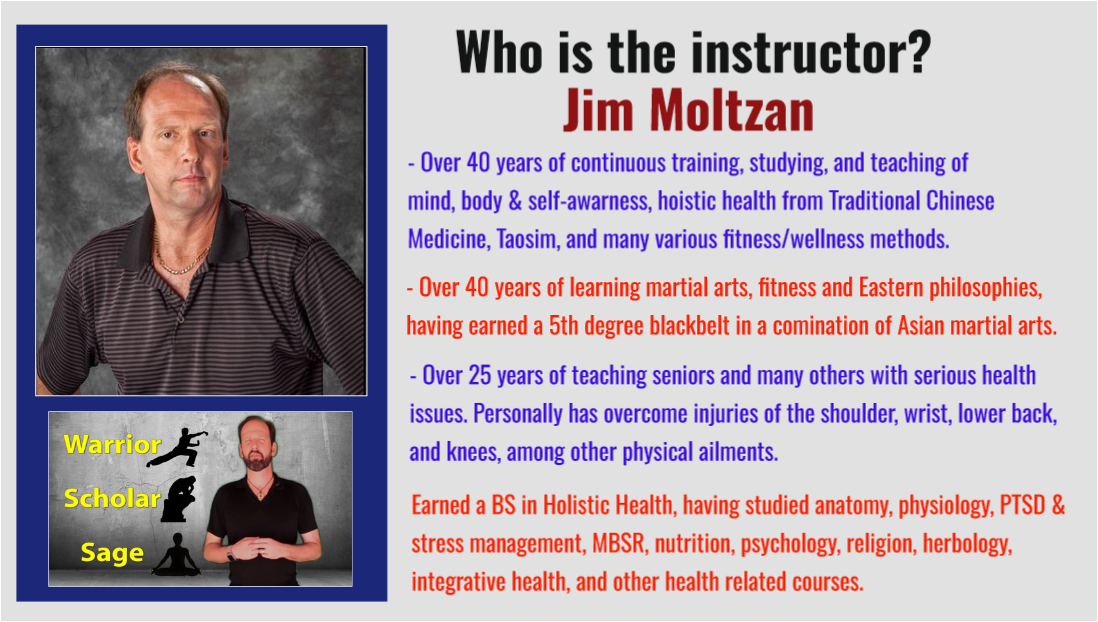
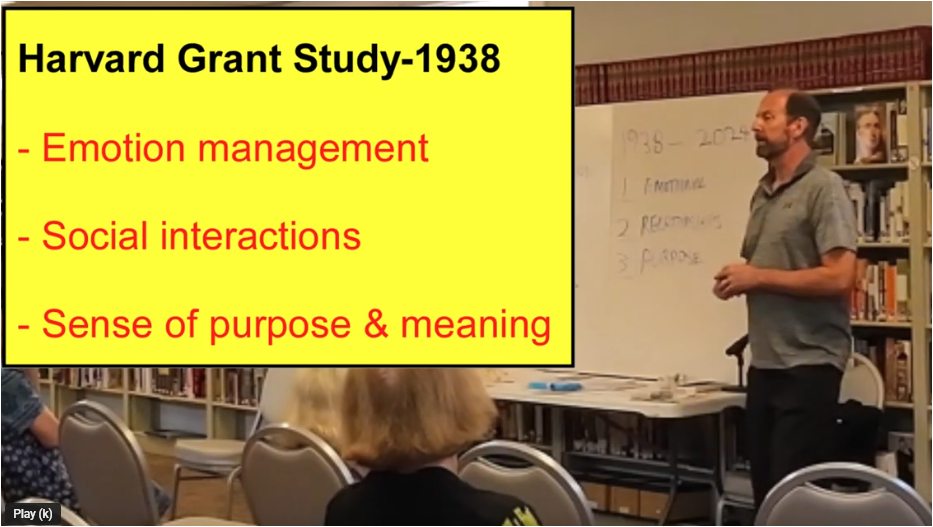
US Youth Experiencing Adult Health Issues at Earlier Ages

Here are some summaries of factors that are leading the US younger population to be experiencing major health issues of obesity, diabetes, anxiety, depression, suicide, and other issues, typically considered as adult issues in years past:

Obesity

  • Childhood obesity is a serious and growing problem in the United States. It affects almost 20% of children and teens ages 2 to 19.
  • Increased consumption of processed foods and sugary drinks: The rise of fast food, sugary drinks, and processed snacks has contributed to a significant increase in calorie intake and a decrease in nutrient intake among young people.
  • Decreased physical activity: The increased prevalence of sedentary lifestyles, due to factors such as television, video games, and computer use, has led to a decrease in physical activity among young people.
  • Marketing of unhealthy foods: Children and adolescents are bombarded with advertisements for unhealthy foods, which can influence their dietary choices.
(Joyner, 2023)

Diabetes

  • Genetic predisposition: Type 2 diabetes has a strong genetic component, and a family history of the disease increases the risk of developing it.
  • Obesity: Obesity is a major risk factor for type 2 diabetes.
  • Unhealthy diet: A diet that is high in processed foods, sugary drinks, and red meat can increase the risk of developing type 2 diabetes.
  • Lack of physical activity: Physical activity helps to control blood sugar levels and can reduce the risk of developing type 2 diabetes.

Anxiety and depression

  • Increased academic pressure: Young people today face a lot of pressure to succeed in school, which can lead to stress and anxiety.
  • Social media: Social media can be a source of both positive and negative social interactions. For some young people, social media can lead to feelings of isolation, inadequacy, and anxiety.
  • Cyberbullying: Cyberbullying is a growing problem that can have a serious impact on the mental health of young people.
  • Fear of violence: Young people today are more likely to be exposed to violence, both in their communities and in the media. This exposure can lead to feelings of fear, anxiety, and stress.

Suicide

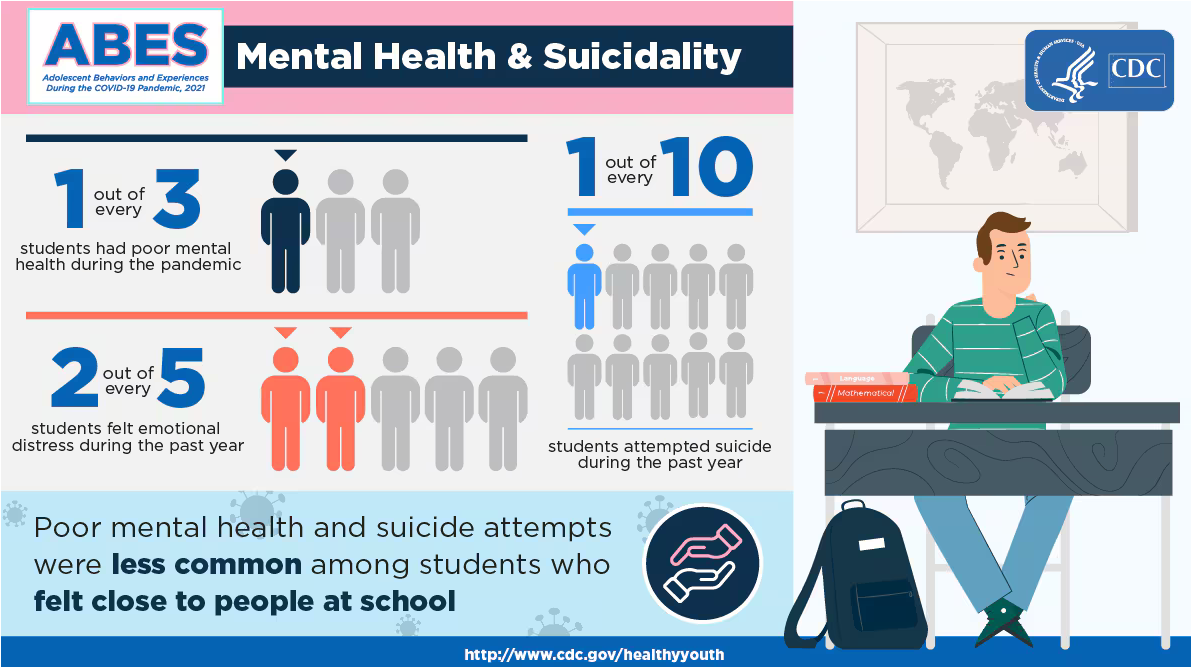
  • Mental health disorders: Mental health disorders are a major risk factor for suicide.
  • Substance abuse: Substance abuse is another major risk factor for suicide.
  • Exposure to violence: Young people who are exposed to violence are more likely to attempt suicide.
  • Lack of access to mental health care: Many young people who need mental health care do not receive it, which can increase their risk of suicide.

Other issues

  • Sleep deprivation: Young people today are more likely to be sleep deprived, which can lead to a variety of health problems, including obesity, diabetes, anxiety, and depression.
  • Exposure to environmental toxins: Young people are more likely to be exposed to environmental toxins, such as lead and air pollution, which can have a negative impact on their health.
  • Lack of access to healthy food: Many young people do not have access to healthy food, which can lead to a variety of health problems, including obesity, diabetes, and heart disease.

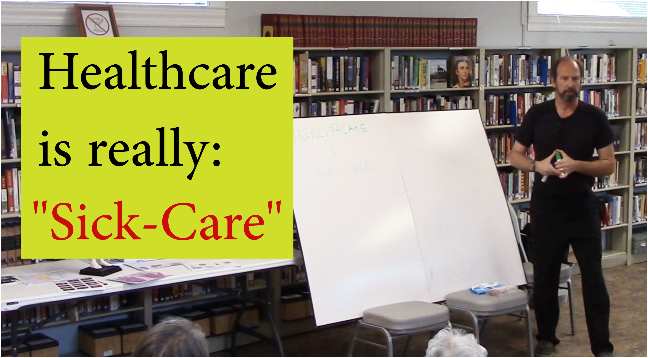
These are just some of the factors that are leading the US younger population to be experiencing major health issues. It is important to address these issues to promote the health and well-being of young people. I think that we are way past thinking and talking about these issues as maybe being a concern, and rather look at them as a harbinger of what is soon to come. More doing and less pondering. Just below is the link to my YouTube video, introducing a strategy to help address this issue of combating youth mental and physical decline:

References:

Infographics | DASH | CDC. (n.d.). https://www.cdc.gov/healthyyouth/multimedia/infographics_posters/infographics.htm

Covert, D., & Fraire, M. G. (2019). The role of anxiety for youth experiencing suicide-related behaviors. Children’s Health Care, 48(4), 351–371. https://doi.org/10.1080/02739615.2019.1630284

Chen, M., Padmapriya, N., Chua, X. H., Escobosa, L. L. T., Tay, A. E., Tai, B. C., Petrunoff, N., & Müller-Riemenschneider, F. (2024). Screen viewing patterns and their association with mental wellbeing and psychological distress: a cross-sectional study amongst university students. BMC Public Health, 24(1), 1–12. https://doi.org/10.1186/s12889-024-19608-1

Dalton, E. D., Hammen, C. L., Brennan, P. A., & Najman, J. M. (2016). Pathways maintaining physical health problems from childhood to young adulthood: The role of stress and mood. Psychology & health, 31(11), 1255–1271. https://doi.org/10.1080/08870446.2016.1204448

Jones, L. C., Mrug, S., Elliott, M. N., Toomey, S. L., Tortolero, S., & Schuster, M. A. (2017). Chronic Physical Health Conditions and Emotional Problems From Early Adolescence Through Midadolescence. Academic pediatrics, 17(6), 649–655. https://doi.org/10.1016/j.acap.2017.02.002

Joyner, J. (2023, December 9). CDC updates tool to help treat childhood obesity. Healthnews. https://healthnews.com/news/cdc-updates-tool-to-help-treat-childhood-obesity/

Scheiner, C., Grashoff, J., Kleindienst, N., & Buerger, A. (2022). Mental disorders at the beginning of adolescence: Prevalence estimates in a sample aged 11-14 years. Public health in practice (Oxford, England), 4, 100348. https://doi.org/10.1016/j.puhip.2022.100348

I teach and offer lectures about holistic health, physical fitness, stress management, human behavior, meditation, phytotherapy (herbs), music for healing, self-massage (acupressure), Daoyin (yoga), qigong, tai chi, and baguazhang.

Please contact me if you, your business, organization, or group, might be interested in hosting me to speak on a wide spectrum of topics relative to better health, fitness, and well-being.

I look forward to further sharing more of my message by partnering with hospitals, wellness centers, VA centers, schools on all levels, businesses, and individuals who see the value in building a stronger nation through building a healthier population.

I also have hundreds of FREE education video classes, lectures, and seminars available on my YouTube channel at:

https://www.youtube.com/c/MindandBodyExercises

Many of my publications can be found on Amazon at:

http://www.Amazon.com/author/jimmoltzan

My holistic health blog is available at:

https://mindandbodyexercises.wordpress.com/

http://www.MindAndBodyExercises.com

Mind and Body Exercises on Google: https://posts.gle/aD47Qo

Jim Moltzan

407-234-0119

Is Deception Permissible in Research Studies, if it Serves the Greater Good?

I think that the topic of the usage of deception is quite controversial due to the ambiguity and vast opportunities for interpretation of what is considered “harmful” to an individual. What circumstances may seem as safe and harmless to one person, may be devastating or debilitating to others. Who exactly is the arbitrator of these decisions and what makes them qualified? If we have learned one thing over the last few years, it may be that not everyone seems to view science from the same perspective. We can hope that those who administer research studies have their ethics and moral compass pointing in the right direction, but history has demonstrated the contrary in previous studies such as the Little Albert Experiment (infant behavior study), the Milgram Experiment (electric shocks as punishment), the Stanford Prison Experiment (participants took on the roles of guards or prisoners) and the now infamous Tuskegee Syphilis Study which involved the denial of syphilis treatment to African-American males in Alabama from 1932 until 1972.

Back in the 1920’s, I don’t think there was as much of a concern over the ethics of studies with children such as the “The Little Albert Experiment” where a young infant was conditioned to fear specific animals (Cheezy, 2010). I can only speak from my personal experience of having parents who were born in the 30’s and raised me in the 60’s and 70’s, where corporal punishment was often the norm at home and in some schools. Corporal punishment has been used in both secular and religious educational systems in many societies in past centuries, up until recently (Baron, 2005). What was considered an acceptable method of treating children years ago is no longer. I am pretty confident that while this type of experiment and relative study was acceptable at the time, today this would be considered child abuse and/or child endangerment.

I think even though some experiments from the past or current day, can be considered unethical despite the rewards of such studies. This is where the common debate of “just because we can do something, should we” might continue (Epstein, 2022). To go down a bit of a darker path consider the following. Even though people perform evil actions or questionable behavior, whether as the researcher or the participant, how does the science advance to recognize or prevent such actions? Experimentation and studies are a necessary, evil determined by current culture, society, and our current morality police.

I would hope that today, researchers would have more of a plan to effectively and thoroughly defuse whatever fear or anxiety that would be introduced to the participants from the experiment. Additionally, this study seems quite weak in that there was only one child participant. Perhaps more participants would broaden the sample of the study. Other criteria such as age, gender and prior exposure to animals or sounds would play a role in the outcome of this type of experimentation. Different breeds of whatever animal species could also affect the outcomes, as a large Doberman Pincher might be a bit more aggressive towards a child than say a diminutive Teacup Terrier.

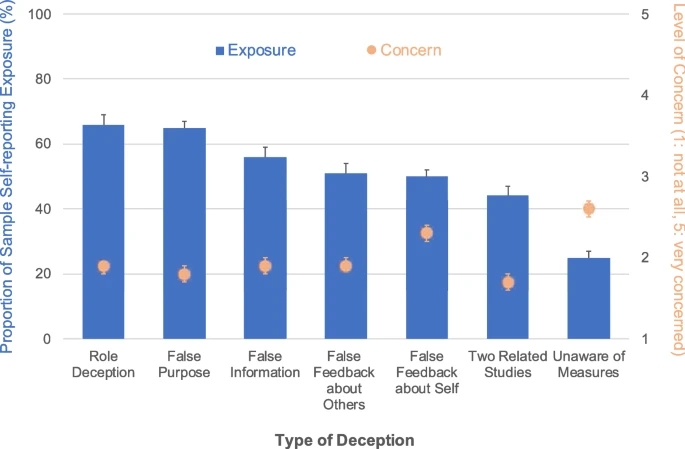
Rahwan, Z., Fasolo, B. & Hauser, O.P. Deception about study purpose does not affect participant behavior. Sci Rep 12, 19302 (2022). https://doi.org/10.1038/s41598-022-21972-0

I think we often personally justify some level of deception if it appears to be for the greater good of humanity, society, nature, or other select demographics. However, when it comes to us or someone close to us, becoming the object of such deception for the greater good, do we still look at the deception as acceptable? Realizing that allowing some transparency will possibly taint the results, I feel that there needs to be some level of honesty, preferably beforehand and definitely afterward if we are to expect and respect people to be future participants in any studies or experiments. Otherwise, people will continue to lose trust in those administering the research studies and make their own adjustments as perceived necessary or simply choose not to participate to begin with. These options seem readily apparent in the current day as some parents feel that their children were unwilling participants in their children’s education, having been severely interrupted or compromised during the COVID-19 pandemic. This event could be viewed as a mass case study or research experiment where there may have been no clear plan or protocols in place previously to determine what may be considered deceptive, harmful, or maybe even abusive to those involved. I feel that much time and further research will help us to better determine if the deception was justified and at what cost mentally and physically.

References:

Baron, J. H. (2005). Corporal punishment of children in England and the United States: current issues. The Mount Sinai Journal of Medicine, New York, 72(1), 45–46.

Cheezy, John. “The Little Albert Experiment.” YouTube, YouTube, 1 June 2010,https://www.youtube.com/watch?v=9hBfnXACsOI

Epstein, D. (2022, June 4). Medical Futility: Just Because We Can Do Something. . .Should We? SoMeDocs: Doctors on Social Media. Retrieved September 29, 2022, from https://doctorsonsocialmedia.com/medical-futility-just-because-we-can-do-something-should-we/

Rahwan, Z., Fasolo, B. & Hauser, O.P. Deception about study purpose does not affect participant behavior. Sci Rep 12, 19302 (2022). https://doi.org/10.1038/s41598-022-21972-0

I teach and offer lectures about holistic health, physical fitness, stress management, human behavior, meditation, phytotherapy (herbs), music for healing, self-massage (acupressure), Daoyin (yoga), qigong, tai chi, and baguazhang.

Please contact me if you, your business, organization, or group, might be interested in hosting me to speak on a wide spectrum of topics relative to better health, fitness, and well-being.

I look forward to further sharing more of my message by partnering with hospitals, wellness centers, VA centers, schools on all levels, businesses, and individuals who see the value in building a stronger nation through building a healthier population.

I also have hundreds of FREE education video classes, lectures, and seminars available on my YouTube channel at:

https://www.youtube.com/c/MindandBodyExercises

Many of my publications can be found on Amazon at:

http://www.Amazon.com/author/jimmoltzan

My holistic health blog is available at:

https://mindandbodyexercises.wordpress.com/

http://www.MindAndBodyExercises.com

Mind and Body Exercises on Google: https://posts.gle/aD47Qo

Jim Moltzan

407-234-0119

Free Will – If you choose not to decide, you still have made a choice.

You can choose a ready guide in some celestial voice

If you choose not to decide, you still have made a choice

You can choose from phantom fears and kindness that can kill

I will choose a path that’s clear, I will choose Free will

-Rush

Free will is defined as “the assertion that our choices and actions are not caused by antecedent events, but emerge spontaneously from the mind” (Ettinger, 2018). Freewill is a topic that I have delved into many times throughout my life. When I was much younger, immature, and naive, I found it easier to relinquish my free will and blame or even empower others or other circumstances to determine my actions. With time and real-life experiences of our own choice, we hopefully acquire life knowledge and/or wisdom. Over my lifetime and relatively gained experiences, I have come to learn that we are very much in control of our own thoughts, emotions, and actions. This is not to say, that as part of the human condition, we are not subject to others, our environment, and other circumstances that present themselves. Obviously, some people may not have this control due to illness, injury, or other congenital issues.

I have heard an explanation of free will, as that our lives can be viewed from the perspective that we are all on airplanes. We choose to travel in specific directions, towards a specific destination. Once we are on a particular plane that we choose, we are somewhat free to move about the cabin, albeit relative to what we can accomplish within the vessel we willingly entered into. So, while we may have free will, we still may be limited by our resources of time, finances, status, location, and other natural resources. Along with free will comes the consequences of cause and effect. I may be free to play in the Florida sun all day, but I will inevitably suffer the consequences of sunburn and heat exhaustion. I am free to shout “fire” in a crowded movie theatre, but again I am subject to the consequences of my actions if there is no fire.

I have read articles on free will that address more the physiological aspects of how humans behave, rather than the circumstances that might determine why we behave a particular way. An example would be where test participants have predictable reactions during a controlled experiment, which attempts to show that the participants had no free will.  The experiment demonstrated that brain activity before the physical action of pushing a button was responsible for the choice of when and which button to push (Ettinger, 2018). Not mentioned, were other details of the experiment, such as if the participants were made aware of the purpose of the experiment and if they were able to retry the experiment after knowing so. Both variables might have changed the outcome of the experiment.

(Braun, 2018)

I think the concept of free will can branch out into many different directions such as mental diseases, habits, or addictions and their relationship to free will. Relative to drug addiction, perhaps an addict’s free will can be seen as weakened due to the chemical interactions with their physiology which can affect thoughts, emotions, and relative actions (Monterosso & Schwartz 2020). Or even the belief that we have free will to not believe that we have free will, can be debated and discussed.  Additionally, if we have free will to choose only between given options, do we really have free will to choose other options (Reeve & Middlebrooks, 2021)? Similar to the concept of “Sophie’s Choice” where no outcome is preferable over the other, or maybe the “lesser of two evils” as many feel we experience with politics, healthcare, as well as societal and cultural issues.

References:

Ettinger, R. H. (2018). Psychology: The Science of Behavior (6th ed.). BVT Publishing.

Monterosso, J. R., & Schwartz, B. (2020). Addiction science and the perception of freewill. Journal for the Theory of Social Behaviour, 50(3), 373–390.

Reeve, D., & Middlebrooks, D. (2021). MISUNDERSTANDING FREEWILL: (Which We Don’t Have). Skeptic (Altadena, CA), 26(4), 54.

Braun, A. (2018, September 27). Freewill is an illusion. The Guidon Online. https://hayshighguidon.com/opinion/2018/09/27/freewill-is-an-illusion/

I teach and offer lectures about holistic health, physical fitness, stress management, human behavior, meditation, phytotherapy (herbs), music for healing, self-massage (acupressure), Daoyin (yoga), qigong, tai chi, and baguazhang.

Please contact me if you, your business, organization, or group, might be interested in hosting me to speak on a wide spectrum of topics relative to better health, fitness, and well-being.

I look forward to further sharing more of my message by partnering with hospitals, wellness centers, VA centers, schools on all levels, businesses, and individuals who see the value in building a stronger nation through building a healthier population.

I also have hundreds of FREE education video classes, lectures, and seminars available on my YouTube channel at:

https://www.youtube.com/c/MindandBodyExercises

Many of my publications can be found on Amazon at:

http://www.Amazon.com/author/jimmoltzan

My holistic health blog is available at:

https://mindandbodyexercises.wordpress.com/

http://www.MindAndBodyExercises.com

Mind and Body Exercises on Google: https://posts.gle/aD47Qo

Jim Moltzan

407-234-0119

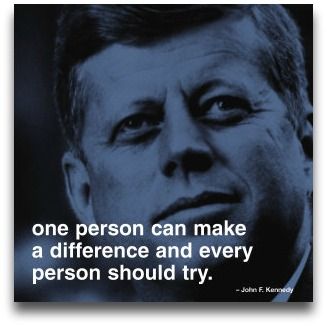
Can One Person Really Make a Difference?

Definitely! I have seen this occurring many times over my 60 years. Very evident in today’s events, is that of social media. Innovators such as Mark Zuckerberg (Facebook), Jack Dorsey (Twitter), Elon Musk (Twitter now X, Tesla, Space X), and others have been at the forefront of using modern technology and social media to help evolve cultures worldwide. History will later determine if these innovations have been positive or negative additions to our societies. Innovators are individuals who bring discoveries or inventions to awareness, usage, and acceptance within particular groups (Conerly, 2021). Social media was nonexistent before the usage of smartphones became mainstream and now is often viewed globally as a necessity. Some societies have suggested that cellphone accessibility has become a basic right as a means to communicate and gather information (Writer, 2009). Currently, social media can be considered as low as well as popular culture, as its usage transcends almost all levels of social status.

I think there are many examples all throughout history, with religious or spiritual figures such as Jesus Christ, Siddhartha Gautama (Buddha), Mohammed, Confucius, and Lao Tzu. These individuals literally defined new perspectives on culture, for which religion or spirituality is but one subgroup of culture within a society.  I have found that one person’s culture may be seen as another’s cult. These figures are often debated and even labeled as either cultural or cult leaders (Conerly, 2021). All of these spiritual leaders affected the values and beliefs of their relative groups for many years after their lives. This can be readily seen in many ways, but more specifically in the many symbols associated with each of these cultures.

I think that for culture to change, it needs to become a ripple effect starting with one individual or one event that is the spark.  Like a fire, where the wood, gas, fuel, etc. has the potential to become fuel, a fire cannot grow until the spark ignites the fuel and may remain dormant. Jesus Christ was a spark, but if he had no followers, it would have just been his beliefs and teachings. I think of the old cliche, if a tree falls but nobody hears it, did it indeed produce a sound? The debate produces circular logic where perhaps no one answer is correct or absolute.

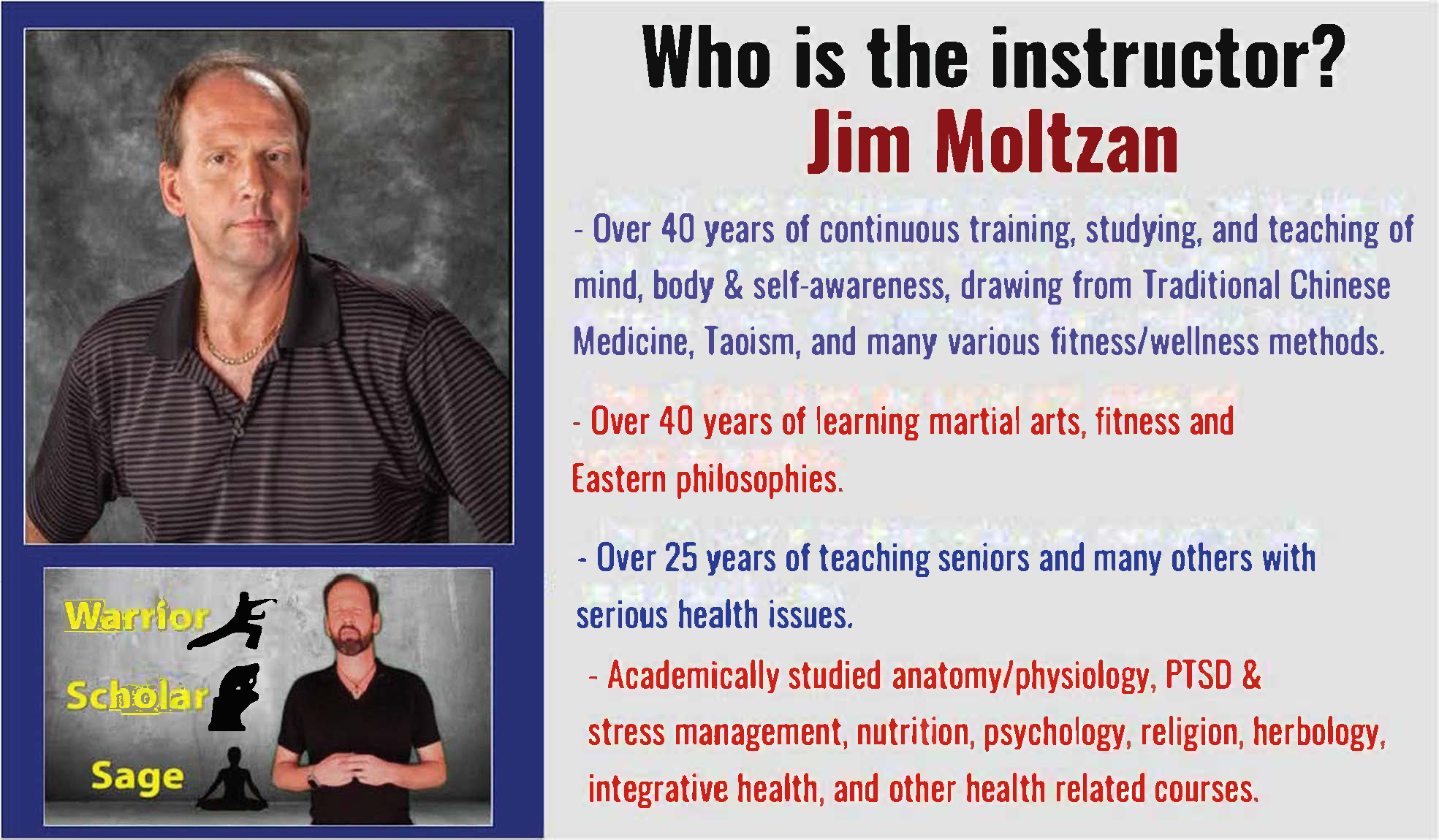
Sometimes making a difference does not have to be seen as changing society or culture, but rather an individual. Drew Dudley explained the “lollipop moment” as an event, conversation, or experience that fundamentally changes another person for the betterment of their life (TEDx Talks, 2010). I have been part of a healthcare subculture, (and even sometimes a counterculture) as a teacher of holistic health practices, tai chi, and qigong for over 40 years. I have effectively taught or conversed with thousands of individuals. A large percentage of my students have been senior adults, who have aged and consequently passed away. I have been invited to numerous funerals or celebrations of life, by members of their families. I was personally told by some of these members how I had had a profound effect on their loved one’s health, but also their happiness and quality of life. This has come through not only from my instruction but also from the social setting in which I am a catalyst. It is in these moments of self-realization that I confirm my true meaning and purpose of being a teacher and sometimes a healer.

To speak a bit more spiritually and philosophically, I have found that we earn our life, through our service to others. What holds some people back from sharing the importance of these lollipop moments with others, I feel is a humbleness to not want to draw attention to oneself. In our current society, there exists so much egocentrism where many seek to be something different, something bigger or better than the rest. We can experience some level of ego-death, where we can realize that the universe does not exist for us, but rather we exist as a small part of the universe. To relate this back to the question of one person being able to make a difference to change society or culture? Yes, we all can have this ability, albeit some with better or less success. One step at a time, one person at a time, and one day at a time. 

References:

Conerly, T. R. (2021, June 3). Ch. 3 Introduction – Introduction to Sociology 3e | OpenStax. https://openstax.org/books/introduction-sociology-3e/pages/3-introduction

Writer, L. H. F. (2009). Is a cellphone a basic human right? Toronto Star. https://www.thestar.com/news/is-a-cellphone-a-basic-human-right/article_b1422c20-ea5b-524a-b75e-26f8f970a6da.html

TEDx Talks. (2010, October 7). TEDxToronto –  Drew Dudley “Leading with Lollipops” [Video]. YouTube. https://www.youtube.com/watch?v=hVCBrkrFrBE

I teach and offer lectures about holistic health, stress management, qigong, tai chi, baguazhang, meditation, phytotherapy (herbs), music for healing, self-massage, and Daoyin (yoga).

Please contact me if you, your business, organization, or group, might be interested in hosting me to speak on a wide spectrum of topics relative to better health, wellness, and fitness.

I look forward to further sharing more of my message by partnering with hospitals, wellness centers, VA centers, schools on all levels, businesses, and individuals who see the value in building a stronger nation through building a healthier population. I also have hundreds of FREE education video classes, lectures, and seminars available on my YouTube channel at:

https://www.youtube.com/c/MindandBodyExercises

www.MindAndBodyExercises.com

www.Amazon.com/author/jimmoltzan

Mind and Body Exercises on Google: https://posts.gle/aD47Qo

Jim Moltzan

407-234-0119