The Yin and Yang of Human Connection

Why Meaningful Encounters Leave Both Warmth and Ache

As I have grown older, I have come to deeply appreciate meaningful time spent with old friends, new acquaintances, and those brief but sincere encounters that remind us of our shared humanity. Whether it is reconnecting with someone from years past, sharing thoughtful conversation with a newer friend, or simply experiencing genuine fellowship, these moments often leave me feeling renewed, uplifted, and more grounded. They nourish something deeper than casual entertainment. They touch the mind, the heart, and perhaps even the soul.

Human beings are inherently social creatures. While some of us may value solitude, introspection, and self-cultivation, there remains a fundamental biological and psychological need for connection. Positive social interaction has been associated with activation of several beneficial neurochemical pathways, including dopamine, oxytocin, endorphins, and serotonin-related mood regulation, all of which can contribute to feelings of reward, trust, emotional warmth, and general well-being (Cacioppo & Cacioppo, 2014; Holt-Lunstad et al., 2010).

When we spend quality time with people who enrich our lives, there is often a subtle but noticeable sense of vitality. Conversation flows. Laughter feels restorative. Shared memories strengthen identity. New perspectives sharpen awareness. In many ways, meaningful relationships can become a form of emotional nourishment.

Yet, as many of us know, there is another side to this experience.

Eventually, the visit ends. The phone call concludes. The gathering disperses. The trip home begins. What was once full of warmth, movement, and engagement slowly gives way to quietness. Sometimes this transition carries a subtle emotional ache. Not necessarily depression, nor even sadness in its conventional sense, but perhaps a kind of reflective emptiness. A longing. A desire for just a little more time.

From a neuropsychological standpoint, this may reflect the shift from social stimulation and engagement back into relative stillness. While it may feel like a “chemical drop,” it is perhaps more accurate to say the nervous system transitions from heightened relational reward and stimulation into comparative emotional quiet (Lieberman, 2013). The contrast itself is what becomes so noticeable.

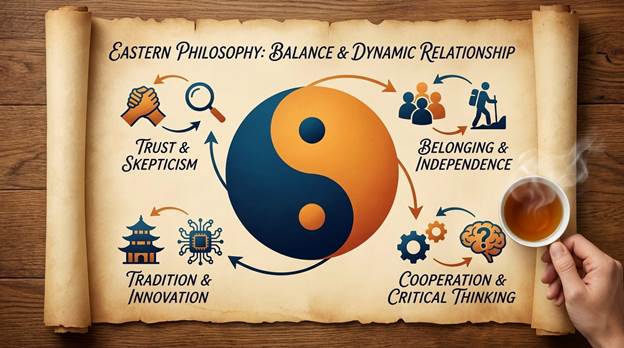
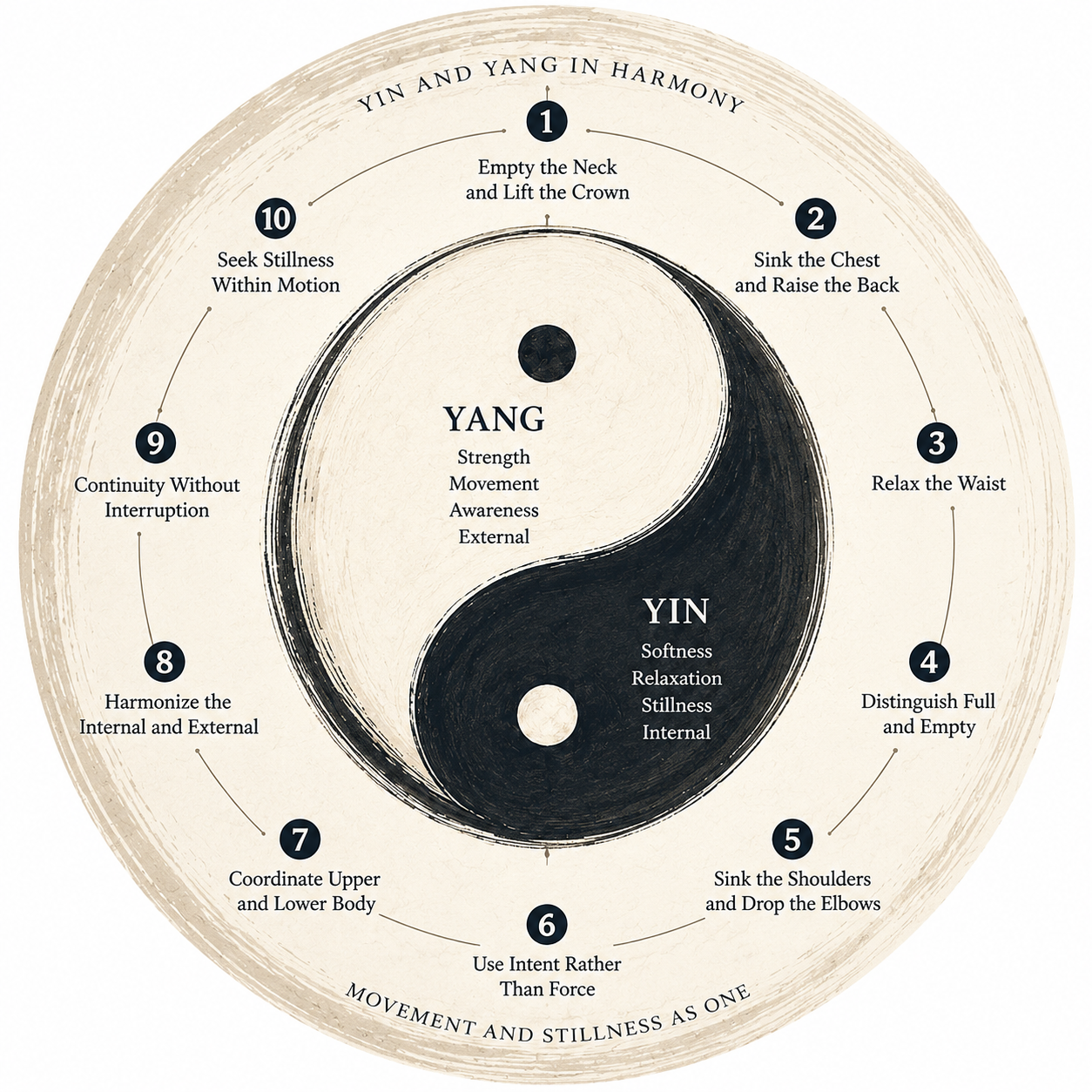
This dynamic reminds me greatly of the ancient Daoist principle of yin and yang, where opposite yet complementary forces continuously interact, balance, and transform.

Yang may represent:

  • movement
  • warmth
  • social engagement
  • conversation
  • outward expression
  • vitality

Yin may represent:

  • stillness
  • quiet reflection
  • absence
  • inward awareness
  • emotional softness
  • contemplative solitude

When we gather with people we care about, we often experience a distinctly yang state: active, warm, relational, and expansive. When those encounters conclude, yin emerges: quiet, introspective, and inward.

Yet Eastern philosophy reminds us that yin and yang are not enemies. They are not “good” versus “bad.” Rather, they are mutually arising, mutually dependent, and forever transforming into one another.

Without separation, reunion loses some of its sweetness.
Without silence, conversation has less depth.
Without temporary absence, presence can become less appreciated.
Without longing, gratitude may not fully mature.

This bittersweet interplay is deeply human.

Modern psychology often refers to this as bittersweetness or poignant emotion, where gratitude and sorrow can coexist within the same experience. These emotional states often deepen memory, perspective, appreciation, and even existential meaning (Larsen et al., 2001).

Perhaps what we call longing after meaningful encounters is not simply loneliness. Perhaps it is evidence that we still recognize value in genuine connection, purpose, and shared humanity.

As I reflect through my own lens of the Warrior, Scholar, and Sage, this becomes even clearer.

The Warrior shows up fully in relationship, valuing loyalty, courage, and presence.
The Scholar understands impermanence, recognizing that all meetings, seasons, and relationships naturally shift.
The Sage learns to appreciate connection deeply while not clinging to permanence.

In many ways, healthy human connection mirrors all of life: arrival and departure, fullness and emptiness, warmth and stillness, sweetness and ache.

So perhaps the deeper lesson is this:

Better to have experienced meaningful connection, even if it leaves behind a bittersweet longing, than to have never known such connection at all.

That ache may simply be proof that something valuable occurred.

And that, perhaps, is the enduring yin and yang of human connection.

References

Cacioppo, J. T., & Cacioppo, S. (2014). Social relationships and health: The toxic effects of perceived social isolation. Social and Personality Psychology Compass, 8(2), 58–72. https://doi.org/10.1111/spc3.12087

Holt-Lunstad, J., Smith, T. B., & Layton, J. B. (2010). Social relationships and mortality risk: A meta-analytic review. PLoS Medicine, 7(7), e1000316. https://doi.org/10.1371/journal.pmed.1000316

Larsen, J. T., McGraw, A. P., & Cacioppo, J. T. (2001). Can people feel happy and sad at the same time? Journal of Personality and Social Psychology, 81(4), 684–696. https://doi.org/10.1037/0022-3514.81.4.684

Lieberman, M. D. (2013). Social: Why our brains are wired to connect. Crown Publishers. https://archive.org/details/socialwhyourbrai0000lieb

Dom/Dam – Trapped Air and Energetic Stagnation

In some Korean martial and healing traditions, the term dom (often a variant of dam) describes a condition thought to arise from exposure to cold drafts or sleeping with a window open. Symptoms include lack of vitality, discomfort, heaviness, and energetic stagnation. While not commonly discussed in English by this name, the concept closely parallels the Traditional Chinese Medicine (TCM) categories of phlegm–dampness and wind–cold invasion.

Traditional Medical Background

In TCM, pathogenic factors such as wind and cold are considered external influences that can enter the body when its defenses are lowered. This invasion disrupts the circulation of qi (vital energy) and blood, leading to stiffness, fatigue, and discomfort (Dashtdar et al., 2016). Similarly, dampness and phlegm are understood as byproducts of impaired fluid metabolism, often linked to cold exposure or digestive weakness. These accumulations obstruct energetic pathways, creating heaviness, fogginess, and stagnation (Zhang et al., 2020).

The Korean medicine concept of dam-eum, or “phlegm fluids,” corresponds to these pathological states, describing the presence of stagnant fluids that may not be visible but are experienced as internal fullness, lack of energy, or digestive discomfort (Li et al., 2012). Martial and Taoist teachers often simplified this into the shorthand dom, framing it as “trapped air” or “blocked energy.”

Symptoms and Manifestations

English language descriptions of phlegm–dampness and wind–cold invasion list many of the same features attributed to dom/dam:

  • Fatigue, sluggishness, and heaviness in the body (Wang et al., 2013).
  • Cold sensitivity, stiffness, and discomfort after exposure to drafts (Me & Qi, 2023).
  • Digestive issues such as bloating and poor appetite, associated with damp accumulation (Zhang et al., 2020).
  • Mental cloudiness or lack of clarity, often linked to phlegm obstructing the head and chest (Dashtdar et al., 2016).

Prevention and Treatment Approaches

Traditional approaches emphasize prevention, such as avoiding exposure to drafts during sleep, especially after exertion or sweating. Lifestyle recommendations include warming foods, avoiding raw or cold diets, and using movement or breathwork to restore circulation (Allina Health, 2023). In clinical TCM practice, herbal formulas like Er Chen Tang for phlegm–dampness or Ma Huang Tang for wind–cold invasion are applied (Me & Qi, 2023).

TCM/Korean‐medicine TermWhat It Means / RoleHow It Relates to Dom/Dam
Wind-Cold InvasionAn external pathogenic factor (wind + cold) enters the body’s surface (defensive Qi layer), disturbing the balance, causing symptoms like chills, stiffness, aversion to cold, lack of warmth, heaviness.The triggering condition in dom/dam is often cold or draft exposure. The cold “invasion” idea explains how external air (wind/cold) is believed to penetrate and cause internal stagnation. Sources: Me & Qi (“Wind-Cold invading the Lungs”) overview. (meandqi.com)
Phlegm-Dampness / phlegm-damp)When the body’s fluid metabolism is impaired (often via weak spleen/stomach function in TCM), fluids accumulate, become turbid, sticky, heavy. These can become invisible but felt as heaviness, fullness, sluggishness, obstructing Qi flow. Also called “damp-phlegm.”Dom/dam’s description of “trapped air,” heaviness, discomfort matches many symptoms of phlegm-dampness. Also, sleep in damp/cold drafts can promote formation of dampness + phlegm in TCM doctrine. Sources: Phlegm-Dampness Constitution studies; “What is Phlegm?” overview. (Wang et al., 2013)
Exterior Cold / Tai Yang PatternIn the Six Stages theory (e.g. Shang Han Lun), exposure to cold at the exterior (surface) level can produce Tai Yang syndromes: stiff neck or muscles, chills, sensitivity to cold, no sweat, etc. Early cold invasion that, if not resolved, can lead to deeper pathology. (Wikipedia)Dom/dam appears sometimes as a mild or chronic form of cold exposure: not always acute chills or fever, more an ongoing discomfort, stagnation, and lowered function. This maps to weaker or lingering exterior cold/dampness invasion.

The martial arts term dom can thus be understood as a culturally adapted expression of the broader East Asian medical concepts of phlegm–dampness and wind–cold invasion. It highlights the belief that environmental exposure, particularly to cold drafts, can impair vitality, obstruct energy flow, and lead to discomfort or stagnation. In both martial and medical contexts, the focus is on protecting the body from harmful influences while maintaining balance through lifestyle, environment, and practice.

References:

Allina Health. (2023). Fight the cold and flu with Chinese medicine. Allina Health. https://www.allinahealth.org/healthysetgo/care/fight-the-cold-and-flu-with-chinese-medicine

Chan, D., & Chan, D. (2023, October 14). Dampness – Everything you need to know |. ‣. https://dougleschan.com/health/dampness/

Dashtdar, M., Dashtdar, M. R., Dashtdar, B., Kardi, K., & Shirazi, M. K. (2016). The concept of wind in traditional Chinese medicine. Journal of Pharmacopuncture, 19(4), 293–302. https://doi.org/10.3831/kpi.2016.19.030

Me & Qi. (2023). Wind–cold invading the lungs. Me & Qi Traditional Chinese Medicine Education Center. https://www.meandqi.com/tcm-education-center/patterns/wind-cold-invading-the-lungs

Wang, J., Wang, Q., Li, L., Li, Y., Zhang, H., Zheng, L., Yang, L., Zheng, Y., Yang, Y., Peng, G., Zhang, Y., & Han, Y. (2013). Phlegm-Dampness Constitution: Genomics, Susceptibility, Adjustment and Treatment with Traditional Chinese Medicine. The American Journal of Chinese Medicine, 41(02), 253–262. https://doi.org/10.1142/s0192415x13500183

Wikipedia contributors. (2025, May 6). Shanghan Lun. Wikipedia. https://en.wikipedia.org/wiki/Shanghan_Lun?utm_source=chatgpt.com

Zhang, Y., Wang, Z., Zhang, Y., Tong, H., Zhang, Y., & Lu, T. (2020). Potential mechanisms for traditional Chinese medicine in treating airway mucus hypersecretion associated with coronavirus Disease 2019. Frontiers in Molecular Biosciences, 7. https://doi.org/10.3389/fmolb.2020.577285

Roots and Branches of Resilience: A Yin–Yang Perspective

The imagery of a tree weathering storms above ground while simultaneously strengthening its roots beneath the surface provides a powerful metaphor for human resilience. Life constantly subjects individuals to adversity, uncertainty, and change. Just as trees draw stability from their roots, people must cultivate internal foundations to withstand external pressures. These dynamics reflect the yin and yang principles of Chinese philosophy, where opposite yet complementary forces that interdependently shape reality. When understood in the context of growth and adversity, yin and yang illuminate how challenges (yang) and stability (yin) work together to fortify mental, physical, and spiritual strength.

Yin and Yang as Complementary Forces

Yin and yang are not simply dualistic opposites but relational principles that continuously transform into one another (Kaptchuk, 2000). Yin is receptive, stable, and grounding; yang is active, dynamic, and externalized. Neither exists without the other, and harmony arises not from erasing difference but from balancing tension. In the metaphor of the tree, the visible branches and leaves represent yang—the active engagement with the external world, constantly subjected to storms, sunlight, and seasonal shifts. The hidden roots signify yin, where the anchoring forces of nourishment, quiet strength, and unseen support.

When adversity strikes in the form of wind, rain, or drought, it is yang energy acting upon the tree. The roots (yin) deepen and spread wider to stabilize the organism. Conversely, without challenges above, the roots may remain shallow, leaving the tree vulnerable. Thus, adversity is not purely destructive but also transformative; it catalyzes deeper grounding.

Adversity Above, Strength Below

The first principle drawn from this imagery is that “adversity above ground is what makes the roots strong underground.” Life’s trials in financial strain, illness, loss, or conflict, may appear threatening, yet they stimulate inner development. Just as a tree in calm, predictable weather may not develop robust roots, a life without challenge risks stagnation. From the perspective of yin and yang, adversity (yang force) presses downward, demanding a yin response: resilience, adaptability, and inward fortification (Tu, 1985).

On a mental level, difficulties sharpen focus and resourcefulness, teaching individuals to cultivate clarity of thought and emotional regulation. On a physical level, the stresses of training, work, or hardship encourage the body to adapt, build endurance, and strengthen its foundation (Richardson, 2002). Spiritually, adversity invites deeper faith, humility, and alignment with one’s values are roots that anchor the soul when outer circumstances shift unpredictably.

Roots as the Foundation for Growth

The converse principle is equally important: “strong roots below provide the foundation for the components above ground that are affected by the environment and relative challenges.” While adversity shapes the roots, it is the roots themselves that ultimately determine survival and flourishing. In human terms, a stable foundation consists of healthy habits, meaningful relationships, moral values, and spiritual grounding. These yin qualities sustain the visible expressions of life found in work, creativity, relationships, and contributions to society, all of which are yang in nature.

In the absence of deep roots, challenges above ground can overwhelm, breaking branches or toppling the tree. But when the roots are established, adversity becomes an opportunity for growth rather than destruction. Thus, yin and yang are not sequential stages but reciprocal forces: adversity deepens roots, and roots stabilize against adversity (Loy, 2010).

Integration: Navigating Life Through Yin and Yang

By embracing adversity as an inevitable part of existence, individuals learn to transform outer storms into inner strength. The yin and yang of challenge and foundation guide the development of three key dimensions of life:

  • Mental strength: Cultivating resilience, self-awareness, and perspective transforms stress into wisdom. Yin provides reflective stillness, while yang provides active problem-solving.
  • Physical vitality: Exercise, endurance, and even illness become forces that shape the body toward balance. Yin represents rest, restoration, and nourishment; yang represents effort, motion, and exertion.
  • Spiritual grounding: Faith, values, and awareness serve as roots that hold steady during turbulent times. Yin manifests as humility, surrender, and depth; yang as expression, compassion, and service in the world.

Together, these dimensions demonstrate that adversity is not merely an obstacle but a teacher. By balancing yin’s grounding with yang’s challenges, an individual becomes whole, strong yet flexible, rooted yet reaching.

The tree’s relationship between its roots and branches embodies the yin–yang principle in natural form. Adversity above and strength below are not opposites but interdependent realities that shape resilience. Strong roots prepare the tree for storms; storms demand that roots grow deeper. Likewise, human beings thrive not by avoiding hardship but by embracing it as an opportunity to deepen foundations. Mental clarity, physical endurance, and spiritual awareness all emerge through this dynamic interplay. By recognizing adversity as yang energy that strengthens yin roots, and roots as yin energy that stabilizes yang expression, individuals can navigate life’s challenges with greater wisdom, balance, and strength.

AspectYin (Root / Foundation / Internal)Yang (Branch / Expression / External)
Symbolic RepresentationDeep roots beneath the surfaceBranches and leaves above the ground
FunctionGrounding, nourishing, stabilizingActing, expressing, adapting
Role in GrowthProvides foundation and strength to withstand external forcesProvides challenges and stimulation to deepen internal strength
RelationshipReceptive, inward, cultivatingActive, outward, dynamic
Metaphor in Tree AnalogyStrong roots anchor the treeStorms, wind, sun shape the branches
Adversity InteractionResponds and adapts to adversity by deepening and strengtheningPresents adversity that provokes internal adaptation
Mental DimensionReflection, contemplation, patience, emotional regulationProblem-solving, action, cognitive engagement
Physical DimensionRest, recovery, nourishment, structureMovement, exertion, physical challenges
Spiritual DimensionFaith, values, humility, depthService, compassion, moral action
Growth DynamicsBuilds resilience and provides stability for future challengesStimulates adaptation and triggers growth responses
Balance PrincipleWithout roots, branches cannot survive adversityWithout storms, roots do not grow deeper
Nature of ChangeSlow, steady, foundationalRapid, catalytic, transformative
Human ExpressionEnduring strength, internal resources, potential energyExternal manifestation, action, kinetic energy
Direction of EnergyInward (centripetal), storing and consolidatingOutward (centrifugal), expanding and projecting
Temporal AspectLong-term cultivation and enduranceShort-term action and response
Outcome When BalancedSteadiness, resilience, capacity to growAdaptability, flexibility, ability to thrive

References:

Kaptchuk, T. J. (2000). The Web That Has No Weaver: Understanding Chinese Medicine. Chicago Review Press.

Loy, D. R. (2010). Nonduality: A study in comparative philosophy. Humanity Books. https://archive.org/details/nondualitystudyi0000loyd

Richardson, G. E. (2002). The metatheory of resilience and resiliency. Journal of Clinical Psychology, 58(3), 307–321. https://doi.org/10.1002/jclp.10020

Tu, W. (1985). Confucian thought: Selfhood as creative transformation. State University of New York Press. https://archive.org/details/confucianthought0000tuwe

The Physiological Sigh and Daoist Breath Theory

Breathing is both an automatic physiological process and a foundational medium through which emotional regulation and somatic stability are maintained. Among the many respiratory patterns observed in humans, the physiological sigh represents a unique convergence of pulmonary mechanics, autonomic nervous system regulation, and traditional breath observations preserved in Daoist practices. Characterized by two sequential inhalations followed by a prolonged exhalation, the physiological sigh is an innate reflex that occurs spontaneously in healthy individuals and plays a critical role in maintaining lung function and nervous system balance (Del Negro et al., 2018; West, 2012).

While modern neuroscience and respiratory physiology have clarified the mechanisms underlying this breath pattern, Daoist and Traditional Chinese Medicine frameworks identified the functional importance of sighing centuries earlier, particularly in relation to Lung Qi regulation and emotional release. Examining the physiological sigh through both lenses reveals a rare alignment between classical somatic wisdom and contemporary scientific explanation.

Pulmonary Function and Alveolar Recruitment

From a biomedical perspective, the primary function of the physiological sigh is alveolar recruitment. During normal respiration, particularly under conditions of stress, fatigue, or restricted posture, small numbers of alveoli may partially collapse, reducing surface area available for gas exchange (West, 2012). Over time, this can lead to reduced lung compliance and diminished respiratory efficiency.

The physiological sigh counteracts this process through a brief second inhalation that increases transpulmonary pressure, allowing collapsed alveoli to reopen. This mechanism preserves lung elasticity and optimizes oxygen exchange, making the sigh an essential component of healthy respiratory maintenance rather than an incidental behavior (Del Negro et al., 2018).

Autonomic Nervous System Regulation

Beyond its mechanical function, the physiological sigh exerts a powerful influence on the autonomic nervous system. The prolonged exhalation phase enhances parasympathetic activity, primarily through vagal pathways, resulting in decreased heart rate, reduced sympathetic arousal, and rapid attenuation of stress responses (Porges, 2011).

Research in applied psychophysiology demonstrates that breathing patterns emphasizing extended exhalation improve heart rate variability and stabilize respiratory rhythm, contributing to reductions in perceived anxiety and respiratory discomfort (Lehrer et al., 2000). Because the sigh operates at the level of brainstem control rather than conscious effort, it remains effective even during states of emotional overwhelm or impaired cognitive processing.

Neurophysiological Basis of the Sigh Reflex

The physiological sigh is generated by respiratory rhythm centers located in the medulla, particularly the pre-Bötzinger complex and associated neural networks (Ramirez et al., 2013). These circuits integrate chemosensory feedback related to carbon dioxide levels and lung stretch, allowing the sigh to emerge automatically when respiratory efficiency declines.

This brainstem dominance explains why sighing is commonly observed during crying, emotional release, and moments of relief, as well as during sleep. It also explains why voluntary imitation of the physiological sigh can produce rapid calming effects when higher cognitive strategies are ineffective.

Daoist and Traditional Chinese Medicine Perspective

In Daoist breath theory and Traditional Chinese Medicine, sighing is closely associated with the Lung system, which governs respiration, rhythm, and the distribution of Qi (vital energy) throughout the body. The Lung is also linked to the Po, or corporeal soul, which is sensitive to grief, shock, and emotional contraction. Classical medical texts describe sighing as a spontaneous mechanism through which constrained Lung Qi is released and chest tension is alleviated.

The double inhalation observed in the physiological sigh can be interpreted within this framework as a restoration of Zong Qi, the gathering Qi of the chest, while the extended exhalation facilitates the descent and regulation of Lung Qi. This process supports Lung and Kidney coordination, a foundational principle in Daoist internal cultivation and breath regulation practices.

Dao Yin and qigong systems frequently incorporate a subtle secondary inhalation at the top of the breath, followed by a slow and complete exhalation. While historically described in energetic terms, modern physiology reveals that these practices align closely with alveolar recruitment and parasympathetic activation, suggesting that Daoist practitioners were observing functional outcomes long before their mechanisms could be scientifically articulated.

Integrative Application and Intentional Use

The physiological sigh can be intentionally reproduced as a practical tool for acute regulation:

  1. A gentle nasal inhalation
  2. A short secondary inhalation at the top of the breath
  3. A slow, extended exhalation until comfortably empty

This sequence may be repeated one to three times and is best used as a reset rather than a continuous breathing pattern. Excessive repetition may lead to lightheadedness due to altered carbon dioxide levels.

From an integrative perspective, this method represents neither a purely mechanical intervention nor a symbolic ritual. Rather, it is a functional reset that simultaneously restores lung mechanics, autonomic balance, and somatic coherence.

The physiological sigh exemplifies a rare point of convergence between modern respiratory science and Daoist breath theory. Scientifically, it functions as an essential mechanism for maintaining lung compliance and autonomic regulation through innate brainstem circuits. Traditionally, it has been recognized as a natural means of releasing chest constraint, settling the Heart Mind, and restoring respiratory rhythm.

This convergence underscores an important principle in integrative health: some of the most effective regulatory mechanisms are not learned techniques, but inherent biological safeguards that can be consciously supported when needed. The physiological sigh stands as a compelling example of how ancient somatic observation and contemporary neuroscience can inform and enrich one another.

References:

Balban, M. Y., Neri, E., Kogon, M. M., Weed, L., Nouriani, B., Jo, B., Holl, G., Zeitzer, J. M., Spiegel, D., & Huberman, A. D. (2023). Brief structured respiration practices enhance mood and reduce physiological arousal. Cell Reports Medicine, 4(1), 100895. https://doi.org/10.1016/j.xcrm.2022.100895

Del Negro, C. A., Funk, G. D., & Feldman, J. L. (2018). Breathing matters. Nature Reviews Neuroscience, 19(6), 351–367. https://doi.org/10.1038/s41583-018-0003-6

Lehrer, P. M., Vaschillo, E., & Vaschillo, B. (2000). Resonant frequency biofeedback training to increase cardiac variability. Applied Psychophysiology and Biofeedback, 25(3), 177–191. https://doi.org/10.1023/A:1009554825745

Porges, S. W. (2011). The polyvagal theory: Neurophysiological foundations of emotions, attachment, communication, and self-regulation. W. W. Norton & Company.

Li, P., Janczewski, W. A., Yackle, K., Kam, K., Pagliardini, S., Krasnow, M. A., & Feldman, J. L. (2016). The peptidergic control circuit for sighing. Nature, 530(7590), 293–297. https://doi.org/10.1038/nature16964

West, J. B. (2012). Respiratory physiology: The essentials (9th ed.). Lippincott Williams & Wilkins.

Energy Vampires and Energy Suns

A Research-Supported Perspective on Human Energetic Influence

Human beings continuously influence one another through subtle behavioral, emotional, and physiological exchanges. Although the phrases “energy vampire” and “energy sun” originate from popular psychology, research from social neuroscience, organizational studies, and communication science supports the underlying concepts. These metaphors capture two recognizable interpersonal patterns. Some individuals leave others feeling depleted, tense, or emotionally burdened. Others create an atmosphere of ease, motivation, and uplift. Scientific findings show that these effects are not imagined. The emotional tone of individuals spreads through groups, shapes perceptions of social environments, influences health, and even alters network-level performance.

Emotional Contagion as the Foundation of Energetic Influence

One of the most robust frameworks supporting these ideas is emotional contagion, the automatic transmission of mood between individuals. Hatfield, Cacioppo, and Rapson (1994) demonstrated that people unconsciously mimic facial expressions, posture, vocal tone, and behavioral cues. These physical micro-responses alter the observer’s own emotional state. When someone with chronic negativity enters a room, others may mirror their tension or irritability. When someone with warmth or enthusiasm enters, others tend to “catch” that energy instead.

Laboratory and field studies confirm this spreading effect. Group emotional tone shifts in measurable ways based on the mood of a single individual (Barsade, 2002). Even incidental exposure to positive or negative emotional expressions influences subsequent behavior. For instance, Kramer et al. (2014) found that altering the emotional content of social media feeds changed the emotional tone of users’ own posts. This suggests that emotional contagion is so fundamental that it occurs in digital environments without direct face-to-face interaction.

These findings support the core distinction between “energy vampires” and “energy suns.” The former transmits emotional states that narrow cognitive flexibility and elevate tension. The latter transmits states that promote openness, collaboration, and psychological ease.

Positive and Negative Energizers in Organizational Research

Within organizational psychology, there exists a well-developed framework that parallels this conceptual language. Researchers studying positive relational energy have identified individuals known as positive energizers. These people elevate motivation, creativity, and performance among peers (Cameron, 2012). Positive energizers are consistently described as supportive, trustworthy, solution oriented, and meaning oriented. They communicate hope, strength, and possibility. Teams with a high concentration of positive energizers demonstrate better job satisfaction, higher collaboration, and stronger organizational commitment.

Negative energizers are the opposite. They are sometimes referred to as “black holes” due to their draining effect (Baker, 2020). Their communication style often includes cynicism, complaint, emotional volatility, or self-focused interaction. Research mapping organizational networks shows that individuals who are widely perceived as negative energizers reduce the quality of teamwork and the performance of those around them. Notably, relational energy has been found to be more predictive of employee performance than information flow or hierarchical position (Cameron, 2012). In other words, how someone makes others feel is more important than how much technical authority they possess.

This research provides direct empirical support for distinguishing between “energy vampires” and “energy suns” in group dynamics.

Social Relationships, Stress Physiology, and Health

The effects of draining or nourishing individuals extend beyond mood. They influence physiology. Social isolation and chronically negative relationships are strongly associated with elevated stress hormones, heightened inflammation, and increased risk of depression and mortality (Holt-Lunstad et al., 2015). Conversely, emotionally supportive relationships act as buffers against stress. For example, women who received a brief supportive gesture from their romantic partners before a stressful task showed significantly reduced cortisol responses during the task (Grewen et al., 2003).

Physiological synchrony also occurs within relationships. Partners’ cortisol levels often rise and fall together, demonstrating a biochemical form of emotional contagion (Liu et al., 2013). A highly reactive or negative individual can elevate the stress physiology of those around them. A calm and emotionally regulated person can have the opposite effect.

These findings again support the idea that “energy vampires” consume psychological and physiological resources, while “energy suns” replenish them.

Social Networks and Life Satisfaction

Large-scale studies show that the structure and emotional quality of one’s social network predict well-being. People with more positive, frequent social contacts report greater life satisfaction, better cognitive functioning, and healthier aging (Litwin & Shiovitz-Ezra, 2011). Negative social ties predict stress, emotional exhaustion, and lower resilience.

Energy Vampire vs. Energy Sun: Comparison

CategoryEnergy VampireEnergy Sun
General ImpactDrains emotional resources; leaves others feeling heavy or tenseReplenishes emotional resources; leaves others feeling uplifted and clear
Emotional ContagionSpreads negativity, irritability, or fearSpreads calm, optimism, and emotional ease
Communication StyleDominates conversations; complains; criticizes; focuses on problemsCommunicates supportively; encourages; listens with presence; focuses on solutions
Effect on Group DynamicsReduces cohesion; causes withdrawal and decreased creativityIncreases cohesion; enhances engagement and creativity
Physiological InfluenceElevates stress responses; contributes to tension and emotional fatigueLowers stress; promotes relaxation and psychological safety
Behavioral PatternsSeeks attention or validation; projects blame; emotionally reactiveShares credit; takes responsibility; maintains emotional steadiness
Social Network OutcomeCreates toxic or draining relational patterns; weakens moraleCreates nourishing networks; strengthens morale and resilience
Resulting EnvironmentHeavy, tense, unmotivated atmosphereWarm, collaborative, energized atmosphere

While the terminology of “energy vampire” is metaphorical, the pattern aligns with empirically observed toxic social exchanges, characterized by constant criticism, excessive neediness, hostility, or emotional unpredictability. These relationships create cognitive load and drain psychological resources. The opposite pattern, nourishing and emotionally attuned relationships, aligns with “energy sun” qualities that brighten and stabilize group interactions.

The metaphors of “energy vampires” and “energy suns” are vivid representations of patterns strongly supported by scientific research. Emotional contagion explains how individuals transmit their inner states to others. Organizational studies show that positive or negative energizers dramatically influence group performance and satisfaction. Social neuroscience demonstrates that supportive or hostile interactions directly influence stress physiology. Network studies confirm that emotionally nourishing relationships consistently predict well-being and resilience.

In holistic health, psychology, and social dynamics, these insights converge into a simple but powerful truth. Individuals who enter a room have the capacity to uplift or deplete the collective environment. Recognizing these patterns allows people to cultivate protective boundaries, encourage energizing relationships, and consciously embody the qualities that make them an “energy sun” in the lives of others.

References:

Baker, W., Cross, R., & Wooten, M. (2003). Positive organizational network analysis and energizing relationships. In K. S. Cameron, J. E. Dutton, & R. E. Quinn (Eds.), Positive Organizational Scholarship: Foundations of a New Discipline (pp. 328–342). San Francisco, CA: Berrett-Koehler.

Barsade, S. G. (2002). The ripple effect: Emotional contagion and its influence on group behavior. Administrative Science Quarterly, 47(4), 644–675. https://doi.org/10.2307/3094912

Cameron, K. S. (2012). Positive leadership: Strategies for extraordinary performance. Berrett-Koehler.

Grewen, K. M., Anderson, B. J., Girdler, S. S., & Light, K. C. (2003). Warm partner contact is related to lower cardiovascular reactivity. Behavioral Medicine, 29(3), 123–130. https://doi.org/10.1080/08964280309596065

Hatfield, E., Cacioppo, J. T., & Rapson, R. L. (1994). Emotional contagion. Cambridge University Press.

Holt-Lunstad, J., Smith, T., Baker, M., Harris, T., & Stephenson, D. (2015). Loneliness and social isolation as risk factors for mortality. Perspectives on Psychological Science, 10(2), 227–237. https://doi.org/10.1177/1745691614568352

Kramer, A. D. I., Guillory, J. E., & Hancock, J. T. (2014). Experimental evidence of massive-scale emotional contagion through social networks. Proceedings of the National Academy of Sciences, 111(24), 8788–8790. https://doi.org/10.1073/pnas.1320040111

Litwin, H., & Shiovitz-Ezra, S. (2011). Social network type and subjective well-being in later life. The Gerontologist, 51(3), 379–388. https://doi.org/10.1093/geront/gnq094

Liu, S., Rovine, M. J., Klein, L. C., & Almeida, D. M. (2013). Synchrony of diurnal cortisol pattern in couples. Journal of Family Psychology, 27(4), 579–588. https://doi.org/10.1037/a0033735