Exercise, Blood Pressure, and Nasal Breathing and the Nitric Oxide Connection

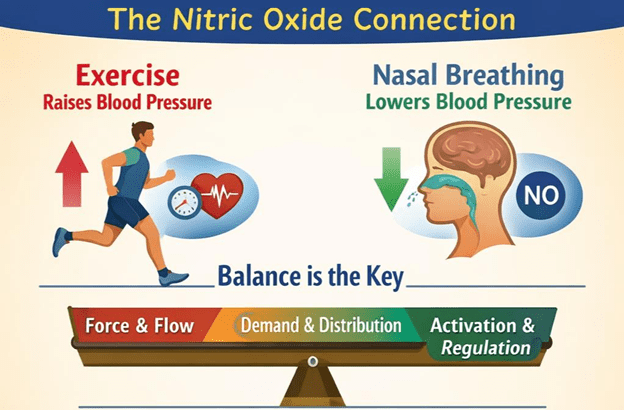
It is often said that exercise raises blood pressure, while slow, controlled breathing calms the system and promotes relaxation. At first glance, these ideas may seem to conflict. If one elevates pressure and the other reduces it, how do they coexist within a healthy body?

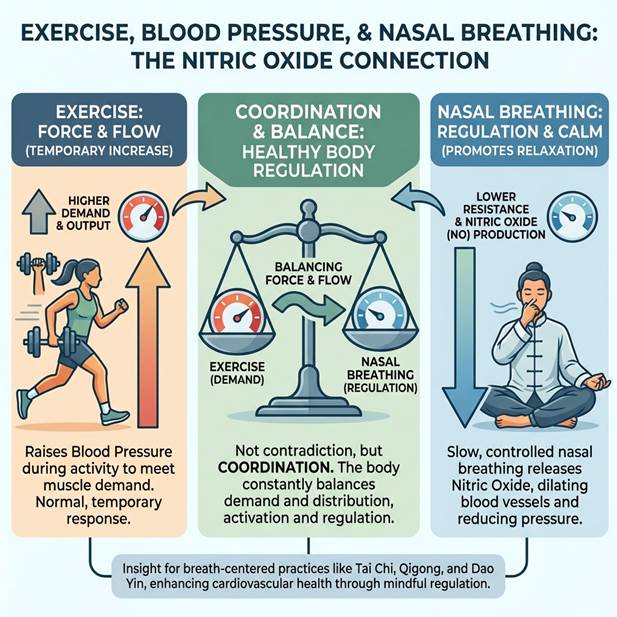
The answer lies not in contradiction, but in coordination. The human body is not simply increasing or decreasing pressure. It is constantly balancing force and flow, demand and distribution, activation and regulation.

Understanding this relationship provides deeper insight into not only cardiovascular health, but also the value of breath-centered practices such as Tai Chi, qigong, and dao yin.
Exercise and the Temporary Rise in Blood Pressure

During physical activity, the body must meet the increased metabolic demands of working muscles. To accomplish this, the cardiovascular system responds immediately. Heart rate increases, stroke volume rises, and cardiac output expands. As a result, systolic blood pressure elevates.

In moderate aerobic exercise, systolic pressure may rise into the range of 160 to 220 mmHg, while diastolic pressure often remains stable or may even decrease slightly due to the dilation of blood vessels in active tissues (Kenney et al., 2022).

This increase is not harmful in healthy individuals. It is functional and necessary. It allows the body to deliver oxygen and nutrients more efficiently where they are needed most. Once exercise ceases, blood pressure typically returns to baseline or even drops below resting levels for a period of time, a phenomenon known as post-exercise hypotension.

Nitric Oxide: A Key Regulator of Vascular Tone

At the center of this process is nitric oxide, a simple yet powerful signaling molecule that plays a critical role in vascular health.

Nitric oxide is produced within the body through the action of nitric oxide synthase enzymes, which convert the amino acid L-arginine into nitric oxide. One of the most important forms, endothelial nitric oxide synthase, operates within the lining of blood vessels and responds to increased blood flow and shear stress during exercise.

In addition to this internal production, nitric oxide is also generated in the paranasal sinuses. Each time you breathe through your nose, small amounts of nitric oxide are drawn into the lungs along with inhaled air (Lundberg et al., 1996). This creates an interesting and often overlooked connection between breathing patterns and vascular function.

How Nitric Oxide Supports Vasodilation

Once released into the bloodstream, nitric oxide acts directly on the smooth muscle of blood vessel walls. In simple terms, it signals these muscles to relax. This relaxation causes the vessels to widen, a process known as vasodilation.

From a more technical standpoint, nitric oxide initiates a cascade that increases cyclic guanosine monophosphate (cGMP) within the smooth muscle cells, ultimately reducing their contractile tension (Moncada & Higgs, 1993). The result is decreased vascular resistance and improved blood flow.

This is not a trivial effect. It is the same fundamental mechanism used in emergency cardiac medicine through nitric oxide–donating drugs such as nitroglycerin.

Nasal Breathing Versus Mouth Breathing

This brings us to an important distinction that is often overlooked in both fitness and general health discussions.

Nasal breathing allows for the intake of nitric oxide produced in the sinuses, whereas mouth breathing largely bypasses this process. Studies suggest that nitric oxide concentrations in the nasal passages are significantly higher than in the lower airways, making the nose a meaningful contributor to nitric oxide availability (Lundberg et al., 1996).

Beyond nitric oxide, nasal breathing also:

  • Filters, humidifies, and warms incoming air
  • Naturally slows the rate of breathing
  • Improves carbon dioxide tolerance
  • Encourages parasympathetic nervous system activity

In contrast, habitual mouth breathing, particularly when rapid and shallow, is more commonly associated with sympathetic activation and less efficient respiratory mechanics (Zaccaro et al., 2018).

The Exercise Context: Pressure and Flow Working Together

When exercise and nasal breathing are considered together, a more complete picture emerges.

During exercise, the heart increases pressure to drive blood through the system. At the same time, blood vessels in active tissues dilate to reduce resistance. Nitric oxide, produced both internally and supported through nasal breathing, plays a central role in this process.

This creates a coordinated dynamic:

  • Pressure increases to enhance delivery
  • Vasodilation improves distribution
  • Breathing helps regulate and support both

Rather than opposing forces, these mechanisms function as complementary aspects of a unified system.

A Bridge Between Physiology and Practice

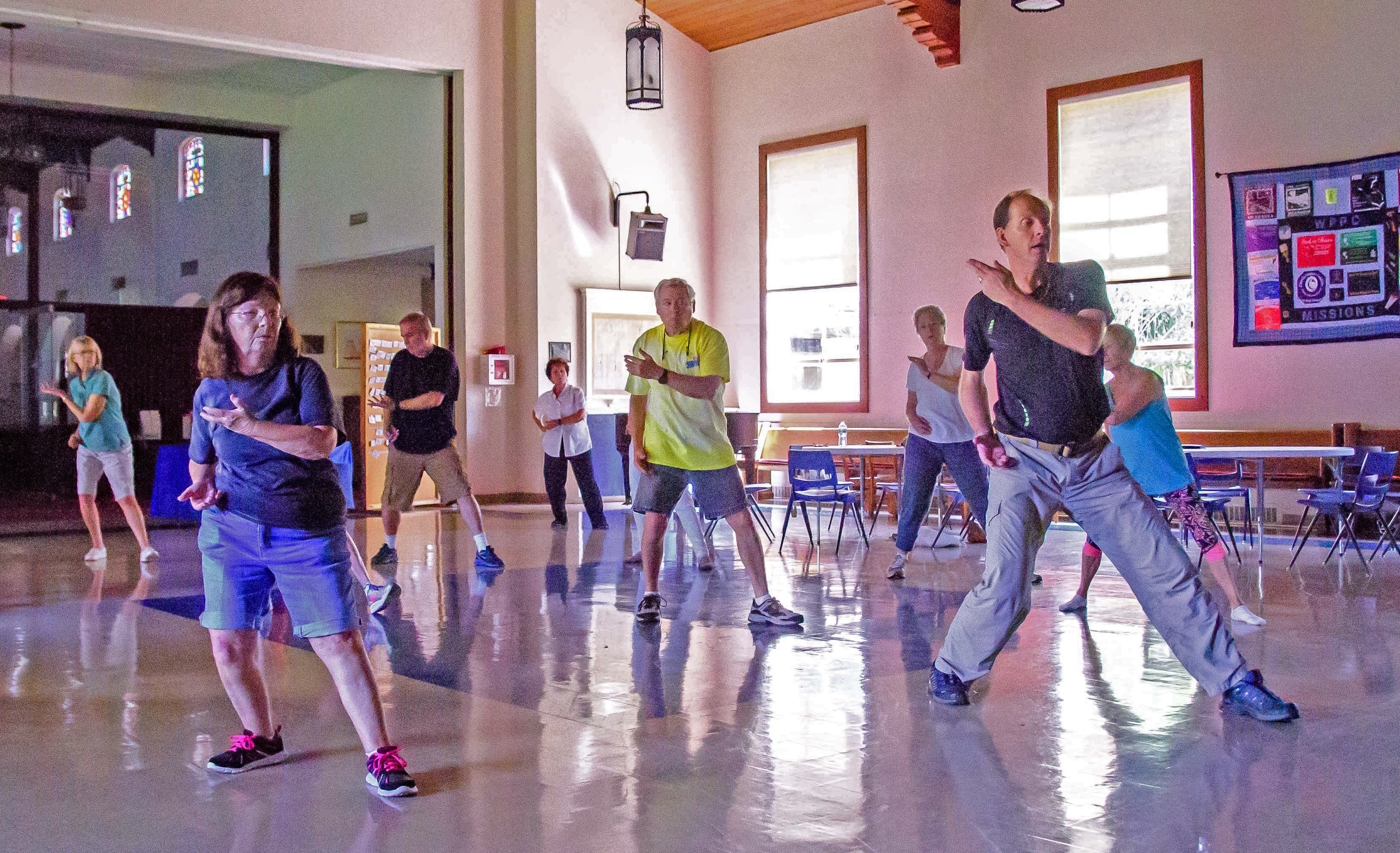
For those engaged in Tai Chi, qigong, or dao yin, this relationship may feel familiar. These practices emphasize coordinated movement, controlled breathing, and internal awareness. While often described in traditional language, their effects can be understood through modern physiology.

Slow, nasal breathing combined with rhythmic movement supports vascular efficiency, enhances parasympathetic activity, and promotes long-term cardiovascular health. Over time, this may contribute to lower resting blood pressure, improved endothelial function, and greater overall resilience (Green et al., 2004).
The Takeaway

The body does not simply raise or lower blood pressure. It balances pressure and flow in response to changing demands. Exercise provides the force. Vasodilation provides the pathway. Breath provides the regulation. When these elements are aligned, the system operates efficiently and effectively.

In the end, the goal is not to eliminate stress from the body, but to learn how to work with it. Through movement, breath, and awareness, we begin to understand that health is not found in extremes, but in balance.

References

Green, D. J., Maiorana, A., O’Driscoll, G., & Taylor, R. (2004). Effect of exercise training on endothelium-derived nitric oxide function in humans. Journal of Physiology, 561(1), 1–25. https://doi.org/10.1113/jphysiol.2004.068197

Kenney, W. L., Wilmore, J. H., & Costill, D. L. (2022). Physiology of sport and exercise (8th ed.). Human Kinetics.

Lundberg, J. O., Weitzberg, E., Lundberg, J. M., & Alving, K. (1996). Nitric oxide in exhaled air. European Respiratory Journal, 9(12), 2671–2680. https://doi.org/10.1183/09031936.96.09122671

Moncada, S., & Higgs, A. (1993). The L-arginine–nitric oxide pathway. New England Journal of Medicine, 329(27), 2002–2012. https://doi.org/10.1056/NEJM199312303292706

Zaccaro, A., Piarulli, A., Laurino, M., Garbella, E., Menicucci, D., Neri, B., & Gemignani, A. (2018). How breath-control can change your life: A systematic review on psycho-physiological correlates of slow breathing. Frontiers in Human Neuroscience, 12, 353. https://doi.org/10.3389/fnhum.2018.00353
Designing a Meaningful Life Through Conscious Self-Cultivation

A Holistic Perspective on Presence, Purpose, and Human Development

Modern life often leaves many people feeling mentally overstimulated, emotionally fatigued, physically depleted, and spiritually disconnected. Despite technological convenience, endless entertainment, and unprecedented access to information, countless individuals still find themselves asking a deeper question: Why do I feel unfulfilled?

Many people move through life trapped in cycles of stress, distraction, obligation, and unconscious routine. They work, consume, react, and repeat, while rarely pausing long enough to examine whether the life they are building is actually aligned with who they truly are. In many ways, modern culture conditions people toward productivity and external validation, yet neglects the cultivation of internal balance, meaning, and self-awareness.

Interestingly, modern psychological theories regarding meaning, motivation, and personal development often parallel principles that have existed for centuries within Eastern philosophy, Traditional Chinese Medicine (TCM), Taoist thought, and martial arts training systems. Whether described as self-actualization, self-efficacy, flow states, or harmonizing yin and yang, the central theme remains remarkably similar: human beings flourish when they consciously participate in their own development.

Rather than viewing life as something that merely happens to us, we may benefit from viewing life as a continual process of cultivation, refinement, adaptation, and conscious participation.

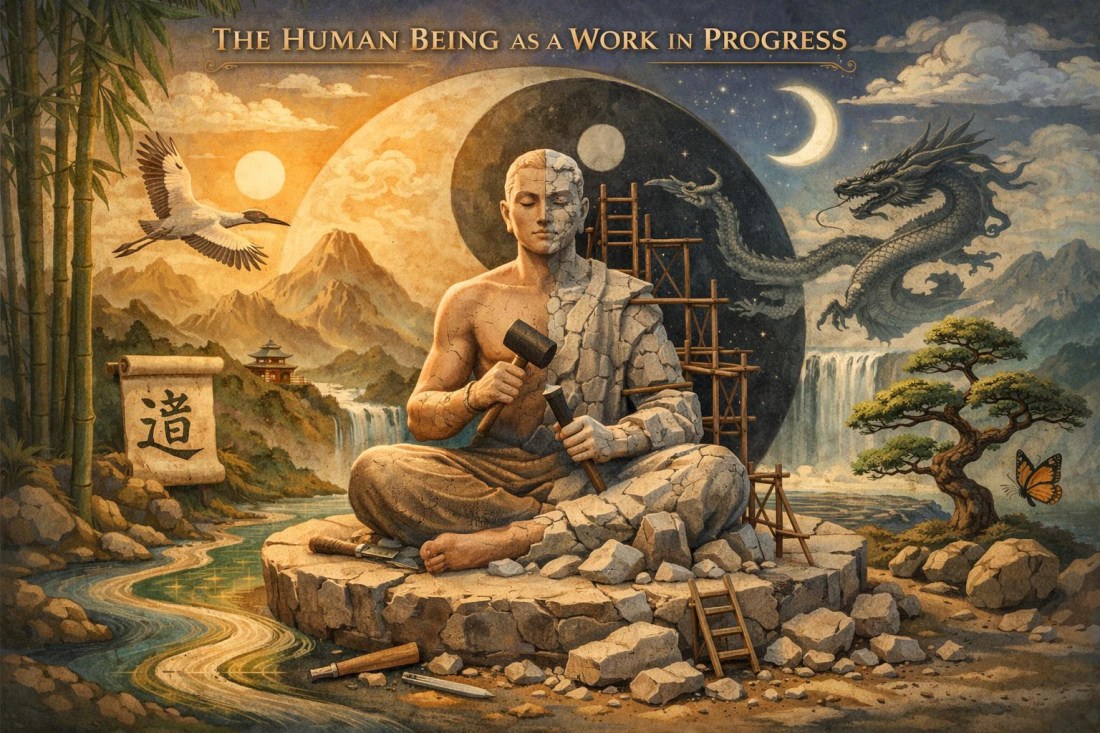
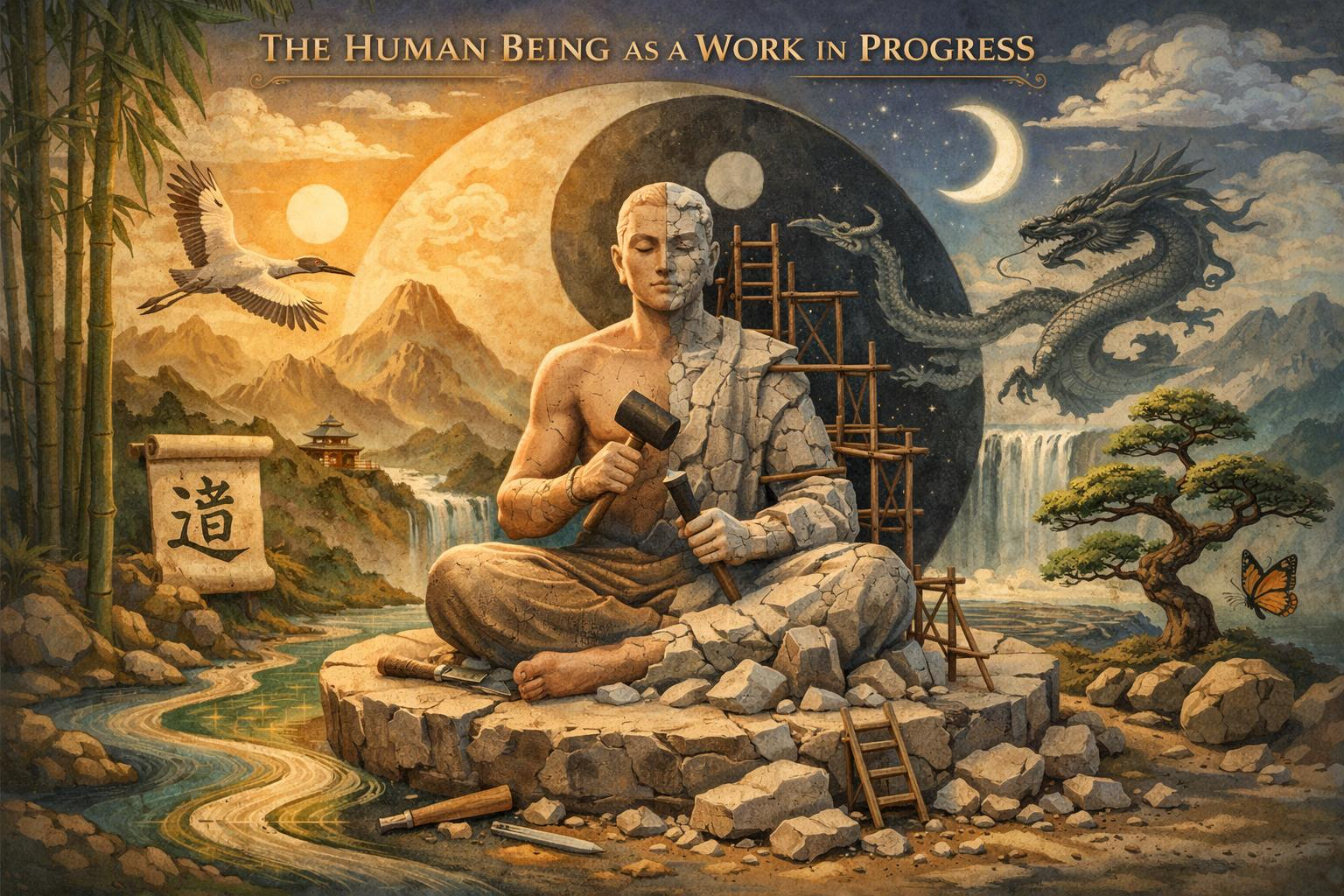
The Human Being as a Work in Progress

Within many Eastern philosophies, the individual is not viewed as a fixed identity, but as an evolving process. Taoist traditions often emphasize alignment with the Dao, continual adaptation, and harmonization between the internal and external worlds. Likewise, many martial arts systems teach that mastery is never truly completed, but continually refined through discipline, humility, awareness, and lived experience.

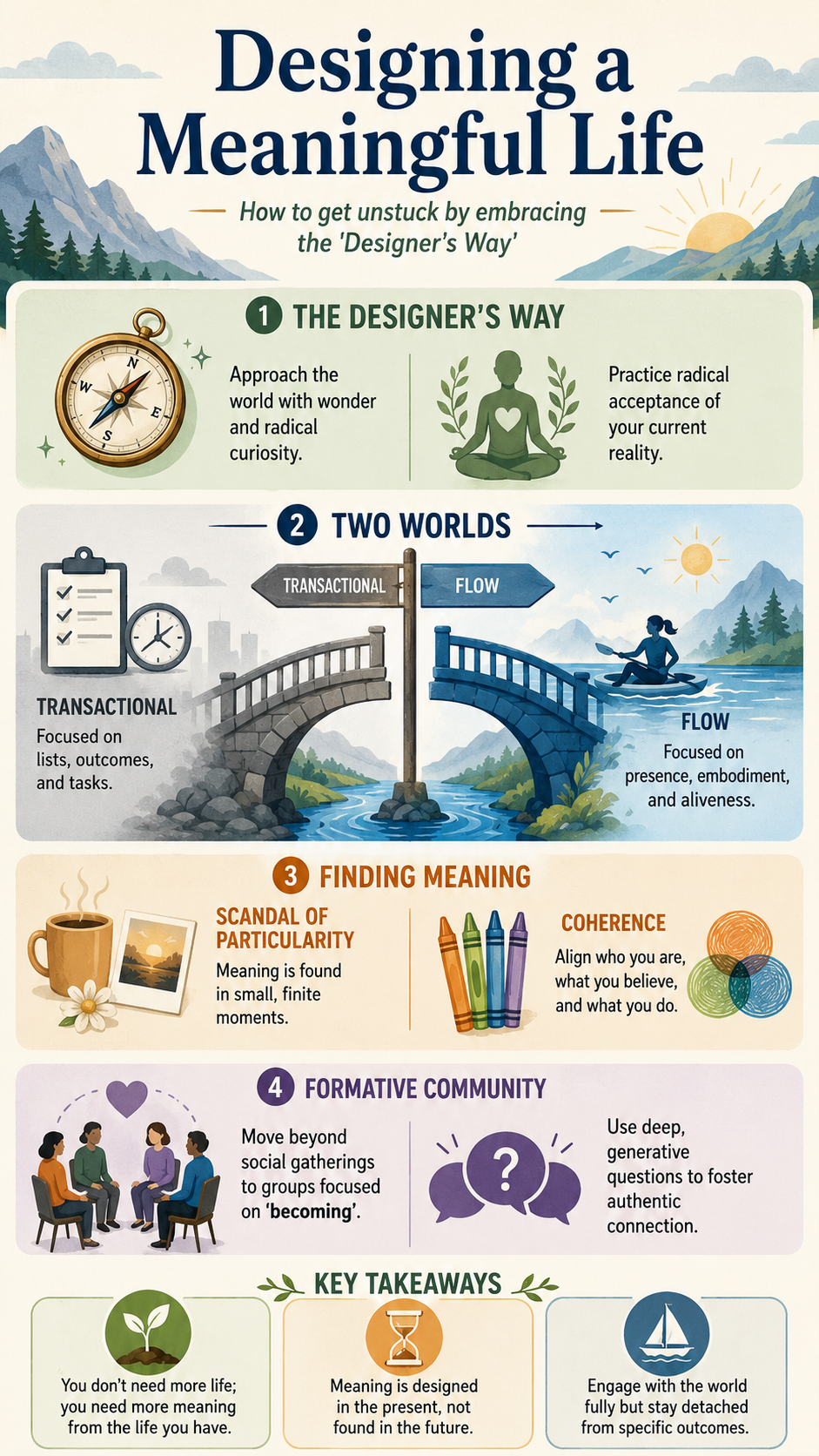
Modern psychological frameworks increasingly support this same perspective. Stanford Life Design researchers Dave Evans and Bill Burnett propose that meaningful living does not emerge from discovering one singular purpose, but rather through experimentation, curiosity, adaptation, and intentional engagement with life (Evans & Burnett, 2024).

This mirrors the Taoist understanding that growth is dynamic rather than static. The individual evolves through cycles of challenge, reflection, success, failure, adaptation, and renewal. Much like the transformation of yin into yang and yang into yin, life itself is in constant motion.

Many individuals become psychologically trapped because they believe they must discover one perfect identity, career, passion, or life purpose. However, this rigid mindset often creates anxiety, paralysis, and disappointment. Human beings contain multiple potentials, interests, talents, and developmental possibilities.

The goal is not necessarily to “find yourself,” but rather to consciously cultivate yourself.

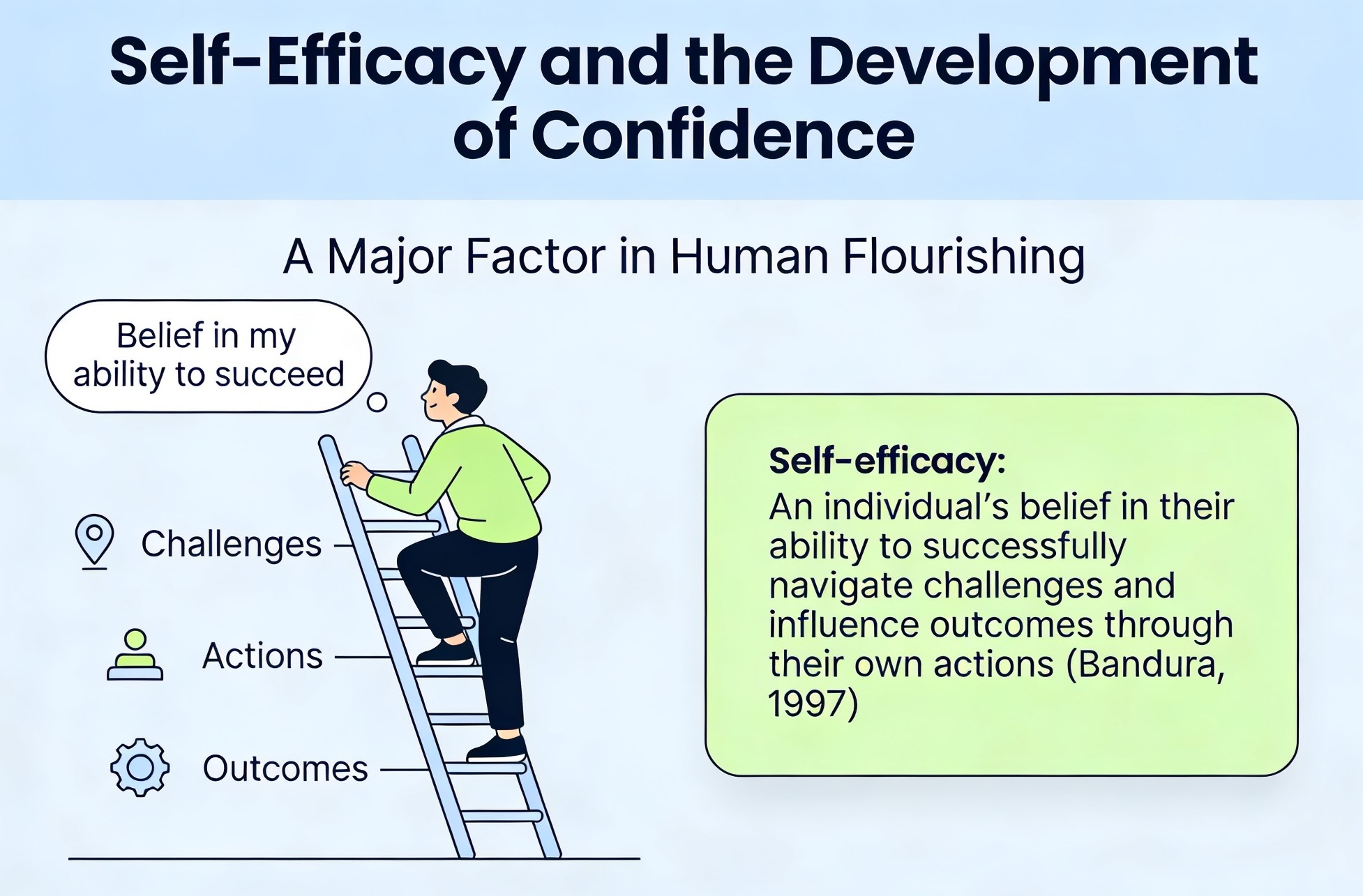
Importantly, self-efficacy is not built through wishful thinking or motivational slogans alone. It develops through direct experience, disciplined effort, adaptation, and repeated exposure to challenge.

This principle has long existed within traditional martial arts and internal cultivation systems. Confidence is not merely spoken into existence. It is earned progressively through training, discomfort, repetition, and gradual mastery. A student develops confidence not by avoiding adversity, but by learning they can endure and adapt to it.

This process closely resembles what many Taoist and martial systems describe as strengthening the mind, refining intention (Yi), and cultivating resilience through embodied experience.

In many ways, modern society unintentionally weakens self-efficacy by promoting excessive convenience, distraction, dependency, and external validation. Yet meaningful development often requires voluntary discomfort, responsibility, and direct engagement with life.

Self-Determination and Human Fulfillment

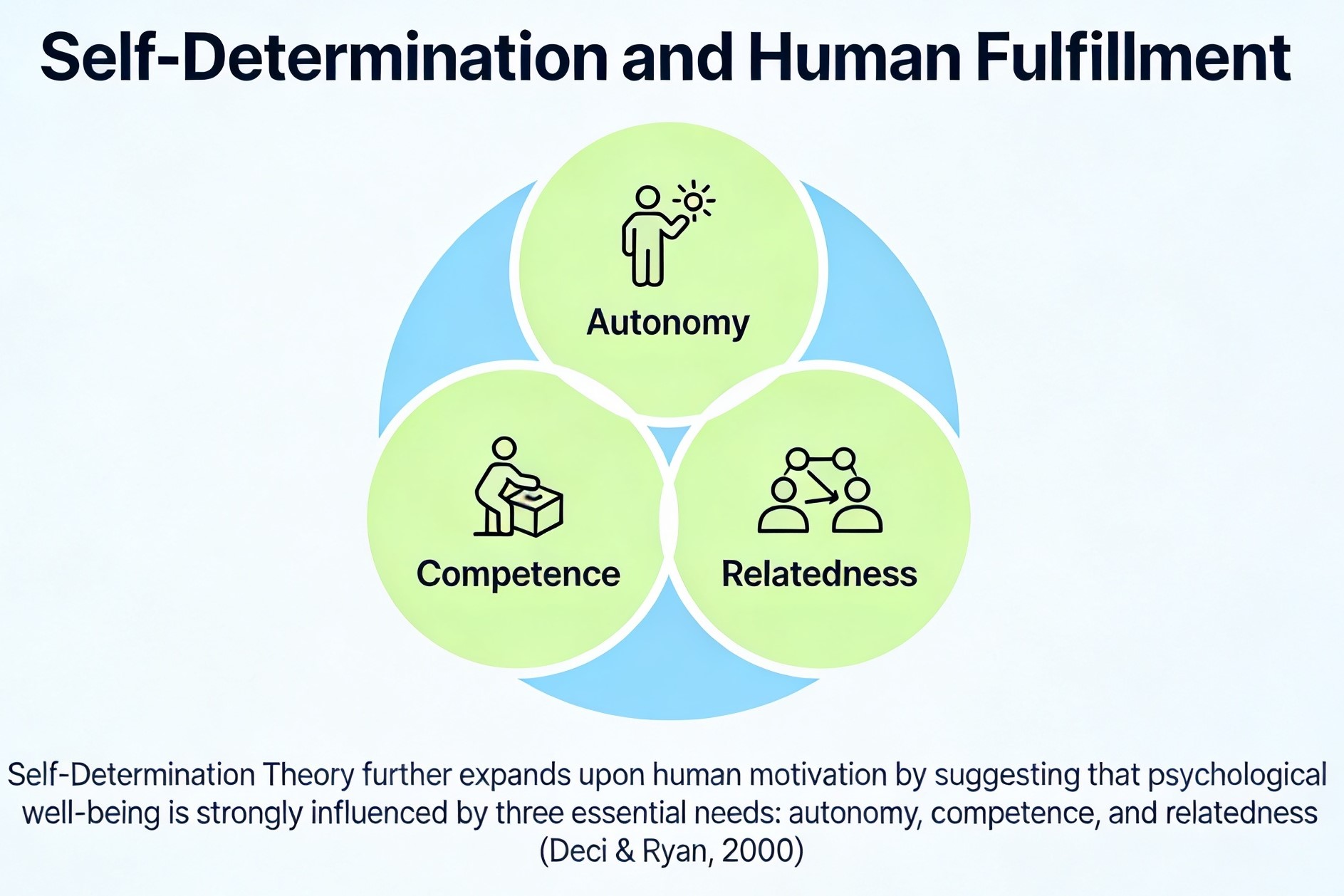
Self-Determination Theory further expands upon human motivation by suggesting that psychological well-being is strongly influenced by three essential needs: autonomy, competence, and relatedness (Deci & Ryan, 2000).

These principles correlate remarkably well with holistic and Eastern models of human development.

Autonomy

Autonomy reflects the need to feel agency over one’s own life and decisions. In Taoist philosophy, this resembles alignment with one’s authentic nature rather than blindly conforming to external pressures or social conditioning.

Competence

Competence develops through meaningful challenge, disciplined practice, and gradual mastery. This principle is deeply embedded within martial arts, qigong, meditation, and traditional systems of self-cultivation.

Relatedness

Human beings are inherently relational creatures. Meaningful connection, mentorship, community, and shared purpose contribute significantly to emotional and psychological well-being.

When these three dimensions become neglected, individuals often experience anxiety, emptiness, burnout, alienation, or loss of purpose.

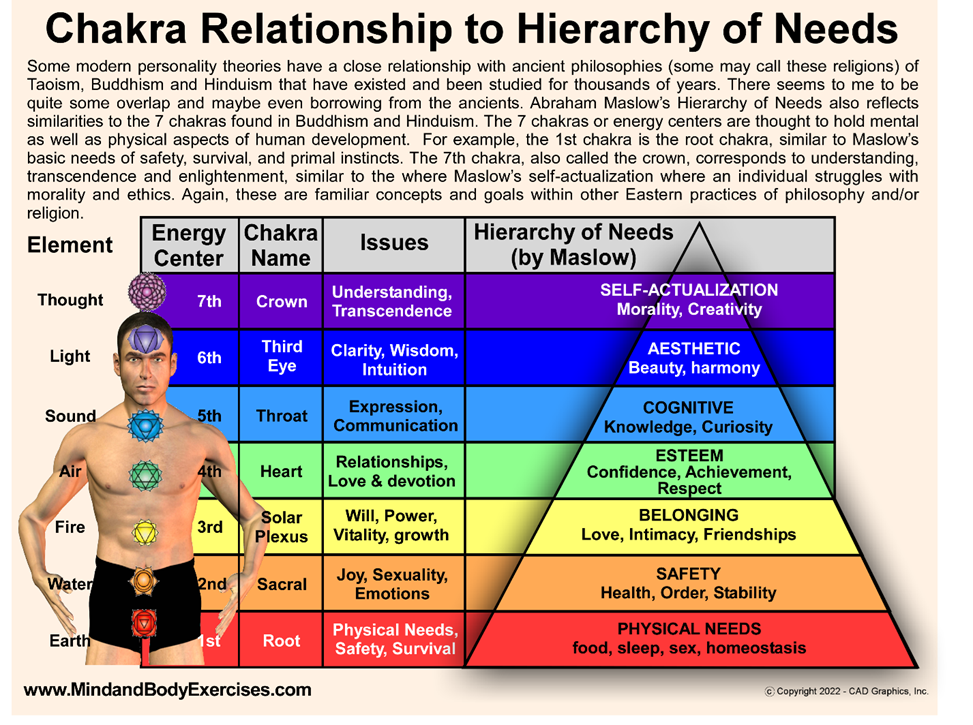
Maslow’s Hierarchy and the Journey Toward Self-Transcendence

Psychologist Abraham Maslow proposed that human development progresses through stages of need fulfillment, beginning with physiological survival and eventually progressing toward self-actualization and transcendence (Maslow, 1943).

This developmental model also parallels many Eastern systems of cultivation.

At the foundational level, one must stabilize the physical body through proper sleep, nutrition, movement, breathing, and regulation of stress. Without physical stability, higher levels of psychological and spiritual development become difficult to sustain.

As stability develops, attention naturally shifts toward:

  • safety and security
  • social connection
  • confidence and competence
  • meaning and contribution
  • wisdom and transcendence

Traditional Taoist systems similarly emphasize that refinement begins with the body, progresses through energy and mind, and eventually develops into deeper states of awareness and integration.

This progression is often reflected through the traditional framework of Jing, Qi, and Shen:

  • Jing relates to foundational vitality and physical essence
  • Qi reflects functional energy and life force
  • Shen reflects consciousness, awareness, and spirit

Human flourishing is therefore not merely psychological. It is physiological, emotional, relational, behavioral, and spiritual simultaneously.

Transactional Living vs. Flow States

Much of modern culture conditions individuals into a highly transactional state of consciousness. Productivity, deadlines, social status, financial pressure, digital stimulation, and endless tasks dominate attention.

People become trapped in what may be described as “future-oriented survival mode,” rarely fully present within the immediate experience of life itself.

Psychologist Mihaly Csikszentmihalyi described optimal states of deep engagement as flow states, moments in which action, awareness, and presence become fully integrated (Csikszentmihalyi, 1990).

Eastern traditions have explored similar states for centuries through meditation, martial arts, qigong, calligraphy, tea ceremony, and contemplative practice.

The Taoist concept of wu wei, often translated as “effortless action,” reflects a condition in which the individual becomes deeply aligned with the present moment rather than psychologically fragmented by excessive striving and internal resistance.

Flow states are not necessarily dramatic or mystical experiences. They may emerge during:

  • tai chi practice
  • gardening
  • writing
  • meaningful conversation
  • artistic expression
  • breathing exercises
  • walking in nature
  • mindful movement
  • prayer or meditation

These moments reconnect individuals to embodiment, awareness, and presence.

Meaning Exists Within Particular Moments

Modern culture often encourages individuals to search for one grand purpose or singular life mission. Yet meaning frequently emerges through small, deeply human moments.

A sunrise.
A shared meal.
A sincere conversation.
A moment of forgiveness.
A familiar song.
The feeling of stillness after meditation.
The rhythm of breathing during qigong practice.

Meaning is often discovered not through constant achievement, but through conscious presence.

Many people overlook these moments because the nervous system has become conditioned toward overstimulation, distraction, urgency, and continual psychological noise.

Taoist philosophy frequently reminds us that profound truth often exists within simplicity. The extraordinary is hidden within the ordinary.

Community, Belonging, and Human Becoming

Human development rarely occurs in complete isolation. Throughout history, meaningful communities, mentorship, shared ritual, and collective purpose have played central roles in psychological resilience and personal transformation.

Healthy communities do more than exchange information or transactional benefit. They support growth, accountability, encouragement, and becoming.

Unfortunately, modern society often creates superficial connection while simultaneously increasing loneliness and fragmentation.

Authentic human connection requires vulnerability, presence, listening, and genuine engagement. It requires moving beyond performance and social masks.

In both Eastern philosophy and modern psychology, relationships significantly influence emotional regulation, identity formation, and overall well-being.

The nervous system itself is relational.

Radical Acceptance and Alignment With Reality

One of the most difficult but transformative principles within both psychology and Eastern philosophy is radical acceptance.

Taoist teachings emphasize alignment with reality rather than continual resistance against it. Suffering often increases when individuals refuse to accept impermanence, uncertainty, aging, loss, or change.

Acceptance does not mean passivity or resignation. Rather, it means beginning from truth instead of denial.

Only when individuals honestly acknowledge where they are physically, emotionally, mentally, and spiritually can meaningful change begin.

This mirrors the martial arts principle that effective response begins with accurate awareness rather than fantasy or ego.

In conclusion, a meaningful life is not something purchased, downloaded, or externally granted. It is cultivated gradually through awareness, disciplined action, embodied presence, meaningful relationships, adaptation, and intentional participation in one’s own development.

Modern psychology increasingly validates principles long understood within Eastern philosophy and holistic systems of self-cultivation:

  • presence matters
  • embodiment matters
  • meaning matters
  • relationships matter
  • responsibility matters
  • conscious living matters

Human beings flourish when thought, behavior, physiology, values, and purpose become increasingly aligned.

The journey toward meaning rarely requires detonating one’s entire life. More often, it begins with small moments of awareness:

  • breathing more consciously
  • noticing beauty
  • moving the body
  • cultivating gratitude
  • reducing distraction
  • serving others
  • practicing stillness
  • engaging life with greater intentionality

In many ways, the path toward meaning is less about becoming someone entirely new and more about remembering what it means to become fully human.

References

Bandura, A. (1997). Self-efficacy: The exercise of control. W.H. Freeman.

Csikszentmihalyi, M. (1990). Flow: The psychology of optimal experience. Harper & Row.

Deci, E. L., & Ryan, R. M. (2000). The “what” and “why” of goal pursuits: Human needs and the self-determination of behavior. Psychological Inquiry, 11(4), 227–268. https://doi.org/10.1207/S15327965PLI1104_01

Evans, D., & Burnett, B. (2024). How to live a meaningful life. Knopf.

Maslow, A. H. (1943). A theory of human motivation. Psychological Review, 50(4), 370–396. https://doi.org/10.1037/h0054346

Stanford Life Design Lab. (n.d.). Designing your life. Stanford Life Design Lab

Consciousness Hygiene

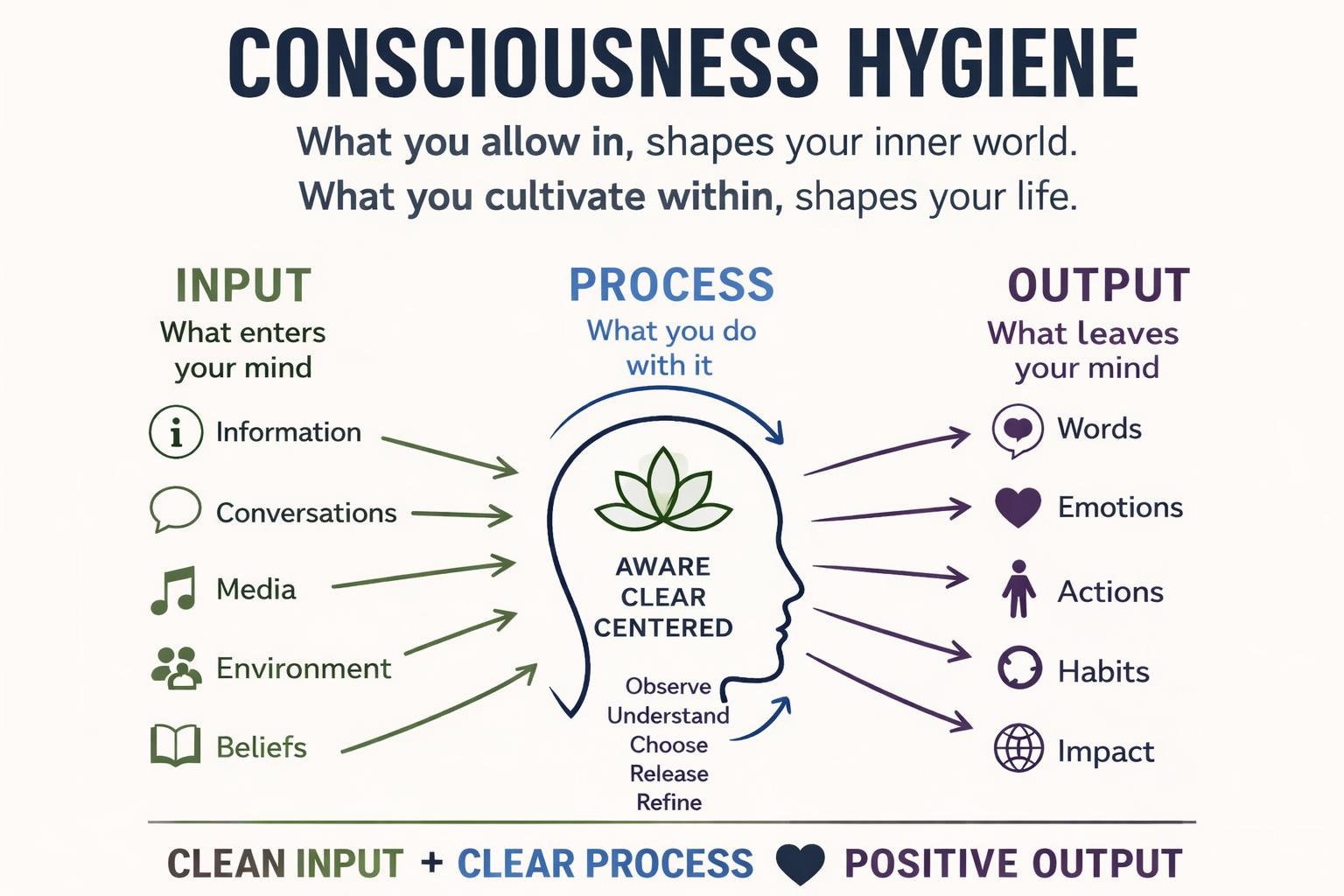
Consciousness hygiene is not a formal scientific term, but it is increasingly used in psychology, philosophy, meditation traditions, and holistic health to describe the deliberate management and care of one’s mental and perceptual environment, much like physical hygiene refers to caring for the body.

In simple terms:

Consciousness hygiene = practices that keep the mind clear, balanced, and resilient.

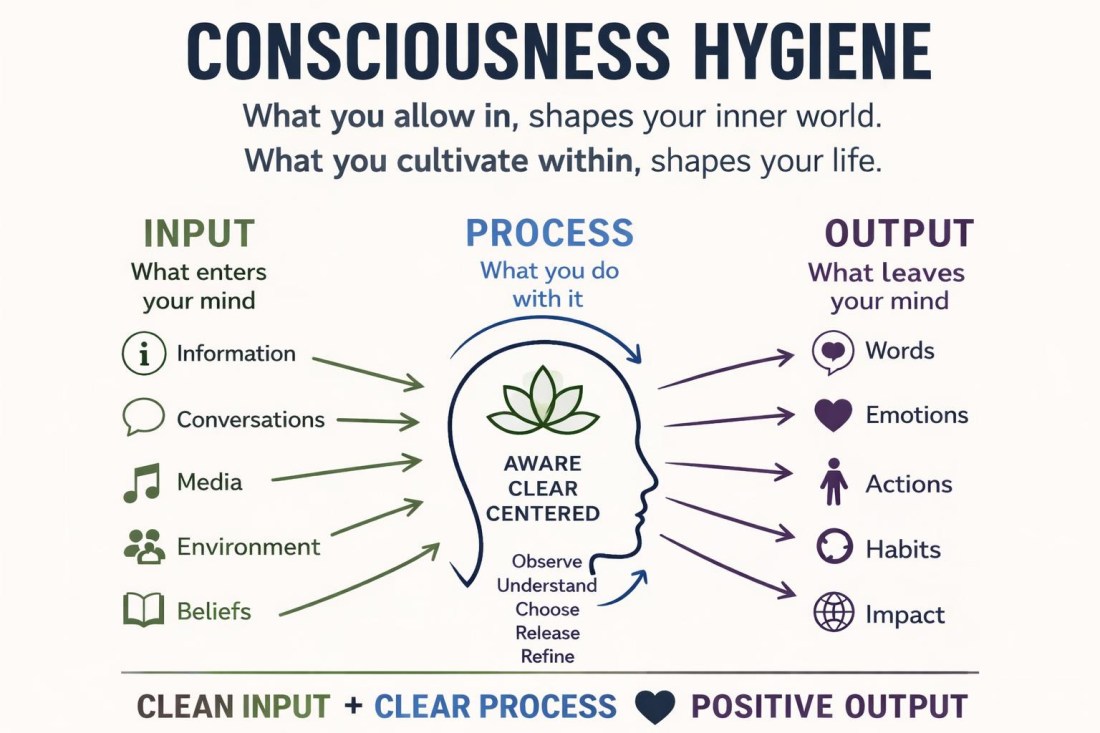
It involves being mindful about what enters, circulates within, and exits the mind.

For anyone with a background in holistic health, martial arts, and Eastern philosophy, the concept aligns very closely with principles found in Daoist cultivation, Buddhist mindfulness, and Stoic philosophy, even though the modern term itself is relatively new.

1. The Basic Idea: The Mind Also Needs Hygiene

Just as the body requires:

  • clean food
  • clean air
  • movement
  • rest

The mind requires similar care.

Without intentional care, the mind becomes cluttered with:

  • excessive information
  • emotional residue
  • negative conditioning
  • media overload
  • stress loops

Modern psychology often refers to this as cognitive load or mental contamination. In a holistic sense, consciousness hygiene asks:

  • What are you feeding your mind?
  • What thoughts are you repeating?
  • What emotional states are you cultivating?

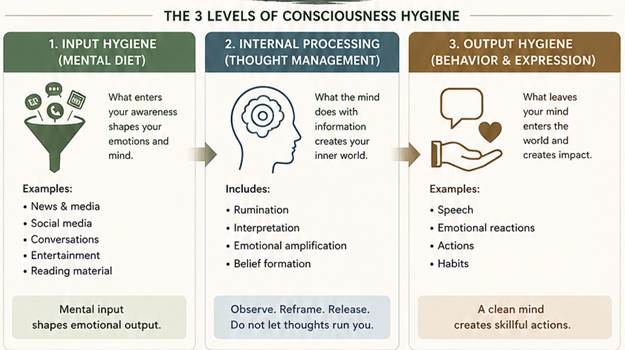
2. Three Levels of Consciousness Hygiene

Many thinkers describe it in three stages.

Level 1 – Input Hygiene (Mental Diet)

What enters your awareness.

Examples include:

  • news consumption
  • social media
  • conversations
  • music and entertainment
  • reading material

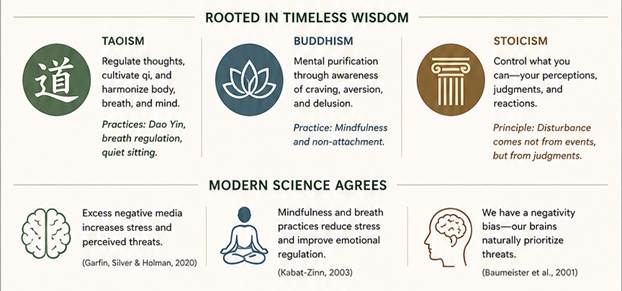
Research shows that excessive exposure to negative media increases anxiety, stress hormones, and perceived threat levels (Garfin, Silver, & Holman, 2020).

In practical terms:

Mental input shapes emotional output.

This aligns strongly with the martial arts idea of guarding the gates of perception.

Level 2 – Internal Processing (Thought Management)

What the mind does with incoming information.

This includes:

  • rumination
  • interpretation
  • emotional amplification
  • belief formation

Cognitive psychology shows that humans tend toward negativity bias, meaning the brain naturally prioritizes threat-related information (Baumeister et al., 2001).

Consciousness hygiene therefore includes:

  • reframing thoughts
  • observing internal dialogue
  • preventing mental spirals

In meditation traditions, this is simply watching the mind without attachment.

Level 3 – Output Hygiene (Behavior and Expression)

What leaves the mind and enters the world.

Examples include:

  • speech
  • emotional reactions
  • actions
  • habits

If the mind is cluttered with anger or fear, those emotions leak into behavior.

Healthy consciousness hygiene leads to:

  • clearer thinking
  • calmer reactions
  • intentional behavior

3. Ancient Traditions Already Practiced It

Although the phrase is modern, the practice is ancient.

Taoism

Taoist cultivation emphasized:

  • regulating thoughts
  • calming emotional turbulence
  • circulating qi

Practices such as Dao Yin, breath regulation, and quiet sitting were methods of clearing the mind.

Buddhism

Buddhist teachings describe mental purification.

Meditation trains awareness to observe:

  • craving
  • aversion
  • delusion

These are considered pollutants of consciousness.

Stoicism

Stoic philosophers like Epictetus and Marcus Aurelius emphasized controlling:

  • perceptions
  • judgments
  • emotional reactions

Their view:

Disturbance comes not from events, but from the judgments we make about them.

This is essentially cognitive hygiene.

4. Modern Psychological Parallels

Modern research touches the same concept using different terminology.

Relevant areas include:

  • Mindfulness training
  • Cognitive behavioral therapy (CBT)
  • Stress inoculation
  • Emotional regulation

Mindfulness practices, for example, have been shown to reduce stress and improve emotional regulation (Kabat-Zinn, 2003).

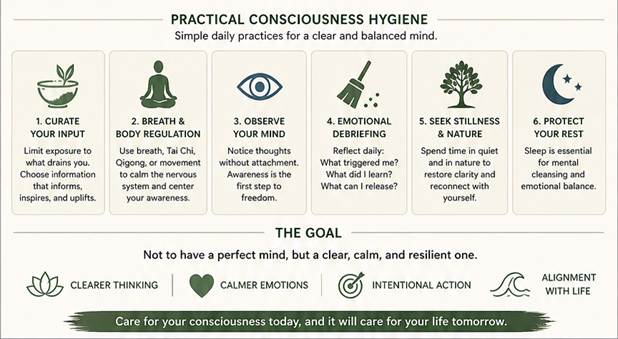
5. Practical Examples of Consciousness Hygiene

Daily practices might include:

Mental Diet

Limiting exposure to:

  • sensational news
  • toxic social media
  • constant information flow

Breath and Body Regulation

Practices such as:

  • meditation
  • Tai Chi
  • Qigong
  • controlled breathing

These calm the autonomic nervous system and reduce stress.

Tai Chi and qigong, these practices are actually classic methods of consciousness hygiene, even though they are often described as physical exercise.

Emotional Debriefing

Reflecting on the day:

  • What triggered me?
  • What did I learn?
  • What should I release?

Mental Stillness

Moments of quiet:

  • meditation
  • walking in nature
  • silent reflection

These clear cognitive overload.

6. Why Consciousness Hygiene Matters Today

Modern humans are exposed to more information in a single day than people centuries ago experienced in weeks.

Without conscious filtering, this leads to:

  • chronic stress
  • anxiety
  • attention fragmentation
  • emotional reactivity

Therefore, consciousness hygiene is becoming increasingly important.

It is essentially self-defense for the mind.

7. A Simple Definition

A concise way to describe it is:

Consciousness hygiene is the intentional practice of protecting, regulating, and refining the contents of one’s awareness.

It includes:

  • managing mental inputs
  • regulating internal thoughts
  • cultivating healthy emotional states

In many ways, Tai Chi, breathwork (managed breathing), and Dao Yin are forms of consciousness hygiene.

The slow movement, breath coordination, and attention training all serve to clean the mind while regulating the nervous system.

References

Baumeister, R. F., Bratslavsky, E., Finkenauer, C., & Vohs, K. D. (2001). Bad is stronger than good. Review of General Psychology, 5(4), 323–370. https://doi.org/10.1037/1089-2680.5.4.323

Garfin, D. R., Silver, R. C., & Holman, E. A. (2020). The novel coronavirus (COVID-2019) outbreak: Amplification of public health consequences by media exposure. Health Psychology, 39(5), 355–357. https://doi.org/10.1037/hea0000875

Kabat-Zinn, J. (2003). Mindfulness-based interventions in context: Past, present, and future. Clinical Psychology: Science and Practice, 10(2), 144–156. https://doi.org/10.1093/clipsy.bpg016

Our Own Inner Pharmacy

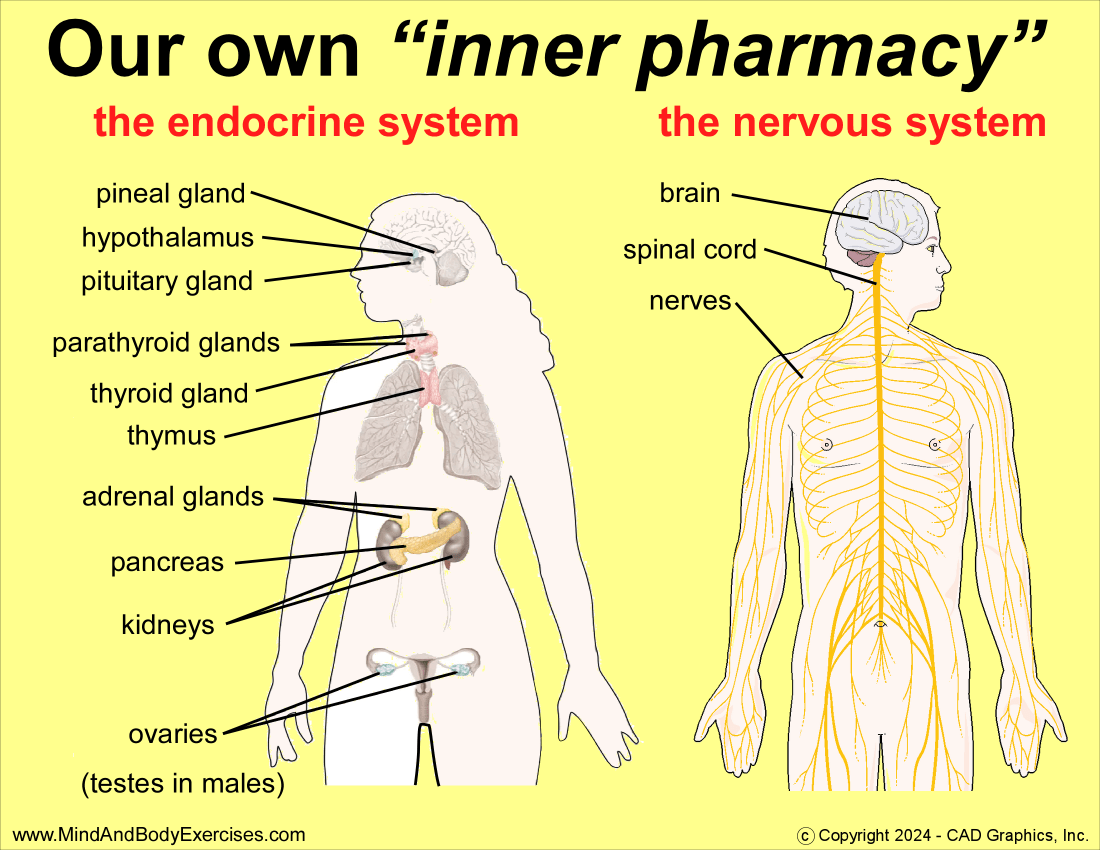
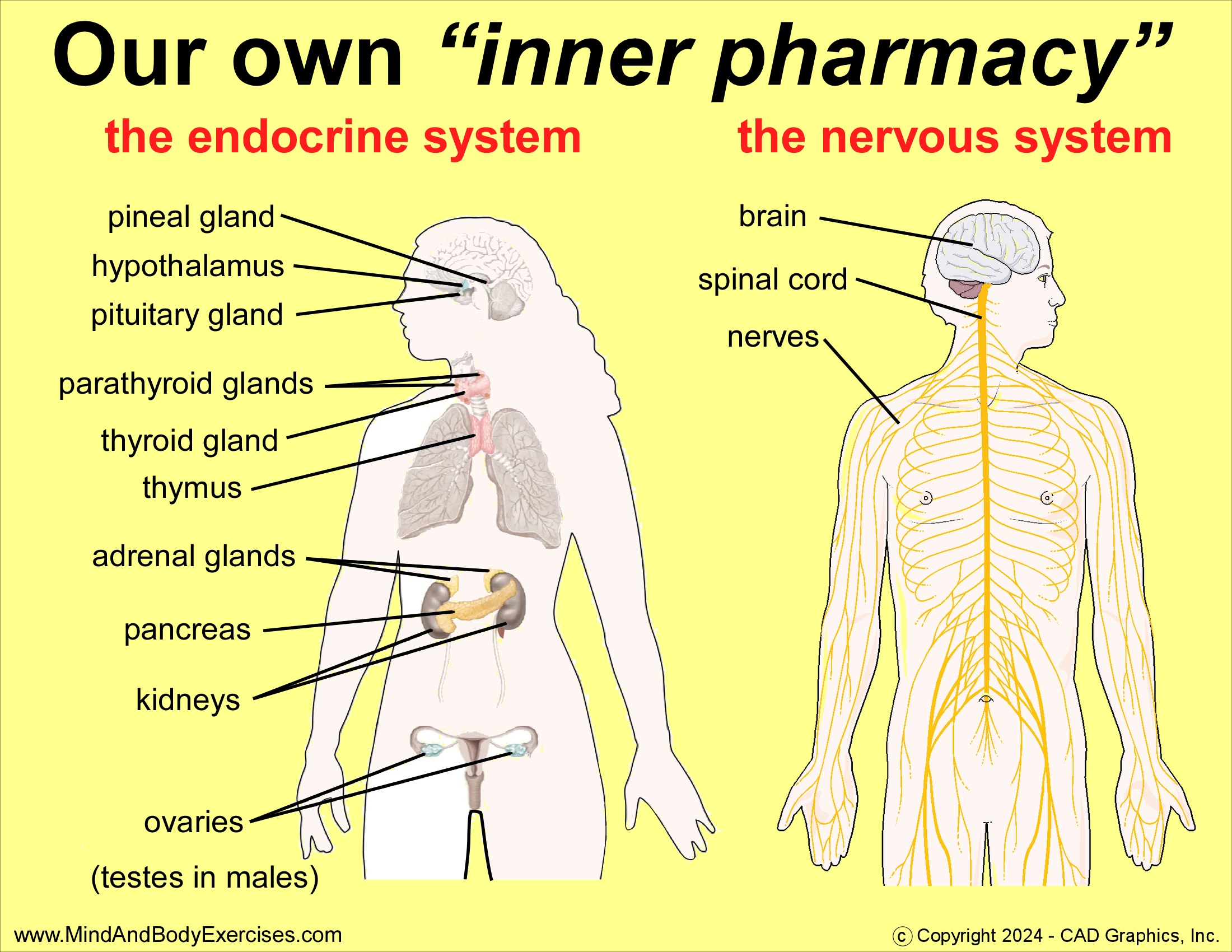
Human beings are not merely passive recipients of external chemicals. We carry within us an extraordinary “inner pharmacy” — a dynamic biochemical laboratory governed largely by the endocrine and nervous systems. At every moment, our bodies produce hormones, neurotransmitters, and signaling molecules that influence mood, energy, immunity, inflammation, motivation, and even perception.

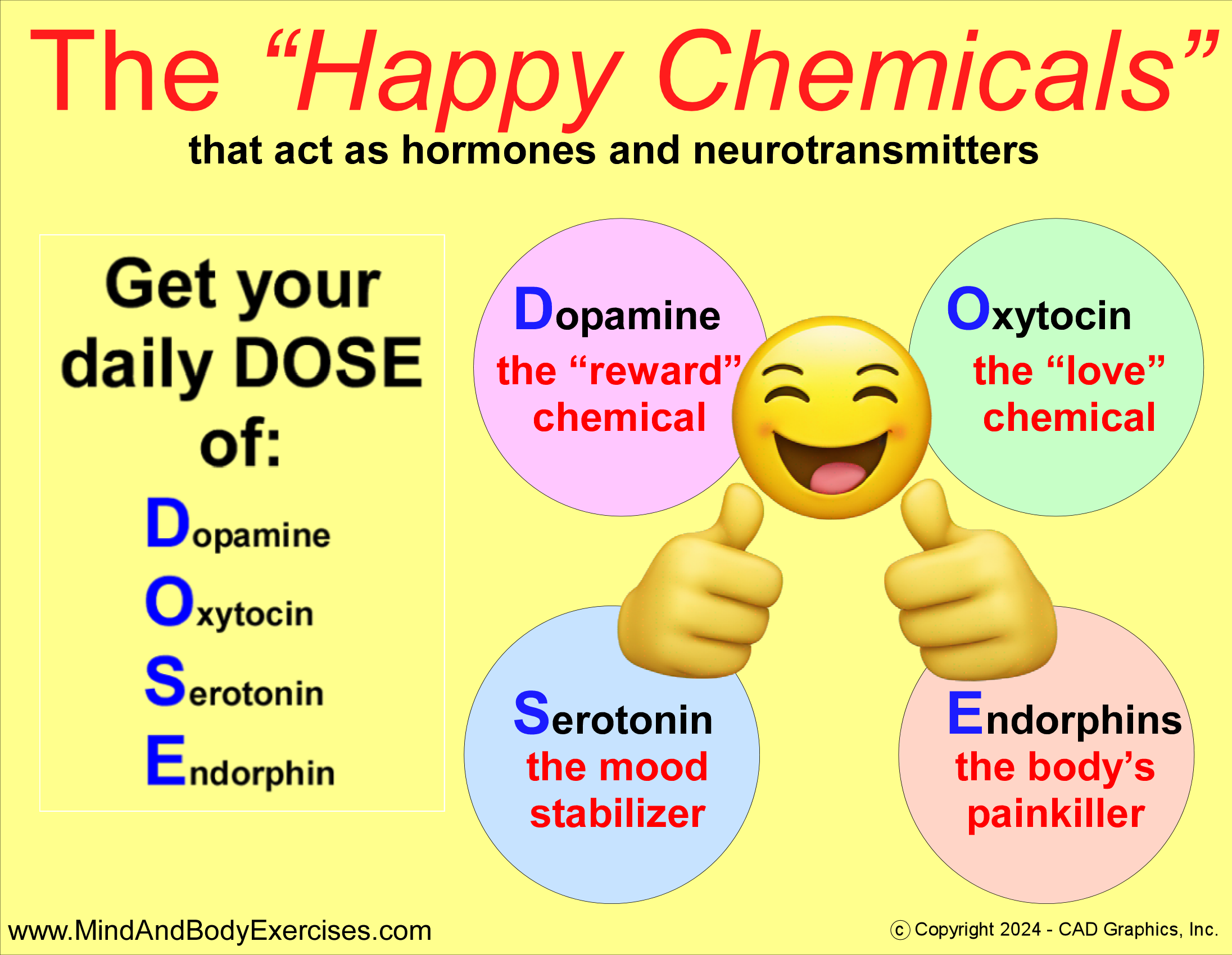
Stress hormones like cortisol and adrenaline can mobilize us for action. Endorphins can reduce pain. Oxytocin can deepen connection. Dopamine can enhance motivation and focus. Serotonin can stabilize mood. These substances are not foreign prescriptions; they are internally generated responses to how we live.

The remarkable reality is that we are not powerless in this process. Diet influences blood sugar stability, micronutrient availability, and hormone balance. Breath regulation can directly shift autonomic tone, moving us from sympathetic “fight-or-flight” dominance toward parasympathetic restoration. Thoughts and emotional patterns affect neurochemical cascades. Chronic rumination reinforces stress chemistry, while deliberate cognitive reframing can reduce it. Physical movement alters endocrine output. Sleep restores hormonal rhythms. Even posture and facial expression feed back into neurophysiology.

This does not mean we can will away disease or replace appropriate medical care. Rather, it means we possess meaningful influence over our internal chemistry. By consciously regulating diet, breathing, attention, emotional responses, and behavior, we participate in directing our own biochemistry.

The “inner pharmacy” is always open. The question is not whether chemicals are being dispensed, but which ones — and under what conditions.

Slow Breathing, why is This Beneficial?

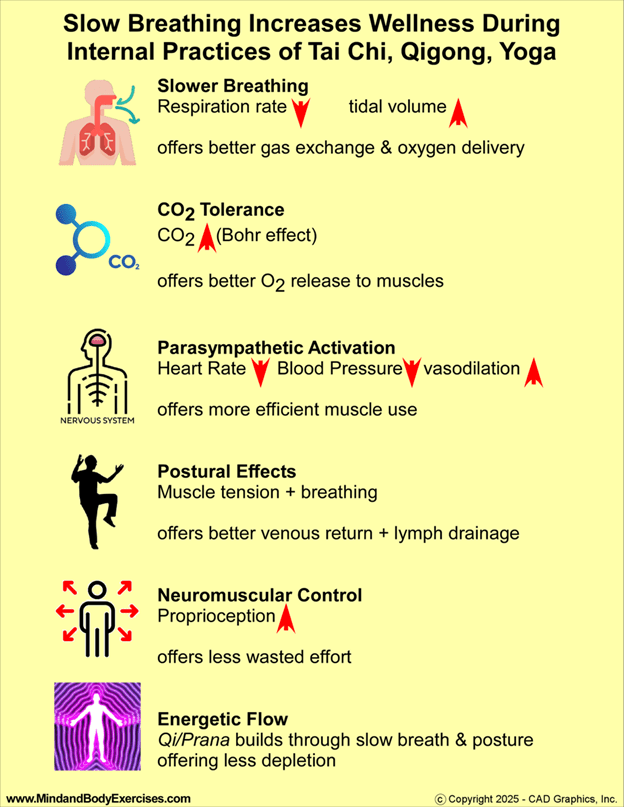
Internal practices like tai chi, qigong, and yoga: how slow, deep breathing can enhance rather than hinder oxygen delivery and energy during physically demanding postures. Let me unpack how this works from a Western physiological perspective, while also nodding to the energetic logic behind these practices.

Physiological Mechanisms at Play

1. Low Breathing Rate ≠ Low Oxygen Intake

  • When breathing frequency is reduced intentionally, it’s usually paired with deeper, more diaphragmatic breaths (also called “belly breathing”).
  • This increases tidal volume (the amount of air per breath), so although you’re breathing fewer times per minute, you may be getting the same or even more oxygen overall.
  • Slower breathing also enhances alveolar gas exchange because air stays in the lungs longer, allowing more thorough oxygen and CO₂ exchange.

Normal respiration rate: ~12 to 15 breaths/min (18 or more BPM when stressed)
In skilled practice: ~4–6 breaths/min (or less), with full exhalation and longer pause phases

2. Parasympathetic Activation and Efficiency

  • Slow, conscious breathing activates the parasympathetic nervous system (rest and digest), which:
    • Slows heart rate
    • Lowers blood pressure
    • Enhances vasodilation (better blood flow to extremities)
  • This reduces physiological tension, allowing the muscles to function more efficiently with less oxygen demand per unit of work.

3. Increased CO₂ Tolerance and Oxygen Utilization

  • Practices that involve breath retention or very slow breathing increase carbon dioxide (CO₂) tolerance.
  • Contrary to popular belief, CO₂ is the key signal for oxygen release via the Bohr effect:
    • Higher CO₂ levels shift hemoglobin to release more O₂ into tissues.
  • So, by tolerating higher CO₂, you actually increase oxygen delivery where it’s needed, especially in muscles under tension.

4. Improved Circulatory and Lymphatic Flow

  • Many postures in tai chi, yoga, and qigong involve dynamic tension, twisting, and limb positioning that:
    • Gently compress and release blood vessels (like a pump)
    • Aid in venous return (blood going back to the heart)
    • Enhance lymphatic drainage, helping with detox and immune function
  • Combined with deep breathing (which changes intra-thoracic pressure), these techniques mimic a second circulatory pump, where the breath and posture work together.

5. Enhanced Proprioception and Motor Control

  • By slowing breath and motion, practitioners become more aware of subtle muscle activation and joint positioning.
  • The cerebellum and somatosensory cortex are engaged more deeply, improving neuromuscular efficiency, so less “effort” is needed for the same or better results.
  • Muscles co-contract (yin-yang balance) with greater harmony, reducing unnecessary energy output.

Energetic and Traditional Viewpoint

From Traditional Chinese Medicine (TCM) or yogic perspectives:

  • Breath (qi/prana) is not just oxygen; it’s vital energy that nourishes tissues.
  • Slower breathing “builds” qi rather than expending it.
  • Holding postures while breathing deeply and slowly opens energy meridians, improves energy flow, and harmonizes internal organs.
  • In yoga, this aligns with pranayama and bandhas (locks), which store and redirect prana rather than dissipating it.

Summary: Why It Works

ChallengePhysiological Adaptation
Low breath rate under tensionIncreased tidal volume, better gas exchange
Increased CO₂Enhanced oxygen delivery via Bohr effect
Muscle demandGreater circulatory efficiency, less waste buildup
Nervous system stressParasympathetic dominance reduces overexertion
Static/dynamic posturesLymphatic drainage, better venous return
Breath–movement harmonyImproved motor control, proprioception, energetic alignment

References

Brown, R. P., & Gerbarg, P. L. (2005). Sudarshan Kriya Yogic Breathing in the Treatment of Stress, Anxiety, and Depression: Part II—Clinical Applications and Guidelines. The Journal of Alternative and Complementary Medicine, 11(4), 711–717. https://doi.org/10.1089/acm.2005.11.711

Jerath, R., Edry, J. W., Barnes, V. A., & Jerath, V. (2006). Physiology of long pranayamic breathing: Neural respiratory elements may provide a mechanism that explains how slow deep breathing shifts the autonomic nervous system. Medical Hypotheses, 67(3), 566–571. https://doi.org/10.1016/j.mehy.2006.02.042

Bernardi, L., Gabutti, A., Porta, C., & Spicuzza, L. (2001).
Slow breathing reduces chemoreflex response to hypoxia and hypercapnia, and increases baroreflex sensitivity.
Journal of Hypertension, 19(12), 2221–2229.
https://doi.org/10.1097/00004872-200112000-00016

Slow breathing reduces chemoreflex response to hypoxia and. . . : Journal of Hypertension. (n.d.). LWW. https://journals.lww.com/jhypertension/abstract/2001/12000/slow_breathing_reduces_chemoreflex_response_to.16.aspx

Streeter, C., Gerbarg, P., Saper, R., Ciraulo, D., & Brown, R. (2012). Effects of yoga on the autonomic nervous system, gamma-aminobutyric-acid, and allostasis in epilepsy, depression, and post-traumatic stress disorder. Medical Hypotheses, 78(5), 571–579. https://doi.org/10.1016/j.mehy.2012.01.021

Lehrer, P. M., & Gevirtz, R. (2014). Heart rate variability biofeedback: how and why does it work? Frontiers in Psychology, 5. https://doi.org/10.3389/fpsyg.2014.00756

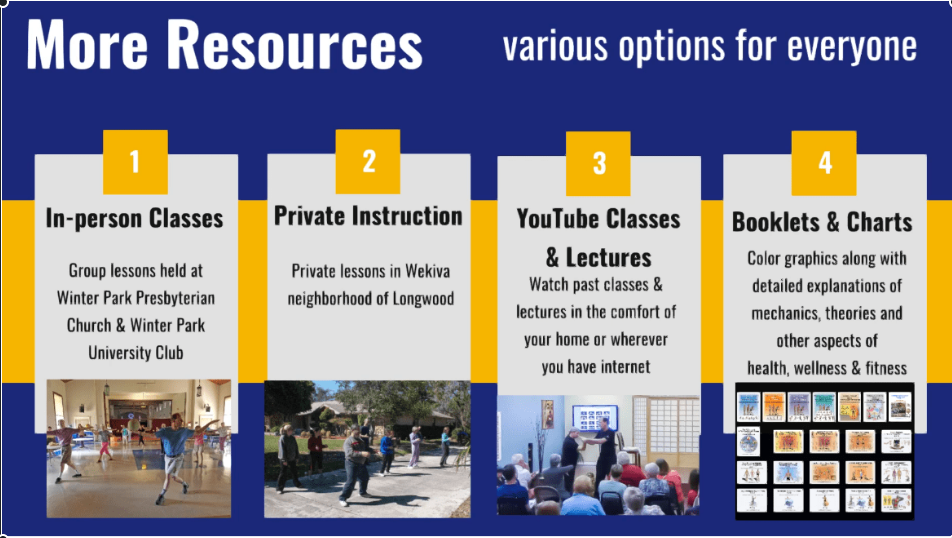
I look forward to further sharing more of my message by partnering with hospitals, wellness centers, VA centers, schools on all levels, businesses, and individuals who see the value in building a stronger nation through building a healthier population.

I also have hundreds of FREE education video classes, lectures, and seminars available on my YouTube channel at:

https://www.youtube.com/c/MindandBodyExercises

Many of my publications can be found on Amazon at:

http://www.Amazon.com/author/jimmoltzan

My holistic health blog is available at:

https://mindandbodyexercises.wordpress.com/

http://www.MindAndBodyExercises.com

Mind and Body Exercises on Google: https://posts.gle/aD47Qo

Jim Moltzan

407-234-0119