The “Naegong House”: Internal Energy, Transmission, and the Reality Behind Esoteric Martial Traditions

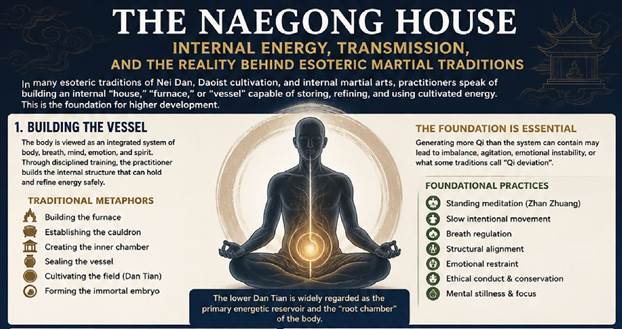
Within the worlds of Neidan, Daoist cultivation, and certain internal martial arts traditions, there are recurring references to building an internal “house,” “furnace,” “cauldron,” or “vessel” capable of storing and refining cultivated energy. While terminology varies among lineages, the underlying concept remains remarkably consistent: before one can safely cultivate higher levels of internal development, one must first develop the structure capable of containing it.

In some traditions this concept is associated with Nei Dan (internal alchemy), while in Korean systems it may be discussed under Naegong or internal power cultivation. Although modern practitioners sometimes interpret these teachings literally or mystically, many of the ideas may also correspond to practical physiological, psychological, and neurological adaptations developed through long-term training.

Building the Vessel

Traditional internal systems often describe the body as more than flesh and bone. The practitioner is viewed as an integrated system of body, breath, mind, emotion, and spirit. Through years of disciplined training, the individual gradually “builds the vessel” capable of stabilizing cultivated internal force.

Classical Daoist literature frequently uses symbolic language such as:

  • Building the furnace
  • Establishing the cauldron
  • Creating the inner chamber
  • Sealing the vessel
  • Cultivating the field
  • Forming the immortal embryo

These metaphors are generally associated with the development of the Dan Tian, especially the lower Dan Tian, which many traditions regard as the primary energetic reservoir of the body (Kohn, 2008).

The concept is not merely about accumulating “energy,” but about refining and integrating the practitioner as a whole. Traditional teachers often warned that attempting advanced energetic practices without sufficient preparation could result in imbalance, emotional instability, agitation, or what some systems referred to as “Qi deviation” (Despeux & Kohn, 2003).

For this reason, authentic systems historically emphasized foundational practices such as:

  • Standing meditation (Zhan Zhuang)
  • Slow intentional movement
  • Breath regulation
  • Structural alignment
  • Emotional restraint
  • Ethical conduct
  • Mental stillness
  • Conservation of vitality

In martial systems, these methods were believed to strengthen the body’s capacity to tolerate increased internal pressure, focus, and energetic intensity.

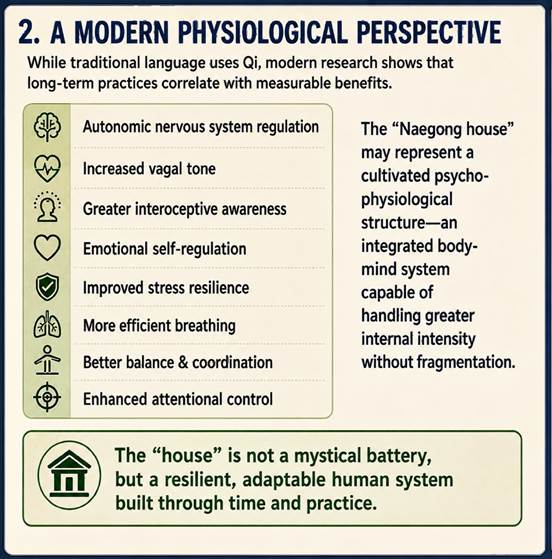
A Modern Physiological Perspective

Although traditional terminology uses the language of Qi and internal energy, some aspects of these practices may correlate with modern understandings of human physiology and psychology.

Long-term breath training, posture work, meditative focus, and slow movement practices have been associated with improvements in:

  • Autonomic nervous system regulation
  • Vagal tone
  • Interoceptive awareness
  • Emotional self-regulation
  • Stress resilience
  • Breath efficiency
  • Balance and coordination
  • Attentional control

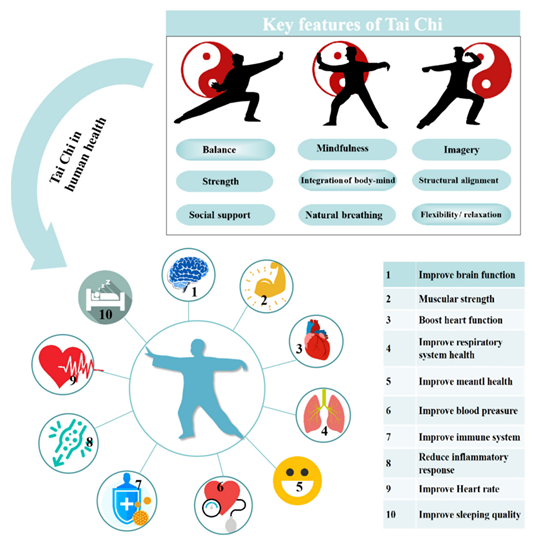
Research on contemplative movement systems such as Tai Chi and Qigong has shown measurable effects on stress reduction, mood regulation, balance, and psychophysiological health (Wayne & Kaptchuk, 2008; Wang et al., 2010).

From this perspective, the “Naegong house” may represent a metaphor for developing a more integrated and resilient body-mind system. The practitioner gradually becomes capable of handling greater internal intensity without fragmentation, impulsivity, or emotional instability.

In other words, the “house” may not be a mystical battery storing supernatural force, but rather a cultivated psychophysiological structure developed through years of disciplined practice.

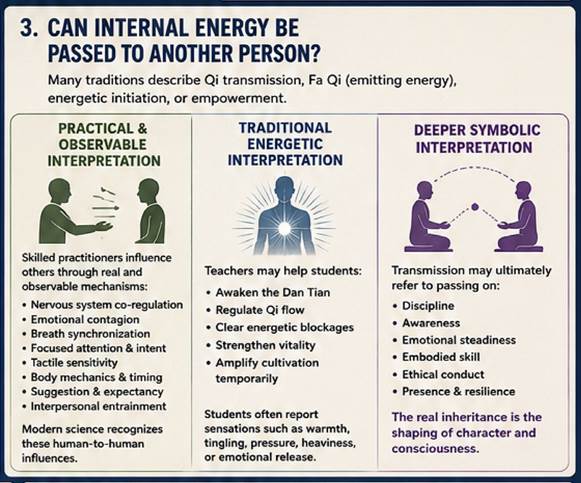
Can Internal Energy Be Passed to Another Person?

One of the more controversial aspects of internal martial and alchemical traditions involves the belief that cultivated energy or internal force can be transmitted from teacher to student.

Many traditional systems discuss concepts such as:

  • Qi transmission
  • Fa Qi (“emitting energy”)
  • Energetic initiation
  • Empowerment
  • Transmission of the “seed”
  • Establishing the furnace
  • Opening the channels

Some practitioners report sensations during such experiences including warmth, tingling, heaviness, emotional release, pressure, or involuntary movement. These reports are common across many contemplative and spiritual traditions worldwide.

However, interpretations of these experiences vary significantly.

The Practical and Observable Interpretation

A grounded interpretation suggests that experienced practitioners can indeed strongly influence others through mechanisms that are entirely real and observable.

These include:

  • Nervous system co-regulation
  • Emotional contagion
  • Breath synchronization
  • Focused attention
  • Tactile sensitivity
  • Body mechanics
  • Suggestion and expectancy
  • Interpersonal entrainment

Modern neuroscience and psychology recognize that human beings constantly influence one another physiologically and emotionally (Porges, 2011). A calm and highly regulated practitioner may affect another person’s breathing patterns, muscular tension, emotional state, and sense of safety.

Likewise, highly skilled internal martial artists often demonstrate remarkable efficiency through coordinated biomechanics, fascial connectivity, timing, and intent rather than brute muscular force alone.

To an outside observer, these effects may appear mysterious or “energetic,” even when rooted primarily in refined physical and neurological skill.

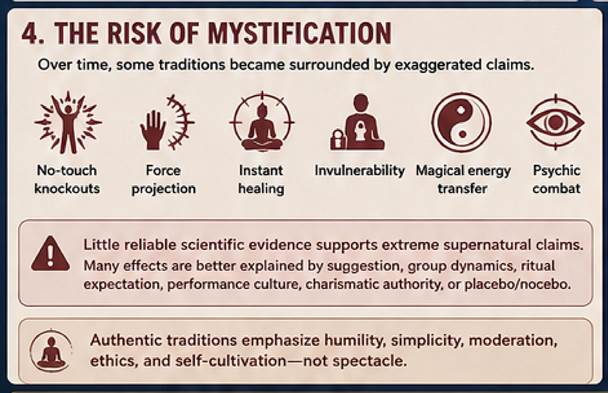
The Risk of Mystification

As with many esoteric traditions, internal martial arts also accumulated layers of mythologizing over time. Stories emerged involving:

  • No-touch knockouts
  • Supernatural force projection
  • Psychic combat
  • Instant healing abilities
  • Magical energy transfer
  • Invulnerability

While such claims remain popular in some circles, there is little reliable scientific evidence supporting extreme supernatural interpretations.

Many demonstrations of extraordinary “Qi powers” have failed under controlled testing conditions. In some cases, the effects may be better explained by:

  • Suggestion
  • Group dynamics
  • Compliance
  • Ritual expectation
  • Performance culture
  • Charismatic authority
  • Placebo and nocebo responses

This becomes especially important in high-control environments where mystical narratives can reinforce hierarchy, dependency, and unquestioned authority.

Historically, many authentic traditions actually warned against obsession with displays of power. Classical Daoist teachings frequently emphasized humility, simplicity, moderation, ethics, and self-cultivation over spectacle (Kohn, 2008).

The Deeper Meaning of Transmission

At its highest level, the idea of “passing the house” may not refer to transferring mystical energy at all. Instead, it may symbolize the transmission of cultivated human qualities developed through disciplined practice and lived experience.

A mature teacher may pass on:

  • Emotional steadiness
  • Discipline
  • Awareness
  • Presence
  • Resilience
  • Embodied knowledge
  • Ethical conduct
  • Refined perception

These qualities profoundly affect students over time.

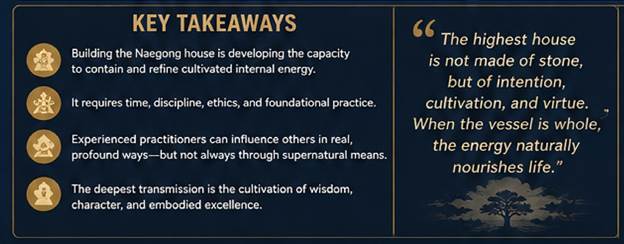
In this sense, the real “transmission” may not be supernatural energy storage, but the gradual shaping of the practitioner’s nervous system, awareness, behavior, and character through years of intentional cultivation.

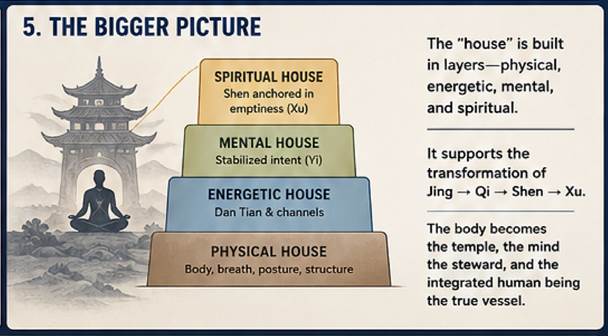
The body becomes the temple, the mind becomes the steward, and the “house” becomes the integrated human being itself.

References

Despeux, C., & Kohn, L. (2003). Women in Daoism. Three Pines Press. https://archive.org/details/womenindaoism0000desp

Kohn, L. (2008). Chinese healing exercises: The tradition of Daoyin. University of Hawai‘i Press. https://archive.org/details/chinesehealingex0000kohn

Porges, S. W. (2011). The polyvagal theory: Neurophysiological foundations of emotions, attachment, communication, and self-regulation. W. W. Norton & Company. https://archive.org/details/polyvagaltheoryn0000porg

Wang, C., Collet, J. P., & Lau, J. (2004). The effect of Tai Chi on health outcomes in patients with chronic conditions. Archives of Internal Medicine, 164(5), 493–501. https://doi.org/10.1001/archinte.164.5.493

Wang, F., Lee, E. K. O., Wu, T., Benson, H., Fricchione, G. L., Wang, W., & Yeung, A. S. (2010). The effects of Tai Chi on depression, anxiety, and psychological well-being: A systematic review and meta-analysis. International Journal of Behavioral Medicine, 17(4), 261–271. https://www.ncbi.nlm.nih.gov/books/NBK164598/

Wayne, P. M., & Kaptchuk, T. J. (2008). Challenges inherent to T’ai Chi research: Part I—T’ai Chi as a complex multicomponent intervention. Journal of Alternative and Complementary Medicine, 14(1), 95–102. https://doi.org/10.1089/acm.2007.7170A

Mind–Body Practices and Regulation of the Limbic System in Pain and Emotional Processing

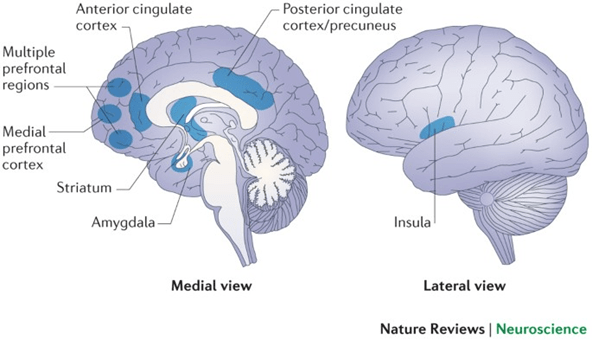
Mind-body practices such as Tai Chi, Qigong, yoga, meditation, and breathwork have shown compelling effects on both pain regulation and emotional stability. These effects are largely mediated by changes in limbic system activity, particularly in the amygdala and anterior cingulate cortex (ACC), two structures centrally involved in the affective dimension of pain and mood modulation.

1. Downregulation of the Amygdala and Emotional Reactivity

The amygdala plays a critical role in emotional salience, particularly in the fear and anxiety components of pain. Mind–body interventions appear to reduce hyperactivity in the amygdala, which is often elevated in chronic pain conditions and mood disorders.

  • Mindfulness-based practices have been shown to reduce amygdala activation during exposure to emotional or painful stimuli (Hölzel et al., 2010).
  • This downregulation of emotional reactivity leads to a less catastrophizing and more neutral interpretation of pain, shifting the experience from distressing to manageable.
  • Long-term meditators often show reduced amygdala volume and improved emotional regulation (Taren et al., 2013).

2. Modulation of the Anterior Cingulate Cortex (ACC): Pain Unpleasantness and Attention

The ACC, which governs pain-related distress and motivational escape behaviors, is also modulated by focused mind–body training.

  • Regular practice of yoga or Tai Chi is associated with enhanced ACC activation during pain regulation, suggesting greater top-down control over emotional responses (Villemure et al., 2014).
  • The ACC is engaged during focused attention and cognitive reappraisal, key skills developed through qigong, breath regulation, and meditation.
  • By enhancing attentional control, practitioners can shift perception away from pain or reinterpret its meaning, reducing suffering even when nociceptive input remains constant.

3. Interoception and Limbic-Cortical Integration

Mind-body practices foster interoceptive awareness, or the ability to perceive internal bodily states, which is linked to insula, ACC, and medial prefrontal cortex activity.

  • Improved interoceptive accuracy allows for early recognition of emotional arousal or pain-related tension, enabling better regulation through breath or posture (Farb et al., 2013).
  • Tai Chi and Qigong practices emphasize sensing and refining internal energy (Qi), which can be seen as cultivating precise interoceptive sensitivity that buffers limbic reactivity.

4. Reduction in Mood Swings and Affective Dysregulation

Since pain and mood are tightly coupled in limbic circuits, emotional mood swings often accompany pain flare-ups. Mind-body practices support mood stability through:

  • Autonomic regulation (improved vagal tone, parasympathetic dominance),
  • Cognitive reappraisal (enhanced prefrontal-limbic communication),
  • And hormonal modulation (reduced cortisol, increased endorphins and oxytocin).

This leads to more resilient stress responses, fewer negative ruminations, and less affective volatility.

Summary Table: Effects of Mind–Body Practices on Limbic Pain Modulation

PracticeTarget AreaEffect on Pain/Mood
Meditation / MindfulnessAmygdala, ACC, mPFCReduced emotional reactivity, improved pain tolerance
Tai Chi / QigongACC, Insula, PAGImproved interoception, emotional regulation, reduced chronic pain
Yoga / BreathworkACC, Brainstem, Vagal SystemIncreased parasympathetic tone, mood stabilization, decreased pain unpleasantness

Regular practice of mind–body disciplines such as Tai Chi and Qigong appear to reduce emotional distress and negative affect, which are mediated by limbic structures including the amygdala and ACC (Xu, Baker, & Ren, 2021). By combining gentle movement with mental focus and breath regulation, Tai Chi engages both somatosensory and emotional‑regulatory brain circuits, potentially dampening the emotional component of pain and improving mood stability.

References:

Farb, N. A. S., Segal, Z. V., & Anderson, A. K. (2013). Attentional modulation of primary interoceptive and exteroceptive cortices. Cerebral Cortex, 23(1), 114–126. https://doi.org/10.1093/cercor/bhr385

Hölzel, B. K., et al. (2010). Stress reduction correlates with structural changes in the amygdala. Social Cognitive and Affective Neuroscience, 5(1), 11–17. https://doi.org/10.1093/scan/nsp034

Leknes, S., & Tracey, I. (2008). A common neurobiology for pain and pleasure. Nature Reviews Neuroscience, 9(4), 314–320. https://doi.org/10.1038/nrn2333.

Tang, Y., Hölzel, B. K., & Posner, M. I. (2015). The neuroscience of mindfulness meditation. Nature Reviews. Neuroscience, 16(4), 213–225. https://doi.org/10.1038/nrn3916

Taren, A. A., Creswell, J. D., & Gianaros, P. J. (2013). Dispositional mindfulness co-varies with smaller amygdala and caudate volumes in community adults. PLoS ONE, 8(5), e64574. https://doi.org/10.1371/journal.pone.0064574

Villemure, C., Čeko, M., Cotton, V. A., & Bushnell, M. C. (2014). Insular cortex mediates increased pain tolerance in yoga practitioners. Cerebral Cortex, 24(10), 2732–2740. https://doi.org/10.1093/cercor/bht124

Xu, S., Baker, J. S., & Ren, F. (2021). The Positive Role of Tai Chi in Responding to the COVID-19 Pandemic. International Journal of Environmental Research and Public Health, 18(14), 7479. https://doi.org/10.3390/ijerph18147479

The Physiological Sigh and Daoist Breath Theory

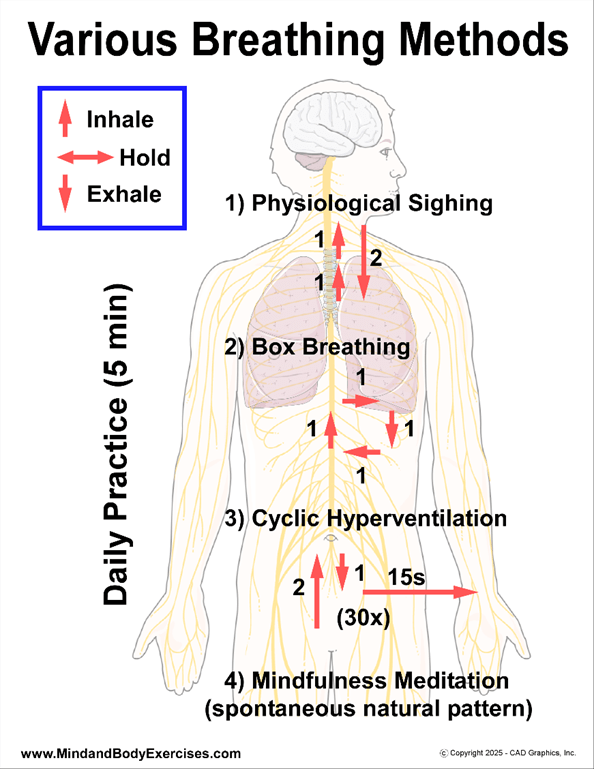
Breathing is both an automatic physiological process and a foundational medium through which emotional regulation and somatic stability are maintained. Among the many respiratory patterns observed in humans, the physiological sigh represents a unique convergence of pulmonary mechanics, autonomic nervous system regulation, and traditional breath observations preserved in Daoist practices. Characterized by two sequential inhalations followed by a prolonged exhalation, the physiological sigh is an innate reflex that occurs spontaneously in healthy individuals and plays a critical role in maintaining lung function and nervous system balance (Del Negro et al., 2018; West, 2012).

While modern neuroscience and respiratory physiology have clarified the mechanisms underlying this breath pattern, Daoist and Traditional Chinese Medicine frameworks identified the functional importance of sighing centuries earlier, particularly in relation to Lung Qi regulation and emotional release. Examining the physiological sigh through both lenses reveals a rare alignment between classical somatic wisdom and contemporary scientific explanation.

Pulmonary Function and Alveolar Recruitment

From a biomedical perspective, the primary function of the physiological sigh is alveolar recruitment. During normal respiration, particularly under conditions of stress, fatigue, or restricted posture, small numbers of alveoli may partially collapse, reducing surface area available for gas exchange (West, 2012). Over time, this can lead to reduced lung compliance and diminished respiratory efficiency.

The physiological sigh counteracts this process through a brief second inhalation that increases transpulmonary pressure, allowing collapsed alveoli to reopen. This mechanism preserves lung elasticity and optimizes oxygen exchange, making the sigh an essential component of healthy respiratory maintenance rather than an incidental behavior (Del Negro et al., 2018).

Autonomic Nervous System Regulation

Beyond its mechanical function, the physiological sigh exerts a powerful influence on the autonomic nervous system. The prolonged exhalation phase enhances parasympathetic activity, primarily through vagal pathways, resulting in decreased heart rate, reduced sympathetic arousal, and rapid attenuation of stress responses (Porges, 2011).

Research in applied psychophysiology demonstrates that breathing patterns emphasizing extended exhalation improve heart rate variability and stabilize respiratory rhythm, contributing to reductions in perceived anxiety and respiratory discomfort (Lehrer et al., 2000). Because the sigh operates at the level of brainstem control rather than conscious effort, it remains effective even during states of emotional overwhelm or impaired cognitive processing.

Neurophysiological Basis of the Sigh Reflex

The physiological sigh is generated by respiratory rhythm centers located in the medulla, particularly the pre-Bötzinger complex and associated neural networks (Ramirez et al., 2013). These circuits integrate chemosensory feedback related to carbon dioxide levels and lung stretch, allowing the sigh to emerge automatically when respiratory efficiency declines.

This brainstem dominance explains why sighing is commonly observed during crying, emotional release, and moments of relief, as well as during sleep. It also explains why voluntary imitation of the physiological sigh can produce rapid calming effects when higher cognitive strategies are ineffective.

Daoist and Traditional Chinese Medicine Perspective

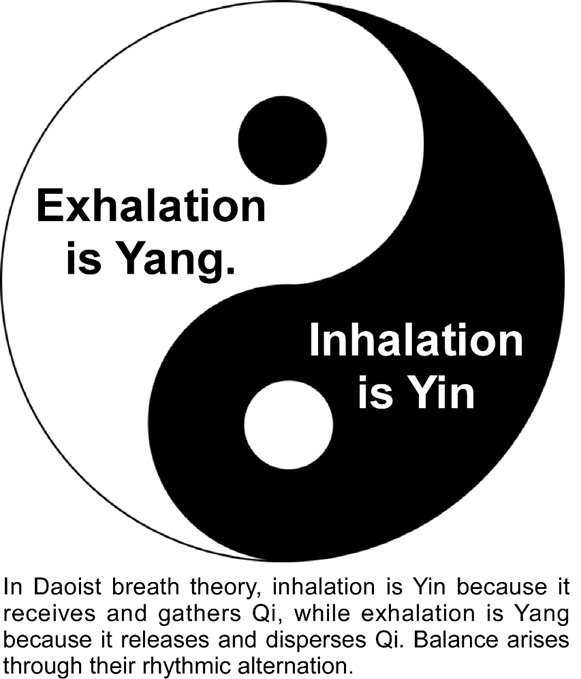
In Daoist breath theory and Traditional Chinese Medicine, sighing is closely associated with the Lung system, which governs respiration, rhythm, and the distribution of Qi (vital energy) throughout the body. The Lung is also linked to the Po, or corporeal soul, which is sensitive to grief, shock, and emotional contraction. Classical medical texts describe sighing as a spontaneous mechanism through which constrained Lung Qi is released and chest tension is alleviated.

The double inhalation observed in the physiological sigh can be interpreted within this framework as a restoration of Zong Qi, the gathering Qi of the chest, while the extended exhalation facilitates the descent and regulation of Lung Qi. This process supports Lung and Kidney coordination, a foundational principle in Daoist internal cultivation and breath regulation practices.

Dao Yin and qigong systems frequently incorporate a subtle secondary inhalation at the top of the breath, followed by a slow and complete exhalation. While historically described in energetic terms, modern physiology reveals that these practices align closely with alveolar recruitment and parasympathetic activation, suggesting that Daoist practitioners were observing functional outcomes long before their mechanisms could be scientifically articulated.

Integrative Application and Intentional Use

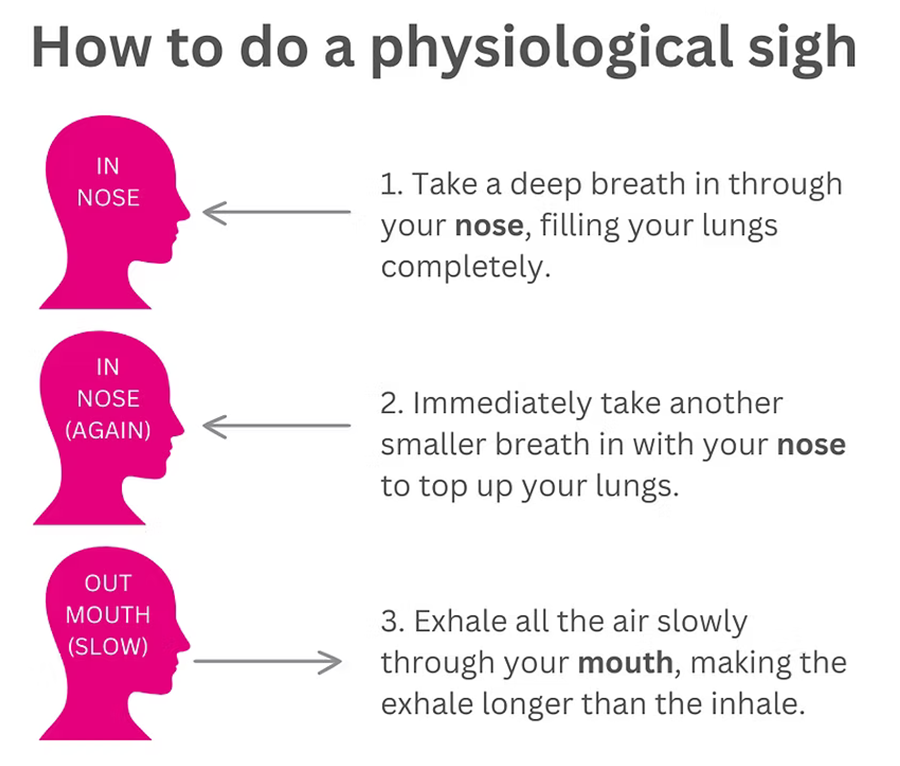
The physiological sigh can be intentionally reproduced as a practical tool for acute regulation:

  1. A gentle nasal inhalation
  2. A short secondary inhalation at the top of the breath
  3. A slow, extended exhalation until comfortably empty

This sequence may be repeated one to three times and is best used as a reset rather than a continuous breathing pattern. Excessive repetition may lead to lightheadedness due to altered carbon dioxide levels.

From an integrative perspective, this method represents neither a purely mechanical intervention nor a symbolic ritual. Rather, it is a functional reset that simultaneously restores lung mechanics, autonomic balance, and somatic coherence.

The physiological sigh exemplifies a rare point of convergence between modern respiratory science and Daoist breath theory. Scientifically, it functions as an essential mechanism for maintaining lung compliance and autonomic regulation through innate brainstem circuits. Traditionally, it has been recognized as a natural means of releasing chest constraint, settling the Heart Mind, and restoring respiratory rhythm.

This convergence underscores an important principle in integrative health: some of the most effective regulatory mechanisms are not learned techniques, but inherent biological safeguards that can be consciously supported when needed. The physiological sigh stands as a compelling example of how ancient somatic observation and contemporary neuroscience can inform and enrich one another.

References:

Balban, M. Y., Neri, E., Kogon, M. M., Weed, L., Nouriani, B., Jo, B., Holl, G., Zeitzer, J. M., Spiegel, D., & Huberman, A. D. (2023). Brief structured respiration practices enhance mood and reduce physiological arousal. Cell Reports Medicine, 4(1), 100895. https://doi.org/10.1016/j.xcrm.2022.100895

Del Negro, C. A., Funk, G. D., & Feldman, J. L. (2018). Breathing matters. Nature Reviews Neuroscience, 19(6), 351–367. https://doi.org/10.1038/s41583-018-0003-6

Lehrer, P. M., Vaschillo, E., & Vaschillo, B. (2000). Resonant frequency biofeedback training to increase cardiac variability. Applied Psychophysiology and Biofeedback, 25(3), 177–191. https://doi.org/10.1023/A:1009554825745

Porges, S. W. (2011). The polyvagal theory: Neurophysiological foundations of emotions, attachment, communication, and self-regulation. W. W. Norton & Company.

Li, P., Janczewski, W. A., Yackle, K., Kam, K., Pagliardini, S., Krasnow, M. A., & Feldman, J. L. (2016). The peptidergic control circuit for sighing. Nature, 530(7590), 293–297. https://doi.org/10.1038/nature16964

West, J. B. (2012). Respiratory physiology: The essentials (9th ed.). Lippincott Williams & Wilkins.

The Physiological Sigh

Respiratory Mechanics and Nervous System Regulation

The physiological sigh is an innate respiratory pattern characterized by two sequential inhalations followed by a prolonged exhalation. This breathing reflex occurs spontaneously in healthy individuals at regular intervals, including during sleep, and serves an essential role in maintaining lung function and regulating the autonomic nervous system (Del Negro et al., 2018; West, 2012).

Unlike voluntary breathing techniques that rely on conscious control, the physiological sigh is generated by brainstem respiratory circuits, allowing it to function even during states of emotional distress, fatigue, or diminished cognitive capacity (Li et al., 2016).

Pulmonary Function and Alveolar Recruitment

One primary function of the physiological sigh is alveolar recruitment. During normal respiration, especially under conditions of stress, shallow breathing, or prolonged sitting, small clusters of alveoli may partially collapse, reducing gas exchange efficiency (West, 2012).

The second, brief inhalation increases transpulmonary pressure, allowing collapsed alveoli to reopen and restoring optimal lung compliance. Without periodic sighing, lung stiffness and impaired oxygen exchange may gradually develop (Del Negro et al., 2018).

Autonomic Nervous System Regulation

The extended exhalation phase of the physiological sigh plays a critical role in autonomic regulation. Prolonged exhalation enhances parasympathetic activity via the vagus nerve, resulting in reduced heart rate, decreased sympathetic arousal, and rapid attenuation of stress responses (Porges, 2011).

Research has shown that exhalation-weighted breathing patterns can quickly lower perceived anxiety and respiratory discomfort by improving carbon dioxide regulation and restoring respiratory rhythm stability (Lehrer et al., 2000).

Neurophysiological Basis

The physiological sigh is coordinated by respiratory rhythm-generating centers within the medulla, particularly the pre-Bötzinger complex and associated neural networks (Ramirez et al., 2013). Because these circuits operate independently of cortical processing, the sigh remains functional during emotional overwhelm, panic states, and trauma responses.

This brainstem dominance explains why sighing often occurs during crying, emotional release, or moments of relief, and why intentional imitation of the sigh can be effective when cognitive strategies fail.

Intentional Application

The physiological sigh can be voluntarily reproduced for acute nervous system regulation:

  1. Inhale gently through the nose
  2. Take a second short inhalation at the top of the breath
  3. Slowly exhale until the lungs feel comfortably empty
  4. Repeat one to three times

This method should not be performed continuously, as excessive repetition may cause lightheadedness.

Integrative Perspective

Traditional breath practices observed in yoga, Dao Yin and qigong systems (tai chi and other martial arts) describe sighing as a natural mechanism for releasing chest tension and restoring respiratory rhythm. Modern physiology now provides a mechanistic explanation for these observations, revealing a convergence between classical somatic practices and contemporary neuroscience.

The physiological sigh is a mechanical respiratory reset, not a relaxation technique dependent on belief or visualization. Its effectiveness lies in its ability to directly restore lung mechanics and autonomic balance through innate neural pathways.

References:

Del Negro, C. A., Funk, G. D., & Feldman, J. L. (2018). Breathing matters. Nature Reviews Neuroscience, 19(6), 351–367. https://doi.org/10.1038/s41583-018-0003-6

Lehrer, P. M., Vaschillo, E., & Vaschillo, B. (2000). Resonant frequency biofeedback training to increase cardiac variability. Applied Psychophysiology and Biofeedback, 25(3), 177–191. https://doi.org/10.1023/A:1009554825745

Porges, S. W. (2011). The polyvagal theory: Neurophysiological foundations of emotions, attachment, communication, and self-regulation. W. W. Norton & Company.

Li, P., Janczewski, W. A., Yackle, K., Kam, K., Pagliardini, S., Krasnow, M. A., & Feldman, J. L. (2016). The peptidergic control circuit for sighing. Nature, 530(7590), 293–297.
https://doi.org/10.1038/nature16964

West, J. B. (2012). Respiratory physiology: The essentials (9th ed.). Lippincott Williams & Wilkins.

Hormetic Stress, Strategic Trauma, and Post Traumatic Growth

A Neurophysiological and Holistic Framework for Adaptive Human Development

Human development is not formed solely through comfort and stability. Across biology, psychology, and philosophy, a consistent principle emerges: properly dosed challenge strengthens living systems. This principle is expressed biologically through hormesis, psychologically through adaptive stress exposure, and existentially through post traumatic growth (PTG). While trauma is traditionally framed as inherently damaging, modern research demonstrates that under specific conditions, adversity can catalyze resilience, meaning, and higher levels of functioning (Tedeschi & Calhoun, 2004; Southwick et al., 2014). This essay explores the interrelationship between hormetic stress, strategic trauma, and post traumatic growth as a unified framework for conscious adaptation at the physiological, psychological, and behavioral levels.

Hormetic Stress: The Biological Language of Adaptation

Hormesis refers to the phenomenon where low to moderate doses of stress stimulate beneficial adaptive responses, while excessive doses cause damage (Mattson, 2008; Calabrese & Baldwin, 2003). This dose dependent stress response is observable across multiple biological systems including cellular repair, mitochondrial function, immune regulation, metabolic efficiency, and neuroplasticity.

Common hormetic stressors include:

• Physical exercise
• Intermittent fasting
• Thermal exposure (heat and cold)
• Hypoxic training
• Cognitive challenge

At the cellular level, hormetic stress activates transcription factors such as Nrf2, FOXO, and PGC-1α, which upregulate antioxidant defenses, mitochondrial biogenesis, and metabolic efficiency (Mattson, 2012). In the nervous system, moderate stress enhances brain derived neurotrophic factor (BDNF), which supports synaptic plasticity, learning, and emotional regulation (Cotman & Berchtold, 2002).

From a Traditional Chinese Medicine and martial cultivation perspective, these hormetic mechanisms mirror the progressive strengthening of jing (essence), qi (vital energy), and shen (consciousness) through controlled physical strain, breath discipline, and mental focus. What modern biology describes as cellular stress adaptation, Eastern systems describe as refinement of vital substance and spirit.

Strategic Trauma Versus Unbuffered Trauma

Not all stress is equal, and not all trauma is adaptive. A critical distinction must be made between unstructured traumatic overwhelm and strategic or titrated trauma exposure.

Unbuffered Trauma

Unbuffered trauma occurs when an individual is exposed to overwhelming threat without safety, agency, preparation, or recovery opportunity. This type of exposure dysregulates the hypothalamic pituitary adrenal (HPA) axis, elevates chronic cortisol, disrupts hippocampal memory encoding, and sensitizes the amygdala toward persistent hypervigilance (McEwen, 2007; van der Kolk, 2014). The result is often:

• Post traumatic stress disorder
• Affective instability
• Somatic symptoms
• Dissociation
• Learned helplessness

Strategic Trauma Exposure

Strategic trauma is fundamentally different. It involves controlled exposure to challenge, paired with:

• Voluntary engagement
• Predictable boundaries
• Meaningful framing
• Recovery integration

This distinction is supported by stress inoculation theory, which demonstrates that moderate stress exposure builds future resilience by training cognitive appraisal systems and autonomic recovery capacity (Meichenbaum, 2007; Southwick & Charney, 2012).

Examples of strategic trauma include:

• Structured martial training, yoga, qigong
• Intense athletic conditioning
• Therapeutic exposure therapy
• Vision quests and rites of passage
• Cold water immersion
• Breath retention protocols

In these environments, stress is not endured passively. It is metabolized through agency, training, and narrative meaning. Neurobiologically, this transforms threat perception from amygdala dominance into prefrontal mediated regulation, strengthening executive control over fear circuitry (Arnsten, 2009).

Post Traumatic Growth: Beyond Recovery

Post traumatic growth is not the absence of suffering. It is the reconstruction of identity, values, and meaning following disruption of core assumptions (Tedeschi & Calhoun, 2004). PTG differs from resilience. Resilience returns a person to baseline functioning. PTG elevates a person above prior psychological functioning.

Five consistent dimensions of PTG have been identified:

  1. Increased appreciation for life
  2. Enhanced personal strength
  3. Improved relationships
  4. Recognition of new possibilities
  5. Spiritual or existential transformation

These domains align closely with holistic frameworks of body, mind, and spirit development. Importantly, PTG does not arise from the trauma itself. It emerges from how the trauma is processed, integrated, and narrated (Joseph & Linley, 2006).

Neuroplasticity plays a central role. Trauma destabilizes existing neural networks. Growth emerges during the reorganization phase, especially when narrative meaning making, somatic regulation, and social connection are present (van der Kolk, 2014; Porges, 2011).

The Role of the Nervous System in Adaptive Stress Integration

The autonomic nervous system determines whether stress becomes destructive or transformative. According to polyvagal theory, physiological safety enables the body to shift from defensive survival states into social engagement and recovery pathways (Porges, 2011).

Strategic stress fosters:

• Faster vagal recovery
• Greater heart rate variability
• Reduced cortisol reactivity
• Increased emotional regulation

Practices such as breath control, Tai Chi, Dao Yin, meditation, and stance training directly stimulate vagal tone and proprioceptive integration. Through repeated exposure to physical and respiratory challenge with controlled regulation, the nervous system learns that stress does not equal danger. It becomes a signal for focused adaptation.

Meaning as the Catalyst of Growth

Trauma alone does not produce wisdom. Meaning transforms suffering into developmental coherence. Viktor Frankl demonstrated that individuals who interpreted suffering through purpose exhibited greater psychological endurance and recovery capacity (Frankl, 1959).

Meaning functions neurologically by:

• Regulating the default mode network
• Organizing autobiographical memory
• Anchoring identity coherence
• Reducing existential threat reactivity

From the Warrior Scholar Sage model, meaning is not philosophical abstraction. It is a behaviorally embodied compass that directs effort into service, mastery, and ethical restraint. Without meaning, stress degenerates into pathology. With meaning, stress refines character.

Physical Systems as Trauma Integration Engines

Modern trauma research confirms what martial and somatic traditions have long taught: trauma is stored not only in memory but in the musculature, fascia, posture, and breath patterns (van der Kolk, 2014). Controlled physical stress restores integration through:

• Load bearing and skeletal feedback
• Fascial hydration through movement
• Intra abdominal pressure regulation
• Respiratory rhythm stabilization

Standing meditation, heavy stance work, and slow eccentric strength training impose mechanical hormetic stress that recalibrates proprioceptive accuracy and embodied confidence. This restores the individual’s relationship with gravity, space, effort, and self trust.

Strategic Suffering and the Misunderstood Role of Discomfort

Contemporary culture increasingly equates well-being with comfort. This misguided model weakens adaptive capacity. Discomfort is not the enemy of health. It is the training ground of resilience. What matters is dose, recovery, and interpretation.

Strategic suffering trains:

• Delayed gratification
• Impulse regulation
• Emotional tolerance
• Focus under pressure
• Psychological endurance

When suffering is voluntary, time limited, and purpose driven, it engrains self-respect rather than helplessness. This distinction explains why two individuals may endure similar stressors yet diverge entirely in outcome.

Integration of Hormesis, Strategic Trauma, and PTG

When viewed as a unified developmental sequence:

This triadic model reflects the ancient transformation archetype of descent, refinement, and return of Joseph Campbell’s Hero’s Journey (2014). It also aligns with neurobiological models of allostatic adaptation, somatic integration, and narrative restructuring.

Clinical and Educational Implications

This framework has direct application to:

• Trauma informed physical training
• Veteran rehabilitation
• Addiction recovery
• Youth development
• Leadership education
• Martial instruction
• Somatic psychotherapy

Rather than minimizing stress, the goal becomes teaching individuals how to engage with stress skillfully, recover efficiently, and integrate meaningfully.

Hormetic stress teaches the body to adapt. Strategic trauma teaches the mind to regulate. Post traumatic growth teaches the soul how to transform. When these three forces are understood as complementary rather than contradictory, trauma becomes neither romanticized nor feared. It becomes raw developmental material.

True growth does not come from avoiding adversity, nor from drowning in it, but from meeting it with structure, meaning, regulation, and skill. This is the timeless engine of human evolution.

References:

Arnsten, A. F. T. (2009). Stress signalling pathways that impair prefrontal cortex structure and function. Nature Reviews Neuroscience, 10(6), 410–422. https://doi.org/10.1038/nrn2648

Calabrese, E. J., & Baldwin, L. A. (2003). Toxicology rethinks its central belief. Nature, 421, 691–692. https://doi.org/10.1038/421691a

Campbell, J. (2014). The hero’s journey. New World Library.

Cotman, C. W., & Berchtold, N. C. (2002). Exercise: A behavioral intervention to enhance brain health and plasticity. Trends in Neurosciences, 25(6), 295–301. https://doi.org/10.1016/S0166-2236(02)02143-4

Frankl, V. E. (1959). Man’s search for meaning. Beacon Press.

Joseph, S., & Linley, P. A. (2006). Growth following adversity: Theoretical perspectives and implications for clinical practice. Clinical Psychology Review, 26(8), 1041–1053. https://doi.org/10.1016/j.cpr.2005.12.006

Mattson, M. P. (2008). Hormesis defined. Ageing Research Reviews, 7(1), 1–7. https://doi.org/10.1016/j.arr.2007.08.007

Mattson M. P. (2012). Energy intake and exercise as determinants of brain health and vulnerability to injury and disease. Cell metabolism16(6), 706–722. https://doi.org/10.1016/j.cmet.2012.08.012

McEwen, B. S. (2007). Physiology and neurobiology of stress and adaptation. Physiological Reviews, 87(3), 873–904. https://doi.org/10.1152/physrev.00041.2006

Meichenbaum, D. (2007). Stress inoculation training: A preventative and treatment approach. Pergamon Press.

Porges, S. W. (2011). The polyvagal theory: Neurophysiological foundations of emotions, attachment, communication, and self regulation. W. W. Norton.

Southwick, S. M., & Charney, D. S. (2012). Resilience: The science of mastering life’s greatest challenges. Cambridge University Press. https://doi.org/10.1017/CBO9781139013857

Southwick, S. M., Bonanno, G. A., Masten, A. S., Panter Brick, C., & Yehuda, R. (2014). Resilience definitions, theory, and challenges. European Journal of Psychotraumatology, 5, 25338. https://doi.org/10.3402/ejpt.v5.25338

Tedeschi, R. G., & Calhoun, L. G. (2004). Posttraumatic growth: Conceptual foundations and empirical evidence. Psychological Inquiry, 15(1), 1–18. https://doi.org/10.1207/s15327965pli1501_01

van der Kolk, B. A. (2014). The body keeps the score. Viking.