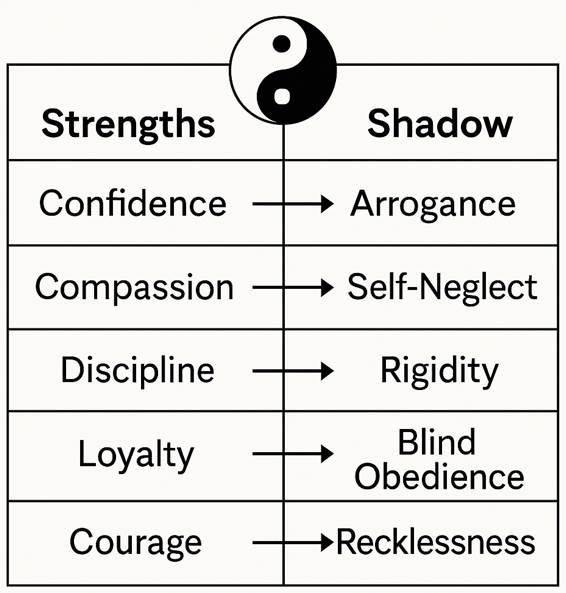
The Dual Nature of Virtue

How Our Greatest Strengths Become Our Greatest Weaknesses

Human nature is inherently paradoxical. The very traits that empower individuals to succeed, lead, and create meaning in life often carry within them the seeds of their undoing. This reality, that one’s best qualities can also become one’s greatest liabilities reflects the profound wisdom of the yin-yang principle, a foundational concept in classical Chinese philosophy. Yin and yang are not simply opposites; they are complementary, interdependent forces that define and transform one another. Just as light is known only in contrast to darkness, strength becomes fully understood only when we recognize how it can slip into weakness.
Yin and Yang: Interdependent Forces

The Tao Te Ching teaches that the universe is governed by the continuous interplay of yin (receptive, passive, yielding) and yang (active, assertive, dynamic) energies. These forces are not antagonistic but mutually defining, each containing the seed of the other (Tao Te Ching, trans. Lau, 1963). This principle applies not only to the natural world but also to human psychology and character. In the same way that excess yang can result in aggression and burnout, or excessive yin in stagnation and withdrawal, personal strengths become vulnerabilities when pushed to extremes.

Aristotle expressed a similar idea in his theory of the “golden mean.” Virtue, he argued, lies between two extremes: deficiency and excess (Aristotle, trans. Irwin, 1999). Courage, for example, is the balance between cowardice and recklessness; generosity lies between stinginess and extravagance. When a trait exceeds its proper measure, it ceases to be a virtue. This echoes the yin-yang insight that balance, not absolute dominance, is the source of harmony and strength.

When Strength Turns to Weakness

Confidence and Arrogance
Confidence is essential to growth and achievement. It enables people to take risks, speak truthfully, and persist through adversity. Yet, unchecked confidence easily becomes arrogance, a refusal to accept feedback or recognize limitations (Peterson & Seligman, 2004). The same force that drives leadership can blind a person to alternative perspectives, eroding relationships and stifling growth.

Compassion and Self-Neglect
Compassion is one of humanity’s highest virtues, binding individuals and societies through empathy and care. However, compassion without boundaries can lead to emotional exhaustion, codependence, or enabling harmful behaviors (Figley, 2002). In caring for others, one may neglect oneself, demonstrating how yin’s softness can dissolve into weakness if not balanced by yang’s firmness.

Discipline and Rigidity
Discipline builds resilience and mastery. But when discipline ossifies into inflexibility, it inhibits creativity and adaptability (Dweck, 2017). Martial artists often repeat the adage: “Be firm but not unyielding; flexible but not weak.” Like a tree that bends in the wind, human character must adapt to changing circumstances or risk breaking under pressure.

Loyalty and Blind Obedience
Loyalty fosters trust and cohesion. Yet blind loyalty, devotion without discernment, has fueled countless injustices throughout history. Jung (1959) warned that unexamined virtues often mask hidden “shadows,” unconscious impulses that distort behavior. Loyalty’s shadow is the surrender of critical thought, allowing unethical actions to persist under the guise of fidelity.

The Shadow and the Self

Carl Jung’s concept of the shadow offers a psychological lens for understanding this paradox. Every conscious virtue has an unconscious counterpart that, if unacknowledged, can manifest destructively (Jung, 1959). The perfectionist’s pursuit of excellence may hide a fear of inadequacy; the truth-teller’s bluntness may conceal a need for control. To achieve wholeness, what Jung termed individuation, individuals must confront and integrate these hidden aspects rather than deny them.
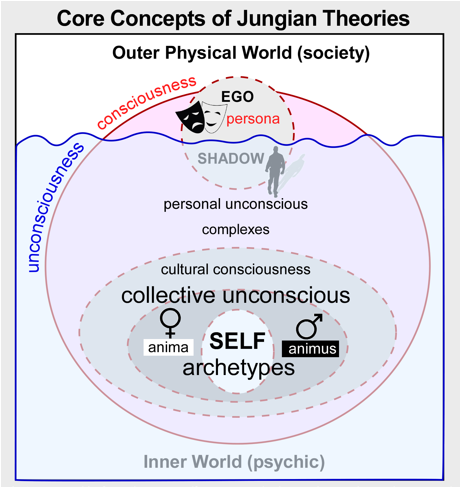
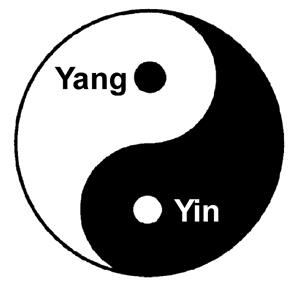
This process mirrors the yin-yang symbol, where each half contains a seed of its opposite. Strength and weakness are not distinct categories but fluid states that transform into one another depending on context, awareness, and intention.
Cultivating Balance and Wisdom

Recognizing the dual nature of virtue is not meant to discourage the cultivation of strengths but to deepen self-awareness. True wisdom lies in practicing moderation, context sensitivity, and ongoing reflection. Strategies for maintaining this balance include:

  • Self-Observation: Mindfulness and introspection can reveal when a strength is tipping into excess.
  • Feedback and Dialogue: Honest input from trusted sources helps counter blind spots.
  • Flexibility: Adapting behavior to context allows traits to express themselves constructively rather than rigidly.

By embracing the yin-yang dynamic within ourselves, we learn to wield our strengths with discernment, preventing them from becoming self-defeating forces.

Harmony Over Extremes

The paradox that one’s best trait can also be one’s worst enemy is not a flaw in human design but a reflection of deeper universal patterns. As yin and yang continuously transform into one another, so too do strength and weakness. The path to mastery — of self, of relationships, of life — lies not in eliminating our shadows but in integrating them, not in suppressing our virtues but in balancing them. In doing so, we cultivate wisdom that transcends dualities and reflects the natural harmony of the Tao.

References:

Aristotle. (1999). Nicomachean ethics (T. Irwin, Trans.). Hackett Publishing. (Original work published ca. 350 BCE)  https://archive.org/details/isbn_9780872204645

Dweck, C. S. (2017). Mindset: The new psychology of success. Ballantine Books. https://psycnet.apa.org/record/2006-08575-000

Figley, C. R. (2002). Compassion fatigue: Psychotherapists’ chronic lack of self-care. Journal of Clinical Psychology, 58(11), 1433–1441. https://doi.org/10.1002/jclp.10090

Jung, C. G. (1959). Aion: Researches into the phenomenology of the self (R. F. C. Hull, Trans.). Princeton University Press. https://www.academia.edu/19686702/Carl_Jung_Aion_Researches_into_the_Phenomenology_of_the_Self_pdf_

Laozi. (1963). Tao te ching (D. C. Lau, Trans.). Penguin Classics.

Peterson, C., & Seligman, M. E. P. (2004). Character strengths and virtues: A handbook and classification. Oxford University Press. https://psycnet.apa.org/record/2004-13277-000

Pain vs. Suffering: Distinctions and Interconnections

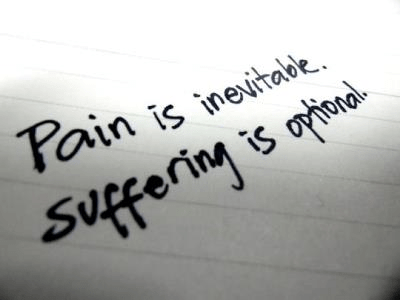
Human existence inevitably involves experiences of both pain and suffering. While the two terms are often used interchangeably in casual language, they carry distinct meanings in psychological, philosophical, and medical discourse. Understanding their differences not only clarifies the nature of human distress but also provides insight into how individuals and societies can respond to these experiences more effectively.

Defining Pain

Pain is most often understood as a sensory and emotional experience associated with actual or potential tissue damage. The International Association for the Study of Pain (IASP) defines it as both a physical signal and an emotional perception (Raja et al., 2020). In this sense, pain functions as an alarm system of the body, signaling when something is wrong or when potential harm is imminent.

Pain manifests in various forms:

  • Acute pain, such as a sudden burn, fracture, or injury, is sharp, immediate, and often short-lived once the cause is addressed.
  • Chronic pain, on the other hand, persists over weeks, months, or even years, sometimes long after the initial injury has healed. Conditions such as arthritis, fibromyalgia, or nerve damage exemplify this enduring form (Turk & Okifuji, 2002).

Importantly, pain has a protective and adaptive function. It compels an individual to withdraw from harmful stimuli and to take measures that promote healing or survival. Without pain, humans would be at significant risk of unchecked injuries or illnesses.

Defining Suffering

Suffering, while related to pain, is a broader and more complex phenomenon. It encompasses not only physical discomfort but also emotional, psychological, social, and even spiritual distress. Unlike pain, which often has a specific biological cause, suffering can arise from a wide range of experiences: grief, loss of a loved one, existential crises, betrayal, disappointment, or psychological trauma (Cassell, 2004).

Suffering is therefore less about a direct signal from the nervous system and more about the interpretive and evaluative dimension of human experience. It involves meaning-making, identity, and a person’s worldview. For example, two individuals with identical physical injuries may experience different degrees of suffering depending on their emotional resilience, cultural background, or spiritual beliefs.

Pain as a Component of Suffering

Pain can certainly contribute to suffering, but it does not always equate to it. A person experiencing acute physical pain might endure it without deep emotional distress, especially if they perceive it as temporary or purposeful. Athletes, for instance, may push through significant physical pain during training, framing it as progress rather than hardship (Wiech, 2016).

Conversely, suffering can exist without overt physical pain. Psychological conditions such as depression, anxiety, or post-traumatic stress disorder illustrate how individuals may endure profound suffering without a corresponding physical injury (Kleinman, 2017). In these cases, suffering is rooted in thought patterns, emotional struggles, or existential despair.

Thus, pain can be considered a subset of suffering, but suffering extends beyond the purely physical to encompass the whole spectrum of human distress.

Cultural and Existential Dimensions

The distinction between pain and suffering has been explored not only in medicine and psychology but also in philosophy and spirituality. In many traditions, suffering is tied to existential questions about meaning and purpose. For example:

  • Buddhist philosophy identifies suffering (dukkha) as a central feature of existence, arising not merely from pain but from attachment, craving, and aversion (Rahula, 1974).
  • Western existential thought, such as Viktor Frankl’s logotherapy, emphasizes the role of meaning-making in shaping suffering. Frankl (1992) argued that while pain is unavoidable, suffering can be transformed if one finds meaning in it.
  • Medical ethics often distinguishes between the duty to treat pain and the broader challenge of alleviating suffering, particularly in palliative and end-of-life care (Ferrell & Coyle, 2018).

These perspectives underscore that suffering is as much about interpretation and context as it is about physical sensation.

Psychological Responses and Coping

Another way to distinguish pain and suffering is through the human response to each. Pain typically elicits reflexive responses of withdrawal, medication, or medical treatment aimed at reducing the sensation. Suffering, however, often requires more nuanced interventions such as counseling, support networks, mindfulness, or spiritual practices.

Psychologists note that suffering is amplified by cognitive and emotional factors such as fear, helplessness, or catastrophic thinking. For instance, chronic pain patients who interpret their pain as a sign of irreversible decline may suffer more intensely than those who frame it as a challenge that can be managed (Garland et al., 2019). In this way, suffering is not simply a passive condition, but an active process shaped by interpretation, resilience, and meaning-making.

Toward an Integrated Understanding

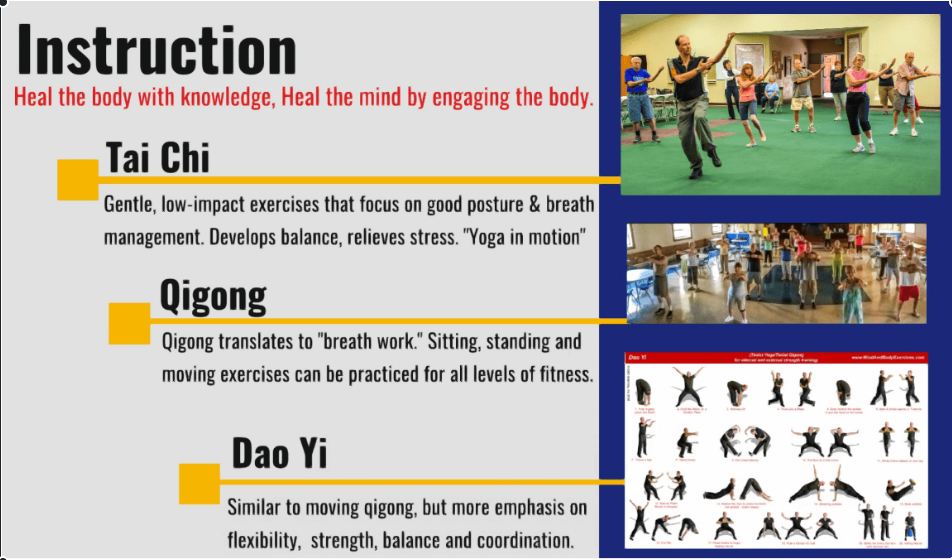
Understanding the difference between pain and suffering allows for more compassionate and comprehensive approaches to human well-being. Medicine can treat pain with analgesics, surgery, or physical therapy, but addressing suffering requires a broader, more holistic perspective. Interventions may include psychological counseling, social support, spiritual care, or practices such as meditation, Tai Chi, or Qigong that engage the body, mind, and spirit.

This distinction also empowers individuals. Recognizing that suffering is not merely the sum of physical pain but also involves interpretation and meaning provides opportunities for growth, resilience, and transformation. While pain is often unavoidable, suffering can sometimes be reframed, reduced, or even transcended.

Conclusion

In sum, pain and suffering are related but not synonymous. Pain is primarily a sensory and emotional signal tied to actual or potential bodily harm, serving a protective biological function. Suffering, by contrast, is a broader human experience that encompasses not only physical pain but also emotional, psychological, social, and existential dimensions. Pain is often a contributor to suffering, but suffering can exist independently of physical pain.

By distinguishing these concepts, individuals and practitioners alike can better understand the complexity of human distress and identify strategies to address both the body’s signals and the mind’s interpretations. In doing so, the possibility emerges not only to relieve immediate discomfort but also to cultivate resilience, wisdom, and compassion in the face of life’s inevitable challenges.

References

Cassell, E. J. (2004). The nature of suffering and the goals of medicine. https://doi.org/10.1093/acprof:oso/9780195156164.001.0001

Ferrell, B. R., & Coyle, N. (2018). Oxford textbook of palliative nursing (5th ed.). Oxford University Press. https://academic.oup.com/book/31742

Frankl, V. E. (1992). Man’s search for meaning [Personal narratives]. In Ilse Lasch (Trans.), Man’s Search for Meaning (Fourth). Beacon Press. https://antilogicalism.com/wp-content/uploads/2017/07/mans-search-for-meaning.pdf

Garland, E. L., Hanley, A. W., Riquino, M. R., Reese, S. E., Baker, A. K., Salas, K., Yack, B. P., Bedford, C. E., Bryan, M. A., Atchley, R., Nakamura, Y., Froeliger, B., & Howard, M. O. (2019). Mindfulness-oriented recovery enhancement reduces opioid misuse risk via analgesic and positive psychological mechanisms: A randomized controlled trial. Journal of Consulting and Clinical Psychology, 87(10), 927–940. https://doi.org/10.1037/ccp0000390

Kleinman, A. (2017). The illness narratives: suffering, healing, and the human condition. Academic Medicine, 92(10), 1406. https://doi.org/10.1097/acm.0000000000001864

Rahula, W. (1974). What the Buddha taught. Grove Press. https://archive.org/details/whatbuddhataught00walp

Raja, S. N., Carr, D. B., Cohen, M., Finnerup, N. B., Flor, H., Gibson, S., Keefe, F. J., Mogil, J. S., Ringkamp, M., Sluka, K. A., Song, X. J., Stevens, B., Sullivan, M. D., Tutelman, P. R., Ushida, T., & Vader, K. (2020). The revised International Association for the Study of Pain definition of pain: Concepts, challenges, and compromises. Pain, 161(9), 1976–1982. https://doi.org/10.1097/j.pain.0000000000001939

Turk, D. C., & Okifuji, A. (2002). Psychological factors in chronic pain: Evolution and revolution. Journal of Consulting and Clinical Psychology, 70(3), 678–690. https://doi.org/10.1037/0022-006x.70.3.678urk, D. C., & Okifuji, A. (2022). Psychological factors in chronic pain: Evolution and revolution. Journal of Pain, 23(4), 387–404. https://doi.org/10.1016/j.jpain.2021.07.007

Wiech, K. (2016). Deconstructing the sensation of pain: The influence of cognitive processes on pain perception. Science, 354(6312), 584–587. https://doi.org/10.1126/science.aaf8934

Reflections on Emoto’s Water Hypothesis

Consciousness, Quantum Physics, and the Mind–Matter Debate

Masaru Emoto’s assertion that thoughts and emotions can influence the crystalline structure of water provoked wide interest across both scientific and metaphysical communities. Although his findings lack empirical verification, they echo long-standing philosophical and scientific debates about the relationship between consciousness and physical reality, a question that modern quantum theory has occasionally reignited.

The Conceptual Parallel: Observation and Reality in Quantum Physics

Quantum mechanics revolutionized classical physics by demonstrating that subatomic particles exist in probabilistic states until observed, a phenomenon encapsulated in the wave–particle duality and the observer effect. In the double-slit experiment, for example, electrons act as waves when unobserved but collapse into particle-like behavior when measured (Heisenberg, 1927; Bohr, 1935). This led some theorists and philosophers to speculate that conscious observation might play a role in shaping physical outcomes.

However, mainstream physicists interpret this differently. The “observer” in quantum mechanics generally refers to a measurement apparatus interacting with a quantum system, not necessarily a conscious mind (Rosenblum & Kuttner, 2011). Nonetheless, the philosophical ambiguity of the observer’s role created fertile ground for metaphysical interpretations suggesting that mind and matter may be intertwined.

From Quantum Observation to Emoto’s Conscious Water Hypothesis

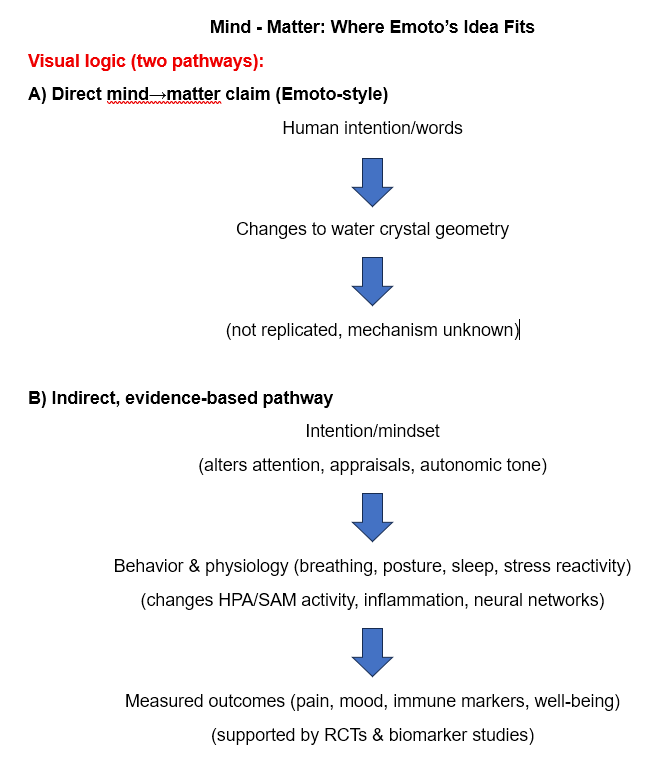
Emoto’s experiments symbolically extend this idea: if observation can influence quantum particles, perhaps human consciousness can influence the molecular structure of matter (Emoto, 2004). This notion aligns with quantum mysticism, a movement that seeks to bridge consciousness studies with quantum phenomena (Zohar, 1990).

Advocates argue that intention and emotion represent subtle forms of energy capable of resonating with molecular vibrations. This idea is philosophical rather than empirical, positing that reality itself might be participatory, a concept popularized by physicist John Archibald Wheeler’s “participatory anthropic principle,” which implies that the universe requires observers to exist in a determinate state (Wheeler, 1990).

Scientific and Philosophical Challenges

Despite poetic parallels, the application of quantum mechanics to macroscopic systems like water remains scientifically unsupported. The thermal and molecular motion within liquid water occurs at scales and energies far removed from quantum coherence effects. Quantum measurement phenomena occur in controlled, near-zero-temperature environments, not within warm biological or environmental systems (Tegmark, 2000).

Furthermore, studies in psychokinesis and distant intention, fields that attempt to experimentally test mind-matter interaction, show inconsistent and statistically weak results (Radin, 2006; Jahn & Dunne, 2011). While intriguing, these findings fall short of establishing causal evidence that consciousness can directly alter molecular geometry.

Philosophically, however, Emoto’s premise resonates with panpsychism and idealism, which propose that consciousness is a fundamental property of the universe rather than an emergent product of the brain (Strawson, 2006; Goff, 2019). Within these frameworks, Emoto’s water crystals might be interpreted as metaphors for the relational fabric between thought, emotion, and matter.

Integrative and Symbolic Interpretations

From a holistic perspective, Emoto’s work continues to inspire inquiry into the psychosomatic and energetic dimensions of human life. Even if his findings lack scientific validation, they serve as a symbolic model of how emotional and cognitive states influence environmental harmony, echoing principles in Taoist and Buddhist thought regarding the unity of mind and nature.

In this sense, Emoto’s “water consciousness” reflects a metaphoric truth: our internal states do shape the world we inhabit, psychologically, socially, and ecologically, even if not at the level of hydrogen bonding or crystal symmetry. His hypothesis can thus be viewed as a moral and ecological allegory for mindfulness, intention, and gratitude, consistent with holistic and spiritual paradigms.

Conclusion

While Masaru Emoto’s experimental methods do not meet scientific standards of reproducibility or objectivity, his ideas underscore a profound question that remains unresolved in modern physics and philosophy: what is the role of consciousness in the unfolding of reality? Quantum physics hints that observation and existence are interlinked, but the leap from subatomic measurement to human thought influencing matter remains metaphoric rather than mechanistic.

Nonetheless, Emoto’s message that consciousness, emotion, and intention matter, continues to resonate as an invitation toward greater harmony between human awareness and the physical world.

Comparison table

Domain / ClaimCore ideaEvidence levelTypical methodsRepresentative sourcesKey caveats
Emoto’s water hypothesisThoughts/words change water crystal geometryLow (non-replicated; methodological issues)Crystal “beauty” ratings; photographic selectionEmoto (2004); critiques: Ball (2008)Lack of blinding, subjective scoring, no mechanism
Quantum measurement (mainstream)Measurement disturbs quantum systems; “observer” = apparatusHigh (foundational physics)Double-slit, interferometry, decoherence theoryHeisenberg (1927); Bohr (1935); Tegmark (2000)Does not require conscious mind; scaling to warm, wet systems is non-trivial
Quantum consciousness (interpretive)Consciousness participates in “collapse”SpeculativeConceptual analyses; small experimental programsRosenblum & Kuttner (2011); Wheeler (1990)Philosophical; no consensus or robust empirical support
Mind–matter (parapsychology)Intention can affect matter at a distanceControversial/weakRNG/PK, double-blind intention trialsRadin (2006)Small effects; replication disputes
Placebo/nocebo psychobiologyBeliefs shape symptoms & physiologyHighExpectancy manipulations; analgesia paradigmsColloca & Benedetti (2007, 2009)Context-dependent; not “mind over molecules” per se
Mindfulness/meditation → brain/immuneTraining attention/regulation alters networks & markersModerate–HighRCTs; EEG/fMRI; cytokines/antibodiesDavidson et al. (2003); Goyal et al. (2014); Hölzel et al. (2011)Effects vary by dose, population, protocol
Stress-reduction & inflammationPsychosocial stress ↔ inflammatory signalingHighCohort & intervention studies; IL-6, CRPBlack & Slavich (2016)Causality clearer in RCTs than observational

How to use this table:

  • If you want credible, actionable routes by which mind influences body, focus on the indirect, evidence-based pathway: attention training, stress appraisal, breath/HRV regulation, sleep, social context → measurable neural and immune changes.
  • Emoto’s claim remains a metaphor for intention and care. Treat it as symbolic, not mechanistic chemistry.
(Carter, 2023)

References:

Ball, P. (2008). H2O: A biography of water. Weidenfeld & Nicolson.

Black, D. S., & Slavich, G. M. (2016). Mindfulness meditation and the immune system: A systematic review of randomized controlled trials. Annals of the New York Academy of Sciences, 1373(1), 13–24. https://doi.org/10.1111/nyas.12998

Bohr, N. (1935). Can quantum-mechanical description of physical reality be considered complete? Physical Review, 48(8), 696–702. https://doi.org/10.1103/PhysRev.48.696

Carter, B. (2023, November 27). Exploring Water Studies, Dr. Masaru Emoto’s research, and homeopathy. https://peticare.co.nz/2023/11/27/exploring-the-interconnected-threads-of-water-studies-dr-masaru-emotos-research-and-homeopathy/?srsltid=AfmBOopgvuF-KVXBG0GoWNdx3LPFT7pBBXWI4lVVZ_QWjujR7lHjHSoF

Colloca, L., & Benedetti, F. (2007). Nocebo hyperalgesia: How anxiety is turned into pain. Current Opinion in Anesthesiology, 20(5), 435–439. https://doi.org/10.1097/ACO.0b013e3282b972fb

Colloca, L., & Benedetti, F. (2009). Placebo analgesia induced by social observational learning. Pain, 144(1-2), 28–34. https://doi.org/10.1016/j.pain.2009.01.033

Davidson, R. J., Kabat-Zinn, J., Schumacher, J., Rosenkranz, M., Muller, D., Santorelli, S. F., Urbanowski, F., Harrington, A., Bonus, K., & Sheridan, J. F. (2003). Alterations in brain and immune function produced by mindfulness meditation. Psychosomatic medicine, 65(4), 564–570. https://doi.org/10.1097/01.psy.0000077505.67574.e3

Emoto, M. (2004). The hidden messages in water. Beyond Words Publishing. https://archive.org/details/hiddenmessagesin00emot

Goff, P. (2019). Galileo’s error: Foundations for a new science of consciousness. Pantheon Books.

Goyal, M., Singh, S., Sibinga, E. M. S., et al. (2014). Meditation programs for psychological stress and well-being: A systematic review and meta-analysis. JAMA Internal Medicine, 174(3), 357–368. https://doi.org/10.1001/jamainternmed.2013.13018

Heisenberg, W. (1927). Über den anschaulichen Inhalt der quantentheoretischen Kinematik und Mechanik. Zeitschrift für Physik, 43(3–4), 172–198. https://doi.org/10.1007/BF01397280

Hölzel, B. K., Carmody, J., Vangel, M., et al. (2011). Mindfulness practice leads to increases in regional brain gray matter density. Psychiatry Research: Neuroimaging, 191(1), 36–43. https://doi.org/10.1016/j.pscychresns.2010.08.006

Jahn, R. G., & Dunne, B. J. (2011). Consciousness and the source of reality: The PEAR odyssey. ICRL Press. https://archive.org/details/consciousnesssou0000jahn

Radin, D. (2006). Entangled minds: Extrasensory experiences in a quantum reality. Simon & Schuster.

Rosenblum, B., & Kuttner, F. (2011). Quantum enigma: Physics encounters consciousness (2nd ed.). Oxford University Press.

Strawson, G. (2006). Realistic monism. In Journal of Consciousness Studies (Vol. 13, Issue No. 10-11, pp. 3–31). Imprint Academic. https://web.ics.purdue.edu/~drkelly/StrawsonRealisticPhysicalism2006.pdf

Tegmark, M. (2000). Importance of quantum decoherence in brain processes. Physical Review E, 61(4), 4194–4206. https://doi.org/10.1103/PhysRevE.61.4194

Wheeler, J. A. (1990). Information, physics, quantum: The search for links. In W. Zurek (Ed.), Complexity, entropy, and the physics of information (pp. 3–28). Addison-Wesley.

Zohar, D. (1990). The quantum self: Human nature and consciousness defined by the new physics. William Morrow. https://archive.org/details/quantumself00dana

Dissolving of the Ego

An Integrative Psychological, Spiritual, and Neuroscientific Perspective

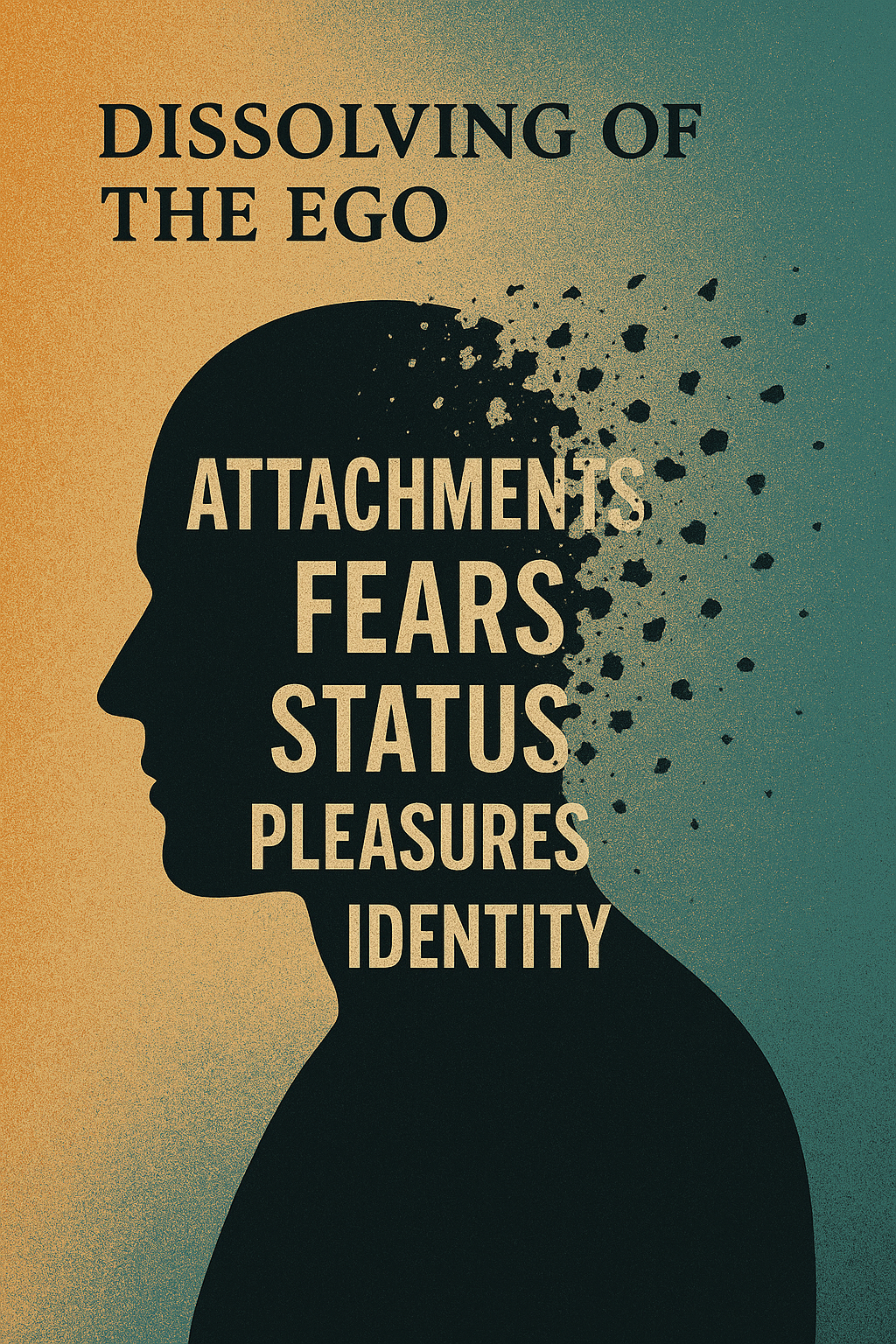
This article examines the concept of ego dissolution from psychological, spiritual, and neuroscientific perspectives. It discusses Carl Jung’s theory of individuation and the ego-Self axis, Eastern spiritual traditions’ critique of ego as separateness, and recent empirical studies that illuminate what happens in the brain and consciousness when the ego dissolves. I argue that ego dissolution is not destruction of self but transformation of self-construal, leading to greater integration, well-being, and freedom from suffering.

The ego is often construed as the individual’s sense of “I,” the center of identity that distinguishes self from others and external reality. While necessary for functioning, ego overidentification can lead to distress, separation, and suffering. The idea of ego dissolution, with its roots in spiritual traditions, refers to loosening this overidentification so that a person experiences a broader, more integrated, or nondual self-awareness. This essay draws on analytic psychology, Buddhist and Vedantic conceptualizations of self and no-self, and recent empirical work in neuroscience and psychology to explicate ego dissolution: what it is, how it is cultivated, and what effects it produces.

Jungian Psychology and Ego Dissolution

Carl Gustav Jung (1968/2014) distinguished between the ego, the conscious identity and the Self, which encompasses both conscious and unconscious aspects of the psyche. For Jung, psychological growth involves individuation, a process of integrating unconscious material (shadow, anima/animus, archetypes) into consciousness, thereby reducing rigid ego boundaries. Ego dissolution, in this framework, does not mean erasing identity but transforming it, allowing the ego to serve rather than dominate the psyche (Jung, 1968/2014).

Eastern Traditions: Ego, No-Self, and Liberation

Eastern spiritual traditions have long emphasized the illusory nature of the ego. In Buddhism, the doctrine of anatta (no-self) asserts that what is typically called the “self” is actually a collection of impermanent processes in the body, perception, sensation, volition, and consciousness, without enduring essence (Rahula, 1974). Similarly, Advaita Vedānta critiques ahamkara (ego-construct) as a distortion that veils realization of the true Self, or Atman, which is identical with Brahman (Deutsch, 1969). Practices such as meditation, chanting, and selfless service are designed to loosen egoic identification and reveal unity with all life.

Meditation and Neural Correlates of Ego Reduction

Neuroimaging studies show that meditation can attenuate activity in the default mode network (DMN), a brain system linked to self-referential processing (Brewer et al., 2011). Trautwein et al. (2024) demonstrated that suspension of self-experience in meditation is associated with reductions in beta-band power in the posterior medial cortex, indicating diminished self-related cognition. A meta-analysis of 78 neuroimaging studies similarly found overlapping brain regions, including the insula, anterior cingulate cortex, and frontopolar cortex, activated during various meditative states that reduce self-focus (Fox et al., 2016).

Psychedelics and Ego Dissolution

Psychedelics such as psilocybin and LSD also induce ego dissolution. Letheby and Gerrans (2017) argue that these substances temporarily disrupt the “self-model,” the brain’s predictive process of binding sensory, autobiographical, and emotional information into a coherent sense of self. Empirical studies confirm that ego dissolution under psychedelics correlates with decreased DMN connectivity and heightened subjective feelings of unity (Carhart-Harris et al., 2014). To quantify this phenomenon, Sleight et al. (2023) developed an Ego Dissolution Scale, validating it as a reliable measure for trait-like alterations of self-experience.

Comparing Meditation and Psychedelic States

While both meditation and psychedelics can reduce egoic self-construal, their phenomenology differs. Millière et al. (2018) note that meditation typically involves gradual training and control, whereas psychedelics often create abrupt, intense shifts. Both, however, highlight the malleability of self-experience and its neurobiological underpinnings.

Transformation, Effects, and Potential Benefits

Ego dissolution produces several psychological and existential benefits. Studies report decreases in anxiety, depression, and rumination, alongside increases in well-being, resilience, and emotional regulation (Griffiths et al., 2018). On the ethical level, reduced ego identification fosters empathy and compassion by dissolving boundaries between self and other (Lutz et al., 2008). Spiritually, ego dissolution facilitates experiences of interconnectedness and meaning beyond personal striving (Rahula, 1974).

However, challenges remain. Intense ego dissolution can provoke fear, disorientation, or existential anxiety. Furthermore, the risk of “spiritual ego” where one clings to superiority based on perceived enlightenment, demonstrates that ego can reassert itself even within spiritual practice (Wilber, 2000). Proper guidance and integration are essential for healthy outcomes.

The dissolving of the ego, whether framed through Jungian psychology, Buddhist philosophy, or contemporary neuroscience, is best understood not as annihilation but as transformation. It involves loosening rigid identifications, reducing self-referential dominance, and cultivating awareness of interconnectedness. While difficult and sometimes destabilizing, ego dissolution can lead to profound psychological healing, ethical growth, and spiritual insight.

References:

Brewer, J. A., Worhunsky, P. D., Gray, J. R., Tang, Y.-Y., Weber, J., & Kober, H. (2011). Meditation experience is associated with differences in default mode network activity and connectivity. Proceedings of the National Academy of Sciences, 108(50), 20254–20259. https://doi.org/10.1073/pnas.1112029108

Carhart-Harris, R. L., Leech, R., Hellyer, P. J., Shanahan, M., Feilding, A., Tagliazucchi, E., Chialvo, D. R., & Nutt, D. (2014). The entropic brain: A theory of conscious states informed by neuroimaging research with psychedelic drugs. Frontiers in Human Neuroscience, 8, 20. https://doi.org/10.3389/fnhum.2014.00020

Deutsch, E. (1969). Advaita Vedānta: A philosophical reconstruction. University of Hawaii Press. https://archive.org/details/advaitavedantaph0000deut/page/n5/mode/2up

Fox, K. C., Dixon, M. L., Nijeboer, S., Girn, M., Floman, J. L., Lifshitz, M., Ellamil, M., Sedlmeier, P., & Christoff, K. (2016). Functional neuroanatomy of meditation: A review and meta-analysis of 78 functional neuroimaging investigations. Neuroscience & Biobehavioral Reviews, 65, 208–228. https://doi.org/10.1016/j.neubiorev.2016.03.021

Griffiths, R. R., Johnson, M. W., Carducci, M. A., Umbricht, A., Richards, W. A., Richards, B. D., Cosimano, M. P., & Klinedinst, M. A. (2018). Psilocybin produces substantial and sustained decreases in depression and anxiety in patients with life-threatening cancer: A randomized double-blind trial. Journal of Psychopharmacology, 32(1), 49–69. https://doi.org/10.1177/0269881116675513

Jung, C.G. (1968). The Archetypes and the Collective Unconscious (R.F.C. Hull, Trans.; 2nd ed.). Routledge. https://doi.org/10.4324/9781315725642

Jung, C. G. (2014). Man and his symbols. Dell. (Original work published 1960). https://archive.org/details/B-001-004-443-ALL

Letheby, C., & Gerrans, P. (2017). Self unbound: Ego dissolution in psychedelic experience. Neuroscience of Consciousness, 2017(1), nix016. https://doi.org/10.1093/nc/nix016

Lutz, A., Brefczynski-Lewis, J., Johnstone, T., & Davidson, R. J. (2008). Regulation of the neural circuitry of emotion by compassion meditation: Effects of meditative expertise. PLoS ONE, 3(3), e1897. https://doi.org/10.1371/journal.pone.0001897

Millière, R., Carhart-Harris, R. L., Roseman, L., Trautwein, F.-M., & Berkovich-Ohana, A. (2018). Psychedelics, meditation, and self-consciousness. Frontiers in Psychology, 9, 1475. https://doi.org/10.3389/fpsyg.2018.01475

Rahula, W. (1974). What the Buddha taught (Rev. ed.). Grove Press. https://archive.org/details/whatbuddhataught00walp

Sleight, F. G., Lynn, S. J., Mattson, R. E., & McDonald, C. W. (2023). A novel ego dissolution scale: A construct validation study. Consciousness and Cognition, 109, 103474. https://doi.org/10.1016/j.concog.2023.103474

Trautwein, F.-M., Kettner, H., Giegling, I., Moosmann, M., Roseman, L., & Berkovich-Ohana, A. (2024). Neural correlates of suspended self-experience in meditation. Journal of Neuroscience, 44(26), e118223. https://doi.org/10.1523/JNEUROSCI.1182-23.2024

Wilber, K. (2000). Integral psychology: Consciousness, spirit, psychology, therapy. Shambhala. https://archive.org/details/integralpsycholo00wilb

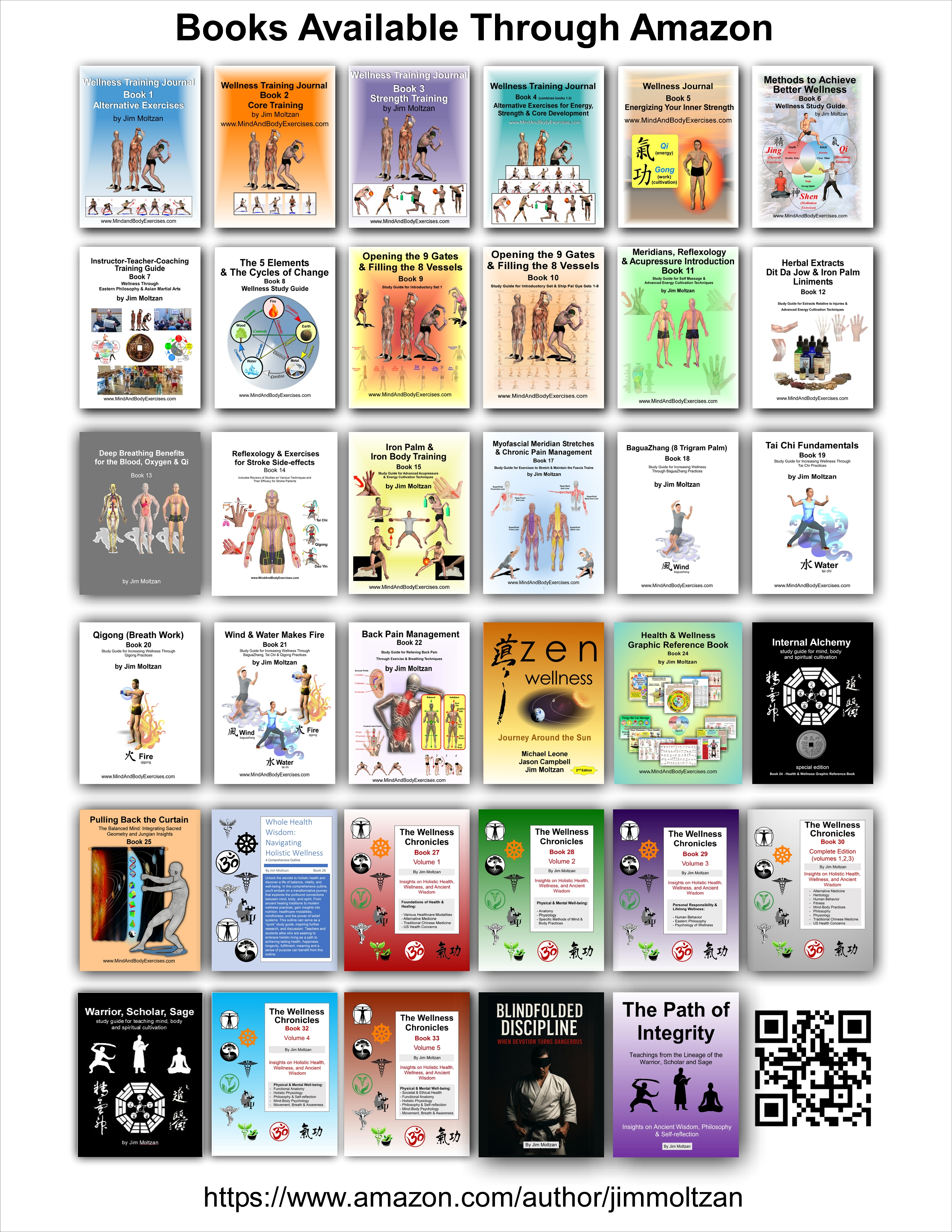
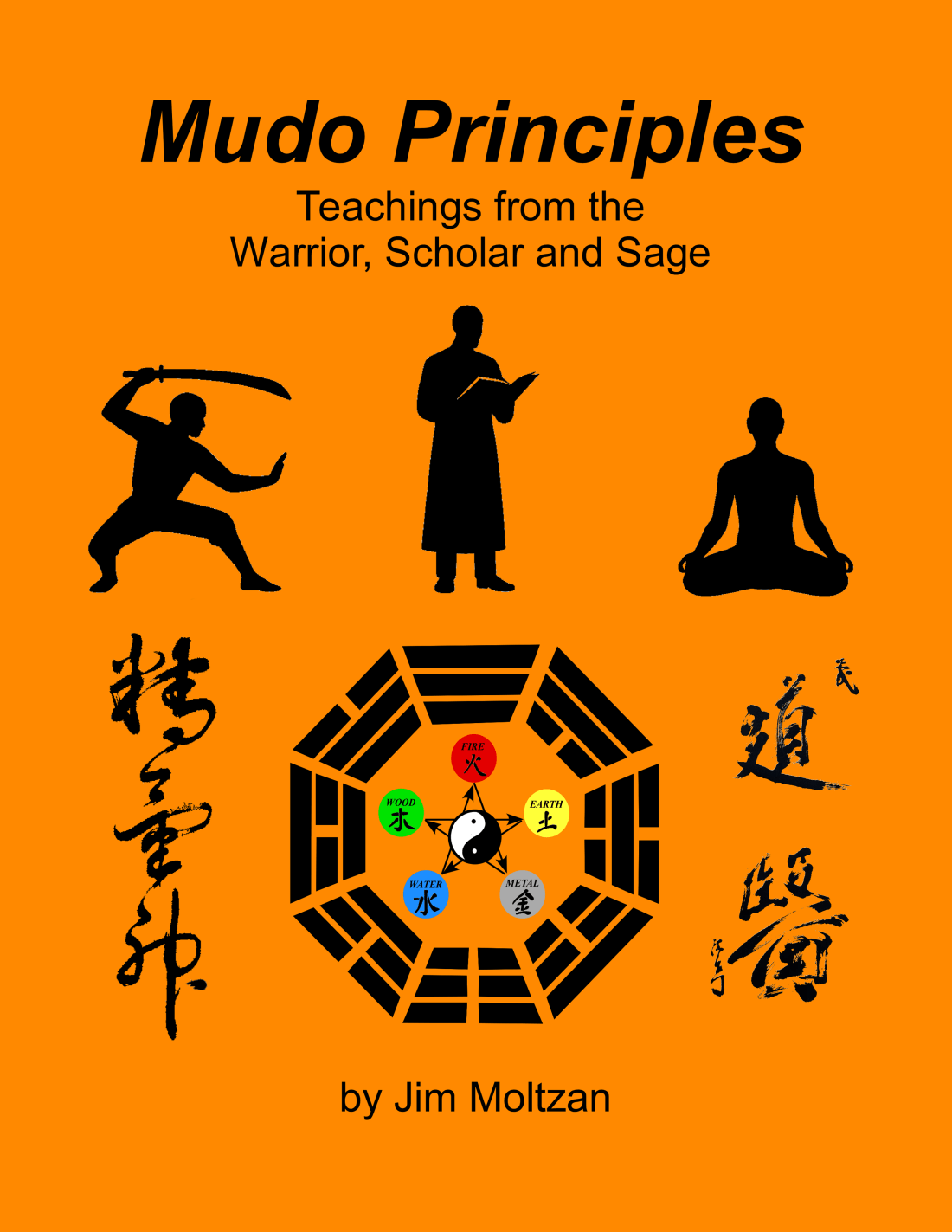
Mudo Principles: Teachings from the Warrior, Scholar, and Sage

My latest book: Mudo Principles: Teachings from the Warrior, Scholar, and Sage

For over forty years, I have devoted my life to the study and practice of martial arts, qigong, Daoist yoga, psychology, philosophy, and holistic health. In Mudo Principles, my 37th book distills a lifetime of exploration into one transformative reference guide that unites the paths of the Warrior, the Scholar, and the Sage, three archetypes that together form the foundation of the human journey toward strength, wisdom, and inner peace.

Drawing upon classical martial traditions and modern science, Mudo Principles bridges the physical, mental, and spiritual dimensions of self-cultivation. It is more than a martial arts manual. It is a blueprint for living with purpose, integrity, and harmony in a world that demands balance between body, mind, and spirit.

(This book is large with over 500 pages containing many color graphics; however, it does contain some of the information from Books 31-Warrior-Scholar-Sage, Book 35-The Path of Integrity and Book 36-Spritual Enlightenment Across Traditions)

Part I – Terminology & Foundations
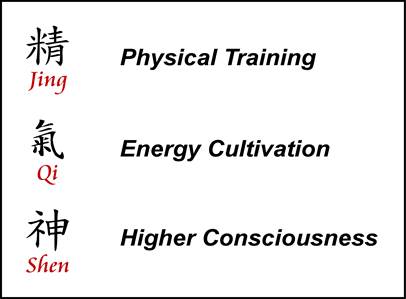
Establishes the essential language and structure of training. Includes comprehensive glossaries, practical instruction on discipline, energy cultivation, the Three Treasures (Jing–Qi–Shen), and the neurological science behind resilience. These foundational essays ground readers in both the external and internal dimensions of martial cultivation.

Part II – The Way of the Warrior
Explores the moral, physical, and spiritual foundations of the martial path. Essays examine the indomitable spirit, stance training, Shaolin symbolism at its 72 Arts, “burning the Chong Mai,” humility, and camaraderie. Here, martial discipline becomes a metaphor for moral strength and self-mastery.

Part III – The Way of the Scholar
Turns inward to the world of thought and inquiry. Topics include metacognition, the Dunning–Kruger effect, authenticity, mass psychology, myth versus legitimacy in martial traditions, and the ethics of teaching. This section trains the intellect to discern truth from illusion, linking ancient wisdom with modern psychology and scientific reasoning.

Part IV – The Way of the Sage
Leads beyond intellect to spiritual realization. Essays bridge faith, philosophy, and science, exploring quantum consciousness, Daoist inner alchemy, meditation, compassion, trauma healing, and the universal search for meaning.

Part V – Integration and the Path Forward
Synthesizes the lessons of the Warrior, Scholar, and Sage into a living philosophy for modern life and how to balance health, success, and purpose without losing one’s center.

Part VI – Appendices

A Pathway for the Modern Seeker
Mudo Principles serves martial artists, teachers, healers, philosophers, and all who seek to integrate physical strength, mental clarity, and spiritual understanding. It honors ancient traditions while addressing the unique challenges of contemporary life in stress, distraction, and disconnection from self and nature.

Through clear organization, over a hundred essays, and decades of lived wisdom, I invite the reader to:

  • Build discipline and resilience through mind–body training
  • Reclaim balance through ancient and modern methods of cultivation
  • Transform adversity into clarity, and confusion into purpose
  • Awaken the integrated self in the Warrior’s strength, the Scholar’s discernment, and the Sage’s compassion

This is a book for those who believe mastery begins within. Whether you are a lifelong martial artist or a modern seeker pursuing wholeness, Mudo Principles offers a map to transformation rooted in integrity, refined through discipline, and illuminated by wisdom.

Available on Amazon at: https://a.co/d/55dqOjh