Dim Mak, “Delayed Death Touch,” and the Myth of Physical Injury Without Contact

Origins and Lore

The concept of Dim Mak often translated “pressing the pulse/vessel”) occupies a curious place in martial lore. Sometimes referred to as the “delayed death touch,” it is imagined as a set of techniques targeting subtle points on the body to cause paralysis, unconsciousness, or even death, sometimes instantly, sometimes hours or days later. In Cantonese opera, wuxia fiction, and 20th-century martial arts marketing, this idea became a central trope. Related Japanese traditions, such as kyūsho-jutsu, also emphasize striking “vital points” (Kim & Bookey, 2008).

One historical root is the Bubishi, a Southern Chinese martial and medical manual carried to Okinawa and preserved in karate circles. It contains anatomical diagrams and pressure-point charts, blending medicine and combat knowledge. However, nothing in the Bubishi describes a reproducible “death touch on a timer.” The delayed-death legend is largely a product of mythologizing (McCarthy, 1995).

Physiological Realities

Although the notion of a mystical “death touch” has no scientific foundation, certain strikes can produce catastrophic effects. For example:

  • Commotio cordis: A sudden blow to the chest directly over the heart during a critical phase of the cardiac cycle can trigger lethal arrhythmias, especially in young athletes. Death is rapid, not delayed (Maron et al., 2010).
  • Carotid sinus reflex: Pressure or trauma at the neck can overstimulate baroreceptors, causing sudden fainting or, in rare cases, cardiac arrest (Sutton, 2014).
  • Internal injuries: Abdominal trauma may produce a delayed splenic rupture, with fatal bleeding occurring days after impact (Coccolini et al., 2017). Likewise, epidural hematomas following head trauma can present with a “lucid interval” before deterioration (Ganz, 2013). These medical realities may explain reports of “delayed death” after apparently minor strikes.

In short, so-called Dim Mak events correspond more closely to rare but recognized trauma complications, not an esoteric martial formula.

“Injury Without Touch” and Nei Gong

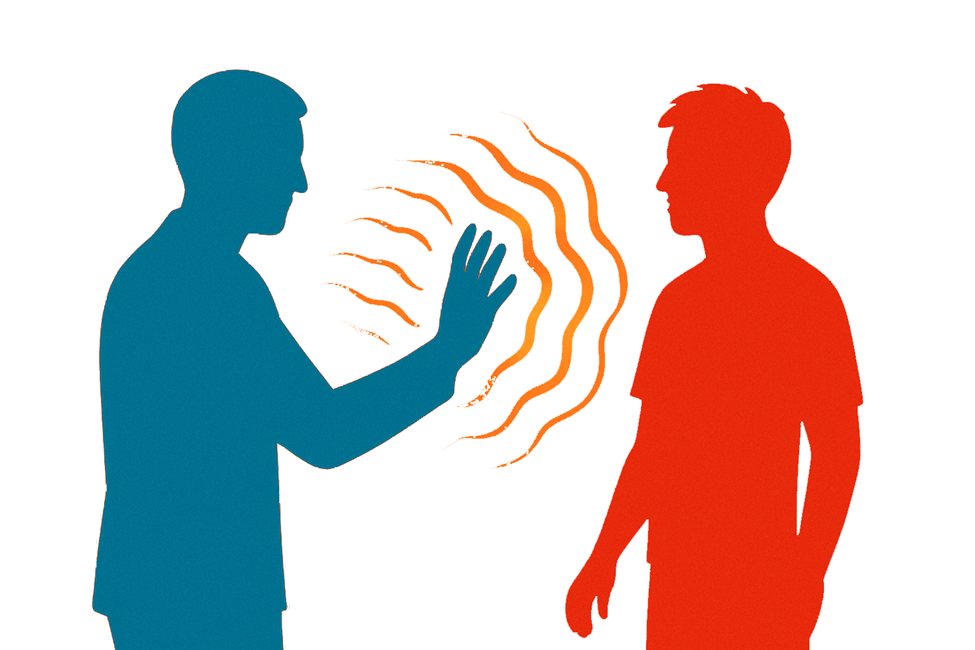
Claims that a Nei Gong (or neidan) master can injure or incapacitate another person without physical contact remain anecdotal and unverified. Controlled tests and skeptical investigations have repeatedly failed to reproduce reliable no-touch effects; where dramatic results are reported, more plausible explanations include expectancy and conditioned responses among students, theatrical staging or confederates, suggestion/hypnosis, and the nocebo/placebo effect. Importantly, some real medical conditions (for example, cardiac arrhythmia after blunt chest trauma or delayed intracranial bleeding) can cause delayed collapse and have sometimes been misattributed to mysterious causes — but these are documented trauma or medical events, not proof of transmissible ‘external qi.’ Because of the unpredictability of medical reactions, any attempt to provoke physiological responses in others without informed consent raises serious ethical and legal issues; responsible teachers therefore emphasize biomechanics, safety, and transparent demonstration methods rather than secret lethal techniques.

Some modern teachers link Dim Mak to nei gong (“internal work”) breath, alignment, and energetic exercises said to cultivate the ability to project qi or chi (vital force) externally. Demonstrations of “no-touch knockouts” or “chi projection” circulate widely, often framed as injury without contact.

Under controlled testing, however, such claims collapse. Televised investigations and academic studies show that subjects who are not suggestible or part of the teacher’s own group remain unaffected by “no-touch” attempts (Shermer, 1997). The most plausible explanation is psychological, where expectancy, compliance, or hypnotic influence are the cause, not physics or bioenergetics. Practitioners cannot safely test these methods without risking harm. Ethical training instead focuses on biomechanics, leverage, and simulation rather than attempts at real no-touch injury.

Why “injure without touch” raises serious moral problems

  • Unpredictable risk. Because some medical events (arrhythmia, stroke, internal bleeding) can be triggered unpredictably by stress or minor provocation, any attempt to produce physiological effects remotely risks serious harm. You cannot ethically justify causing that risk.
  • Consent & autonomy. Attempting to alter someone’s physiology or mental state without explicit, informed consent violates basic bodily and mental autonomy.
  • Deception and coercion. Teaching secret “no-touch” attack methods encourages deception, exploitation, and misuse, especially in hierarchical groups. That fosters abusive dynamics.
  • Legal exposure. Even “demonstrations” that cause collapse, panic, or later medical problems can produce criminal liability and civil suits. Teachers are responsible for foreseeable harm.

That said, nei gong is highly valuable when understood in biomechanical terms. Internal training improves body structure, breath regulation, and fa jin (explosive force issuance). This allows practitioners to deliver maximum impact with minimal motion and appear almost effortless. The “mystical” layer is metaphorical; the real effect is better mechanics (Frantzis, 2007).
Ethics and Modern Practice

Because of the risks of striking vulnerable areas, serious martial arts traditions emphasize responsibility. Knowing that a blow to the chest or neck could cause unforeseen medical emergencies, modern teachers stress restraint, safety protocols, and familiarity with first aid and CPR.

From a holistic view, Dim Mak reminds us that mythology often grows around kernels of truth. Striking the body does carry risk, but not in the cinematic, time-delayed fashion popularized in movies. Internal practices like nei gong do confer extraordinary skill, but by enhancing efficiency and coordination, not by transmitting lethal force through the air.

References:

Ganz, J. C. (2013). The lucid interval associated with epidural bleeding: Evolving understanding. Journal of Neurosurgery, 118(4), 739–745. https://doi.org/10.3171/2012.12.JNS121264

Coccolini, F., Montori, G., Catena, F., Kluger, Y., Biffl, W., Moore, E. E., Reva, V., Bing, C., Bala, M., Fugazzola, P., Bahouth, H., Marzi, I., Velmahos, G., Ivatury, R., Soreide, K., Horer, T., Broek, R. T., Pereira, B. M., Fraga, G. P., . . . Ansaloni, L. (2017). Splenic trauma: WSES classification and guidelines for adult and pediatric patients. World Journal of Emergency Surgery, 12(1). https://doi.org/10.1186/s13017-017-0151-4

Frantzis, B. K. (2007). Opening the energy gates of your body: Qigong for lifelong health. Blue Snake Books. https://archive.org/details/openingenergygat00fran

Kim, S. H. & Bookey. (2008). Vital point strikes. https://cdn.bookey.app/files/pdf/book/en/vital-point-strikes.pdf

Maron, B. J., Estes, N. A. M., Link, M. S., & Wang, P. J. (2010). Commotio cordis. New England Journal of Medicine, 362(10), 917–927. https://doi.org/10.1056/NEJMra0910111

McCarthy, P. (1995). The Bubishi: The Bible of karate. Tuttle Publishing. https://ia801201.us.archive.org/32/items/do-it-yourself-and-survival-pdfs/The%20Bible%20of%20Karate_%20Bubishi%20%28%20PDFDrive%20%29_text.pdf

Shermer, M. (1997). Why people believe weird things: Pseudoscience, superstition, and other confusions of our time (rev. ed.). Holt Paperbacks. https://archive.org/details/whypeoplebelieve0000sher

Sutton, R. (2014). Carotid sinus syndrome: Progress in understanding and management. Global Cardiology Science & Practice, 2014(2), 18. https://doi.org/10.5339/gcsp.2014.18

“Heaven and Earth, Turned Upside Down”

“Heaven and Earth, Turned Upside Down” is a phrase that means a complete and radical upheaval or change, signifying a situation where the established order is completely disrupted and everything is thrown into chaos as if the natural order of the universe has been reversed; essentially, a dramatic and significant change where the normal way of things is completely overturned.

The concept of “Heaven and Earth, turned upside down” appears in various Chinese philosophical and esoteric traditions, including Daoism (I Ching), and martial arts. It often symbolizes a reversal of natural order, transformation, or a shift in perception.

  1. Reversal of Cosmic Order
    • Normally, Heaven (Yang) is above, and Earth (Yin) is below. Flipping this order suggests a paradox, disorder, or a fundamental transformation of reality.
    • It can imply chaos, breaking norms, or a cosmic shift that forces new perspectives.
  2. Daoist Alchemy & Inner Transformation
    • In Daoist internal alchemy (Neidan), reversing Heaven and Earth can symbolize inner transformation, where the ordinary world is transcended.
    • It is sometimes associated with the Microcosmic Orbit practice, where energy (Qi) circulates against its usual flow to achieve spiritual enlightenment.
  3. I Ching Influence
    • Certain hexagrams in the I Ching hint at the reversal of Heaven and Earth, representing a dramatic change, like Hexagram 12 (Pí, Stagnation) vs. Hexagram 11 (Tài, Peace).
    • When the natural order is disrupted, it can indicate a need for adaptation, renewal, or a deeper understanding of balance.
  4. Martial Arts & Strategy
    • Some martial philosophies reference this idea in unexpected tactics, adaptability, and overturning conventional wisdom in combat.
    • It relates to Sun Tzu’s “Art of War” principles, where flipping the expected order creates strategic advantage.
  5. Spiritual Awakening & Perception Shift
    • A mystical interpretation suggests seeing beyond illusion (Maya) or breaking free from conventional thought.
    • It resonates with Zen and Chan Buddhism’s use of paradox to awaken deeper understanding.

I look forward to further sharing more of my message by partnering with hospitals, wellness centers, VA centers, schools on all levels, businesses, and individuals who see the value in building a stronger nation through building a healthier population.

I also have hundreds of FREE education video classes, lectures, and seminars available on my YouTube channel at:

https://www.youtube.com/c/MindandBodyExercises

Many of my publications can be found on Amazon at:

http://www.Amazon.com/author/jimmoltzan

My holistic health blog is available at:

https://mindandbodyexercises.wordpress.com/

http://www.MindAndBodyExercises.com

Mind and Body Exercises on Google: https://posts.gle/aD47Qo

Jim Moltzan

407-234-0119

The Flow State Across Martial Arts, Qigong, and Meditation

Integrating Concepts of Mushin, Wu Wei, Song, and More

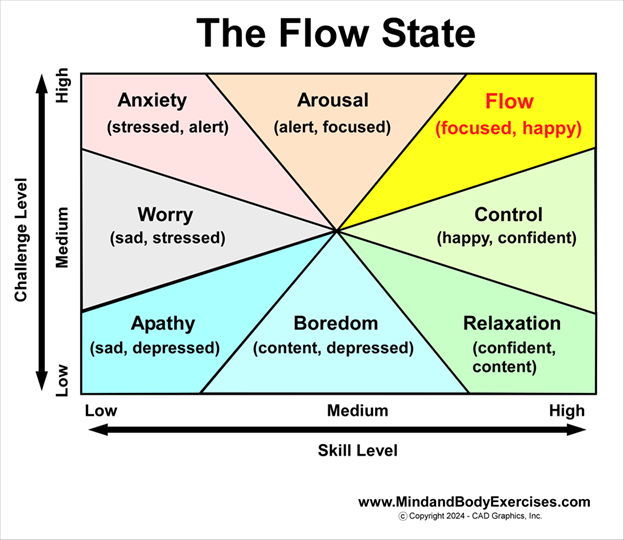
In Western psychology, being “in the zone” or in a “flow state” describes a mental state of deep absorption where time perception fades, awareness sharpens, and actions become effortless (Csikszentmihalyi, 1990). This state is not unique to modern science. In fact, many ancient practices such as martial arts, qigong, meditation, and the aesthetic traditions of the East, have long cultivated similar states using different terminology and methods.

While “flow” emphasizes optimal performance, many Eastern terms go deeper: they describe integration of body, mind, breath, and spirit, often in accord with the Dao or an underlying natural order. Let us explore these terms and their significance.

Martial Arts: Mushin and Zanshin

In Japanese martial arts, the state of flow is often described using the Zen-influenced term Mushin, meaning “no mind” or “empty mind.” It refers to a condition in which the practitioner acts without conscious deliberation, relying on trained reflexes and spontaneous awareness. The mind is free of distraction and fear; movements are clear and fluid (Herrigel, 1953).

Another related term is Zanshin, or “remaining mind.” This describes a calm, continuous state of alertness both during and after action, with a sustained, integrated awareness (Lowry, 1986).

Through rigorous training, repeated kata, sparring, and meditation, martial artists cultivate these states, allowing them to respond to changing situations naturally and without hesitation.

_______

Qigong and Tai Chi: Wu Wei, Song, Ziran, and Yi

In Chinese internal arts such as Tai Chi, Bagua Zhang, and other methods like Qigong, the flow state is cultivated through the integration of several core concepts:

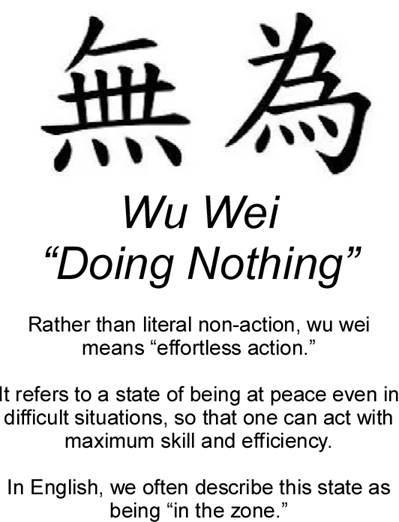
  • Wu Wei: Effortless action. Rooted in Daoist philosophy, Wu Wei refers to acting in harmony with nature, without forcing or striving (Laozi, trans. Legge, 1891). Movements arise spontaneously, guided by deep awareness and connection to the environment.
  • Song: Relaxed yet structured looseness. Song is a key internal martial arts term meaning to release unnecessary tension while maintaining structural integrity. One does not collapse but rather cultivates a state of “alive relaxation” where Qi and movement can flow freely (Frantzis, 2006). True Song supports entering a flow state because body and mind are soft, open, and responsive.
  • Ziran: Naturalness or spontaneity. An expression of advanced internal arts practice, where movement flows without contrivance or self-conscious control.
  • Yi Nian and Yi: Single-pointed intent. In flow, the practitioner’s intention guides movement seamlessly, without overt mental effort.

Breath control, slow mindful repetition, and the cultivation of Song are critical methods for achieving this state in Qigong and Tai Chi. Over time, this leads to “moving meditation” as natural expression of flow.

Meditation and Zen: Dhyana, Samadhi, and Mo Nian

Meditative traditions in both Buddhism and Daoism have long described states equivalent to flow:

  • Dhyana / Chan / Zen: The state of deep meditative absorption where thought activity diminishes and awareness becomes unified and clear (Suzuki, 1956).
  • Samadhi: A condition of profound stillness and concentration where the practitioner merges with the object of focus, whether in seated meditation or in daily life. In Zen arts, this leads to flow in action.
  • Mo Nian: Silent awareness, a state where the practitioner moves or acts without inner verbalization, essential for flow in both meditation and movement disciplines.

Meditative flow emerges through long-term attention training and breath practices that stabilize awareness and diminish ego identification.

Aesthetic and Cultural Practices: Qi Yun Sheng Dong and Shin-Gi-Tai

The flow state is not limited to combat or health practices. In Chinese painting, calligraphy, and Japanese tea ceremony, similar ideals appear:

  • Qi Yun Sheng Dong: Spirit resonance giving life to the art. This describes the energetic liveliness and authenticity that arises when the artist enters a flow state through their medium (Cahill, 1994).
  • Shin-Gi-Tai: Unity of heart-mind, technique, and body. A Japanese term often used in martial and aesthetic disciplines, referring to the seamless integration of inner intent, technical skill, and embodied expression (Lowry, 1986).

Artists achieve this state through decades of technical refinement coupled with deep mental stillness, allowing spontaneous creativity to arise.

Summary Table: Key Terms for Flow in Eastern Practices

DomainTerm(s)Nature of Flow Experience
Martial ArtsMushin, ZanshinSpontaneous action and sustained awareness in combat
Qigong / Tai ChiWu Wei, Song, Ziran, Yi NianBreath-body-mind integration; relaxed yet dynamic responsiveness
MeditationDhyana, Samadhi, Mo NianUnified attention; timeless presence
Arts & AestheticsQi Yun Sheng Dong, Shin-Gi-TaiFlow through artistic expression and technical mastery

What modern science calls “flow” is deeply embedded in ancient mind-body disciplines. Concepts such as Mushin, Wu Wei, and especially Song describe not merely optimal performance, but the harmonization of self with nature and the present moment. Practitioners of martial arts, Qigong, and meditation seek not only to achieve flow for its benefits, but as a means of deep personal cultivation.

When body, breath, mind, and intention become one, Song releases tension, Yi guides movement, and Wu Wei allows action to arise naturally, the practitioner touches the essence of flow and embodies timeless wisdom.

References:

Cahill, J. (1994). The Lyric Journey: Poetic Painting in China and Japan. Harvard University Press.

Csikszentmihalyi, M. (1990). Flow: the psychology of optimal experience. ResearchGate. https://www.researchgate.net/publication/224927532_Flow_The_Psychology_of_Optimal_Experience

Frantzis, B. K. (2006). The Power of Internal Martial Arts and Chi: Combat and Energy Secrets of Ba Gua, Tai Chi, and Hsing-I. Blue Snake Books. https://archive.org/details/powerofinternalm0000fran

Herrigel, E. (1953). Zen in the Art of Archery (R. F. C. Hull, Trans.). Pantheon Books. https://archive.org/details/zeninartofarcher00herrrich/page/n9/mode/2up

Laozi. (1891). Tao Te Ching (J. Legge, Trans.). The Clarendon Press. https://archive.org/details/laozi_tao-te-ching

Lowry, D. (1986). Autumn Lightning: The Education of an American Samurai. Shambhala. https://archive.org/details/autumnlightninge0000lowr

Suzuki, D. T. (1956). Zen Buddhism: Selected Writings of D. T. Suzuki. Doubleday Anchor Books. https://archive.org/details/zenbuddhismselec00dais

Sun Therapy

From Nobel Prize Recognition to Modern Reassessment

The therapeutic use of sunlight, also known as heliotherapy, has roots in ancient medicine. Cultures such as the Egyptians, Greeks, and Romans prescribed sun exposure for health and vitality, believing it could improve physical and spiritual well-being (Holick, 2016). By the 19th and early 20th centuries, heliotherapy became widely adopted in Europe and North America as a treatment for conditions like rickets, skin diseases, and tuberculosis, particularly in sanatoria where sunlight and fresh air were emphasized (Sunlight, Outdoor Light, and Light Therapy in Disease Management, n.d.).

Nobel Prize Recognition

The scientific validation of light therapy was established through the work of Niels Ryberg Finsen. Finsen demonstrated that concentrated light, particularly ultraviolet rays, could be used to treat lupus vulgaris, a severe cutaneous form of tuberculosis. For this innovation, he was awarded the 1903 Nobel Prize in Physiology or Medicine “in recognition of his contribution to the treatment of diseases, especially lupus vulgaris, with concentrated light radiation” (Nobel Prize, 1903/2024). His research marked a pivotal moment in medical science, as it represented one of the earliest successful applications of light as a therapeutic modality (Grzybowski et al., 2016).

Decline of Traditional Sun Therapy

Despite its early success, enthusiasm for heliotherapy declined in the mid-20th century. The discovery of antibiotics, such as streptomycin in the 1940s, rendered heliotherapy obsolete for treating tuberculosis (Daniel, 2006). Furthermore, as scientific understanding of ultraviolet radiation advanced, physicians began to recognize the dangers of excessive sun exposure, including premature aging of the skin, immune suppression, and increased risk of skin cancers (Narayanan et al., 2010). Public health messages shifted from promoting unregulated sun exposure to encouraging cautious, limited exposure combined with sun protection.

Contemporary Perspectives

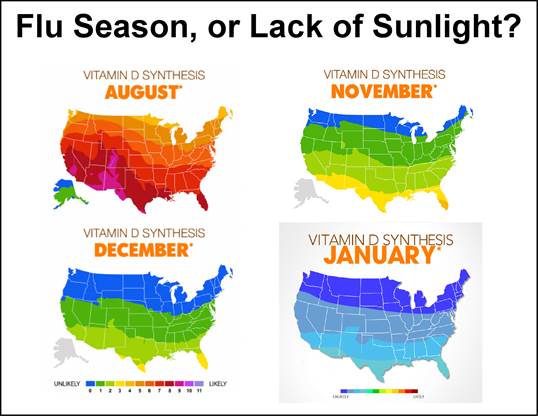
Today, sunlight is still acknowledged as vital for vitamin D synthesis, which is critical for bone health, immune regulation, and overall wellness (Holick, 2007). Modern medicine has also refined phototherapy, using specific wavelengths of artificial light for targeted conditions such as psoriasis, vitiligo, neonatal jaundice, and seasonal affective disorder (Roelandts, 2002). This demonstrates how the legacy of heliotherapy has evolved from generalized “sun cures” to scientifically controlled light-based treatments.

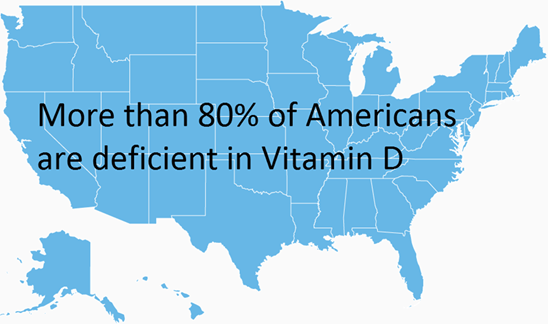
However, in modern times, a global trend of sun avoidance has contributed to widespread vitamin D deficiency. Public health campaigns emphasizing sun protection, urbanized lifestyles, and increased time spent indoors have led many individuals to receive insufficient sunlight exposure. Vitamin D deficiency is now recognized as a global public health issue, affecting over one billion people worldwide (Holick, 2007; Cashman et al., 2016). Consequences include increased risk for osteoporosis, impaired immune function, cardiovascular disease, and even mood disorders. Ironically, in moving away from the risks of excessive sunlight, societies have created new health challenges associated with inadequate sun exposure.

Conclusion

Sun therapy reflects a fascinating chapter in medical history where natural elements were harnessed as medicine, validated by a Nobel Prize, and later re-evaluated in light of modern science. While traditional heliotherapy is no longer widely practiced, its influence persists in contemporary phototherapy, offering safe and effective treatments under controlled conditions. The story of sun therapy underscores the evolving nature of medical practice, where initial enthusiasm, scientific innovation, and later risk assessment converge to shape how therapies are applied in modern healthcare.

References:

Cashman, K. D., Dowling, K. G., Škrabáková, Z., Gonzalez-Gross, M., Valtueña, J., De Henauw, S., … Kiely, M. (2016). Vitamin D deficiency in Europe: Pandemic? The American Journal of Clinical Nutrition, 103(4), 1033–1044. https://doi.org/10.3945/ajcn.115.120873

Daniel, T. M. (2006). The history of tuberculosis. Respiratory Medicine, 100(11), 1862–1870. https://doi.org/10.1016/j.rmed.2006.08.006

Grzybowski, A., Sak, J., & Pawlikowski, J. (2016). A brief report on the history of phototherapy. Clinics in Dermatology, 34(5), 532–537. https://doi.org/10.1016/j.clindermatol.2016.05.002

Holick, M. F. (2007). Vitamin D deficiency. The New England Journal of Medicine, 357(3), 266–281. https://doi.org/10.1056/NEJMra070553

Holick, M. F. (2016). Biological effects of sunlight, ultraviolet radiation, visible light, infrared radiation and vitamin D for health. Anticancer Research, 36(3), 1345–1356. https://ar.iiarjournals.org/content/36/3/1345

Roelandts, R. (2002). The history of phototherapy: Something new under the sun? Journal of the American Academy of Dermatology, 46(6), 926–930. https://doi.org/10.1067/mjd.2002.121354

Narayanan, D. L., Saladi, R. N., & Fox, J. L. (2010). Ultraviolet radiation and skin cancer. International Journal of Dermatology, 49(9), 978–986. https://doi.org/10.1111/j.1365-4632.2010.04474.x

Nobel Prize. (1903/2024). The Nobel Prize in Physiology or Medicine 1903: Niels Ryberg Finsen. NobelPrize.org. https://www.nobelprize.org/prizes/medicine/1903/finsen

Sunlight, outdoor light, and light therapy in disease management. (n.d.). Physiopedia. https://www.physio-pedia.com/Sunlight,_Outdoor_Light,_and_Light_Therapy_in_Disease_Management

Ancient Paths, Modern Peace: The Many Names of Enlightenment

In today’s evolving conversation around holistic health, enlightenment is resurfacing-not just as an esoteric ideal, but as a practical and deep personal milestone within the journey toward total well-being. While often associated with mystics and monks, the essence of enlightenment has long been embedded across spiritual and philosophical traditions. It speaks to a universal longing: to understand oneself and one’s place in the world, to live with clarity, and to experience inner peace.

Holistic health recognizes that true wellness includes not only the body but also the mind and spirit. When we explore enlightenment through this lens, it becomes less about dogma and more about the integration of awareness, connection, and personal transformation.

The Ancient Roots of Enlightenment: A Chronological Perspective

Across time and culture, humanity has reached for a transcendent state of wisdom and peace. Below is a historical look at how various traditions have been understood and named this experience:

Moksha refers to liberation from the cycle of rebirth (samsara) and the realization of one’s oneness with the Absolute (Brahman). It emphasizes self-discipline, devotion, and philosophical inquiry-principles that resonate with today’s holistic approaches to mindfulness and self-mastery.

Devekut means “cleaving to God.” It reflects an intense spiritual attachment and connection to the Divine, often nurtured through prayer, meditation on sacred texts, and acts of compassion. This mirrors modern interests in sacred ritual and spiritual intimacy within daily life.

Wu Wei, or “effortless action,” describes harmony with the Tao, or the natural order of the universe. It aligns beautifully with holistic living that promotes flow, simplicity, and balance through nature-based rhythms and minimalism.

Nirvana is the extinguishing of suffering, ignorance, and attachment. It is the ultimate liberation, discovered through the practice of mindfulness, ethical living, and meditative insight. Bodhi, or awakening, describes the experiential realization that leads to this state.

Illumination refers to the inner light that arises from divine communion. Practices like contemplative prayer, solitude, and service are paths to this inner radiance-echoing today’s focus on stillness, presence, and soul care.

Fana means the annihilation of the ego in the presence of God. In Sufi mysticism, it represents a deep surrender to divine love and truth-concepts that are increasingly embraced in emotional healing and ego work in holistic circles.

Mukti signifies liberation from illusion and ego, and union with the Divine. It emphasizes selfless service, devotion, and equality principles foundational to both spiritual growth and community wellness.

Awakening / Self-Realization are the modern synthesis of East and West view of enlightenment as awakening to one’s true nature. It often includes energy healing, intuitive development, and psychological integration-key aspects of the modern wellness movement.

Enlightenment and Holistic Wellness Today

In the context of holistic health, enlightenment is not about escaping the world. It’s about engaging more deeply with it-intentionally, mindfully, and compassionately. Whether it’s through yoga, mindful breathing, journaling, plant-based living, or spiritual inquiry, modern seekers are finding meaning in small, integrative practices that support mental clarity, emotional balance, and spiritual peace.

Importantly, enlightenment today is rarely seen as a final destination. Instead, it is a living process-a series of ongoing realizations and subtle shifts in consciousness. As individuals become more aware of their thoughts, behaviors, and purpose, they naturally align with states once reserved for sages and saints.

Why This Matters

In a time marked by information overload, stress, and disconnection, the timeless quest for enlightenment reminds us to return to our core. Holistic health is not just about the absence of disease-it is about the presence of meaning, clarity, compassion, and connection. Enlightenment, in all its cultural forms, is a call back to wholeness.

Whether you name it nirvana, moksha, awakening, or simply inner peace, the pursuit of higher awareness remains one of humanity’s most enduring and necessary journeys.

I teach and offer lectures about holistic health, physical fitness, stress management, human behavior, meditation, phytotherapy (herbs), music for healing, self-massage (acupressure), Daoyin (yoga), qigong, tai chi, and baguazhang.

Please contact me if you, your business, organization, or group, might be interested in hosting me to speak on a wide spectrum of topics relative to better health, fitness, and well-being.

I look forward to further sharing more of my message by partnering with hospitals, wellness centers, VA centers, schools on all levels, businesses, and individuals who see the value in building a stronger nation through building a healthier population.

I also have hundreds of FREE education video classes, lectures, and seminars available on my YouTube channel at:

https://www.youtube.com/c/MindandBodyExercises

Many of my publications can be found on Amazon at:

http://www.Amazon.com/author/jimmoltzan

My holistic health blog is available at:

https://mindandbodyexercises.wordpress.com/

http://www.MindAndBodyExercises.com

Mind and Body Exercises on Google: https://posts.gle/aD47Qo

Jim Moltzan

407-234-0119